




These The End of Bipolarity handwritten notes turn the whole collapse-of-the-USSR chapter into clean, handwritten pages for fast last-minute revision. They follow the 2026-27 CBSE syllabus and Chapter 1 of Contemporary World Politics. Students get the dates, key terms, the causes of collapse and the Shock Therapy debate in a pen-on-paper format that is easy to skim before a test.
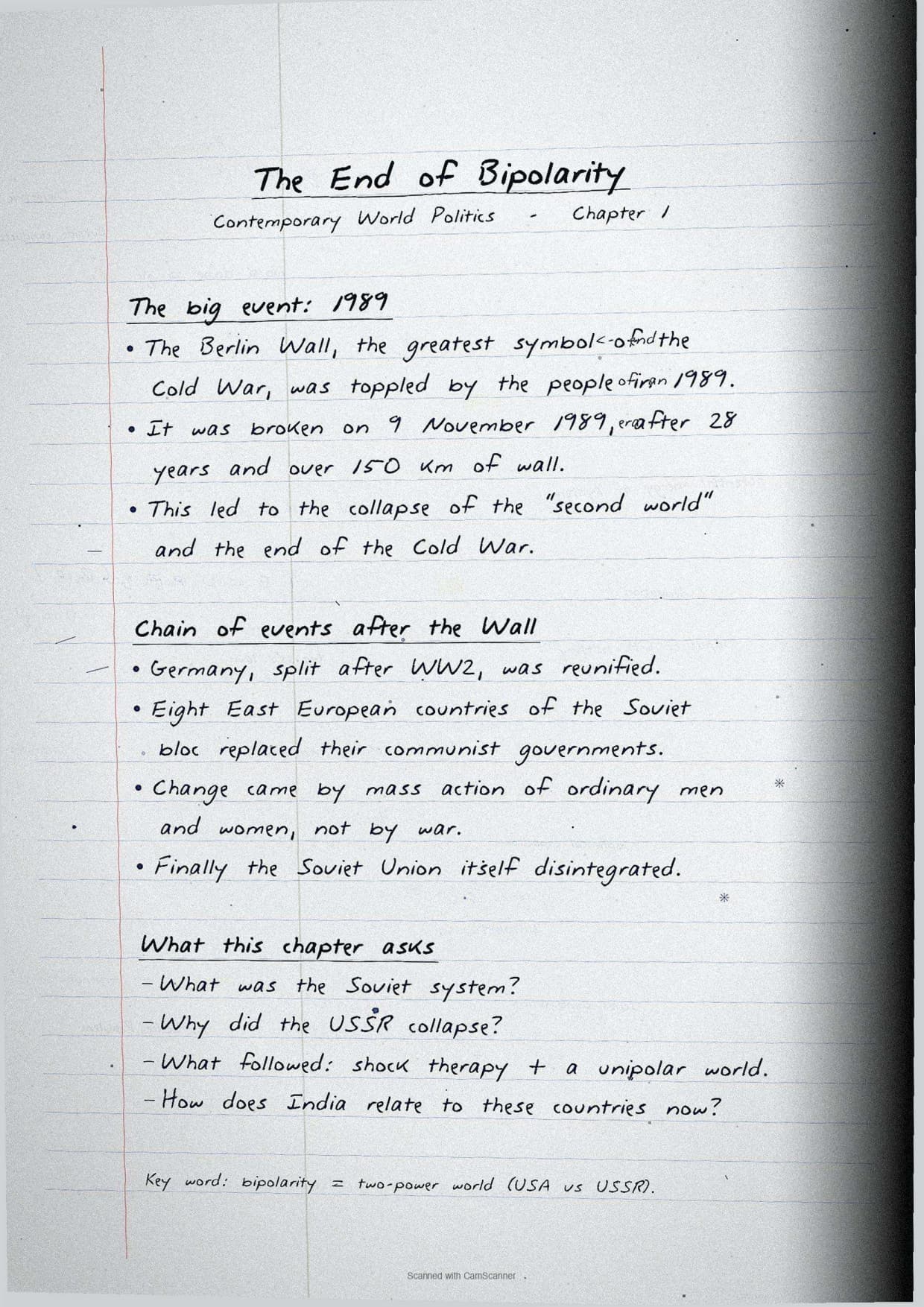
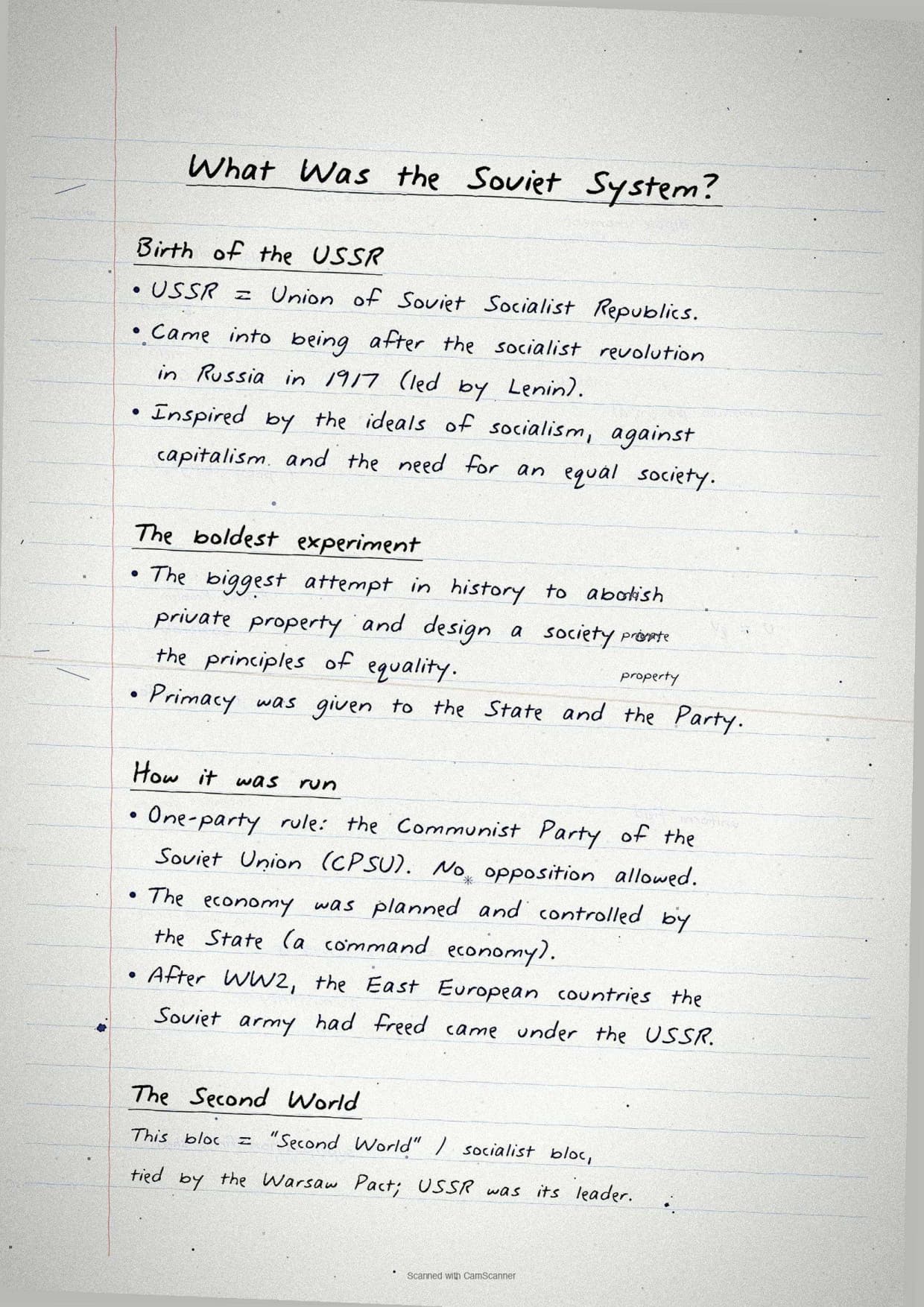
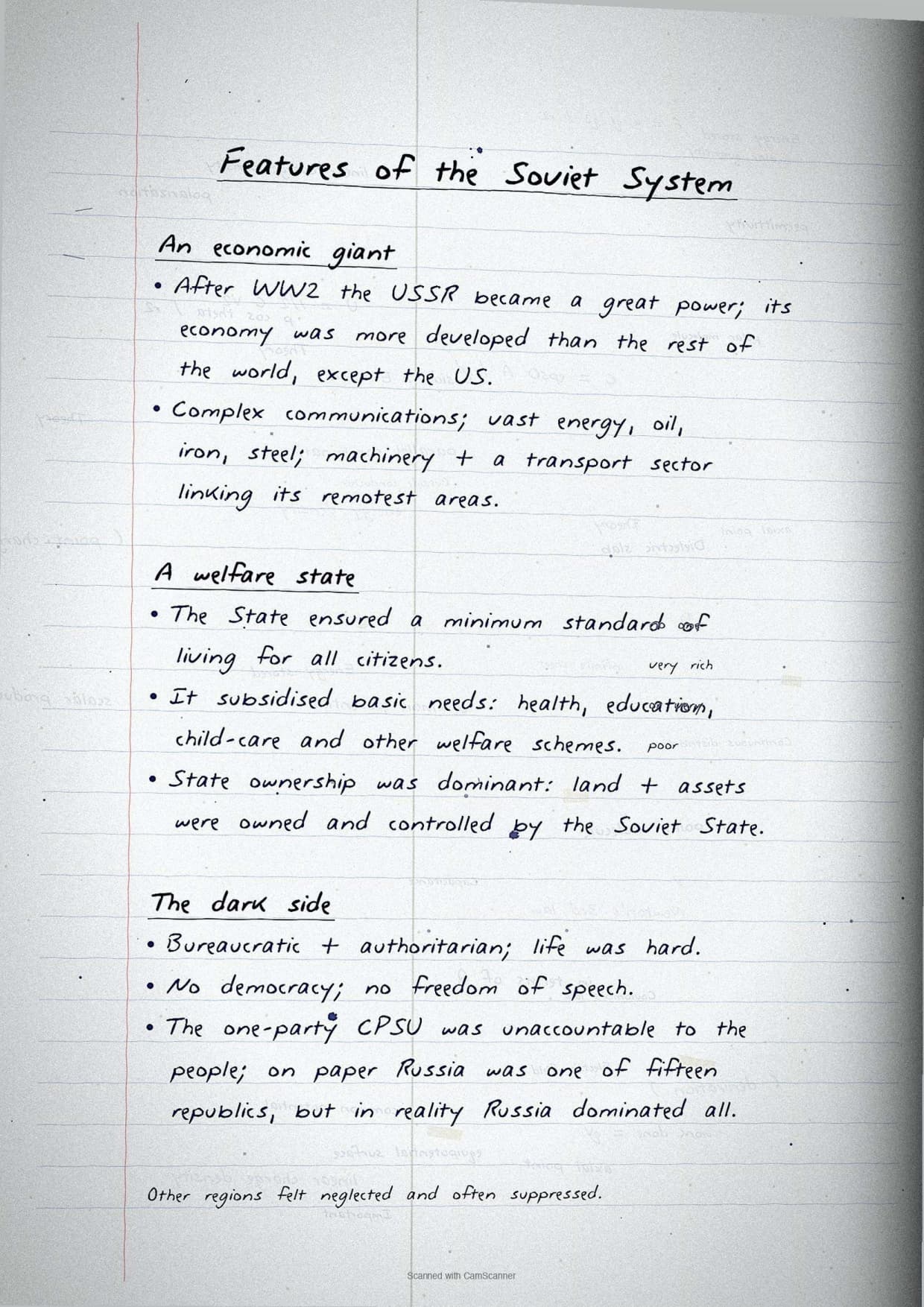
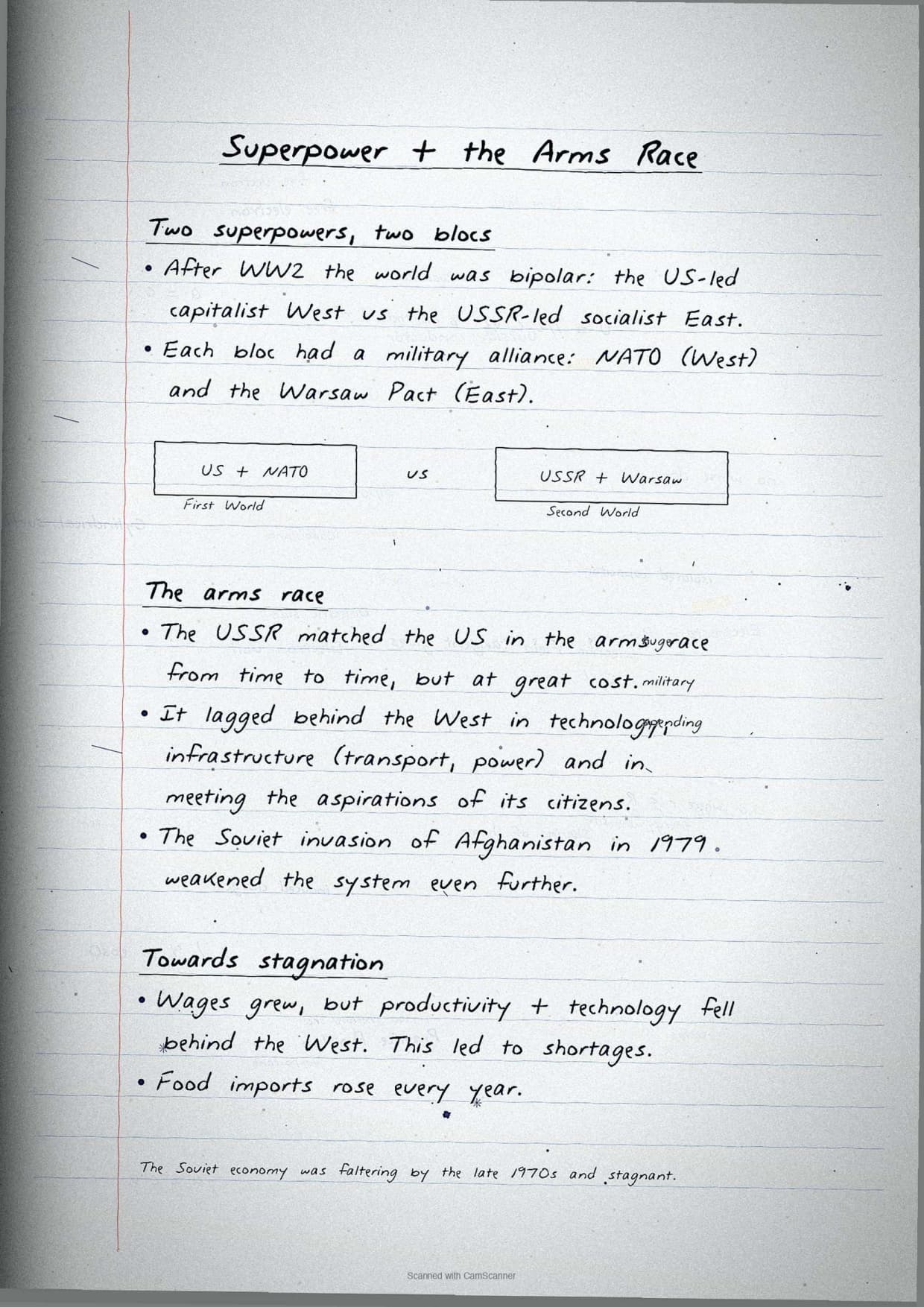
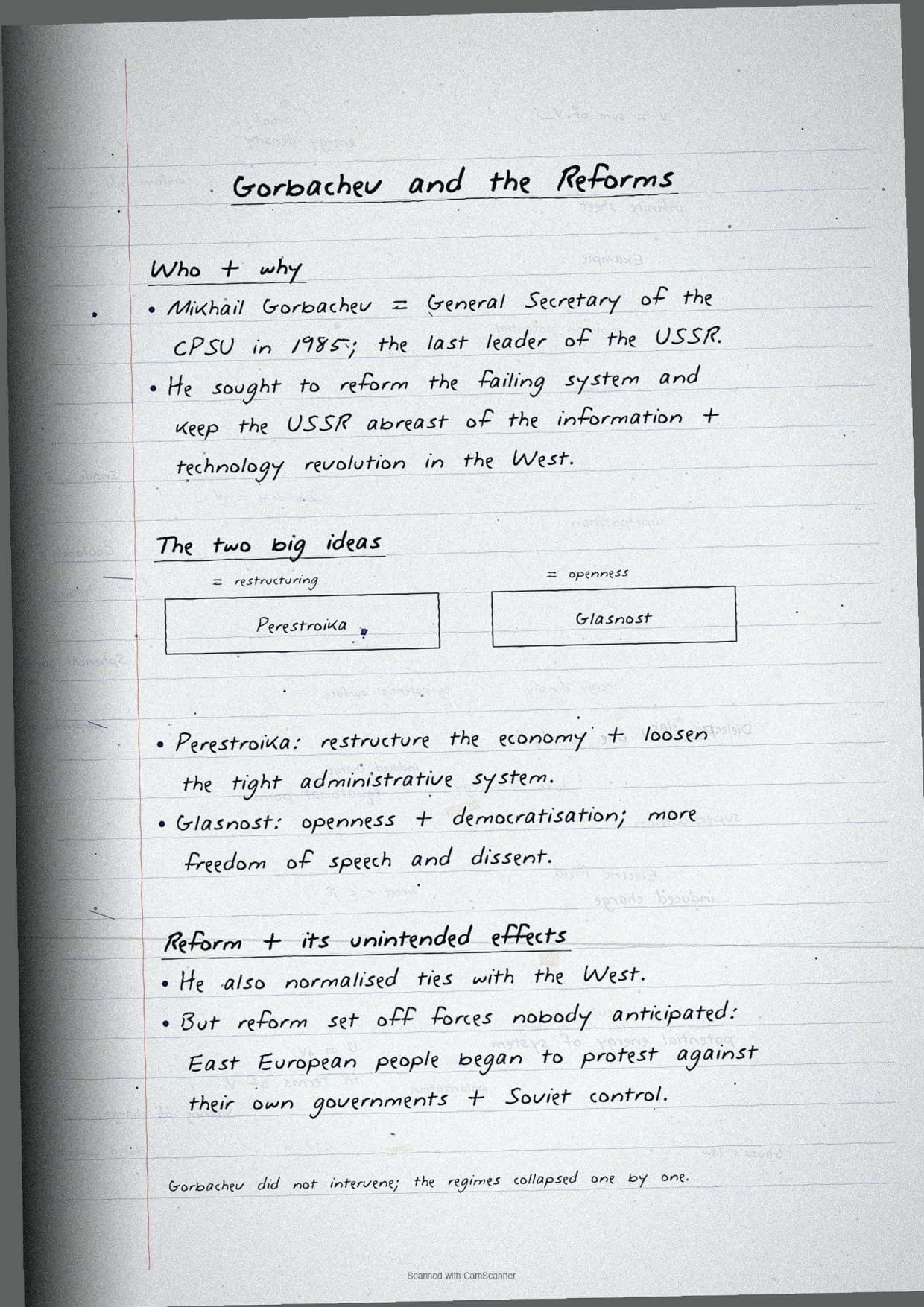
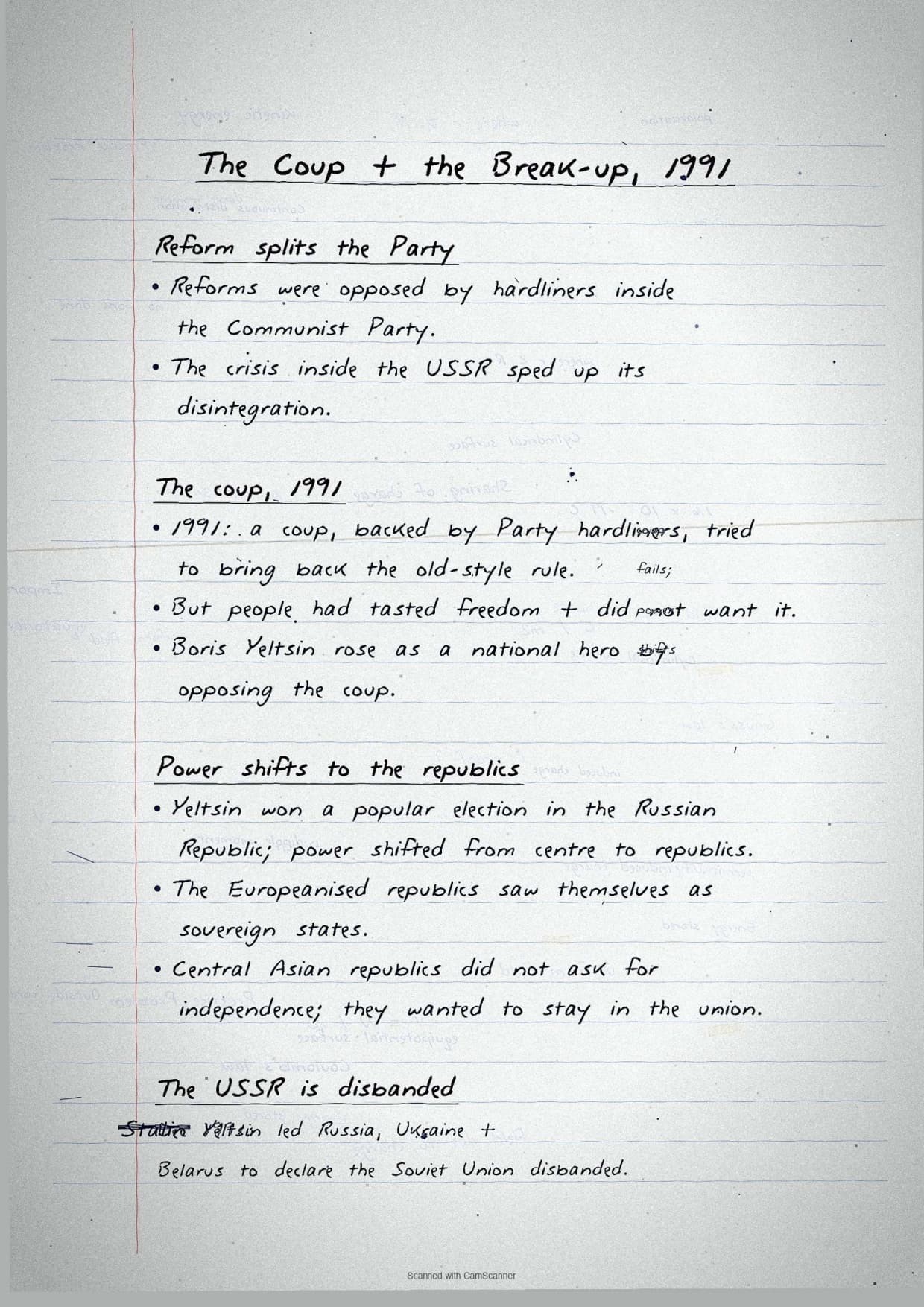
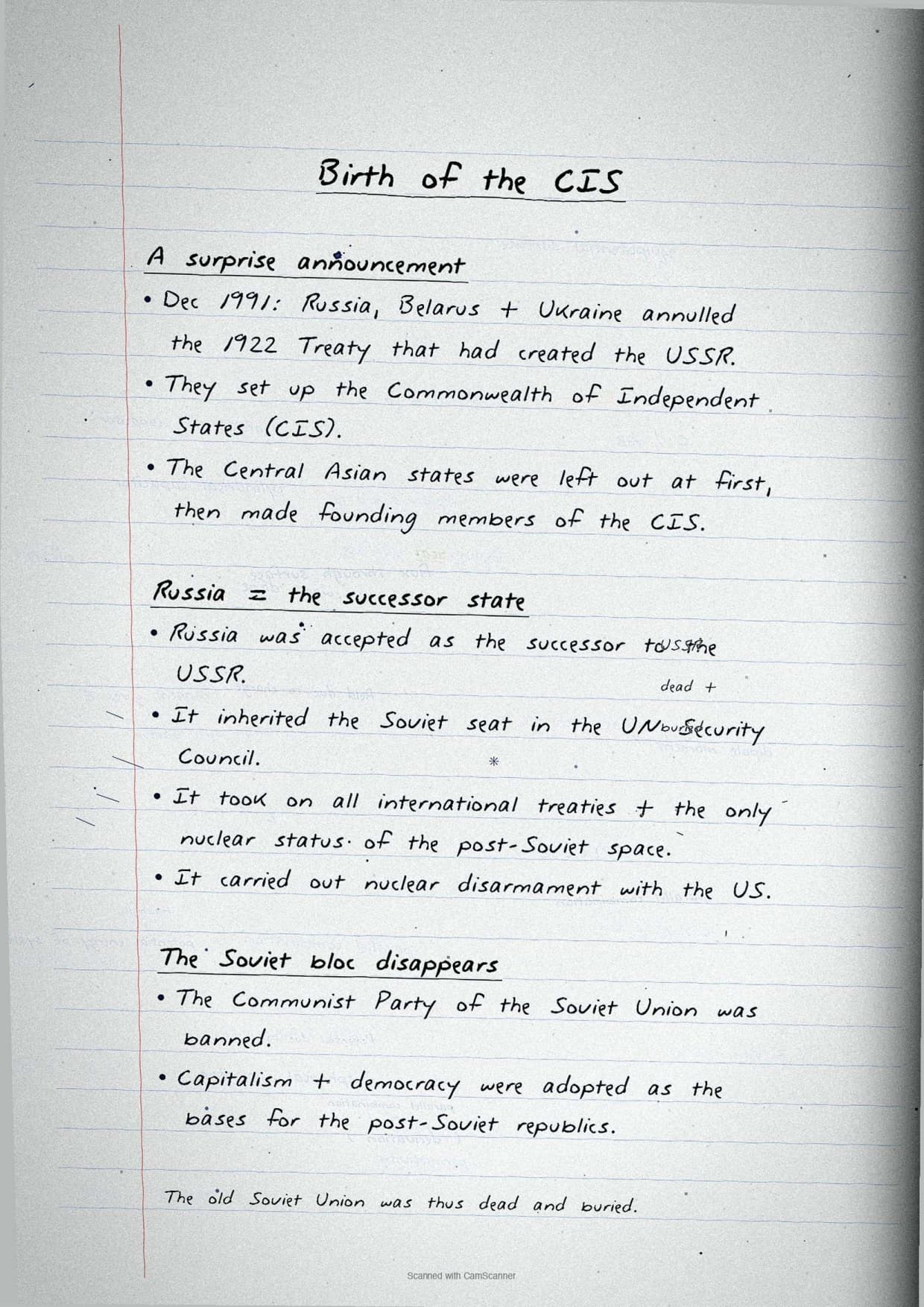
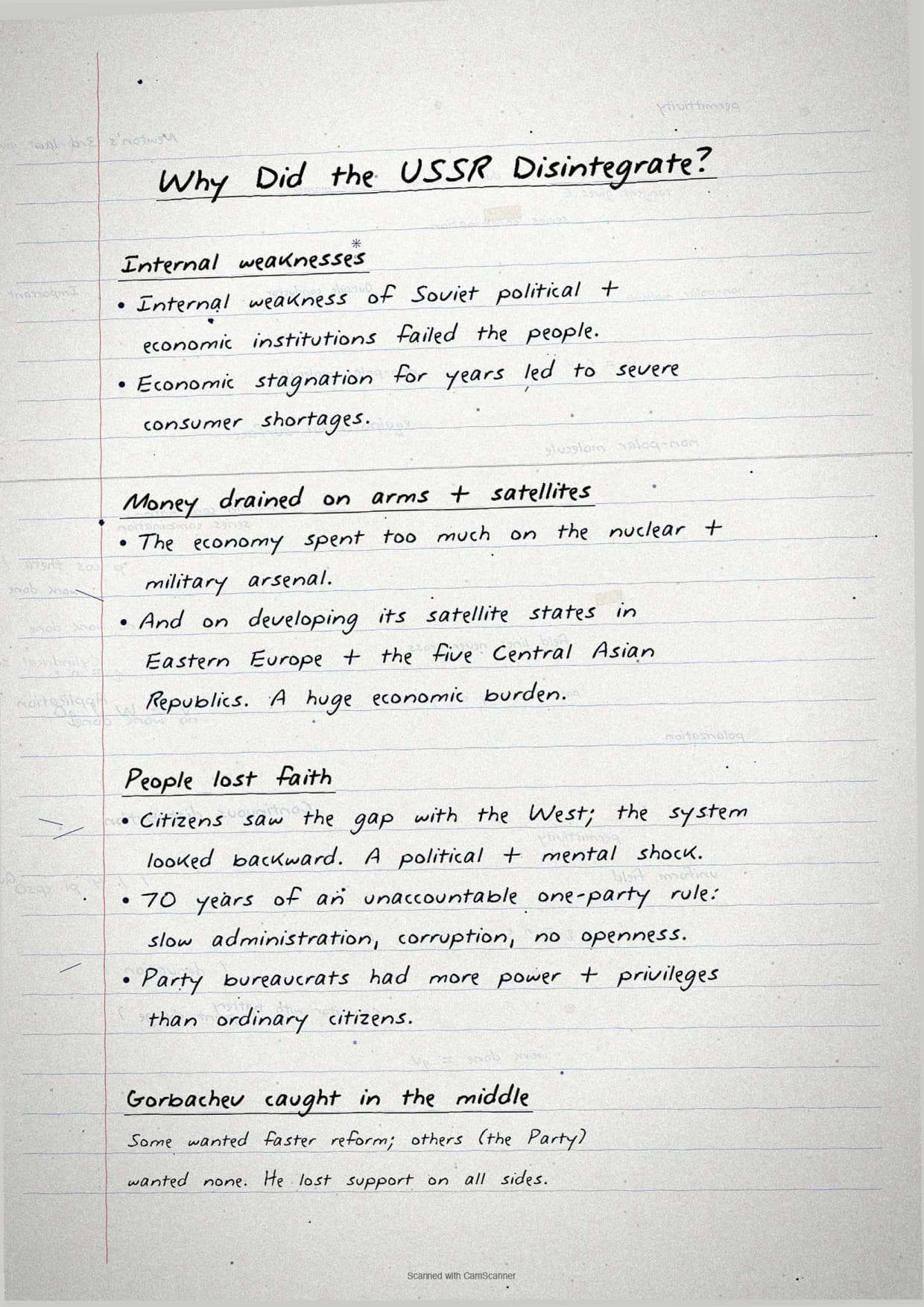
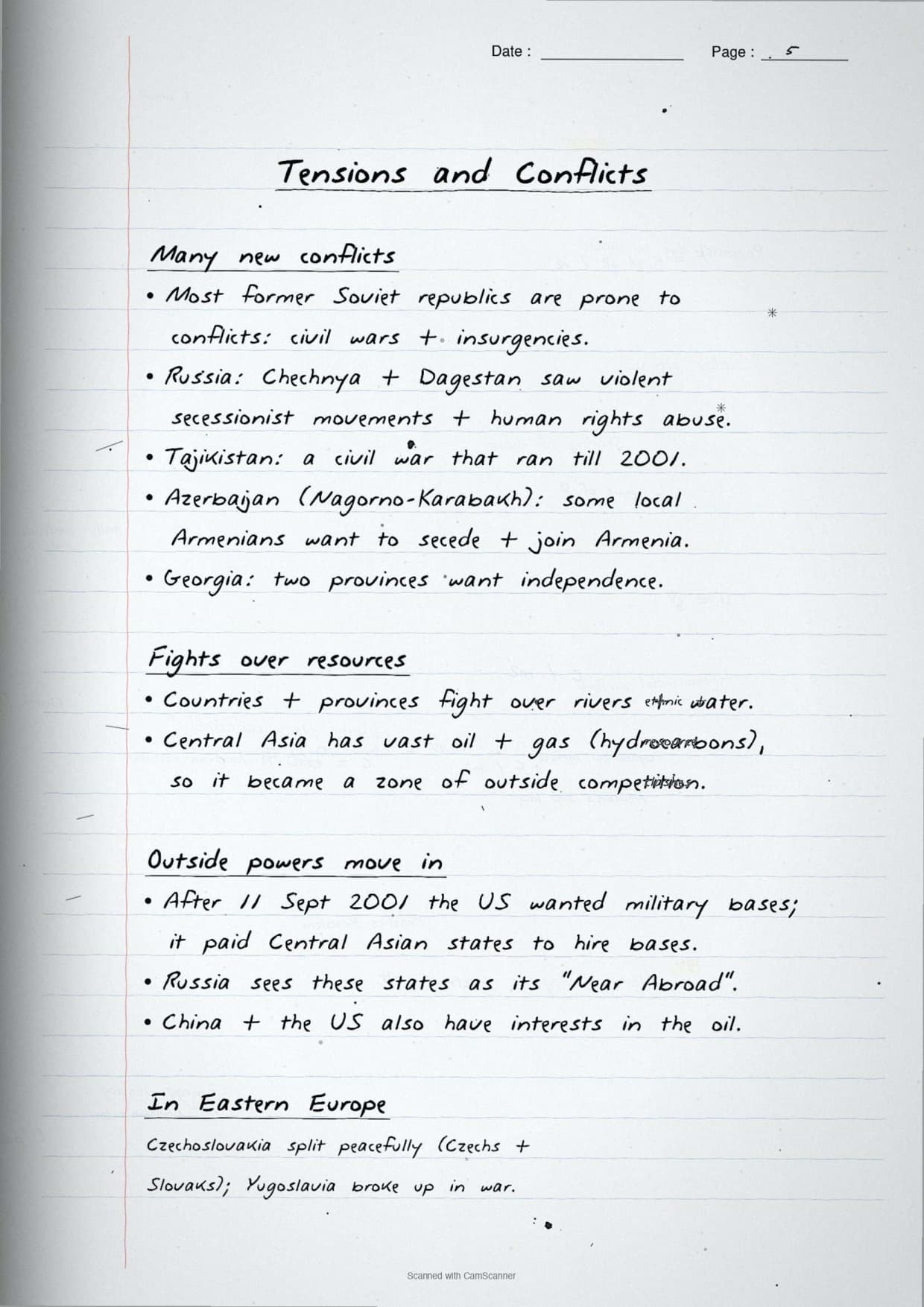
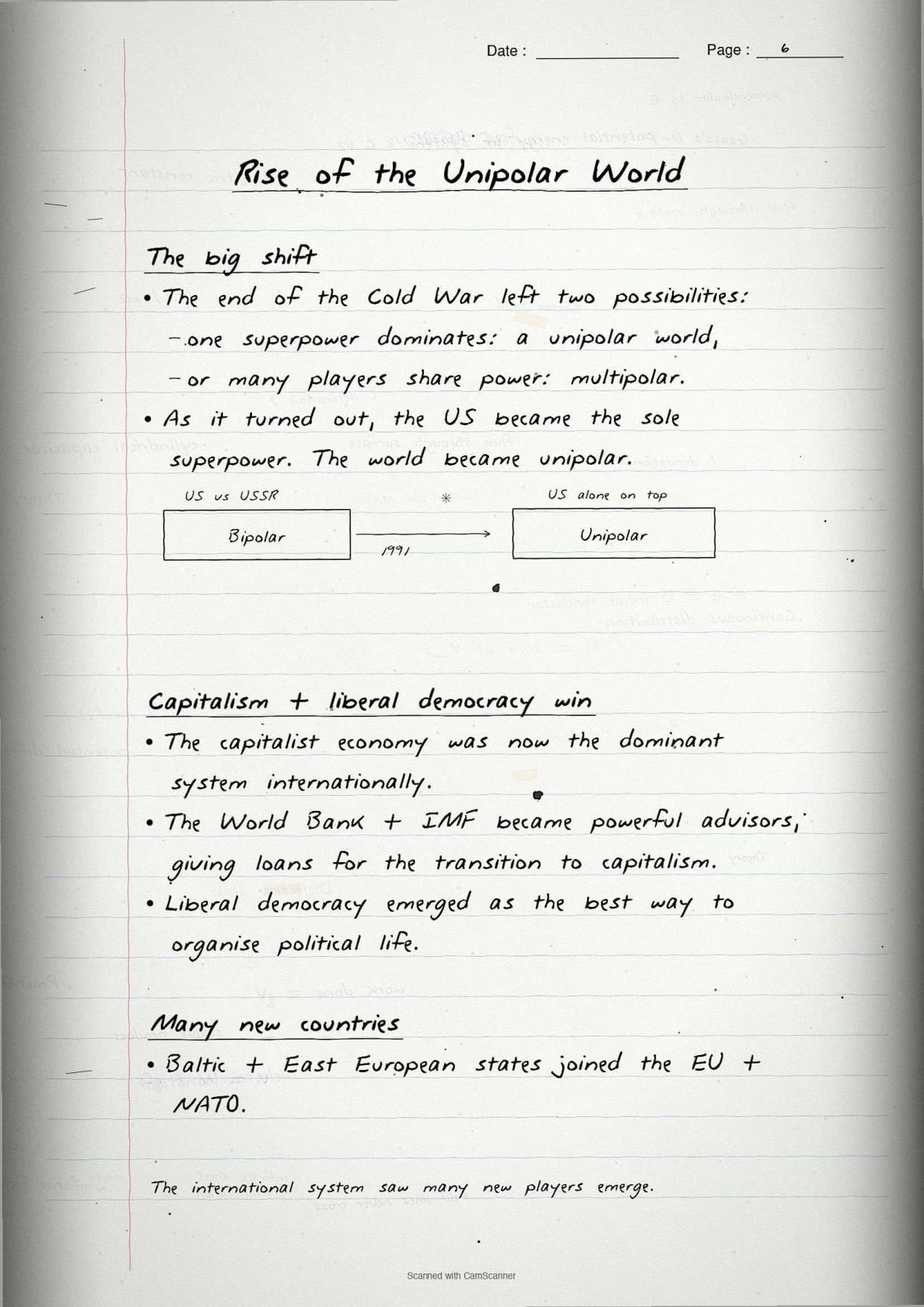
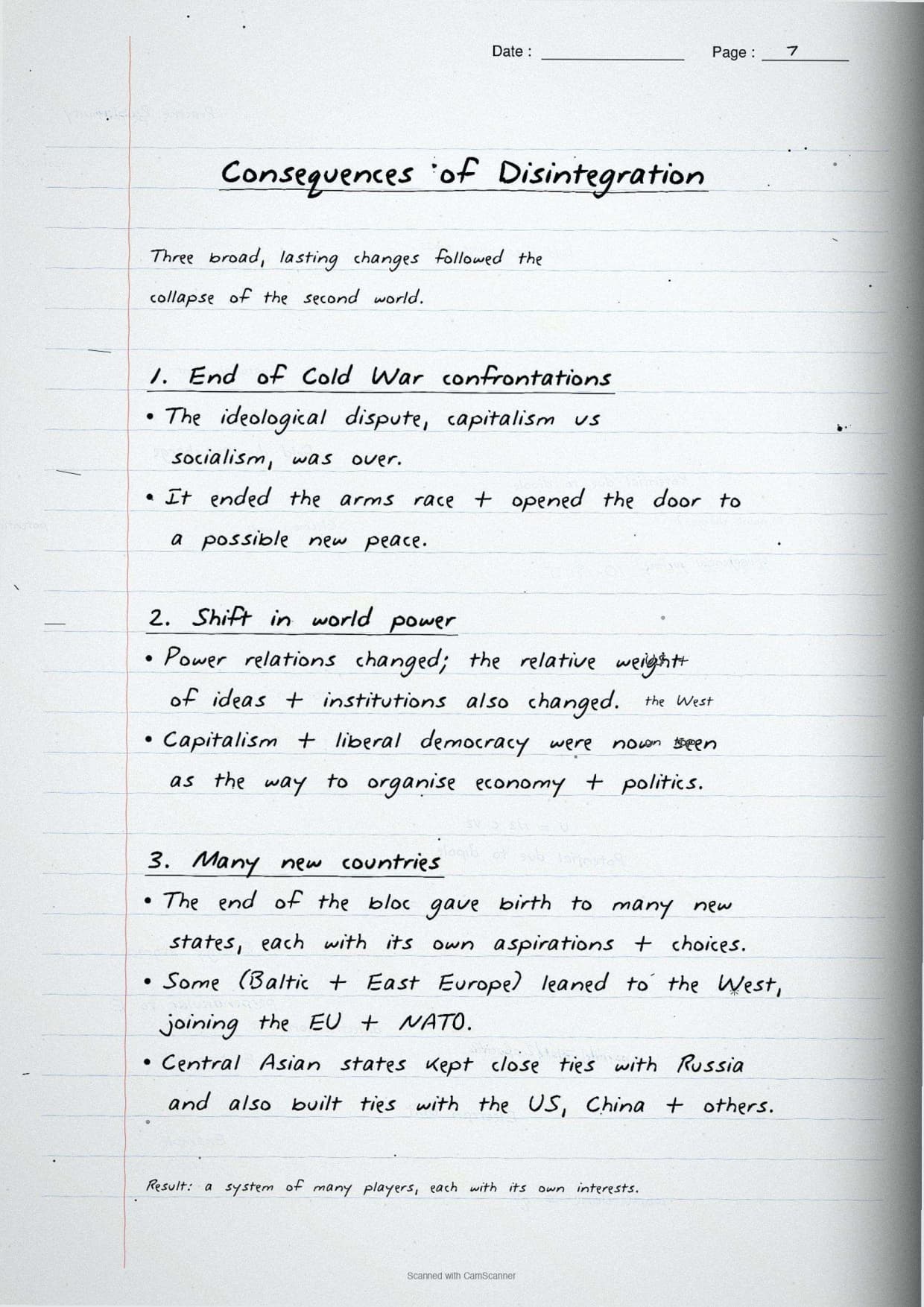
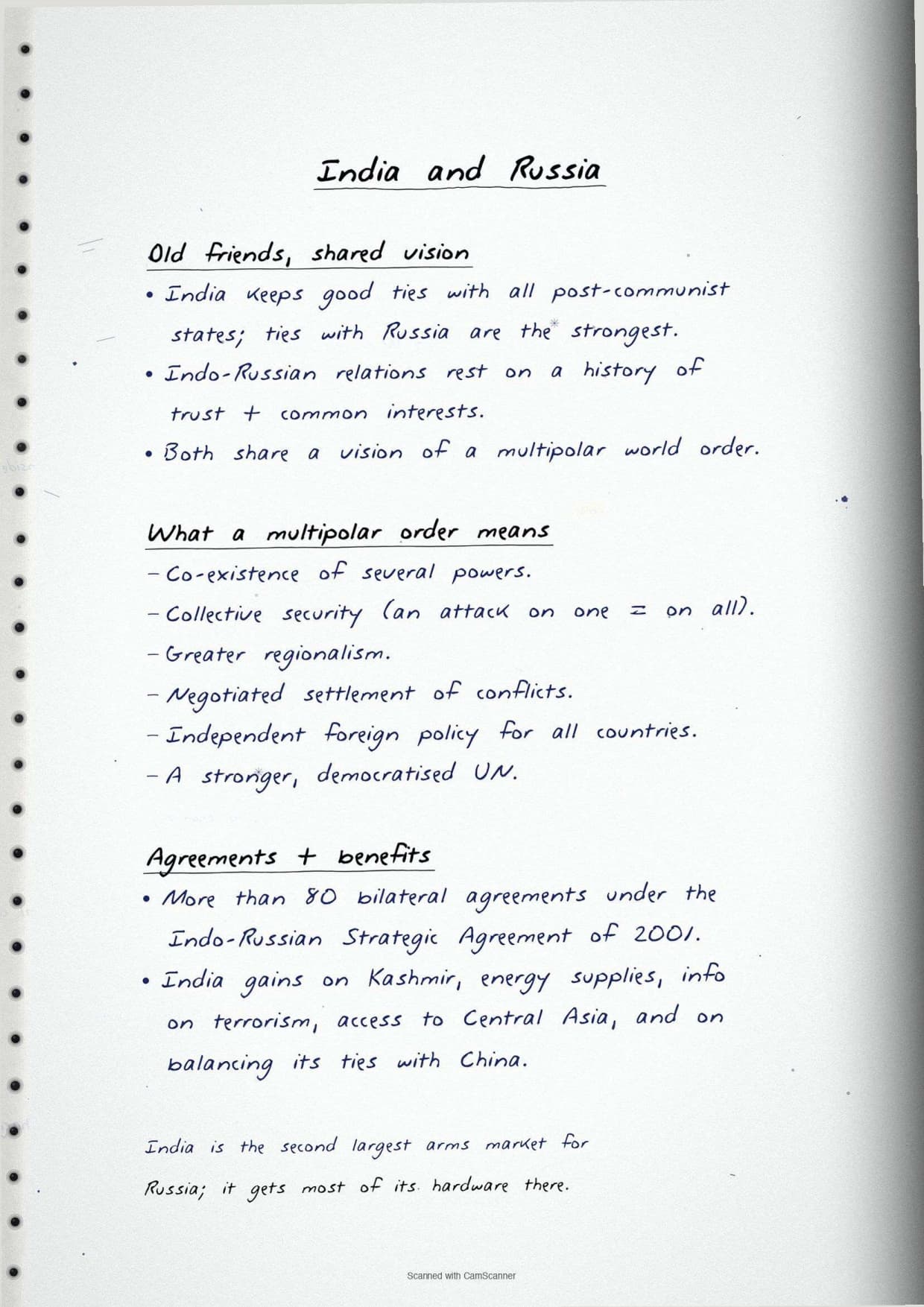
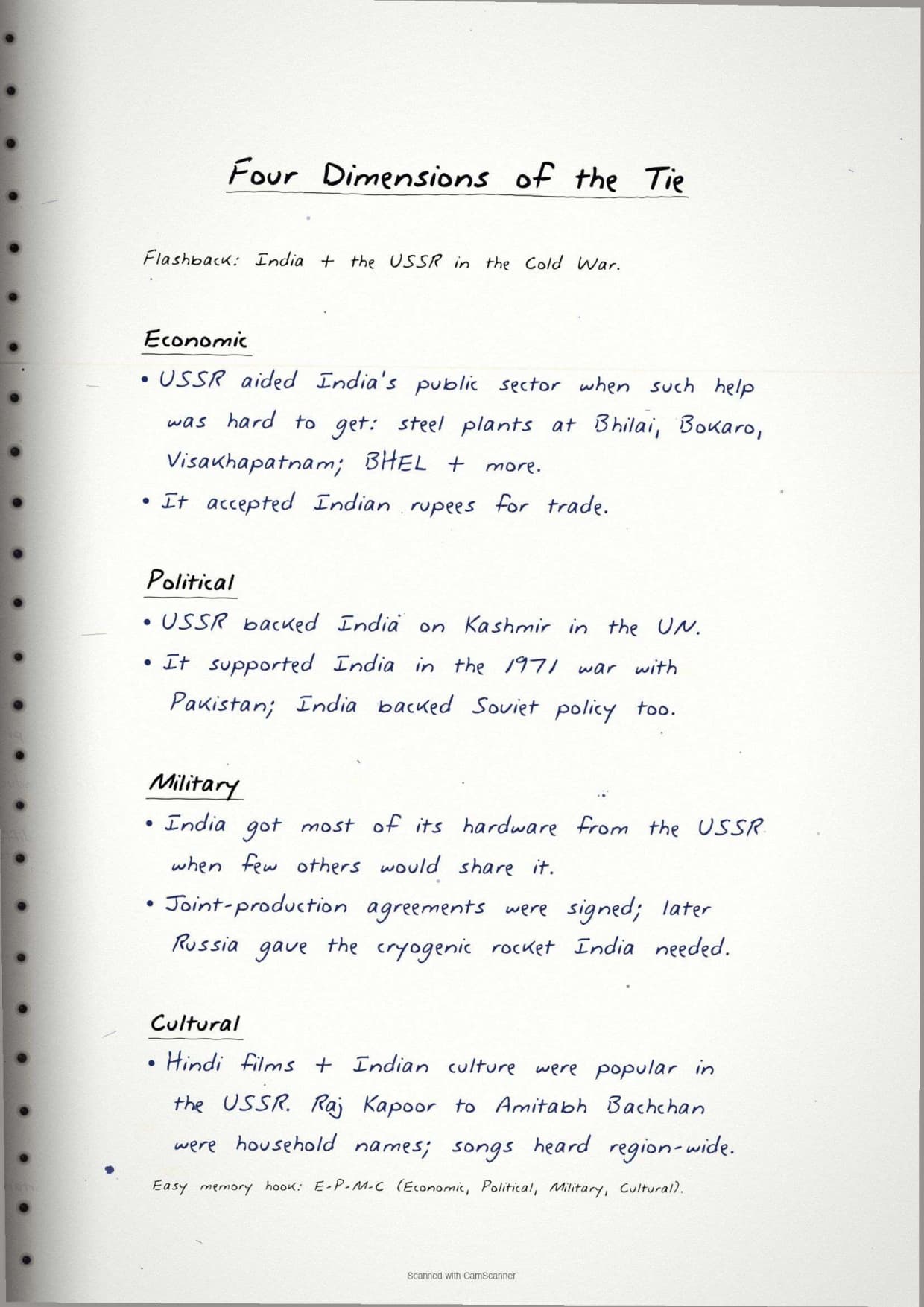
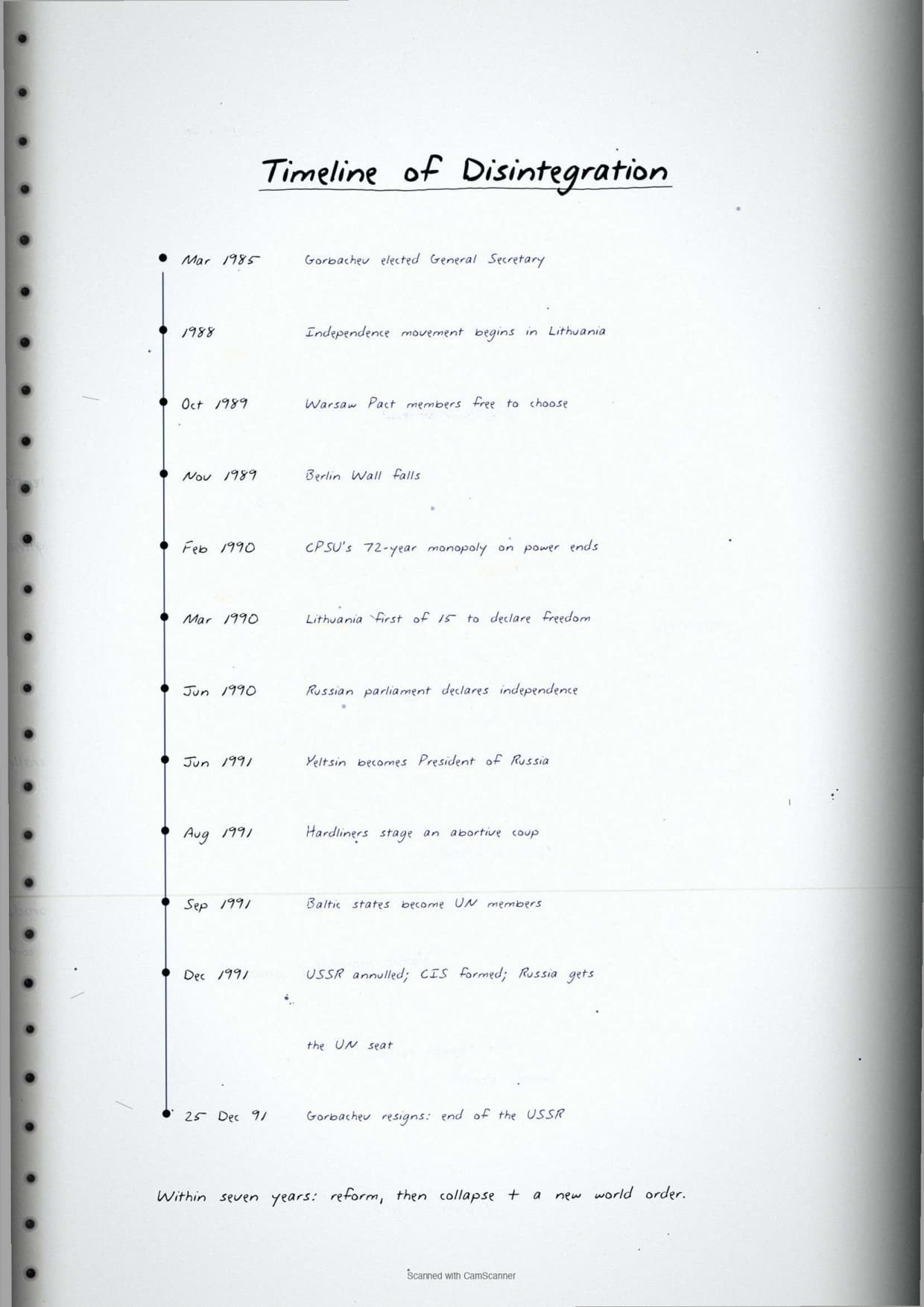
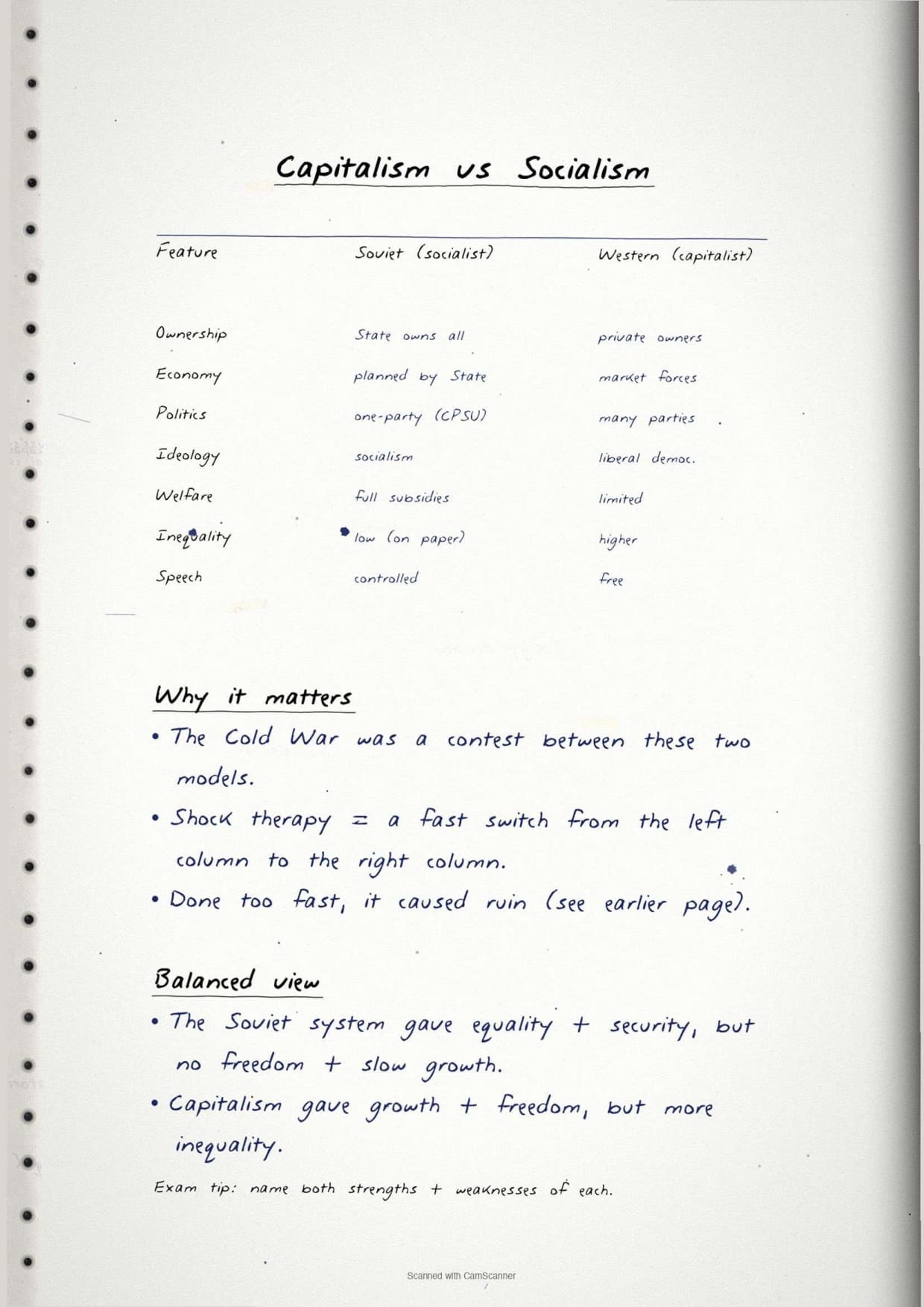
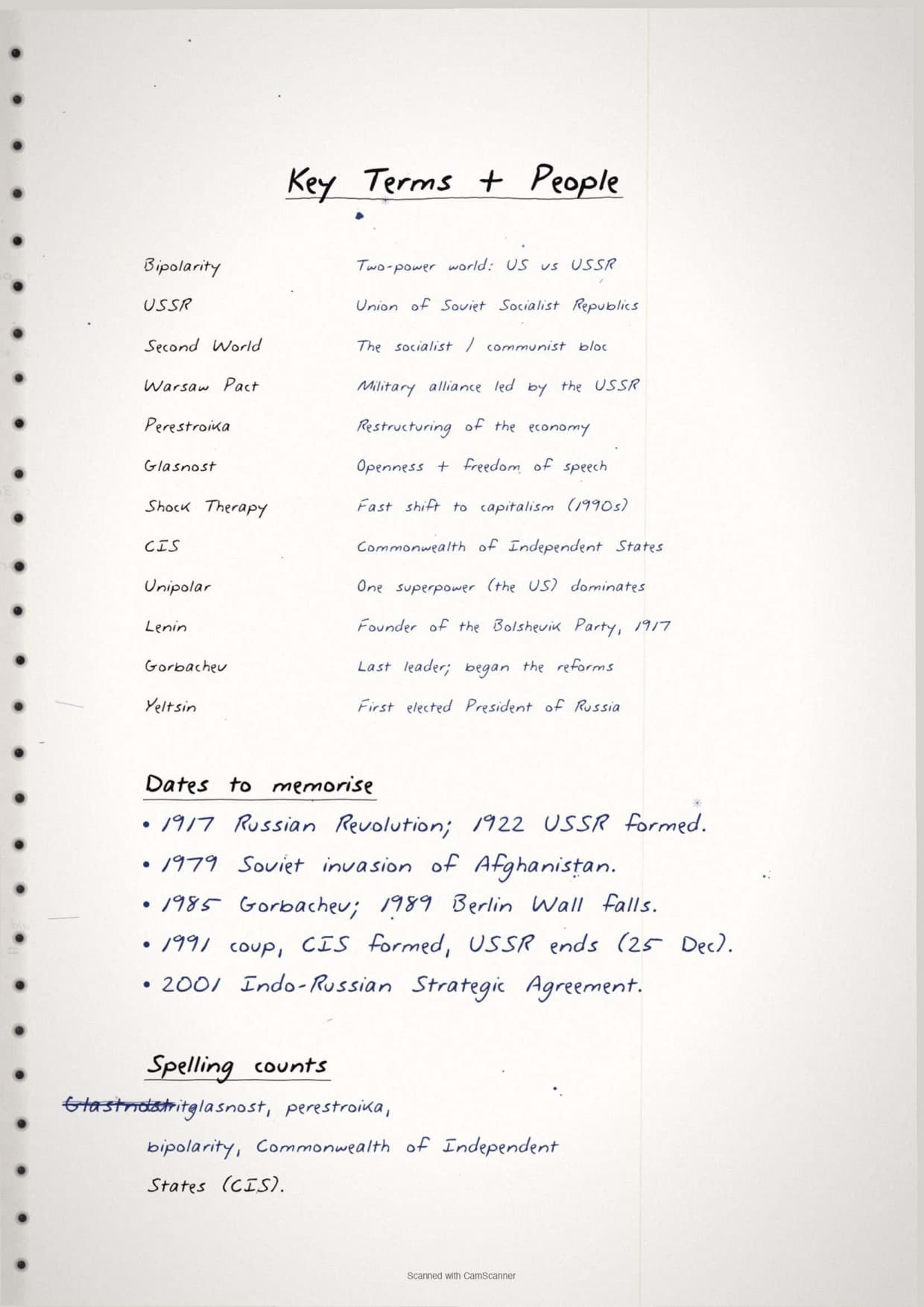
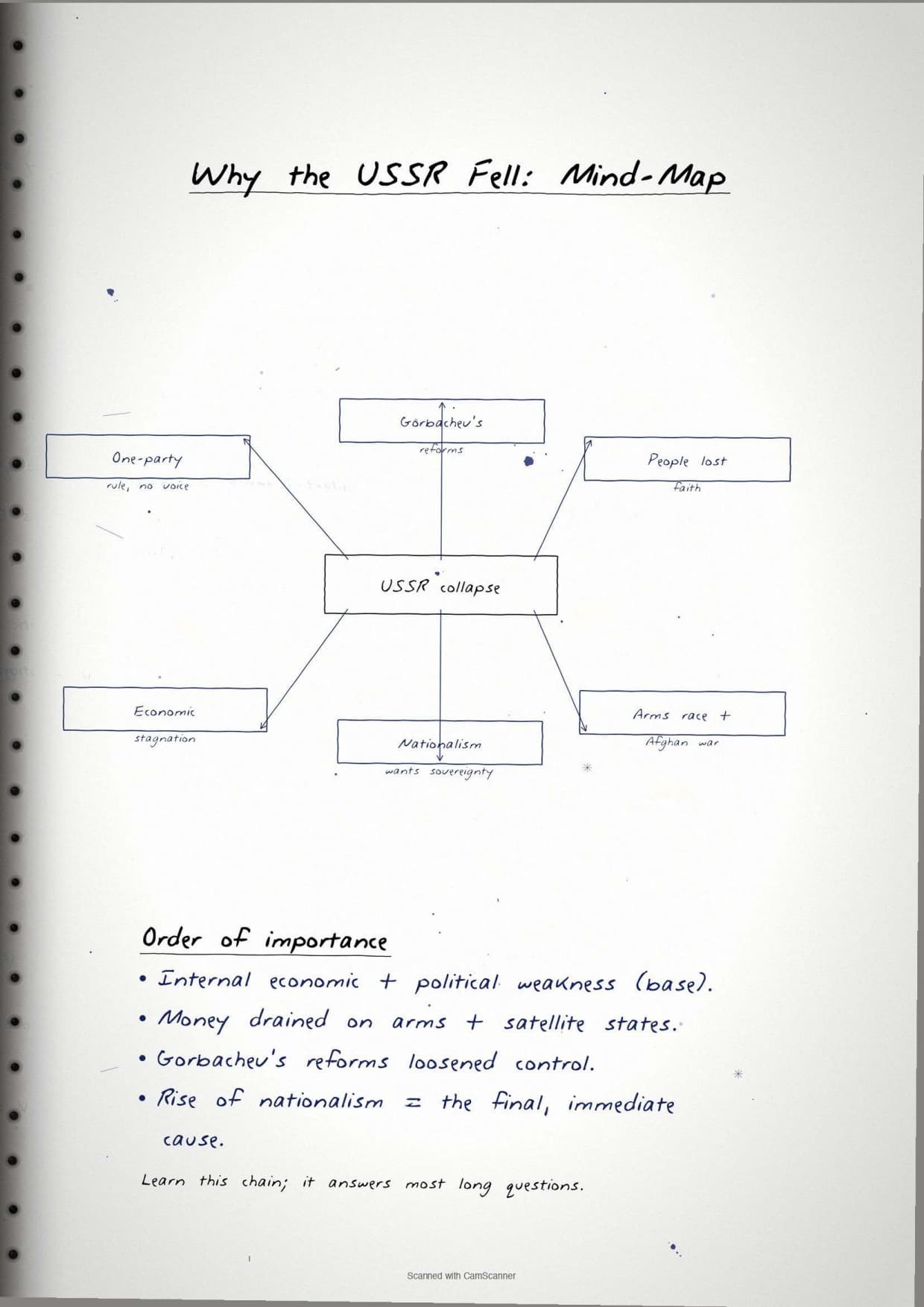
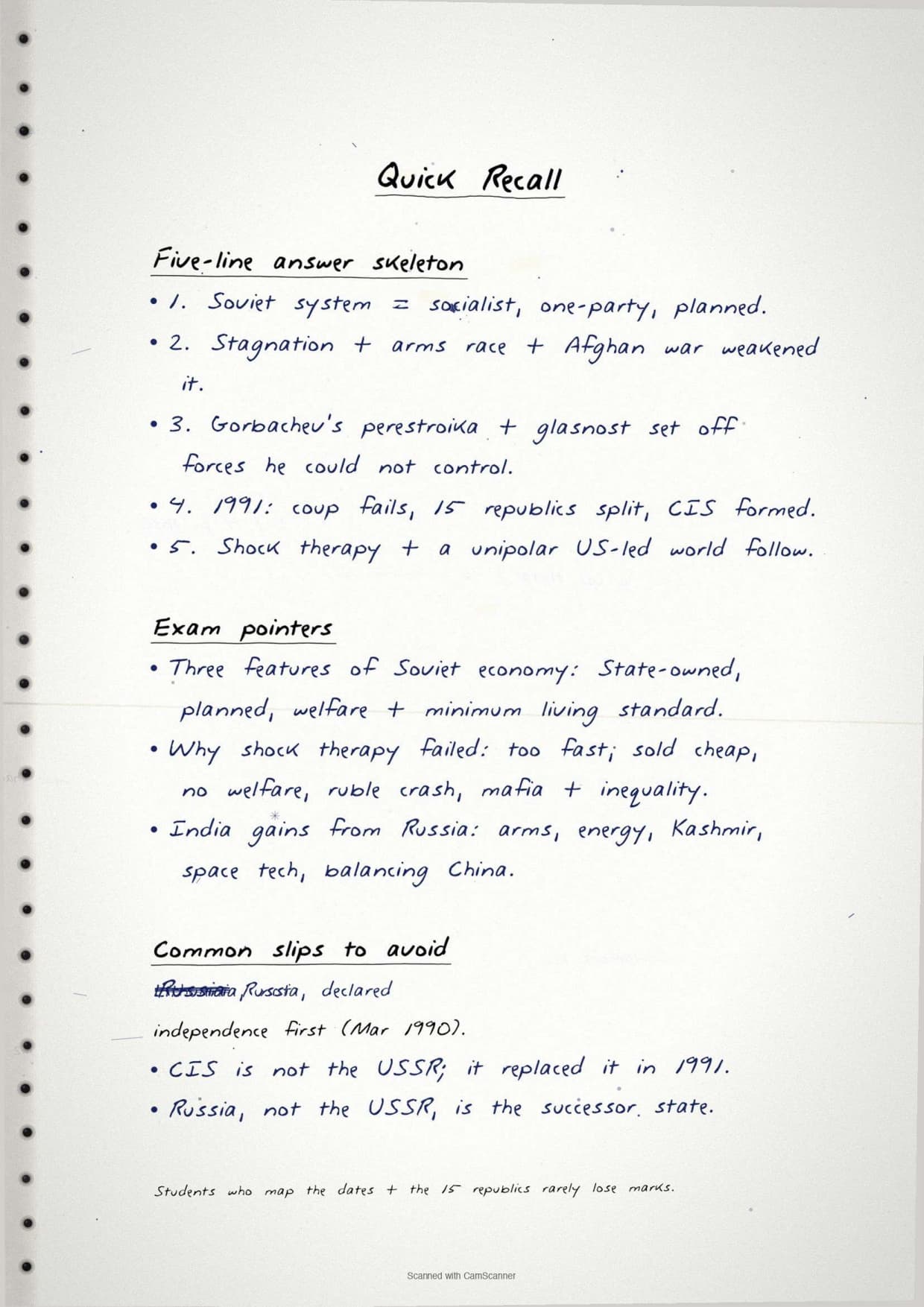
- Handwritten pages with boxed key terms and labelled timelines.
- This Class 12 Political Science chapter usually carries 5 to 6 marks in the board paper.
- Pairs with the NCERT Solutions, Notes and Book PDF linked lower on this page.
These The End of Bipolarity handwritten notes are prepared from the official NCERT Contemporary World Politics textbook and checked against the last five years of CBSE board papers.
Student Feedback: In a Collegedunia poll of 7,820 Class 12 Political Science students before the 2026 boards, 73% of students said handwritten notes felt faster to revise from than printed text for this chapter. Most students used the boxed timeline of the collapse to recall the chronology answer in the exam.
Source: 2026-27 Class 12 Political Science student poll. Sample of 7,820 students from CBSE schools across 12 states.
|
Table of Contents |
What These Handwritten Notes Include
The End of Bipolarity is the first chapter of Contemporary World Politics. It studies how the Soviet Union broke apart in 1991 and how the Cold War ended. Before 1991 the world had two power blocs, one led by the US and one by the USSR, a two-bloc order called bipolarity. These handwritten notes condense the chapter into pages a student can read in one sitting.
Every page is built around the three threads of the chapter:
- System pages cover the Soviet socialist state, its economy and the Warsaw Pact.
- Collapse pages cover why the USSR fell, from economy to nationalism.
- Aftermath pages cover Shock Therapy, the new states and the unipolar world.
Because the notes are handwritten, the key terms sit in boxes and the important dates are underlined, so the eye jumps straight to them. This makes the The End of Bipolarity handwritten notes ideal for a last revision when there is no time to read full paragraphs. Sort each fact under system, collapse or aftermath, and the whole chapter falls into place.
Soviet System Pages
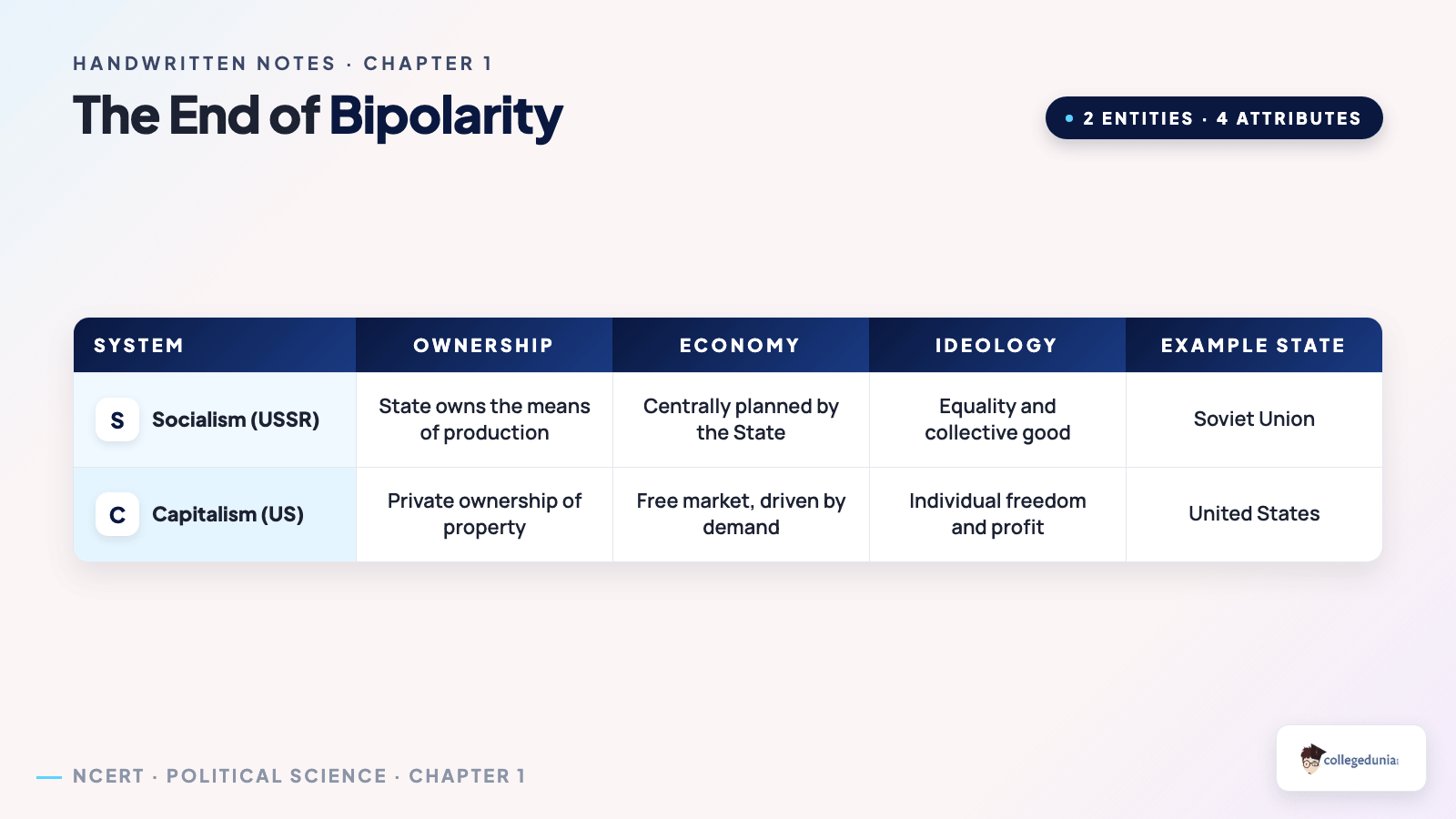
The system pages start with how the USSR worked. The notes keep the four key features as a boxed list so students can copy them straight onto the answer sheet. Each term is underlined so it stands out at a glance.
- Ideology: socialism was the official belief, with no place for private profit.
- Economy: the State owned and planned almost everything, so there was little economic freedom.
- Politics: the Communist Party dominated, with no real opposition.
- The bloc: the USSR led the Eastern bloc through the Warsaw Pact military alliance.
The notes box the most-tested point in red ink: the Soviet economy gave jobs and a strong industrial base, but no economic freedom. A small arrow links this to the MCQ that asks which statement is wrong, so students recall that "people enjoyed economic freedom" is the false line. This makes the quick MCQ marks easy to secure.
Causes of Collapse Pages
The collapse pages carry the heart of the chapter. The notes list the causes as a boxed table with a small icon next to each, so students can describe the fall in detail. The table below mirrors what the pages box for quick revision.
| Cause | What it meant |
|---|---|
| Economic stagnation | The planned economy could not match Western technology or consumer goods; shortages grew. |
| Arms race | The cost of competing with the US drained money from ordinary life. |
| Political control | One-party rule and an over-centralised system blocked reform and crushed dissent. |
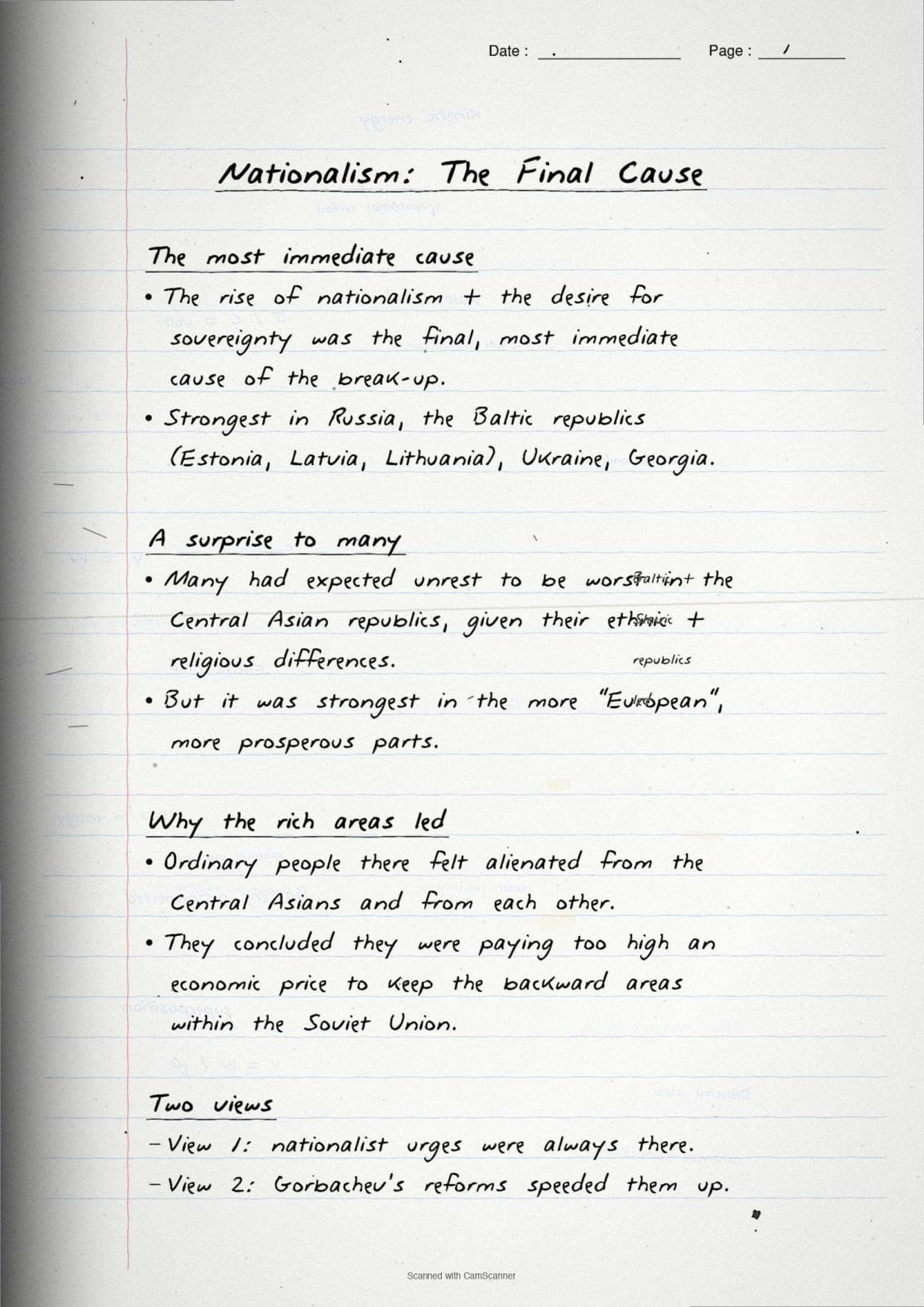
| Rise of nationalism | Republics wanted independence; richer ones resented carrying the poorer ones. |
| Afghan war | The 1979 invasion of Afghanistan cost lives and money and hurt Soviet prestige. |
The pages box the single sharpest point in the margin: the deepest cause was economic, but nationalism delivered the final blow. A hand-drawn arrow links the weak economy to the rising demands for independence in the richer republics. This cause-and-trigger split is what turns an average answer into a full-marks one.
Gorbachev, Reforms and Timeline Pages
These pages keep Gorbachev's two reforms side by side, because students often mix them up. The notes give one word for each so you never confuse them, and add a hand-drawn timeline of the collapse for the chronology question.
- Perestroika: "restructuring" of the economy to make it more open and efficient.
- Glasnost: "openness" in politics, allowing free speech and contact with the West.
- 1989: the fall of the Berlin Wall signals the end of the Cold War divide.
- 1991: the USSR is dissolved; Boris Yeltsin leads the new Russia.
The margin note underlines the honest line: Gorbachev's reforms were necessary, but they ran out of his control. The boxed timeline runs from the Russian Revolution to the Afghan war, the Berlin Wall and the final disintegration, so students can answer the "arrange in order" question without hesitation. Redrawing this timeline once fixes the whole sequence in memory.
Shock Therapy and New World Order Pages
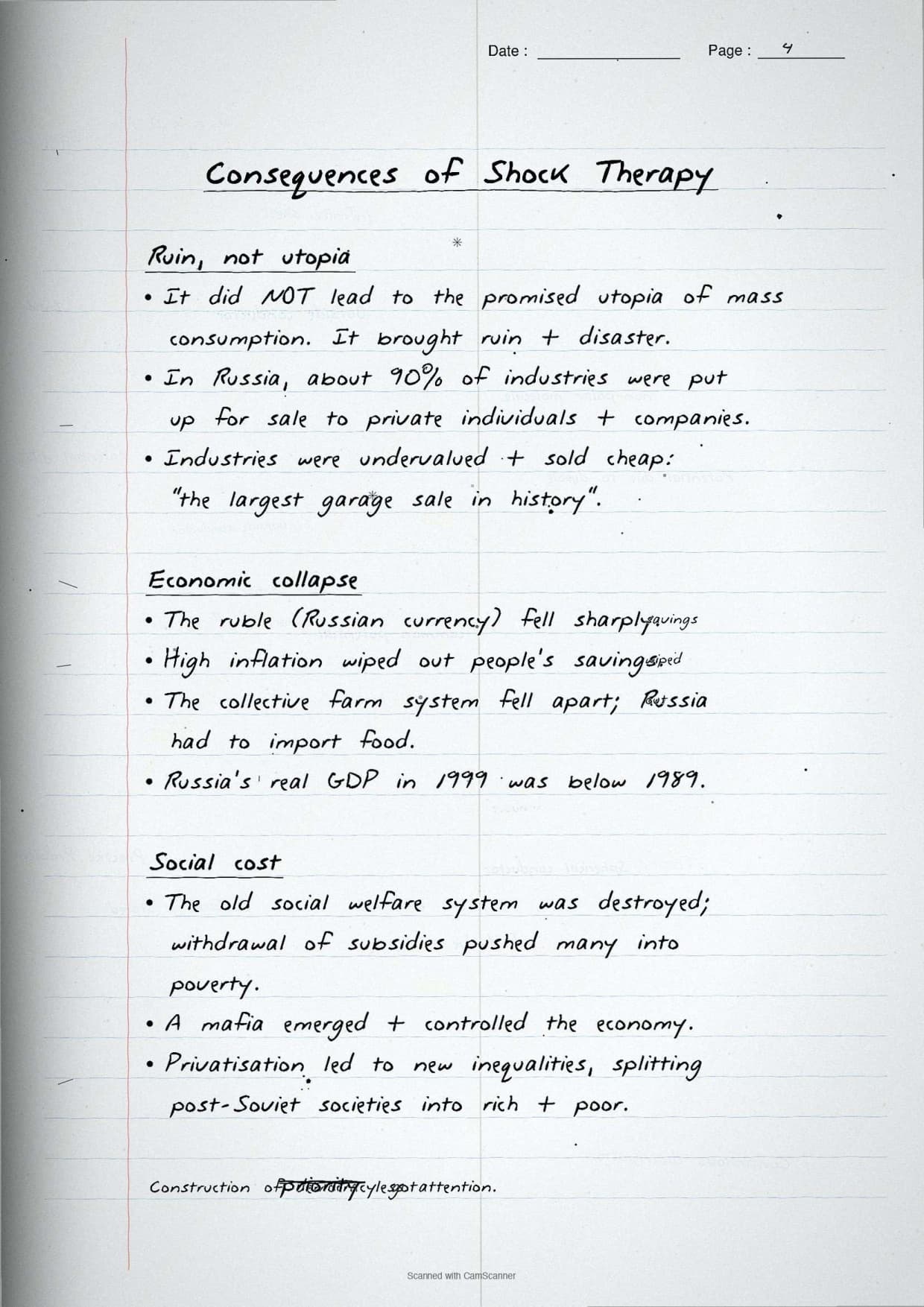
The last set of pages covers the aftermath. The notes give the Shock Therapy definition first, then box its bad effects, because the exam wants both before any judgement. A small "garage sale" sketch helps students remember the mass sell-off.
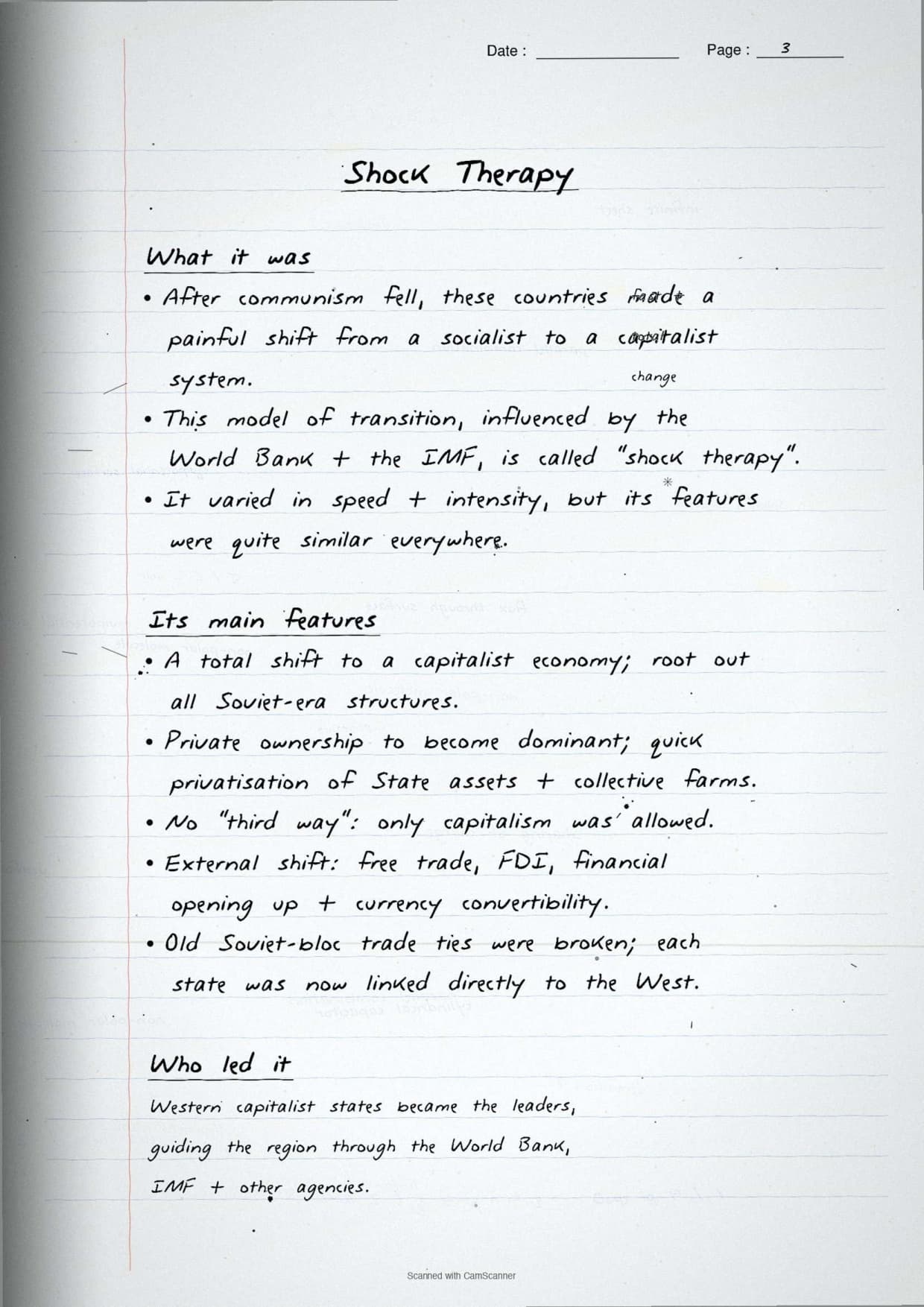
- What it was: a fast, total switch to capitalism, with no slow steps in between.
- Privatisation: state industries and assets were sold off quickly.
- The result: the "largest garage sale in history", mass job losses, and a fall in living standards.
- New order: the US became the sole superpower, turning bipolarity into a unipolar world.
The pages box the verdict clearly: Shock Therapy was not the best way to make the change. A linking arrow ties this to the India page, which underlines that India stayed close to Russia even after 1991. Keeping the verdict and the India point together makes the long answer and the essay easy to write under exam pressure.
How to Use These Handwritten Notes
Handwritten notes work best as a final layer of revision, not as your first read. The plan below helps students get the most out of the The End of Bipolarity handwritten notes before the board exam. Follow it once a week in the run-up to the test.
- First pass: read the notes once, following the system, collapse and aftermath order.
- Active recall: cover the boxed terms and try to write each list from memory.
- Timeline practice: redraw the collapse timeline and label it without looking.
- Self-test: attempt a short class 12 political science chapter 1 mcq drill to check the small facts.
Because the notes come as a downloadable PDF, students can save them on a phone and revise offline on the way to the exam centre. Many students search for class 12 political science chapter 1 notes on their phone the night before a test, so a saved PDF means revision is always at hand. Pair these pages with the full solutions to check your written answers against model points.
Common Mistakes These Notes Help You Avoid
A few errors cost marks in this chapter every year. Most come from mixing up dates or terms, or giving only one side of the Shock Therapy debate. The notes flag each soft point in the margin so students phrase it safely on the answer sheet.
- Saying people had "economic freedom" in the USSR - they did not; the State controlled the economy.
- Confusing Perestroika (economy) with Glasnost (openness) - keep the two clearly separate.
- Calling Shock Therapy a success - most answers should argue it caused deep hardship.
- Forgetting the Warsaw Pact was the Soviet-led military alliance, not the NATO bloc.
- Writing that India broke ties with Russia after 1991 - the two stayed close friends.
Students who fix these five points usually move from average to high marks. The exam rewards a balanced view, so always give both the aim and the result of the reforms before you judge them. The handwritten margin notes nudge you to keep that balance in the right places.
How These Notes Pair with the Solutions and Book PDF
These handwritten notes are a revision layer. To prepare fully, students should use them with the other resources for the same chapter, all linked in the table below. Read the notes, then test yourself with the solutions, and open the book PDF for the original text and figures.
| Resource | Best used for |
|---|---|
| The End of Bipolarity NCERT Solutions | Step-by-step answers to all 10 back-exercise questions |
| The End of Bipolarity Class 12 Notes | Quick chapter summary with all dates and key terms in one place |
| The End of Bipolarity NCERT Book PDF | Reading the original NCERT chapter text and figures |
Tip: use the handwritten timeline to memorise the chronology, then write the full answer in your own words. Drawing the collapse timeline once from memory fixes the "arrange in order" answer for good.
All Class 12 Political Science Handwritten Notes by Chapter
The table links the handwritten notes for every chapter in both Class 12 Political Science books, so students can move across the course in one click. The End of Bipolarity is highlighted.
| Chapter | Handwritten Notes |
|---|---|
| Contemporary World Politics | |
| Chapter 1 | The End of Bipolarity |
| Chapter 2 | Contemporary Centres of Power |
| Chapter 3 | Contemporary South Asia |
| Chapter 4 | International Organisations |
| Chapter 5 | Security in the Contemporary World |
| Chapter 6 | Environment and Natural Resources |
| Chapter 7 | Globalisation |
| Politics in India Since Independence | |
| Chapter 1 | Challenges of Nation Building |
| Chapter 2 | Era of One-Party Dominance |
| Chapter 3 | Politics of Planned Development |
| Chapter 4 | India's External Relations |
| Chapter 5 | Challenges to and Restoration of the Congress System |
| Chapter 6 | The Crisis of Democratic Order |
| Chapter 7 | Regional Aspirations |
| Chapter 8 | Recent Developments in Indian Politics |
FAQs on The End of Bipolarity Handwritten Notes
The End of Bipolarity Class 12 Handwritten Notes Common Questions
Ques. Where can I download the The End of Bipolarity handwritten notes PDF?
Ans. You can download the The End of Bipolarity handwritten notes PDF directly from this page. It is free, follows the 2026-27 NCERT, and gives the chapter as clean handwritten pages with boxed terms and a labelled collapse timeline.
Ques. Are handwritten notes good enough for the class 12 political science board exam?
Ans. Yes, for revision. Handwritten notes are best used as a final layer after you have read the chapter and practised the solutions. They make dates, key terms and the collapse timeline quick to recall in the exam.
Ques. What does The End of Bipolarity chapter cover?
Ans. It covers the Soviet socialist system, why the USSR disintegrated in 1991, Gorbachev's reforms, Shock Therapy, the rise of a unipolar world, and the consequences for India, including its continued friendship with Russia.
Ques. What is the difference between Perestroika and Glasnost?
Ans. Perestroika means "restructuring" and refers to economic reform, while Glasnost means "openness" and refers to political reform with more free speech. The notes box both terms separately so students never confuse them in the board paper.
Ques. How should I use these notes for quick revision?
Ans. Read the pages once in the system, collapse and aftermath order, cover the boxed terms and write each list from memory, redraw the collapse timeline, then attempt a short class 12 political science chapter 1 mcq drill to test the small facts.



Comments