




These Politics of Planned Development handwritten notes turn the whole planned-development chapter into clean, handwritten pages for fast last-minute revision. They follow the 2026-27 CBSE syllabus and Chapter 3 of Politics in India Since Independence. Students get the dates, key names, the two Five Year Plans and the development debates in a pen-on-paper format that is easy to skim before a test.
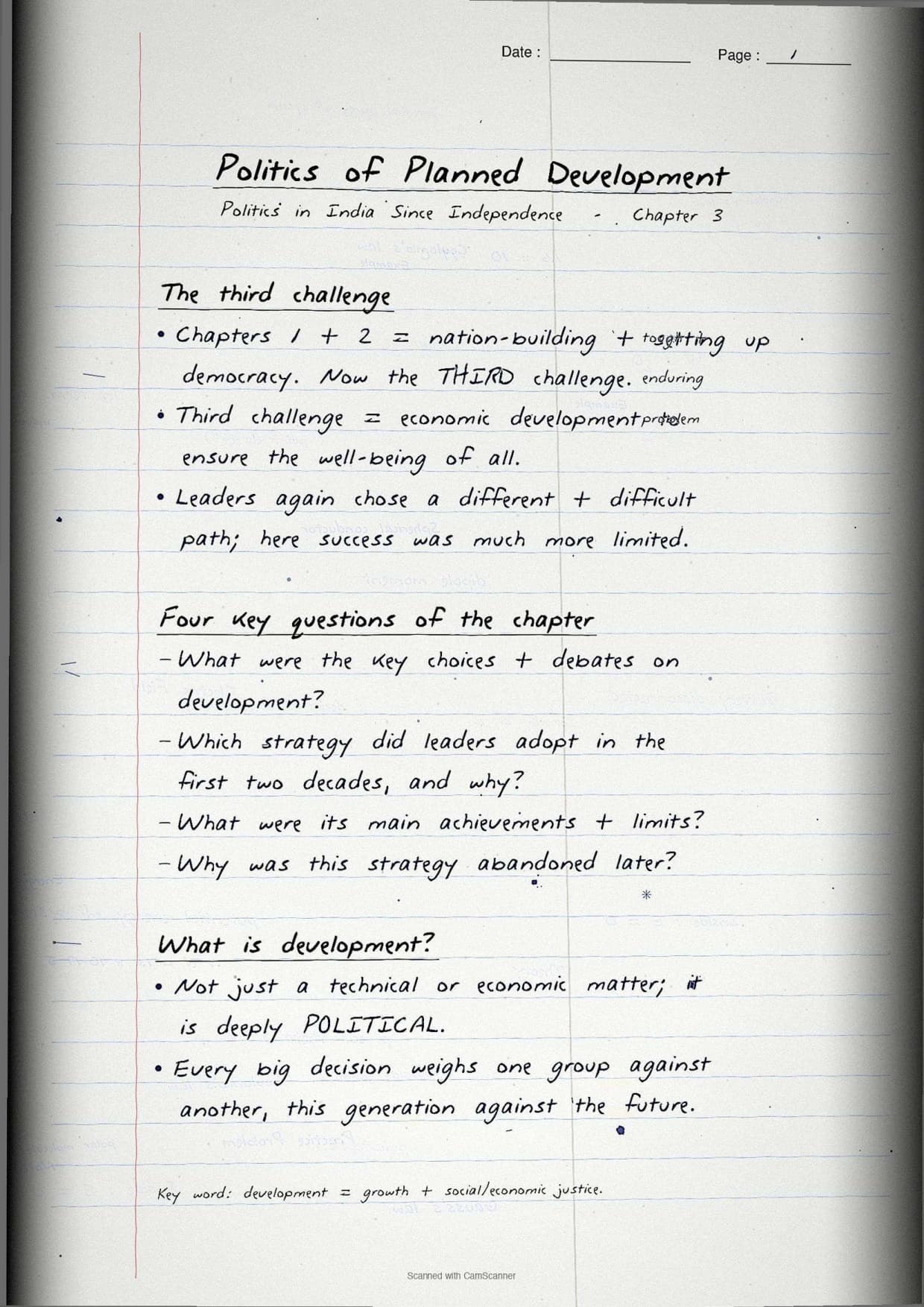
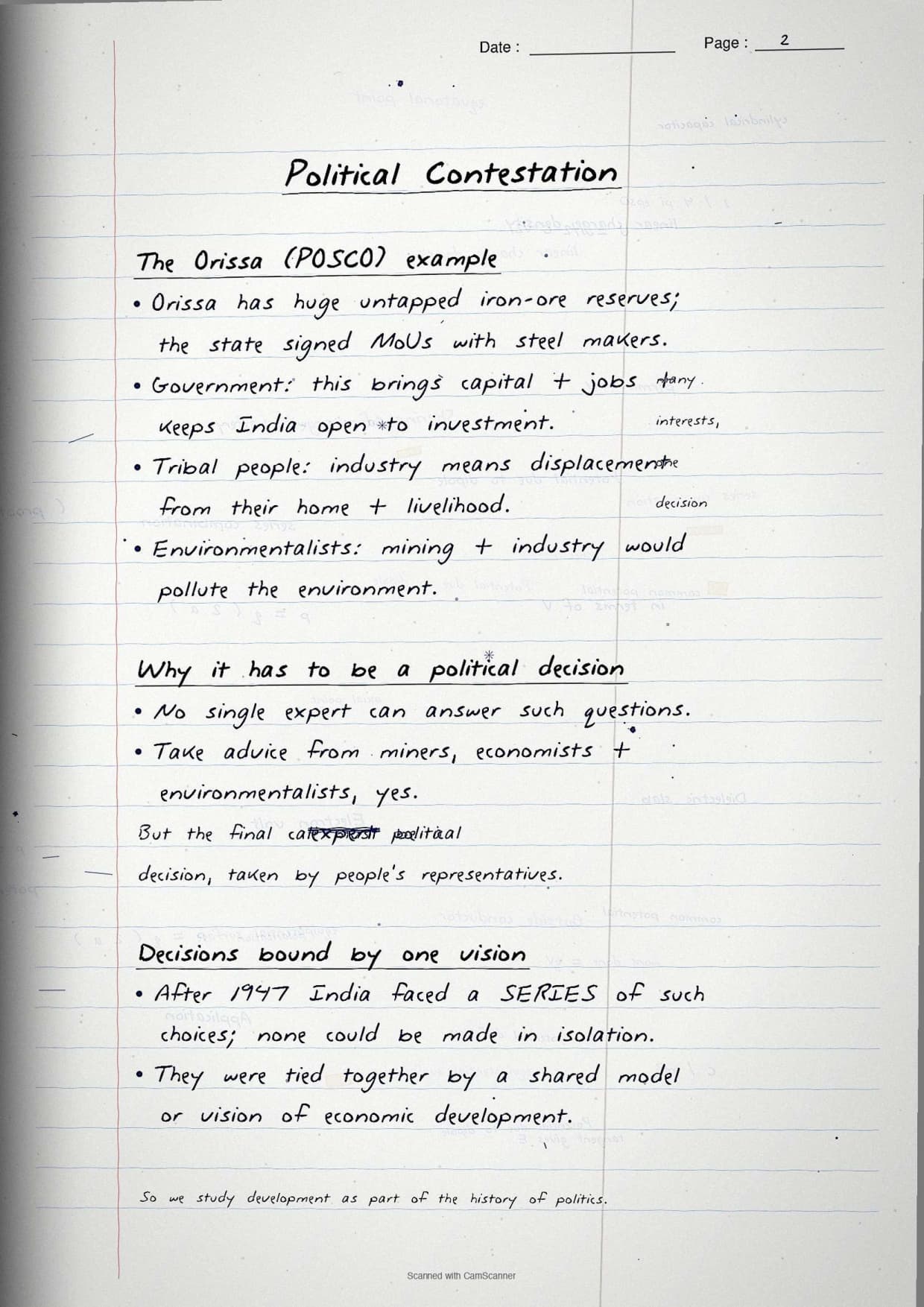
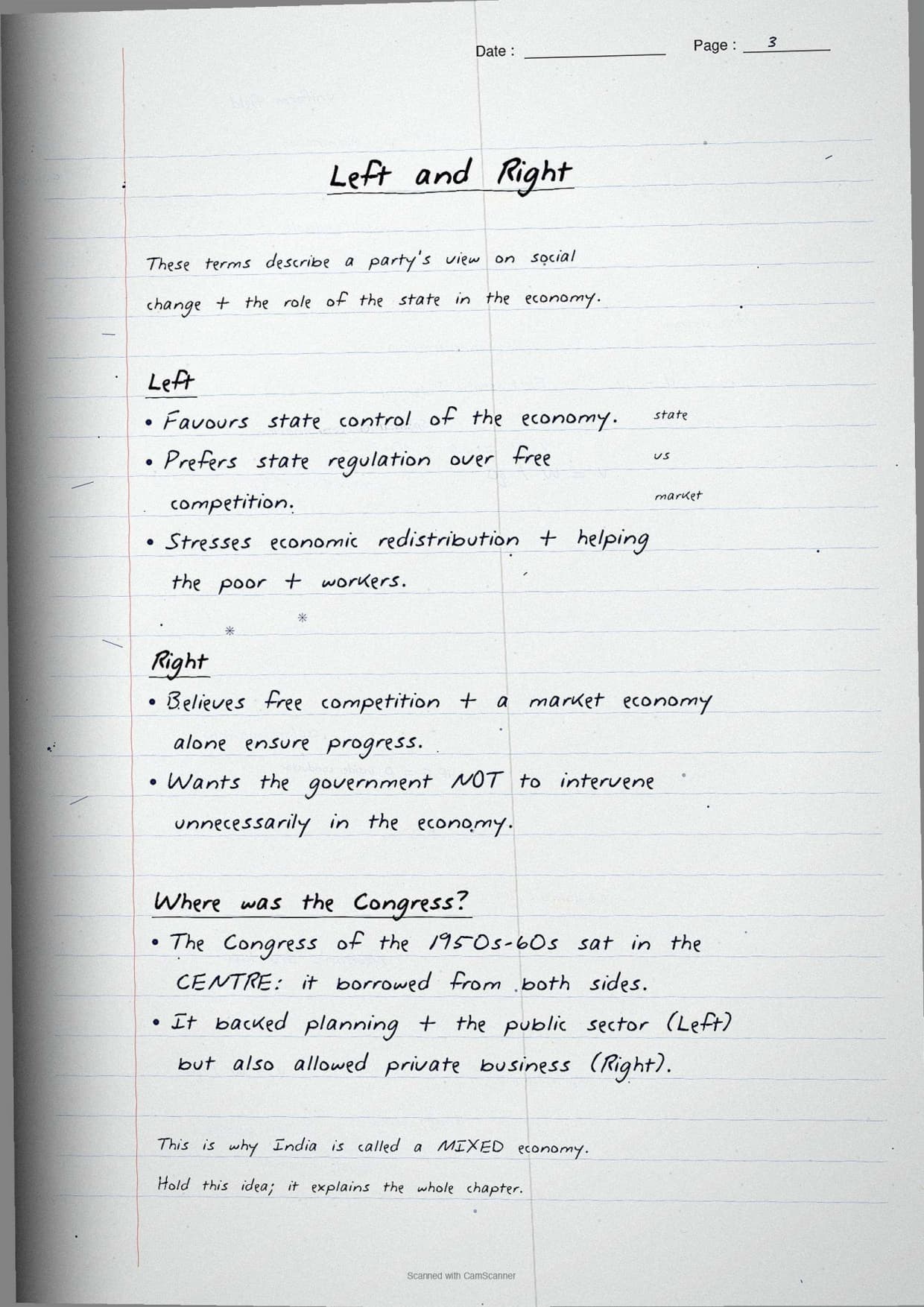
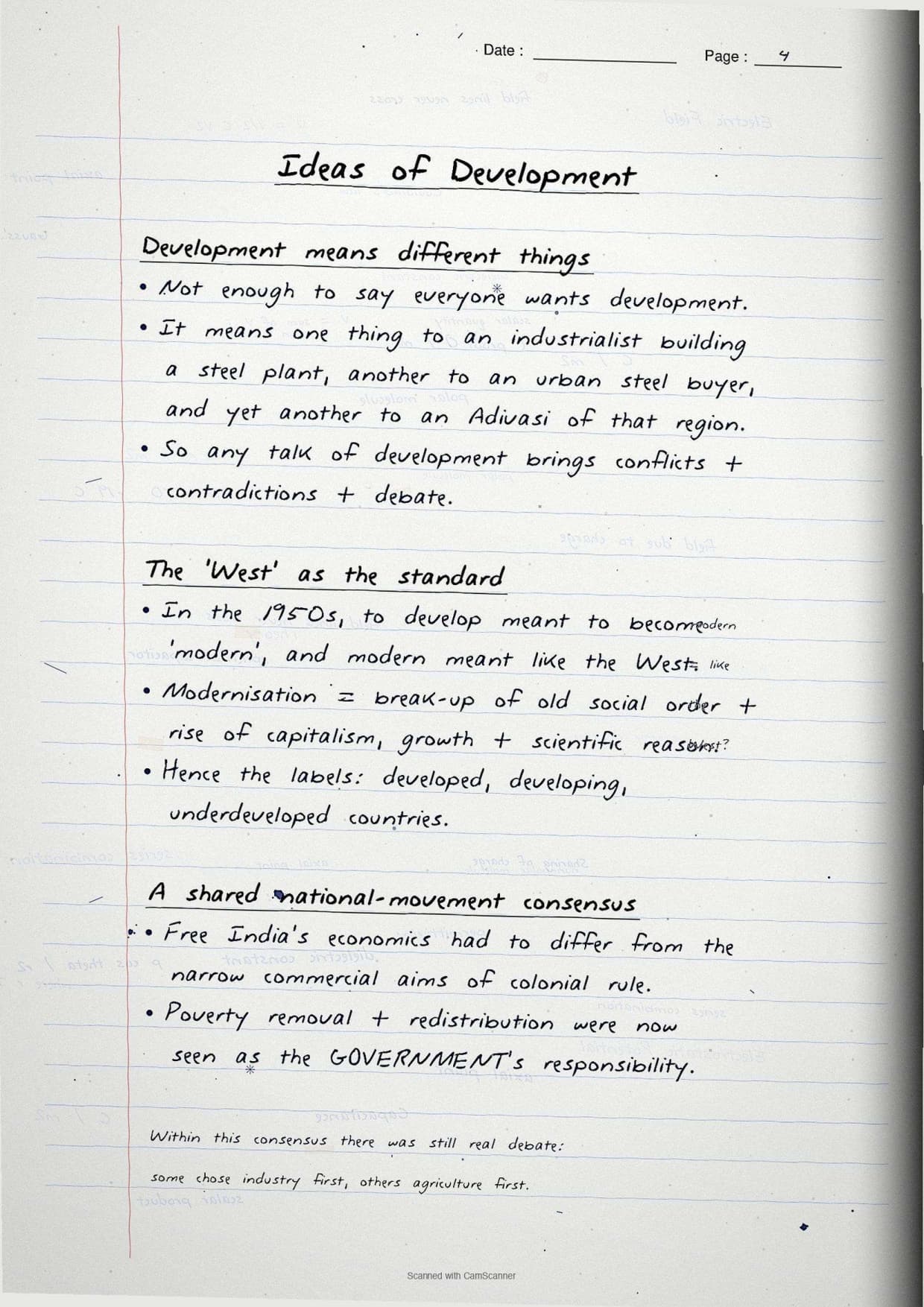
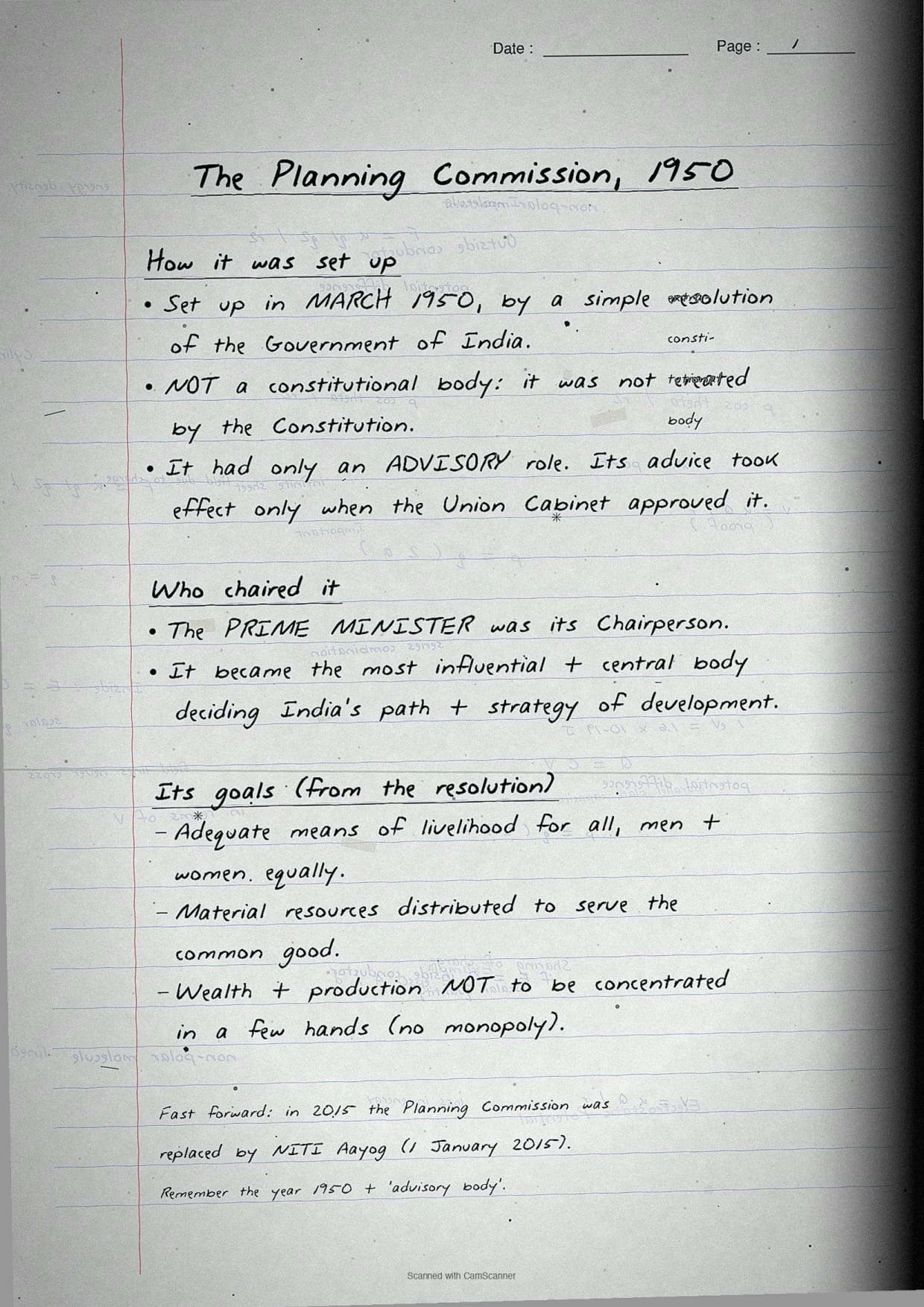
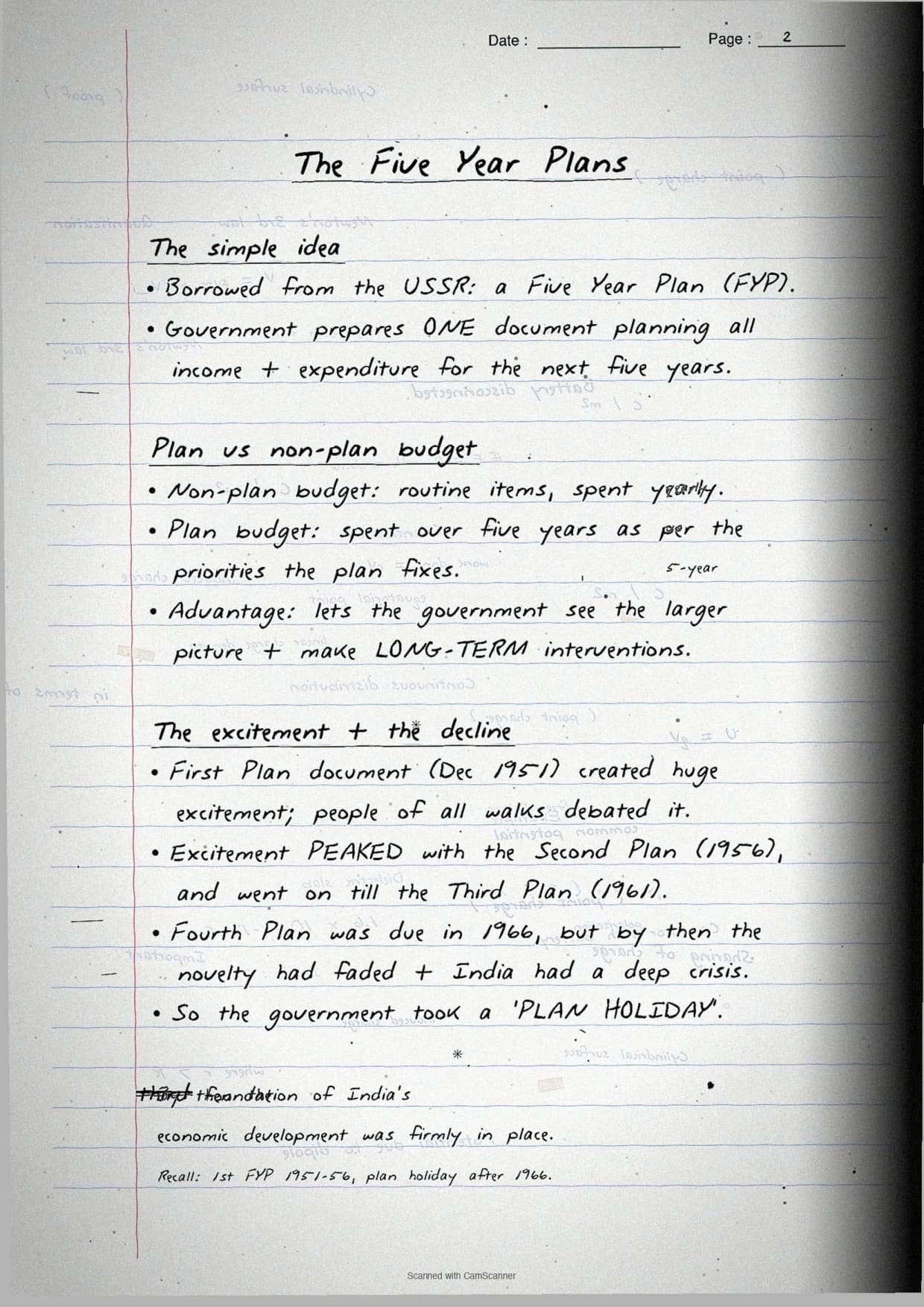
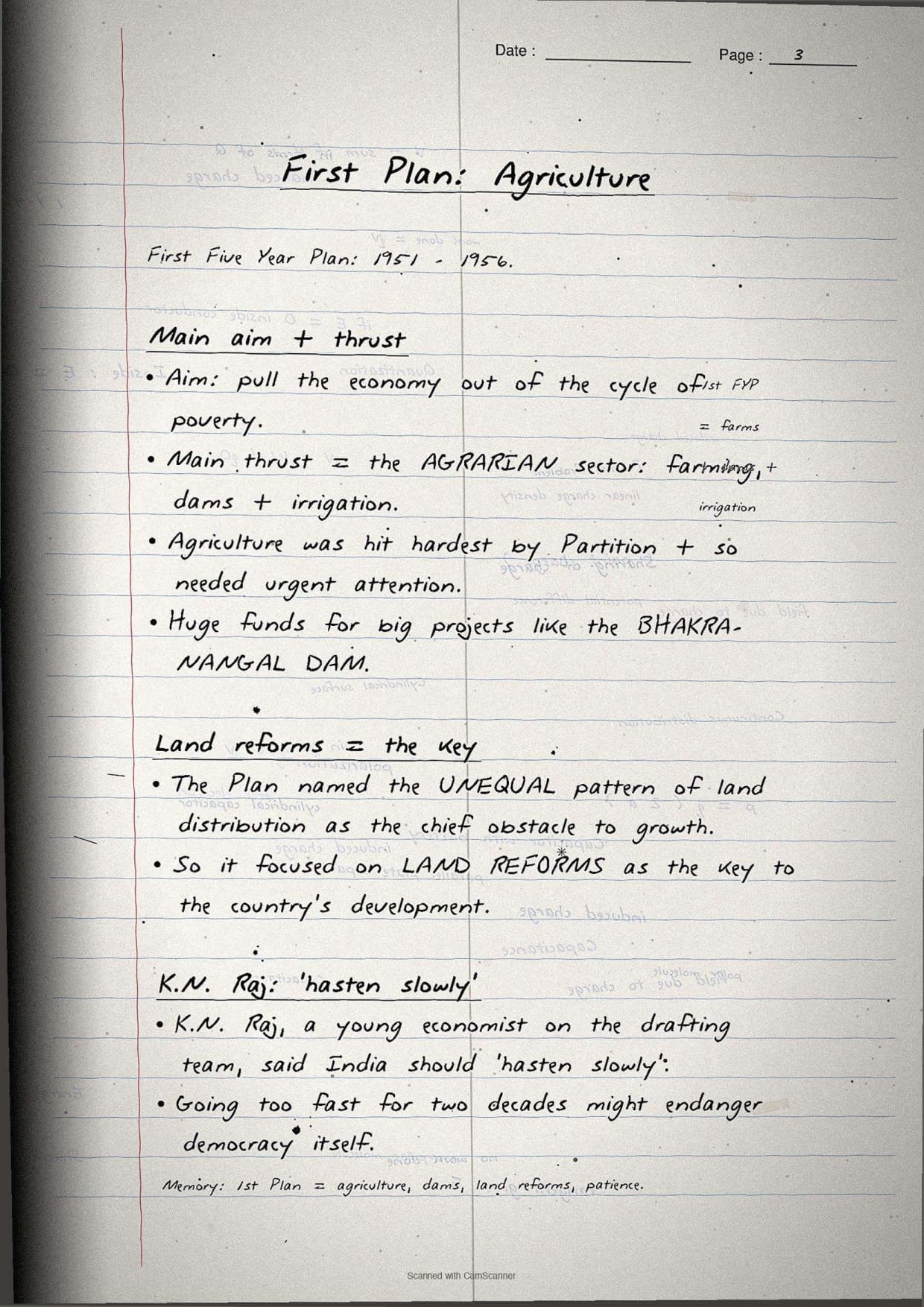
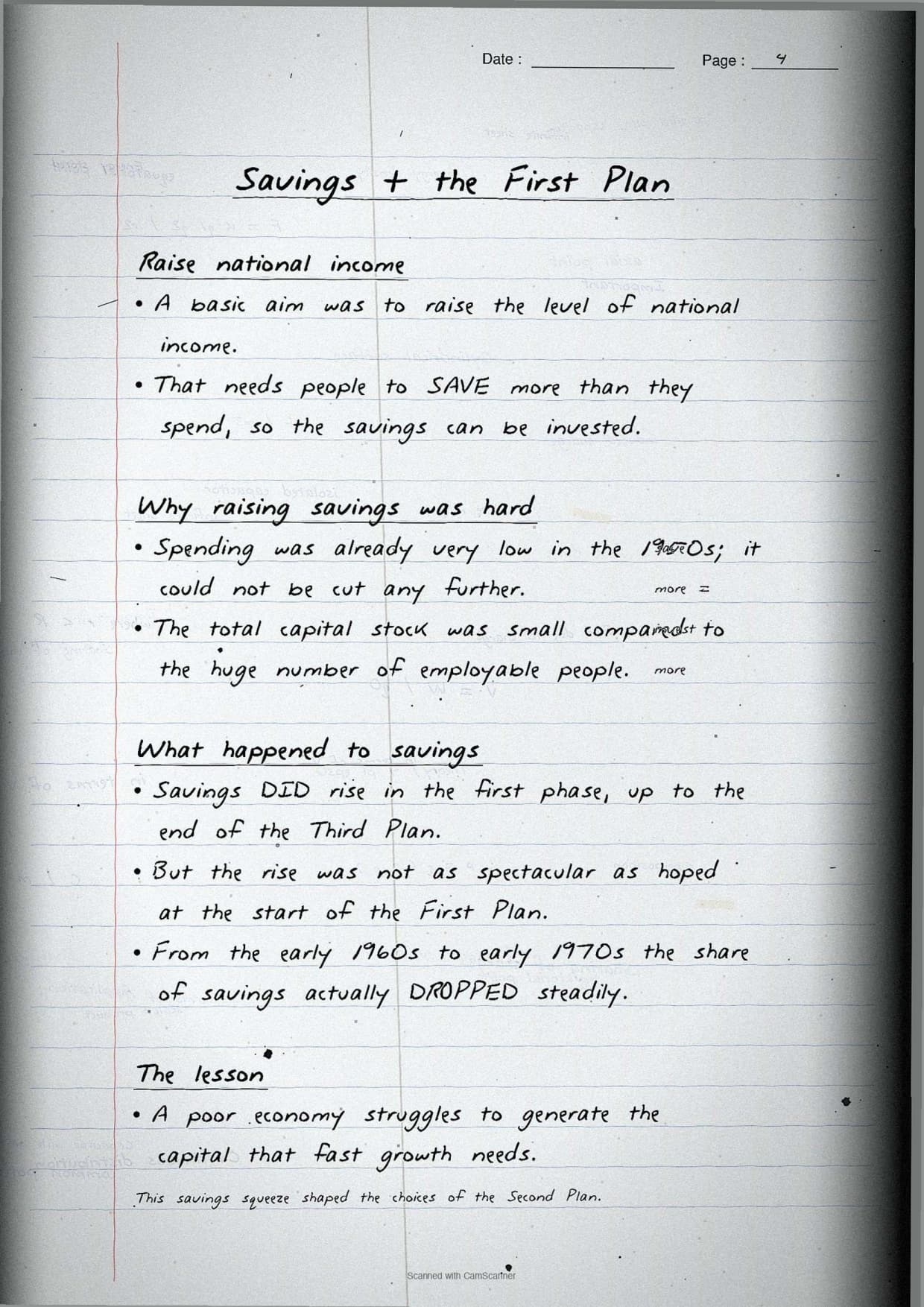
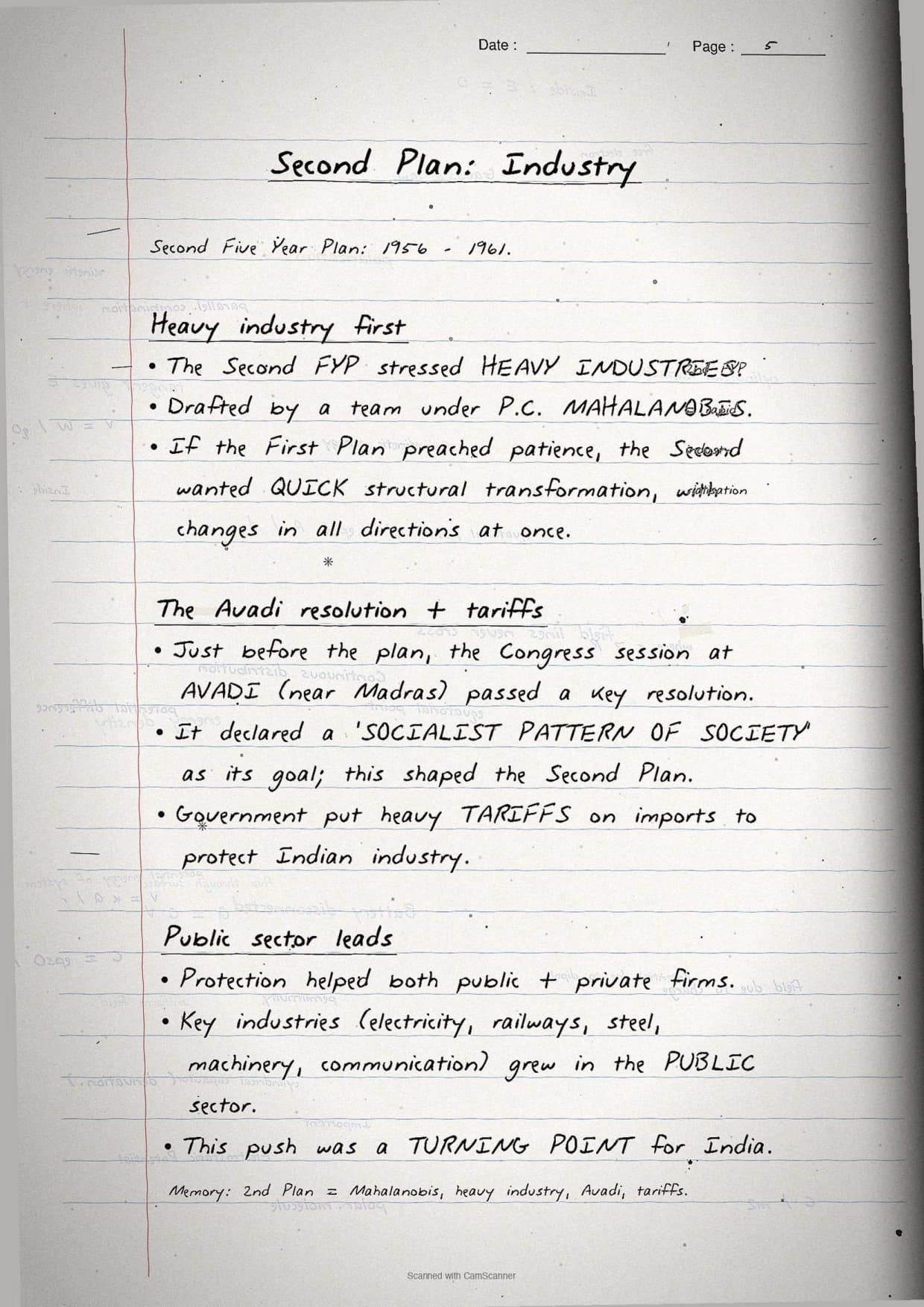
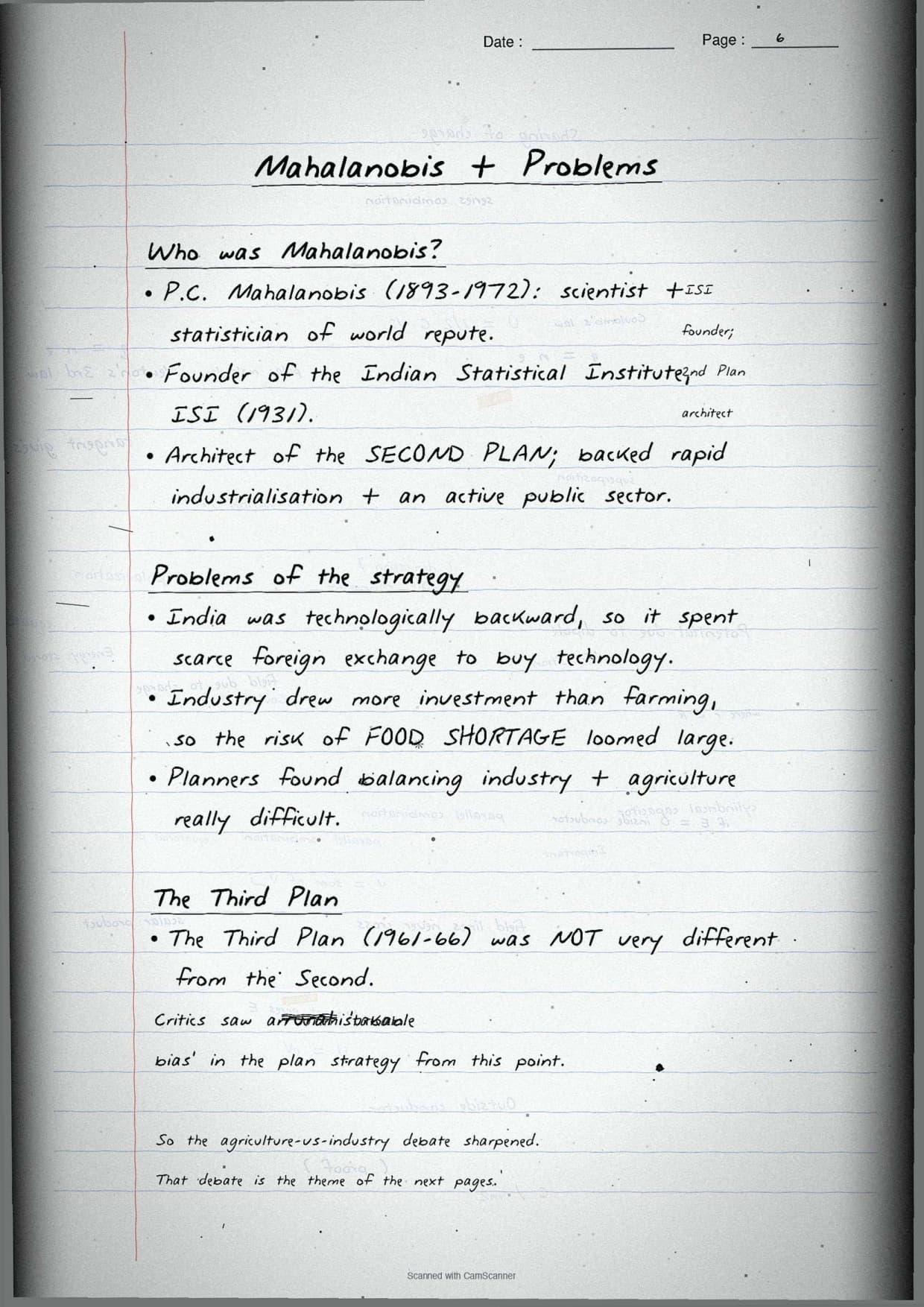
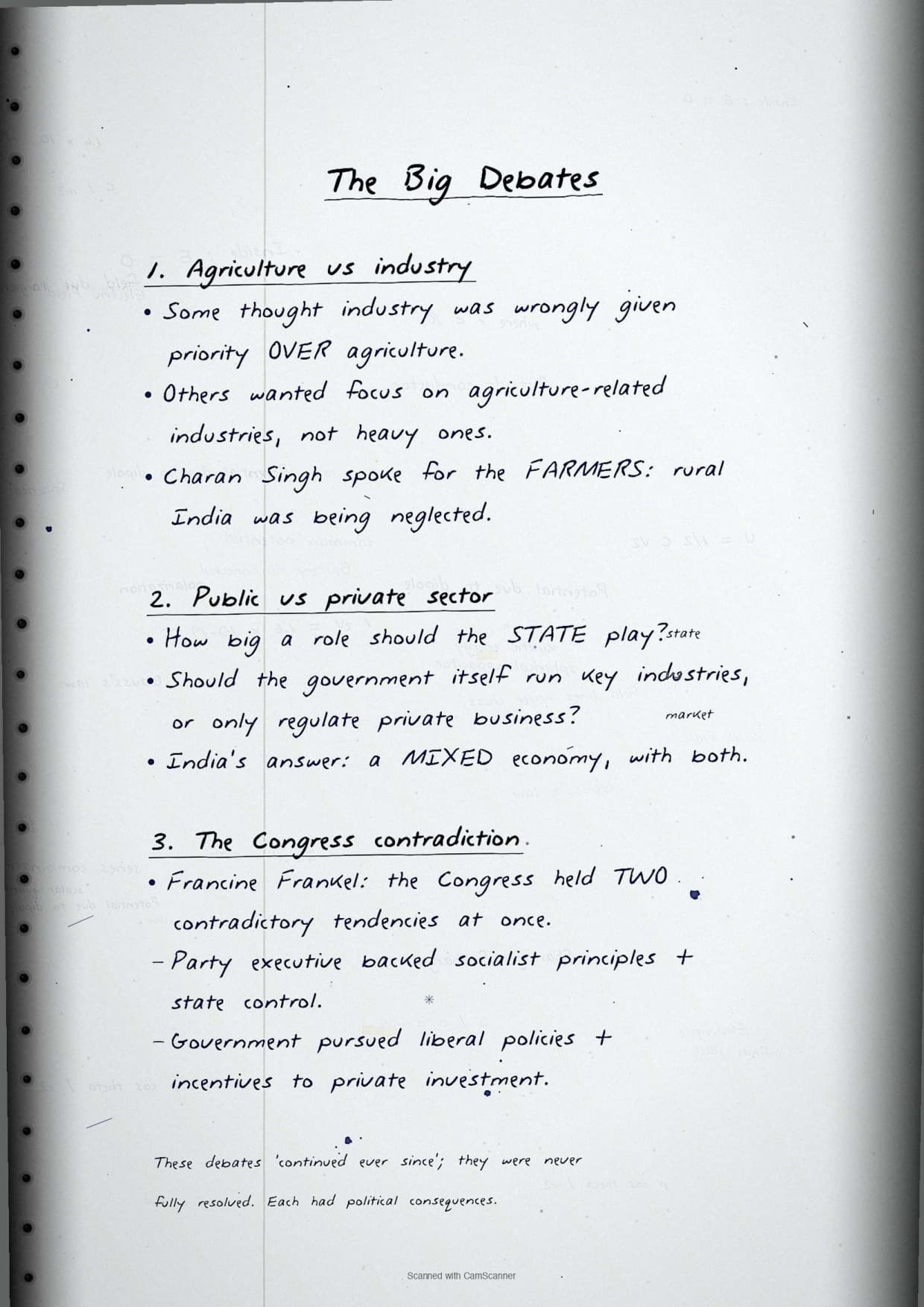
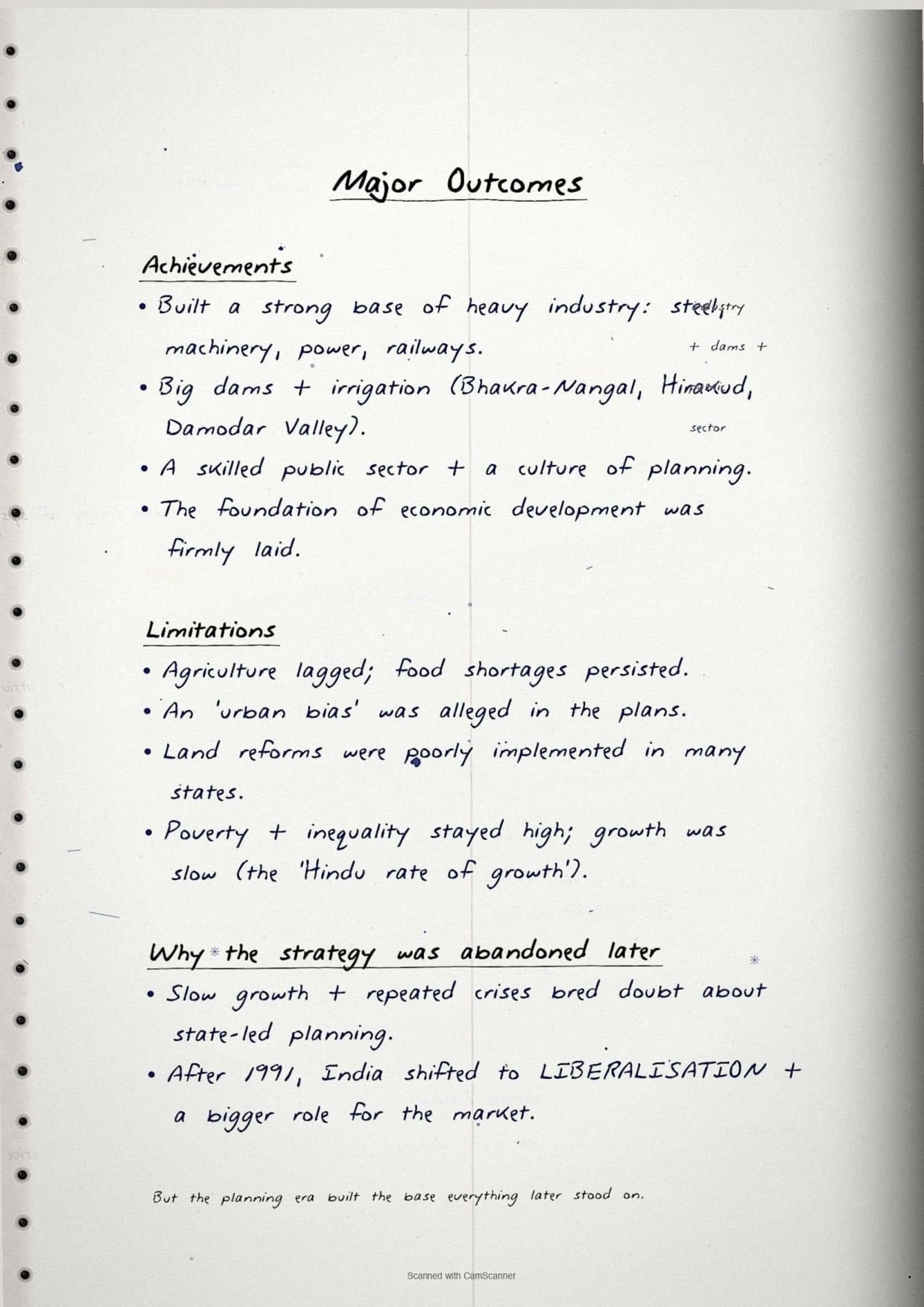
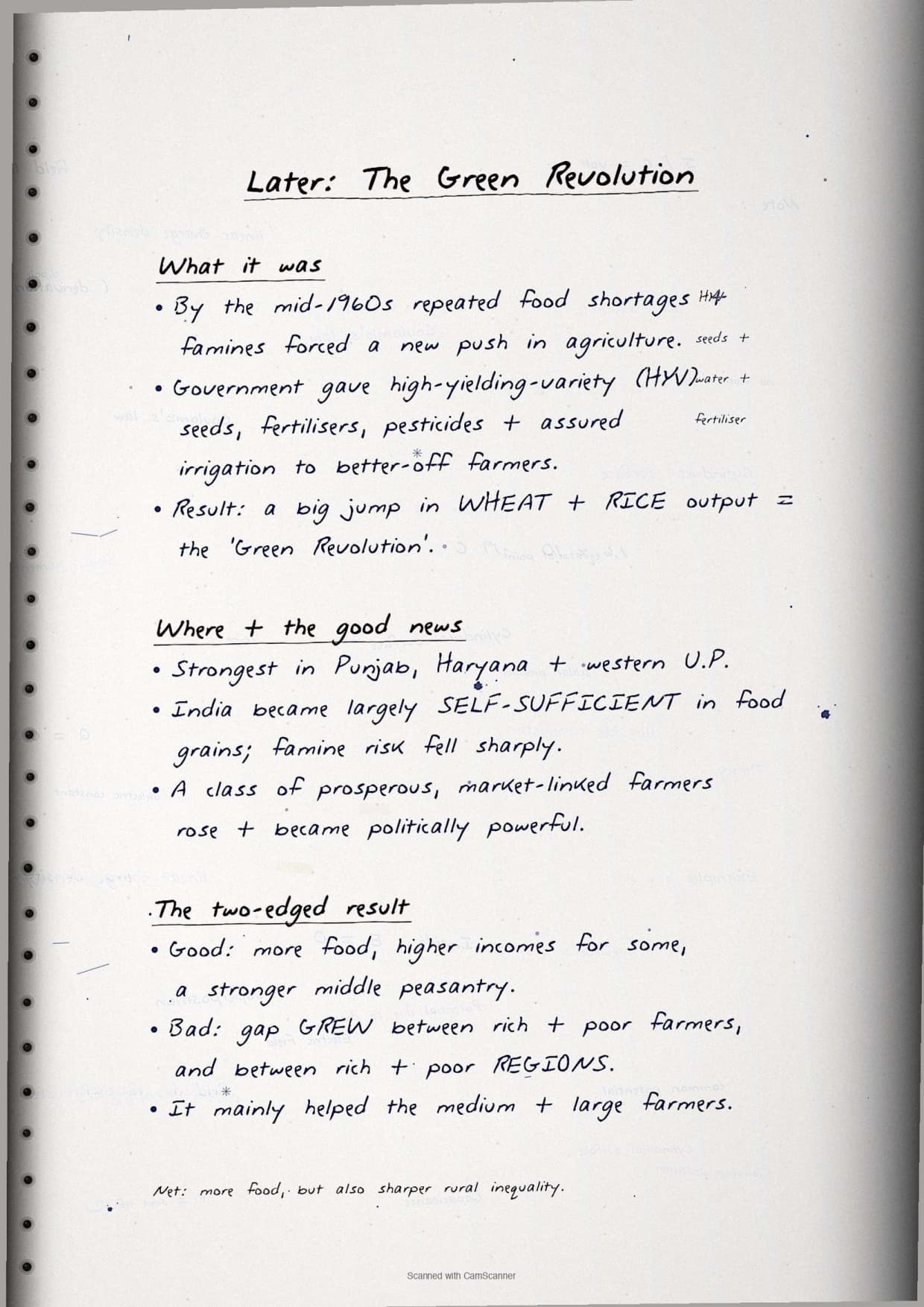
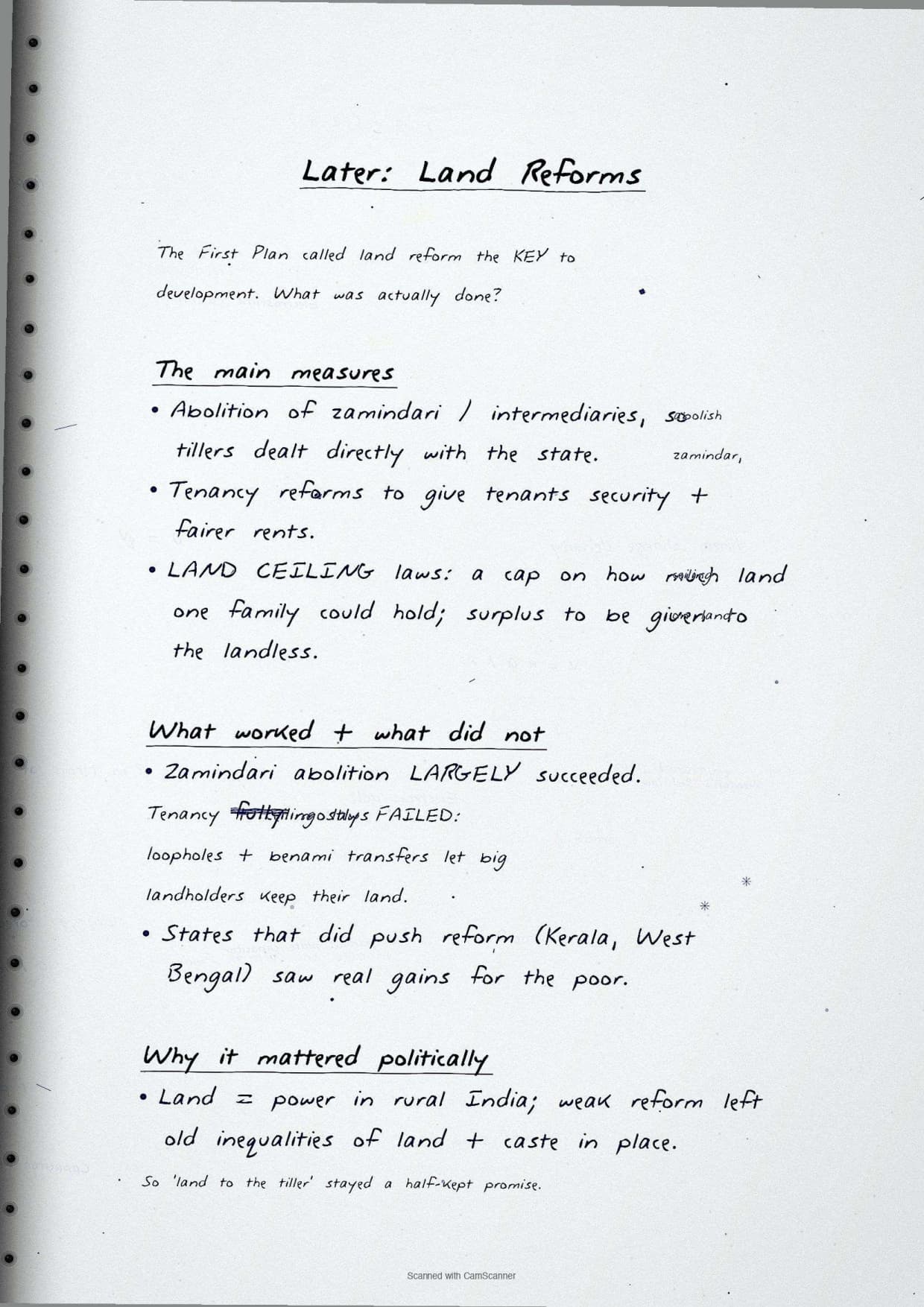
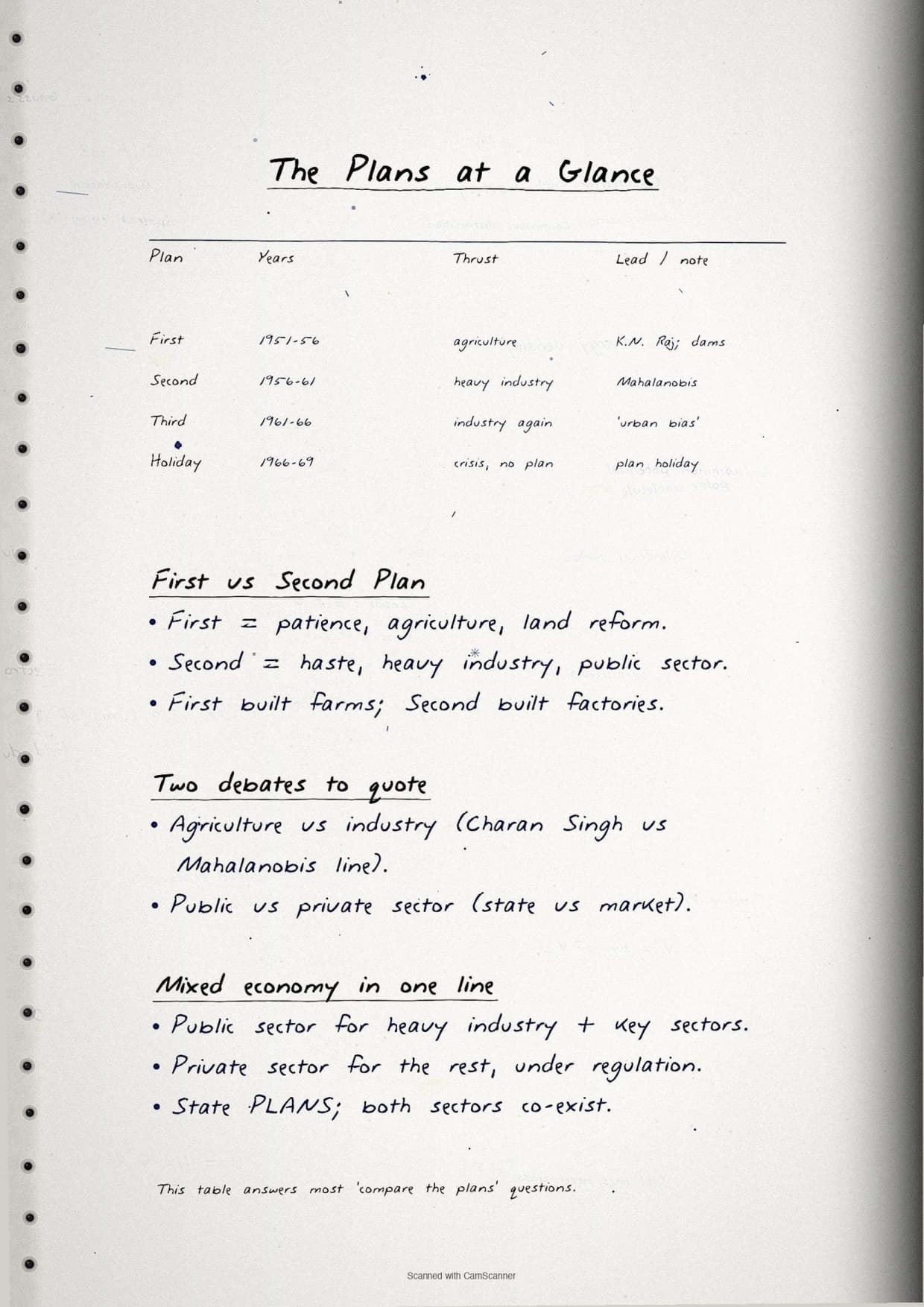
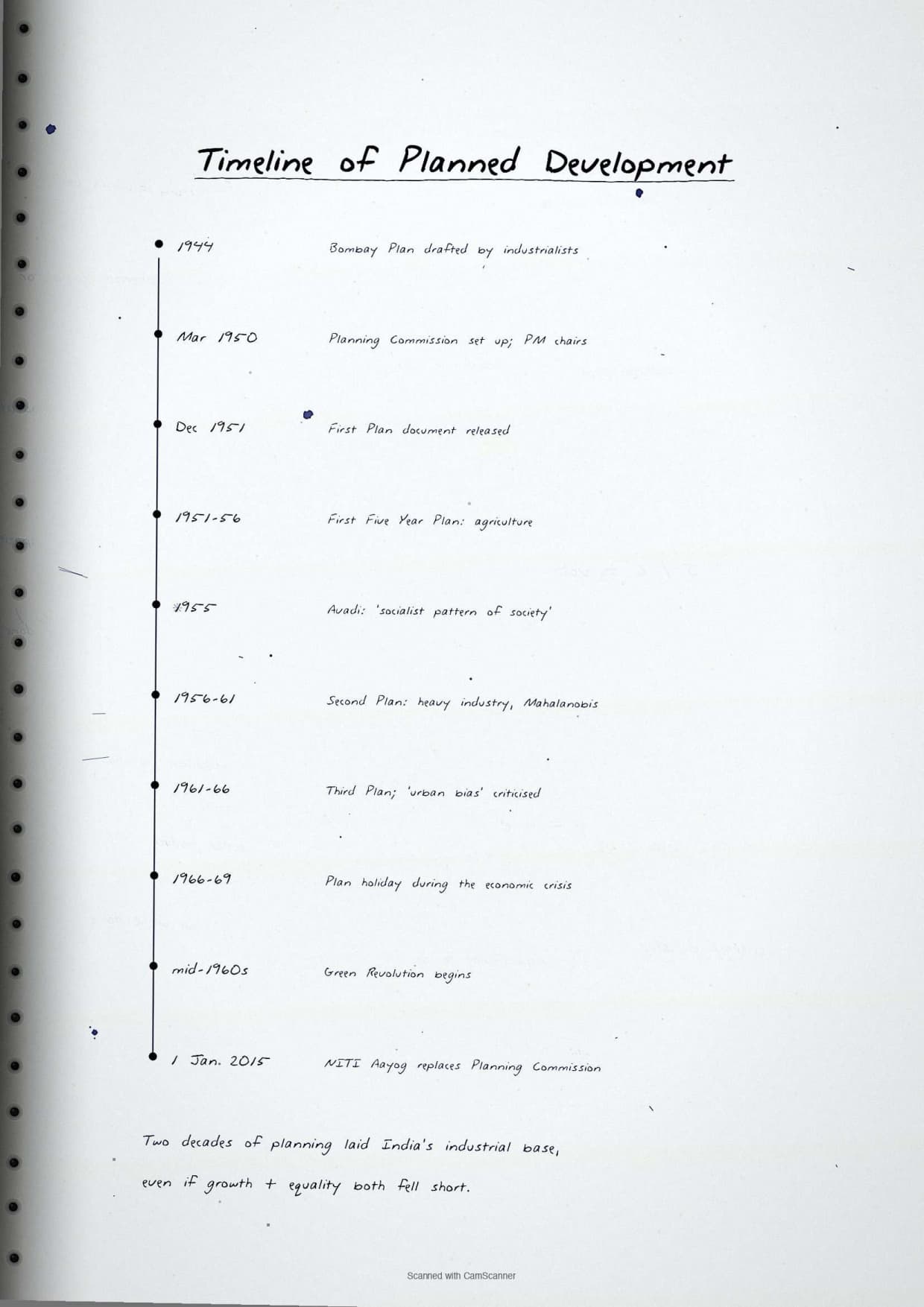
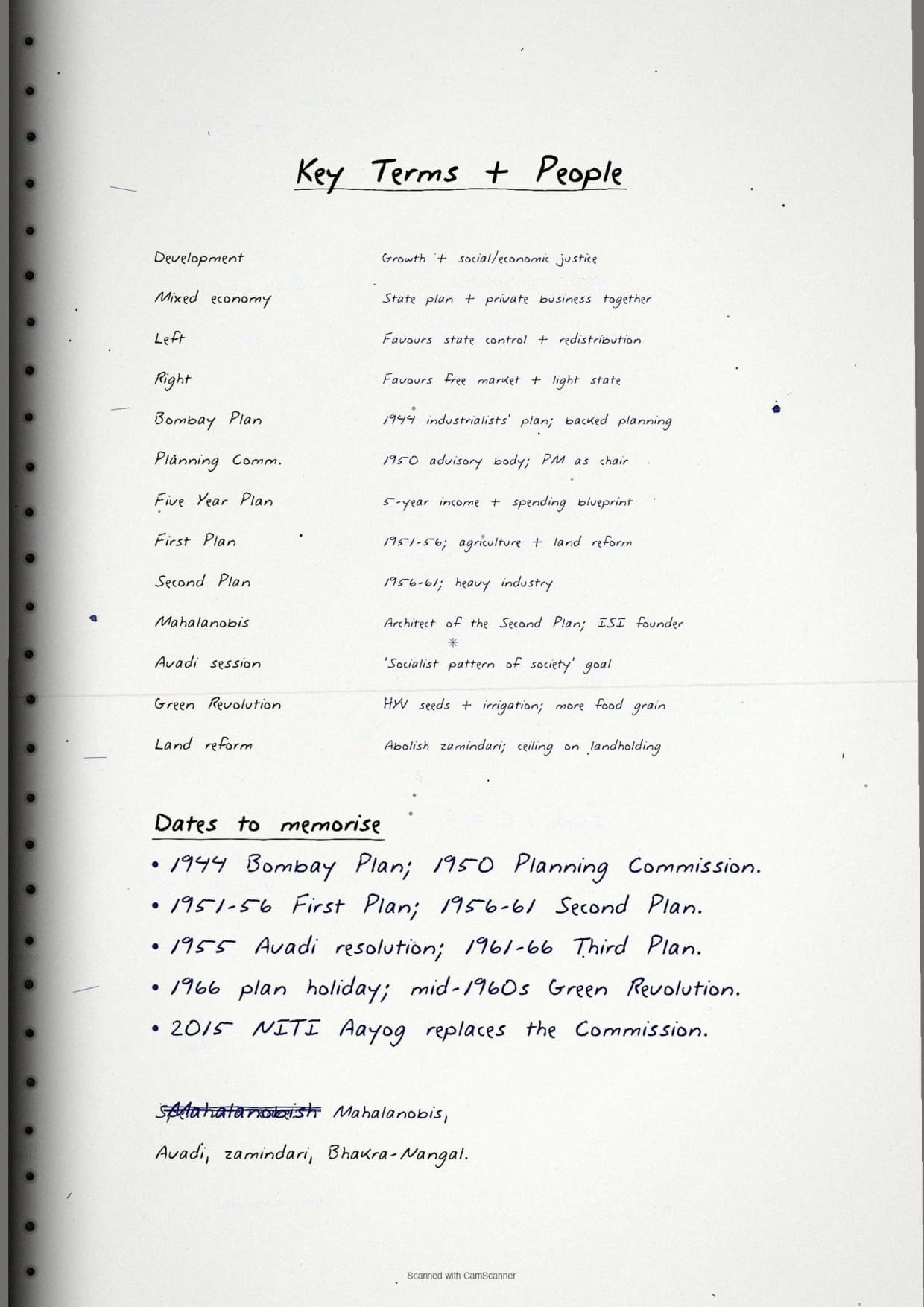
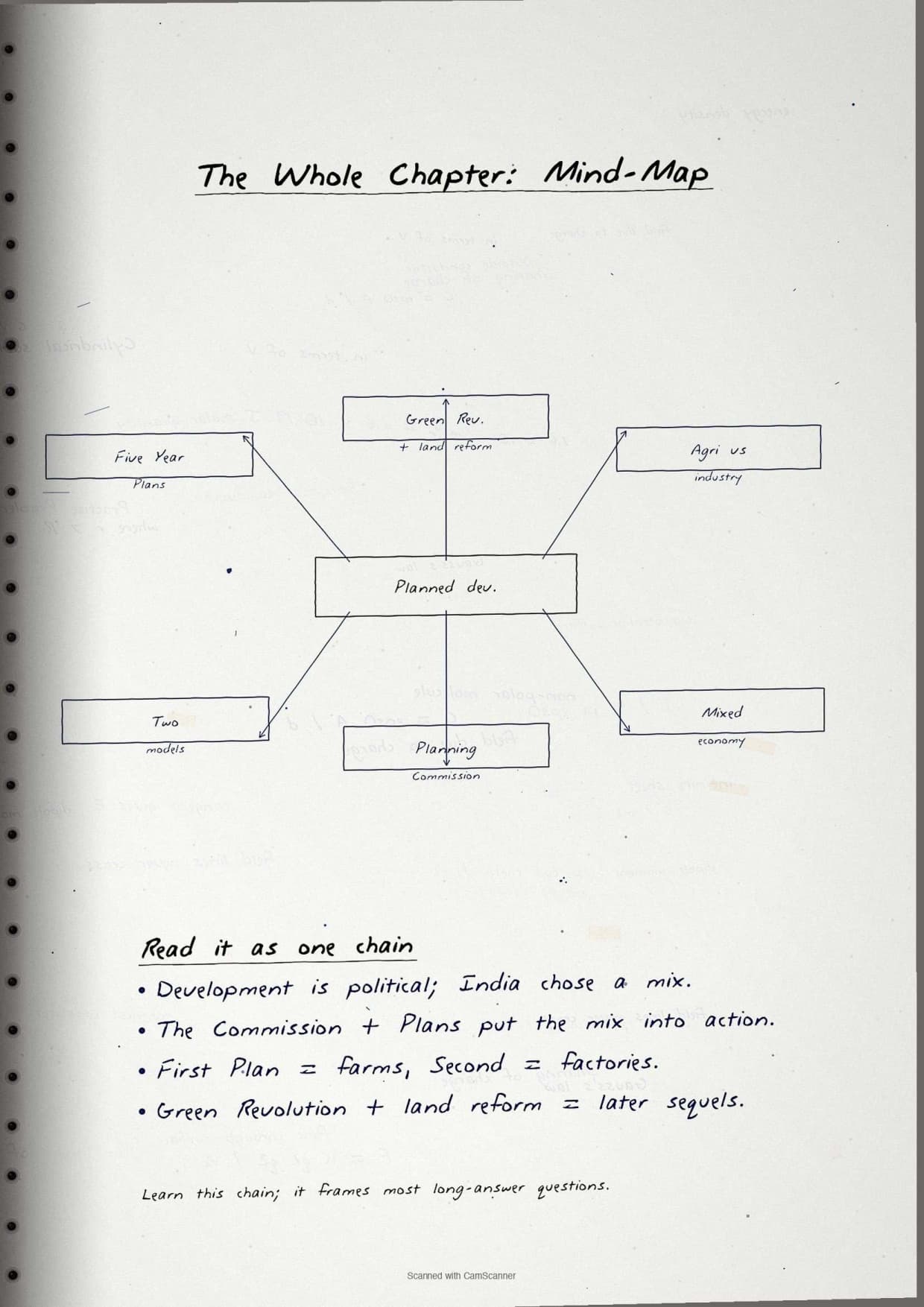
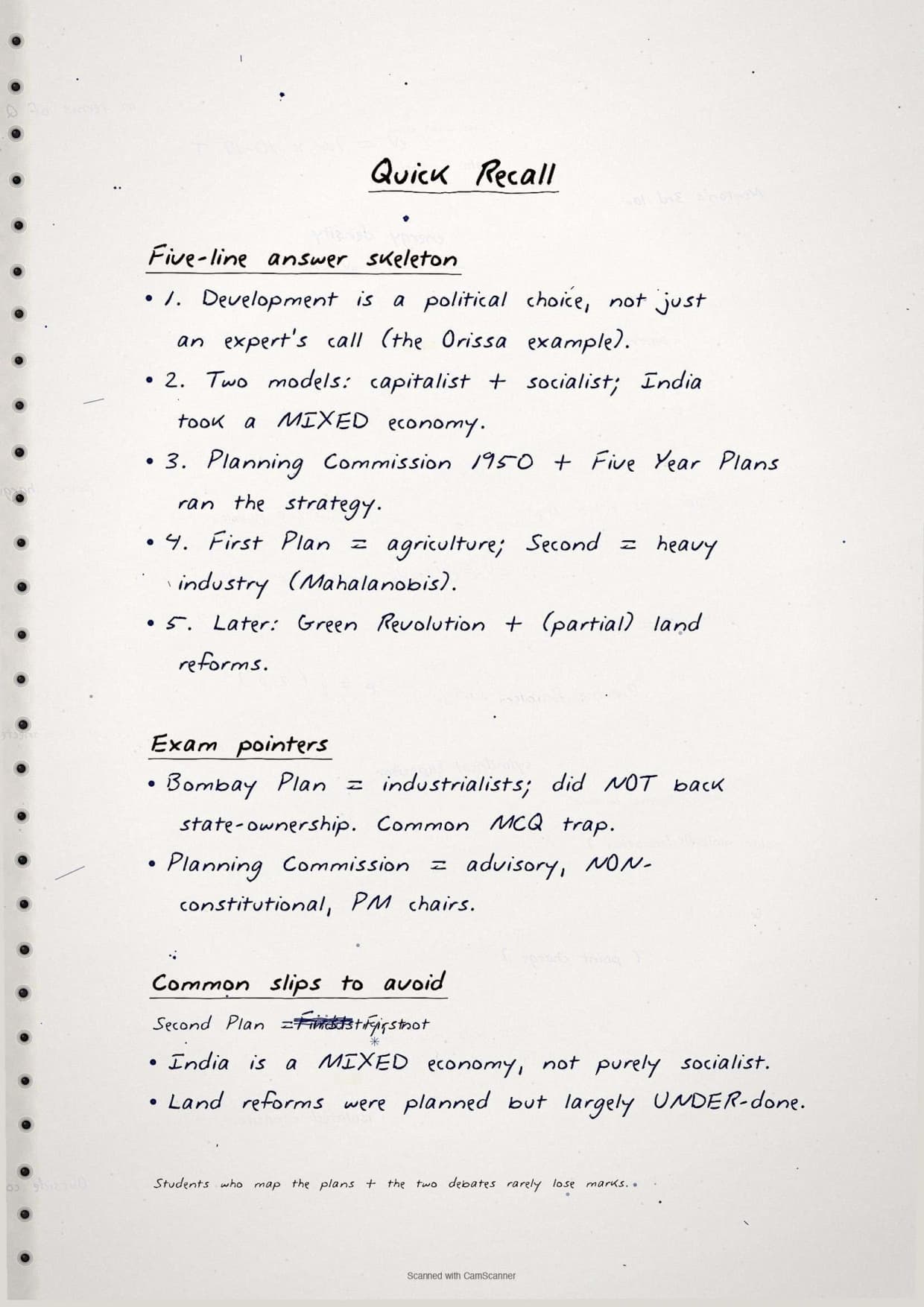
- Handwritten pages with boxed key terms and a labelled planning timeline.
- This Class 12 Political Science chapter usually carries 5 to 6 marks in the board paper.
- Pairs with the NCERT Solutions, Notes and Book PDF linked lower on this page.
These Politics of Planned Development handwritten notes are prepared from the official NCERT Politics in India Since Independence textbook and checked against the last five years of CBSE board papers.
Student Feedback: In a Collegedunia poll of 7,640 Class 12 Political Science students before the 2026 boards, 73% of students said handwritten notes felt faster to revise from than printed text for this chapter. Most students used the boxed two-plan comparison to recall the First Plan versus Second Plan answer in the exam.
Source: 2026-27 Class 12 Political Science student poll. Sample of 7,640 students from CBSE schools across 12 states.
What These Handwritten Notes Include
Politics of Planned Development is the third chapter of Politics in India Since Independence. It studies how India chose to grow its economy after 1947, on the idea that development is a political choice. These handwritten notes condense the chapter into pages a student can read in one sitting.
Every page is built around the three threads of the chapter:
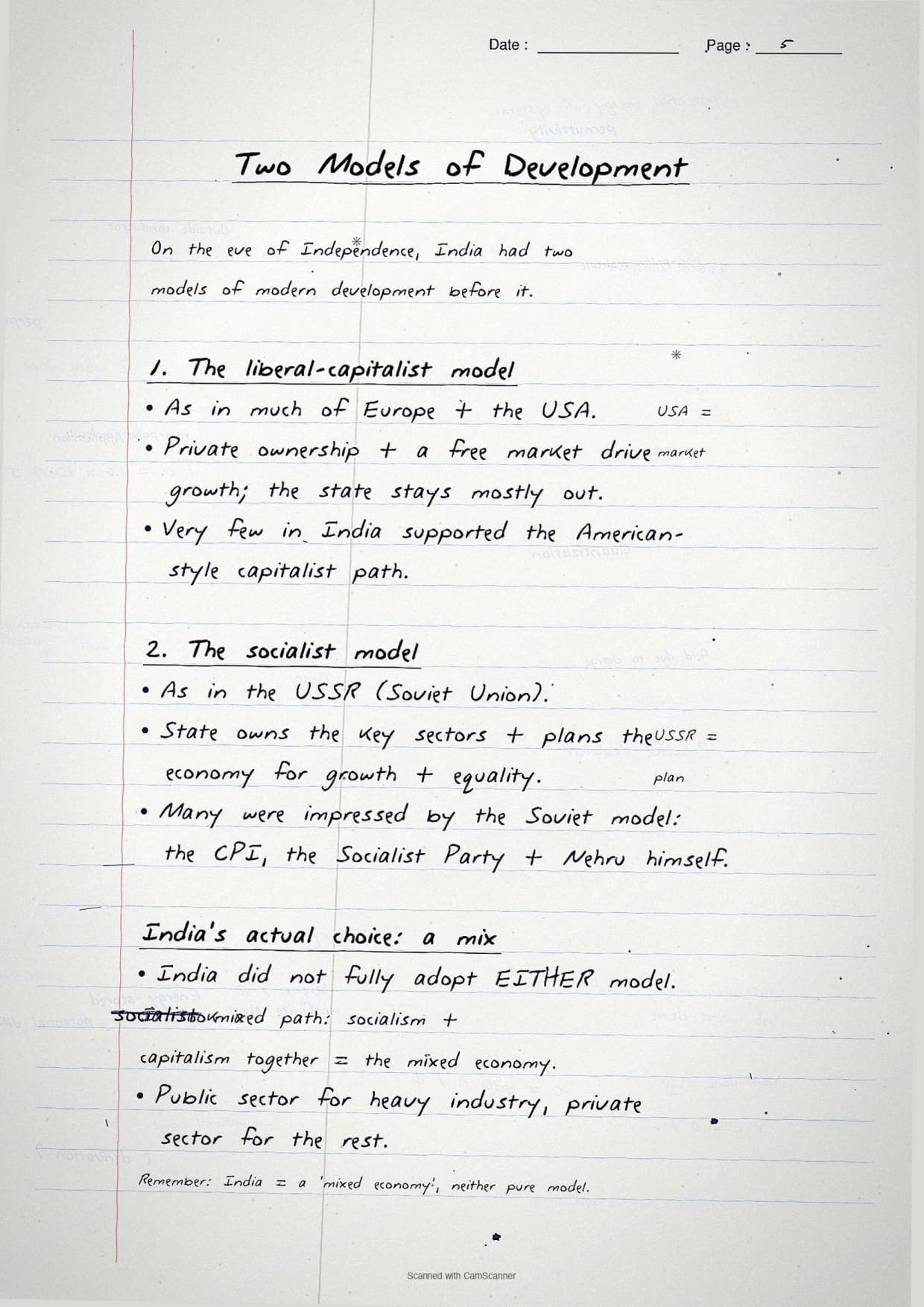
- Model pages cover the capitalist and socialist choices, and India's mixed economy.
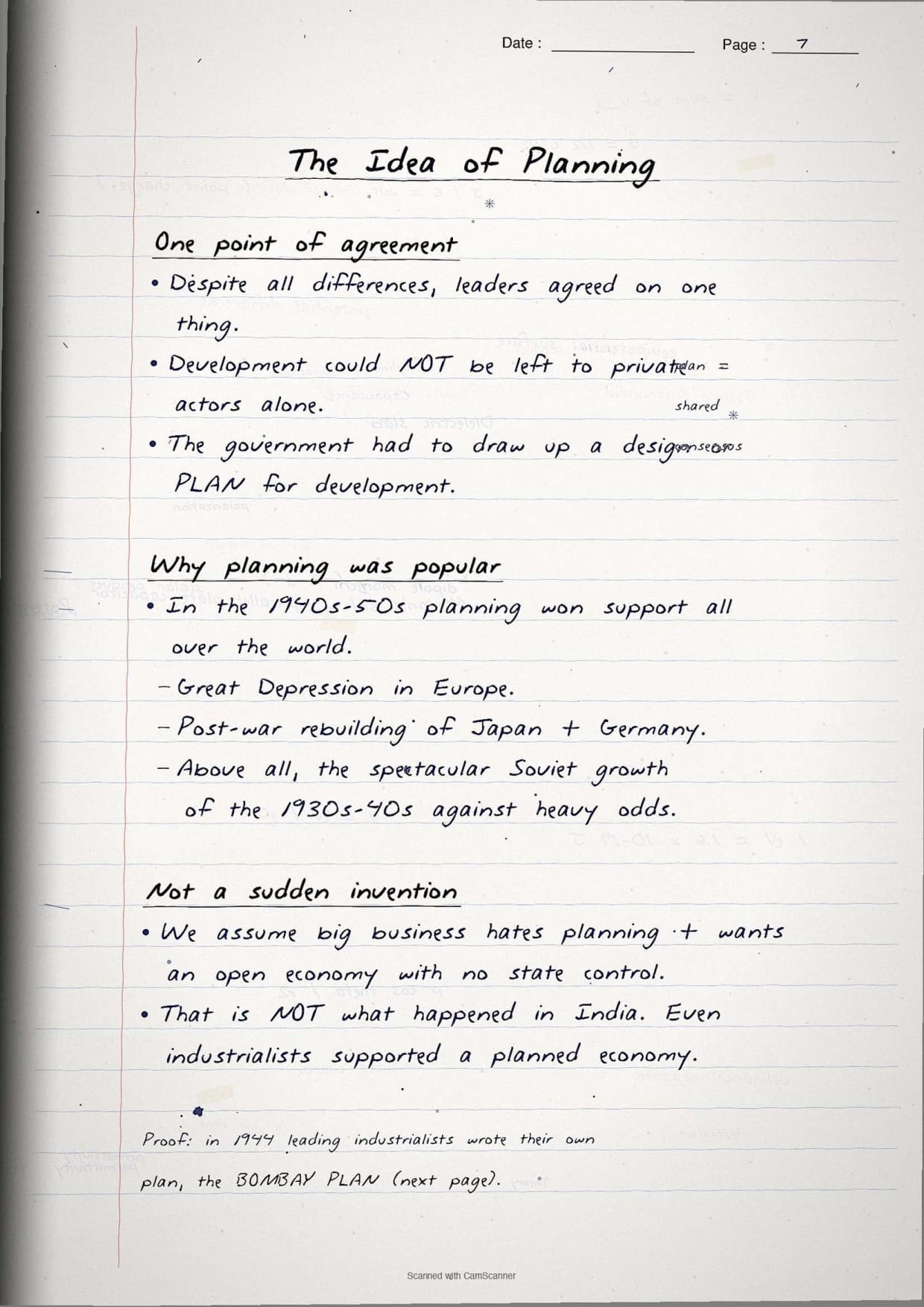
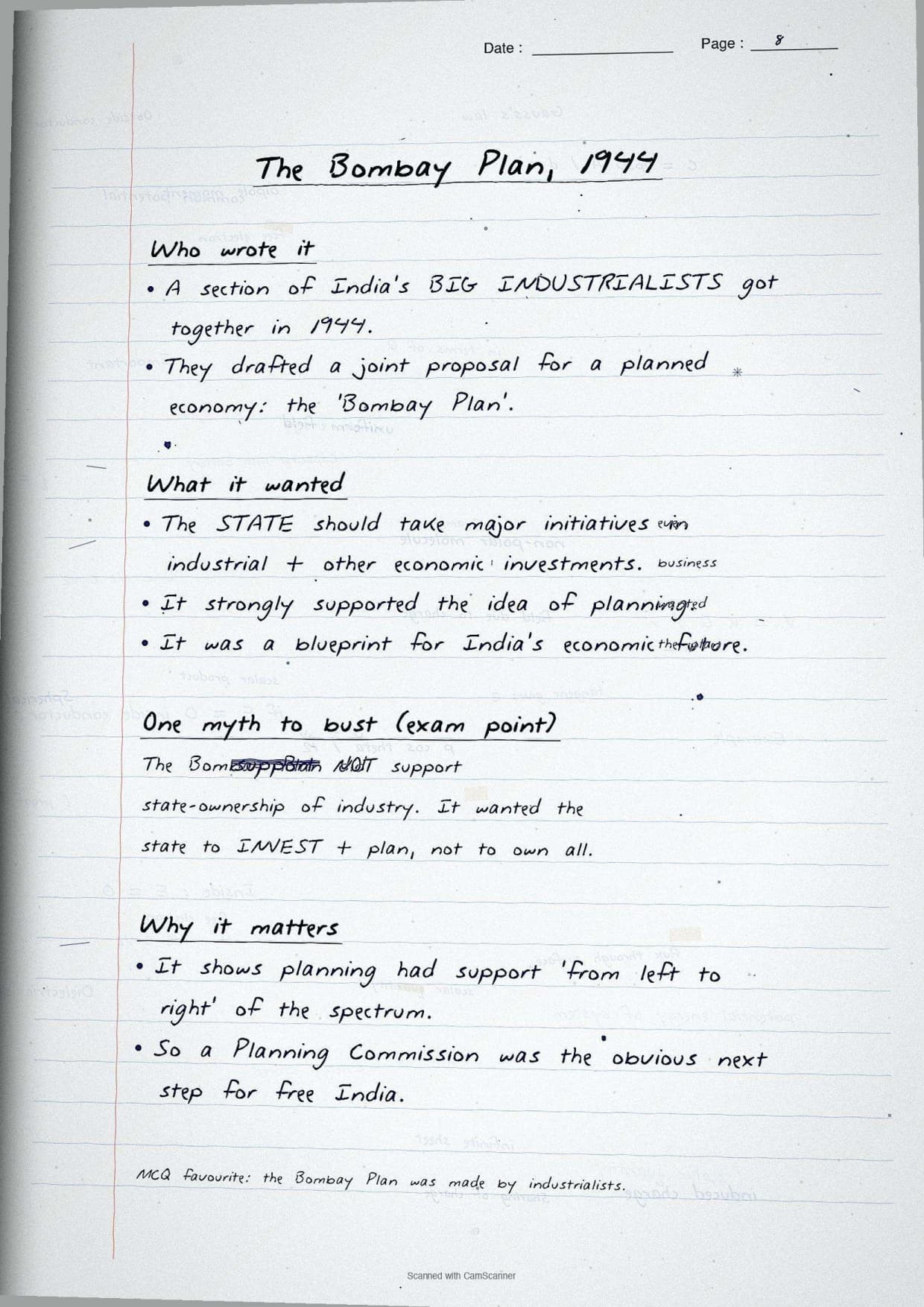
- Planning pages cover the Bombay Plan, the Planning Commission and the Five Year Plans.
- Debate pages cover industry versus agriculture and the public versus private sector.
Because the notes are handwritten, the key terms sit in boxes and the important dates are underlined, so the eye jumps straight to them. This makes the Politics of Planned Development handwritten notes ideal for a last revision when there is no time to read full paragraphs. Sort each fact under model, planning or debate, and the whole chapter falls into place.
Development as a Political Choice Pages
The first pages explain why development is a political question. The notes keep the central idea as a boxed list so students can copy it straight onto the answer sheet. Each key word is underlined so it stands out at a glance.
- Who gains, who loses? A big project can bring jobs yet displace local people.
- More than money: development means social justice too, not just growth figures.
- Contestation: different groups push their own idea of development.
The notes box the most-tested point in red ink: development is about values, not just growth figures. A small arrow links this to the Orissa-POSCO case at the start of the chapter, where a steel plant promised jobs but threatened tribal land. This makes the "what is development" short answer easy to write.
Two Models of Development Pages
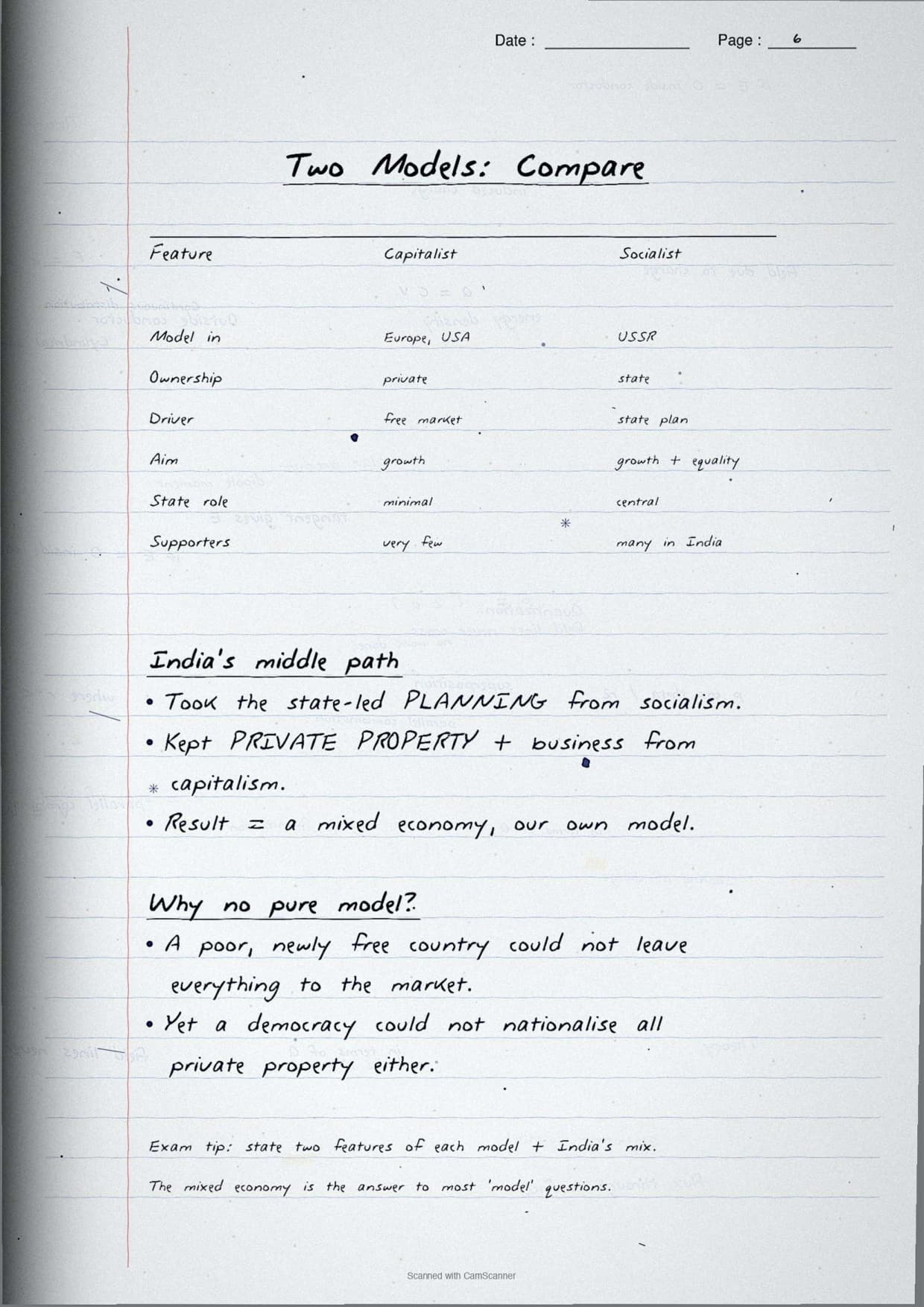
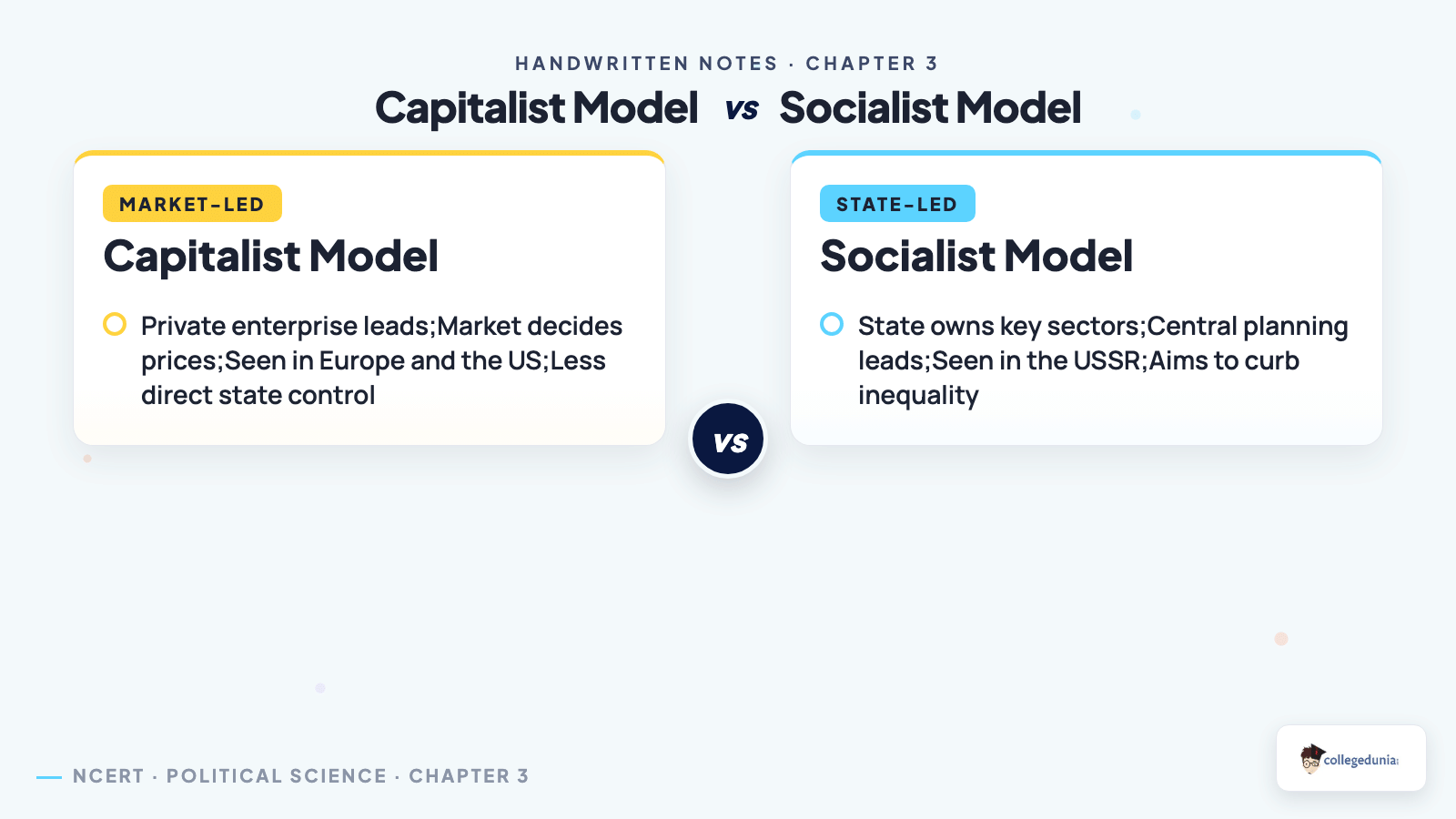
The model pages carry one of the chapter's big debates. The notes list the two models as a boxed table with a small icon next to each, so students can describe them in detail. The table below mirrors what the pages box for quick revision.
| Model | Key idea to recall |
|---|---|
| Capitalist (market-led) | Private enterprise and the market lead growth, as in Europe and the US. |
| Socialist (State-led) | The State owns and directs key sectors, as in the USSR; aims to curb inequality. |
| India's choice | A mixed economy, combining the State and the private sector. |
The pages box the single sharpest point in the margin: India built a mixed economy, not a pure copy of either model. A hand-drawn arrow links Nehru's admiration of the Soviet model to India's choice of a State-led big-industry strategy. This balance is what turns an average answer into a full-marks one.
Bombay Plan and Planning Commission Pages
These pages keep the two planning landmarks side by side, because the dates and roles are easy to confuse. The notes give one line for each so students never mix them up, and add a hand-drawn timeline of the planning years.
- Bombay Plan (1944): industrialists ask the State to lead investment in industry.
- Why it mattered: even big business wanted a planning State, so support ran "from left to right".
- Planning Commission (March 1950): set up with the Prime Minister as Chairperson, as an advisory body.
- Its tool: the Five Year Plans that guided the whole economy.
The margin note underlines the honest line: the Bombay Plan was a private suggestion, not the official blueprint. The boxed timeline runs from the 1944 Bombay Plan to the Planning Commission and the two plans, so students can answer the date-based MCQs without hesitation. Redrawing this timeline once fixes the whole sequence in memory.
First and Second Plan Pages
The last set of pages covers the two Five Year Plans. The notes line the two plans up on the same points, because the exam wants a clear contrast. A small "agriculture then industry" sketch helps students remember the order of priorities.
- First Plan (1951-56): agriculture, dams, irrigation, land reforms, "hasten slowly".
- Second Plan (1956-61): rapid heavy industry under P.C. Mahalanobis.
- Pace: patient (First) versus fast and simultaneous (Second).
- State role: bigger public sector and a "socialist pattern" goal in the Second Plan.
The pages box the verdict clearly: tag the First Plan "agriculture" and the Second Plan "industry". A linking arrow ties this to the match page, which underlines that Charan Singh stood for farmers and Mahalanobis for industry. Keeping these anchor words together makes the long answer and the match question easy to write under exam pressure.
How to Use These Handwritten Notes
Handwritten notes work best as a final layer of revision, not as your first read. The plan below helps students get the most out of the Politics of Planned Development handwritten notes before the board exam. Follow it once a week in the run-up to the test.
- First pass: read the notes once, following the model, planning and debate order.
- Active recall: cover the boxed terms and try to write each list from memory.
- Timeline practice: redraw the planning timeline and label the two plans without looking.
- Self-test: attempt a short class 12 political science chapter 3 mcq drill to check the small facts.
Because the notes come as a downloadable PDF, students can save them on a phone and revise offline on the way to the exam centre. Many students search for class 12 political science chapter 3 notes on their phone the night before a test, so a saved PDF means revision is always at hand. Pair these pages with the full solutions to check your written answers against model points.
Common Mistakes These Notes Help You Avoid
A few errors cost marks in this chapter every year. Most come from swapping the two plans or mixing up names in the match question. The notes flag each soft point in the margin so students phrase it safely on the answer sheet.
- Swapping the plans - the First Plan stressed agriculture, the Second Plan stressed industry.
- Confusing Charan Singh (farmers) with Mahalanobis (industrialisation) in the match question.
- Calling the Bombay Plan the "official blueprint" - it was only a private 1944 industrialists' proposal.
- Treating liberalisation as an early-phase idea - it belongs to the post-1991 reforms.
- Saying the development debate was settled - India's mixed-economy compromise left it open.
Students who fix these five points usually move from average to high marks. The exam rewards a balanced view, so always show both the agriculture and the industry side before you judge India's choices. The handwritten margin notes nudge you to keep that balance in the right places.
How These Notes Pair with the Solutions and Book PDF
These handwritten notes are a revision layer. To prepare fully, students should use them with the other resources for the same chapter, all linked in the table below. Read the notes, then test yourself with the solutions, and open the book PDF for the original text and figures.
| Resource | Best used for |
|---|---|
| Politics of Planned Development NCERT Solutions | Step-by-step answers to all 7 back-exercise questions |
| Politics of Planned Development Class 12 Notes | Quick chapter summary with all dates and key terms in one place |
| Politics of Planned Development NCERT Book PDF | Reading the original NCERT chapter text and figures |
Tip: use the handwritten planning timeline to memorise the dates, then write the full answer in your own words. Drawing the two-plan comparison once from memory fixes the First Plan versus Second Plan answer for good.
All Class 12 Political Science Handwritten Notes by Chapter
The table links the handwritten notes for every chapter in both Class 12 Political Science books, so students can move across the course in one click. Politics of Planned Development is highlighted.
| Chapter | Handwritten Notes |
|---|---|
| Contemporary World Politics | |
| Chapter 1 | The End of Bipolarity |
| Chapter 2 | Contemporary Centres of Power |
| Chapter 3 | Contemporary South Asia |
| Chapter 4 | International Organisations |
| Chapter 5 | Security in the Contemporary World |
| Chapter 6 | Environment and Natural Resources |
| Chapter 7 | Globalisation |
| Politics in India Since Independence | |
| Chapter 1 | Challenges of Nation Building |
| Chapter 2 | Era of One-Party Dominance |
| Chapter 3 | Politics of Planned Development |
| Chapter 4 | India's External Relations |
| Chapter 5 | Challenges to and Restoration of the Congress System |
| Chapter 6 | The Crisis of Democratic Order |
| Chapter 7 | Regional Aspirations |
| Chapter 8 | Recent Developments in Indian Politics |
FAQs on Politics of Planned Development Handwritten Notes
Politics of Planned Development Class 12 Handwritten Notes Common Questions
Ques. Where can I download the Politics of Planned Development handwritten notes PDF?
Ans. You can download the Politics of Planned Development handwritten notes PDF directly from this page. It is free, follows the 2026-27 NCERT, and gives the chapter as clean handwritten pages with boxed terms and a labelled planning timeline.
Ques. Are handwritten notes good enough for the class 12 political science board exam?
Ans. Yes, for revision. Handwritten notes are best used as a final layer after you have read the chapter and practised the solutions. They make dates, key names and the two-plan comparison quick to recall in the exam.
Ques. What does the Politics of Planned Development chapter cover?
Ans. It covers development as a political choice, the capitalist and socialist models, the Bombay Plan, the Planning Commission, the First and Second Five Year Plans, and the debates over industry versus agriculture and the public versus private sector.
Ques. What is the difference between the First and Second Five Year Plans?
Ans. The First Plan stressed agriculture, dams, irrigation and land reforms, while the Second Plan, under P.C. Mahalanobis, shifted to rapid heavy industry and a bigger public sector. The notes box both plans separately so students never confuse them in the board paper.
Ques. How should I use these notes for quick revision?
Ans. Read the pages once in the model, planning and debate order, cover the boxed terms and write each list from memory, redraw the planning timeline, then attempt a short class 12 political science chapter 3 mcq drill to test the small facts.



Comments