




The Class 9 Science NCERT Book PDF Chapter 3 Tissues in Action is the official chapter from the 2026-27 Exploration textbook. This 20-page chapter explains how similar cells group into plant and animal tissues, and how each tissue's structure fits the job it does. Download the free PDF below and read it before you start the Solutions or Notes.
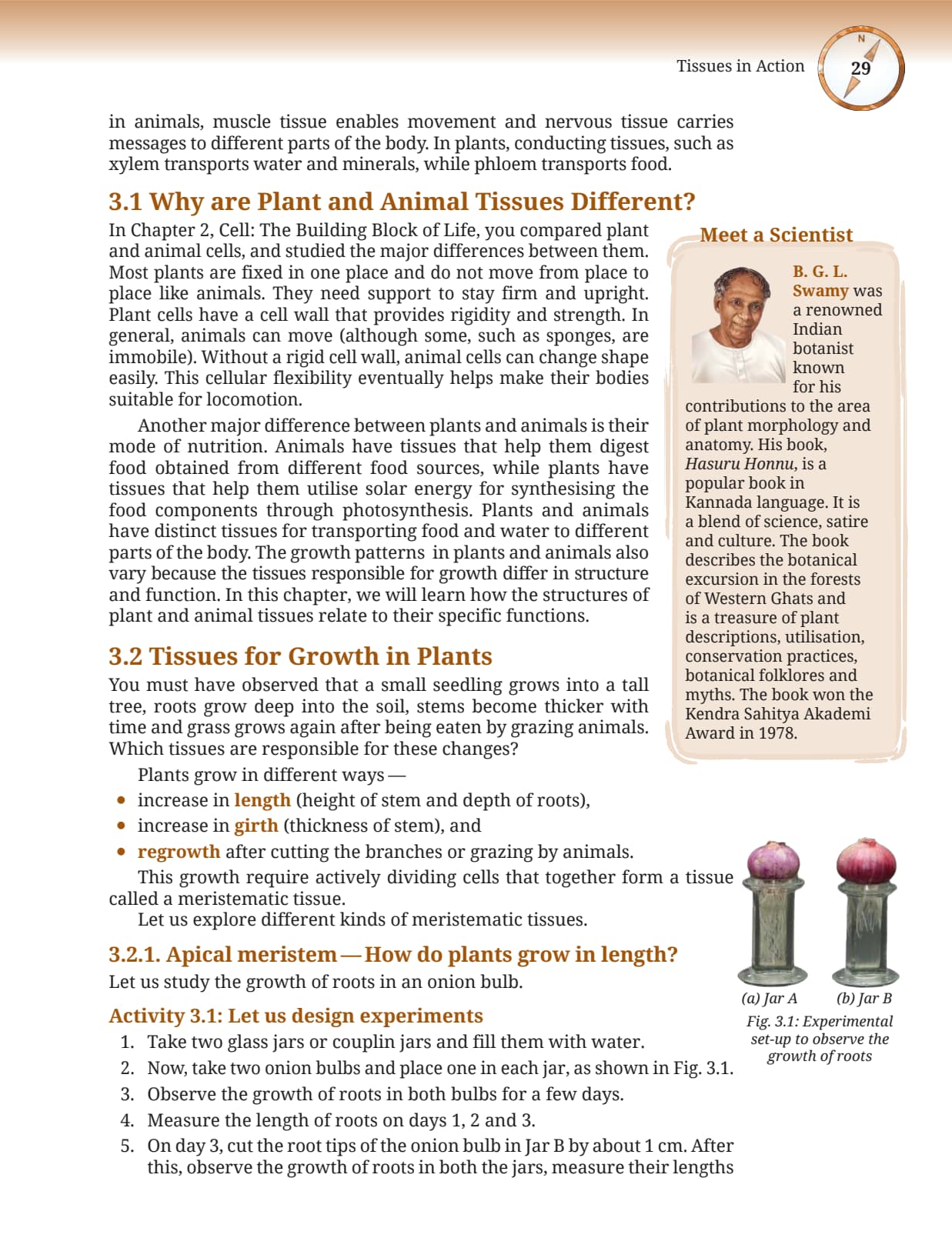
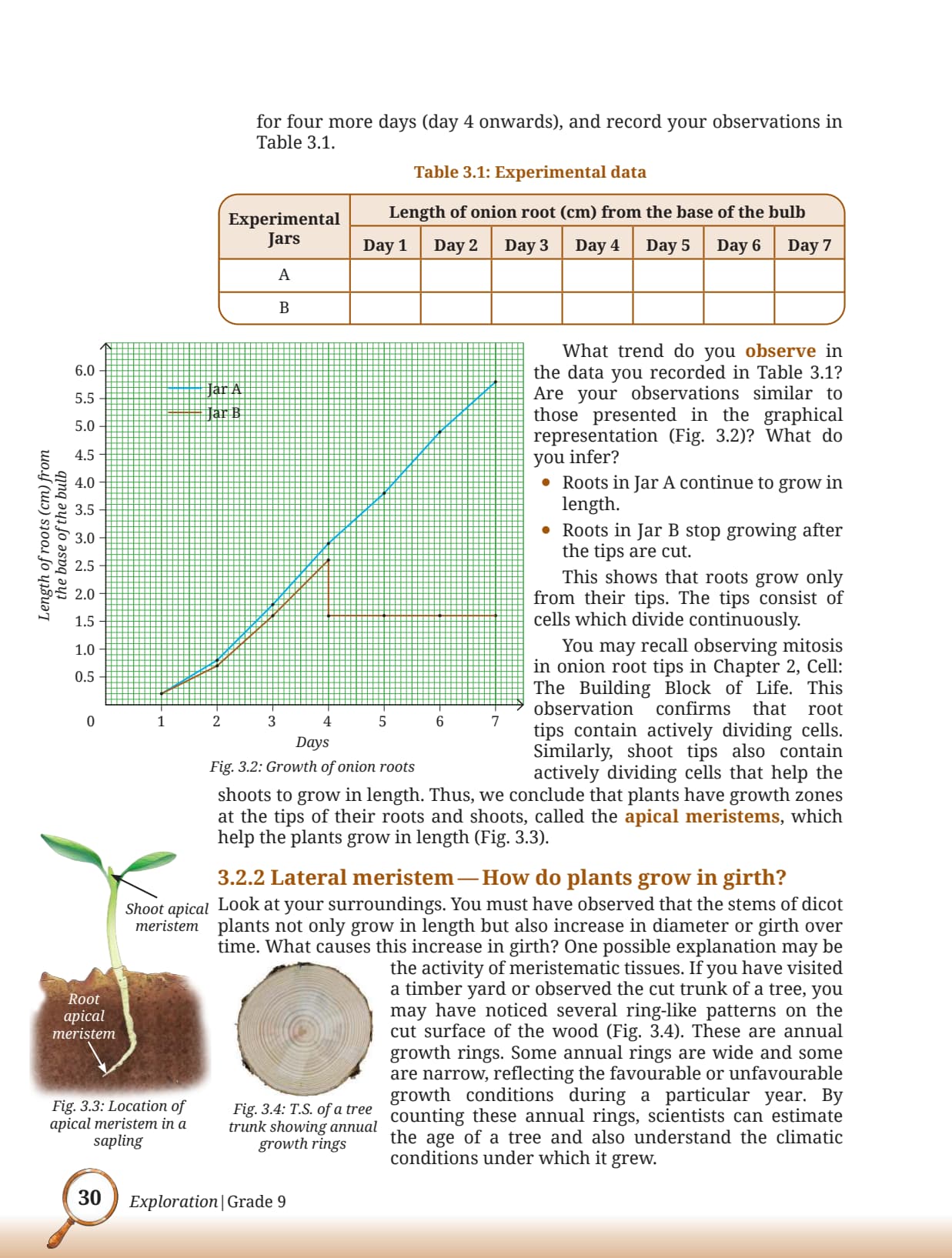
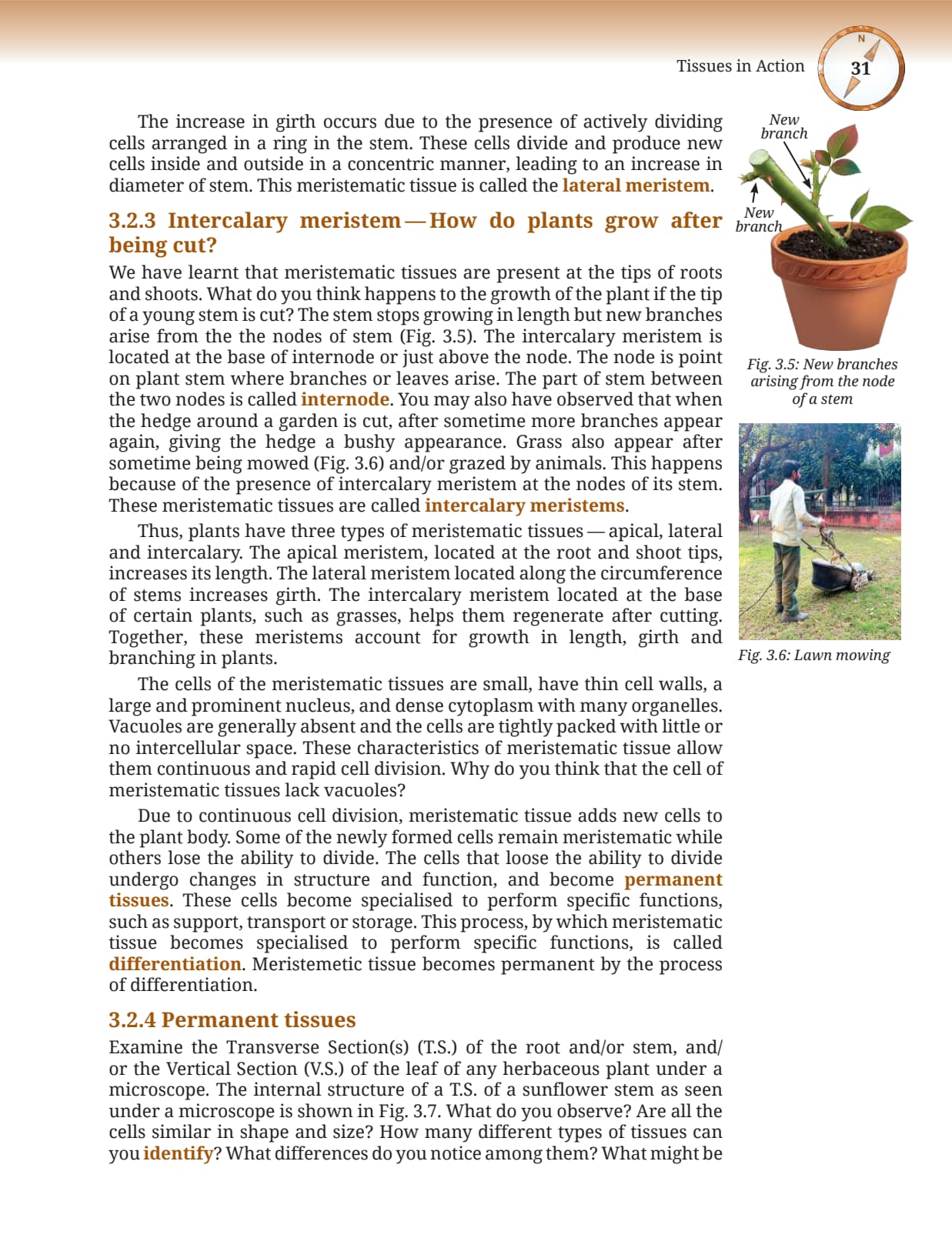
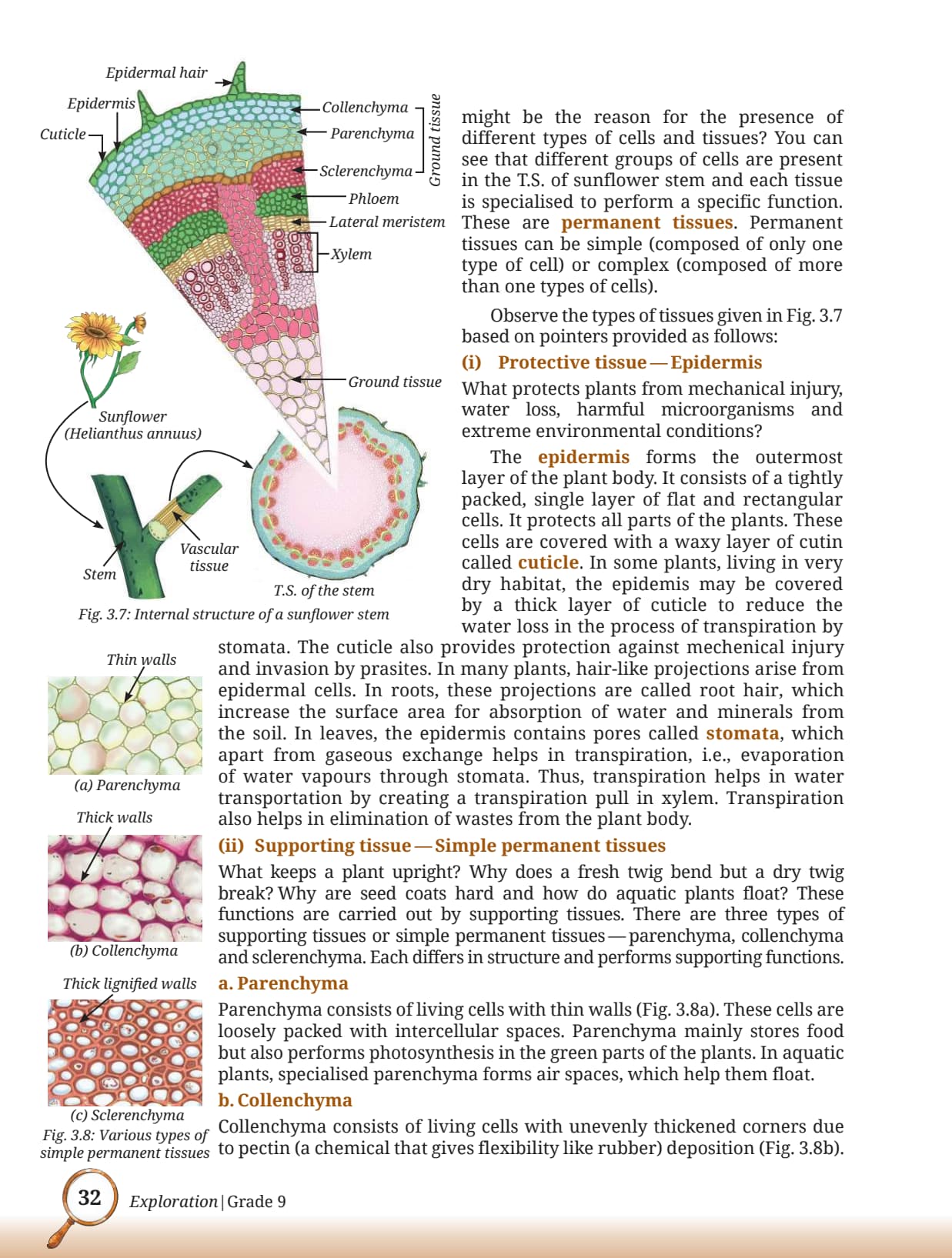
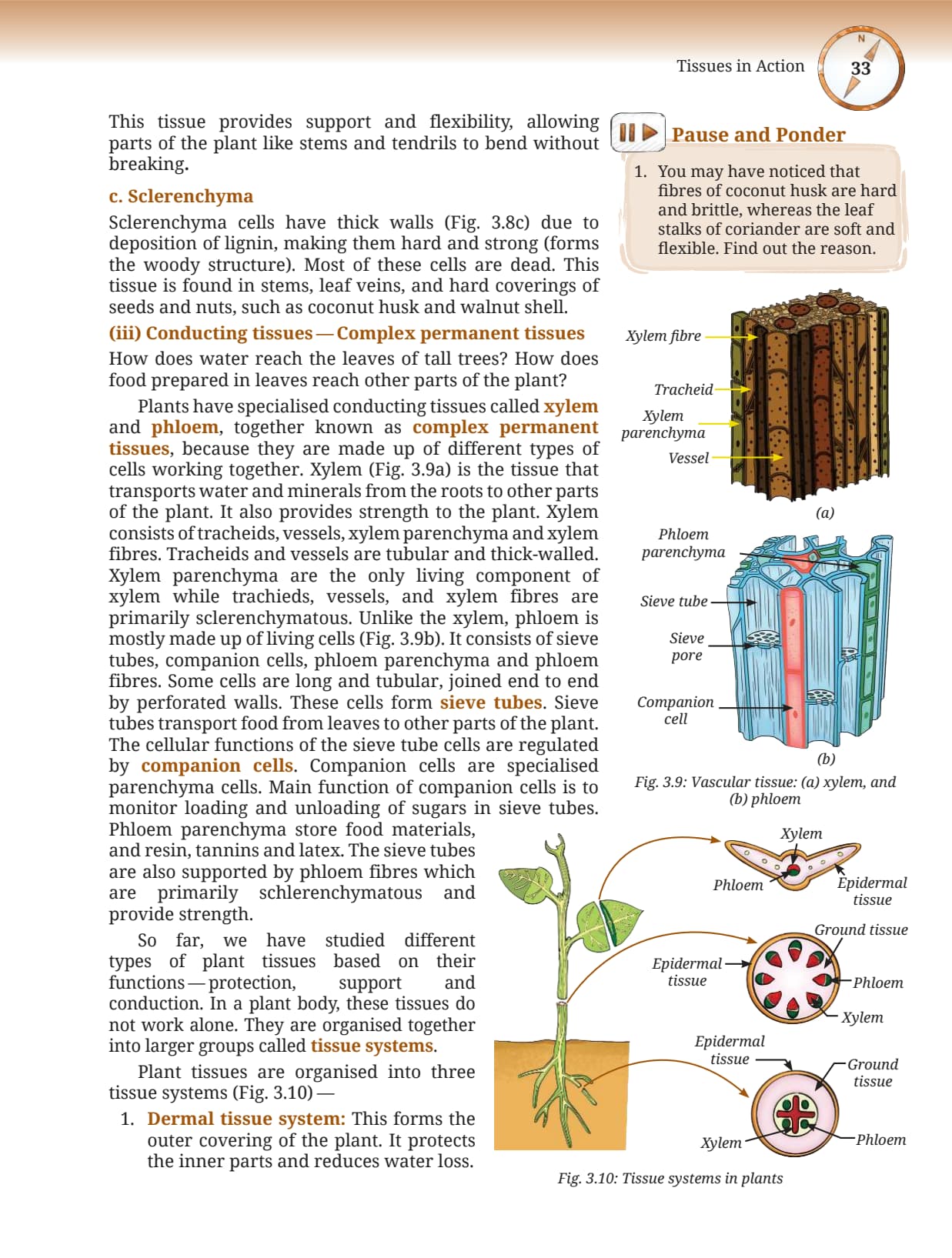
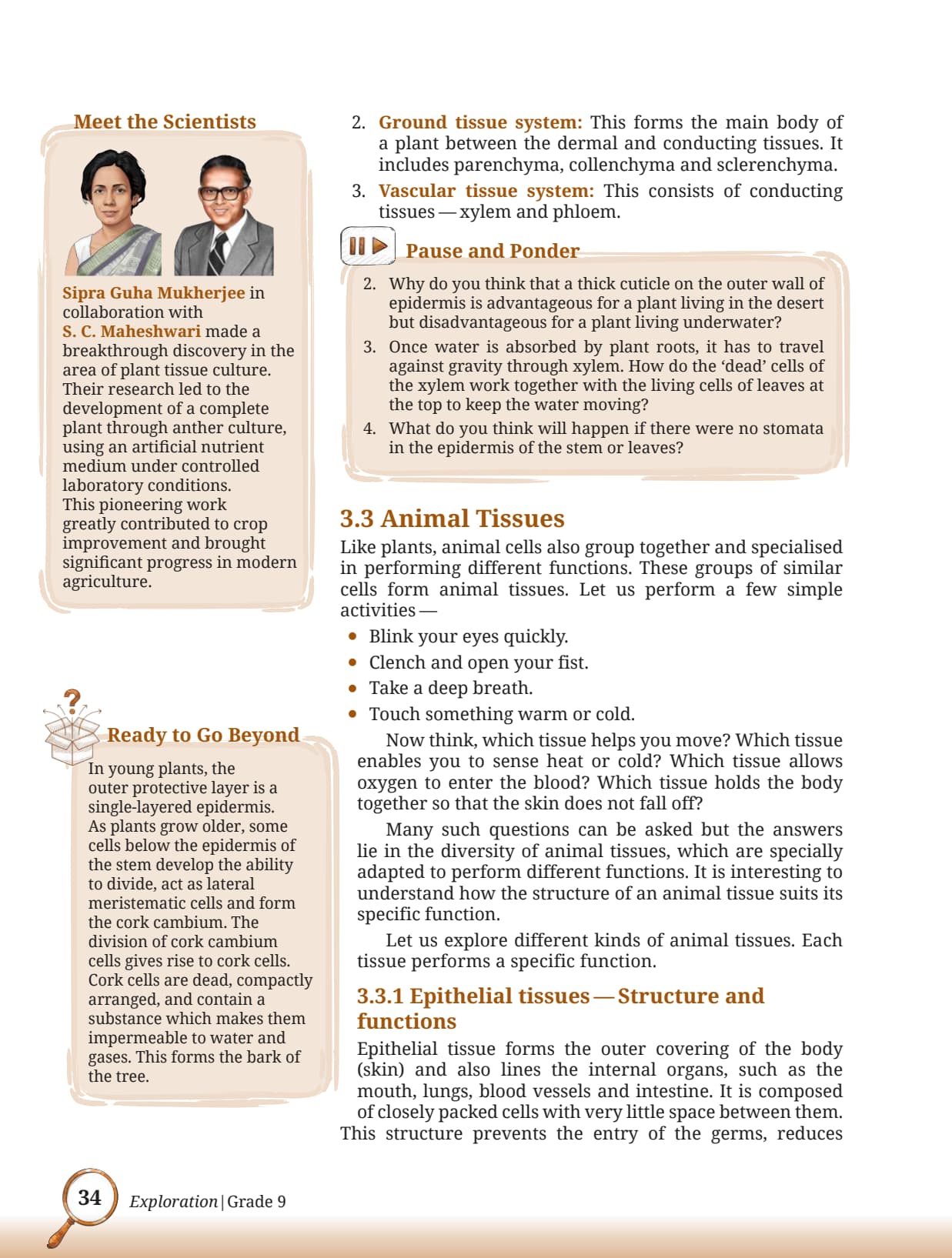
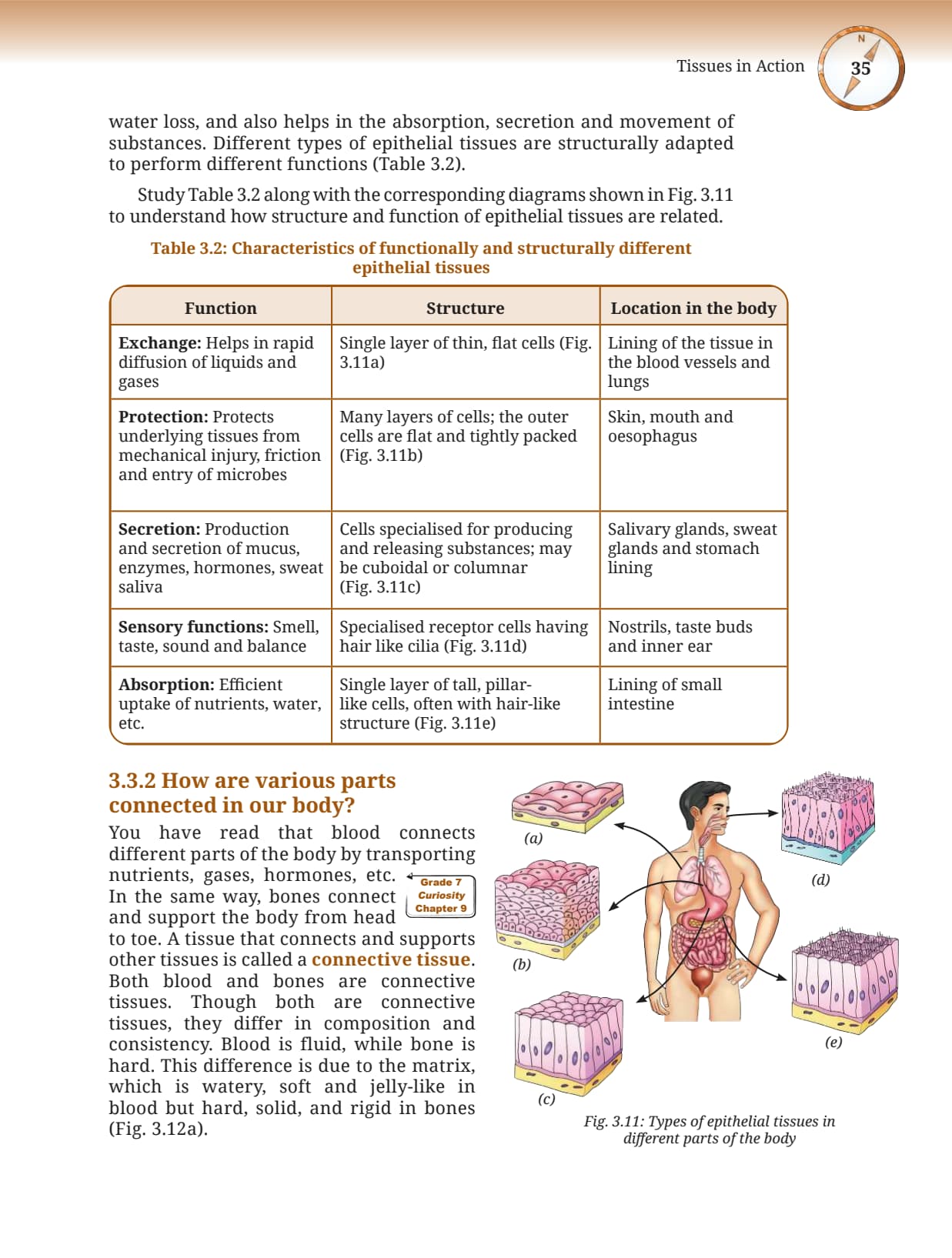
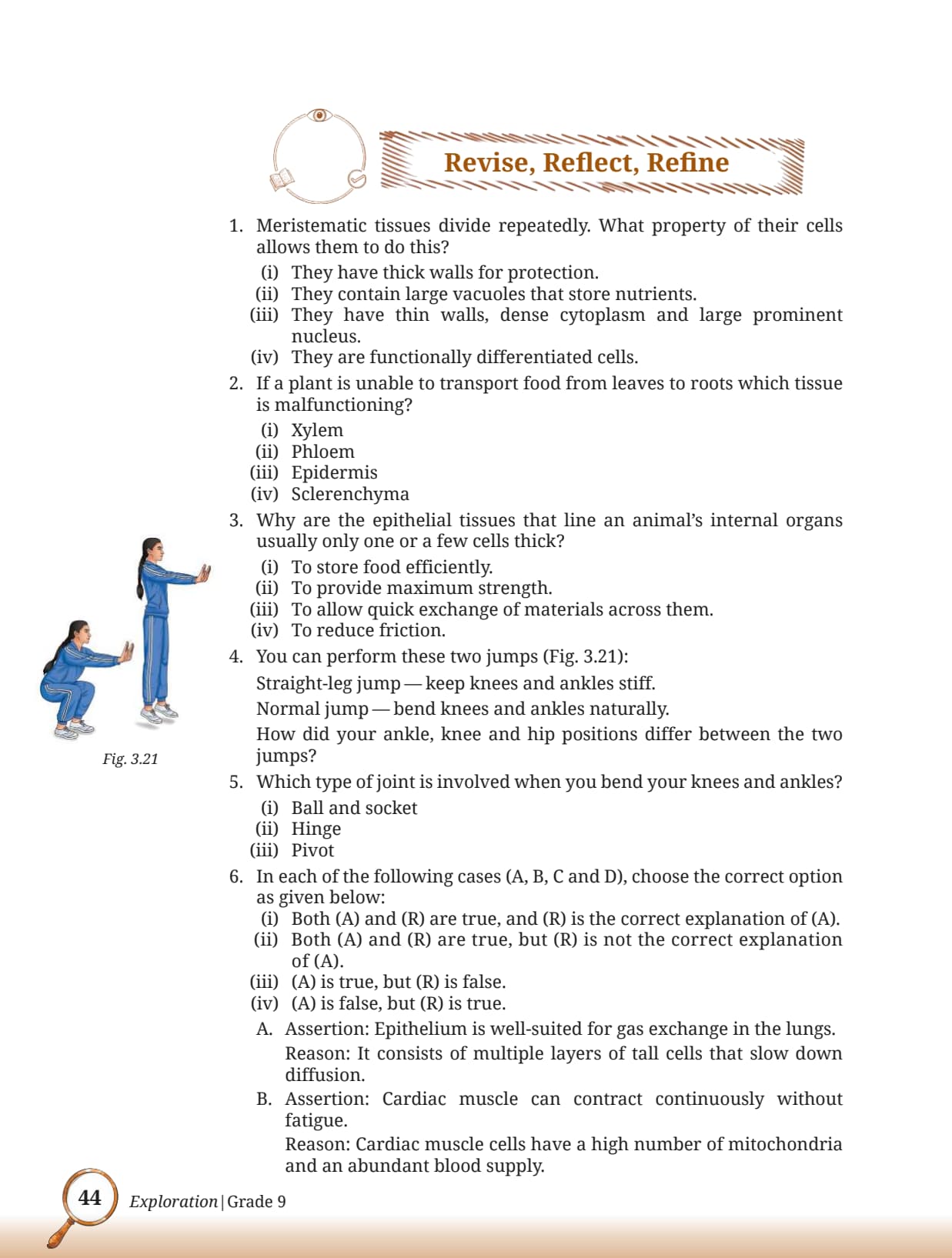
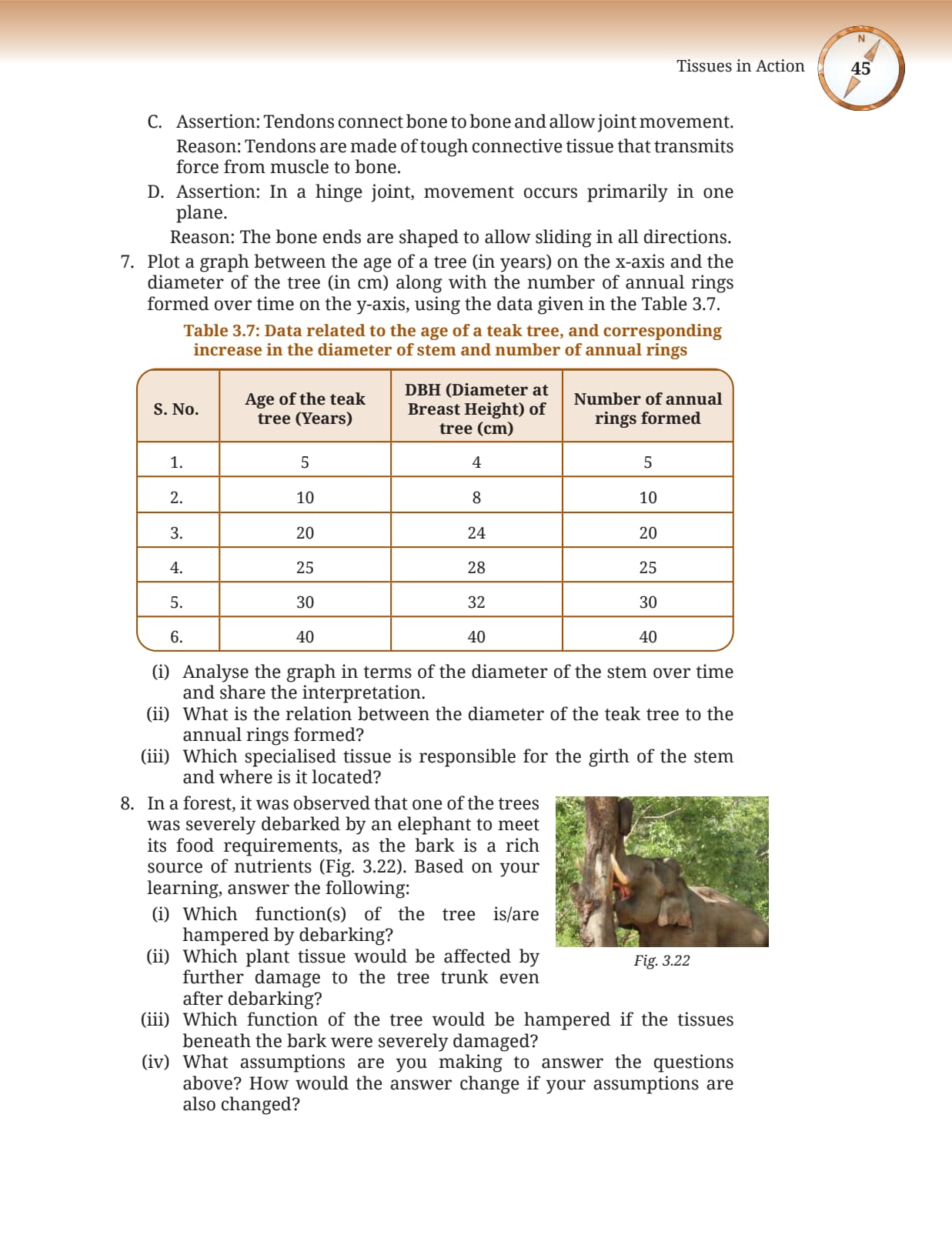
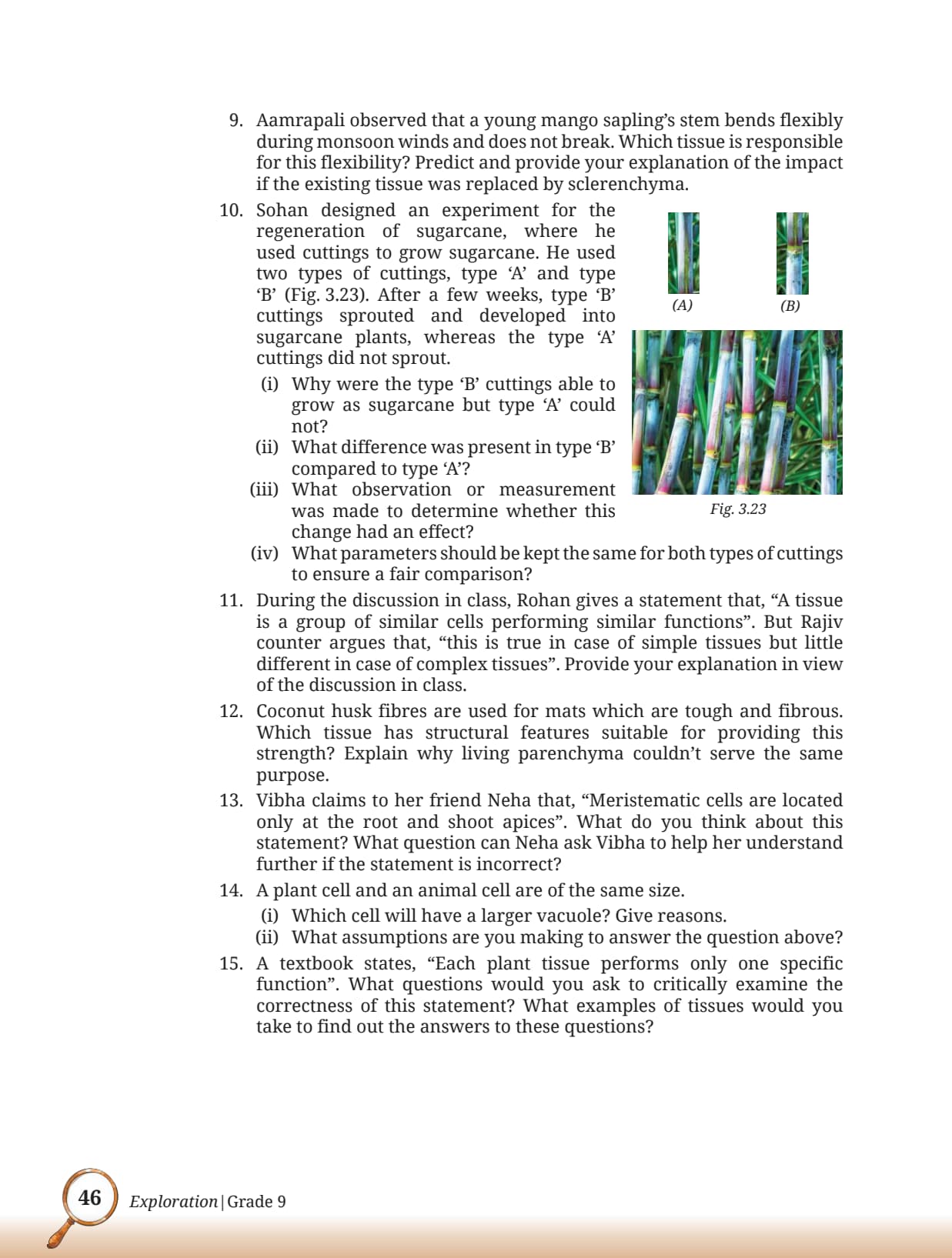
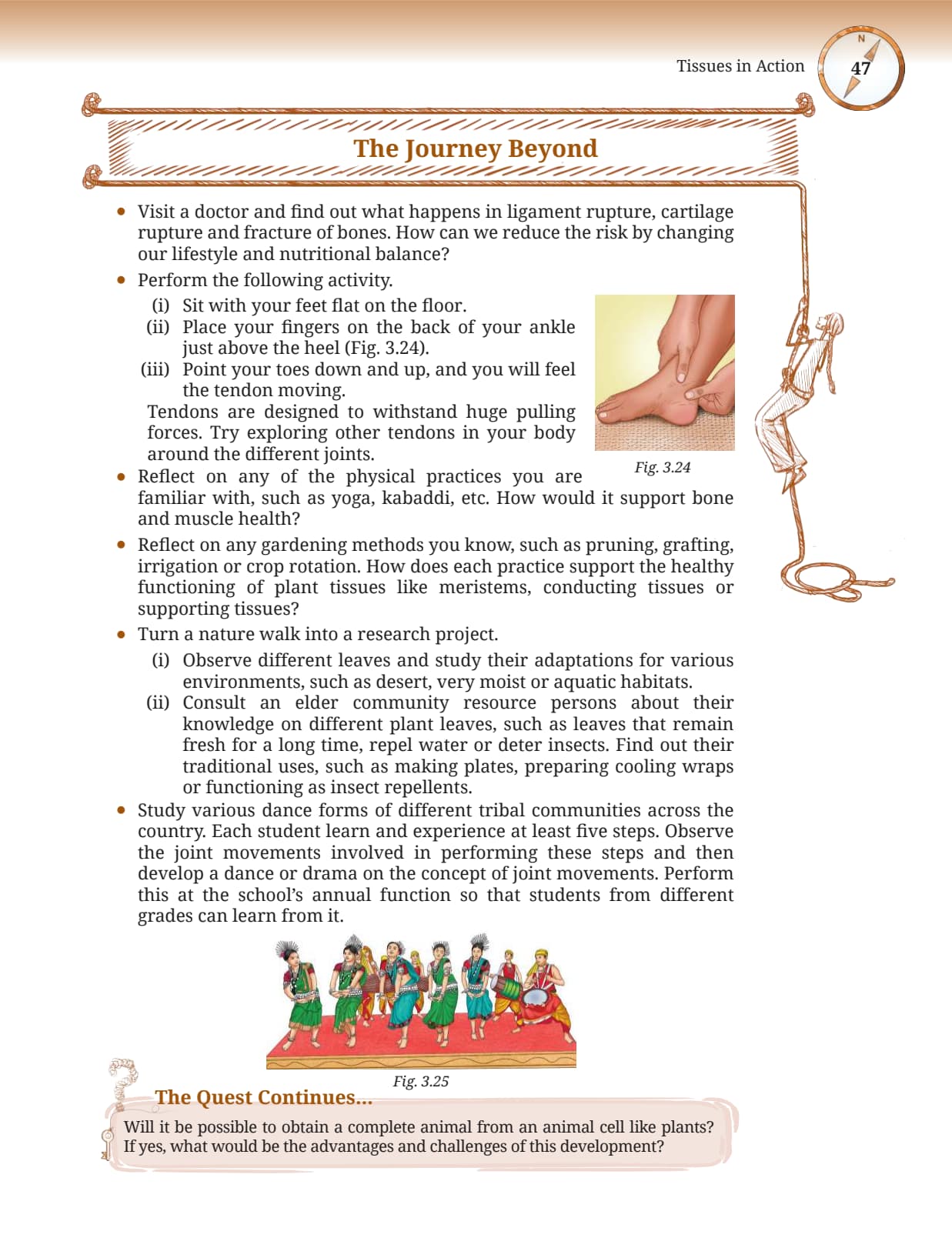
- What is inside: the full official chapter on plant tissues, animal tissues, tissue systems, joints, the skeleton, and the Revise, Reflect, Refine exercise.
- Why download it: the source book is the exact text your Class 9 Science annual exam is set from, so every answer traces back to these pages.
Student Feedback
In a Collegedunia poll of 12,840 Class 9 students taken before their 2026-27 annual exams, 68% said reading the original NCERT chapter first made the plant tissue names far easier to remember. Students who kept the source PDF open beside the Solutions reported fewer silly errors on tissue diagrams.
Source: 2026-27 Class 9 Science student poll. Sample of 12,840 students from CBSE schools across 15 states.
What Class 9 Science Chapter 3 Tissues in Action Covers
The Class 9 Science NCERT Book PDF Chapter 3 Tissues in Action starts with a simple idea. Life begins as a single cell that divides again and again, and those cells slowly form skin, muscles, bones, nerves and other parts. A group of similar cells that work together for one job is called a tissue. The chapter then studies these tissues in both plants and animals.
The chapter is built around one rule it repeats many times: a tissue's structure always fits its function. Once you hold on to this rule, the long list of tissue names becomes easy to sort. The main topics are:
- Plant tissues: meristematic tissue and permanent tissues like parenchyma, collenchyma and sclerenchyma.
- Complex plant tissues xylem and phloem, and the three tissue systems of a plant.
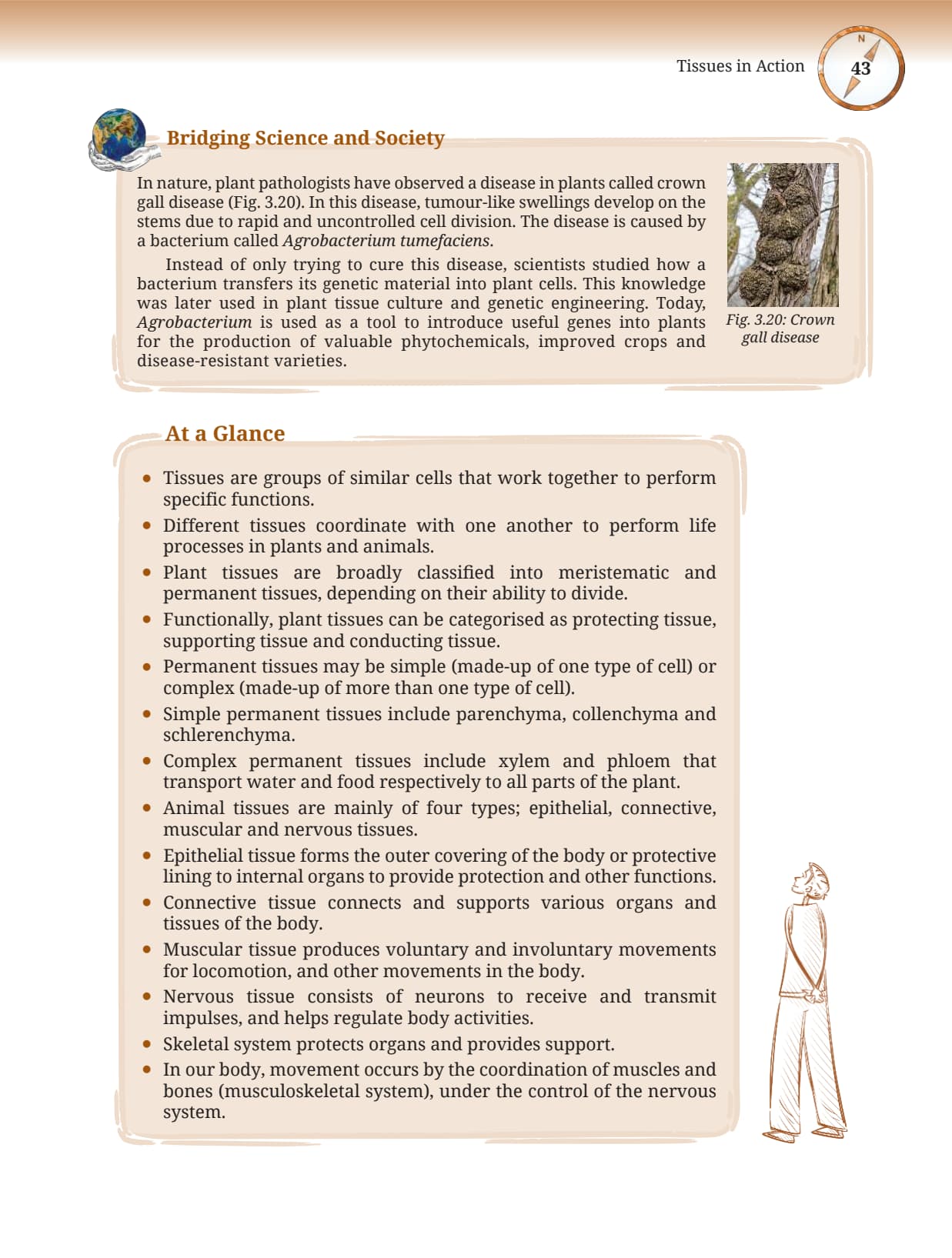
- The four animal tissues: epithelial, connective, muscular and nervous tissue.
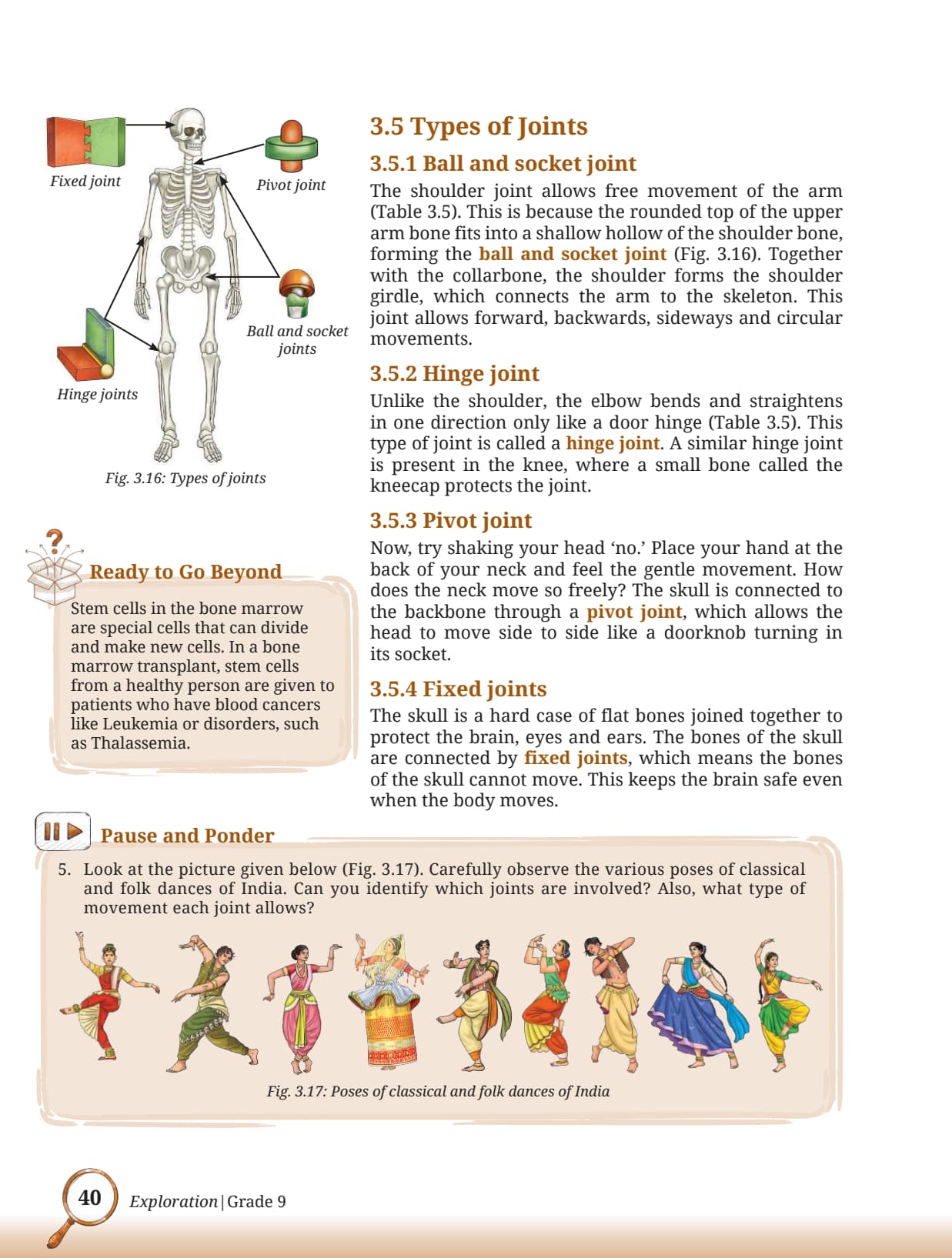
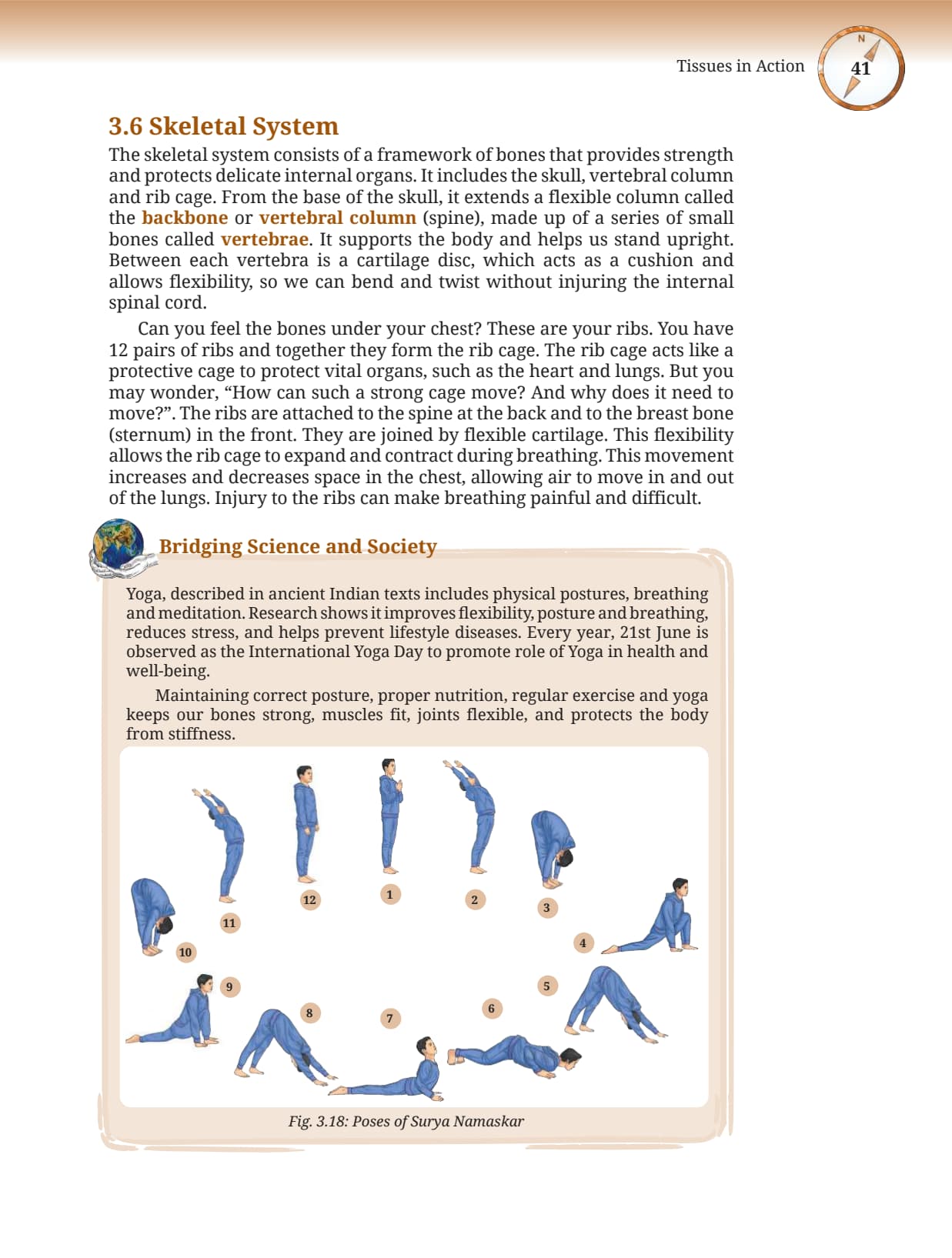
- The musculoskeletal system, the main joints and the human skeleton.
Tissues in Action Explained for Class 9 Science Boards
Source: Magnet Brains on YouTube
How to Download the Class 9 Science Chapter 3 Tissues in Action NCERT Book PDF
You can download the chapter straight from the PDF card near the top of this page. Both a Normal and an HD version are free, and each one matches the 2026-27 Exploration book page for page. Save it to your phone or laptop so you can revise offline.
- Open the card: tap the download button in the PDF card above to get the full chapter file.
- Pick a version: use the HD copy for clear diagrams, or the Normal copy for a smaller file size.
- Study offline: the saved PDF works without internet, which helps during last-day revision.
Plant Tissues vs Animal Tissues in Tissues in Action
A large part of the chapter compares how plants and animals build their bodies. Plants stay fixed and grow all their lives, so they need dividing tissue and rigid supporting cells. Animals move and react, so they need active tissues that contract and carry signals. The image below sums up this split from the chapter.
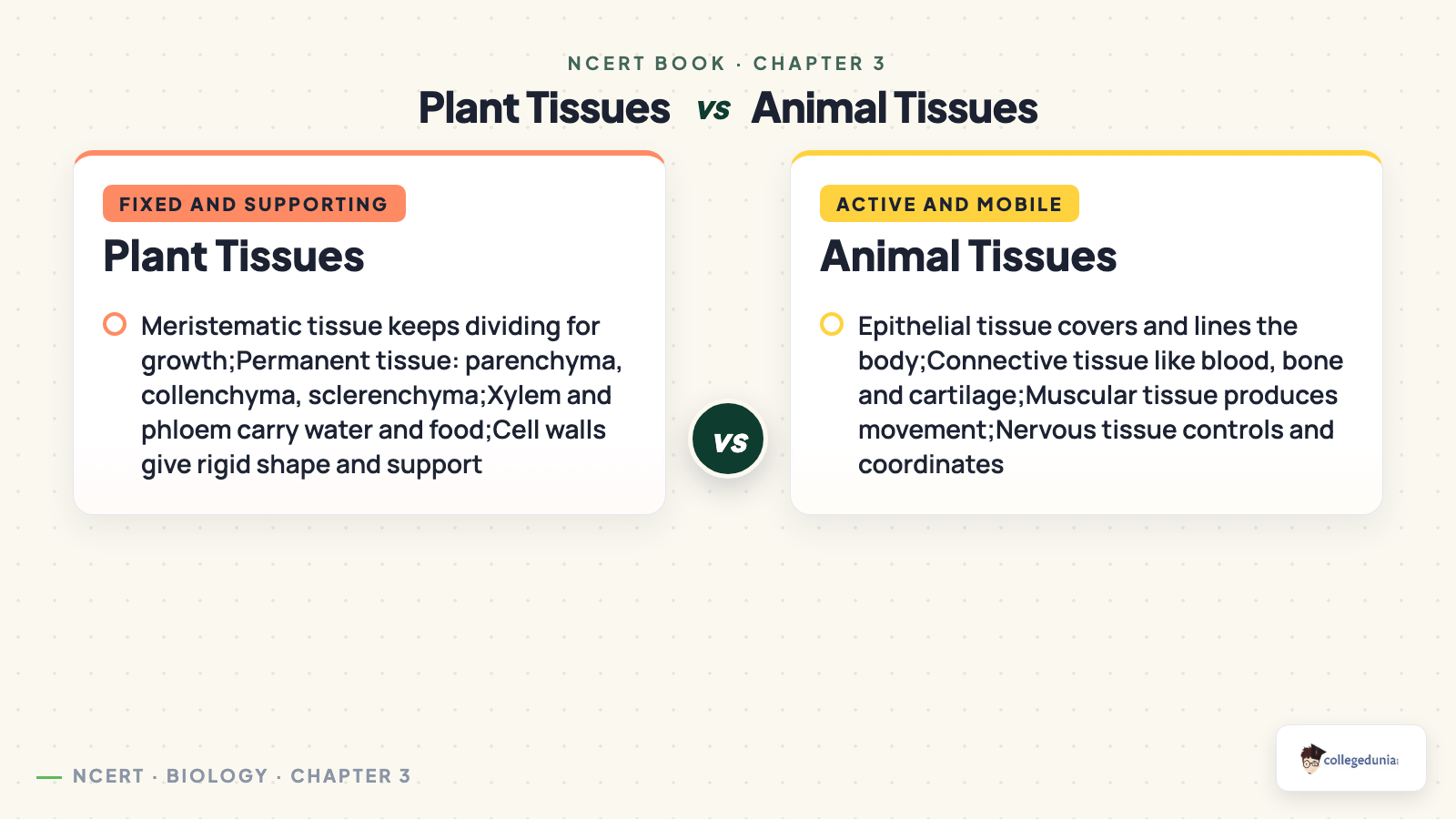
Plant tissue is grouped into meristematic tissue, which keeps dividing for growth, and permanent tissue, which has stopped dividing and taken a fixed role. Parenchyma stores food, collenchyma gives flexible support, and sclerenchyma gives hard, rigid support. Xylem carries water up the plant and phloem carries food to all parts.
Animal Tissues in the Tissues in Action Chapter
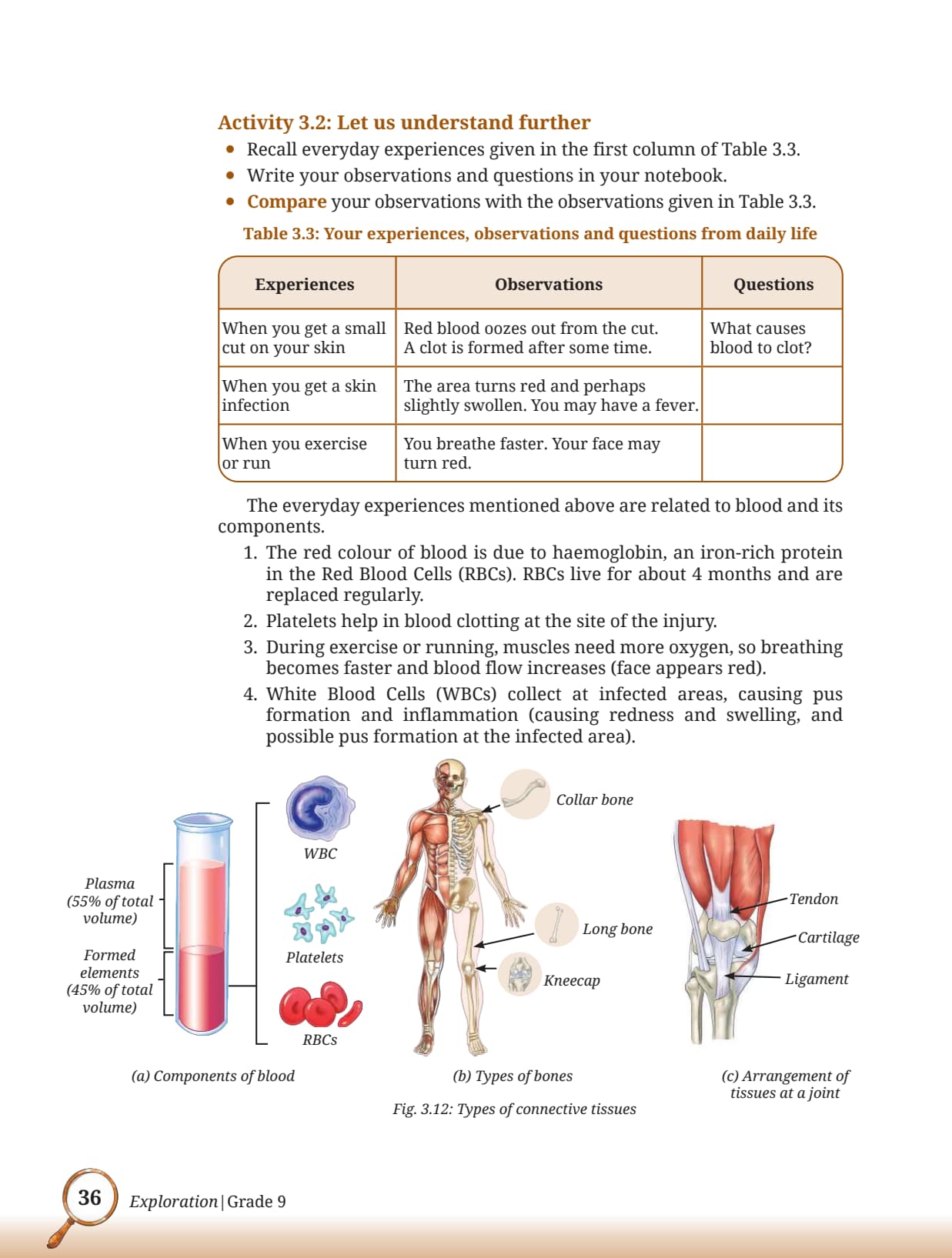
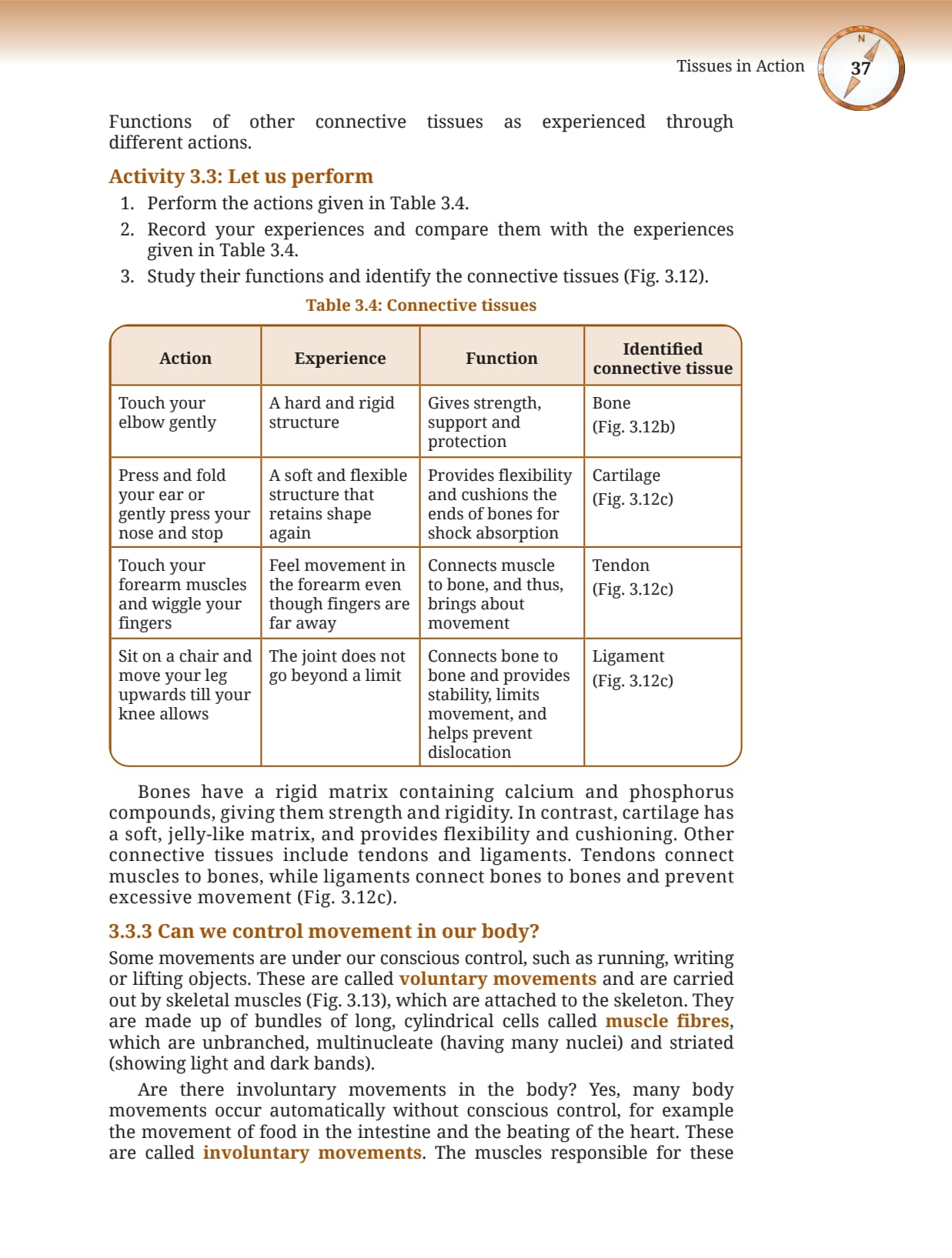
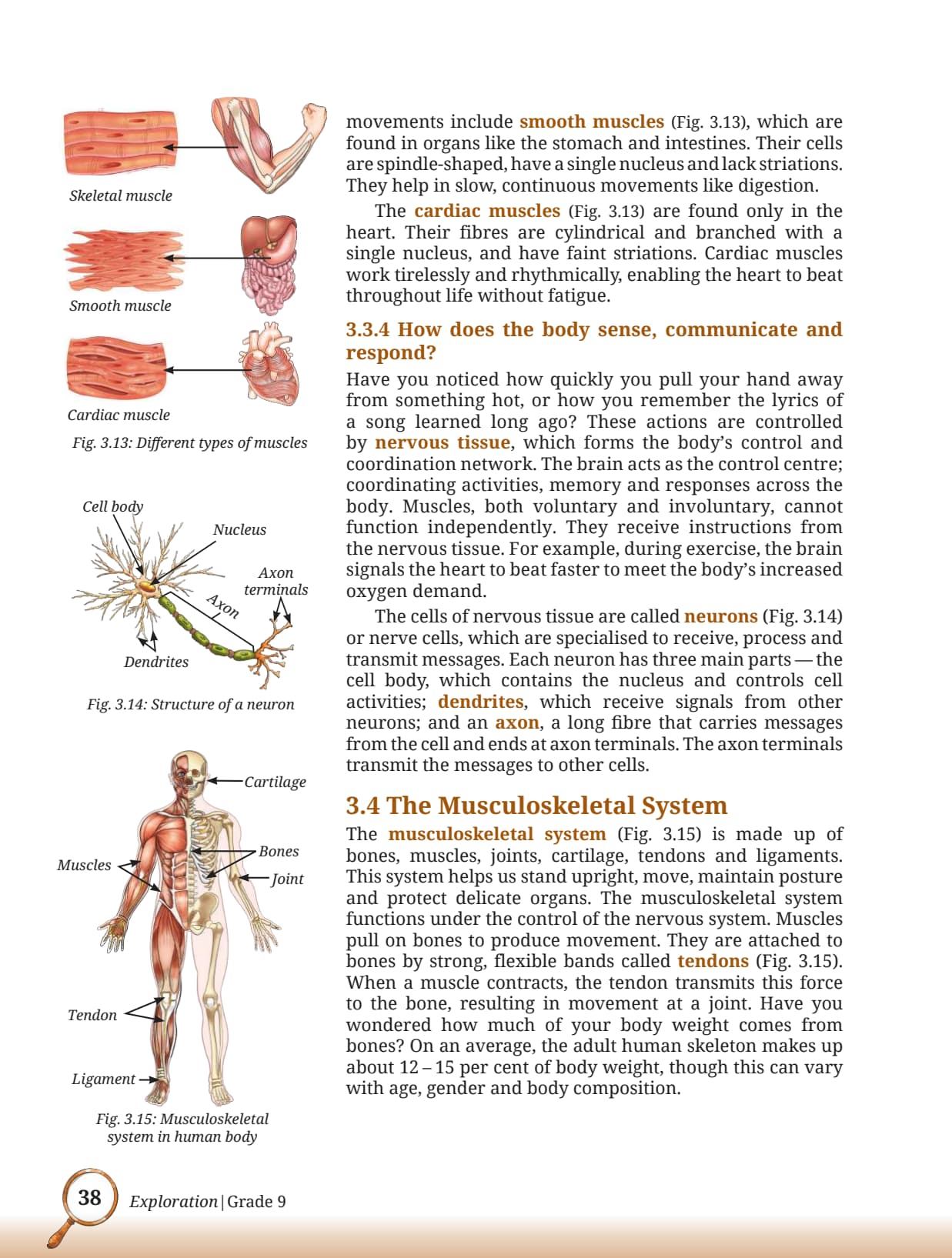
The chapter explains the four animal tissues in clear detail, each with its own job. Epithelial tissue covers and lines the body and its organs. Connective tissue, such as blood, bone, cartilage and the tissue under the skin, connects and supports other tissues. Muscular tissue produces movement, and nervous tissue controls and coordinates the whole body.
| Animal Tissue | Main Job | Example |
|---|---|---|
| Epithelial | Covers and lines the body | Skin surface, gut lining |
| Connective | Connects and supports | Blood, bone, cartilage |
| Muscular | Produces movement | Arm muscle, heart muscle |
| Nervous | Controls and coordinates | Brain, spinal cord, nerves |
How the Chapter Connects Cells, Tissues and Organs
Tissues in Action shows that the body is organised step by step, from the smallest living unit up to the whole organism. This levels idea helps you see why tissues matter: they are the bridge between single cells and full organs. The flow below follows the same order the chapter uses.
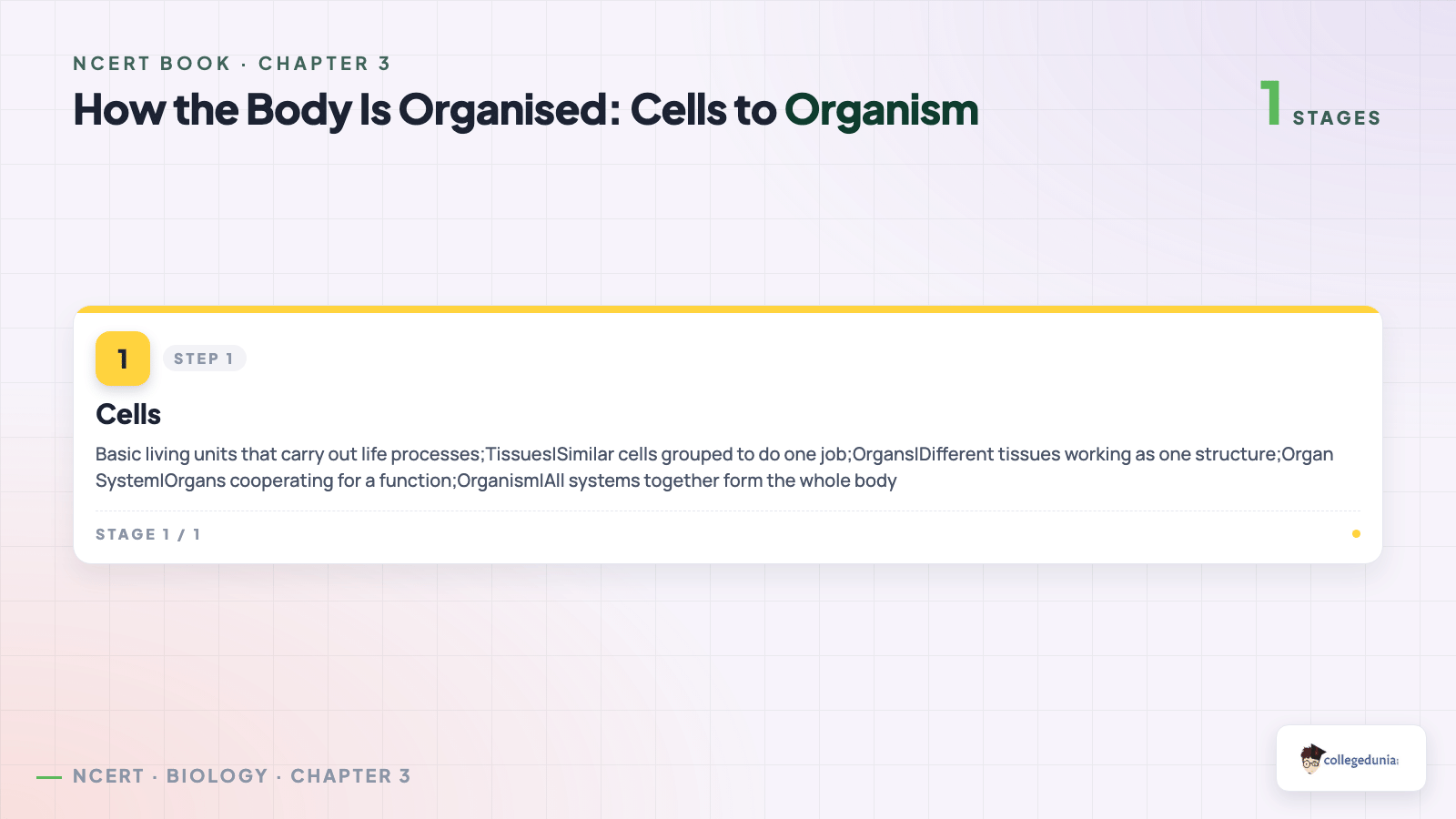
Cells are the basic living units. Similar cells group into a tissue that does one job. Different tissues combine into an organ, organs cooperate as an organ system, and all the systems together form the living organism. The chapter uses this ladder to explain both plant and animal bodies.
Revise, Reflect, Refine: The End-of-Chapter Exercise
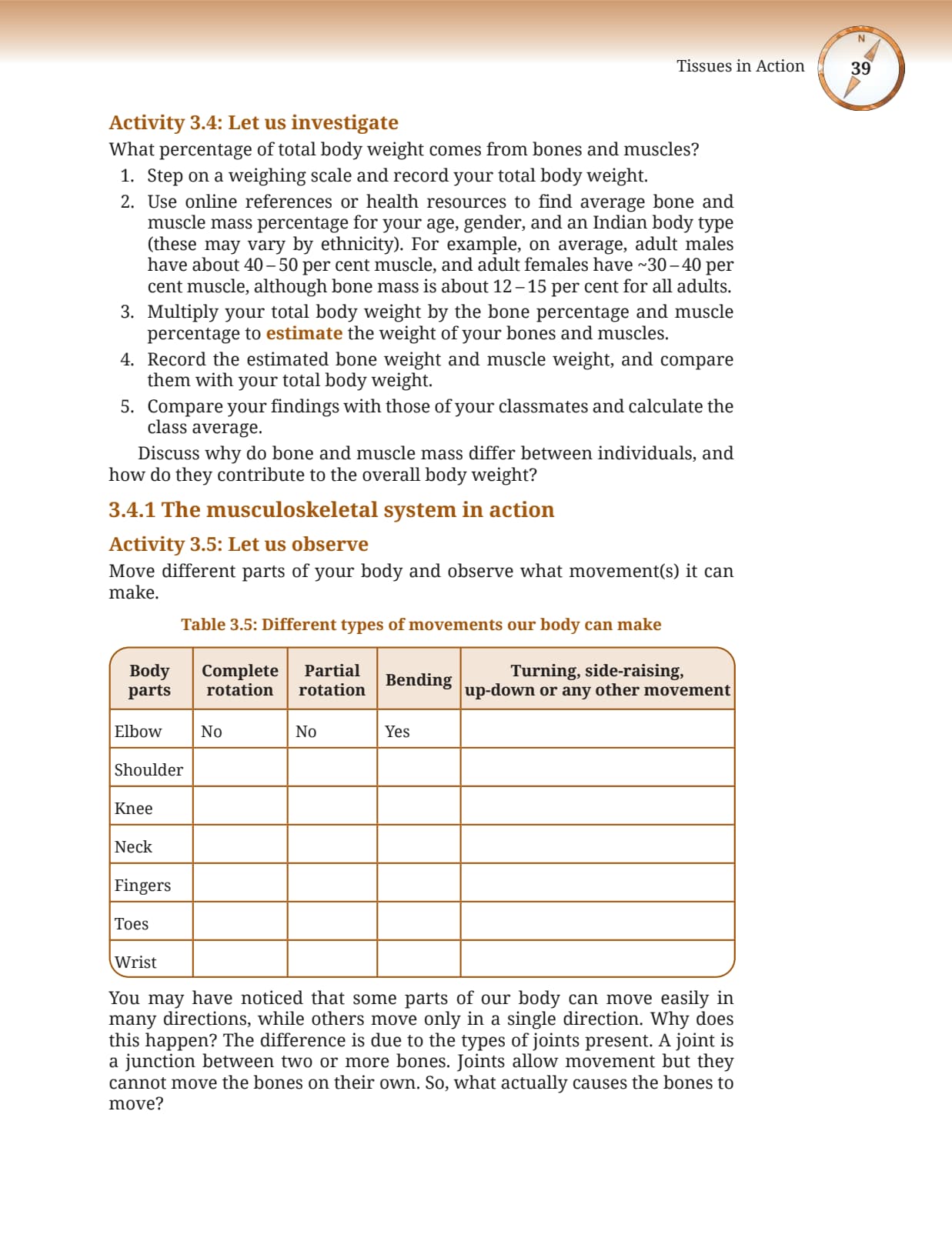
Every chapter of the new Exploration book ends with a section called Revise, Reflect, Refine instead of the old plain exercise list. For Tissues in Action, these questions check whether you can name each tissue, link its structure to its job, and tell close pairs apart, such as tendon and ligament or collenchyma and sclerenchyma.
The chapter also has in-text prompts like Pause and Ponder, Think It Over and What if... that push you to apply the idea, not just memorise it. Read these while you go through the PDF, then attempt the Revise, Reflect, Refine questions before checking the Collegedunia Solutions.
Why Read the NCERT Book PDF Before Solutions and Notes
The Class 9 Science NCERT Book PDF Chapter 3 Tissues in Action is the source that every Solution, Note and question paper is built from. Reading it first gives you the full picture in the exact words and order the exam follows. Notes and Solutions are helpful, but they are shorter versions of this original text.
- Exact wording: board answers are marked against the book's own terms, so the source text keeps your answers accurate.
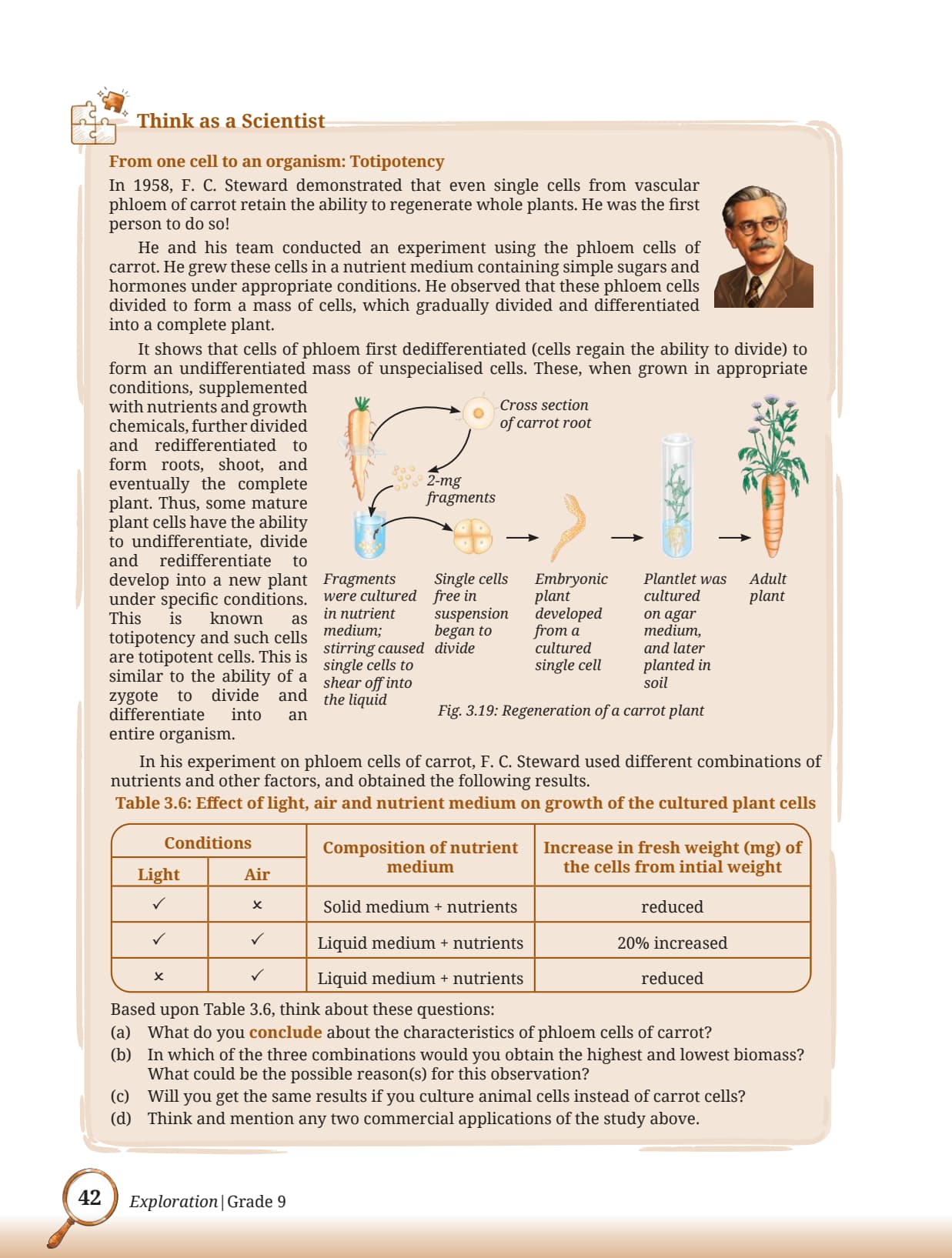
- Full diagrams: the chapter's labelled figures of tissues are best seen in the original PDF.
- Strong base: a clear read of this chapter sets up Class 10 biology and the early NEET foundation years.
How to Use the Tissues in Action PDF for Exam Prep
Do not just read the chapter once. Use the PDF in a simple, repeatable way so the tissue names stick. Students who follow a short plan report faster recall during revision.
- First read: go through the whole chapter once for the story, without stopping to memorise.
- Draw and label: sketch each tissue and write its one main job beside it.
- Solve: attempt the Revise, Reflect, Refine questions, then match your answers with the NCERT Solutions.
- Revise: before the exam, reread only your labelled diagrams and the tables in this article.
Common Mistakes Students Make in Tissues in Action
Most errors in this chapter come from mixing up tissues that sound or look alike. Knowing the traps early saves marks in the annual exam.
- Collenchyma vs sclerenchyma: collenchyma is made of living cells and bends, while sclerenchyma is made of dead cells and stays rigid.
- Xylem vs phloem: xylem carries water upward, phloem carries food both ways.
- Tendon vs ligament: a tendon joins muscle to bone, a ligament joins bone to bone.
- Cartilage vs bone: both are connective tissue, but cartilage is soft and flexible while bone is hard.
More Tissues in Action Class 9 Science Resources
Use the other Collegedunia resources for this chapter alongside the NCERT Book PDF.
| Resource | Open |
|---|---|
| NCERT Book PDF | Tissues in Action Class 9 NCERT Book PDF |
| NCERT Solutions | Tissues in Action Class 9 NCERT Solutions |
| Revision Notes | Tissues in Action Class 9 Notes |
| Handwritten Notes | Tissues in Action Class 9 Handwritten Notes |
NCERT Book PDF for Class 9 Science: All Chapters
Download the official NCERT Book PDF for any other chapter of the new Class 9 Science Exploration book.
| Chapter | NCERT Book PDF |
|---|---|
| Chapter 2 | Cell: The Building Block of Life PDF |
| Chapter 3 | Tissues in Action PDF |
| Chapter 4 | Describing Motion Around Us PDF |
| Chapter 6 | How Forces Affect Motion PDF |
| Chapter 11 | Reproduction: How Life Continues PDF |
| Chapter 12 | Patterns in Life PDF |
Tissues in Action Class 9 Science NCERT Book PDF FAQs
Ques. Where can I download the Class 9 Science Chapter 3 Tissues in Action NCERT Book PDF?
Ans. You can download the Tissues in Action NCERT Book PDF directly from the download card on this page. Both the Normal and HD versions are free and match the 2026-27 Exploration book.
Ques. How many pages is the Class 9 Science Tissues in Action chapter?
Ans. The official Tissues in Action chapter runs to about 20 pages. It covers plant tissues, animal tissues, tissue systems, joints, the skeleton and the Revise, Reflect, Refine exercise.
Ques. What is a tissue in Class 9 Science Chapter 3?
Ans. A tissue is a group of similar cells that work together to do one job. In simple tissues the cells are alike, while in complex tissues like xylem and phloem several cell types work as one team.
Ques. What are the four types of animal tissue in the chapter?
Ans. The four animal tissues are epithelial tissue, which covers and lines the body, connective tissue like blood and bone, which connects and supports, muscular tissue, which produces movement, and nervous tissue, which controls and coordinates the body.
Ques. Should I read the NCERT Book PDF before the Solutions?
Ans. Yes. Reading the original chapter first gives you the full concept in the exact words the exam uses. The NCERT Solutions and Notes are shorter helpers built on top of this source text.
Ques. Is the Tissues in Action chapter part of the 2026-27 syllabus?
Ans. Yes. Tissues in Action is Chapter 3 of the new Class 9 Science Exploration book for the 2026-27 syllabus, so it is fully part of the current annual exam course.



Comments