




AP PGECET 2026 Pharmacy Question Paper is available for download here. Andhra University, Visakhapatnam on behalf of APSCHE conducted AP PGECET 2026 Pharmacy exam on April 28 in Shift 1. AP PGECET is a state-level entrance exam conducted online for admission into M.Tech./M.Pharm./Pharm.D (PB) courses.
- AP PGECET Question Paper consists of 120 questions for a total of 120 marks.
- Each correct answer answer carries 1 mark and there is no negative marking for incorrect answer.
Candidates can download AP PGECET 2026 Pharmacy Question Paper with Answer Key and Solution PDF from the links provided below.
AP PGECET 2026 Pharmacy Question Paper with Solutions
| AP PGECET 2026 Pharmacy Question Paper | Download PDF | Check Solution |
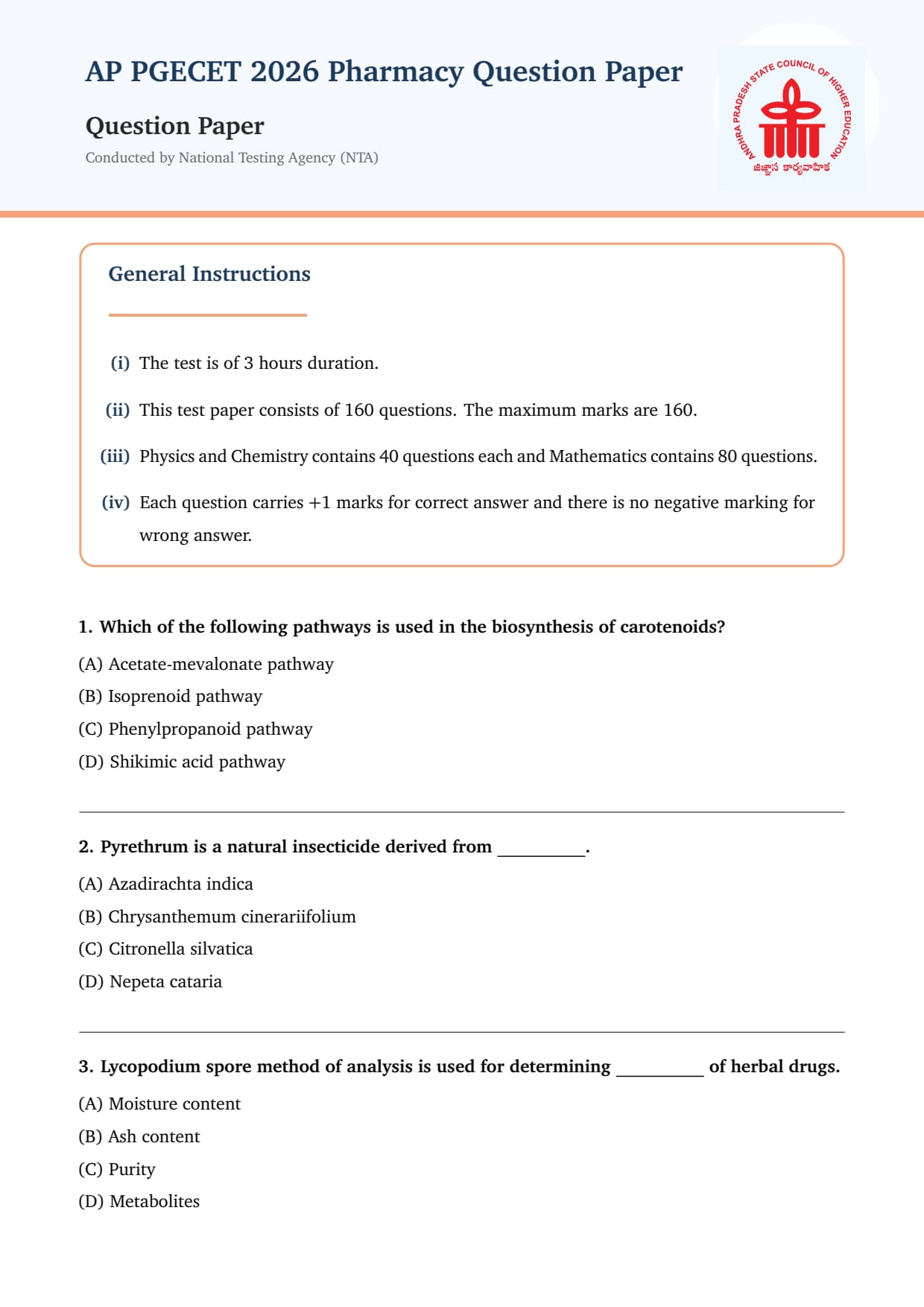
Which of the following pathways is used in the biosynthesis of carotenoids?
Pyrethrum is a natural insecticide derived from .
Lycopodium spore method of analysis is used for determining of herbal drugs.
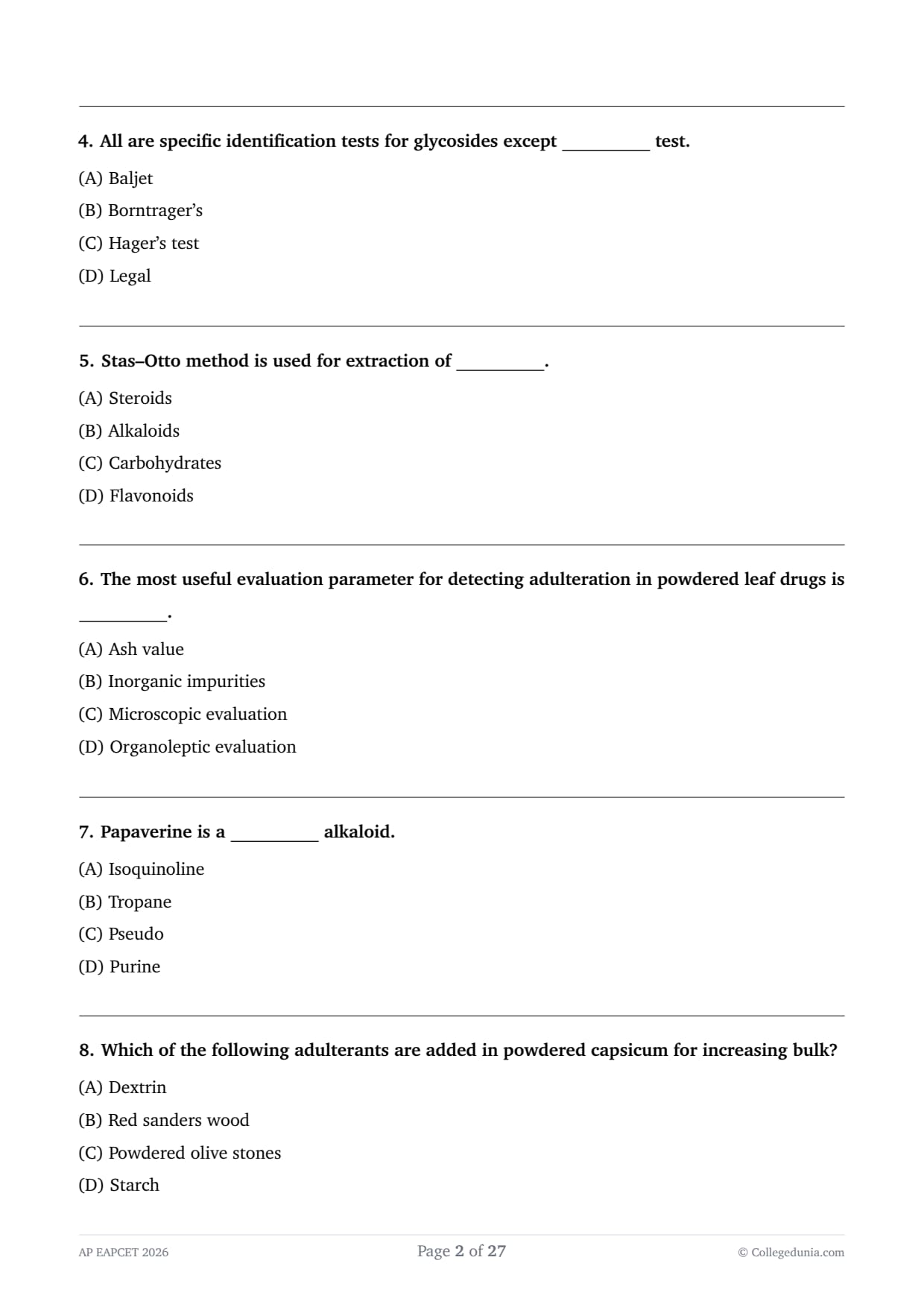
All are specific identification tests for glycosides except test.
Stas--Otto method is used for extraction of .
The most useful evaluation parameter for detecting adulteration in powdered leaf drugs is .
Papaverine is a alkaloid.
Which of the following adulterants are added in powdered capsicum for increasing bulk?
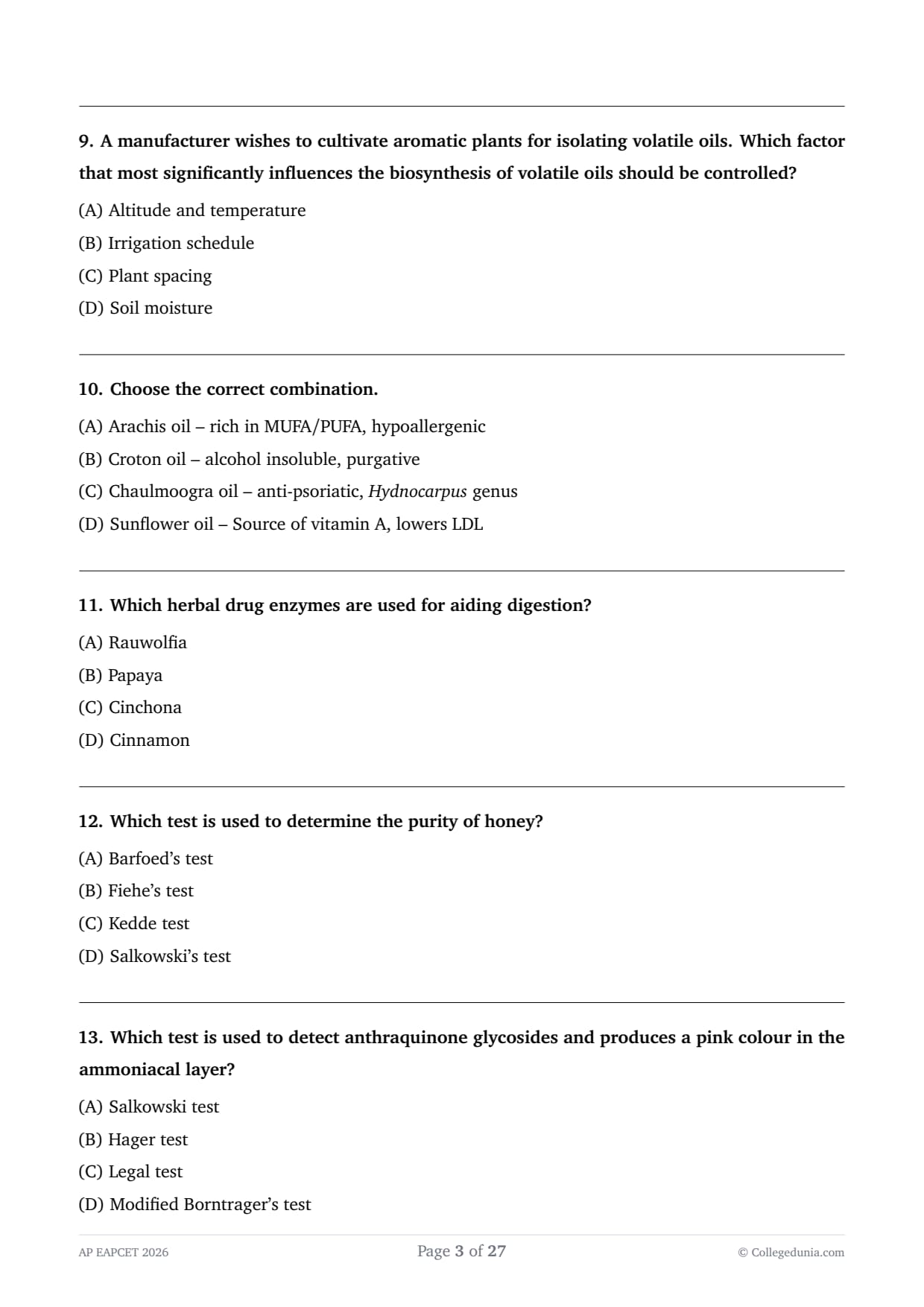
A manufacturer wishes to cultivate aromatic plants for isolating volatile oils. Which factor that most significantly influences the biosynthesis of volatile oils should be controlled?
Choose the correct combination.
Which herbal drug enzymes are used for aiding digestion?
Which test is used to determine the purity of honey?
Which test is used to detect anthraquinone glycosides and produces a pink colour in the ammoniacal layer?
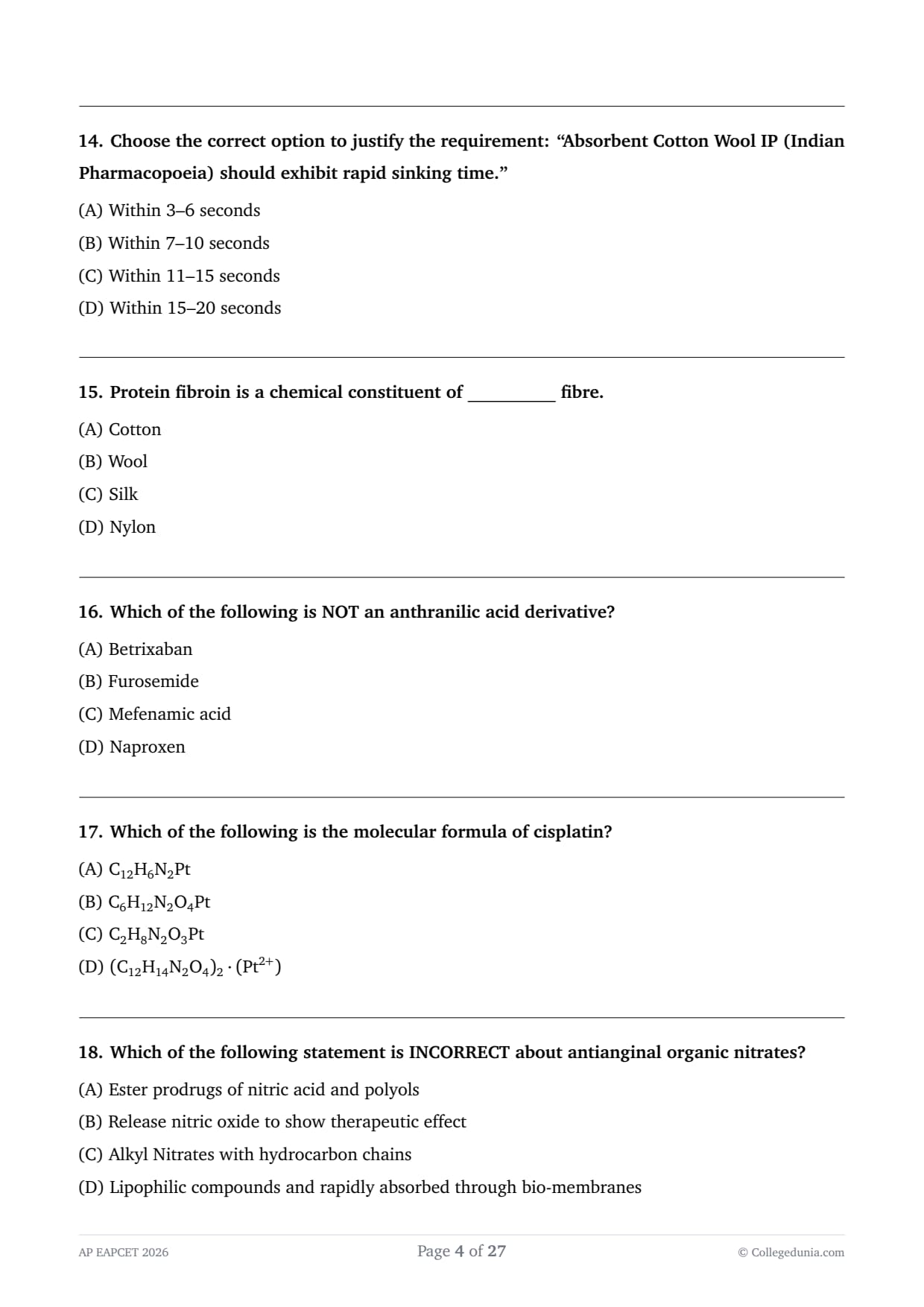
Choose the correct option to justify the requirement: ``Absorbent Cotton Wool IP (Indian Pharmacopoeia) should exhibit rapid sinking time.''
Protein fibroin is a chemical constituent of fibre.
Which of the following is NOT an anthranilic acid derivative?
Which of the following is the molecular formula of cisplatin?
Which of the following statement is INCORRECT about antianginal organic nitrates?
4-(2-Aminoethyl)benzene-1,2-diol is commonly known as ________.
The anti-cancer drug which acts through aziridine-mediated DNA-alkylation is ________.
The following pharmacophore is required for the sedative-hypnotic activity of ________ drug.

The image shows a pyrimidine-2,4,6-trione core with two alkyl/aryl substitutions (\(R, R\)) at the C-5 position.
Detailed Solution
Concept:
The chemical structure illustrated in the question represents the foundational nucleus of the **Barbiturate** chemical class. Structurally, barbiturates are cyclic derivatives of malonylurea, commonly referred to as barbituric acid (\(2,4,6\)-trioxohexahydropyrimidine). Barbituric acid itself lacks central nervous system (CNS) depressant activity because it is highly ionized at physiological pH and cannot effectively cross the lipophilic blood-brain barrier (BBB). To confer sedative-hypnotic activity, substitutions must be introduced at the C-5 position.
Let us evaluate the structural features and chemical classes of each given option:
Option (A) zolpidem: Zolpidem is a non-benzodiazepine sedative-hypnotic drug belonging to the imidazopyridine chemical class. Its core consists of a fused imidazole and pyridine ring system. It lacks the six-membered tri-carbonyl pyrimidine ring entirely.
Option (B) estazolam: Estazolam is a classic benzodiazepine derivative, specifically a triazolobenzodiazepine. Its structure features a benzene ring fused to a seven-membered diazepine ring, which is further fused to a five-membered triazole ring.
Option (C) quazepam: Quazepam is also a member of the benzodiazepine class. It contains a trifluoroethyl group and a thiol/thione modification on the seven-membered ring system, distinctly separating it from the barbiturate family.
Option (D) Pentobarbital: Pentobarbital is a classic barbiturate derivative. Its chemical structure features the exact pyrimidine-2,4,6-trione pharmacophore shown in the question. Specifically, it has an ethyl group and a 1-methylbutyl group substituted at the C-5 position. These hydrocarbon substitutions provide the ideal lipophilicity needed to penetrate the CNS and exert sedative-hypnotic actions via positive allosteric modulation of the \(GABA_A\) receptor complex.
Conclusion: Because the given structure is the defining skeleton of barbiturates, Pentobarbital is the only option that matches this pharmacophore. Quick Tip: For sedative-hypnotic Structure-Activity Relationships (SAR): - Fused rings with a diazepine core = Benzodiazepines. - Imidazopyridine core = Zolpidem. - Pyrimidine-2,4,6-trione ring with C-5 substitutions = Barbiturates (e.g., Phenobarbital, Pentobarbital, Secobarbital).
Which anti-malarial agent is an 8-aminoquinoline derivative?
Albuterol basically differs from sympathomimetic in that the hydroxyl group at C-3 of the aromatic ring is replaced with ________ group.
Activity of cardiac glycoside depends to a great extent on ________.
Tricyclic antidepressants have how many rings in core structure?
Which of the functional group in the given drug is responsible for photosensitivity?

The image displays the core scaffold of a sulfonamide antibacterial (specifically, a sulfanilamide derivative showcasing a para-amino group and a sulfonamide moiety linked to a benzene ring).
Detailed Solution
Concept:
Photosensitivity is a common cutaneous adverse drug reaction where systemic medications react with incident ultraviolet (UV) radiation from sunlight, leading to cellular damage, phototoxic responses, or photoallergic dermatitis. Sulfonamide antimicrobials (such as Sulfamethoxazole) are classic causes of drug-induced photosensitivity. To identify the responsible functional group, we must look at the photochemical properties of the sulfanilamide nucleus.
Step 1: Analyzing the functional groups on the sulfonamide scaffold.
The basic chemical architecture of a systemically active antibacterial sulfonamide contains:
A core benzene ring.
A sulfonamide group (\(-SO_2NH-\)) at the C-1 position.
A free primary aromatic amine group (\(-NH_2\)) attached at the para position (C-4).
Step 2: Understanding the mechanism of phototoxicity.
When a patient takes a sulfonamide drug, it distributes to cutaneous tissues. Exposure to solar UV light (especially UVA radiation) triggers chemical changes in the molecule:
The para-amino group (\(-NH_2\)) attached to the aromatic ring absorbs photon energy readily due to its high electron density and resonance interaction with the ring.
This absorption leads to photo-oxidation of the primary amine group, transforming it into highly reactive hydroxylamine (\(-NHOH\)) intermediates or free radical species.
These reactive photoproducts can directly damage skin cell membranes (phototoxicity) or bind covalently to cutaneous proteins to form haptens. This induces an immune response that manifests as severe photoallergic dermatitis.
Modifying or acylating this para-amino group eliminates both its antibacterial efficacy and its photosensitizing properties, confirming that the free \(-NH_2\) group is responsible for these photodynamic reactions.
Conclusion: The primary aromatic amino group (\(-NH_2\)) at the para position of sulfonamides is the chemical functional group responsible for triggering photosensitivity reactions. Quick Tip: In medicinal chemistry and toxicology, an unhindered, free **aromatic primary amine group (\(-NH_2\))** is a frequent cause of free-radical generation, hapten formation, photosensitivity, and drug-induced blood dyscrasias (like methemoglobinemia).
Which of the following is not a primary factor that affects the rate of an \(S_{N}1\) Reaction?
Given structure is ________.

The image displays a benzene ring with an ethyl-methyl carbamate moiety attached at the meta position relative to a dimethylaminoethyl branch featuring a single chiral center.
Detailed Solution
Concept:
The chemical structure shown belongs to the class of anticholinesterase agents used to manage neurodegenerative disorders. Specifically, this structural configuration is the identity map of **Rivastigmine**, a reversible acetylcholinesterase inhibitor used to treat mild-to-moderate dementia associated with Alzheimer's disease and Parkinson's disease.
Let us break down the specific components of the illustrated molecular structure:
The Carbamate Moiety: The structure contains an ester linkage coupled directly to an amine group via a carbonyl spacer (\(-O-C(=O)-N-\)). This specific group is an ethyl(methyl)carbamoyl function, where the carbamate nitrogen is substituted with one methyl group and one ethyl group.
The Aromatic Core: A central benzene ring serves as the base platform, providing a meta-substitution pattern.
The Aliphatic Amine Branch: Meta to the carbamate function, there is an ethyl chain branched with a chiral methyl group and terminated by a dimethylamino group (\(-CH(CH_3)N(CH_3)_2\)).
Let us evaluate the other options to rule them out based on structure:
Option (A) edrophonium: Edrophonium is a simple quaternary ammonium compound. It lacks a carbamate functional group entirely, consisting of a phenol ring substituted with an ethyl and two methyl groups on a charged nitrogen.
Option (C) neostigmine: Neostigmine is also a carbamate-based cholinesterase inhibitor, but it contains a dimethylcarbamoyl group and a permanently charged **quaternary ammonium group** attached to the ring. The structure in the question features a tertiary amine and lacks a permanent positive charge, distinguishing it as rivastigmine.
Option (D) tabun: Tabun is an organophosphorus compound used as a nerve agent. Its structure features a central phosphorus atom linked to a cyano group, a dimethylamino group, and an ethoxy group, which does not resemble this carbamate structure.
Conclusion: The presence of the uncharged tertiary amine side chain and the unsymmetrical ethyl-methyl carbamate group confirms the molecule is Rivastigmine. Quick Tip: To distinguish carbamate acetylcholinesterase inhibitors: - {Neostigmine / Pyridostigmine:} Contain a quaternary ammonium group (permanently charged, cannot cross the blood-brain barrier). - {Rivastigmine:} Contains a tertiary amine (uncharged at physiological pH, crosses the blood-brain barrier into the CNS to treat Alzheimer's disease).
Another name of diphenhydramine is :
Due to the presence of a ________, charged ________ group, acetylcholine does not penetrate lipid membranes.
Which of the following does not specifically target VEGF receptors?
Which of the following anticoagulant is a sulfated polysachharide?
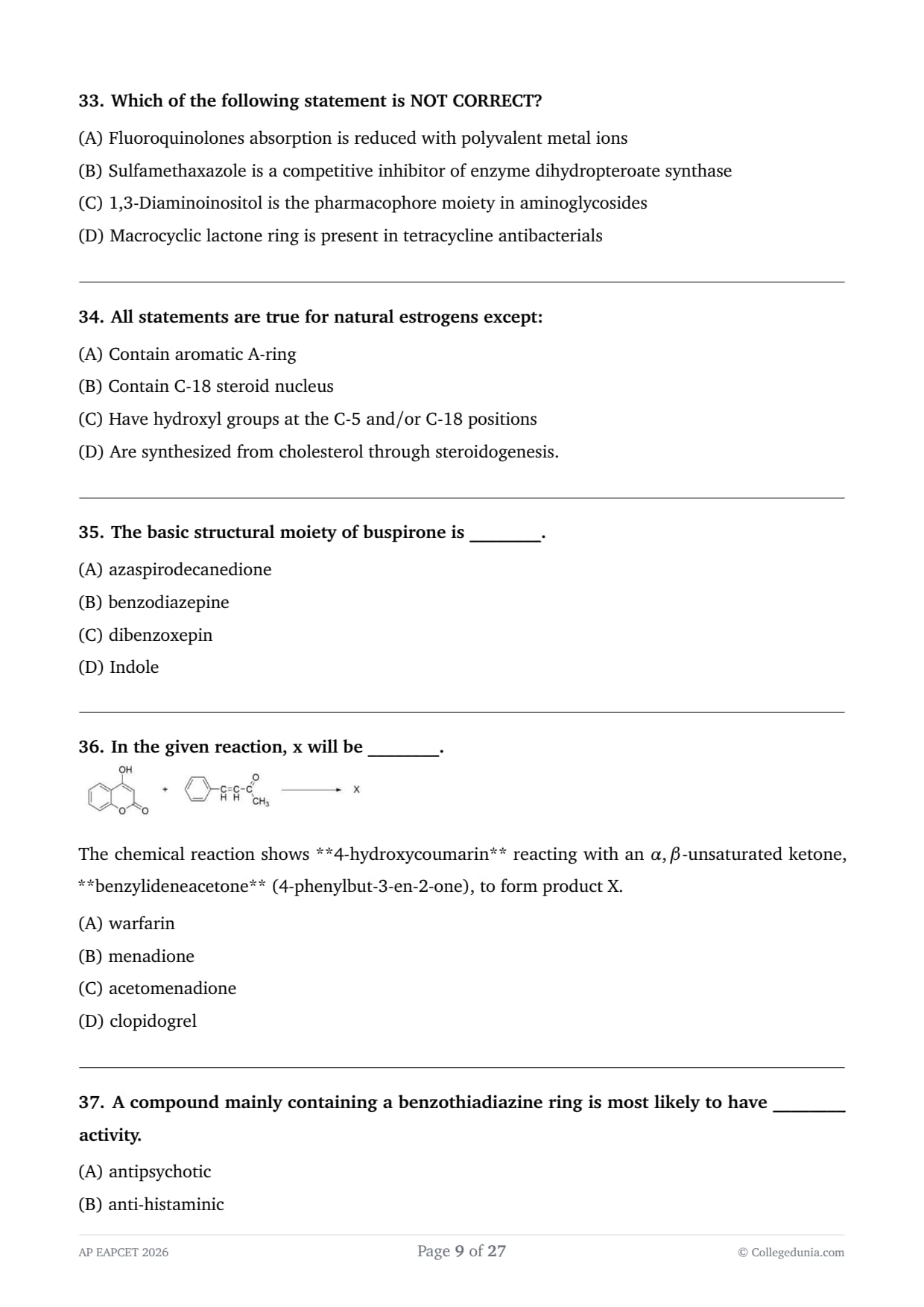
Which of the following statement is NOT CORRECT?
All statements are true for natural estrogens except:
The basic structural moiety of buspirone is ________.
In the given reaction, x will be ________.

The chemical reaction shows **4-hydroxycoumarin** reacting with an \(\alpha,\beta\)-unsaturated ketone, **benzylideneacetone** (\(4\)-phenylbut-\(3\)-en-\(2\)-one), to form product X.
A compound mainly containing a benzothiadiazine ring is most likely to have ________ activity.
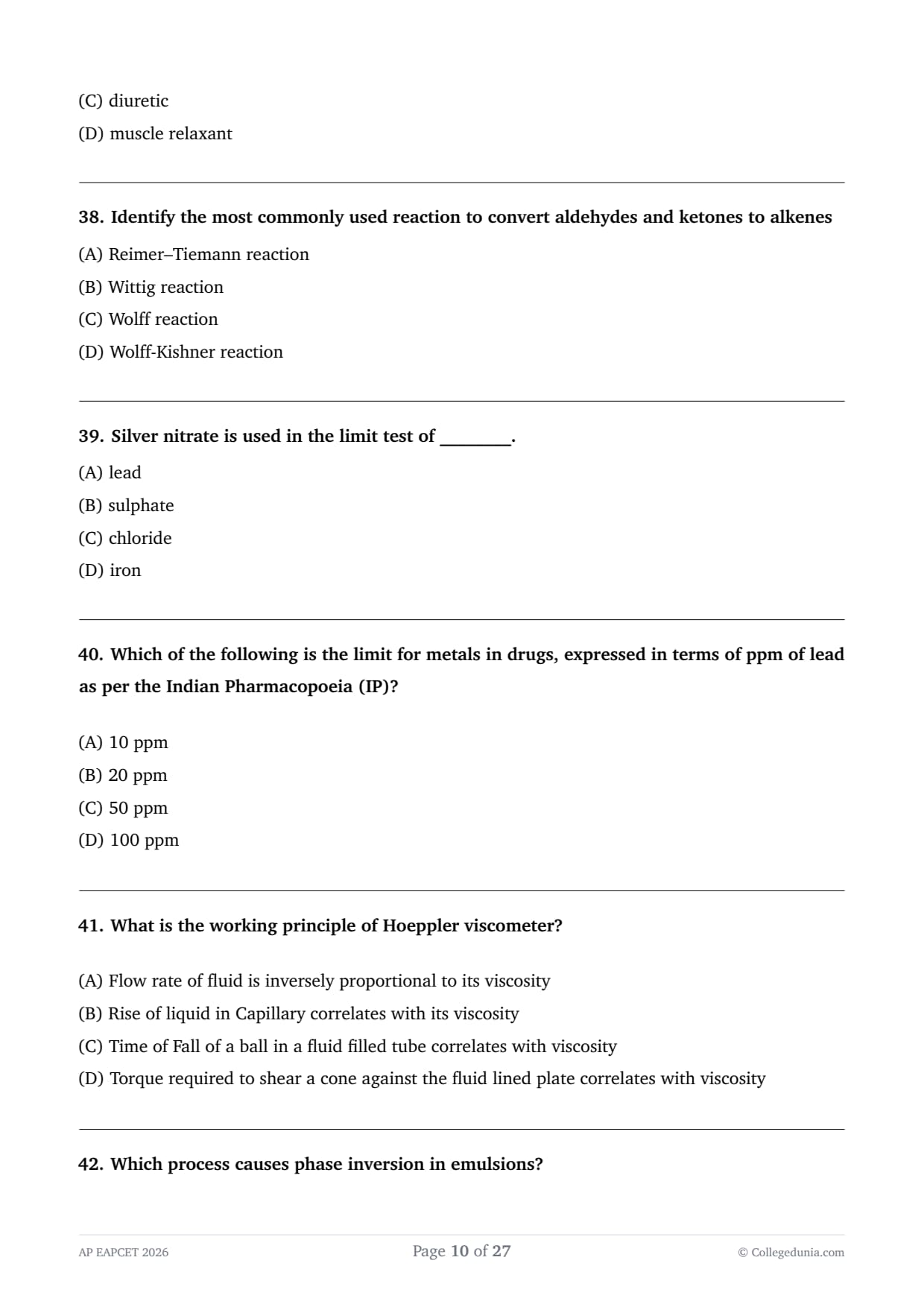
Identify the most commonly used reaction to convert aldehydes and ketones to alkenes
Silver nitrate is used in the limit test of ________.
Which of the following is the limit for metals in drugs, expressed in terms of ppm of lead as per the Indian Pharmacopoeia (IP)?
What is the working principle of Hoeppler viscometer?
Which process causes phase inversion in emulsions?
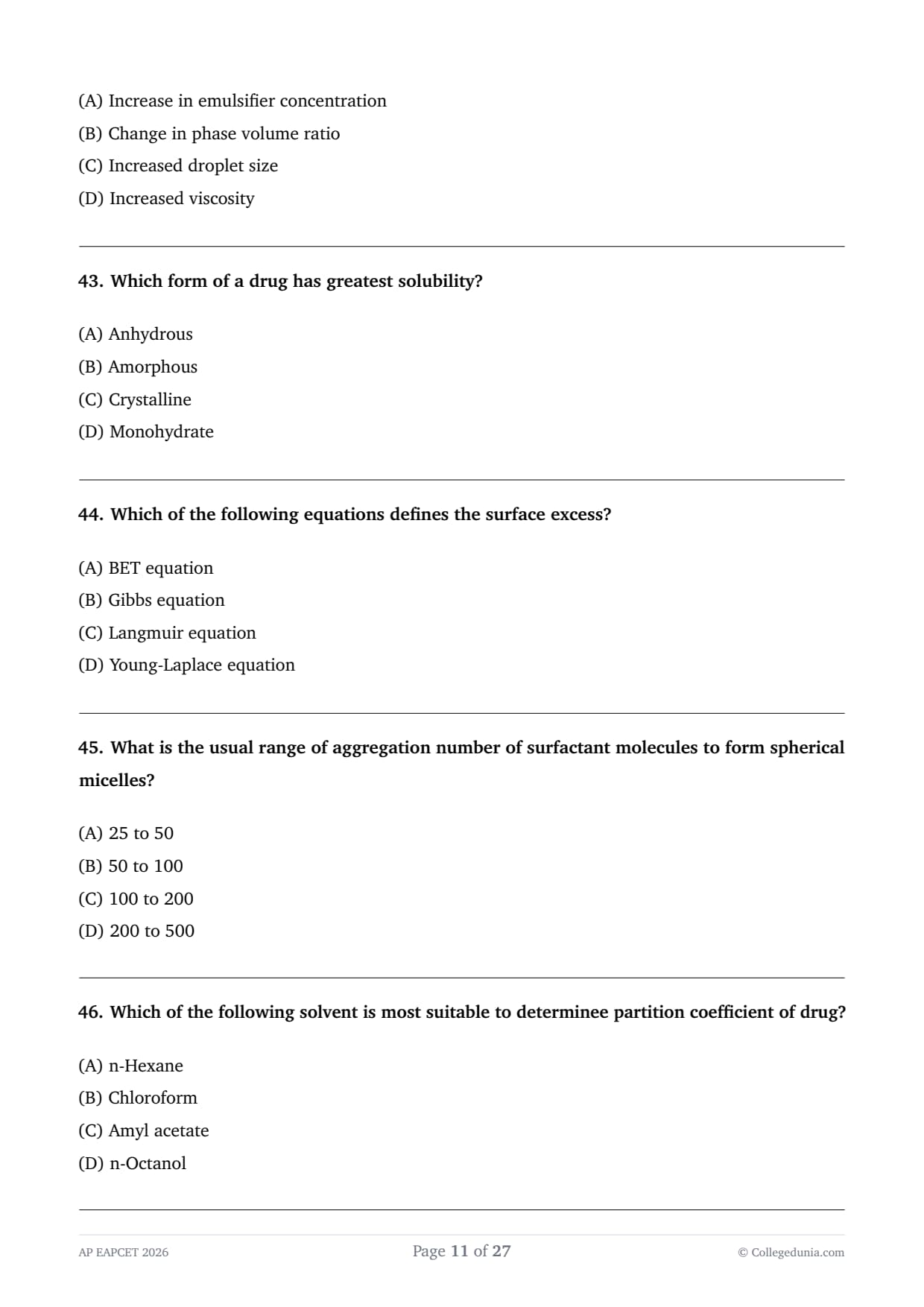
Which form of a drug has greatest solubility?
Which of the following equations defines the surface excess?
What is the usual range of aggregation number of surfactant molecules to form spherical micelles?
Which of the following solvent is most suitable to determinee partition coefficient of drug?
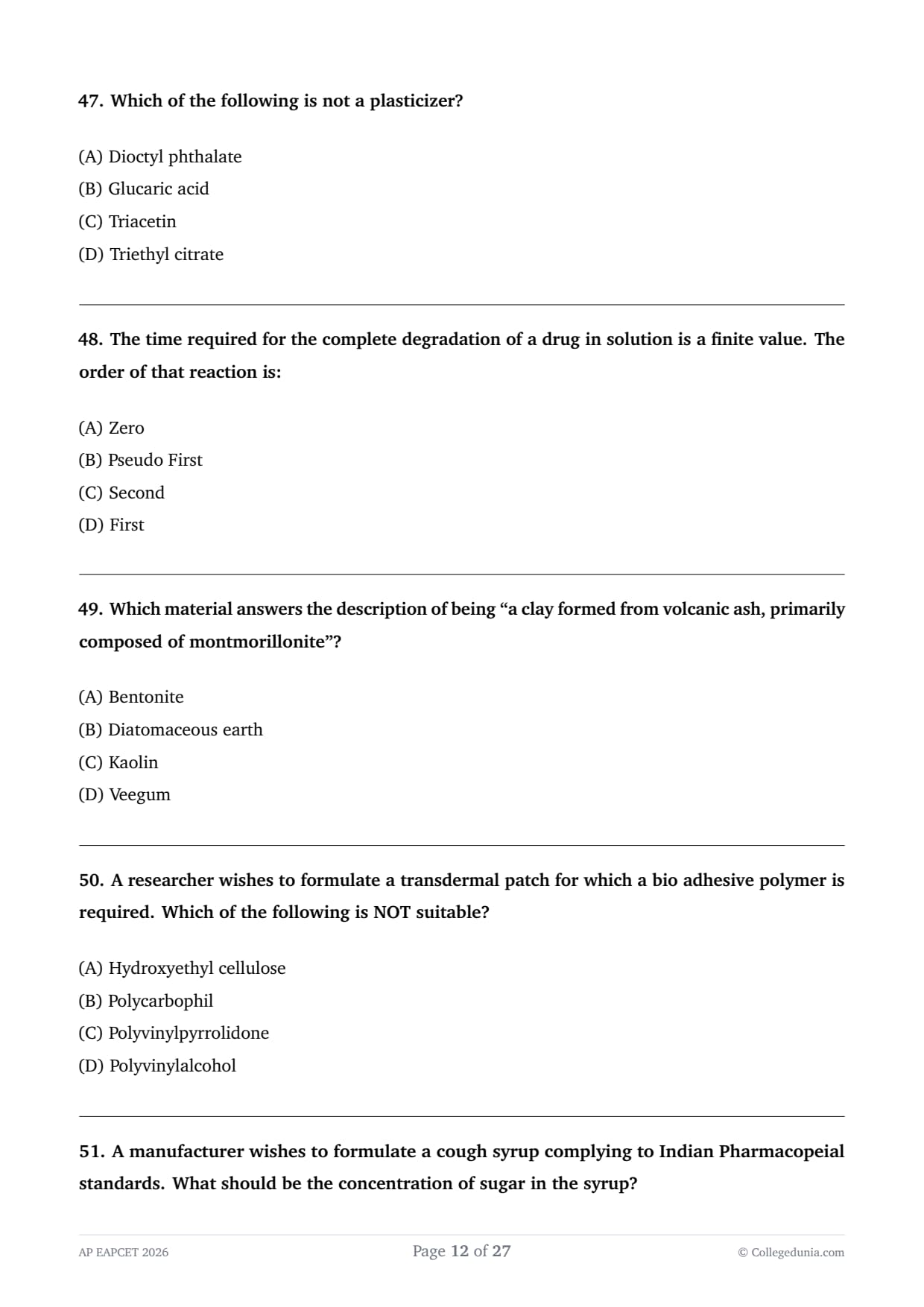
Which of the following is not a plasticizer?
The time required for the complete degradation of a drug in solution is a finite value. The order of that reaction is:
Which material answers the description of being ``a clay formed from volcanic ash, primarily composed of montmorillonite''?
A researcher wishes to formulate a transdermal patch for which a bio adhesive polymer is required. Which of the following is NOT suitable?
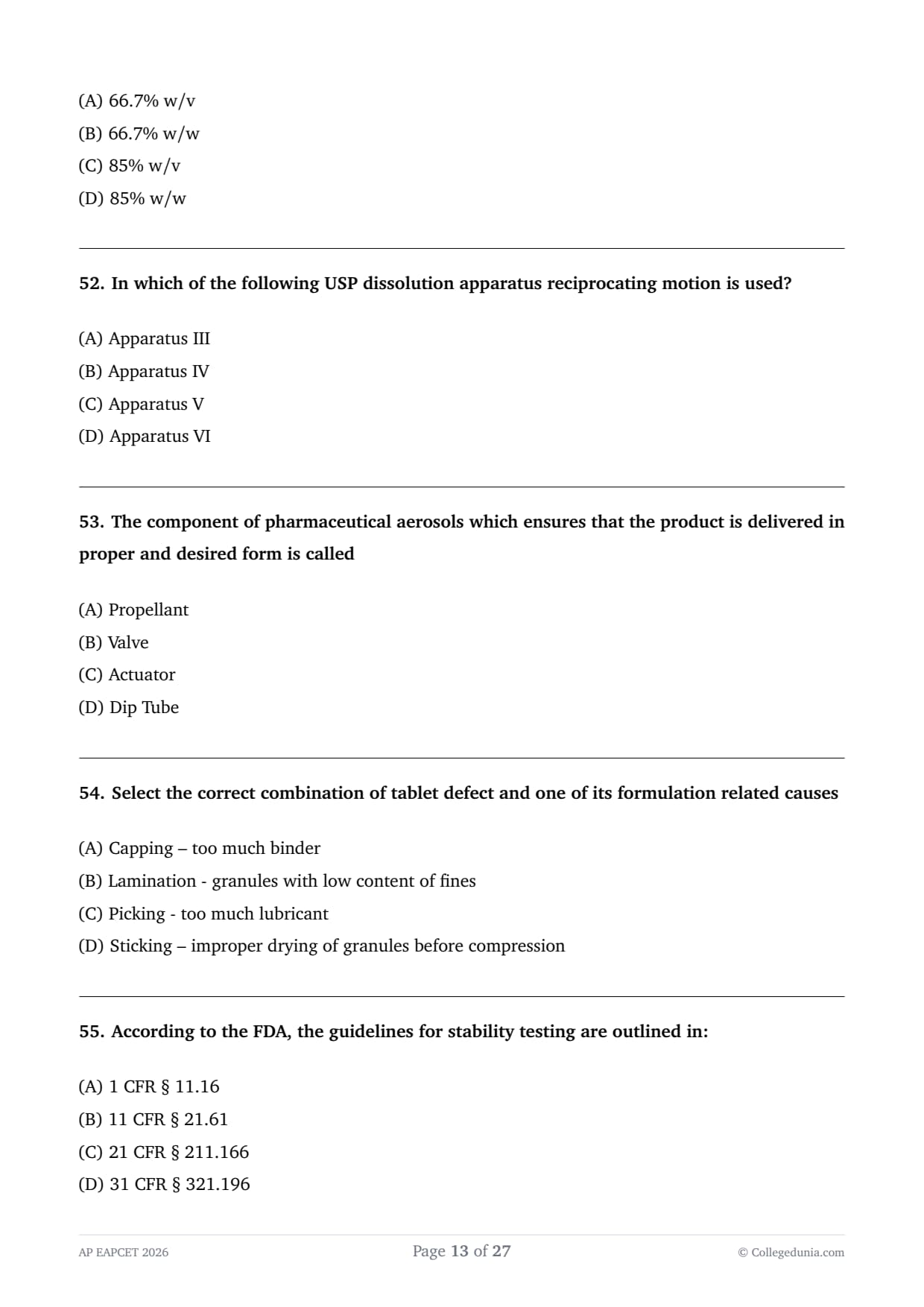
A manufacturer wishes to formulate a cough syrup complying to Indian Pharmacopeial standards. What should be the concentration of sugar in the syrup?
In which of the following USP dissolution apparatus reciprocating motion is used?
The component of pharmaceutical aerosols which ensures that the product is delivered in proper and desired form is called
Select the correct combination of tablet defect and one of its formulation related causes
According to the FDA, the guidelines for stability testing are outlined in:
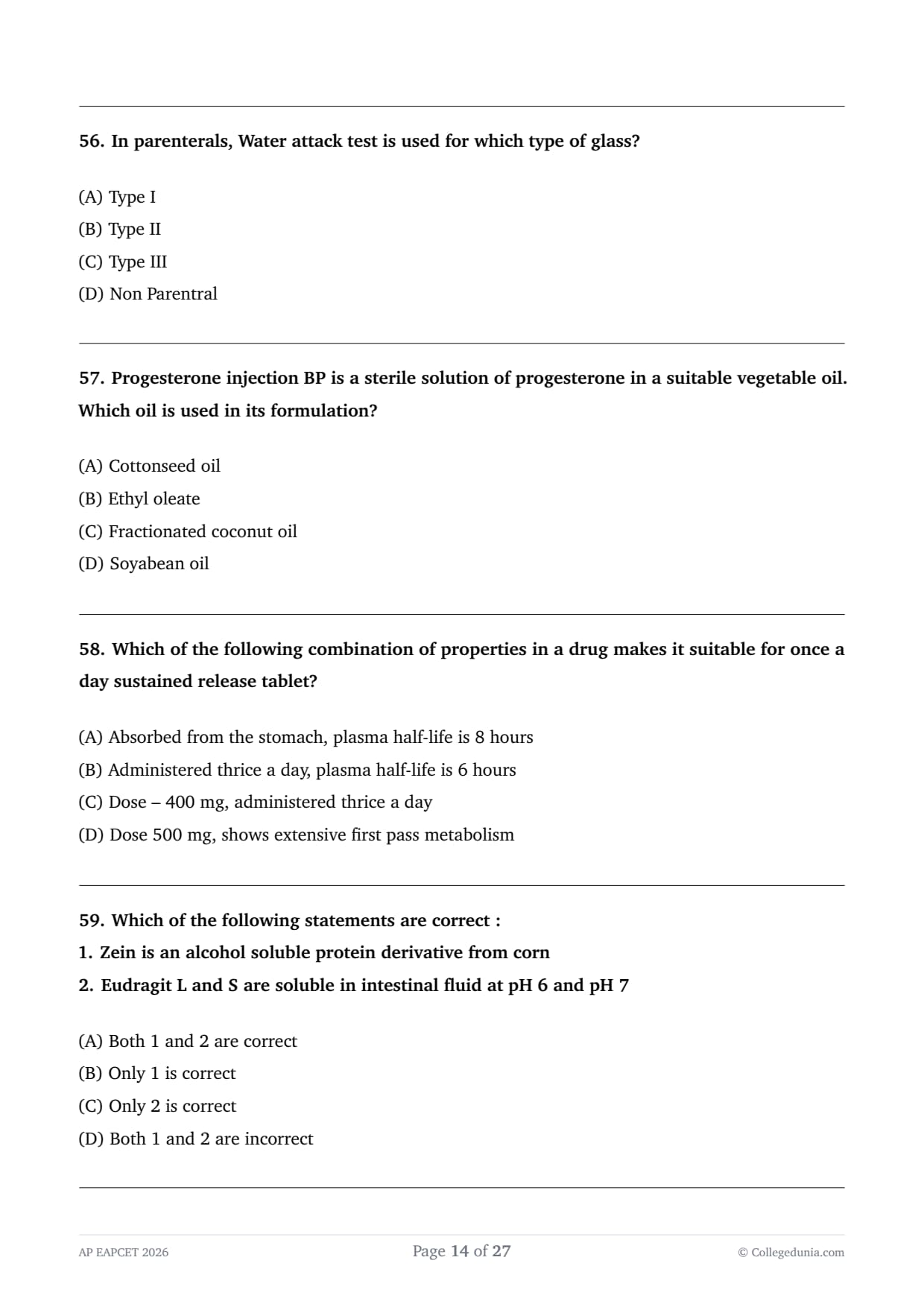
In parenterals, Water attack test is used for which type of glass?
Progesterone injection BP is a sterile solution of progesterone in a suitable vegetable oil. Which oil is used in its formulation?
Which of the following combination of properties in a drug makes it suitable for once a day sustained release tablet?
Which of the following statements are correct :
1. Zein is an alcohol soluble protein derivative from corn
2. Eudragit L and S are soluble in intestinal fluid at pH 6 and pH 7
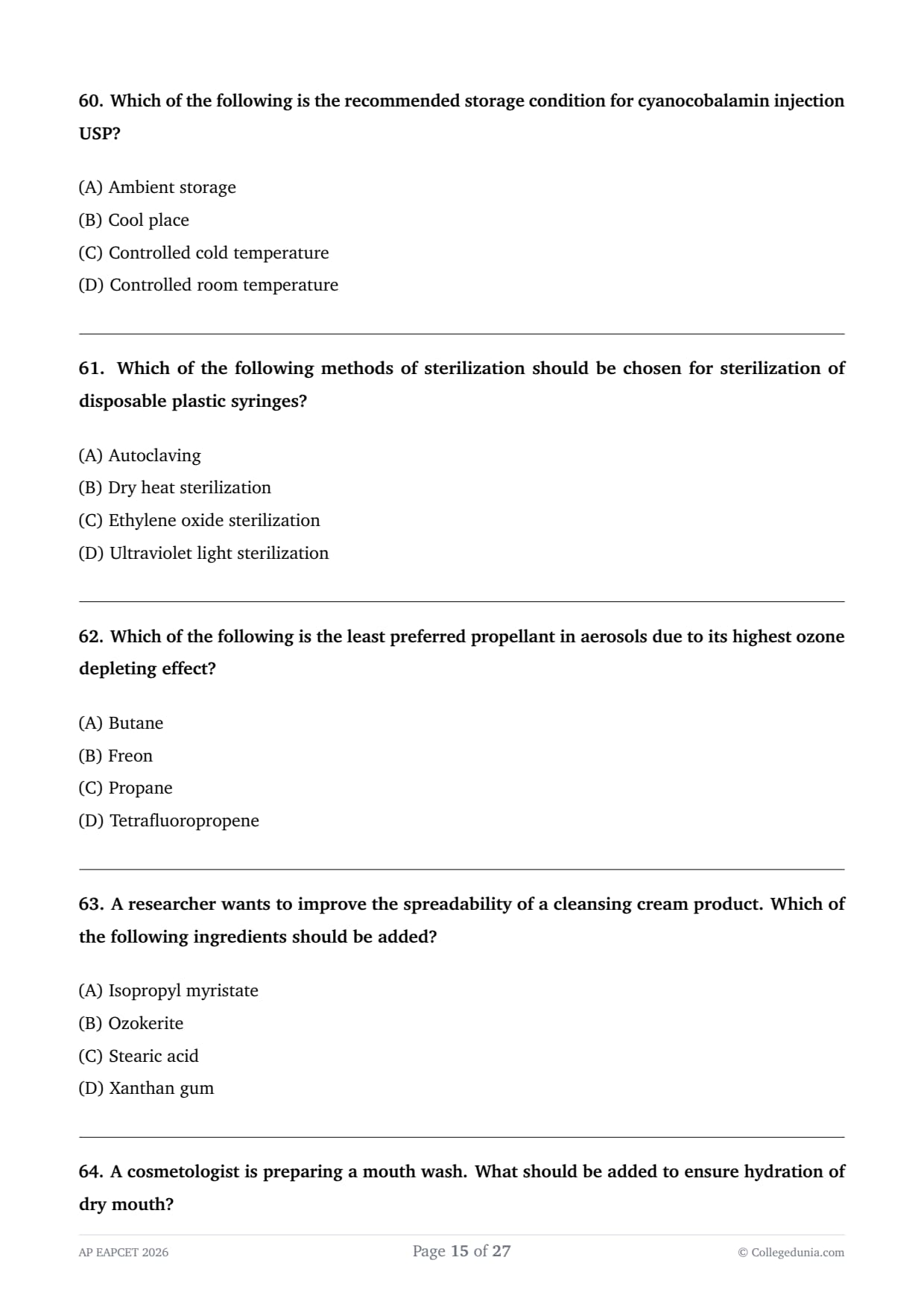
Which of the following is the recommended storage condition for cyanocobalamin injection USP?
Which of the following methods of sterilization should be chosen for sterilization of disposable plastic syringes?
Which of the following is the least preferred propellant in aerosols due to its highest ozone depleting effect?
A researcher wants to improve the spreadability of a cleansing cream product. Which of the following ingredients should be added?
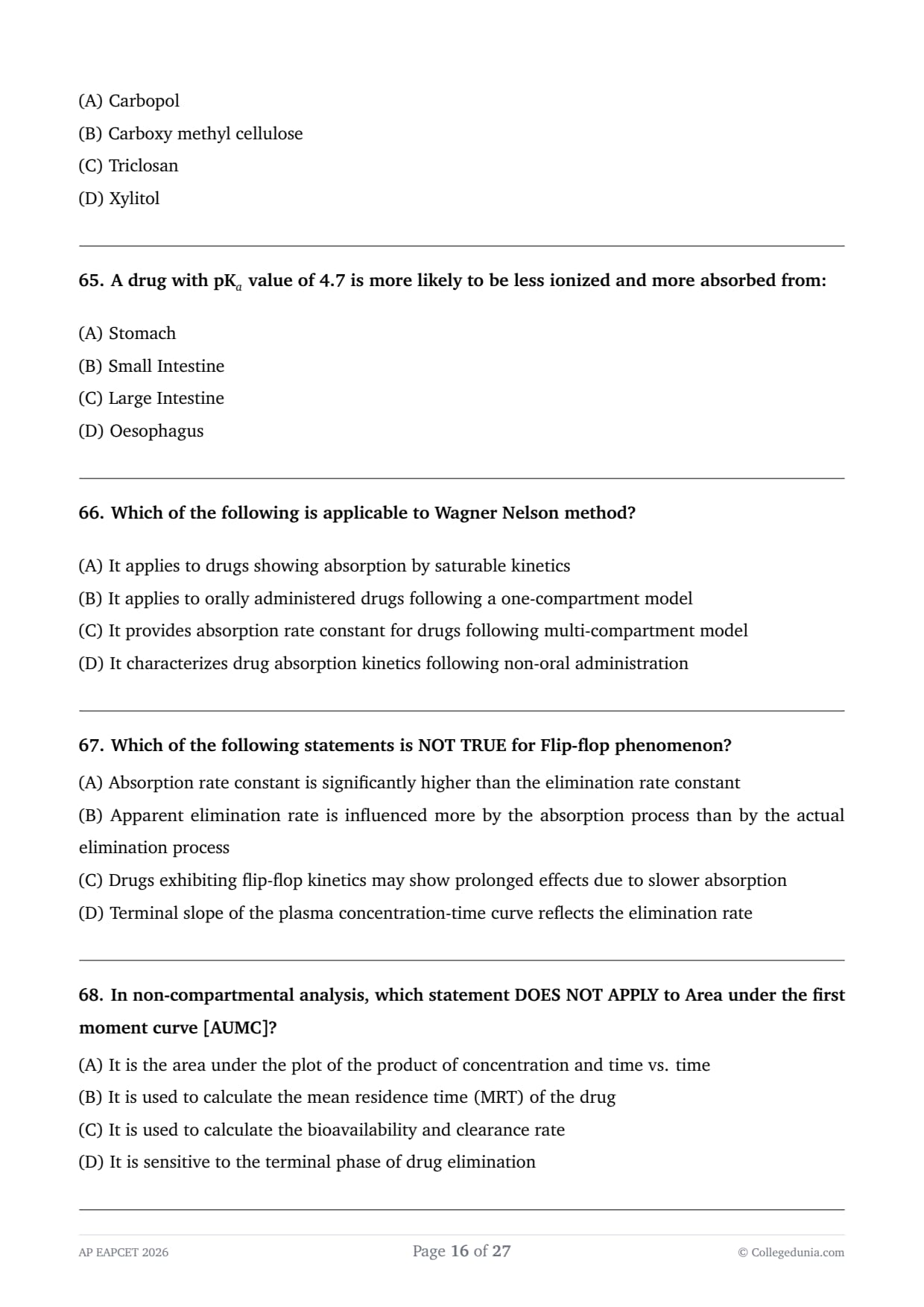
A cosmetologist is preparing a mouth wash. What should be added to ensure hydration of dry mouth?
A drug with \(pK_a\) value of 4.7 is more likely to be less ionized and more absorbed from:
Which of the following is applicable to Wagner Nelson method?
Which of the following statements is NOT TRUE for Flip-flop phenomenon?
In non-compartmental analysis, which statement DOES NOT APPLY to Area under the first moment curve [AUMC]?
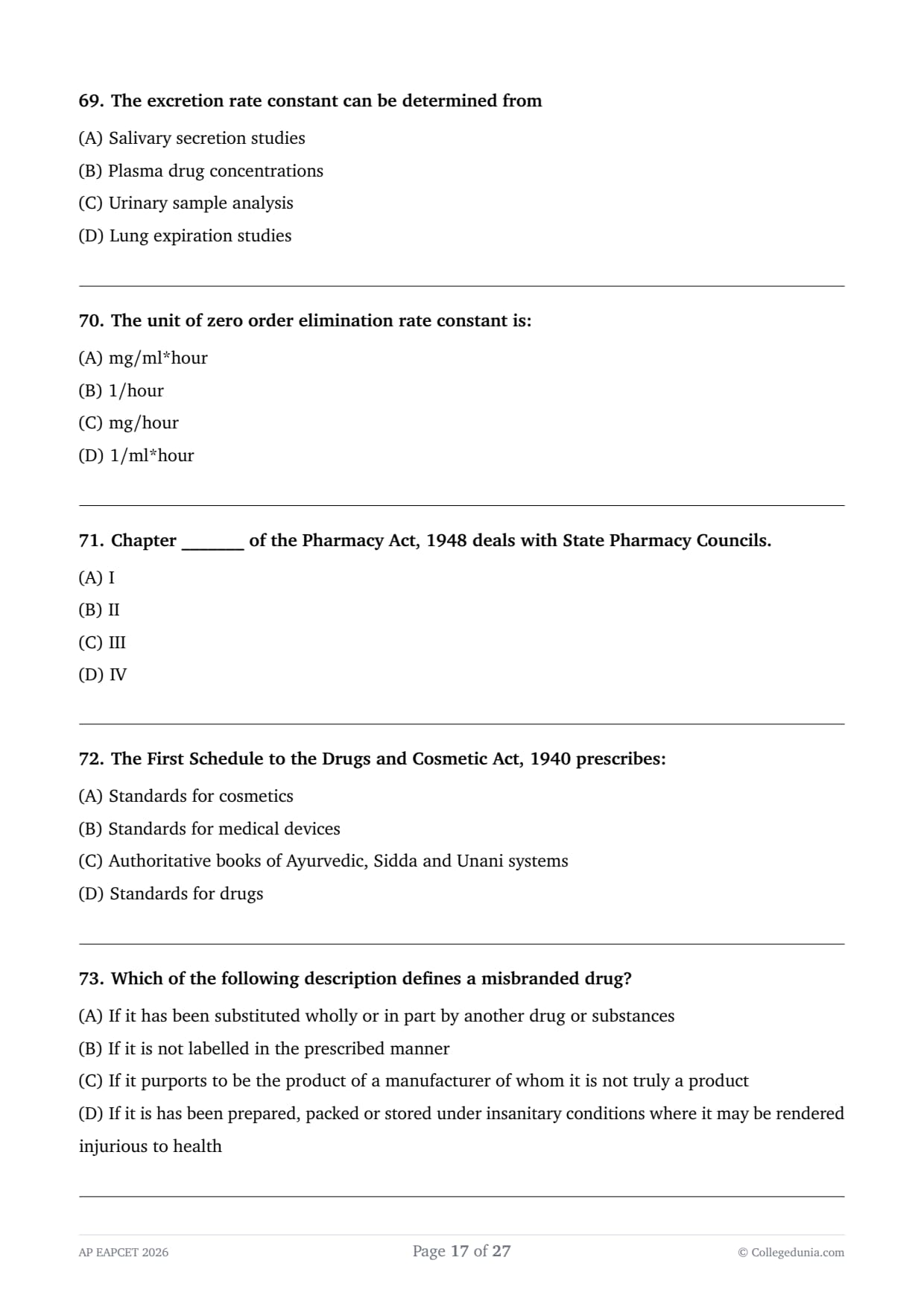
The excretion rate constant can be determined from
The unit of zero order elimination rate constant is:
Chapter _______ of the Pharmacy Act, 1948 deals with State Pharmacy Councils.
The First Schedule to the Drugs and Cosmetic Act, 1940 prescribes:
Which of the following description defines a misbranded drug?
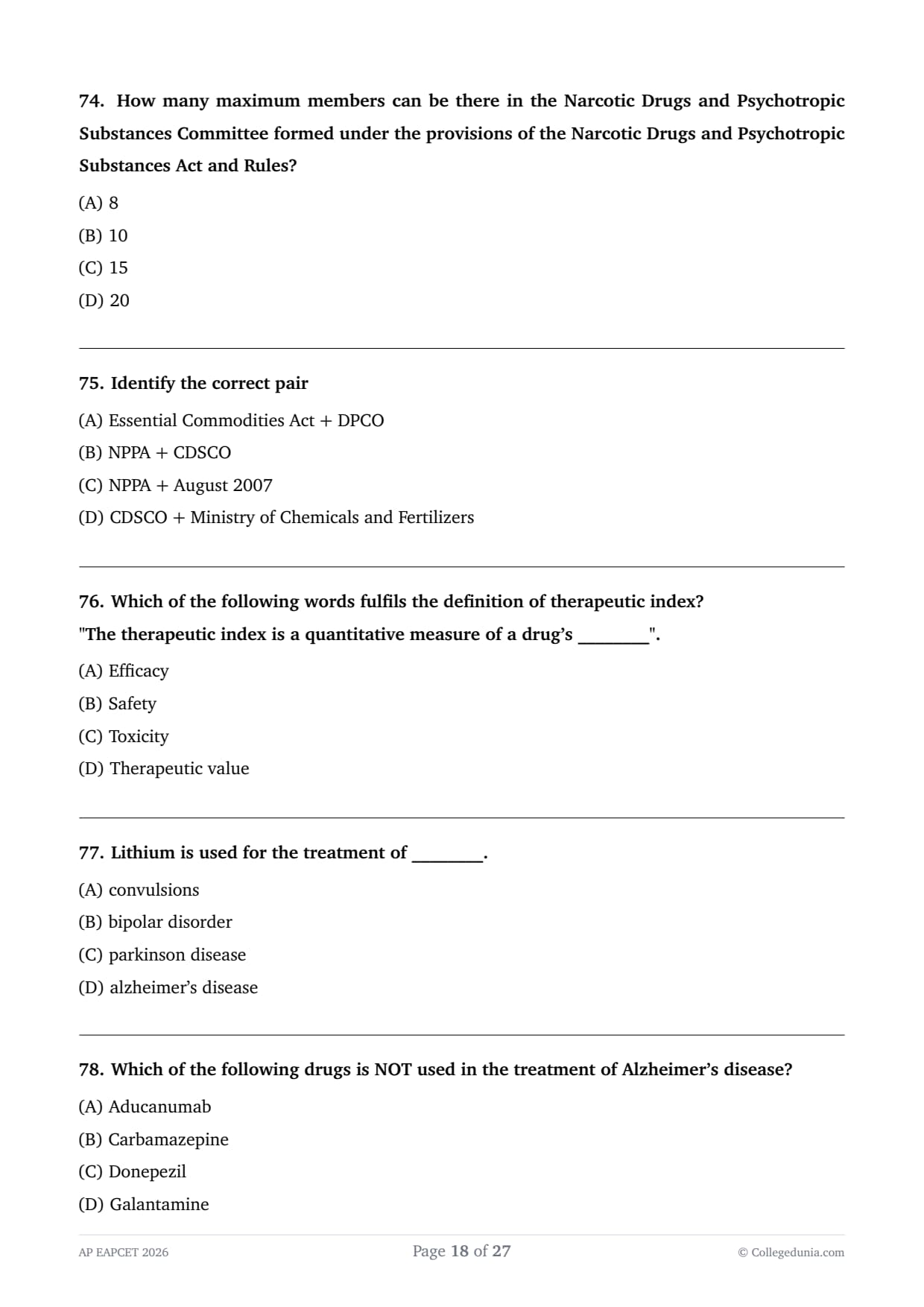
How many maximum members can be there in the Narcotic Drugs and Psychotropic Substances Committee formed under the provisions of the Narcotic Drugs and Psychotropic Substances Act and Rules?
Identify the correct pair
Which of the following words fulfils the definition of therapeutic index?
"The therapeutic index is a quantitative measure of a drug's ________".
Lithium is used for the treatment of ________.
Which of the following drugs is NOT used in the treatment of Alzheimer's disease?
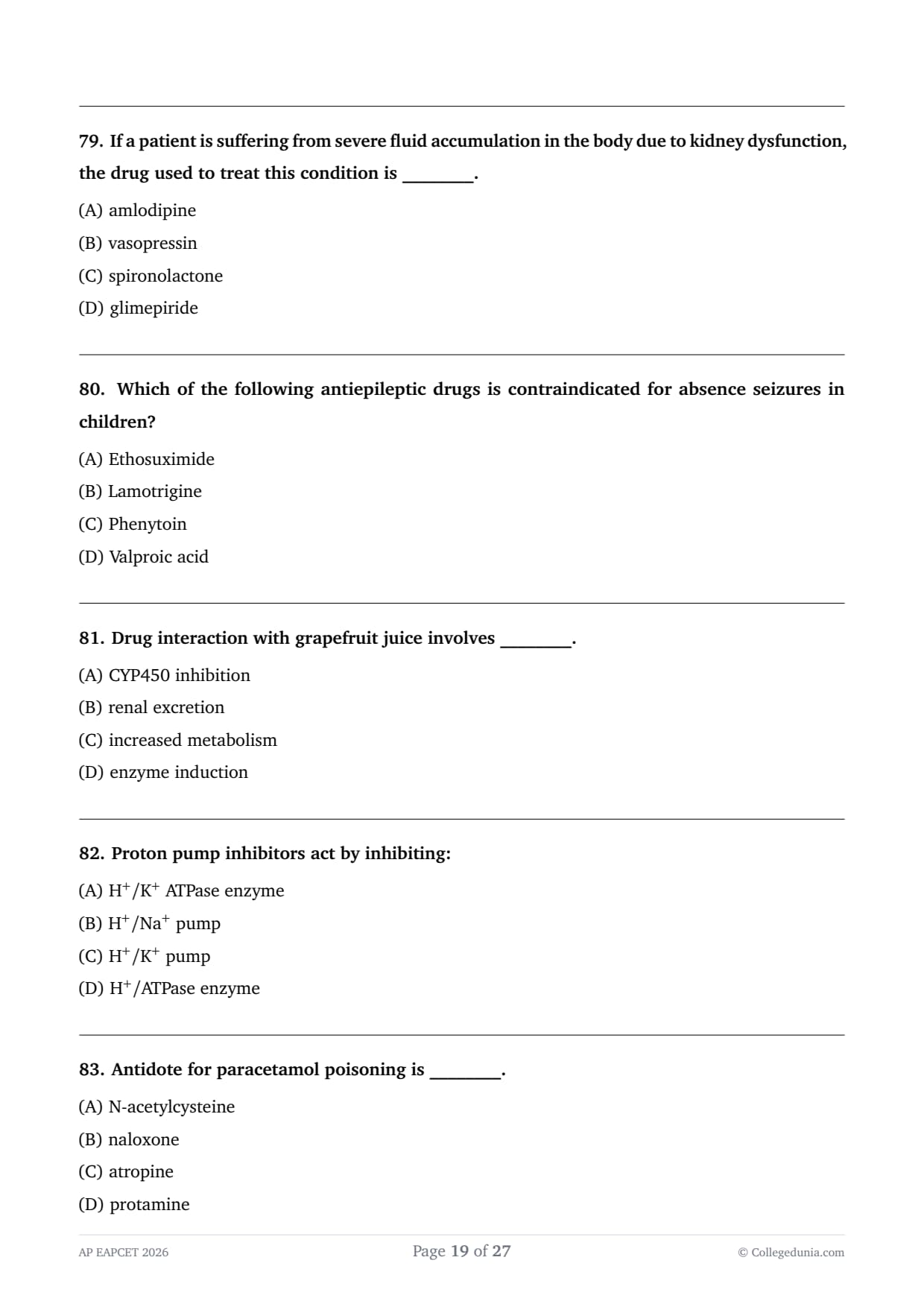
If a patient is suffering from severe fluid accumulation in the body due to kidney dysfunction, the drug used to treat this condition is ________.
Which of the following antiepileptic drugs is contraindicated for absence seizures in children?
Drug interaction with grapefruit juice involves ________.
Proton pump inhibitors act by inhibiting:
Antidote for paracetamol poisoning is ________.
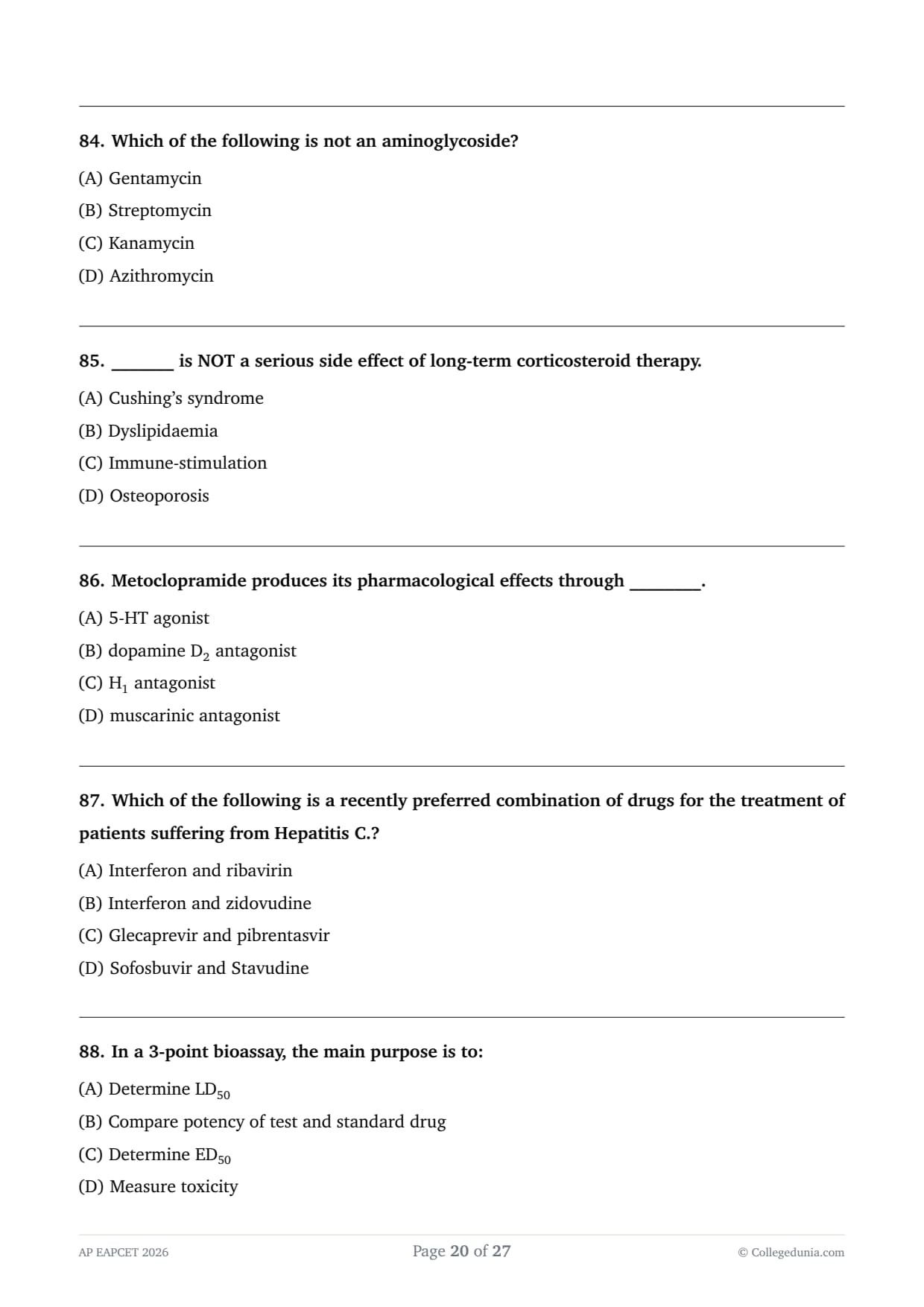
Which of the following is not an aminoglycoside?
_______ is NOT a serious side effect of long-term corticosteroid therapy.
Metoclopramide produces its pharmacological effects through ________.
Which of the following is a recently preferred combination of drugs for the treatment of patients suffering from Hepatitis C.?
In a 3-point bioassay, the main purpose is to:
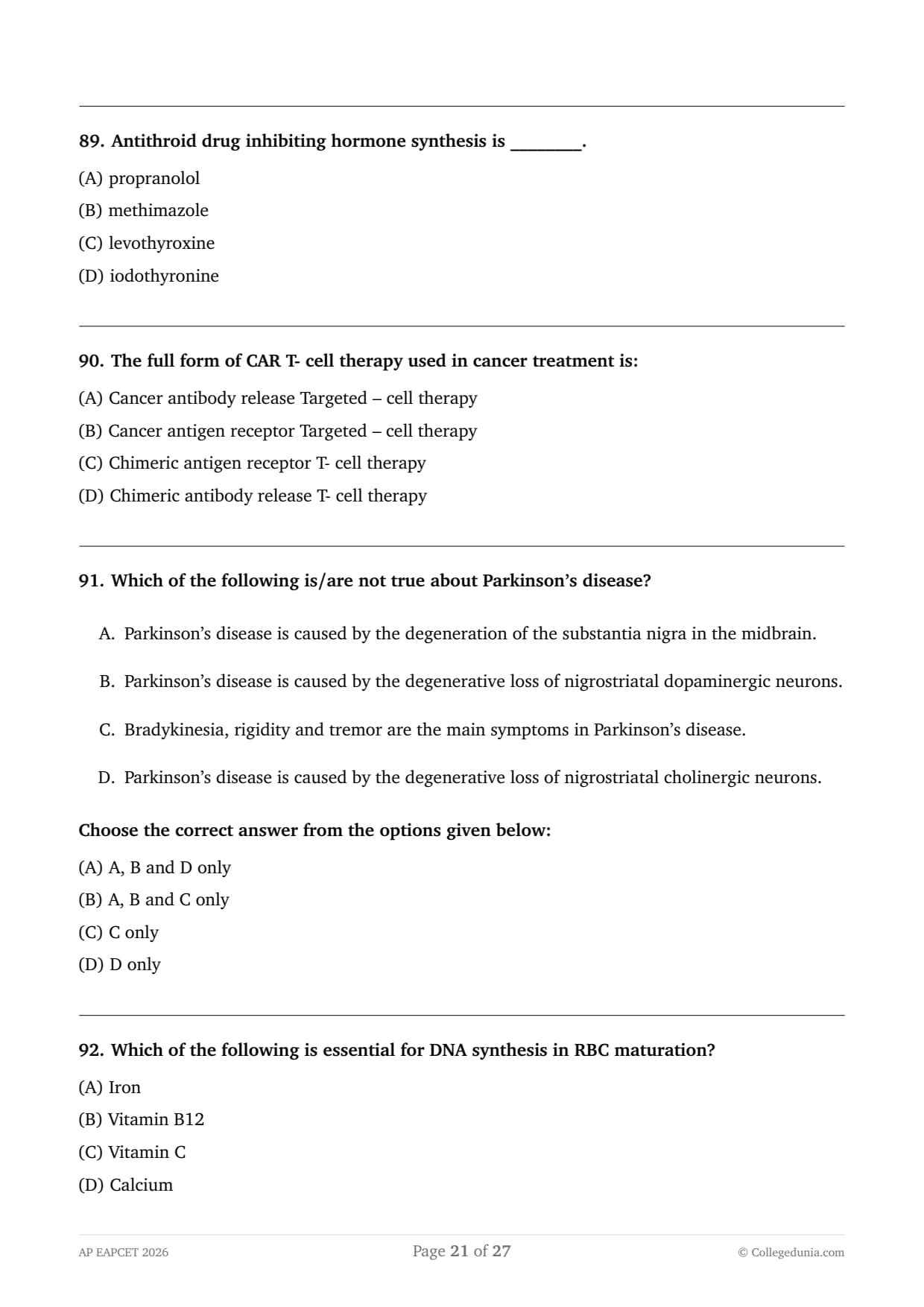
Antithroid drug inhibiting hormone synthesis is ________.
The full form of CAR T- cell therapy used in cancer treatment is:
Which of the following is/are not true about Parkinson's disease?
[A.] Parkinson's disease is caused by the degeneration of the substantia nigra in the midbrain.
[B.] Parkinson's disease is caused by the degenerative loss of nigrostriatal dopaminergic neurons.
[C.] Bradykinesia, rigidity and tremor are the main symptoms in Parkinson's disease.
[D.] Parkinson's disease is caused by the degenerative loss of nigrostriatal cholinergic neurons.
Choose the correct answer from the options given below:
Which of the following is essential for DNA synthesis in RBC maturation?
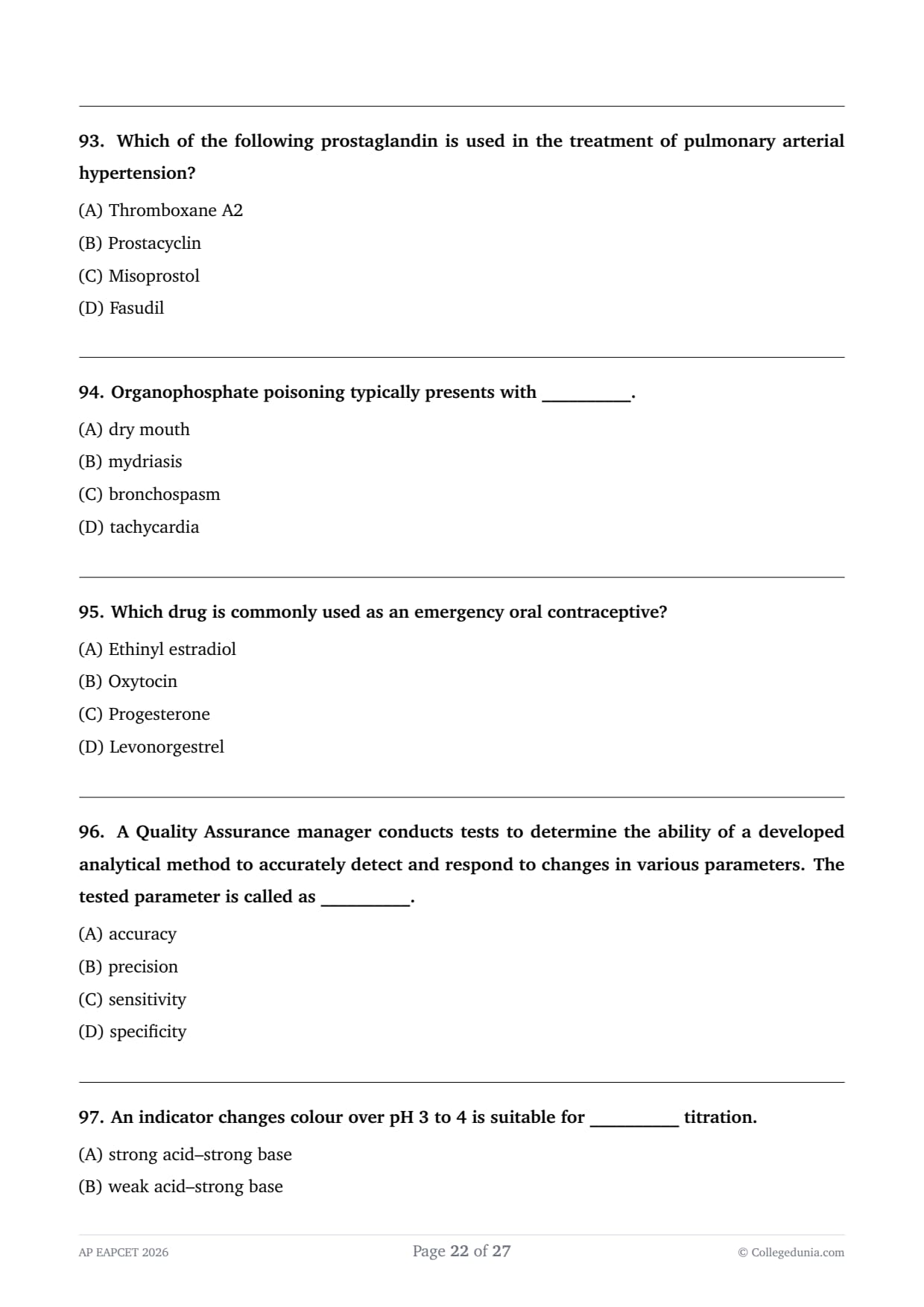
Which of the following prostaglandin is used in the treatment of pulmonary arterial hypertension?
Organophosphate poisoning typically presents with __________.
Which drug is commonly used as an emergency oral contraceptive?
A Quality Assurance manager conducts tests to determine the ability of a developed analytical method to accurately detect and respond to changes in various parameters. The tested parameter is called as __________.
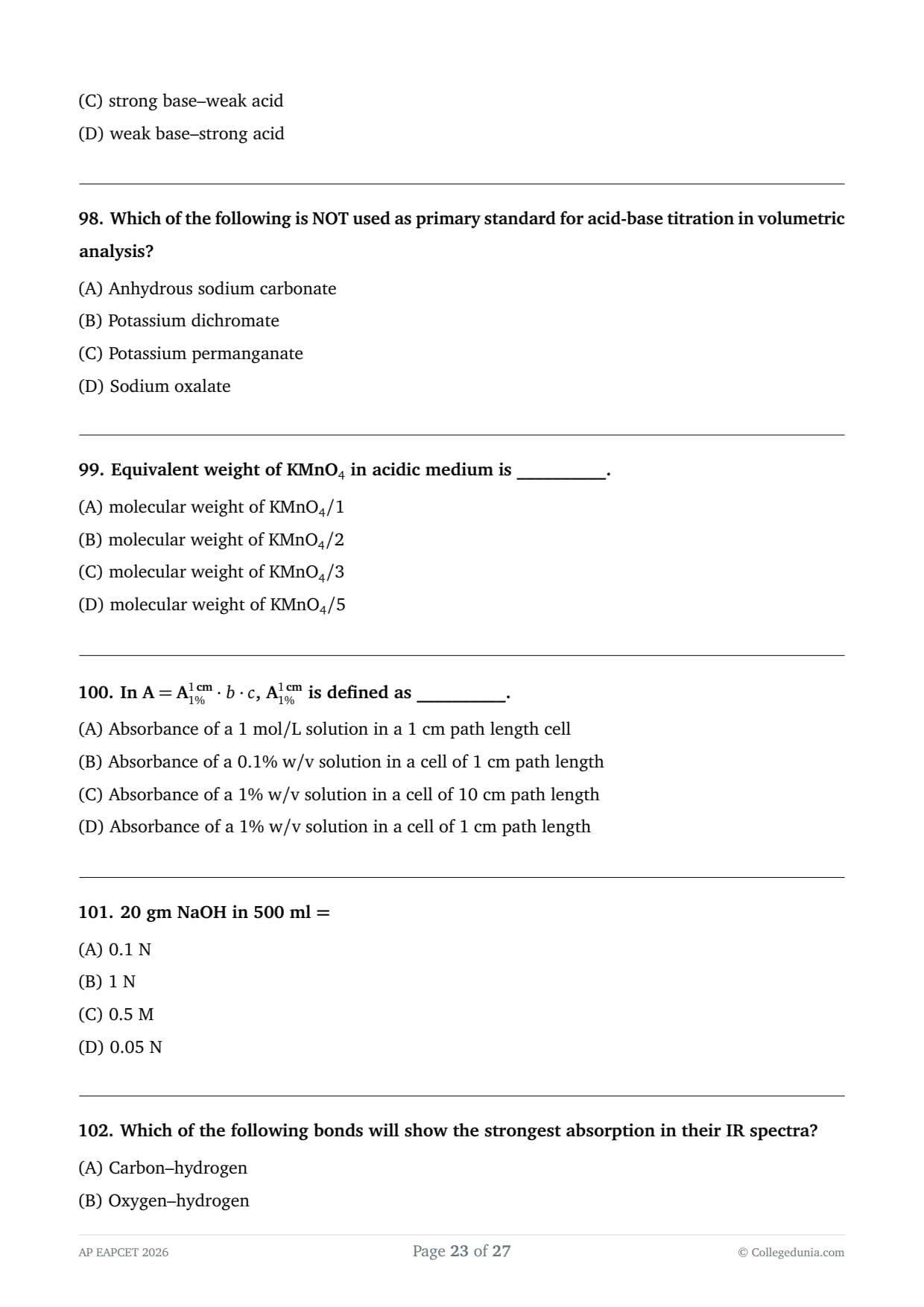
An indicator changes colour over pH 3 to 4 is suitable for __________ titration.
Which of the following is NOT used as primary standard for acid-base titration in volumetric analysis?
Equivalent weight of \(KMnO_4\) in acidic medium is __________.
In (A=A_{1%}^{1,cm} cdot b cdot c), (A_{1%}^{1,cm}) is defined as __________.
20 gm \(NaOH\) in 500 ml =
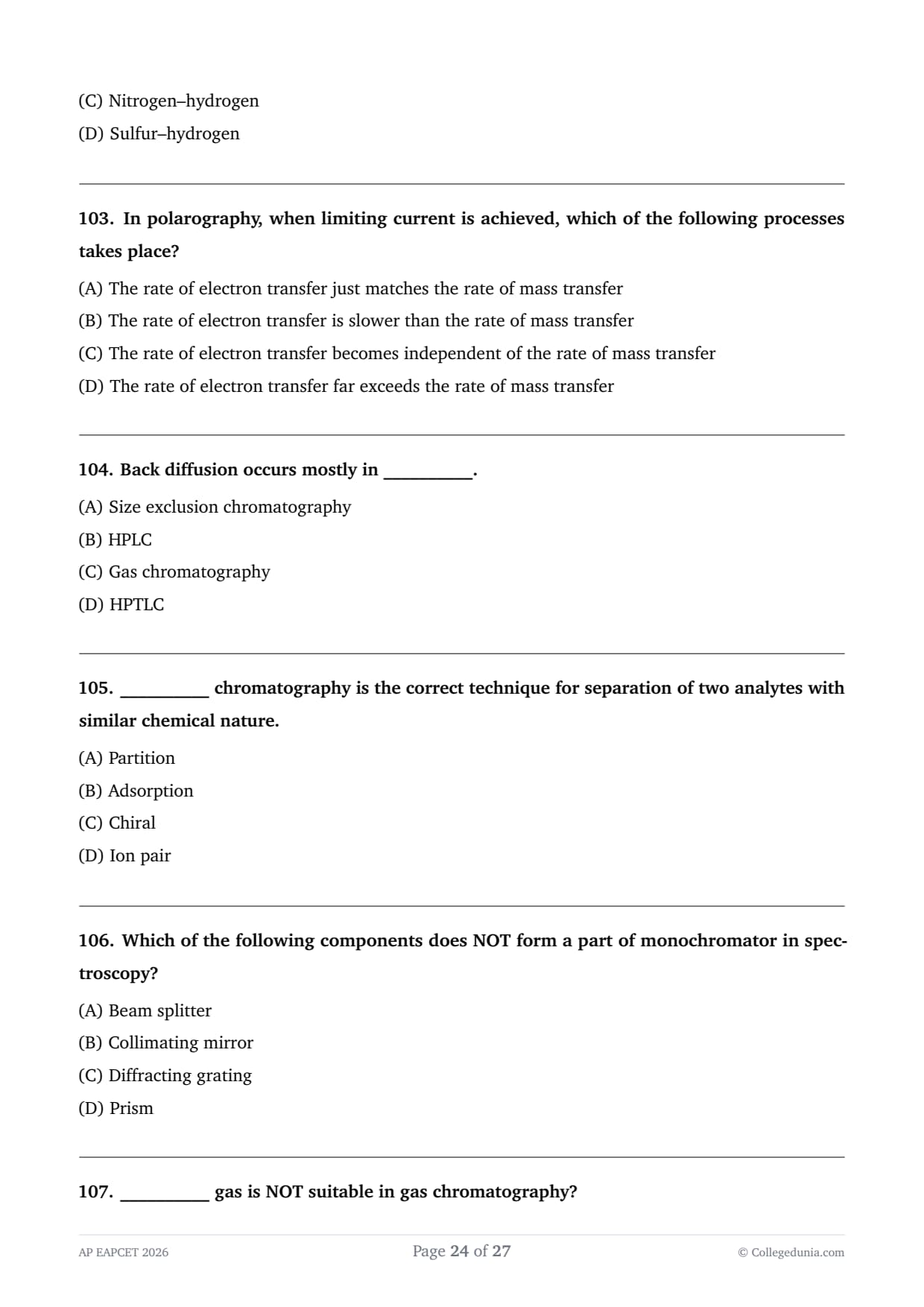
Which of the following bonds will show the strongest absorption in their IR spectra?
In polarography, when limiting current is achieved, which of the following processes takes place?
Back diffusion occurs mostly in __________.
__________ chromatography is the correct technique for separation of two analytes with similar chemical nature.
Which of the following components does NOT form a part of monochromator in spectroscopy?
__________ gas is NOT suitable in gas chromatography?
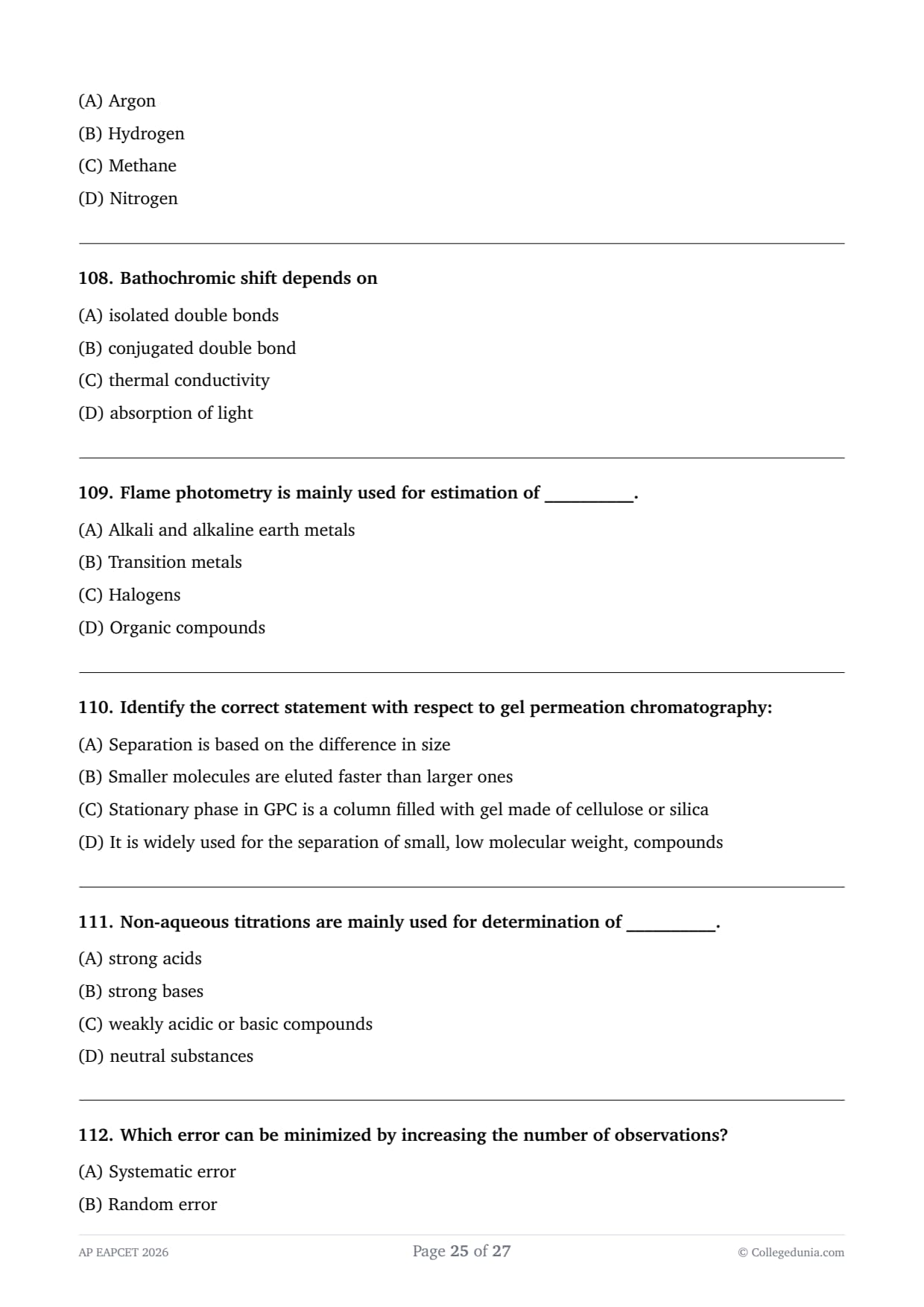
Bathochromic shift depends on
Flame photometry is mainly used for estimation of __________.
Identify the correct statement with respect to gel permeation chromatography:
Non-aqueous titrations are mainly used for determination of __________.
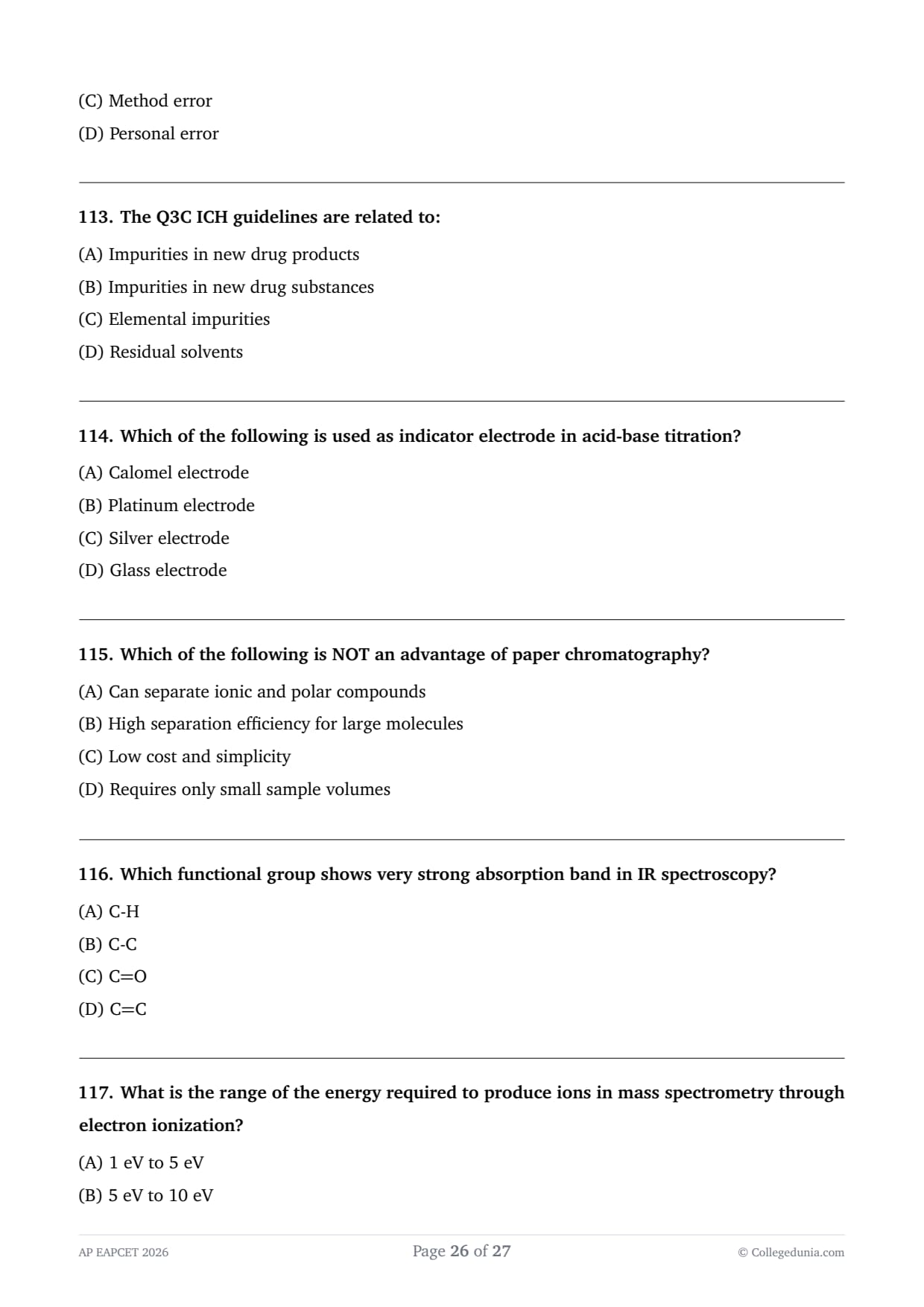
Which error can be minimized by increasing the number of observations?
The Q3C ICH guidelines are related to:
Which of the following is used as indicator electrode in acid-base titration?
Which of the following is NOT an advantage of paper chromatography?
Which functional group shows very strong absorption band in IR spectroscopy?
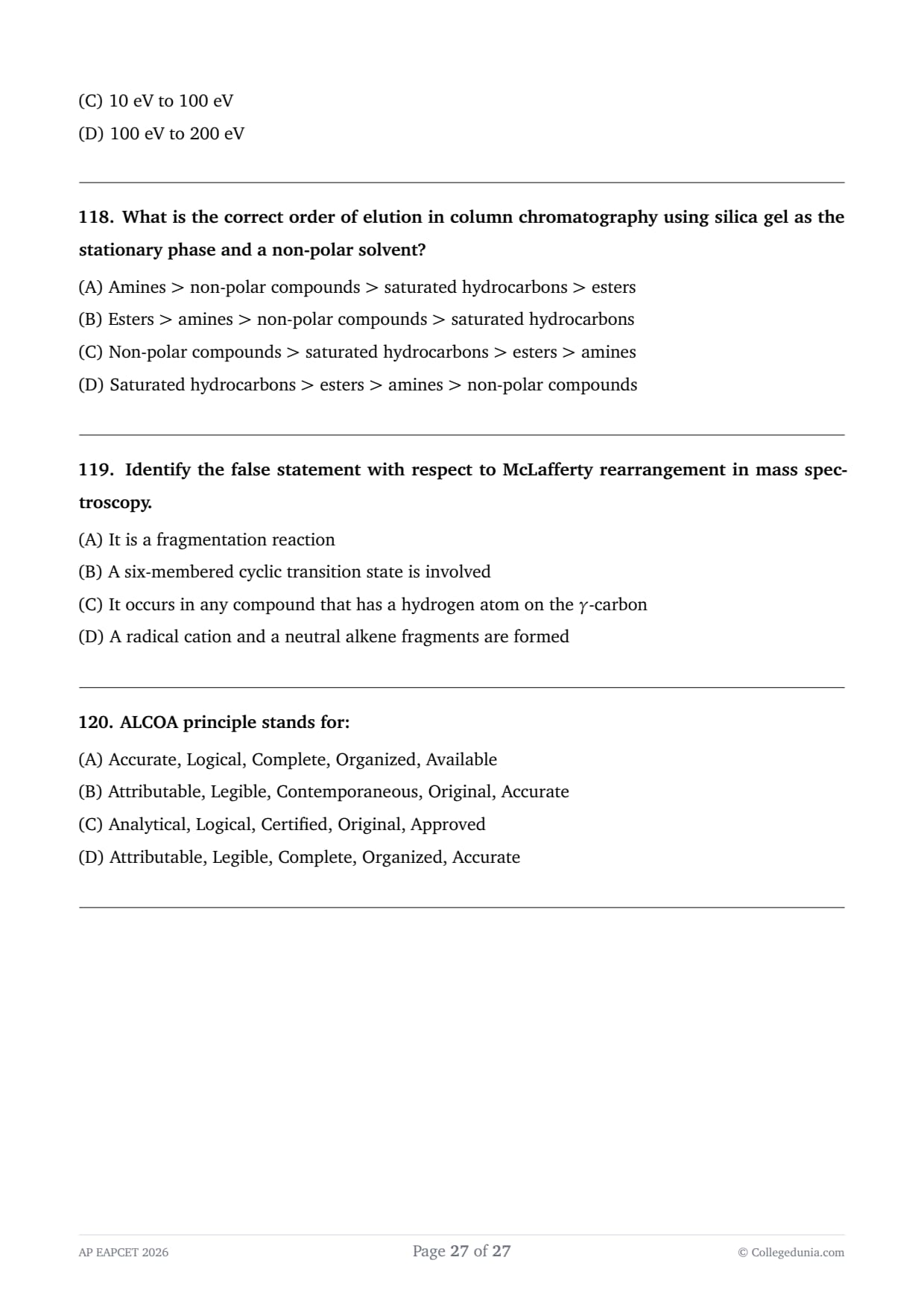
What is the range of the energy required to produce ions in mass spectrometry through electron ionization?
What is the correct order of elution in column chromatography using silica gel as the stationary phase and a non-polar solvent?
Identify the false statement with respect to McLafferty rearrangement in mass spectroscopy.
ALCOA principle stands for:
AP PGECET 2026 Pharmacy Topics
| Topics |
|---|
| Pharmacognosy & Phytochemistry |
| Pharmaceutical Chemistry |
| Inorganic pharmaceuticals |
| Physical pharmacy |
| Pharmaceutical Technology |
| Biopharmaceutics & Pharmacokinetics |
| Pharmacology |
| Clinical Pharmacy |
| Pharmaceutical Analysis and Quality Assurance |
| Forensic pharmacy |



Comments