



Exams Prep Master
Monosodium glutamate (MSG) is a white crystalline chemical that is used to enhance the flavor of some foods at room temperature. Monosodium L-glutamate, sodium glutamate, and Ajinomoto are all names for MSG. MSG is a glutamic acid sodium salt. Monosodium glutamate, or MSG, has the IUPAC name sodium 2-aminopentanedioate and the chemical formula C5H8NO4Na. MSG does not have a characteristic odor as a chemical. Let’s have a closer look at the topic and discuss some important questions related to it.
| Table of Content |
Also check: Ferrous Sulphate
What is Monosodium Glutamate?
Monosodium glutamate (MSG), also known as monosodium L-glutamate or sodium glutamate, is a white crystalline chemical that is used to enhance the natural flavor of certain foods. It is a sodium salt of the amino acid glutamic acid. MSG (monosodium glutamate) is a common component in Chinese and Japanese cuisines, and it can be found in broths, soups, canned and frozen vegetables, flavoring and spice blends, gravies, meats, poultry, and sauces, among other things. It's also used to make tobacco taste better, and it's been used to treat hepatic coma in the past. Tomatoes and Parmesan cheese naturally contain large levels of chemicals.
Structure of Monosodium Glutamate
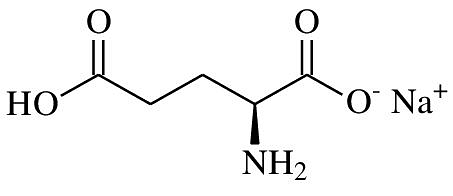
An ionic connection exists between Na+ and C5H8NO4– in MSG molecules. Below is a diagram of the structure of a monosodium glutamate molecule.
Physical Properties of Monosodium Glutamate
Since we're talking about monosodium glutamate's qualities, it's important to go over some of its unique physical characteristics. Some of these characteristics are listed below:
- It's a solid substance.
- MSG is extremely soluble in water but not in organic solvents in terms of solubility. MSG is soluble in water at a concentration of 740 grams per liter.
- It has a white, crystal-like appearance at ambient temperature.
- MSG has no taste or odor. It has a peptone-like odor, according to some.
- MSG's flavor is described as "Umami."
- MSG takes on the shape of rhombic prisms when dissolved in water.
- When MSG is saturated in water at 20°C, it has a density of 26.2 grams per cubic centimeter.

Chemical Properties of Monosodium Glutamate
Monosodium glutamate has several distinguishing characteristics. The following are some of the chemical features of monosodium glutamate.
- Due to its great thermal stability, monosodium glutamate can be employed in industrial food preparation.
- It's worth mentioning that glutamic acid includes two carboxylic groups, but monosodium glutamate corresponds to the deprotonation of the -carboxylic group, which contains the most acidic hydrogen.
- The pH of monosodium glutamate solutions ranges from 6.7 to 7.2.
- This chemical crystallizes as a pentahydrate when chilled to temperatures below -8 oC.
Also check:
Preparation of Monosodium Glutamate
Below are the most prevalent ways of making monosodium glutamate.
- In the presence of hydrochloric acid, several vegetable proteins are hydrolyzed.
- The use of acrylonitrile in chemical synthesis (CH2CHCN).
- A starch or molasses-based bacterial fermentation method.
- Bacterial fermentation is used to produce the majority of MSG. The monohydrate form of this chemical is most commonly found in commercial samples.
Also Read:
Uses of Monosodium Glutamate
Monosodium glutamate is a flavoring ingredient that is widely used in the food business. Monosodium glutamate was developed in Japan, where it has a meaty flavor and is used in a variety of cuisines.
When added to some meals, monosodium glutamate provides an umami flavor that enhances meaty flavors. As a result, one of its most common uses is in the food business.

Monosodium glutamate has been linked to a variety of symptoms, including headaches, tingling, and burning sensations. The "Chinese restaurant syndrome" refers to all of these signs and symptoms. Several studies, however, indicate that there is no link between this syndrome and MSG. In most countries, this substance is a legal food additive.
Also Read:
Some Other Names of Monosodium Glutamate
Monosodium glutamate, or MSG, is largely responsible for that seductive taste. MSG is also known by various names.
- monosodium salt
- monohydrate
- monosodium glutamate
- monosodium glutamate monohydrate
- monosodium
- L-glutamate monohydrate
- MSG monohydrate
Read More:
Things to Remember
- The sodium salt of glutamic acid is monosodium glutamate. Glutamate is an amino acid that occurs naturally in almost all meals.
- Monosodium glutamate is one of the most researched food additives on the market.
- Monosodium glutamate has about one-third the sodium of table salt and is used in lesser quantities.
- Monosodium glutamate was previously derived from natural protein-rich foods like seaweed. Monosodium glutamate is now produced by an industrial fermentation technique, which eliminates the need for this time-consuming procedure.
- To improve the flavor of tobacco, MSG is frequently applied.
- In addition, it is used to treat hepatic coma.
Also Read:
Sample Questions
Ques: Why is MSG harmful to one's health? (2 marks)
Ans: MSG is the subject of much discussion in the natural health community. There have been reports of asthma, headaches, and even brain injury. MSG, on the other hand, is considered safe by most official authorities, including the FDA.
Ques: What purpose does monosodium glutamate serve? (2 marks)
Ans: MSG (monosodium glutamate) is a common component in Chinese and Japanese cuisines, and it can be found in broths, soups, canned and frozen vegetables, flavoring and spice blends, gravies, meats, poultry, and sauces, among other things.
Read More:
Ques: What exactly is MSG? (1 mark)
Ans: MSG (monosodium glutamate) is the sodium salt of glutamic acid, a common amino acid. Glutamic acid is found in our bodies and a variety of foods.
Ques: In food, what is the difference between MSG and glutamate? (2 marks)
Ans: MSG contains glutamate that is chemically identical to glutamate found in dietary proteins. Both types of glutamate are eventually metabolized in the same way by our systems. A typical adult eats about 13 grams of glutamate per day from food protein, while additional MSG consumption is estimated to be roughly 0.55 grams per day.
Read More:
Ques: What is the composition of monosodium glutamate? (2 marks)
Ans: Monosodium glutamate was discovered more than a century ago by a Japanese chemist named Kikunae Ikeda, who got it from seaweed and realized it had peculiar flavor-enhancing characteristics. MSG is now produced by fermenting starch, sugar beets, and other carbohydrates, according to the FDA.
Ques: What is the chemical name of monosodium glutamate? (1 mark)
Ans: The chemical name of monosodium glutamate is Sodium 2-Aminopentanedioate.
Read More:
Ques: What are the uses of monosodium glutamate? (3 marks)
Ans: Monosodium glutamate is a flavoring ingredient that is widely used in the food business. Monosodium glutamate was developed in Japan, where it has a meaty flavor and is used in a variety of cuisines.
When added to some meals, monosodium glutamate provides an umami flavor that enhances meaty flavors. As a result, one of its most common uses is in the food business.
Monosodium glutamate has been linked to a variety of symptoms, including headaches, tingling, and burning sensations. The "Chinese restaurant syndrome" refers to all of these signs and symptoms. Several studies, however, indicate that there is no link between this syndrome and MSG. In most countries, this substance is a legal food additive.
Ques: What are the chemical properties of monosodium glutamate? (4 marks)
Ans: Monosodium glutamate has several distinguishing characteristics. The following are some of the chemical features of monosodium glutamate.
- Due to its great thermal stability, monosodium glutamate can be employed in industrial food preparation.
- It's worth mentioning that glutamic acid includes two carboxylic groups, but monosodium glutamate corresponds to the deprotonation of the -carboxylic group, which contains the most acidic hydrogen.
- The pH of monosodium glutamate solutions ranges from 6.7 to 7.2.
- This chemical crystallizes as a pentahydrate when chilled to temperatures below -8 oC.
Read More:
Ques: Write the physical properties of monosodium glutamate. (5 marks)
Ans: Some of these characteristics are listed below:
- It's a solid substance.
- MSG is extremely soluble in water but not in organic solvents in terms of solubility. MSG is soluble in water at a concentration of 740 grams per liter.
- It has a white, crystal-like appearance at ambient temperature.
- MSG has no taste or odor. It has a peptone-like odor, according to some.
- MSG's flavor is described as "Umami."
- MSG takes on the shape of rhombic prisms when dissolved in water.
- When MSG is saturated in water at 20°C, it has a density of 26.2 grams per cubic centimeter.
Ques: How is monosodium glutamate prepared? (3 marks)
Ans: Below are the most prevalent ways of making monosodium glutamate.
- In the presence of hydrochloric acid, several vegetable proteins are hydrolyzed.
- The use of acrylonitrile in chemical synthesis (CH2CHCN).
- A starch or molasses-based bacterial fermentation method.
- Bacterial fermentation is used to produce the majority of MSG. The monohydrate form of this chemical is most commonly found in commercial samples.
Also Read:



Comments