




Download the Class 11 Biology Chapter 19 Chemical Coordination and Integration NCERT Book PDF, the official 2026-27 NCERT textbook chapter. It explains the human endocrine glands, their hormones and how hormones act, a high-yield physiology topic for the Boards, NEET and CUET.
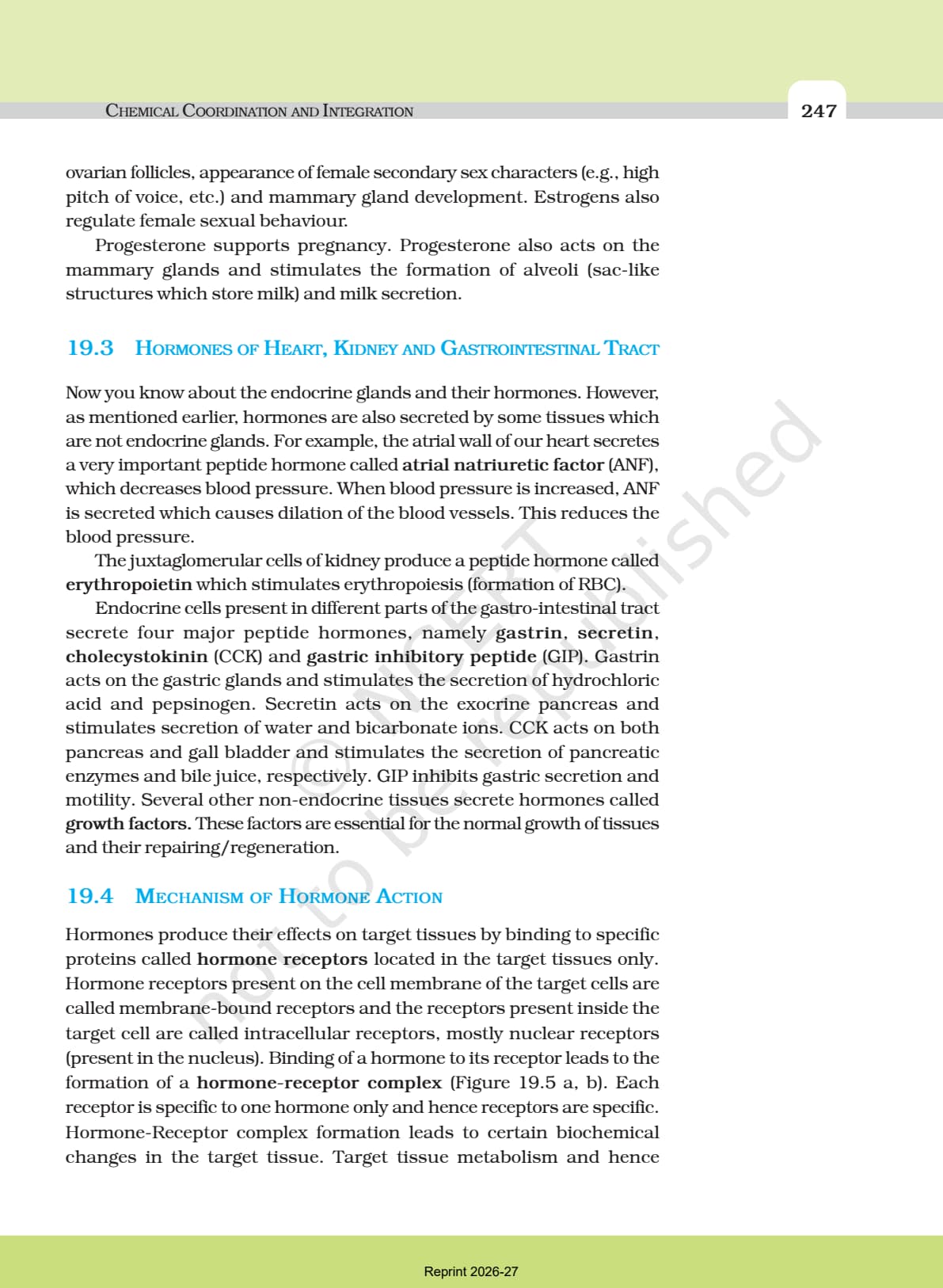
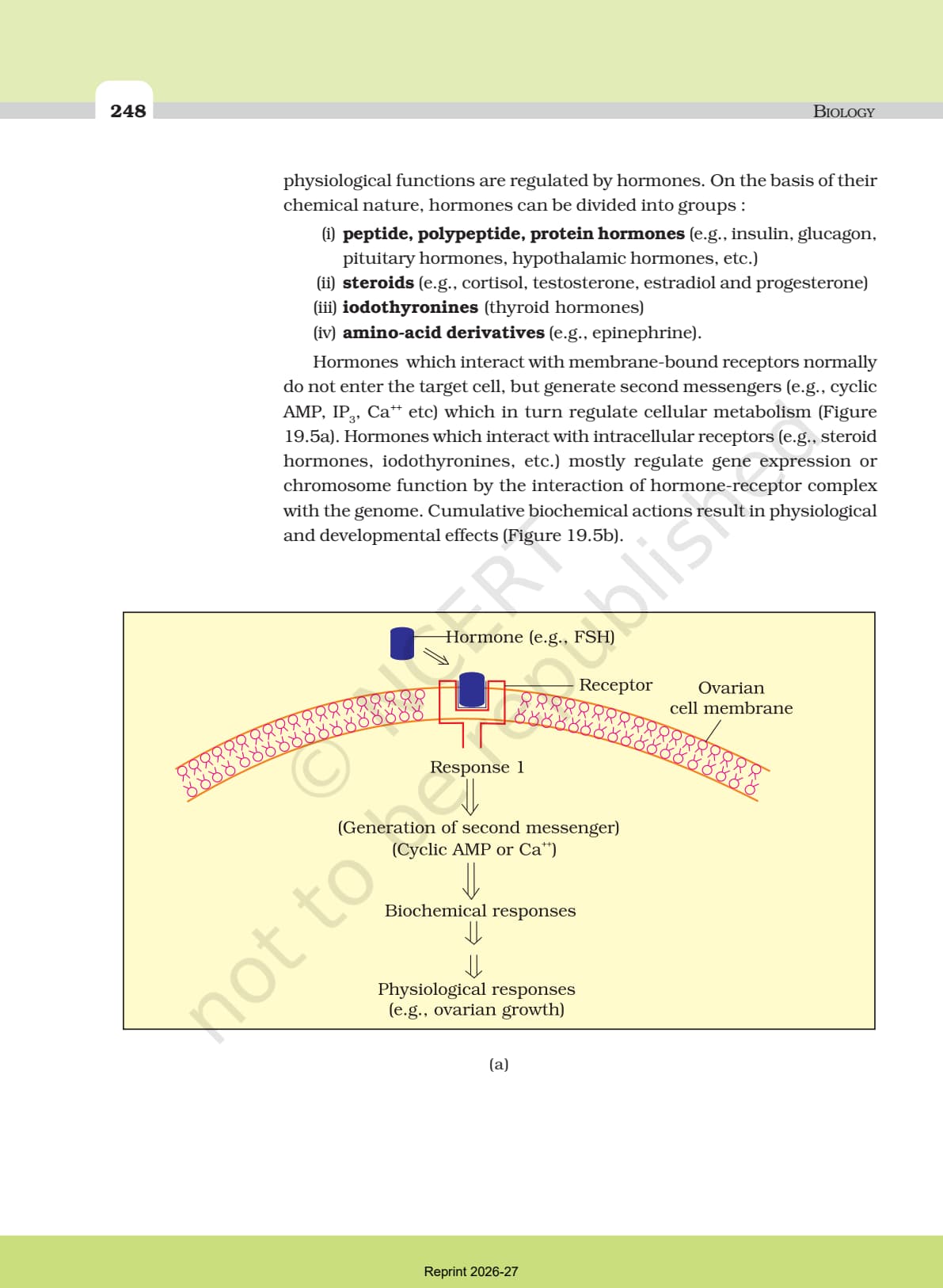
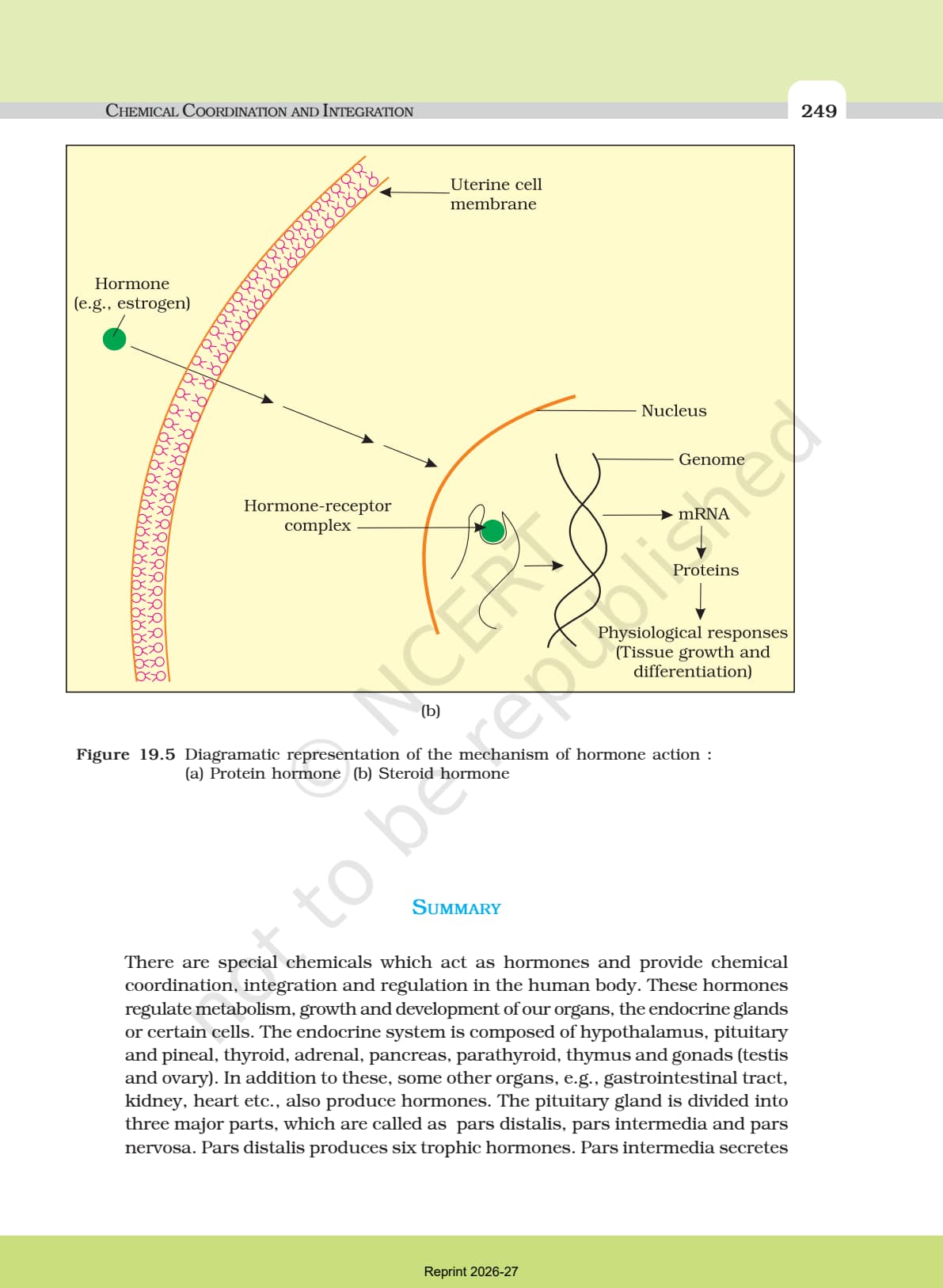
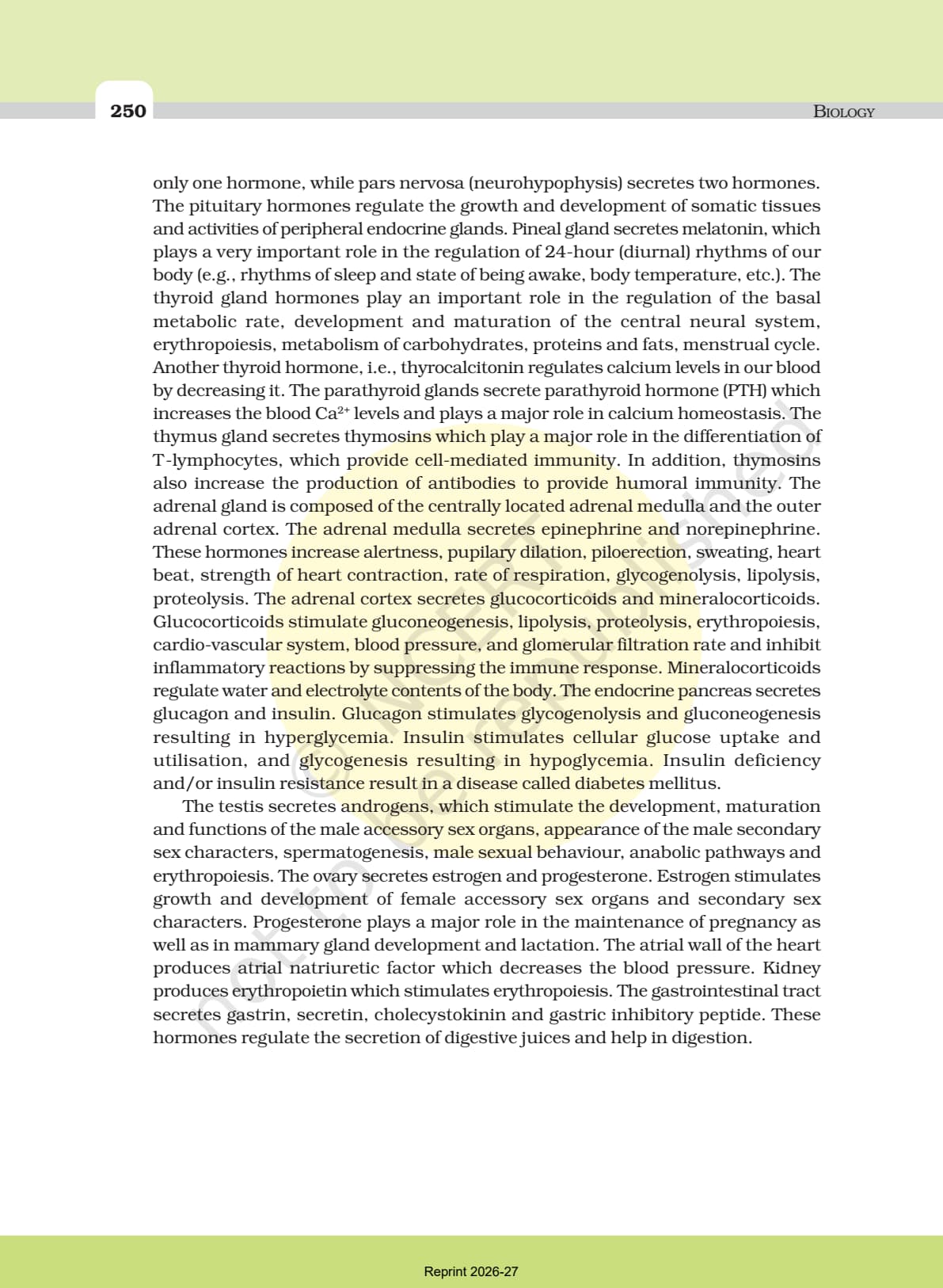
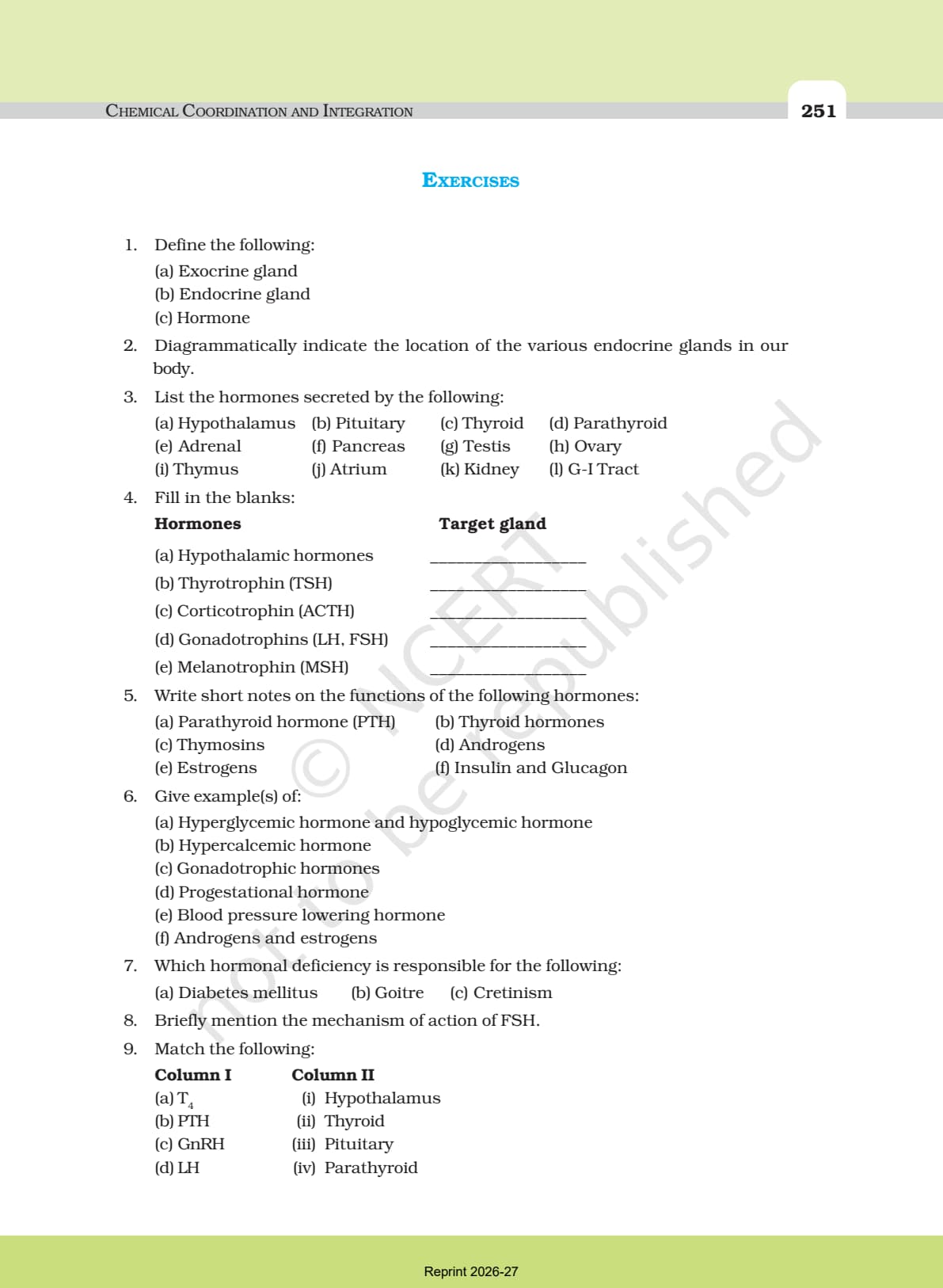
- Official NCERT 2026-27 chapter, clean and print-ready.
- Covers endocrine glands and hormones, the human endocrine system gland by gland, and the mechanism of hormone action.
- Read it alongside the solved exercises and the revision notes linked below.
This Class 11 Biology Chapter 19 Chemical Coordination and Integration NCERT Book PDF is the official 2026-27 NCERT text, checked page by page against the latest edition.
What Class 11 Biology Chapter 19 Chemical Coordination and Integration Covers
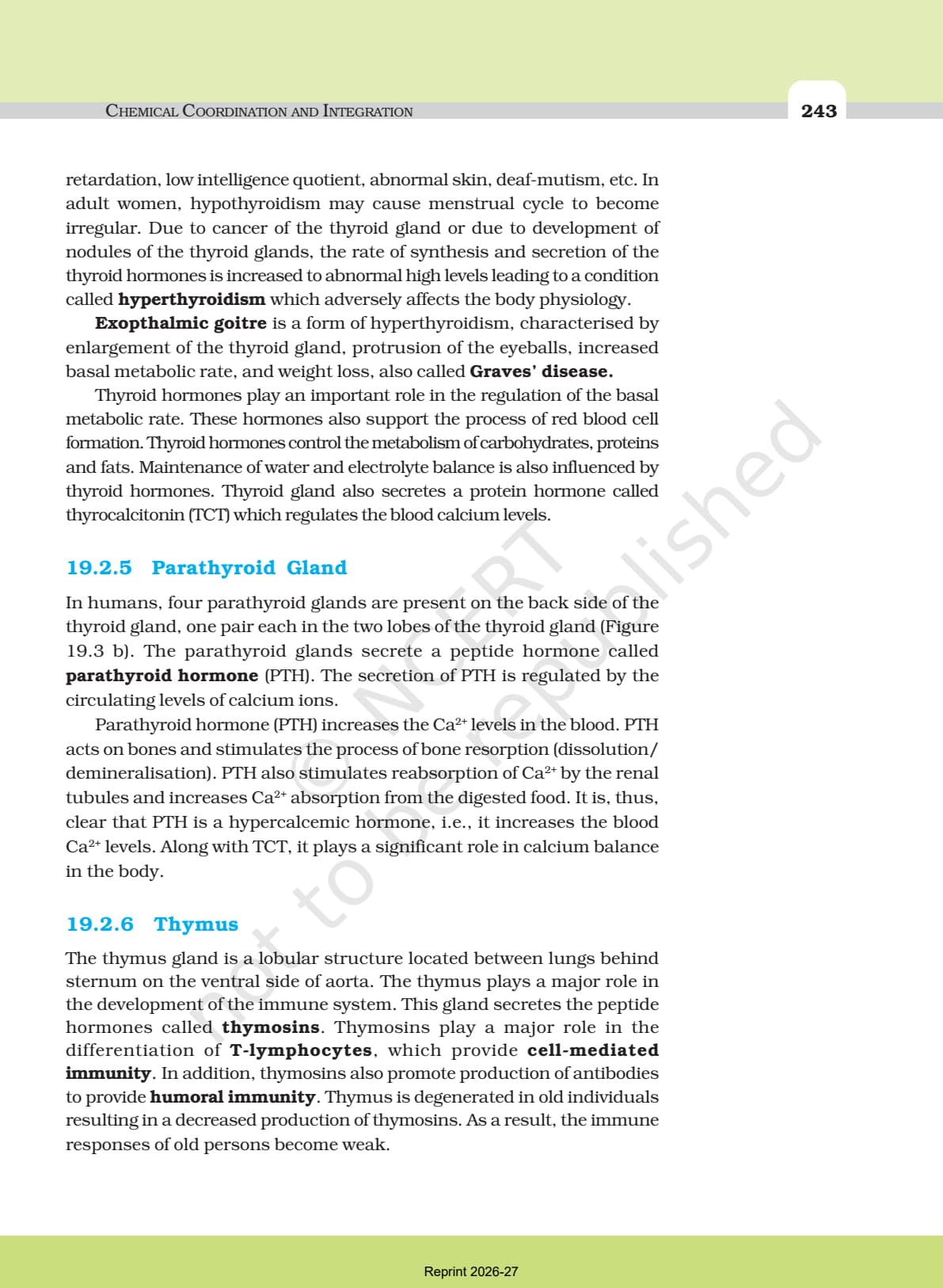
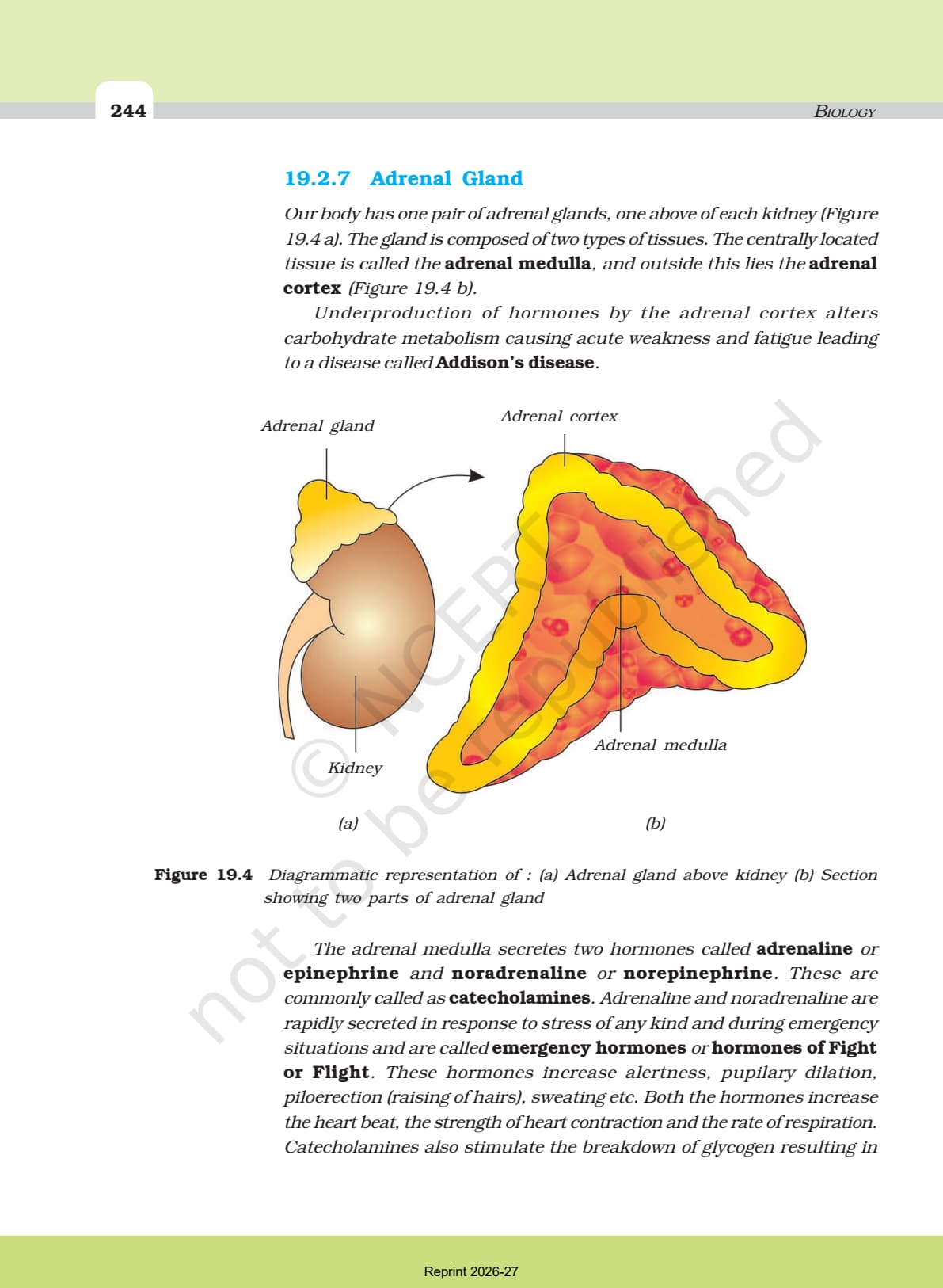
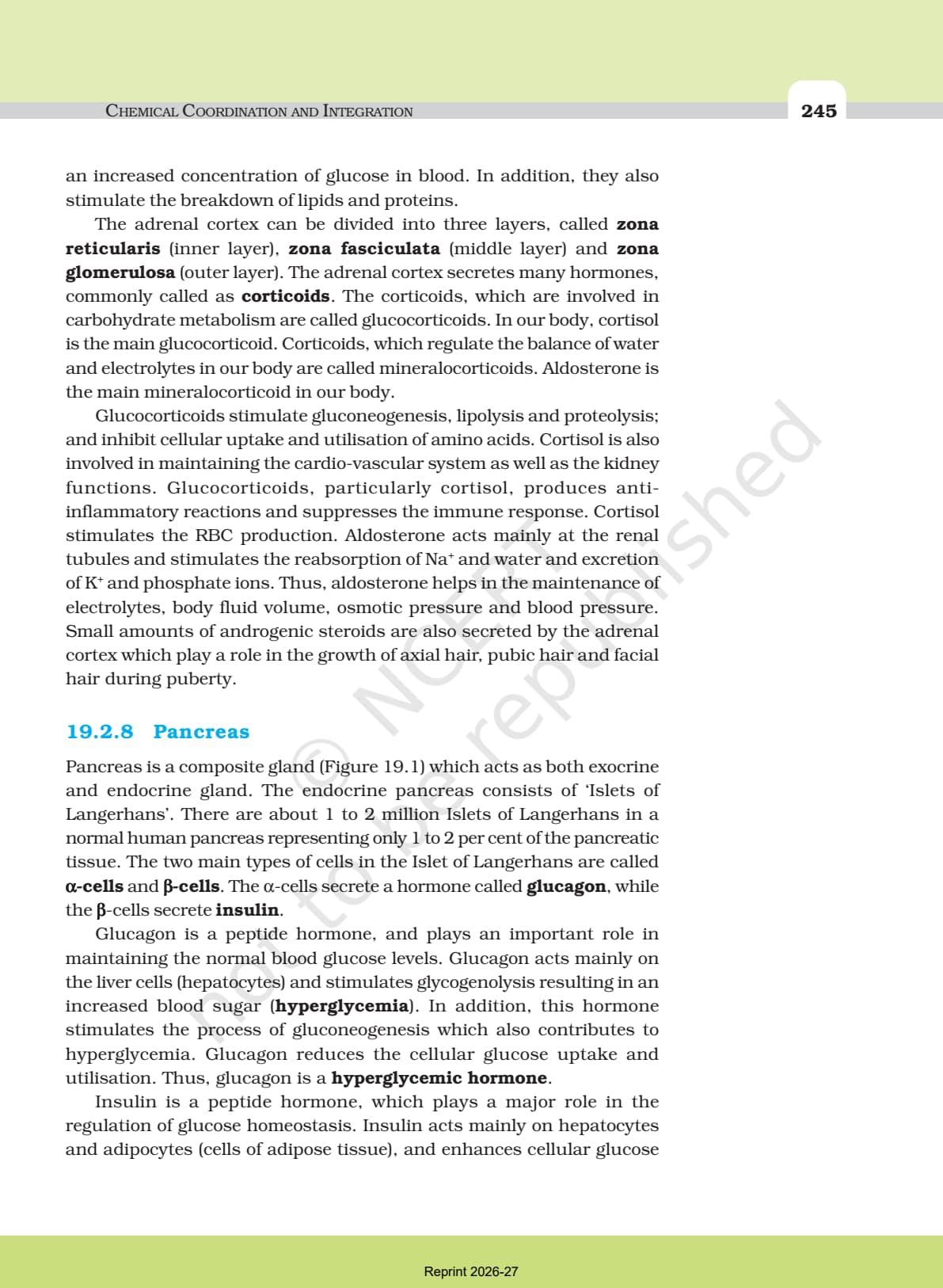
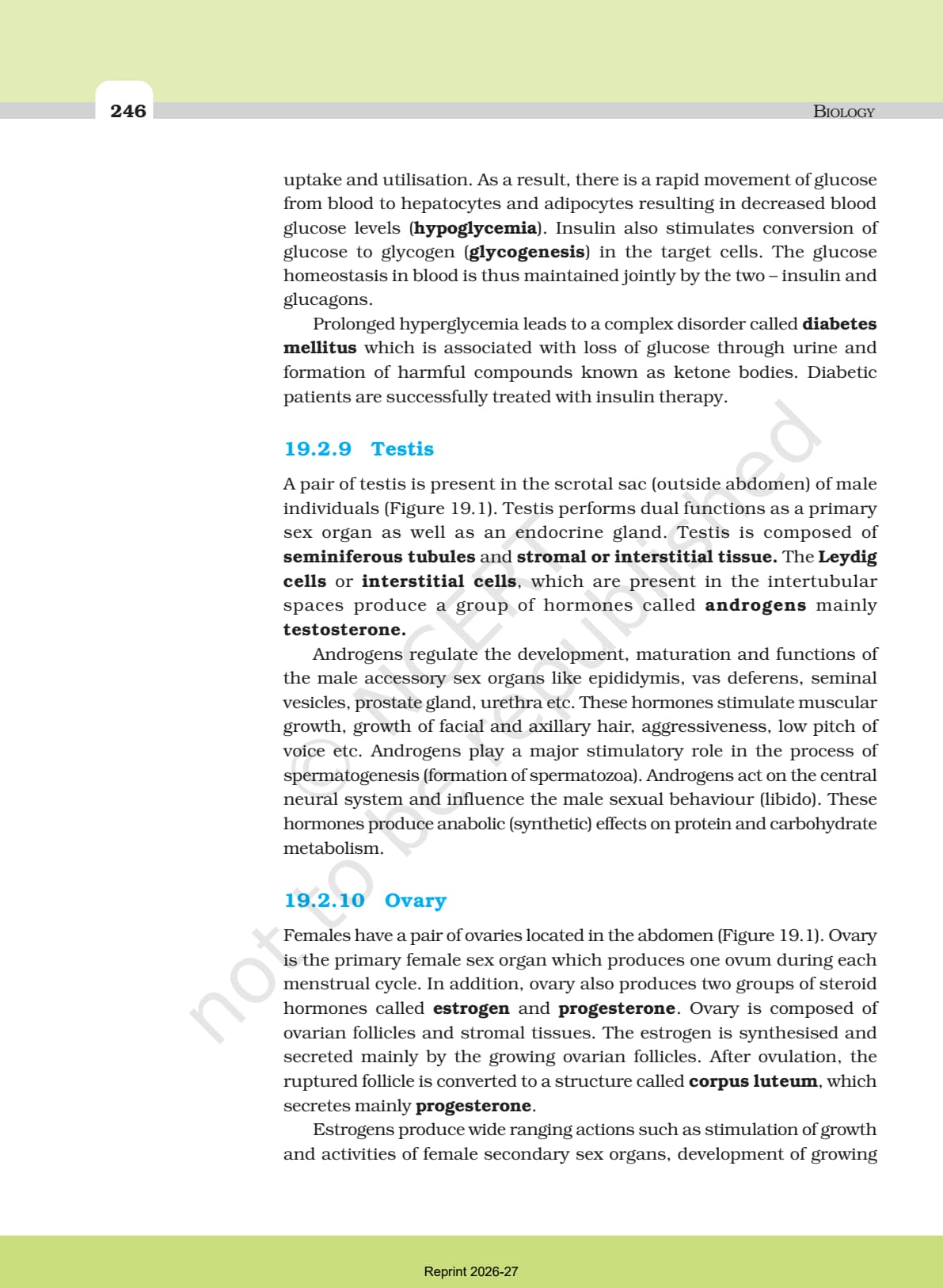
The chapter defines endocrine glands and hormones, then works through the human endocrine system gland by gland, from the hypothalamus and pituitary to the thyroid, adrenal, pancreas and gonads. It also covers hormones released by the heart, kidney and gastrointestinal tract, and closes with the mechanism of hormone action. The official NCERT sections are listed below so students can see exactly what the chapter contains.
| Section | Topic |
|---|---|
| 19.1 | Endocrine Glands and Hormones |
| 19.2 | Human Endocrine System |
| 19.2.1 | The Hypothalamus |
| 19.2.2 | The Pituitary Gland |
| 19.2.3 | The Pineal Gland |
| 19.2.4 | Thyroid Gland |
| 19.2.5 | Parathyroid Gland |
| 19.2.6 | Thymus |
| 19.2.7 | Adrenal Gland |
| 19.2.8 | Pancreas |
| 19.2.9 | Testis |
| 19.2.10 | Ovary |
| 19.3 | Hormones of Heart, Kidney and Gastrointestinal Tract |
| 19.4 | Mechanism of Hormone Action |
Key Concepts You Will Study
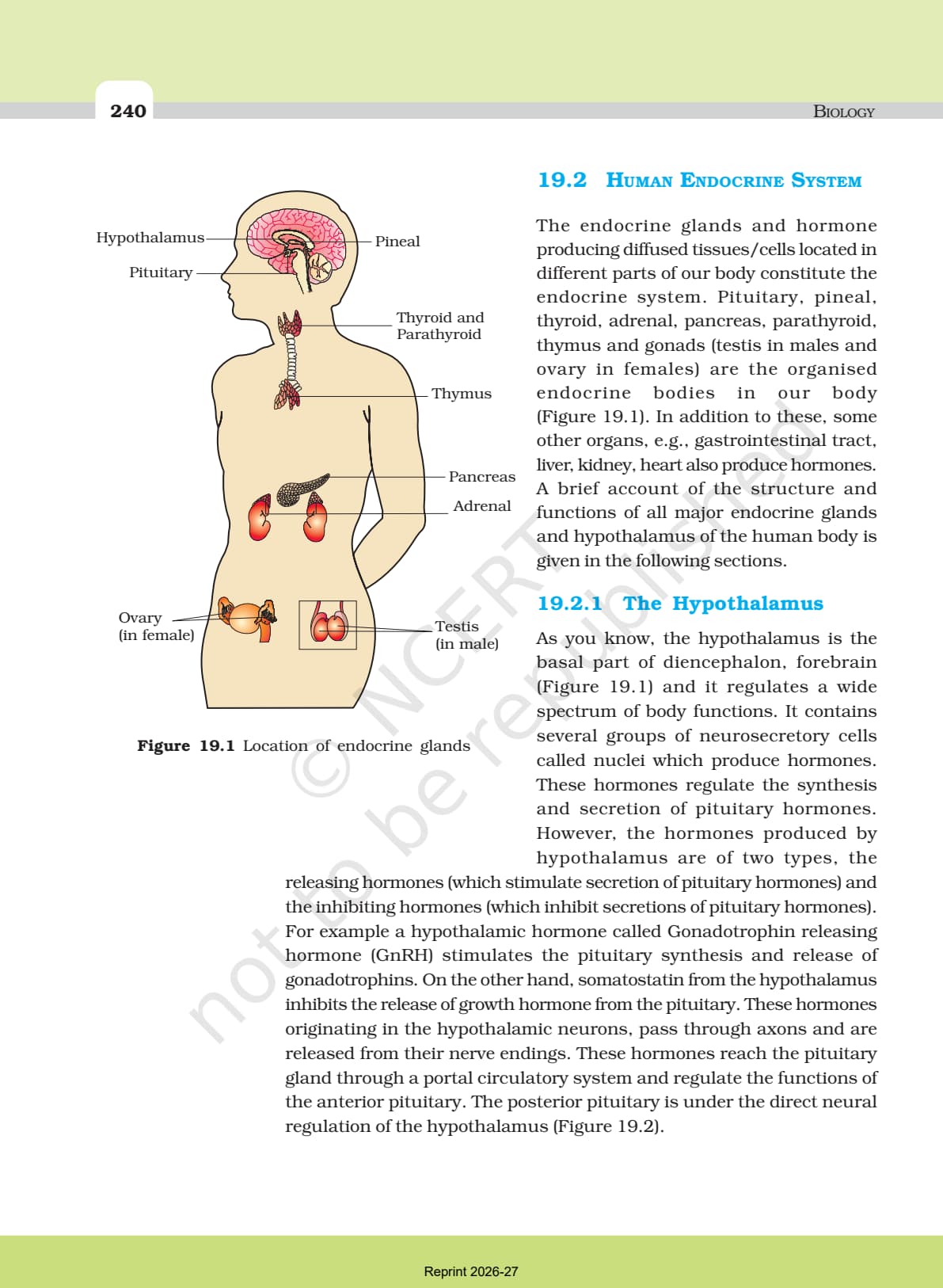
Students should read this chapter with a labelled diagram of the endocrine glands and a hormone table close by, because most questions test which gland secretes which hormone and the disorder linked to its excess or deficiency. The hormones of the pituitary, thyroid, adrenal and pancreas are recurring NEET favourites, so they are worth fixing firmly now. The main ideas to master are listed below.
- The difference between endocrine and exocrine glands and the general nature of hormones.
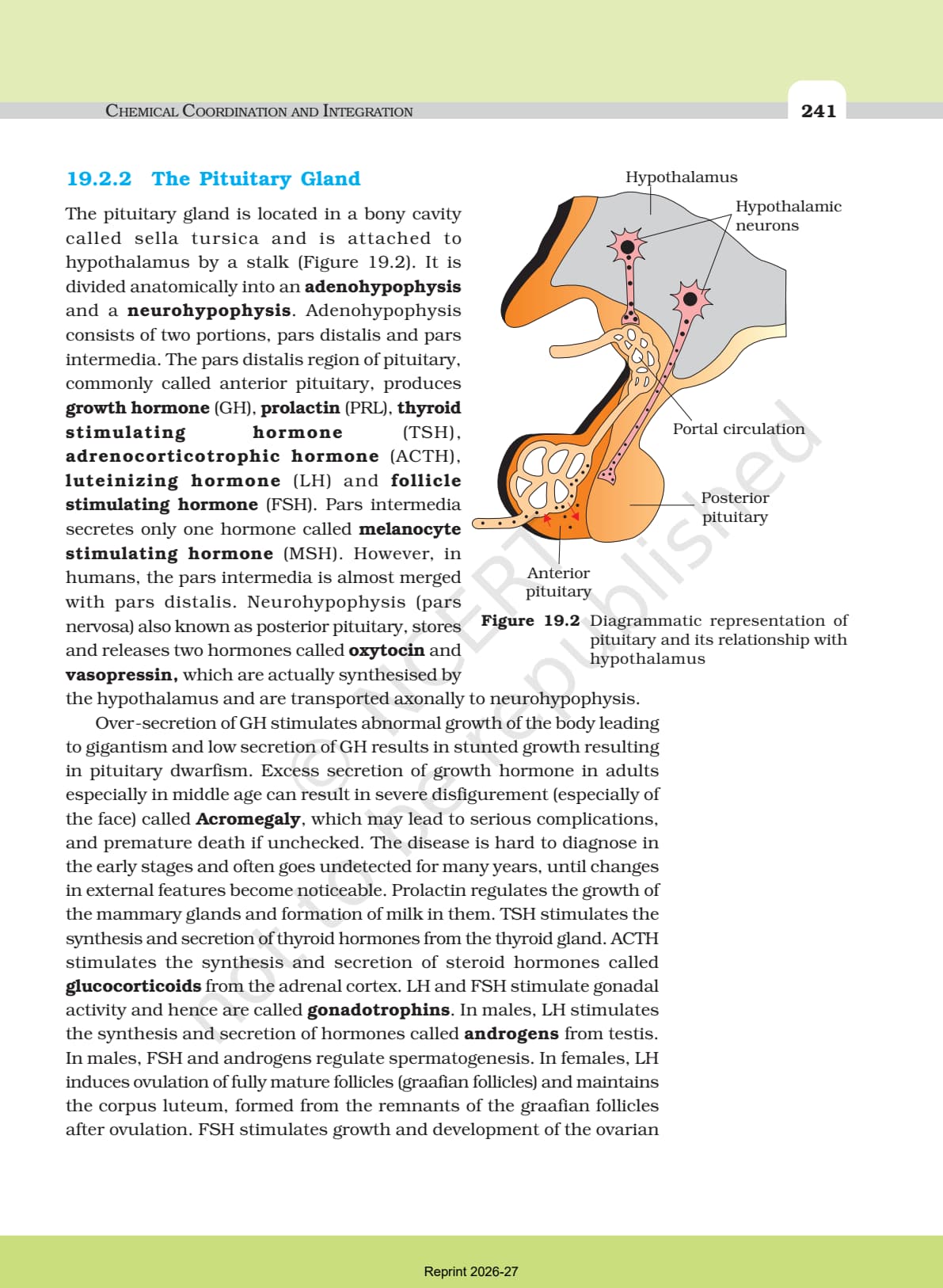
- The hypothalamus and pituitary gland, releasing and inhibiting hormones, and the tropic hormones of the anterior pituitary.
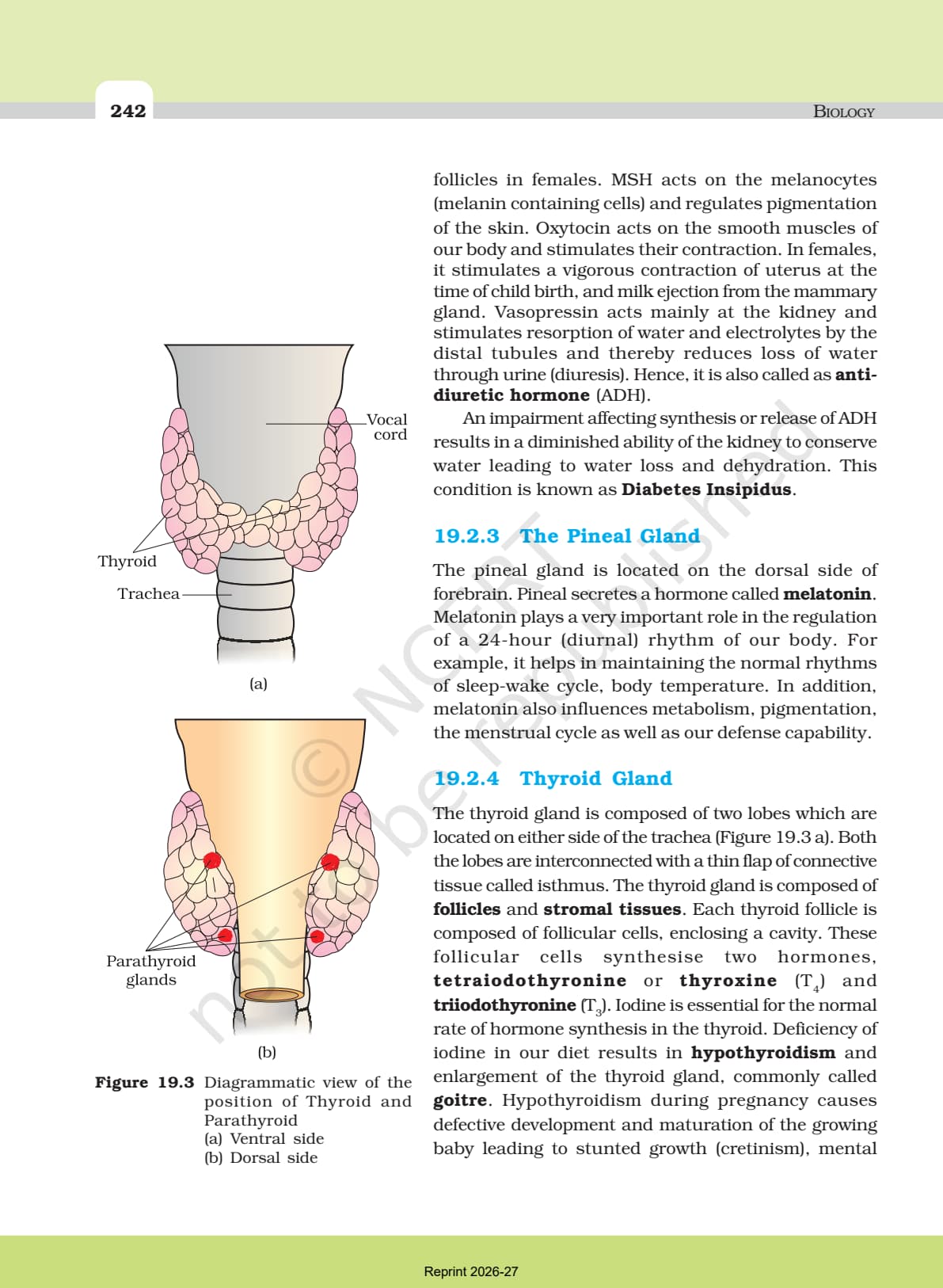
- The thyroid and parathyroid glands, thyroxine, calcitonin and parathormone, and disorders such as goitre.
- The adrenal gland and its cortical and medullary hormones, and the pancreas with insulin and glucagon.
- The hormones of the gonads (testis and ovary) and of the pineal gland and thymus.
- The mechanism of hormone action for both protein and steroid hormones, using membrane and intracellular receptors.
Why Download the NCERT Book PDF for This Chapter
The NCERT textbook is the single most important source for the CBSE exam, and a very large share of NEET and CUET questions from this chapter are drawn directly from its gland by gland account and its hormone tables. Because endocrinology is heavy on exact hormone names and their disorders, reading it from the official PDF keeps students from swapping a hormone with the wrong gland or disorder. The points below explain why the book PDF is worth keeping on your device.
- Board and NEET questions on gland hormones and their disorders come straight from this text.
- The labelled endocrine gland diagram and the hormone tables match the format examiners expect.
- Reading offline from the PDF keeps each hormone matched to the correct gland and its target.
How to Use the NCERT Book PDF for Chemical Coordination and Integration
Read the chapter once to build an overview of the endocrine system, then work through it again while filling a master table of gland, hormone, target and disorder. Since this chapter carries a long list of hormones, a short ordered plan keeps them from blurring together. The routine below works well for most students preparing for the Boards and NEET.
- Build a single master table with columns for gland, hormone, function and related disorder.
- Label a blank diagram of the endocrine glands from memory after each read.
- Attempt the back exercises, then check them against the NCERT Solutions linked below.
- Revise the pituitary, thyroid, adrenal and pancreatic hormones the night before the exam.
Other Class 11 Biology Chemical Coordination and Integration Resources
Pair the textbook PDF with the solved answers, revision notes, formula sheet and exemplar material for the same chapter so that reading, practice and revision all stay aligned to the same NCERT sections. The linked resources below cover Chemical Coordination and Integration in full and are matched to the 2026-27 syllabus.
| Resource | Link |
|---|---|
| NCERT Solutions | Chemical Coordination and Integration NCERT Solutions |
| Revision Notes | Chemical Coordination and Integration Notes |
| Formula Sheet | Chemical Coordination and Integration Formula Sheet |
| Exemplar Solutions | Chemical Coordination and Integration Exemplar Solutions |
| Exemplar Book PDF | Chemical Coordination and Integration Exemplar Book PDF |
All Class 11 Biology NCERT Book Chapters
Students revising the whole human physiology unit can jump to the official NCERT book PDF of any other Class 11 Biology chapter from the table below. The current chapter is highlighted, and every other row opens the matching 2026-27 chapter PDF.
Class 11 Biology Chapter 19 Student Feedback
Chemical Coordination and Integration is the final Class 11 chapter and a dense scoring topic for the Boards and NEET, and student feedback helps new students plan their reading. Across more than 10,000 students who used these Collegedunia resources for the 2026 boards, the response to the NCERT book PDF for this chapter has been strong, as the summary below shows.
- Over 9 in 10 students said the NCERT hormone tables were clearer than their coaching notes for revision.
- Students rated the gland by gland layout as the single most useful way to revise before NEET.
- Most reported that building a hormone master table from the NCERT text reduced mix-ups in the exam.
FAQs on Class 11 Biology Chapter 19 NCERT Book PDF
Chemical Coordination and Integration NCERT PDF - Frequently Asked Questions
Ques. Is this the latest 2026-27 NCERT Book for Class 11 Biology Chapter 19?
Ans. Yes. This is the official NCERT 2026-27 textbook chapter for Class 11 Biology Chapter 19 Chemical Coordination and Integration, matched page by page against the latest rationalised edition.
Ques. What topics are in Class 11 Biology Chapter 19?
Ans. The chapter covers endocrine glands and hormones, the human endocrine system including the hypothalamus, pituitary, pineal, thyroid, parathyroid, thymus, adrenal, pancreas and gonads, the hormones of the heart, kidney and gastrointestinal tract, and the mechanism of hormone action.
Ques. Is the NCERT Book enough for this chapter in NEET and CUET?
Ans. The NCERT Book is the base for this chapter, and most NEET and CUET questions on glands, hormones and their disorders are drawn straight from its text and tables. Pair it with the Exemplar for extra higher-order practice.
Ques. Where can I download the Class 11 Biology Chapter 19 NCERT Book PDF?
Ans. You can download the Class 11 Biology Chapter 19 Chemical Coordination and Integration NCERT Book PDF free from the download card at the top of this page, in both standard and HD quality.



Comments