




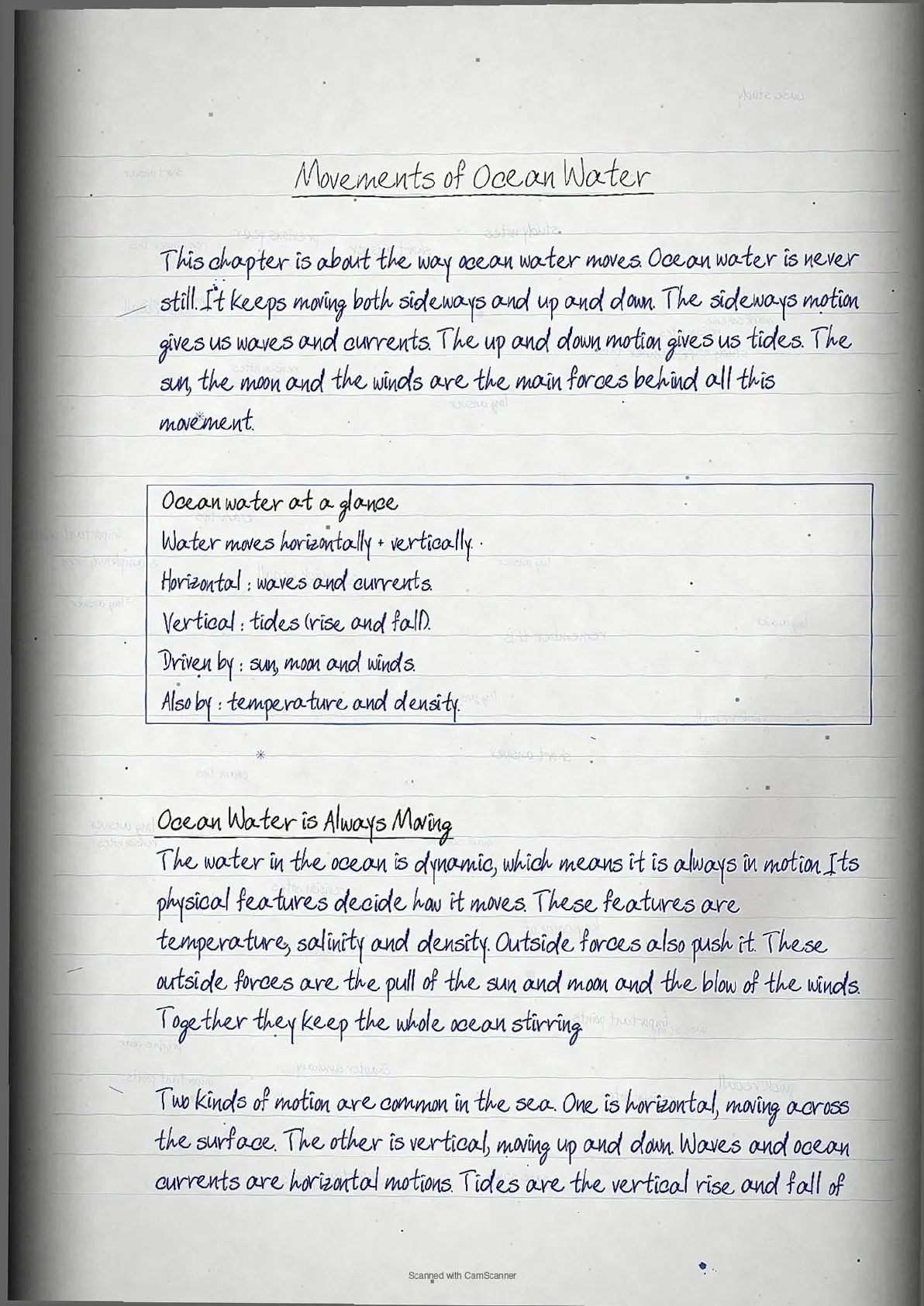
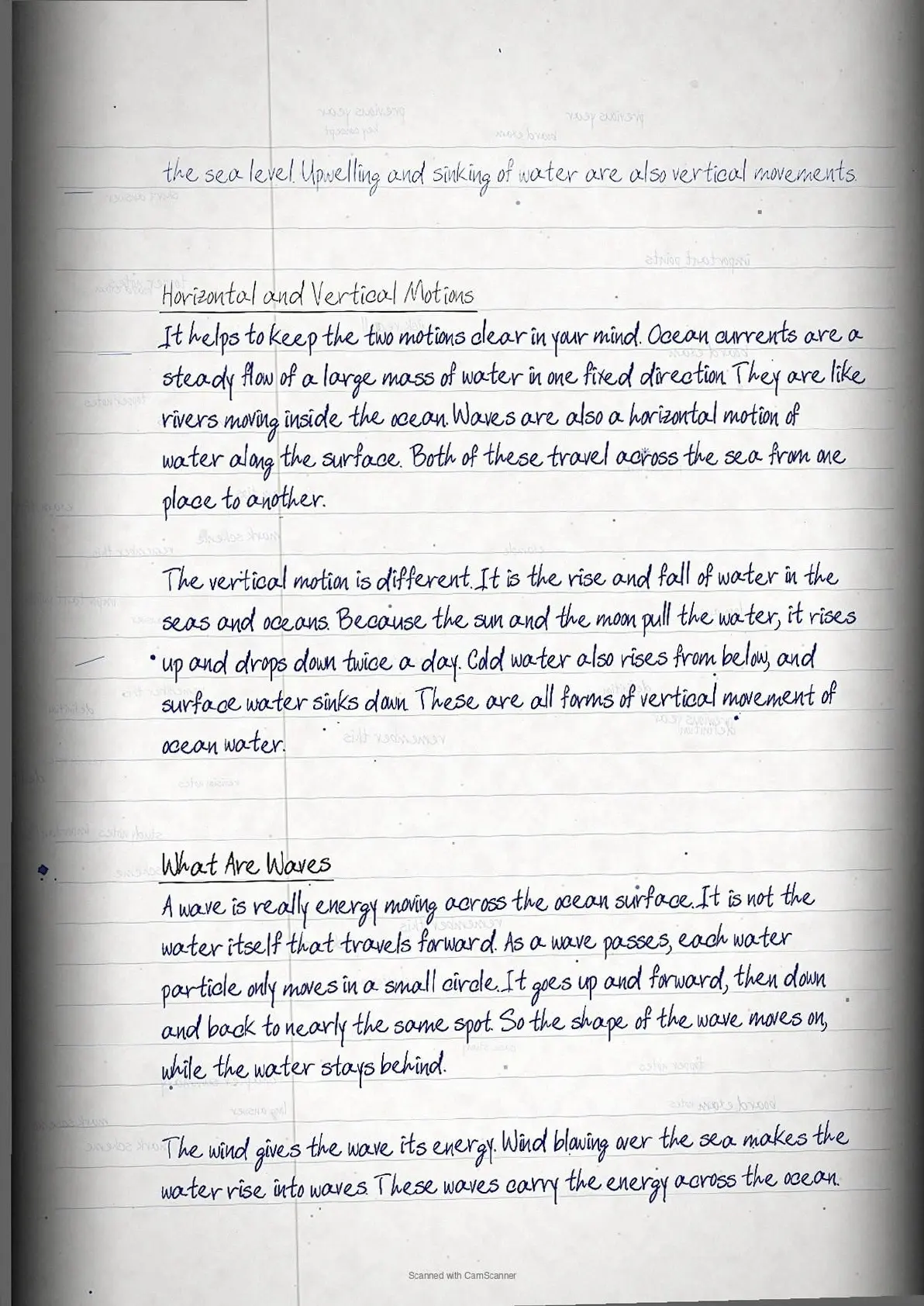
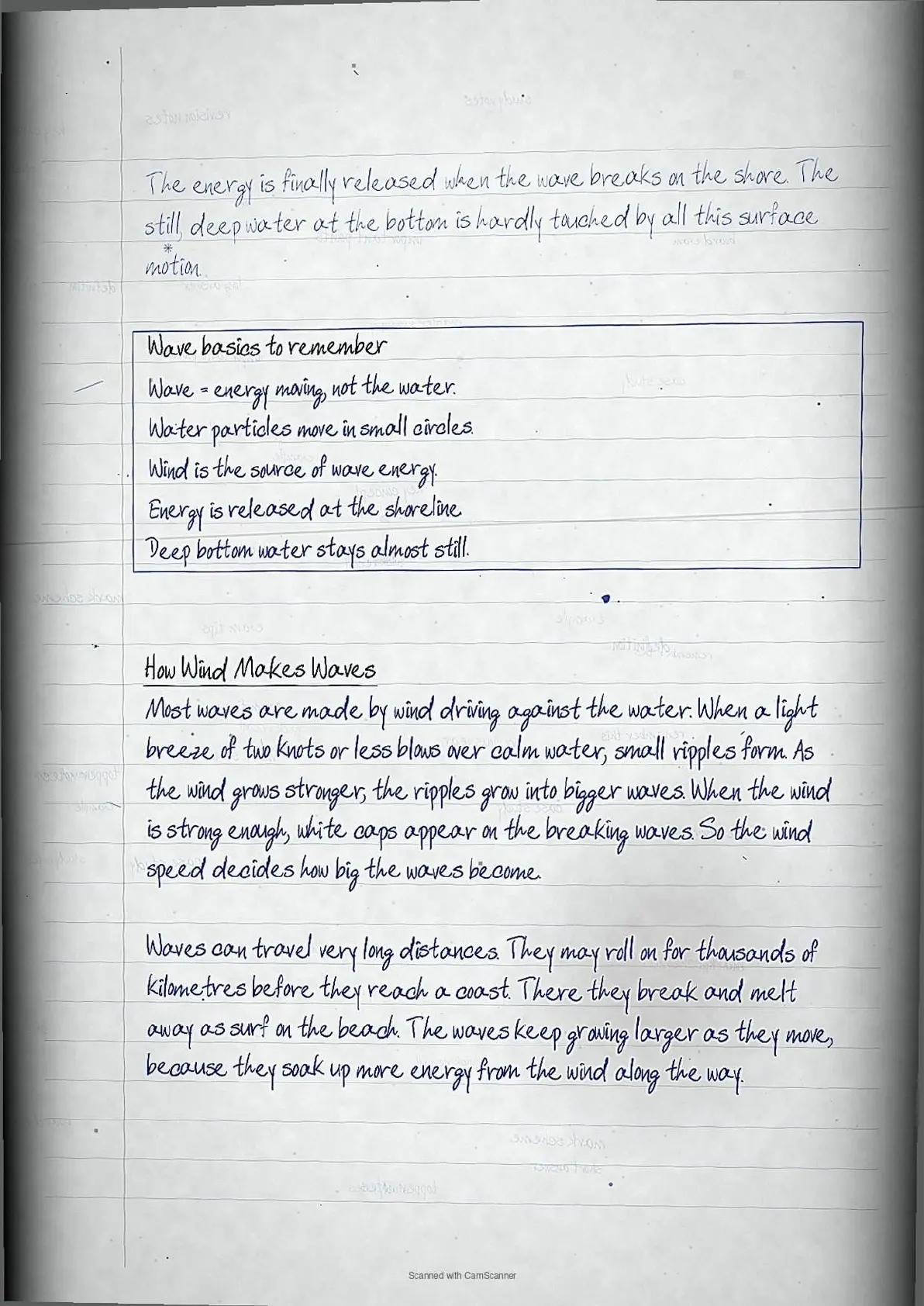
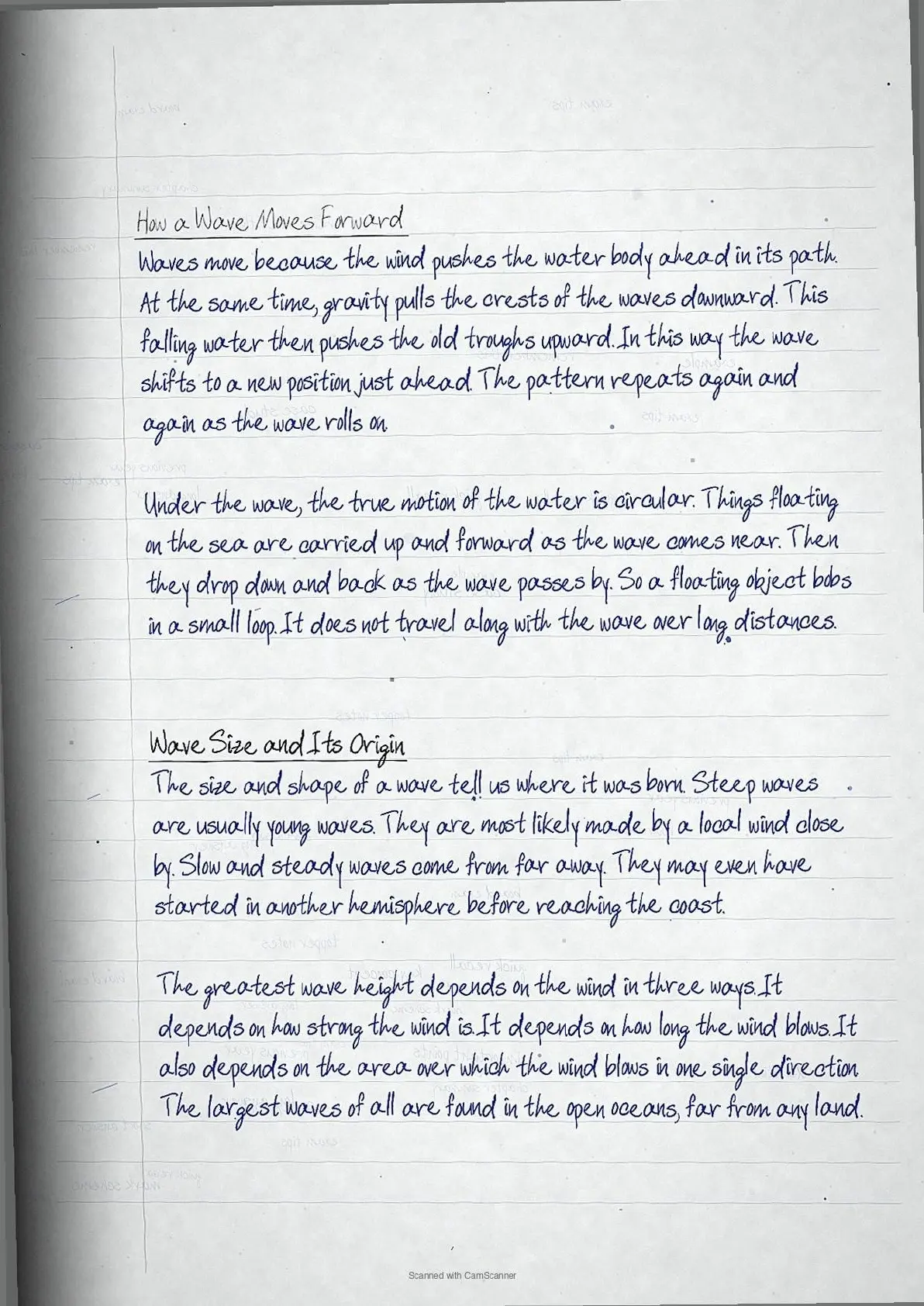
Class 11 Geography Chapter 13 Movements of Ocean Water is a high-frequency chapter in the CBSE Class 11 Geography exam. These class 11 geography handwritten notes chapter 13 Movements of Ocean Water follow the 2026-27 NCERT and cover horizontal and vertical motions of ocean water, waves, their parts and how wind makes them, tides and their causes: moon,.
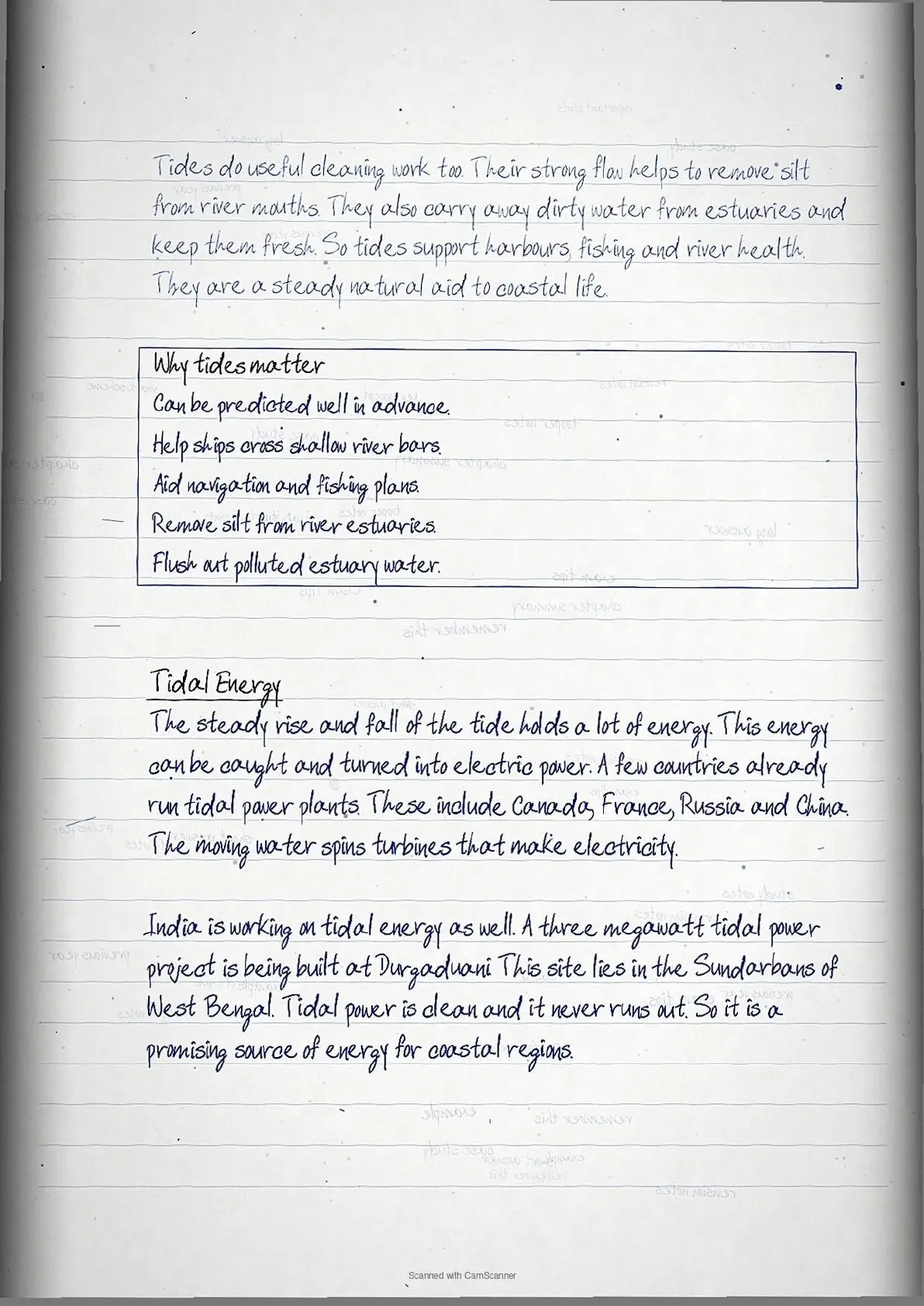
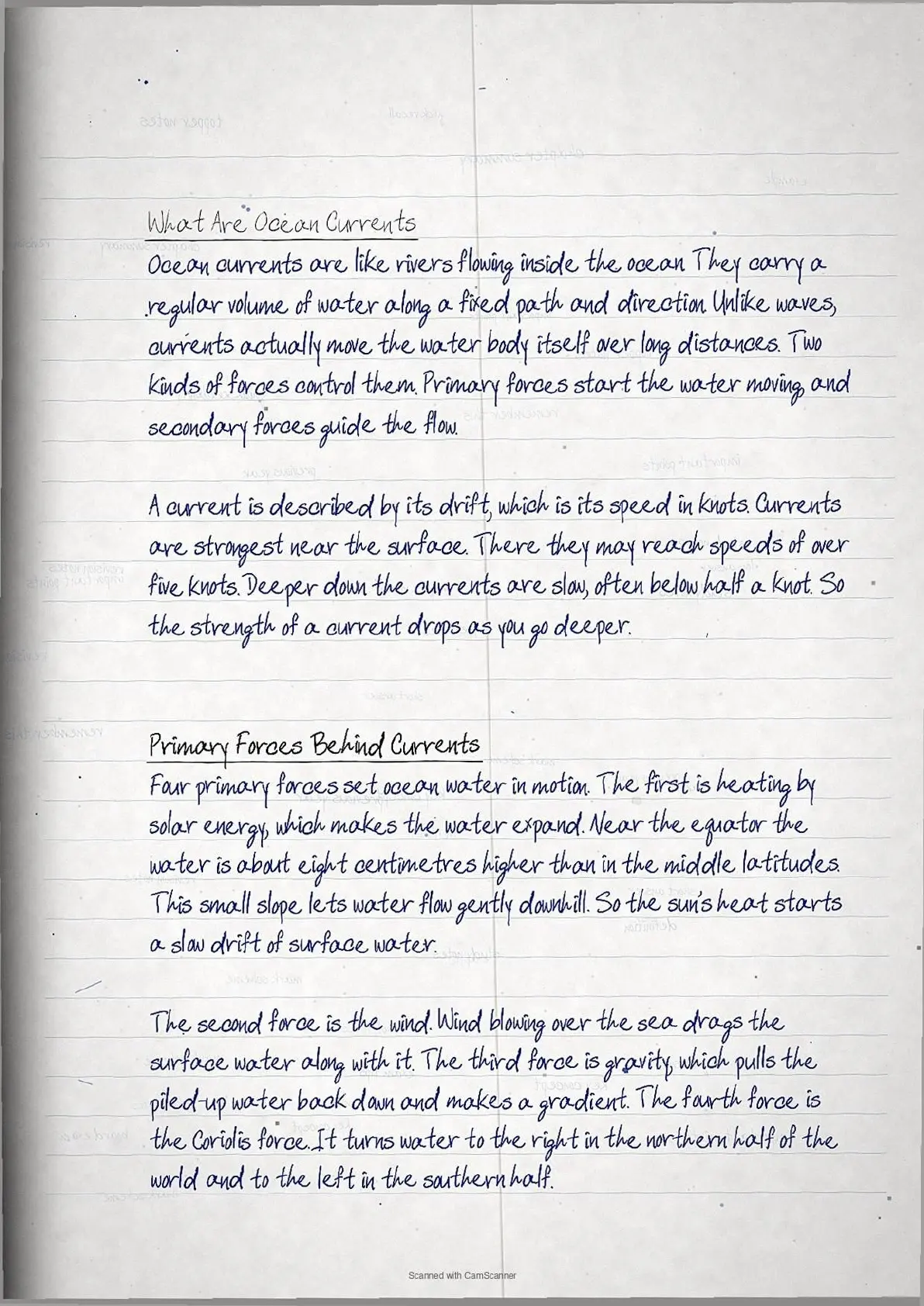
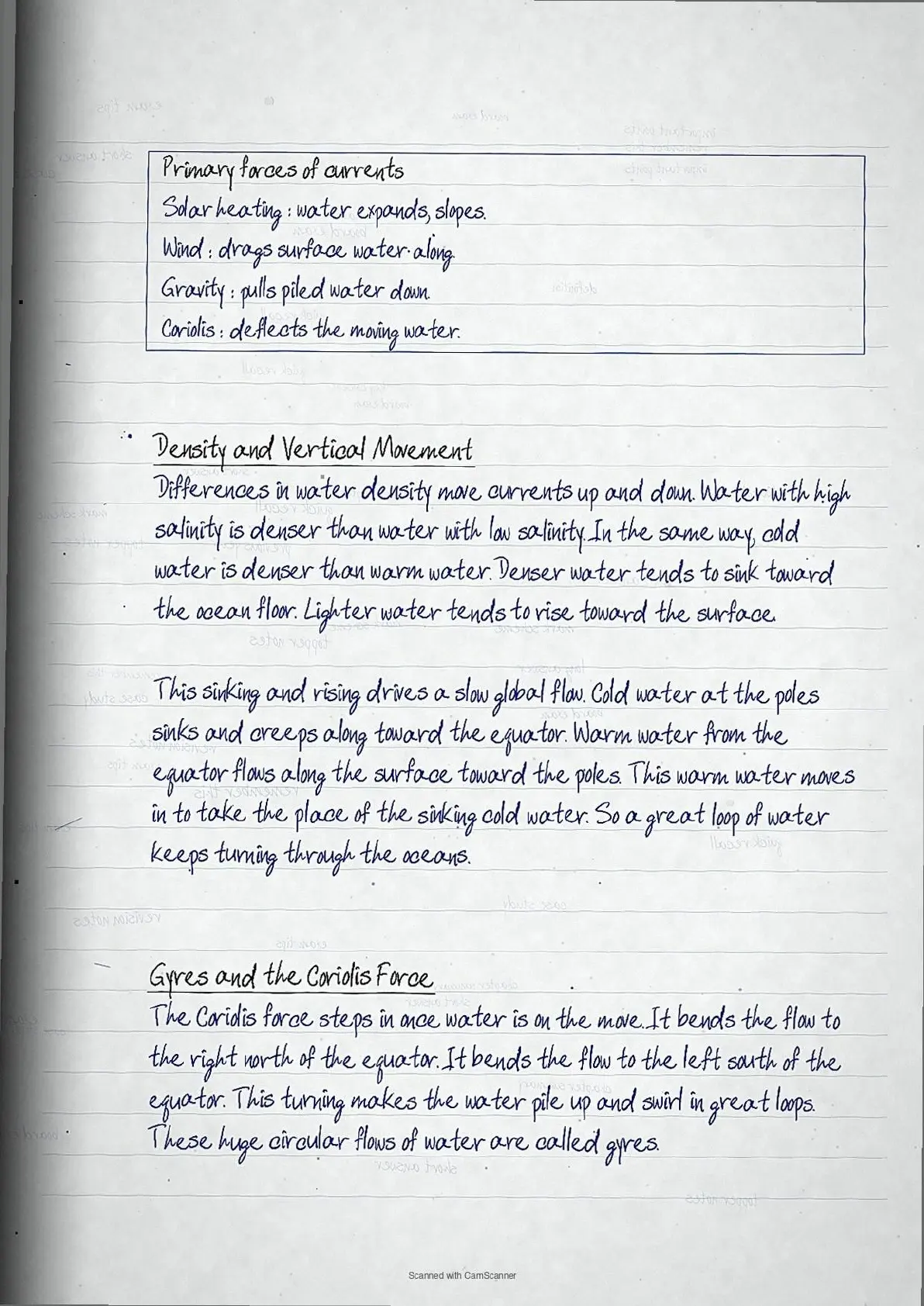
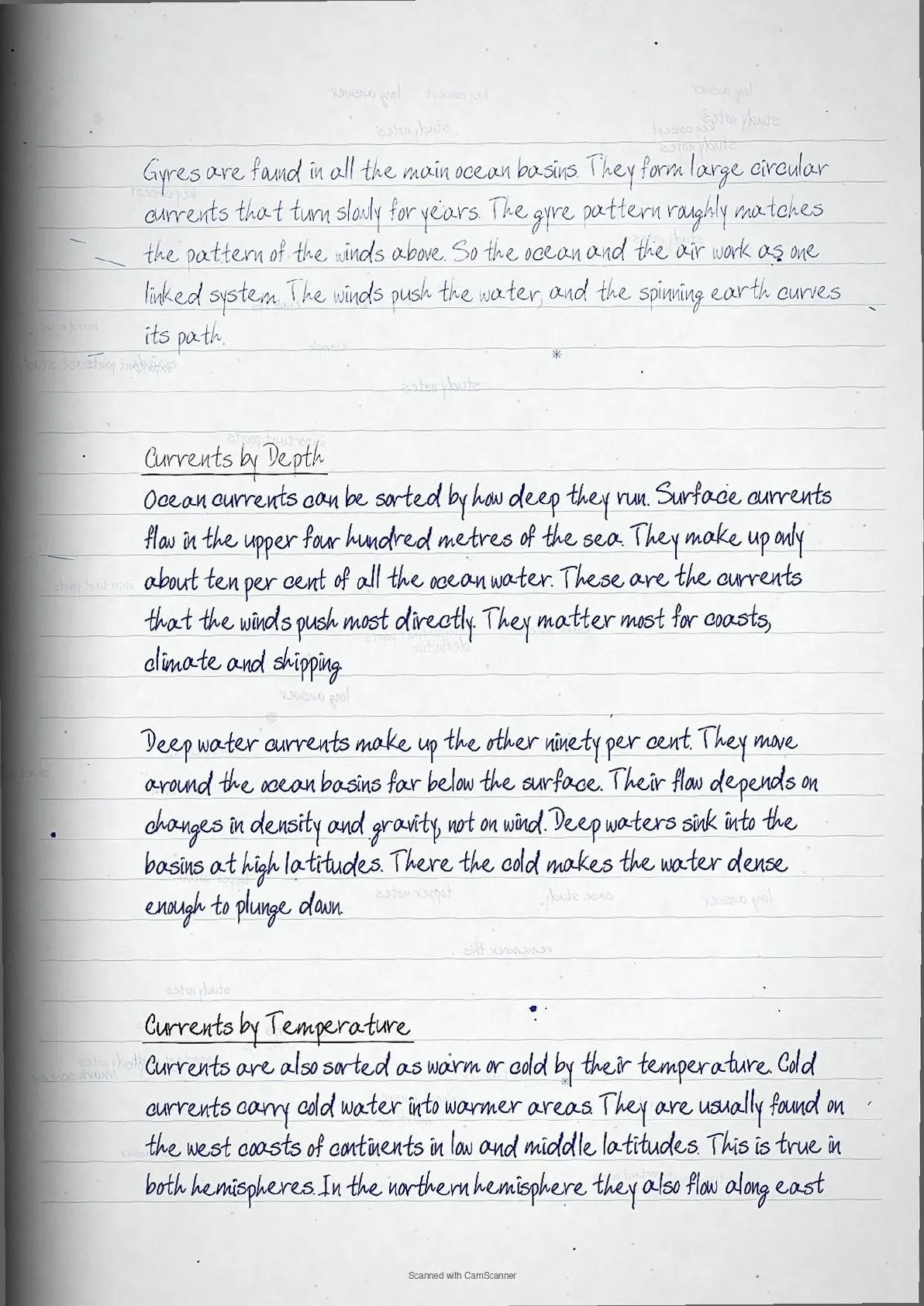
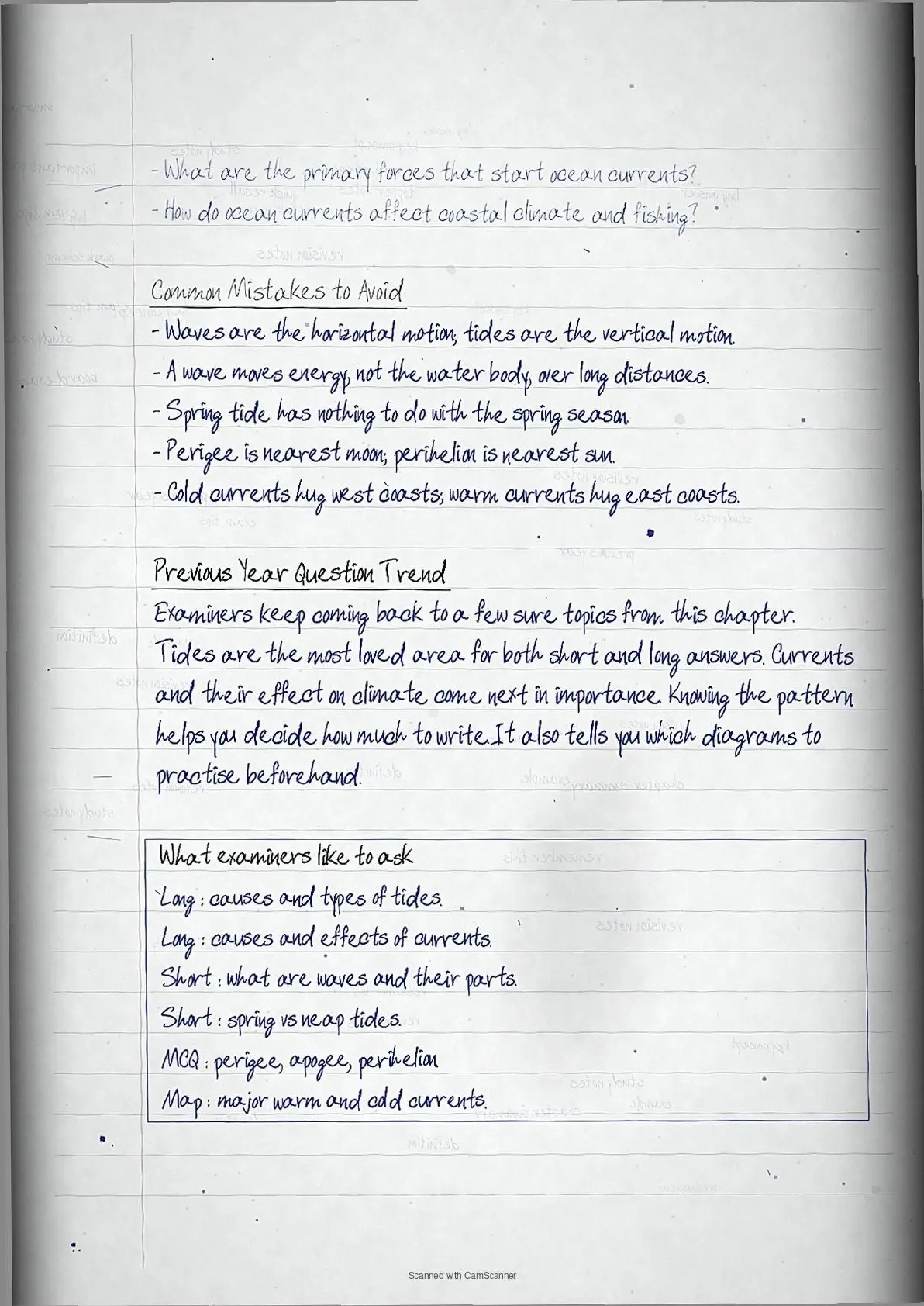
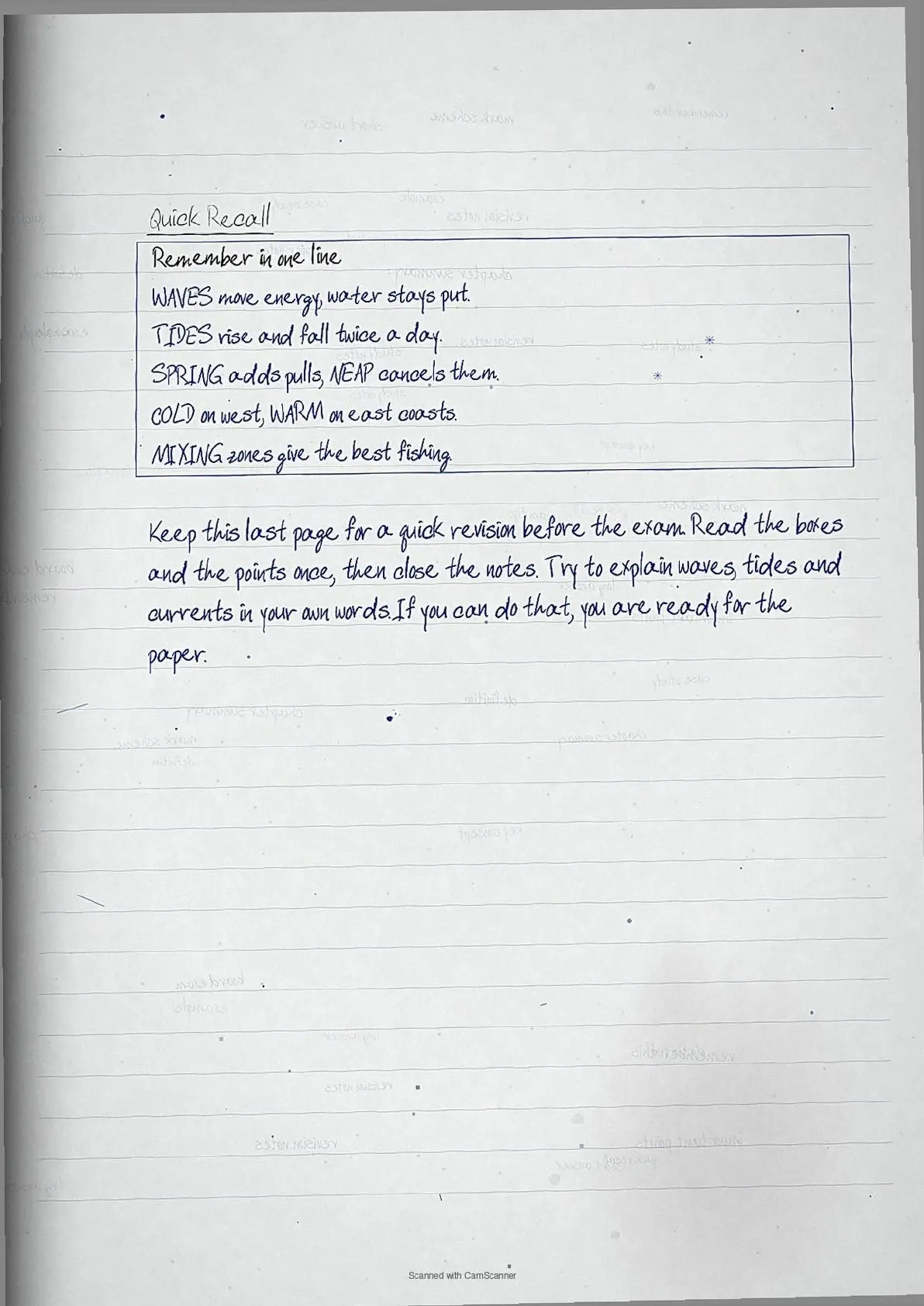
- CBSE Class 11 Weightage: a scoring chapter in the Geography paper, asked in short and long answers.
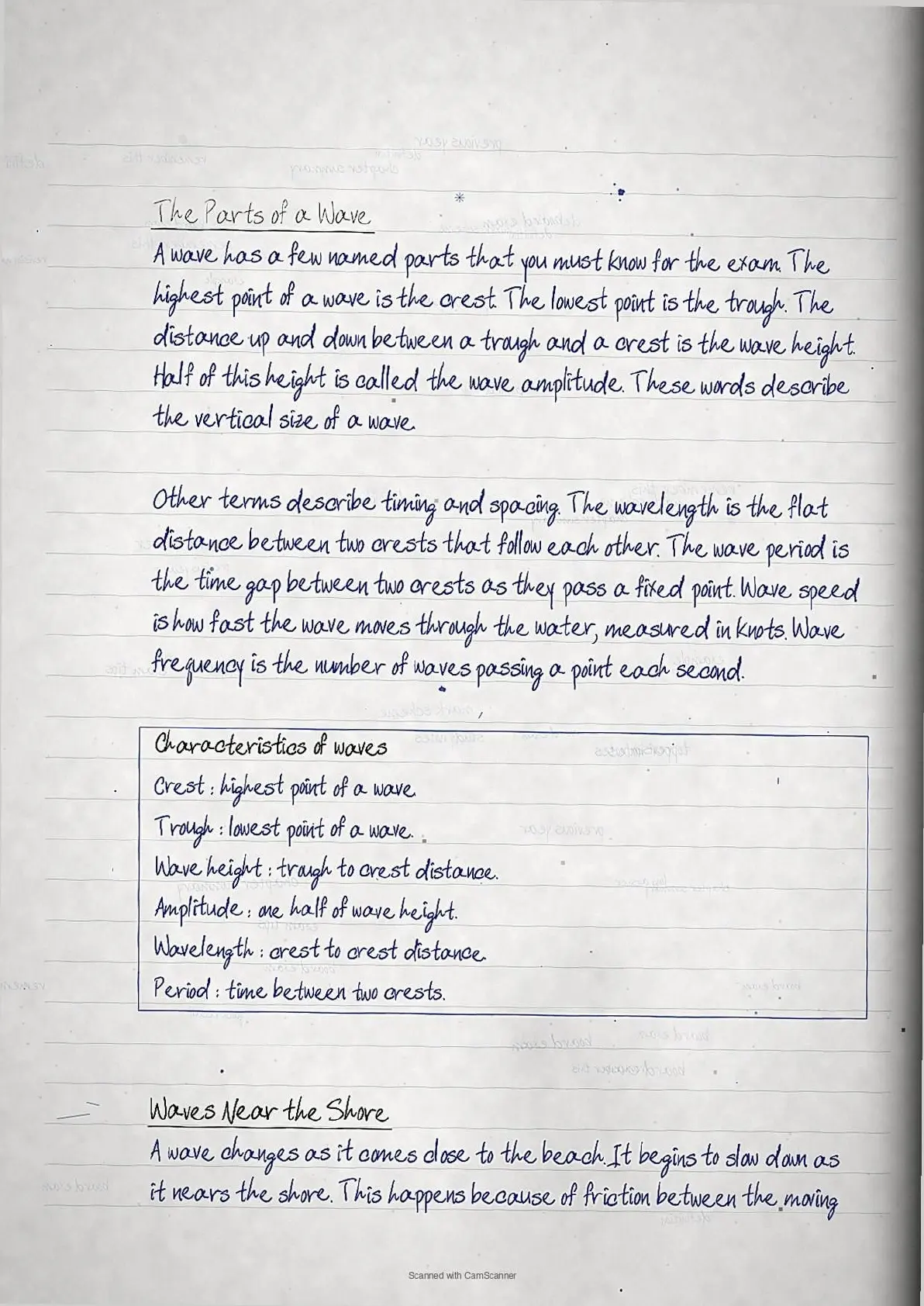
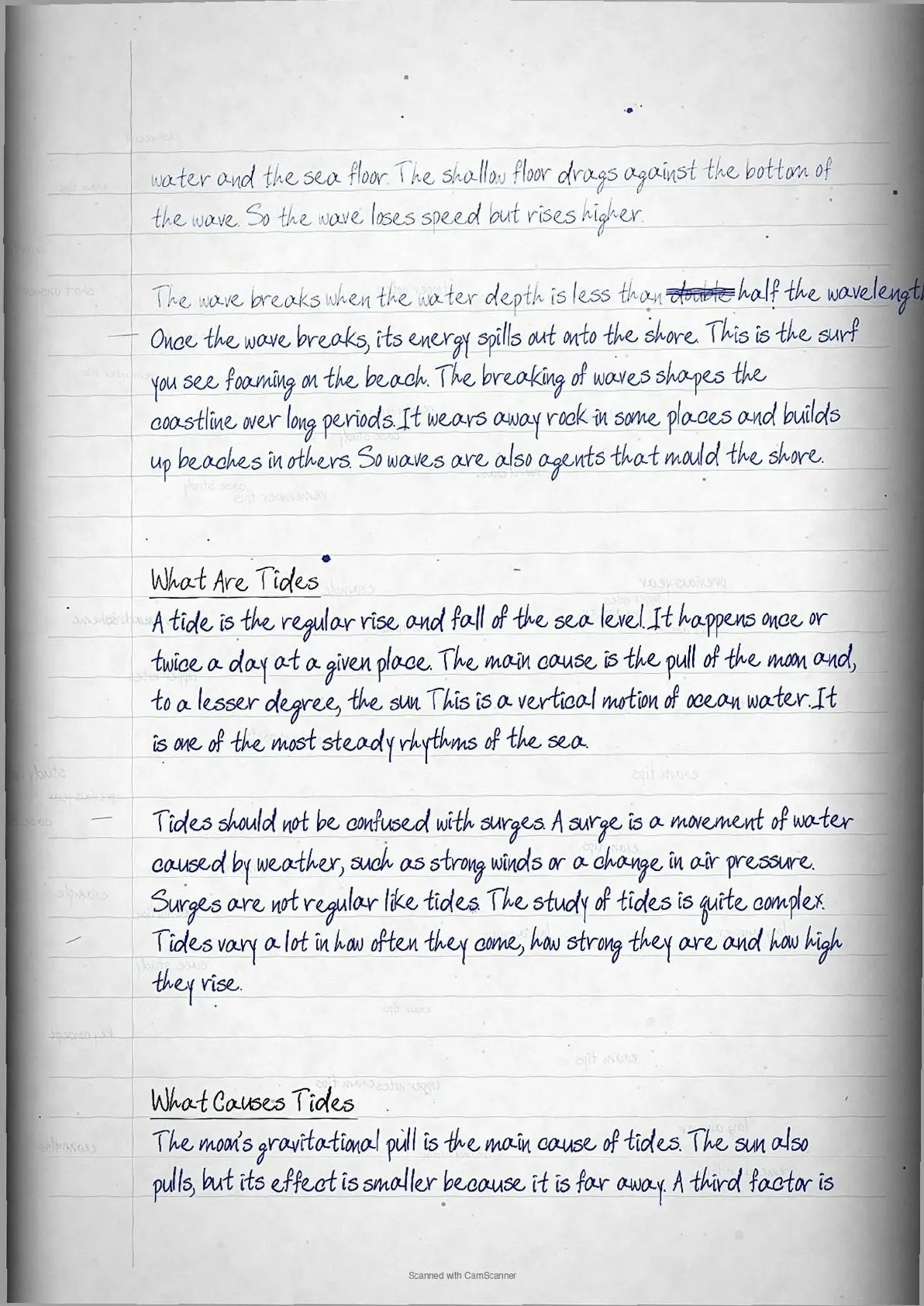
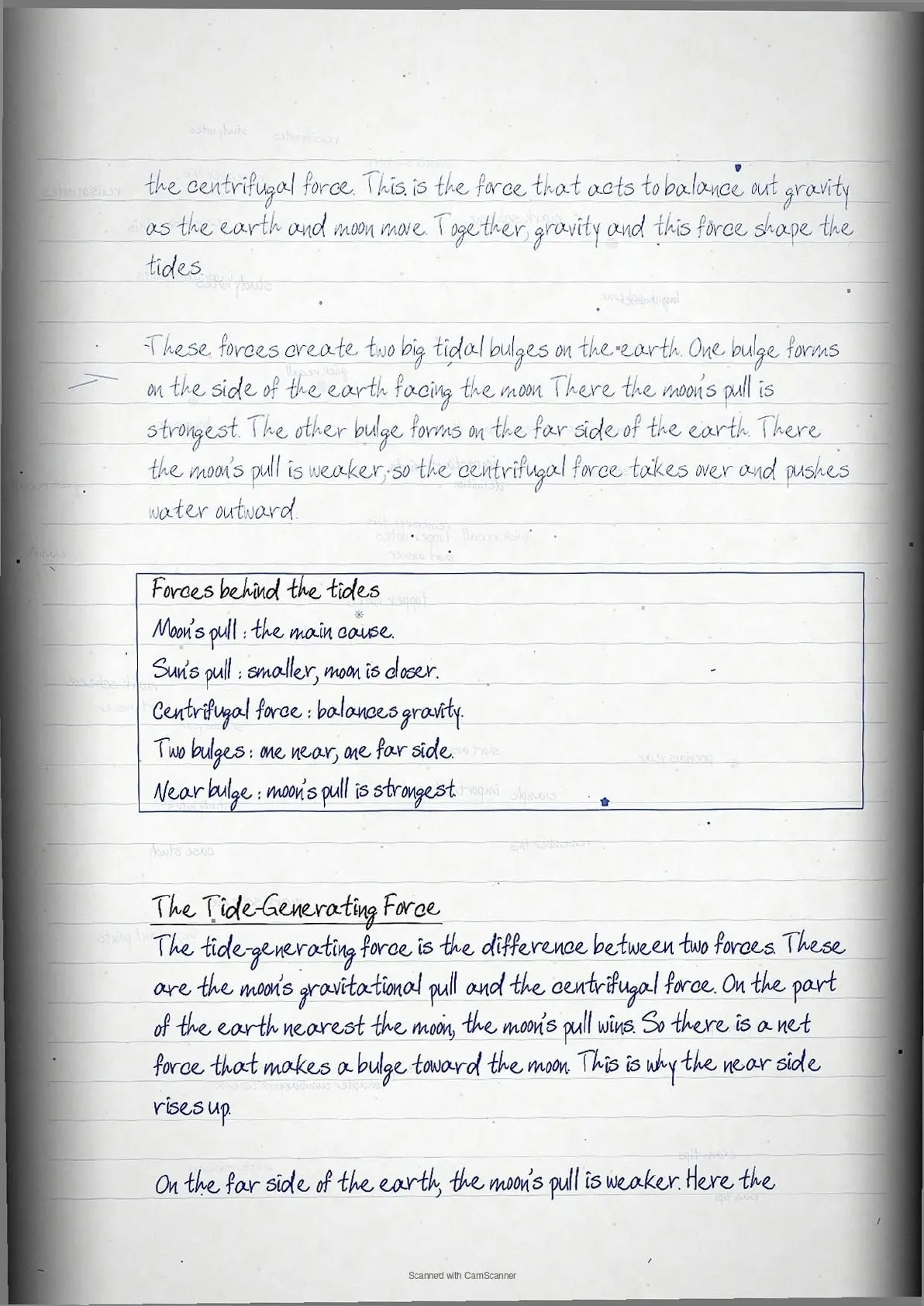
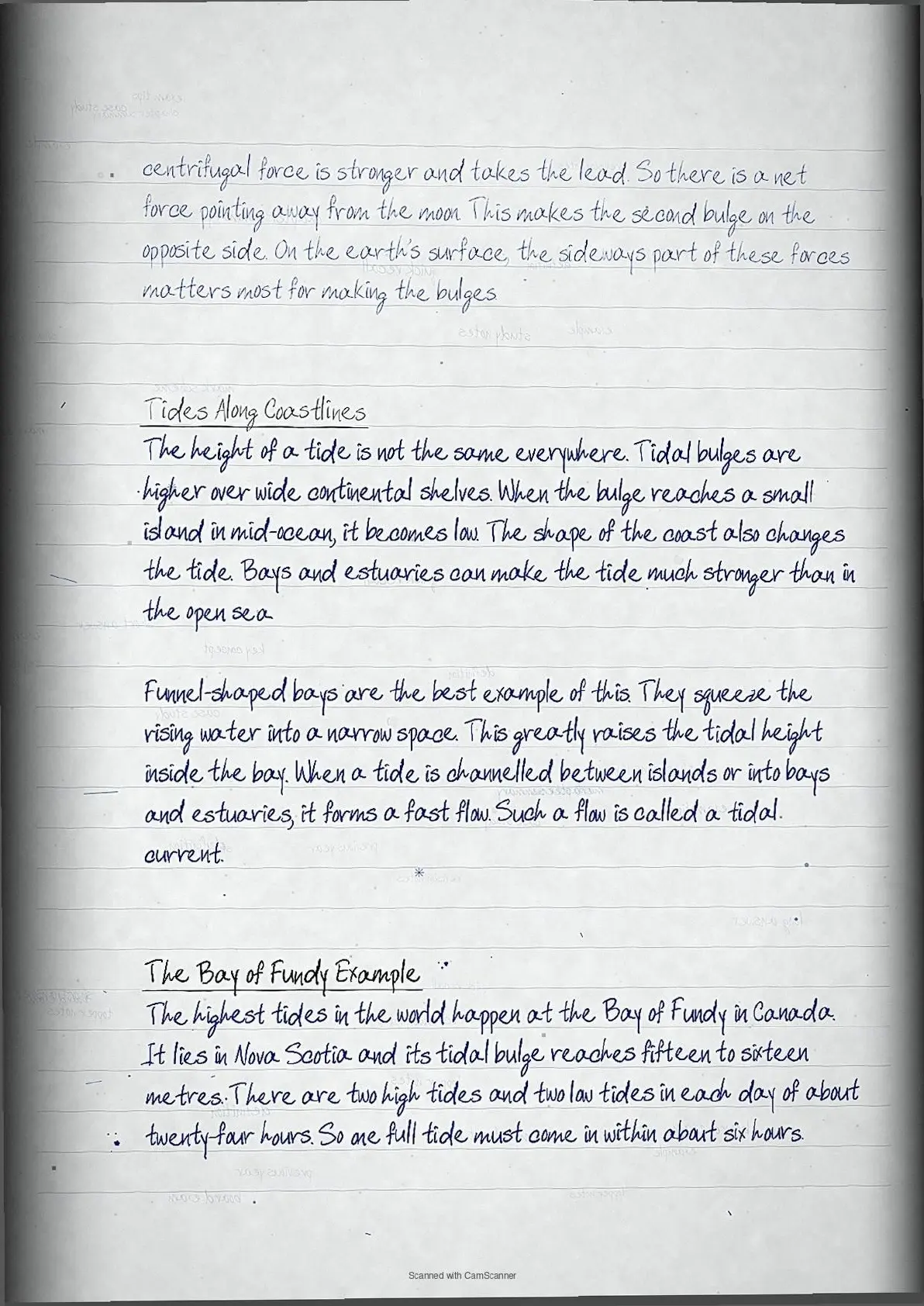
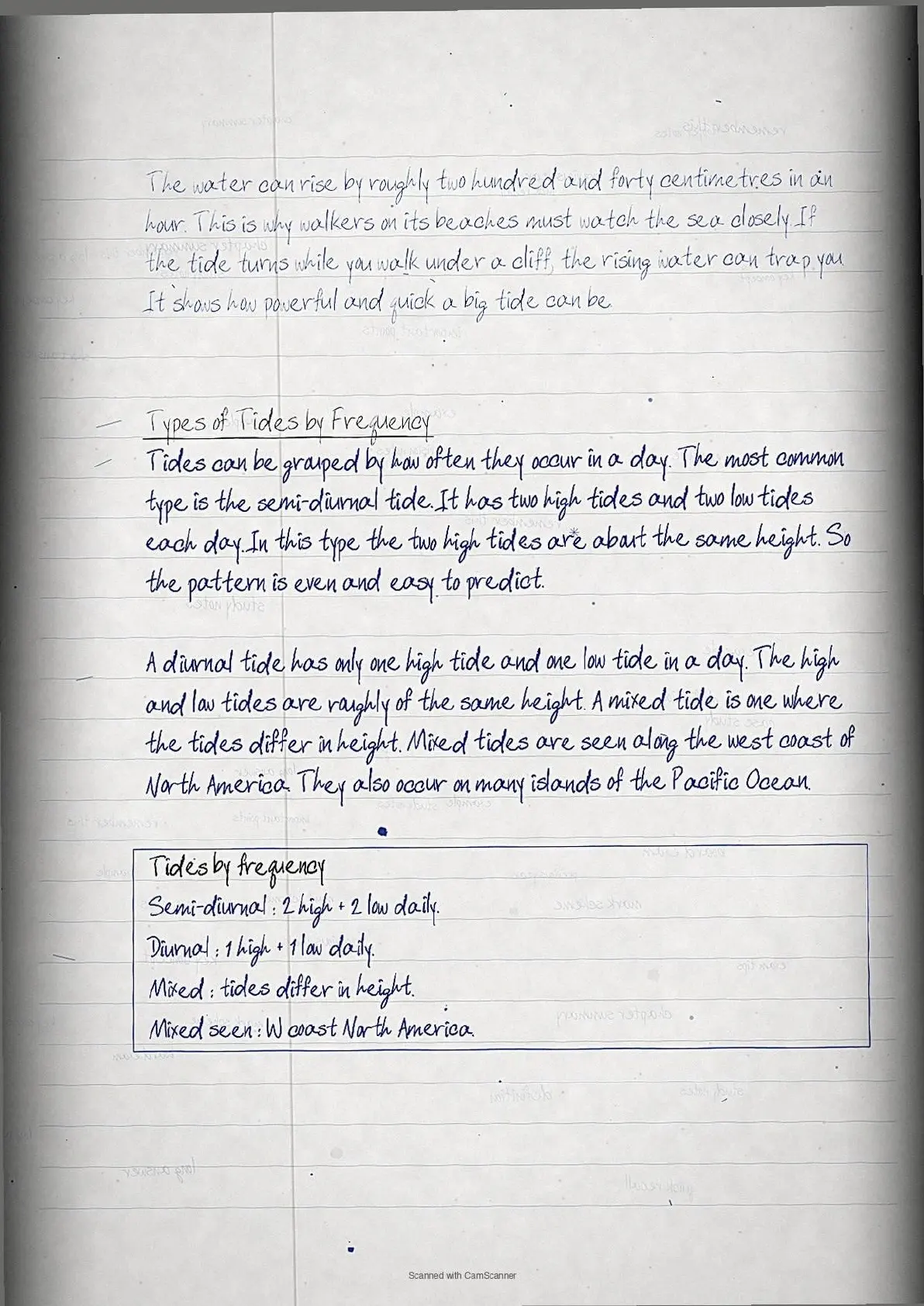
- What the notes cover: horizontal and vertical motions of ocean water, waves, their parts and how wind makes them, tides and their causes: moon, sun and centrifugal force, spring tides and neap tides.
- Best for: quick revision before Class 11 exams and a base for CUET later.
You can read the complete class 11 geography handwritten notes for Movements of Ocean Water, with key terms, boxed definitions, and quick revision points, in the PDF below.
These handwritten notes are written by subject teachers, mapped to the 2026-27 NCERT, and checked against the last five years of CBSE Class 11 Geography papers.
What the Movements of Ocean Water Handwritten Notes Cover
Ocean water is never still. It moves sideways as waves and currents, and up and down as tides. The sun, the moon and the winds drive all this motion.
- Horizontal and vertical motions of ocean water
- Waves, their parts and how wind makes them
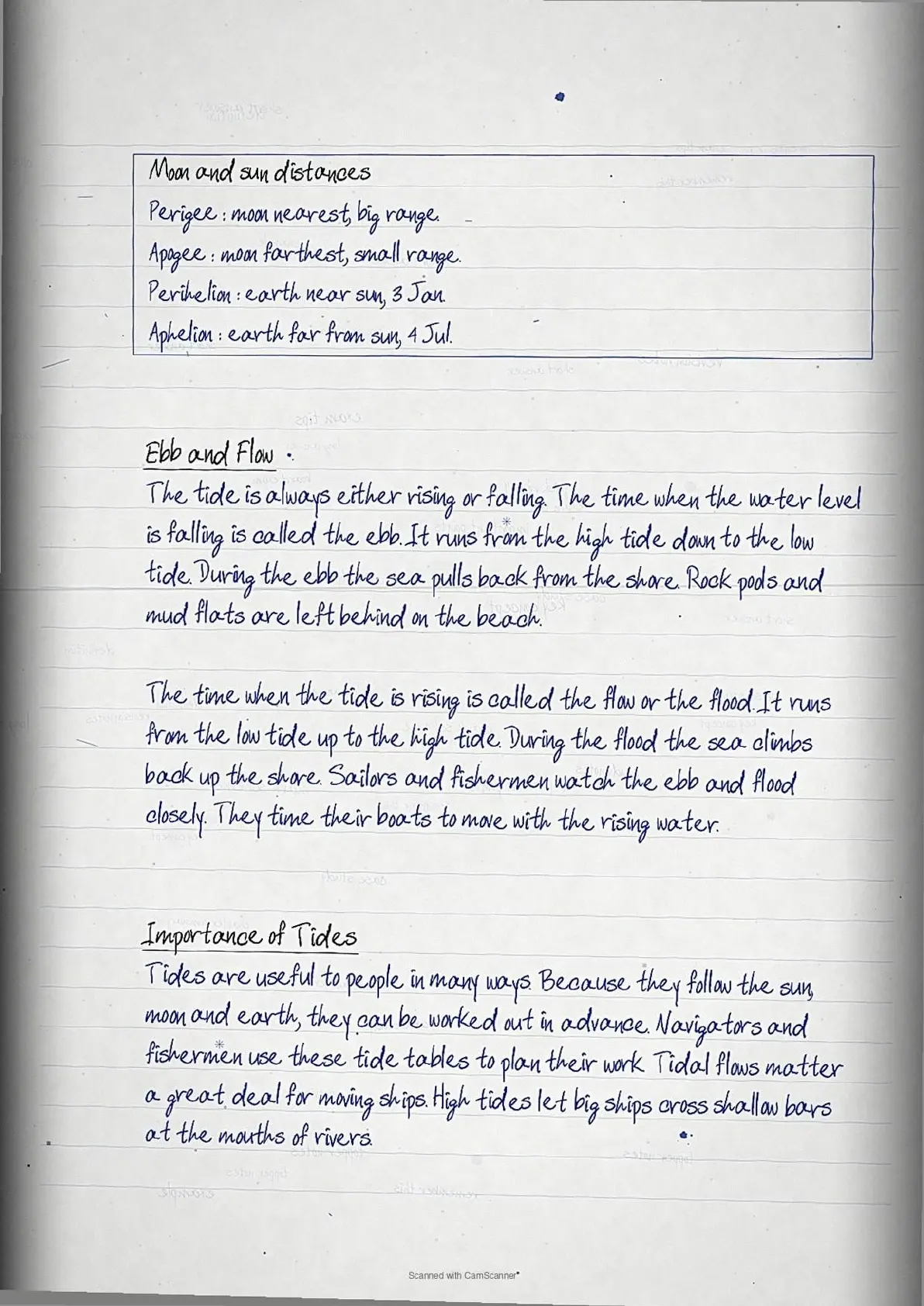
- Tides and their causes: moon, sun and centrifugal force
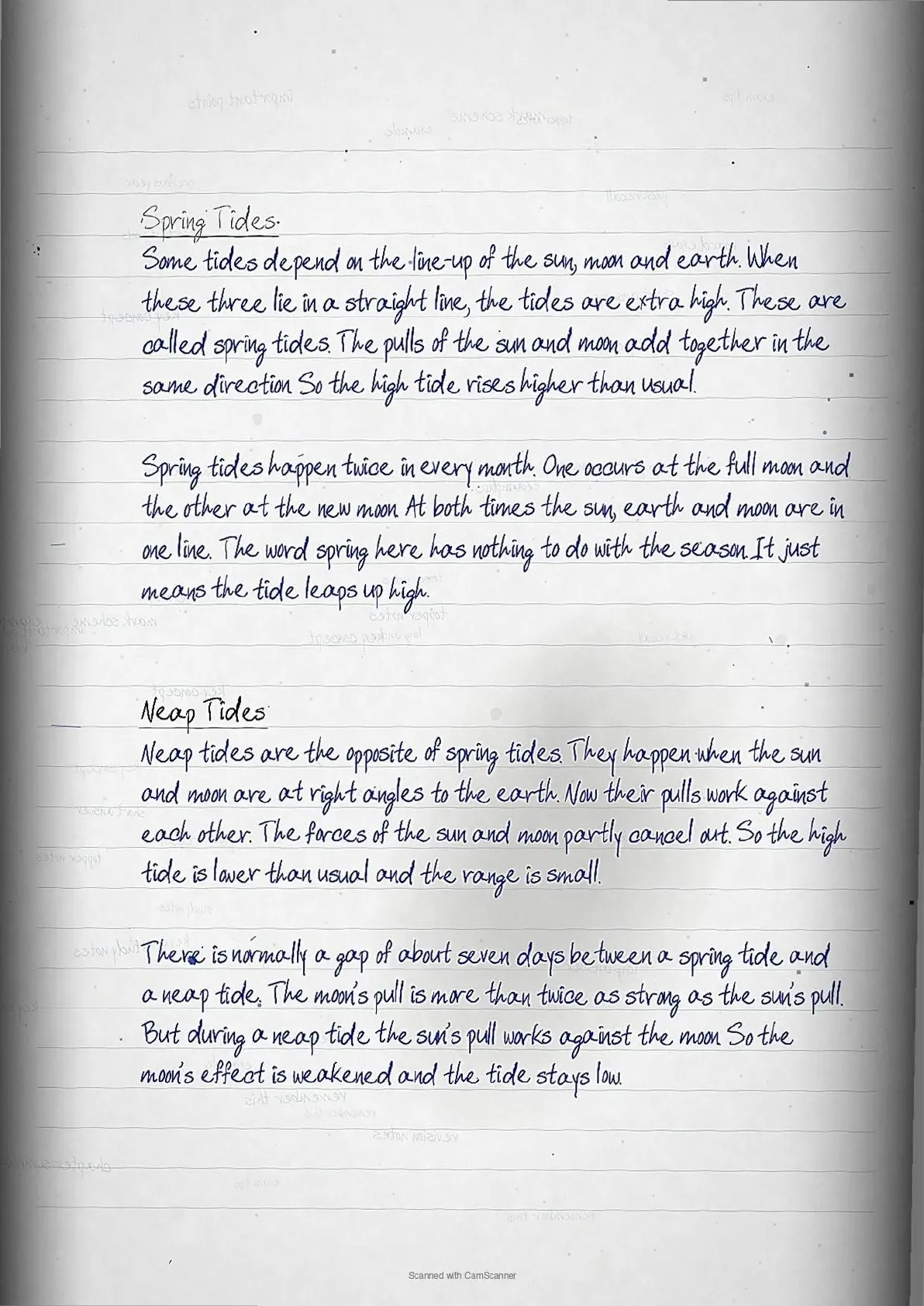
- Spring tides and neap tides
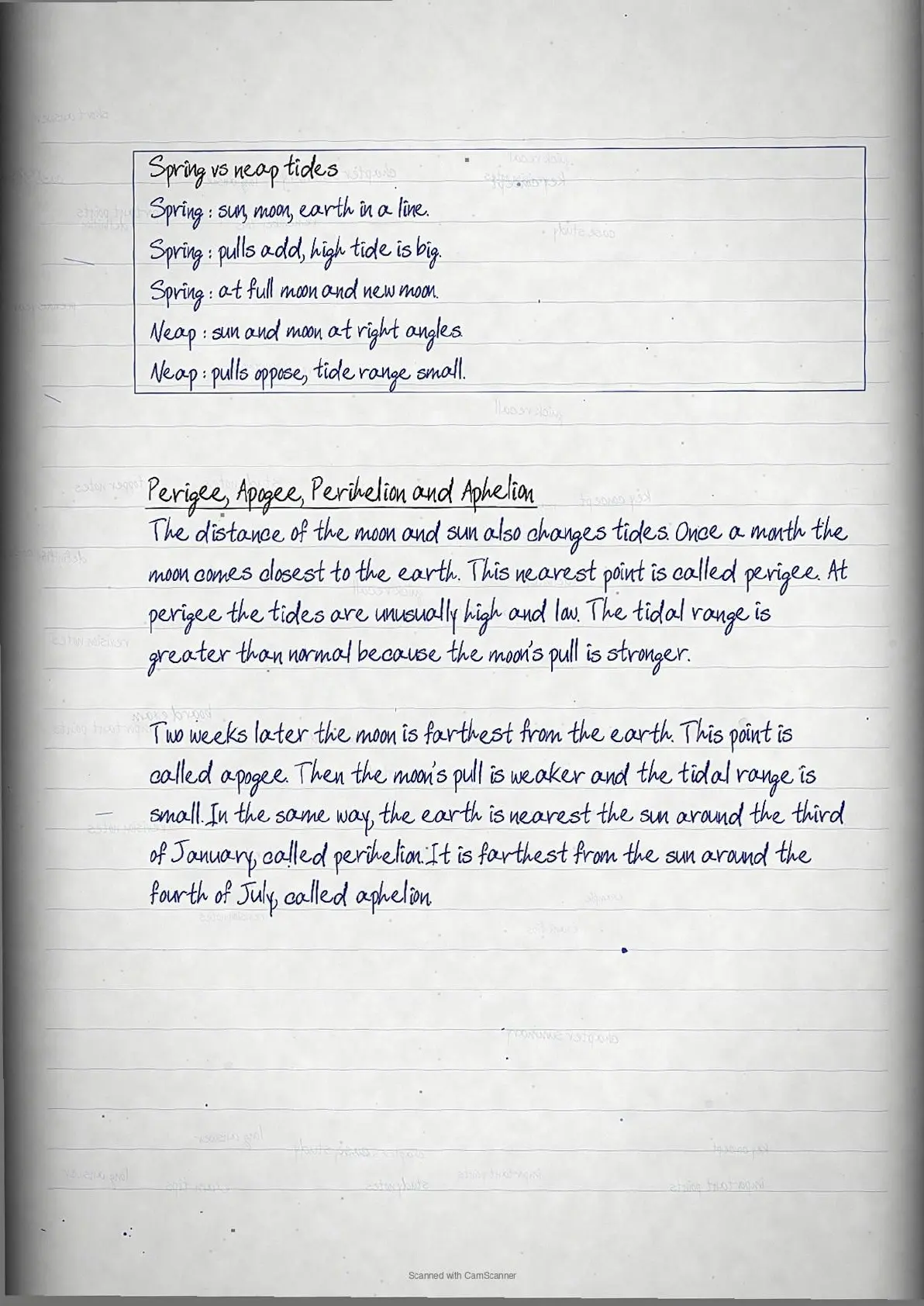
- Perigee, apogee, perihelion and aphelion
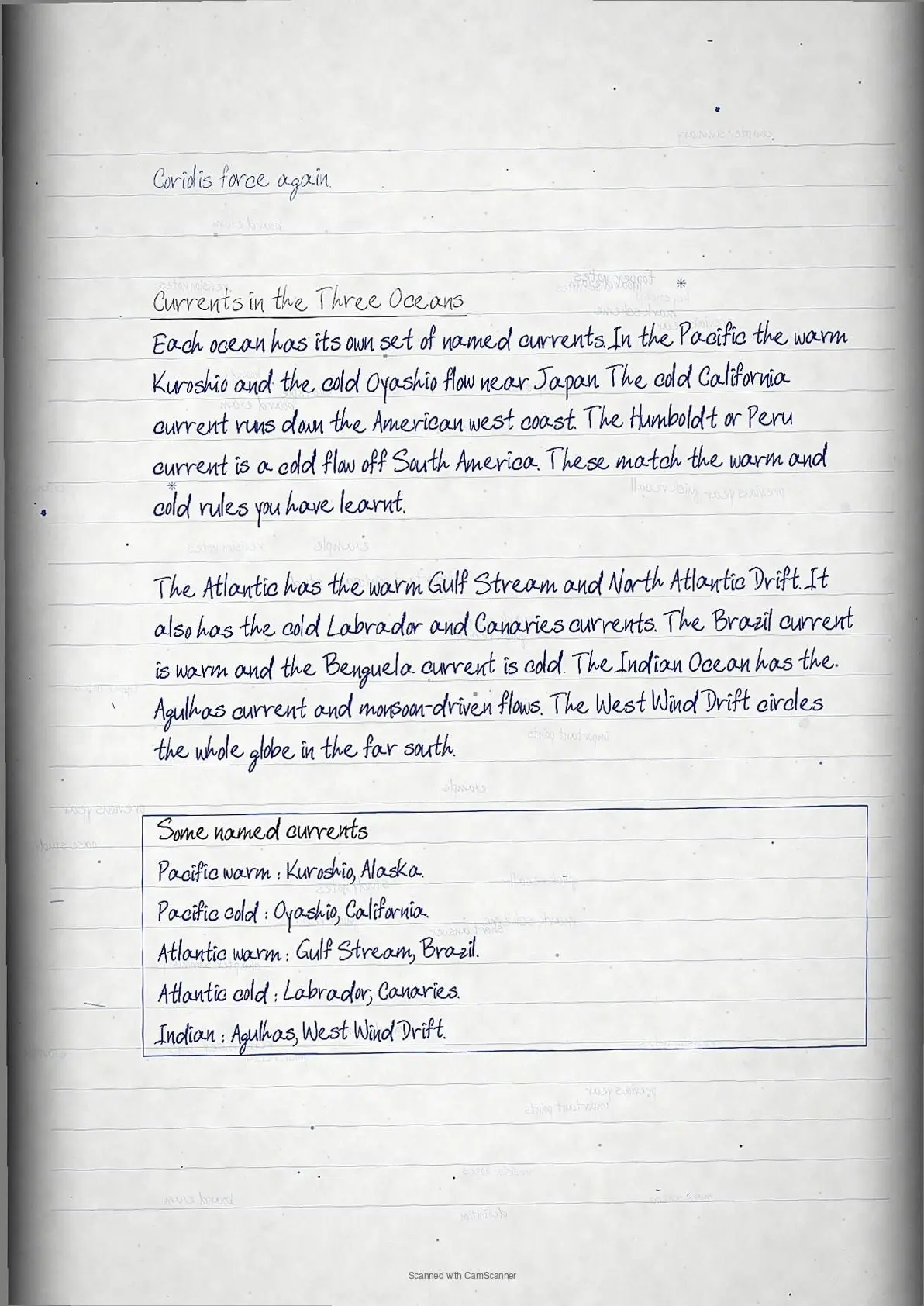
- Ocean currents: primary forces and gyres
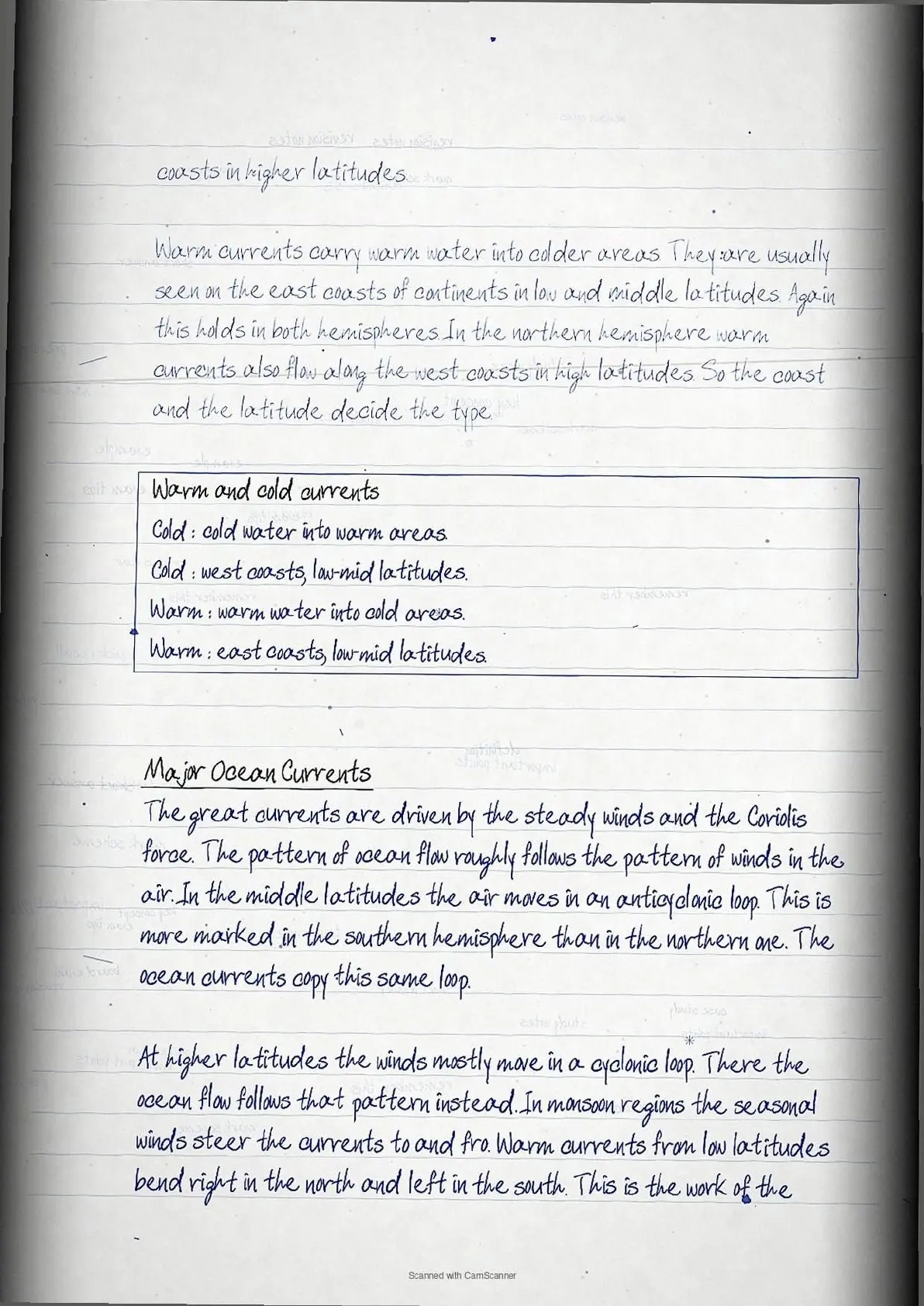
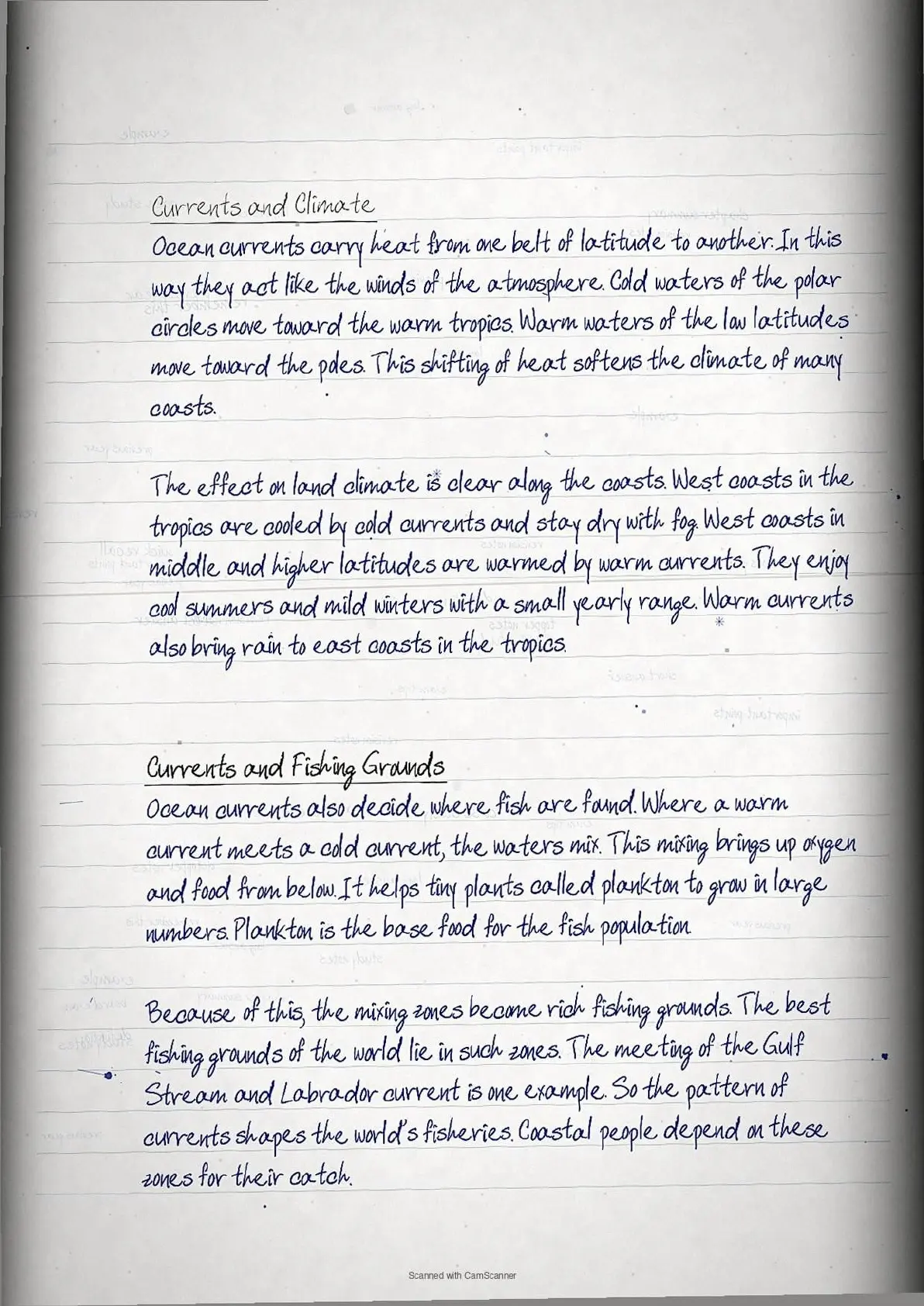
- Warm and cold currents and their effects on climate
Movements of Ocean Water Self-Assessment Quiz
Try these quick questions after you read the notes. Tap each question to check your answer. They cover the points CBSE asks most often.
The upward and downward movement of ocean water is called the
(a) tide (b) current (c) wave (d) none of these
Answer: (a) tide - tides are the vertical rise and fall of sea level
Spring tides are caused when the sun and moon pull the earth
(a) in the same direction (b) in opposite directions (c) at right angles (d) not at all
Answer: (a) in the same direction - the pulls add up to make a high tide
The distance between earth and moon is least when the moon is at
(a) aphelion (b) perigee (c) perihelion (d) apogee
Answer: (b) perigee - perigee is the nearest point of the moon to earth
Waves get their energy mainly from the
(a) moon (b) sun (c) wind (d) tides
Answer: (c) wind - wind blowing over the sea gives waves their energy
Cold currents are usually found along the
(a) east coasts in low latitudes (b) west coasts in low-middle latitudes (c) equator (d) poles only
Answer: (b) west coasts in low-middle latitudes - true in both hemispheres
Movements of Ocean Water Topic-wise Weightage for CBSE Class 11 Geography
Some parts of this chapter are asked more often than others. The table below shows which sub-topics to revise first, based on recent CBSE Class 11 question trends.
| Sub-topic | Weightage | CBSE Frequency |
|---|---|---|
| Tides and their causes | High | very frequent |
| Ocean currents and effects | High | very frequent |
| Waves and their characteristics | Medium | frequent |
| Spring and neap tides | Medium | frequent |
| Perigee, apogee, perihelion | Low | occasional |
Key Terms and Ideas in Movements of Ocean Water
These are the terms and ideas the exam asks about most. Learn each one so you can define it and use it in your answers.
| Term / Idea | What it means |
|---|---|
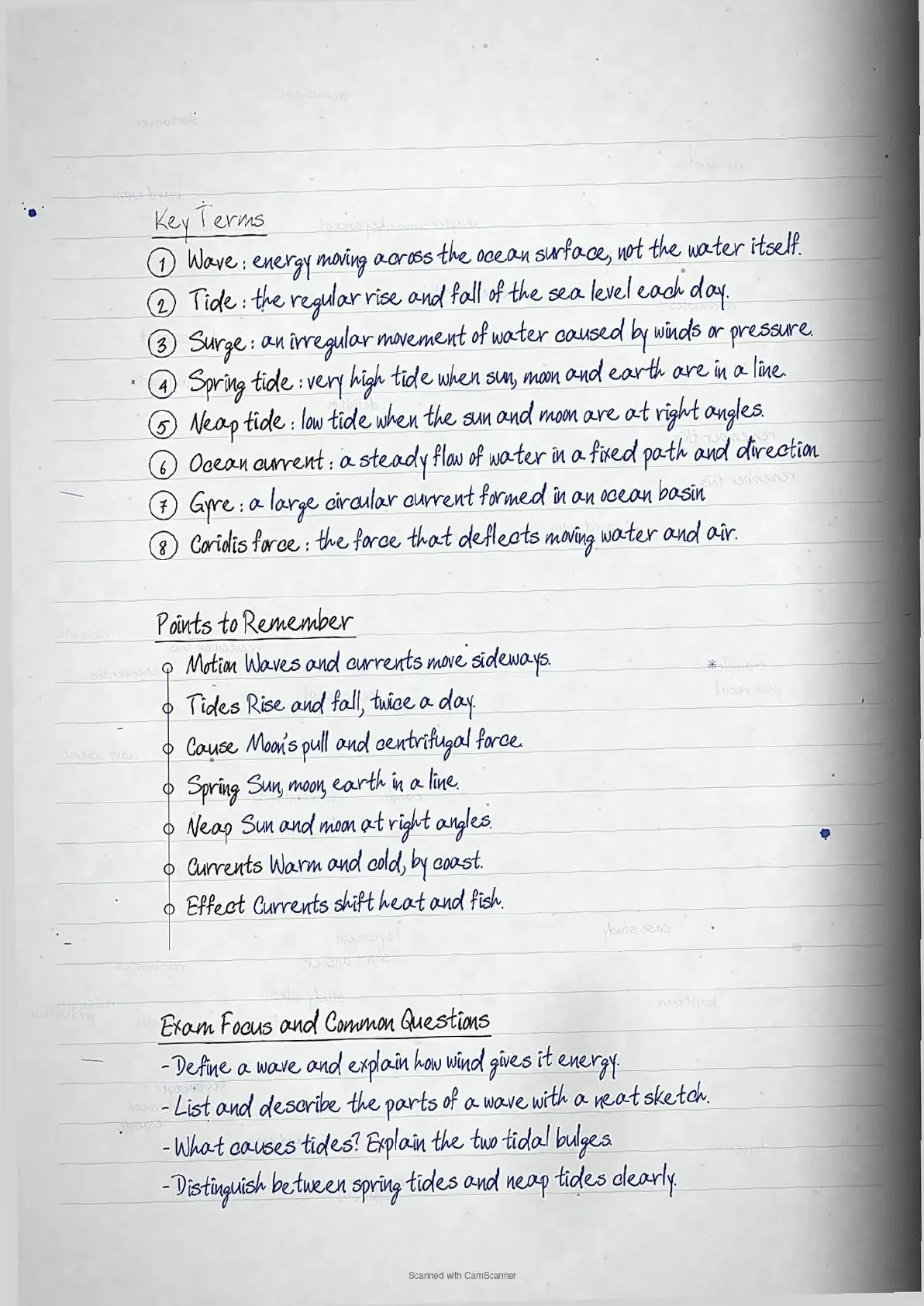
| Wave | energy moving across the ocean surface, not the water |
| Tide | regular rise and fall of the sea level each day |
| Spring tide | very high tide when sun, moon and earth are in a line |
| Neap tide | low tide when the sun and moon are at right angles |
| Ocean current | steady flow of water in a fixed path and direction |
| Coriolis force | deflects moving water right in north, left in south |
| Warm current | carries warm water along east coasts of continents |
| Cold current | carries cold water along west coasts of continents |
How Collegedunia's Handwritten Notes Help You Revise Movements of Ocean Water
These notes are made for the night before the exam. They keep the facts short and easy to scan. Collegedunia maps every point to the 2026-27 NCERT.
- Clear handwriting: each topic is written in neat, easy-to-read handwriting.
- Boxed key terms: the main terms and definitions are boxed by hand for fast recall.
- Diagrams and tables: simple hand-drawn tables and charts make ideas clear.
- Colour-coded headings: new sub-topics stand out, so you find any section in seconds.
How to Use These Handwritten Notes for Class 11 Geography Revision
Use these class 11 geography handwritten notes in two passes. Read them slowly once for the full chapter. Then, near the exam, read only the boxes and key terms for a fast recall.
- Read the notes once with the NCERT chapter open beside you.
- Say each key term and idea in your own words.
- Practise one long-answer question from a past paper.
- On the last day, revise only the key terms and the boxes.
Class 11 Geography Handwritten Notes for All Chapters
The table below links the class 11 geography handwritten notes for every chapter. Use it to jump to any other chapter's notes.
Movements of Ocean Water Class 11 Geography Handwritten Notes FAQs
Ques. Where can I download Movements of Ocean Water Class 11 Geography Handwritten Notes PDF?
Ans. You can download the Movements of Ocean Water Class 11 Geography Handwritten Notes PDF directly from this page. Both the Normal and HD versions are free.
Ques. Are these handwritten notes aligned with the 2026-27 NCERT?
Ans. Yes. These notes follow the current 2026-27 syllabus for Class 11 Geography. Difference between waves, tides and currents
Ques. How many pages is the Class 11 Geography Movements of Ocean Water Handwritten Notes PDF?
Ans. The notes run about 20 pages. They cover the full chapter with key terms, hand-drawn boxes, and a short self-assessment quiz.
Ques. What is the main idea of the 11th standard Geography chapter Movements of Ocean Water?
Ans. Waves and currents are horizontal motions while tides are the vertical rise and fall of the sea. Waves carry energy without moving water far, currents move the water body in a fixed path, and tides are caused by the pull of the moon and sun.
Ques. Are these Movements of Ocean Water notes enough for the CBSE Class 11 exam?
Ans. Yes, for revision. The Collegedunia handwritten notes cover every key point and exam term. Read them with the NCERT chapter and practise past questions.



Comments