




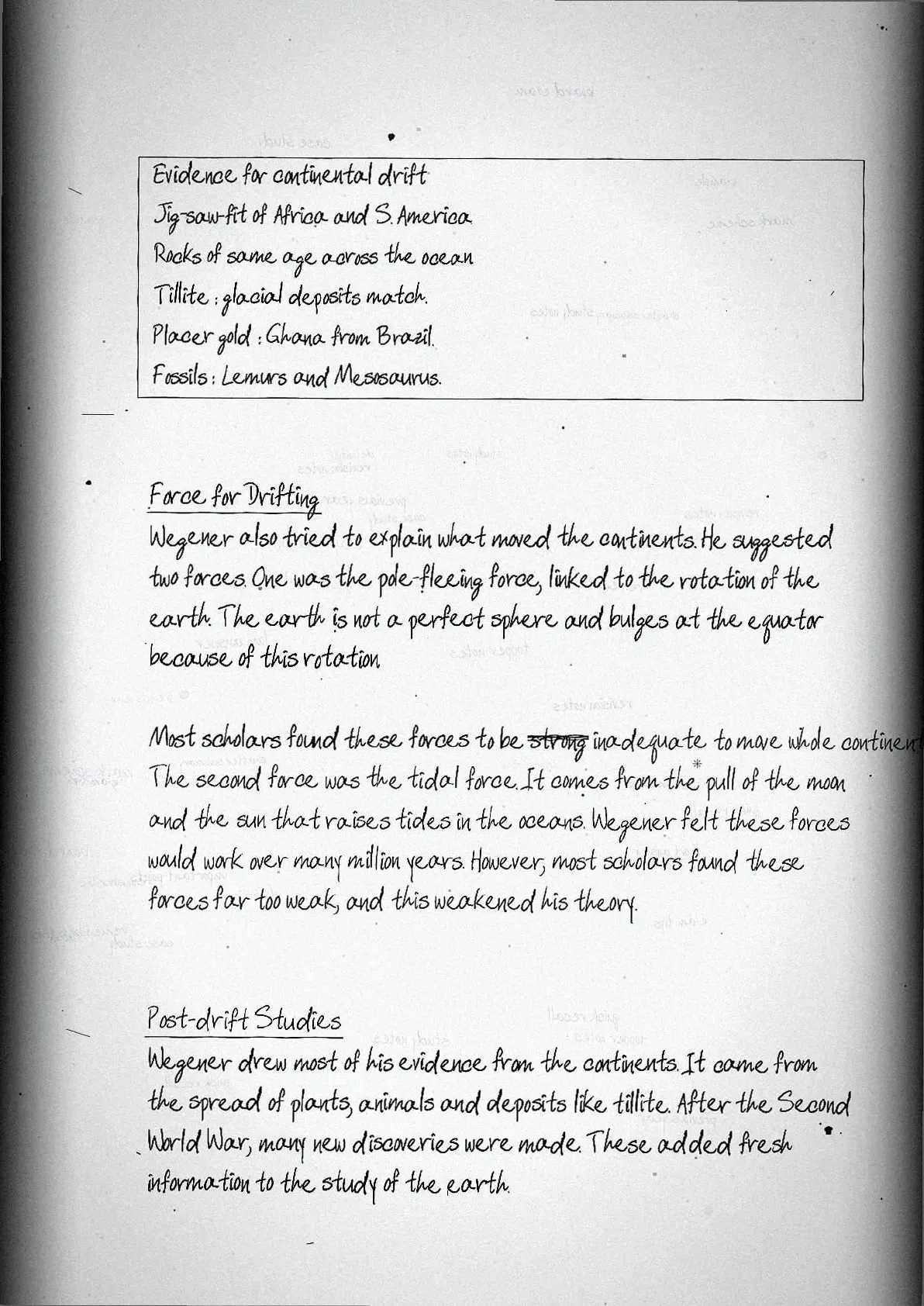
The 2026-27 NCERT keeps Class 11 Geography Chapter 4 Distribution of Oceans and Continents in full for the CBSE course. These class 11 geography handwritten notes chapter 4 Distribution of Oceans and Continents follow the 2026-27 NCERT and cover continental drift and wegener's pangaea, evidence: jig-saw fit, tillite, fossils, placer gold, forces of drift and why they were.
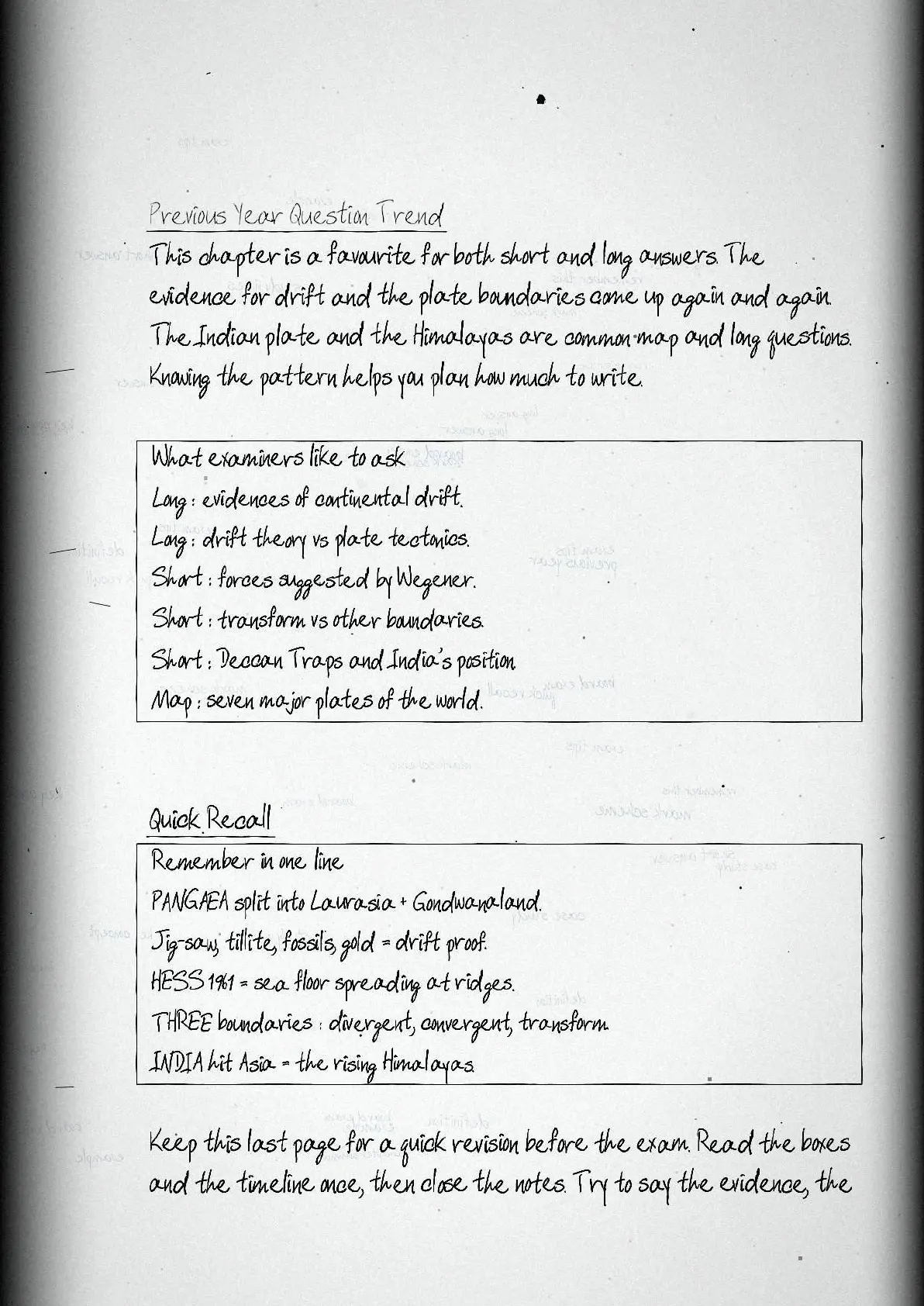
- CBSE Class 11 Weightage: a scoring chapter in the Geography paper, asked in short and long answers.
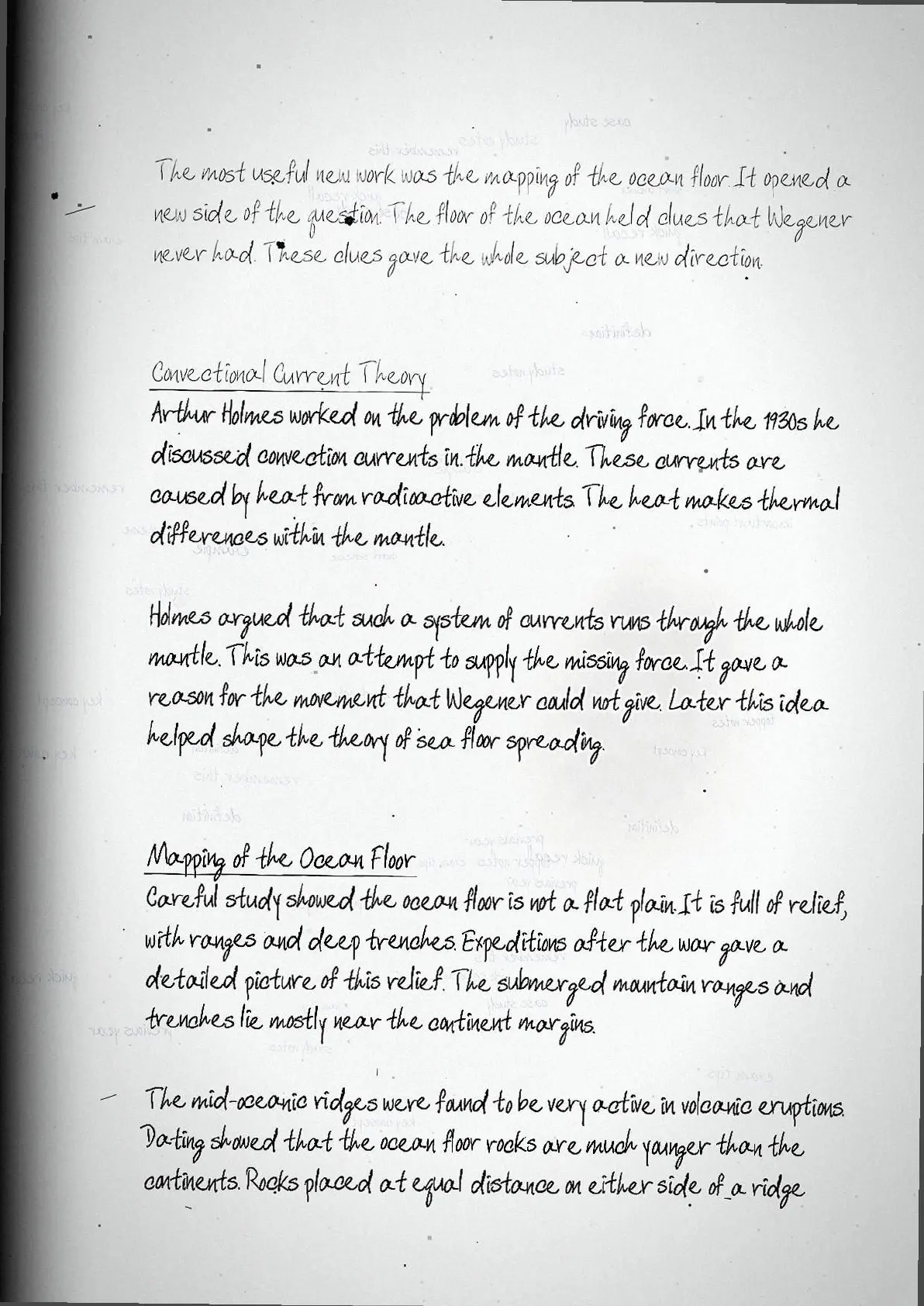
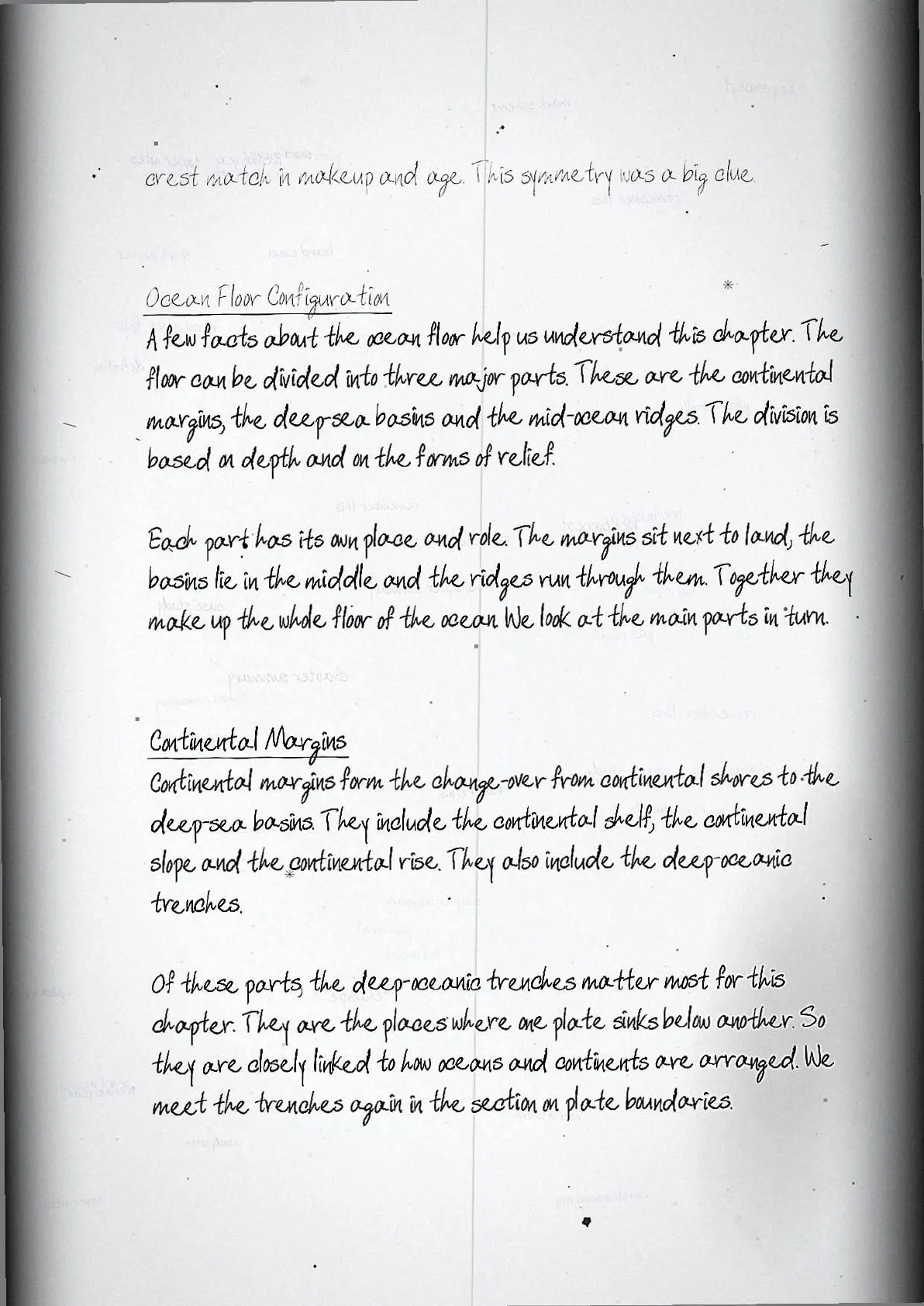
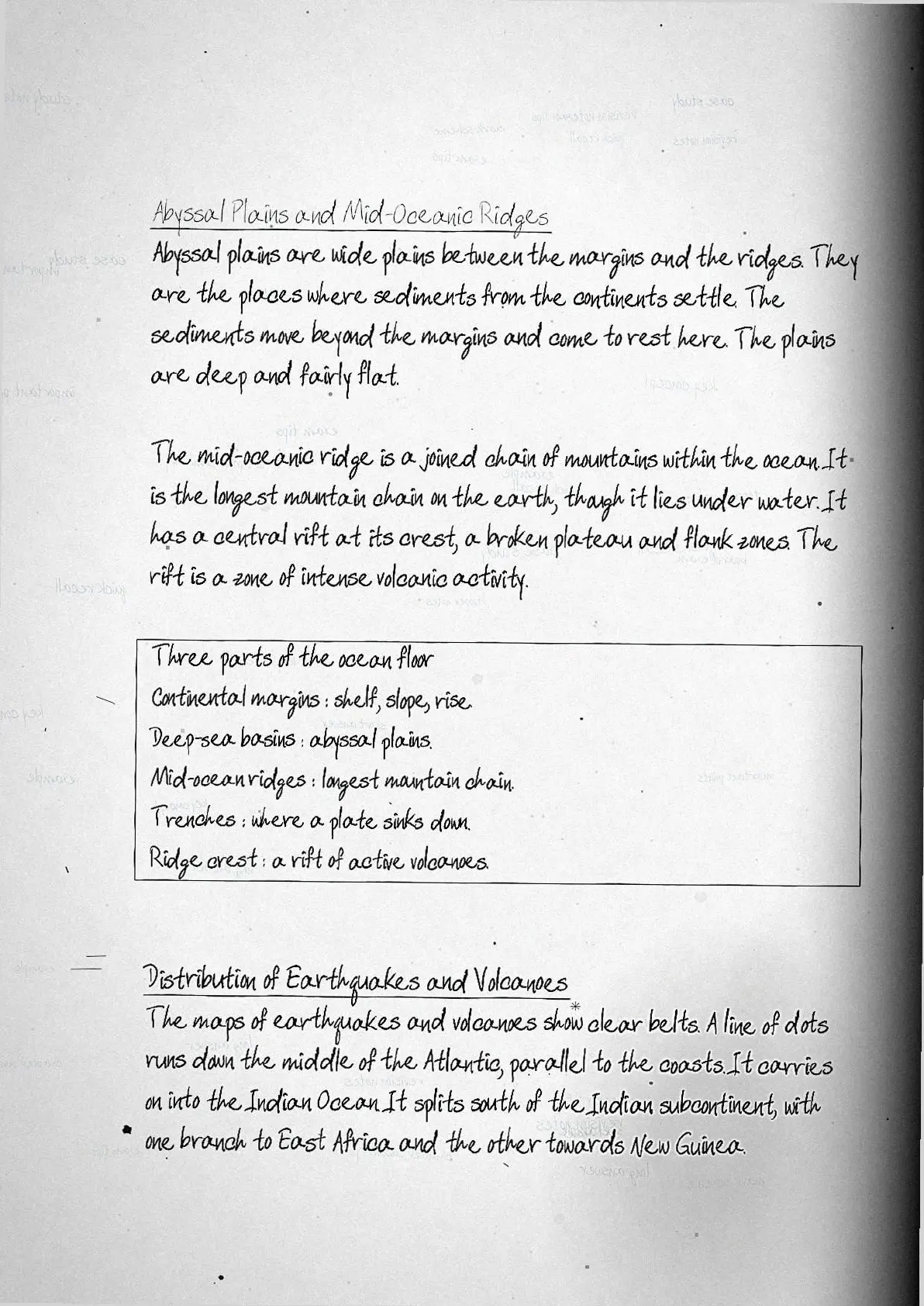
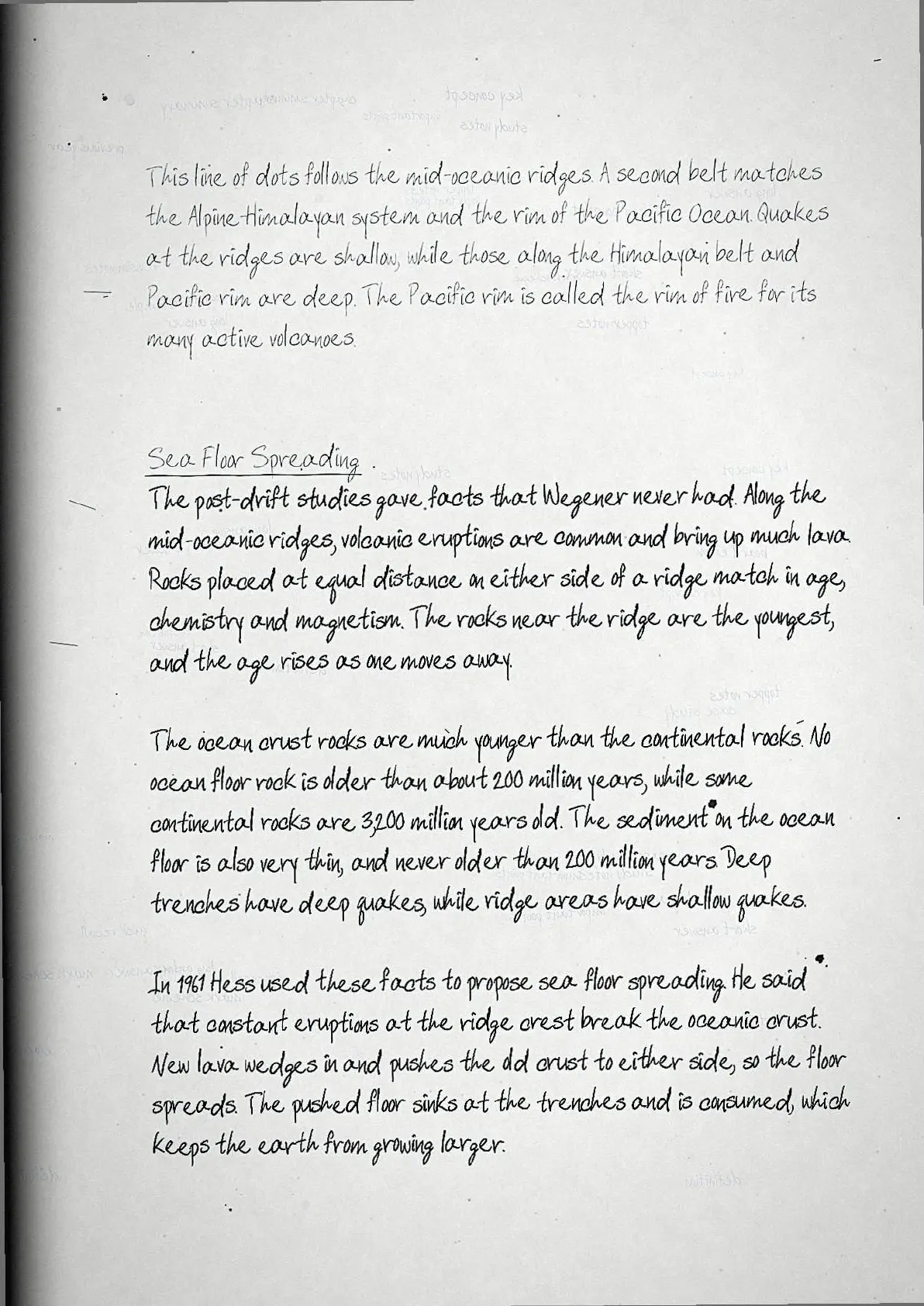
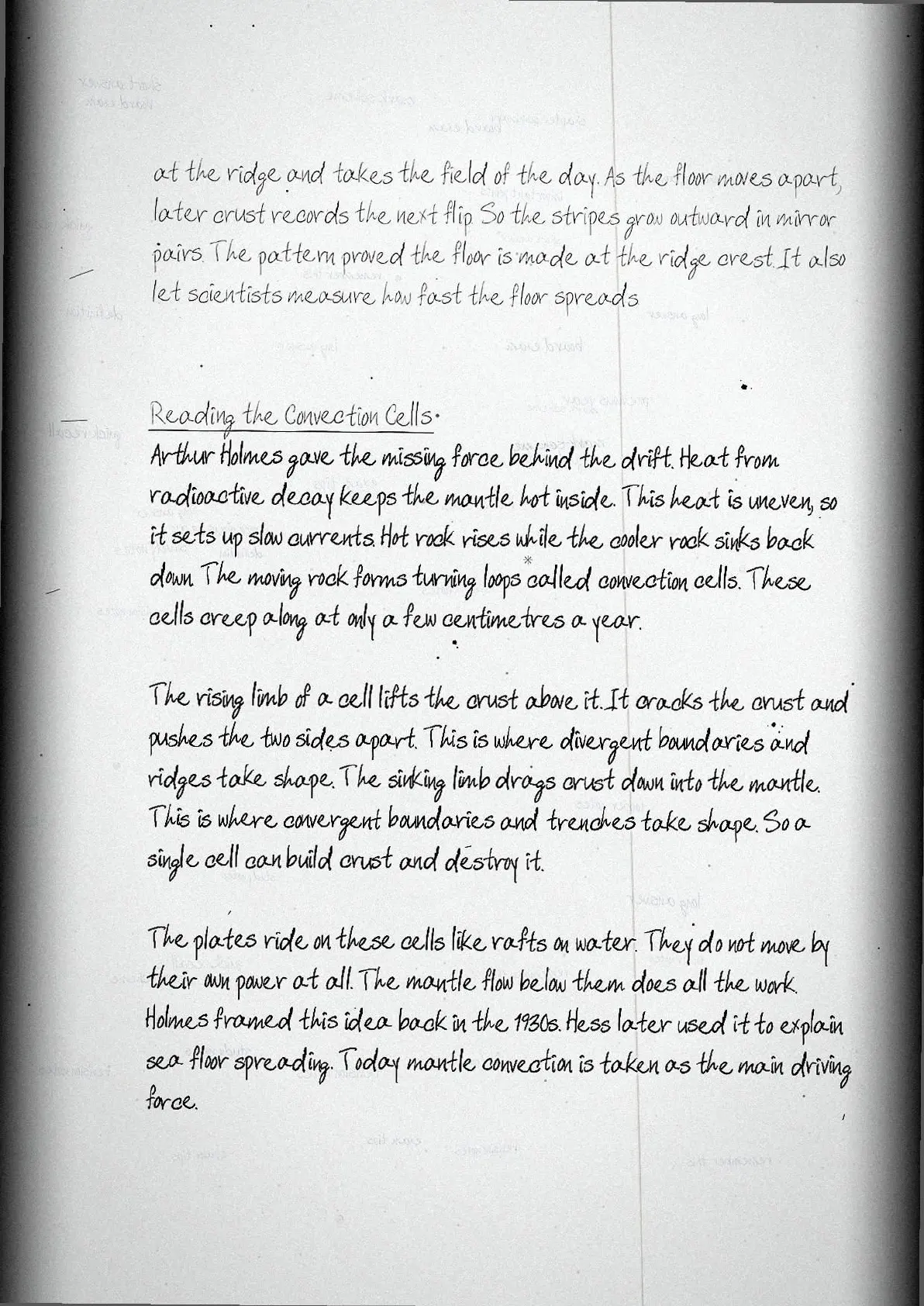
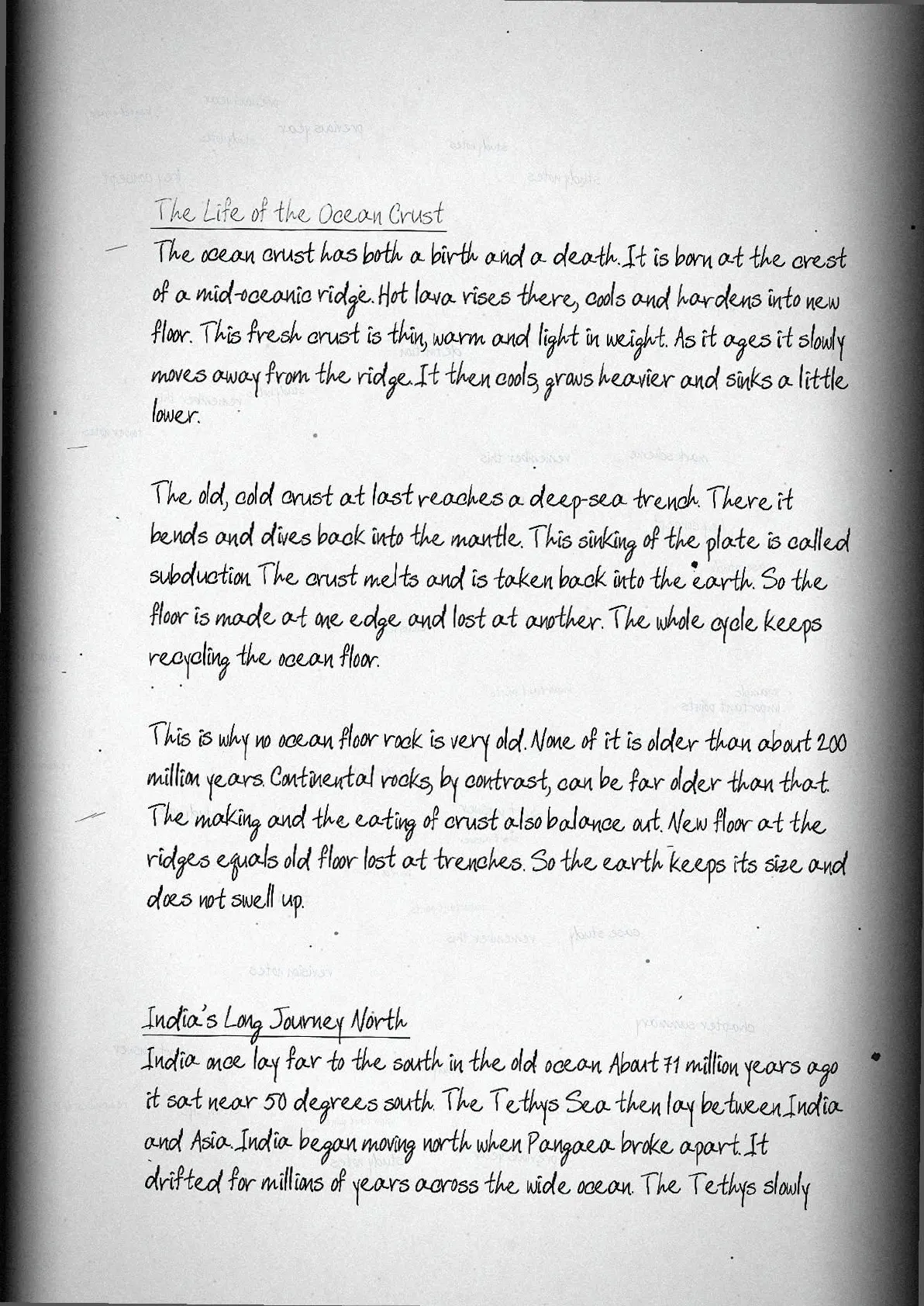
- What the notes cover: continental drift and wegener's pangaea, evidence: jig-saw fit, tillite, fossils, placer gold, forces of drift and why they were rejected, mapping the ocean floor and sea floor spreading.
- Best for: quick revision before Class 11 exams and a base for CUET later.
You can read the complete class 11 geography handwritten notes for Distribution of Oceans and Continents, with key terms, boxed definitions, and quick revision points, in the PDF below.
These handwritten notes are written by subject teachers, mapped to the 2026-27 NCERT, and checked against the last five years of CBSE Class 11 Geography papers.
Distribution of Oceans and Continents Topic-wise Weightage for CBSE Class 11 Geography
Some parts of this chapter are asked more often than others. The table below shows which sub-topics to revise first, based on recent CBSE Class 11 question trends.
| Sub-topic | Weightage | CBSE Frequency |
|---|---|---|
| Evidence for continental drift | High | asked most years |
| Plate boundaries (three types) | High | asked most years |
| Sea floor spreading concept | Medium | frequent long answer |
| Movement of the Indian plate | Medium | short and map answer |
| Drift theory vs plate tectonics | Low | occasional long answer |
What the Distribution of Oceans and Continents Handwritten Notes Cover
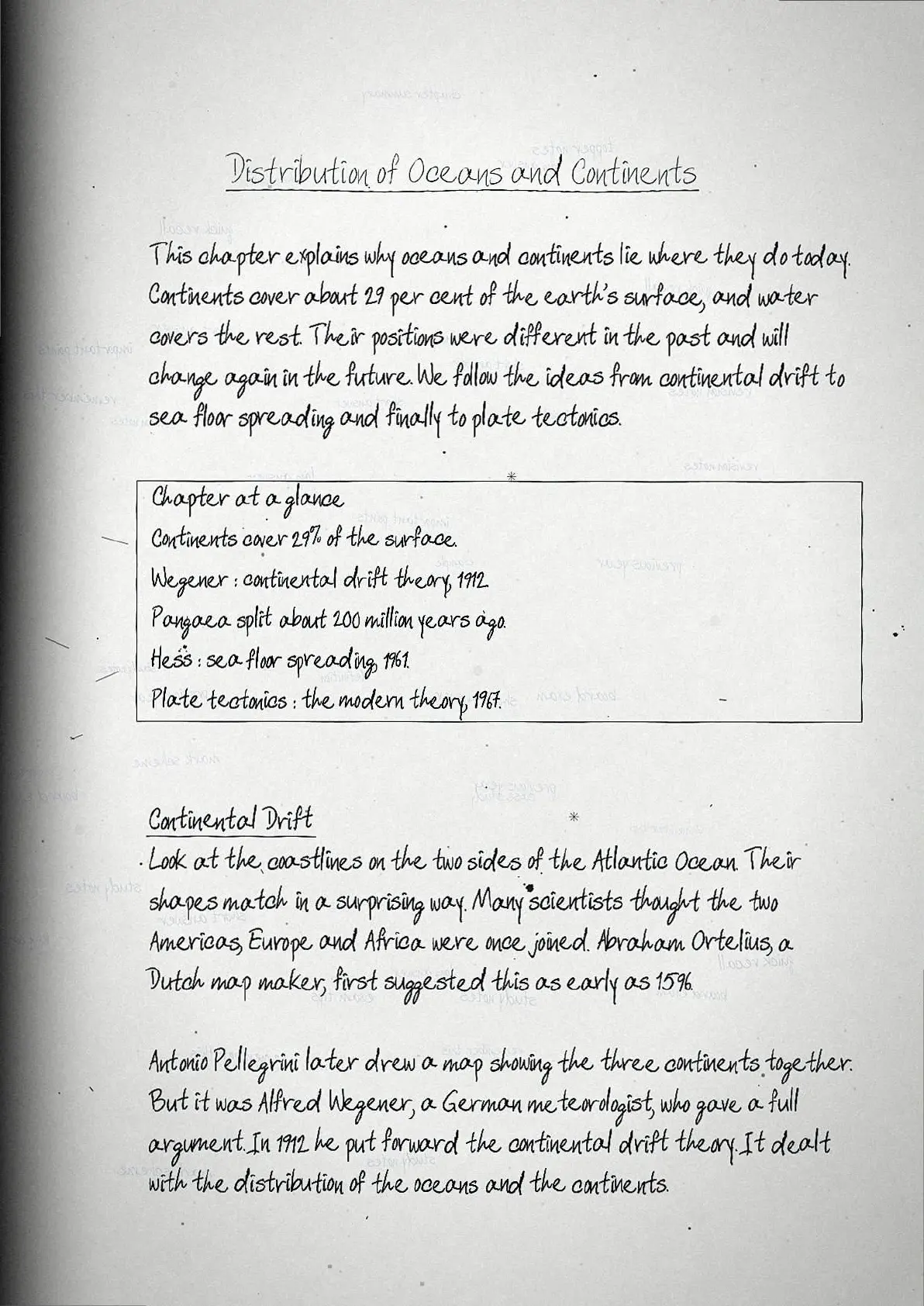
Continents and oceans have not always sat where they do today. This chapter follows the ideas from Wegener's continental drift to Hess's sea floor spreading and the modern theory of plate tectonics. It ends with the journey of the Indian plate and the rise of the Himalayas.
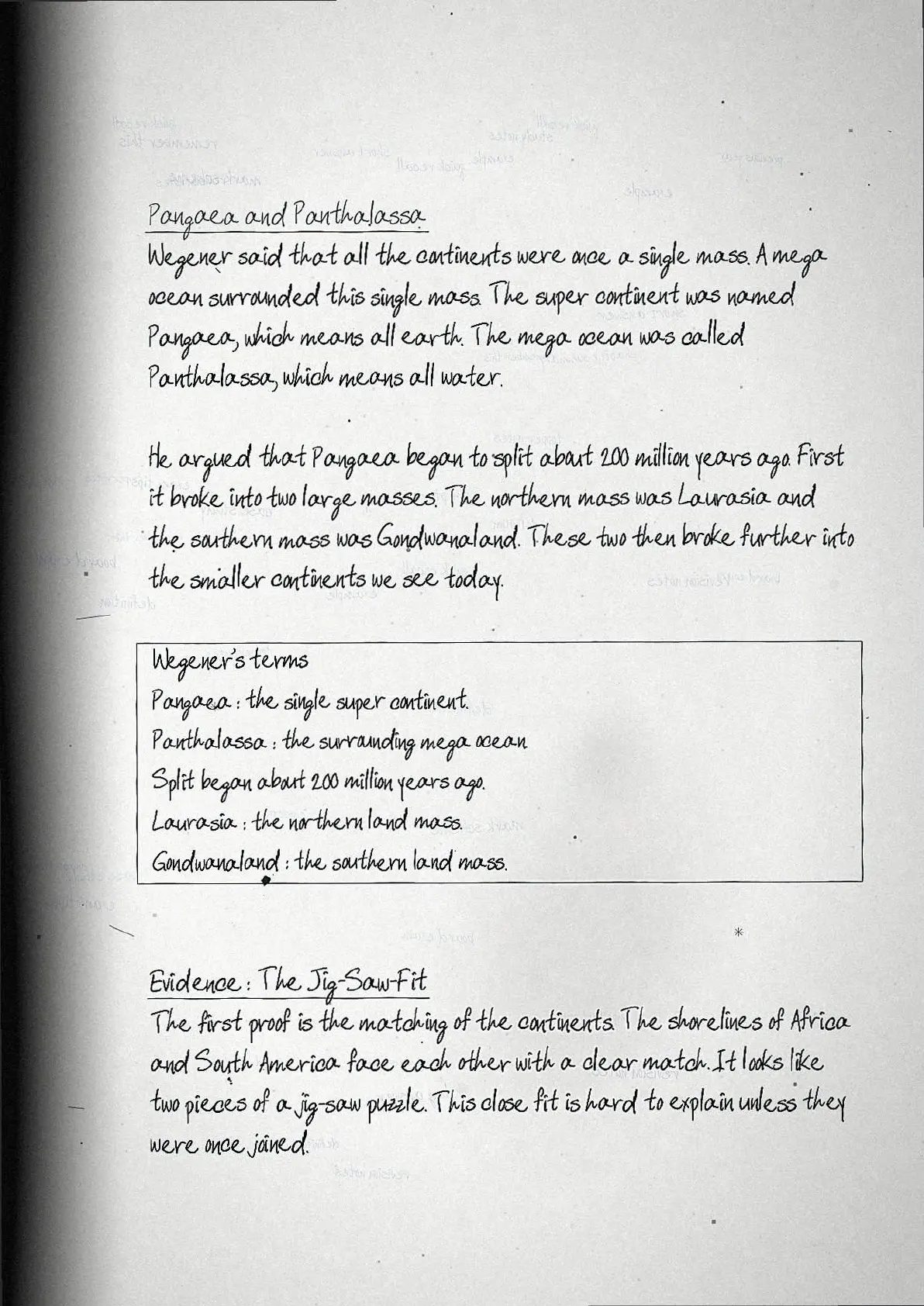
- Continental drift and Wegener's Pangaea
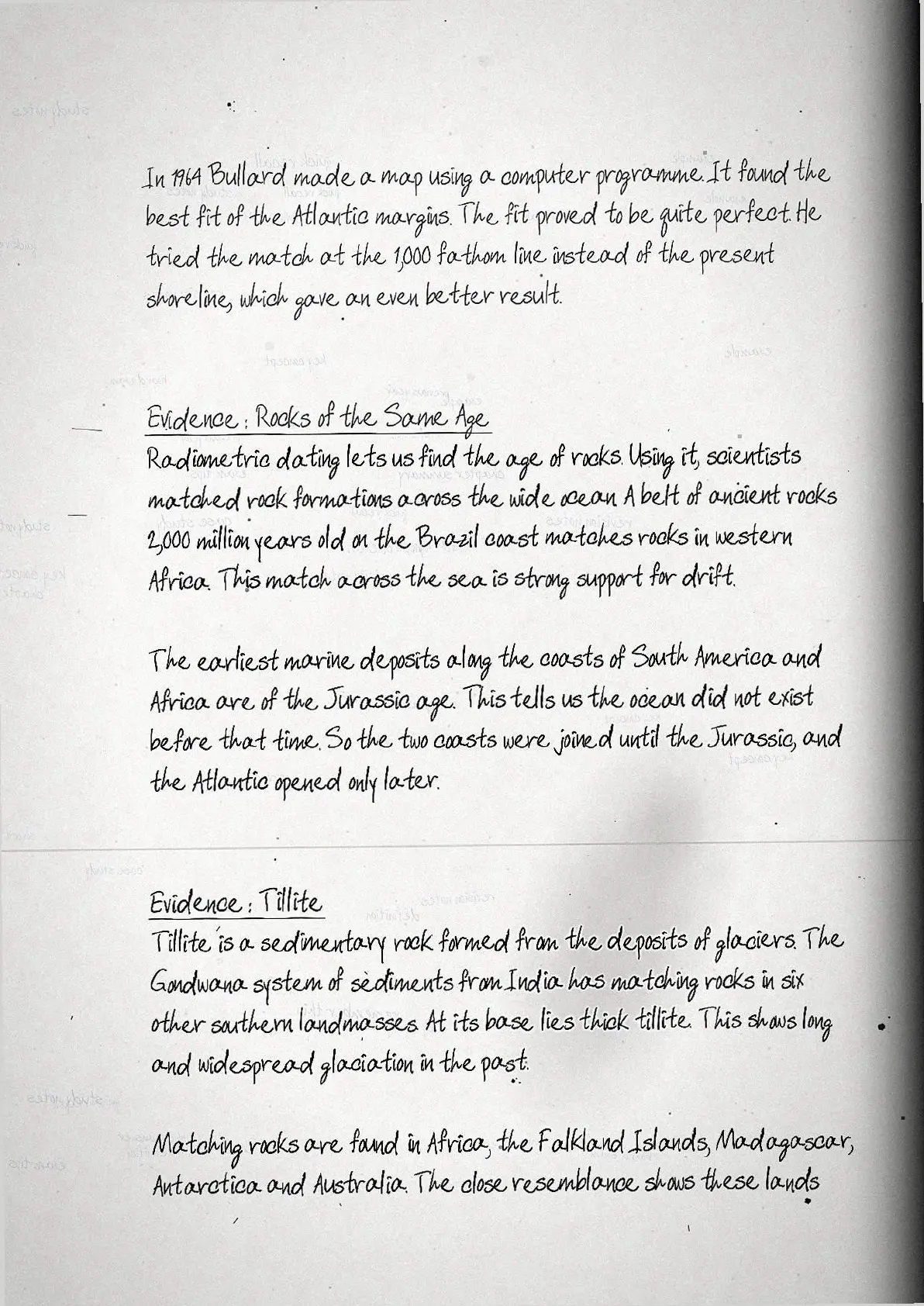
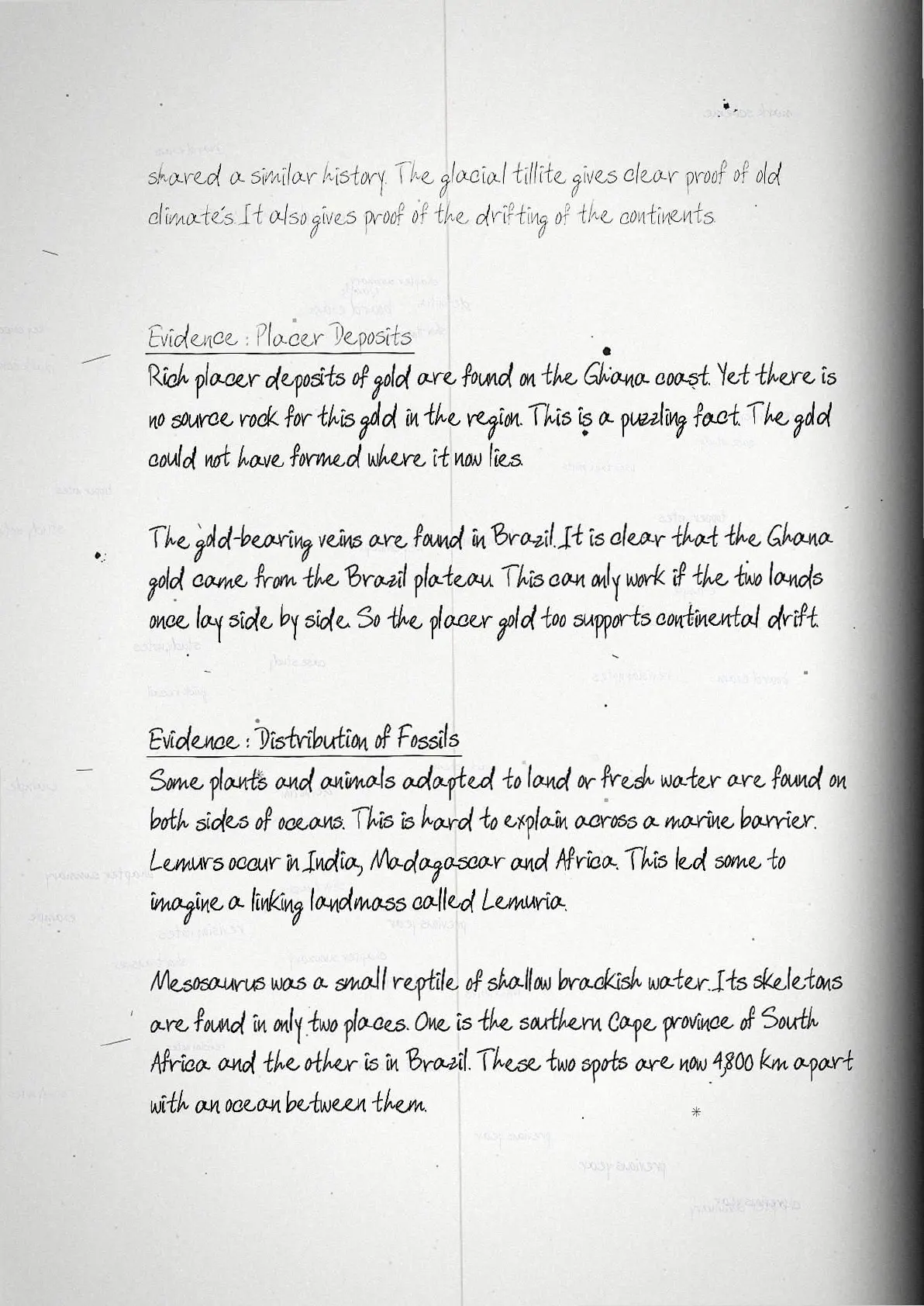
- Evidence: jig-saw fit, tillite, fossils, placer gold
- Forces of drift and why they were rejected
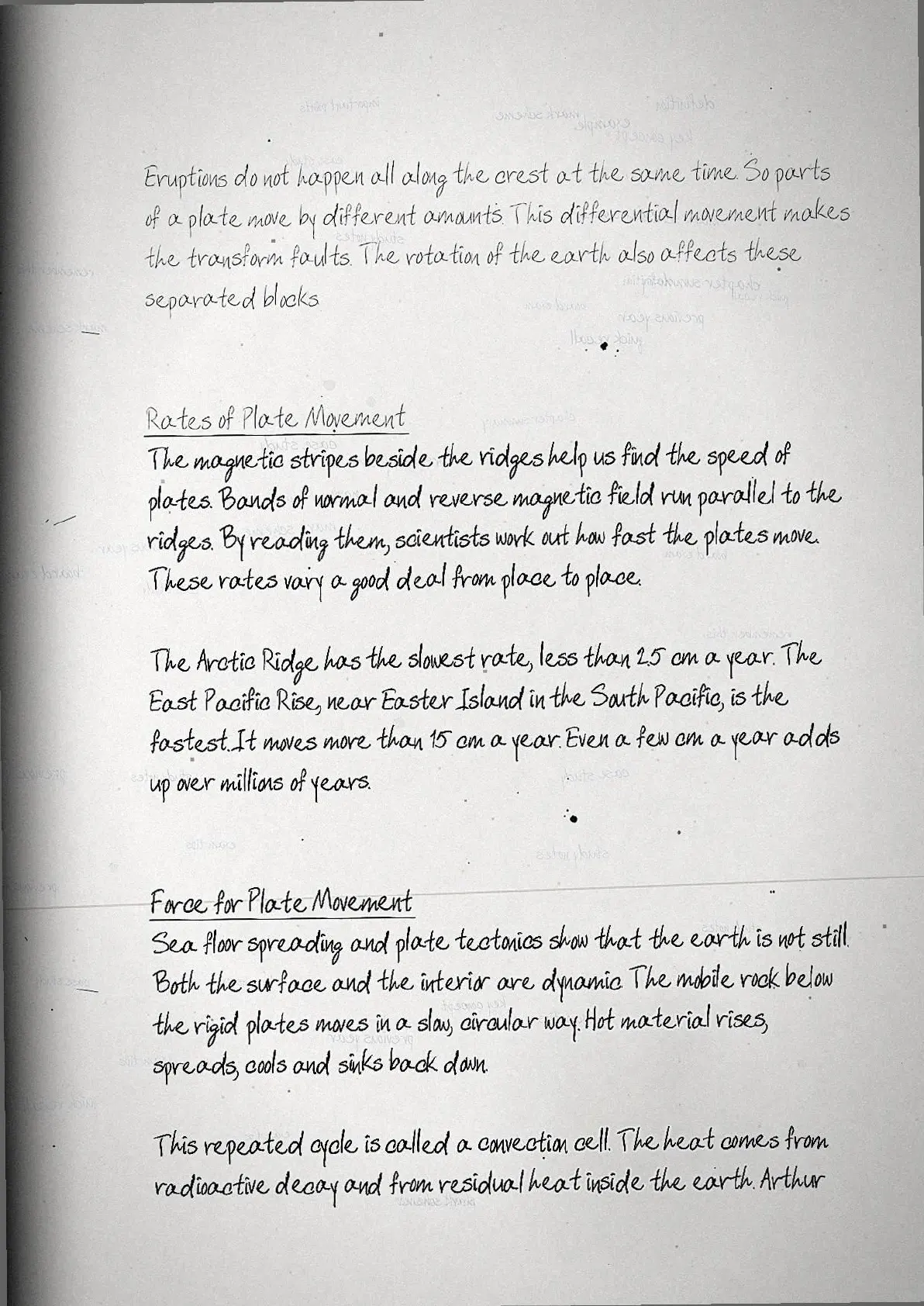
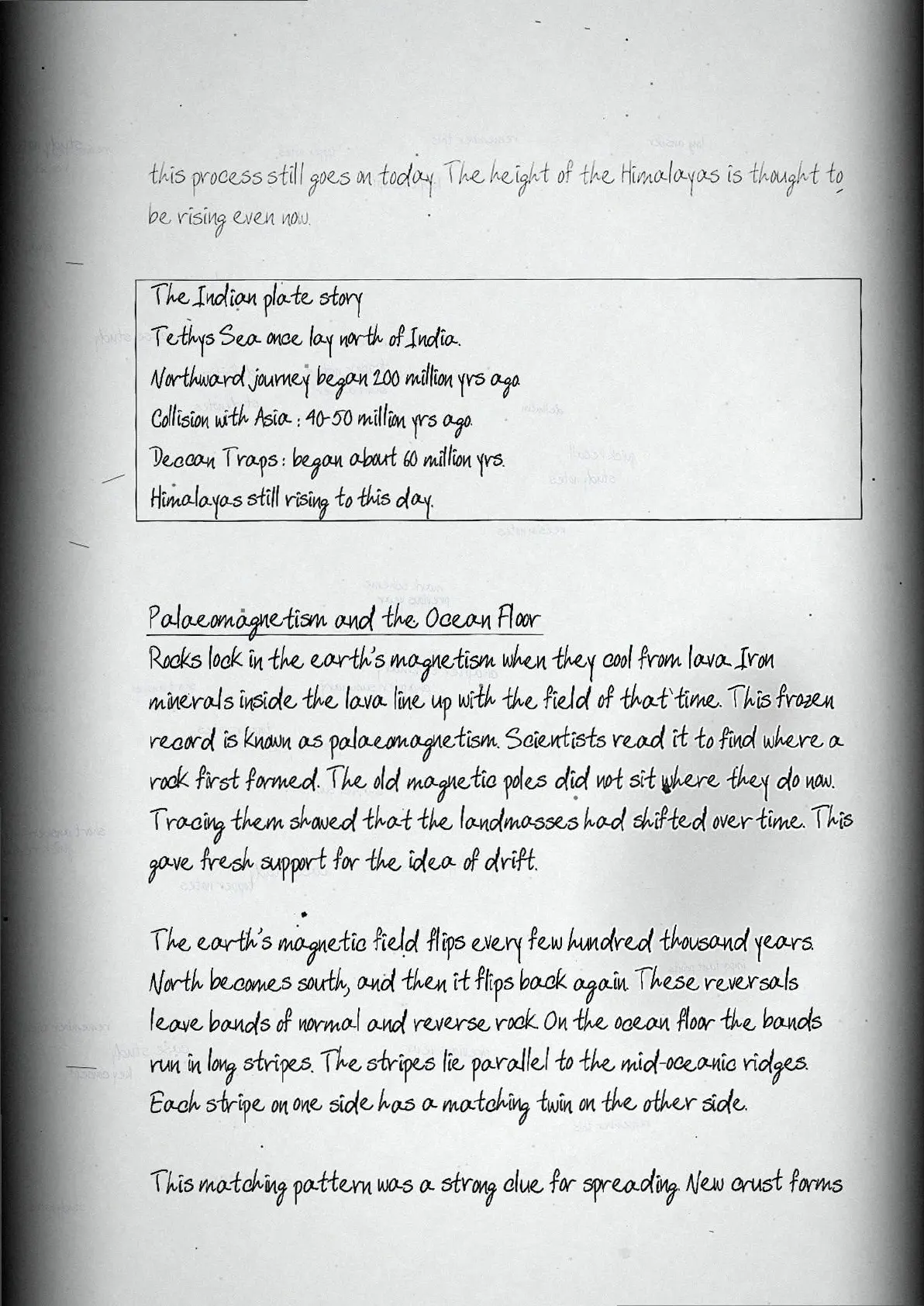
- Mapping the ocean floor and sea floor spreading
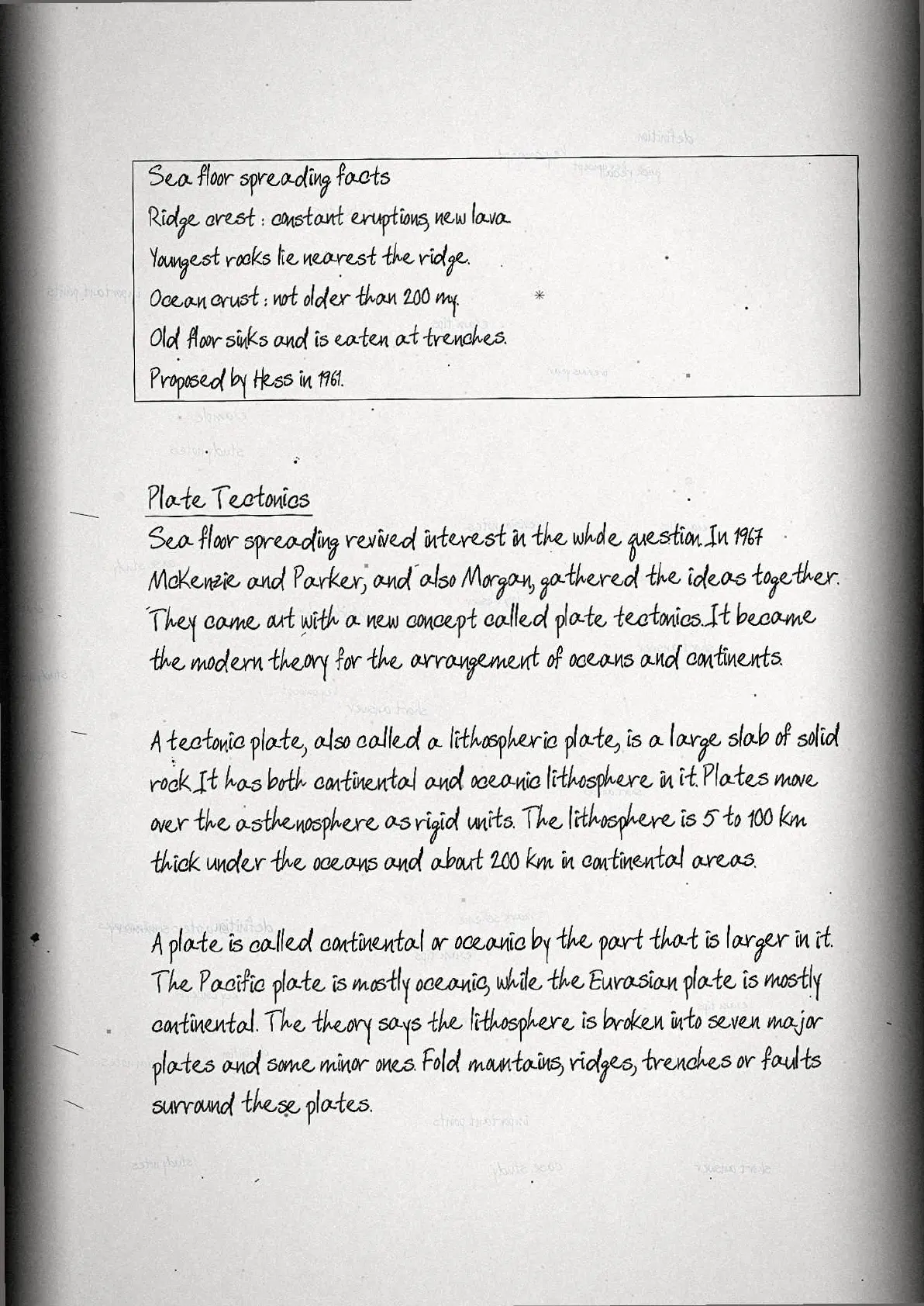
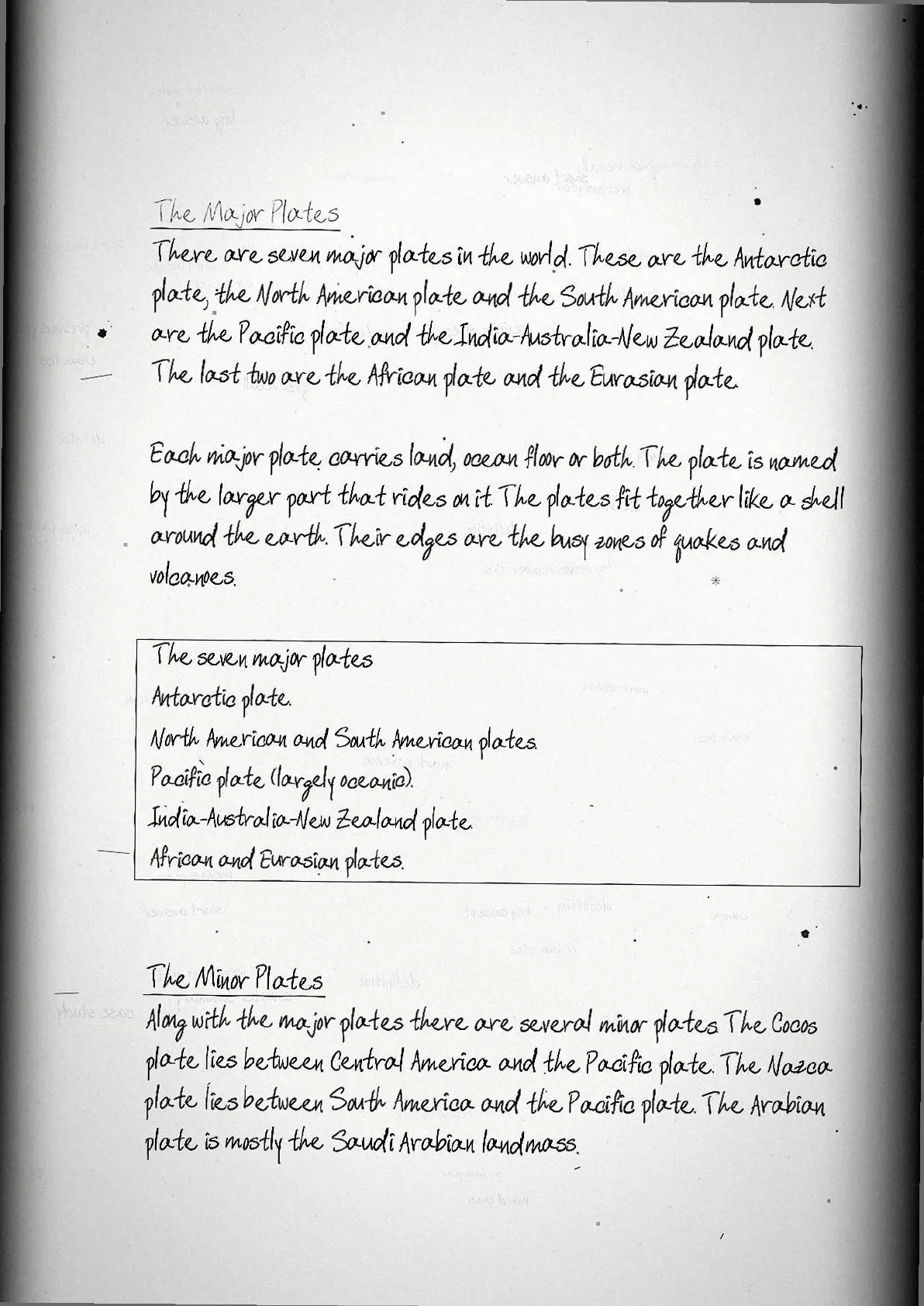
- Plate tectonics: major and minor plates
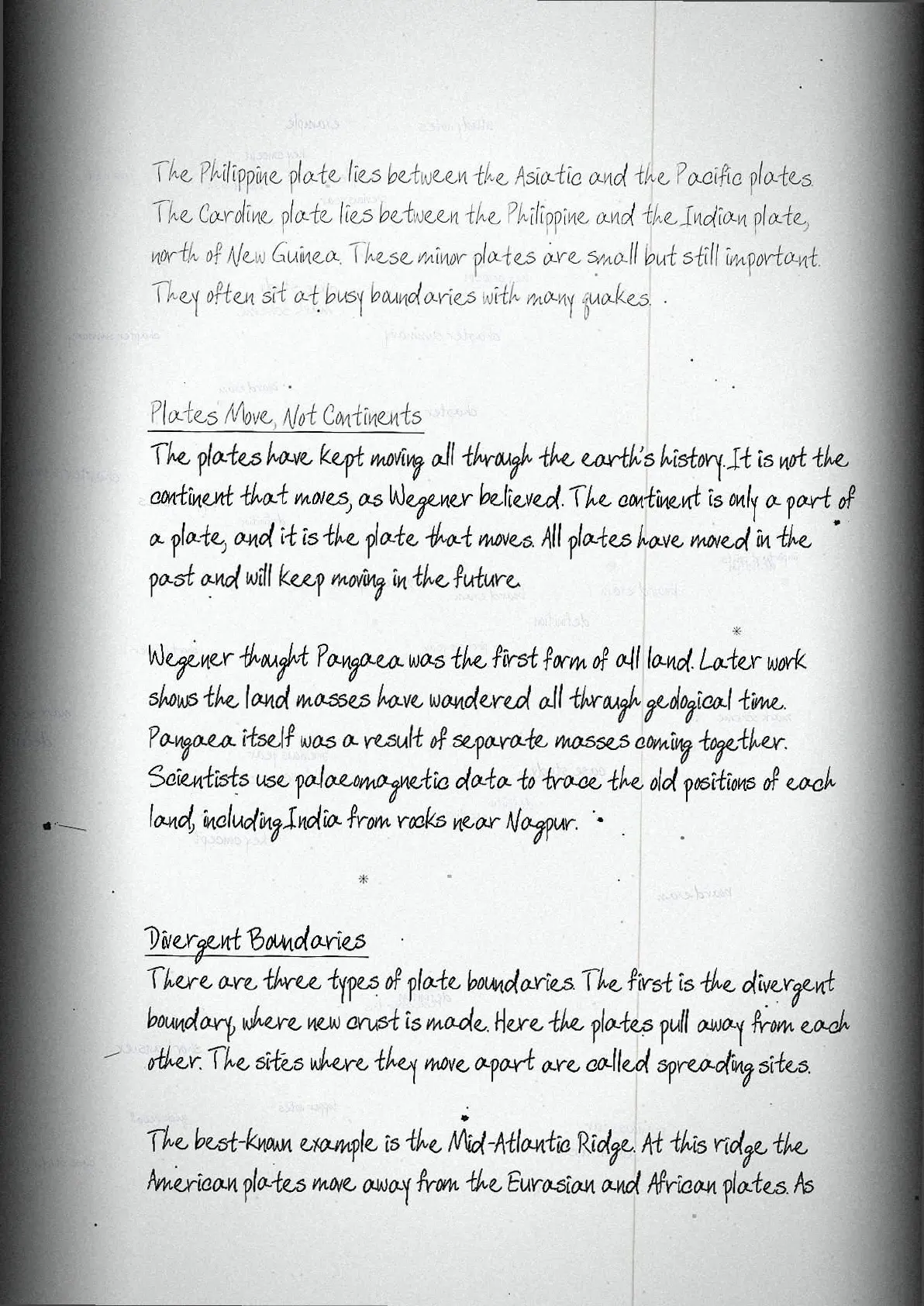
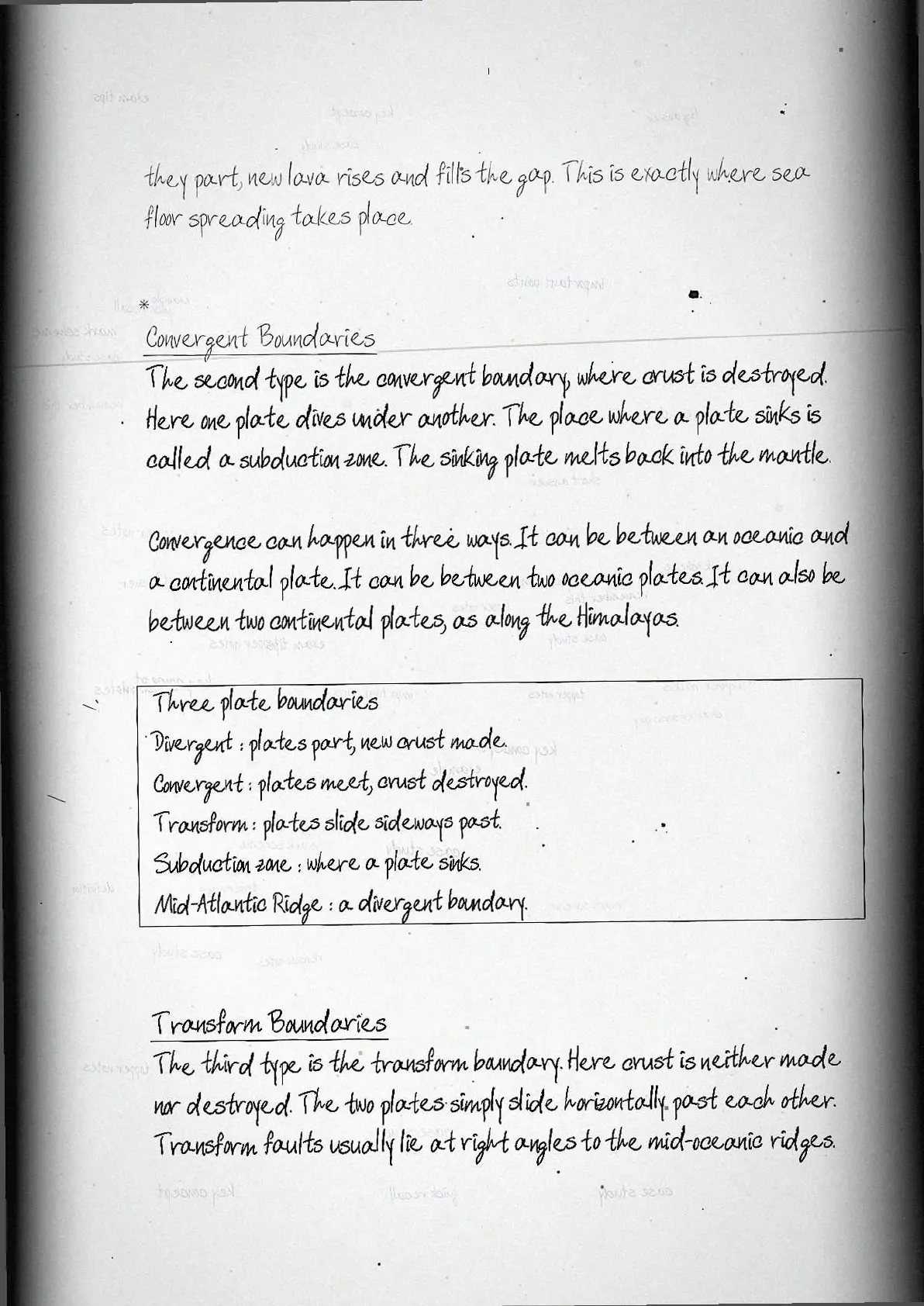
- Divergent, convergent and transform boundaries
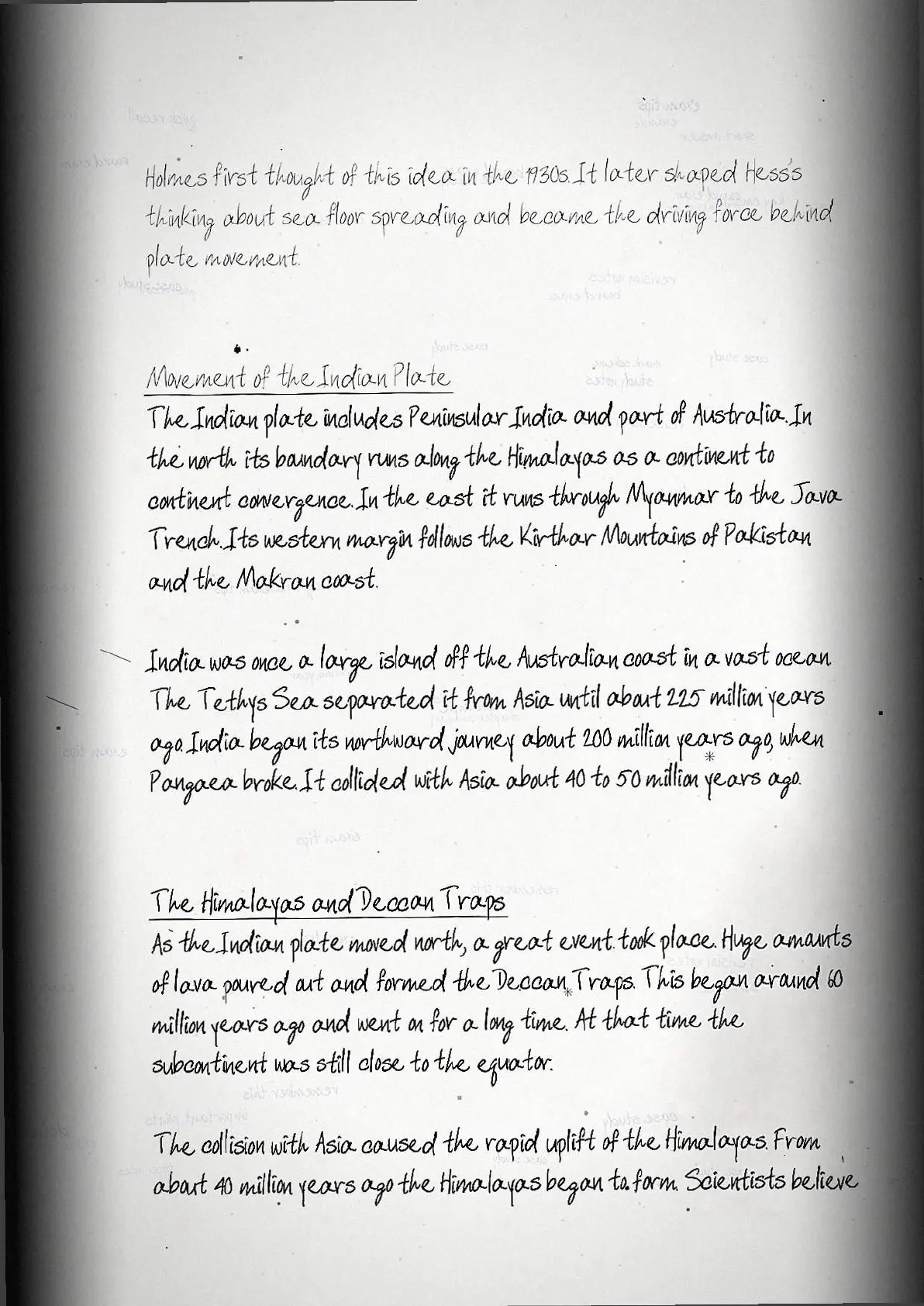
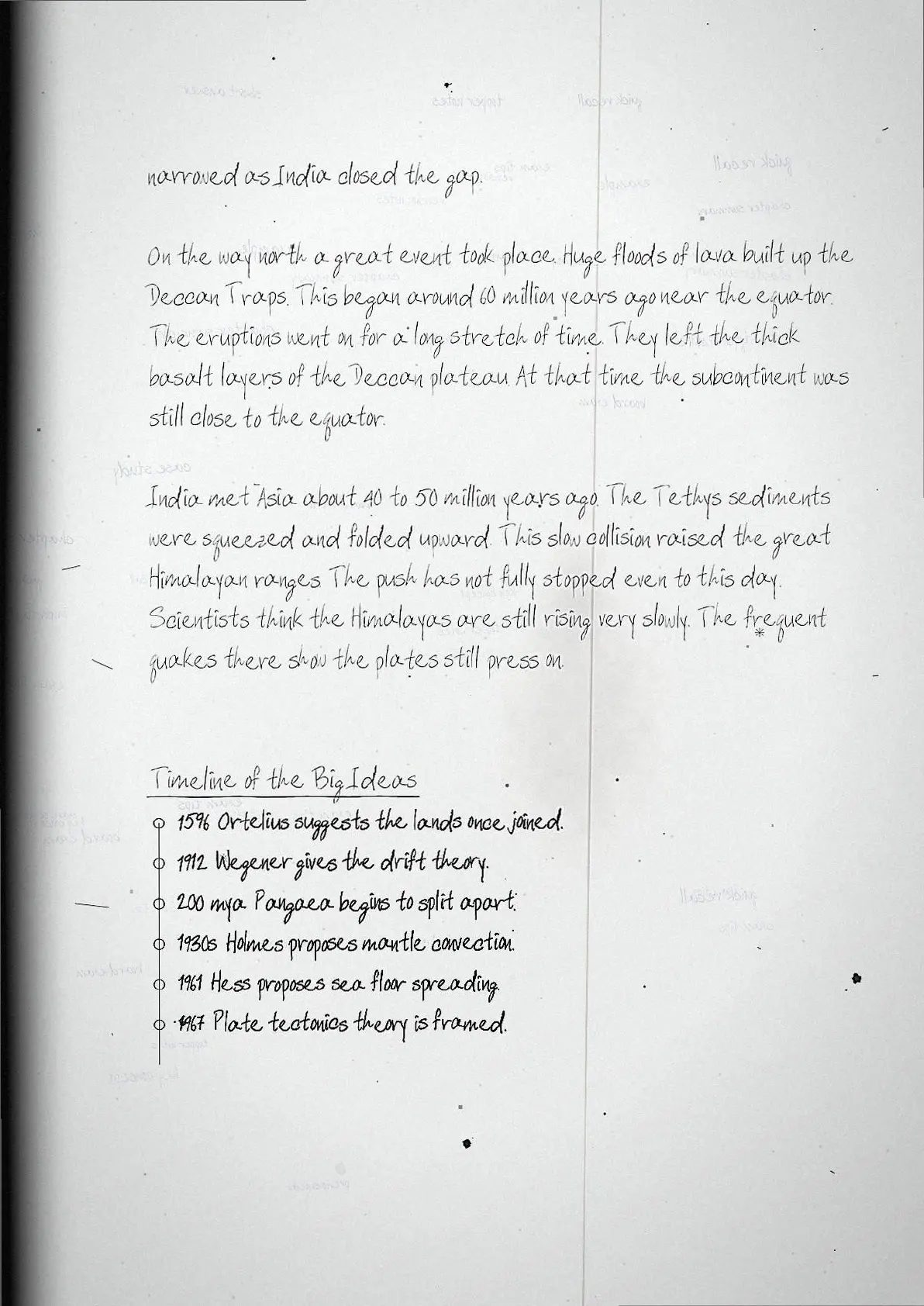
- Movement of the Indian plate and the Himalayas
Key Terms and Ideas in Distribution of Oceans and Continents
These are the terms and ideas the exam asks about most. Learn each one so you can define it and use it in your answers.
| Term / Idea | What it means |
|---|---|
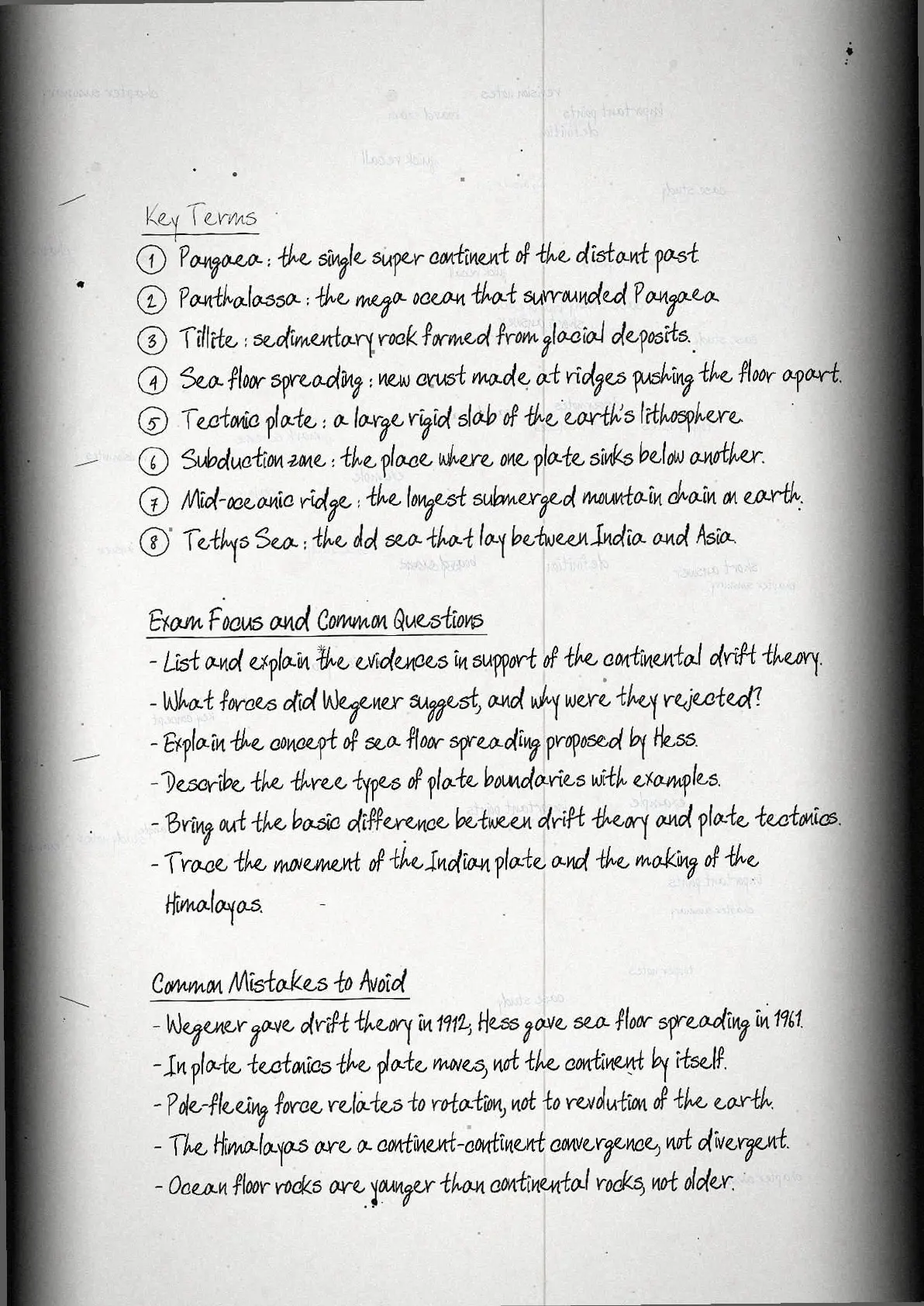
| Pangaea | the single super continent that began splitting 200 million years ago |
| Panthalassa | the mega ocean that surrounded Pangaea |
| Jig-saw-fit | the matching coastlines of Africa and South America |
| Tillite | glacial sedimentary rock matching across southern landmasses |
| Sea floor spreading | Hess (1961): new crust at ridges pushes the floor apart |
| Tectonic plate | a rigid lithospheric slab moving over the asthenosphere |
| Plate boundaries | divergent, convergent and transform types |
| Indian plate | collided with Asia and is still raising the Himalayas |
How Collegedunia's Handwritten Notes Help You Revise Distribution of Oceans and Continents
These notes are made for the night before the exam. They keep the facts short and easy to scan. Collegedunia maps every point to the 2026-27 NCERT.
- Clear handwriting: each topic is written in neat, easy-to-read handwriting.
- Boxed key terms: the main terms and definitions are boxed by hand for fast recall.
- Diagrams and tables: simple hand-drawn tables and charts make ideas clear.
- Colour-coded headings: new sub-topics stand out, so you find any section in seconds.
Distribution of Oceans and Continents Self-Assessment Quiz
Try these quick questions after you read the notes. Tap each question to check your answer. They cover the points CBSE asks most often.
Who first considered Europe, Africa and America once lay side by side?
(a) Alfred Wegener (b) Antonio Pellegrini (c) Abraham Ortelius (d) Edmond Hess
Answer: (c) Abraham Ortelius - the Dutch map maker suggested it as early as 1596.
Polar fleeing force relates to:
(a) Revolution of the earth (b) Gravitation (c) Rotation of the earth (d) Tides
Answer: (c) Rotation of the earth - it causes the equatorial bulge Wegener used.
Which one is not a minor plate?
(a) Nazca (b) Arabia (c) Philippines (d) Antarctica
Answer: (d) Antarctica - it is one of the seven major plates.
Which fact was not used in the sea floor spreading concept?
(a) Ridge volcanism (b) Magnetic stripes (c) Fossil distribution (d) Age of ocean rocks
Answer: (c) Fossil distribution - that was drift evidence, not sea floor spreading data.
The Indian plate meets Eurasia along the Himalayas by:
(a) ocean-continent convergence (b) divergent boundary (c) transform boundary (d) continent-continent convergence
Answer: (d) continent-continent convergence - two continental plates collide and uplift the Himalayas.
How to Use These Handwritten Notes for Class 11 Geography Revision
Use these class 11 geography handwritten notes in two passes. Read them slowly once for the full chapter. Then, near the exam, read only the boxes and key terms for a fast recall.
- Read the notes once with the NCERT chapter open beside you.
- Say each key term and idea in your own words.
- Practise one long-answer question from a past paper.
- On the last day, revise only the key terms and the boxes.
Class 11 Geography Handwritten Notes for All Chapters
The table below links the class 11 geography handwritten notes for every chapter. Use it to jump to any other chapter's notes.
Distribution of Oceans and Continents Class 11 Geography Handwritten Notes FAQs
Ques. Where can I download Distribution of Oceans and Continents Class 11 Geography Handwritten Notes PDF?
Ans. You can download the Distribution of Oceans and Continents Class 11 Geography Handwritten Notes PDF directly from this page. Both the Normal and HD versions are free.
Ques. Are these handwritten notes aligned with the 2026-27 NCERT?
Ans. Yes. These notes follow the current 2026-27 syllabus for Class 11 Geography. What is the basic difference between continental drift and plate tectonics?
Ques. How many pages is the Class 11 Geography Distribution of Oceans and Continents Handwritten Notes PDF?
Ans. The notes run about 20 pages. They cover the full chapter with key terms, hand-drawn boxes, and a short self-assessment quiz.
Ques. What is the main idea of the 11th standard Geography chapter Distribution of Oceans and Continents?
Ans. Wegener thought whole continents ploughed through the ocean floor, driven by weak forces. Plate tectonics says rigid plates carrying both continents and ocean floor move over the asthenosphere, driven by mantle convection.
Ques. Are these Distribution of Oceans and Continents notes enough for the CBSE Class 11 exam?
Ans. Yes, for revision. The Collegedunia handwritten notes cover every key point and exam term. Read them with the NCERT chapter and practise past questions.



Comments