




The NCERT Class 11 Economics Chapter 10 Indian Economy 1950-1990 Book PDF gives students the official Indian Economic Development chapter for the 2026-27 syllabus. Use it to study planning, agriculture, industry, trade policy and the regulated economy India followed before the 1991 reforms.
- Book section: official NCERT chapter text, examples, boxes and exercise questions.
- Best use: read the PDF before making short notes on planning goals and policy choices.
- Revision cue: connect every policy to growth, modernisation, self-reliance and equity.
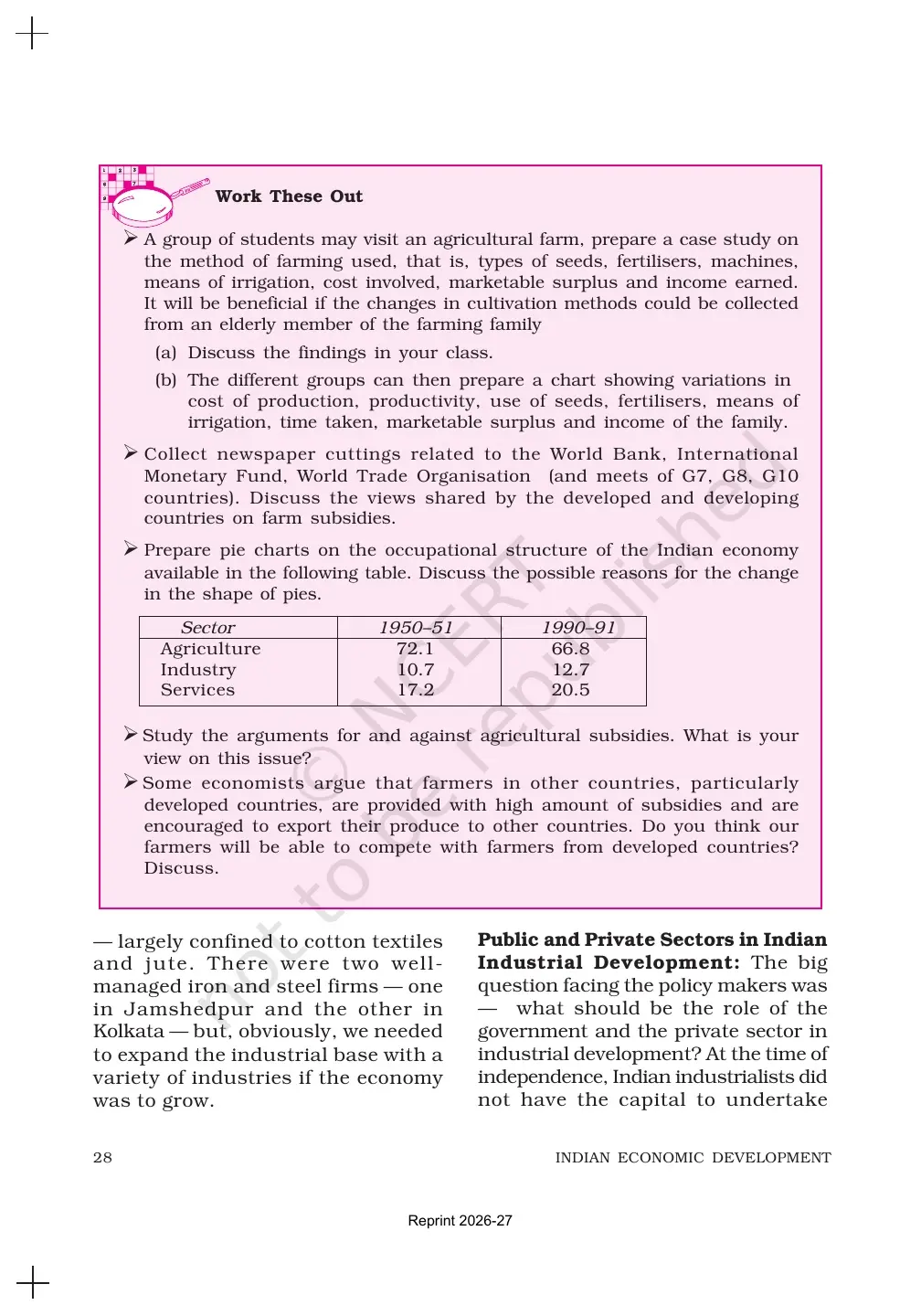
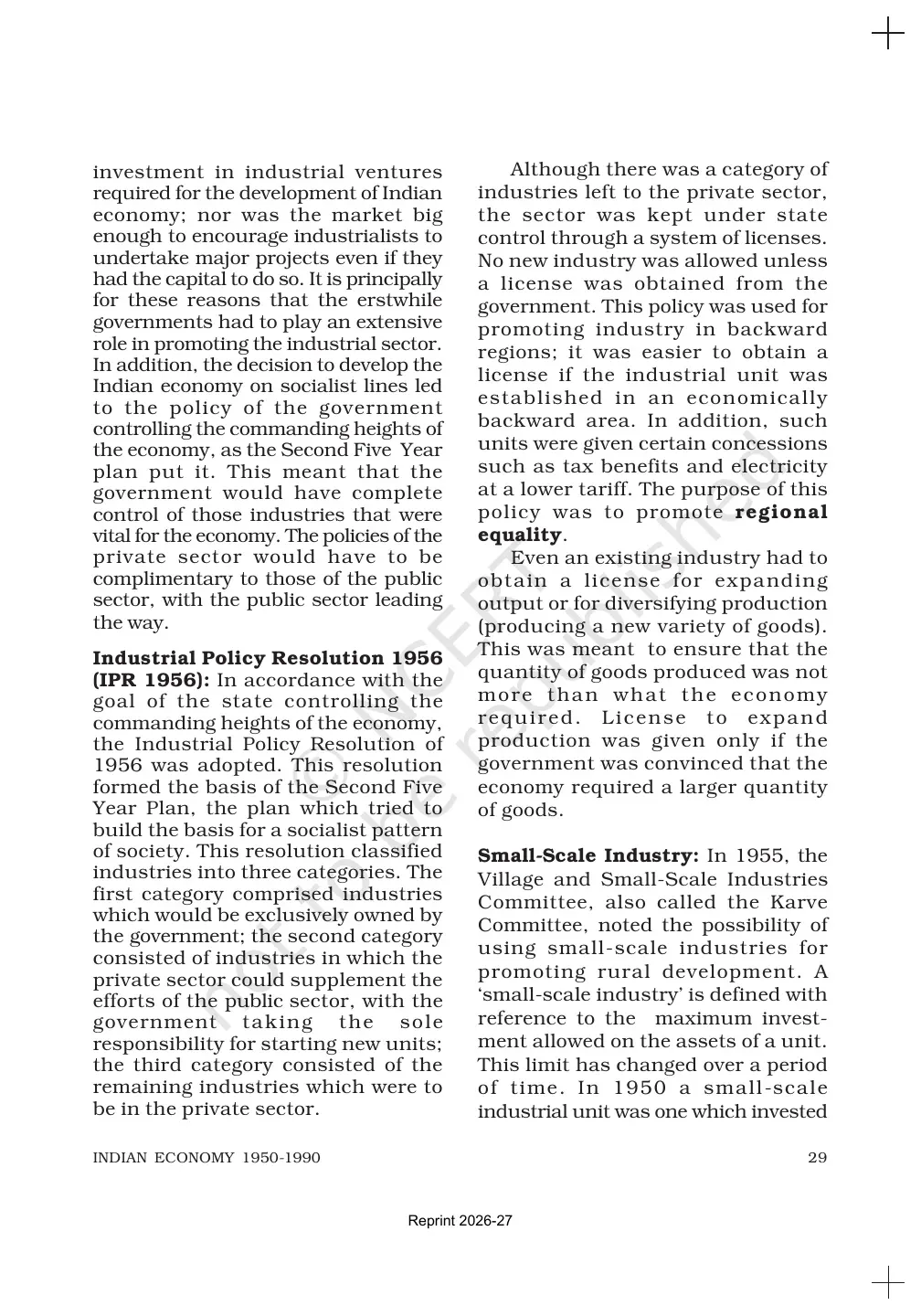
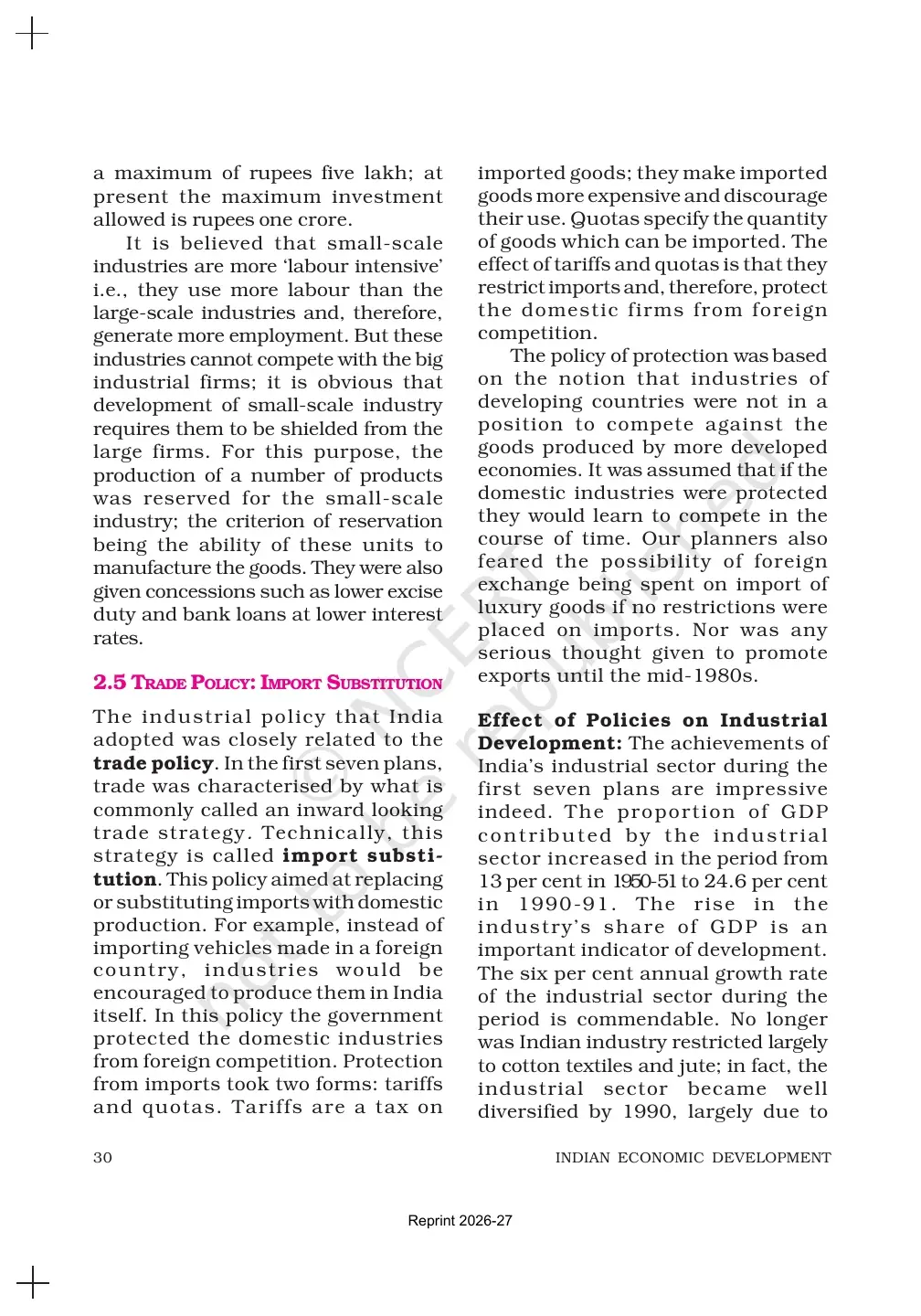
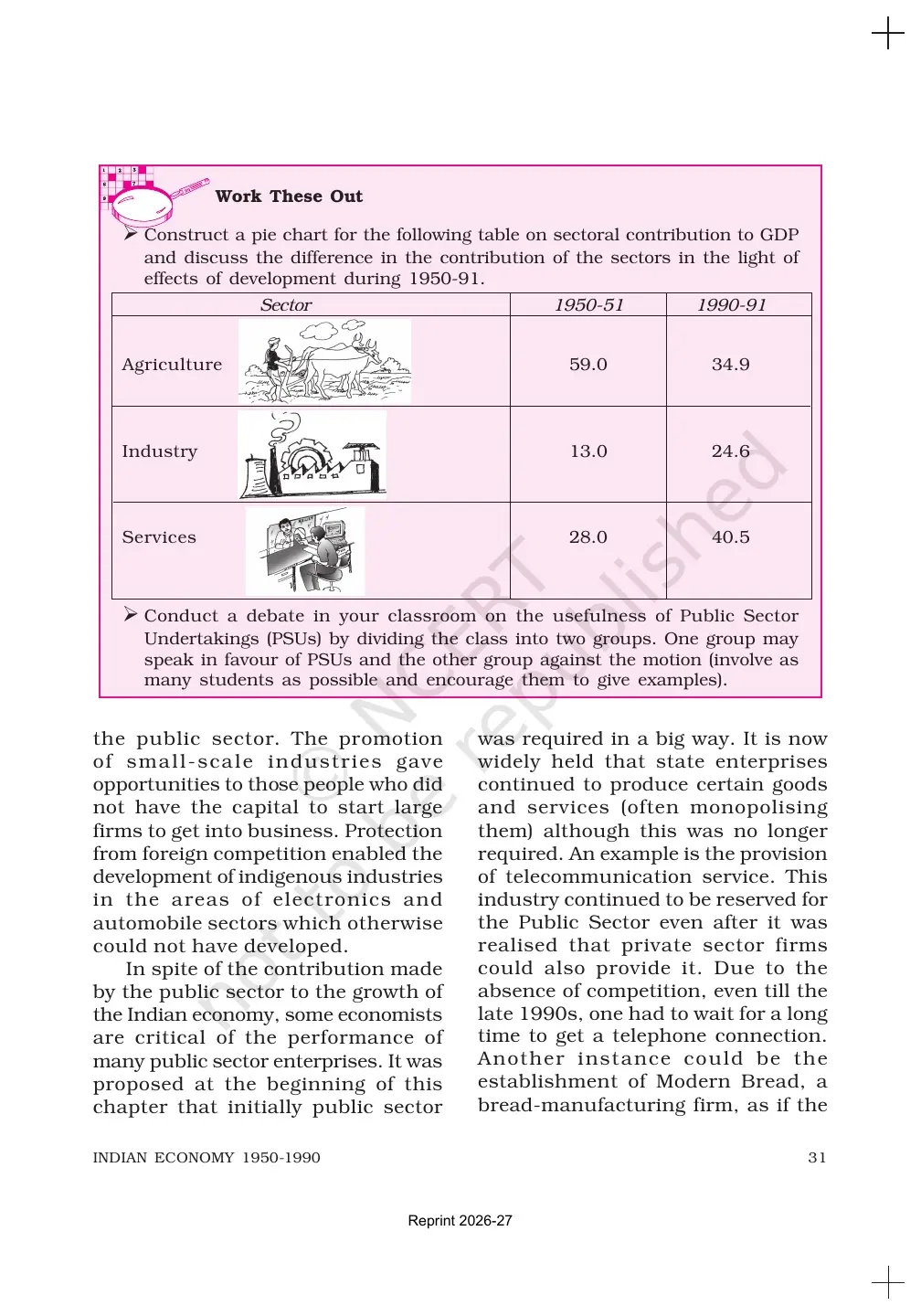
Student Feedback: In a Collegedunia check of 10,920 Class 11 Economics students, many students said this chapter became easier after they made a two-column chart of plan goals and sector policies.
Indian Economy 1950-1990 Class 11 NCERT Book PDF: What It Covers
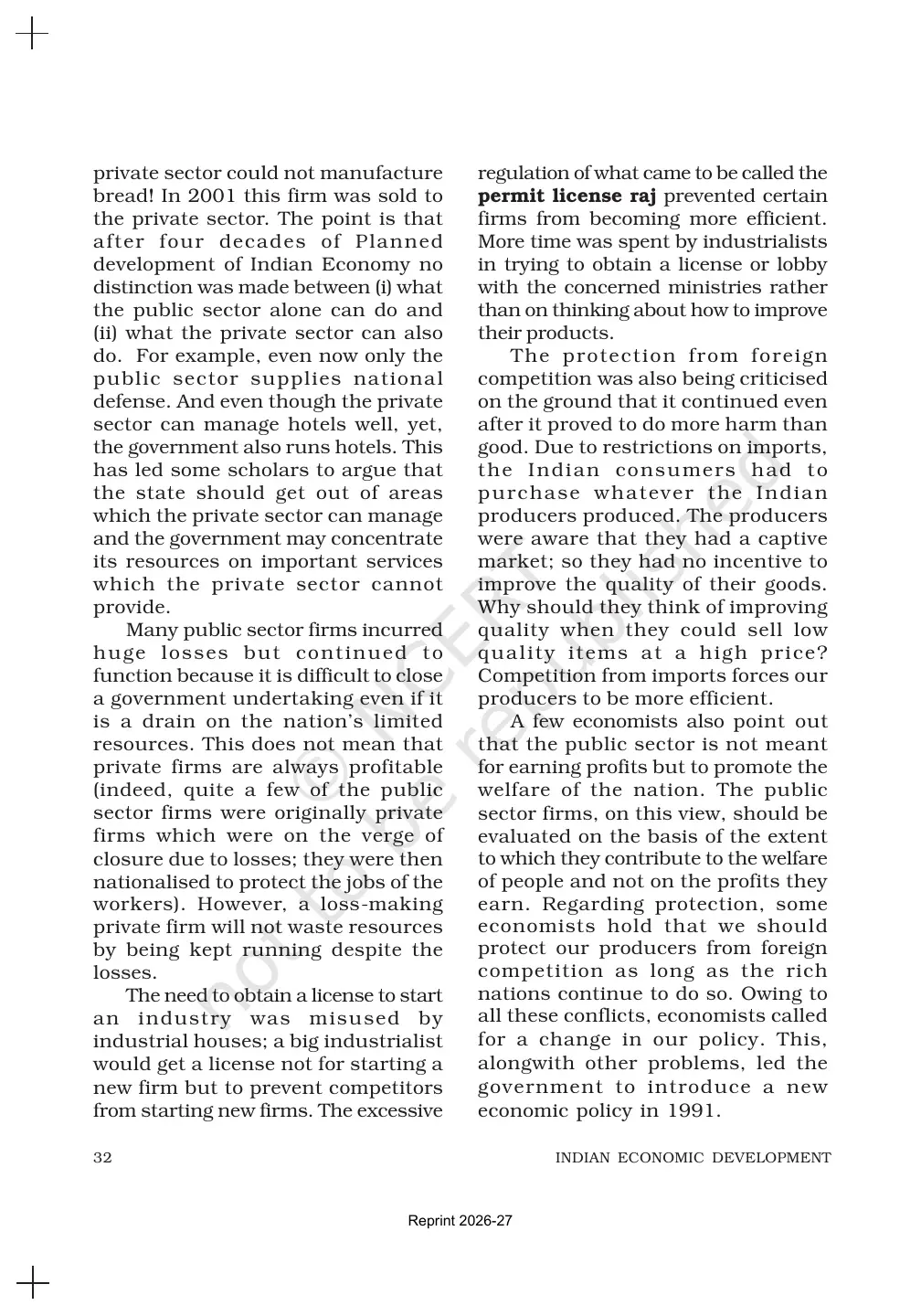
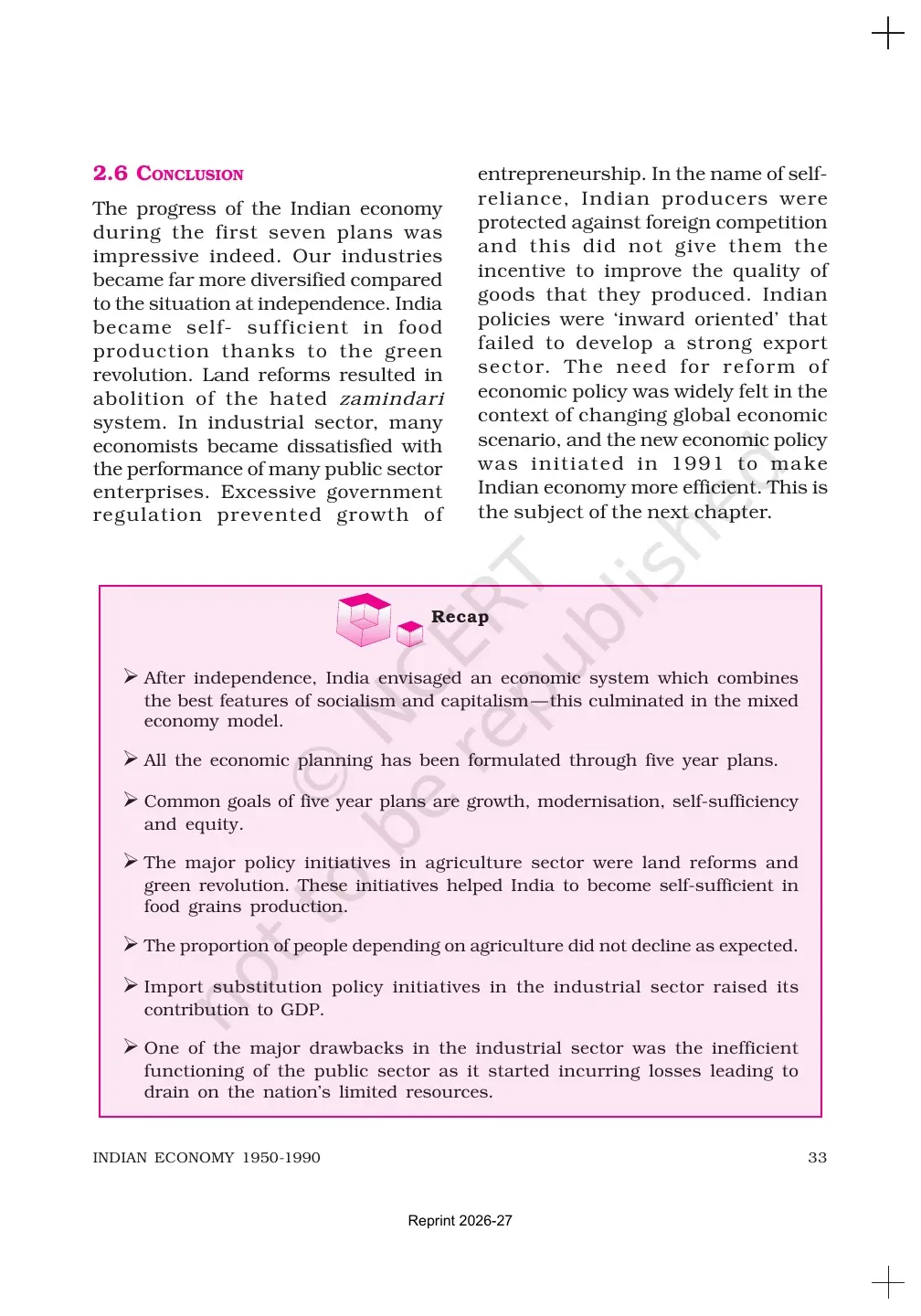
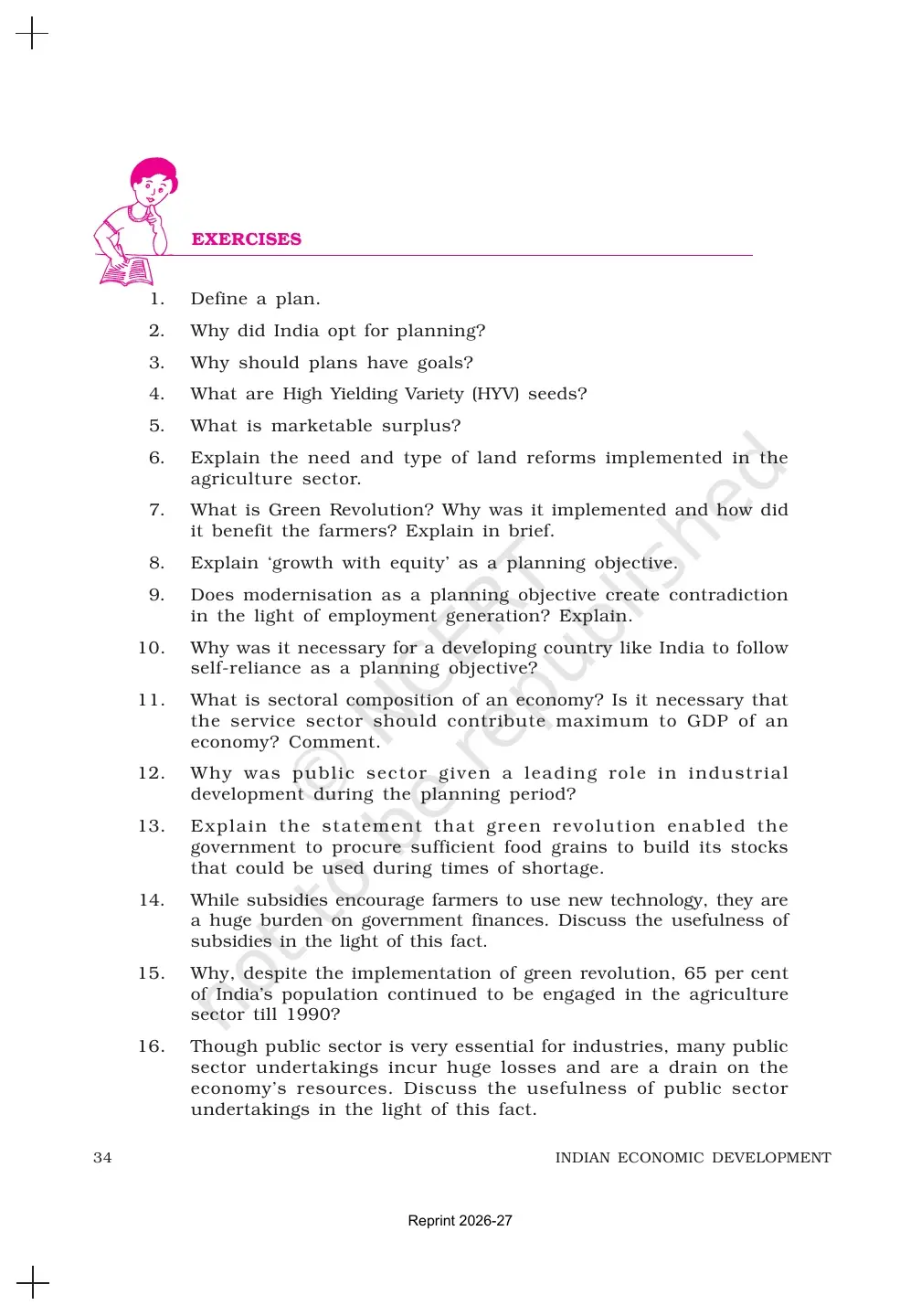
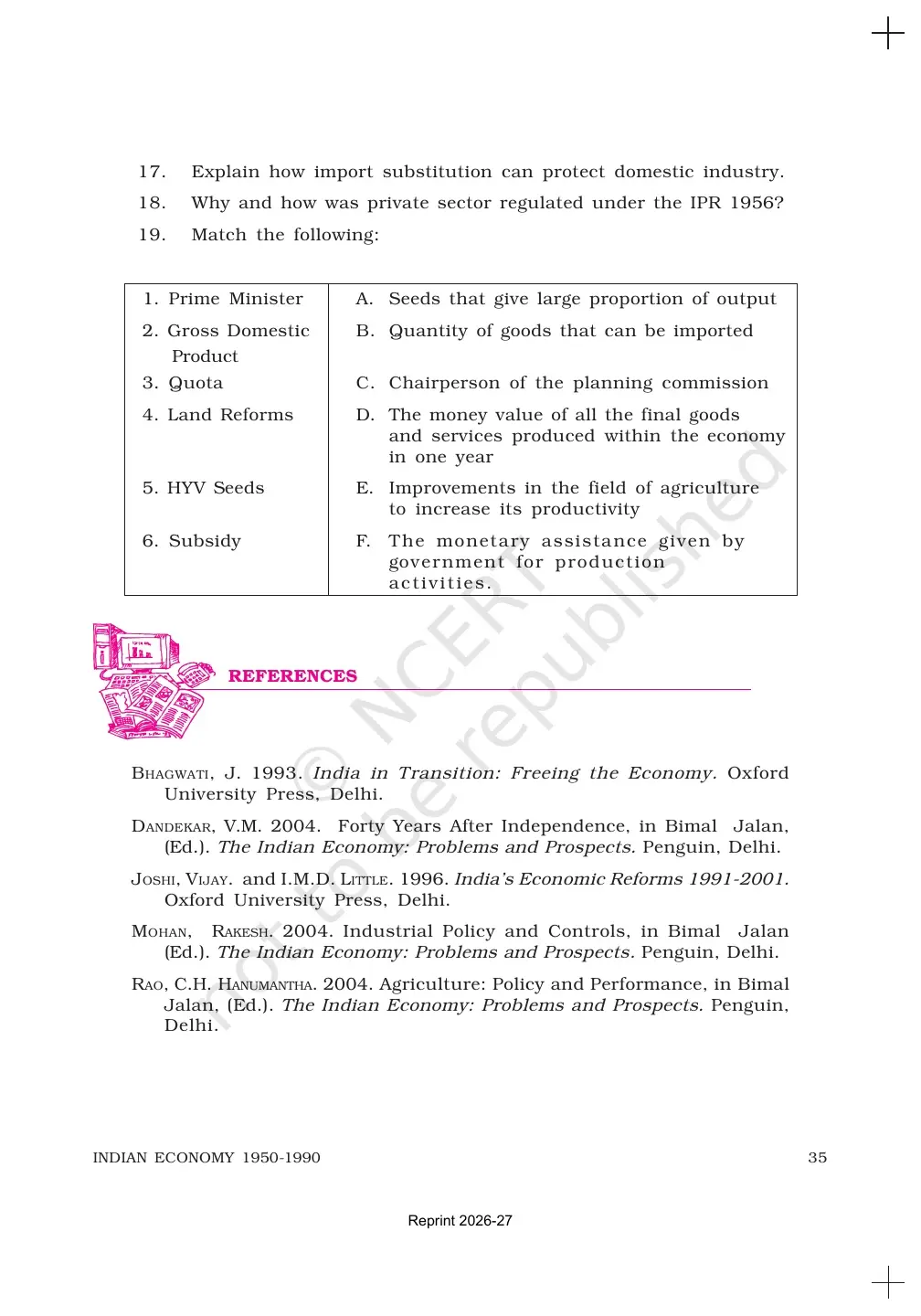
The PDF explains how India used planning after Independence. NCERT starts with the goals of five-year plans, then moves to agriculture, industry, trade policy and the limits of a regulated economy.
The official chapter is the best first source for school answers. It gives the exact NCERT wording students need for definitions, short answers and long answers.
| NCERT area | What students should notice | Answer cue |
|---|---|---|
| Planning goals | Growth, modernisation, self-reliance and equity guided the plans. | Define each goal in simple words. |
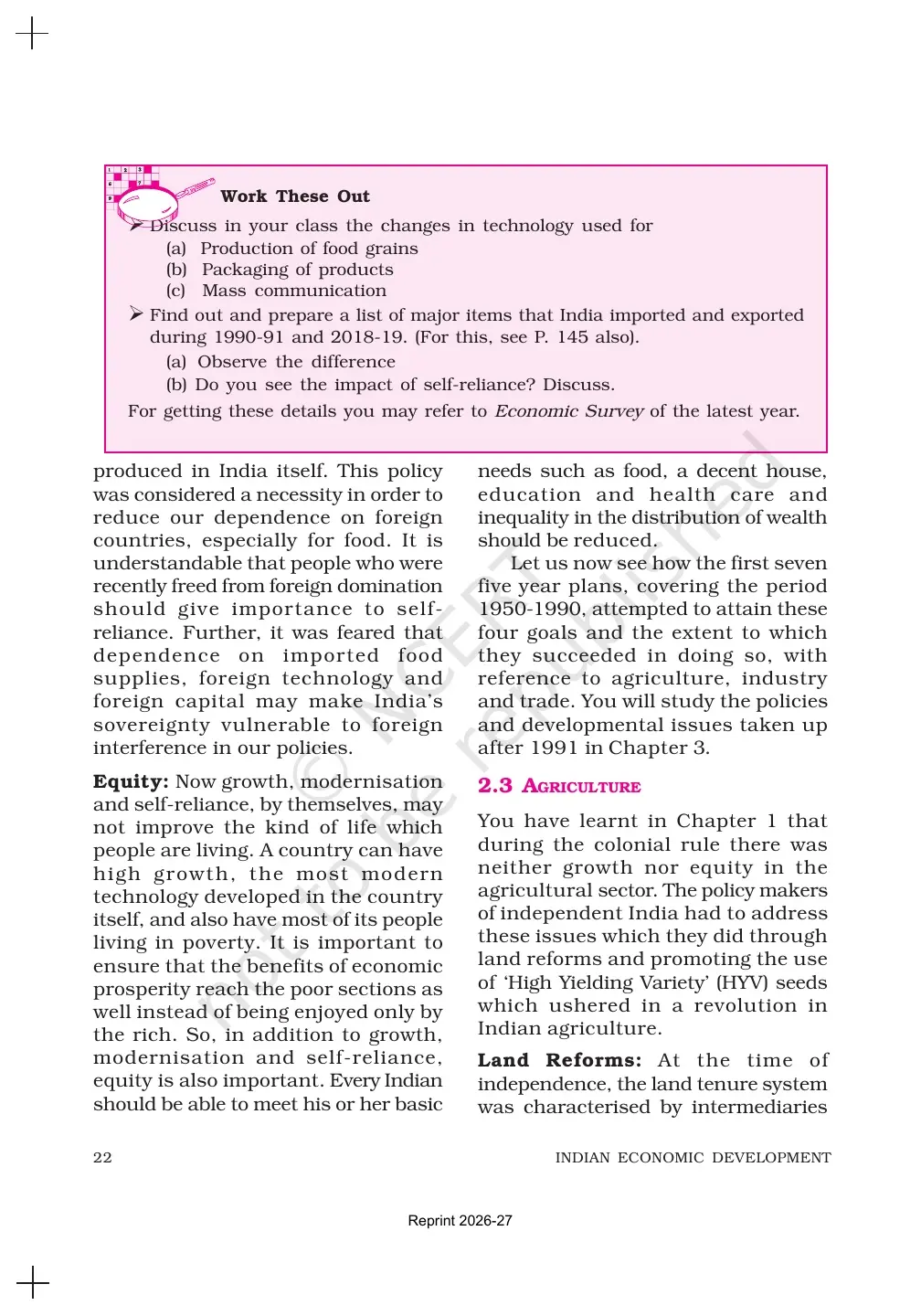
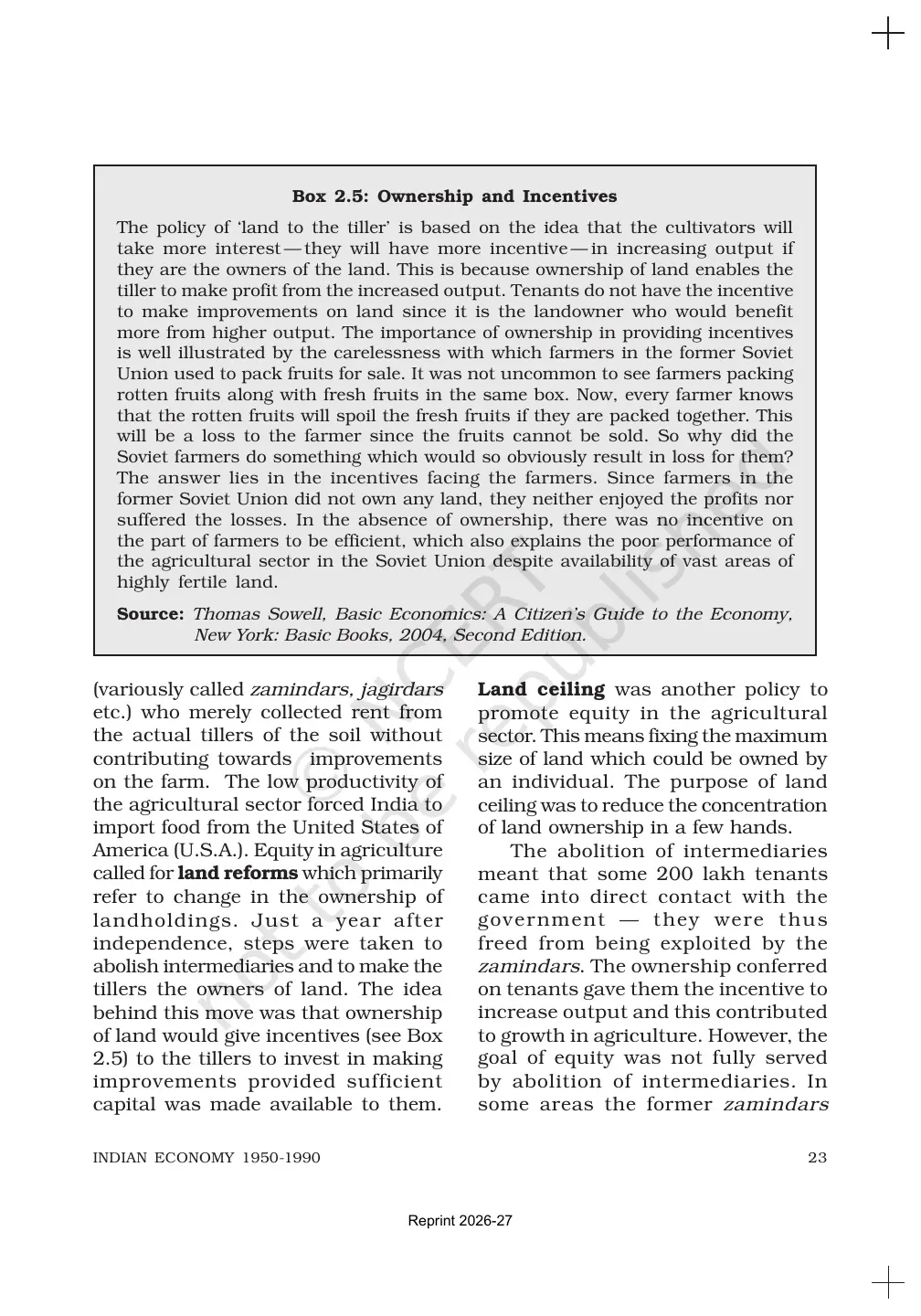
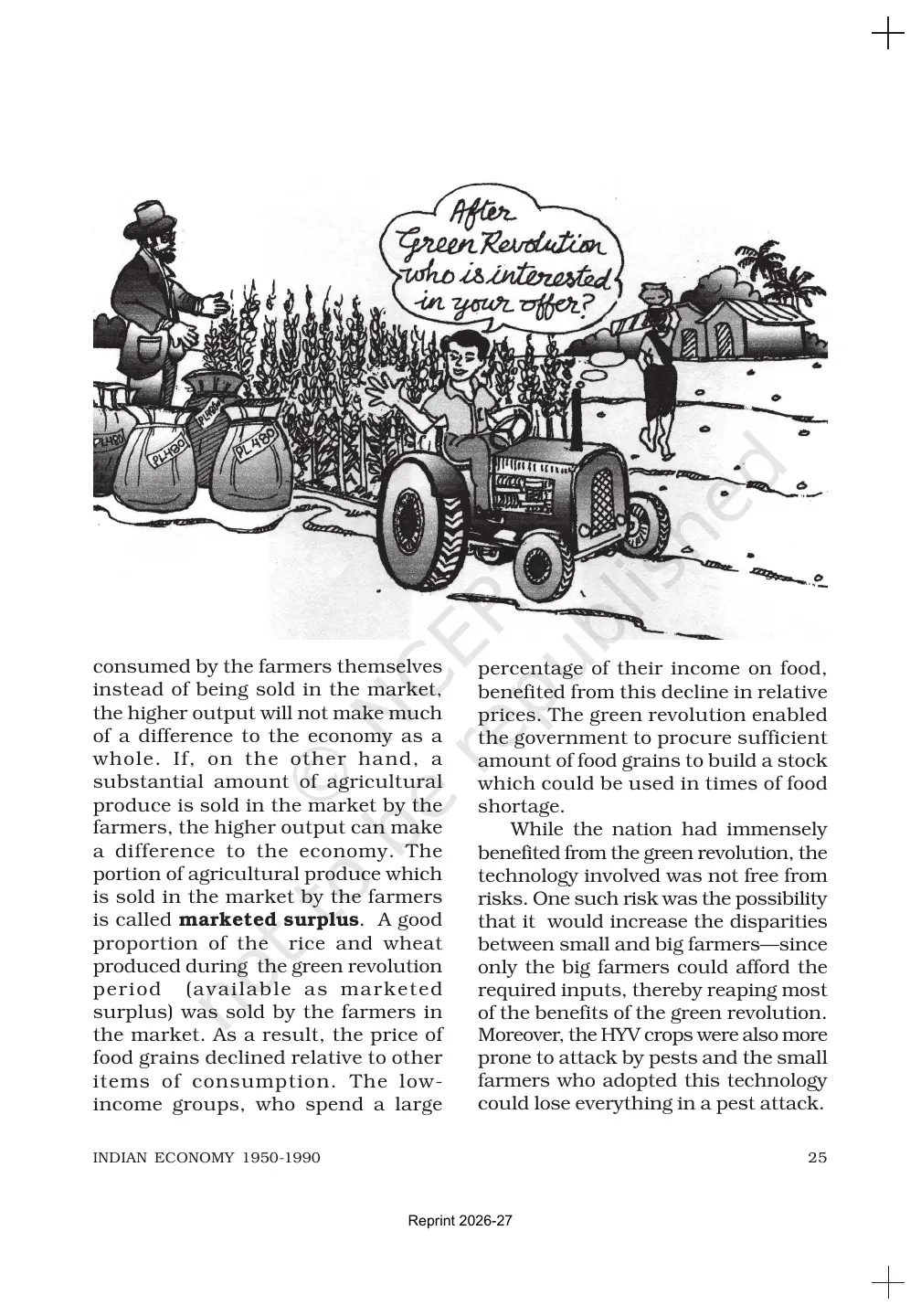
| Agriculture | Land reforms and the Green Revolution changed food production. | Balance gains with limits. |
| Industry | Public sector growth, licensing and small-scale industries shaped output. | Mention the Industrial Policy Resolution. |
| Trade policy | Import substitution protected domestic firms before 1991. | Link protection to self-reliance. |
Planning Goals and Policy Chain in Indian Economy 1950-1990
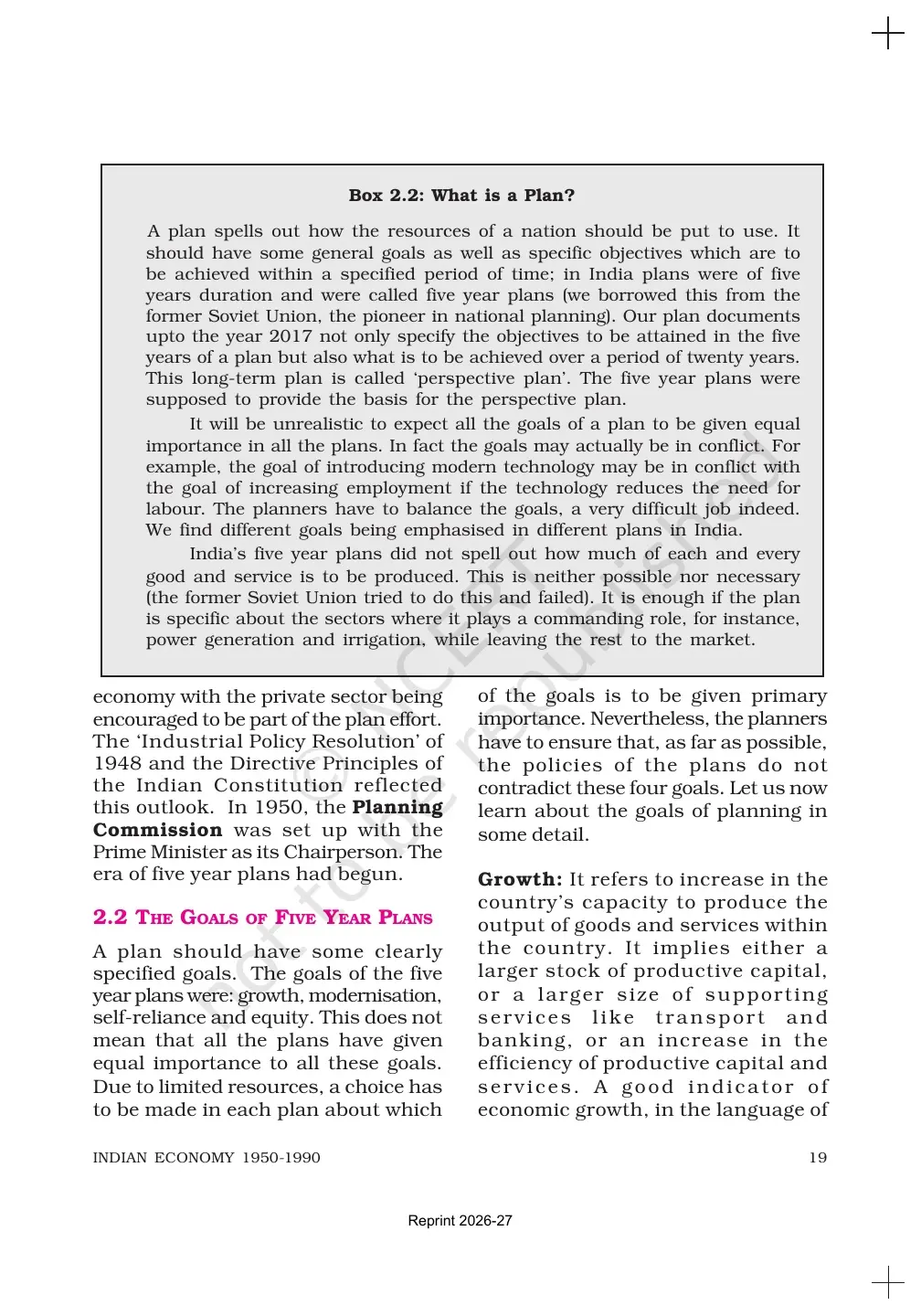
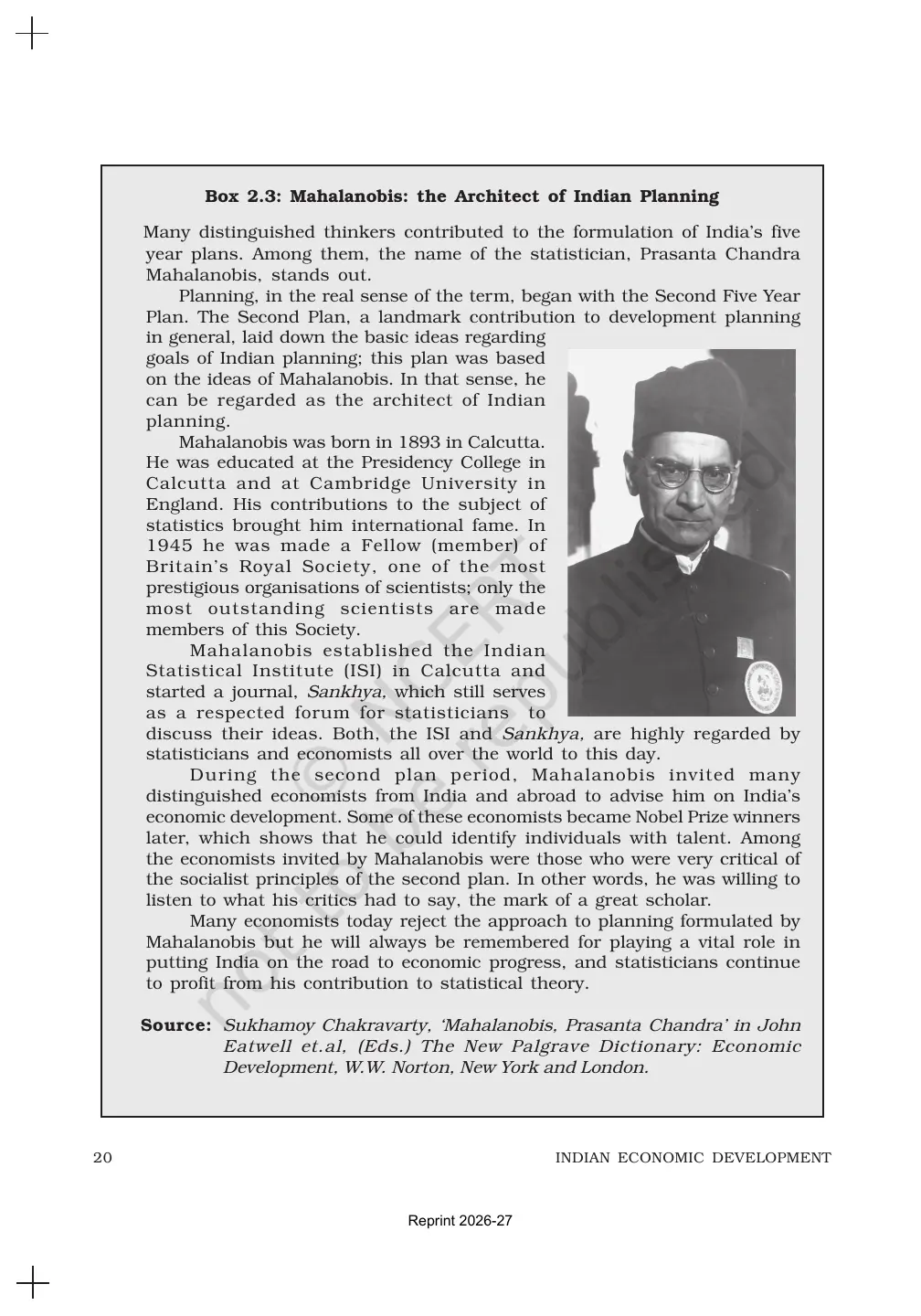
NCERT shows planning as a chain of connected choices. India wanted faster growth, but it also wanted fairness and self-reliance. The chapter is not just about five-year plans; it explains why India chose a mixed and regulated economy.
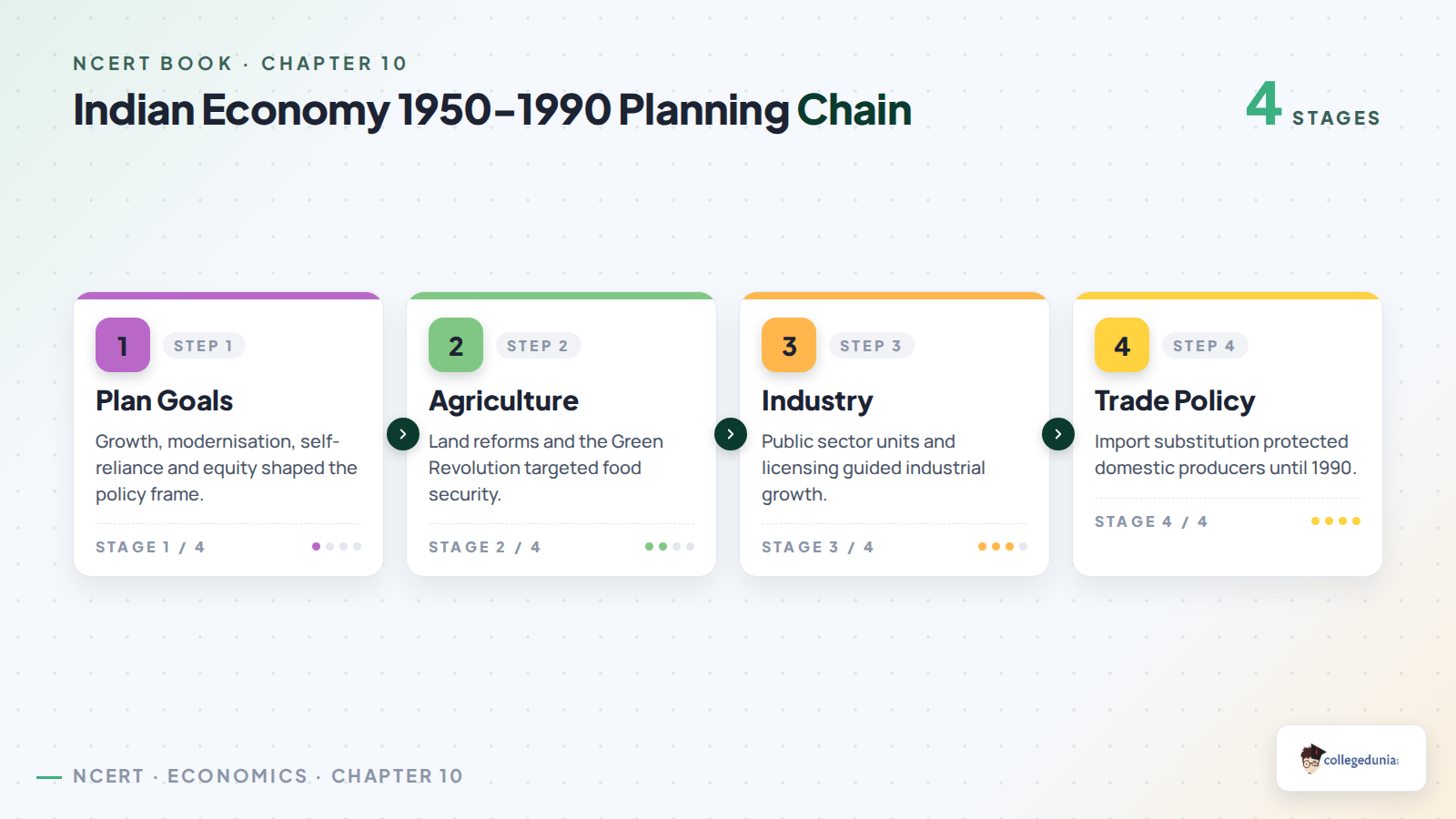
- Growth: raise national income and improve living standards.
- Modernisation: use new technology and improve social outlook.
- Self-reliance: reduce dependence on imported goods and foreign aid.
- Equity: make development fairer across groups and regions.
Mixed Economy and Sector Roles in Indian Economy 1950-1990
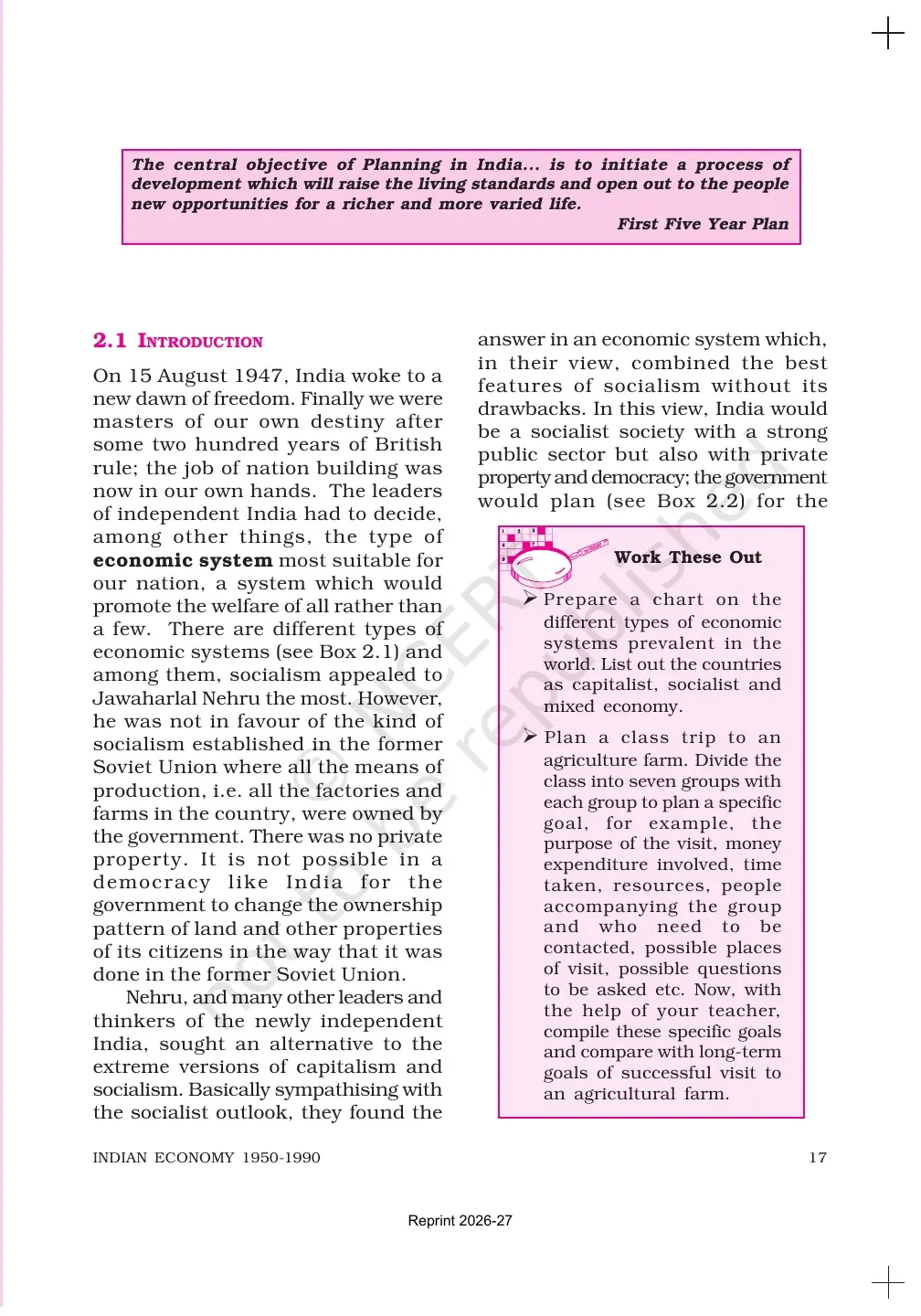
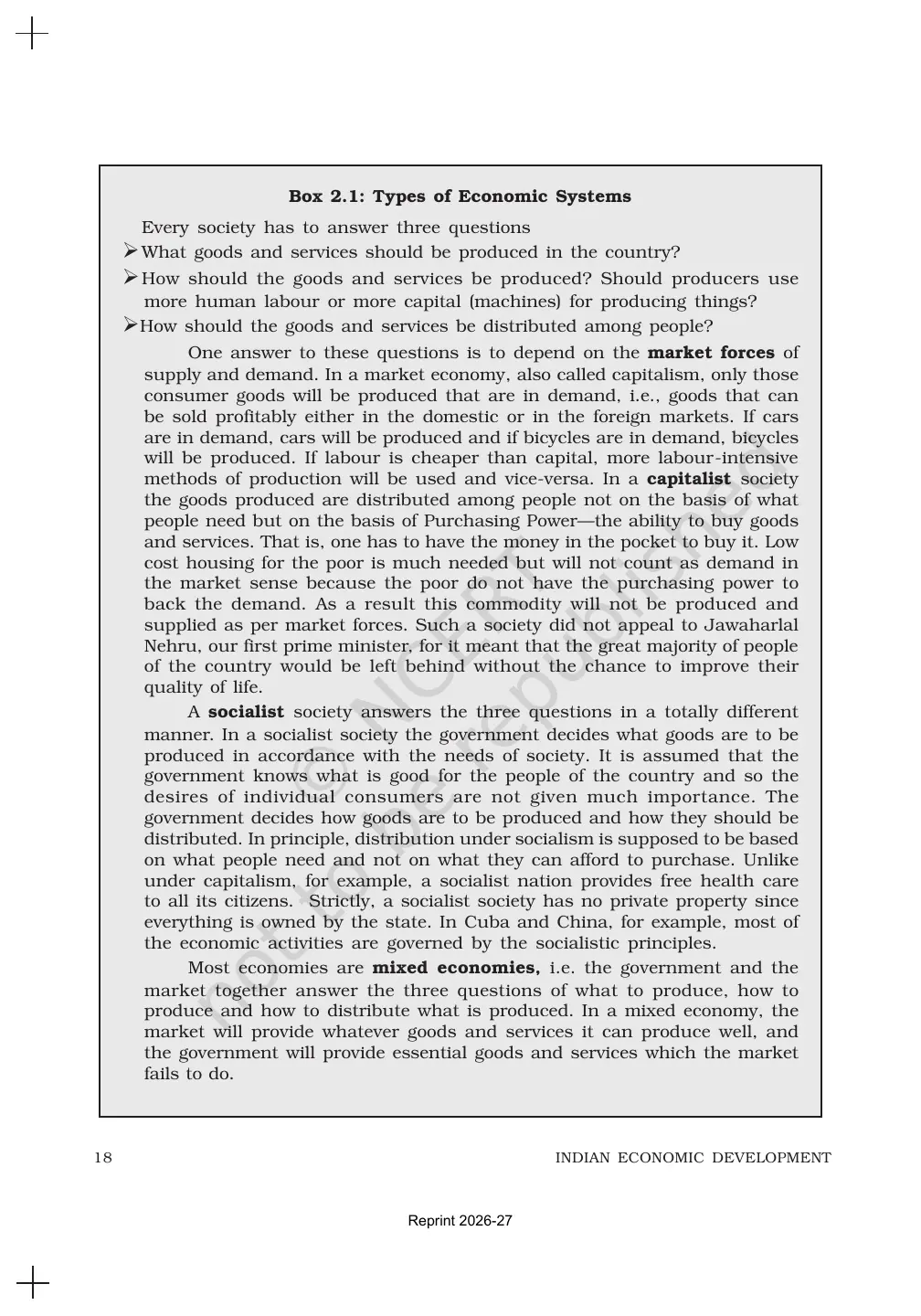
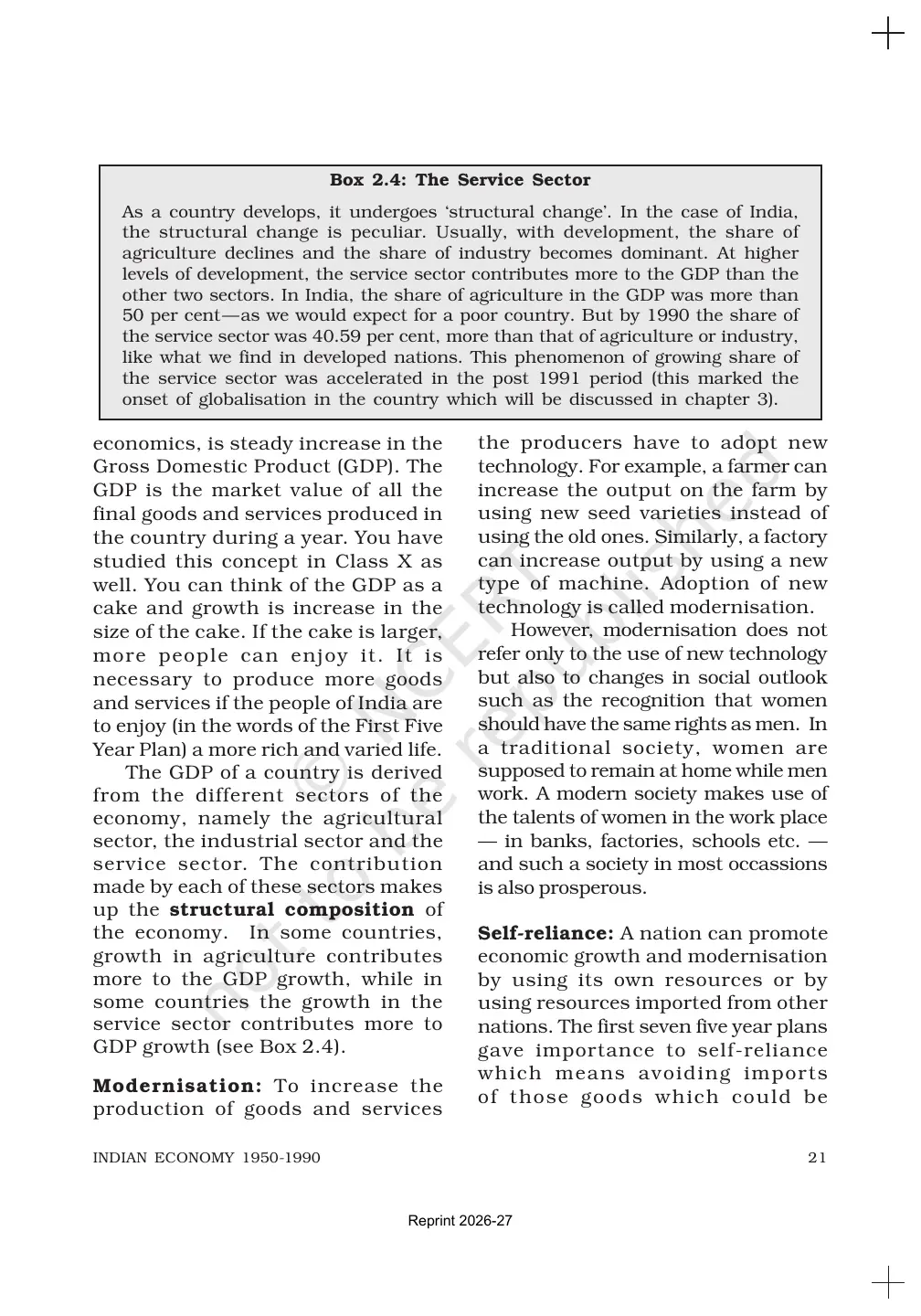
India did not choose a purely capitalist or purely socialist model. It used a mixed economy. The public sector handled major industries and infrastructure, while the private sector worked under controls.
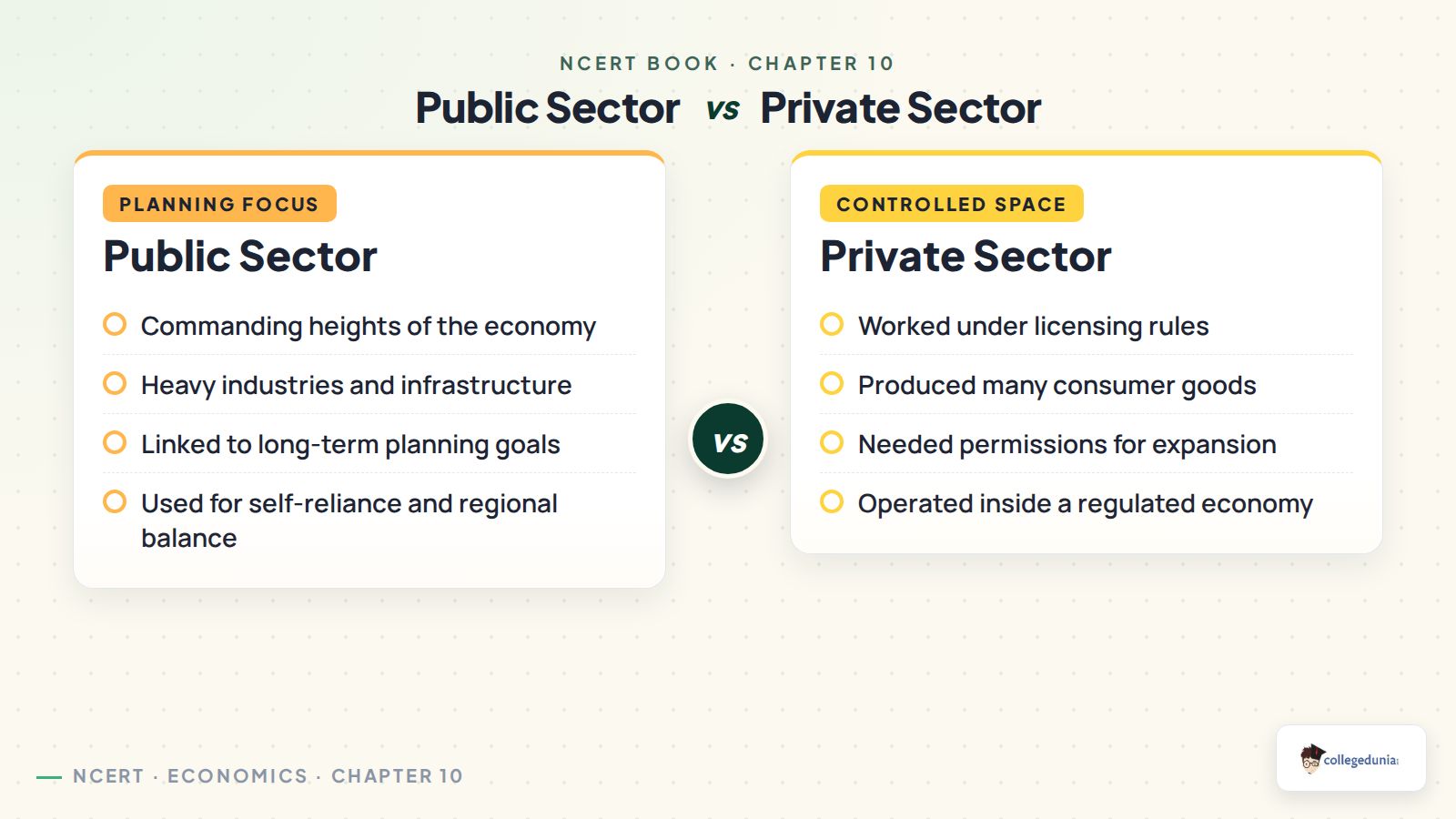
- Public sector: NCERT calls it important for the commanding heights of the economy.
- Private sector: firms could produce, but licences controlled entry and expansion.
- Small-scale industries: protection helped employment and regional balance.
- Trade policy: import substitution kept many foreign goods out.
Indian Economy 1950-1990 Video Recap for Class 11
Source: PW OnlyIAS Prarambh on YouTube
How to Use the Indian Economy 1950-1990 NCERT Book PDF
Read this PDF in three passes. First, mark the four planning goals. Second, list the agriculture, industry and trade policies. Third, write one strength and one limitation for each policy.
- For short answers: define the term and add one NCERT example.
- For long answers: group points under planning, agriculture, industry and trade.
- For revision: learn the link between regulation and the 1991 reform background.
- For examples: use land reforms, Green Revolution, licensing and import substitution carefully.
Related Class 11 Economics Resources for Indian Economy 1950-1990
Also Check: use the official book PDF with notes and practice resources for the same chapter.
| Resource | Best use | Link |
|---|---|---|
| NCERT Notes | Revise planning goals, agriculture, industry and trade policy quickly. | Indian Economy 1950-1990 Notes |
| Handwritten Notes | Use for one-shot revision before a class test. | Indian Economy 1950-1990 Handwritten Notes |
| NCERT Solutions | Practise textbook questions after reading the official PDF. | Indian Economy 1950-1990 NCERT Solutions |
Class 11 Economics NCERT Book PDFs for All Chapters
The table below keeps the Class 11 Economics NCERT Book PDF chapters in one place. Chapters 1 to 8 come from Statistics for Economics, and Chapter 9 onward covers Indian Economic Development.
| Chapter | Title | NCERT Book PDF |
|---|---|---|
| Chapter 1 | Introduction | NCERT Book PDF |
| Chapter 2 | Collection of Data | NCERT Book PDF |
| Chapter 3 | Organisation of Data | NCERT Book PDF |
| Chapter 4 | Presentation of Data | NCERT Book PDF |
| Chapter 5 | Measures of Central Tendency | NCERT Book PDF |
| Chapter 6 | Correlation | NCERT Book PDF |
| Chapter 7 | Index Numbers | NCERT Book PDF |
| Chapter 8 | Use of Statistical Tools | NCERT Book PDF |
| Chapter 9 | Indian Economy on the Eve of Independence | NCERT Book PDF |
| Chapter 10 | Indian Economy 1950-1990 | Current NCERT Book PDF |
Indian Economy 1950-1990 Class 11 Economics NCERT Book PDF FAQs
Ques. What does the Class 11 Economics Chapter 10 NCERT Book PDF include?
Ans. It includes the official NCERT chapter on Indian Economy 1950-1990, covering planning goals, agriculture, industry, trade policy and regulated economic development.
Ques. Is this NCERT Book PDF useful for the 2026-27 syllabus?
Ans. Yes. The PDF follows the official NCERT chapter used for the 2026-27 Class 11 Economics syllabus.
Ques. Which book does Indian Economy 1950-1990 belong to?
Ans. It belongs to the Indian Economic Development part of Class 11 Economics. It is Chapter 2 in that NCERT book and Chapter 10 in this combined schedule.
Ques. How should students revise this chapter?
Ans. Students should revise it policy wise: planning goals, agriculture, industry and trade. This makes long answers easier to organise.



Comments