




The Environment and Natural Resources PDF is the official NCERT chapter on the environment in world politics from Contemporary World Politics. This page lets students download the original Chapter 6 text and figures for the 2026-27 CBSE syllabus. Reading the source chapter is the best way to understand the Earth Summit, the global commons and the North-South divide.
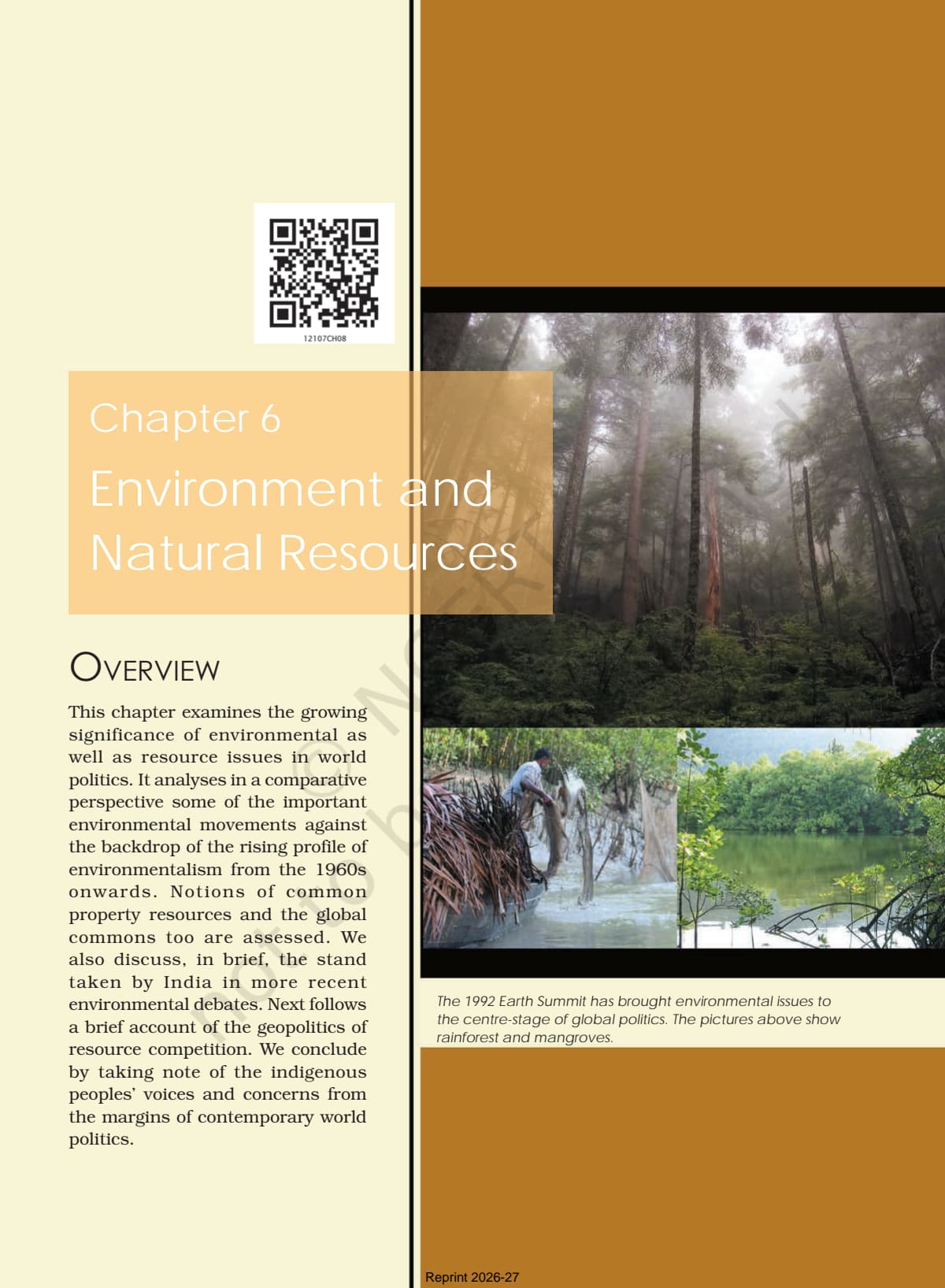
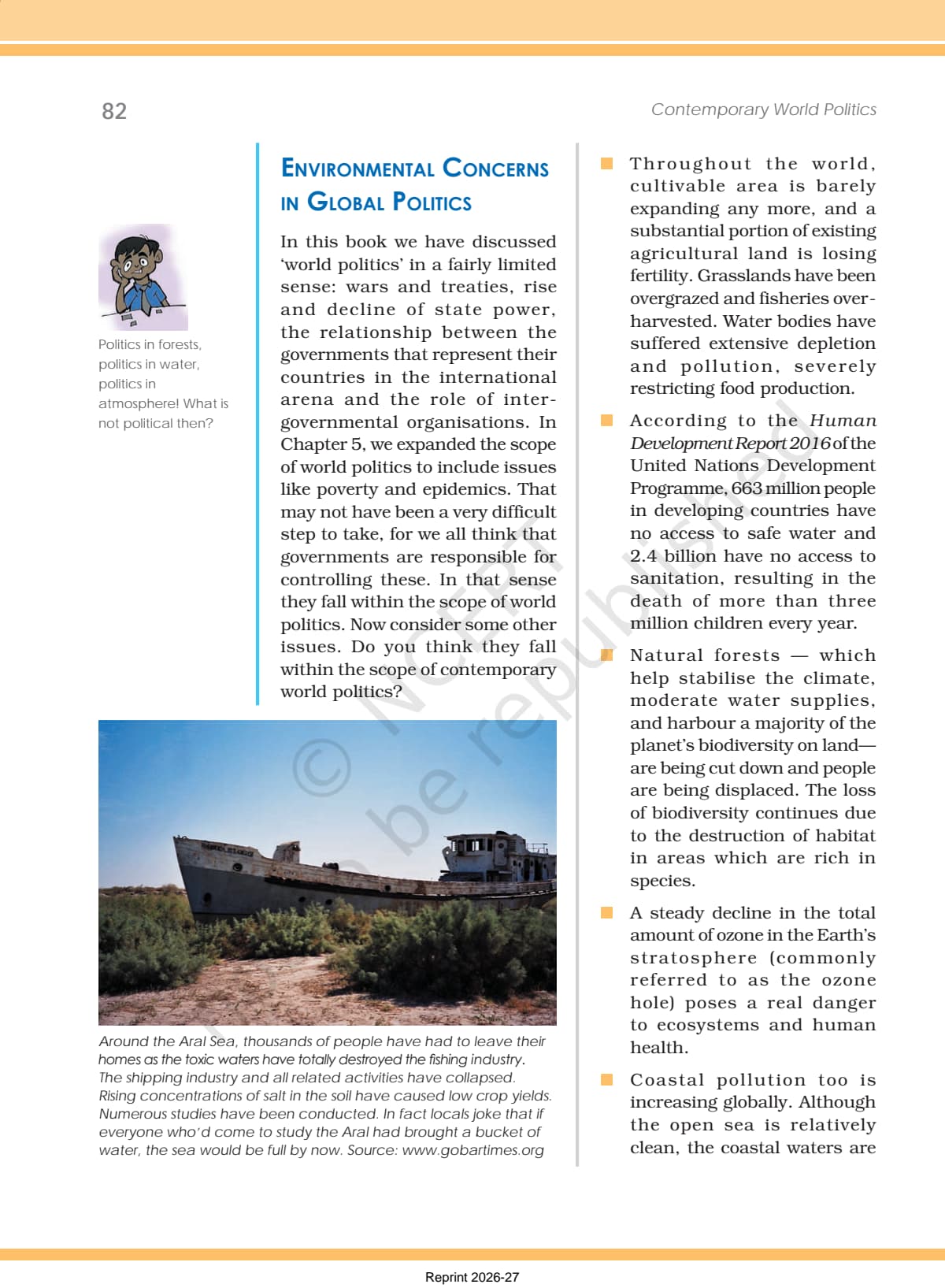
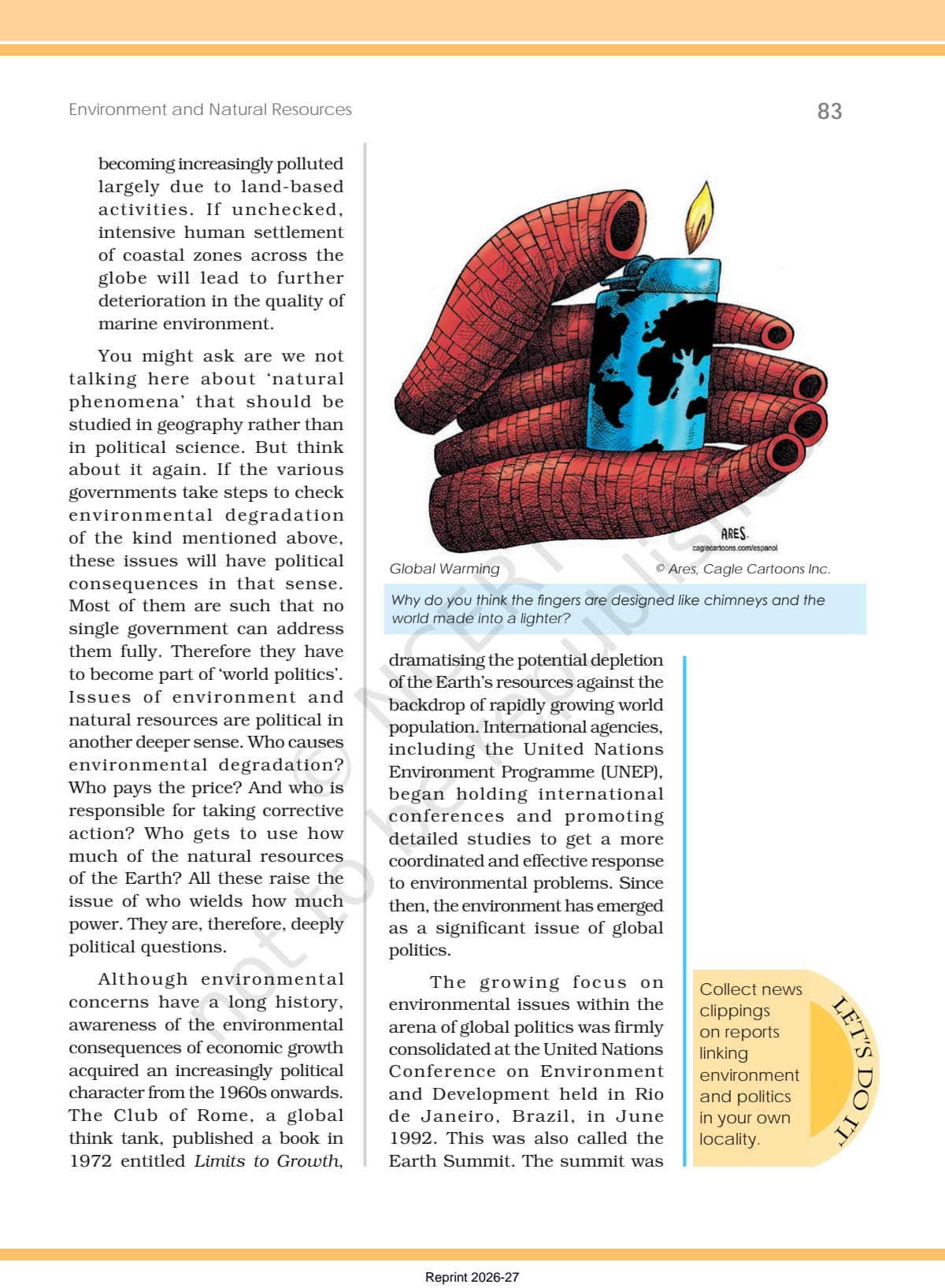
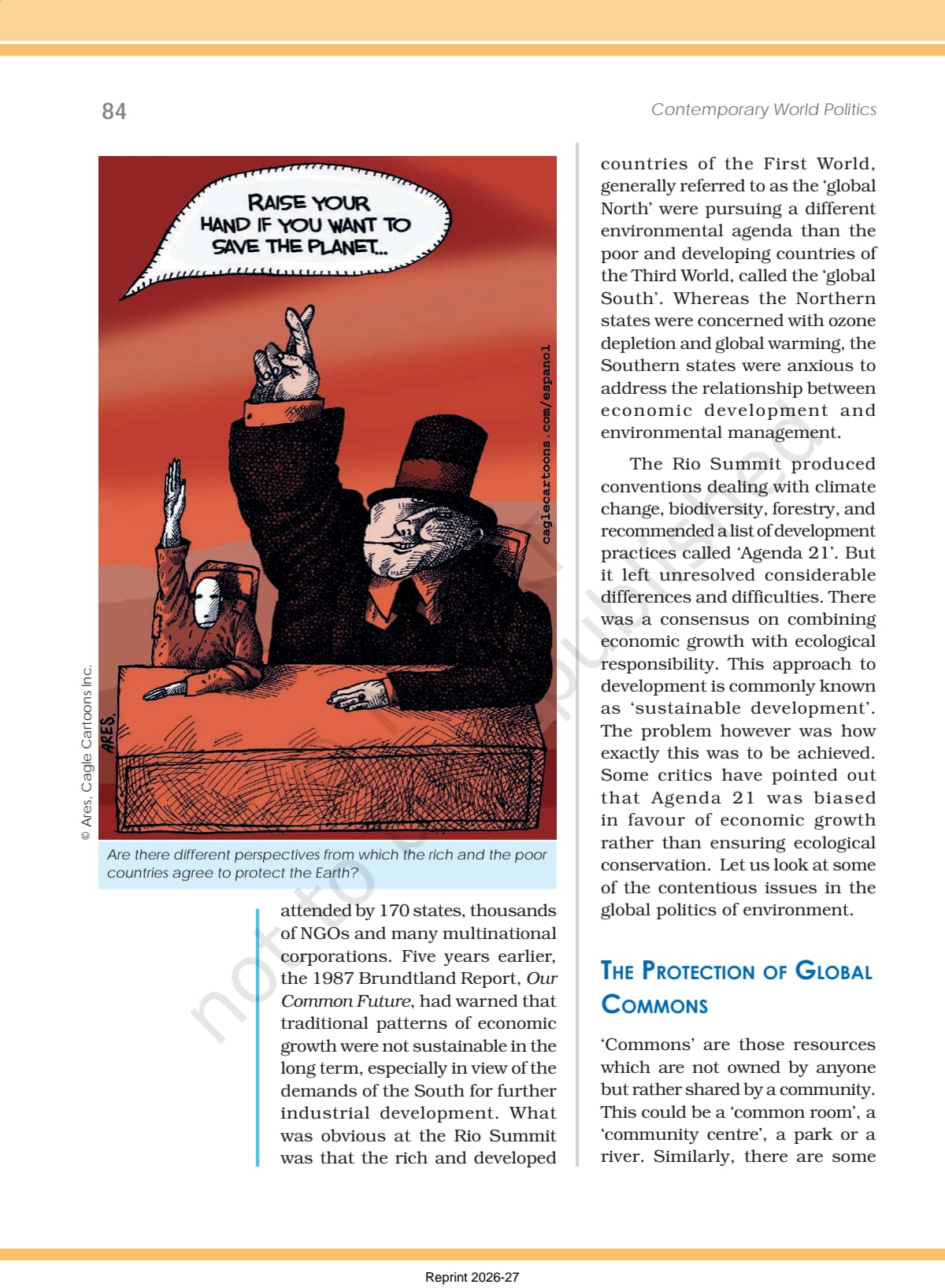
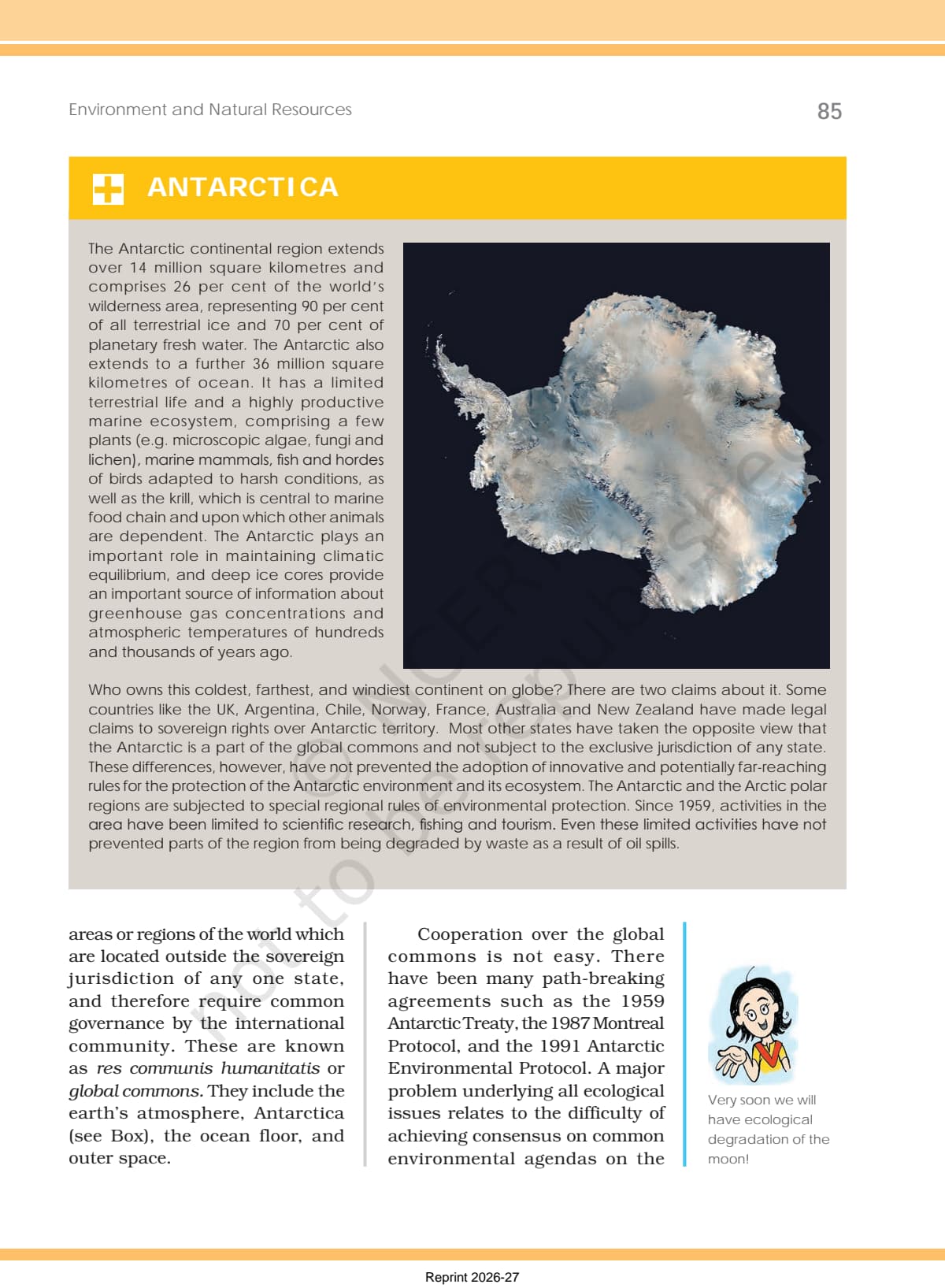
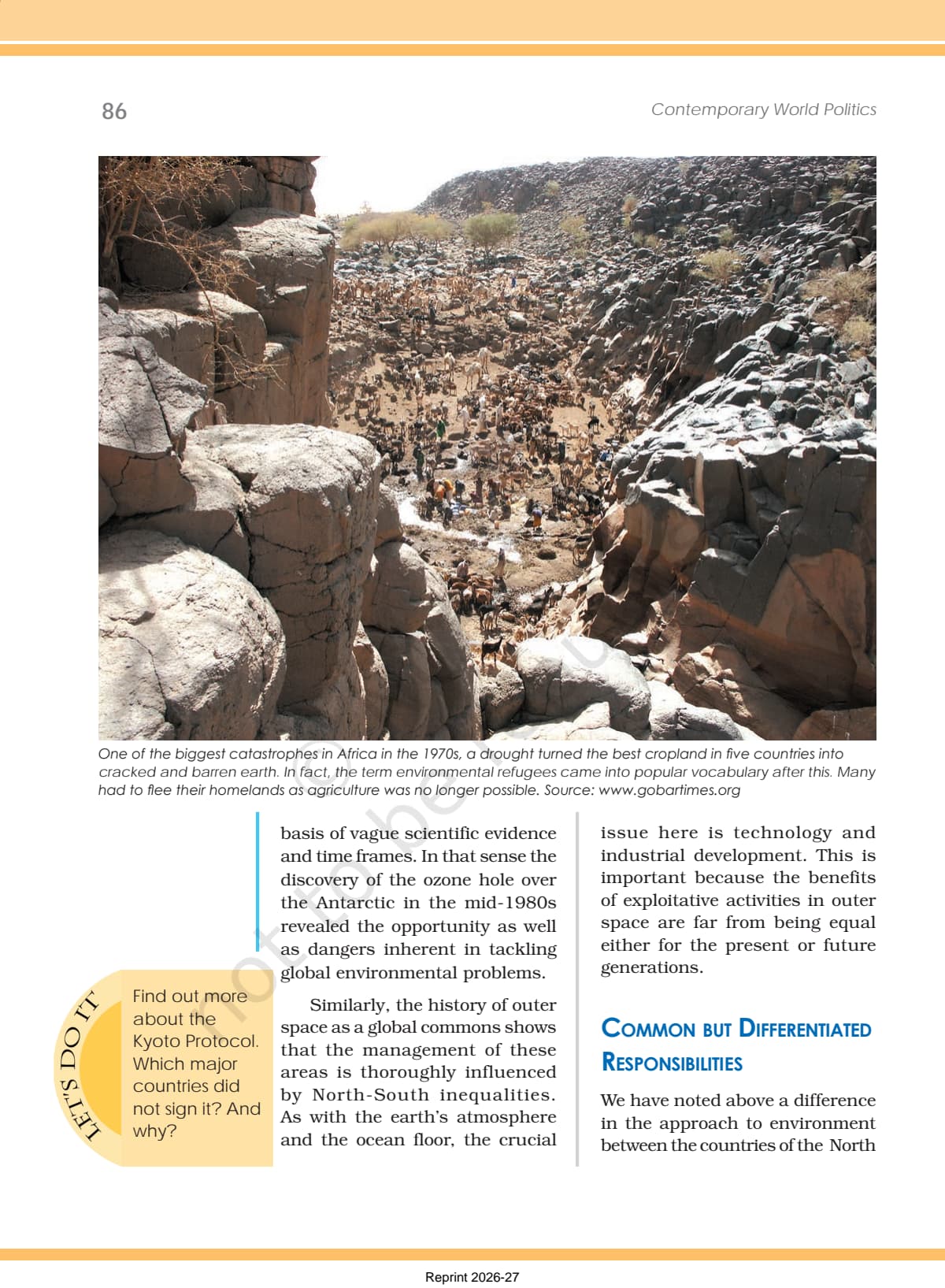
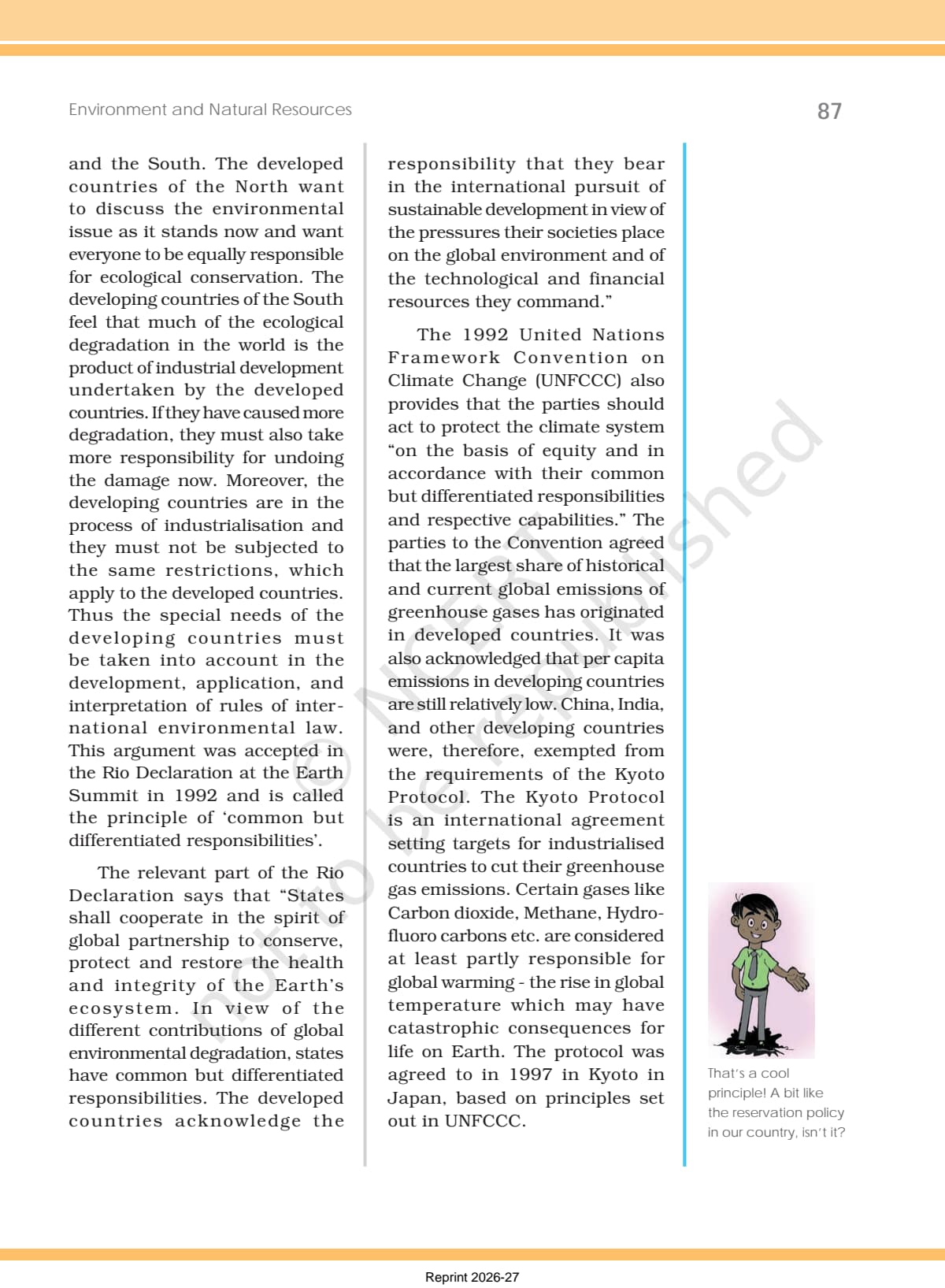
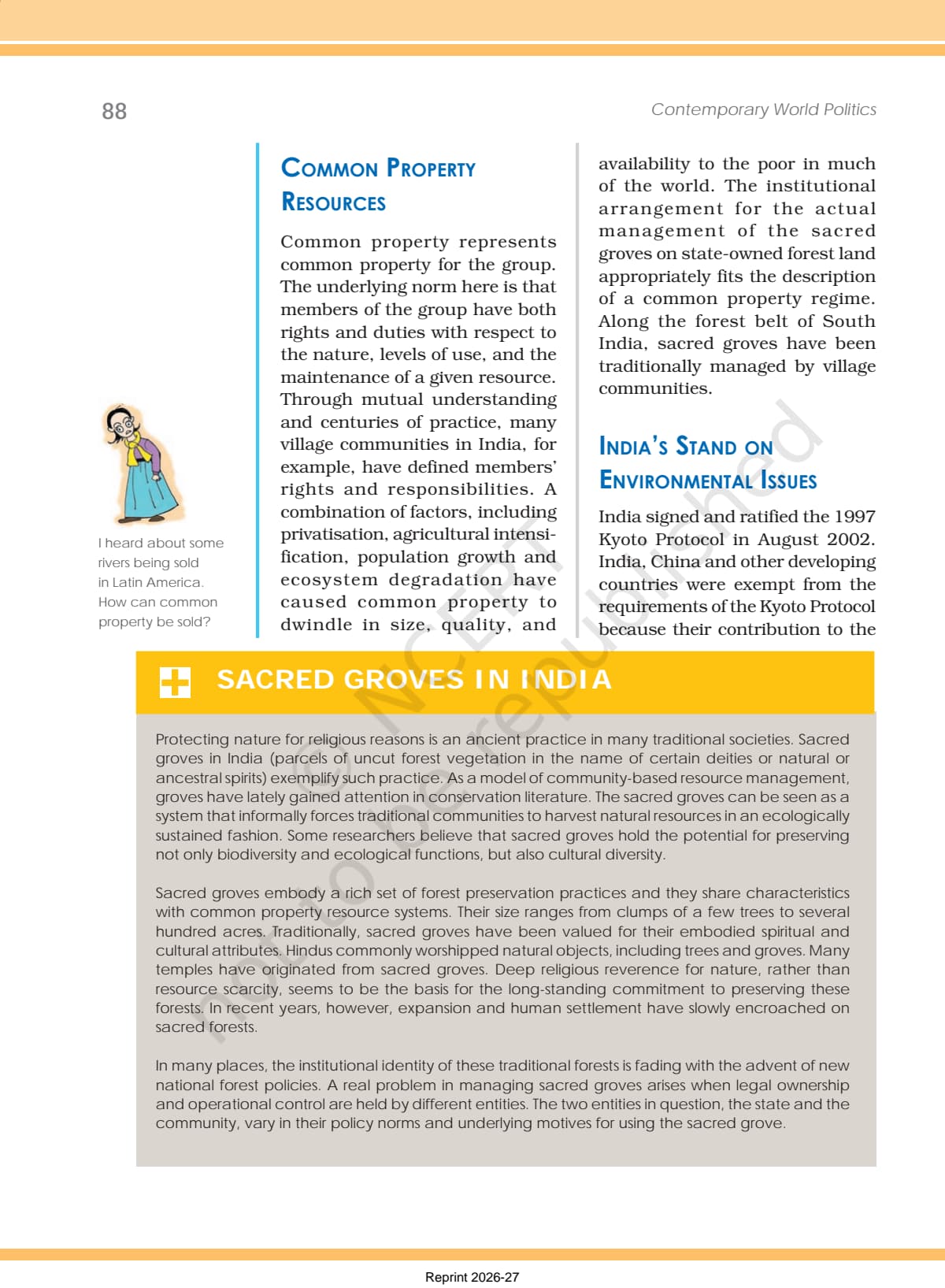
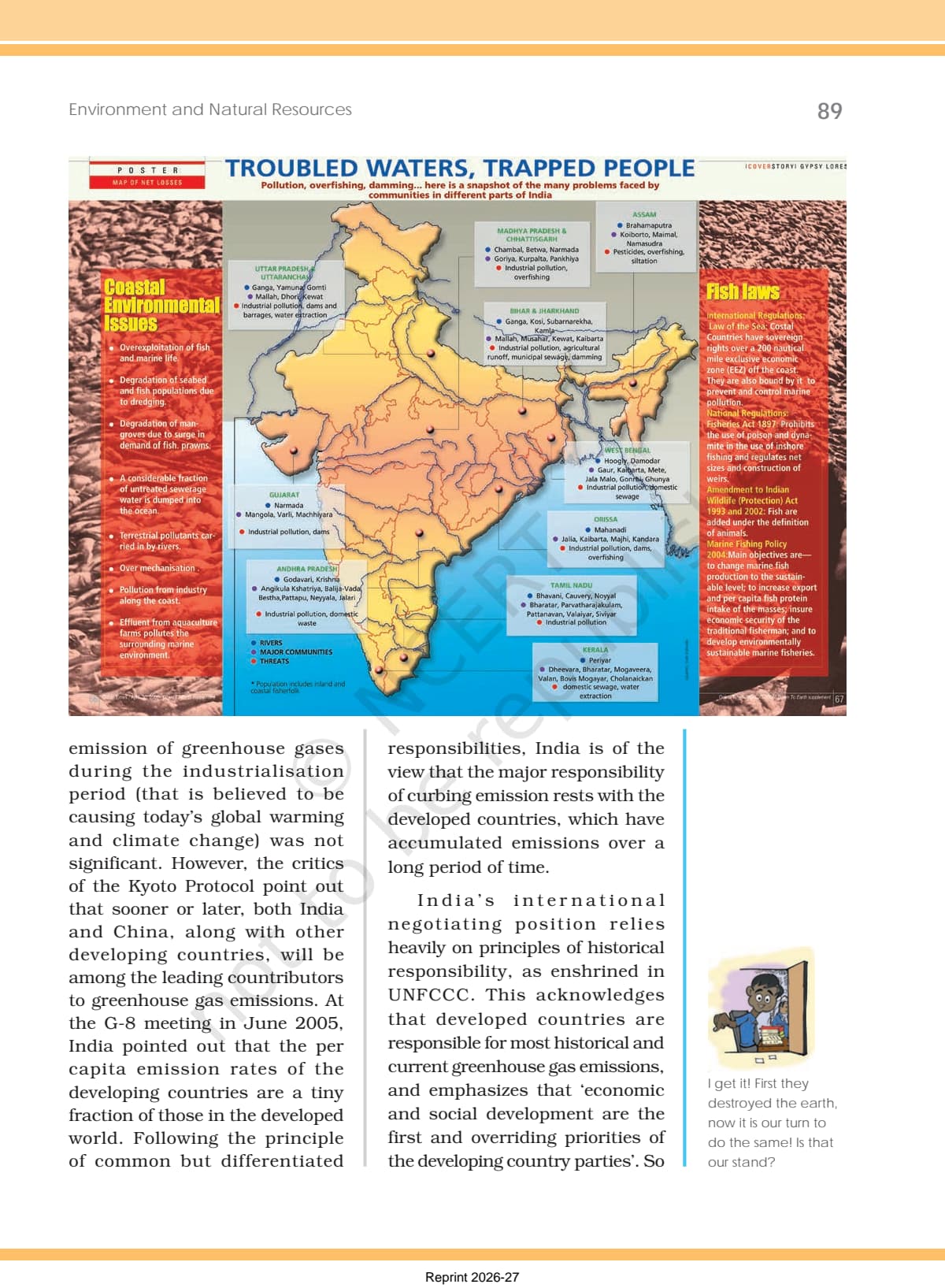
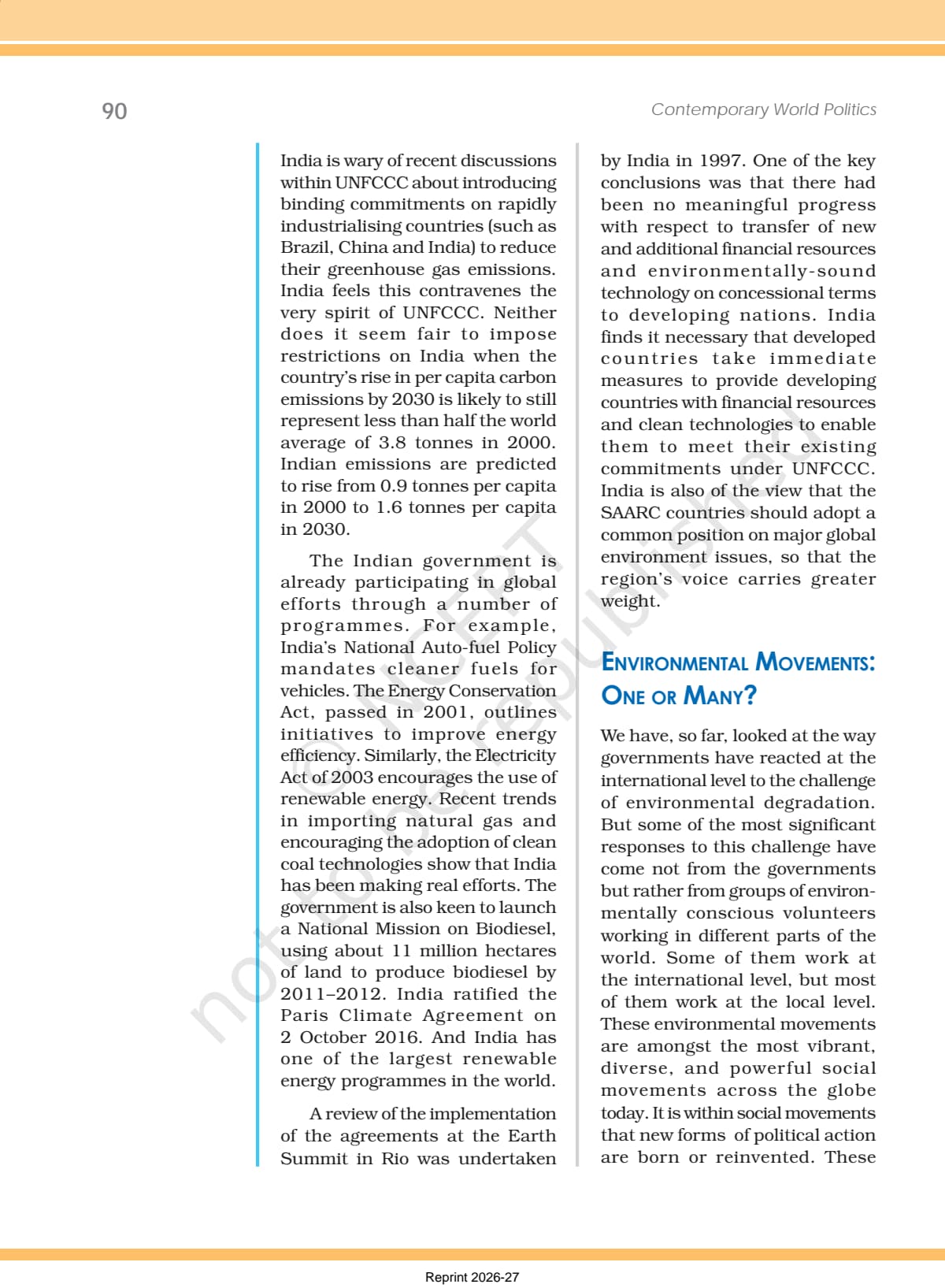
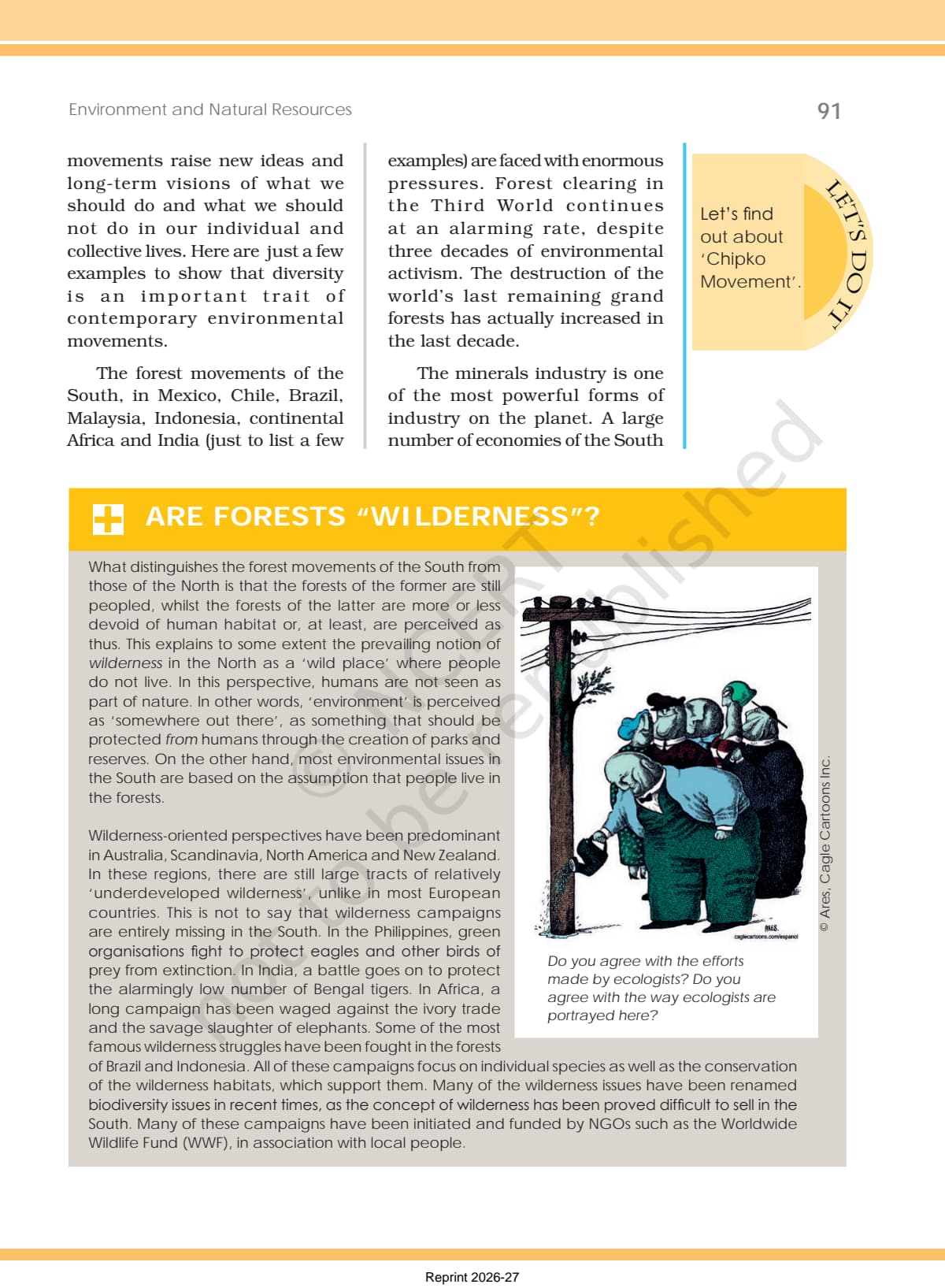
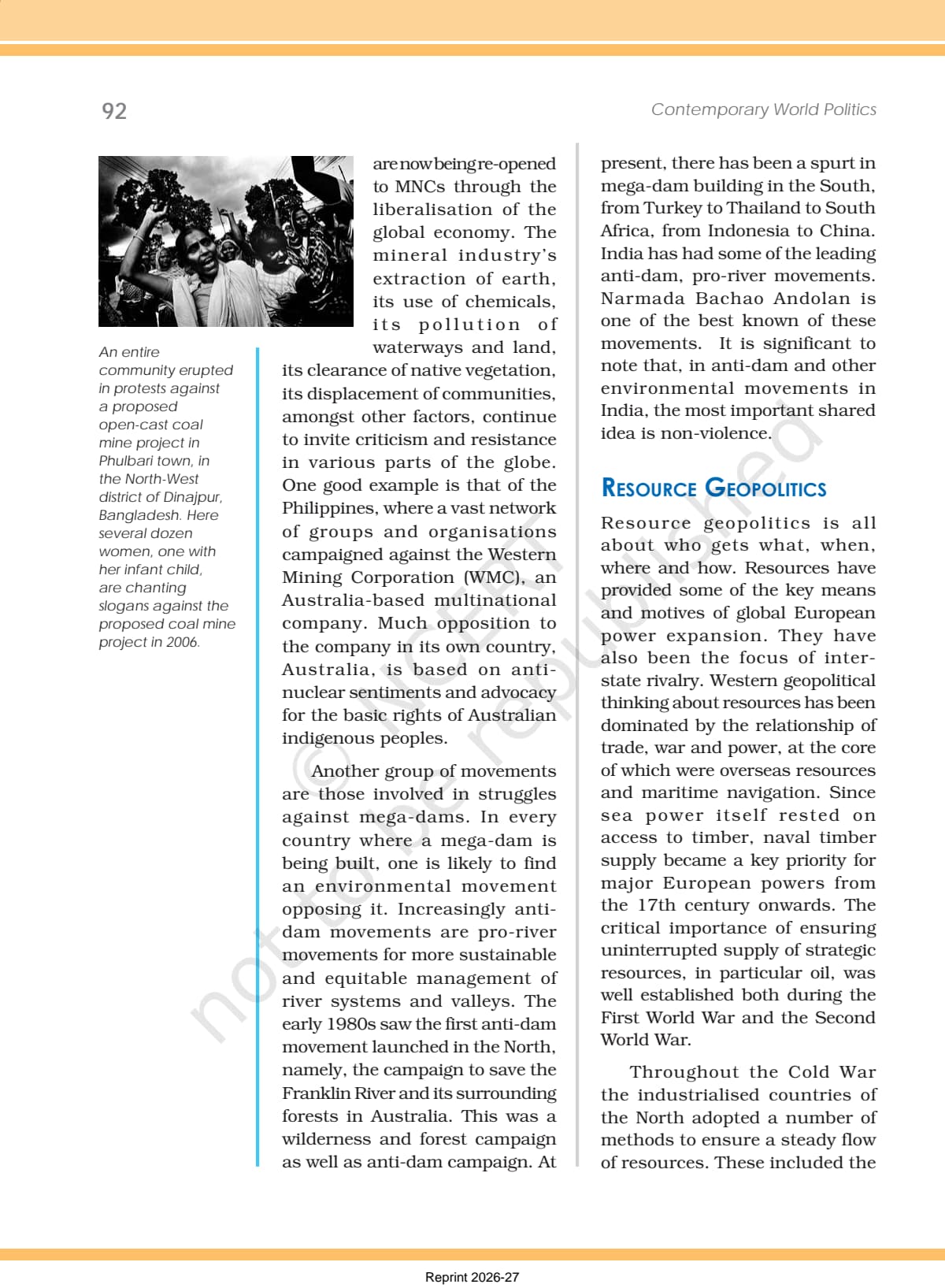
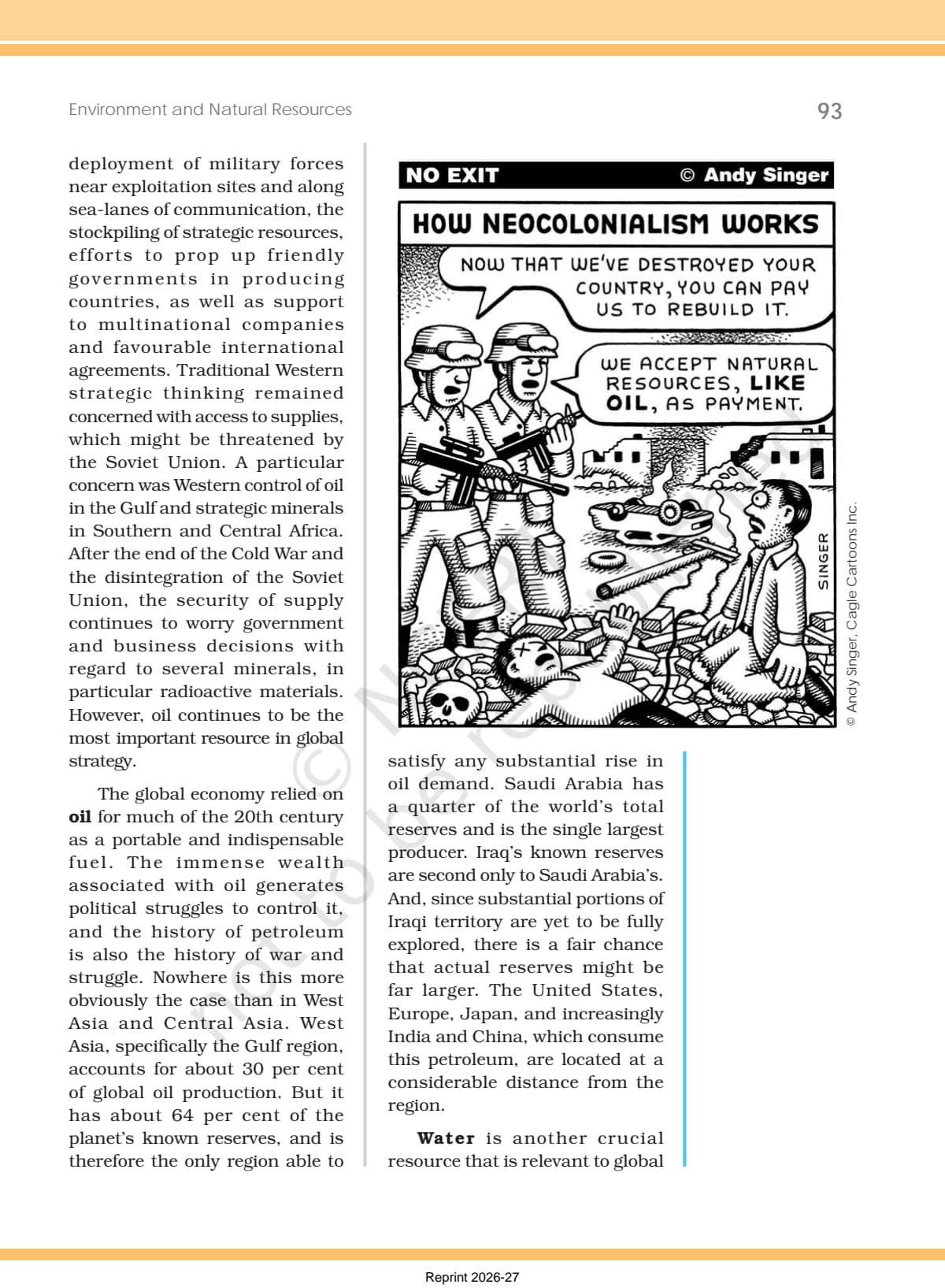
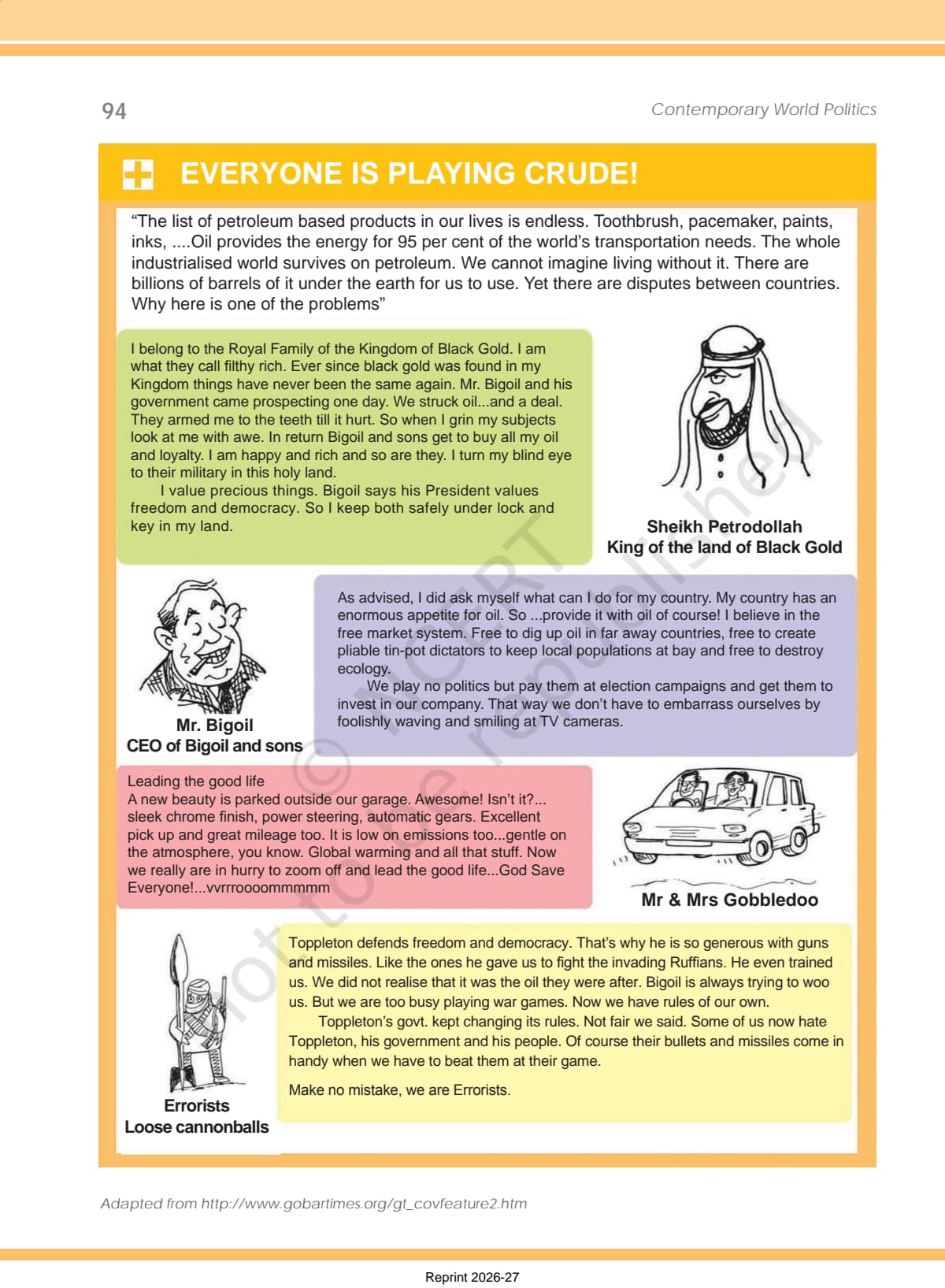
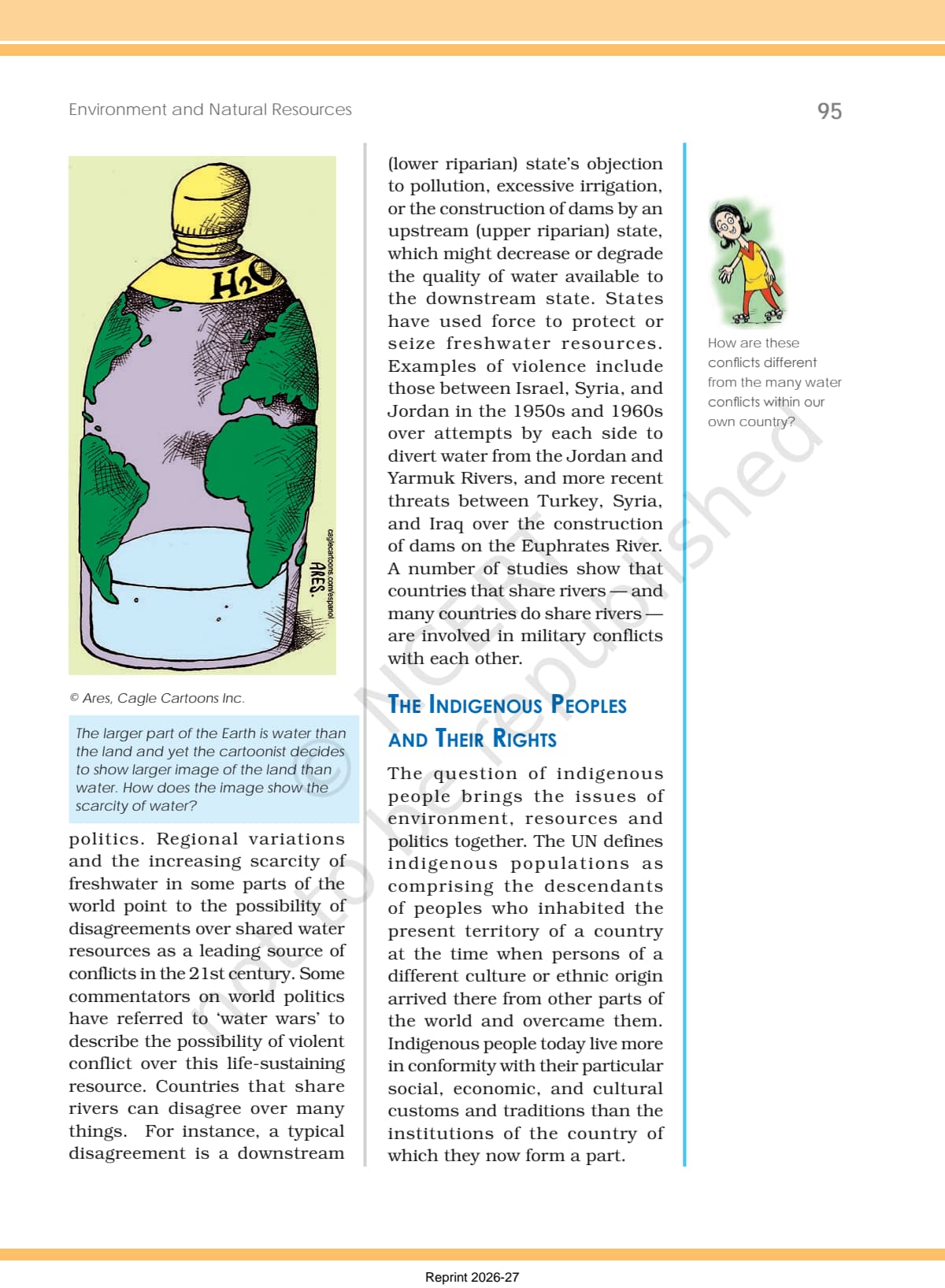
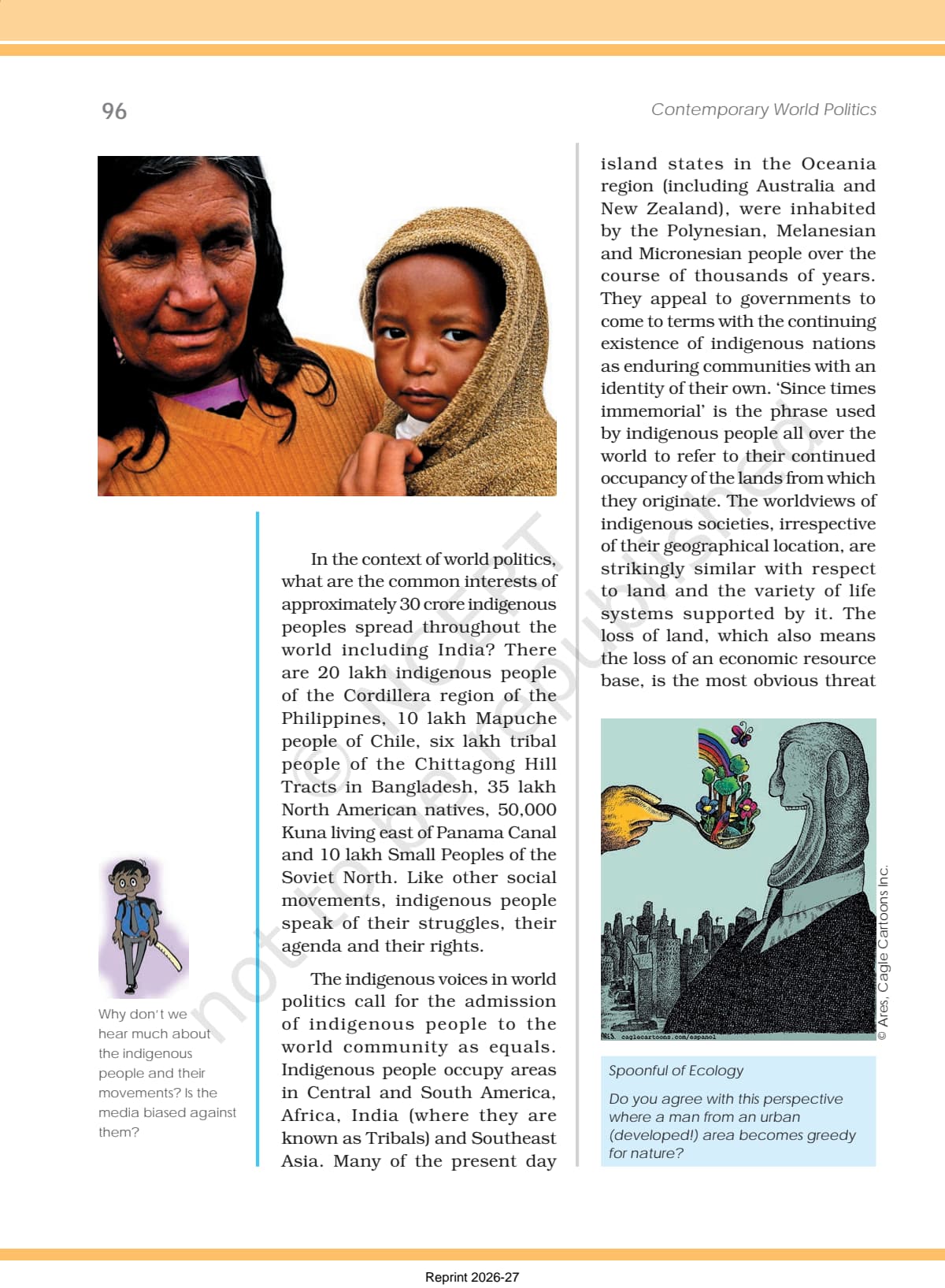
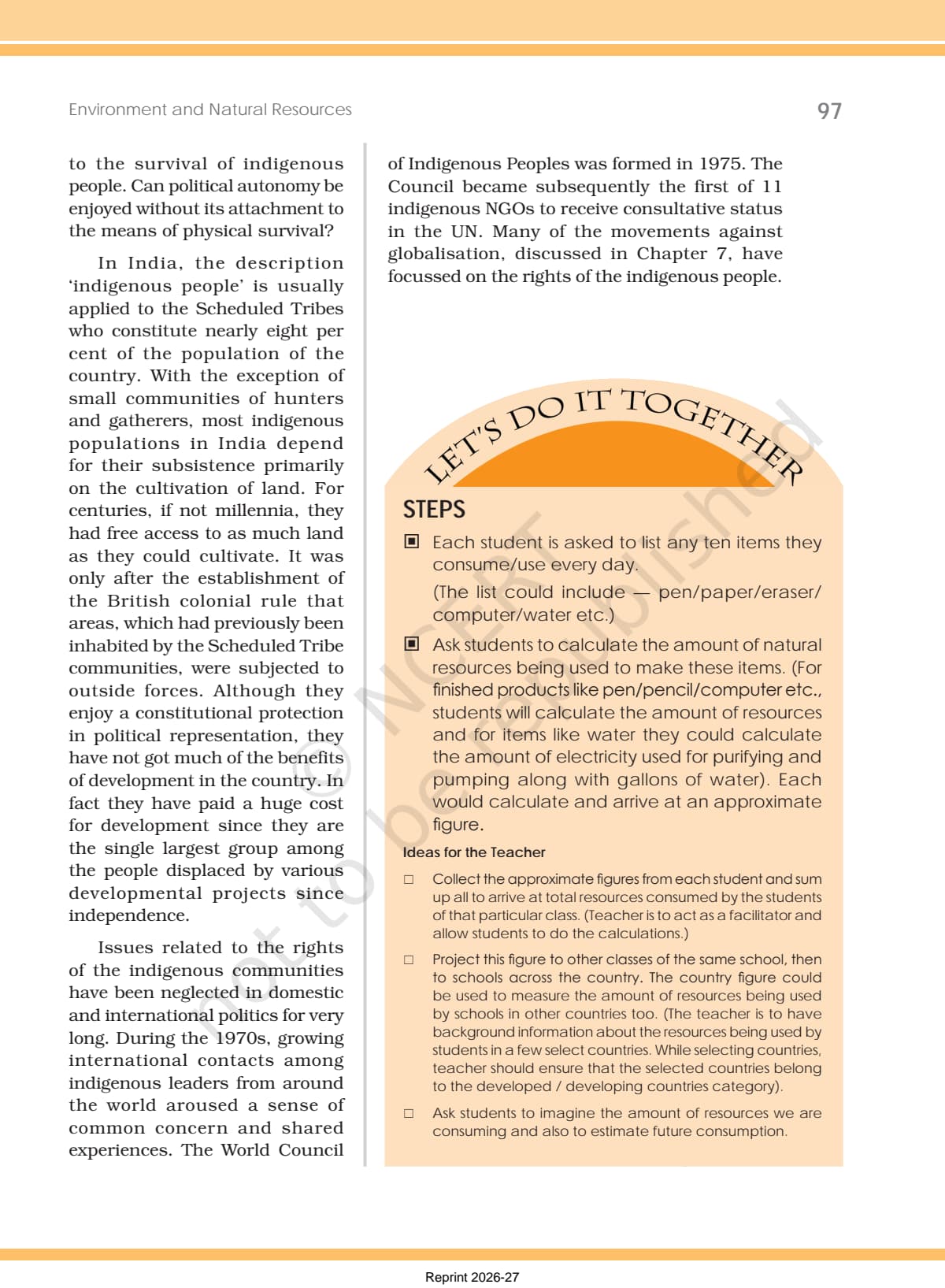
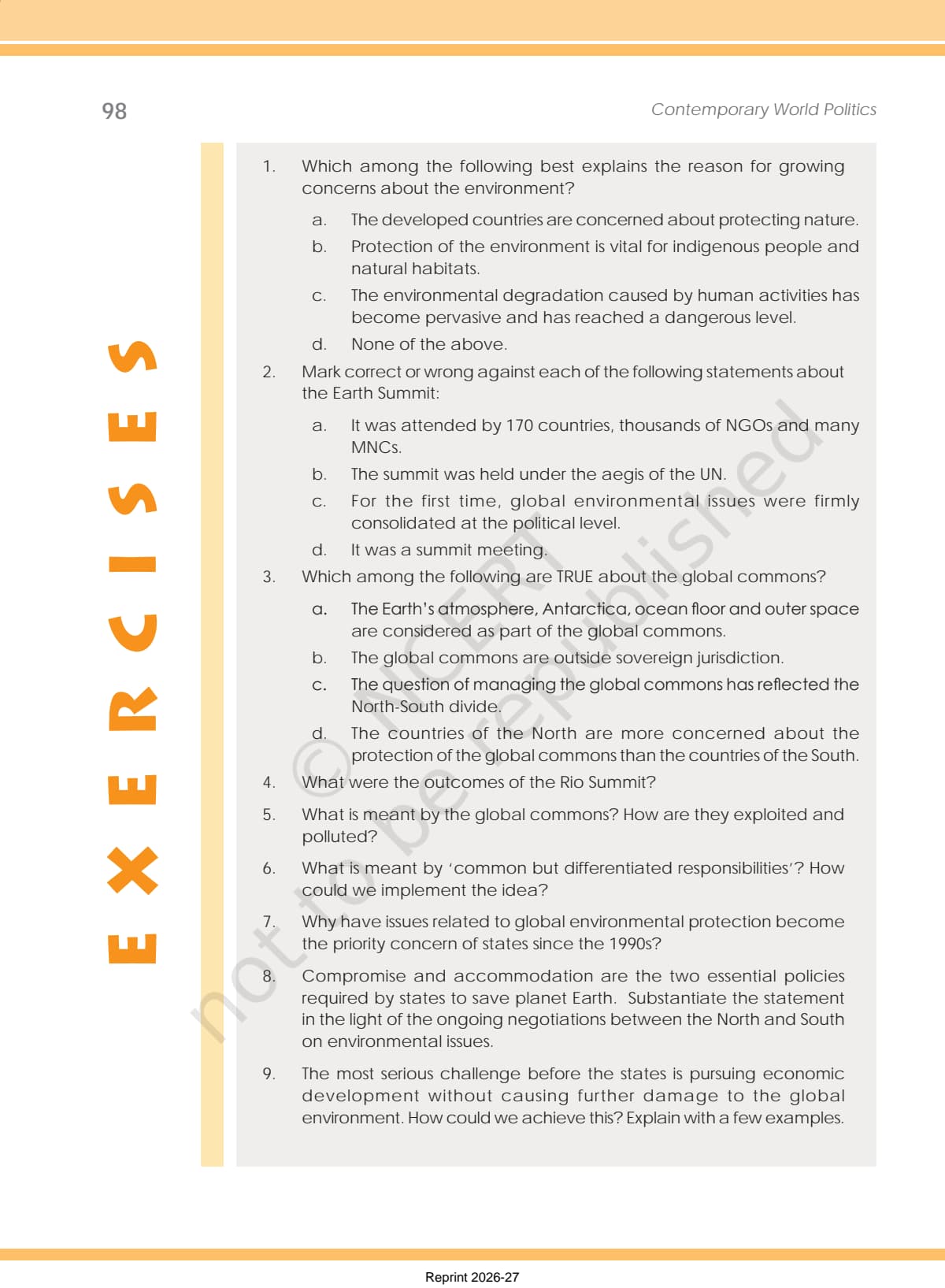
- Official NCERT chapter with the original cartoons, maps and source boxes.
- This Class 12 Political Science chapter usually carries 5 to 6 marks in the board paper.
- Pairs with the NCERT Solutions, Notes and Handwritten Notes linked lower on this page.
This is the official NCERT Environment and Natural Resources chapter from Contemporary World Politics, offered for free download in the 2026-27 edition.
Student Feedback: In a Collegedunia poll of 7,020 Class 12 Political Science students before the 2026 boards, 68% of students said they kept the official NCERT chapter PDF open while solving source-based questions, because the cartoons and source boxes come straight from the chapter itself.
Source: 2026-27 Class 12 Political Science student poll. Sample of 7,020 students from CBSE schools across 12 states.
What the Environment and Natural Resources NCERT Chapter Covers
Environment and Natural Resources is the sixth chapter of Contemporary World Politics. It studies how the environment became a central issue in world politics from the 1960s. Before this, the environment was treated as a geography topic, not a question of power and policy, which is the shift the chapter explains.
The chapter is built around three threads, which the NCERT covers in order:
- Why political: human damage grew pervasive, dangerous and cross-border.
- How governed: the Earth Summit, Agenda 21 and treaties over the global commons.
- Who pays: the North-South divide and common but differentiated responsibilities.
Reading the original NCERT text matters because the source boxes and cartoons in the class 12 political science chapter 6 pdf are exactly what CBSE quotes in source-based questions. A student who knows the chapter's own examples, such as the "reservation policy" cartoon for CBDR, can answer those passages with confidence.
Chapter Highlights and Important Topics
The NCERT chapter is rich with cartoons, maps and source boxes that the exam often refers to. Knowing what each highlight covers helps students answer questions quickly. The table below lists the highlights students should study in the original chapter PDF.
| Highlight | Why it matters |
|---|---|
| Why environment turned political | Lists the pervasive, dangerous and cross-border damage that put it on the agenda. |
| The Earth Summit | Rio 1992 / UNCED, with Agenda 21, the conventions and sustainable development. |
| The global commons | The atmosphere, Antarctica, the ocean floor and outer space, and how they are managed. |
| CBDR cartoon | Compares common but differentiated responsibilities to a reservation policy. |
| India's stand | Historical responsibility, finance and technology transfer, Kyoto and Paris. |
The chapter also covers environmental movements and the geopolitics of resources like oil and water. One point students should mark while reading is that the North is not "more" concerned about the commons; it simply has a different agenda from the South. That single idea from the chapter is the heart of the North-South answer, and it appears almost every year.
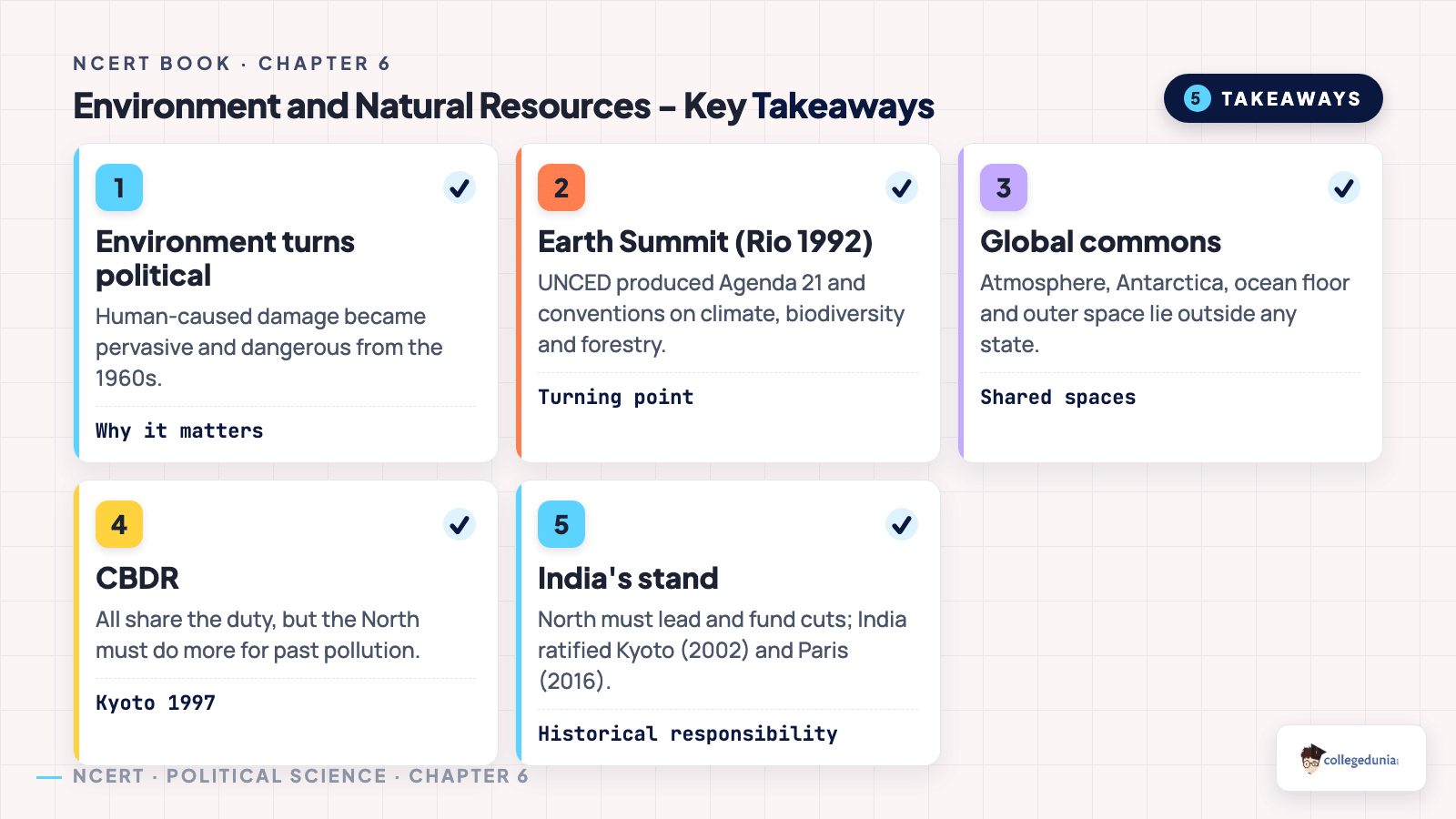
The Earth Summit, Global Commons and CBDR in the Chapter
The chapter devotes whole sections to the Earth Summit, the global commons and the principle of common but differentiated responsibilities. These sections feed the short and long answers, so reading them in the original NCERT helps students quote the right examples. The lists below show what the chapter covers under each theme.
- The Earth Summit: Rio 1992 / UNCED, with conventions, Agenda 21 and sustainable development.
- The global commons: the atmosphere, Antarctica, the ocean floor and outer space.
- CBDR: a shared but unequal duty, since the North caused most past damage.
- Treaties: the Antarctic Treaty (1959), the Montreal Protocol (1987) and the Kyoto Protocol (1997).
The chapter explains that Rio 1992 firmly consolidated the environment at the political level, but left the North-South divide unresolved. It also gives the dates and treaties students need for the objective questions, from the Antarctic Treaty to Kyoto. Because these examples are drawn straight from the source chapter, the chapter 6 political science class 12 ncert book is the most reliable place to learn them.
India's Stand and Resource Geopolitics in the Chapter
The closing sections of the chapter explain India's stand, environmental movements and the geopolitics of resources. These pages are the most exam-relevant for the long-answer questions, so reading them in the original chapter helps students write balanced answers.
- India's stand: the North must lead on cuts and provide finance and clean technology.
- India's action: ratified Kyoto (2002) and Paris (2016), and runs a large renewable-energy programme.
- Movements: forest, anti-dam and pro-river, wilderness and mineral-industry struggles.
- Resource geopolitics: oil and water are the resources that most shape power and conflict.
The chapter is clear that India's stand rests on historical responsibility, while India still takes its own steps to cut pollution. It ends with the geopolitics of resources and the rights of indigenous people. Reading these closing pages in the official PDF gives students the wording NCERT itself uses, which scores best in the board paper.
How to Download and Use the NCERT Chapter PDF
The chapter PDF is free and easy to use on any device. Students can save it for offline reading and pair it with the solutions and notes. The steps below show how to get the most out of the Environment and Natural Resources PDF during revision.
- Download: tap the download card above to save the official Chapter 6 PDF to your device.
- First read: read the chapter once end to end, marking the source boxes and the CBDR cartoon.
- Source practice: keep the PDF open while attempting source-based questions, since the passages come from it.
- Revision: use the chapter alongside the notes to fix the treaty dates and the global commons.
Many students search for the class 12 political science chapter 6 pdf the night before a test so they can revise offline. A saved copy means the source boxes and cartoons are always at hand. After reading the chapter, move to the solutions to check that your answers match the model points, then use the notes for a final quick recall.
How the Book PDF Pairs with the Solutions and Notes
The NCERT Book PDF is the source text. To prepare fully, students should use it with the other resources for the same chapter, all linked in the table below. Read the chapter, fix the ideas with the notes, then test yourself with the solutions.
| Resource | Best used for |
|---|---|
| Environment and Natural Resources NCERT Solutions | Step-by-step answers to all 9 back-exercise questions |
| Environment and Natural Resources Class 12 Notes | Quick chapter summary with all treaties and key terms in one place |
| Environment and Natural Resources Handwritten Notes | Last-minute, one-shot revision in a scanned notebook style |
Tip: read the chapter PDF first, then attempt the solutions on your own, and only then check the model answers. Reading the source text before the answers builds far stronger source-based skills.
All Class 12 Political Science NCERT Book PDFs by Chapter
The table links the NCERT chapter PDFs for every chapter in both Class 12 Political Science books, so students can move across the course in one click. Environment and Natural Resources is highlighted.
| Chapter | NCERT Book PDF |
|---|---|
| Contemporary World Politics | |
| Chapter 1 | The End of Bipolarity |
| Chapter 2 | Contemporary Centres of Power |
| Chapter 3 | Contemporary South Asia |
| Chapter 4 | International Organisations |
| Chapter 5 | Security in the Contemporary World |
| Chapter 6 | Environment and Natural Resources |
| Chapter 7 | Globalisation |
| Politics in India Since Independence | |
| Chapter 1 | Challenges of Nation Building |
| Chapter 2 | Era of One-Party Dominance |
| Chapter 3 | Politics of Planned Development |
| Chapter 4 | India's External Relations |
| Chapter 5 | Challenges to and Restoration of the Congress System |
| Chapter 6 | The Crisis of Democratic Order |
| Chapter 7 | Regional Aspirations |
| Chapter 8 | Recent Developments in Indian Politics |
FAQs on Environment and Natural Resources NCERT Book PDF
Environment and Natural Resources Class 12 NCERT Book Common Questions
Ques. Where can I download the Environment and Natural Resources NCERT Book PDF?
Ans. You can download the official Environment and Natural Resources Class 12 Political Science chapter PDF directly from this page. It is free, follows the 2026-27 NCERT edition, and carries the original text, cartoons and source boxes of Chapter 6.
Ques. Which book is Environment and Natural Resources from?
Ans. It is the sixth chapter of Contemporary World Politics, one of the two Class 12 Political Science textbooks. The chapter studies how the environment became a central issue in world politics.
Ques. What does Environment and Natural Resources chapter cover?
Ans. It covers why the environment became political, the Earth Summit (Rio, 1992) and Agenda 21, the four global commons, common but differentiated responsibilities, India's stand, environmental movements and the geopolitics of resources like oil and water.
Ques. Why should I read the original NCERT chapter PDF?
Ans. Because CBSE draws source-based questions straight from the chapter's own cartoons, source boxes and extracts. Reading the official chapter 6 political science class 12 PDF gives you the exact wording and examples that score best in the board paper.
Ques. How should I use the chapter PDF with the other resources?
Ans. Read the chapter PDF first, fix the ideas with the notes, then test yourself with the solutions. Keeping the PDF open while practising source-based questions helps, since the passages come directly from it.



Comments