




The class 10 history handwritten notes chapter 2 Nationalism in India have been carefully prepared and scanned for quick one-shot revision, according to the latest 2026-27 CBSE syllabus.
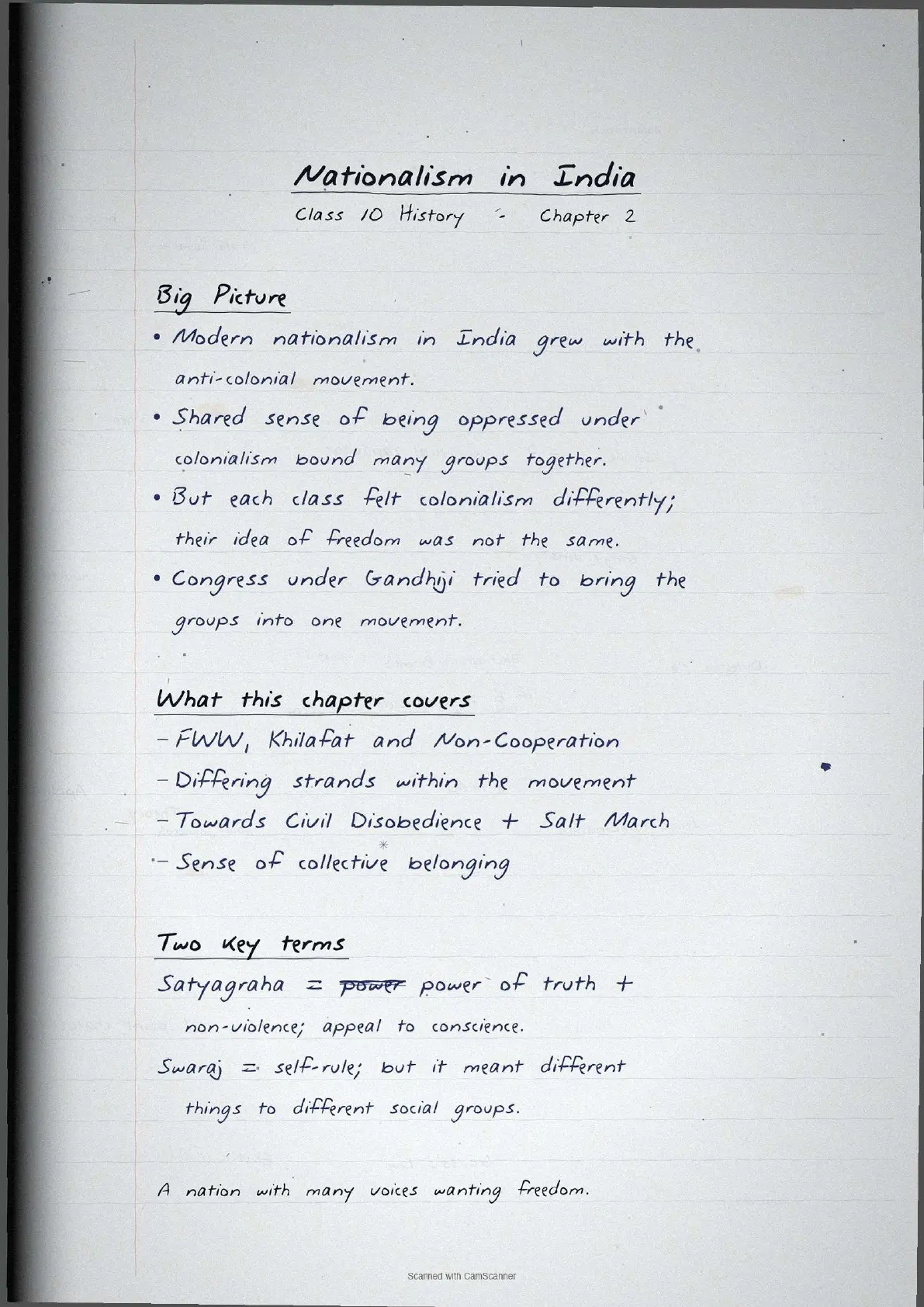
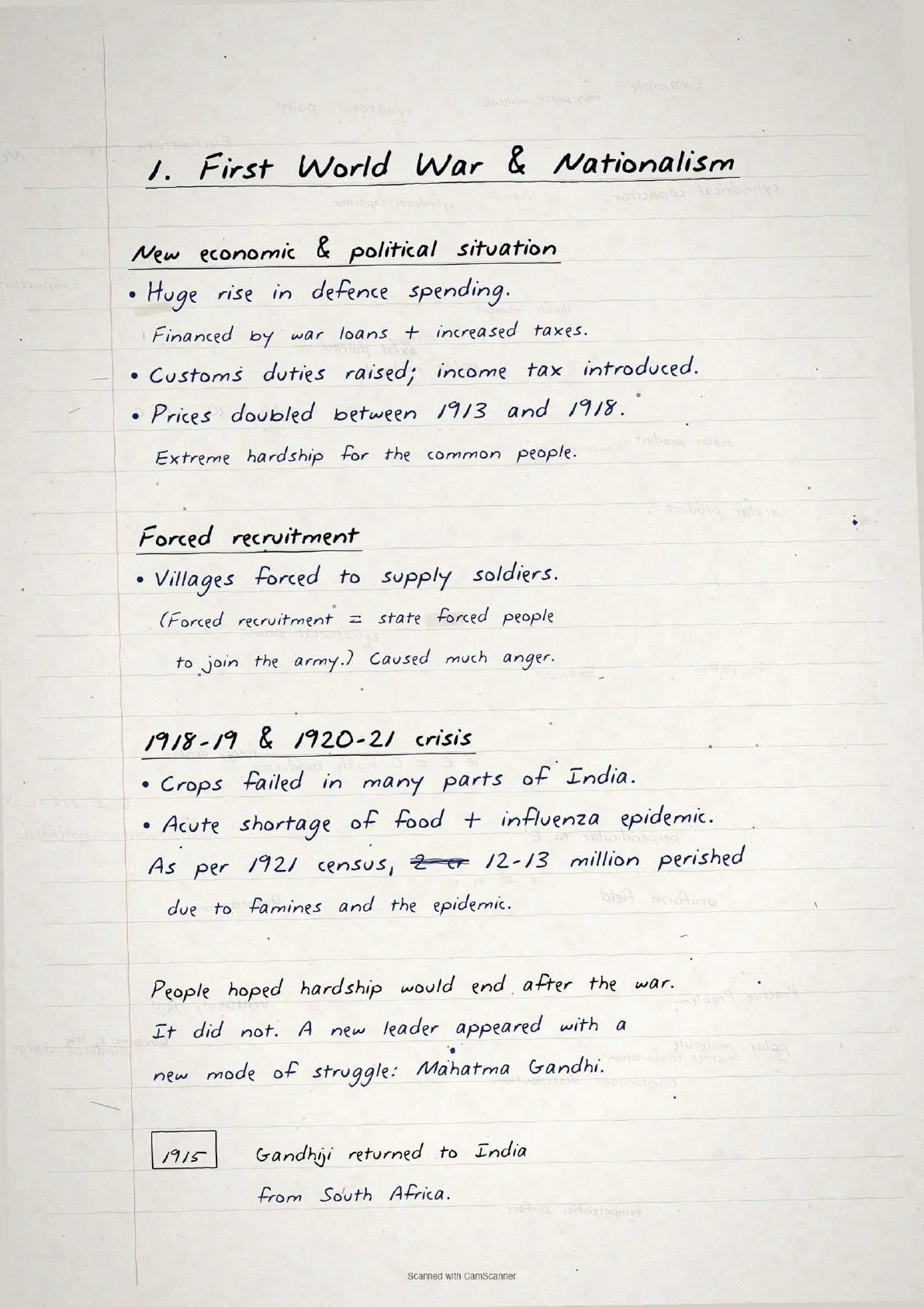
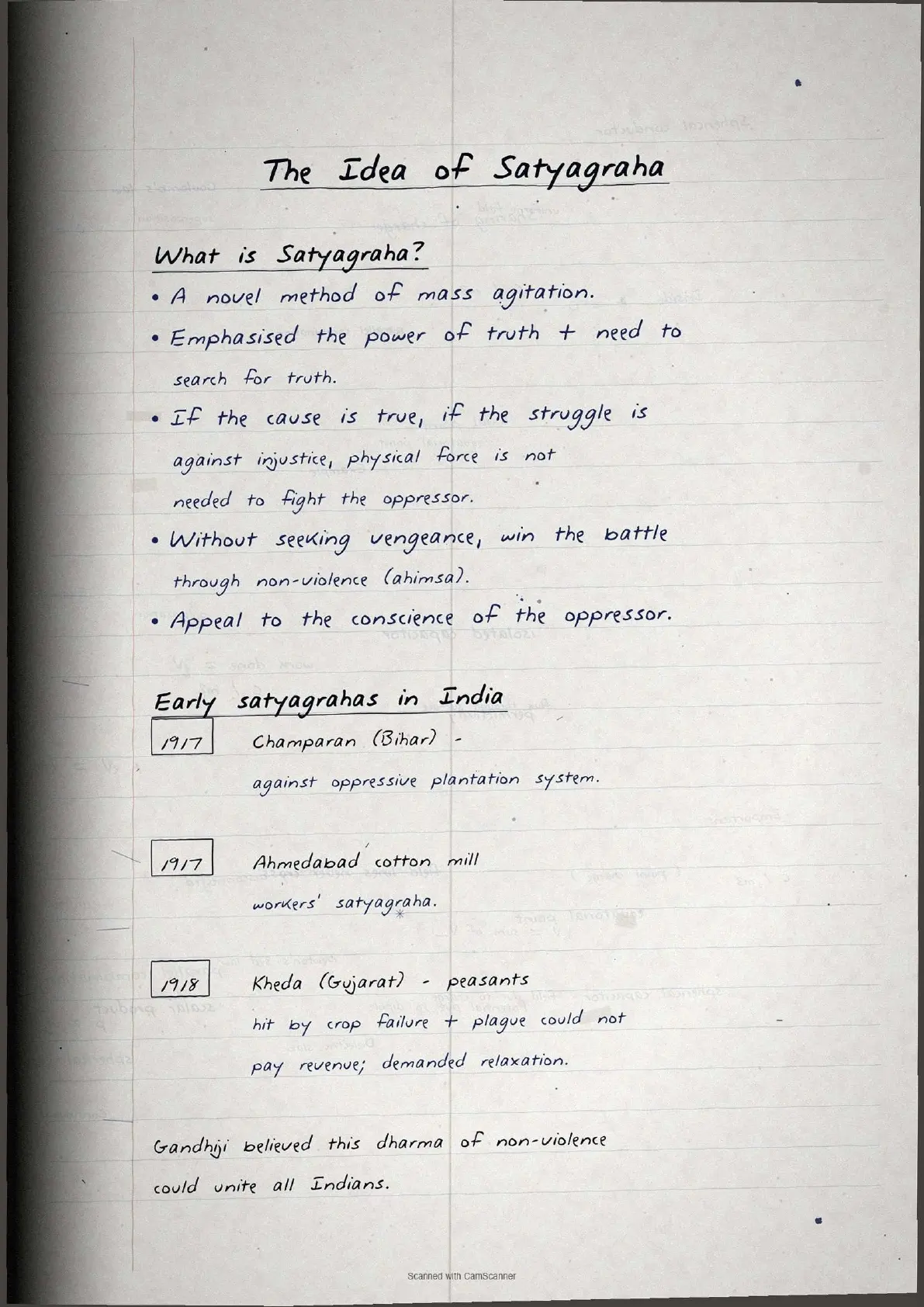
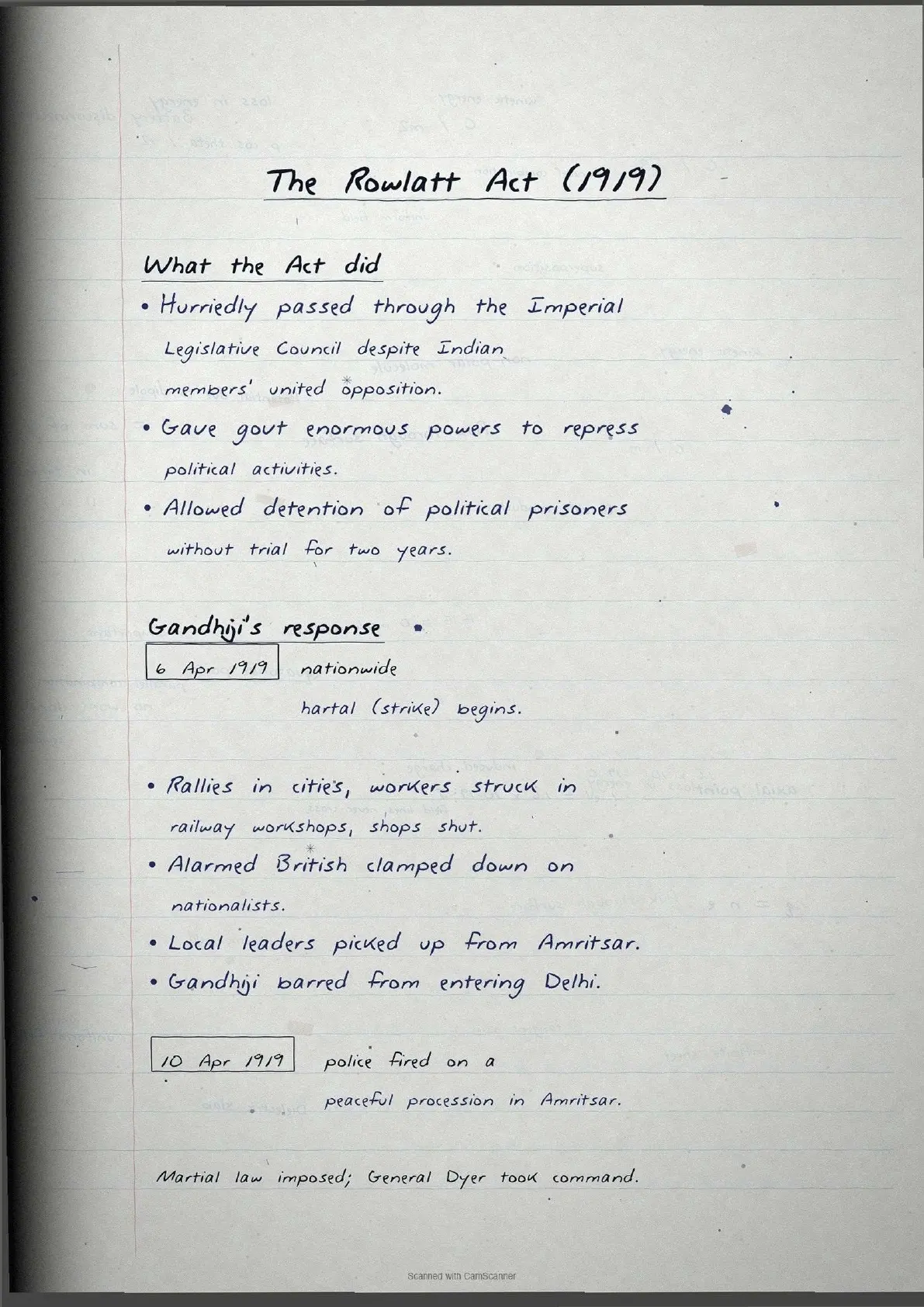
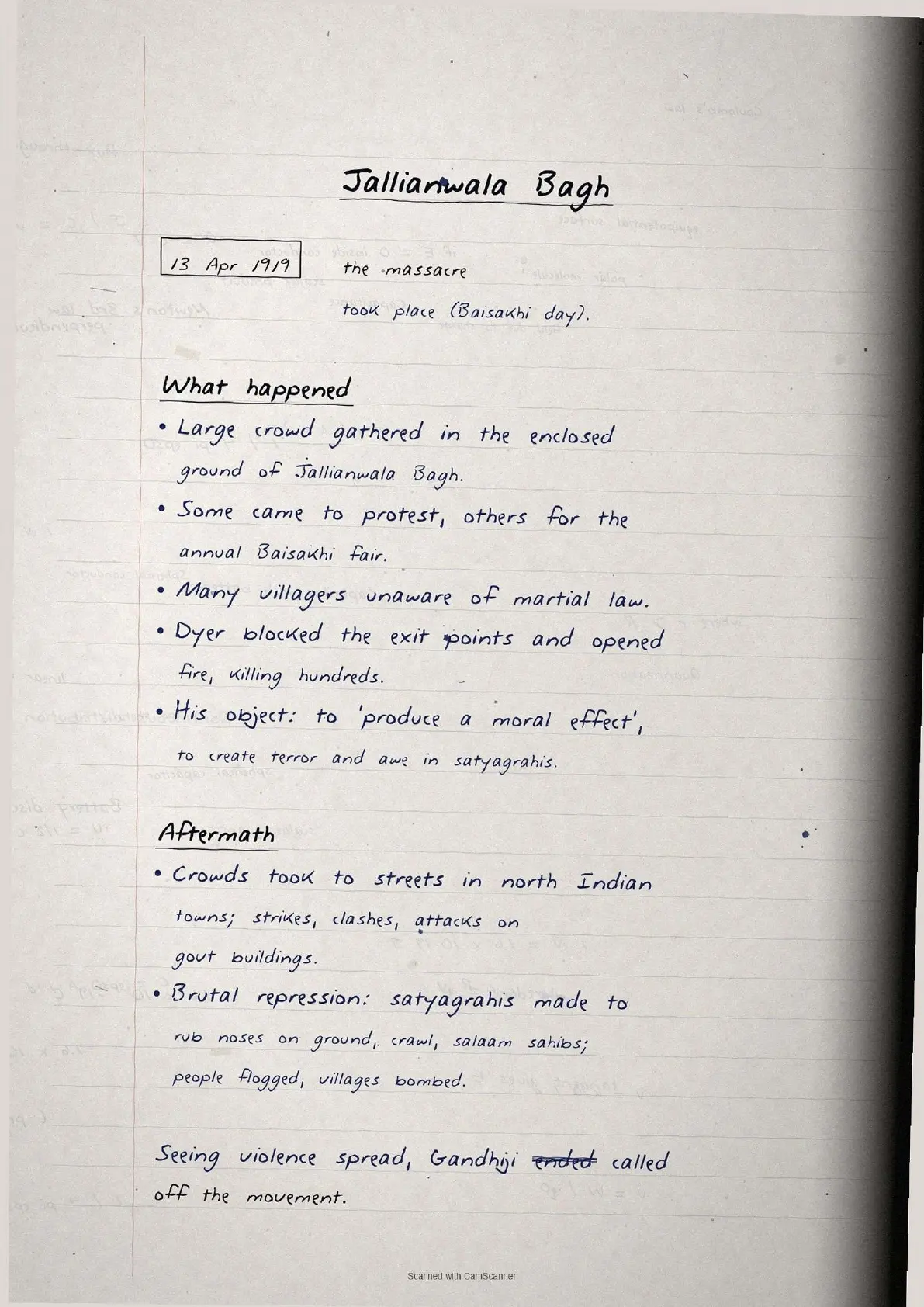
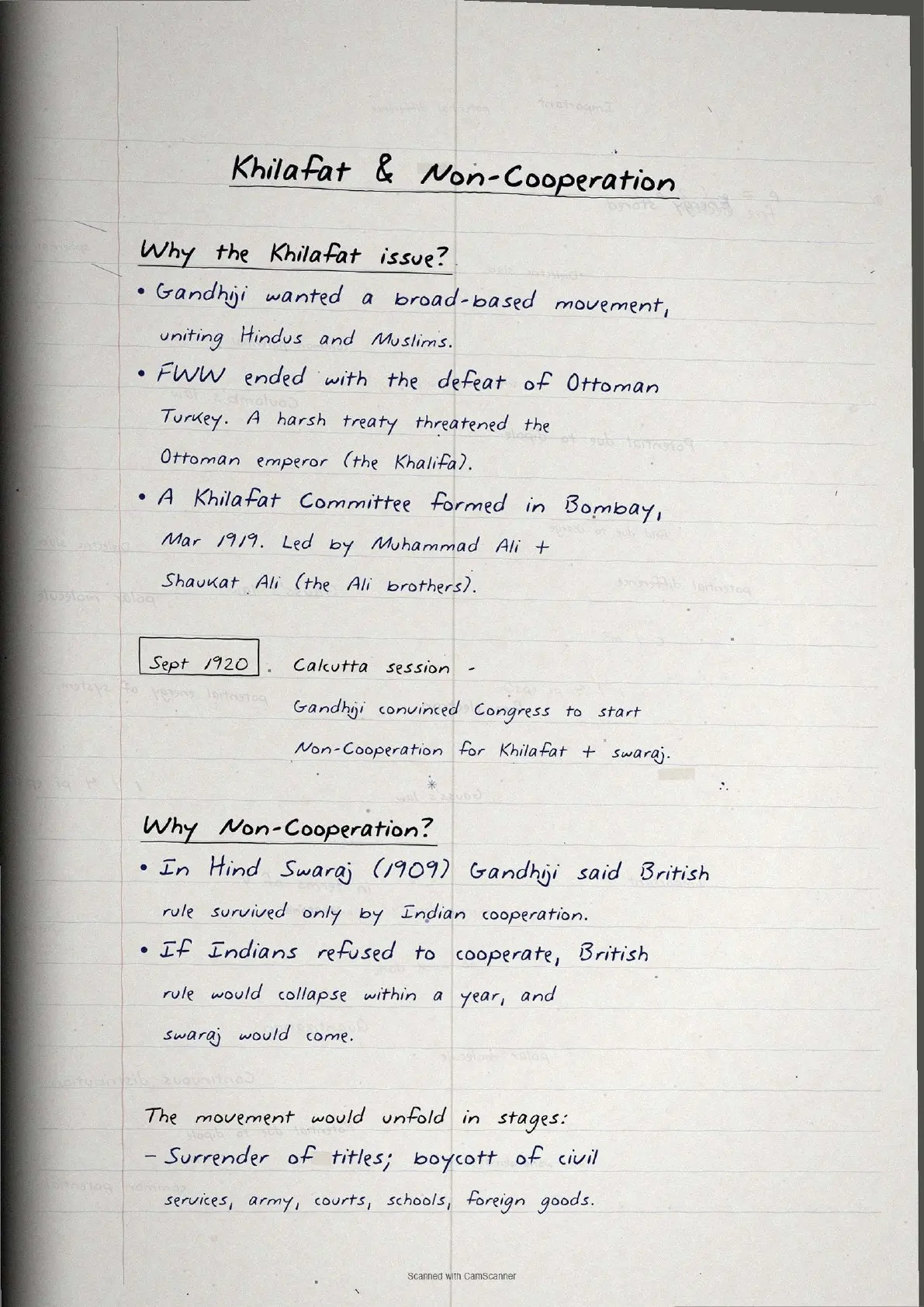
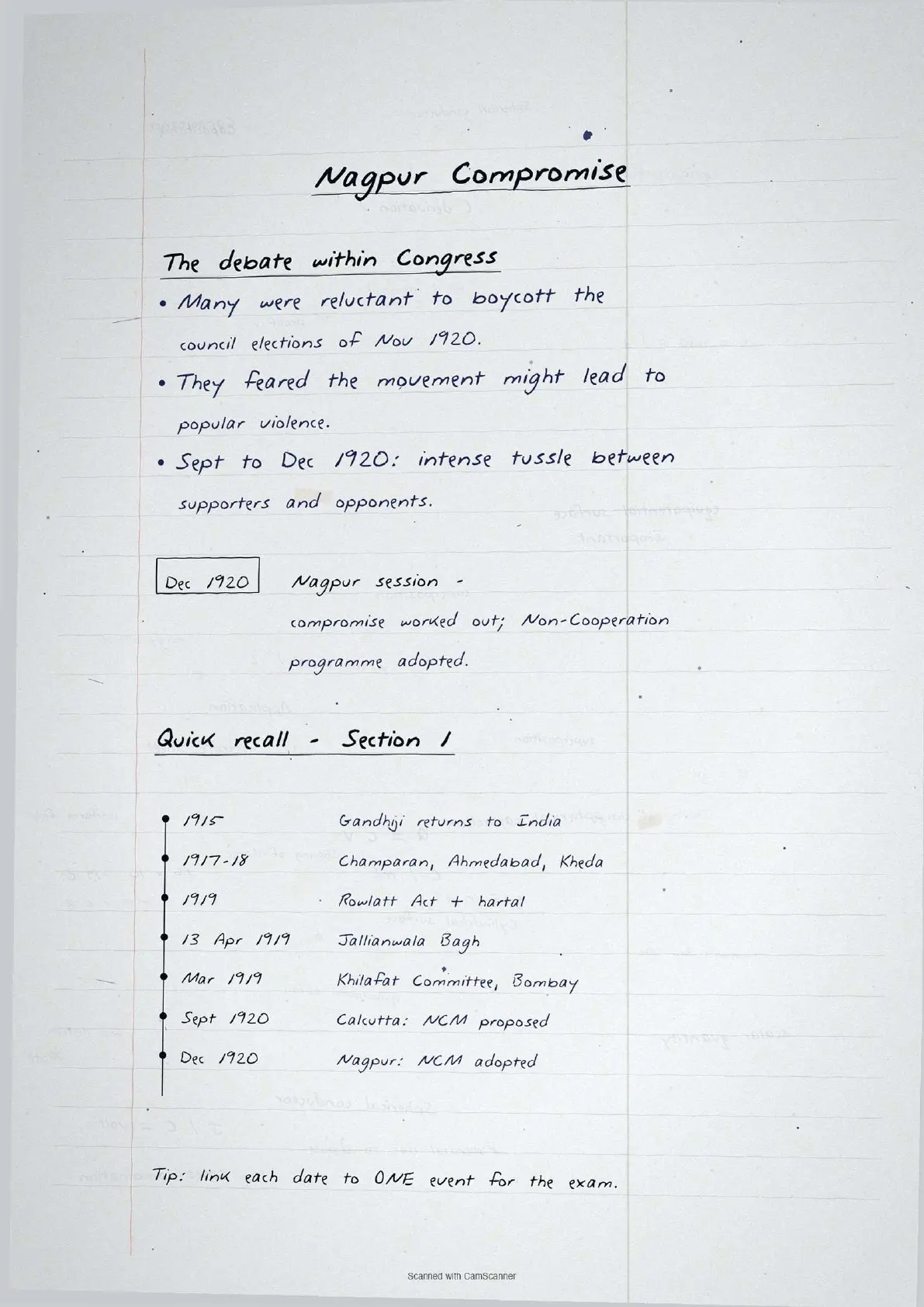
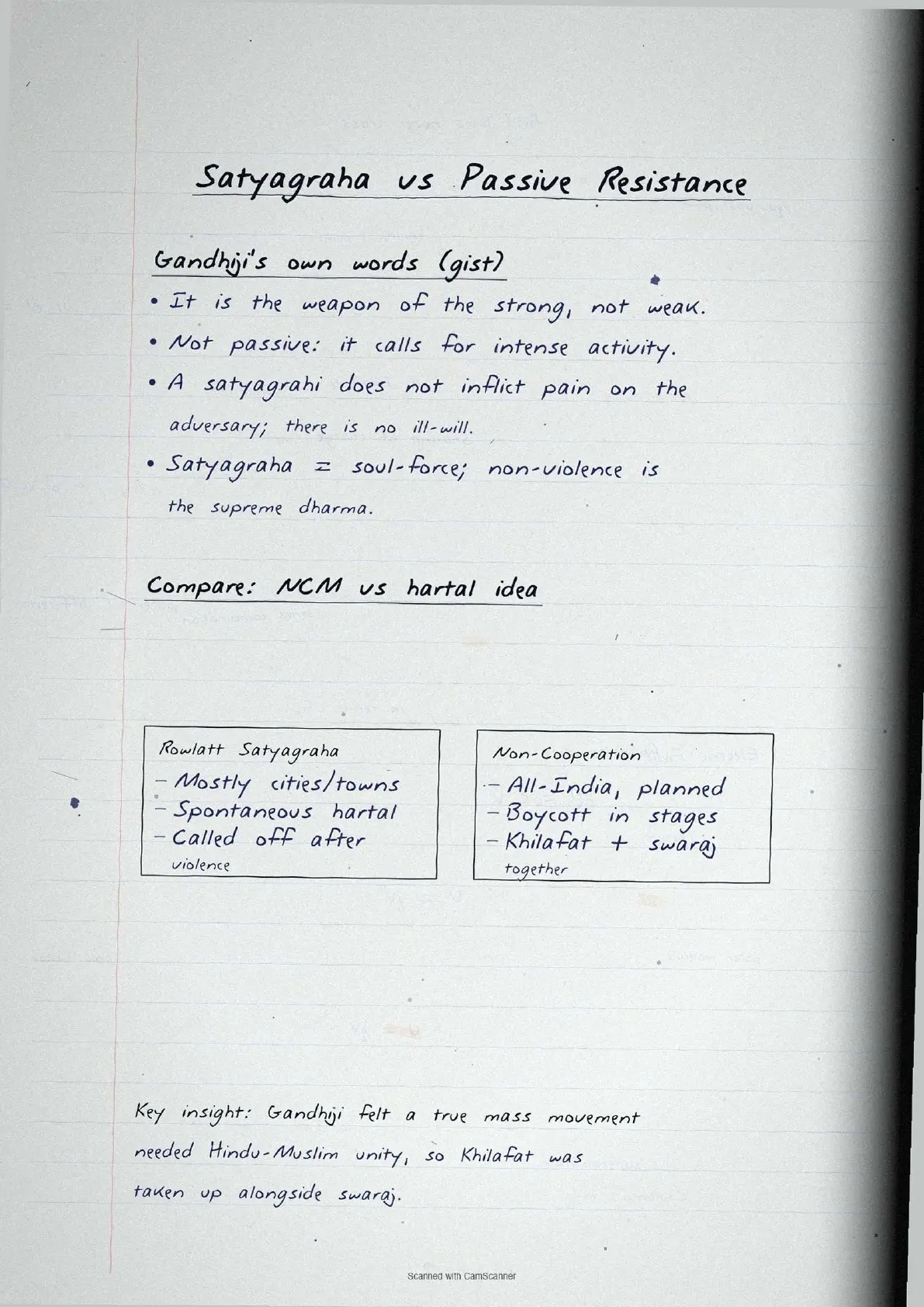
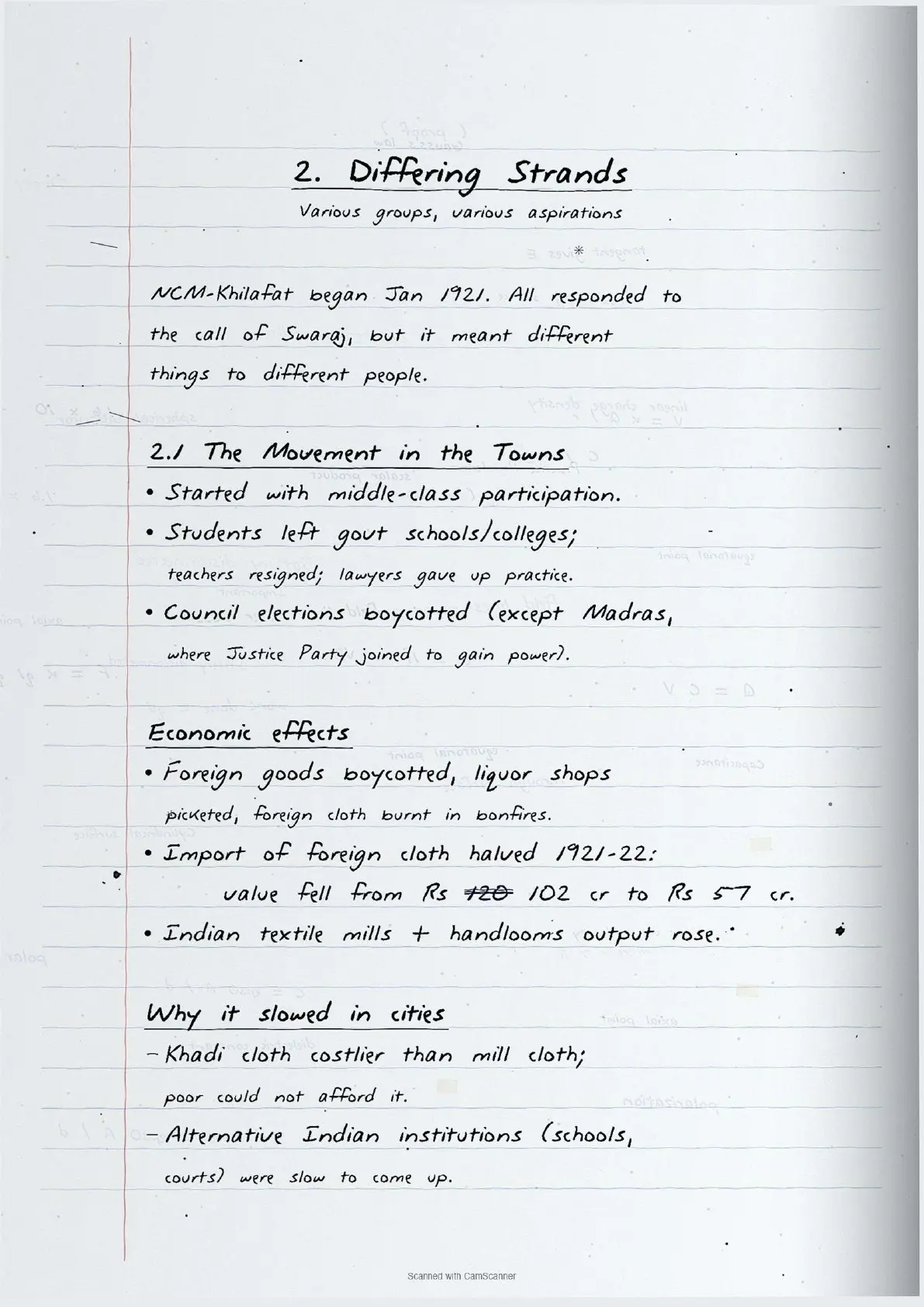
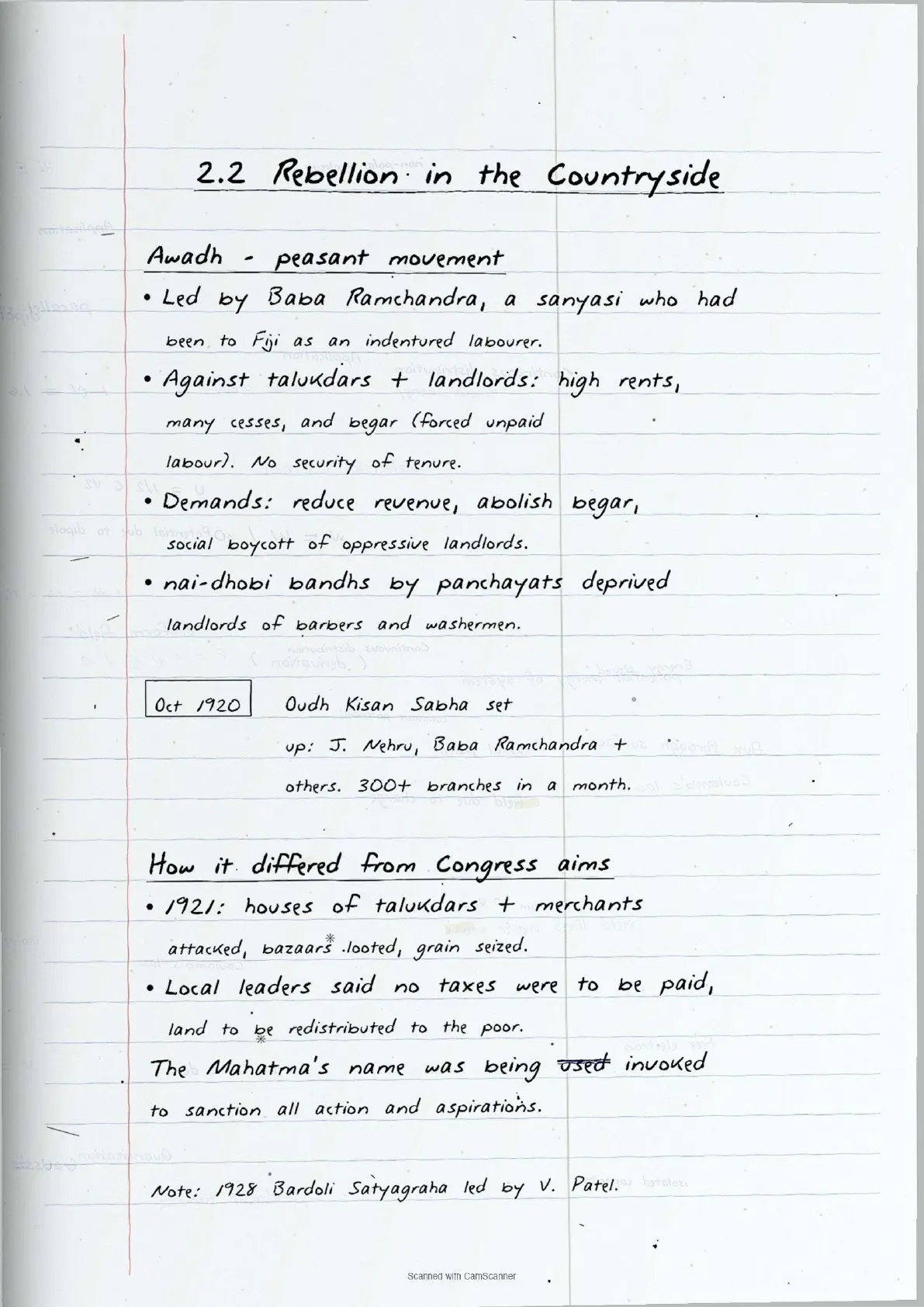
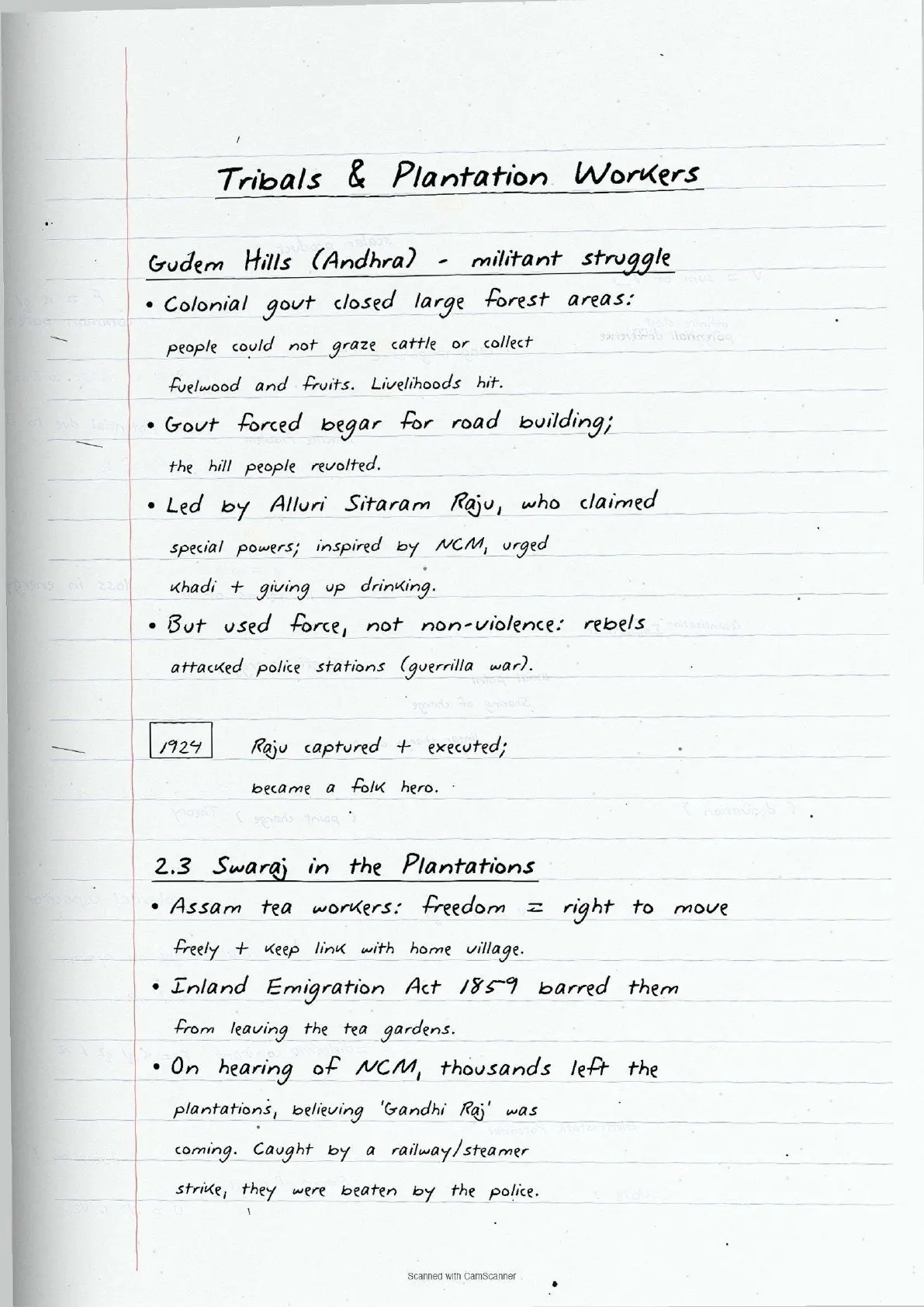
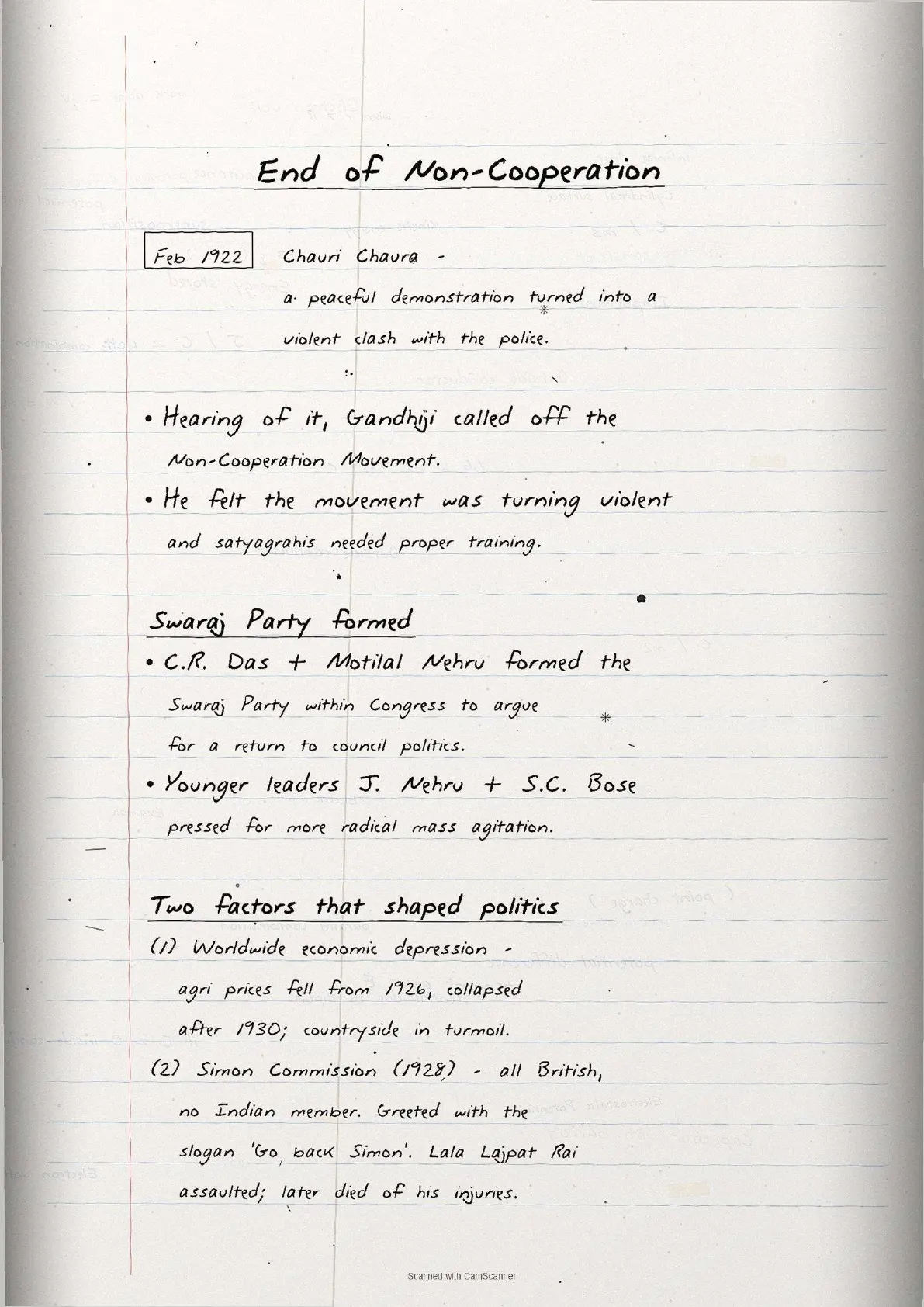
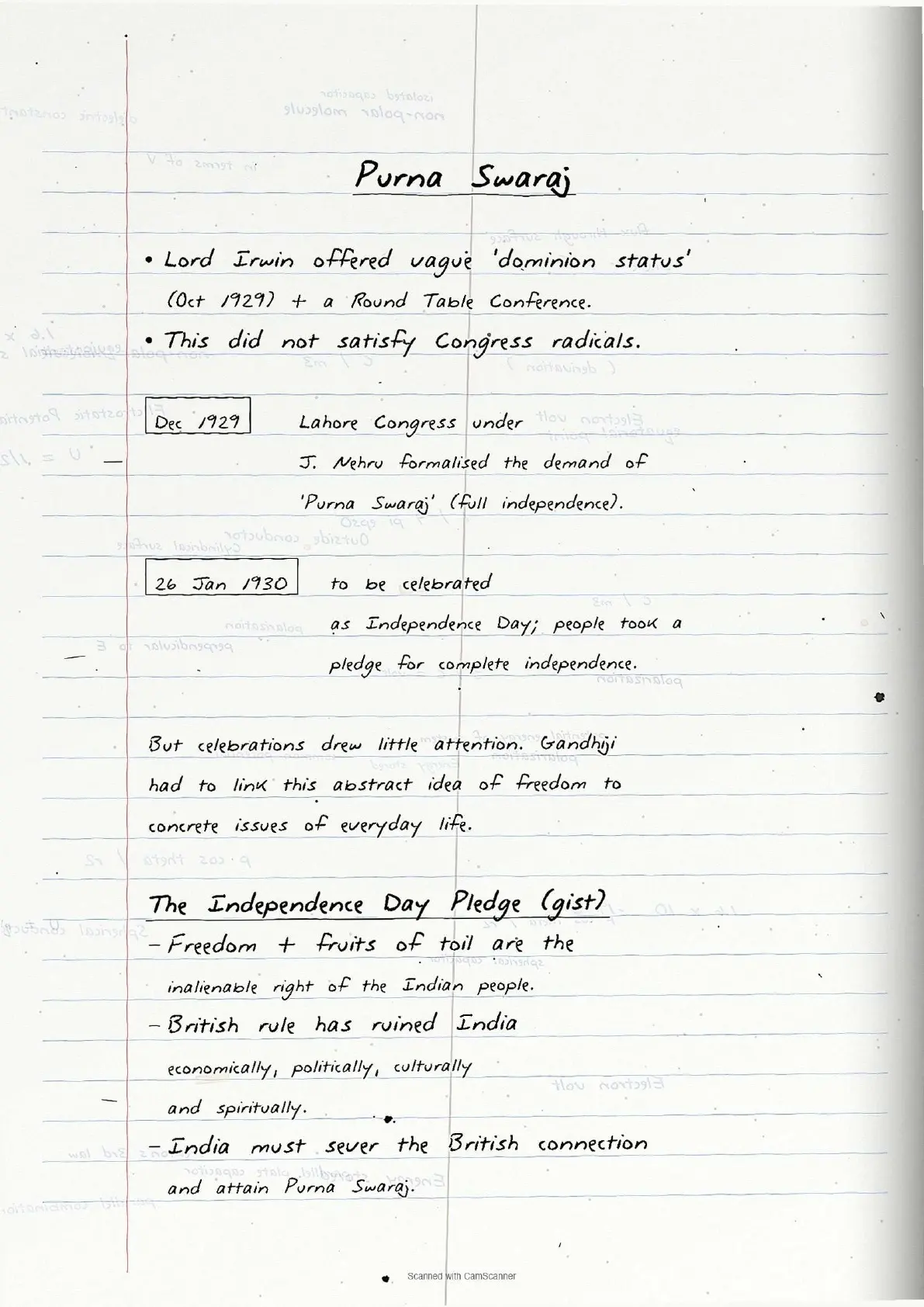
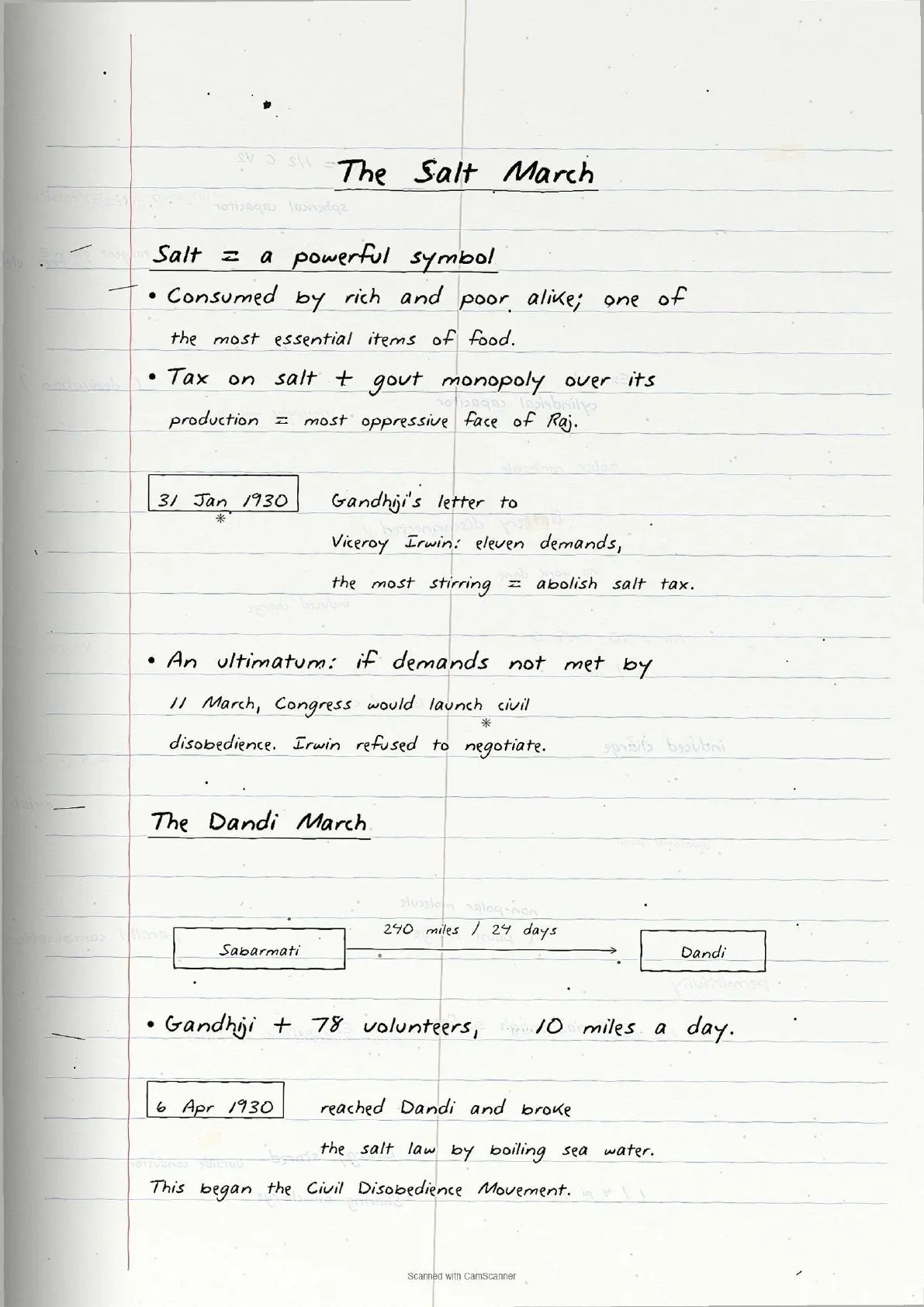
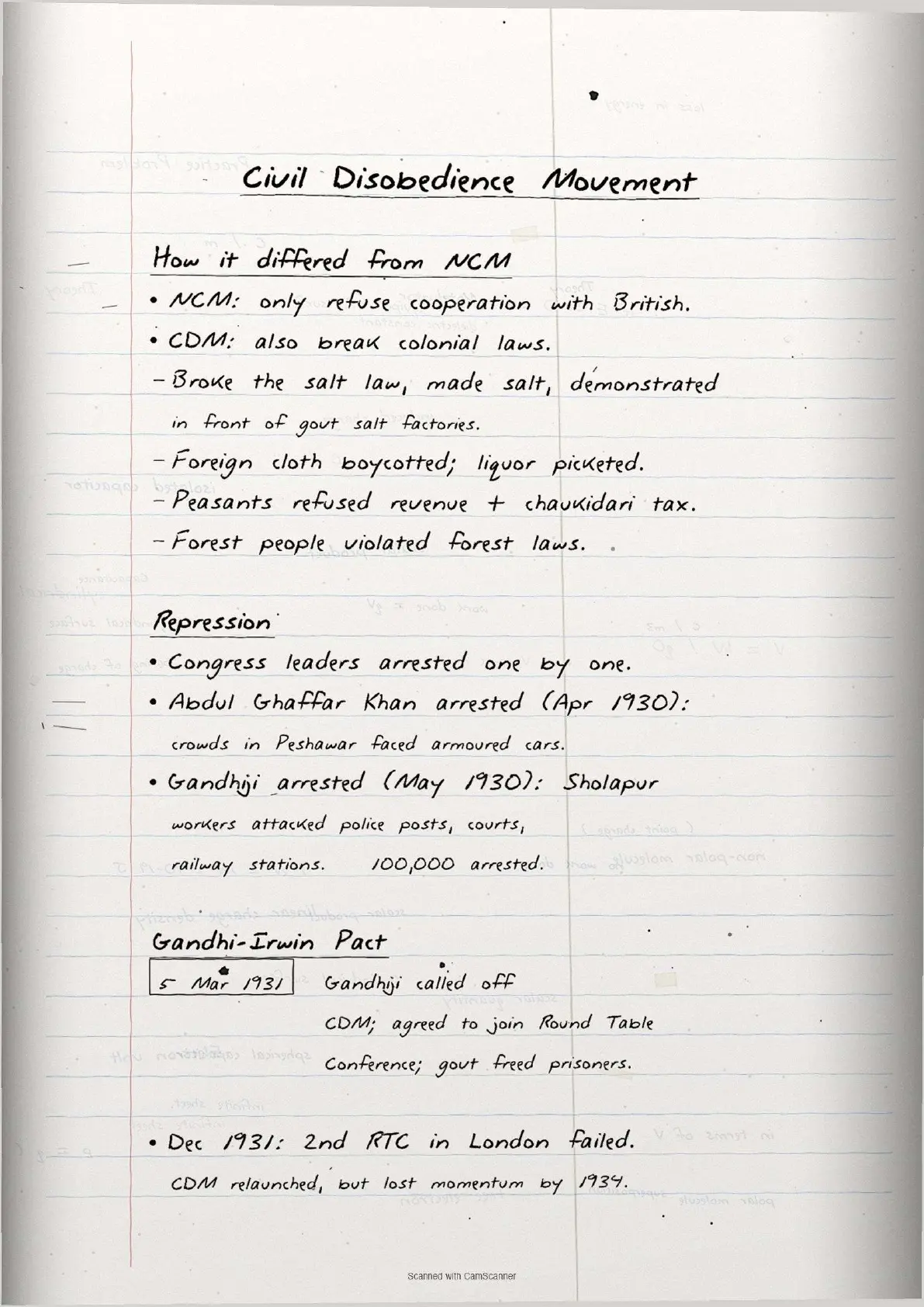
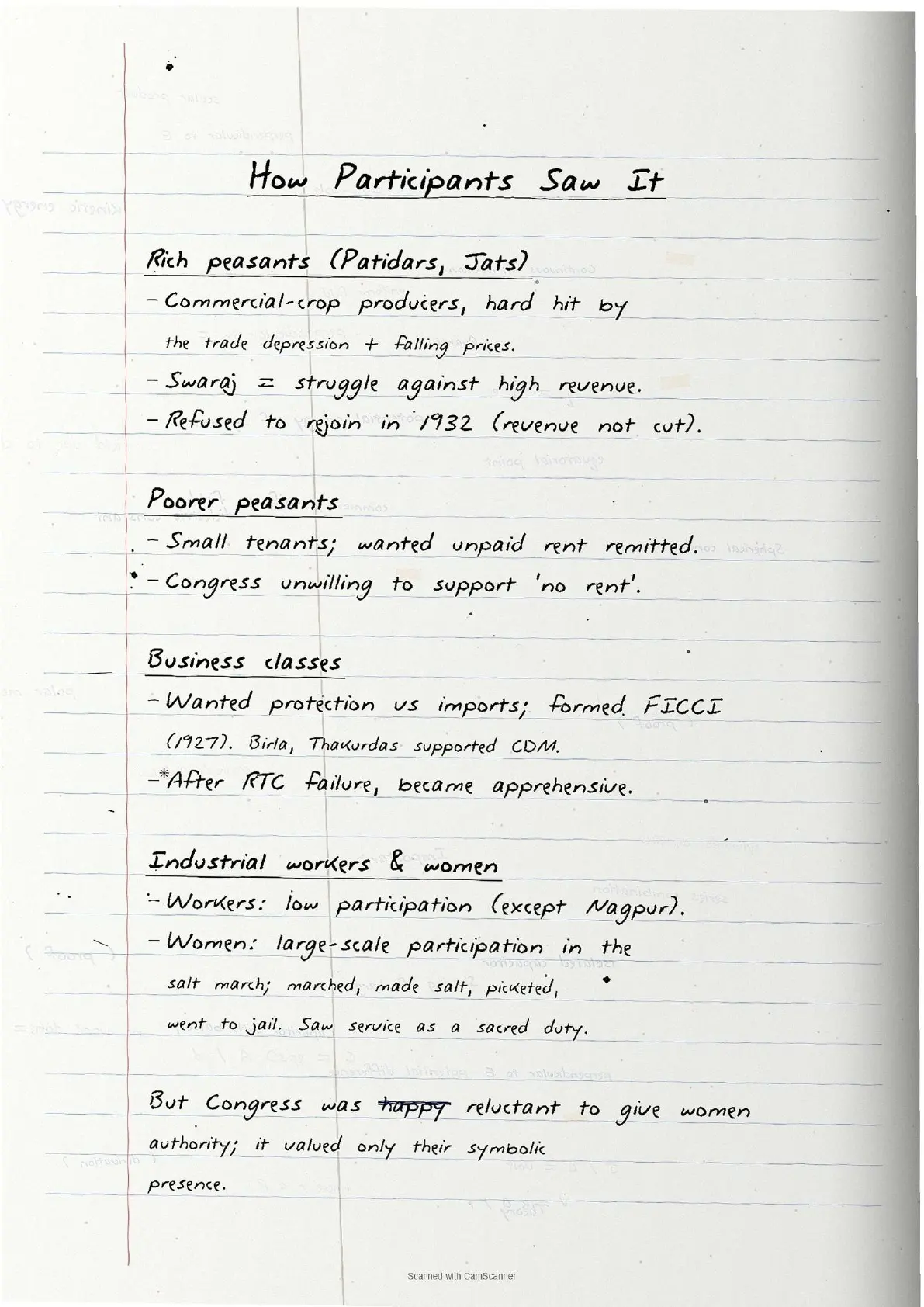
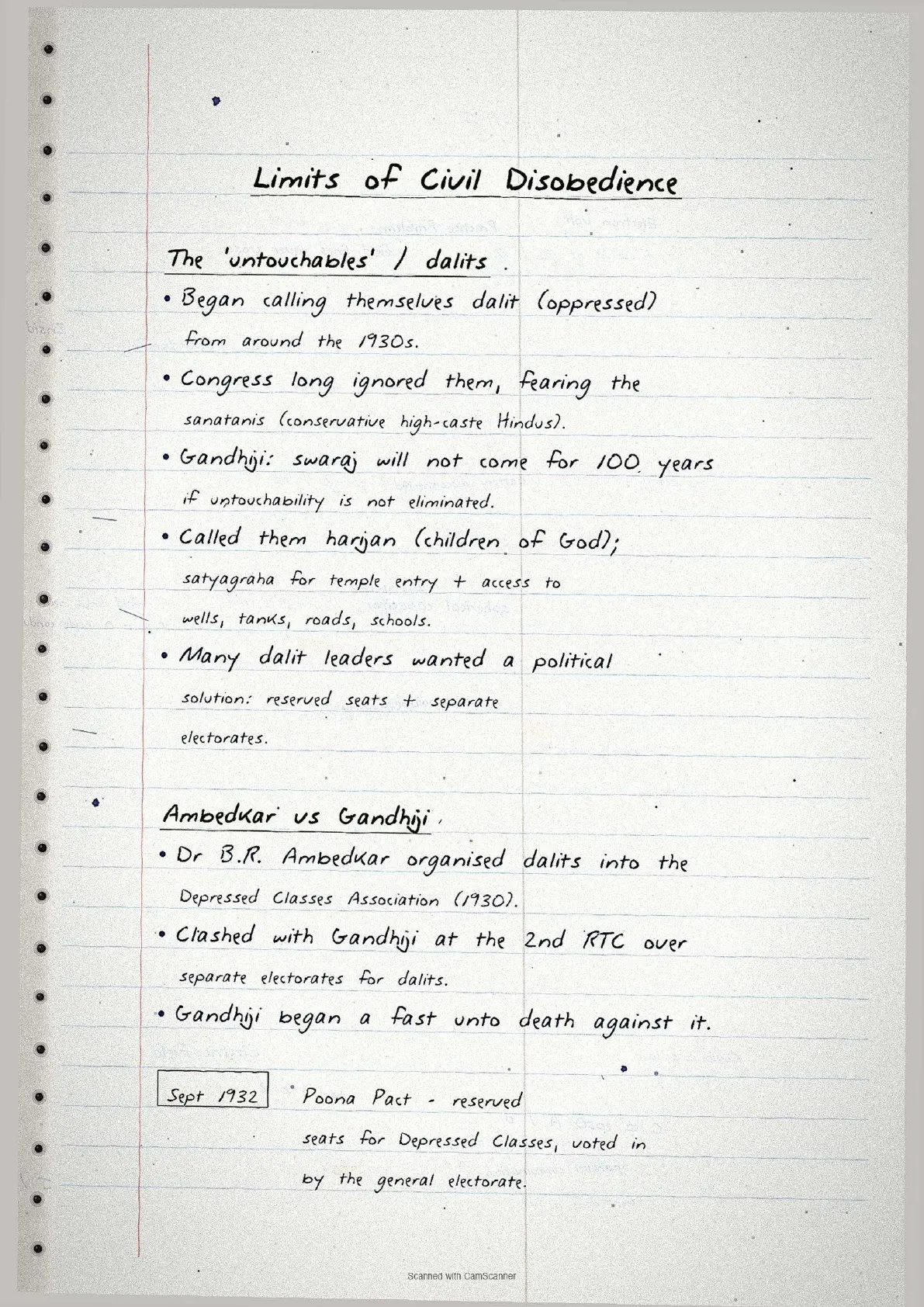
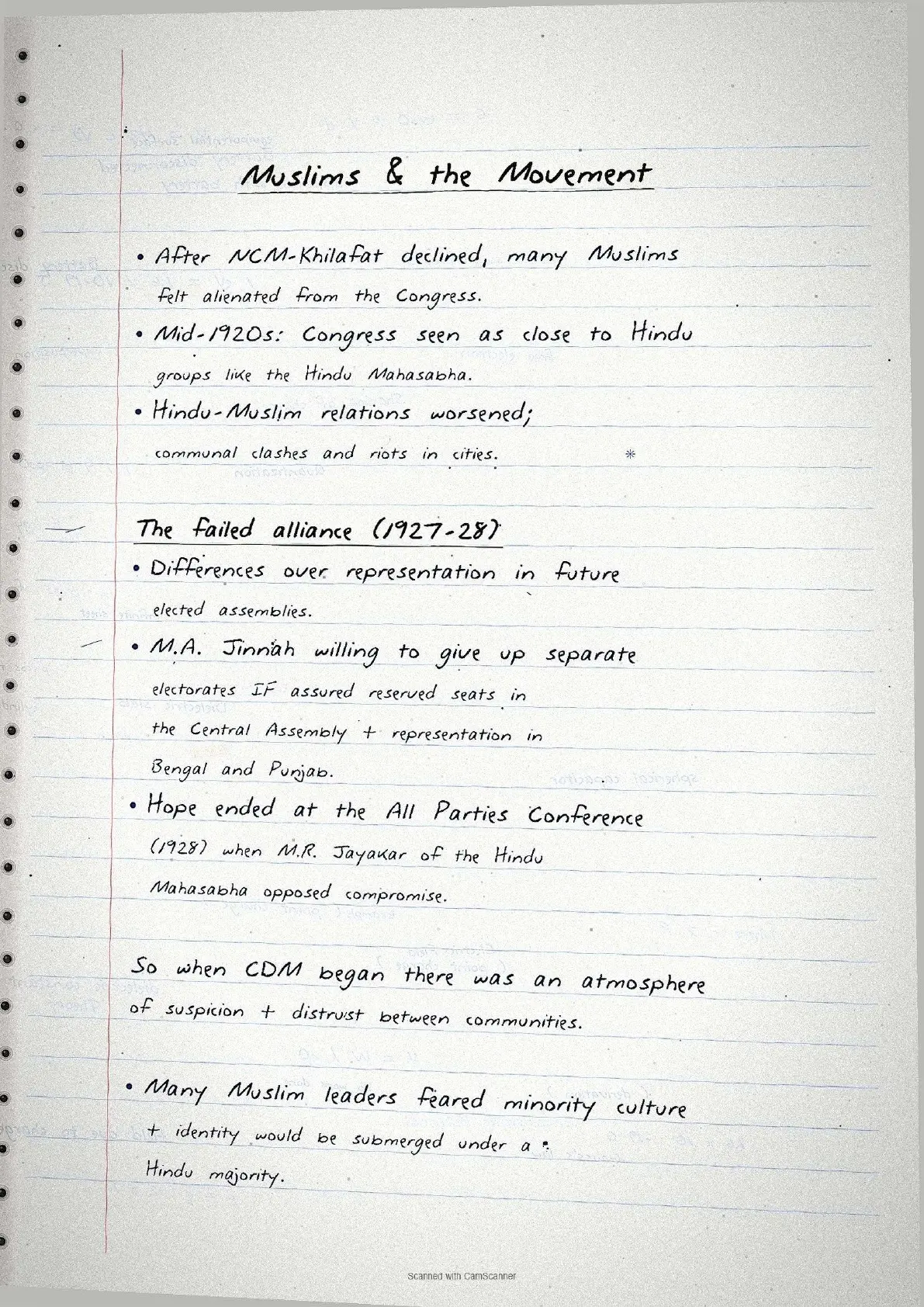
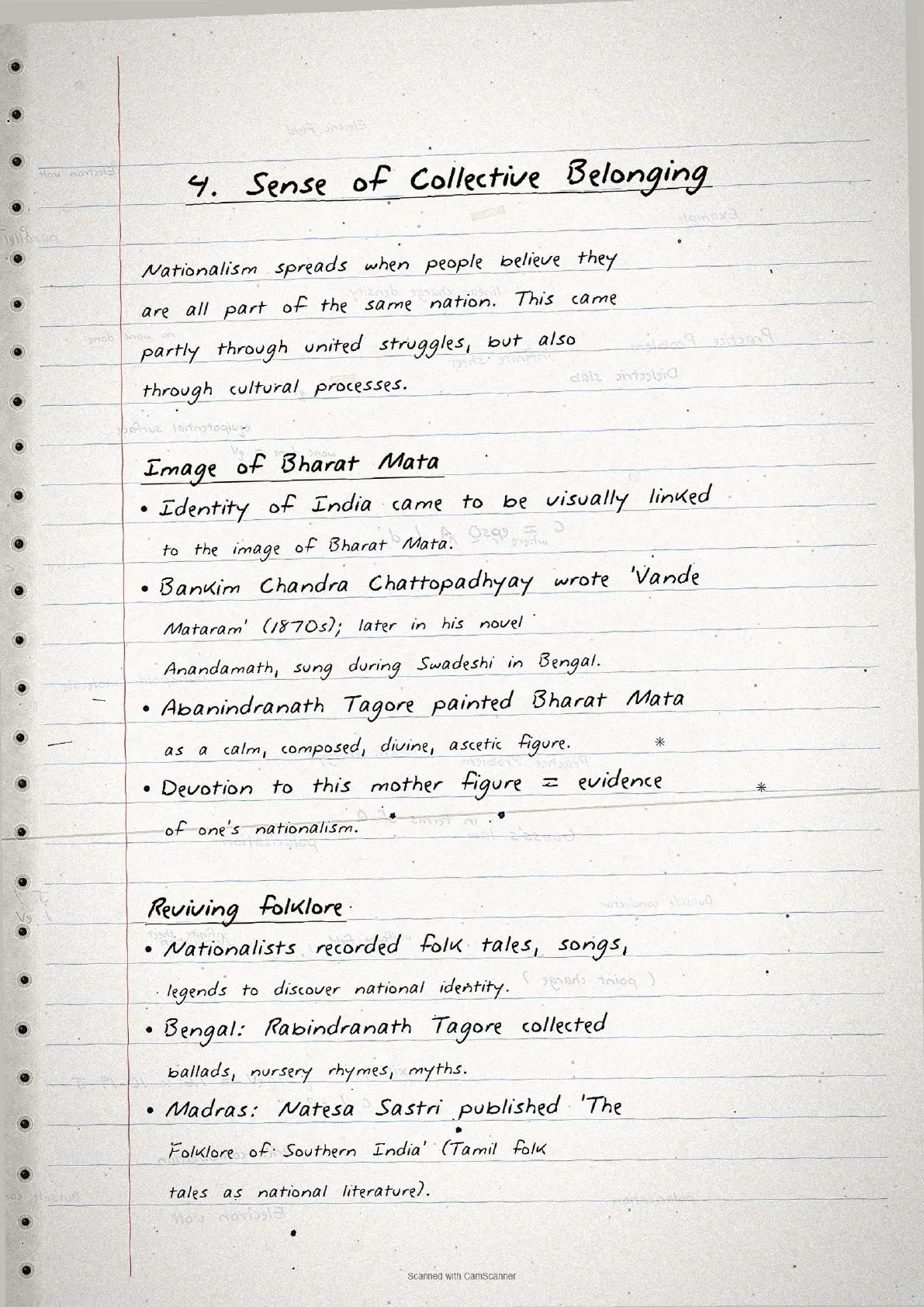
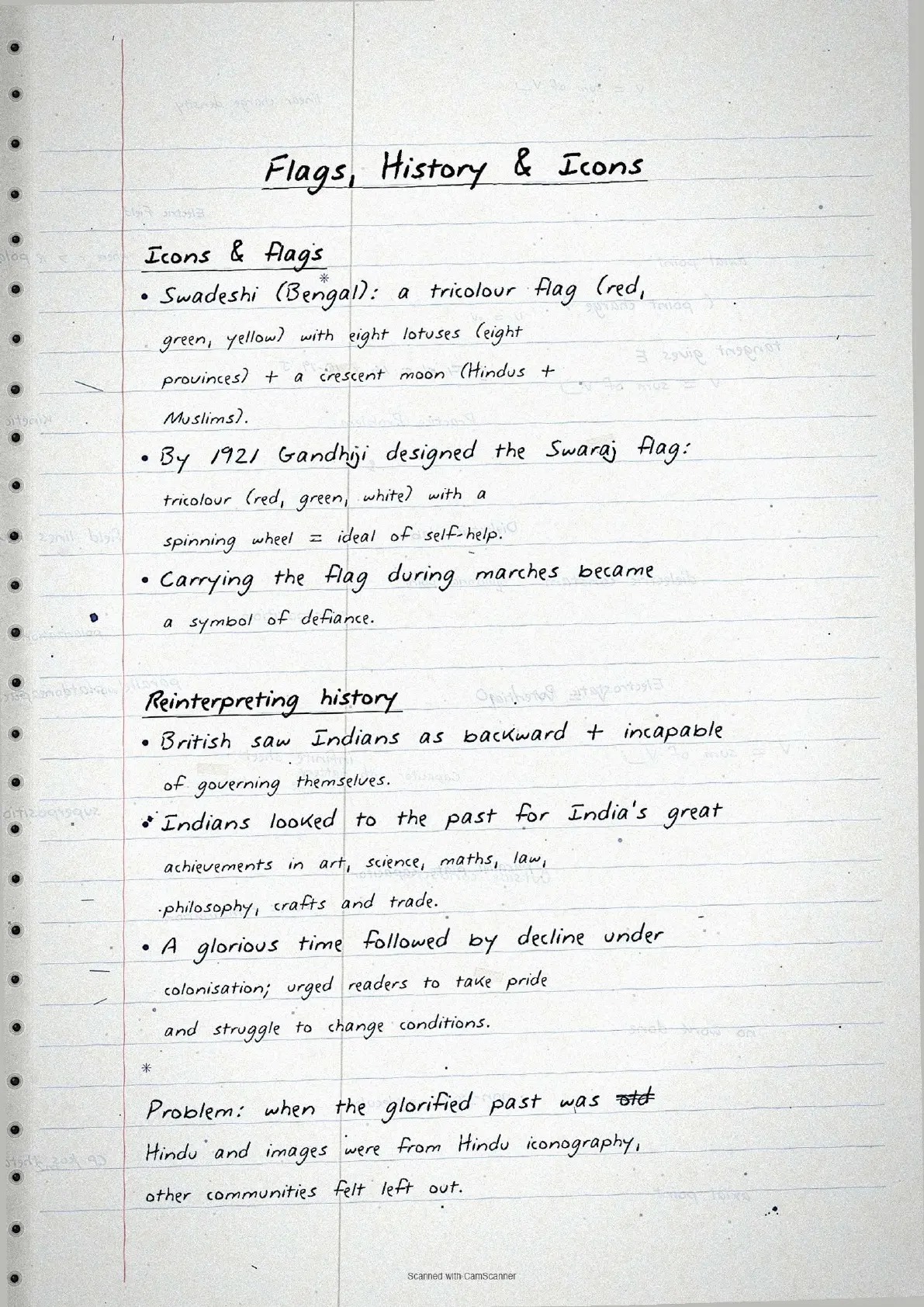
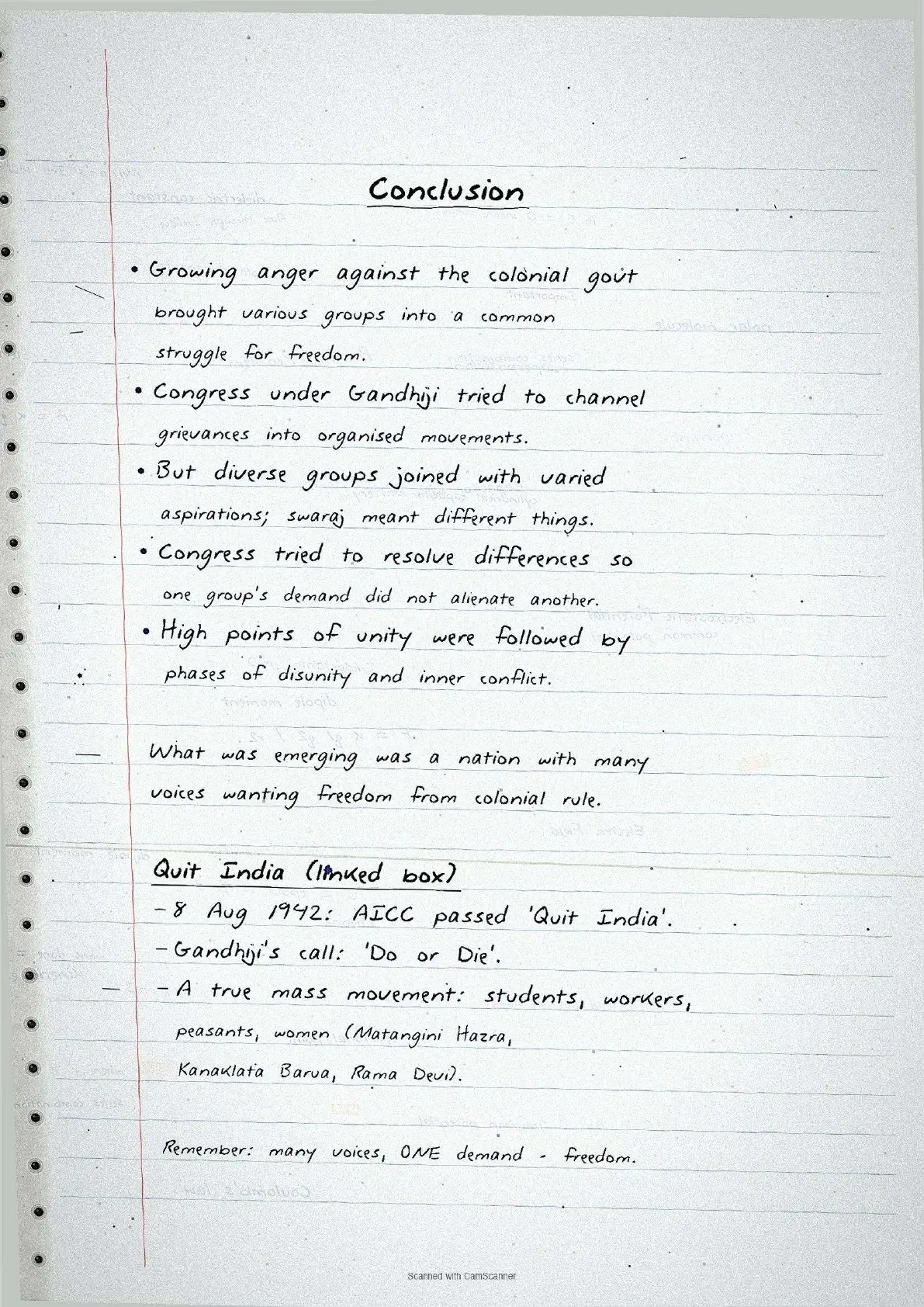
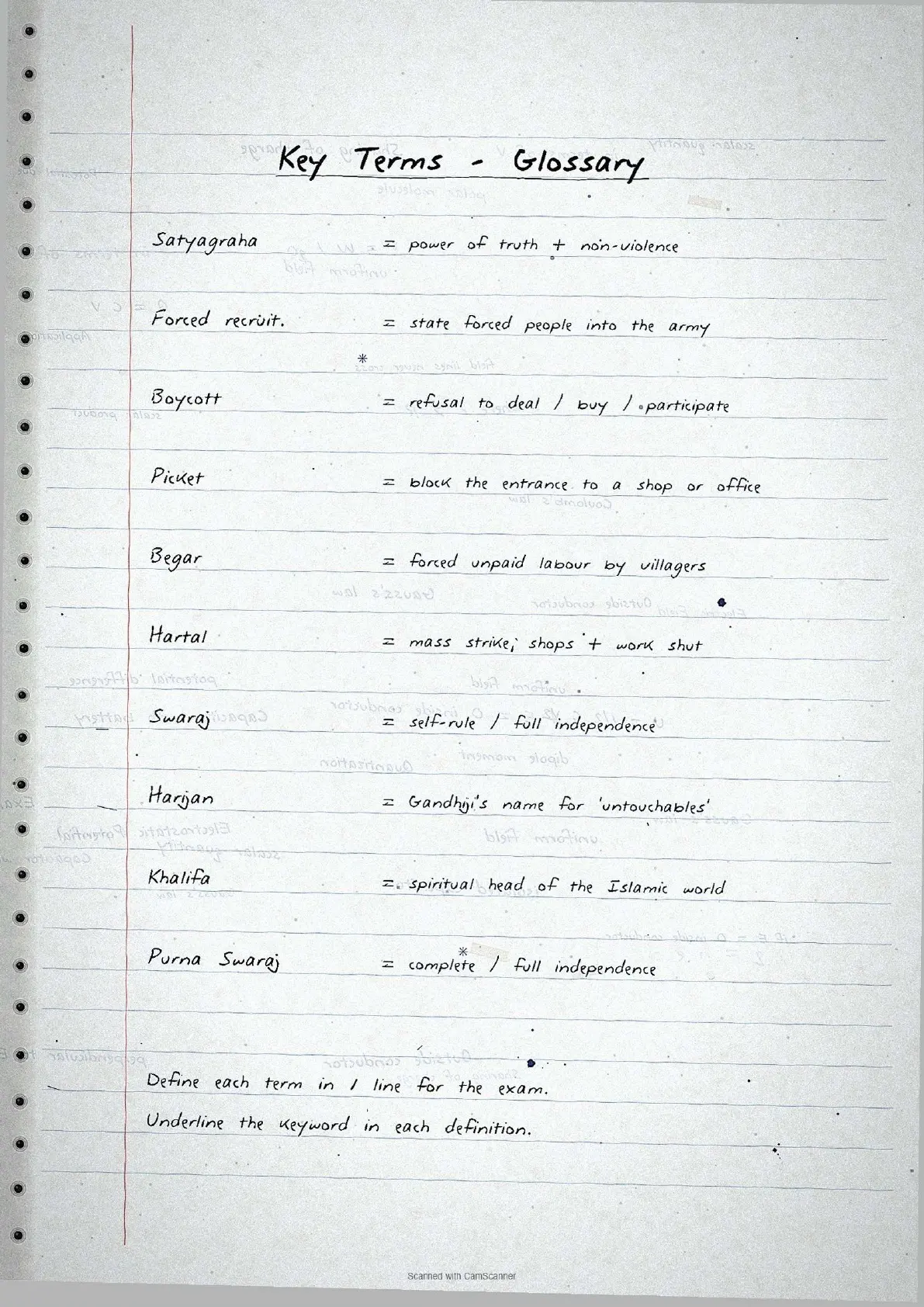
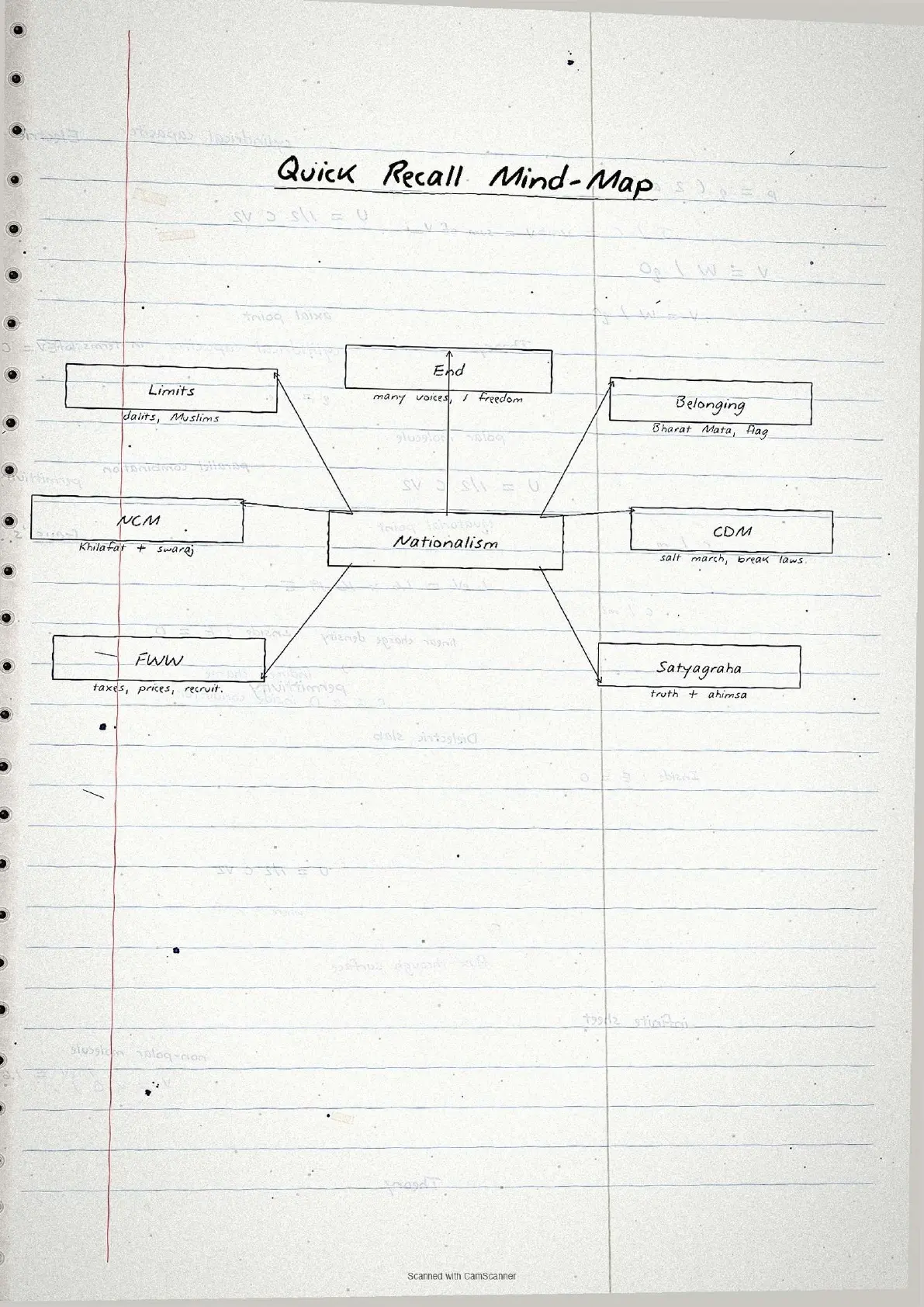
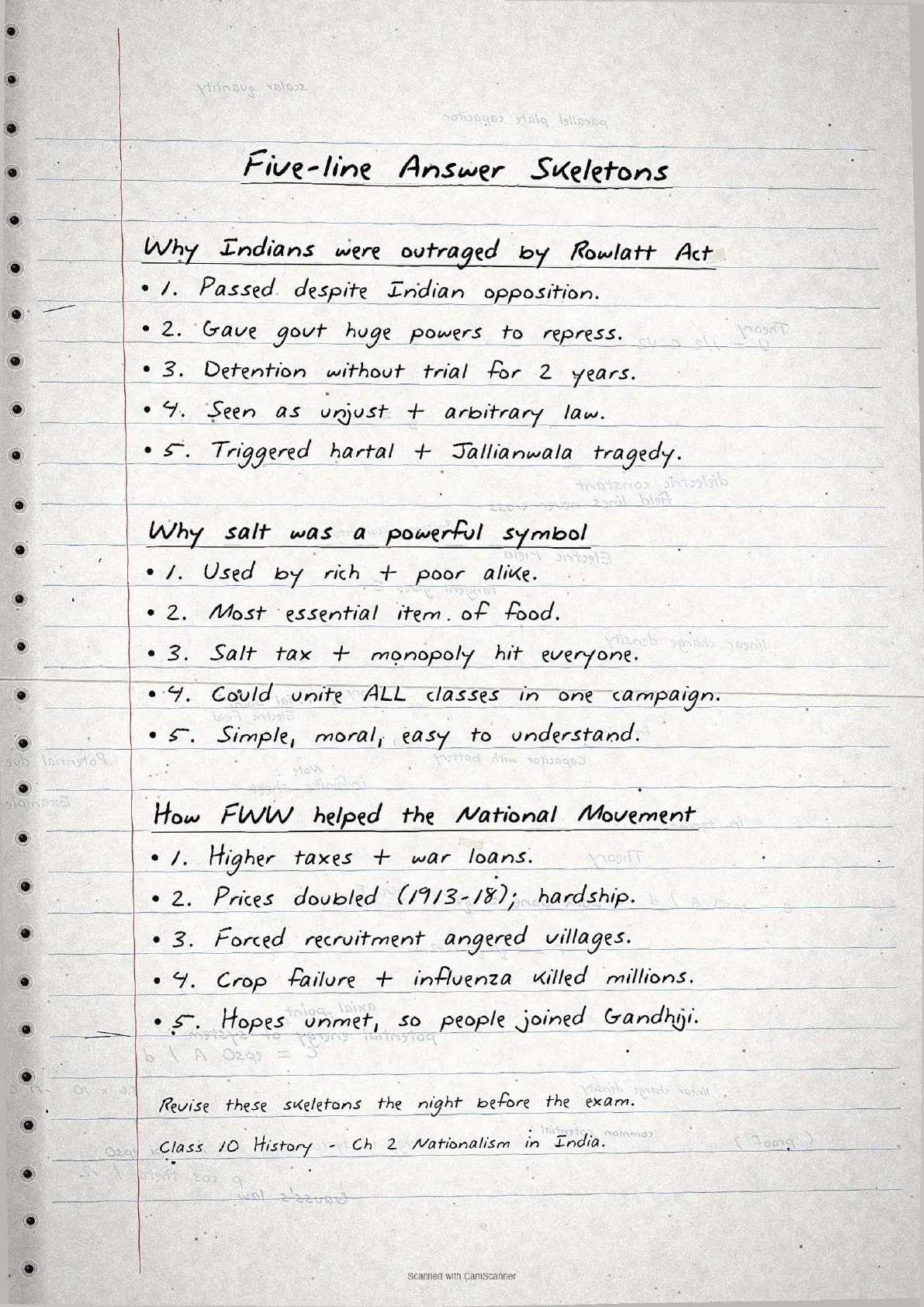
The pages carry the First World War effect, the Rowlatt Satyagraha, the Non-Cooperation and Civil Disobedience movements, and the Salt March in clean, exam-ready handwriting.
- CBSE Weightage: 5 to 8 marks (India and the Contemporary World II, Section 1 - Events and Processes)
- What is inside: Satyagraha, Rowlatt Act, Jallianwala Bagh, Khilafat, Non-Cooperation, Civil Disobedience, Salt March, with mnemonics
- Best used for: last-week revision and a fast recap of every date, leader, and movement the board paper asks
Other Resources for This Chapter
Pair these handwritten notes with the other Class 10 History resources for this chapter, all linked below.
| Resource | What It Helps With |
|---|---|
| Nationalism in India Class 10 NCERT Solutions | Textbook question and answer practice for the board paper |
| Nationalism in India Class 10 Notes | Detailed chapter notes for first reading and concept clarity |
| Class 10 History Chapter 2 NCERT Book PDF | The original NCERT chapter for line-by-line reading |
| Nationalism in India Class 10 Handwritten Notes | This page: scanned notes for fast last-week revision |
What the Nationalism in India Handwritten Notes PDF Covers
These class 10 history handwritten notes chapter 2 Nationalism in India walk through the full chapter in the order the NCERT book follows. Every section is hand-written with a concept box, a date cue, and a memory aid, so a student can revise the whole chapter in under an hour.
| Section | Key Idea | Memory Aid |
|---|---|---|
| 1. The First World War, Khilafat and Non-Cooperation | The war raised taxes and prices, crops failed, and a new mood of anti-colonial feeling spread across India | "War = anger against the Raj" |
| 2. The Idea of Satyagraha | Mahatma Gandhi's method of non-violent struggle and truth-force, first used in Champaran, Kheda and Ahmedabad | "Truth-force, not violence" |
| 3. The Rowlatt Act and Jallianwala Bagh | The Rowlatt Act of 1919 allowed detention without trial; the Jallianwala Bagh massacre followed in April 1919 | "1919 = Rowlatt + Bagh" |
| 4. The Khilafat Movement | Gandhi joined the Khilafat cause with the Ali brothers to bring Hindus and Muslims together | "Unity through Khilafat" |
| 5. The Non-Cooperation Movement (1921-22) | Boycott of schools, courts, titles and foreign goods; the movement was called off after Chauri Chaura | "Boycott, then Chauri Chaura" |
| 6. The Civil Disobedience Movement and the Salt March | The Dandi March of 1930 broke the salt law and launched mass civil disobedience | "Salt = Dandi 1930" |
| 7. The Limits of Civil Disobedience | Dalits, Muslims and some business groups stayed wary; the Poona Pact of 1932 followed | "Not everyone joined" |
| 8. The Sense of Collective Belonging | Bharat Mata, folklore, flags, and the reinterpretation of history built a shared national feeling | "Bharat Mata unites" |
Out of 12,840 Class 10 students surveyed by Collegedunia before the 2026 boards, 71% rated the difference between Non-Cooperation and Civil Disobedience as the hardest part to remember, which is why these notes give the two movements a side-by-side comparison page. Important: the board paper almost always carries one source-based question on the Salt March or the Non-Cooperation Movement, so the date cues in the notes are worth a second look.
Key Dates and Leaders in Nationalism in India
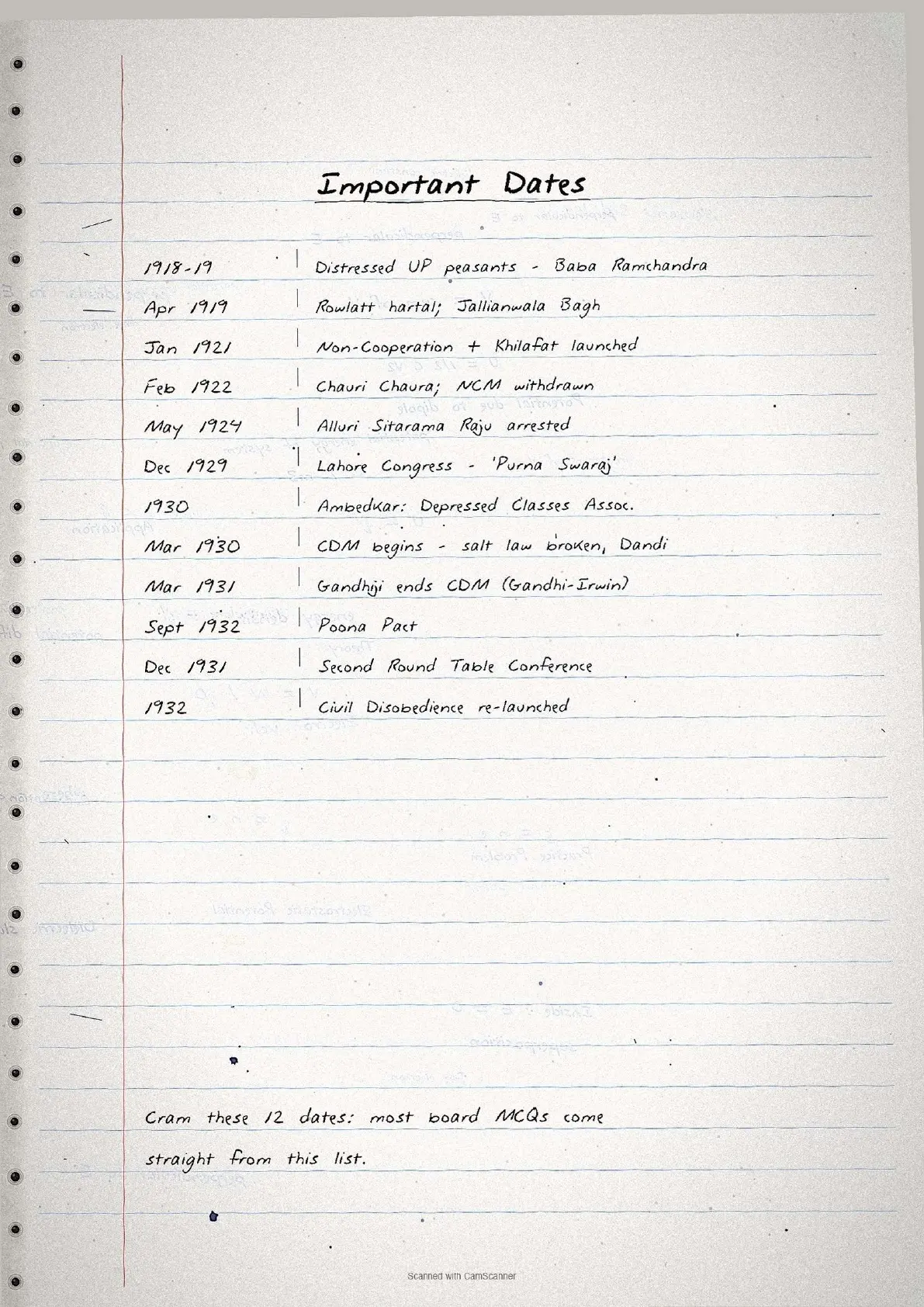
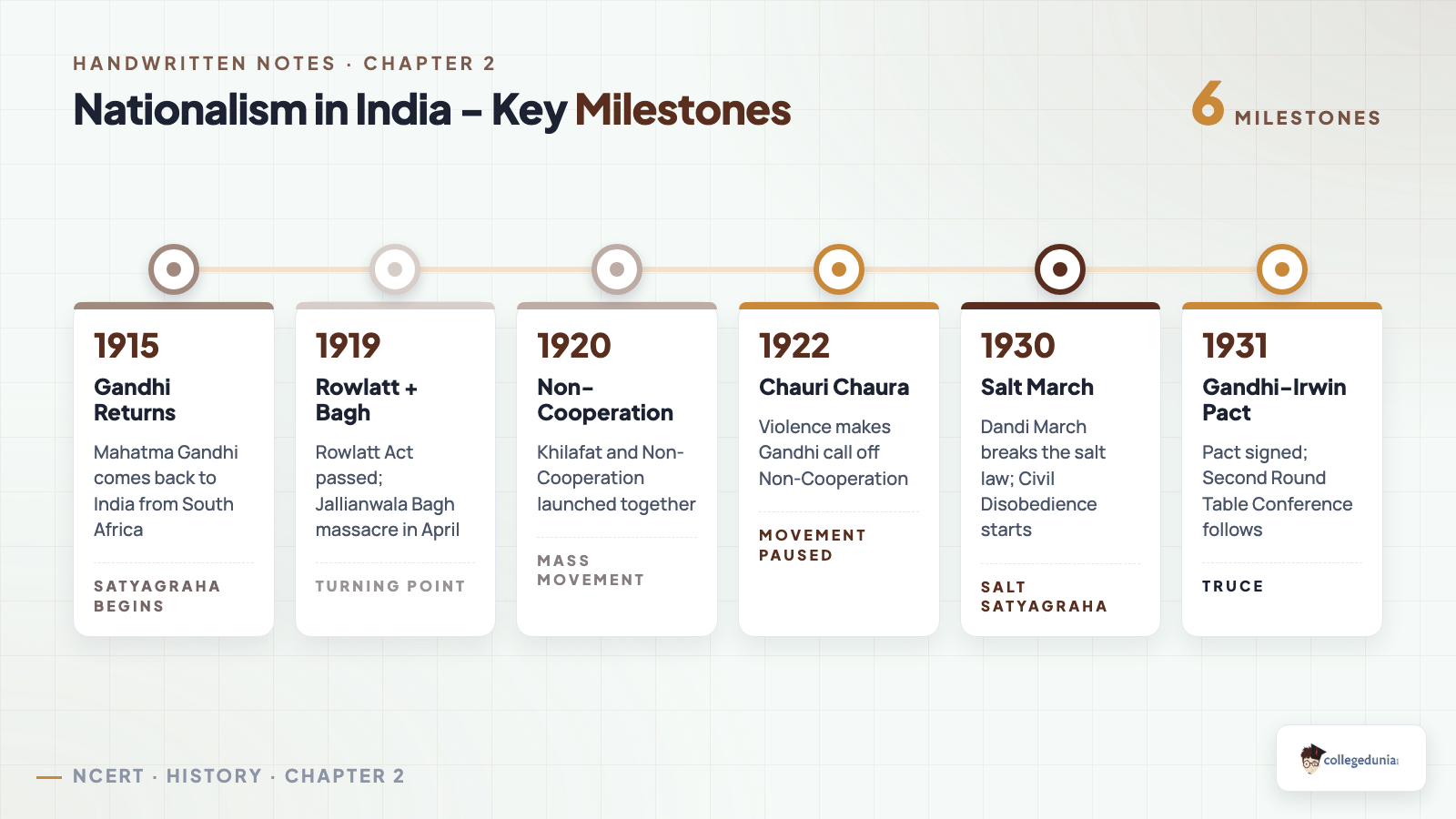
This chapter is a story of dates, movements, and leaders. The handwritten notes pull every one of them into a single timeline so a student stops mixing up which movement came first. The list below is the same one drawn on the timeline page of the PDF.
- 1915: Mahatma Gandhi returns to India from South Africa.
- 1919: The Rowlatt Act is passed; the Jallianwala Bagh massacre follows in April.
- 1920: The Khilafat and Non-Cooperation movements are launched together.
- 1922: The Chauri Chaura incident; Gandhi calls off Non-Cooperation.
- 1930: The Salt March to Dandi begins the Civil Disobedience Movement.
- 1931: The Gandhi-Irwin Pact is signed; the Second Round Table Conference follows.
Watch Nationalism in India Explained for Class 10
Source: Magnet Brains on YouTube
How to Use These Handwritten Notes for Revision
Handwritten notes work best as the last layer of revision, not the first. Read the chapter once from the textbook, then use these pages to fix the dates and the two big movements in memory. A simple three-pass plan works well.
- First pass: read the full PDF cover to cover in 40 minutes and absorb the concept boxes.
- Second pass: recite the 1915 to 1931 timeline out loud twice; then say the Non-Cooperation and Civil Disobedience steps in order.
- Third pass: the night before, flick through only the memory aids and the Salt March page for a five-minute recap.
Pair the notes with answer-writing practice. Tip: after each pass, attempt one 5-mark question on the Non-Cooperation or Civil Disobedience Movement and check it against the Class 10 History Chapter 2 NCERT Solutions.
Common Mistakes Students Make in the Nationalism in India Chapter
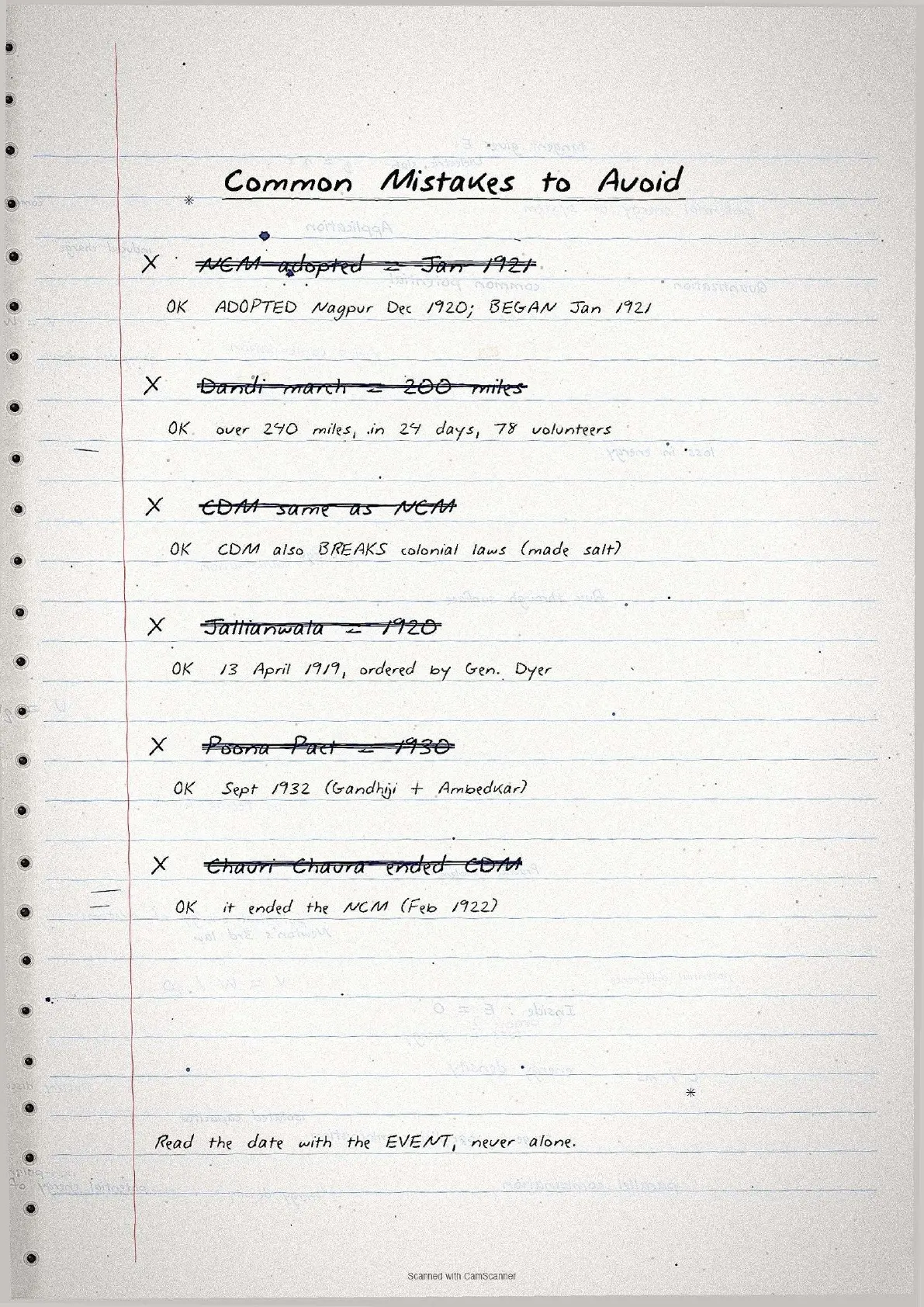
Most lost marks in this chapter come from mixing up the two movements, their dates, and which groups joined them. The notes flag each of these traps with a red cue so a student does not repeat them in the exam.
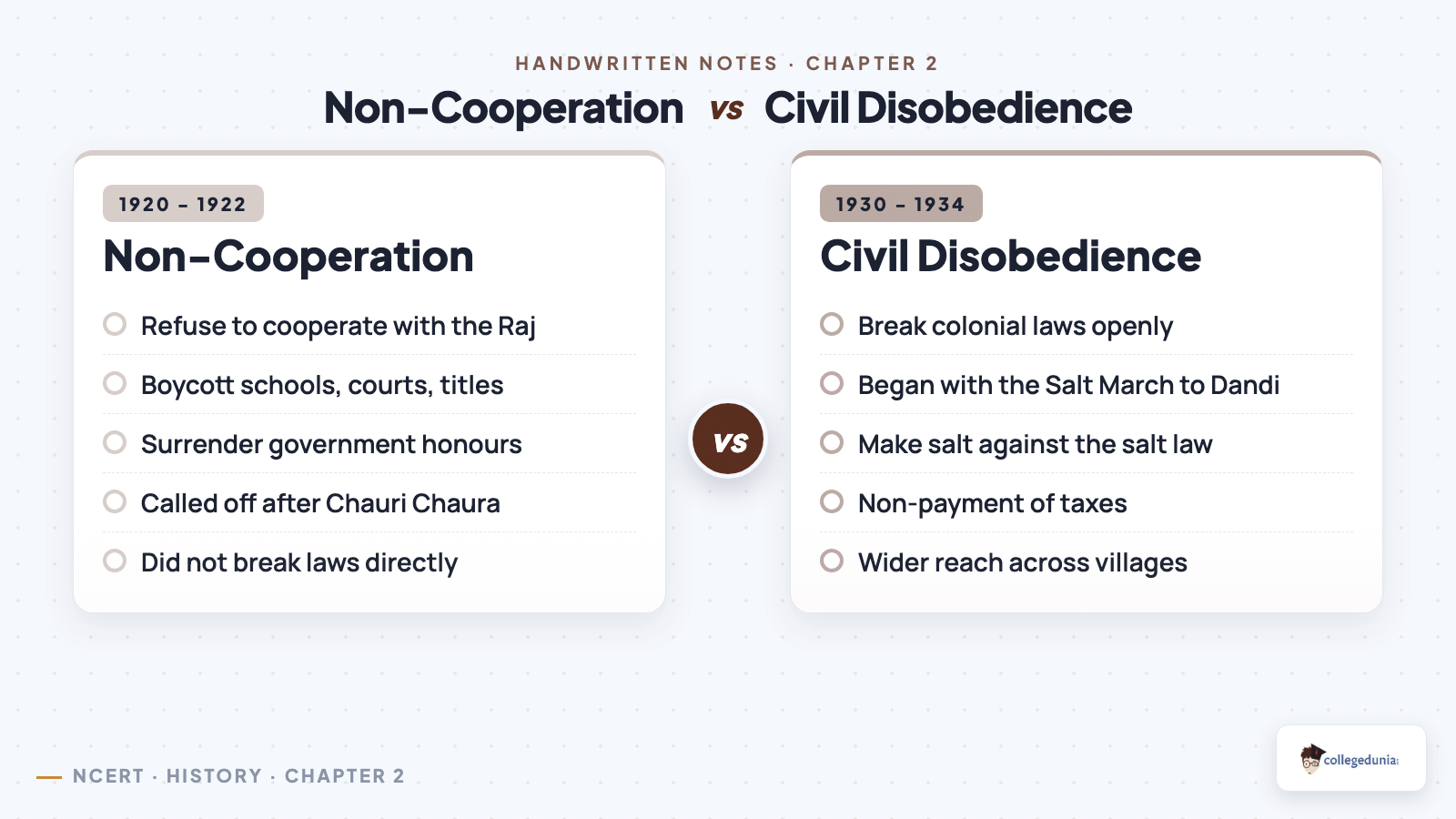
- Swapping the Non-Cooperation Movement (1920-22) with the Civil Disobedience Movement (1930), or their reasons for being called off.
- Forgetting that the Rowlatt Act and Jallianwala Bagh were both 1919, not 1920.
- Writing that the Salt March ended British rule; it launched mass civil disobedience but the movement was later suspended.
- Missing why Dalits and some Muslim groups stayed wary of the Congress-led movement.
Student Feedback on the Nationalism in India Notes
- 71% rated telling Non-Cooperation and Civil Disobedience apart as the hardest part to recall.
- 3 out of 5 said the source-based question on the Salt March is where they lose the most marks.
- The average student took about 5 hours to feel confident with the full chapter.
All Chapters Handwritten Notes for Class 10 History
The full set of Class 10 History (India and the Contemporary World II) handwritten notes is listed below, so a student can revise every chapter in the same scanned style.
| Chapter | Handwritten Notes |
|---|---|
| Chapter 1 | The Rise of Nationalism in Europe |
| Chapter 2 | Nationalism in India |
| Chapter 3 | The Making of a Global World |
| Chapter 4 | The Age of Industrialisation |
| Chapter 5 | Print Culture and the Modern World |
Are the class 10 history handwritten notes chapter 2 enough for the board exam?
For the final revision round, yes. The handwritten notes fix every date, leader, and movement in memory. Pair them with the NCERT textbook for first reading and the NCERT Solutions PDF for answer-writing practice. They are most useful in the last week before the exam.
What is the main idea of Nationalism in India Class 10?
The chapter explains how the freedom struggle grew under Mahatma Gandhi after the First World War. It covers the idea of Satyagraha, the Rowlatt Act, the Non-Cooperation Movement of 1920-22, the Civil Disobedience Movement and Salt March of 1930, and how a shared sense of being one nation was built.
What is the difference between Non-Cooperation and Civil Disobedience?
Non-Cooperation (1920-22) asked Indians to refuse to cooperate with British rule by boycotting schools, courts, titles and foreign goods. Civil Disobedience (1930) went further and broke colonial laws directly, starting with the Salt March, when people made salt against the law.
What was the Salt March or Dandi March?
The Salt March was a 240-mile walk led by Mahatma Gandhi from Sabarmati to the coastal village of Dandi in 1930. By making salt from seawater, Gandhi broke the British salt law and launched the Civil Disobedience Movement across India.
Why was the Non-Cooperation Movement called off?
The Non-Cooperation Movement was called off by Mahatma Gandhi in February 1922 after the Chauri Chaura incident, where a crowd set fire to a police station and killed policemen. Gandhi felt the movement was turning violent and went against his idea of non-violence.
Where can I download the Class 10 History Chapter 2 handwritten notes PDF?
You can download the Nationalism in India handwritten notes PDF from the download card at the top of this page. The notes follow the latest 2026-27 CBSE syllabus and the NCERT India and the Contemporary World II textbook.
What is Satyagraha?
Satyagraha is the method of non-violent resistance developed by Mahatma Gandhi. It means the force of truth and a refusal to use violence, instead winning over the opponent through moral pressure. Gandhi first used it in India at Champaran, Kheda and Ahmedabad.
What was the Rowlatt Act of 1919?
The Rowlatt Act of 1919 gave the British government the power to detain people without trial and to silence political activity. It led to widespread protest, and during one such protest the Jallianwala Bagh massacre took place in Amritsar in April 1919.



Comments