




The class 10 history handwritten notes chapter 4 The Age of Industrialisation have been carefully prepared and scanned for quick one-shot revision, according to the latest 2026-27 CBSE syllabus.
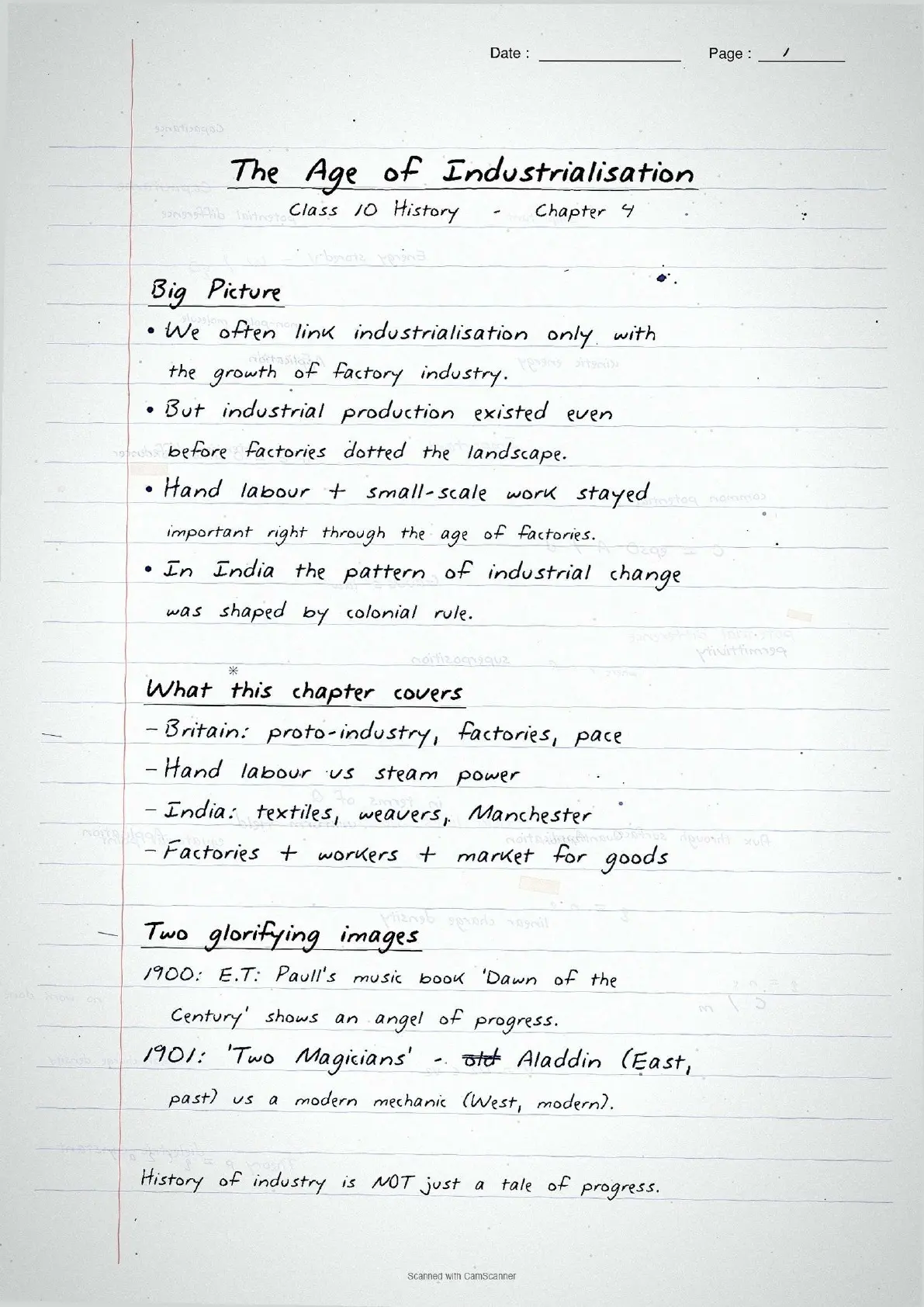
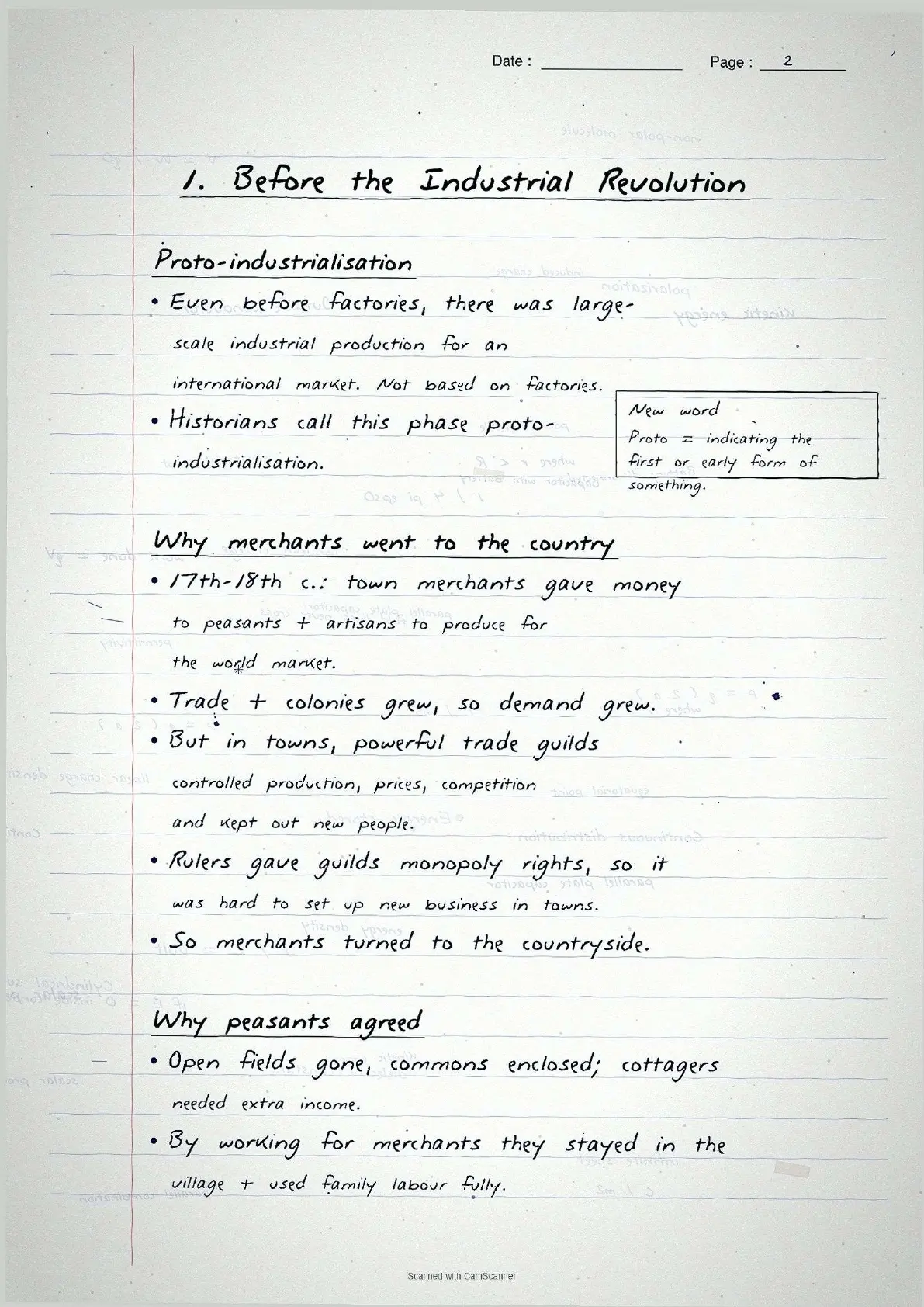
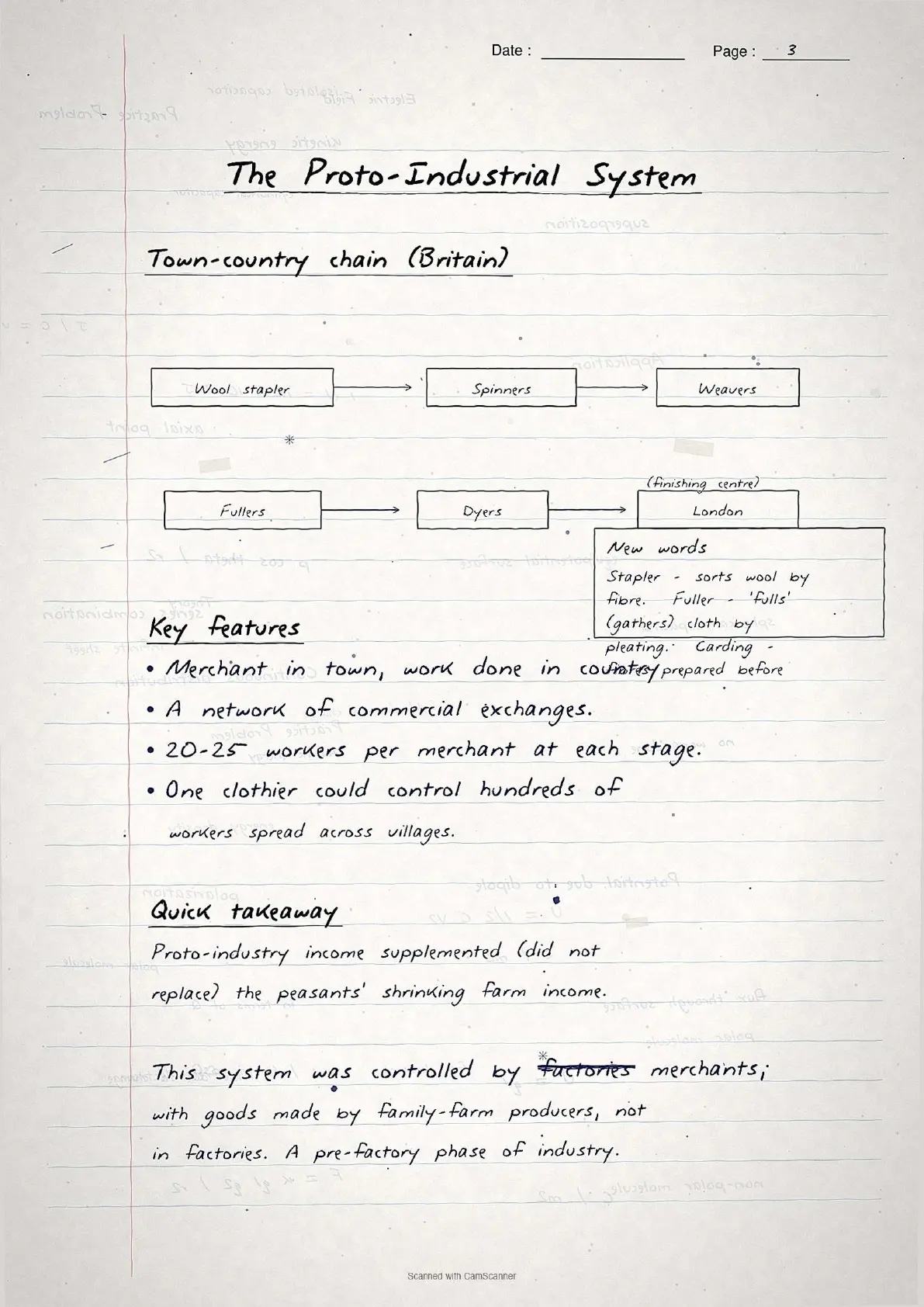
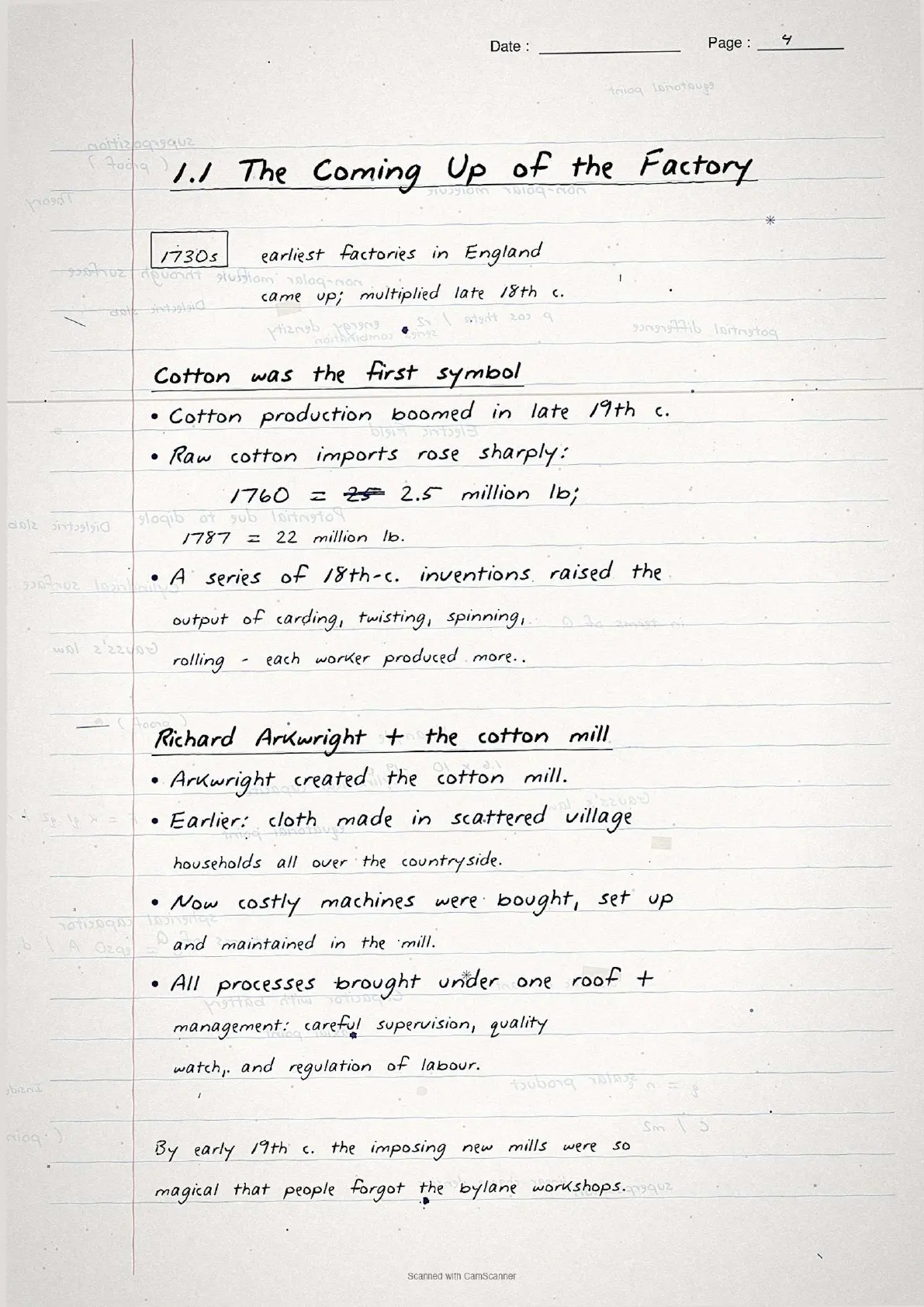
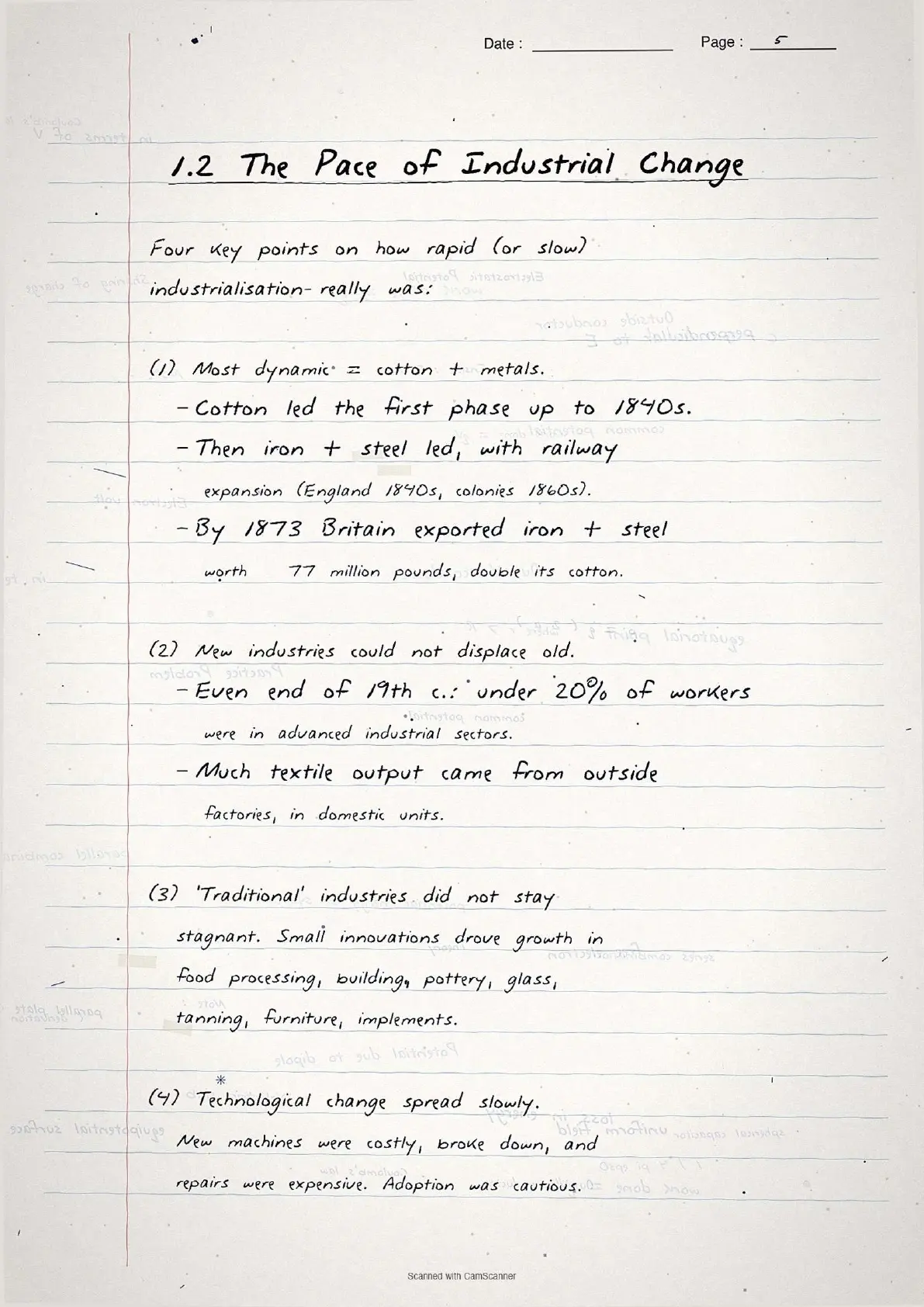
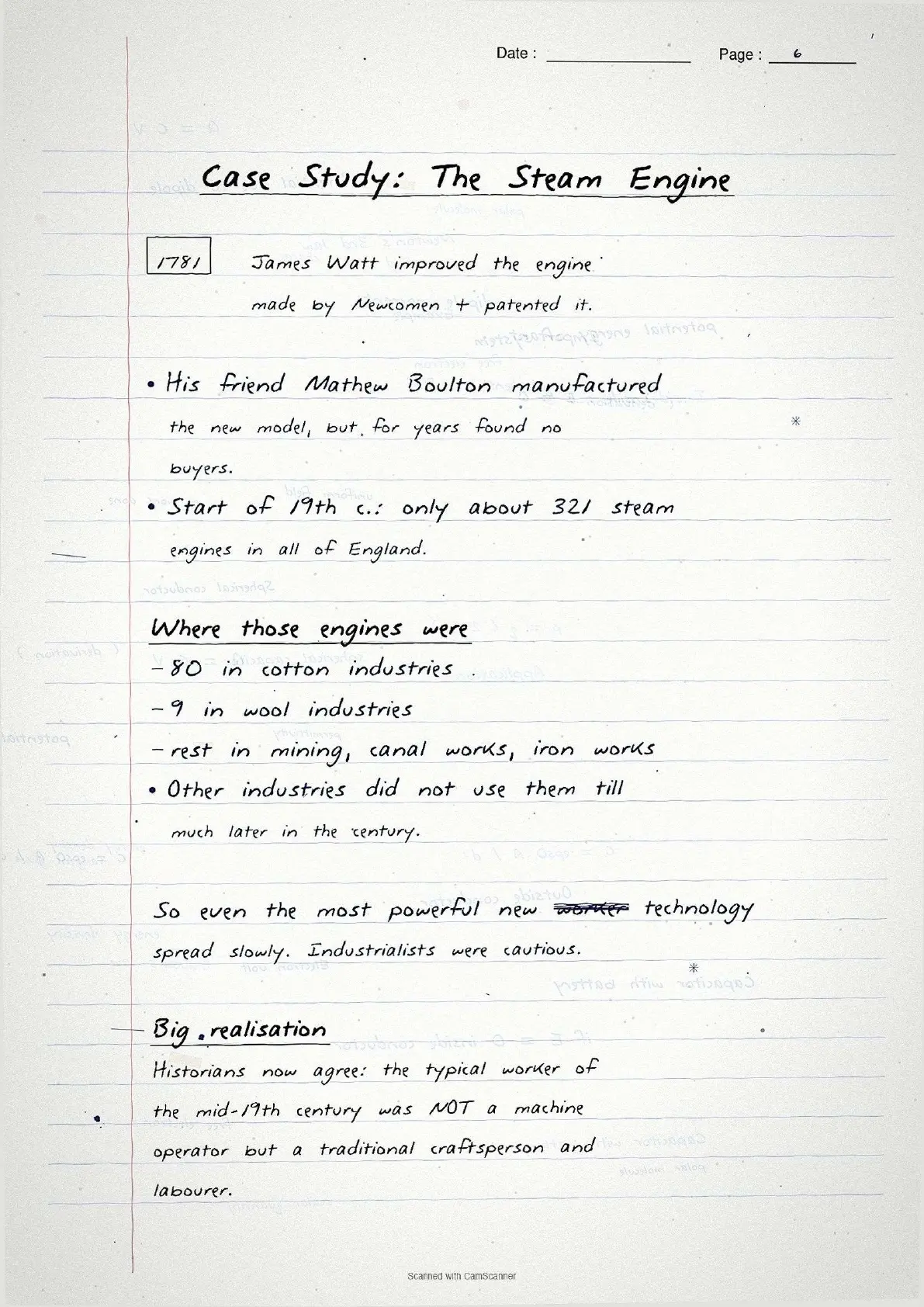
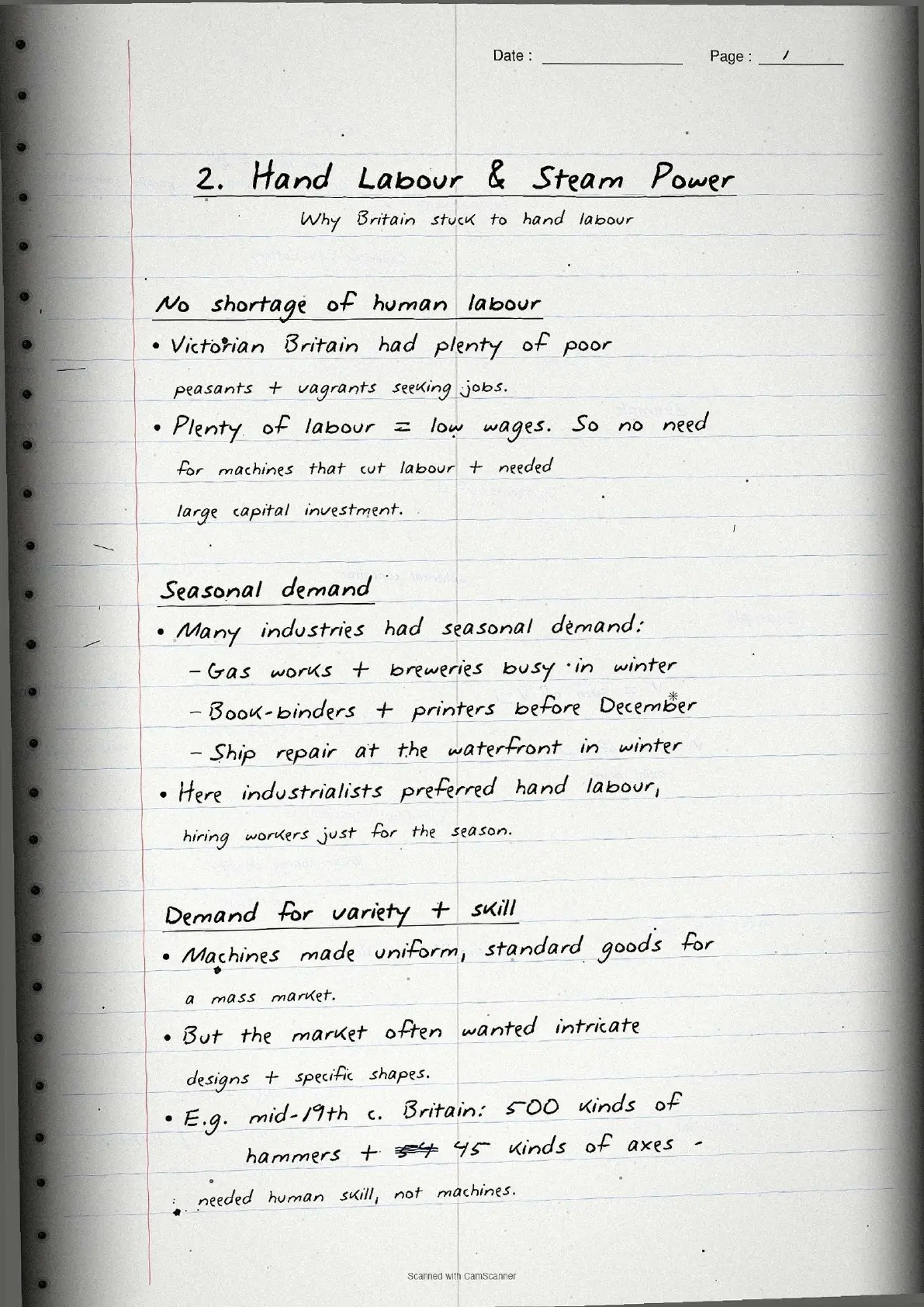
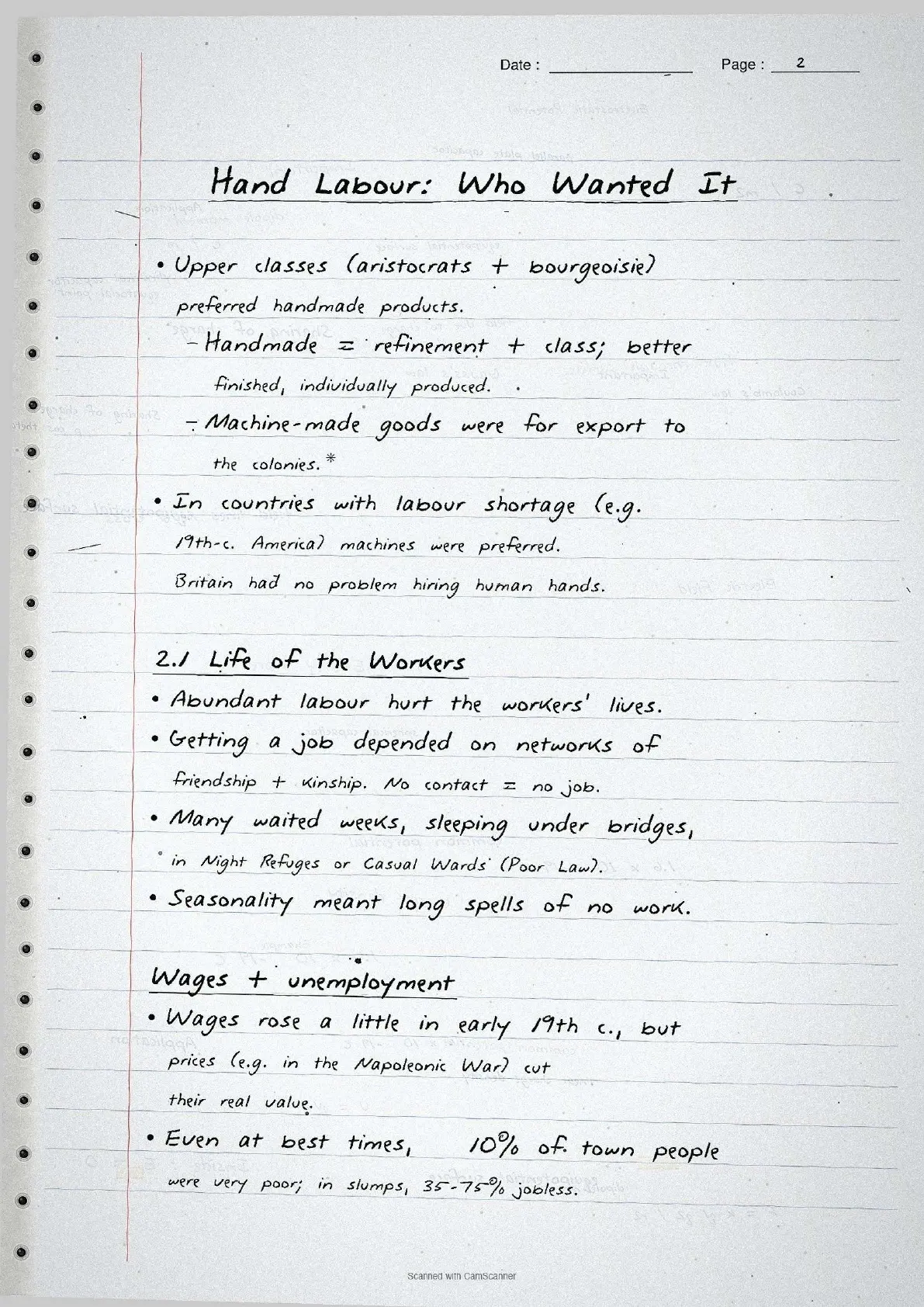


The pages trace proto-industrialisation, the coming of the factory in Britain, the slow pace of industrial change, and the rise of industry in colonial India, all in clean, exam-ready handwriting.
- CBSE Weightage: 5 to 8 marks (India and the Contemporary World II, Section 2 - Livelihoods, Economies and Societies)
- What is inside: proto-industrialisation, the factory system, Spinning Jenny, jobbers, Manchester cotton, Indian weavers, the early entrepreneurs and mill workers, with mnemonics
- Best used for: last-week revision and a fast recap of every cause, date and term the board paper asks
What the Age of Industrialisation Handwritten Notes PDF Covers
These class 10 history handwritten notes chapter 4 The Age of Industrialisation walk through the full chapter in the order the NCERT book follows. Every section is hand-written with a concept box, a date cue, and a memory aid, so a student can revise the whole chapter in under an hour.
| Section | Key Idea | Memory Aid |
|---|---|---|
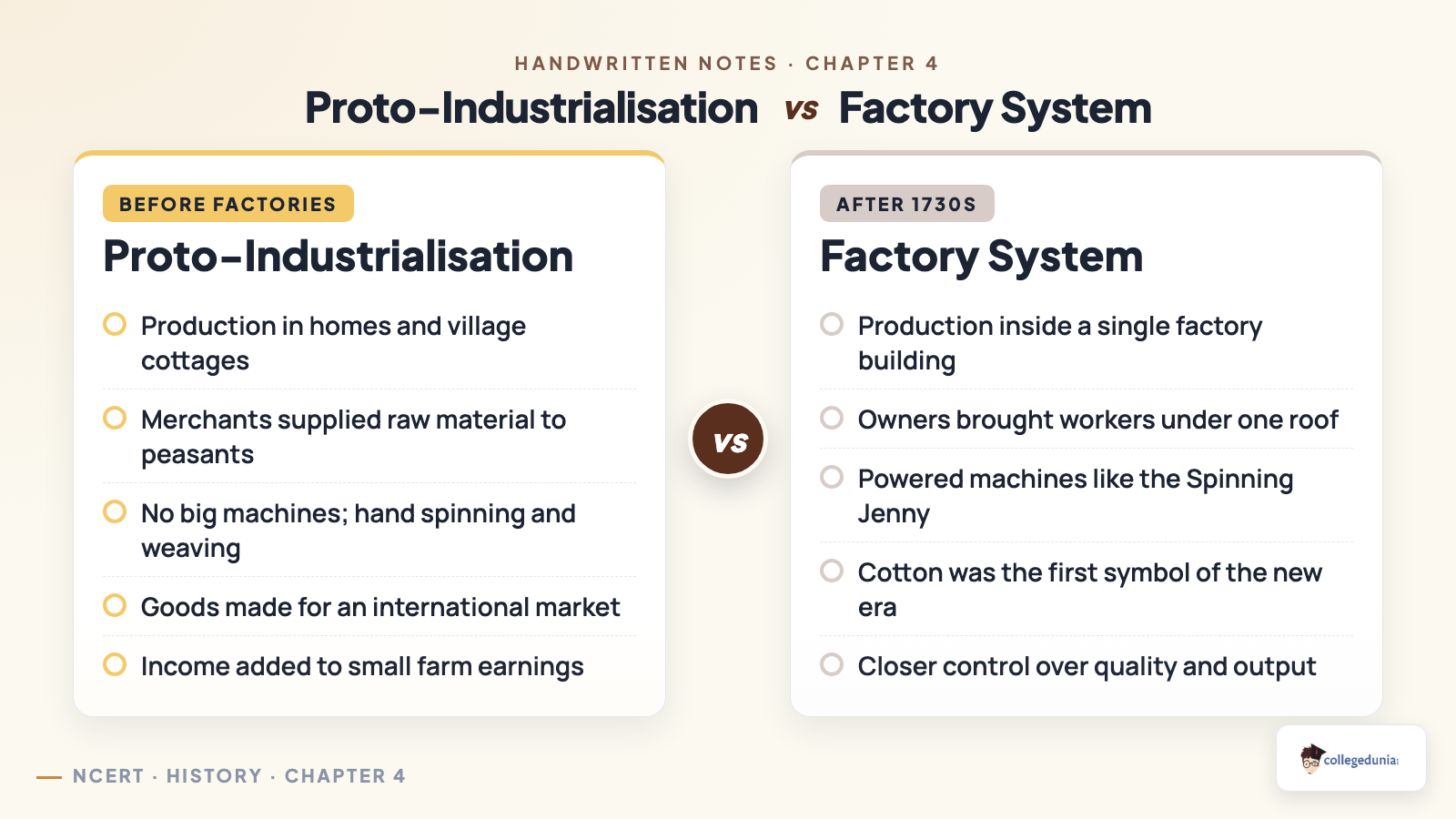
| 1. Before the Industrial Revolution | Proto-industrialisation: large-scale production for export happened in villages, before factories existed | "Industry before factories" |
| 2. The Coming of the Factory | The first factories in England appeared in the 1730s; cotton was the first symbol of the new era | "Cotton came first" |
| 3. The Pace of Industrial Change | The most dynamic industries were cotton and metals; change was slow and hand labour stayed common | "Slow change, hand labour" |
| 4. Hand Labour and Steam Power | Plenty of cheap labour meant industrialists preferred workers over costly machines | "Cheap hands beat machines" |
| 5. Life of the Workers | Jobless workers crowded cities; the jobber hired men and held power over them | "Jobber holds the job" |
| 6. Industrialisation in the Colonies | Indian textiles dominated world trade before British machine-made cloth pushed them out | "Indian cloth ruled first" |
| 7. The Age of Indian Textiles | Surat, Masulipatam and Hooghly declined as European companies controlled the trade | "Old ports fade away" |
| 8. Factories Come Up in India | The first cotton mill in Bombay (1854) and jute mills in Bengal began the factory age in India | "1854 Bombay first mill" |
| 9. Small-Scale Industries and Market | Handicrafts survived; advertisements and labels built a market for both Indian and British goods | "Ads make the market" |
Out of 13,210 Class 10 students surveyed by Collegedunia before the 2026 boards, 69% rated the difference between proto-industrialisation and the factory system as the hardest idea to keep straight, which is why these notes give it a full side-by-side page. Important: the board paper almost always carries one source-based question on the Indian weaver's decline or the life of mill workers, so those cues in the notes are worth a second look.
Watch the Age of Industrialisation Explained for Class 10
Source: Magnet Brains on YouTube
Key Dates and Terms in the Age of Industrialisation
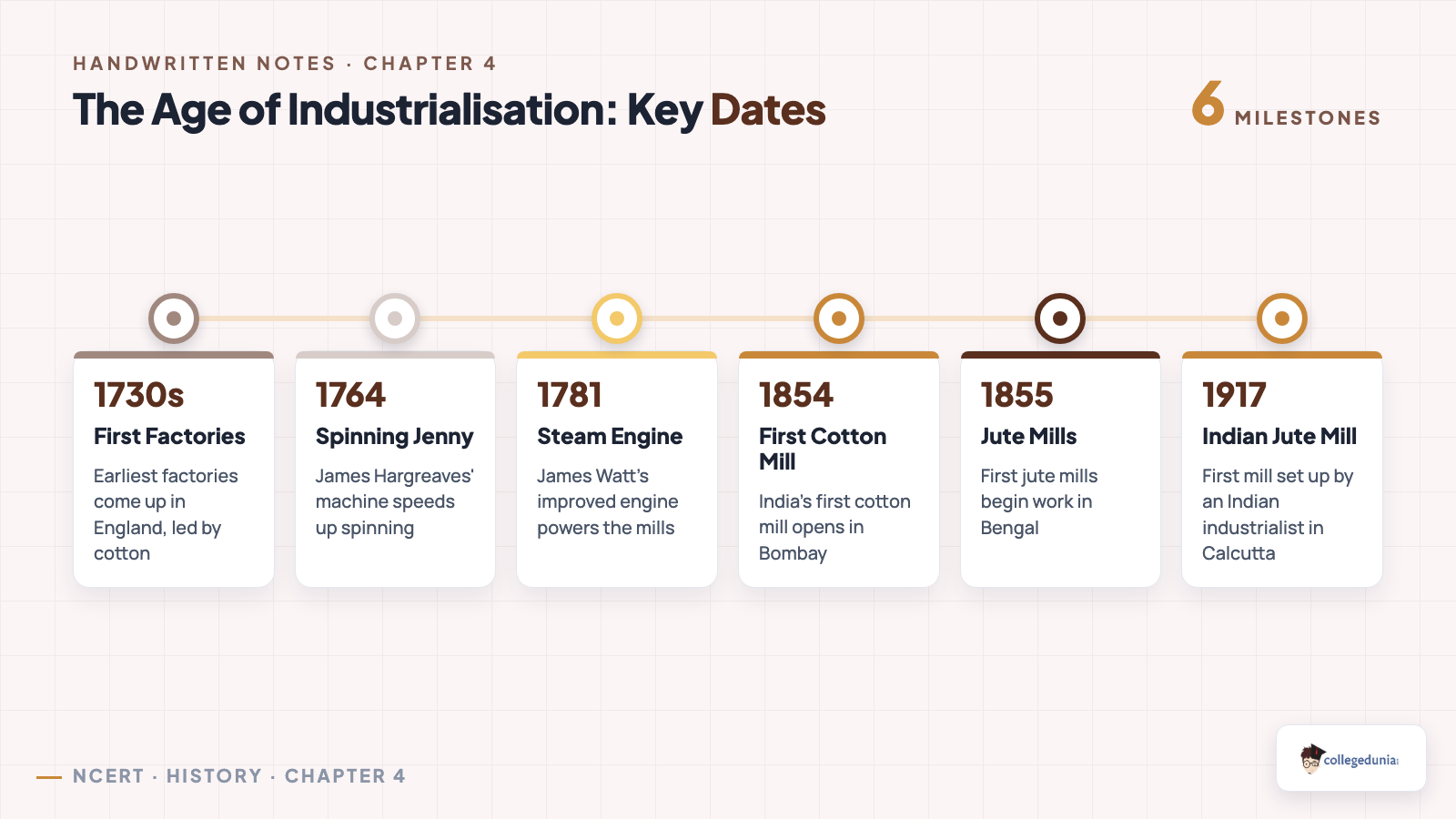
This chapter is a story of how industry grew in Britain and in colonial India. The handwritten notes pull every date and term into a single timeline so a student stops mixing up what happened when. The list below is the same one drawn on the timeline page of the PDF.
- Before the 1700s: Proto-industrialisation spreads as merchants get goods made in the countryside.
- 1730s: The earliest factories come up in England, with cotton leading the way.
- 1764: The Spinning Jenny speeds up spinning and worries hand spinners.
- 1781: James Watt's improved steam engine powers the new factories.
- 1854: The first cotton mill opens in Bombay.
- 1855 to 1862: The first jute mills begin work in Bengal.
- 1917: The first Indian jute mill set up by an Indian industrialist starts in Calcutta.
How to Use These Handwritten Notes for Revision
Handwritten notes work best as the last layer of revision, not the first. Read the chapter once from the textbook, then use these pages to fix the dates and the British-and-India story in memory. A simple three-pass plan works well.
- First pass: read the full PDF cover to cover in 40 minutes and absorb the concept boxes.
- Second pass: recite the proto-industrialisation to first-Indian-mill timeline out loud twice; then name the reasons the Indian weaver declined.
- Third pass: the night before, flick through only the memory aids and the mill-worker page for a five-minute recap.
Pair the notes with answer-writing practice. Tip: after each pass, attempt one 5-mark question on the decline of Indian textiles or the life of mill workers and check it against the Class 10 History Chapter 4 NCERT Solutions.
Common Mistakes Students Make in the Age of Industrialisation Chapter
Most lost marks in this chapter come from confusing proto-industrialisation with the factory system, mixing up the dates, and forgetting why Indian weavers lost their trade. The notes flag each of these traps with a red cue so a student does not repeat them in the exam.
- Treating proto-industrialisation as factory work; it was production in homes and villages before factories.
- Forgetting that the Spinning Jenny sped up spinning, not weaving.
- Writing that machines replaced all workers; cheap hand labour stayed common in Britain.
- Missing the real reasons Indian weavers declined - cheap British cloth, lost markets, and high export duties.
Student Feedback on the Age of Industrialisation Notes
- 69% rated the proto-industrialisation versus factory-system difference as the hardest idea to recall.
- 4 out of 5 said the decline-of-Indian-textiles source question is where they lose the most marks.
- The average student took about 5 hours to feel confident with the full chapter.
All Chapters Handwritten Notes for Class 10 History
The full set of Class 10 History (India and the Contemporary World II) handwritten notes is listed below, so a student can revise every chapter in the same scanned style.
| Chapter | Handwritten Notes |
|---|---|
| Chapter 1 | The Rise of Nationalism in Europe |
| Chapter 2 | Nationalism in India |
| Chapter 3 | The Making of a Global World |
| Chapter 4 | The Age of Industrialisation |
| Chapter 5 | Print Culture and the Modern World |
Other Resources for This Chapter
Pair these handwritten notes with the other Class 10 History resources for this chapter, all linked below.
| Resource | What It Helps With |
|---|---|
| The Age of Industrialisation Class 10 NCERT Solutions | Textbook question and answer practice for the board paper |
| The Age of Industrialisation Class 10 Notes | Detailed chapter notes for first reading and concept clarity |
| Class 10 History Chapter 4 NCERT Book PDF | The original NCERT chapter for line-by-line reading |
| The Age of Industrialisation Class 10 Handwritten Notes | This page: scanned notes for fast last-week revision |
Are the class 10 history handwritten notes chapter 4 enough for the board exam?
For the final revision round, yes. The handwritten notes fix every date, term, and cause in memory. Pair them with the NCERT textbook for first reading and the NCERT Solutions PDF for answer-writing practice. They are most useful in the last week before the exam.
What is the main idea of The Age of Industrialisation Class 10?
The chapter explains how industry grew, first in Britain and then in colonial India. It covers proto-industrialisation, the coming of the factory, the slow pace of change, the life of workers, the decline of Indian handloom weavers, and the rise of cotton and jute mills in India.
What is proto-industrialisation?
Proto-industrialisation was a phase of large-scale industrial production for an international market, carried out before the first factories. Merchants from towns got goods made in the countryside by peasants and artisans working in their own homes, not in a factory.
Why did Indian textile exports decline in the nineteenth century?
Indian textile exports declined for several reasons. Cheap machine-made cloth from Manchester flooded the Indian market, the East India Company tightened its control over weavers, British exports were given duty-free entry while Indian cloth faced high duties in Britain, and old export ports like Surat and Hooghly lost their trade.
Who was a jobber and what work did he do?
A jobber was an old and trusted worker employed by industrialists to recruit new workers for the mills. He got people from his own village, helped them settle in the city, and gave them money in times of need. In return he gained power over them and often demanded money and gifts.
Where can I download the Class 10 History Chapter 4 handwritten notes PDF?
You can download the The Age of Industrialisation handwritten notes PDF from the download card at the top of this page. The notes follow the latest 2026-27 CBSE syllabus and the NCERT India and the Contemporary World II textbook.
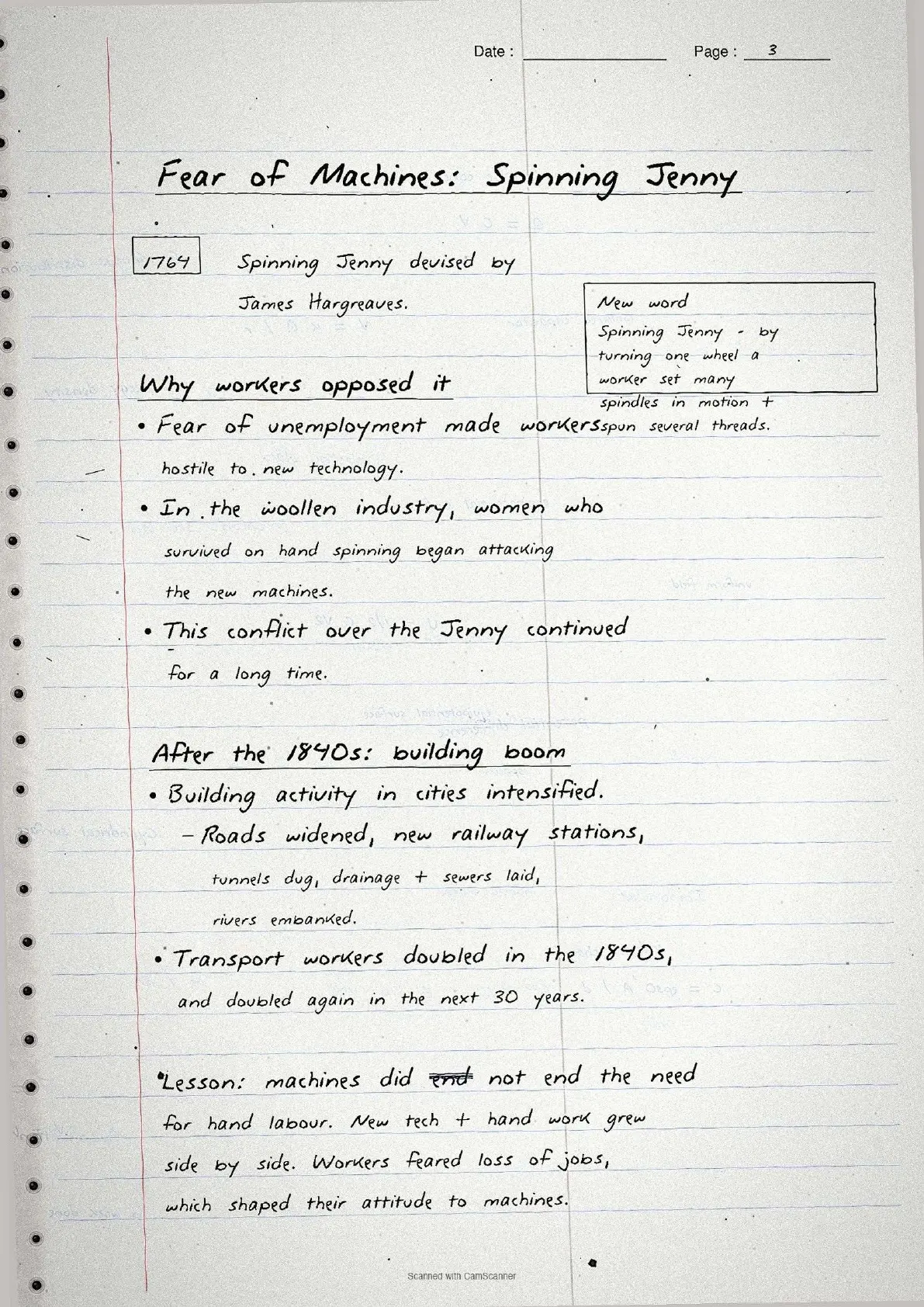
What was the Spinning Jenny and why did some workers oppose it?
The Spinning Jenny, devised by James Hargreaves in 1764, was a machine that let one worker spin many threads at once. Women who survived on hand spinning feared losing their jobs, so they attacked the new machines. The struggle over its use went on for a long time.
When did the first cotton and jute mills come up in India?
The first cotton mill in India was set up in Bombay in 1854 and went into production two years later. Jute mills came up in Bengal, with the first starting around 1855 and many more in the following decades, making Bengal the centre of the jute industry.



Comments