




The class 10 history handwritten notes chapter 3 The Making of a Global World have been carefully prepared and scanned for quick one-shot revision, according to the latest 2026-27 CBSE syllabus.

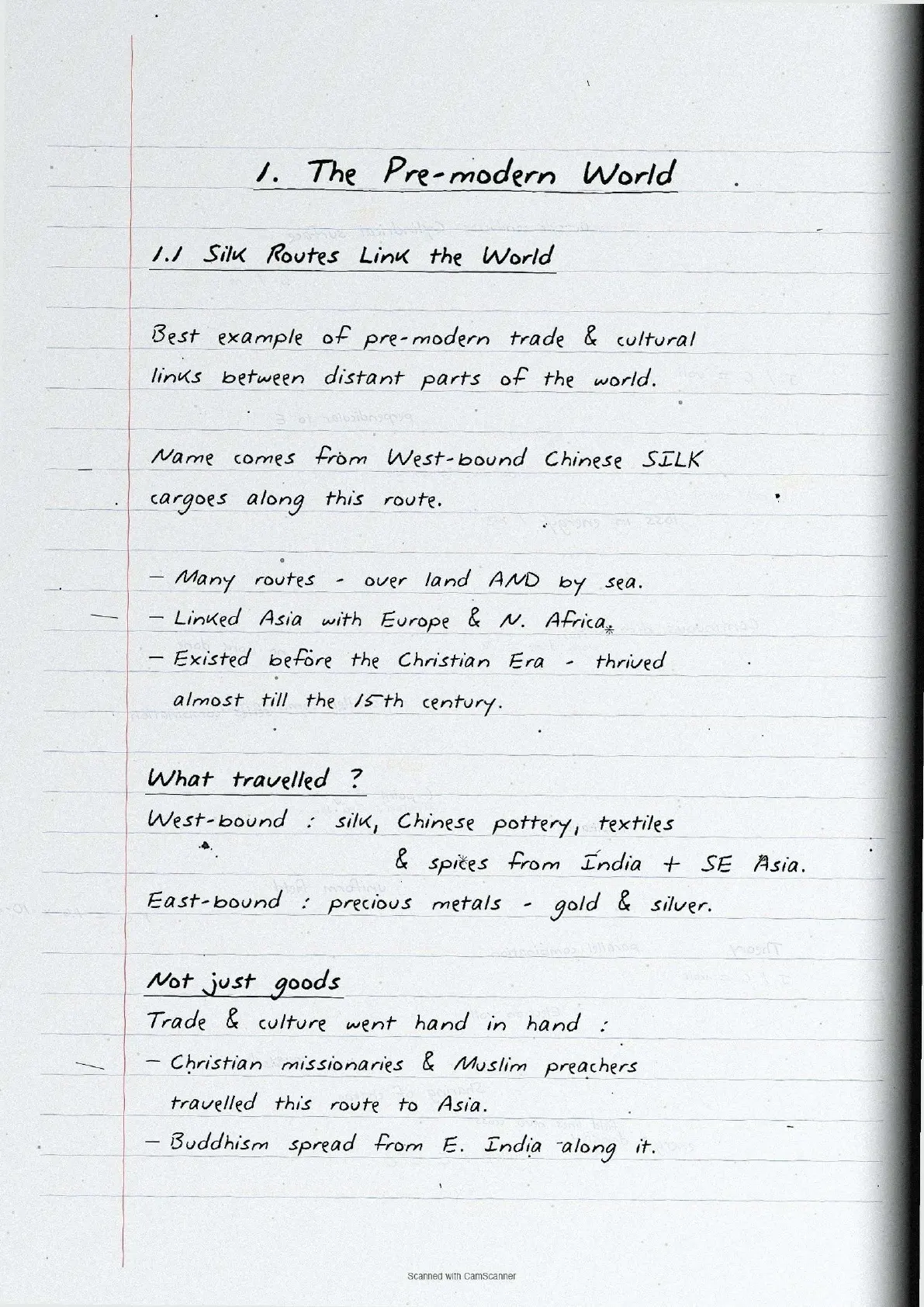
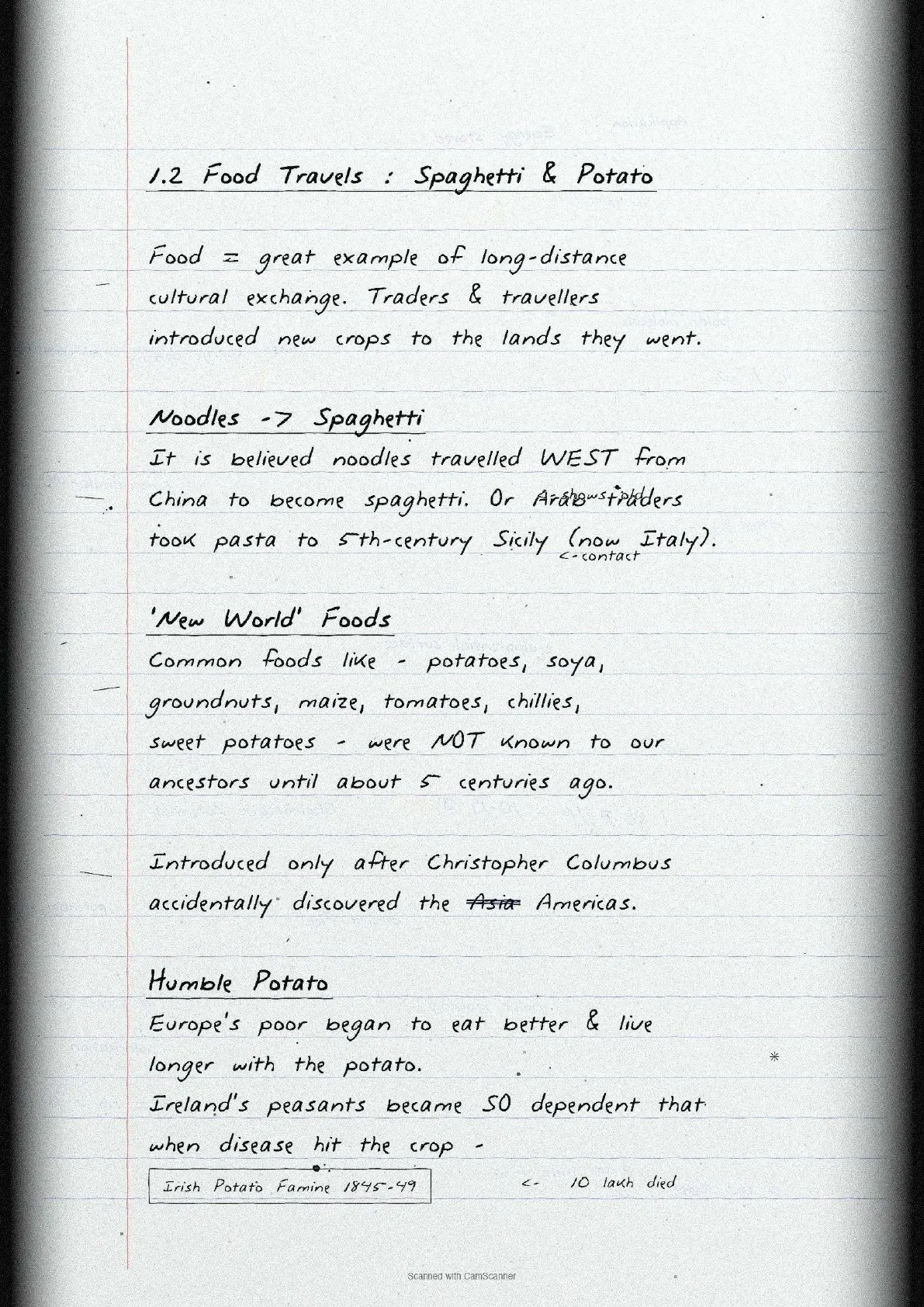
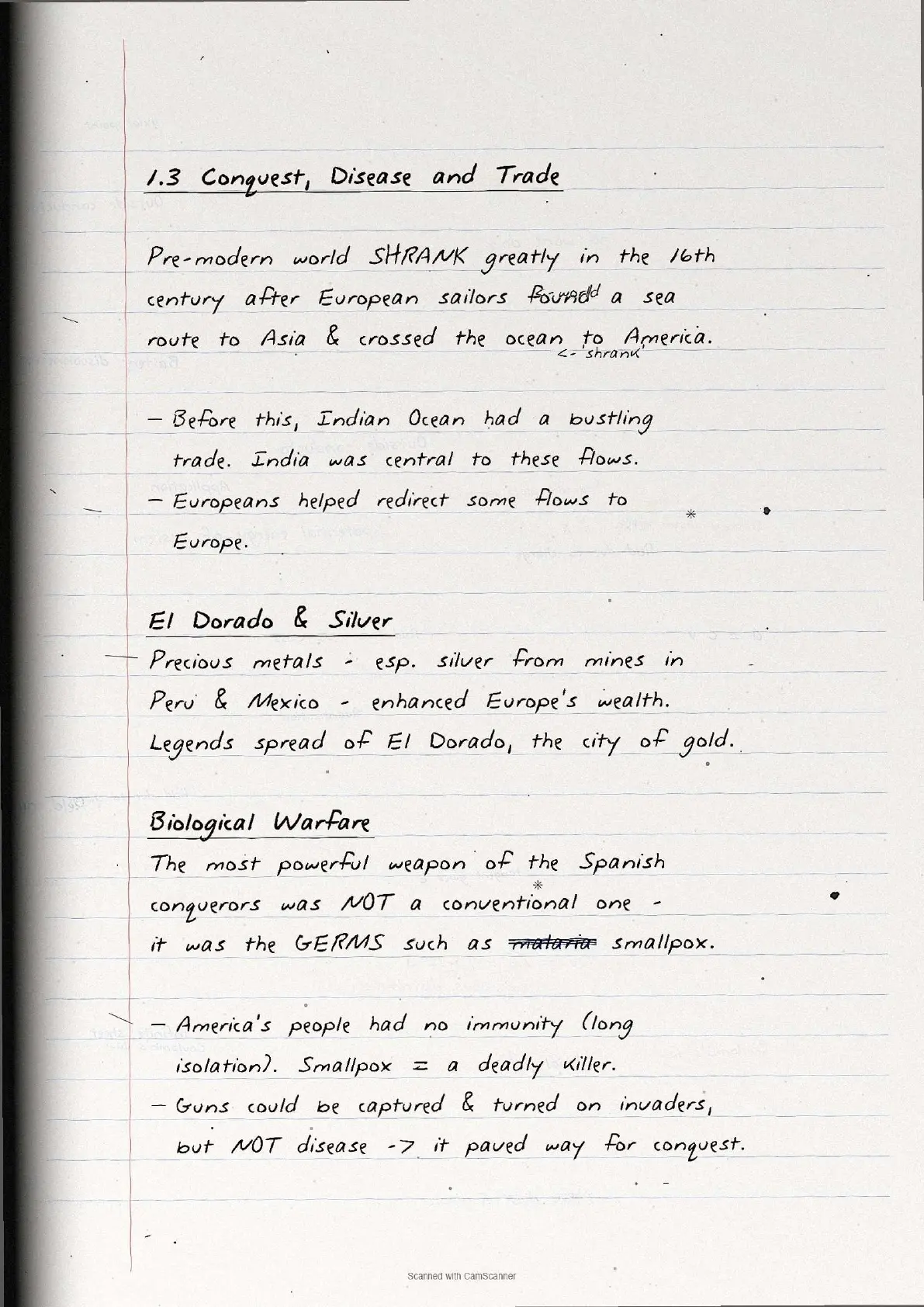
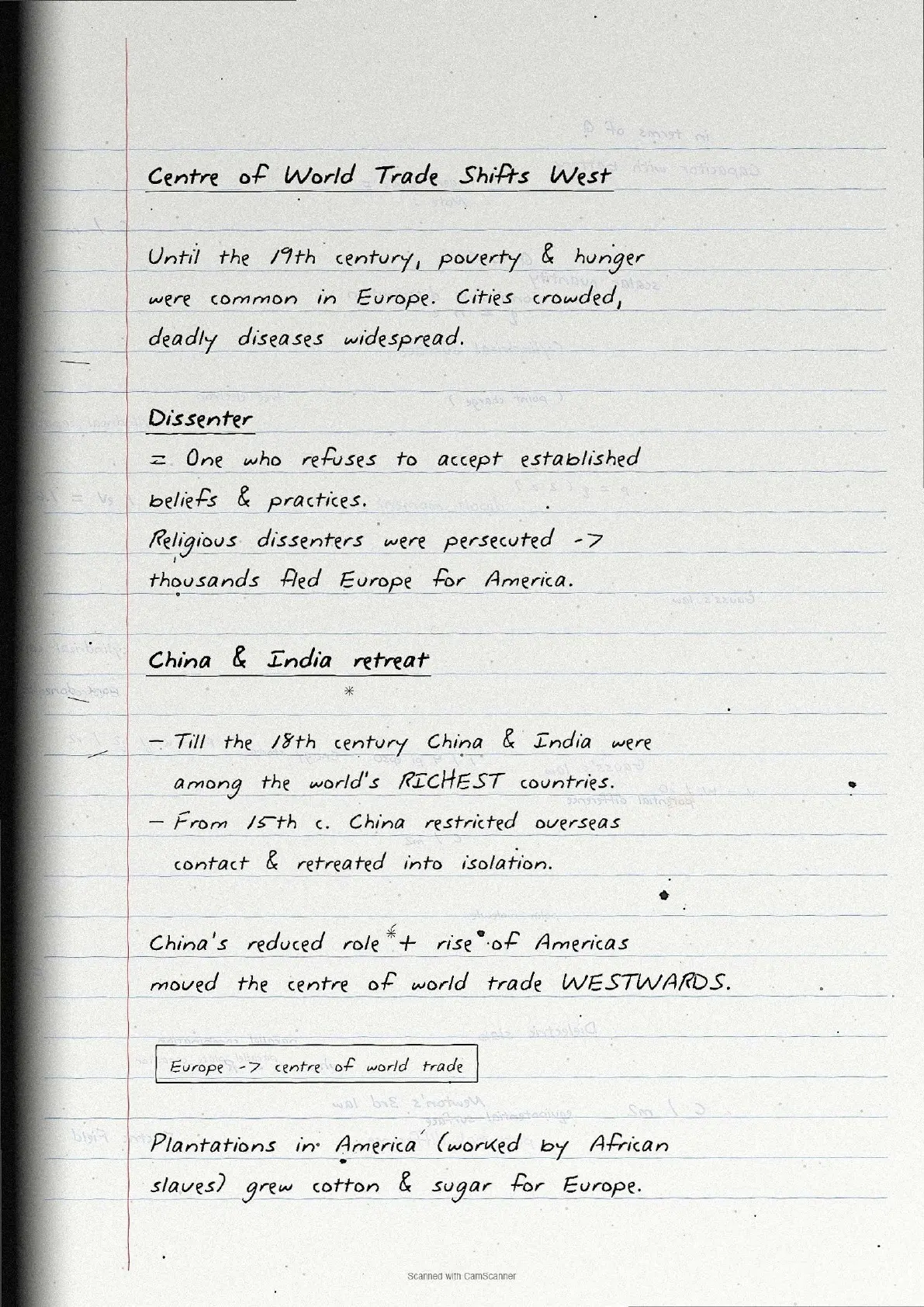
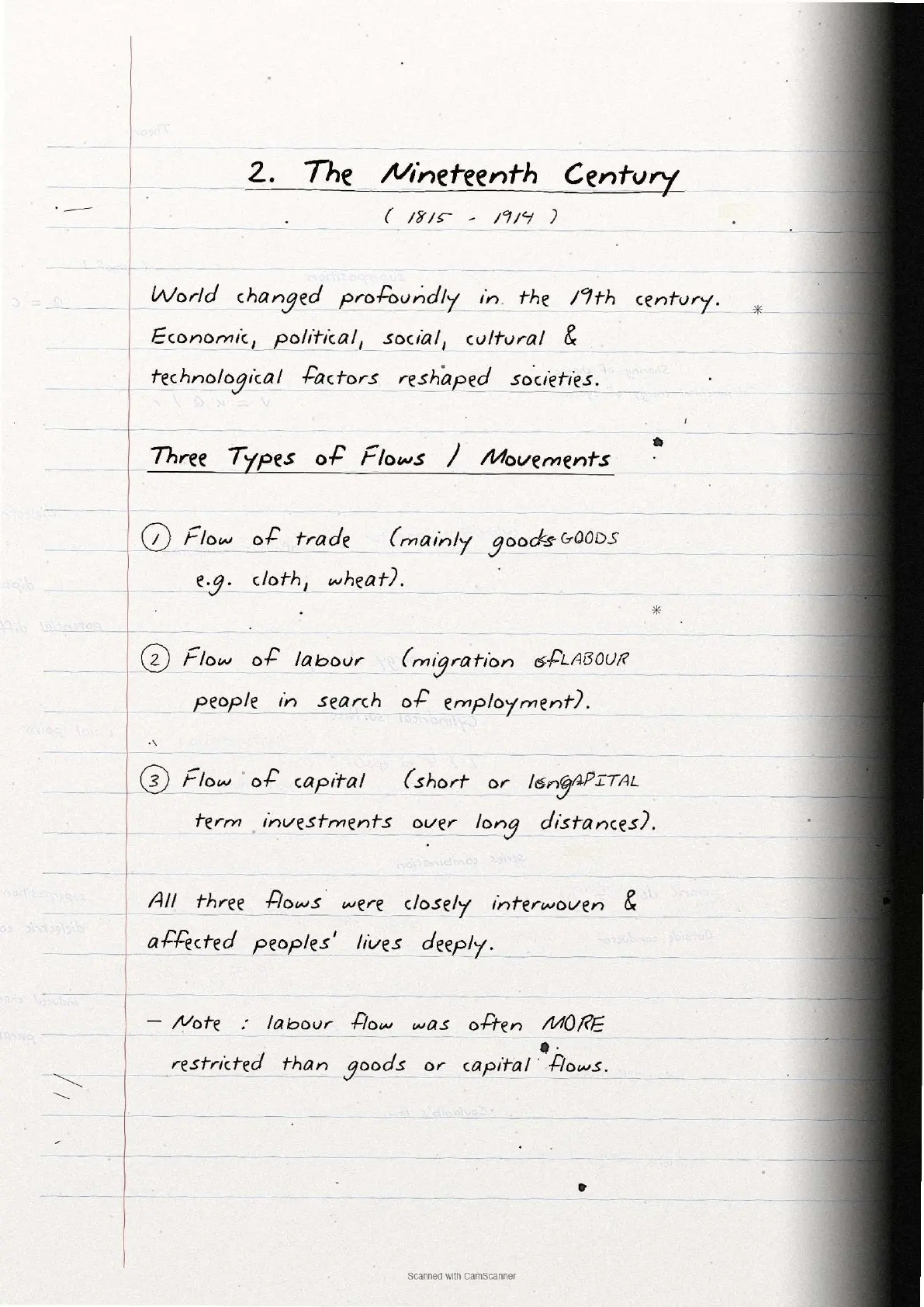
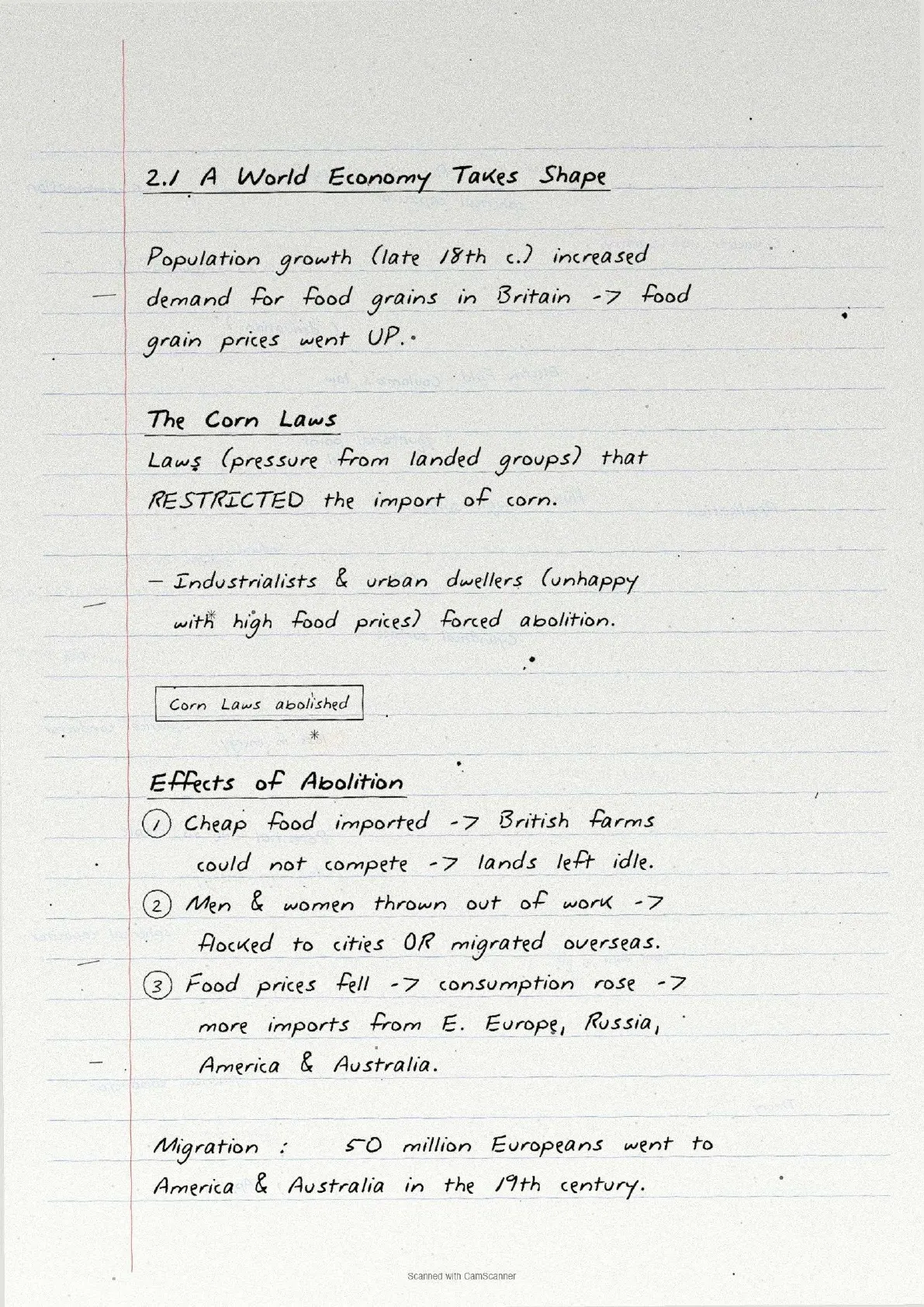
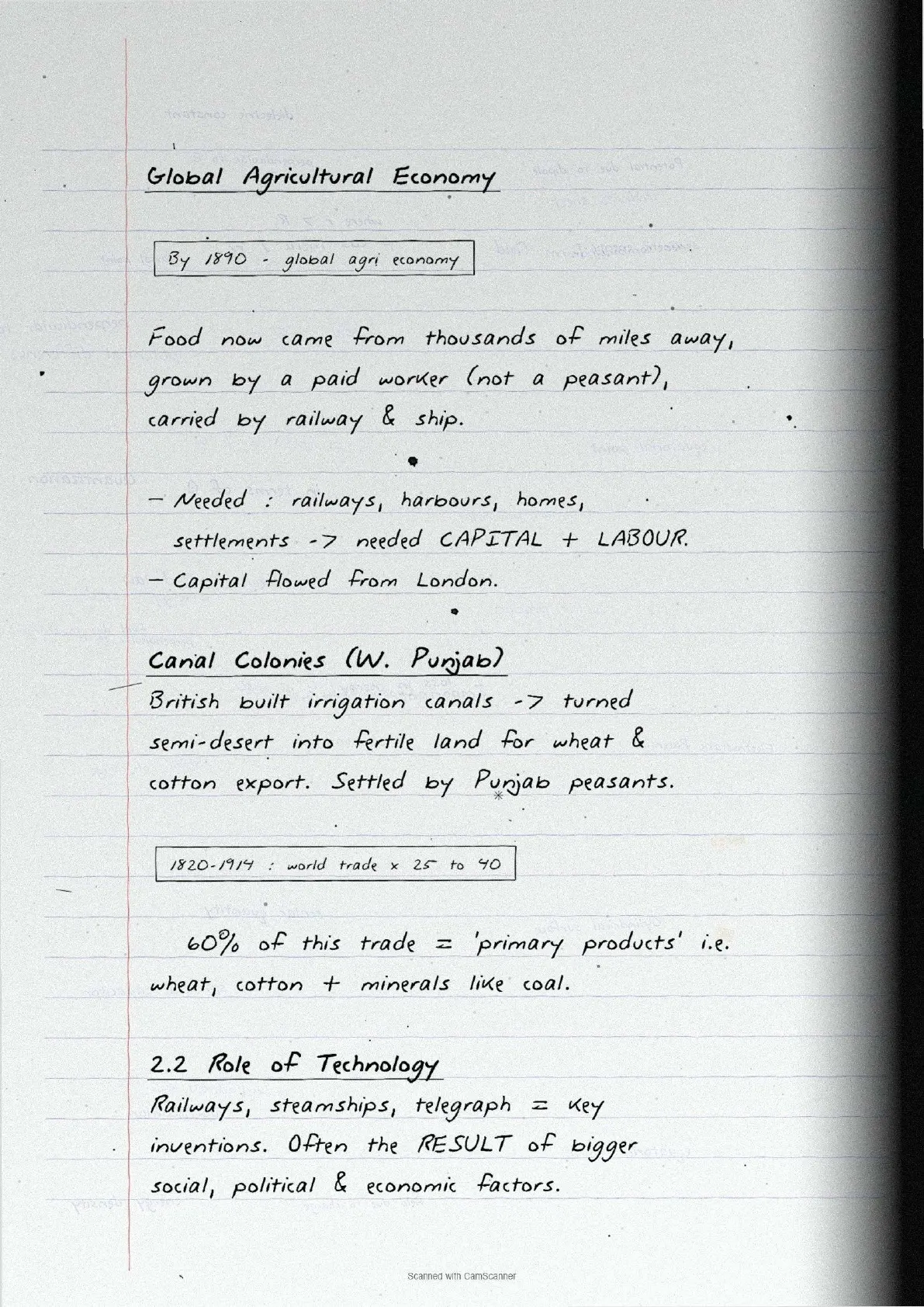
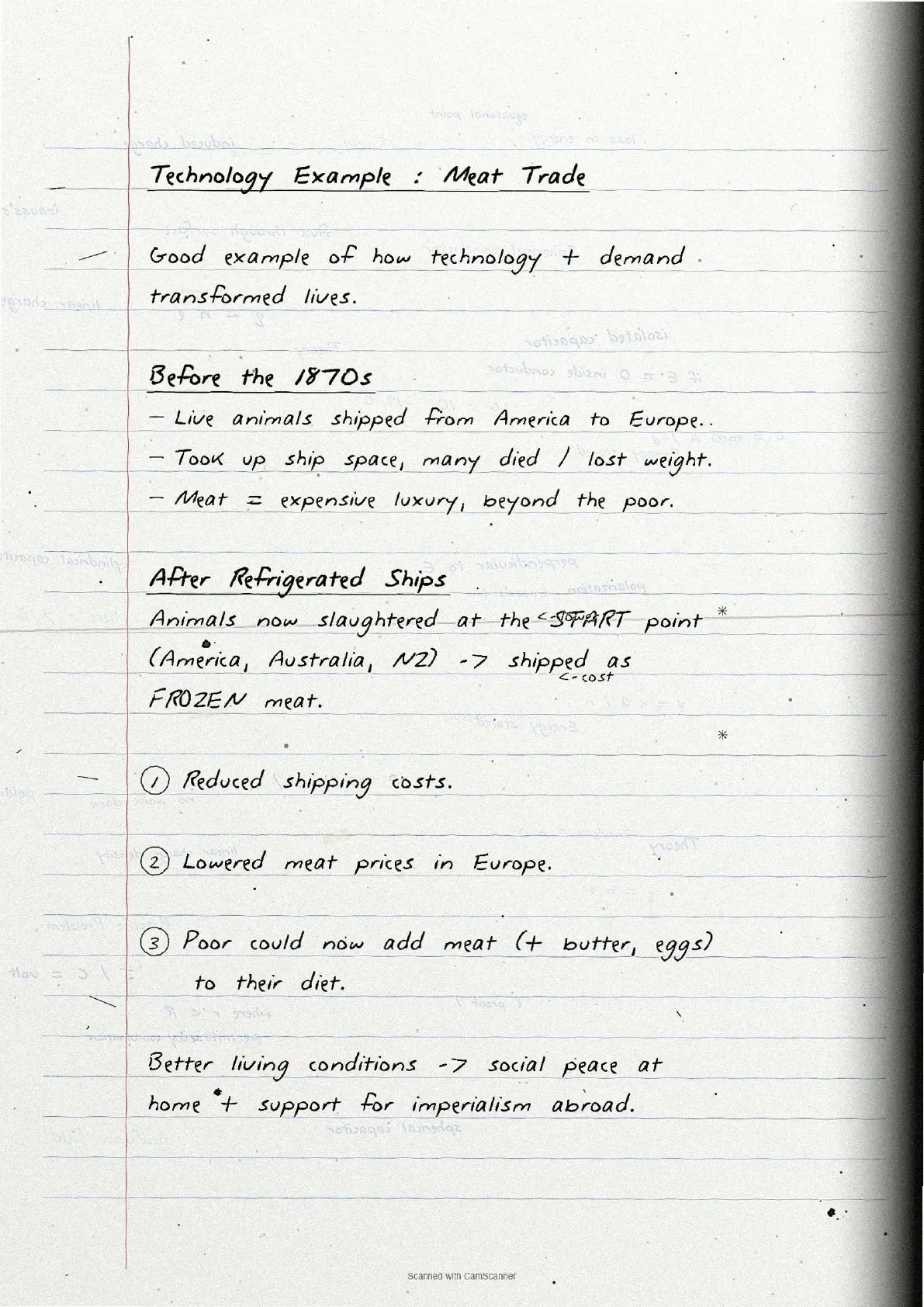
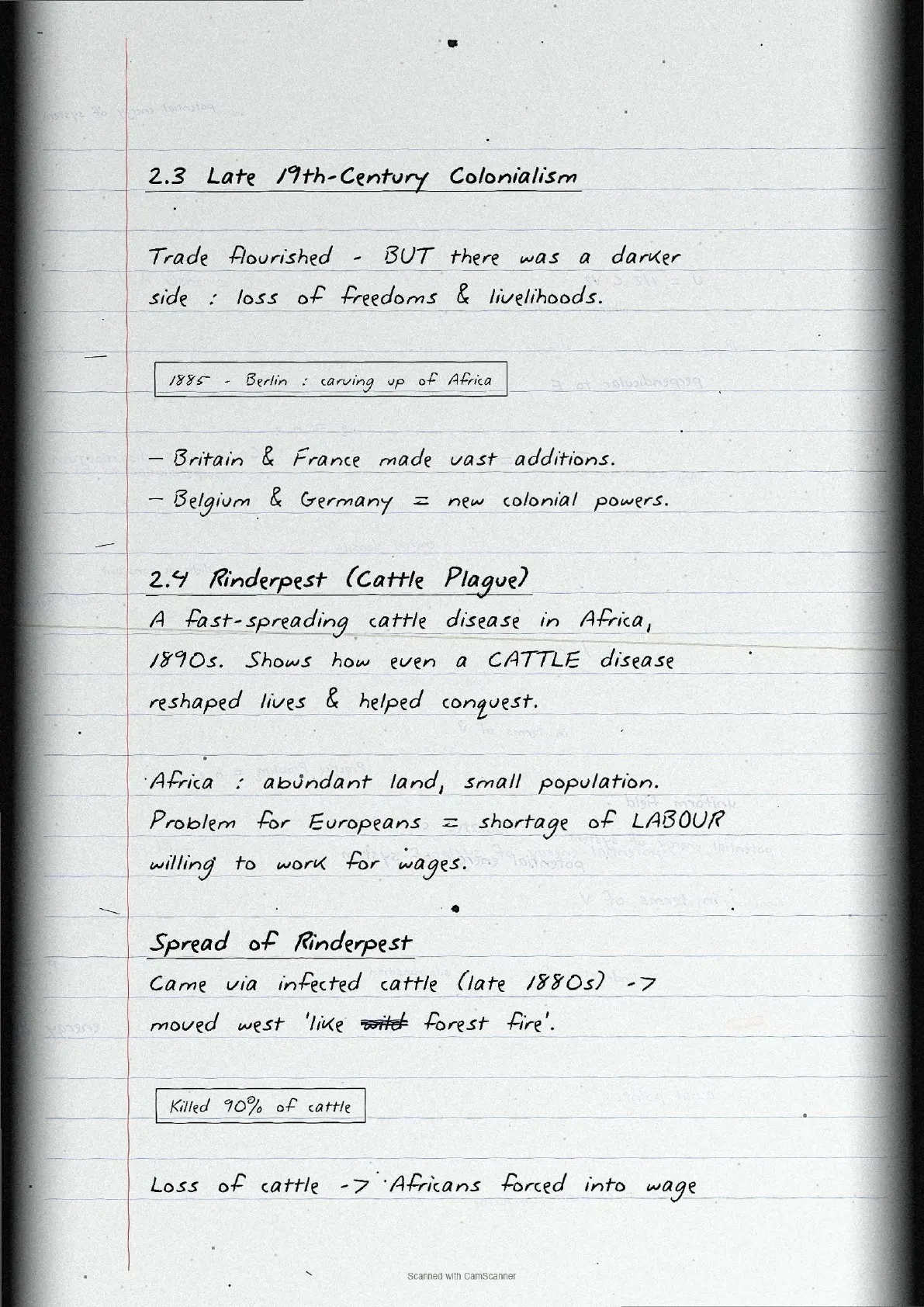
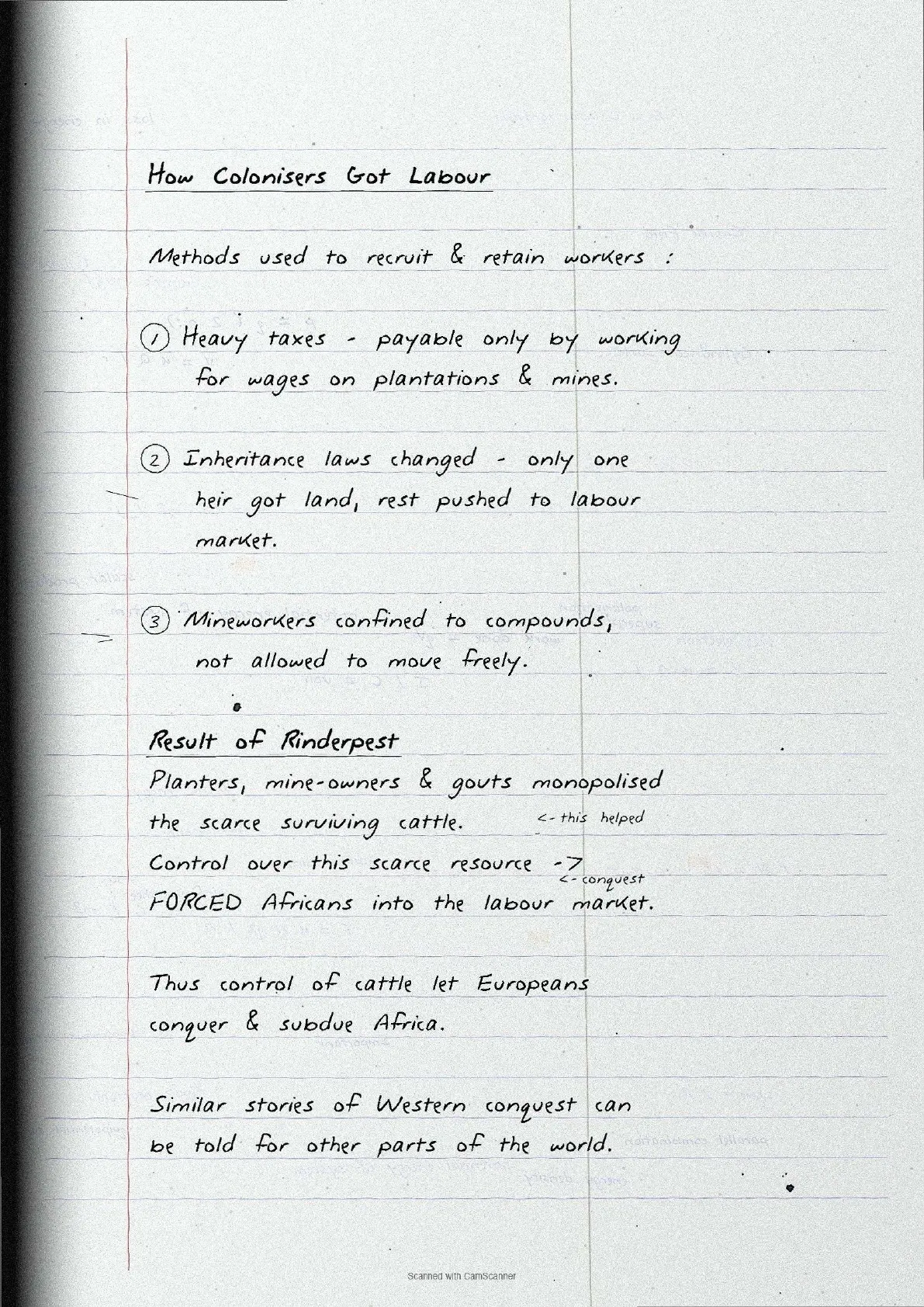
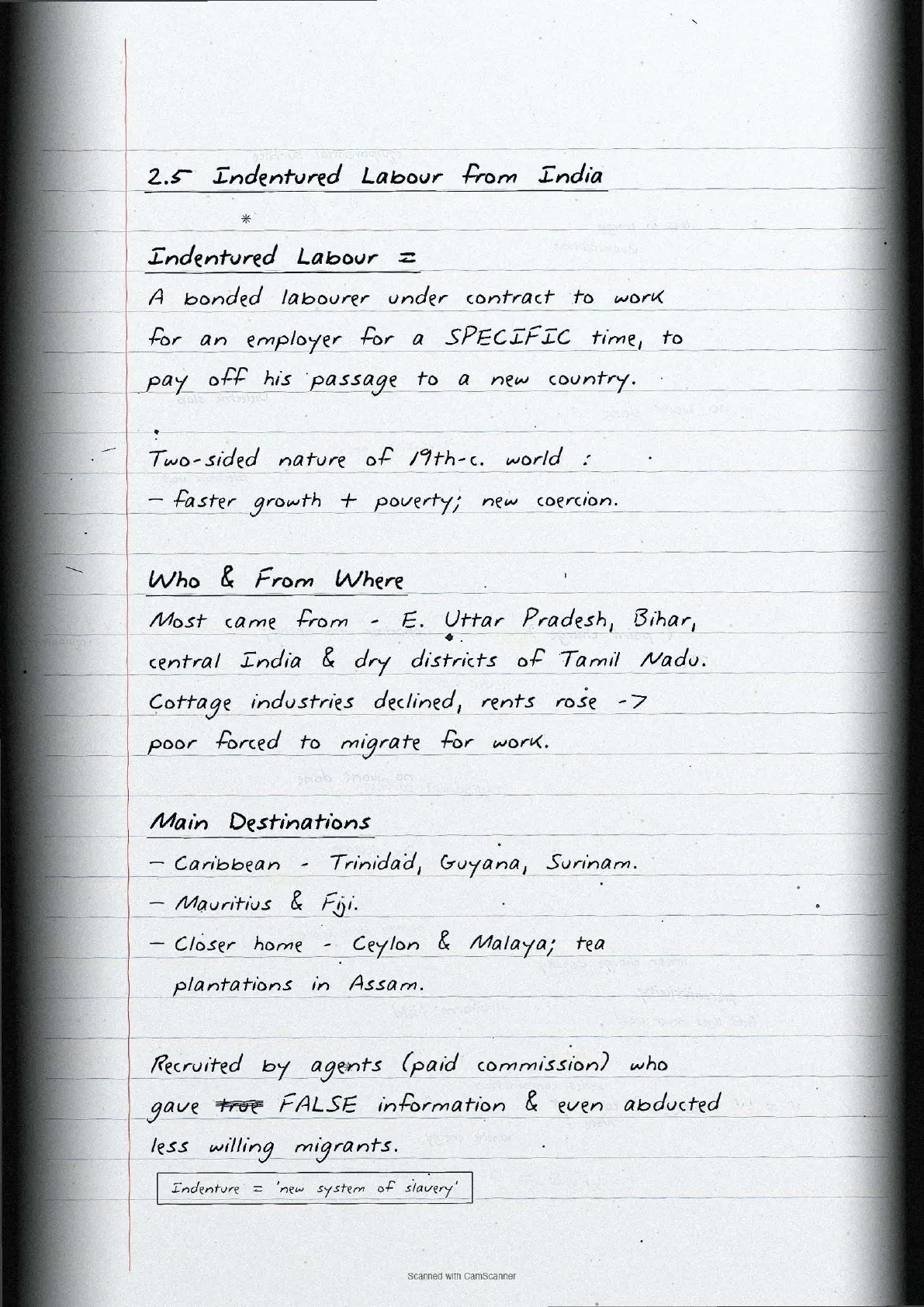
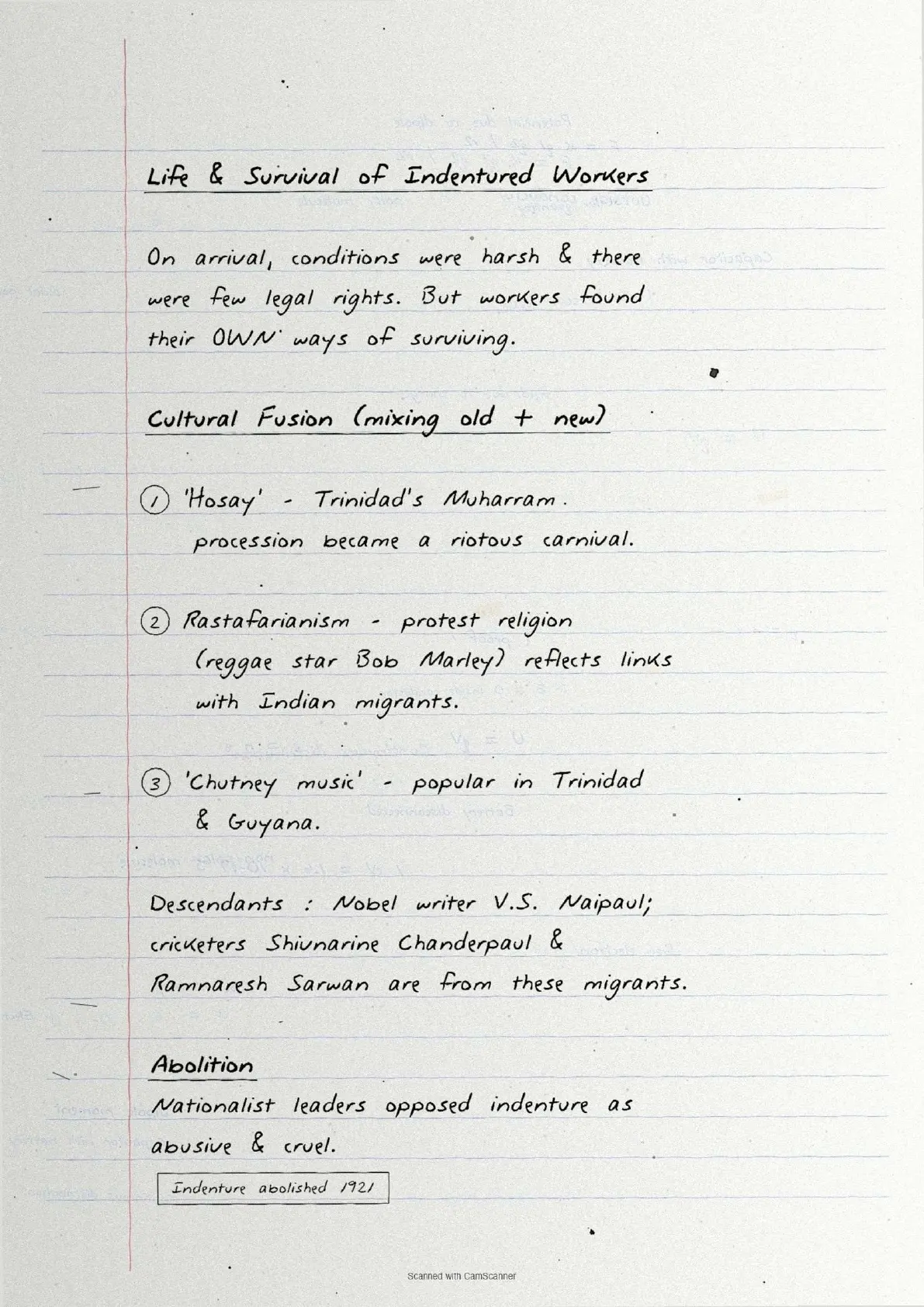
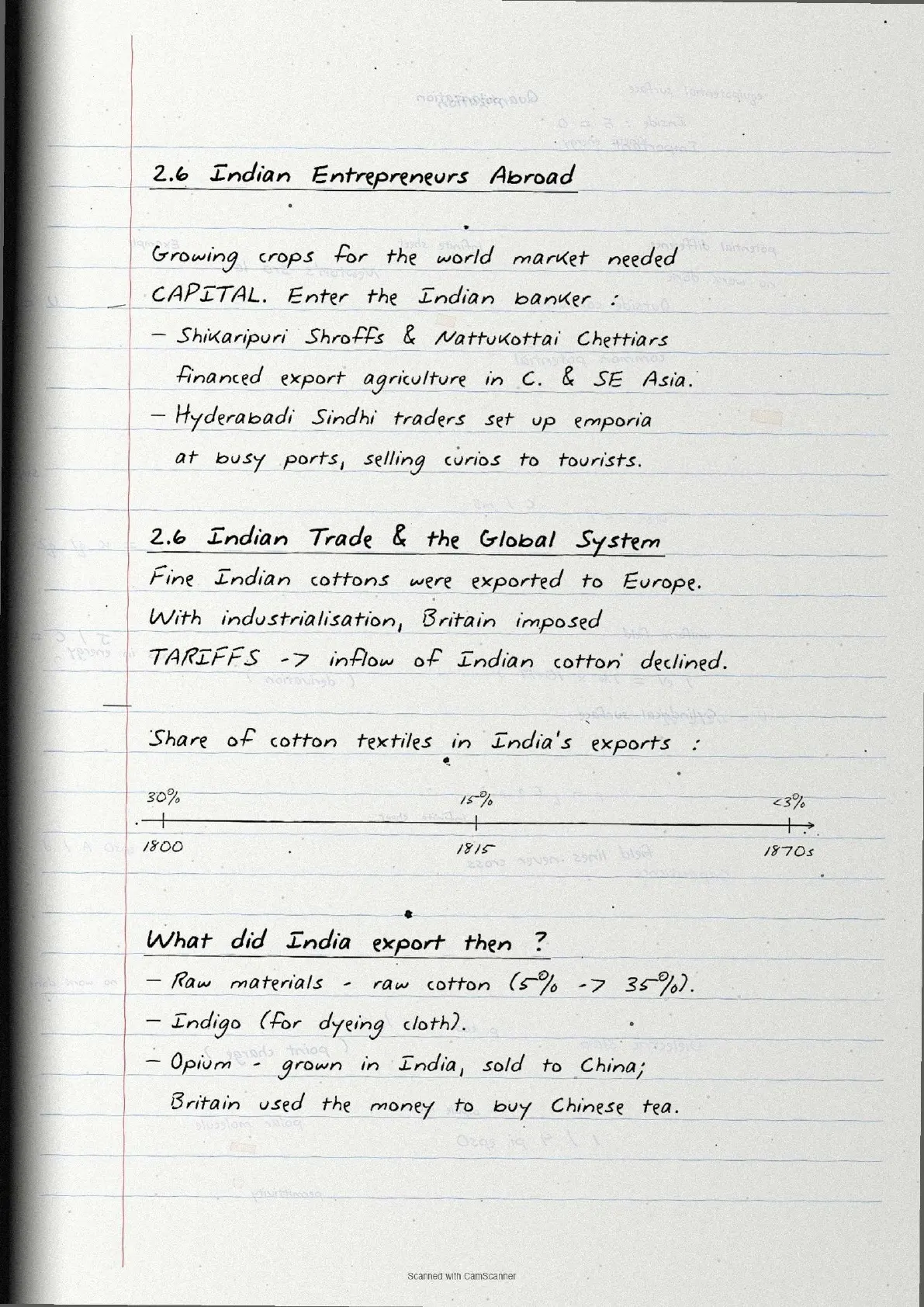

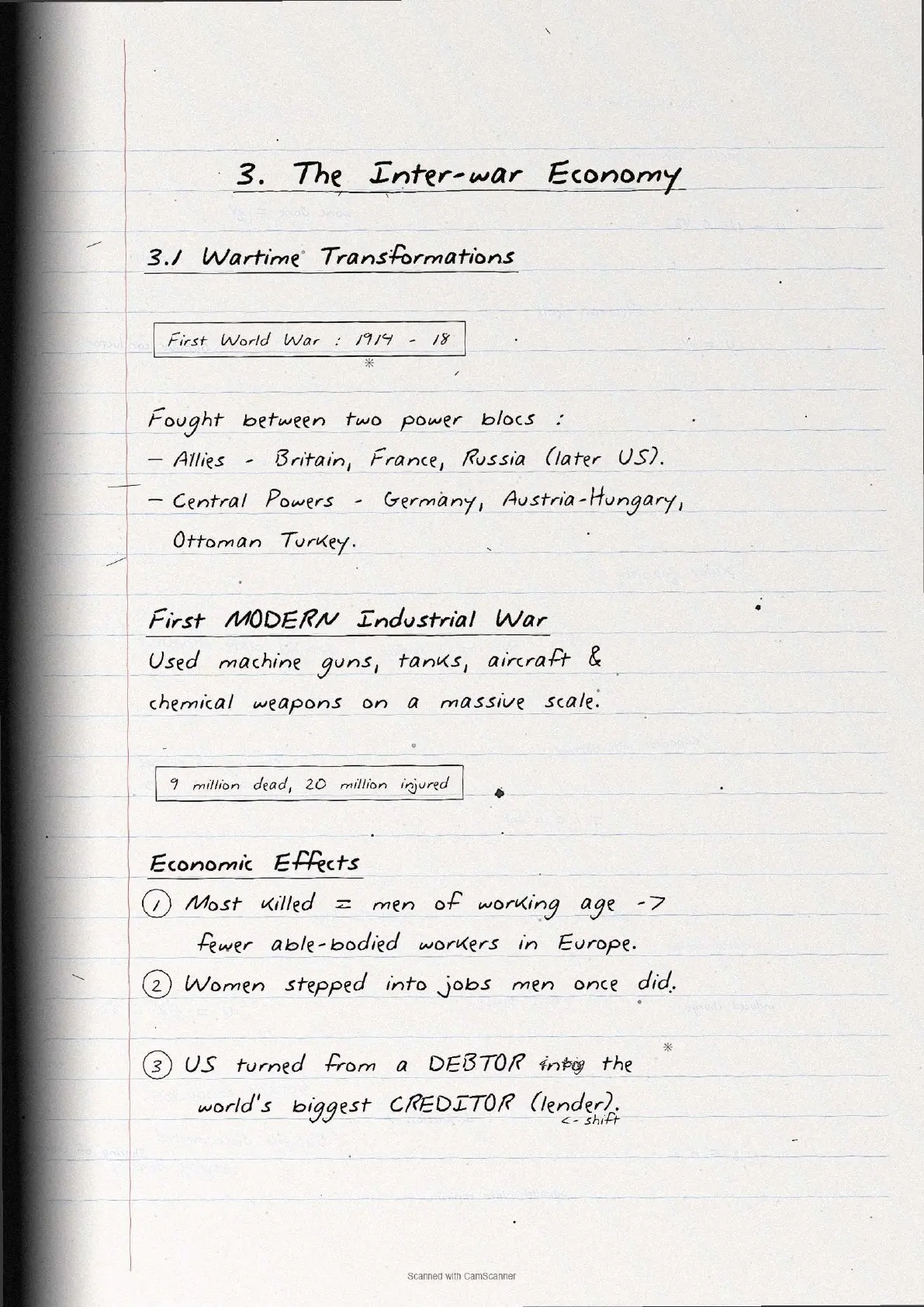

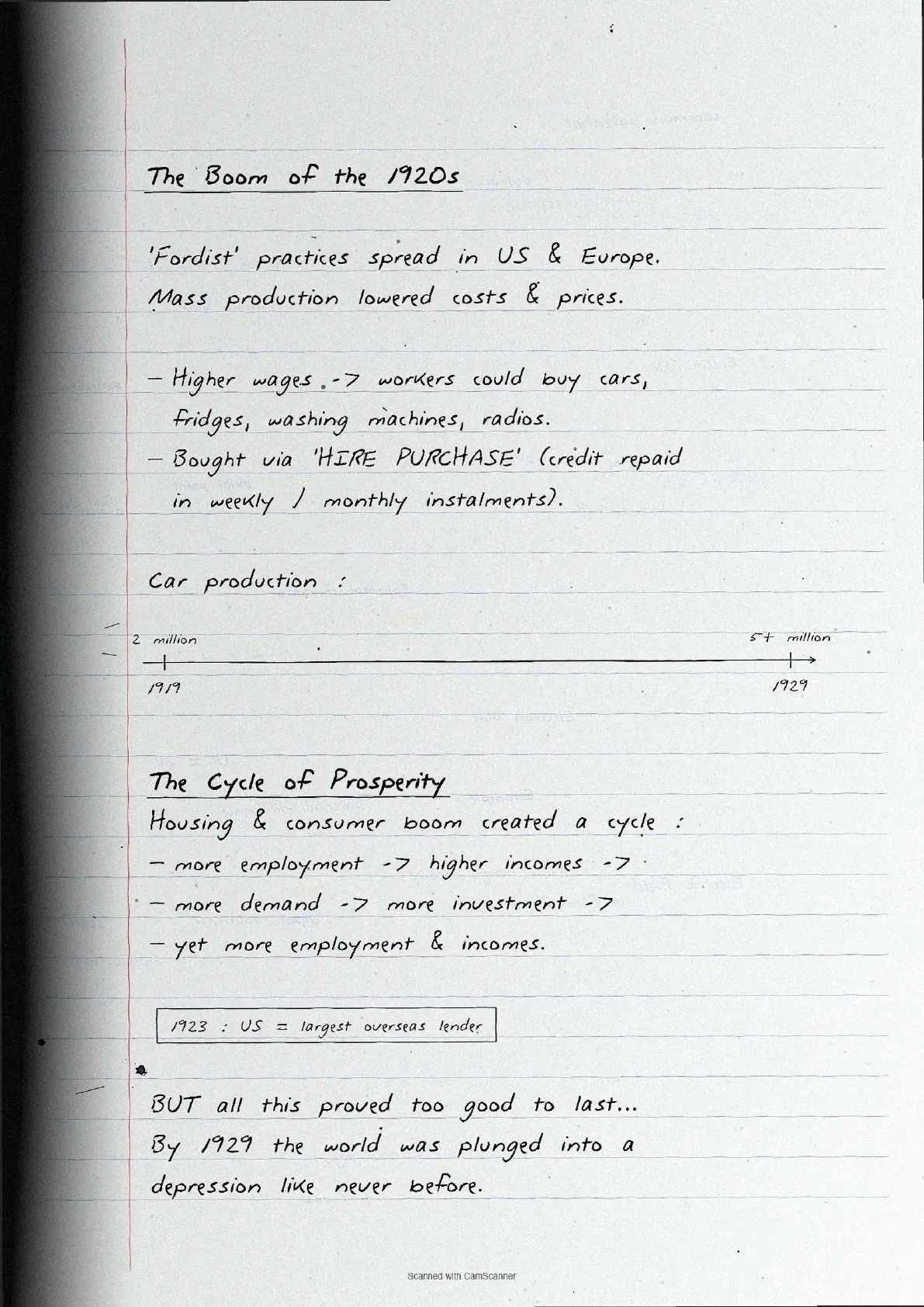

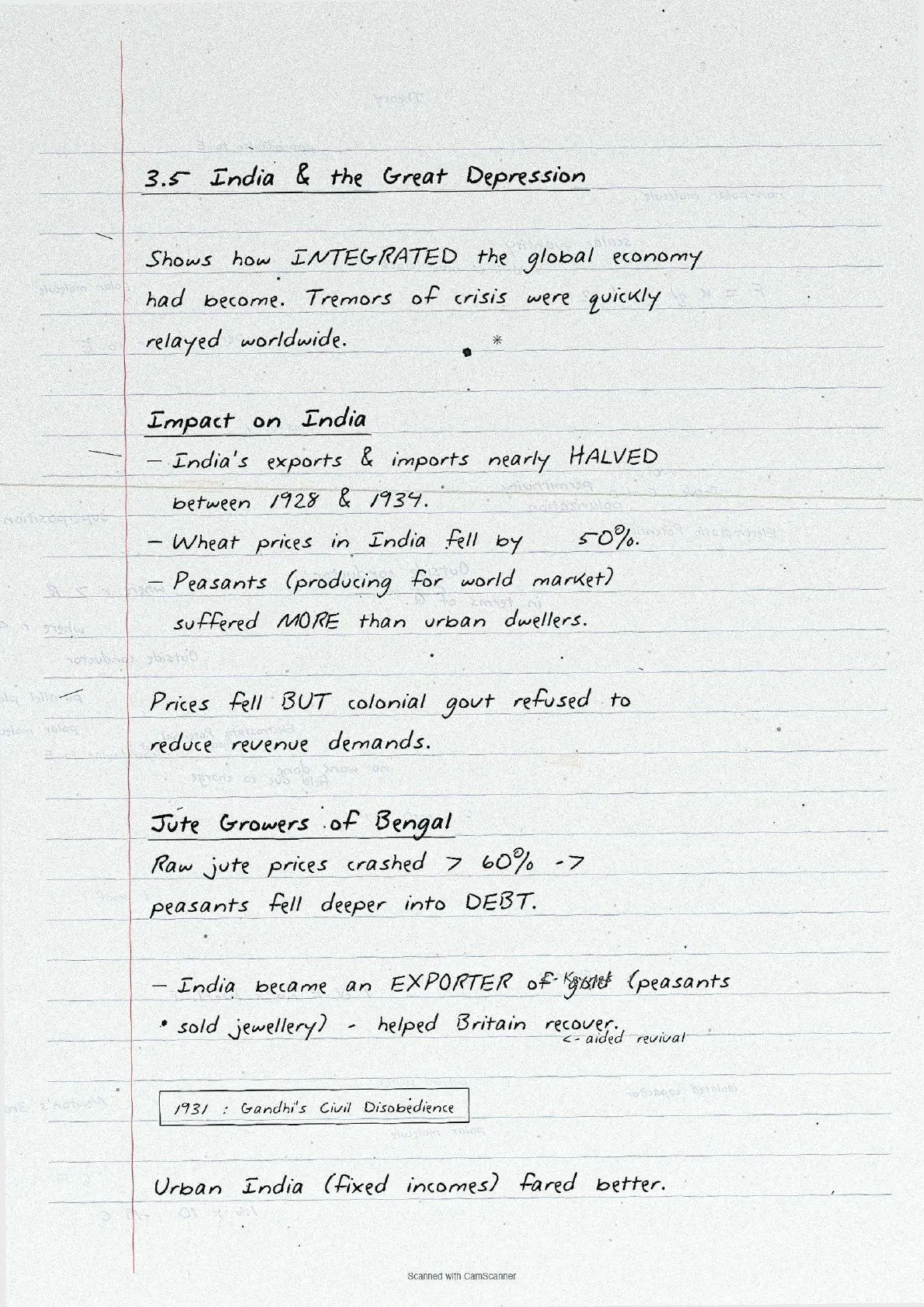
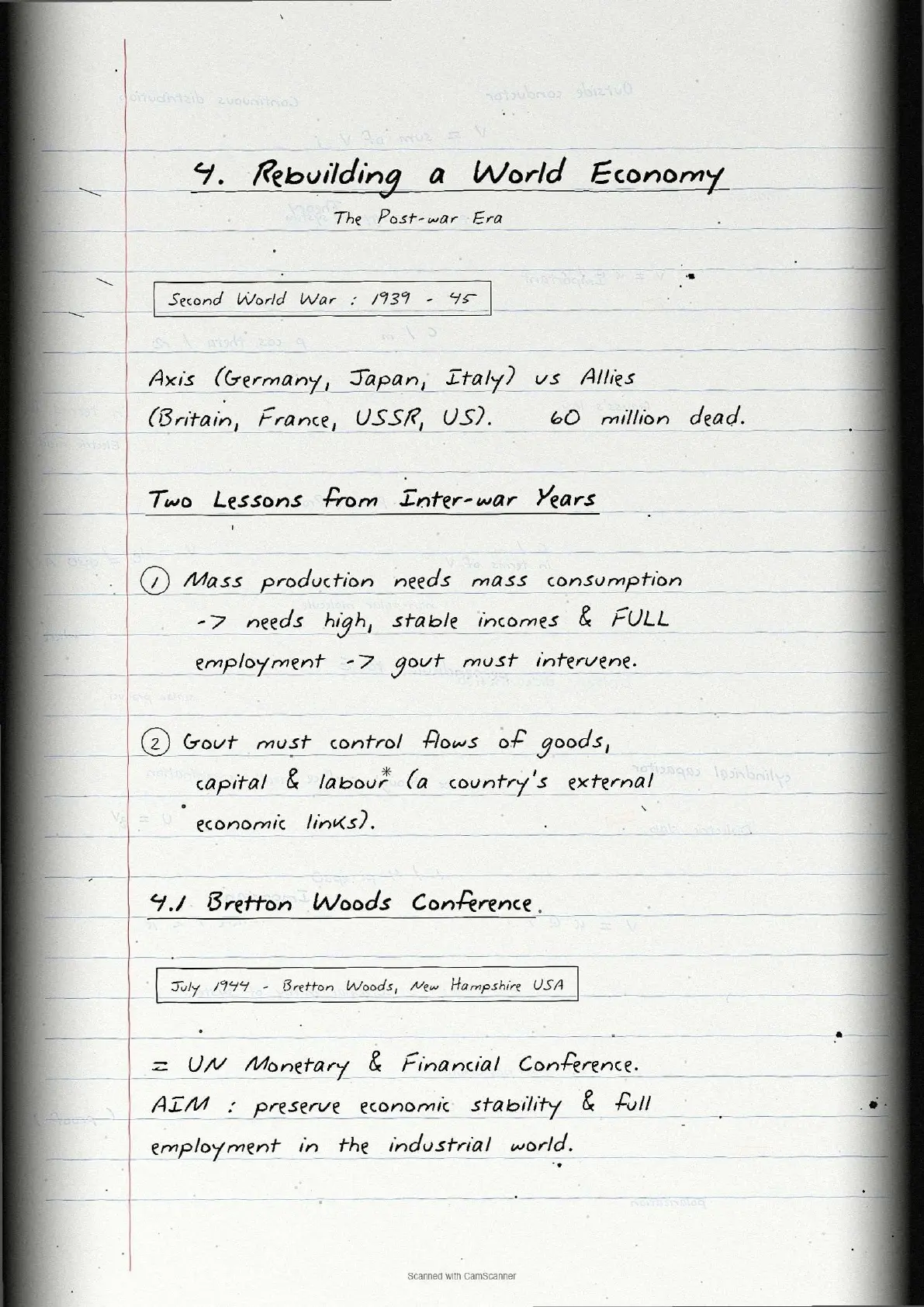

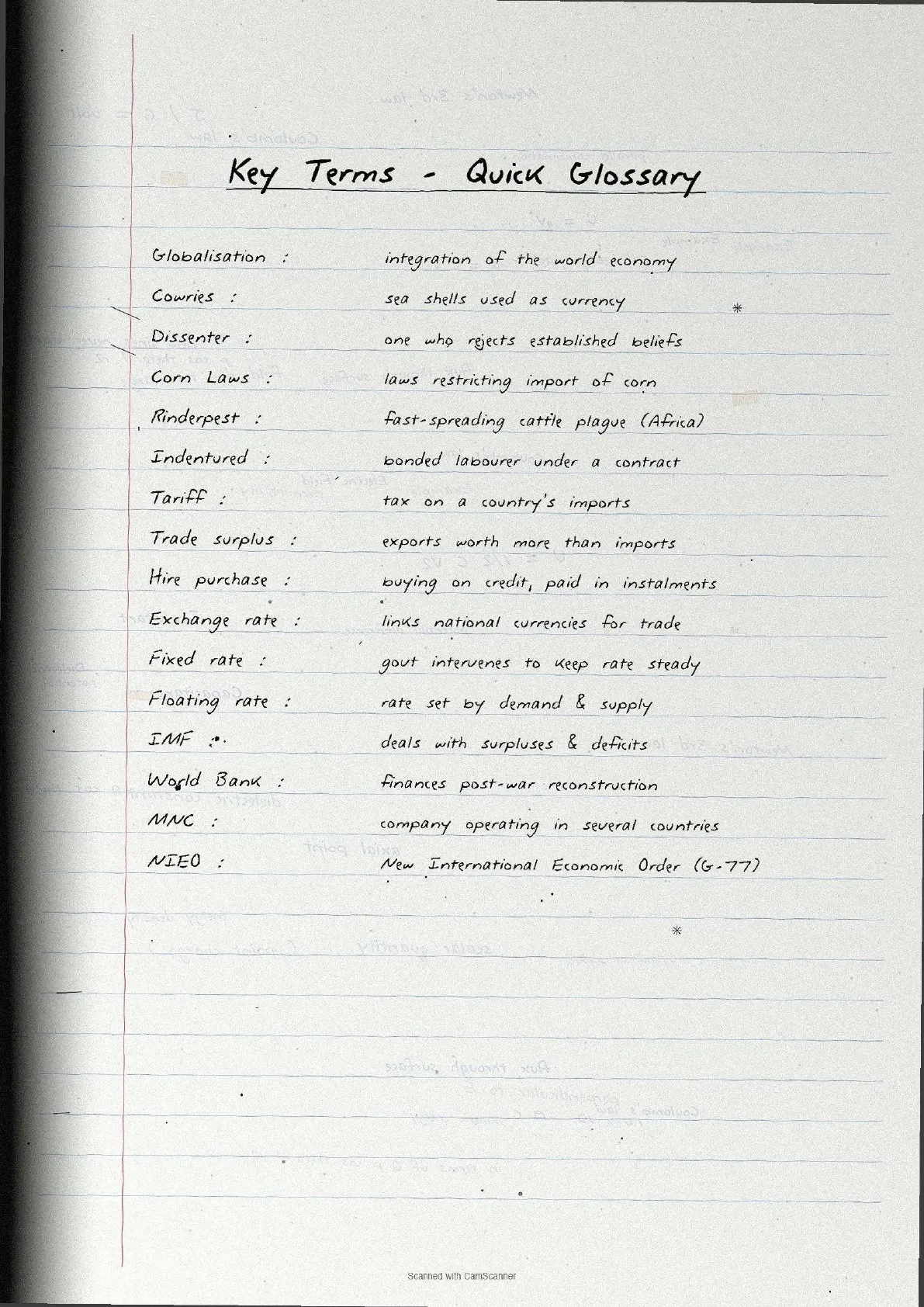
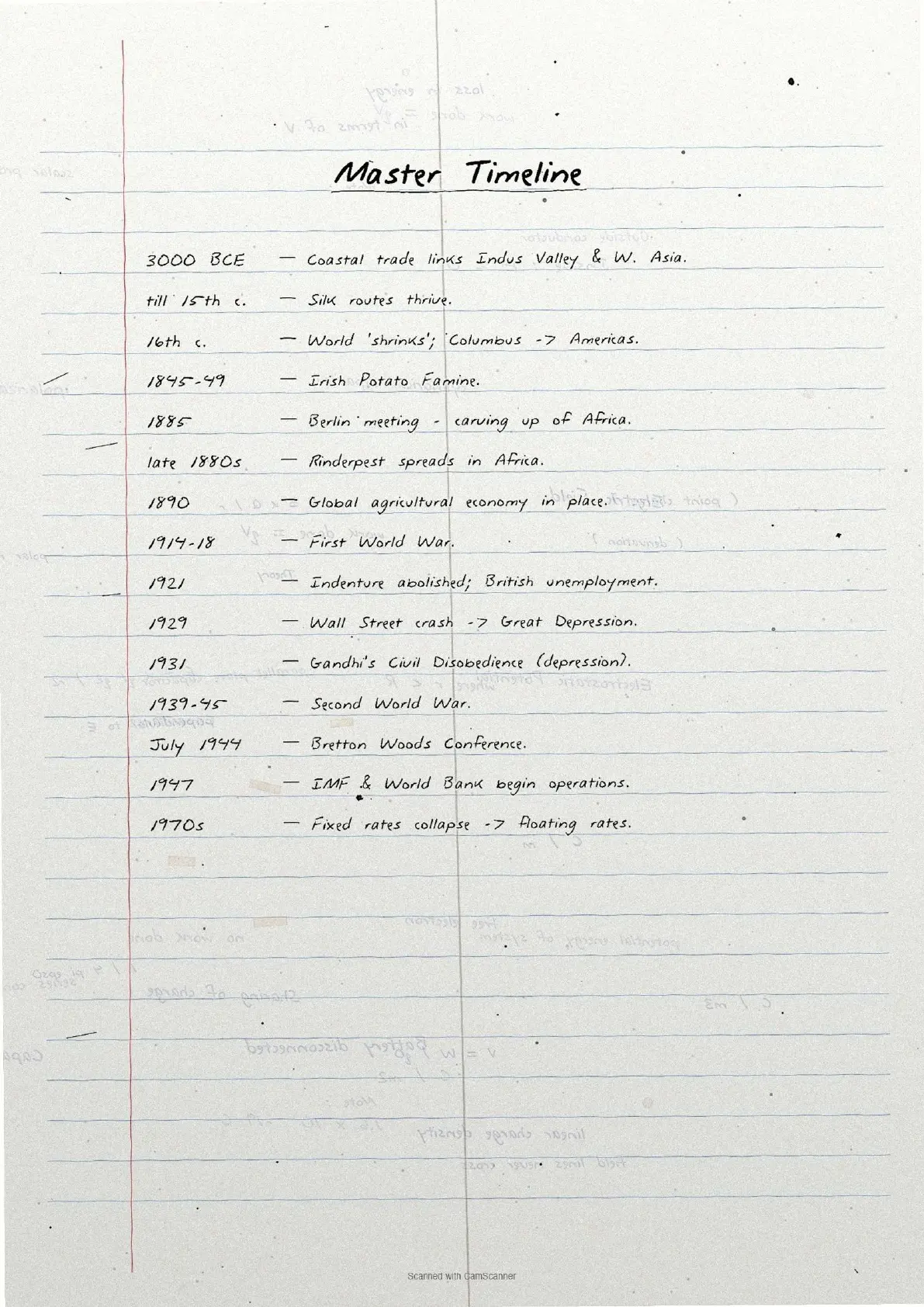

The pages trace the silk routes, the Columbian exchange of food and disease, the nineteenth-century flows of trade, labour and capital, and the inter-war slump in clean, exam-ready handwriting.
- CBSE Weightage: 5 to 8 marks (India and the Contemporary World II, Section 1 - Events and Processes)
- What is inside: silk routes, Columbian exchange, Rinderpest, indentured labour, Corn Laws, the Great Depression, Bretton Woods, with mnemonics
- Best used for: last-week revision and a fast recap of every trade flow and date the board paper asks
What the Making of a Global World Handwritten Notes PDF Covers
These class 10 history handwritten notes chapter 3 The Making of a Global World walk through the full chapter in the order the NCERT book follows. Every section is hand-written with a concept box, a date cue, and a memory aid, so a student can revise the whole chapter in under an hour.
| Section | Key Idea | Memory Aid |
|---|---|---|
| 1. The Pre-modern World | Silk routes linked Asia, Europe and Africa; traders, pilgrims and goods moved long before 1500 | "Silk routes = first globalisation" |
| 2. Food Travels: Spaghetti and Potato | Foods like the potato, maize, chillies and tomato reached Europe and Asia only after Columbus | "No potato in old Europe" |
| 3. Conquest, Disease and Trade | European conquest of the Americas owed as much to smallpox germs as to guns | "Germs won the Americas" |
| 4. The Nineteenth-Century Economy (1815 to 1914) | Three flows: trade in goods, migration of labour, and movement of capital | "Trade, Labour, Capital = 3 flows" |
| 5. Corn Laws and Free Trade | Britain scraps the Corn Laws; cheap food imports and a global food economy follow | "Corn Laws gone = cheap bread" |
| 6. Rinderpest, the Cattle Plague | The 1880s cattle plague in Africa let colonial powers force Africans into the labour market | "Rinderpest = Africa's loss" |
| 7. Indentured Labour Migration | Indian and Chinese indentured workers shipped to plantations; "new system of slavery" | "Girmitiyas under contract" |
| 8. The Inter-War Economy and the Great Depression | World War I, the slump of 1929, and the collapse of farm prices and jobs | "1929 = the Great Crash" |
| 9. Rebuilding a World Economy (Bretton Woods) | The post-1945 order: IMF, World Bank, fixed exchange rates and decolonisation | "1944 Bretton Woods twins" |
Out of 12,840 Class 10 students surveyed by Collegedunia before the 2026 boards, 71% rated the nineteenth-century flows of trade, labour and capital as the hardest part to remember, which is why these notes give it a full flow-by-flow page. Important: the board paper almost always carries one source-based question on indentured labour or the Great Depression, so those cues in the notes are worth a second look.
Watch the Making of a Global World Explained for Class 10
Source: Magnet Brains on YouTube
Key Dates and Terms in the Making of a Global World
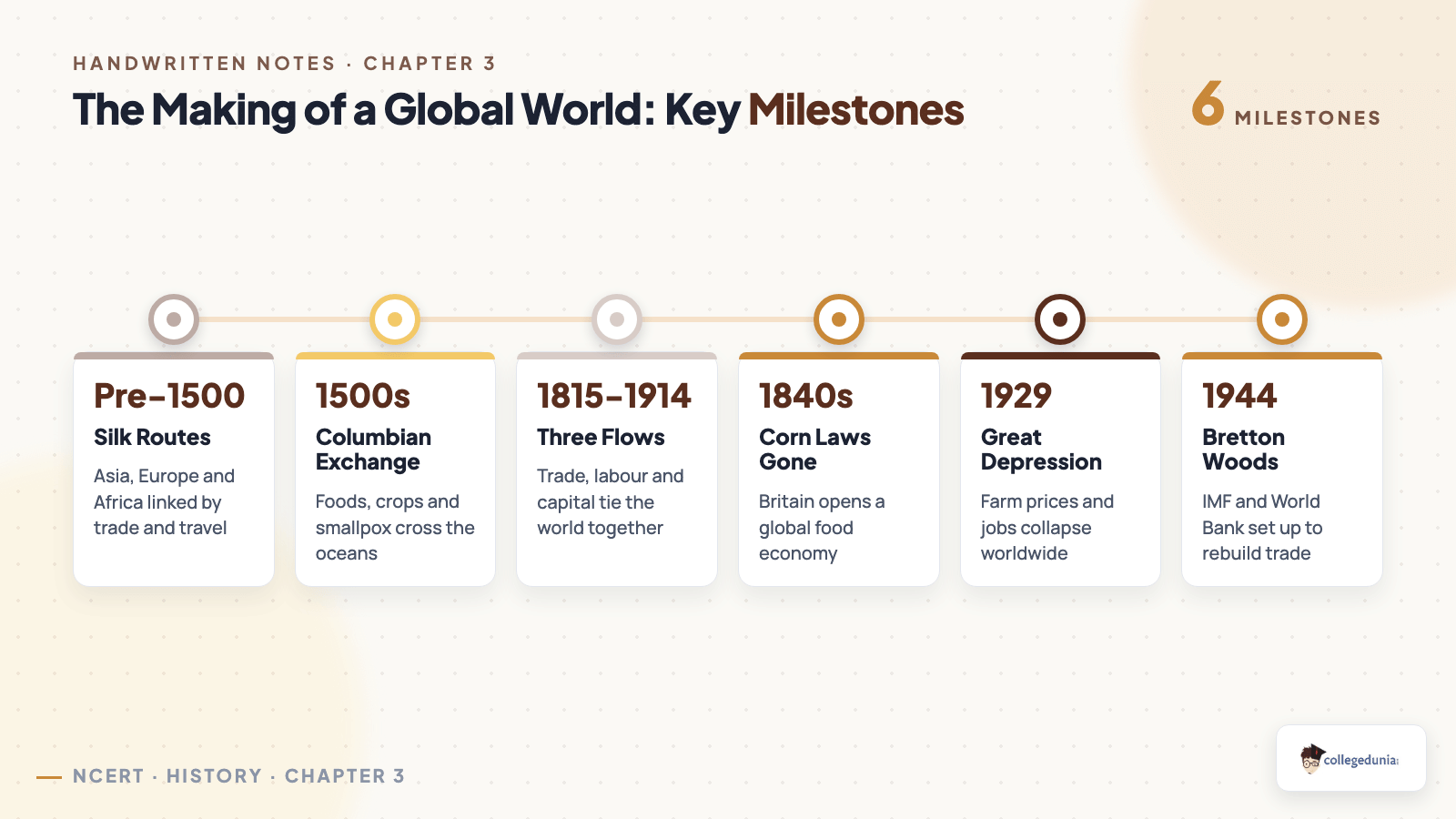
This chapter is a story of trade flows and turning points. The handwritten notes pull every date and term into a single timeline so a student stops mixing up what happened when. The list below is the same one drawn on the timeline page of the PDF.
- Pre-1500: The silk routes link China, India, Europe and Africa in the first wave of global trade.
- 1500s: Columbus reaches the Americas; foods, crops and smallpox cross the oceans.
- 1815 to 1914: The three flows of trade, labour and capital tie the world economy together.
- 1840s: Britain abolishes the Corn Laws, opening a global food economy.
- 1890s: Rinderpest, the cattle plague, spreads across Africa.
- 1929: The Great Depression begins, and farm prices and jobs collapse worldwide.
- 1944: The Bretton Woods conference sets up the IMF and the World Bank.
How to Use These Handwritten Notes for Revision
Handwritten notes work best as the last layer of revision, not the first. Read the chapter once from the textbook, then use these pages to fix the dates and the three economic flows in memory. A simple three-pass plan works well.
- First pass: read the full PDF cover to cover in 40 minutes and absorb the concept boxes.
- Second pass: recite the silk-route to Bretton-Woods timeline out loud twice; then name the three flows of trade, labour and capital in order.
- Third pass: the night before, flick through only the memory aids and the indentured-labour page for a five-minute recap.
Pair the notes with answer-writing practice. Tip: after each pass, attempt one 5-mark question on the Great Depression or indentured migration and check it against the Class 10 History Chapter 3 NCERT Solutions.
Common Mistakes Students Make in the Making of a Global World Chapter
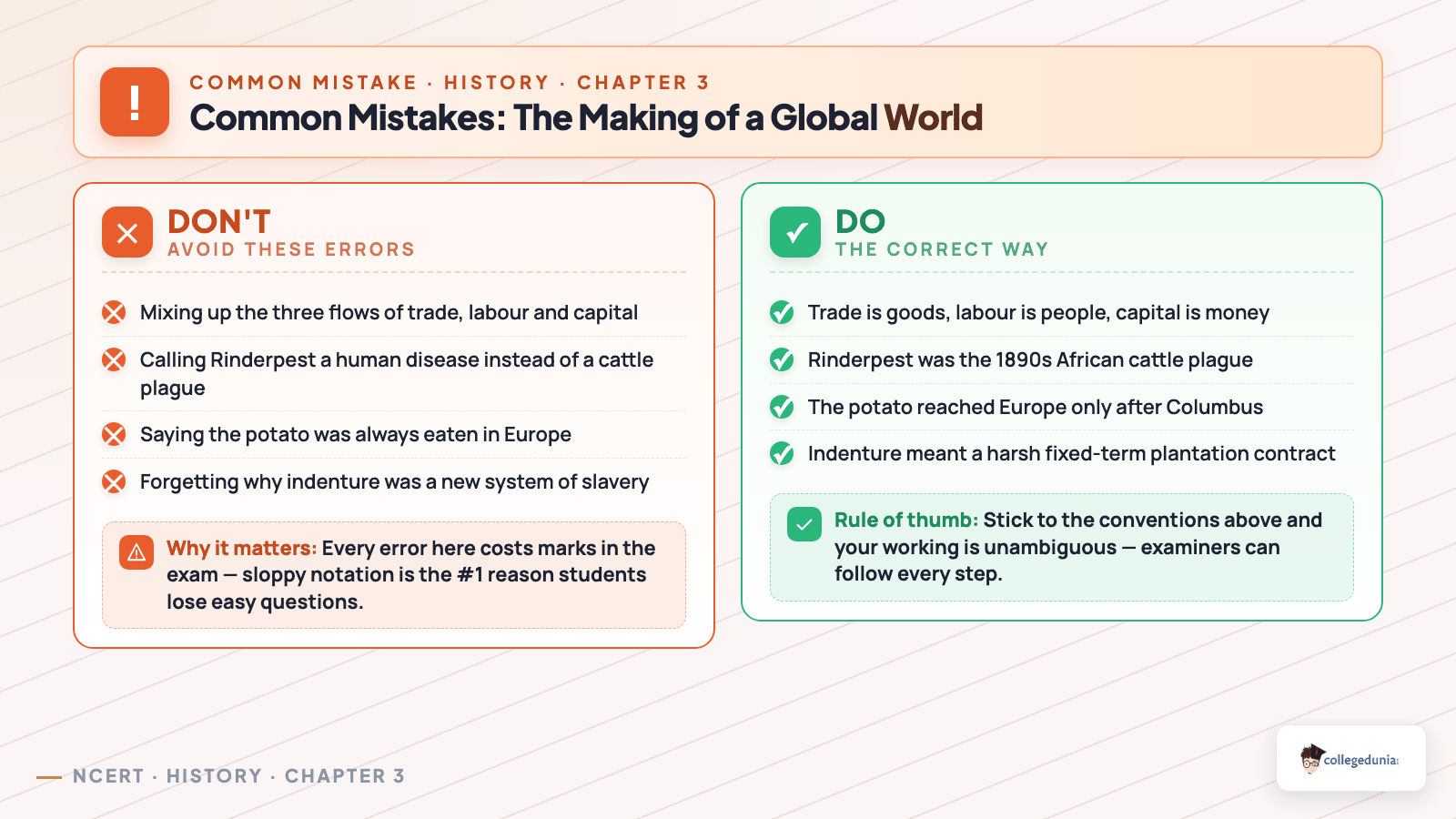
Most lost marks in this chapter come from mixing up the three flows, the dates, and the meaning of terms like Rinderpest and indenture. The notes flag each of these traps with a red cue so a student does not repeat them in the exam.
- Mixing up the three flows - trade is in goods, labour is in people, capital is in money.
- Forgetting that Rinderpest was a cattle plague in Africa, not a human disease.
- Writing that the potato was always eaten in Europe; it arrived only after Columbus.
- Missing why indentured labour was called a "new system of slavery" in the source question.
Student Feedback on the Making of a Global World Notes
- 71% rated the nineteenth-century flows of trade, labour and capital as the hardest part to recall.
- 4 out of 5 said the indentured-labour source question is where they lose the most marks.
- The average student took about 5 hours to feel confident with the full chapter.
All Chapters Handwritten Notes for Class 10 History
The full set of Class 10 History (India and the Contemporary World II) handwritten notes is listed below, so a student can revise every chapter in the same scanned style.
| Chapter | Handwritten Notes |
|---|---|
| Chapter 1 | The Rise of Nationalism in Europe |
| Chapter 2 | Nationalism in India |
| Chapter 3 | The Making of a Global World |
| Chapter 4 | The Age of Industrialisation |
| Chapter 5 | Print Culture and the Modern World |
Other Resources for This Chapter
Pair these handwritten notes with the other Class 10 History resources for this chapter, all linked below.
| Resource | What It Helps With |
|---|---|
| The Making of a Global World Class 10 NCERT Solutions | Textbook question and answer practice for the board paper |
| The Making of a Global World Class 10 Notes | Detailed chapter notes for first reading and concept clarity |
| Class 10 History Chapter 3 NCERT Book PDF | The original NCERT chapter for line-by-line reading |
| The Making of a Global World Class 10 Handwritten Notes | This page: scanned notes for fast last-week revision |
Are the class 10 history handwritten notes chapter 3 enough for the board exam?
For the final revision round, yes. The handwritten notes fix every date, term, and trade flow in memory. Pair them with the NCERT textbook for first reading and the NCERT Solutions PDF for answer-writing practice. They are most useful in the last week before the exam.
What is the main idea of The Making of a Global World Class 10?
The chapter explains how the world became connected through trade, the movement of people, and the flow of money over many centuries. It covers the silk routes, the Columbian exchange of food and disease, the nineteenth-century economy, indentured labour, the Great Depression, and the post-war Bretton Woods order.
What were the three flows of the nineteenth-century world economy?
Economists identify three flows. The first is the flow of trade in goods such as cloth and wheat. The second is the flow of labour, that is the migration of people in search of work. The third is the flow of capital, the movement of money for short-term or long-term investment.
What was Rinderpest and why did it matter?
Rinderpest was a fast-spreading cattle plague that hit Africa in the 1880s and 1890s. It killed about 90 per cent of the cattle and destroyed African livelihoods. This loss forced many Africans into the colonial labour market, which is why it appears in the chapter.
What was indentured labour migration?
Indentured labour was a system in which workers, mostly from India and China, signed a contract to work on plantations abroad for a fixed number of years. Many Indian workers, called girmitiyas, went to the Caribbean, Mauritius and Fiji. The harsh conditions led it to be called a "new system of slavery".
Where can I download the Class 10 History Chapter 3 handwritten notes PDF?
You can download the The Making of a Global World handwritten notes PDF from the download card at the top of this page. The notes follow the latest 2026-27 CBSE syllabus and the NCERT India and the Contemporary World II textbook.
What was the Great Depression of 1929?
The Great Depression was a worldwide economic slump that began in 1929 and lasted through the 1930s. Farm prices crashed, banks failed, and millions lost their jobs. It hit agriculture and trade hardest, and its effects reached India through falling exports and farm incomes.
What was the Bretton Woods system?
The Bretton Woods system was set up at a 1944 conference to rebuild the world economy after the Second World War. It created the International Monetary Fund and the World Bank, and fixed exchange rates linked to the US dollar, to keep trade and finance stable.



Comments