


Class 7 Science Chapter 2 Exploring Substances: Acidic, Basic, and Neutral is a favourite for one-mark questions. These class 7 science handwritten notes chapter 2 Exploring Substances: Acidic, Basic, and Neutral follow the 2026-27 NCERT and cover litmus, turmeric, china rose and everyday neutralisation.
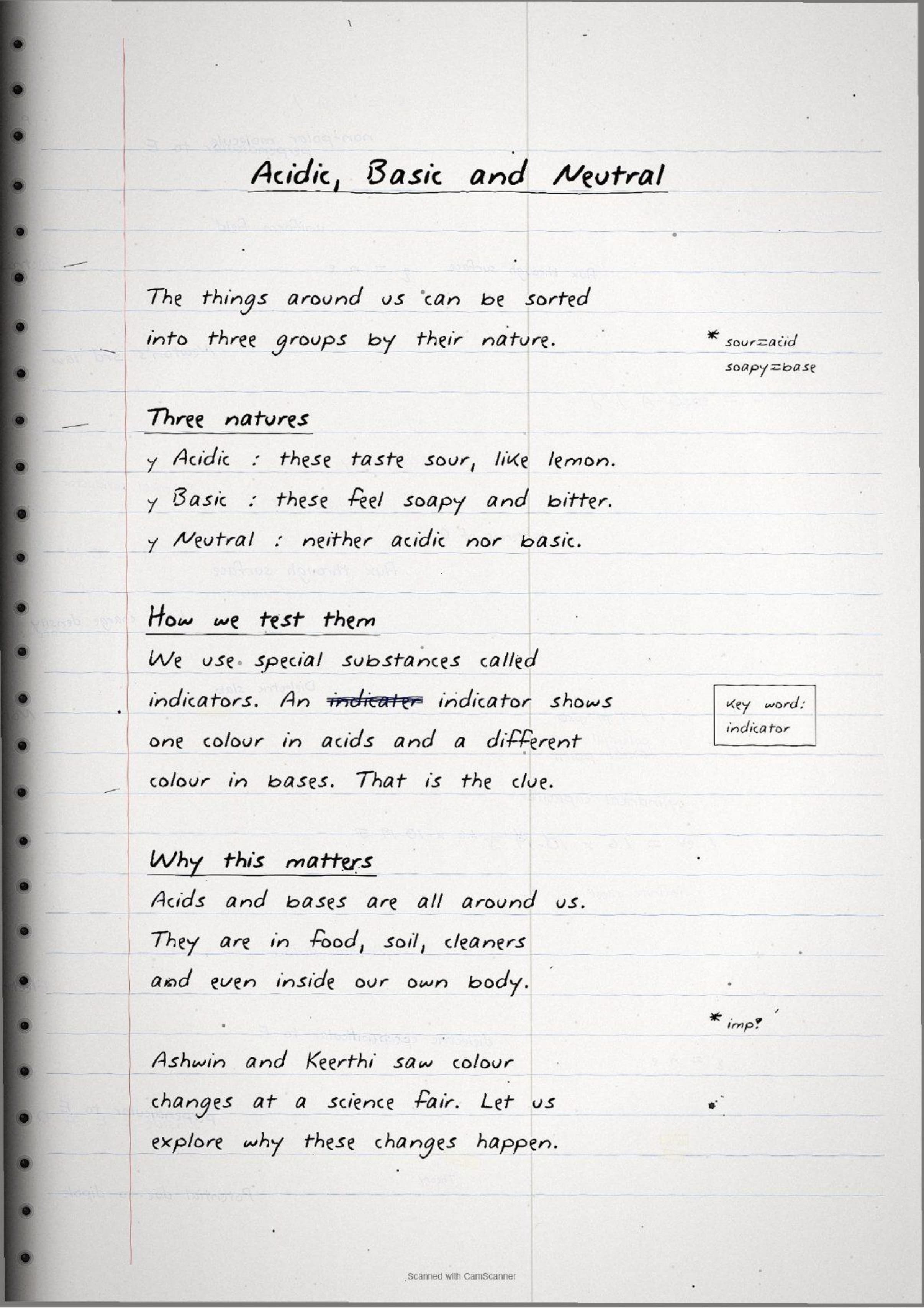
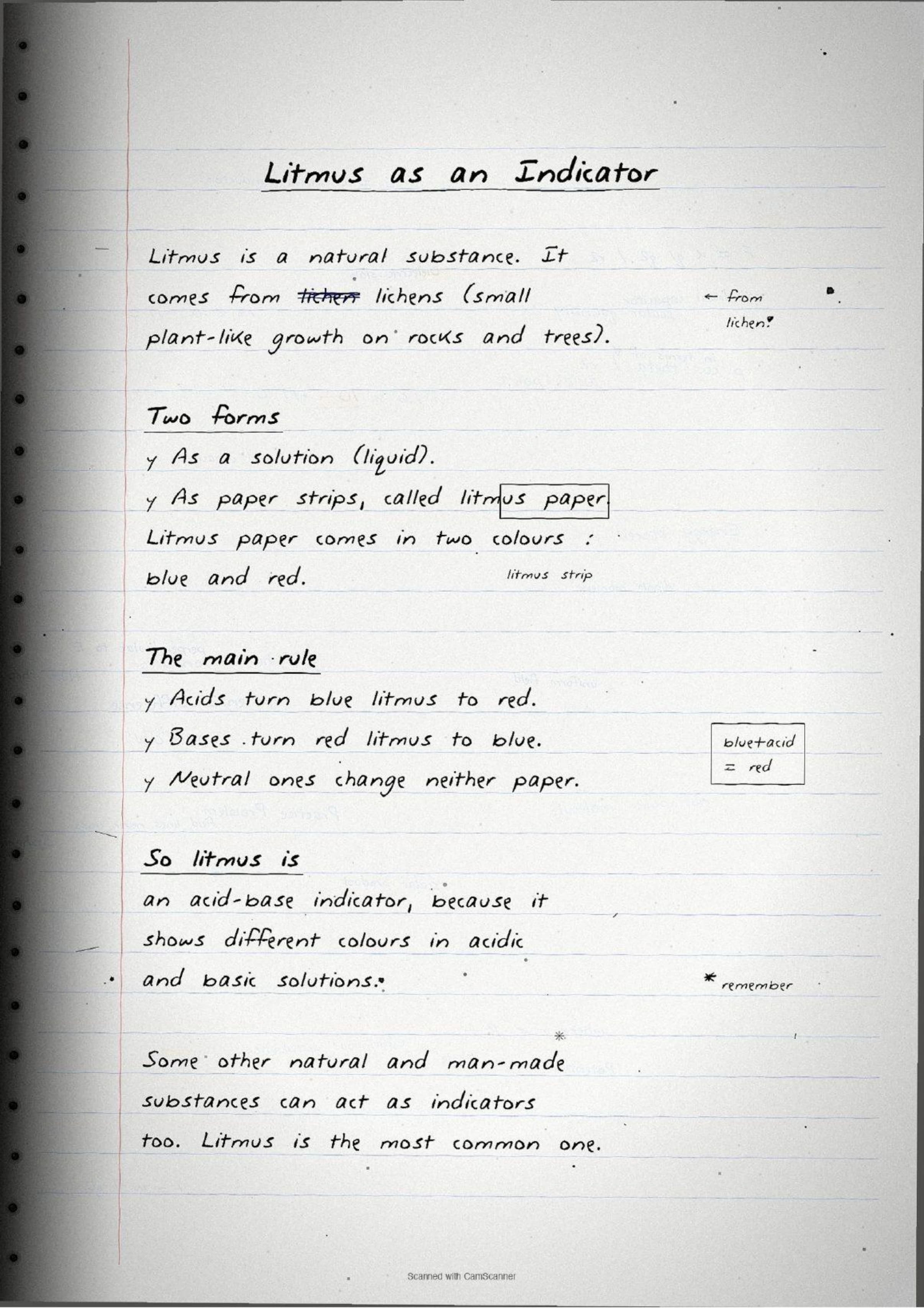
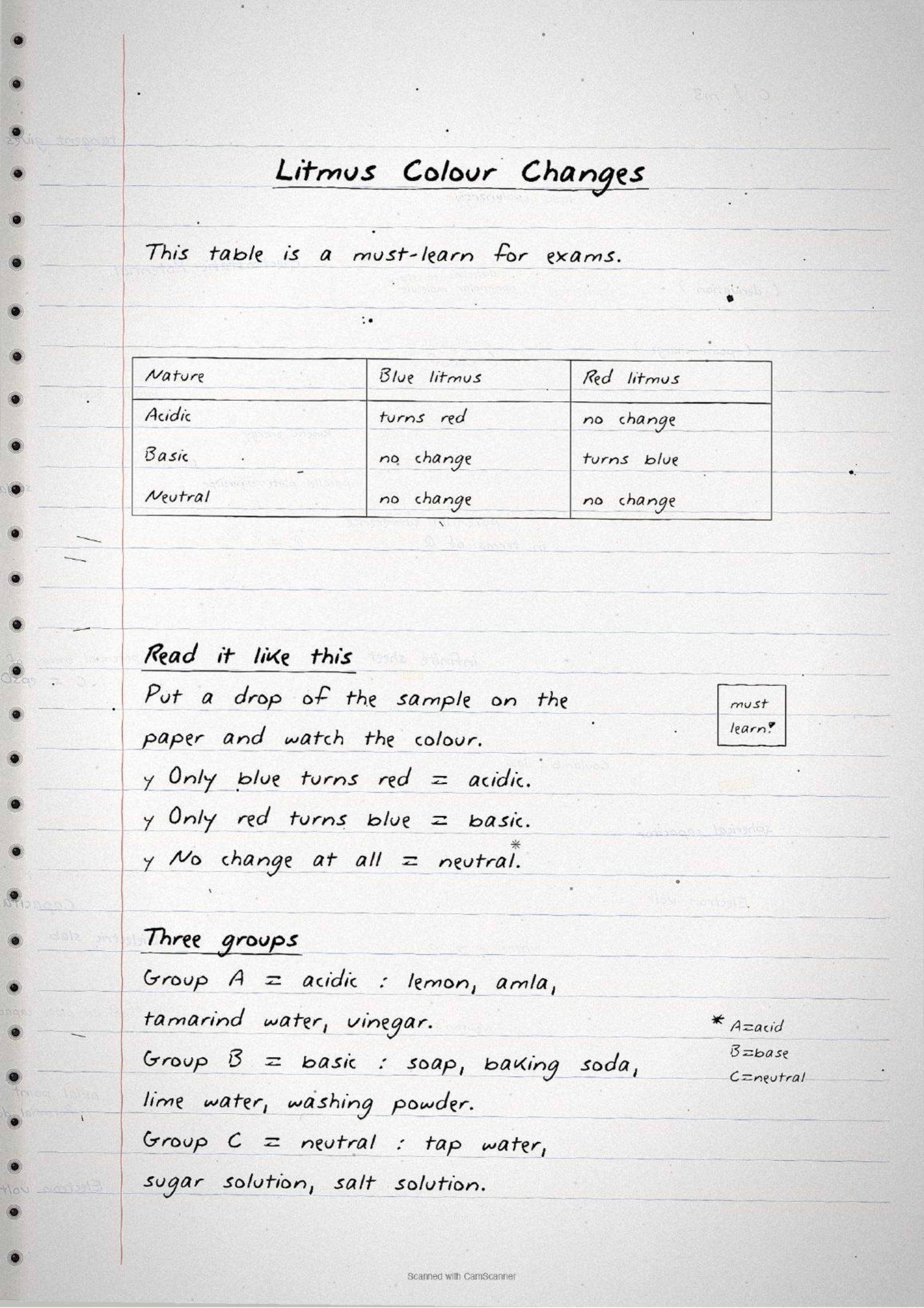
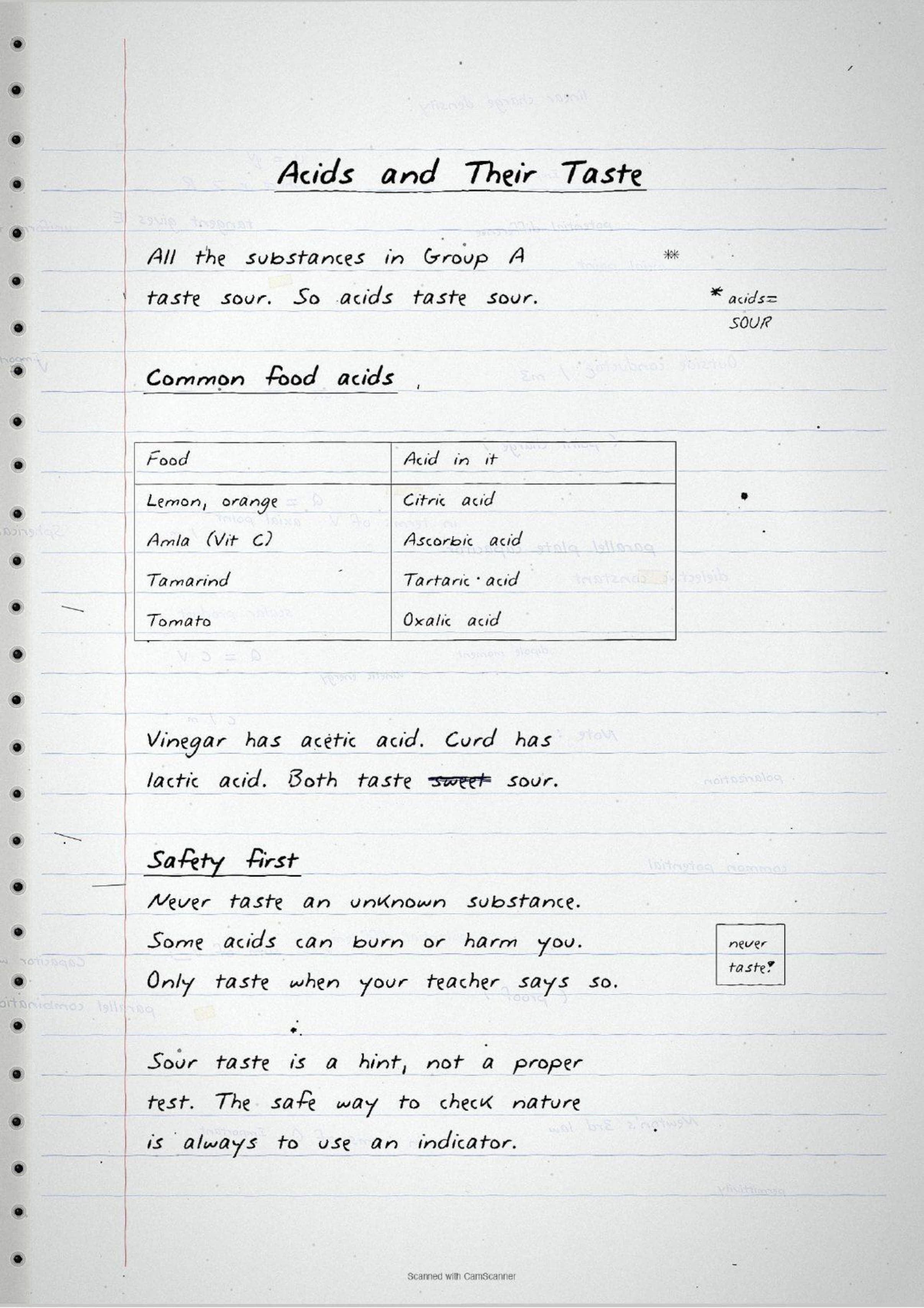
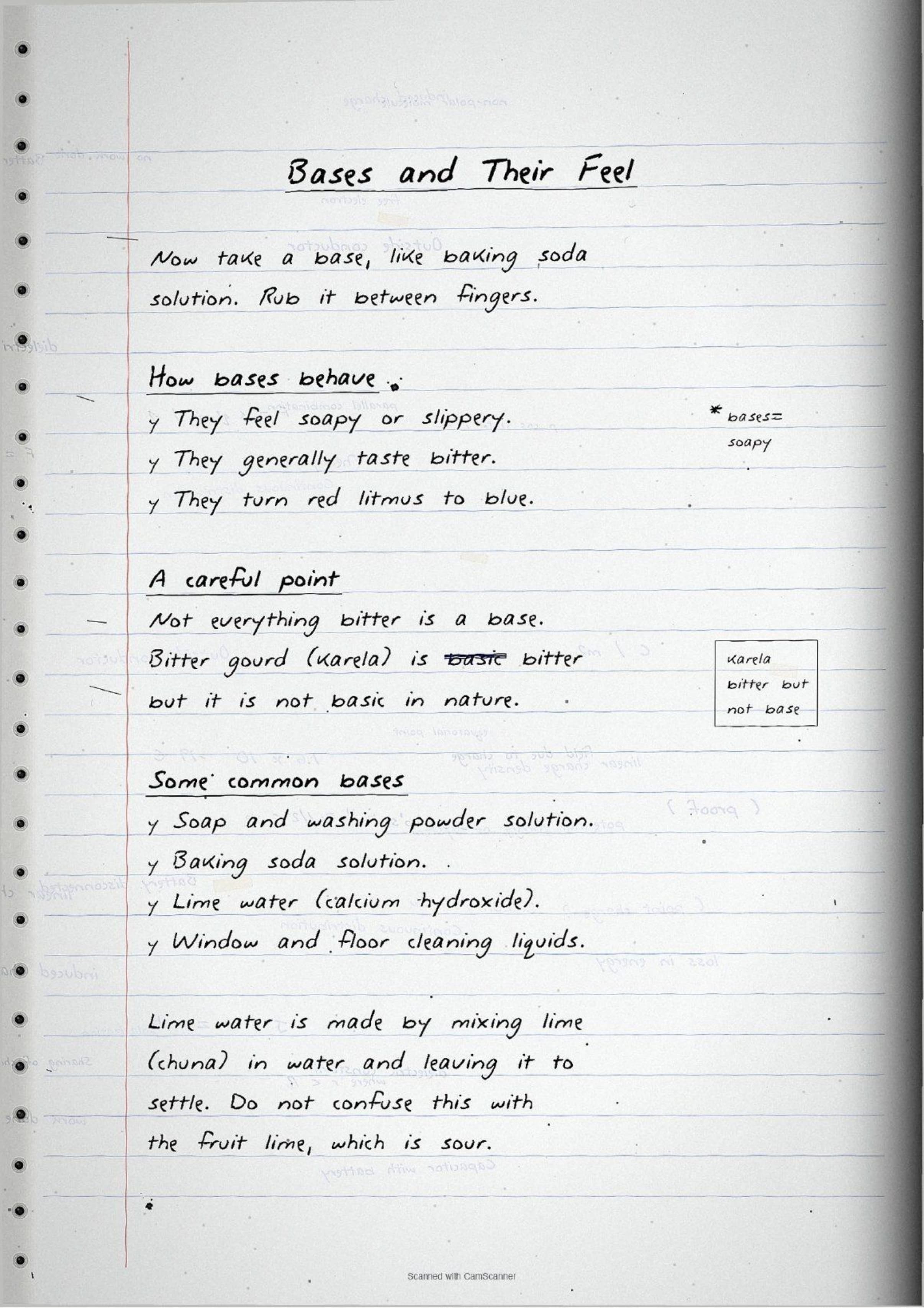
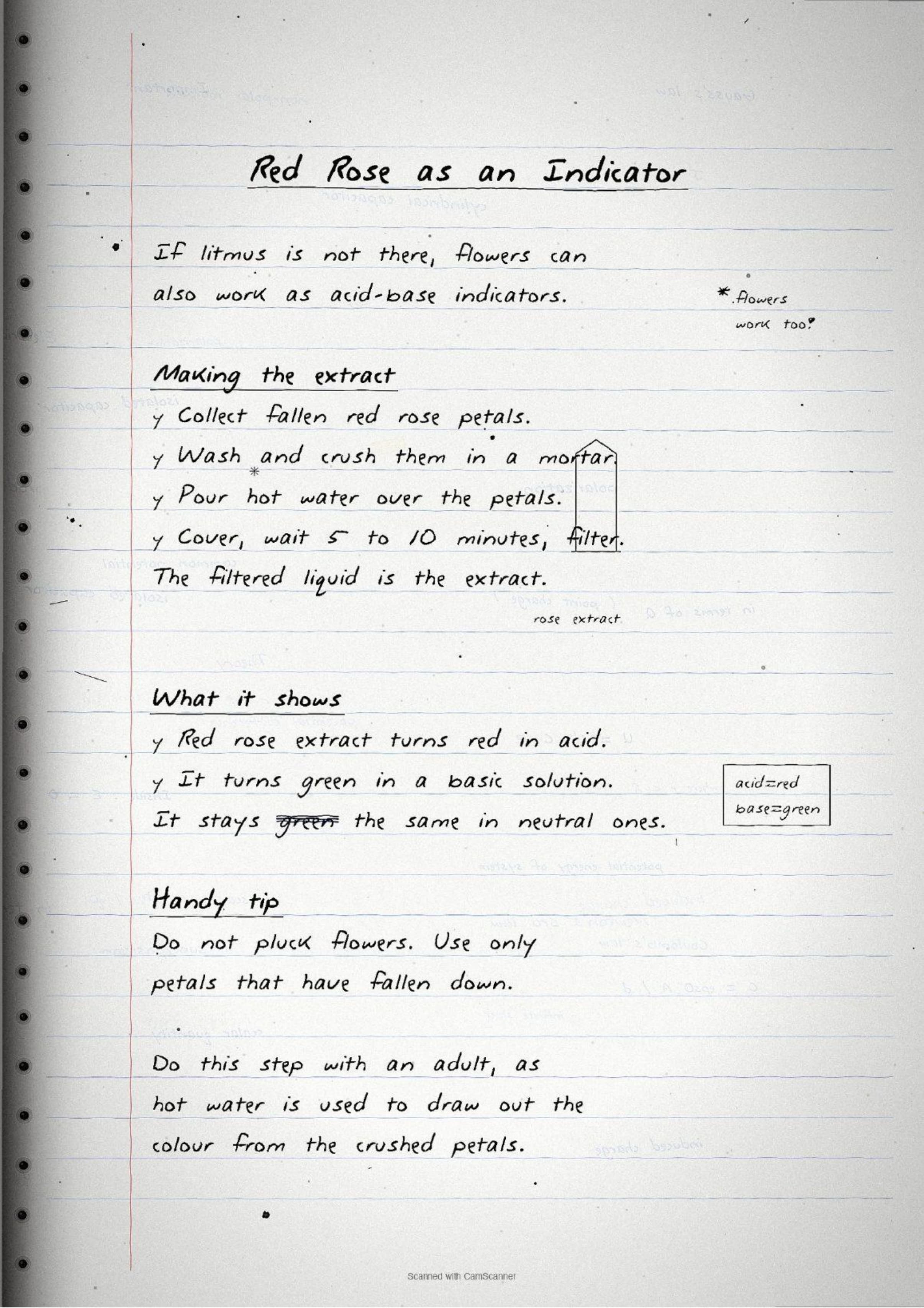
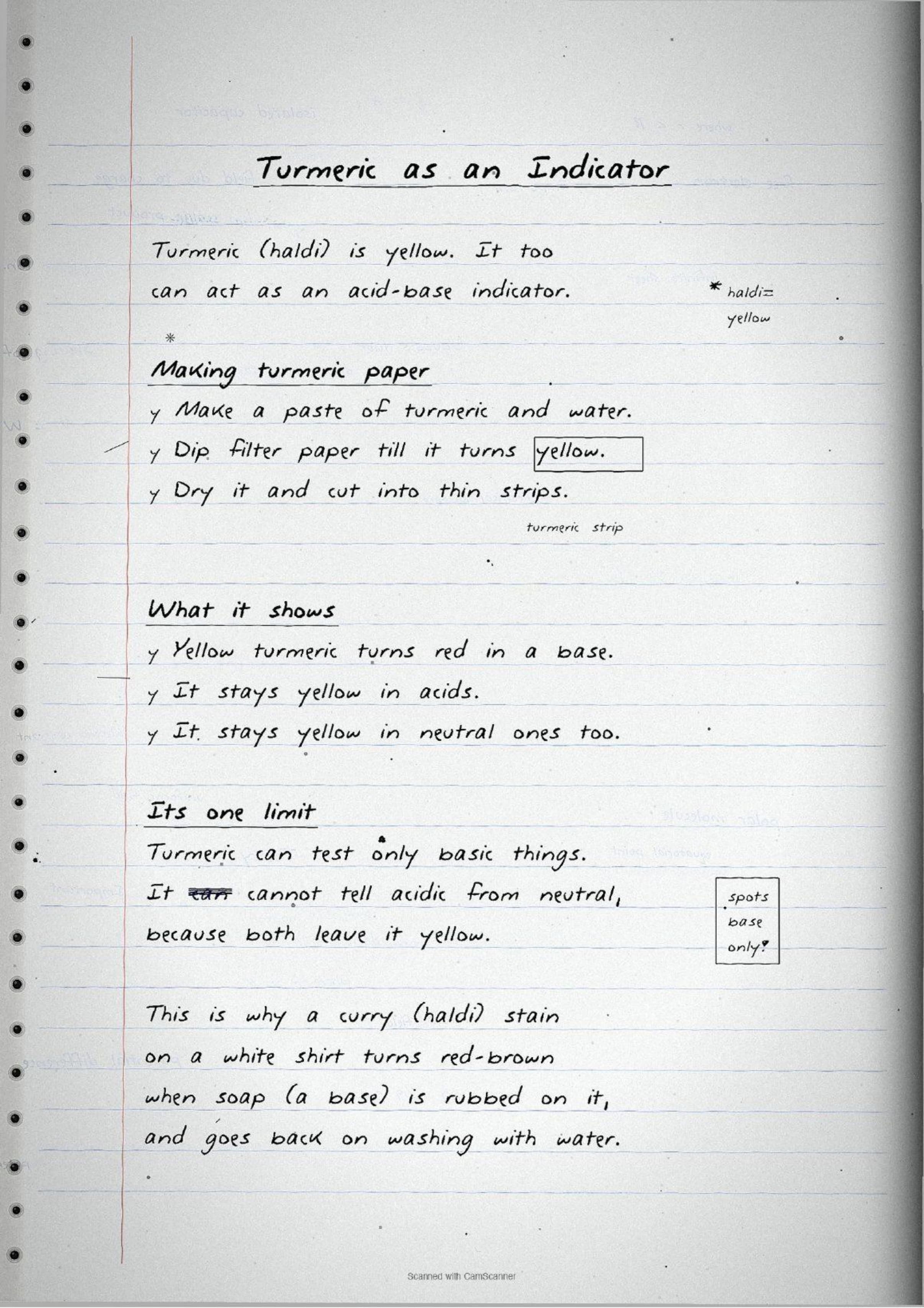
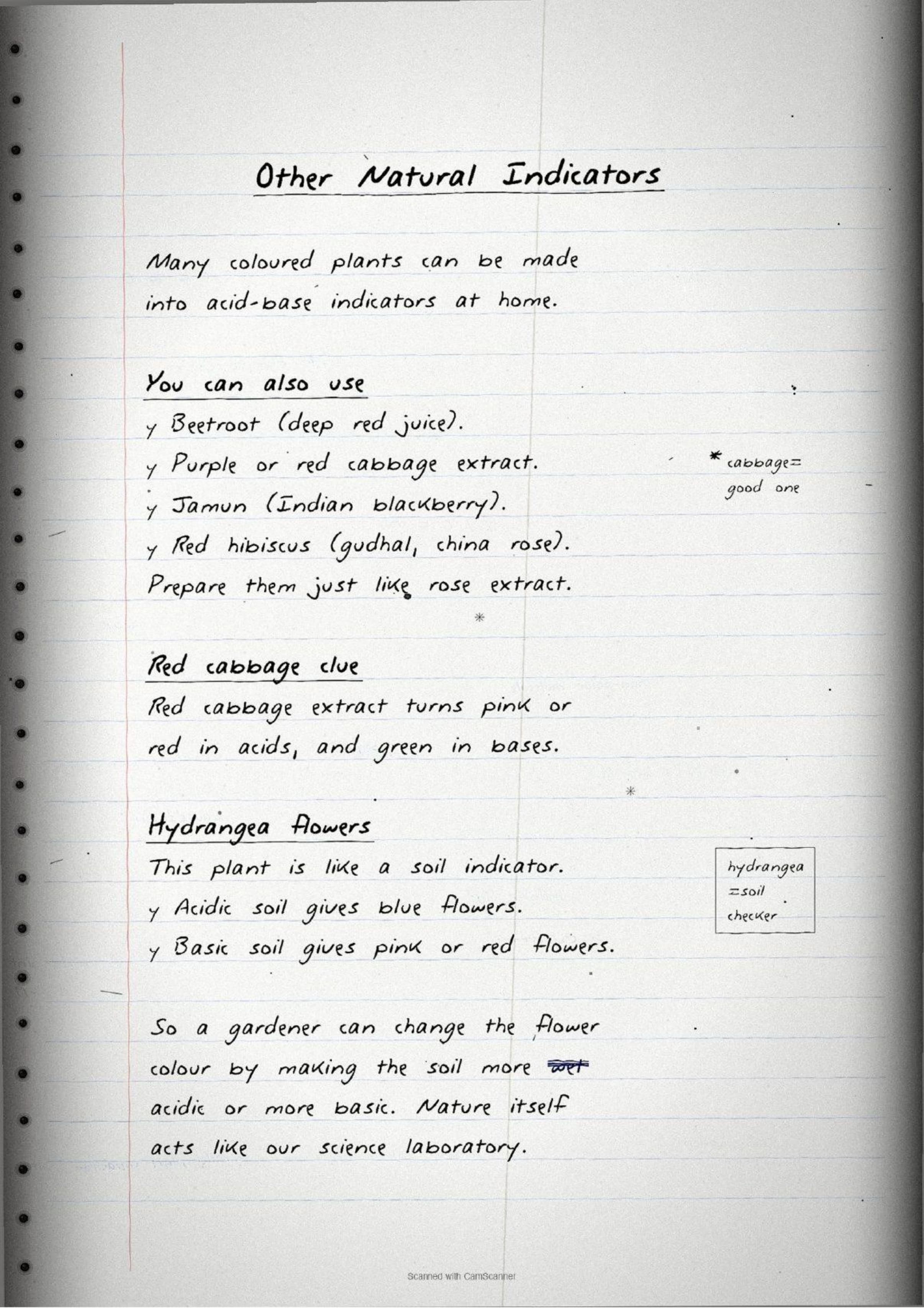
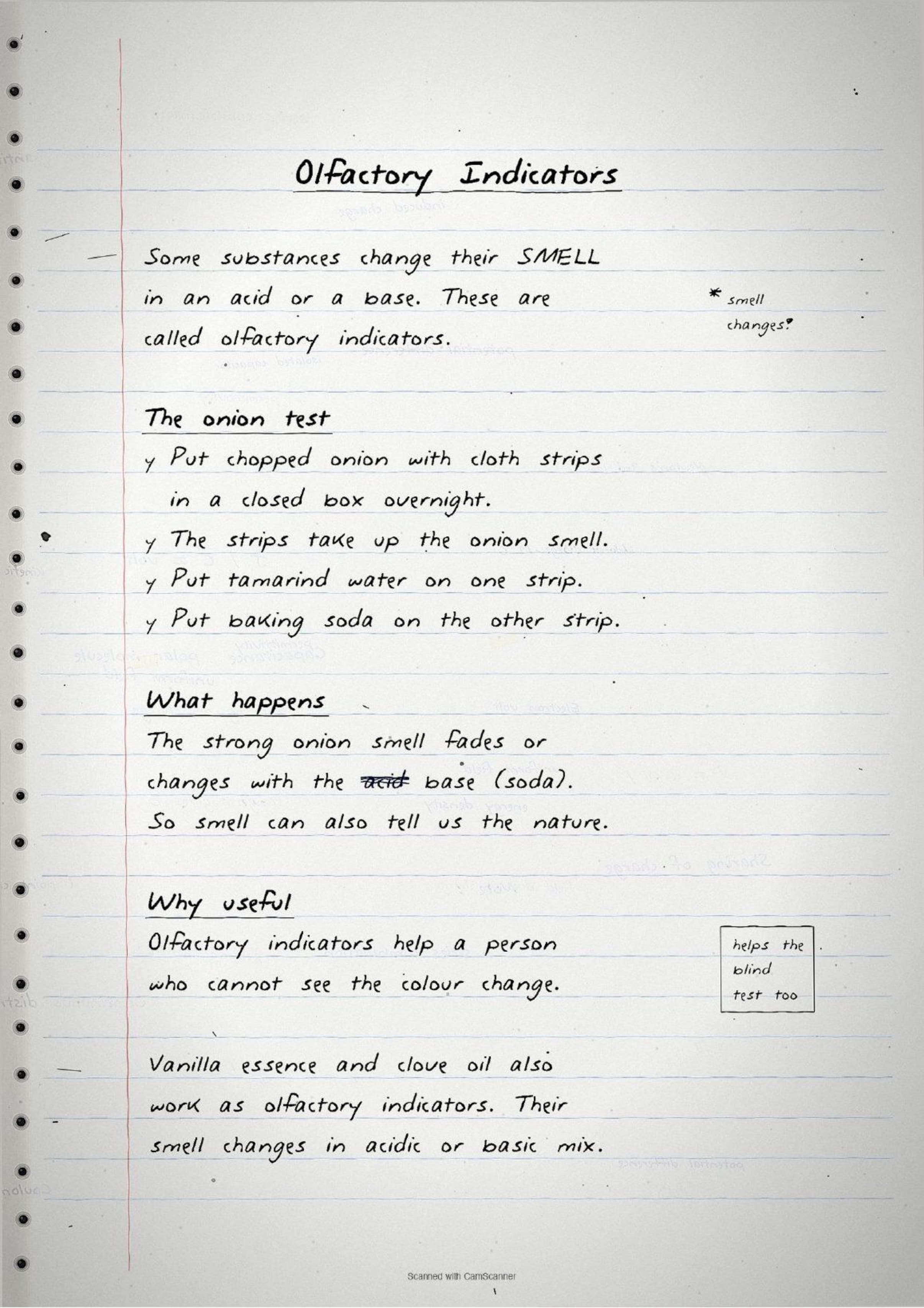
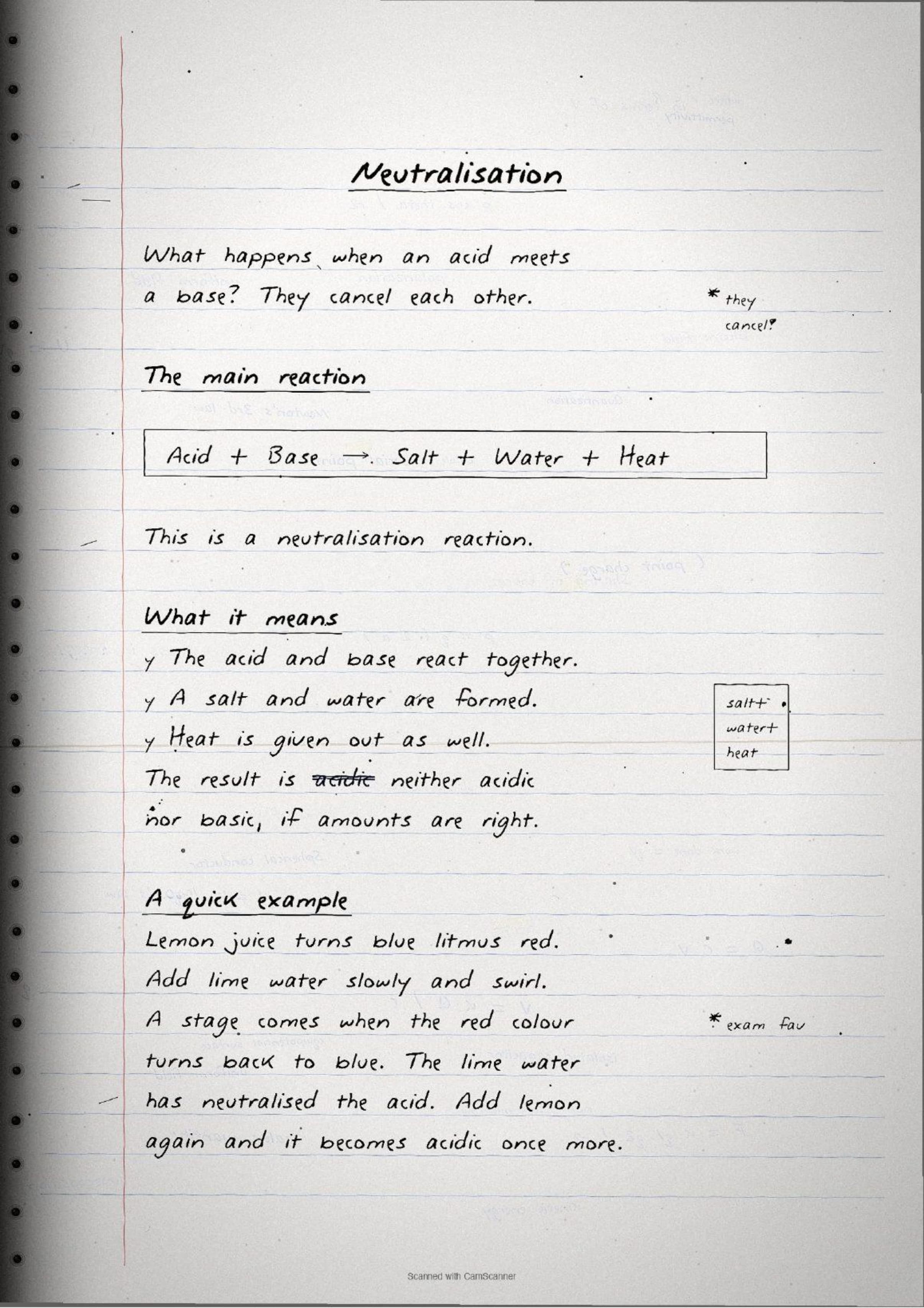
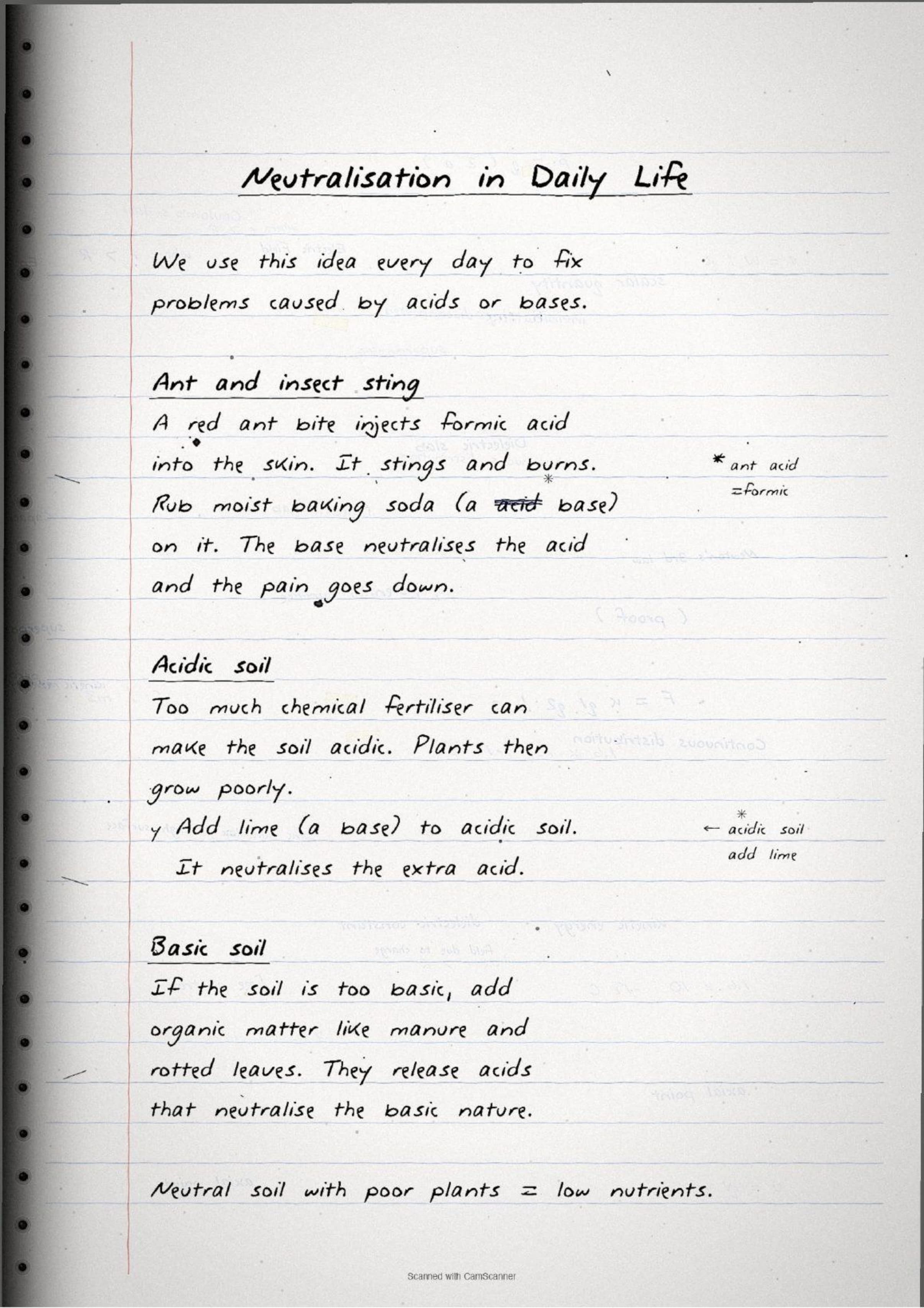
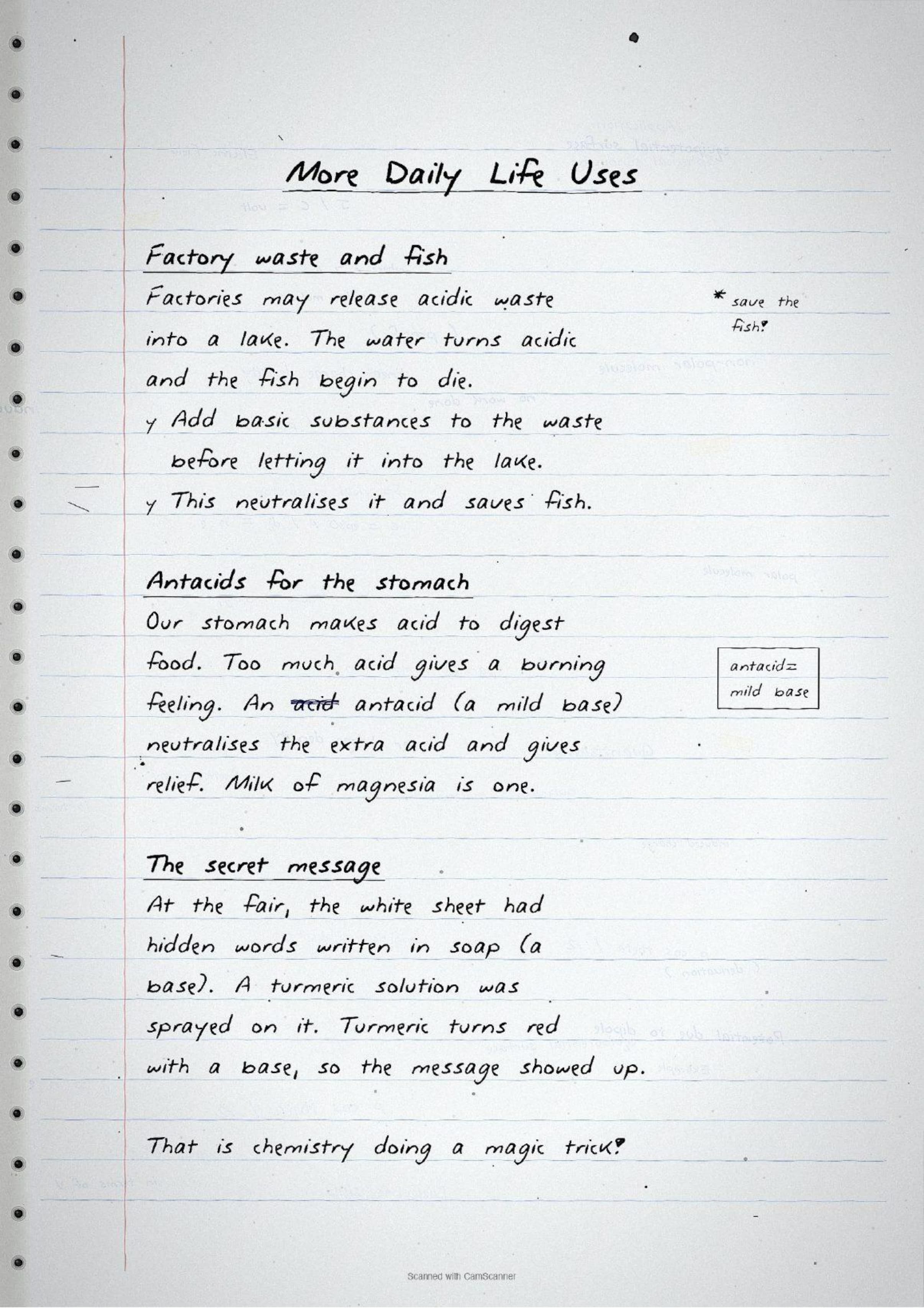
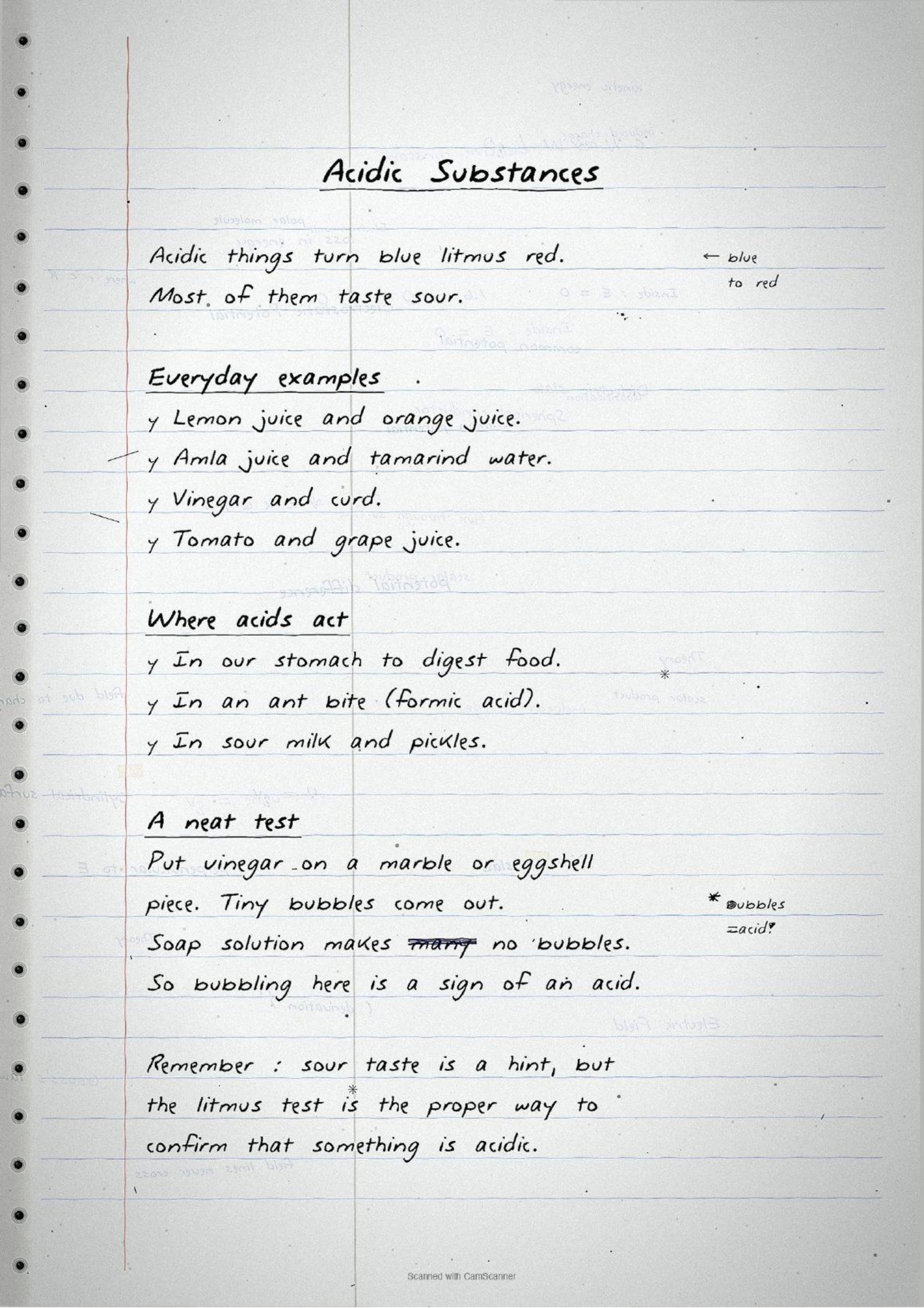
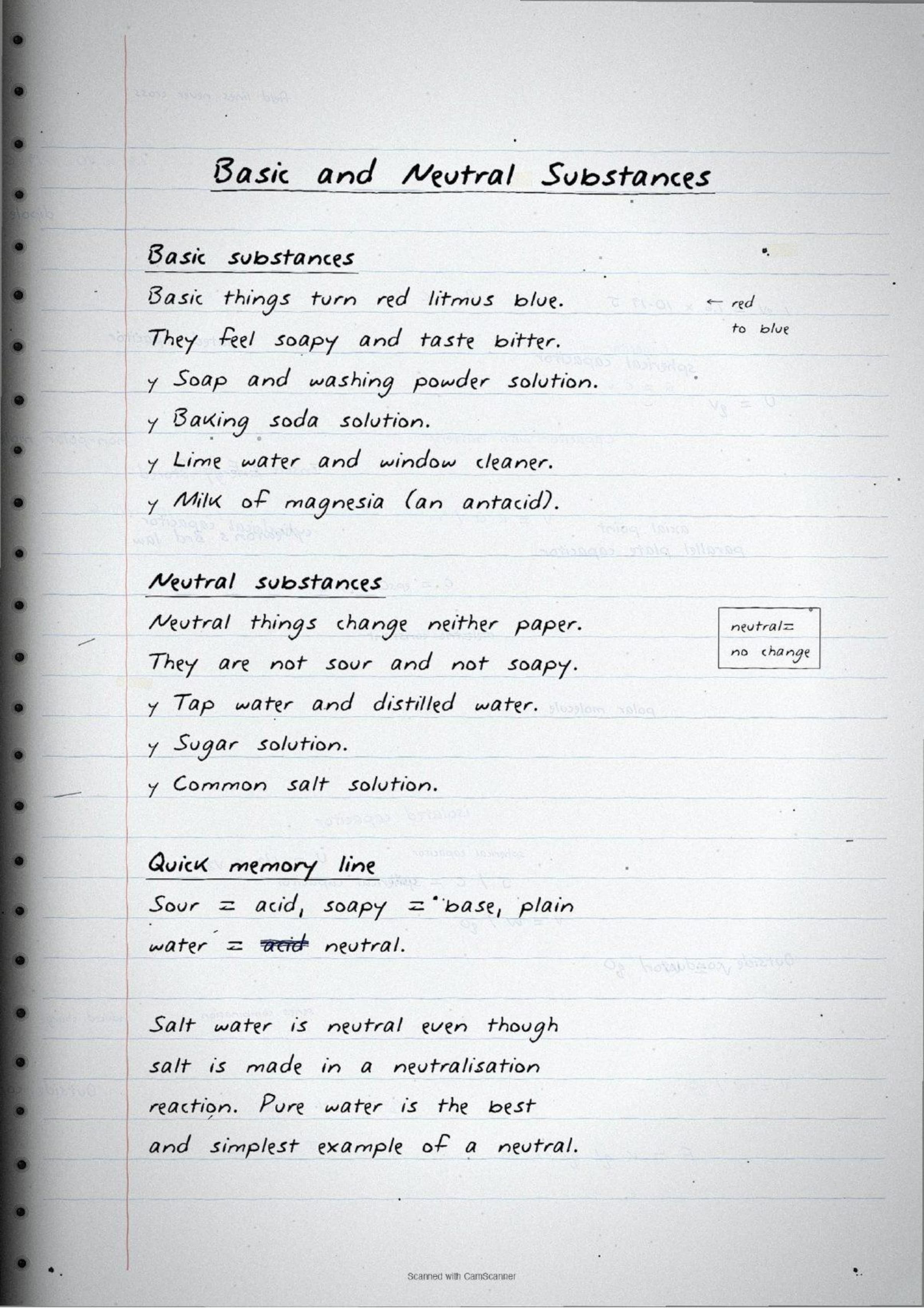
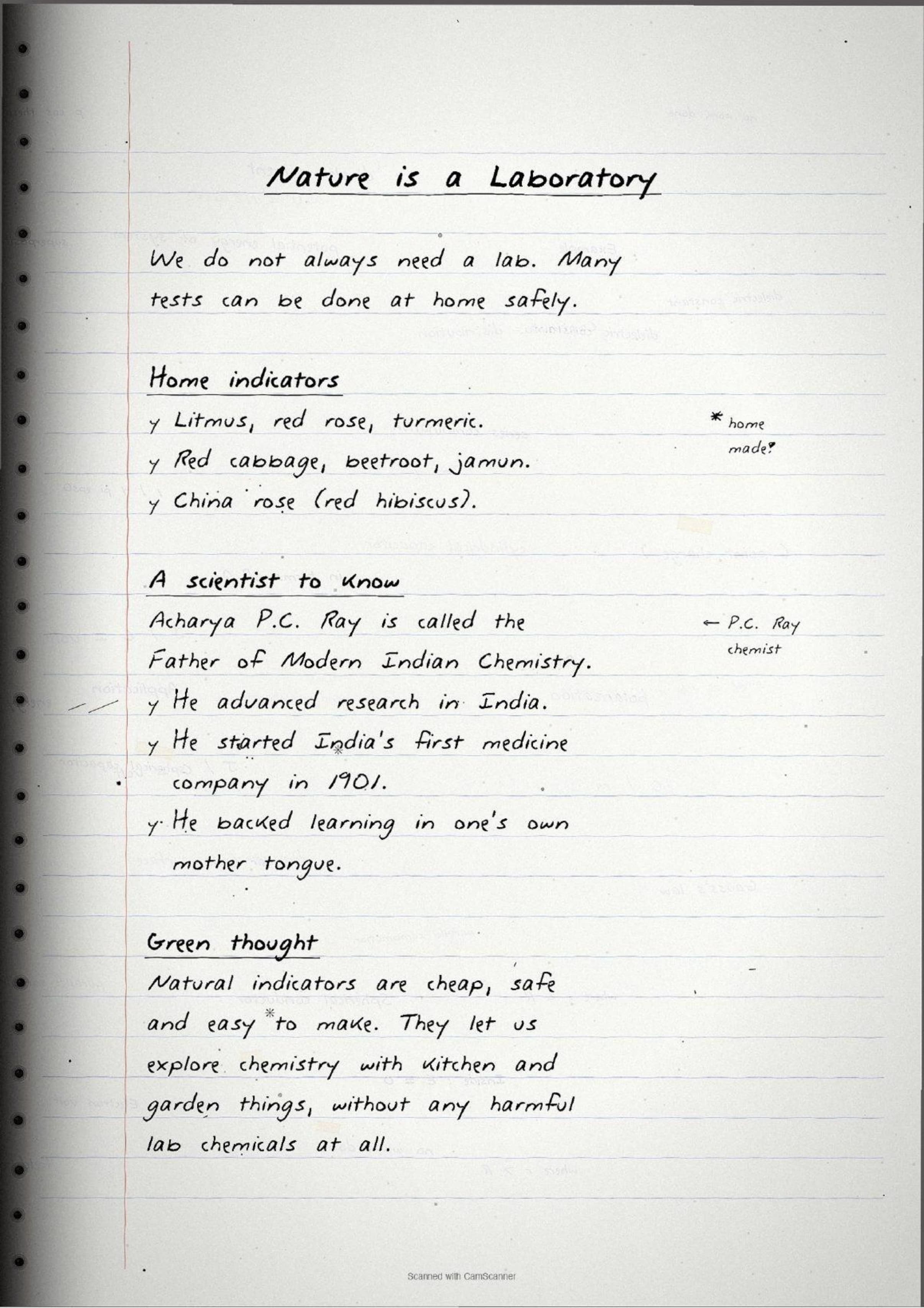
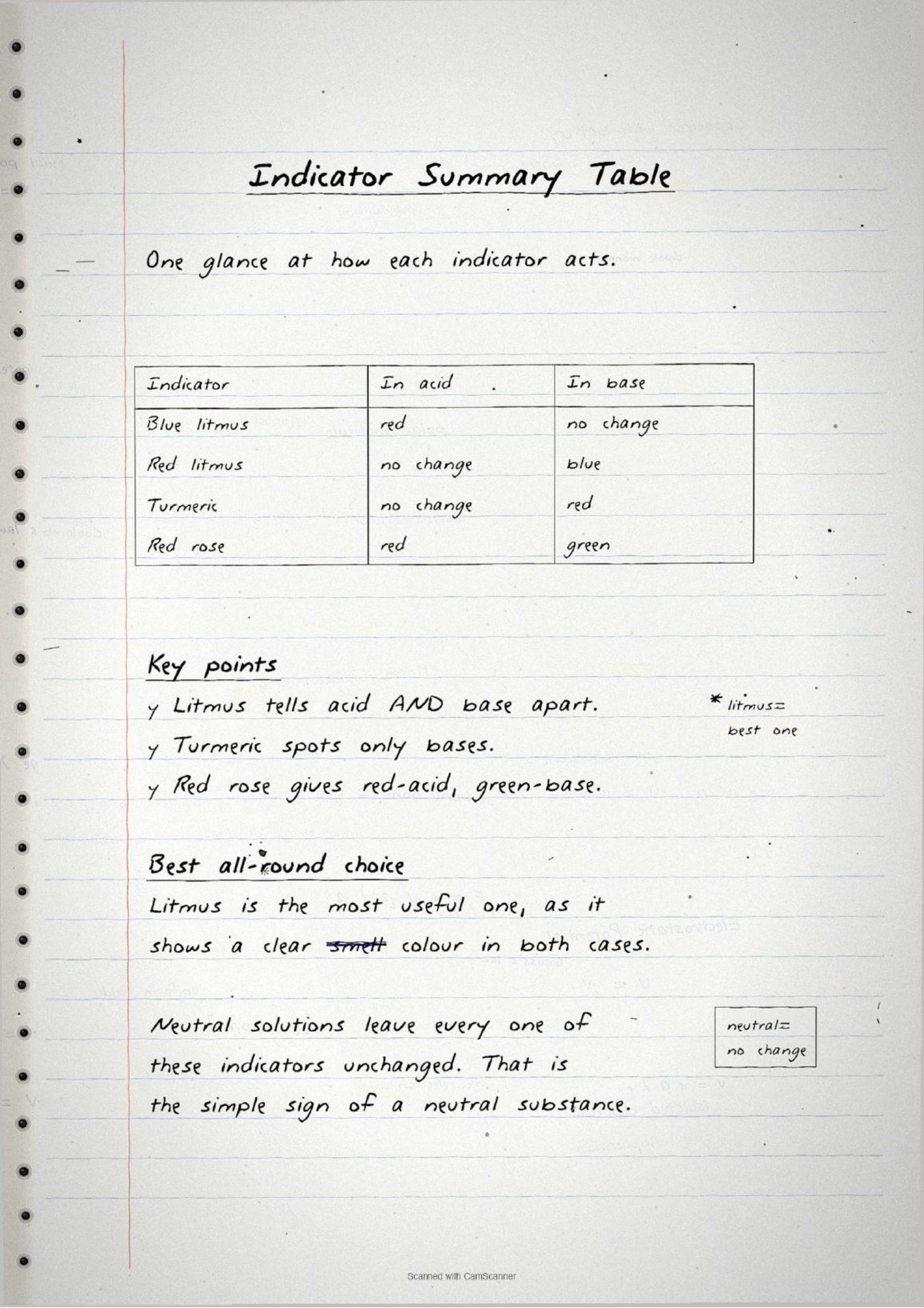
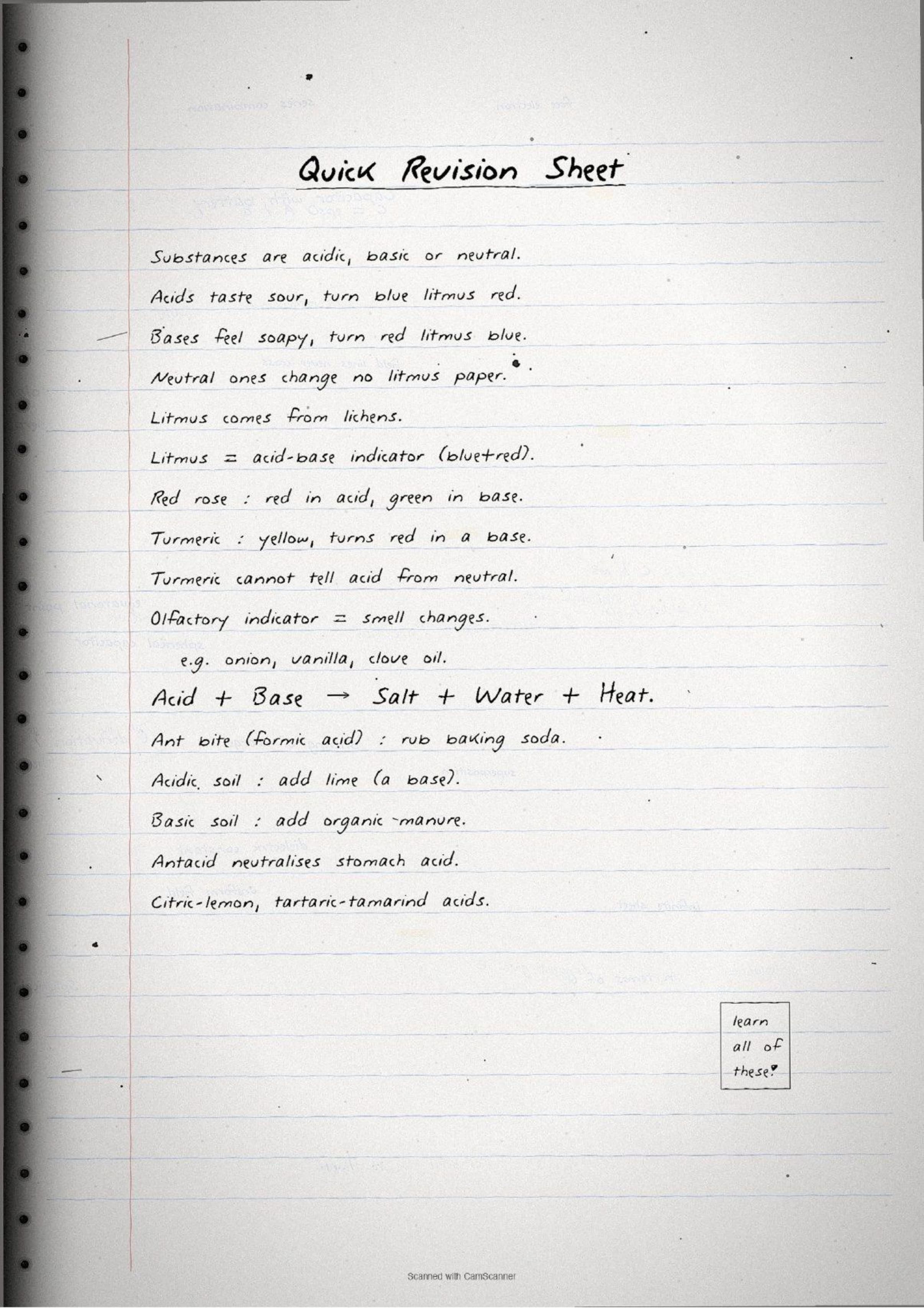
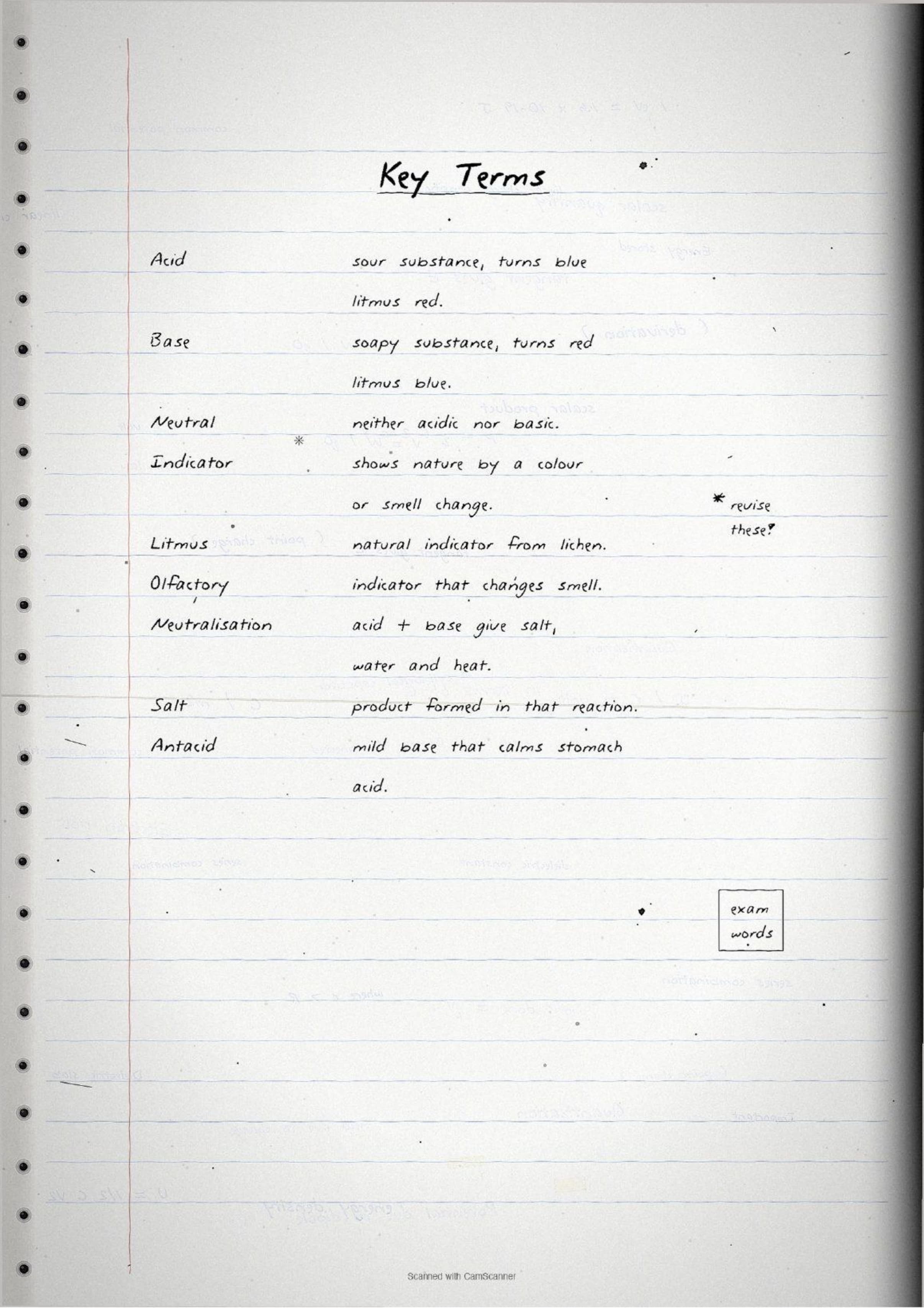
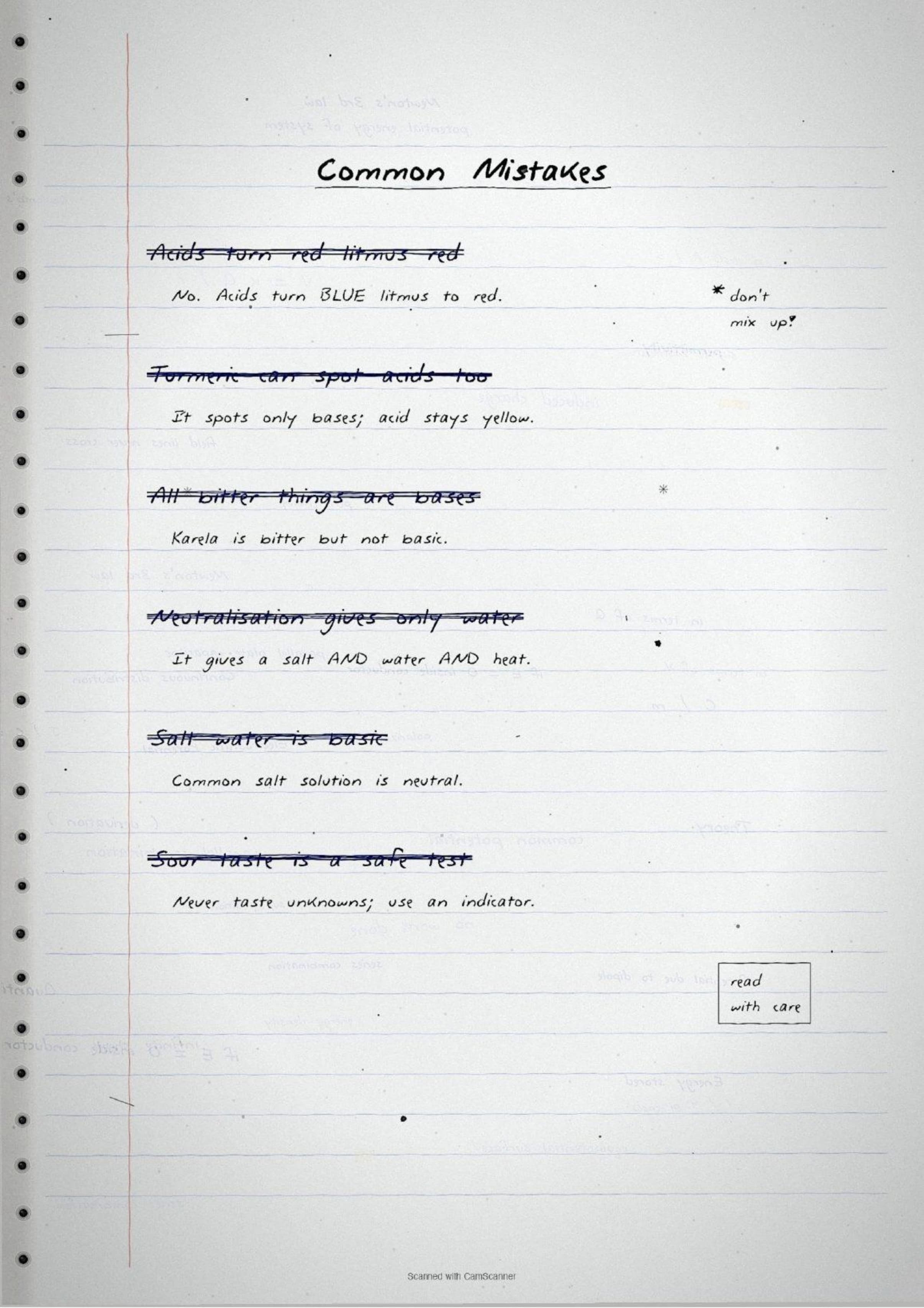
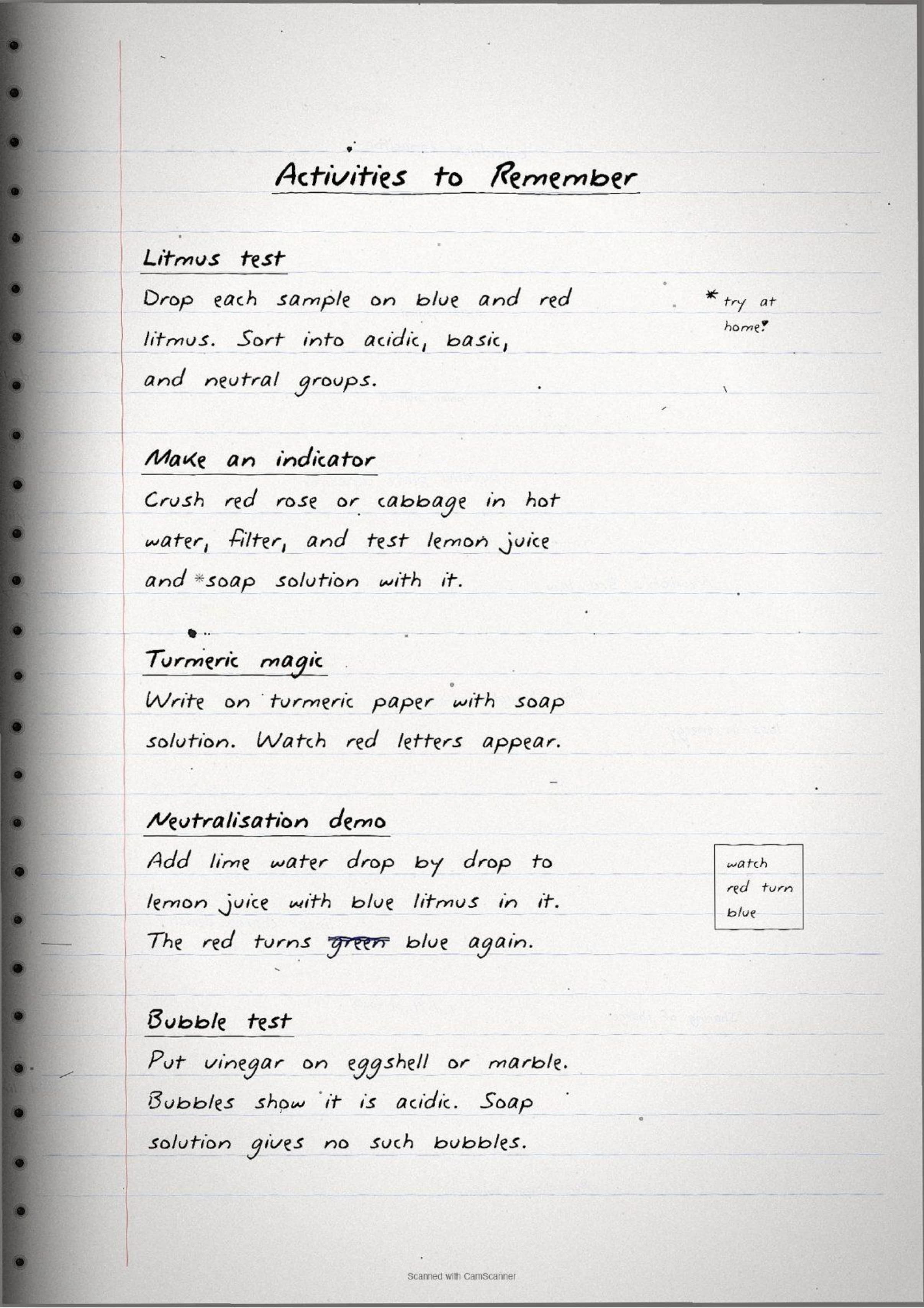
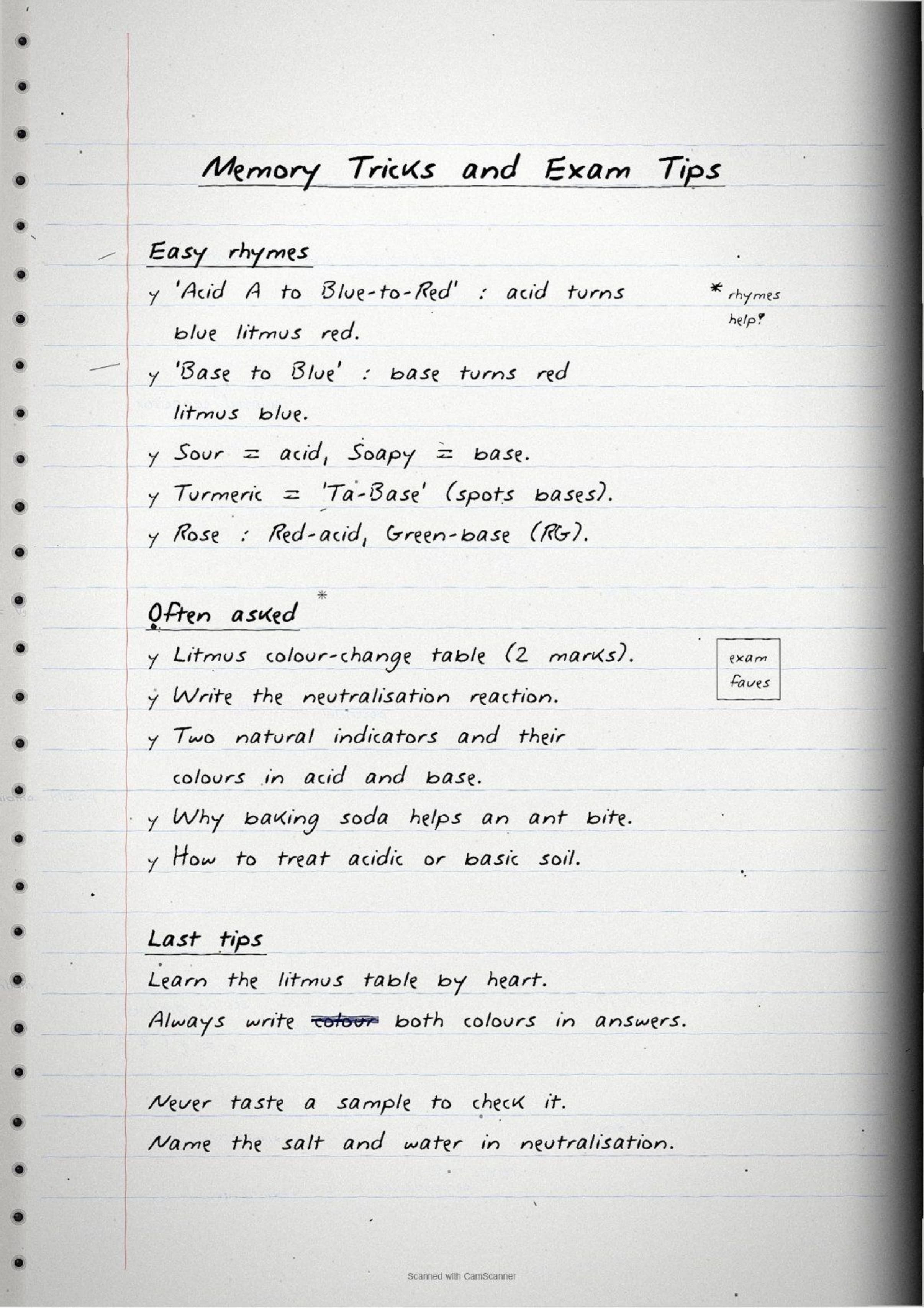
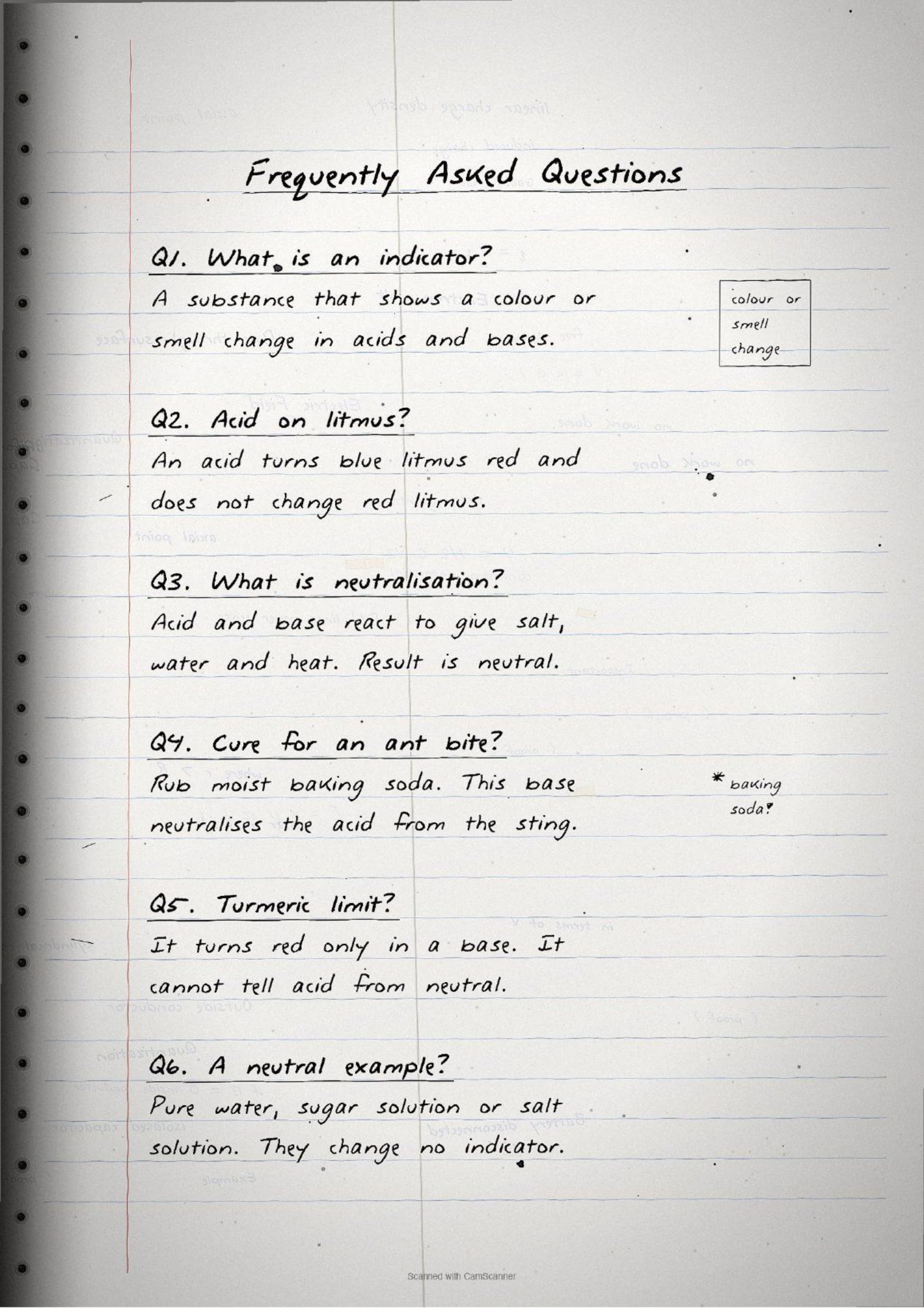
- Colour changes in one table: blue and red litmus, turmeric and china rose responses are boxed together
- What the notes cover: acidic, basic and neutral substances, natural indicators, neutralisation at home and in the field
- Best for: colour-change questions, which appear in almost every Class 7 test
The full class 7 science handwritten notes for Exploring Substances: Acidic, Basic, and Neutral sit in the PDF below, with every box and figure included.
These handwritten notes are written by Science teachers, mapped to the 2026-27 NCERT, and checked against Class 7 school question papers.
Which Exploring Substances: Acidic, Basic, and Neutral Topics CBSE Class 7 Science Asks Most
The colour-change table carries most of the marks in this chapter. Neutralisation examples come next.
| Sub-topic | Weightage | How often asked |
|---|---|---|
| Litmus colour changes | High | asked often |
| Acidic, basic and neutral examples | High | asked often |
| Neutralisation in daily life | High | asked often |
| Turmeric as an indicator | Medium | asked sometimes |
| China rose as an indicator | Medium | asked sometimes |
| Preparing lime water | Low | asked rarely |
Inside the Exploring Substances: Acidic, Basic, and Neutral Handwritten Notes PDF
The chapter starts at a science fair, where invisible writing appears when a liquid is sprayed. From there it builds the idea of an indicator and ends with neutralisation in daily life.
- Acidic, basic and neutral substances around us
- Litmus as an indicator
- Blue litmus and red litmus colour changes
- China rose as a natural indicator
- Turmeric as a natural indicator
- Making an indicator strip at home
- What happens when acidic and basic substances mix
- Neutralisation in daily life
- Ant bites, indigestion and soil treatment
What Collegedunia's Exploring Substances: Acidic, Basic, and Neutral Handwritten Notes Give You
Collegedunia kept the whole colour story on one facing page, so you never have to flip back and forth while revising. That is the standard Collegedunia holds these class 7 science handwritten notes to.
- One colour table: blue litmus, red litmus, turmeric and china rose in a single hand-drawn grid
- Worked examples: ten household substances sorted into acidic, basic and neutral
- Boxed definitions: indicator and neutralisation are boxed for fast recall
- Colour-coded sub-headings: each sub-topic is written in red so the sections stand apart
Quick Check on Exploring Substances: Acidic, Basic, and Neutral
These five cover the questions Class 7 papers repeat. Tap to reveal the answer.
Lemon juice turns blue litmus red. Lemon juice is
(a) basic (b) acidic (c) neutral (d) an indicator
Answer: (b) acidic, because it turns blue litmus red
Which of these is a neutral substance?
(a) soap solution (b) tamarind water (c) sugar solution (d) lime water
Answer: (c) sugar solution, it changes neither litmus paper
Turmeric paper turns red when you add
(a) vinegar (b) lemon juice (c) washing soda solution (d) tap water
Answer: (c) washing soda solution, which is basic
An ant bite stings because the ant injects an acidic liquid. What helps?
(a) vinegar (b) lemon juice (c) baking soda paste (d) tamarind water
Answer: (c) baking soda paste, a base that neutralises the acid
Which pair of substances will neutralise each other?
(a) lemon juice and vinegar (b) lime water and soap (c) lemon juice and lime water (d) sugar and salt
Answer: (c) an acid and a base neutralise each other
Night-Before Revision Card: Exploring Substances: Acidic, Basic, and Neutral
This is the part to hold in your head as you walk into the exam room.
- Acid turns blue litmus red; base turns red litmus blue
- Neutral changes neither colour
- Turmeric goes red in a base; china rose extract goes green in a base
- Acid plus base gives neutralisation
- Baking soda on an ant bite, antacid for indigestion, lime for acidic soil
What Makes Exploring Substances: Acidic, Basic, and Neutral a Scoring Chapter
This chapter is easy to score in and easy to lose marks in. The loss usually comes from mixing up which paper changes colour.
- The litmus table is a direct one-mark question in most papers
- Neutralisation examples carry a two-mark answer on ant bites or indigestion
- Natural indicators are a common fill-in-the-blank
- The same idea returns in Class 8 when you study acids and bases again
Exploring Substances: Acidic, Basic, and Neutral Terms You Must Be Able to Define
Every one of these terms has appeared in a Class 7 question. Learn the one-line meaning.
| Term / Idea | What it means |
|---|---|
| Acidic substance | a substance that turns blue litmus red, like lemon juice |
| Basic substance | a substance that turns red litmus blue, like soap solution |
| Neutral substance | a substance that changes neither litmus, like sugar solution |
| Indicator | a substance that shows by its colour whether something is acidic or basic |
| Litmus | a natural dye used as an indicator, available as blue and red paper |
| Neutralisation | the reaction between an acid and a base that removes both effects |
| Lime water | calcium hydroxide dissolved in water, a common basic solution |
Exploring Substances: Acidic, Basic, and Neutral Figures You Will Find in the Notes
The colour work in this chapter needs drawings. These are the figures drawn by hand in the notes.
| Figure drawn by hand | What it shows |
|---|---|
| Litmus strip grid | drops of ten samples on blue and red litmus pieces |
| China rose indicator sketch | the pink extract turning green in a basic solution |
| Turmeric paper strips | yellow paper turning red where a base touches it |
| Neutralisation line sketch | acid plus base giving a neutral product |
| Ant bite and antacid panel | two daily-life uses of neutralisation |
A Two-Pass Plan for the Exploring Substances: Acidic, Basic, and Neutral Handwritten Notes
Learn the table first, the examples second. That order matches how the questions are set. Read the class 7 science handwritten notes the same way twice, once slowly and once fast.
- Copy the four-row indicator table once from memory
- List five acidic and five basic substances from your own kitchen
- Explain one neutralisation example in two sentences
- The night before the test, read only the colour table and the two boxes
More Science Study Material for Exploring Substances: Acidic, Basic, and Neutral
The solved exercises and the printed notes go well with these pages.
All Chapters: Class 7 Science Handwritten Notes
Every chapter has its own class 7 science handwritten notes. Class 7 Science has twelve chapters and each has its own handwritten notes. The table links all of them.
Exploring Substances: Acidic, Basic, and Neutral Class 7 Science Handwritten Notes FAQs
Ques. Where can I download the Exploring Substances Class 7 Science Handwritten Notes PDF?
Ans. The PDF is on this page in both a normal and an HD version, and both are free.
Ques. Do the notes include the full litmus colour table?
Ans. Yes. Blue litmus, red litmus, turmeric and china rose responses are drawn in one table on a single page.
Ques. How many pages is the Chapter 2 handwritten notes PDF?
Ans. It runs 22 pages, covering all three sections of the chapter plus a quiz.
Ques. What is neutralisation in Class 7 Science Chapter 2?
Ans. It is the reaction between an acidic substance and a basic substance. The two cancel each other, so the product is neither acidic nor basic. Baking soda on an ant bite is the standard example.
Ques. Which natural indicators does the chapter use?
Ans. Litmus, china rose petals and turmeric. All three are covered in the notes with their colour changes.



Comments