




Class 7 Science Chapter 10 Life Processes in Plants answers how a plant makes its own food. These class 7 science handwritten notes chapter 10 Life Processes in Plants follow the 2026-27 NCERT and cover photosynthesis, stomata, transport of water and food, and respiration in plants.
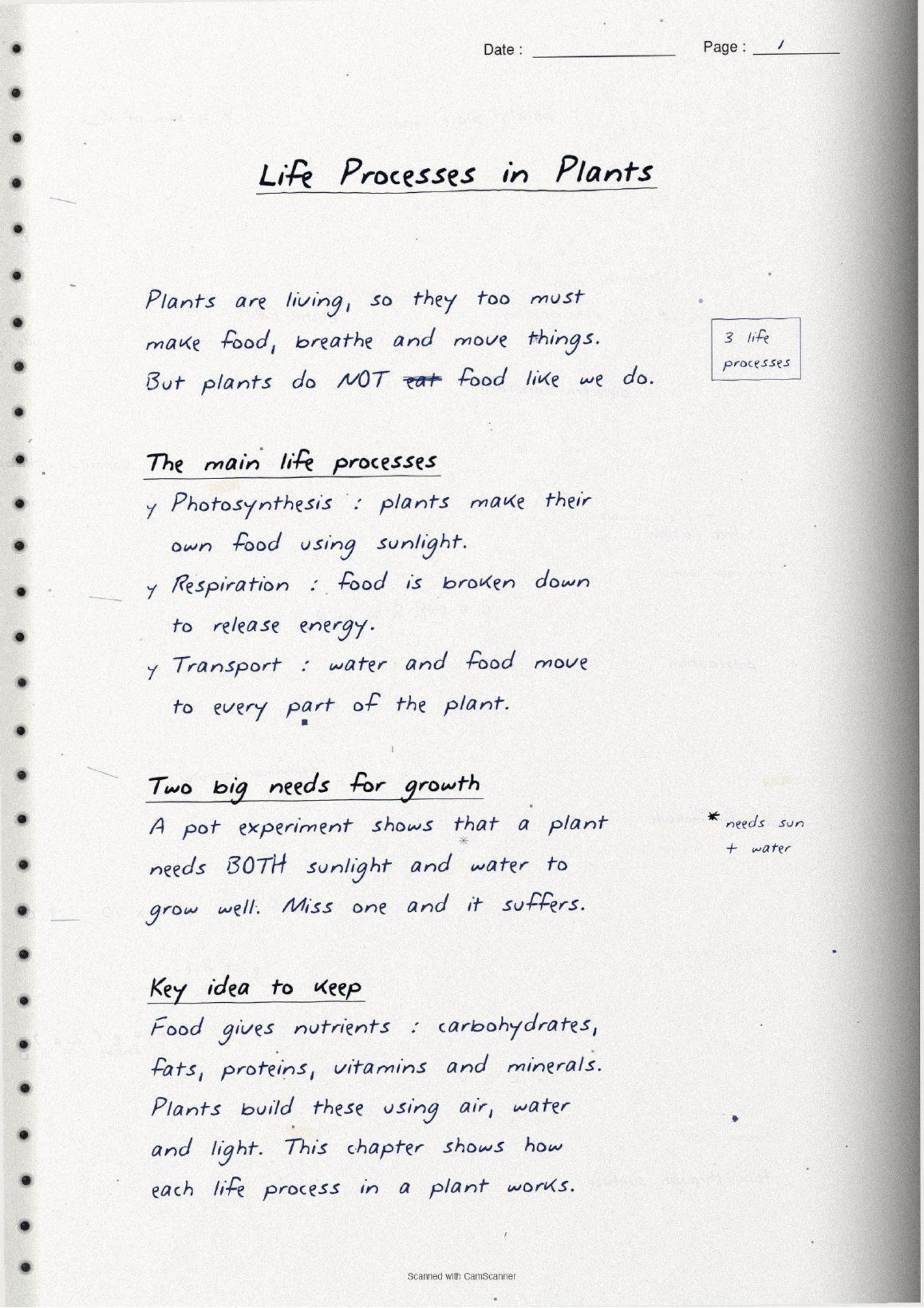
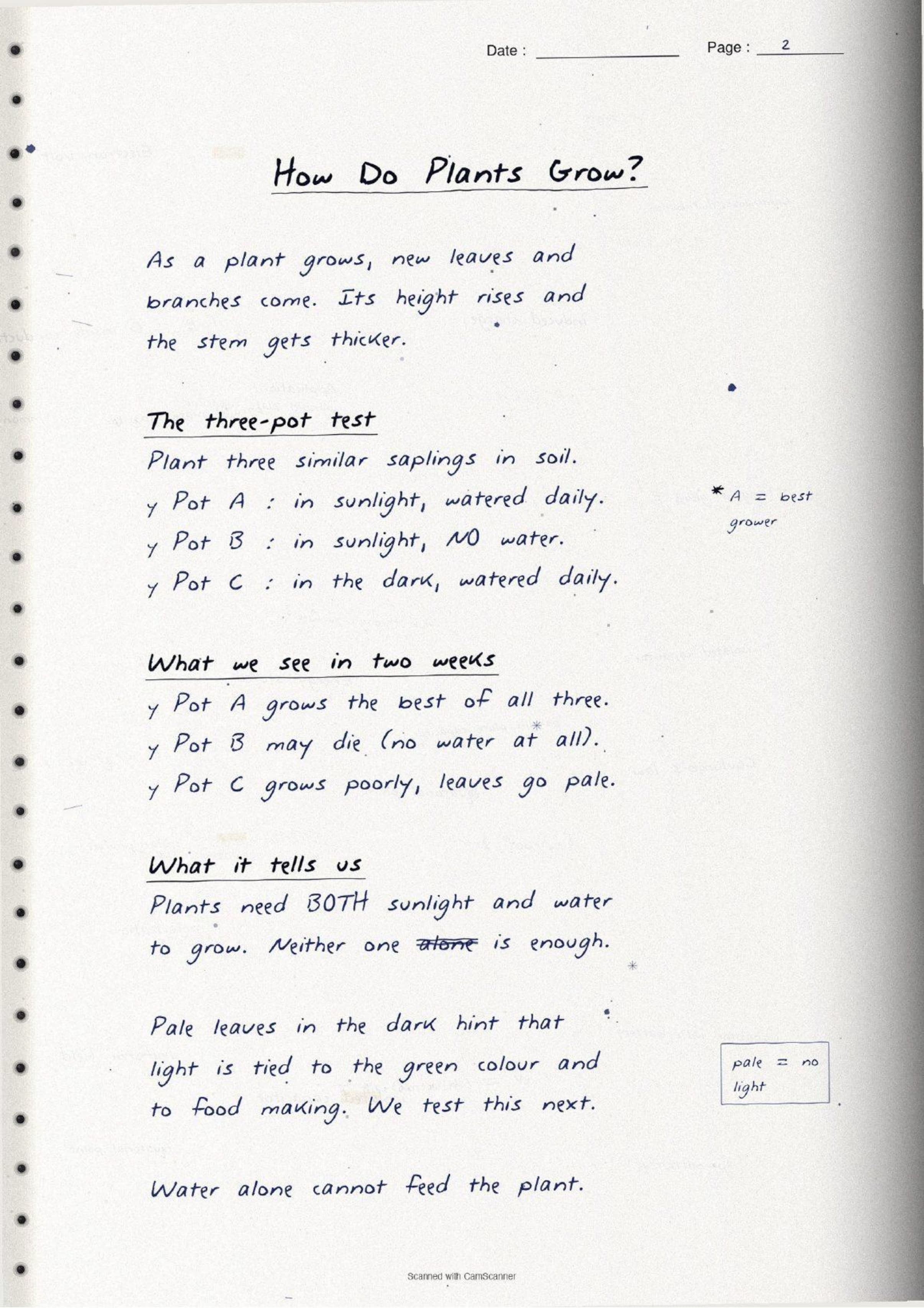
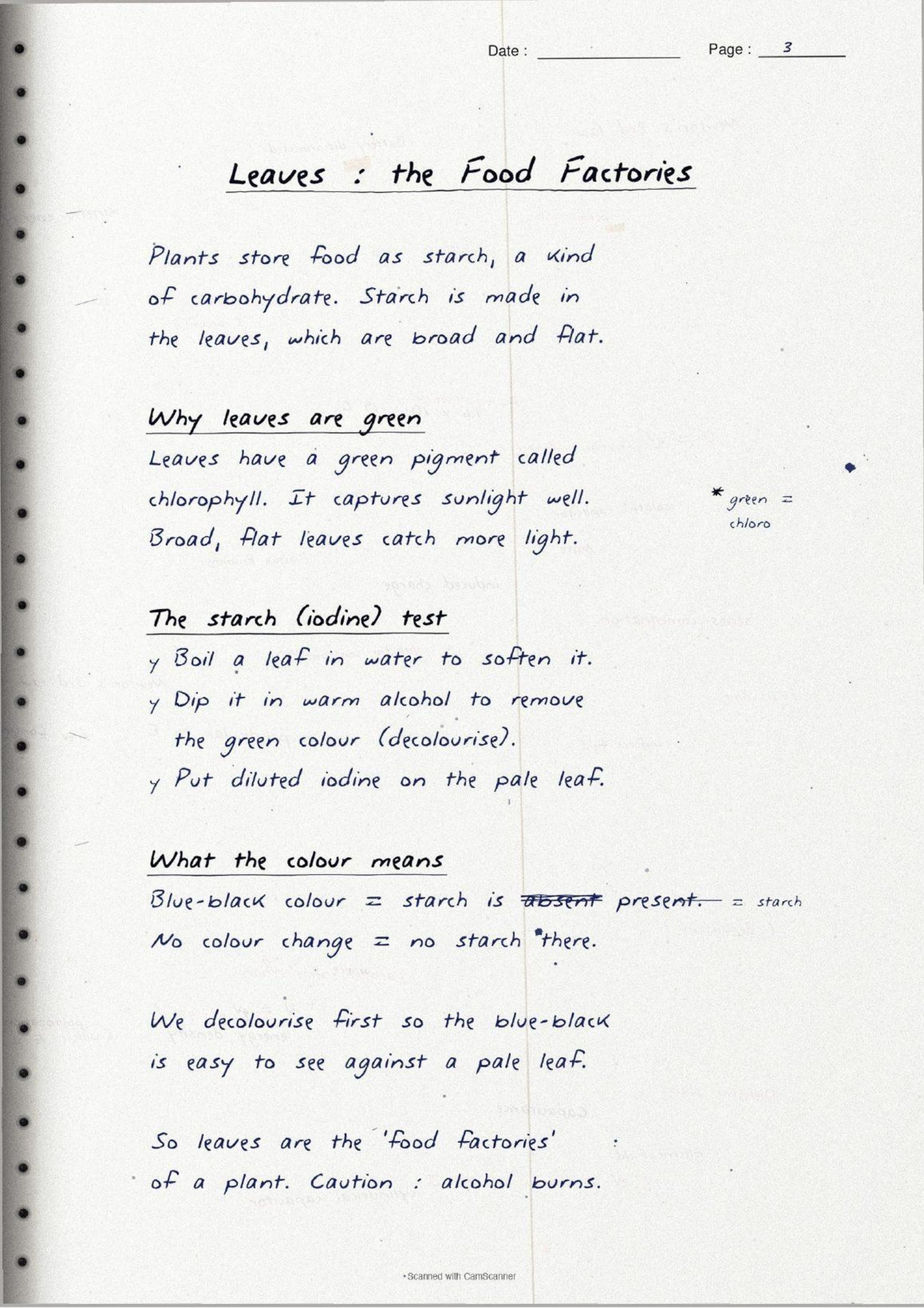
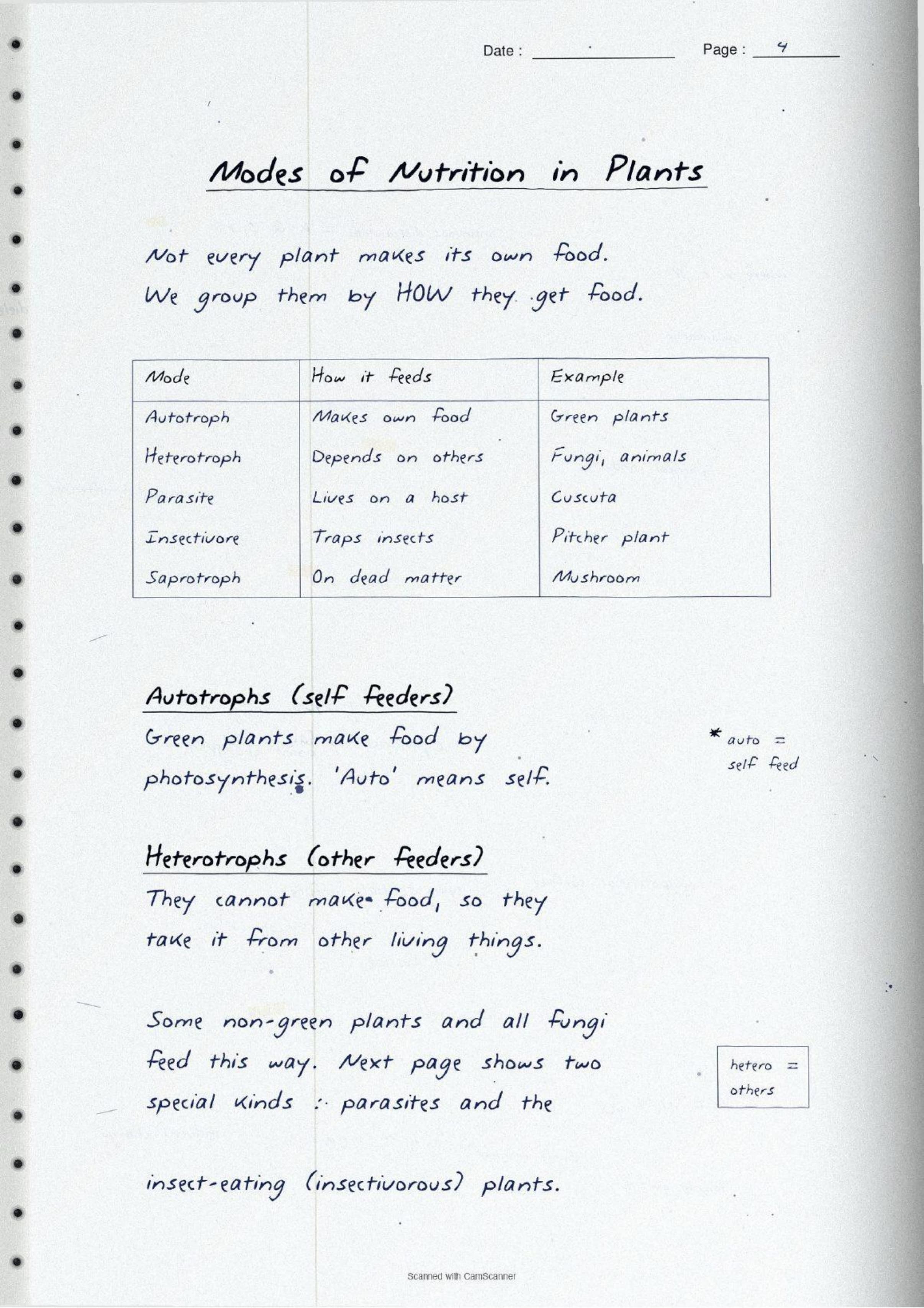
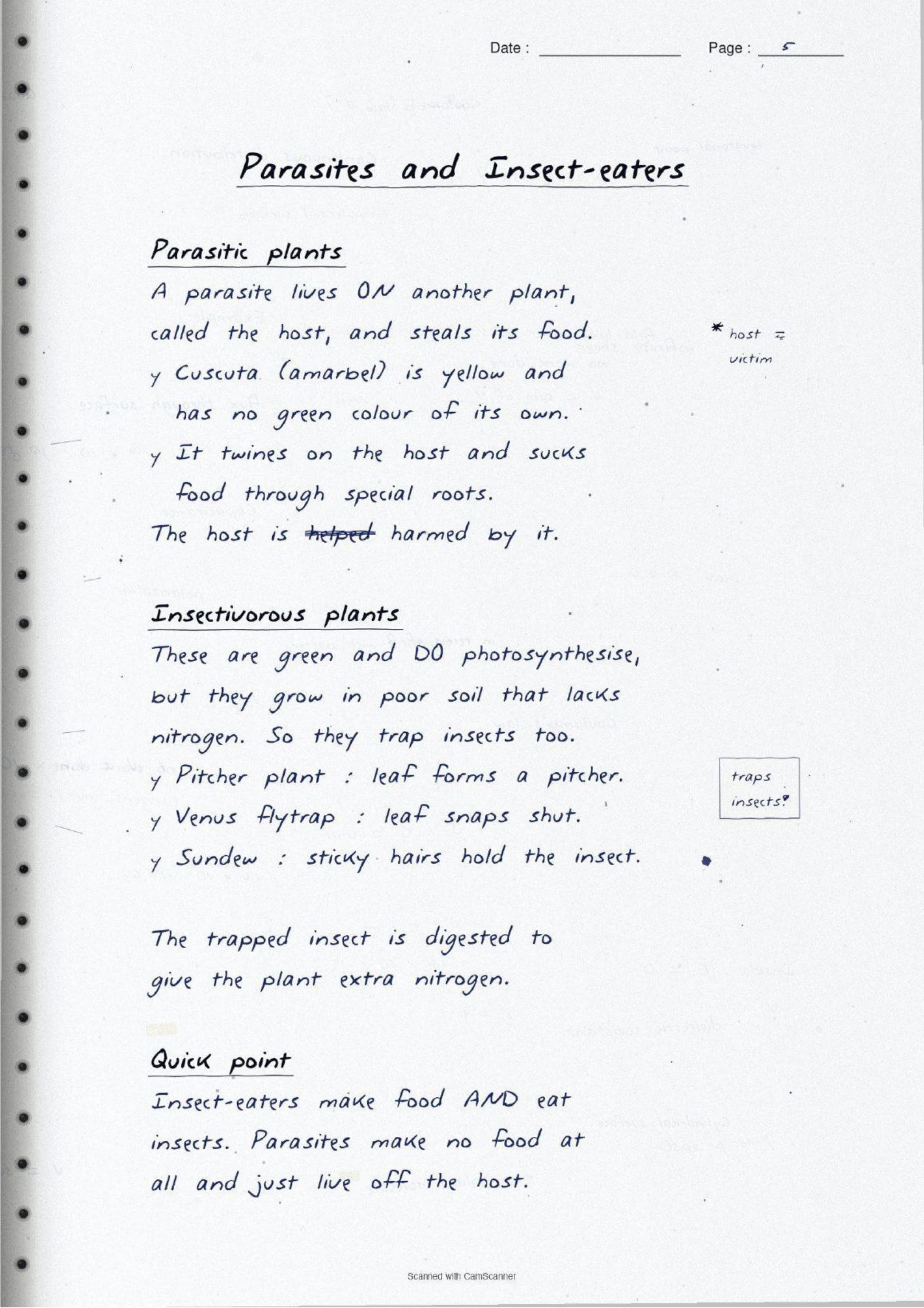
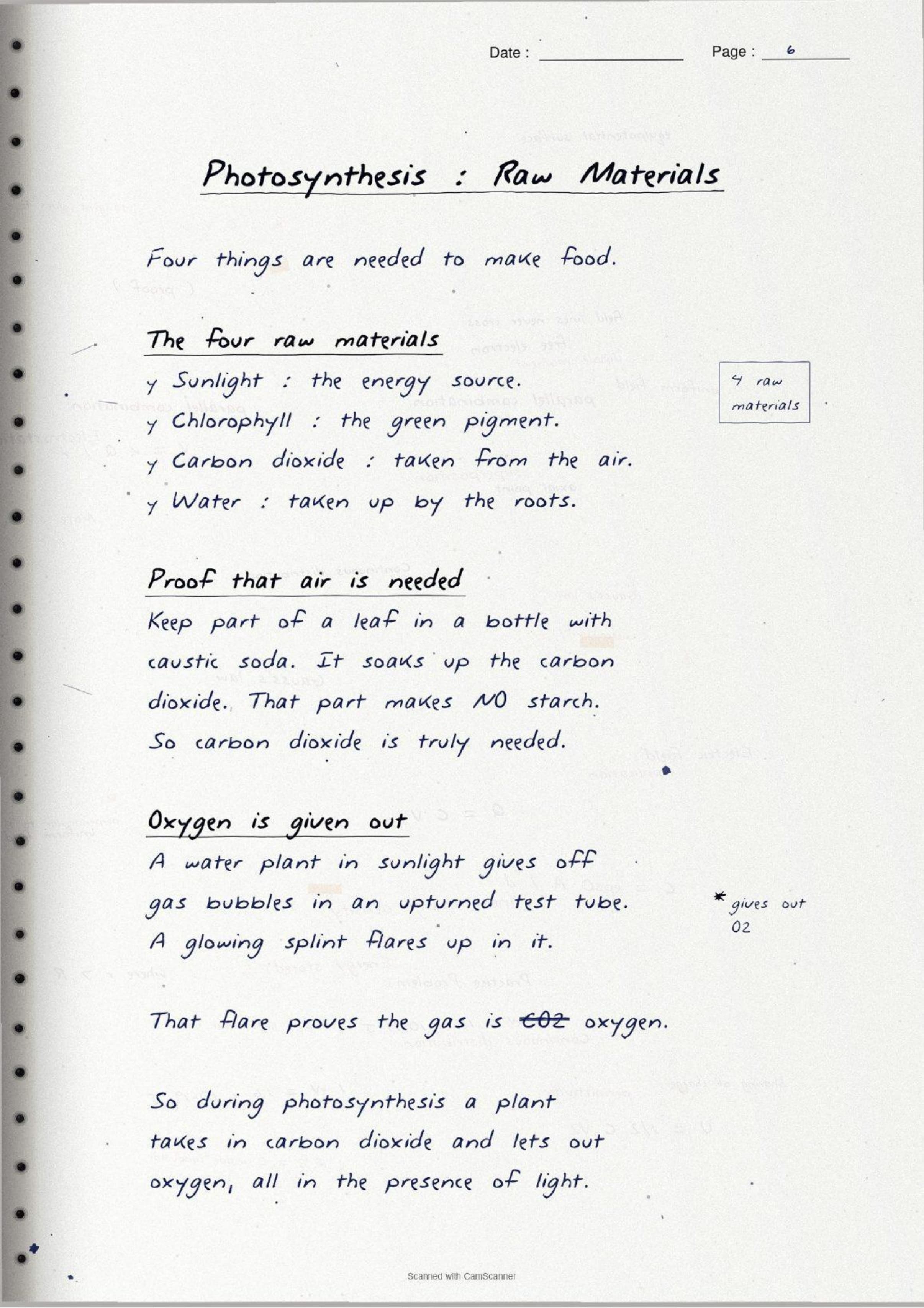
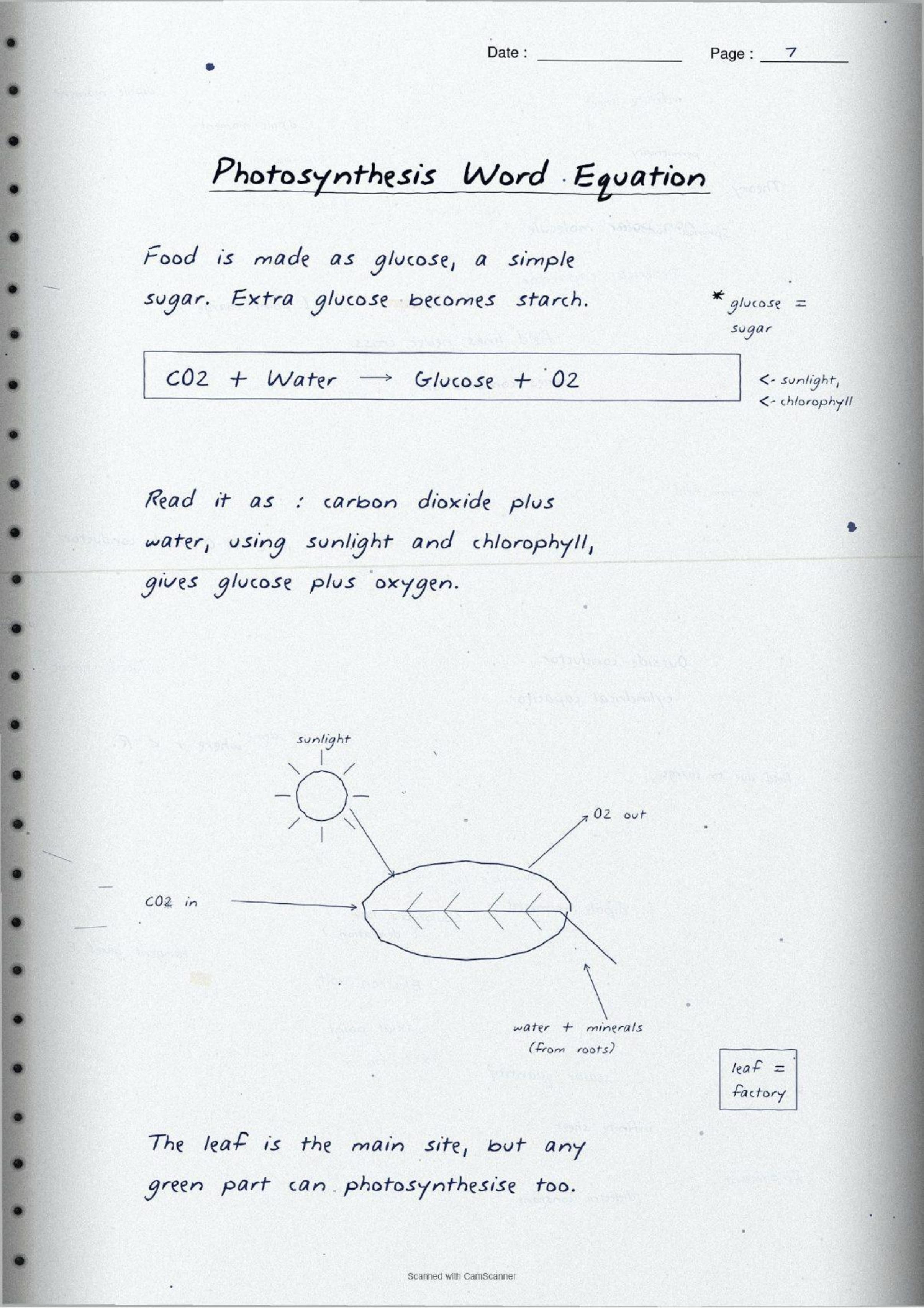
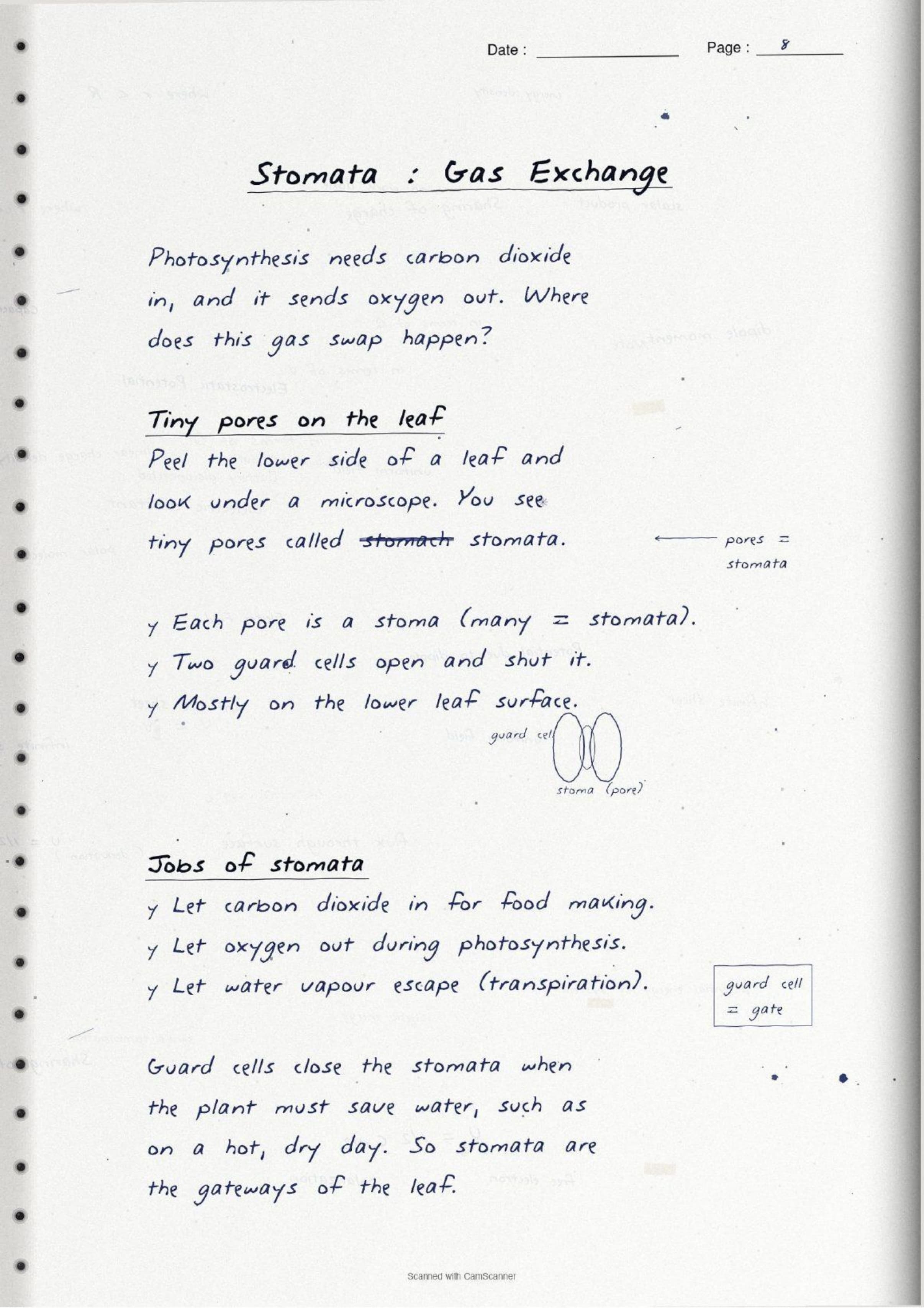
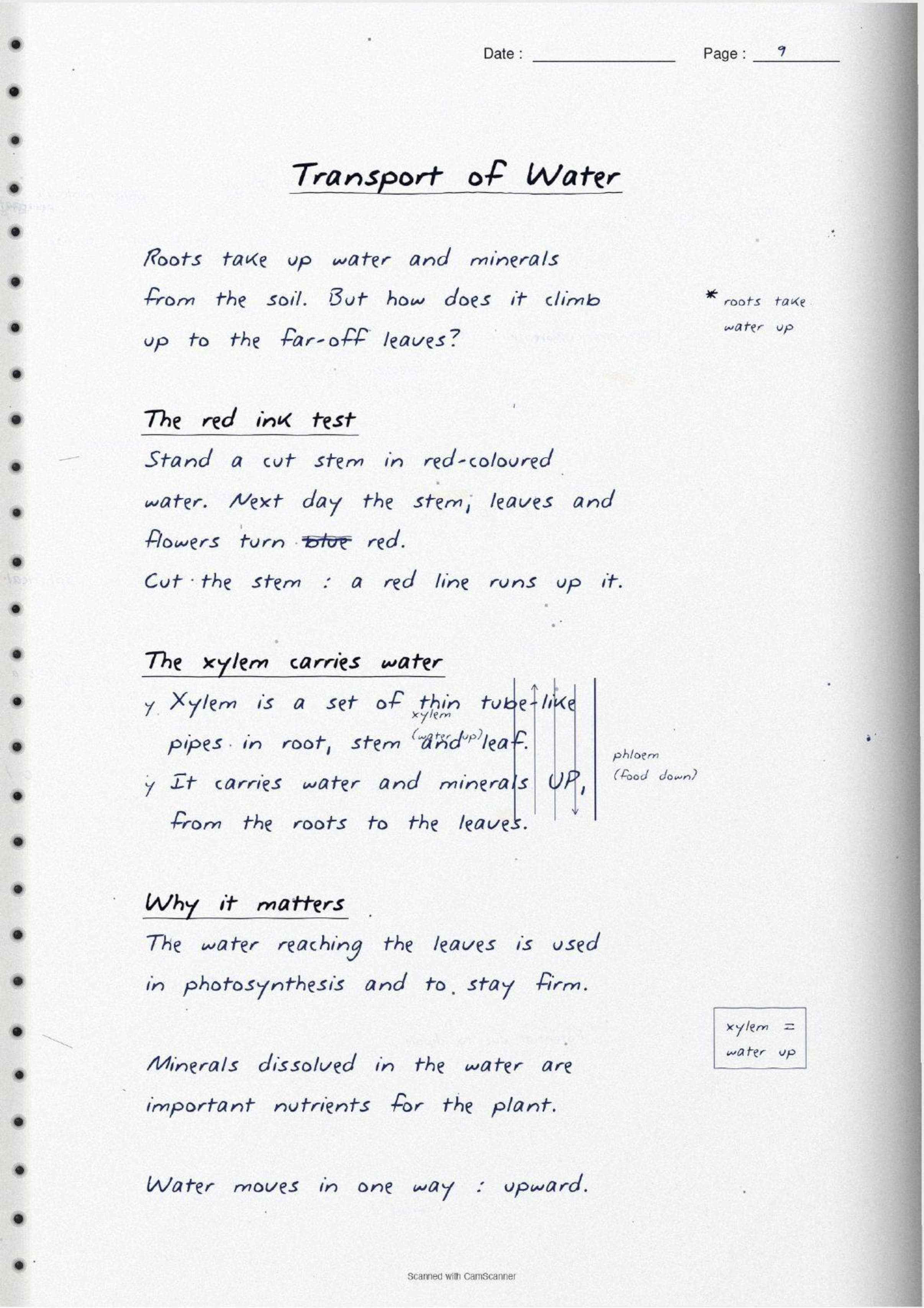
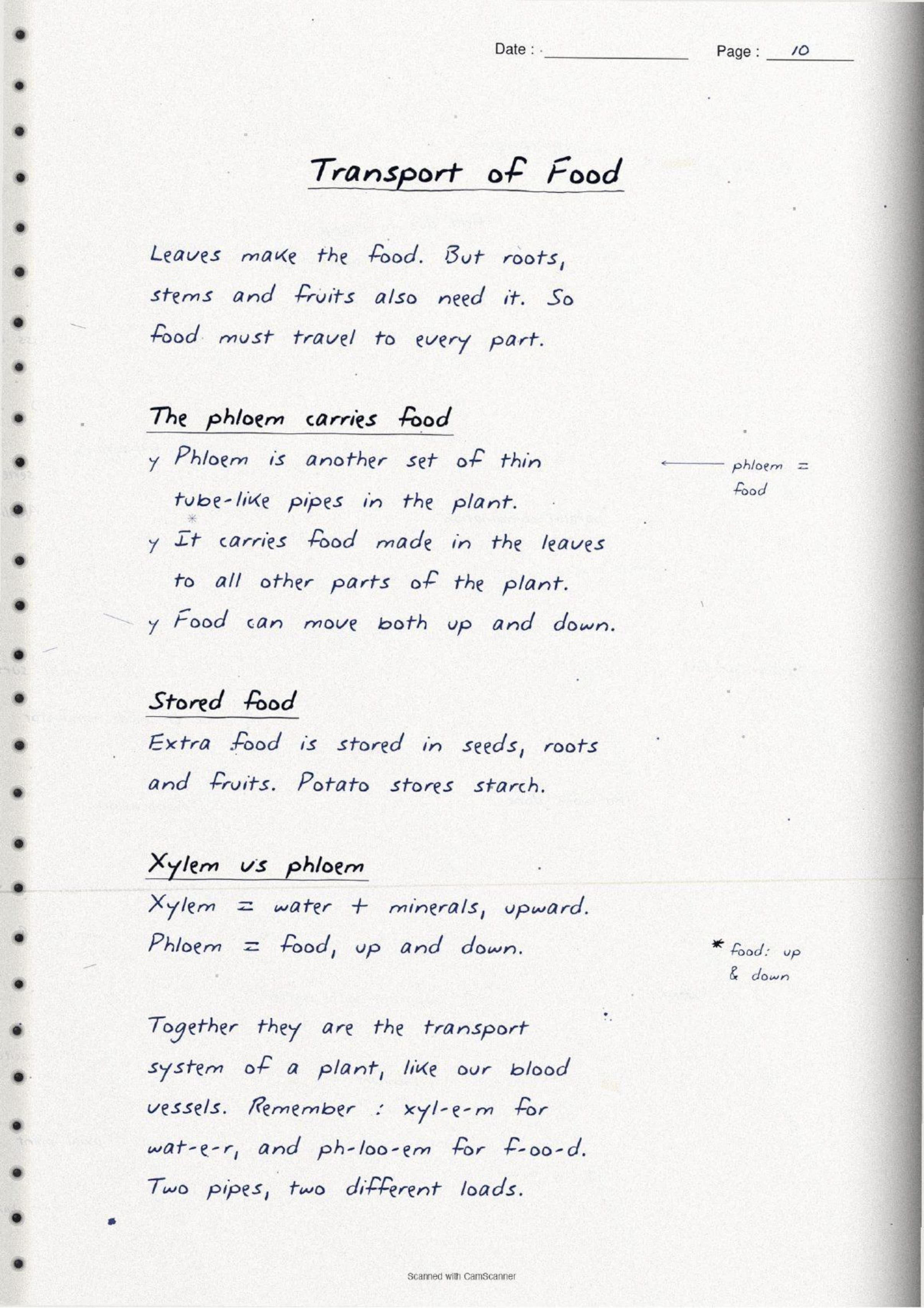
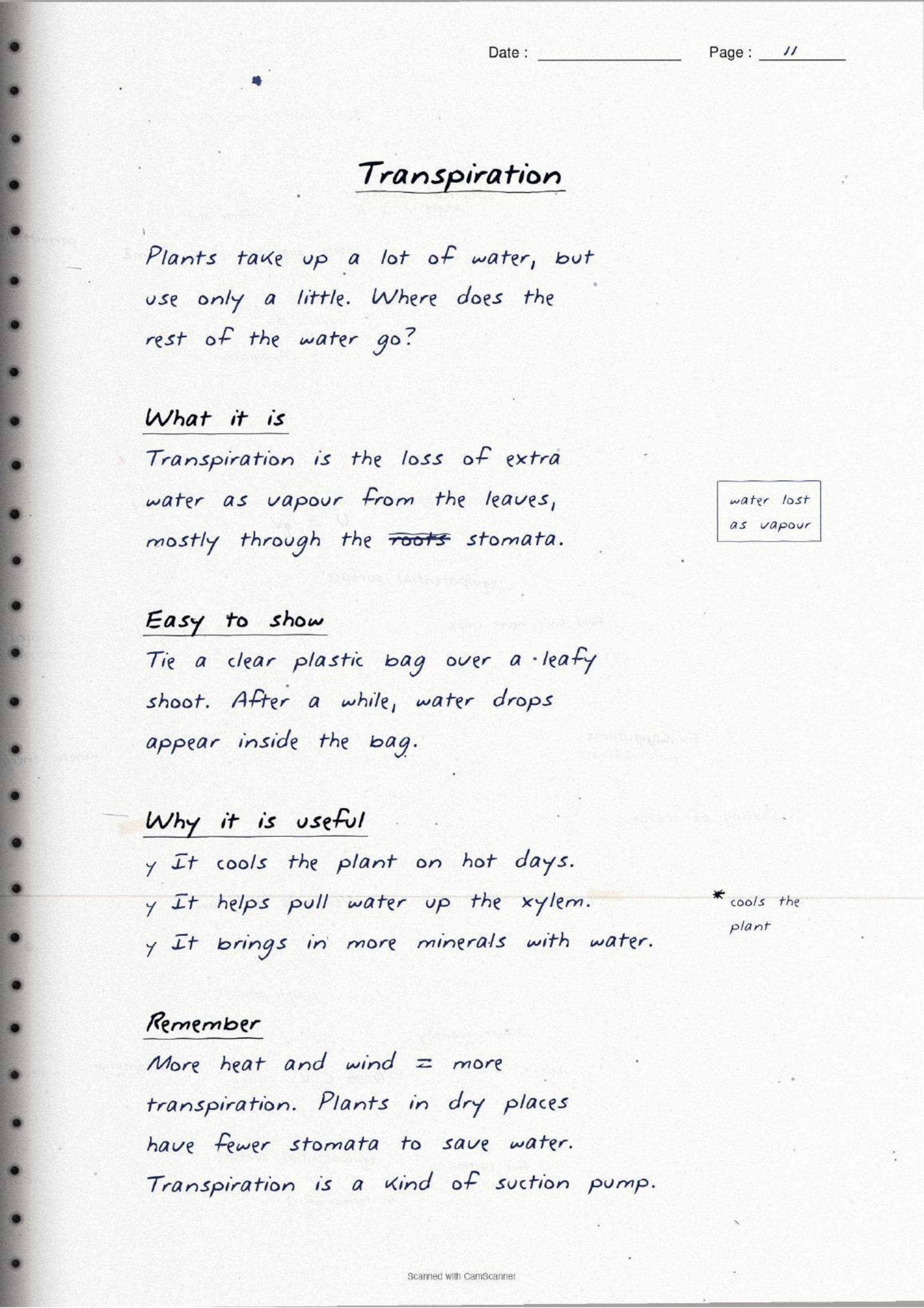
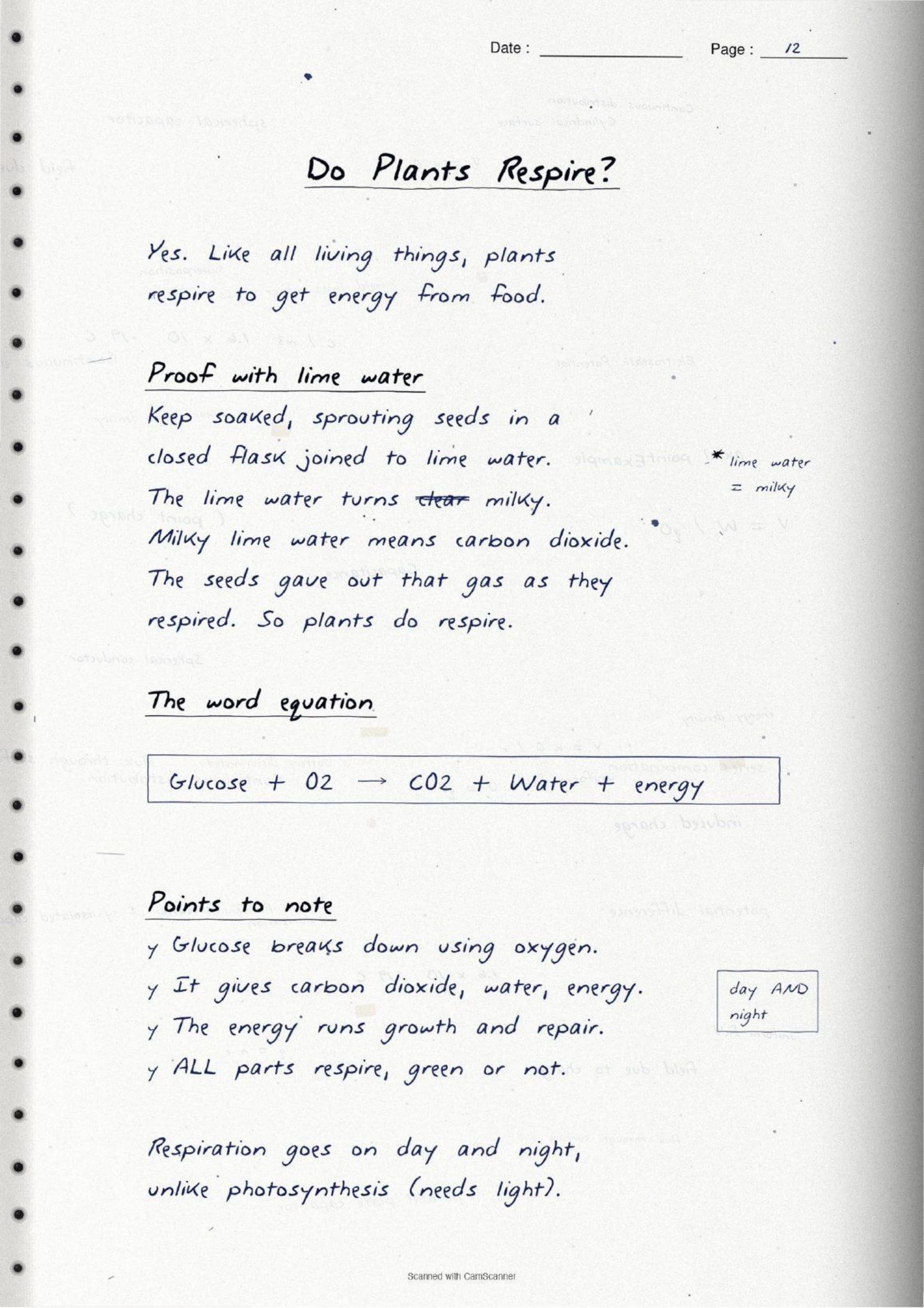
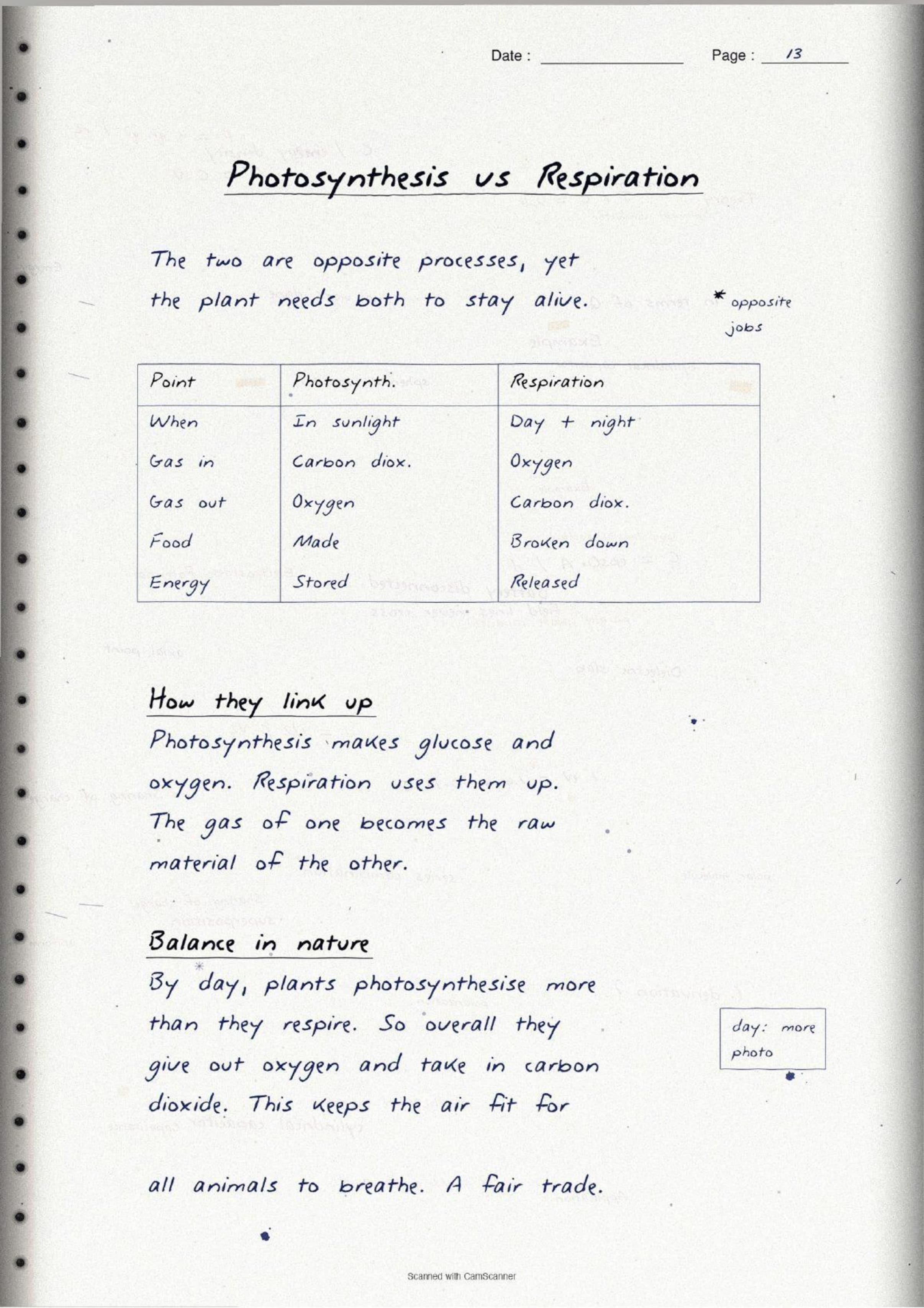
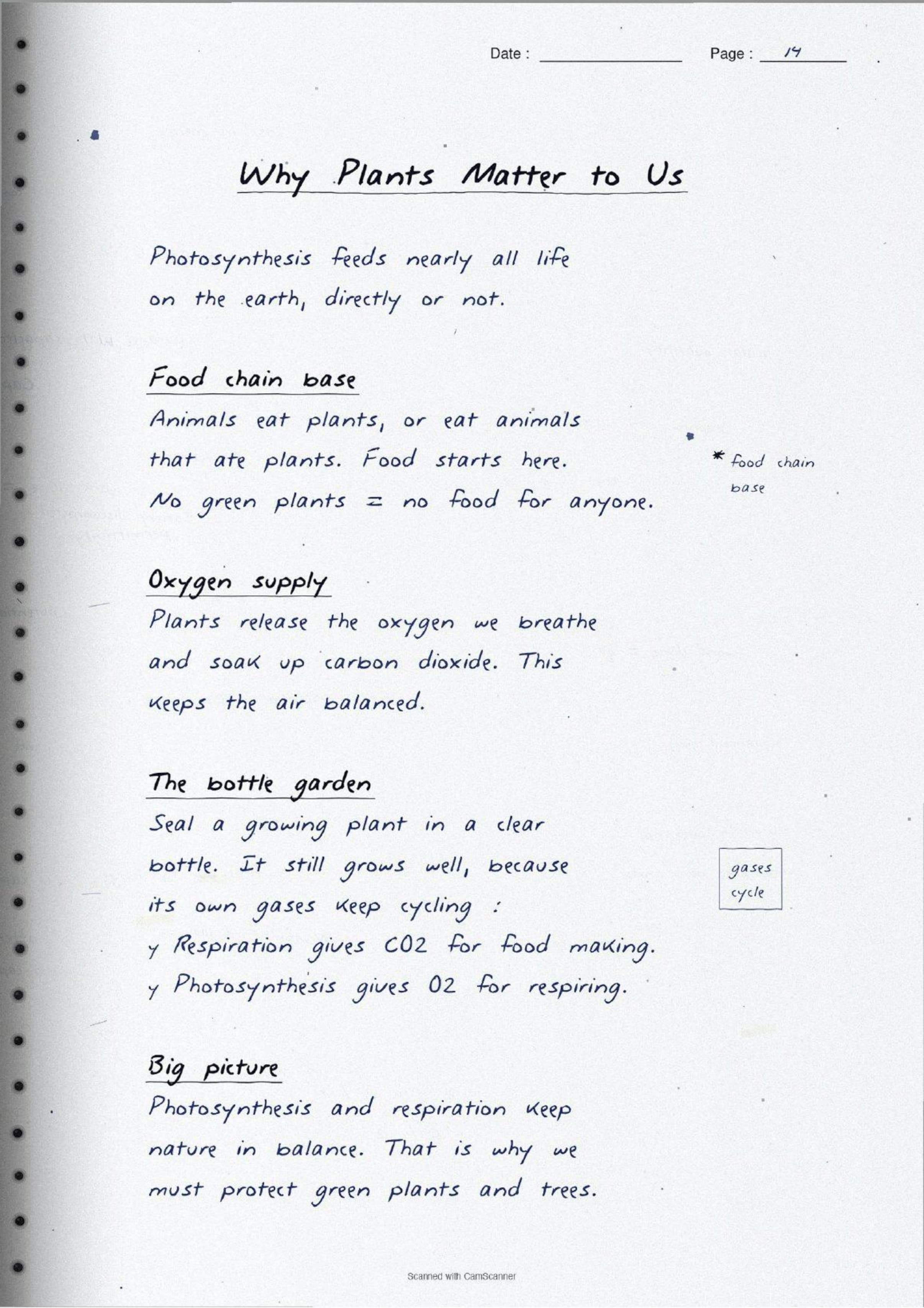
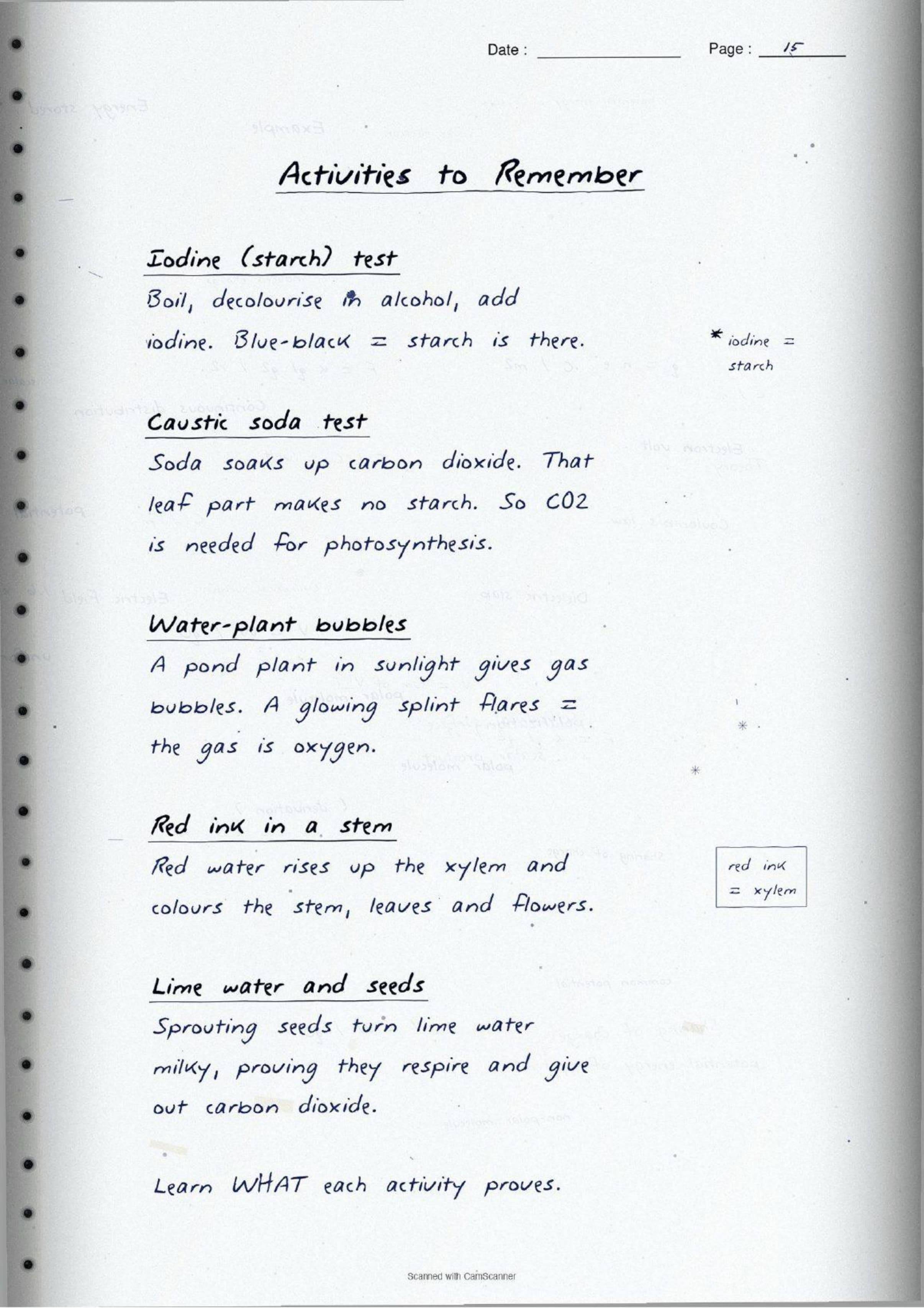
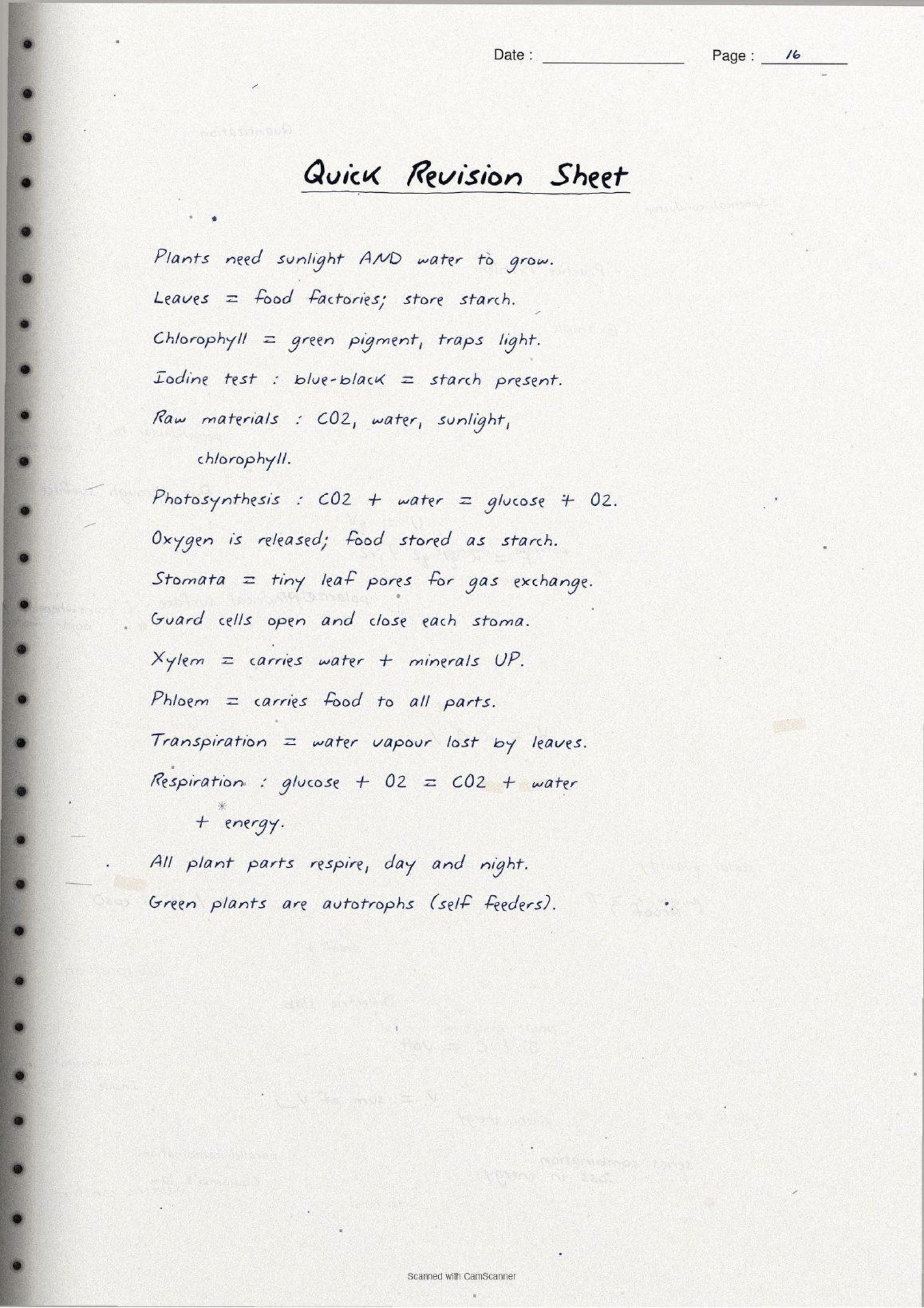
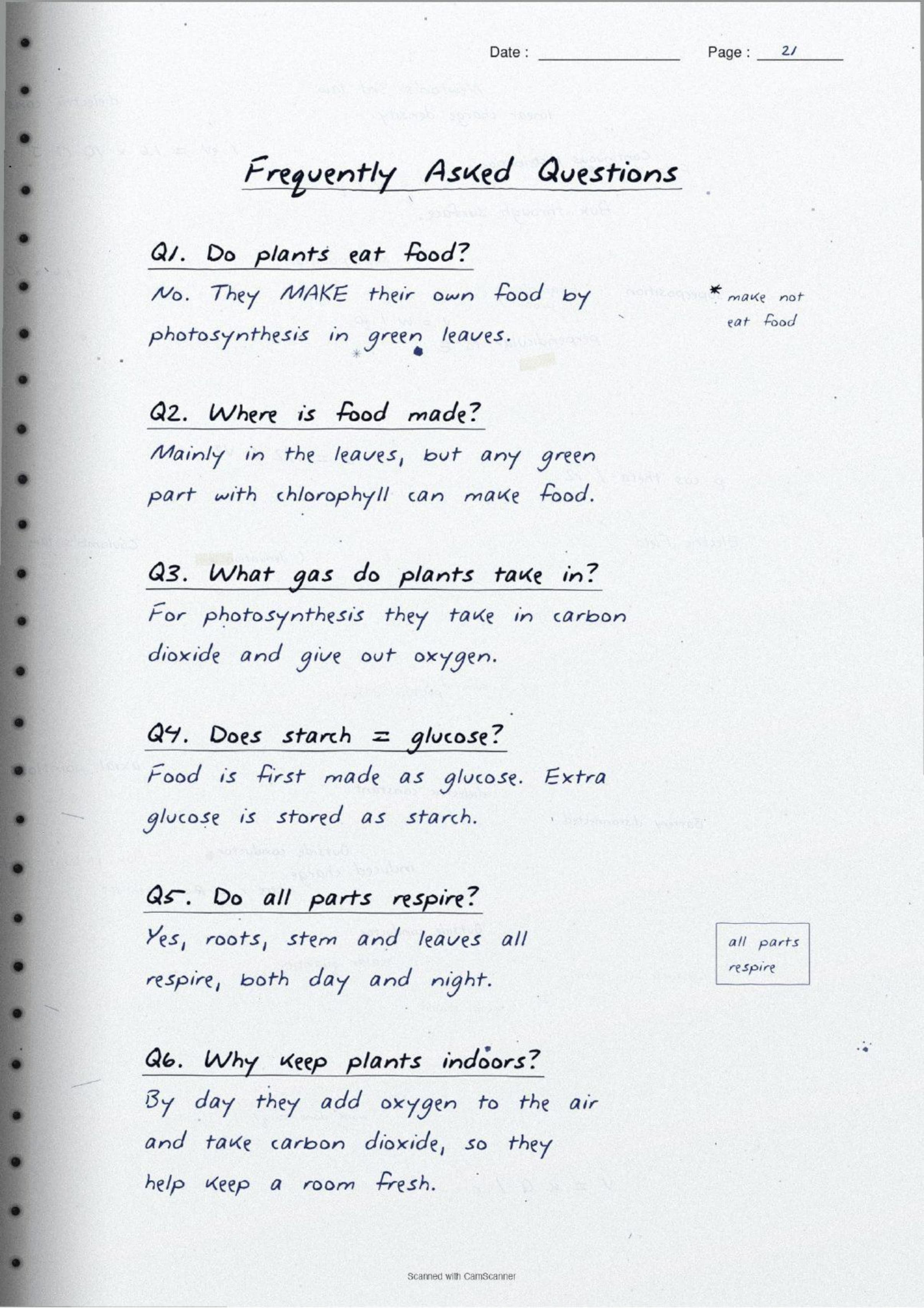
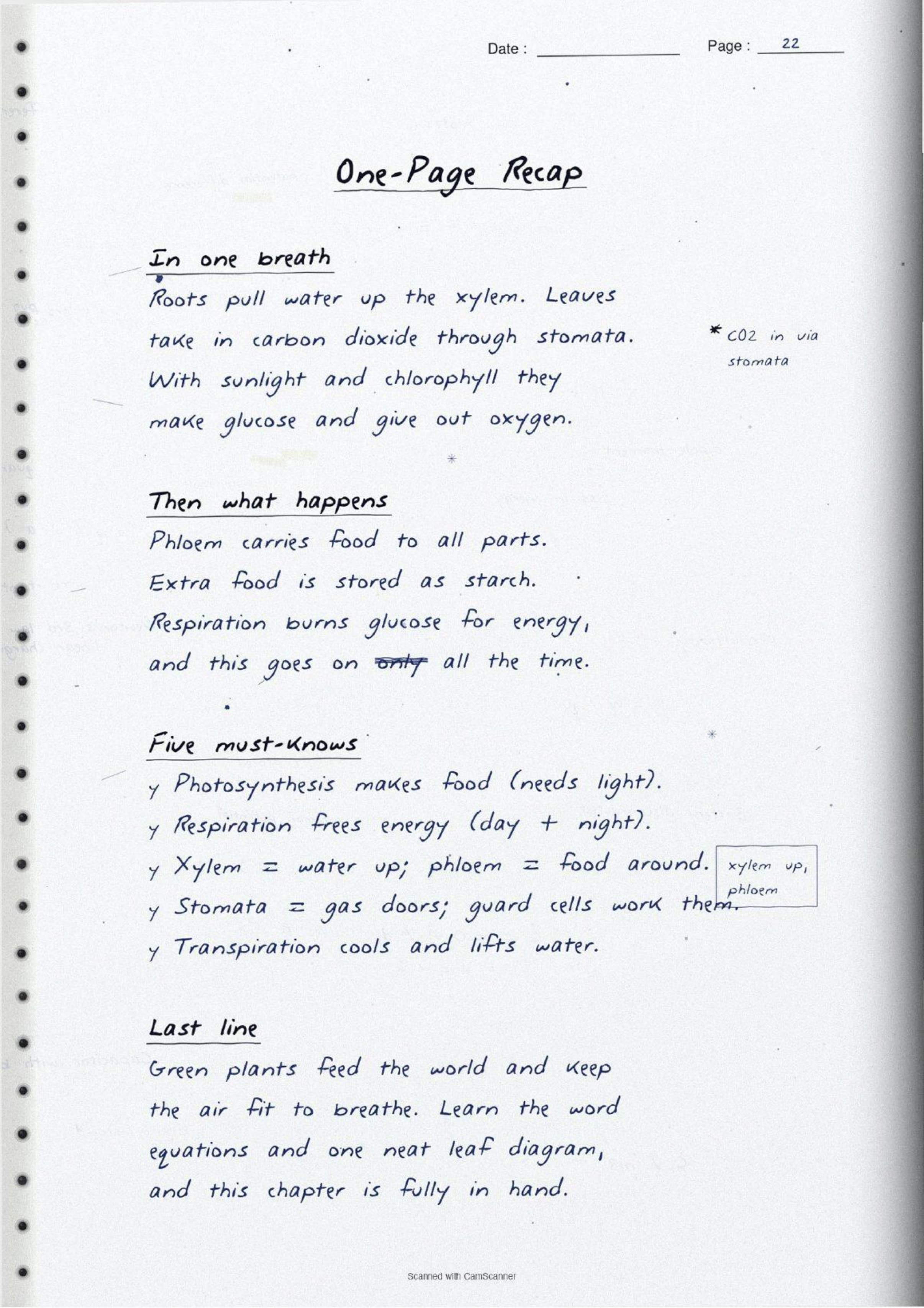
- Photosynthesis boxed: the word equation with all four inputs and both products
- What the notes cover: how plants grow, leaves as food factories, gas exchange, transport in xylem and phloem, and plant respiration
- Best for: the photosynthesis equation and the xylem versus phloem comparison
You can read the complete class 7 science handwritten notes for Life Processes in Plants, with boxed definitions and quick recall points, in the PDF below.
These handwritten notes are written by Science teachers, mapped to the 2026-27 NCERT, and checked against Class 7 school question papers.
How Collegedunia's Handwritten Notes Help You Revise Life Processes in Plants
Collegedunia writes its class 7 science handwritten notes as one clean pass through the chapter. Collegedunia put the equation in a hand-drawn box on its own, so it is the first thing you see when you open the notes.
- Equation box: the photosynthesis word equation with all conditions marked
- Transport diagram: xylem and phloem drawn in a stem cross-section
- Stomata close-up: a pore with its guard cells, open and closed
- Colour-coded sub-headings: sub-topics in red so nutrition and transport separate cleanly
What the Life Processes in Plants Handwritten Notes Cover
The chapter builds from a simple question: animals eat, so what do plants do? The notes follow the textbook order, ending with the point students often miss, that plants respire too.
- How plants grow
- How plants get food for themselves
- Leaves as the food factories of plants
- The role of air in making food
- Photosynthesis and its word equation
- How leaves exchange gases through stomata
- Transport of water and minerals in xylem
- Transport of food in phloem
- Do plants respire
- Photosynthesis and respiration compared
Life Processes in Plants Topic-wise Weightage for CBSE Class 7 Science
The equation and the transport comparison carry the marks. Stomata come next.
| Sub-topic | Weightage | How often asked |
|---|---|---|
| Photosynthesis word equation and conditions | High | asked often |
| Xylem and phloem compared | High | asked often |
| Stomata and gas exchange | High | asked often |
| Respiration in plants | Medium | asked sometimes |
| Role of chlorophyll | Medium | asked sometimes |
| Growth in plants | Low | asked rarely |
Why Life Processes in Plants Is Worth Revising Carefully
This chapter appears in every Class 7 annual paper. It also carries the definitions that Class 10 biology builds on directly.
- The photosynthesis equation is asked in almost every test
- Xylem versus phloem is a reliable two-mark comparison
- Stomata questions come as one-mark fill-ins
- The same content returns in Class 10 in more detail
Last 24-Hour Revision Card for Life Processes in Plants
Read only these lines if time has run out.
- Photosynthesis: carbon dioxide + water, with sunlight and chlorophyll, gives glucose + oxygen
- Chlorophyll captures sunlight; stomata let gases through
- Xylem carries water up; phloem carries food everywhere
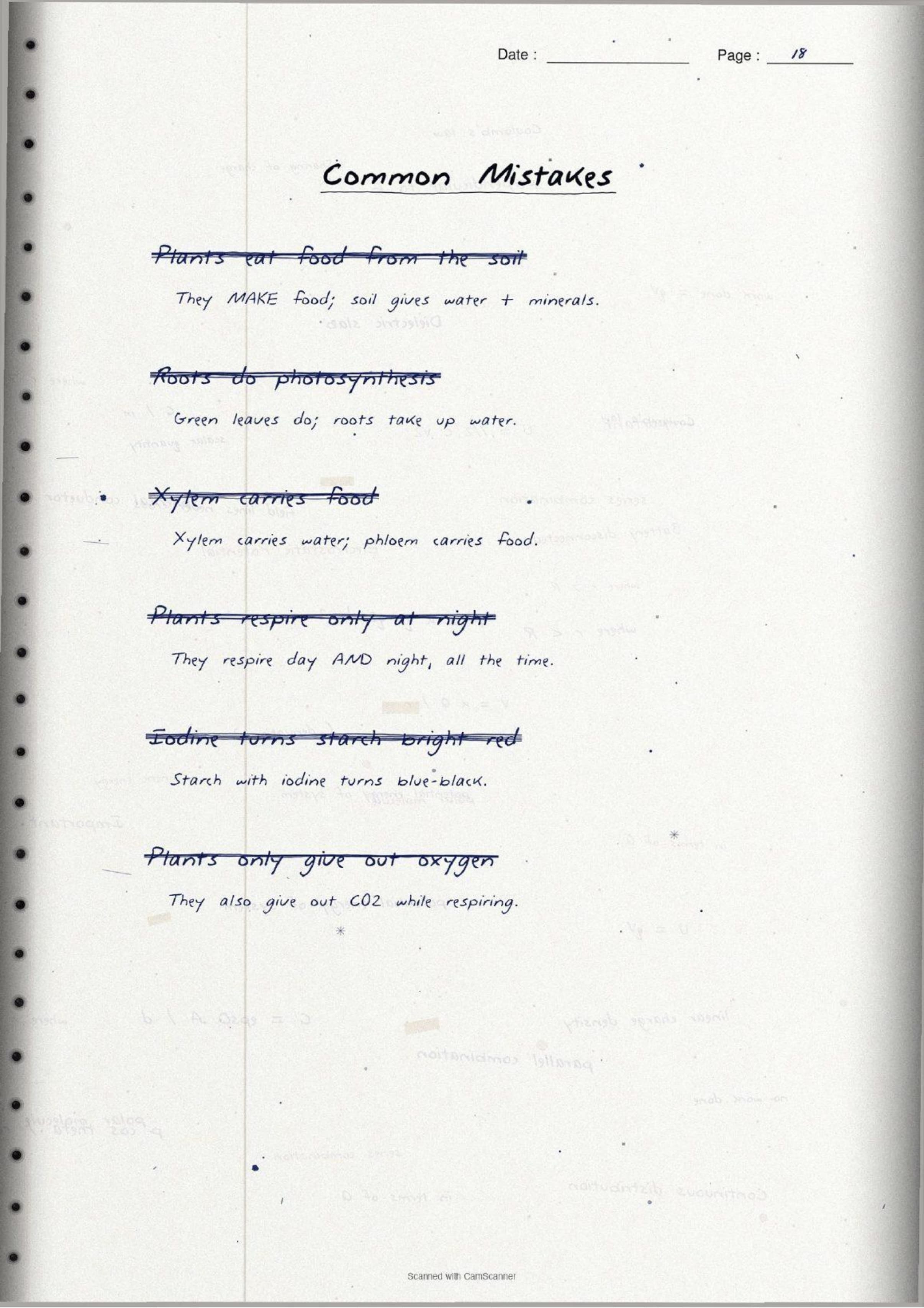
- Plants respire day and night
- Glucose is stored as starch
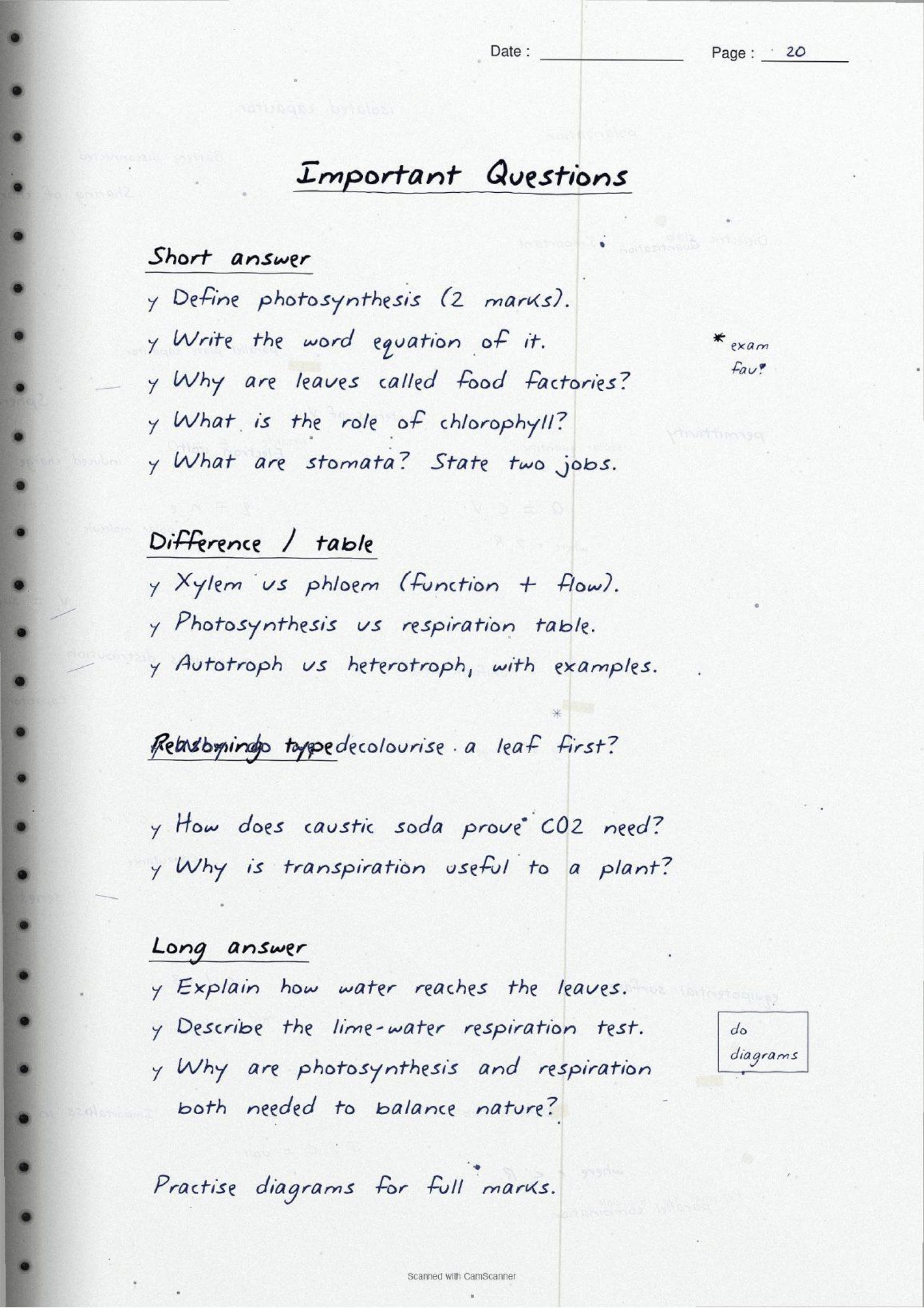
Life Processes in Plants Self-Assessment Quiz
Five checks on the chapter. Tap a question for the answer.
The green pigment that captures sunlight is
(a) glucose (b) chlorophyll (c) starch (d) xylem
Answer: (b) chlorophyll
Water and minerals travel up the plant through the
(a) phloem (b) stomata (c) xylem (d) chlorophyll
Answer: (c) xylem
Gases enter and leave a leaf through
(a) xylem (b) stomata (c) roots only (d) phloem
Answer: (b) stomata
Which gas do plants take in during photosynthesis?
(a) oxygen (b) nitrogen (c) carbon dioxide (d) hydrogen
Answer: (c) carbon dioxide
Prepared food is carried to all parts of a plant by the
(a) xylem (b) phloem (c) stomata (d) chlorophyll
Answer: (b) phloem
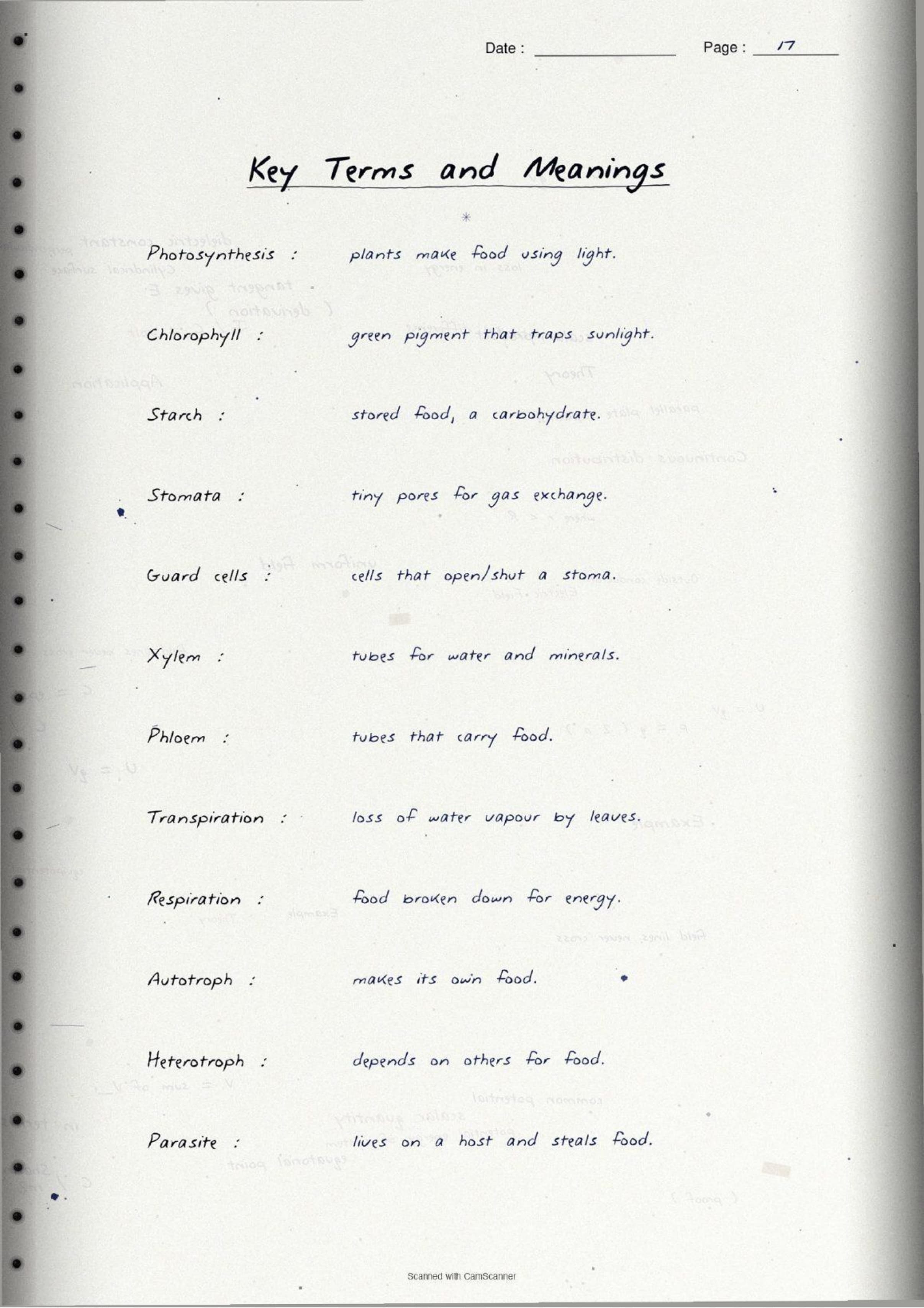
Key Terms and Ideas in Life Processes in Plants
The definitions in this chapter are short and precise. Examiners expect them word for word.
| Term / Idea | What it means |
|---|---|
| Photosynthesis | the process by which green leaves make food using sunlight |
| Chlorophyll | the green pigment in leaves that captures sunlight |
| Stomata | tiny pores on a leaf through which gases pass in and out |
| Xylem | the tissue that carries water and minerals upward from the roots |
| Phloem | the tissue that carries prepared food to all parts of the plant |
| Transpiration | the loss of water as vapour from the leaf surface |
| Glucose | the sugar made during photosynthesis, stored later as starch |
Diagrams Drawn by Hand in the Life Processes in Plants Notes
The notes carry the figures this chapter is usually examined on.
| Figure drawn by hand | What it shows |
|---|---|
| Photosynthesis equation box | inputs, conditions and products written together |
| Leaf as a food factory | sunlight, carbon dioxide and water arriving at a leaf |
| Stomata close-up | guard cells shown open and closed |
| Stem cross-section | xylem and phloem positions marked |
| Transport arrows | water going up and food going in both directions |
| Respiration in plants | gas exchange shown for day and night |
How to Use These Handwritten Notes for Science Revision
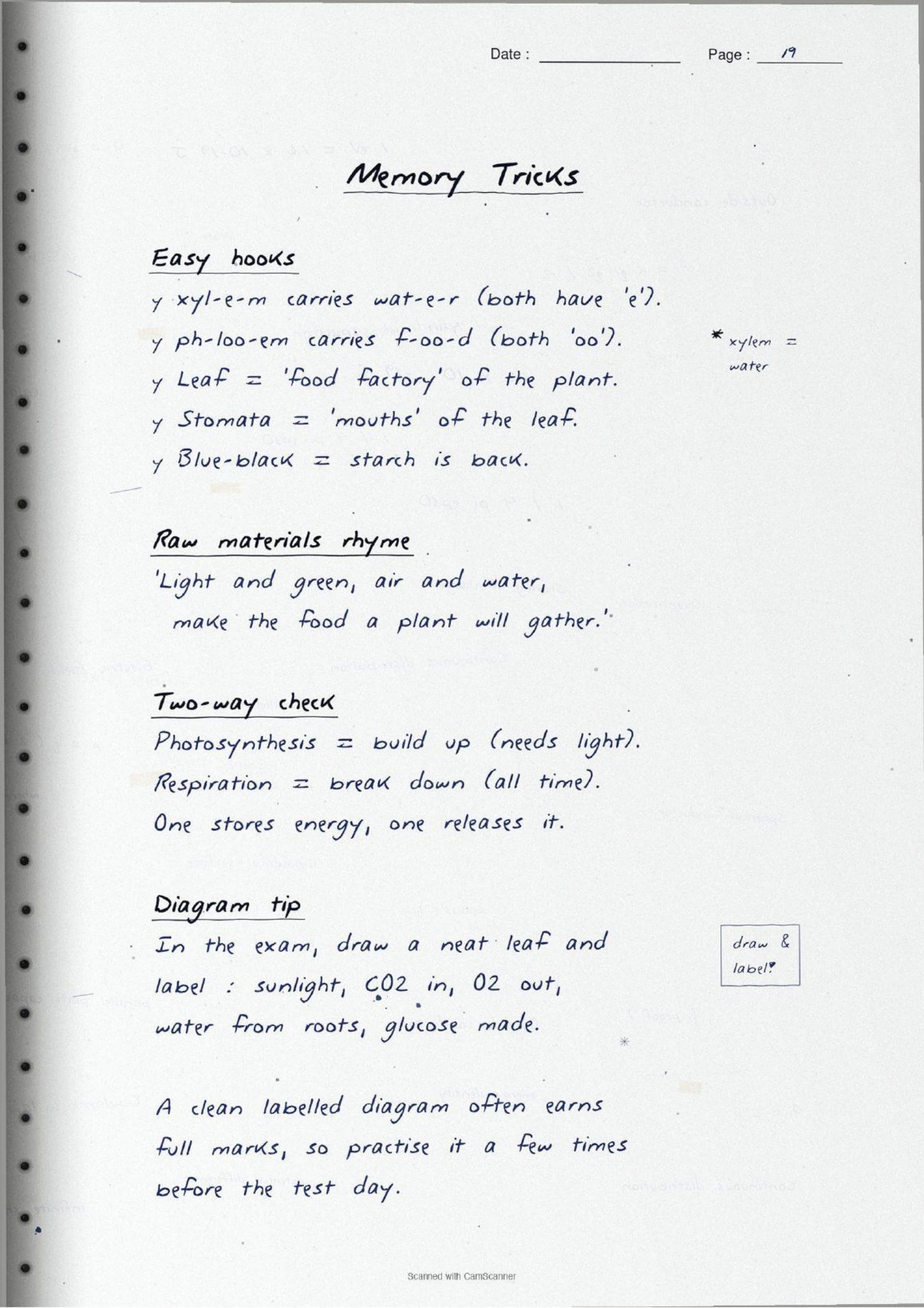
Use these class 7 science handwritten notes in two passes. Write the equation first, every time you sit down with this chapter. Everything else hangs off it.
- Write the photosynthesis word equation from memory
- Draw a stem cross-section and mark xylem and phloem
- Explain in two lines why plants respire at night as well
- On the last day, revise the equation box and the transport diagram
Other Science Resources for Life Processes in Plants
The solved exercises add practice on the equation and the comparisons.
Class 7 Science Handwritten Notes for All Chapters
Handwritten notes cover all twelve chapters of Class 7 Science. The table below links the class 7 science handwritten notes for every chapter.
Life Processes in Plants Class 7 Science Handwritten Notes FAQs
Ques. Where can I download the Life Processes in Plants Class 7 Handwritten Notes PDF?
Ans. The PDF is free on this page in a normal and an HD version.
Ques. Do the notes include the photosynthesis equation?
Ans. Yes. The word equation sits in its own hand-drawn box with all four requirements and both products marked.
Ques. How many pages is the Chapter 10 handwritten notes PDF?
Ans. It runs 22 pages and covers all four sections of the chapter plus a quiz.
Ques. What is photosynthesis in Class 7 Science?
Ans. It is the process by which green leaves make food. Carbon dioxide and water are used in the presence of sunlight and chlorophyll to produce glucose and release oxygen.
Ques. What is the difference between xylem and phloem?
Ans. Xylem carries water and minerals upward from the roots to the leaves. Phloem carries the food made in the leaves to every other part of the plant.



Comments