




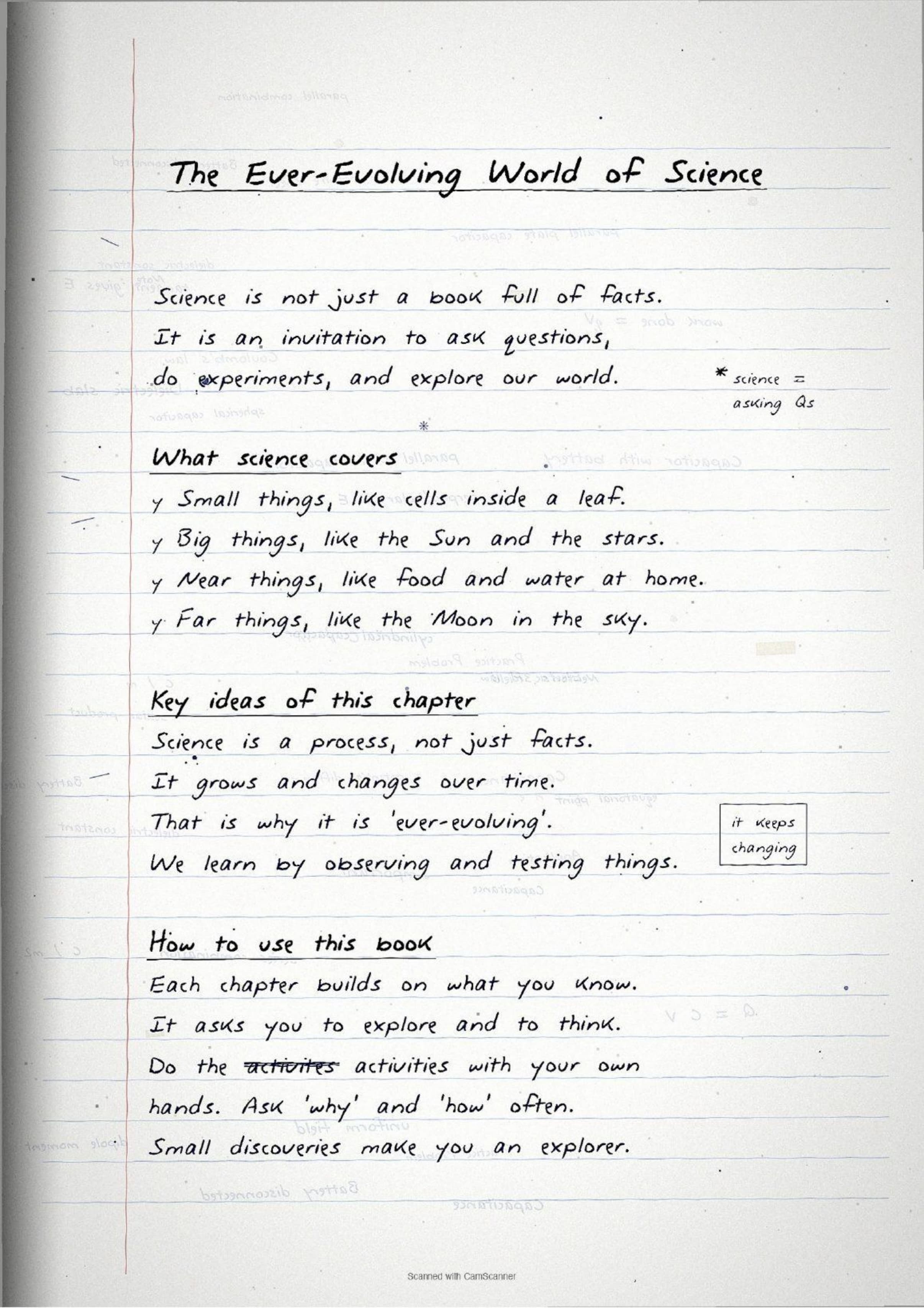
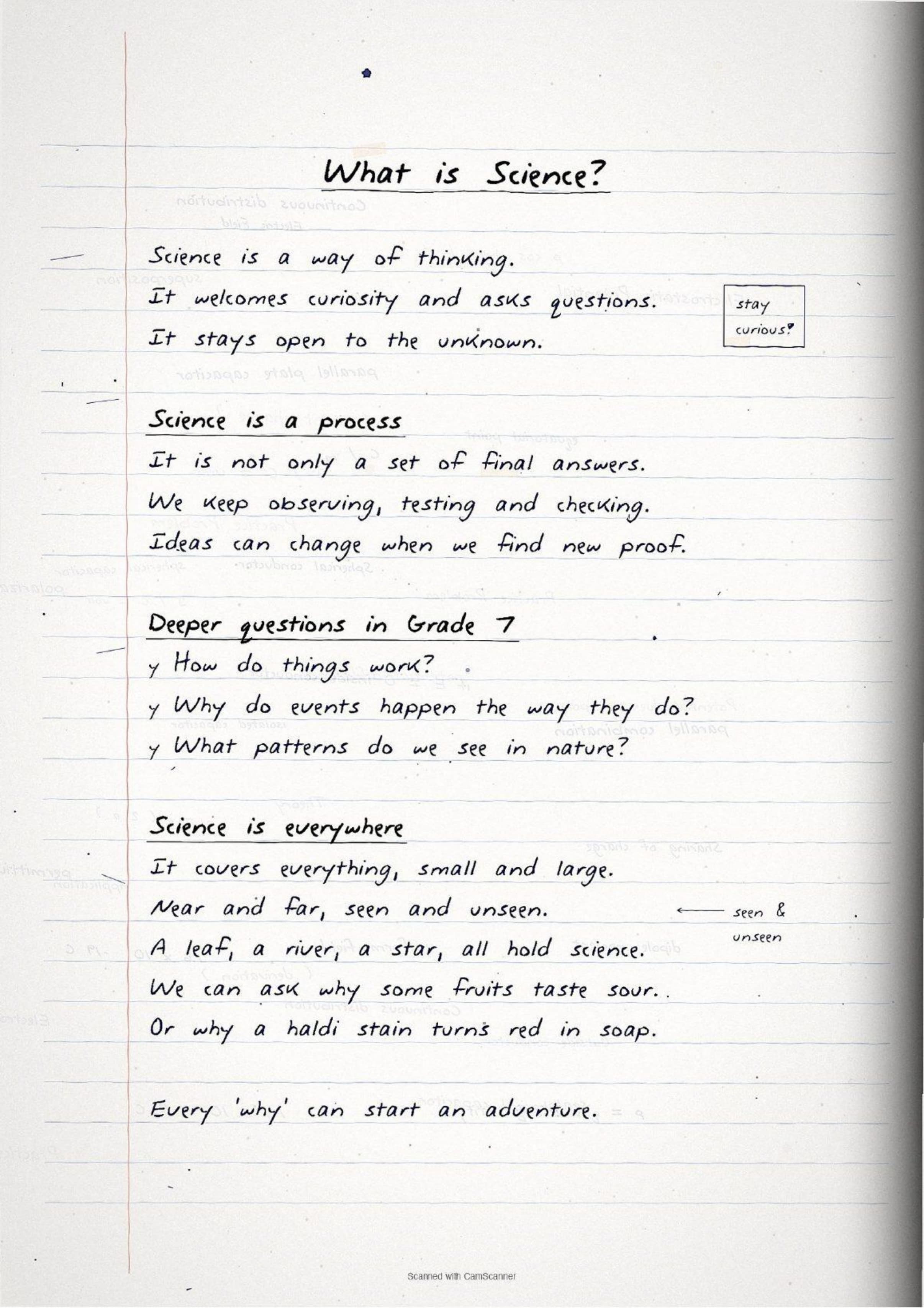
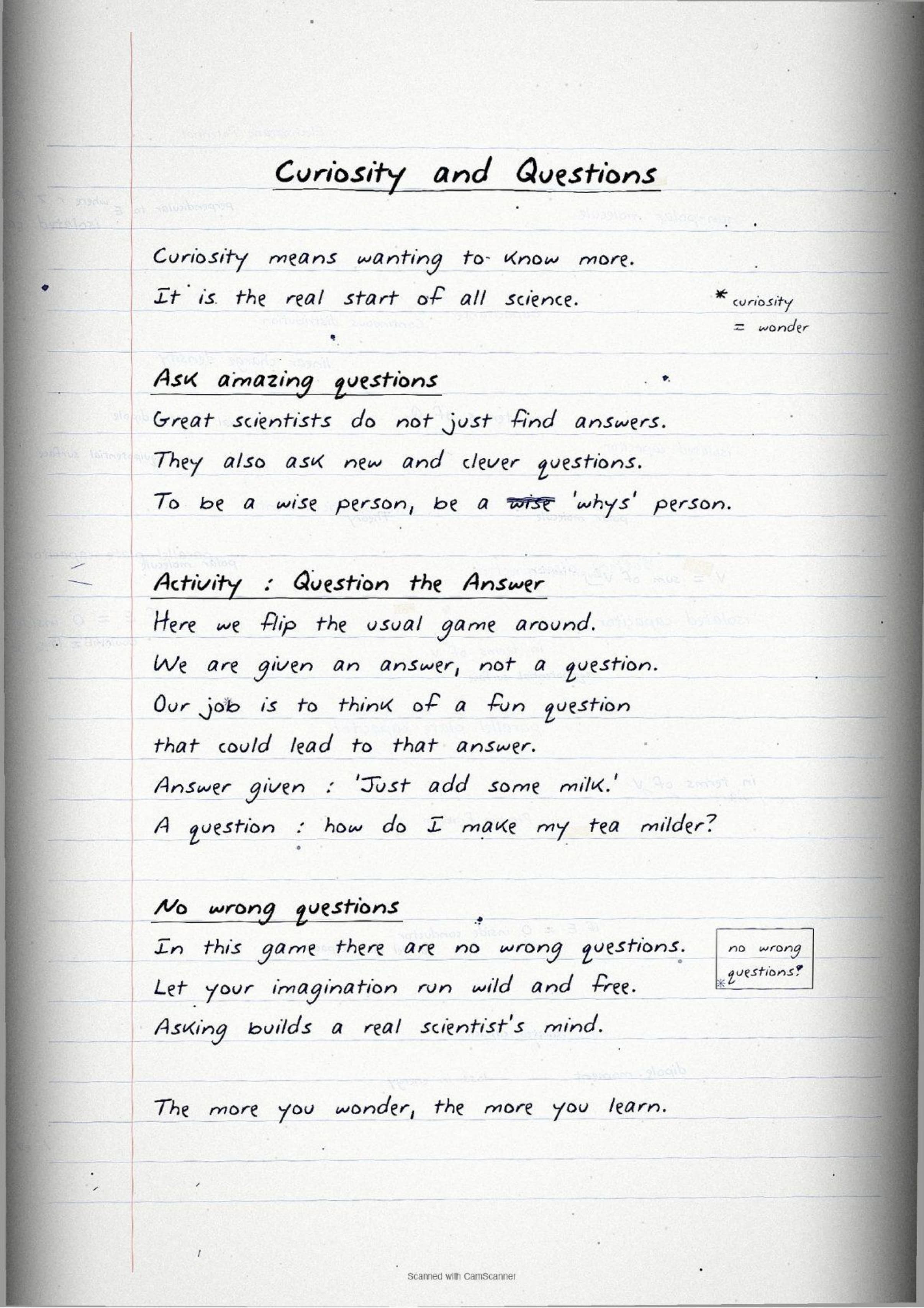
Class 7 Science Chapter 1 The Ever-Evolving World of Science opens the Curiosity textbook by showing how scientists actually work. These class 7 science handwritten notes chapter 1 The Ever-Evolving World of Science follow the 2026-27 NCERT and cover asking a testable question, planning a fair experiment, and recording what you observe.
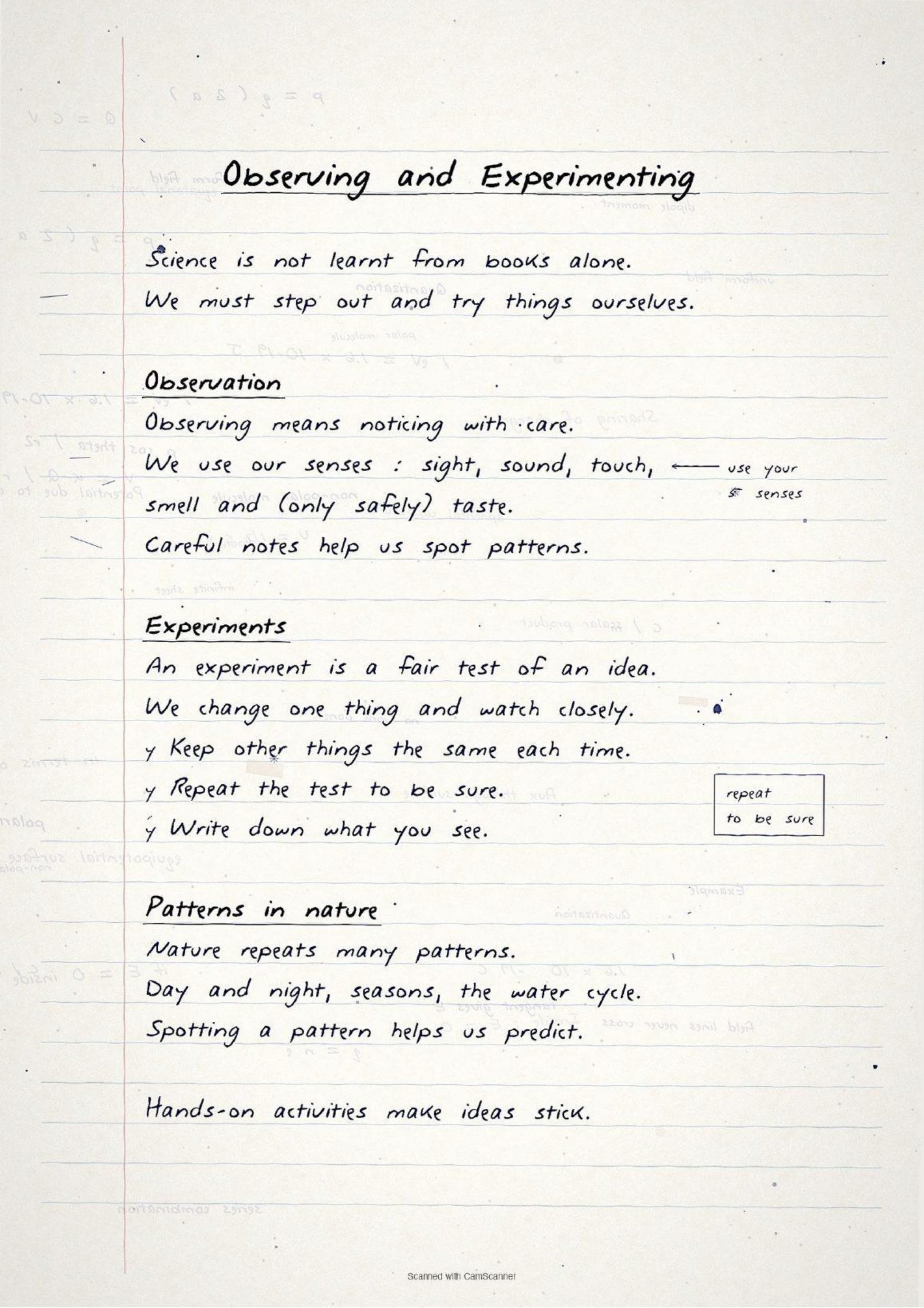
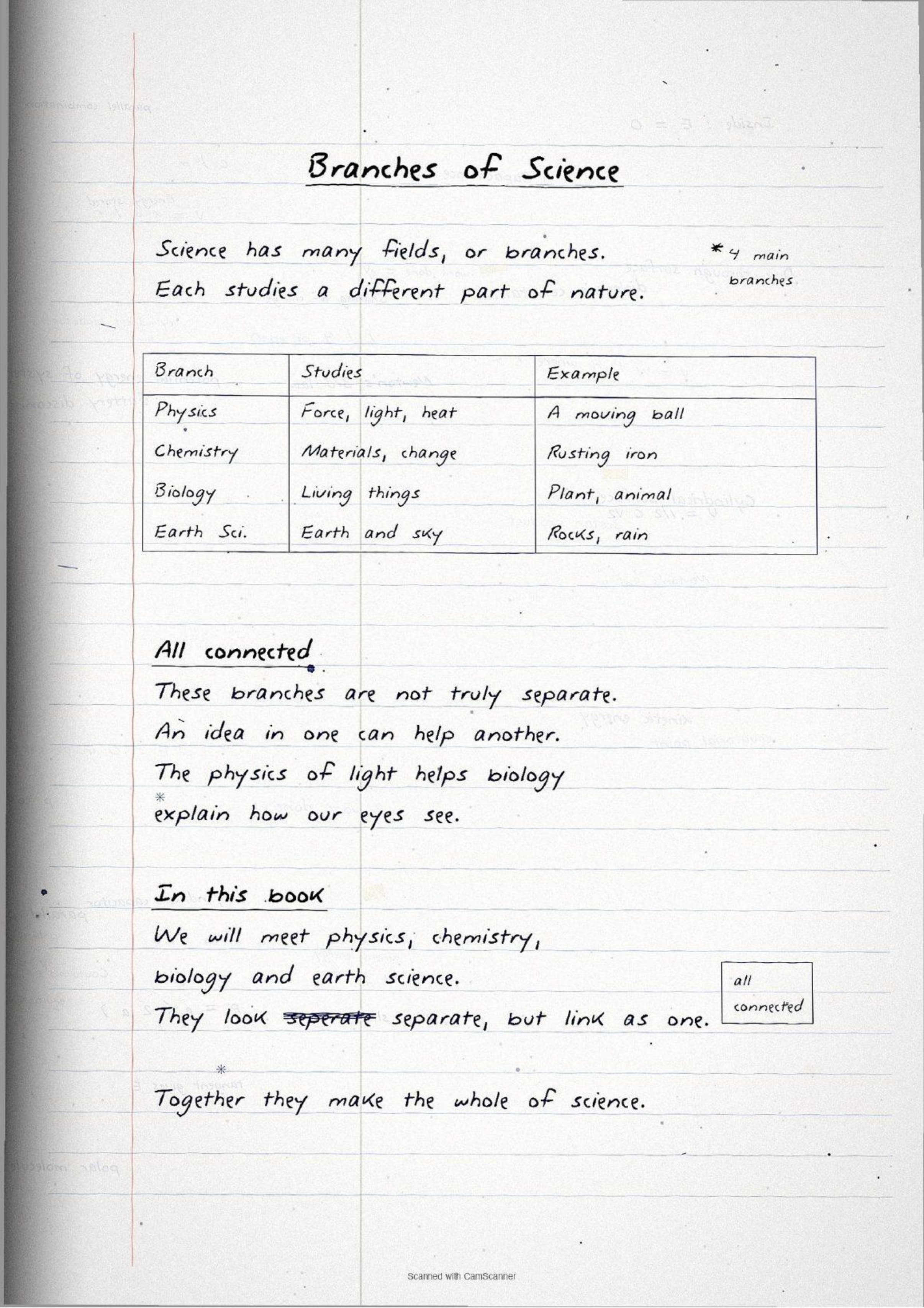
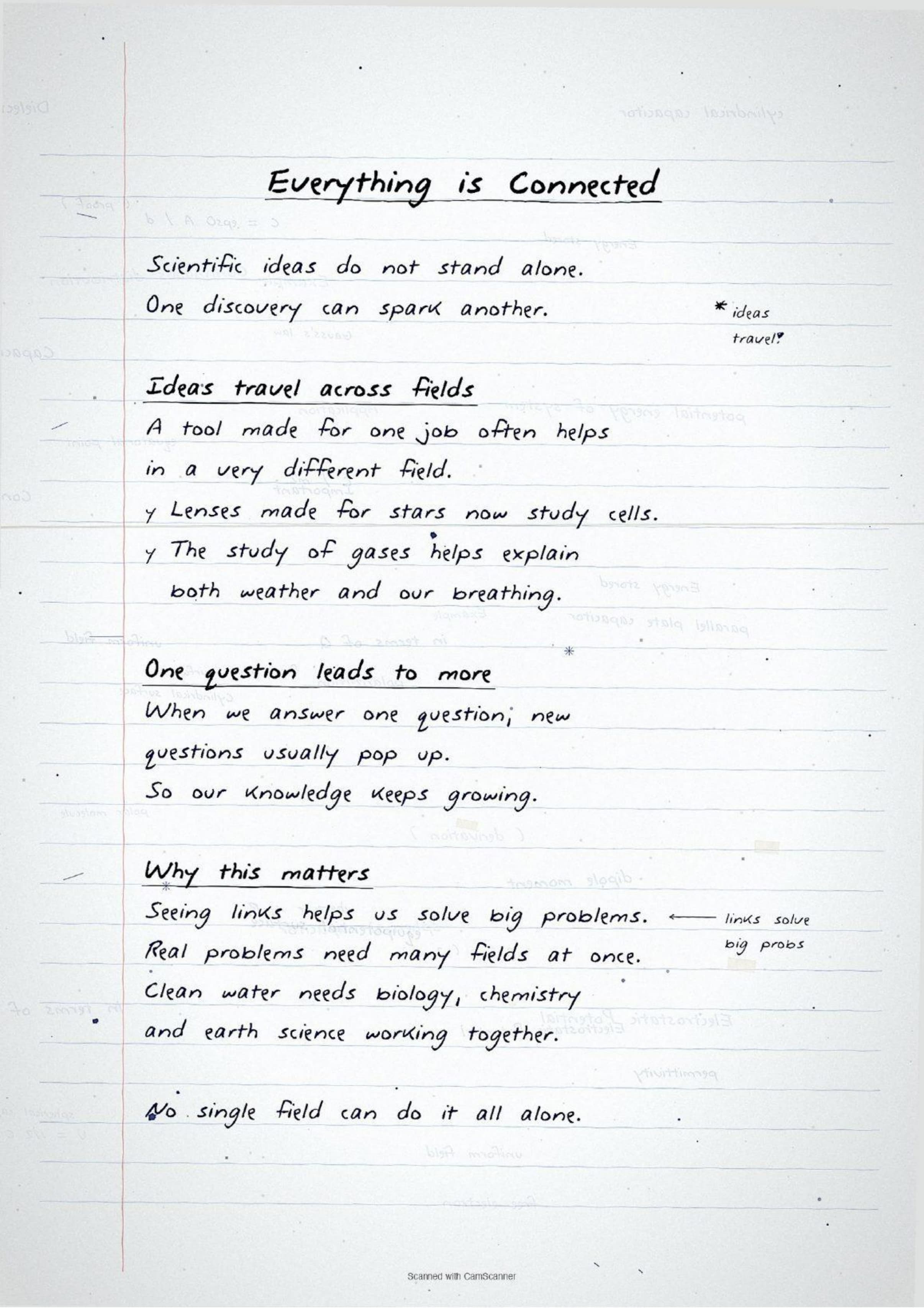
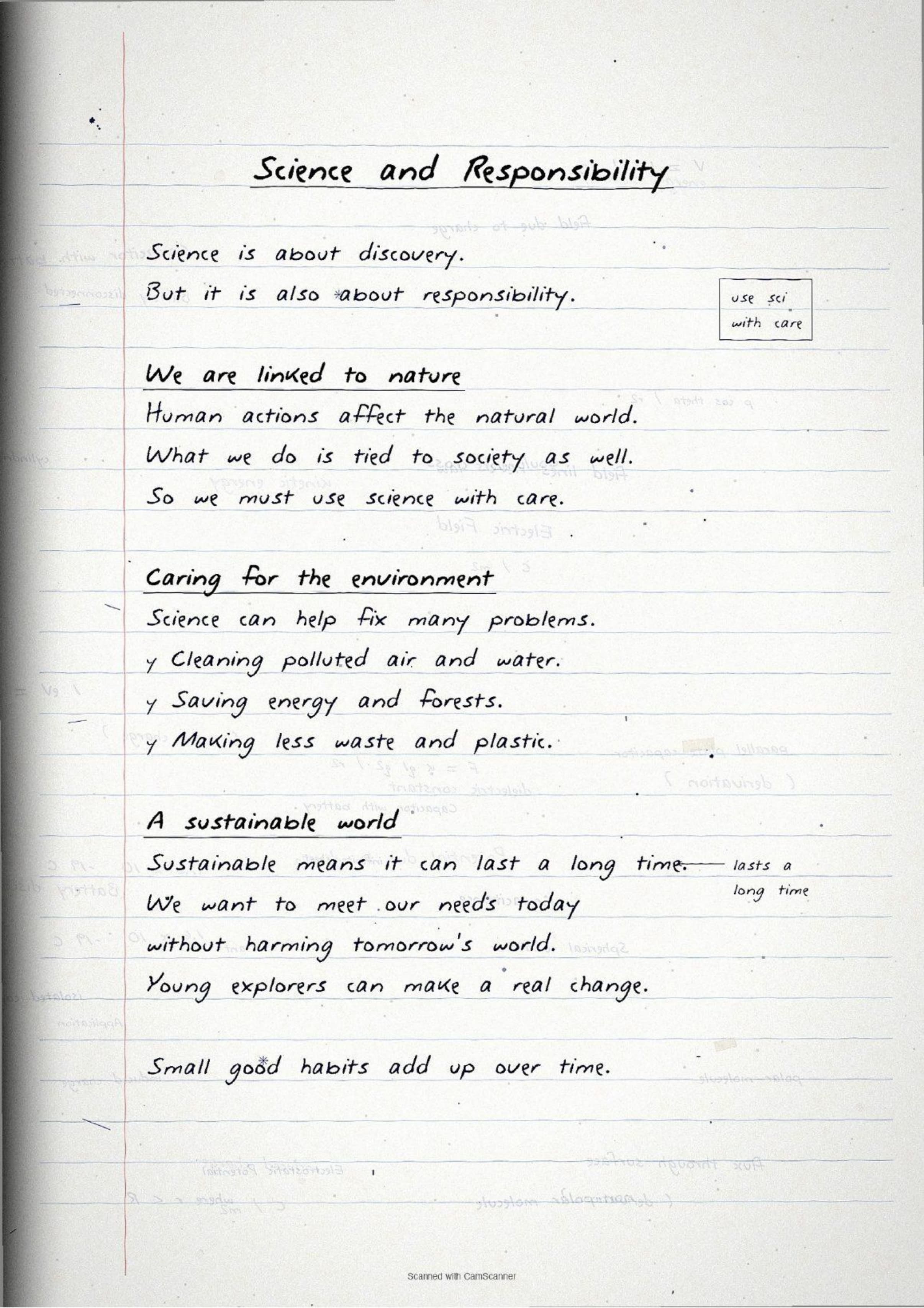
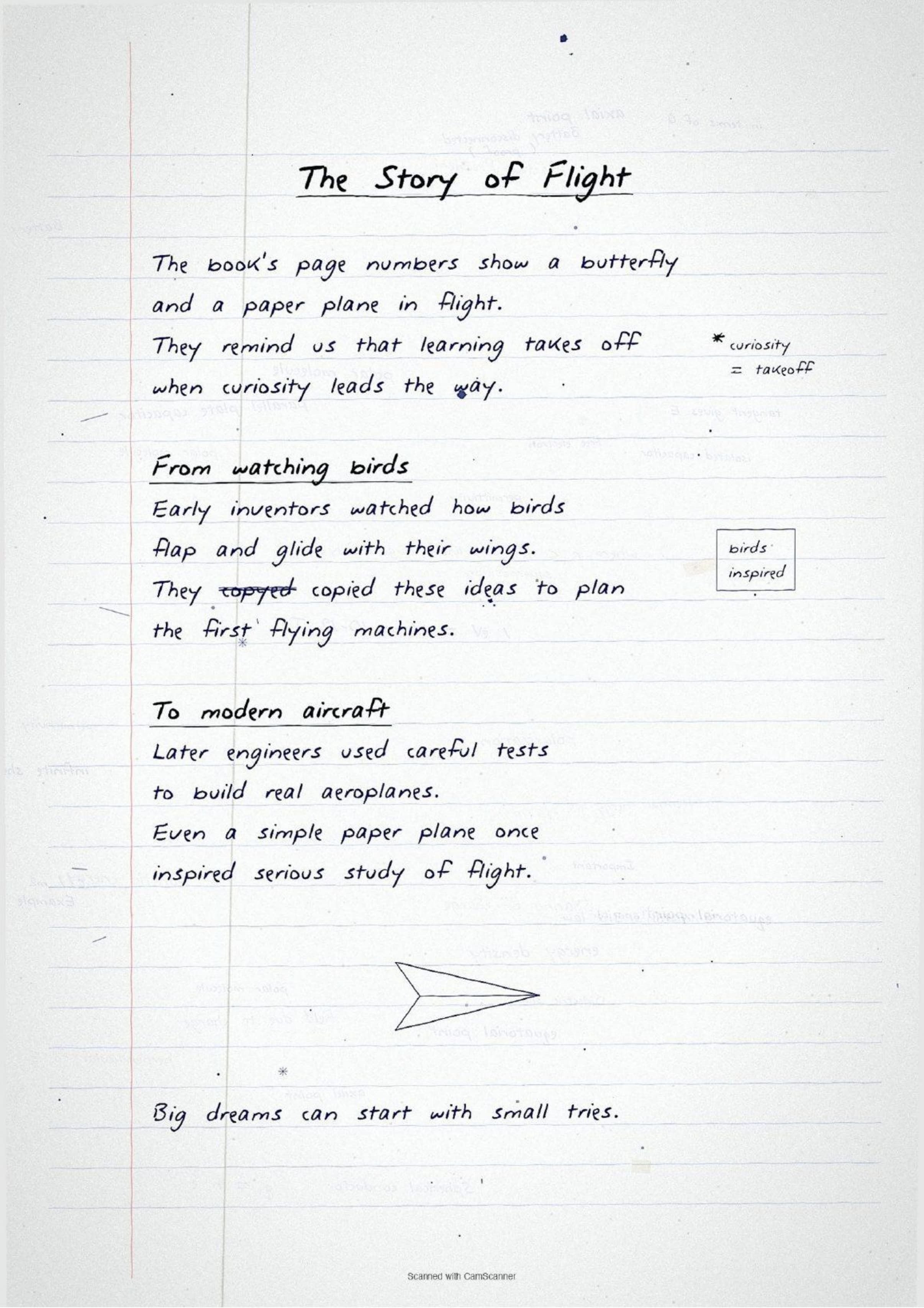
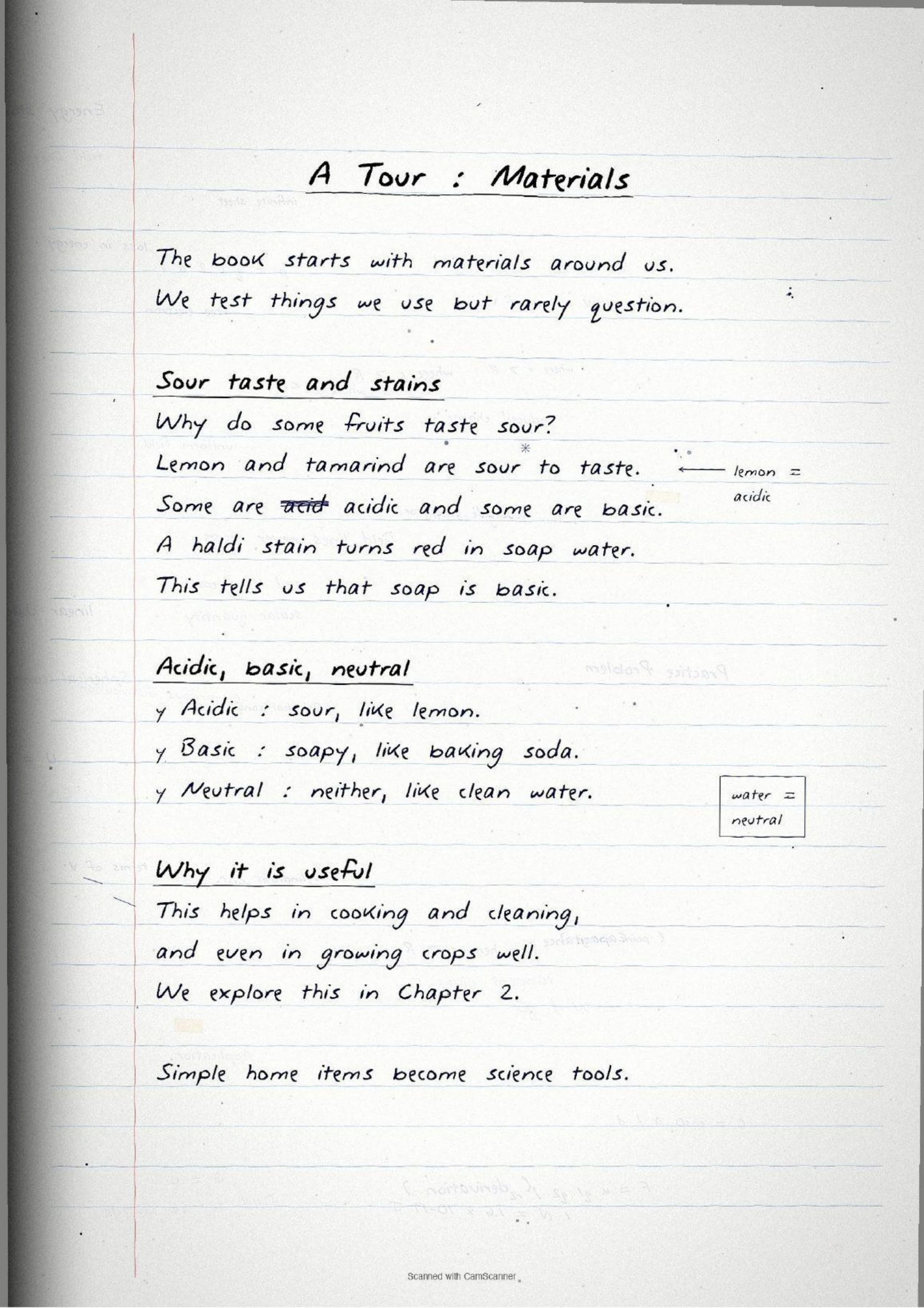
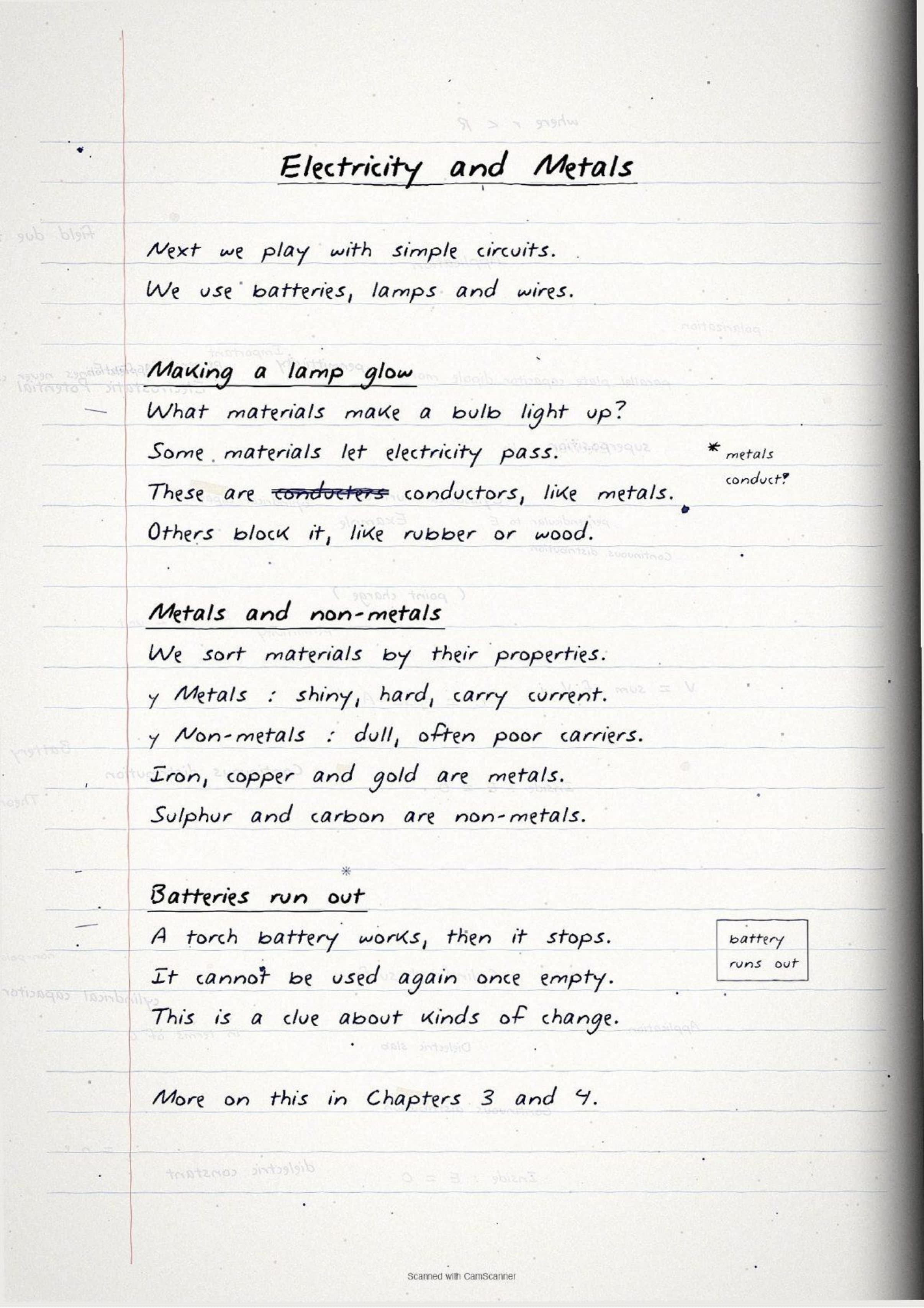
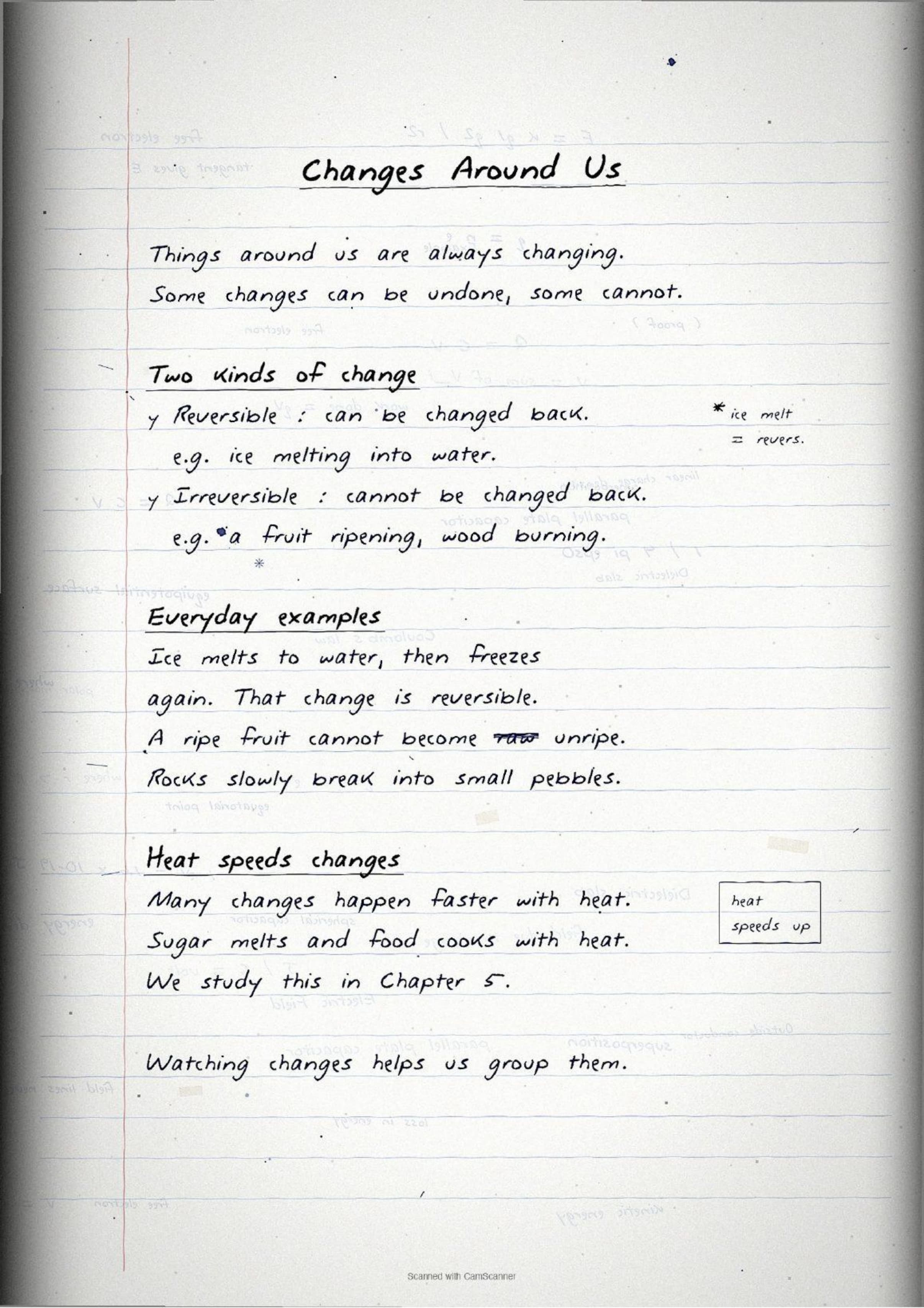
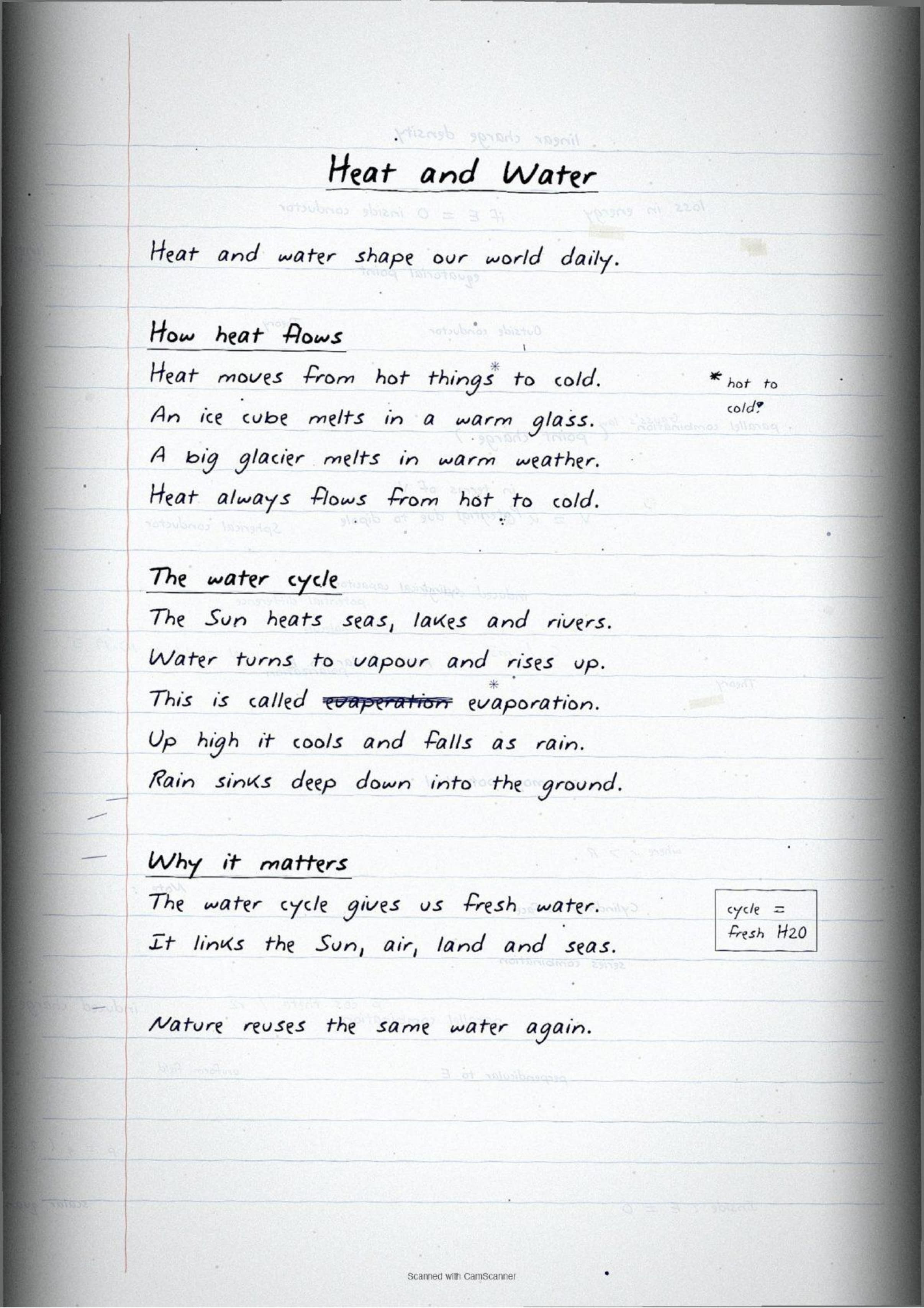
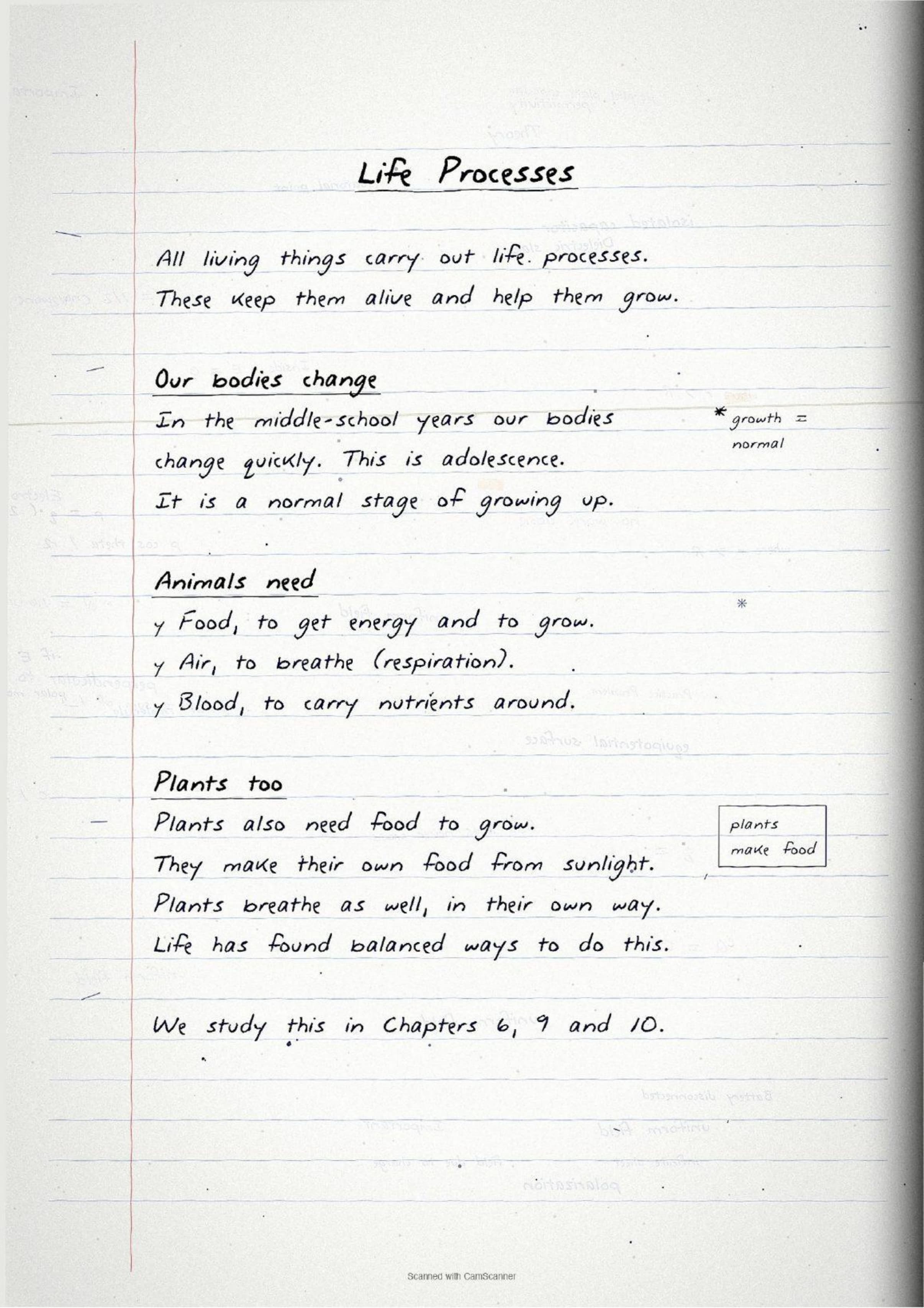
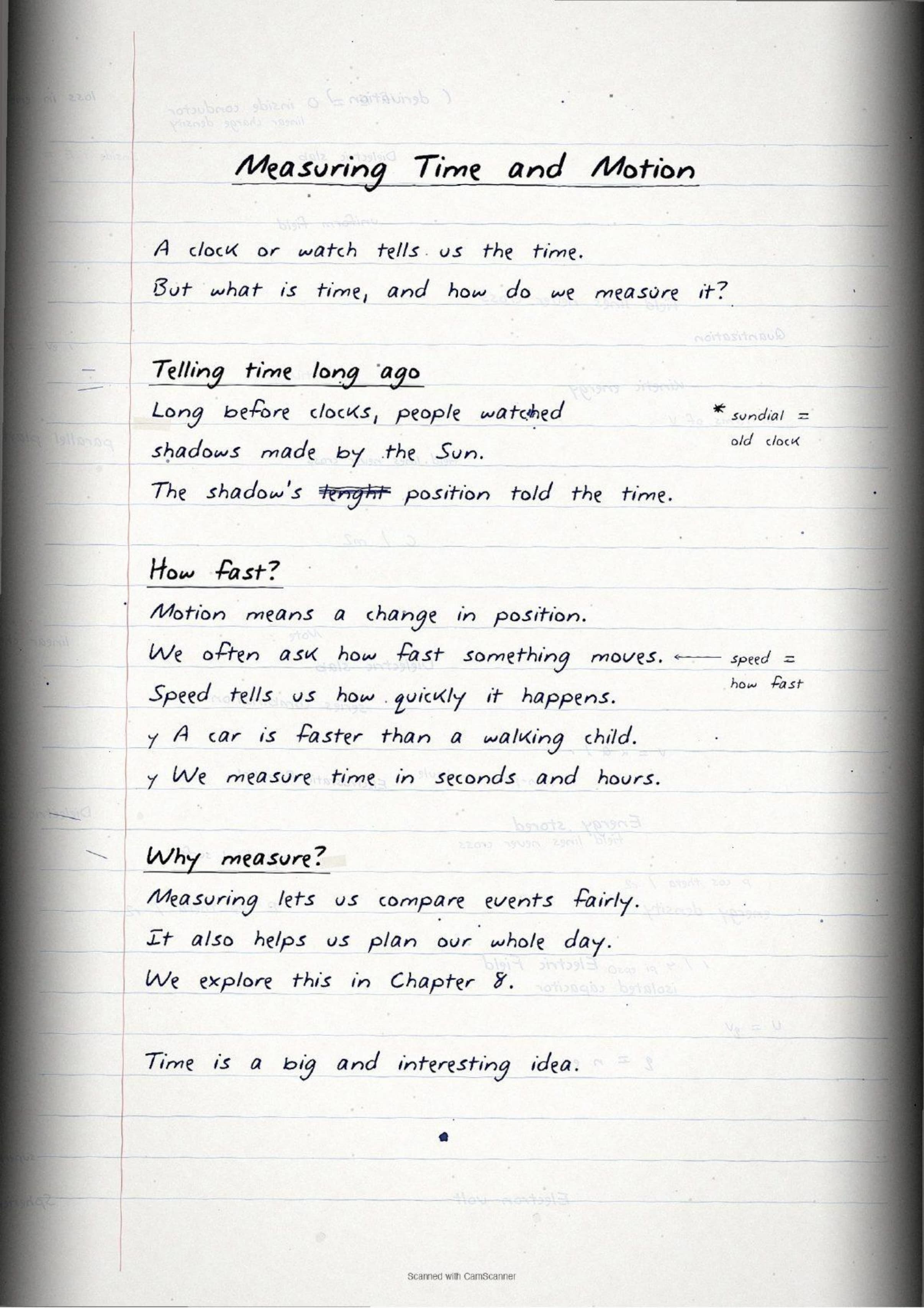
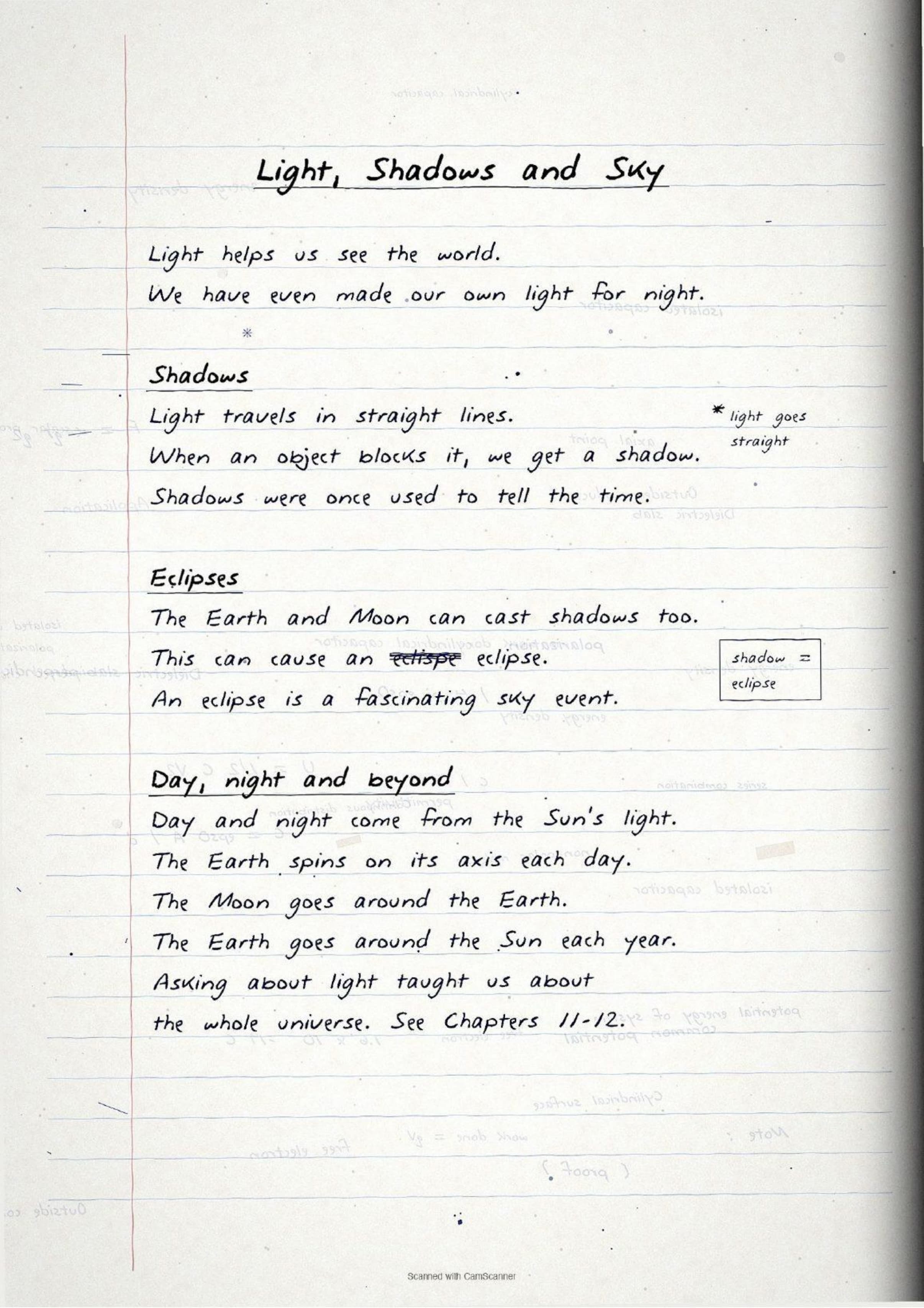
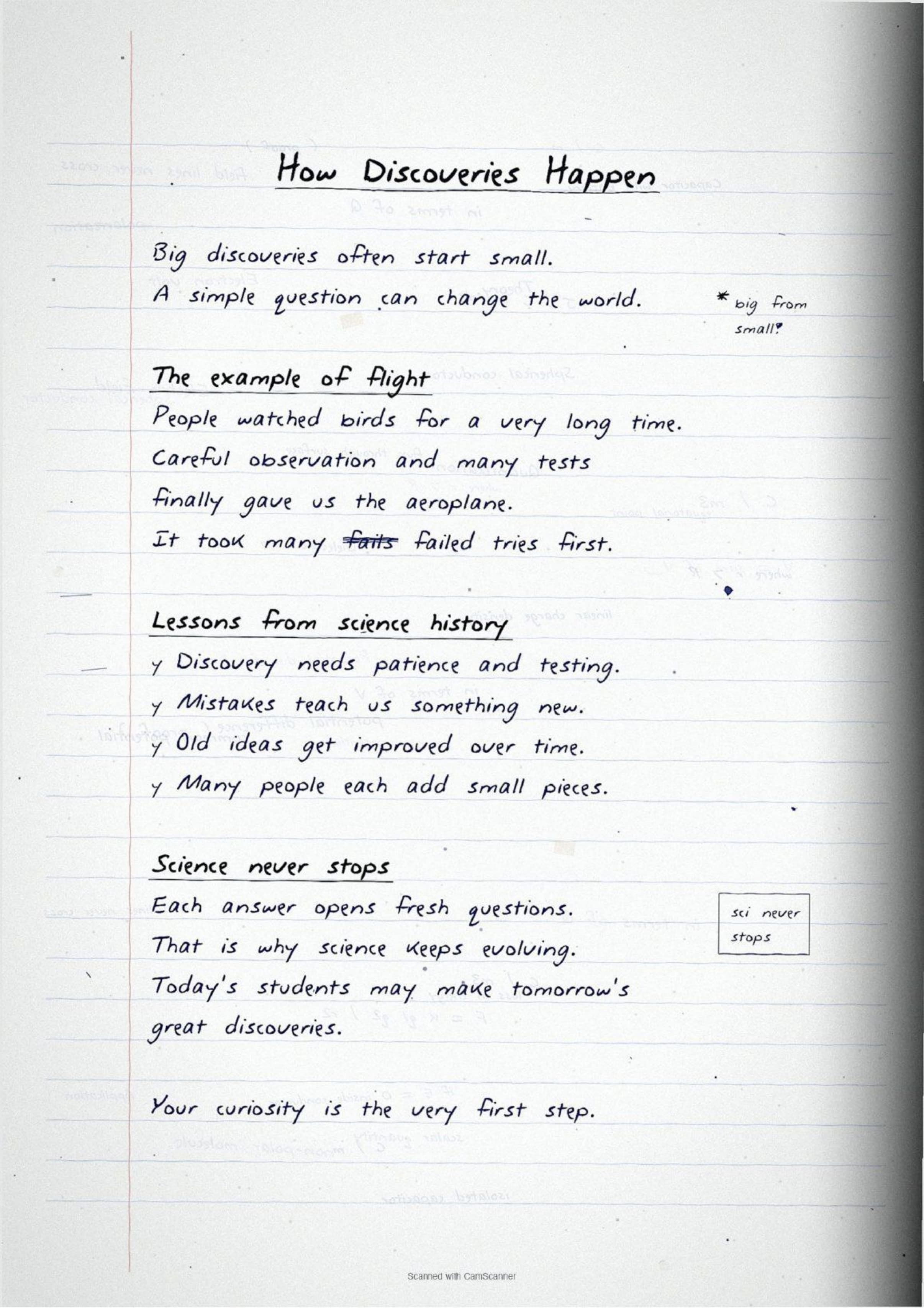
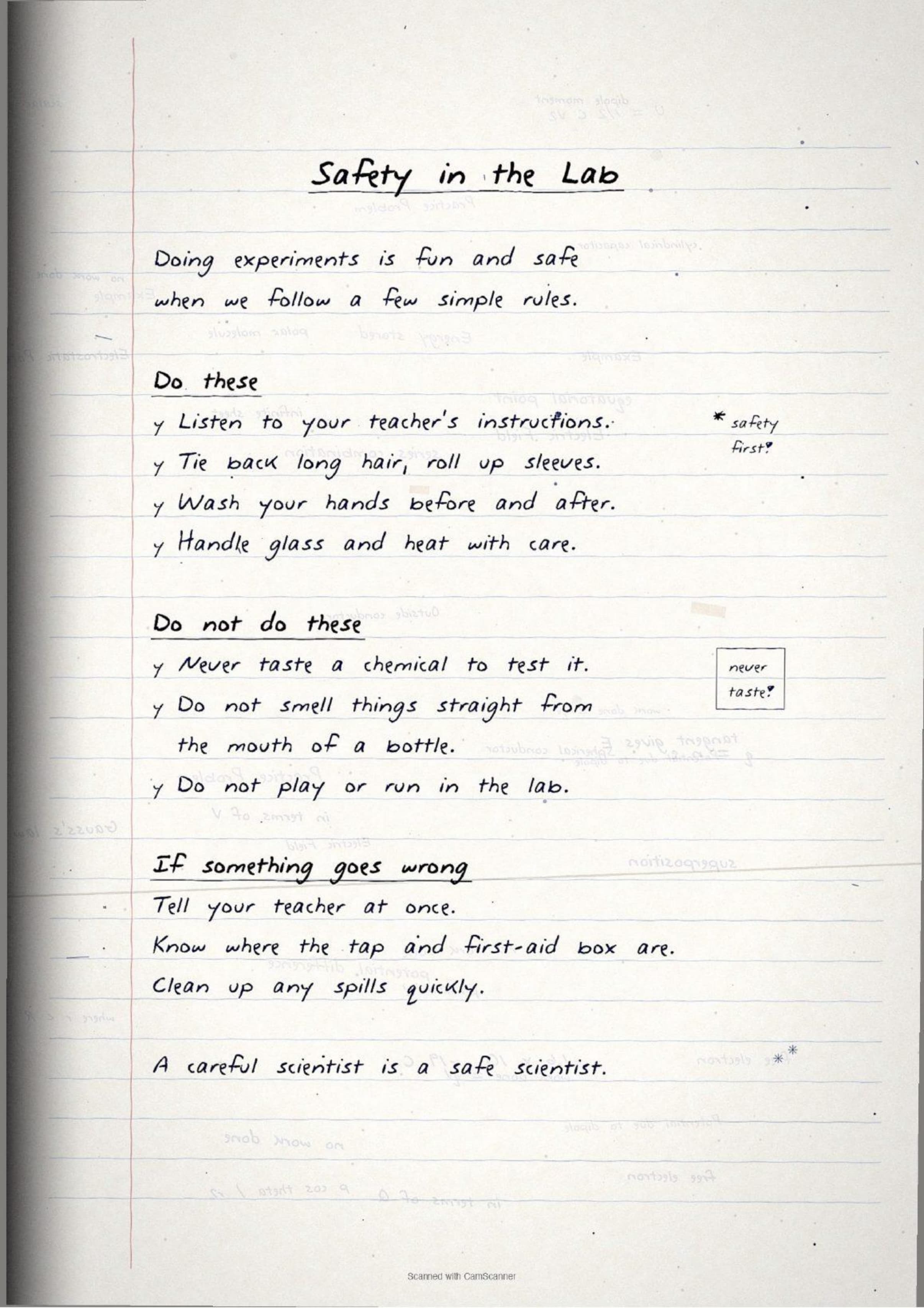
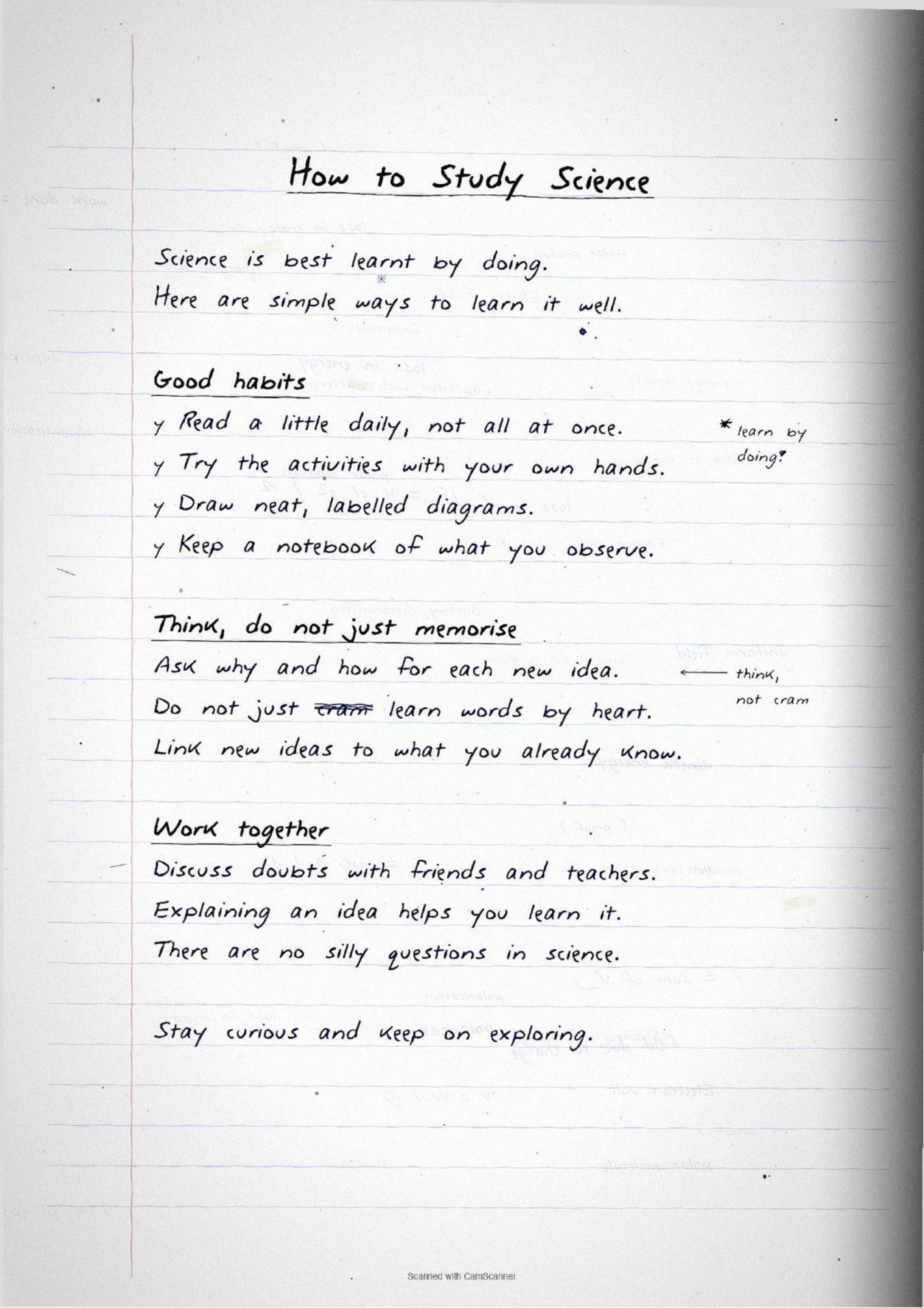
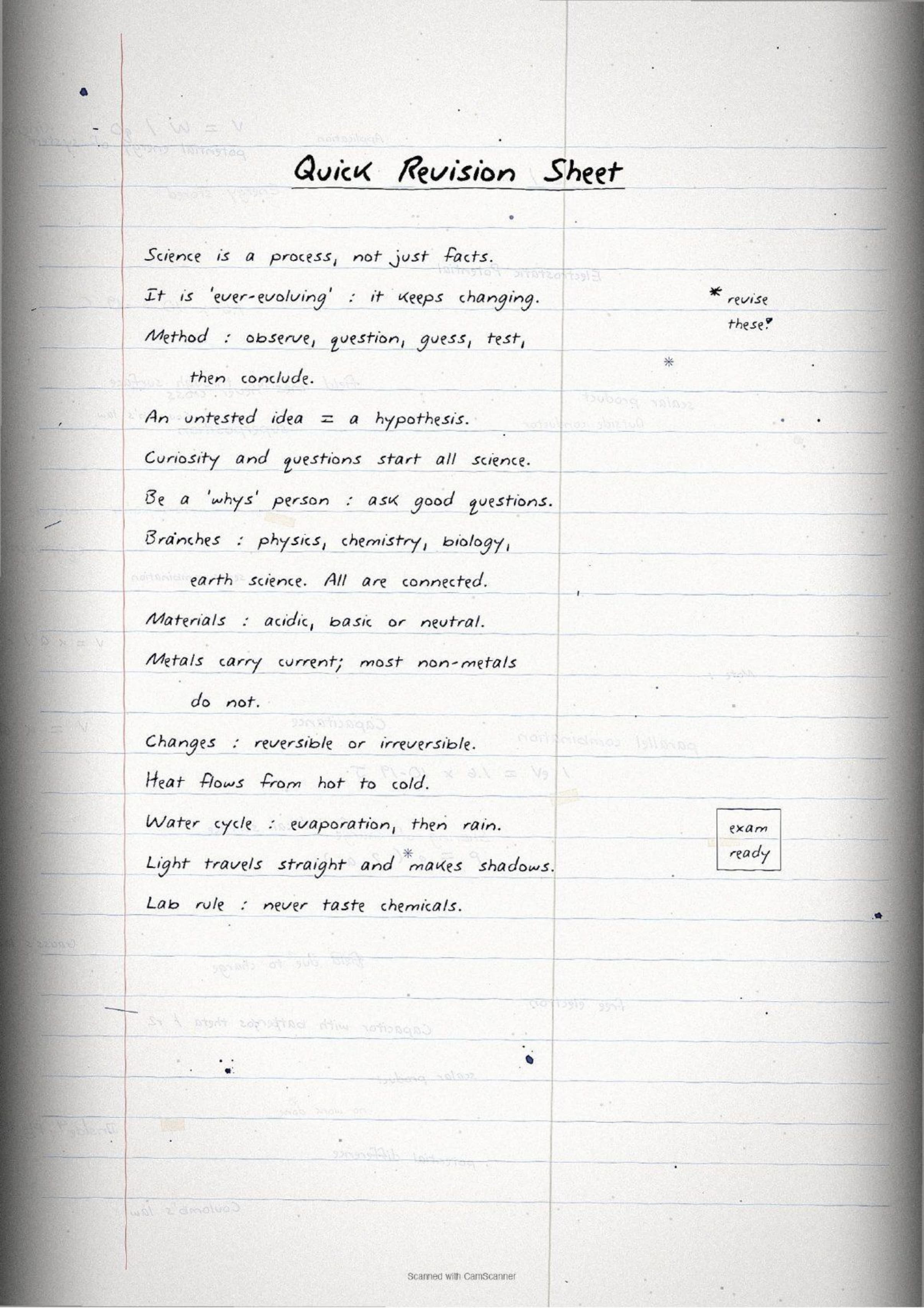
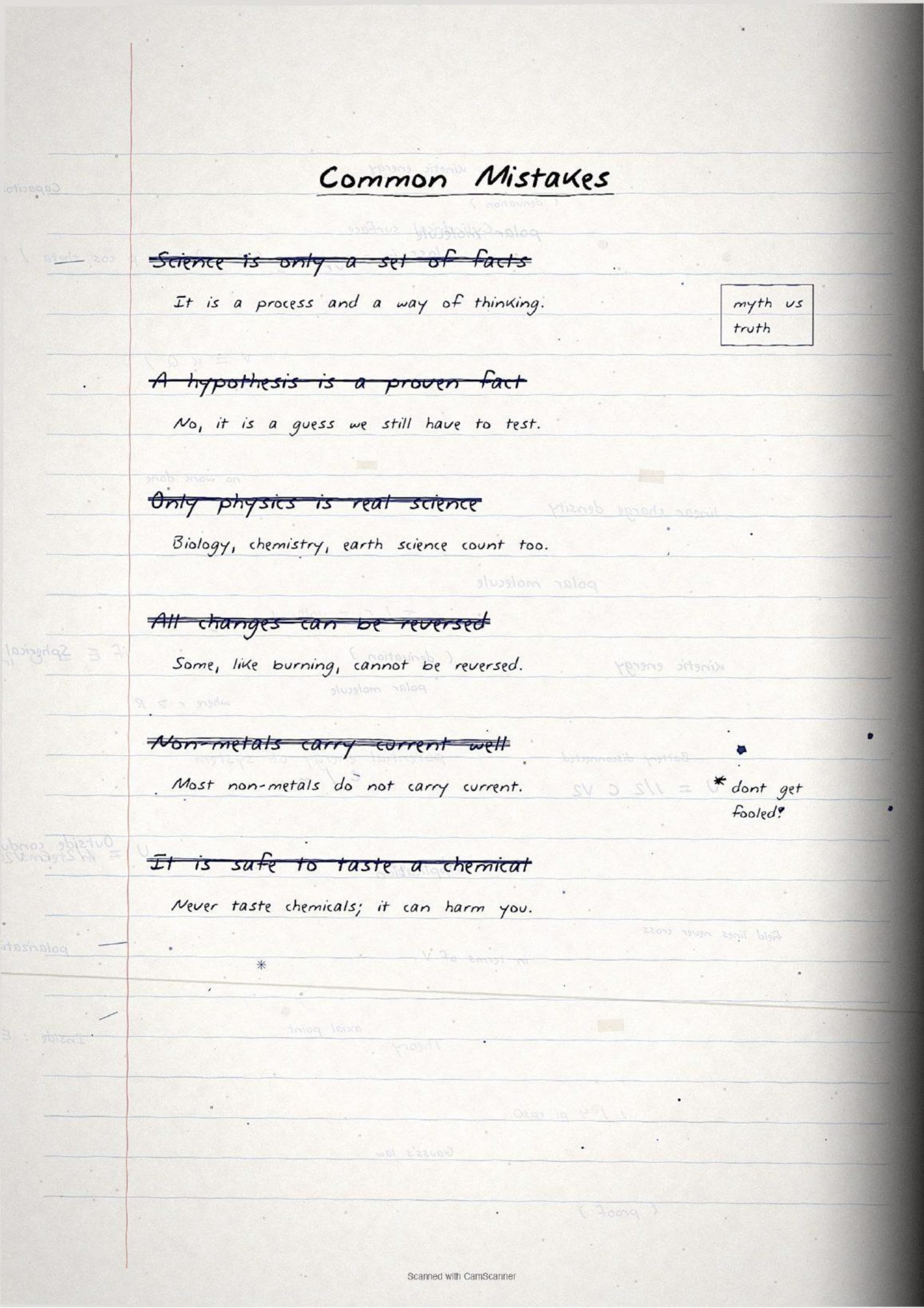
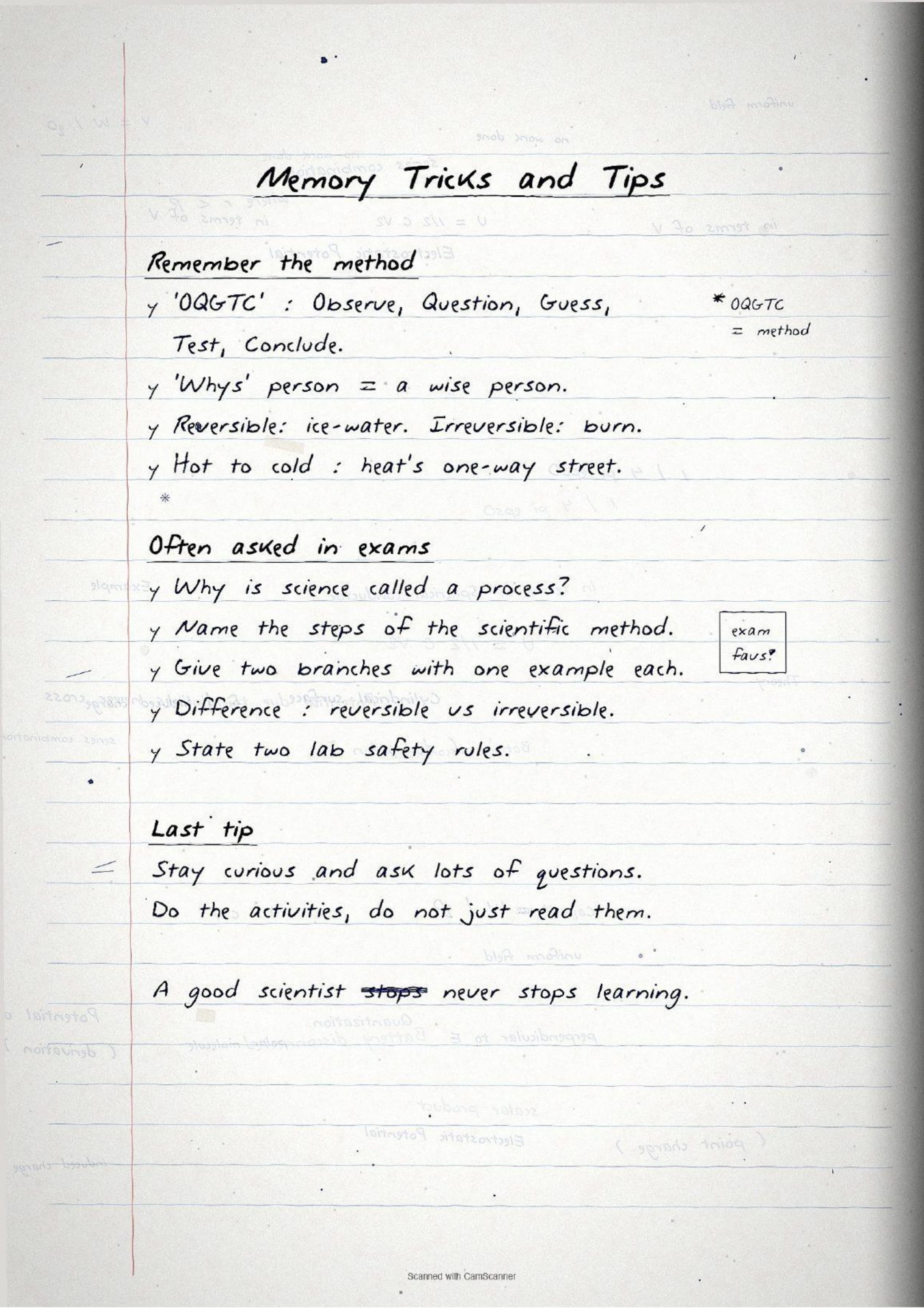
- What the notes cover: how a question becomes an experiment, what to change, what to keep the same, and how to record results
- Best for: the first week of Class 7 Science and for writing better answers all year
- Question types: short-answer definitions plus one reasoning question on planning a fair test
You can read the complete class 7 science handwritten notes for The Ever-Evolving World of Science, with boxed definitions and quick recall points, in the PDF below.
These handwritten notes are written by Science teachers, mapped to the 2026-27 NCERT, and checked against Class 7 school question papers.
How Collegedunia's Handwritten Notes Help You Revise The Ever-Evolving World of Science
Collegedunia writes its class 7 science handwritten notes as one clean pass through the chapter. Nothing is padded and nothing is skipped.
- Clear handwriting: every step is written out in a neat hand you can read quickly
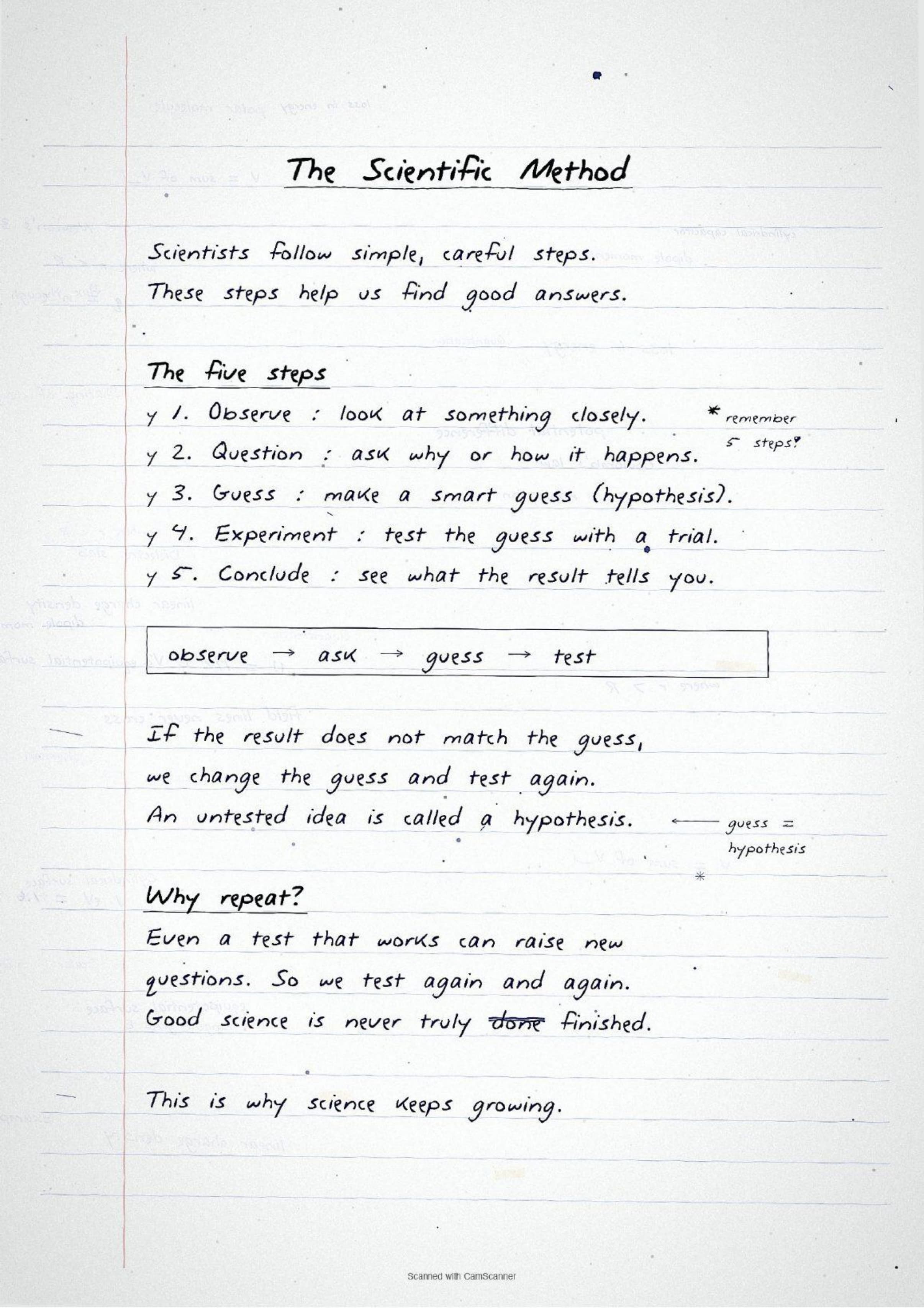
- Boxed steps: the five steps of an investigation sit in one hand-drawn box
- A filled-in table: a sample observation table shows what your record should look like
- Colour-coded sub-headings: each new sub-topic is written in red so you can find it fast
What the The Ever-Evolving World of Science Handwritten Notes Cover
Chapter 1 is short but it sets the habit the rest of the book expects. It asks you to treat science as something you do, not something you memorise. The notes follow the same order as the textbook.
- Science as a way of asking questions
- Turning curiosity into a testable question
- Deciding what to change in an experiment
- Deciding what to keep the same
- What to observe and what to measure
- Recording observations in a table
- Repeating a test to be sure
- How one answer leads to the next question
- A preview of the twelve Curiosity chapters
The Ever-Evolving World of Science Topic-wise Weightage for CBSE Class 7 Science
Class 7 papers keep this chapter light, but two ideas come back again and again. The table shows what to revise first.
| Sub-topic | Weightage | How often asked |
|---|---|---|
| Steps in a scientific investigation | High | asked often |
| Changing one thing at a time | High | asked often |
| Observing and measuring | Medium | asked sometimes |
| Recording results in a table | Medium | asked sometimes |
| Repeating an experiment | Low | asked rarely |
| What the year ahead covers | Low | asked rarely |
Why The Ever-Evolving World of Science Is Worth Revising Carefully
Students often skip this chapter because it has no formulas. That is a mistake. Examiners use it to set reasoning questions in every later unit.
- The words fair test, variable and observation are used in Chapters 2 to 12
- One or two marks usually go to naming the steps of an investigation
- Answers that explain what was kept the same score better than answers that only give a result
- The habit of writing a small table helps in the practical record book
Last 24-Hour Revision Card for The Ever-Evolving World of Science
If you have only a few minutes left, this is the part of the chapter to keep in front of you.
- The five steps: question, plan, test, observe, conclude
- Fair test means one change, everything else the same
- Observation is what you notice; measurement gives a number
- Repeat a test before you trust it
- A testable question can be checked by observing or measuring
The Ever-Evolving World of Science Self-Assessment Quiz
Answer these after one read of the notes. Tap a question to check yourself.
Which of these is a testable question?
(a) Is science interesting? (b) Does a paper plane fly further with heavier wings? (c) Which season is best? (d) Who is the smartest scientist?
Answer: (b) it can be answered by measuring the distance flown
In a fair test, how many things do you change at a time?
(a) all of them (b) none (c) one (d) at least three
Answer: (c) one, so you know what caused the result
Which of these is a measurement?
(a) the water felt warm (b) the water was 42 degrees Celsius (c) the water looked nice (d) the water smelled odd
Answer: (b) it gives a number
Why do scientists repeat an experiment?
(a) to waste time (b) to check the result was not an accident (c) to change the question (d) to avoid writing
Answer: (b) a repeated result is more trustworthy
What should you write down while doing an activity?
(a) only the final answer (b) nothing (c) every observation as it happens (d) only what you expected
Answer: (c) you record what actually happens, not what you hoped
Key Terms and Ideas in The Ever-Evolving World of Science
These are the words your answers should use. Learn to define each one in a single line.
| Term / Idea | What it means |
|---|---|
| Investigation | a planned way of finding out something new, step by step |
| Testable question | a question you can answer by observing or measuring |
| Variable | anything in an experiment that can be changed |
| Fair test | an experiment where only one thing is changed at a time |
| Observation | what you notice with your senses or with an instrument |
| Measurement | an observation that gives you a number |
| Record | the written table or note of what you observed |
Diagrams Drawn by Hand in the The Ever-Evolving World of Science Notes
Even a method chapter needs pictures. These are the figures drawn by hand inside the notes.
| Figure drawn by hand | What it shows |
|---|---|
| Flow chart of an investigation | question, plan, test, observe, record, conclude |
| Fair-test sketch | two identical set-ups with only one difference marked |
| Blank observation table | the columns to draw when you record results |
| Change and keep-same split | a two-column sketch sorting variables |
How to Use These Handwritten Notes for Science Revision
Use these class 7 science handwritten notes in two passes. Two short readings work better than one long one. Read for sense first, then read only the boxes.
- Read the notes once with the Curiosity chapter open beside you
- Say the five steps of an investigation out loud without looking
- Write one testable question of your own about something at home
- On the day before the test, read only the boxed steps and the term table
Other Science Resources for The Ever-Evolving World of Science
Use the notes with the solved exercises and the textbook chapter itself.
Class 7 Science Handwritten Notes for All Chapters
Every chapter of Class 7 Science has its own handwritten notes. Use this table to jump to any of them. The table below links the class 7 science handwritten notes for every chapter.
The Ever-Evolving World of Science Class 7 Science Handwritten Notes FAQs
Ques. Where can I download The Ever-Evolving World of Science Class 7 Science Handwritten Notes PDF?
Ans. You can download the PDF from this page. Both the normal and the HD version are free.
Ques. Do these handwritten notes follow the 2026-27 NCERT Curiosity book?
Ans. Yes. The notes follow the Grade 7 Curiosity textbook in the 2026-27 reprint, section by section.
Ques. How many pages is the Chapter 1 handwritten notes PDF?
Ans. It runs 22 pages. That covers the full chapter with boxed steps, a sample table and a short quiz.
Ques. What is the main idea of Class 7 Science Chapter 1?
Ans. That science is a method, not a list of facts. You ask a question you can test, change one thing at a time, observe carefully, and use the result to ask the next question.
Ques. Are these notes enough to revise Chapter 1 for a class test?
Ans. Yes, for revision. Read them with the NCERT chapter once, then practise one reasoning question on planning a fair test.



Comments