




Class 7 Science Chapter 3 Electricity: Circuits and their Components is the chapter where circuit symbols first appear. These class 7 science handwritten notes chapter 3 Electricity: Circuits and their Components follow the 2026-27 NCERT and cover cells, batteries, switches, circuit diagrams, conductors and insulators.
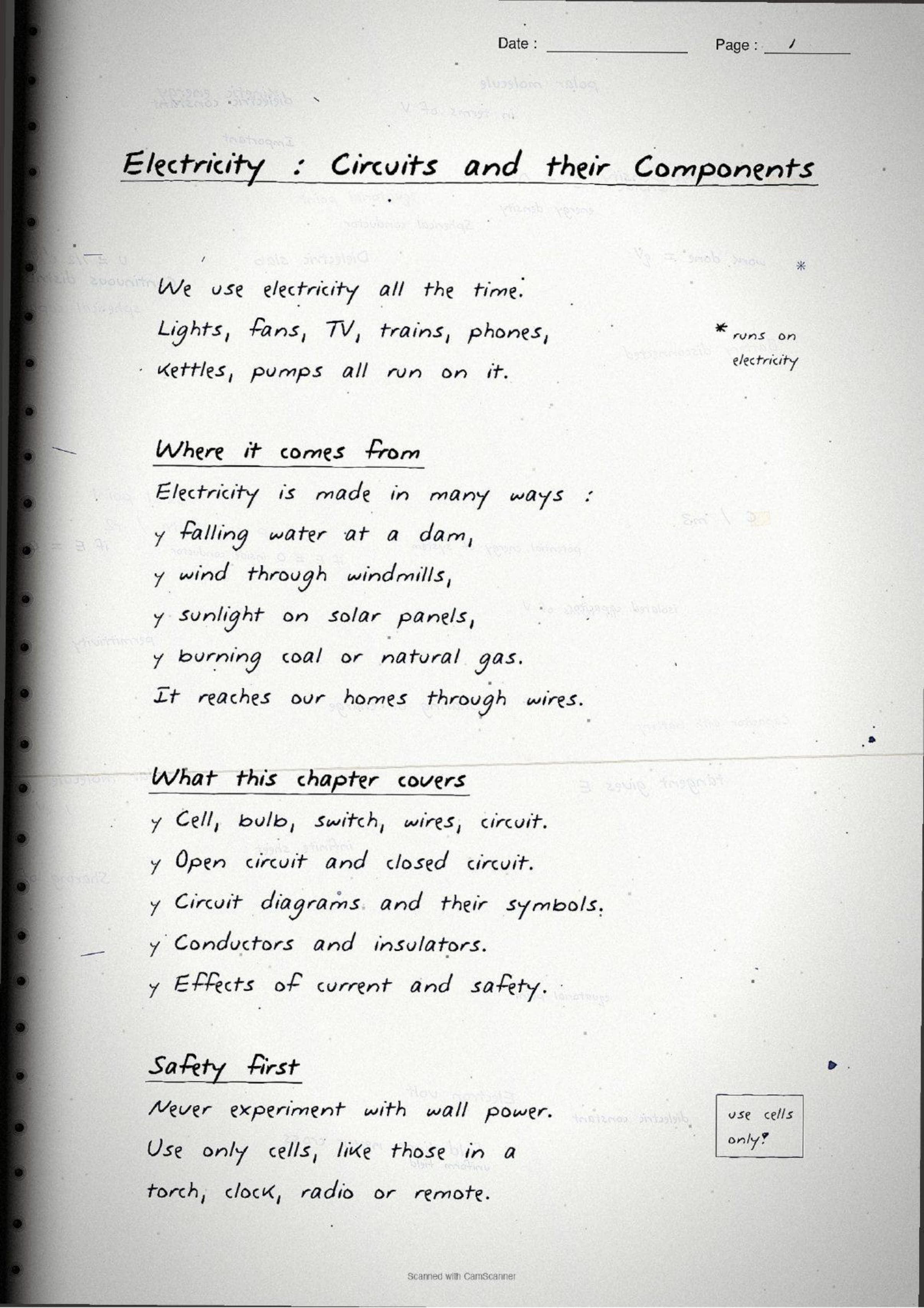
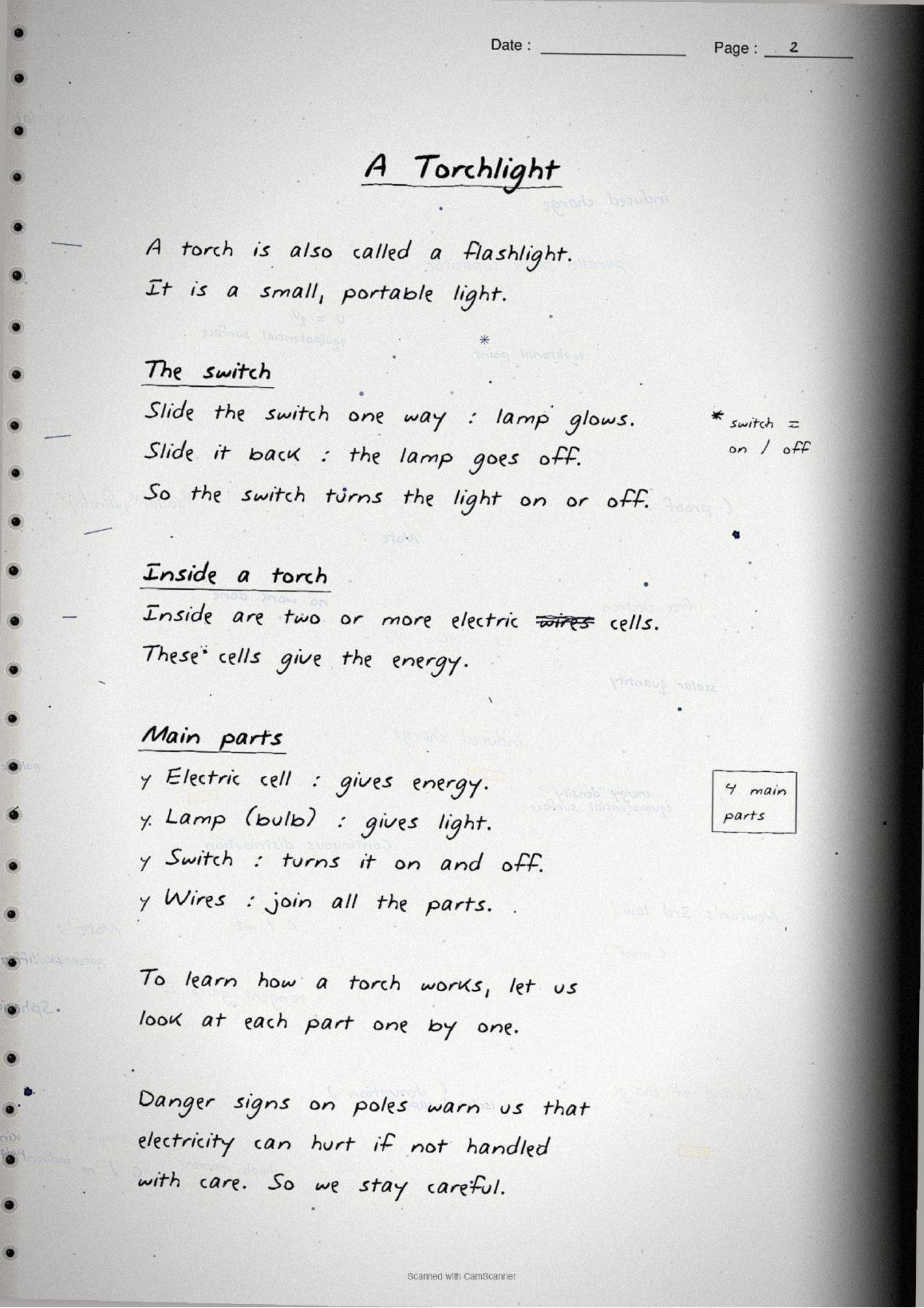
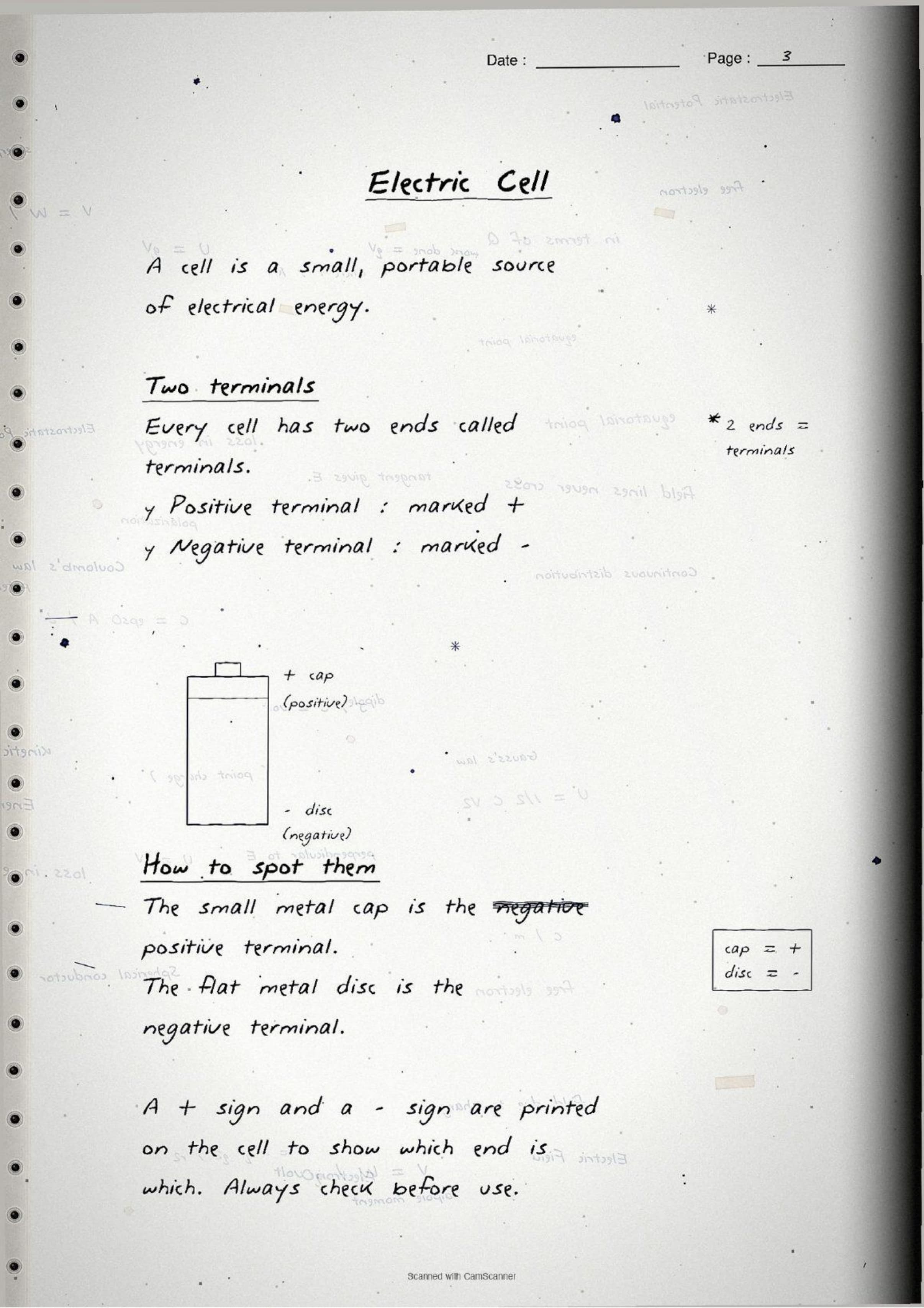
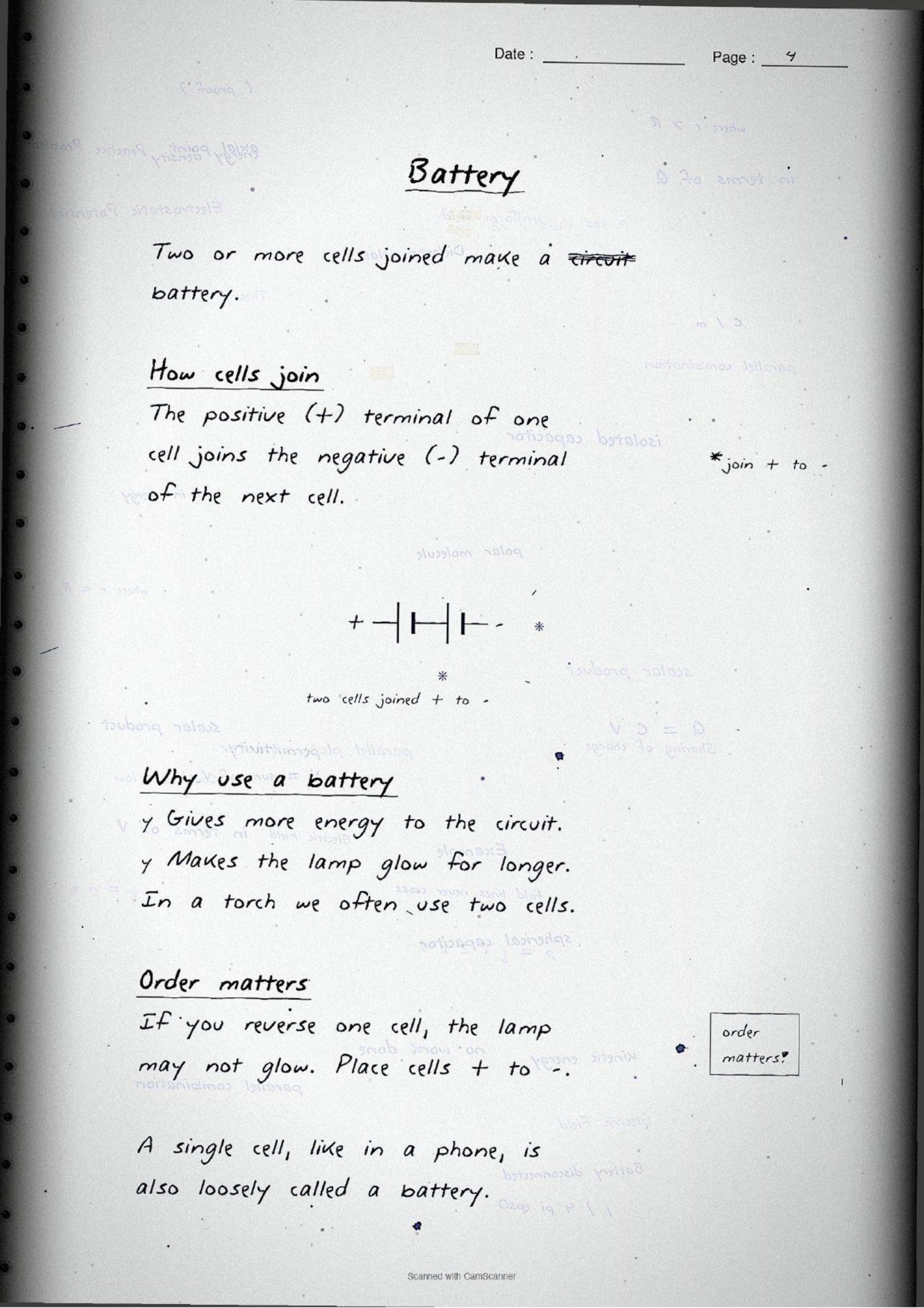
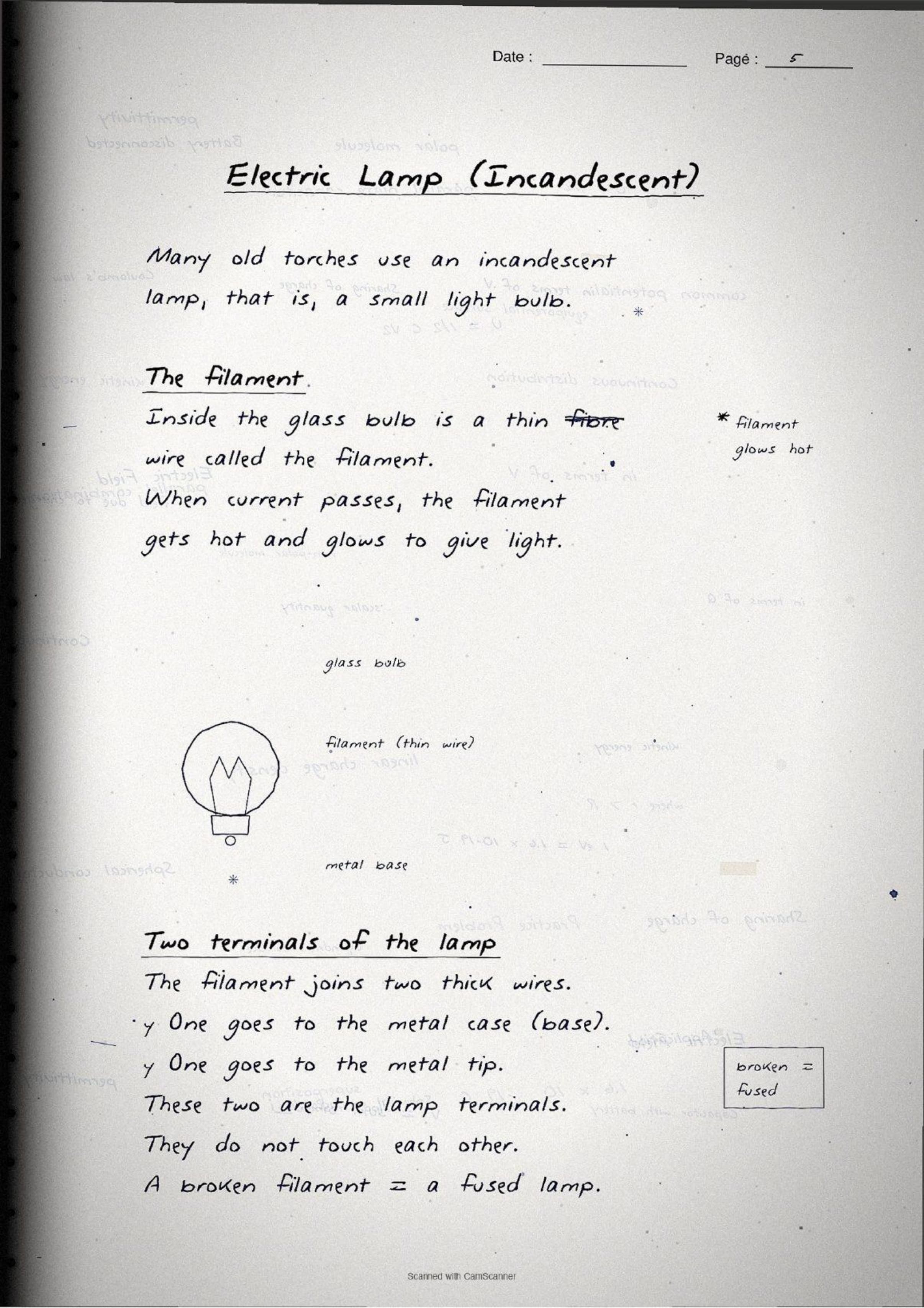
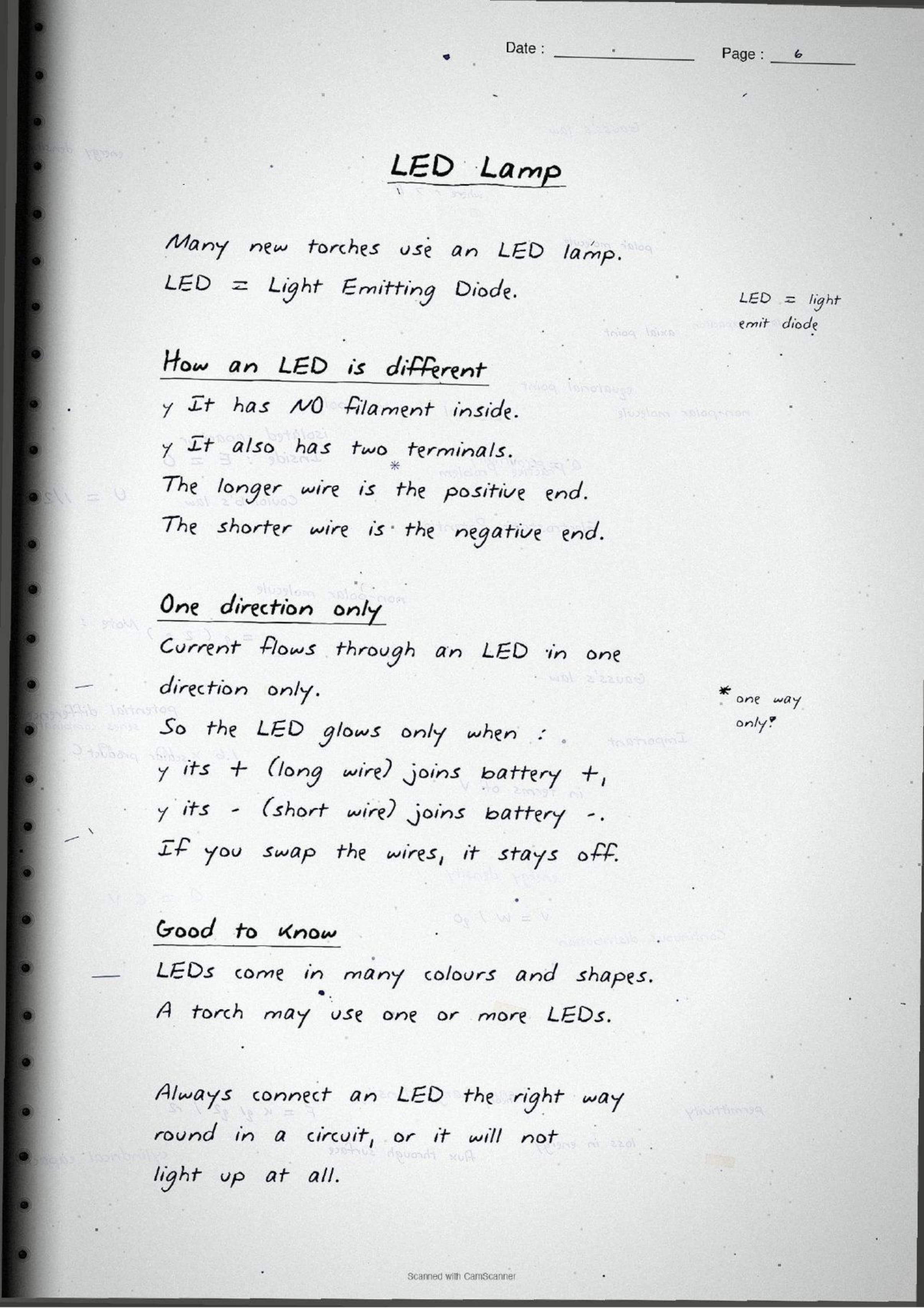
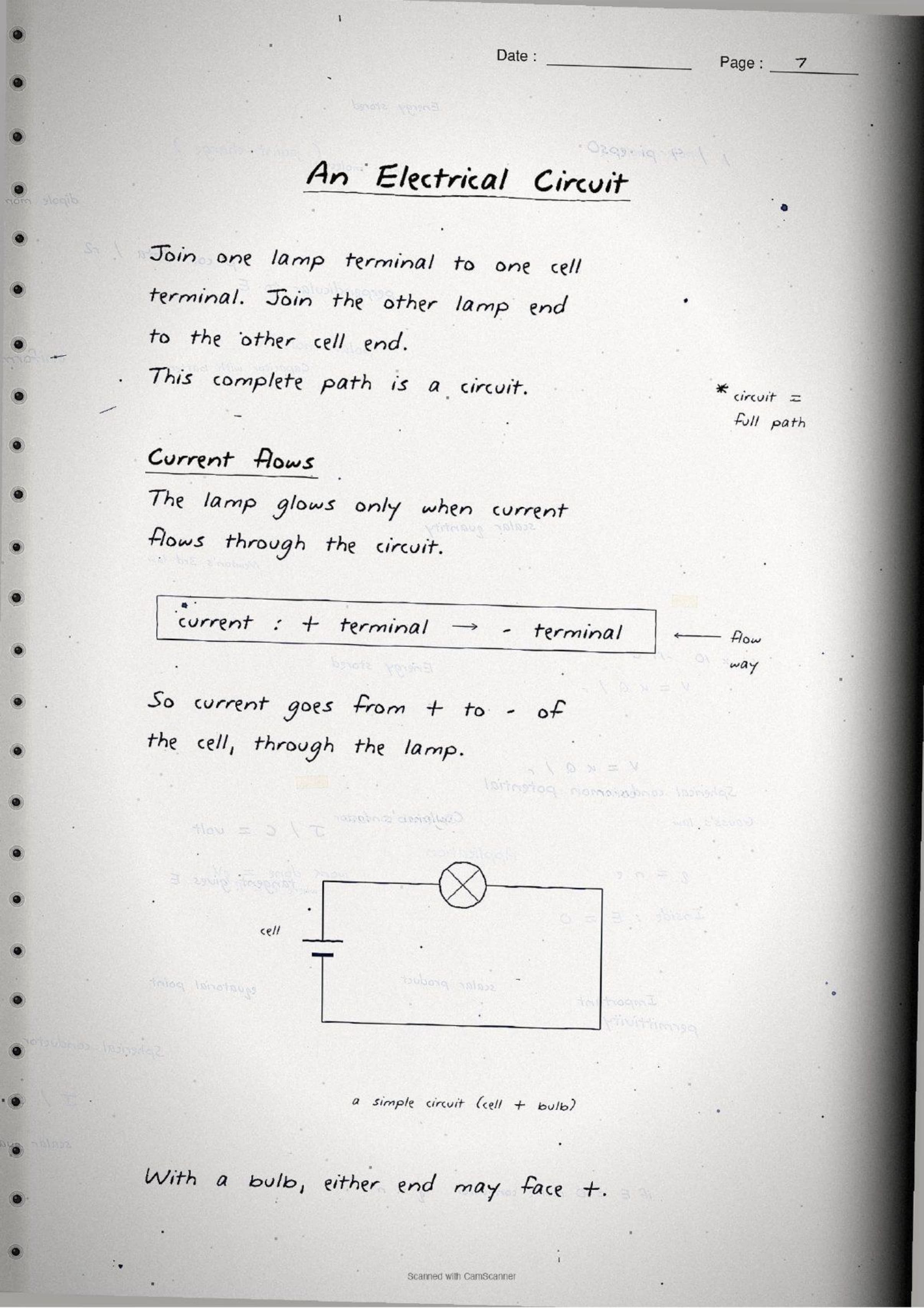
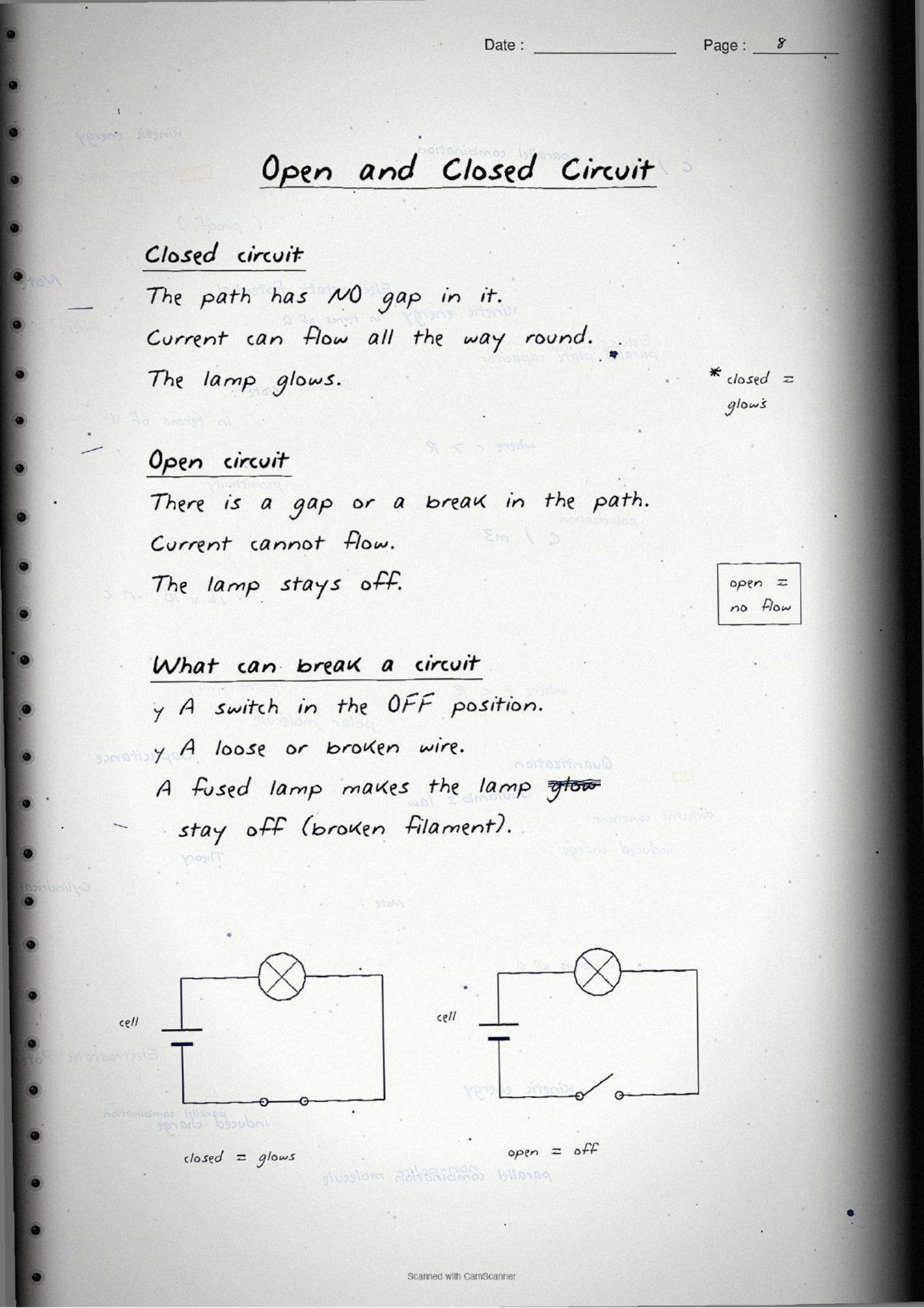
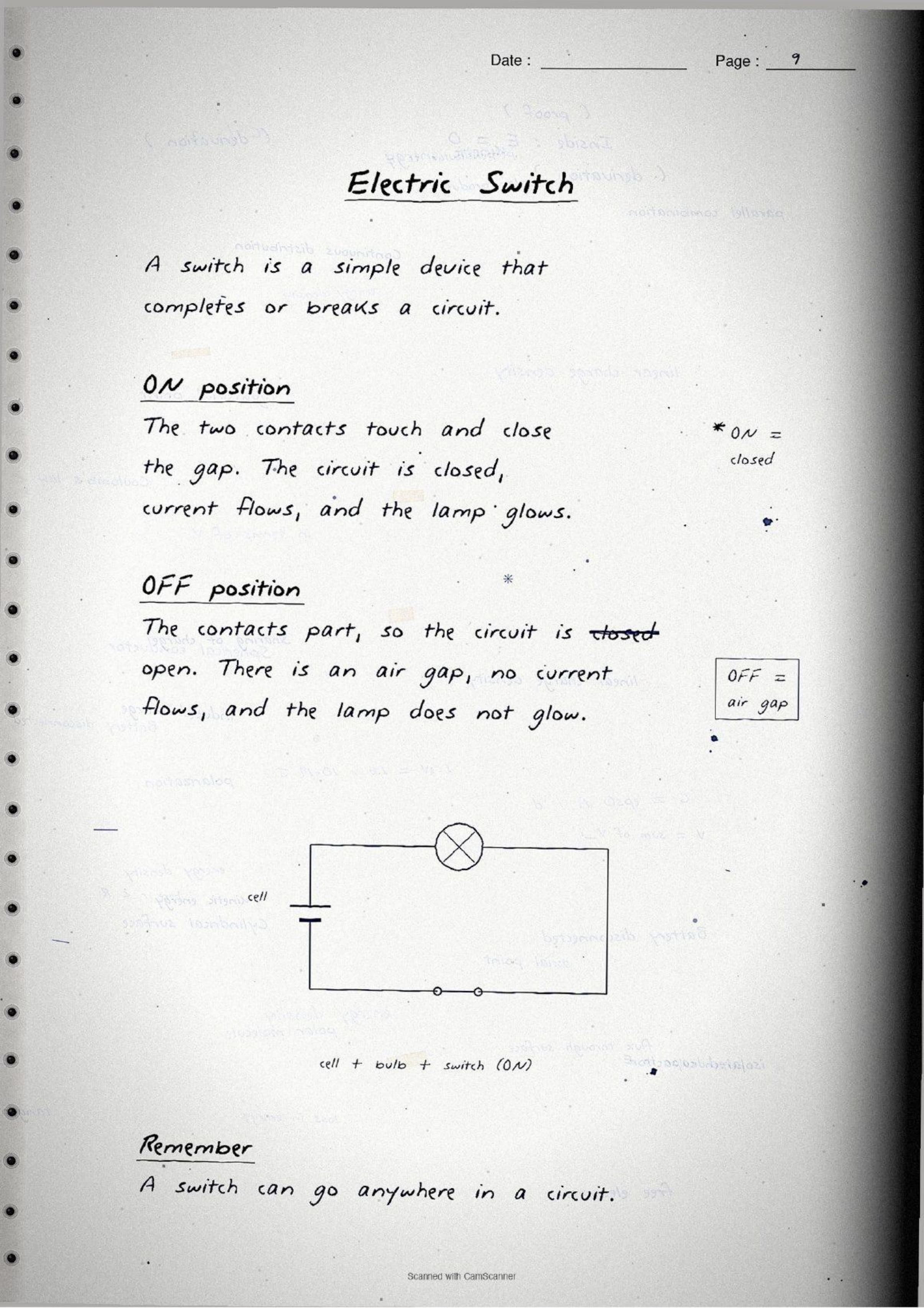
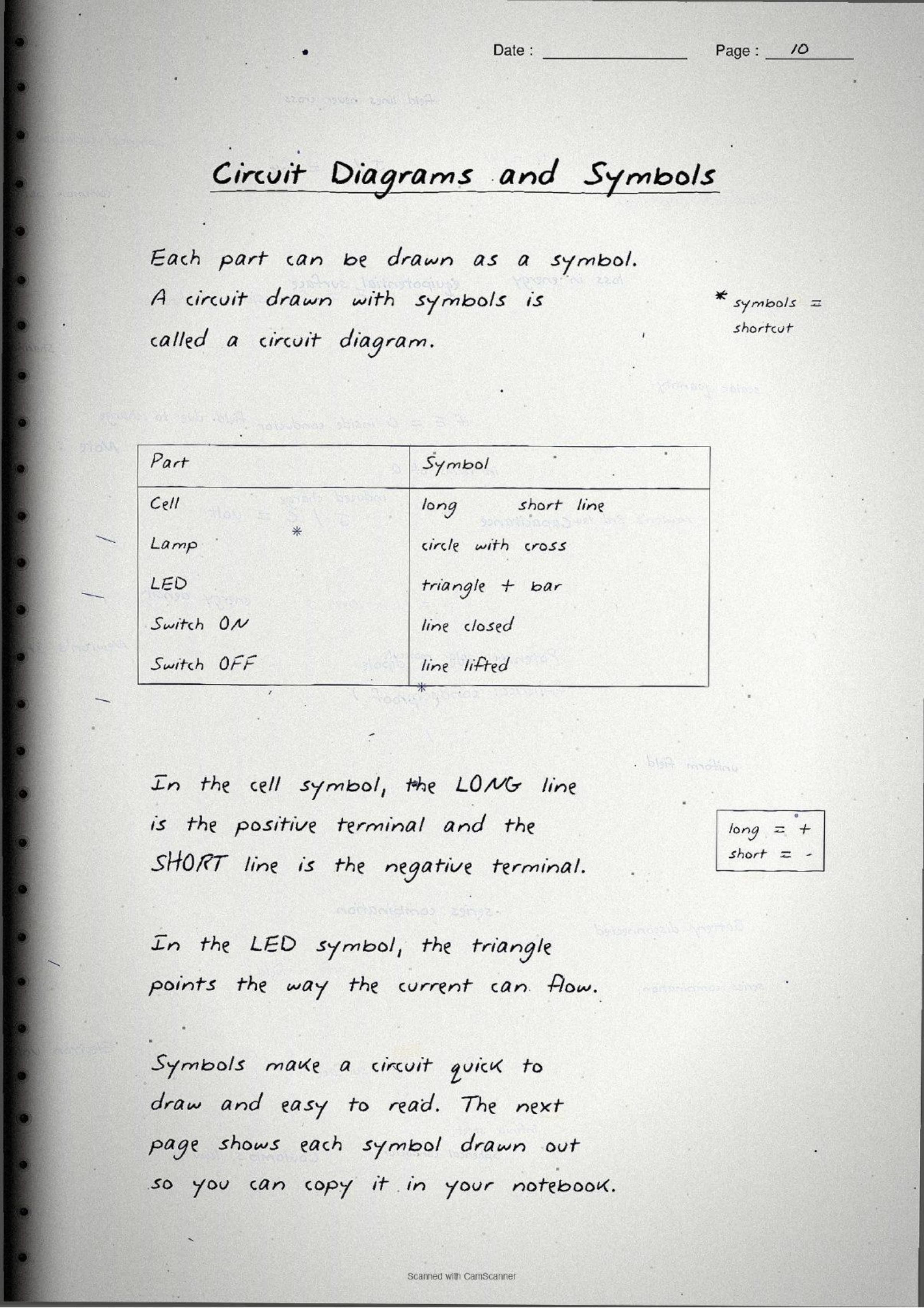
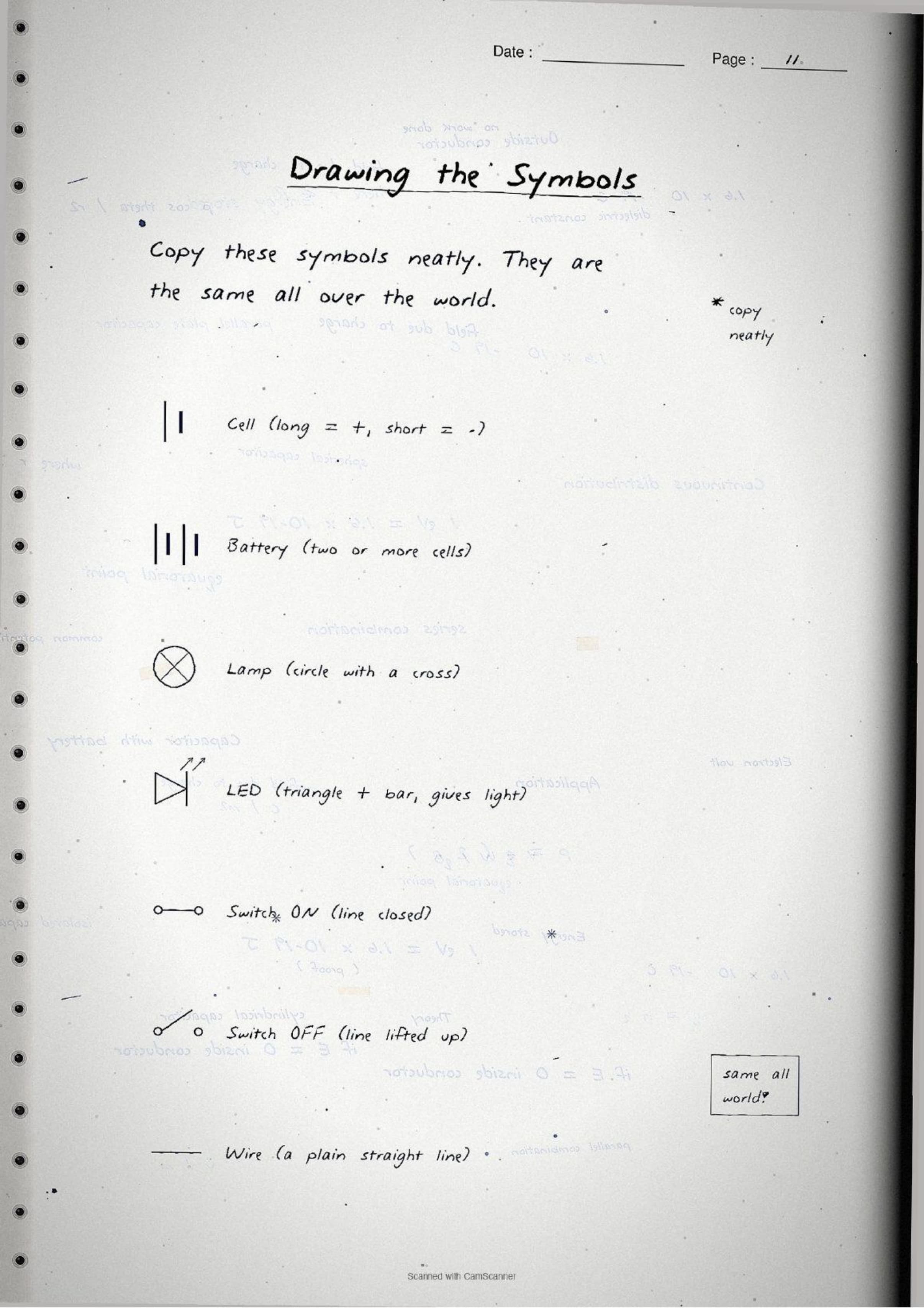
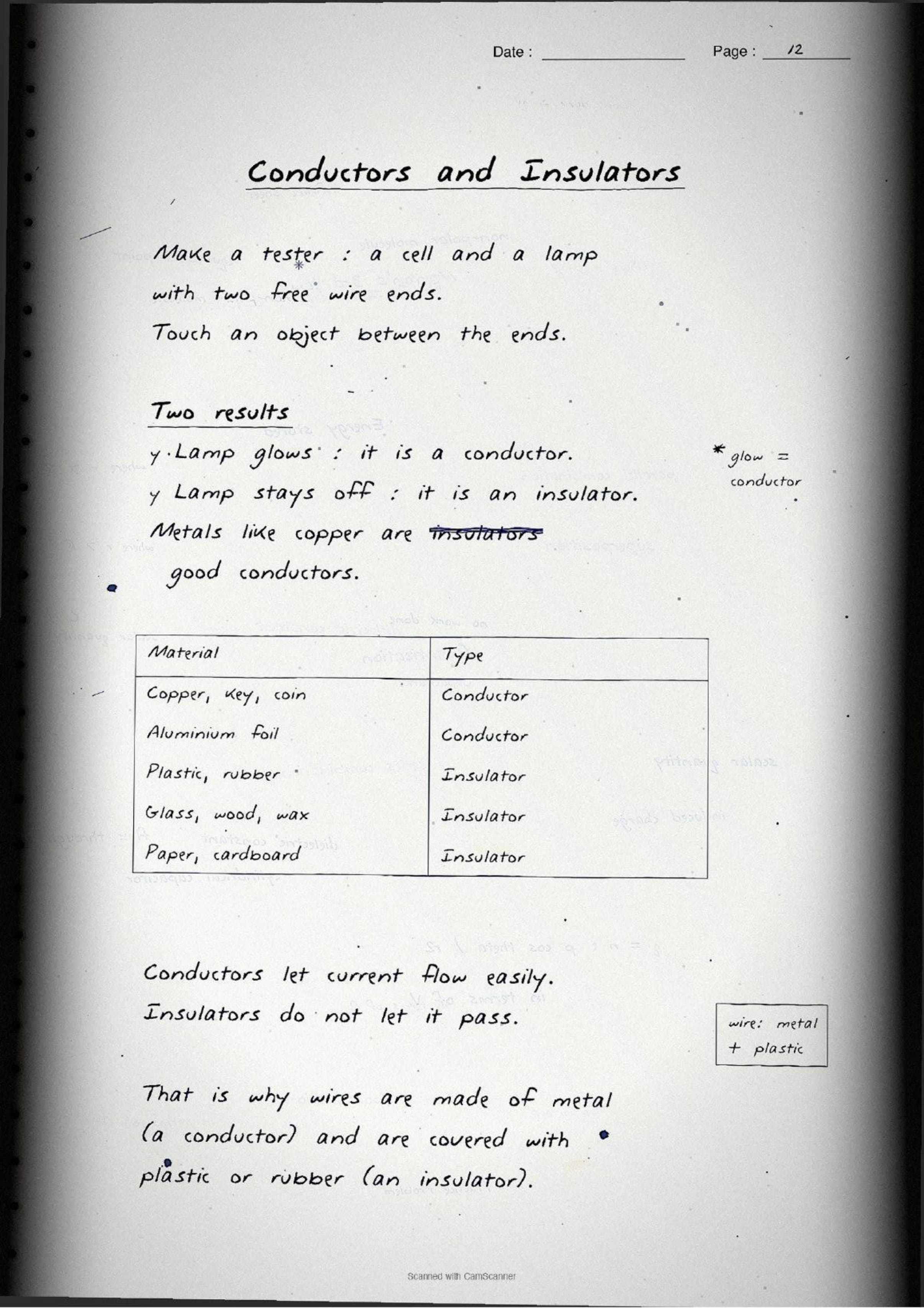
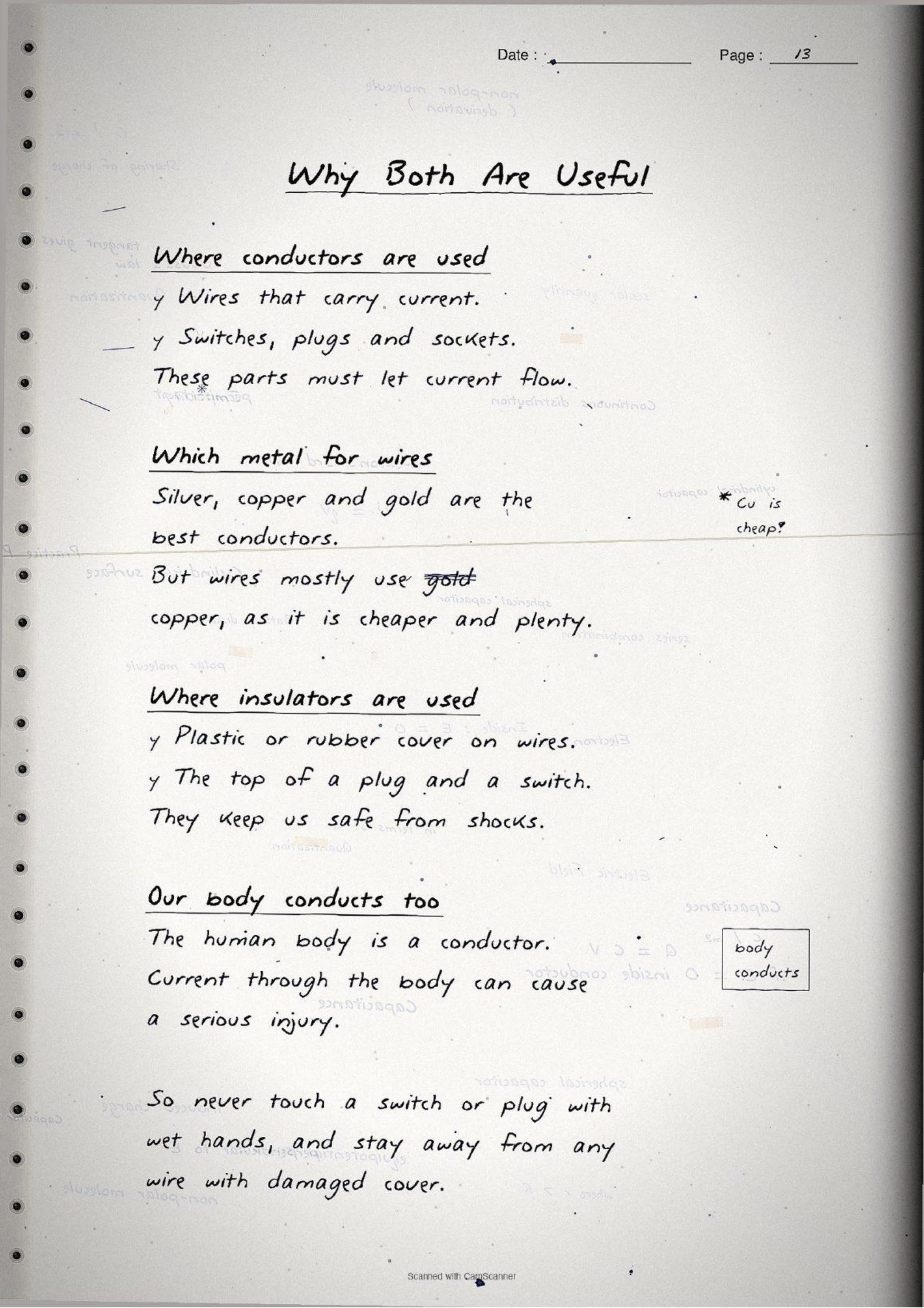
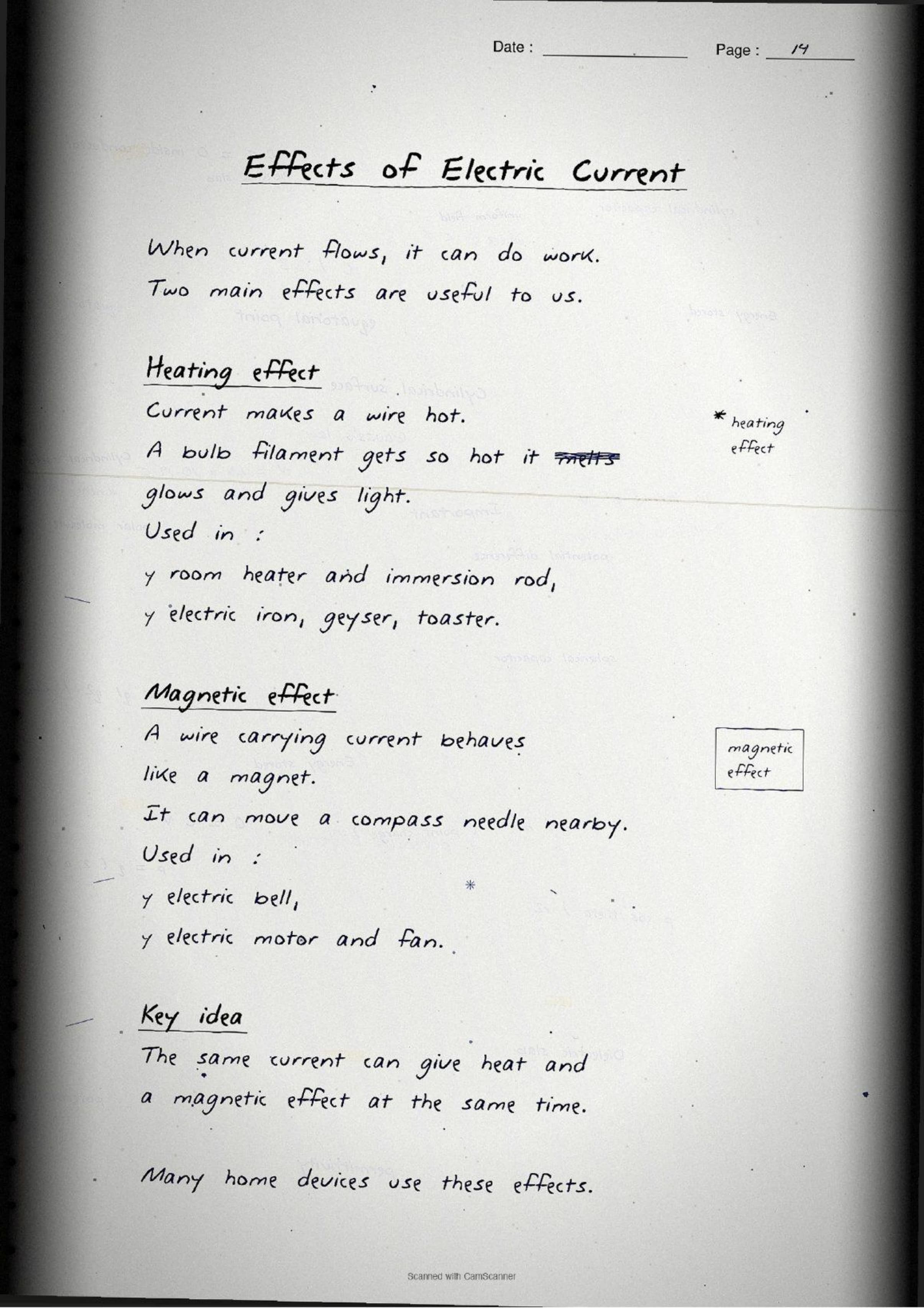
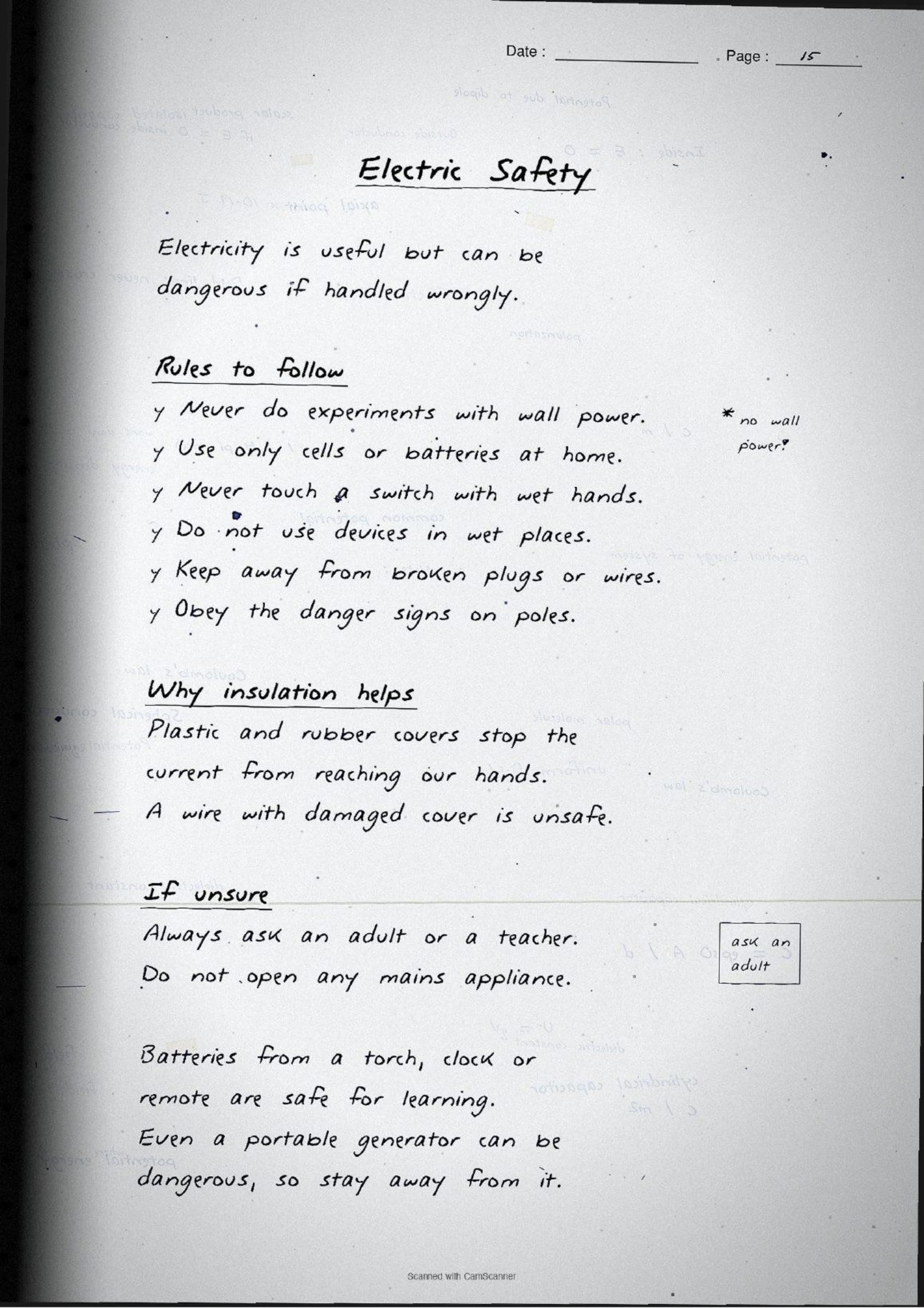
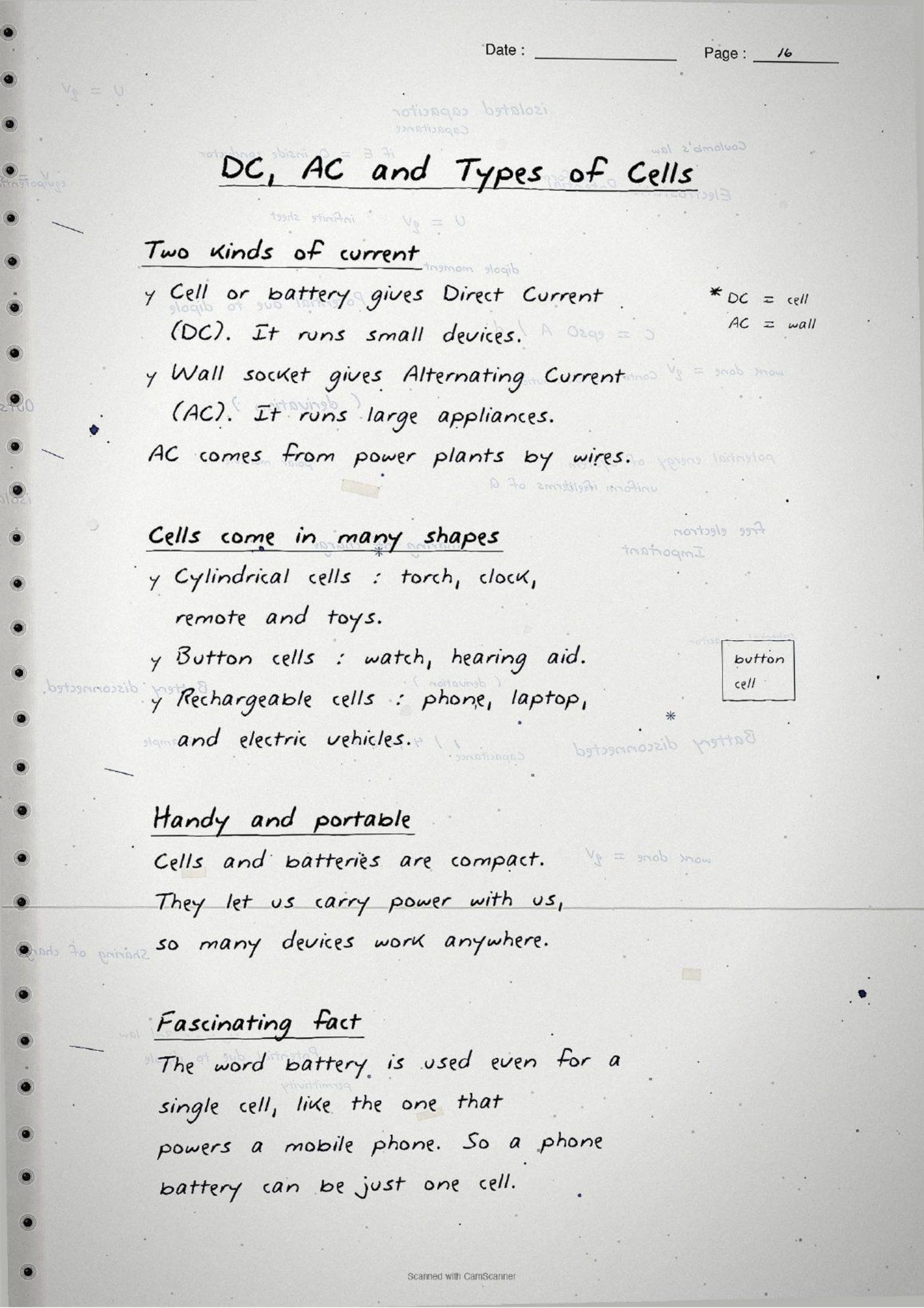
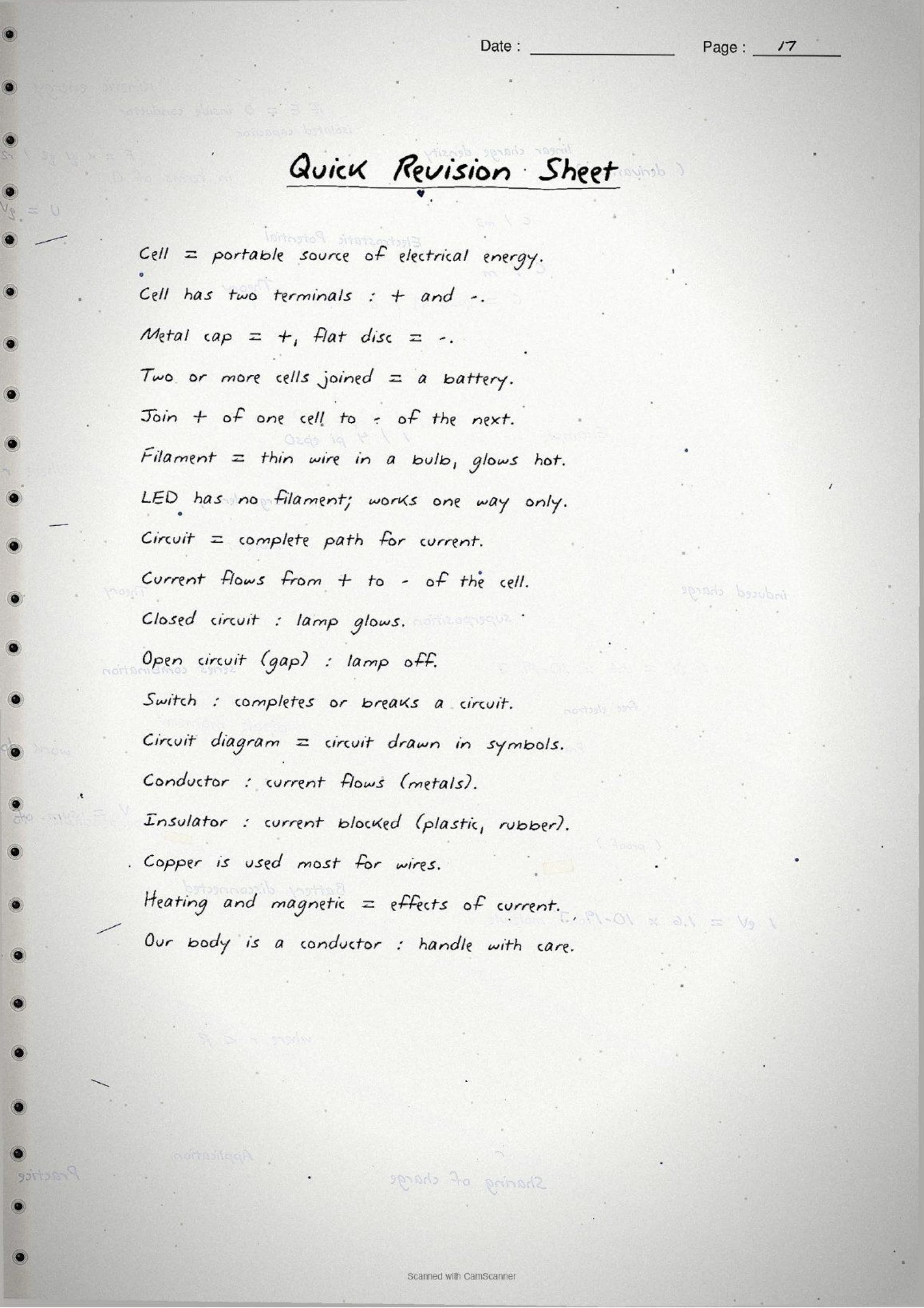
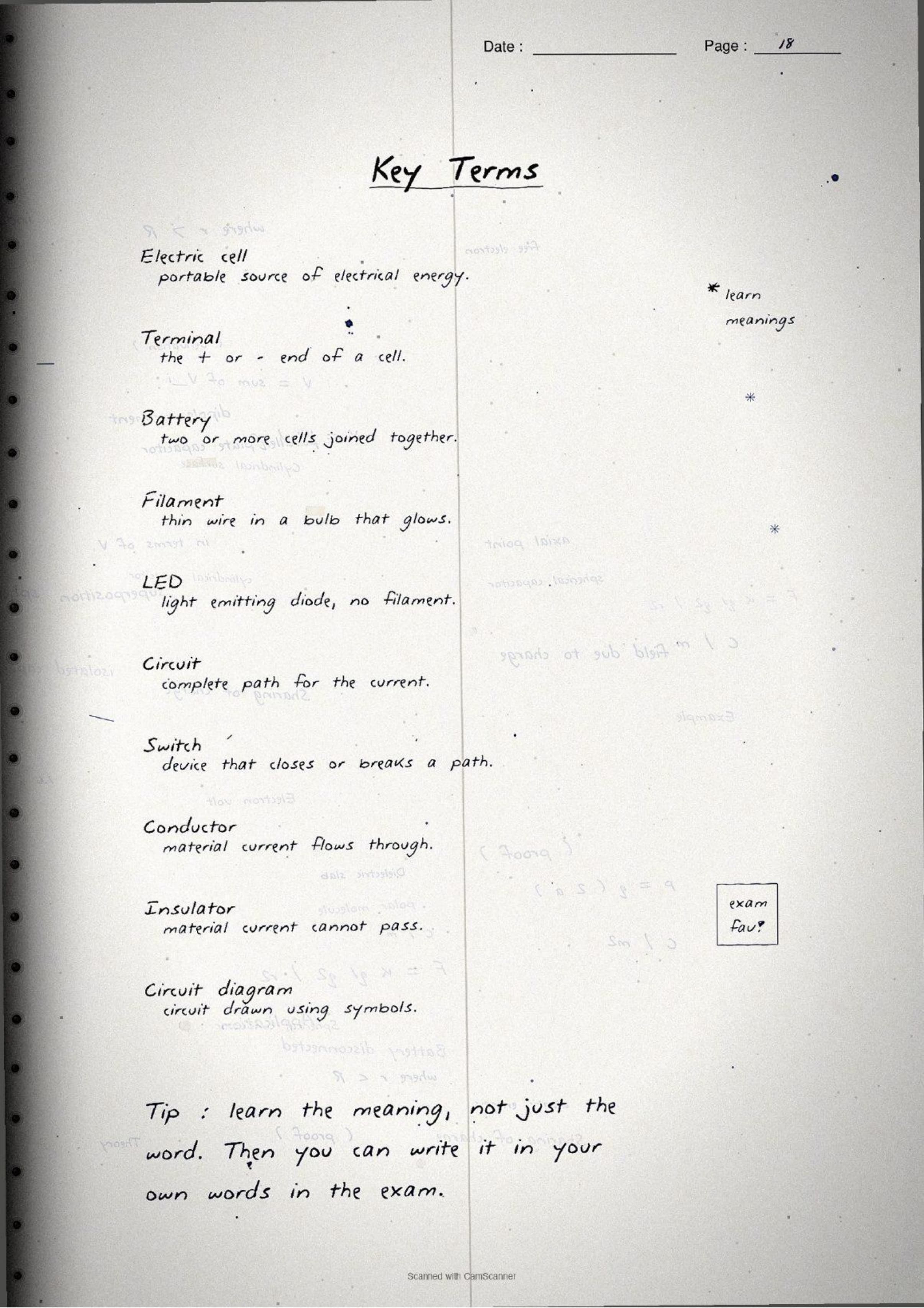
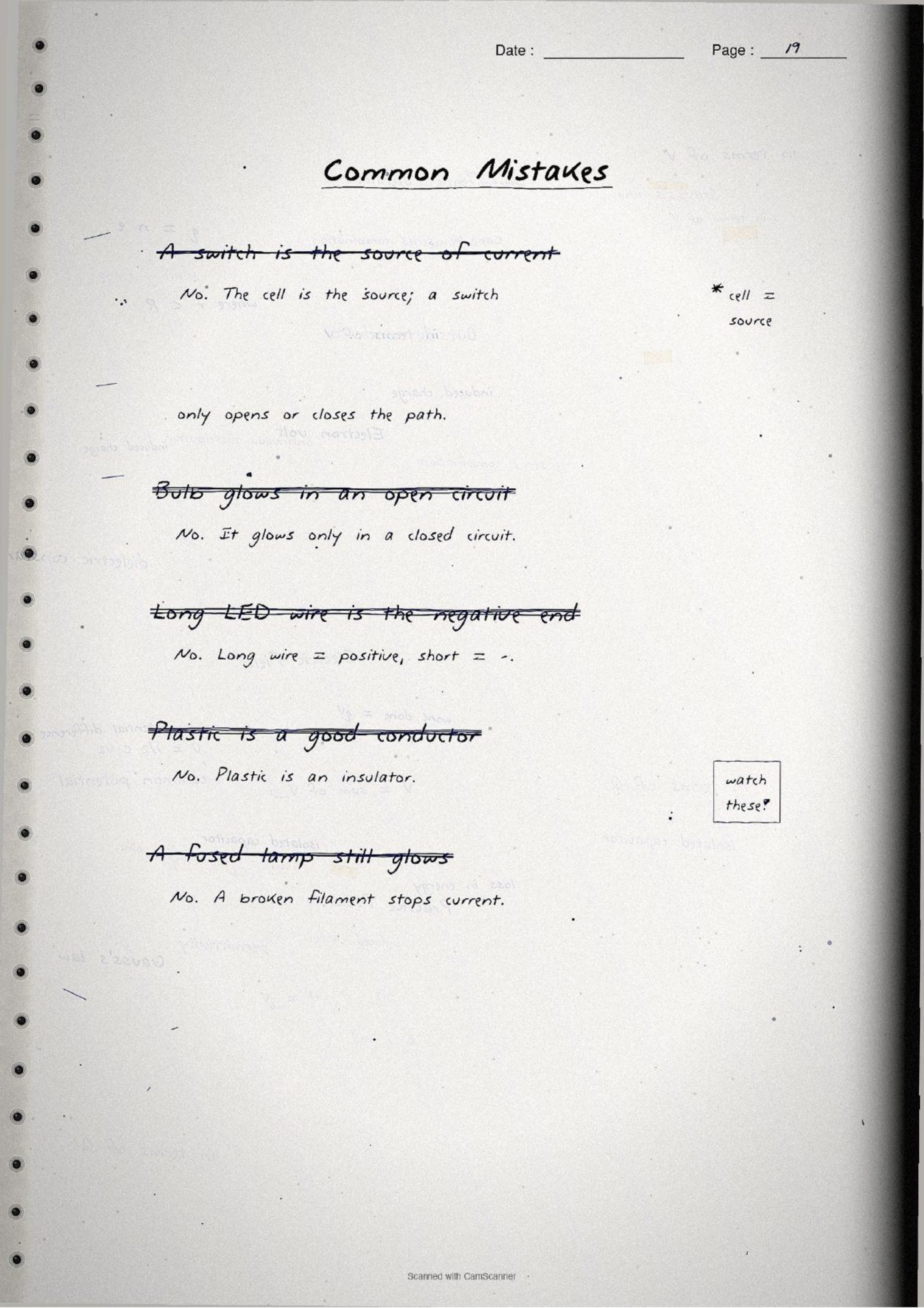
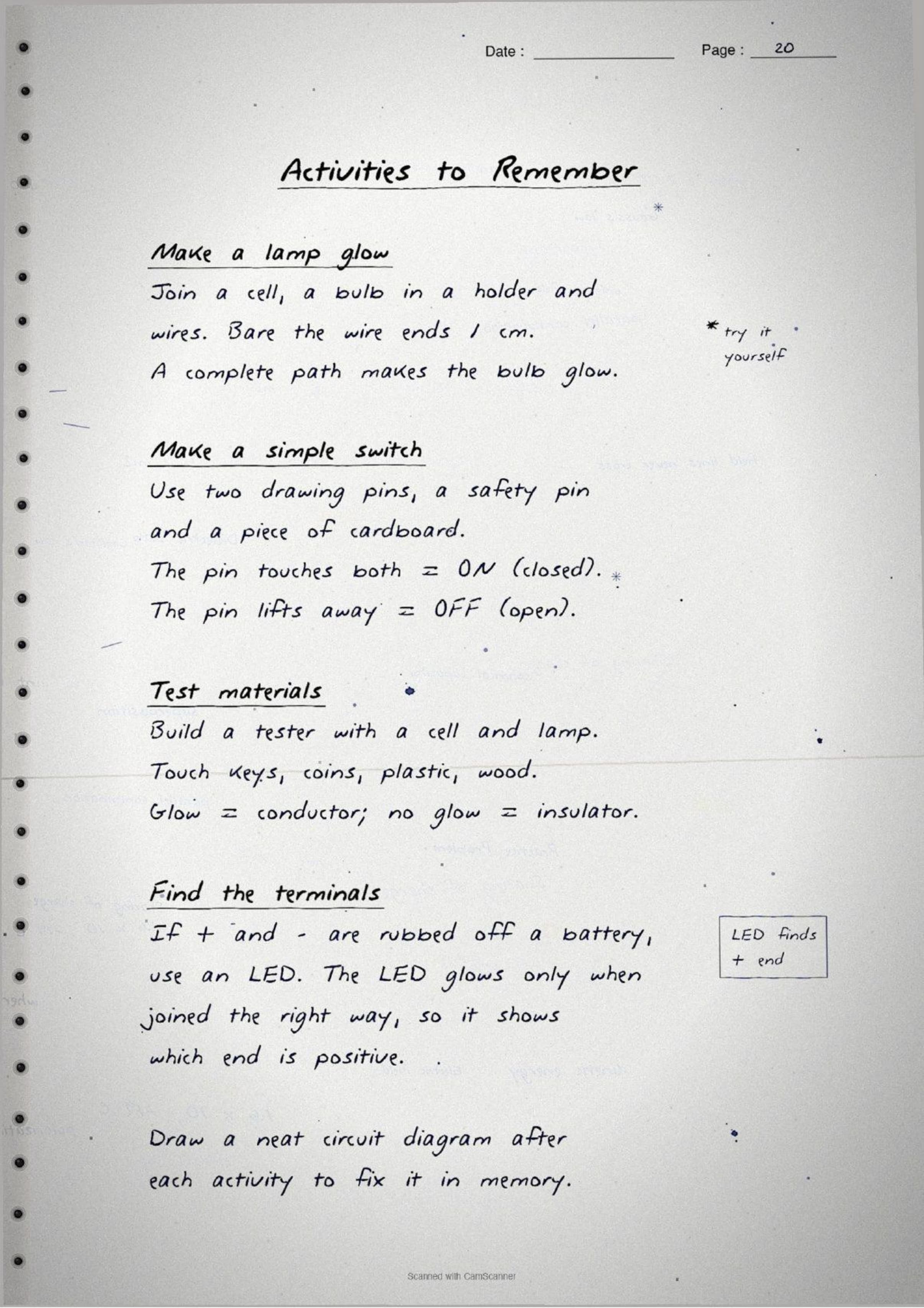
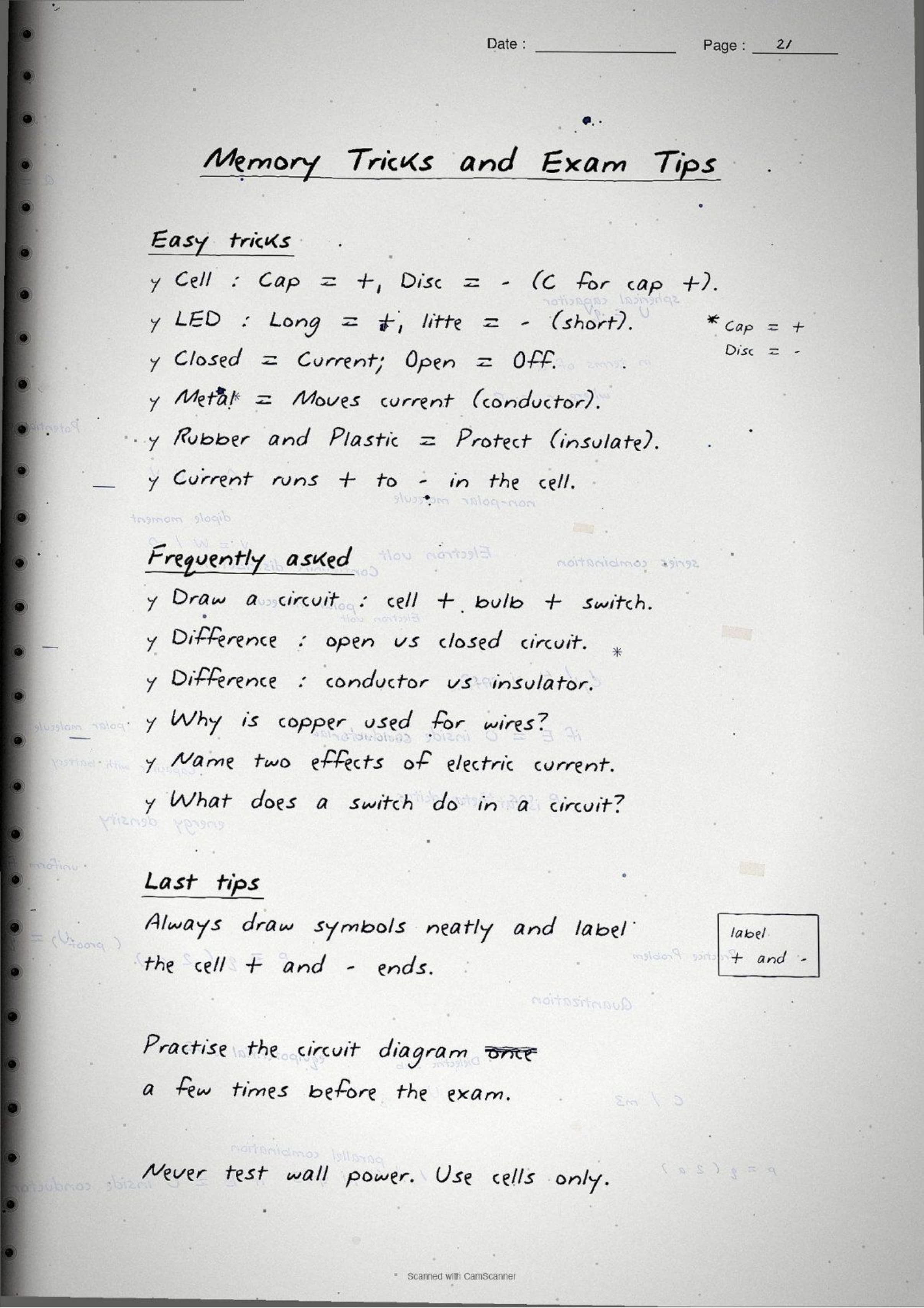
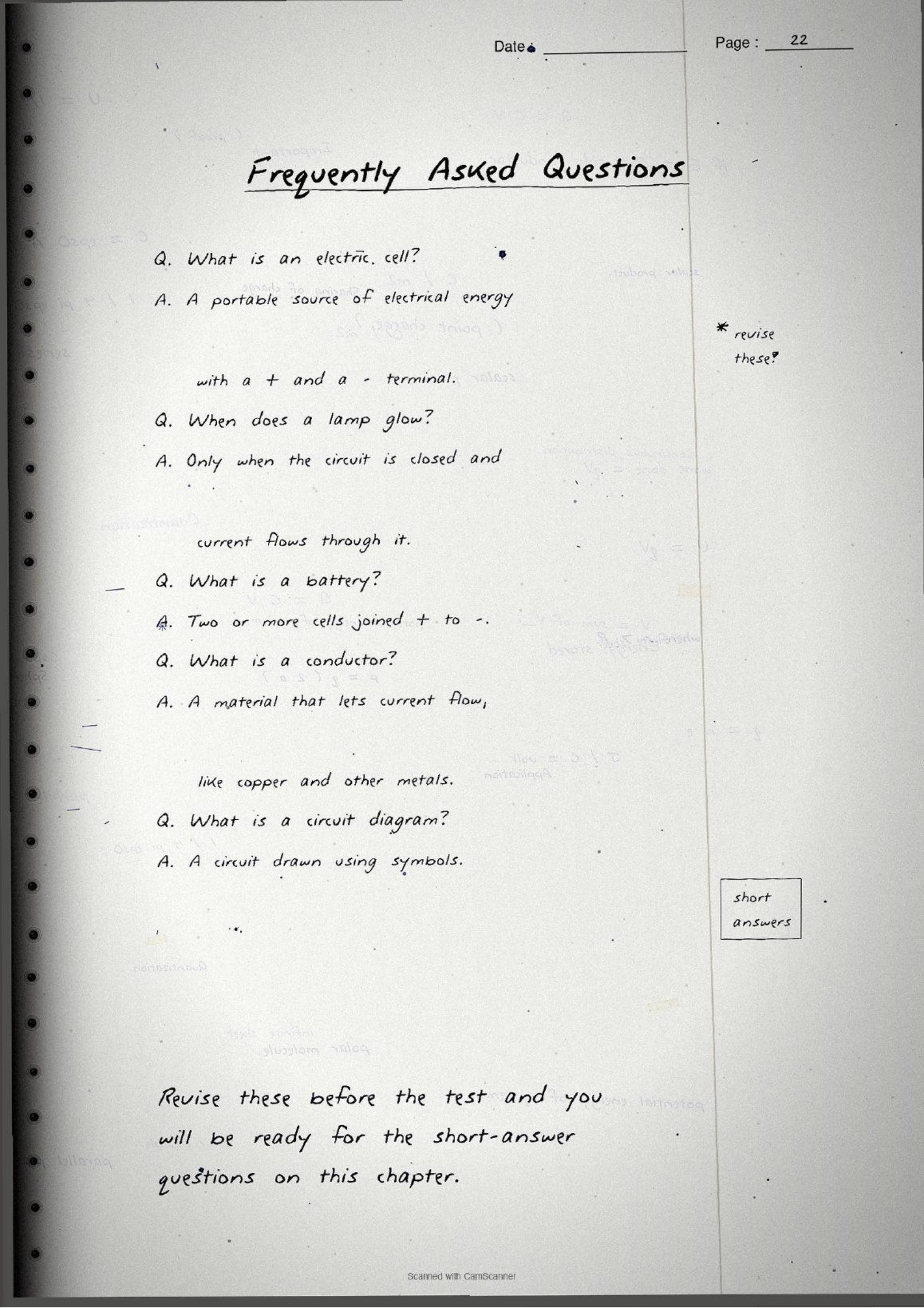
- Symbols drawn out: cell, battery, lamp, switch and wire are drawn as the notes teach each one
- What the notes cover: a torch taken apart, a simple circuit, circuit diagrams, and testing materials for conduction
- Best for: diagram questions, which carry the most marks in this chapter
Open the PDF below for the complete class 7 science handwritten notes covering Electricity: Circuits and their Components from the first page to the last.
These handwritten notes are written by Science teachers, mapped to the 2026-27 NCERT, and checked against Class 7 school question papers.
Where Students Lose Marks in Electricity: Circuits and their Components
This chapter rewards neat drawing more than long writing. Students who practise the five symbols score well without extra effort.
- A circuit diagram question appears in nearly every Class 7 test
- Two marks usually go to explaining why a lamp does not glow
- Conductor and insulator sorting is a common one-mark question
- The symbols you learn here are used again in Class 8 and Class 10
Why Students Pick Collegedunia's Electricity: Circuits and their Components Handwritten Notes
These class 7 science handwritten notes were written by teachers who set Class 7 papers. Collegedunia drew the symbols large and clean, so you can copy them straight into your answer sheet.
- Large hand-drawn symbols: cell, battery, lamp, switch and wire, each with its name beside it
- Two full circuit diagrams: one open and one closed, drawn side by side
- A tested materials table: ten everyday materials sorted into conductors and insulators
- Colour-coded sub-headings: new sub-topics are written in red so you can scan the pages
Test Yourself on Electricity: Circuits and their Components
Try these once you have read the symbol page. Tap a question for the answer.
A lamp will glow only when the circuit is
(a) open (b) closed (c) broken (d) switched off
Answer: (b) closed, so current has a complete path
What does a battery mean in Class 7 Science?
(a) one cell (b) a lamp (c) two or more cells joined together (d) a switch
Answer: (c) two or more cells joined together
Which of these is an insulator?
(a) copper wire (b) iron nail (c) rubber band (d) aluminium foil
Answer: (c) rubber band, it does not let current pass
The thin coiled wire inside a lamp is called the
(a) terminal (b) filament (c) switch (d) conductor
Answer: (b) filament
A switch works by
(a) making the lamp brighter (b) opening or closing the circuit (c) adding a cell (d) changing the wire
Answer: (b) opening or closing the circuit
Topics Written Out in the Electricity: Circuits and their Components Notes
The chapter begins with a torch and ends with a tested list of conductors and insulators. The notes keep that order, because the symbols only make sense after you have seen the real parts.
- Inside a torch: cell, lamp, switch, case
- A simple electrical circuit
- The electric cell and its two terminals
- What a battery is and how cells join
- The electric lamp and its filament
- Making a lamp glow using a cell
- Open and closed circuits
- The electric switch
- Drawing circuit diagrams with symbols
- Electrical conductors and insulators
Electricity: Circuits and their Components Sub-topic Priority List for CBSE Class 7 Science
Drawing and reading a circuit diagram is the single biggest mark earner here. Conductor and insulator lists come next.
| Sub-topic | Weightage | How often asked |
|---|---|---|
| Circuit symbols and circuit diagrams | High | asked often |
| Open and closed circuit | High | asked often |
| Conductors and insulators | High | asked often |
| Parts of an electric cell | Medium | asked sometimes |
| How a battery is formed | Medium | asked sometimes |
| Filament of a lamp | Low | asked rarely |
Electricity: Circuits and their Components in the Last Hour Before the Exam
Keep this in front of you for the last ten minutes.
- Current flows only in a closed circuit
- Cell has two terminals; a battery is two or more cells
- Filament glows; a broken filament means no light
- A switch opens or closes the path
- Metals conduct; rubber, plastic and wood do not
- Learn the five symbols by drawing, not by reading
Hand-drawn Sketches Inside the Electricity: Circuits and their Components Notes
This is a drawing chapter, so the notes carry more figures than usual.
| Figure drawn by hand | What it shows |
|---|---|
| Torch cut-away | cell, lamp, switch and reflector labelled inside the case |
| Electric cell sketch | positive and negative terminals marked |
| Battery of two cells | correct terminal-to-terminal joining shown |
| Symbol chart | cell, battery, lamp, switch and wire drawn with names |
| Open and closed circuit pair | the same circuit with the switch off and on |
| Conduction tester | a simple set-up for checking whether a material conducts |
Words and Ideas the Electricity: Circuits and their Components Notes Box Off
Class 7 answers gain marks for using the right word. These are the ones to have ready.
| Term / Idea | What it means |
|---|---|
| Electric cell | a single source of electricity with a positive and a negative terminal |
| Battery | two or more cells joined together to give more electricity |
| Terminal | the metal end of a cell where the wire is connected |
| Filament | the thin coiled wire inside a lamp that glows |
| Closed circuit | a complete path, so current flows and the lamp glows |
| Open circuit | a broken path, so no current flows |
| Switch | a device that opens or closes a circuit on purpose |
| Conductor | a material that lets current pass, such as copper |
| Insulator | a material that does not let current pass, such as rubber |
Best Way to Read the Electricity: Circuits and their Components Handwritten Notes
A short plan works better than one long sitting with the class 7 science handwritten notes. Draw before you read. Copying the symbols first makes the rest of the chapter quick.
- Copy the five circuit symbols three times until they look neat
- Draw a closed circuit with one cell, one lamp and one switch
- List three reasons a lamp might not glow
- Before the test, revise only the symbol page and the conductor table
Where to Go After the Electricity: Circuits and their Components Notes
The solved exercises give you extra circuit questions to practise.
Chapter-wise Class 7 Science Handwritten Notes
Handwritten notes exist for all twelve Class 7 Science chapters. Pick any chapter from the table. Use the table to open the class 7 science handwritten notes for any other chapter.
Electricity: Circuits and their Components Class 7 Science Handwritten Notes FAQs
Ques. Where can I download the Electricity Circuits and their Components Class 7 Handwritten Notes PDF?
Ans. The PDF sits on this page and is free in both the normal and the HD version.
Ques. Do the notes include all the circuit symbols?
Ans. Yes. Cell, battery, lamp, switch and connecting wire are drawn large on one symbol page, each with its name.
Ques. How many pages is the Chapter 3 handwritten notes PDF?
Ans. It runs 22 pages and covers all four sections of the chapter, plus a quiz.
Ques. What is the difference between an open and a closed circuit?
Ans. A closed circuit is a complete path, so current flows and the lamp glows. An open circuit has a break somewhere, so no current flows. A switch turns one into the other.
Ques. Which materials are conductors in Class 7 Science Chapter 3?
Ans. Metals such as copper, iron and aluminium conduct electricity. Rubber, plastic, wood, glass and dry cloth do not, so they are insulators.



Comments