




These Rebels and the Raj Class 12 Notes give a quick, exam-ready summary of the Revolt of 1857 for the 2026-27 CBSE syllabus. The notes pull together every key date, leader name and term from Theme 10 of Themes in Indian History Part III. Students can use them for a fast revision the night before a test or to fix the main ideas before they attempt the back-exercise questions.
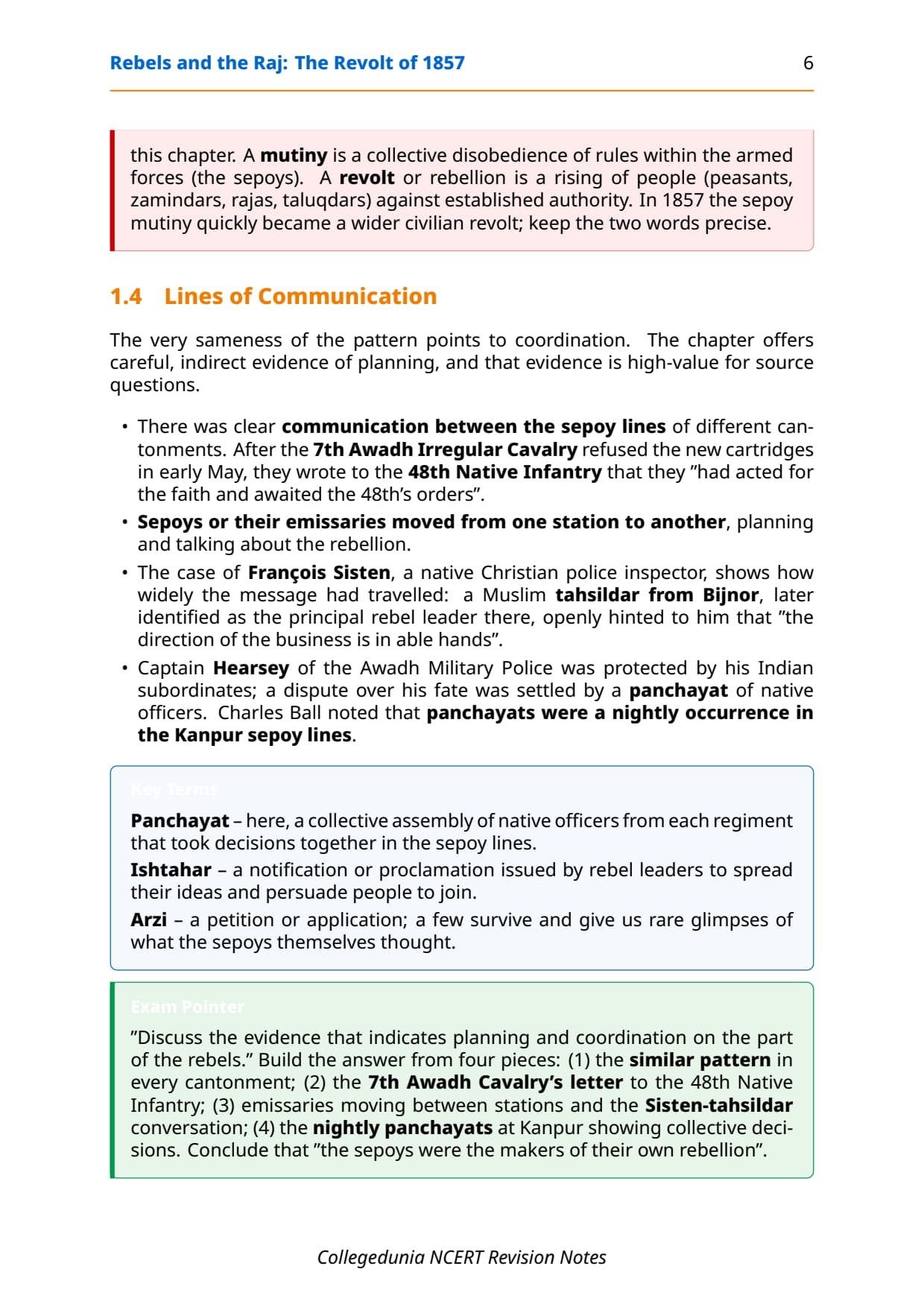
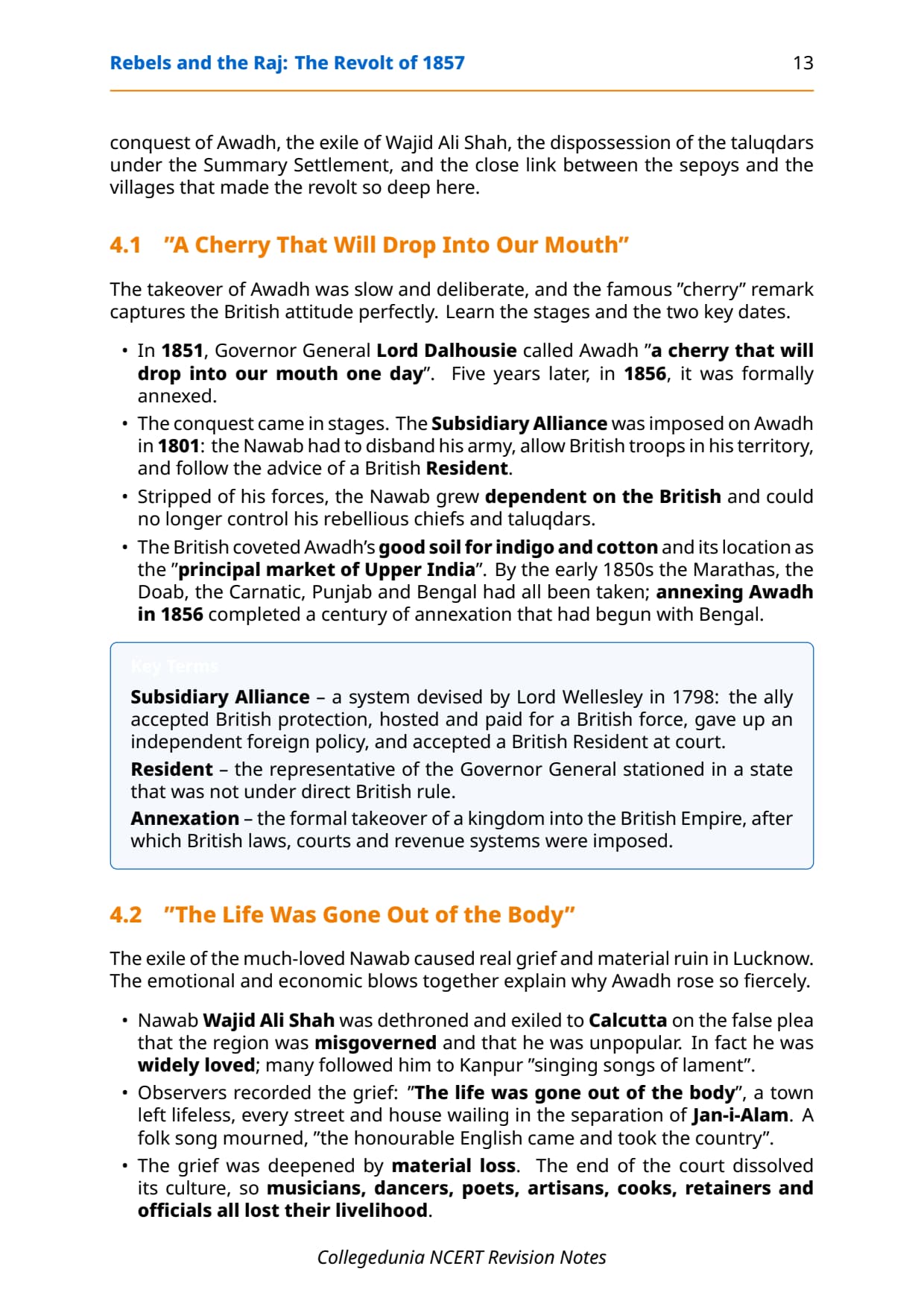
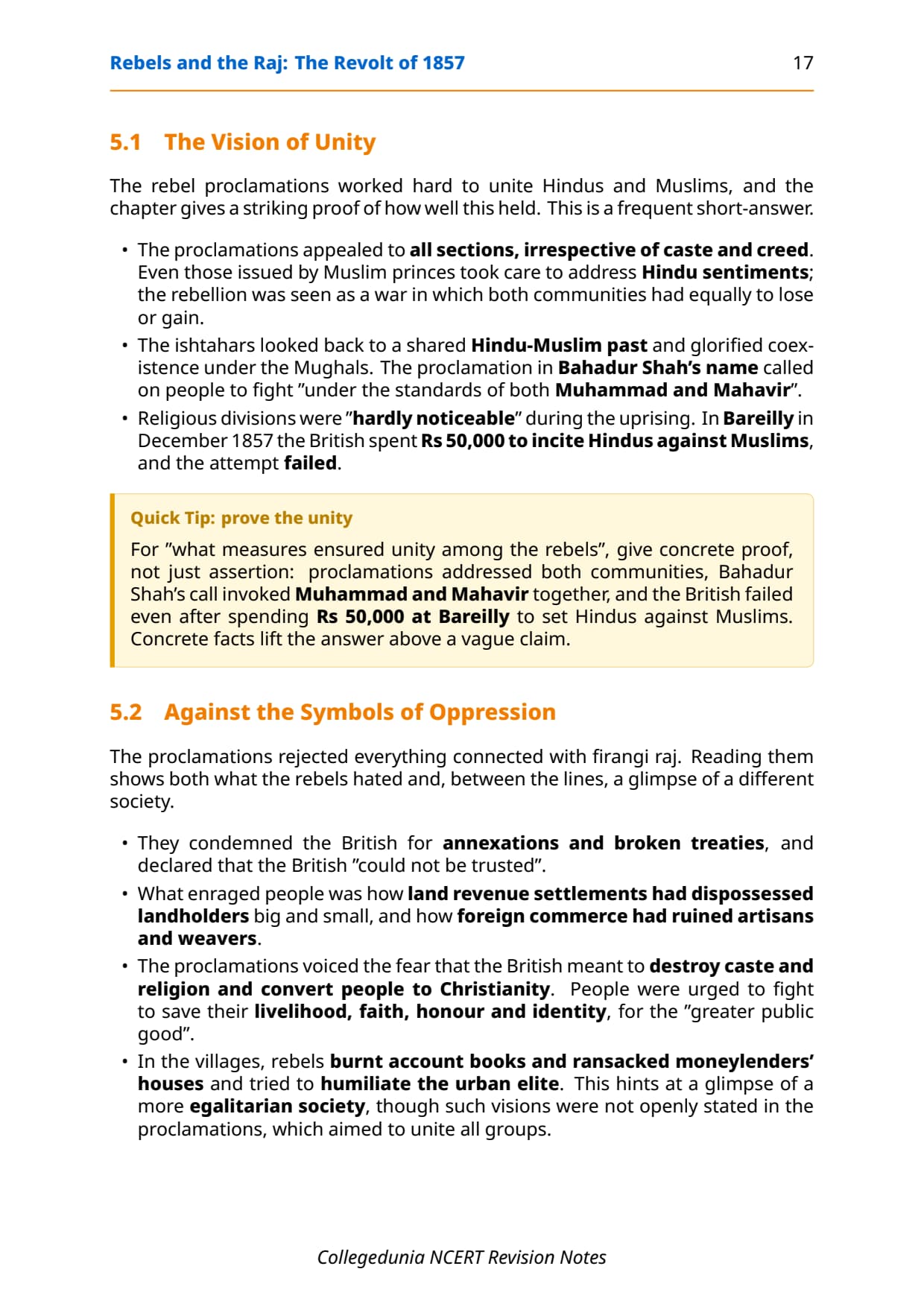
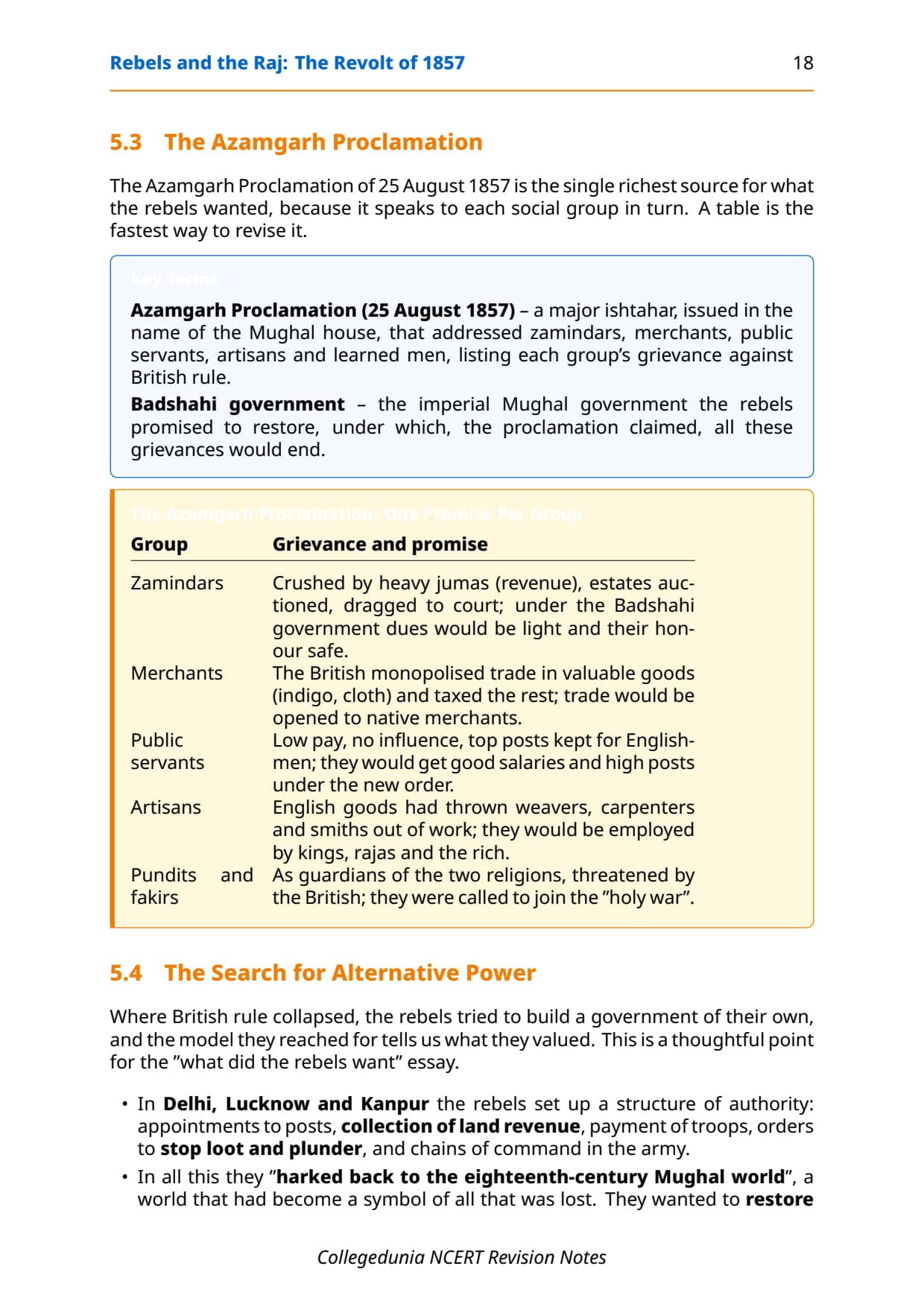
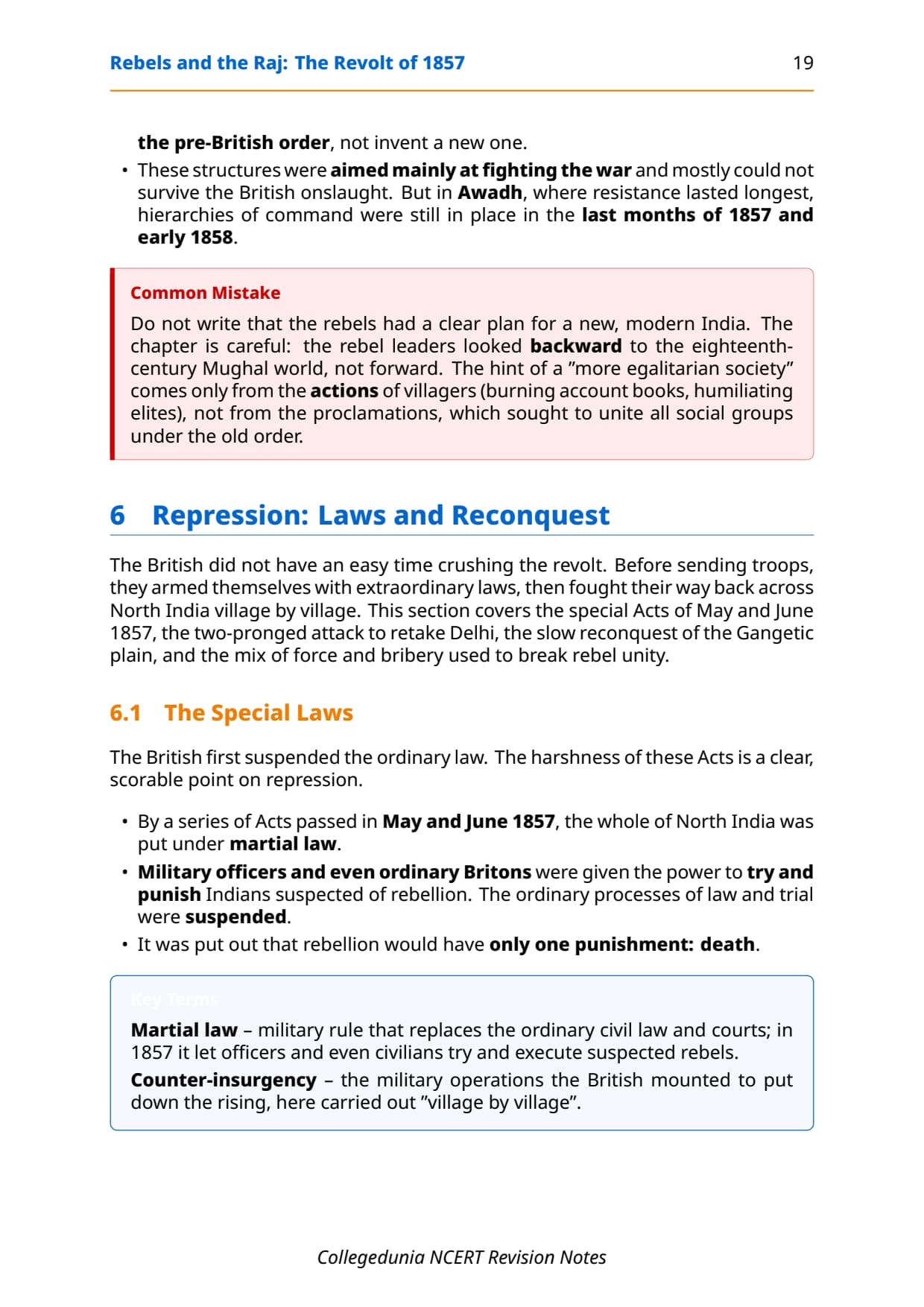
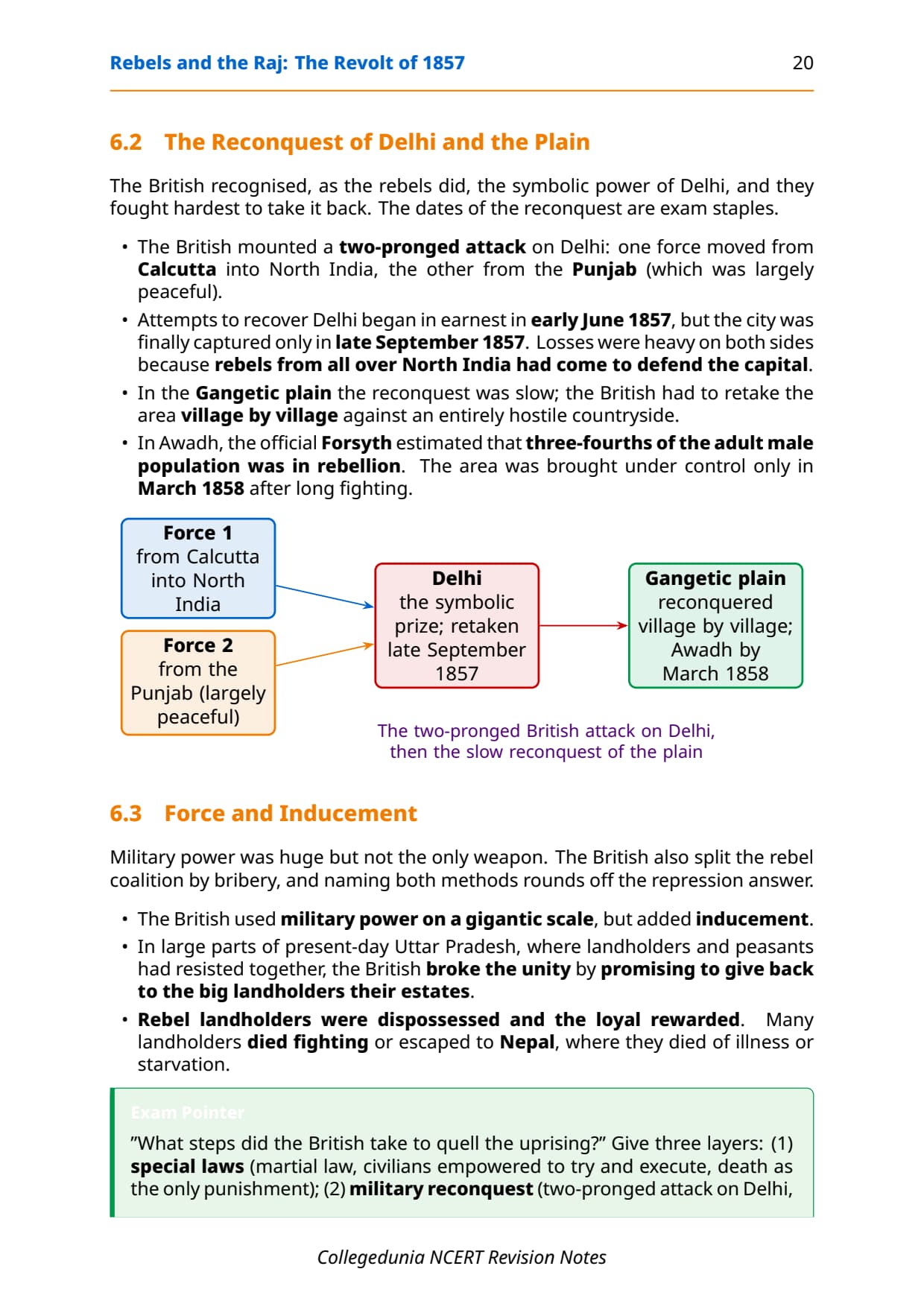
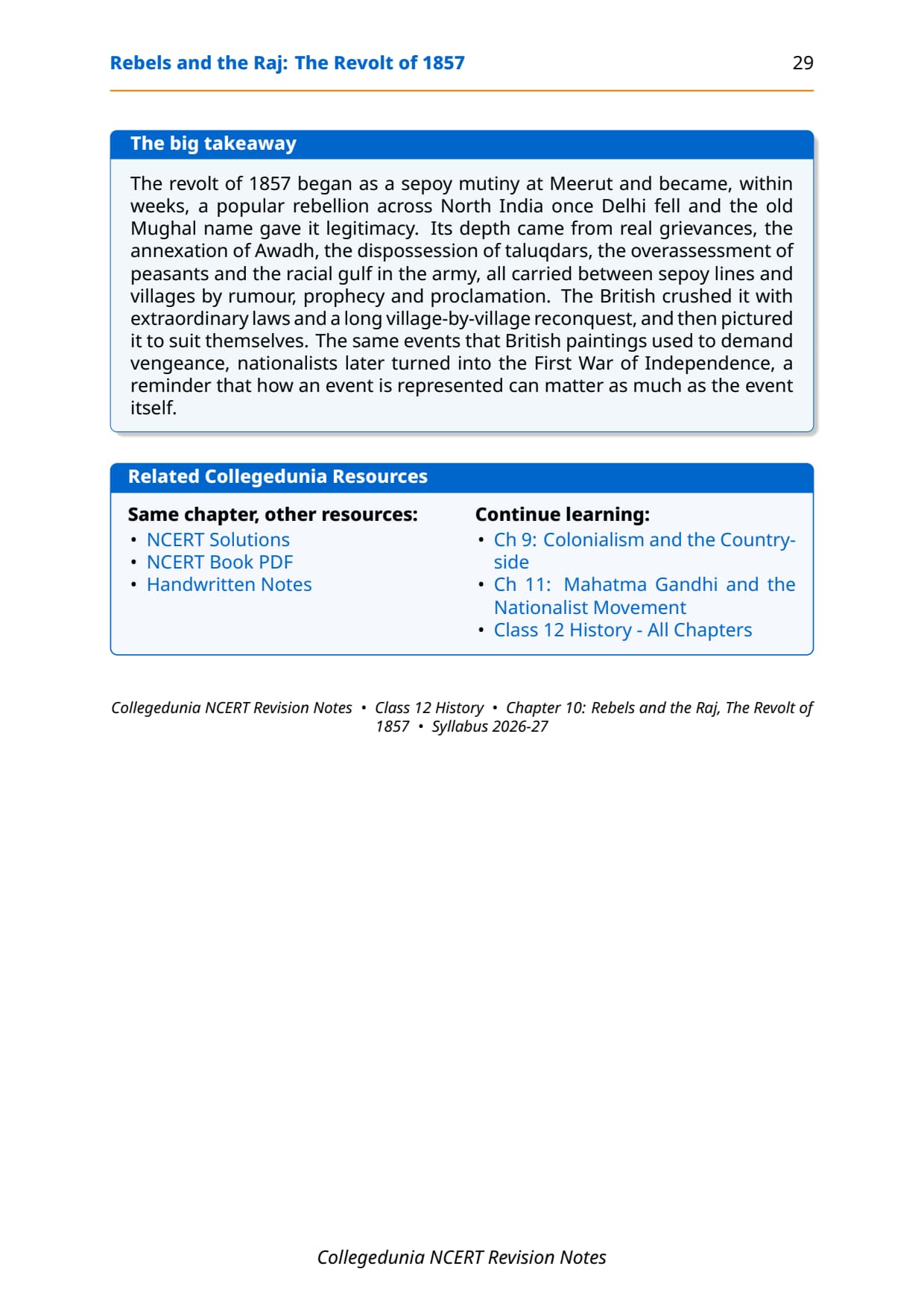
- Covers the causes, spread, leaders, rebel vision and British repression in one place.
- This Class 12 History chapter usually carries 6 to 8 marks in the board paper.
- Pairs with the NCERT Solutions, Handwritten Notes and Book PDF linked lower on this page.
These Rebels and the Raj Class 12 notes are written from the official NCERT Themes in Indian History Part III and checked against the last five years of CBSE board papers.
Student Feedback: In a Collegedunia poll of 9,460 Class 12 History students taken before the 2026 boards, 72% of students said short, point-wise notes on the causes and the Awadh revolt were the fastest way to revise this chapter. Most students kept the dates, leaders and centres on a single sheet for last-minute recall.
Source: 2026-27 Class 12 History student poll. Sample of 9,460 students from CBSE schools across 12 states.
What the Rebels and the Raj Notes Cover
Rebels and the Raj is the tenth chapter of Themes in Indian History Part III. It studies the Revolt of 1857, the great uprising against the East India Company that began at Meerut on 10 May 1857. The chapter reads the revolt through both rebel proclamations and British records, so these notes keep both sides in view.
The easiest way to organise your revision is around three questions:
- How did the revolt spread from sepoy lines into a wide popular rising?
- What did the rebels want, and did every group want the same thing?
- How was it crushed, and how did the British then picture it?
So these Rebels and the Raj notes are really about reading one event from two sides. If you sort each fact under spread, vision or repression, almost every question in chapter 10 history class 12 becomes easier to answer. Keep this three-part frame at the top of your revision sheet and slot each new detail into one of the three boxes as you read.
Causes of the Revolt of 1857
The revolt had many causes that built up over years. The greased cartridge was only the spark; the real fuel was anger at British policy in the army, the land and religion. For quick revision, learn the causes as four short groups.
- Political: the Doctrine of Lapse annexed Jhansi, Satara and Nagpur; Awadh was taken in 1856 on the charge of misrule.
- Economic: heavy land revenue, the ruin of artisans, and the loss of taluqdar estates angered peasants and elites.
- Military: low pay, no promotion for Indian soldiers, and the greased cartridge rumour upset the sepoys.
- Religious: a fear that the British meant to break caste and convert Hindus and Muslims to Christianity.
The cartridge rumour mattered because it touched both Hindu and Muslim soldiers at once. The short point to remember is that the cartridge was greased with cow and pig fat, so the rumour pulled men of both faiths together. This is a common slip in the board paper, so write the causes as a clear four-part list when you revise.
Spread of the Revolt and Its Leaders
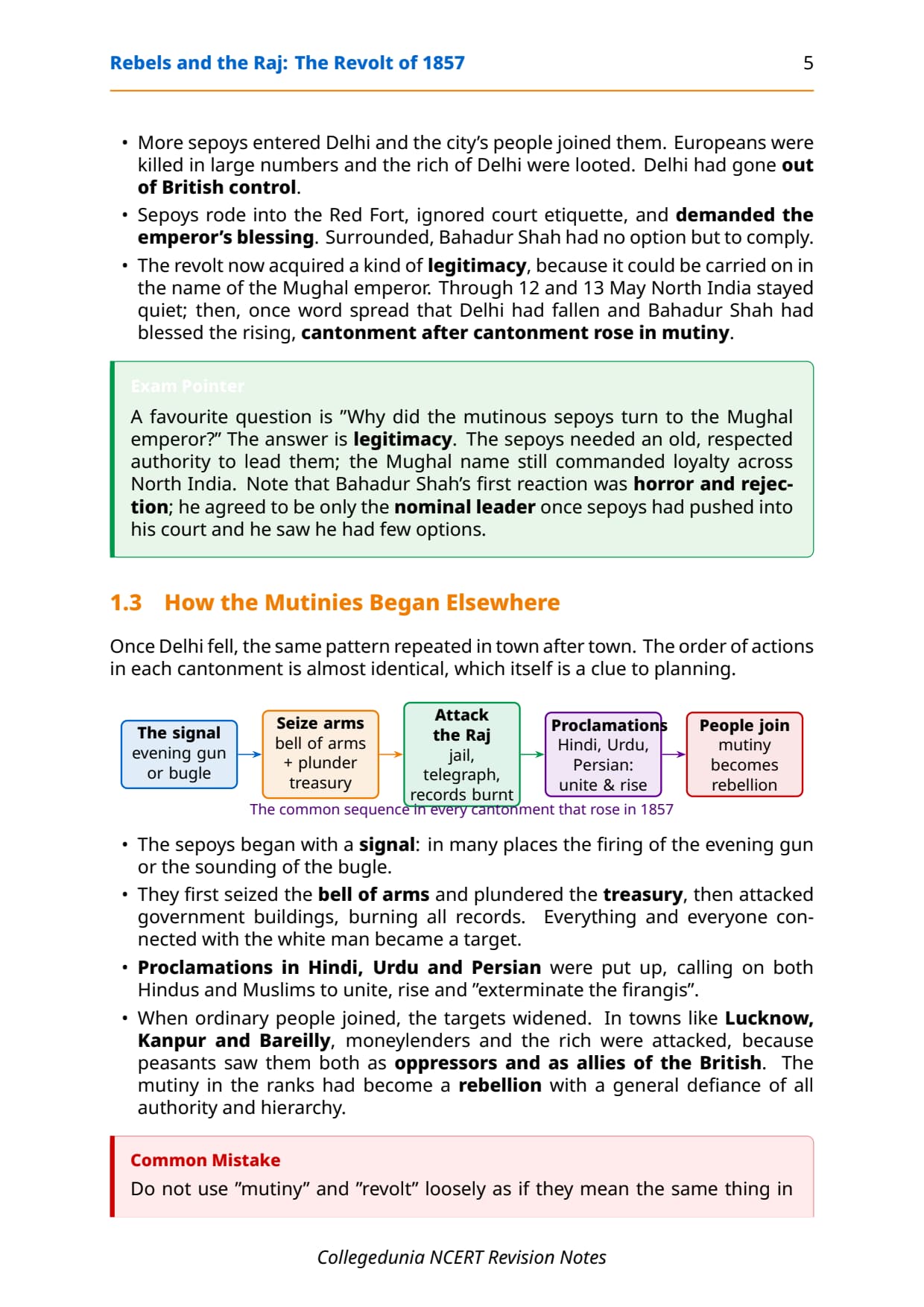
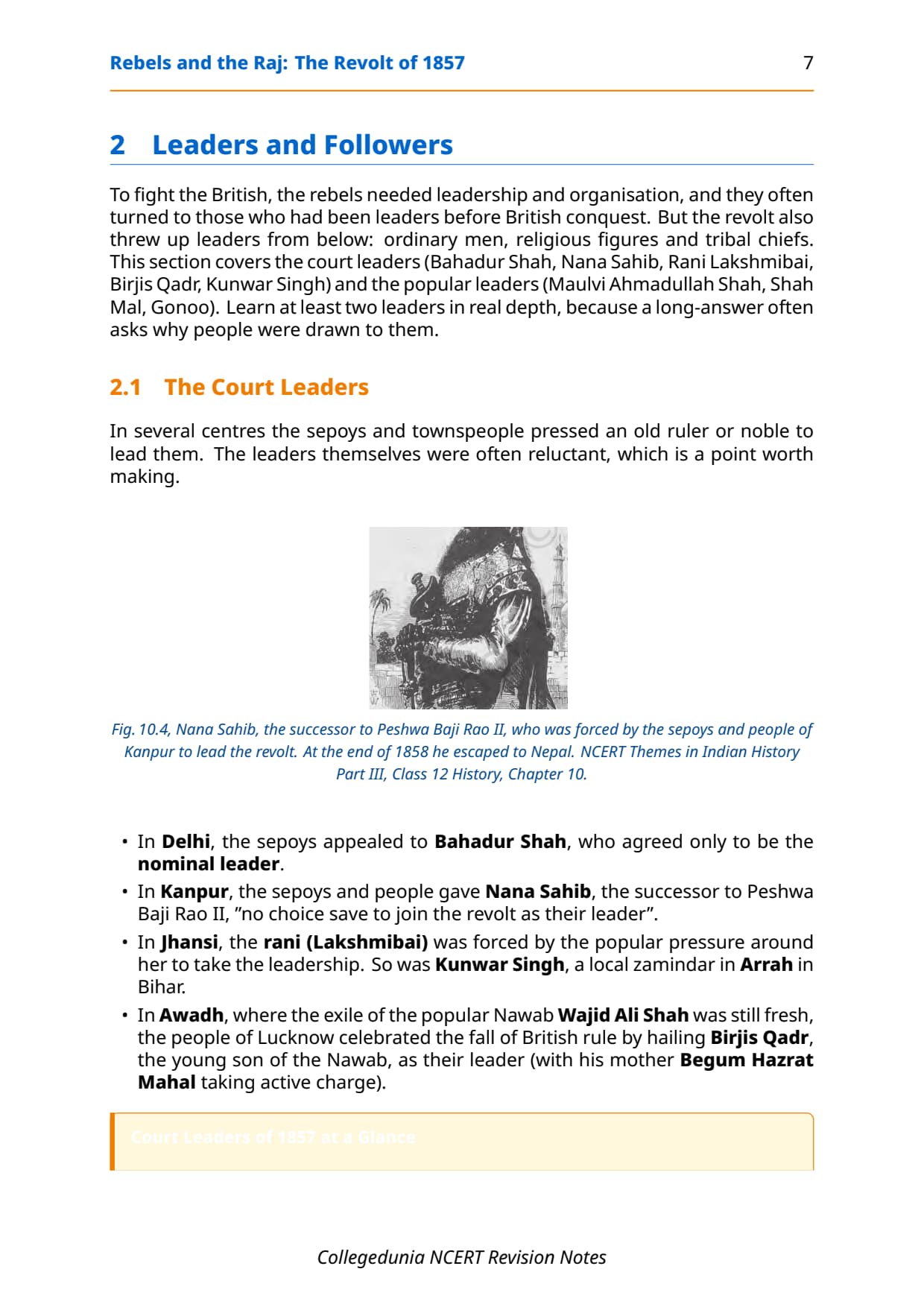
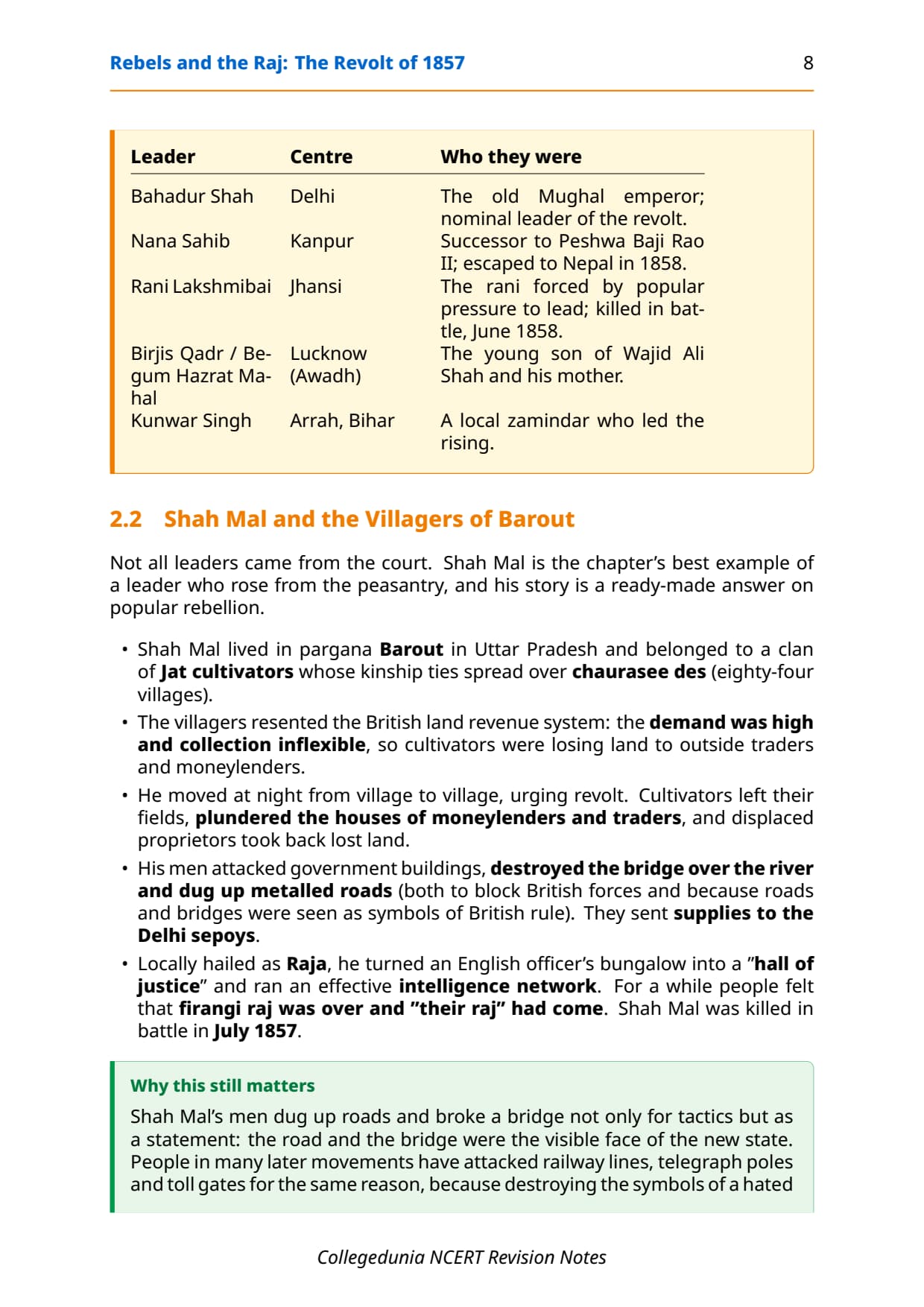
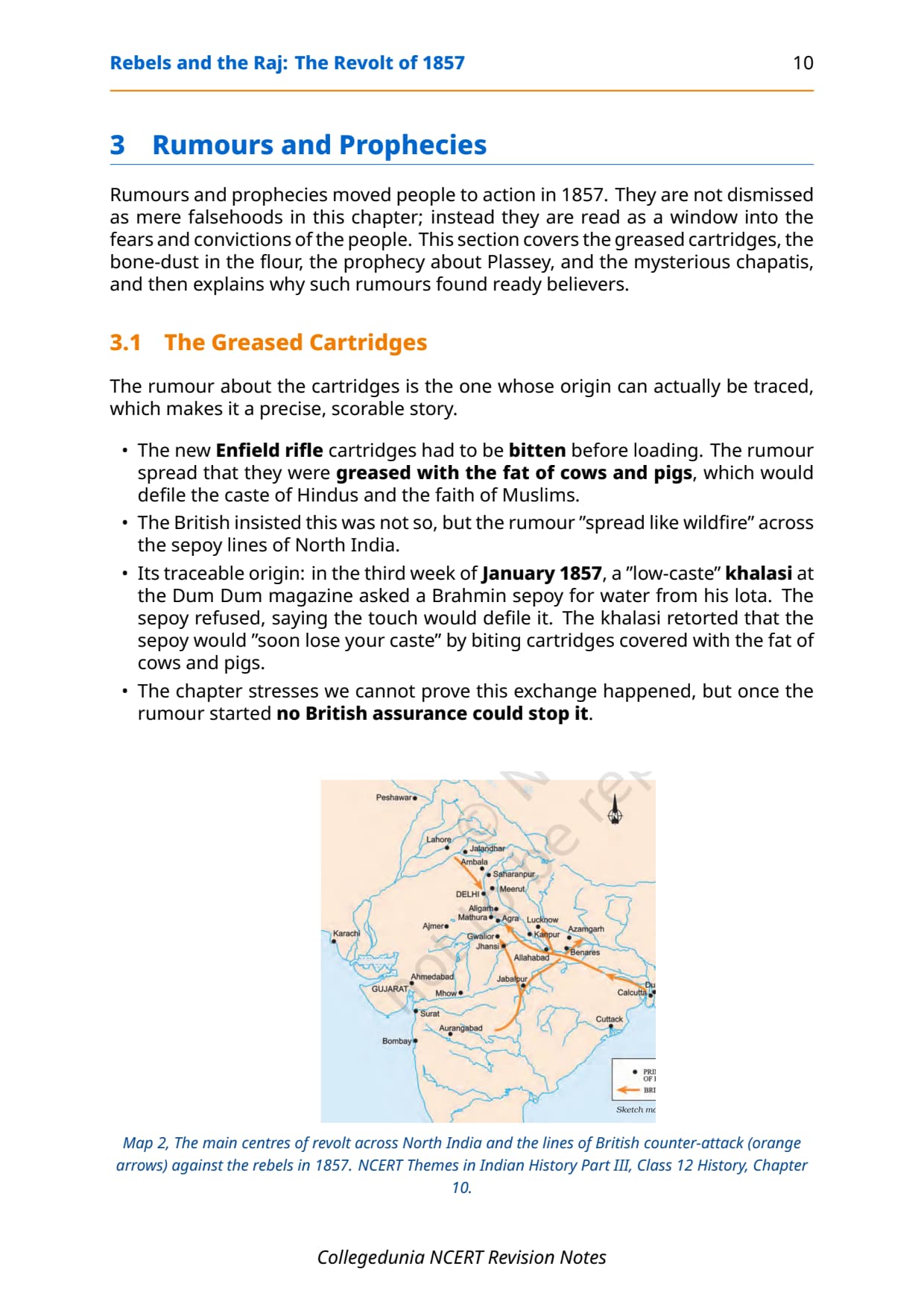
The revolt spread fast because mutinous sepoys did not stop at their own barracks. They marched to nearby towns, freed prisoners, and called on old rulers to lead them. The table below sorts the main centres and leaders for fast revision.
| Centre | Leader and key point |
|---|---|
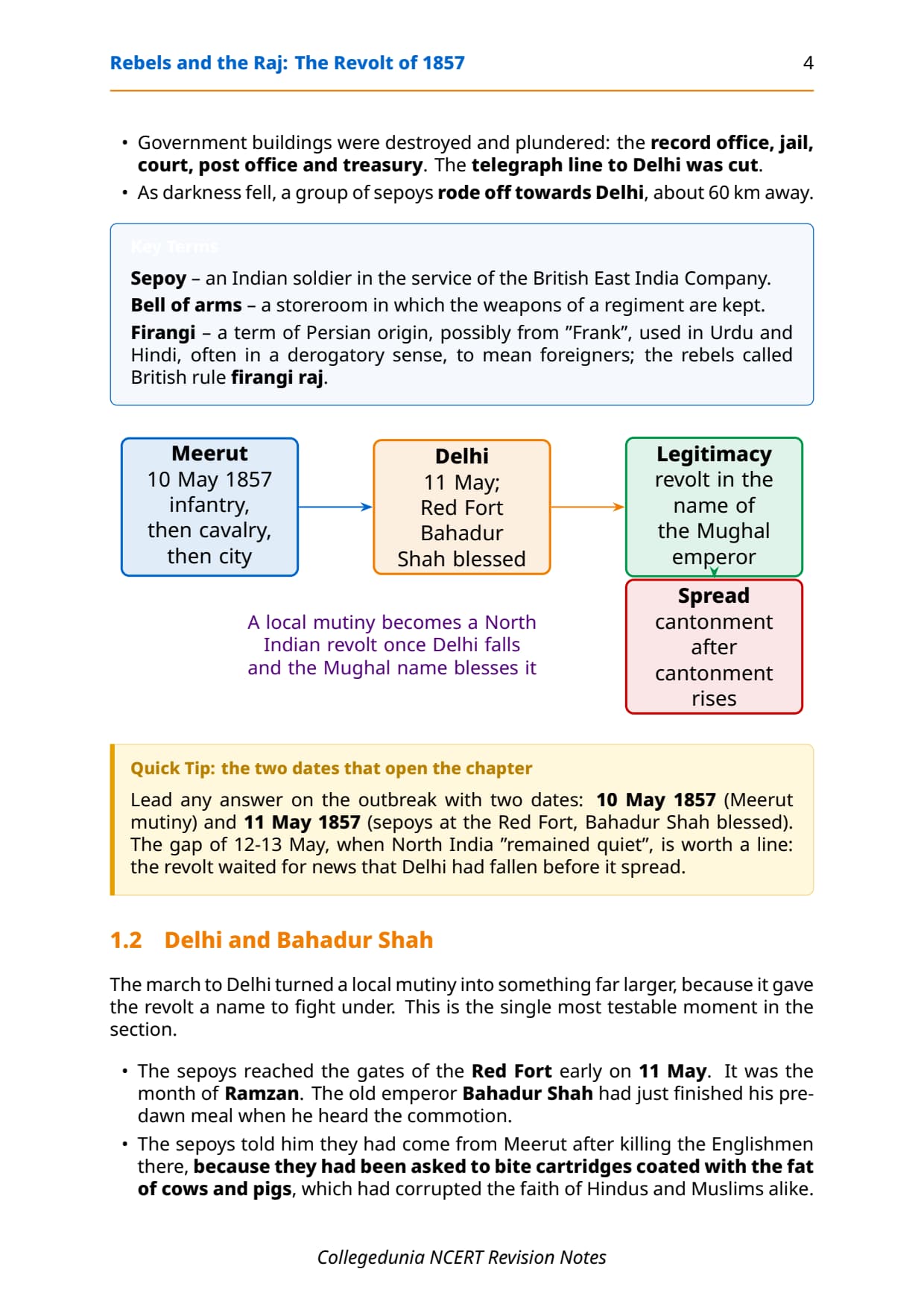
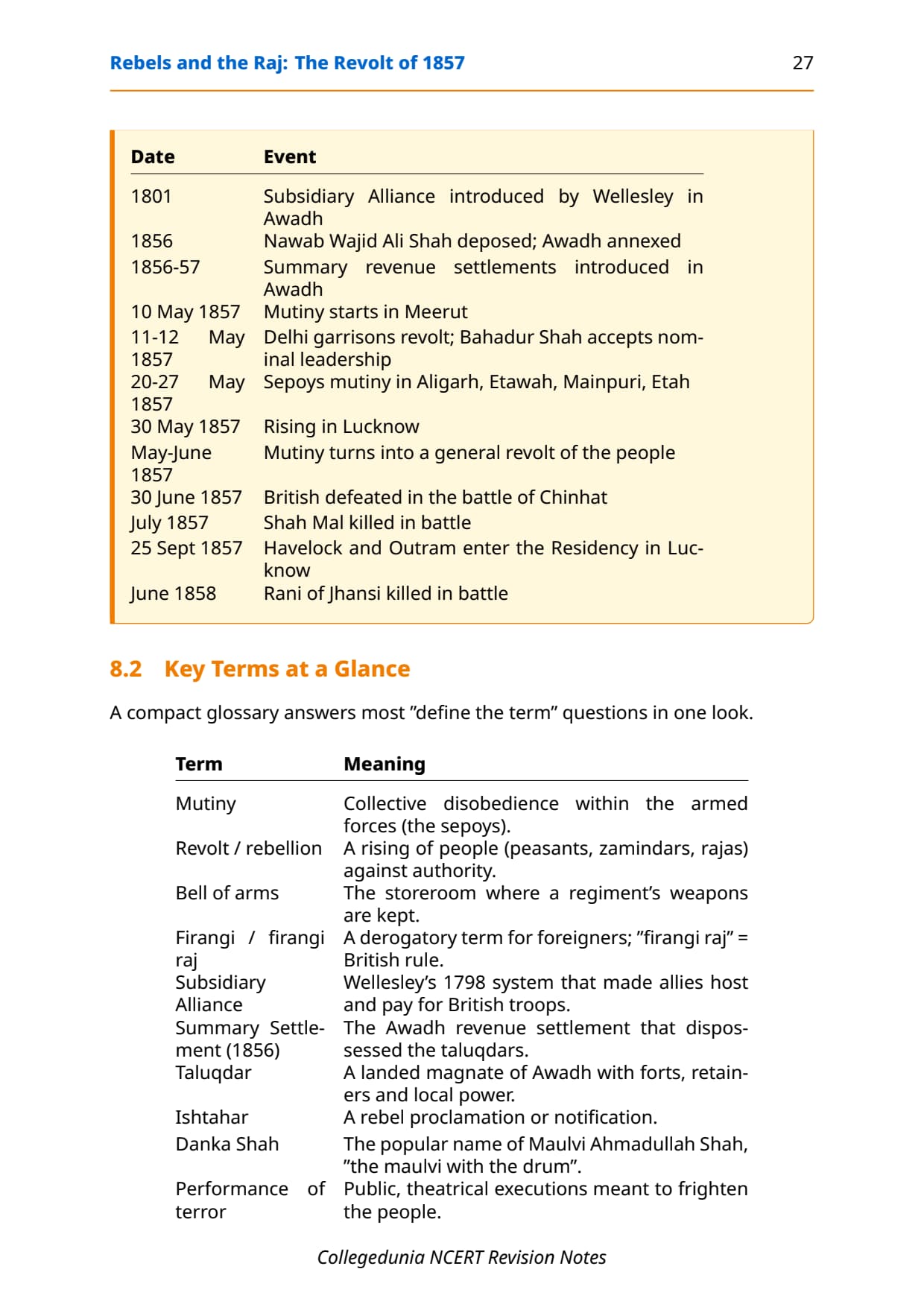
| Delhi | Sepoys reached Delhi on 11 May and proclaimed Bahadur Shah Zafar the symbolic head. |
| Kanpur | Nana Saheb led the rising, with Tantia Tope as his commander. |
| Jhansi | Rani Lakshmibai took up arms after the British seized Jhansi by Lapse. |
| Lucknow (Awadh) | Begum Hazrat Mahal fought for her son Birjis Qadr. |
| Bihar | Kunwar Singh, the aged zamindar of Jagdishpur, led the rebels. |
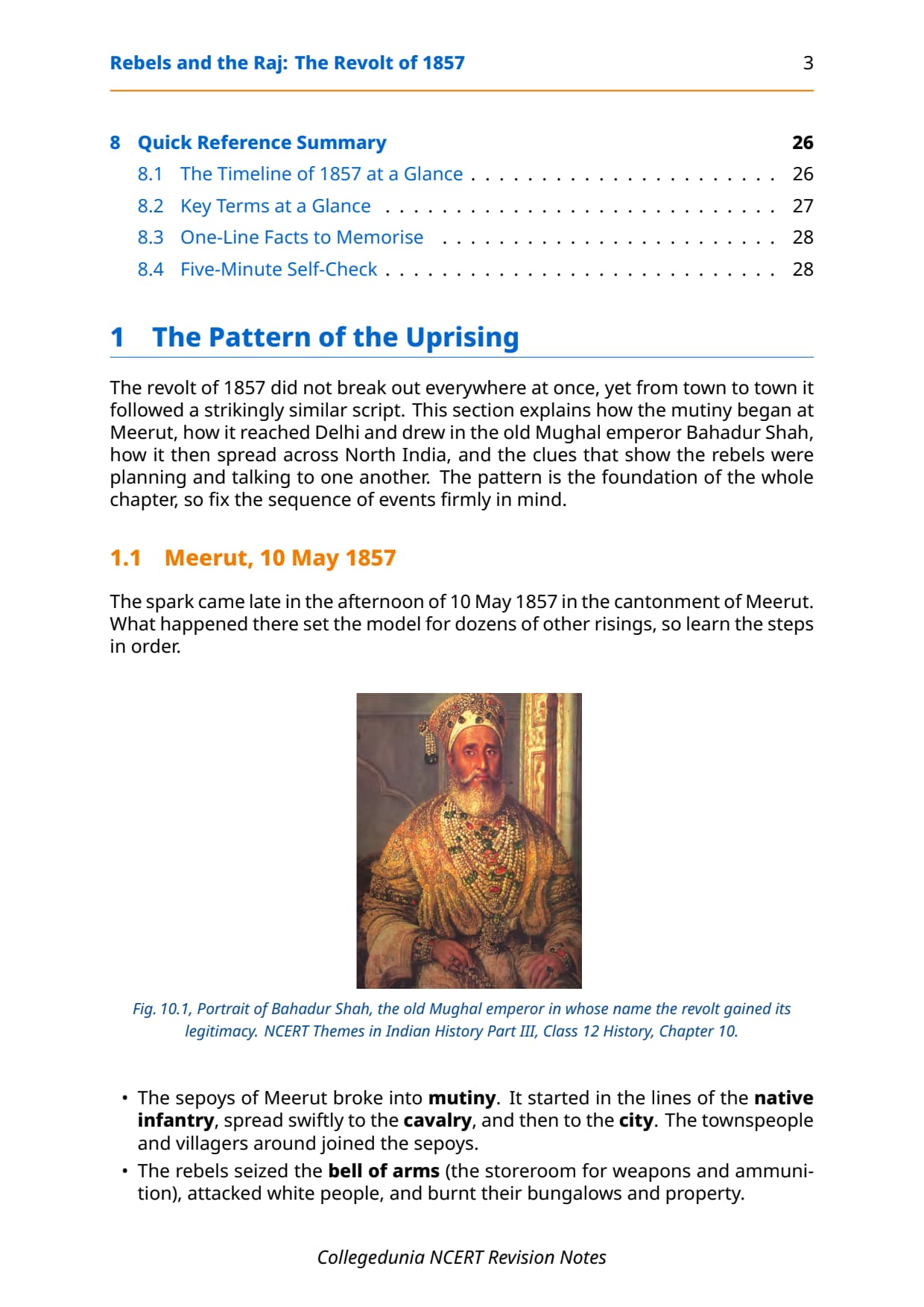
The single most important revision point is why sepoys turned to old rulers. They needed a familiar source of authority, so they crowned rulers the Company had displaced. Naming Bahadur Shah gave the scattered risings one name to rally around. Keep the link between Meerut, Delhi and Bahadur Shah as one line on your sheet, since it shows both spread and coordination.
Awadh, Taluqdars and Peasants Notes
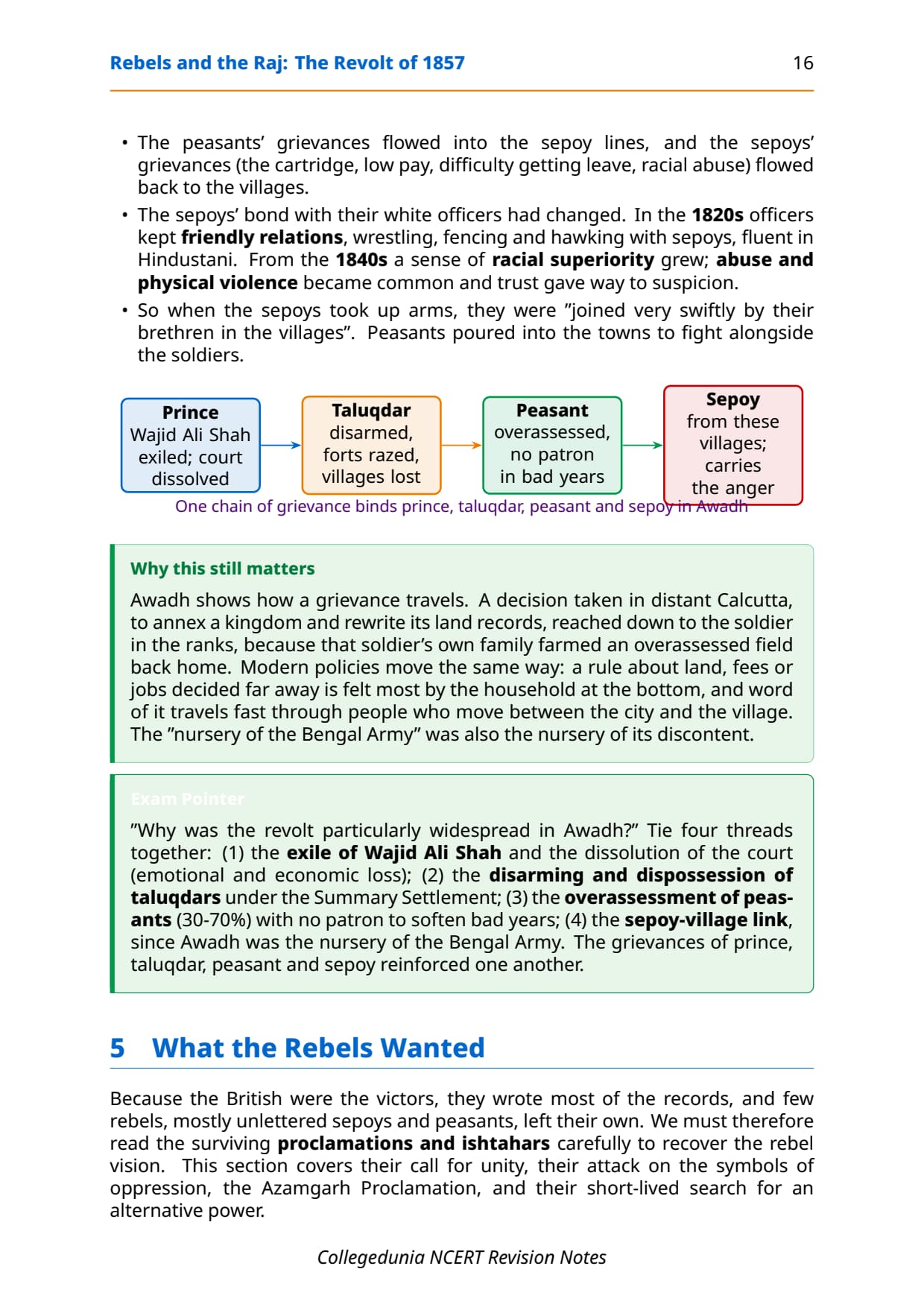
Awadh was the storm centre of the revolt, and these notes explain why in a few points. The annexation of 1856 hurt the Nawab, the taluqdars and the peasants all at once, so the whole region had a reason to rise. Learn these as a short chain.
- Nawab removed: Wajid Ali Shah was exiled, which the people saw as an insult to a loved ruler.
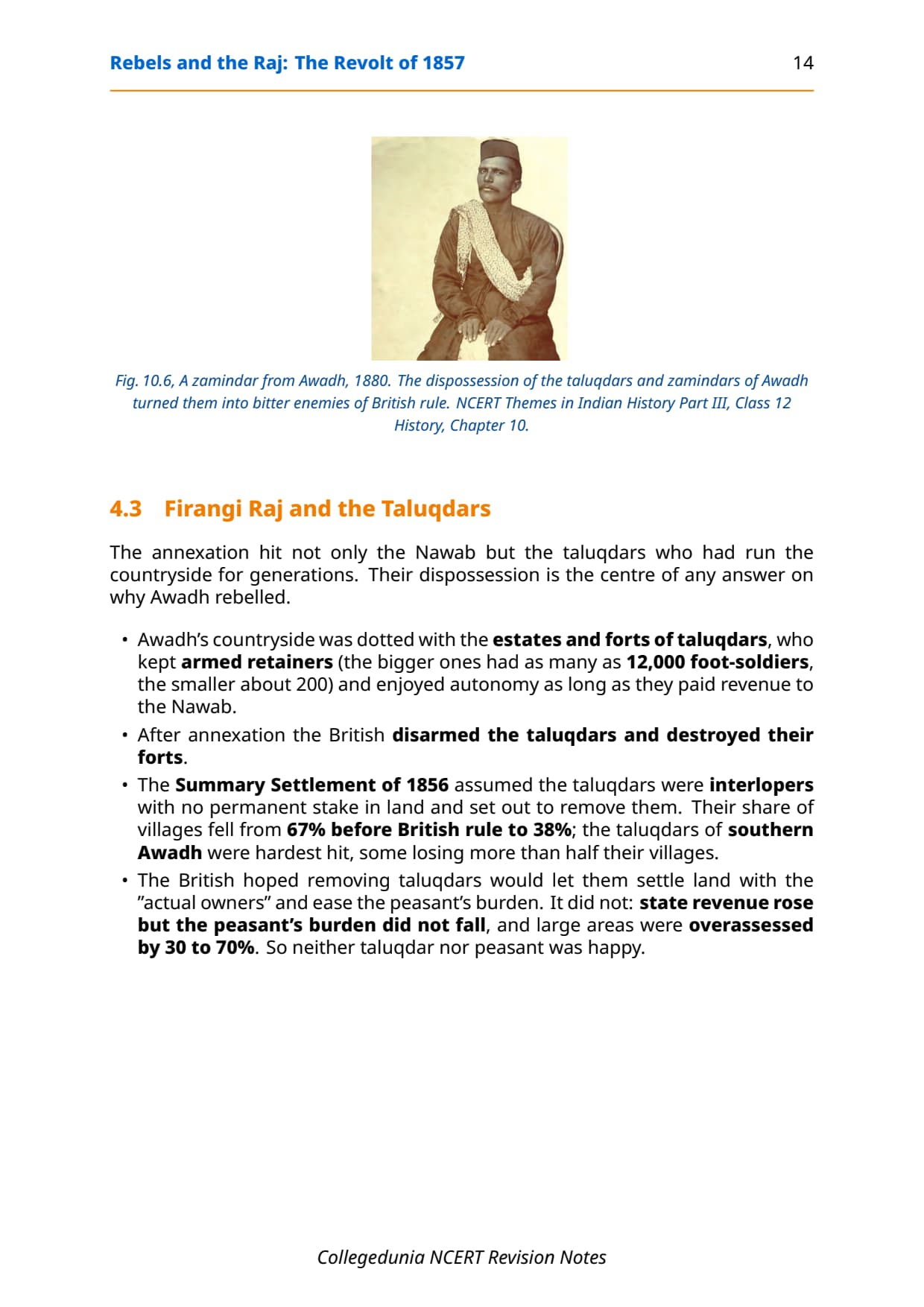
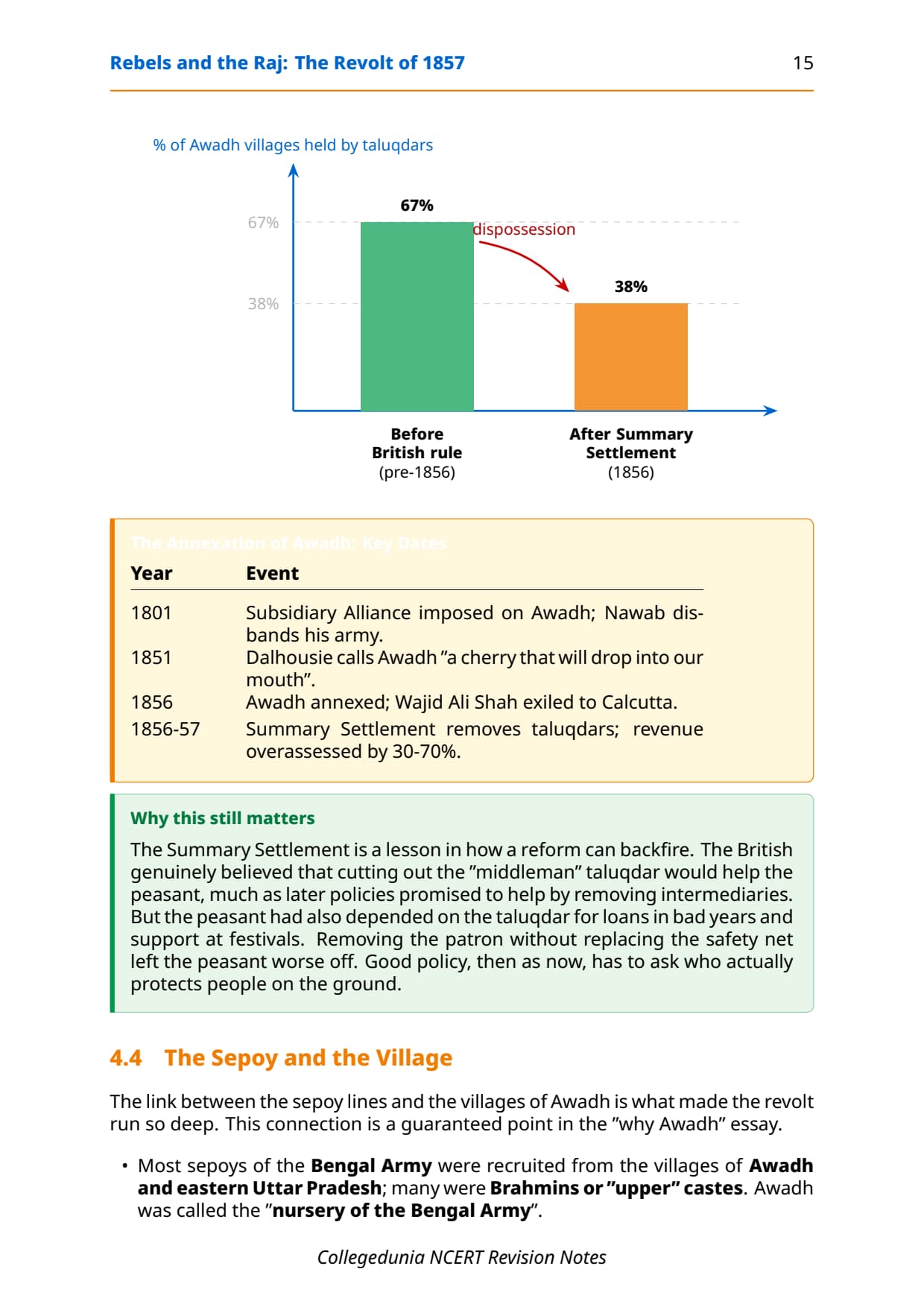
- Taluqdars disarmed: the British seized their forts and cut their estates under the Summary Settlement of 1856.
- Peasants squeezed: the new revenue demand was high, so the old bond with taluqdars now worked for the revolt.
- Sepoy link: many sepoys came from Awadh, so army anger and village anger fed each other.
The reason Awadh rose so widely is this chain of shared loss. Because taluqdars and peasants were tied together, the attack on taluqdars pulled the peasants into the revolt too. This is a favourite long-answer topic, so keep the four-point chain ready. The honest line to remember is that Awadh was the longest and hardest centre for the British to retake.
Rebel Vision and Measures of Unity
The rebels left no long written plans, so historians read their proclamations to find what they wanted. These show both a shared vision and real differences between groups. These notes split the topic into the shared vision and the differing aims.
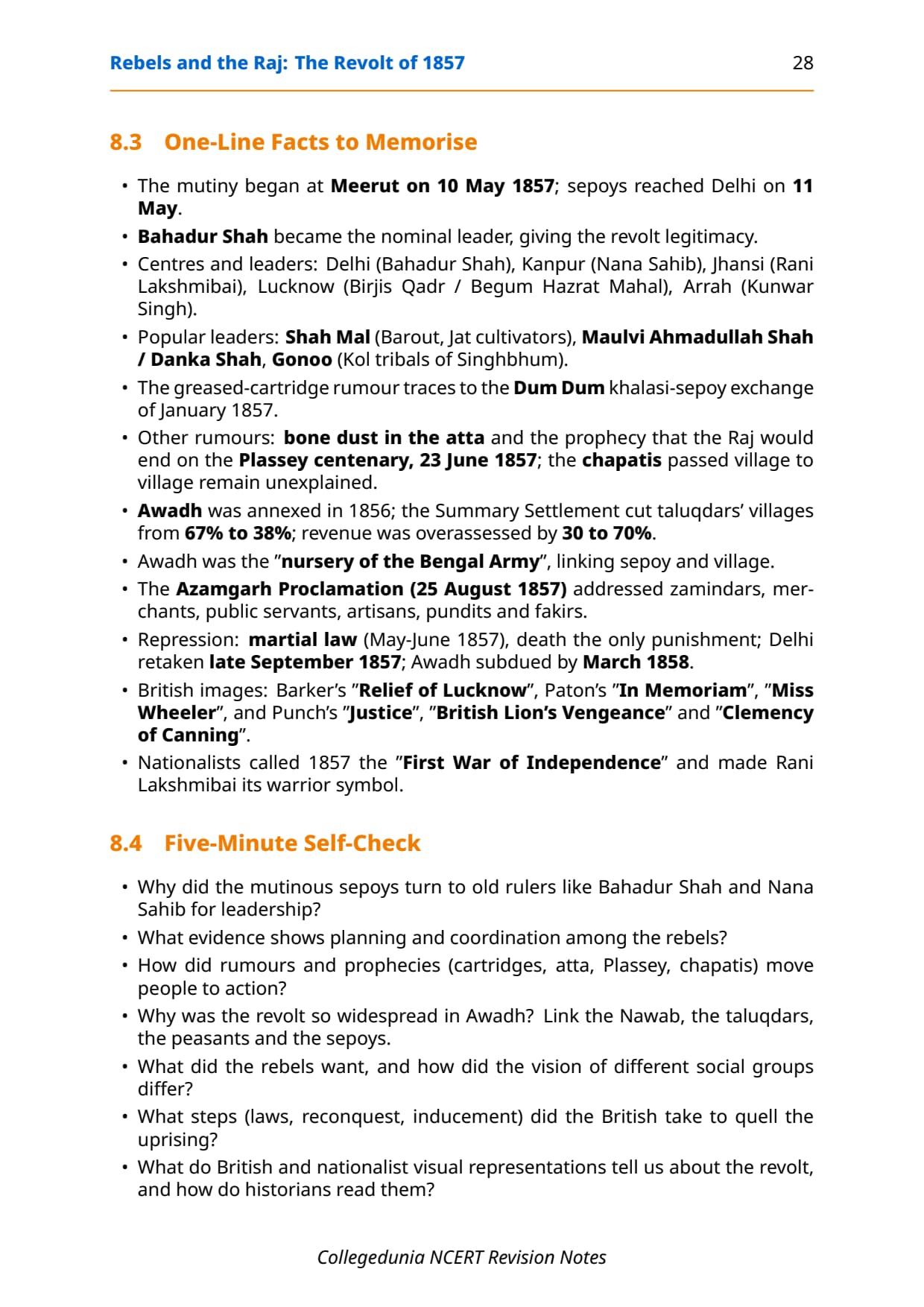
- Shared vision: the proclamations called on Hindus and Muslims to unite and drive out the firangi.
- Against the new order: they attacked the Company's land revenue, its courts, and the ruin of trade.
- A return to the past: they spoke of restoring the Mughal world and the rule of old kings.
- Different aims: taluqdars wanted estates back, peasants wanted revenue relief, sepoys wanted pay and respect.
The measures to ensure unity were mostly symbolic and emotional. The proclamations stressed a common Hindu-Muslim cause, used the name of Bahadur Shah, and appealed to shared faith and a shared enemy. But the vision differed by group, so the safe line to remember is that the rebels shared an enemy more than a single plan. Keep both the unity points and the differences ready, since the exam asks for both.
British Repression and the End of the Revolt
The British took more than a year to put down the revolt, and they used both force and law. The table below keeps the key steps side by side for fast revision, since this is exactly what the steps question asks.
| Measure | What the British did |
|---|---|
| New laws | Passed laws in May and June 1857 to allow martial law and quick trials. |
| Reinforcements | Brought in fresh British troops from England and other colonies. |
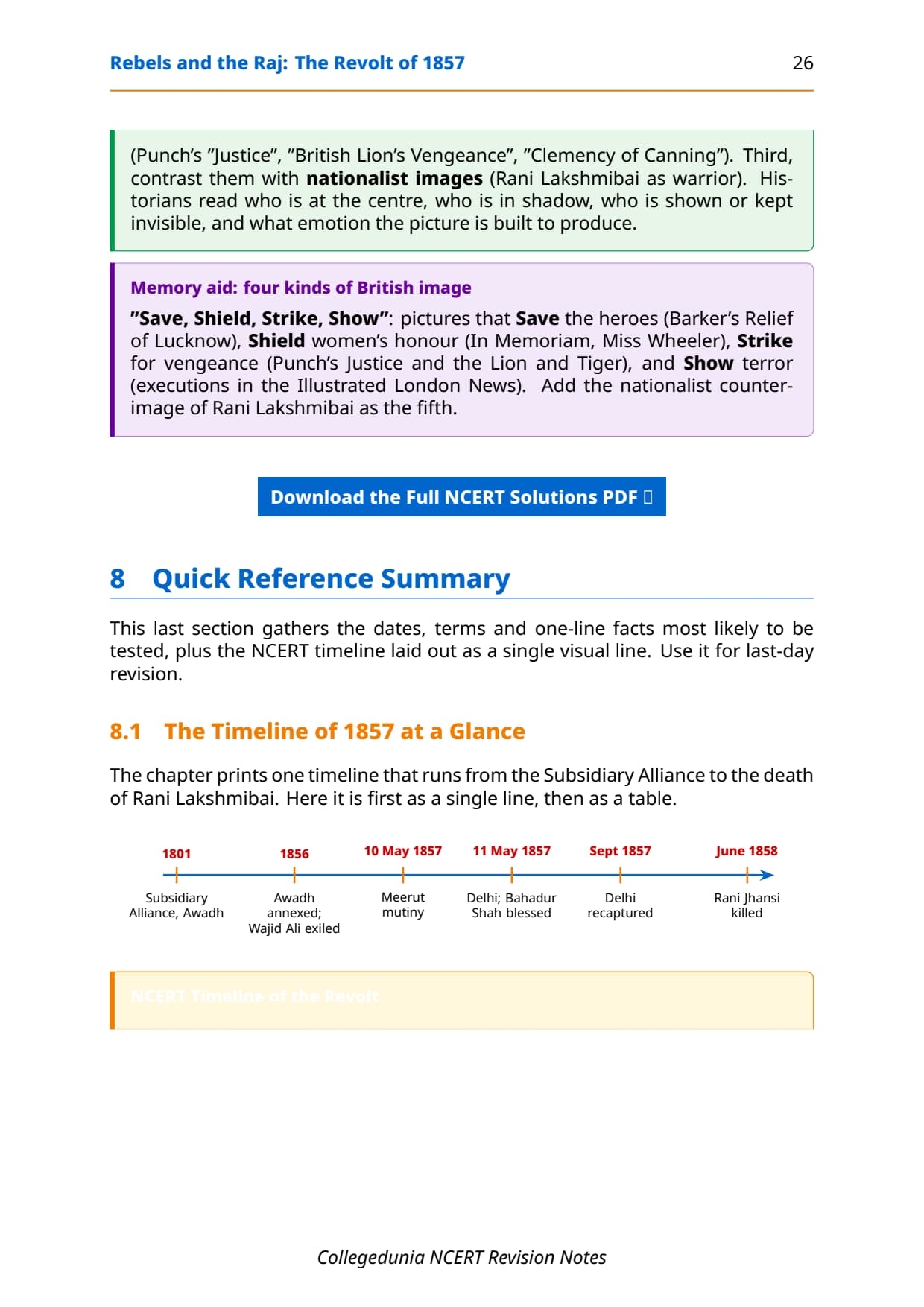
| Recapture of Delhi | Delhi retaken in September 1857; Bahadur Shah tried and exiled to Rangoon. |
| Harsh reprisals | Rebel towns stormed, leaders hunted down, many rebels executed as a warning. |
| Winning loyalty | Loyal landholders rewarded so elites would not join the rebels. |
One sharp exam point for your notes is the mix of methods. The British did not rely on force alone; they used new laws, fresh troops and rewards for loyal landholders together. By late 1858 the main leaders had fallen and the revolt was over. The Crown then took over from the Company under the Act of 1858, so revise this chapter with the start of direct British rule.
Rebels and the Raj Important Questions and Exam Pointers
CBSE sets a steady mix of source-based, short and long answers from this chapter. Knowing the pattern helps students decide how much to write and which topics to revise first. A focused list of chapter 10 history class 12 important questions saves a lot of time before the board exam.
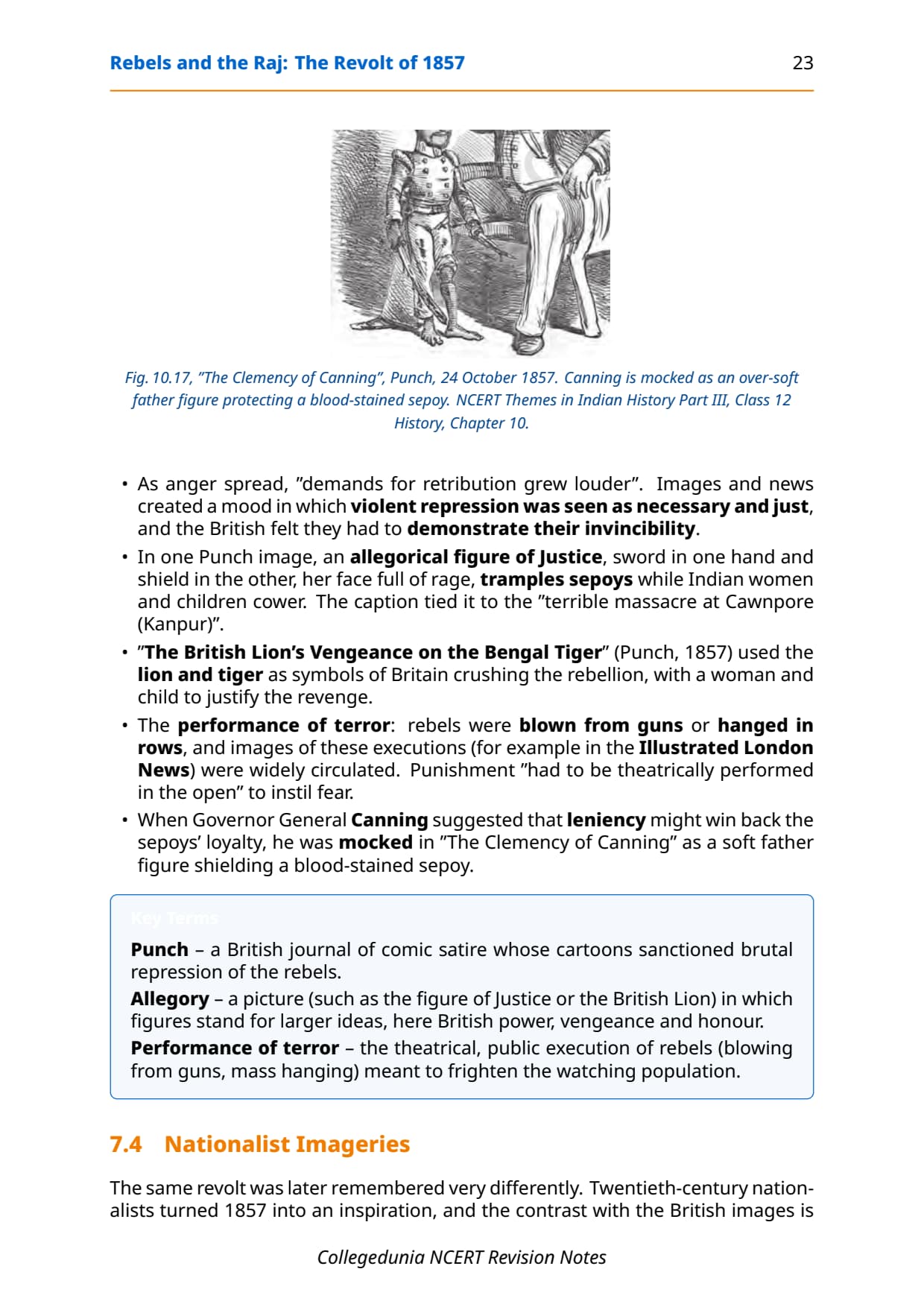
- Source-based (often 8 marks): a passage or image on Awadh, a proclamation, or the "Justice" cartoon, with three sub-parts.
- Long answer (5 to 6 marks): why the revolt spread in Awadh, or what the rebels wanted.
- Short answer (3 marks): causes of the revolt, measures of unity, or steps to crush it.
- Objective and MCQ: dates, leaders, and the centres of the revolt.
For quick recall, students often practise a short class 12 history chapter 10 mcq drill and a list of class 12 history chapter 10 important questions. The most repeated items are the Awadh causes and the rebels' vision, so keep those answer points ready in your own words. Reading these Rebels and the Raj notes once, then writing the key lists from memory, is the fastest way to lock the chapter in.
Common Mistakes Students Make in This Chapter
A few errors cost marks every year. Most come from naming only one cause or from treating the rebels as a single united group. Fixing these five points is the quickest way to lift a score on the long answers, so add them to the end of your revision sheet.
- Calling the greased cartridge the only cause - it was just the spark.
- Saying Bahadur Shah actively led the revolt - he was a symbolic head.
- Treating all rebels as one group - taluqdars, peasants and sepoys had different aims.
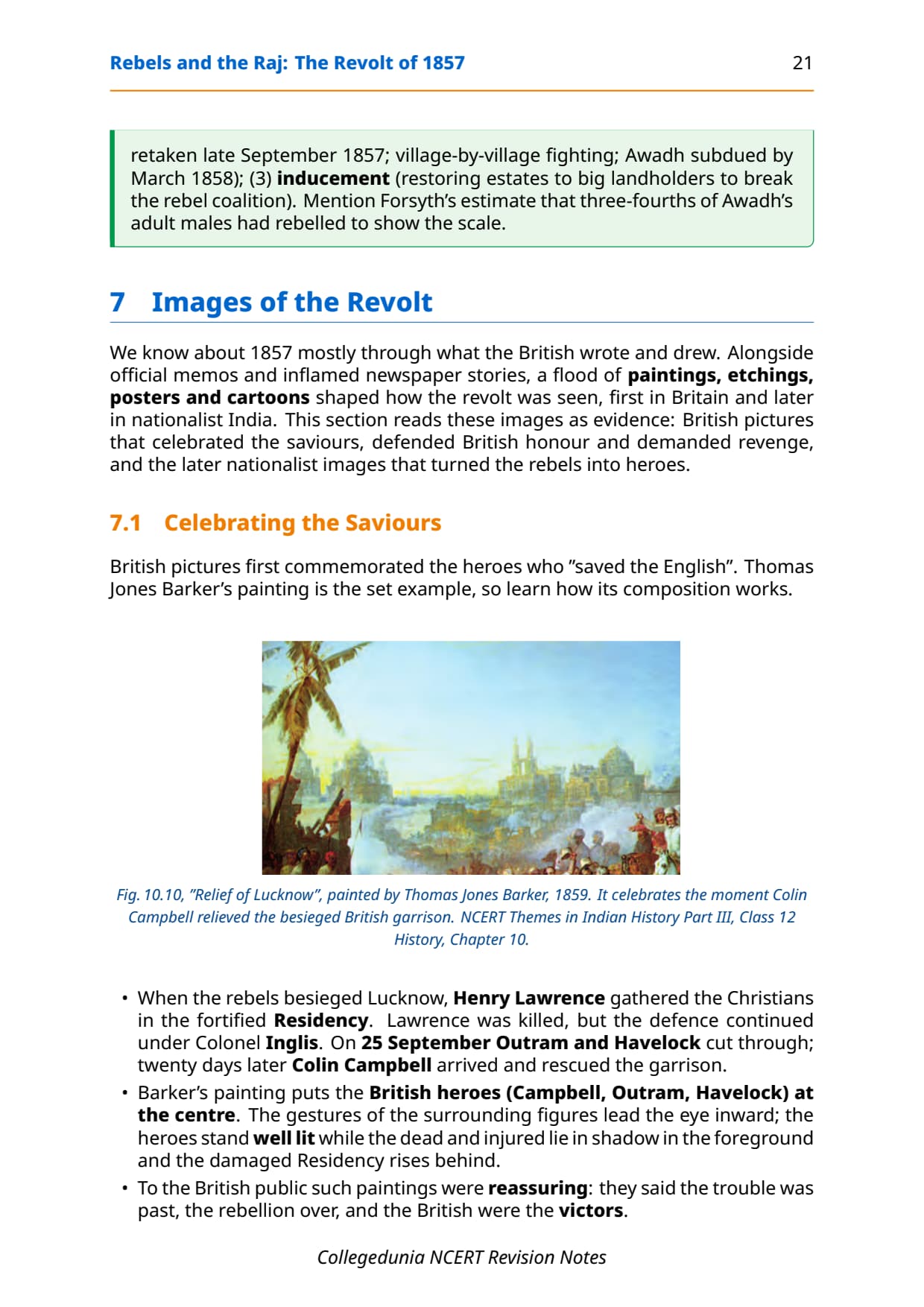
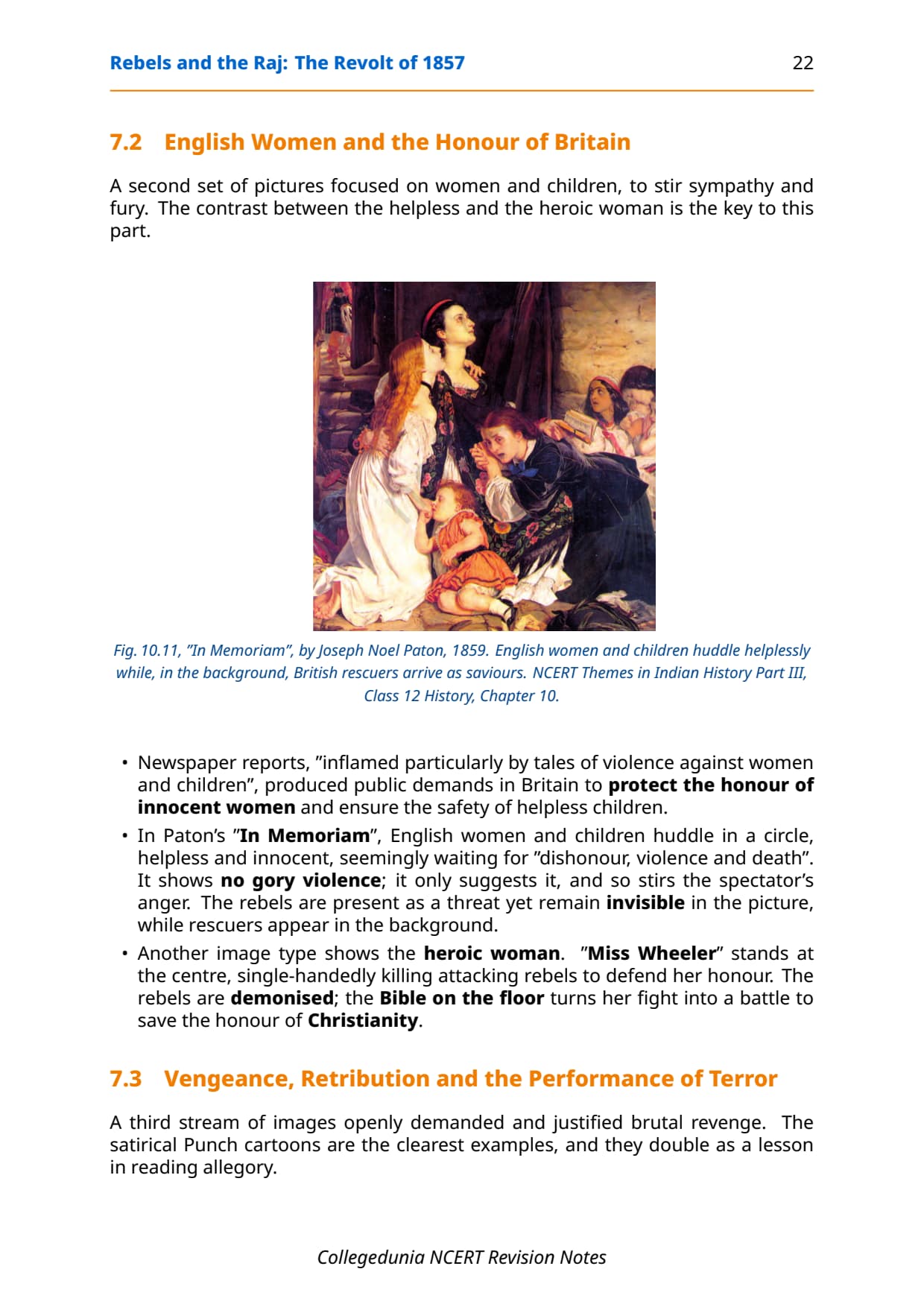
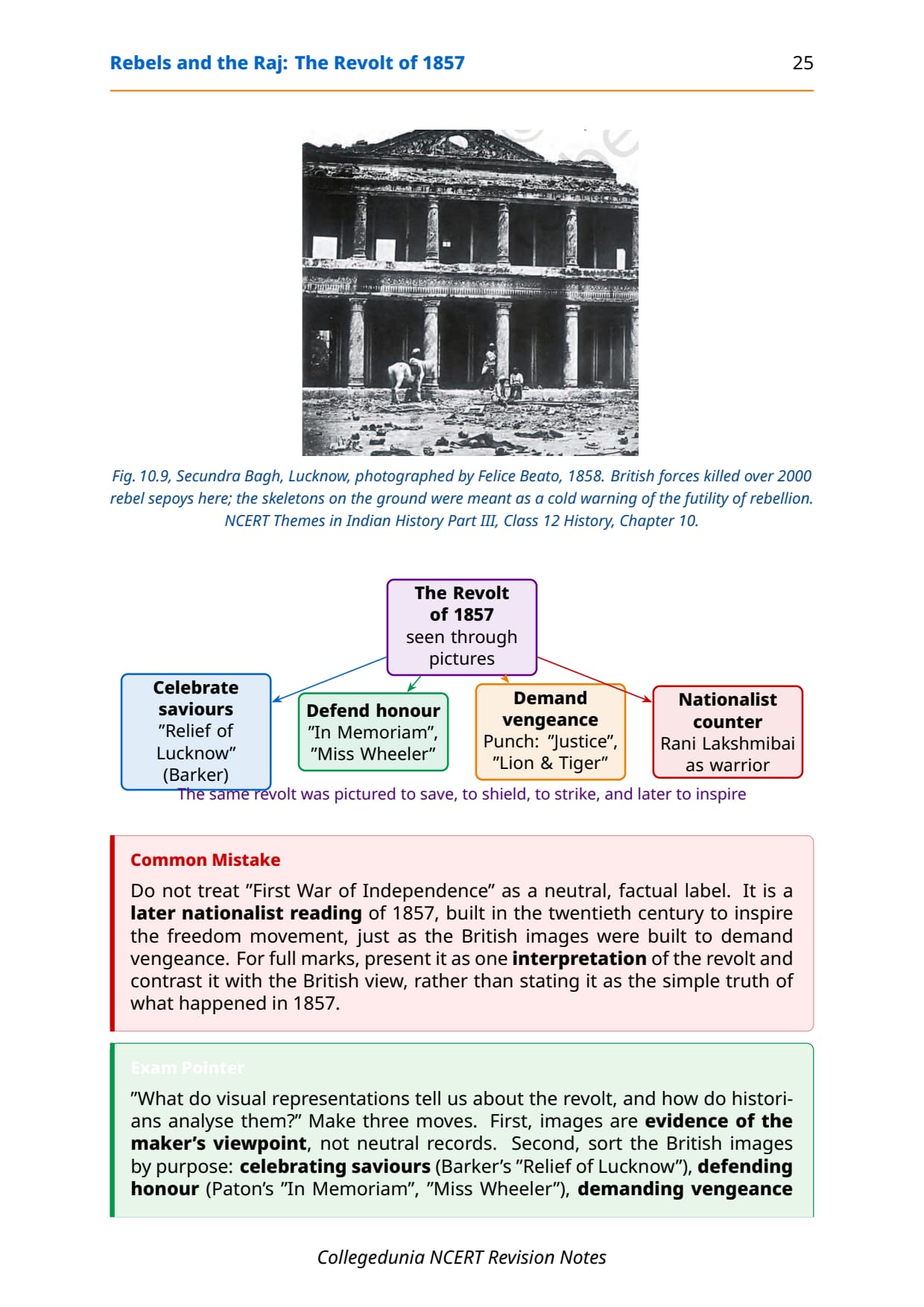
- Reading British paintings as neutral facts - they show the victor's point of view.
- Forgetting that Awadh rose because taluqdars and peasants were tied together.
Students who fix these five points usually move from average to high marks. The exam rewards careful wording, so write "many", "often" or "for some groups" when the rebels did not all act alike. These notes flag each soft point so you can phrase it safely in the answer sheet.
How These Notes Pair with the Solutions and Book PDF
These revision notes summarise the chapter. To prepare fully, students should use them alongside the other resources for the same chapter, all linked in the table below. Read the notes first, then test yourself with the solutions, and open the book PDF whenever you need the original text and figures.
| Resource | Best used for |
|---|---|
| Rebels and the Raj NCERT Solutions | Step-by-step answers to all 12 back-exercise questions |
| Rebels and the Raj Handwritten Notes | Last-minute, one-shot revision in a scanned notebook style |
| Rebels and the Raj NCERT Book PDF | Reading the original NCERT chapter text and figures |
Tip: read these notes first, then attempt the solutions on your own, and only then check the model answers. That order builds memory faster than copying answers straight away.
All Class 12 History Notes by Chapter
The table links the revision notes for every chapter in Themes in Indian History so students can move across the book in one click. Chapter 10 is highlighted.
| Chapter | Notes |
|---|---|
| Chapter 1 | Bricks, Beads and Bones |
| Chapter 2 | Kings, Farmers and Towns |
| Chapter 3 | Kinship, Caste and Class |
| Chapter 4 | Thinkers, Beliefs and Buildings |
| Chapter 5 | Through the Eyes of Travellers |
| Chapter 6 | Bhakti-Sufi Traditions |
| Chapter 7 | An Imperial Capital Vijayanagara |
| Chapter 8 | Peasants, Zamindars and the State |
| Chapter 9 | Colonialism and the Countryside |
| Chapter 10 | Rebels and the Raj 1857 |
| Chapter 11 | Mahatma Gandhi and the Nationalist Movement |
| Chapter 12 | Framing the Constitution |
FAQs on Rebels and the Raj Class 12 Notes
Rebels and the Raj Class 12 History Notes Common Questions
Ques. Where can I download the Rebels and the Raj Class 12 notes PDF?
Ans. You can download the Rebels and the Raj Class 12 History notes PDF directly from this page. It is free, follows the 2026-27 NCERT, and covers the causes, spread, leaders, rebel vision and British repression in a short, point-wise format.
Ques. What does the Revolt of 1857 chapter cover for Class 12?
Ans. It covers the uprising of 1857 against the East India Company, including its causes, the spread from Meerut to Delhi, leaders like Bahadur Shah Zafar and Rani Lakshmibai, the Awadh revolt, the rebel vision, British repression, and how the revolt was pictured.
Ques. Which topics are most important in class 12 history chapter 10 for the board exam?
Ans. Why the revolt spread in Awadh, what the rebels wanted, and what visual sources tell us are the most-asked long answers. These three top every list of class 12 history chapter 10 important questions, so revise them first.
Ques. Why was the revolt so widespread in Awadh?
Ans. Because the annexation of 1856 hurt the Nawab, the taluqdars and the peasants together. The taluqdars lost their forts and estates, the peasants faced a harsh revenue demand, and many sepoys came from Awadh, so army and village anger fed each other.
Ques. How should I use these notes to revise quickly?
Ans. Read the notes once under the spread, vision and repression frame, keep all dates, leaders and centres on one sheet, then write the key lists from memory. Finish by attempting a short class 12 history chapter 10 mcq drill to test the small facts.



Comments