




The Rebels and the Raj PDF is the official NCERT chapter on the Revolt of 1857 from Themes in Indian History Part III. This page lets students download the original Chapter 10 text and figures for the 2026-27 CBSE syllabus. Reading the source chapter is the best way to understand the proclamations, paintings and photographs behind every exam answer on the 1857 uprising.
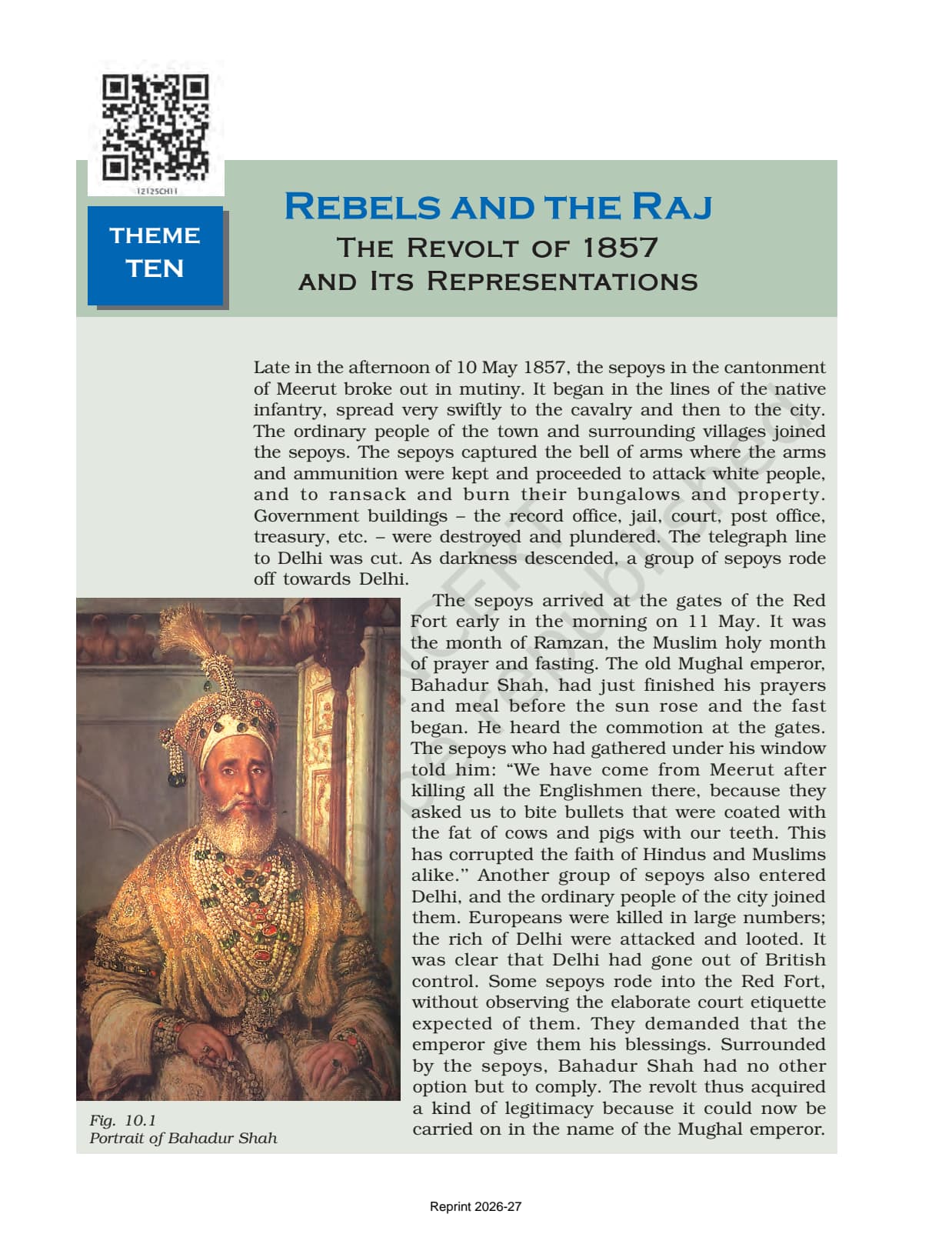
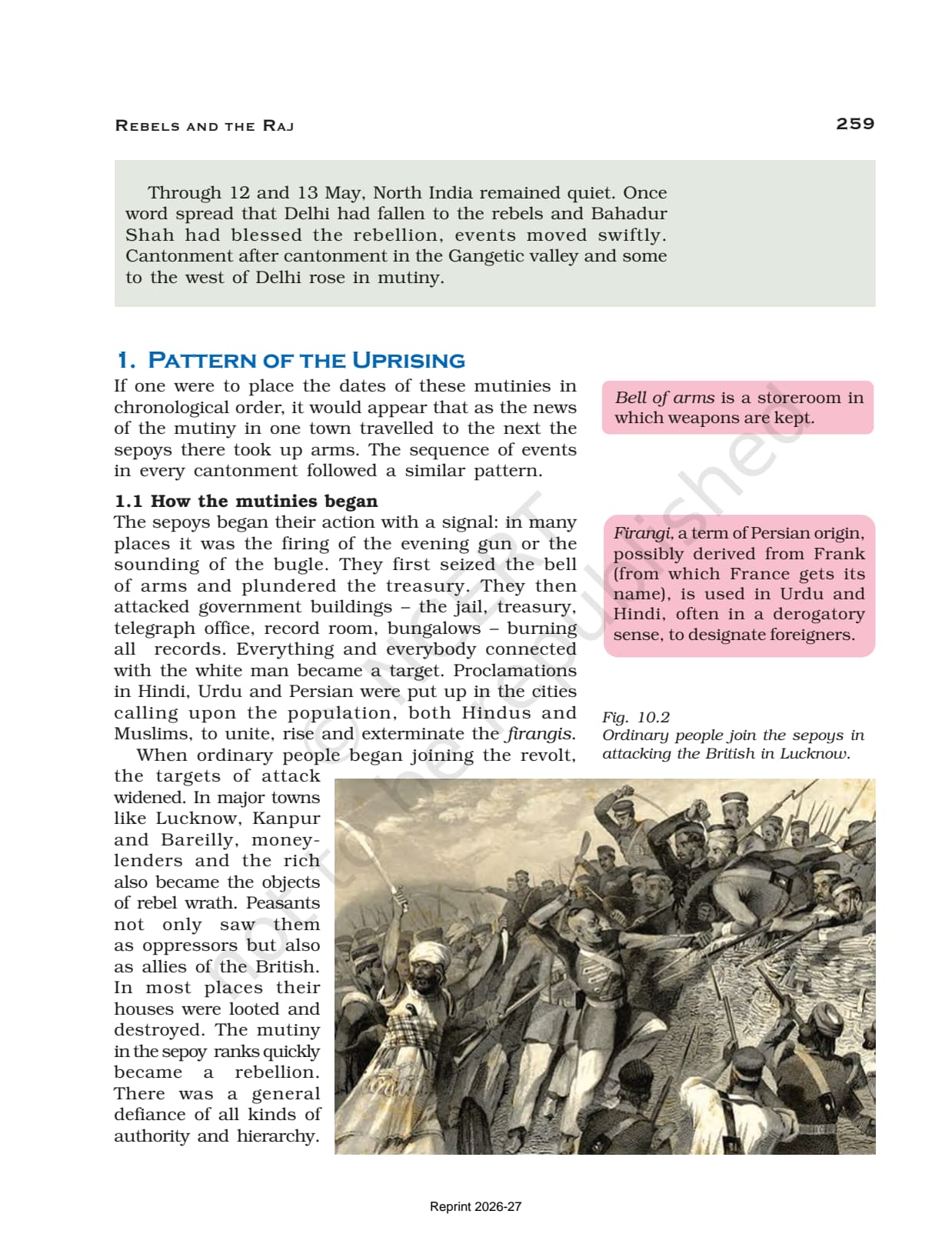
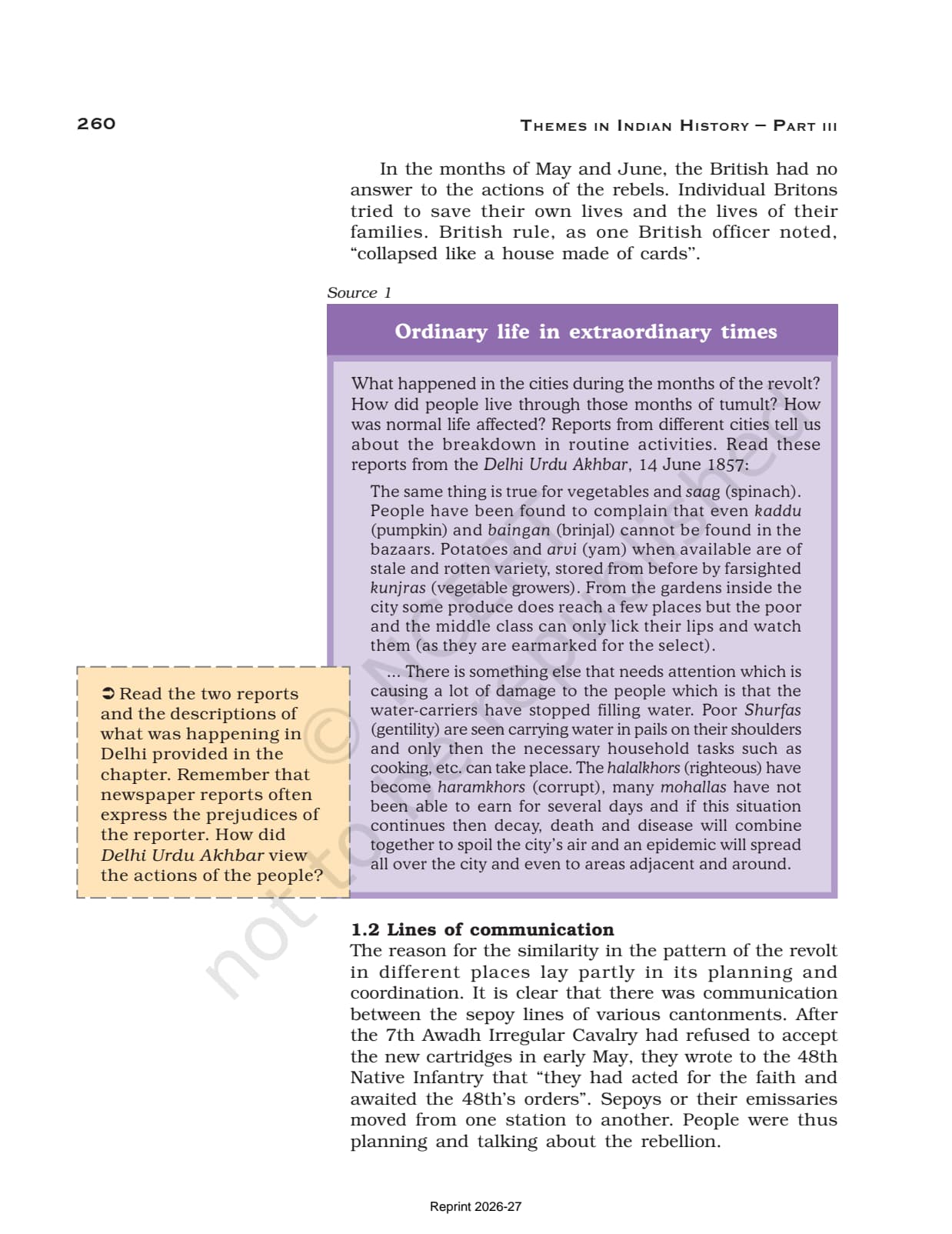
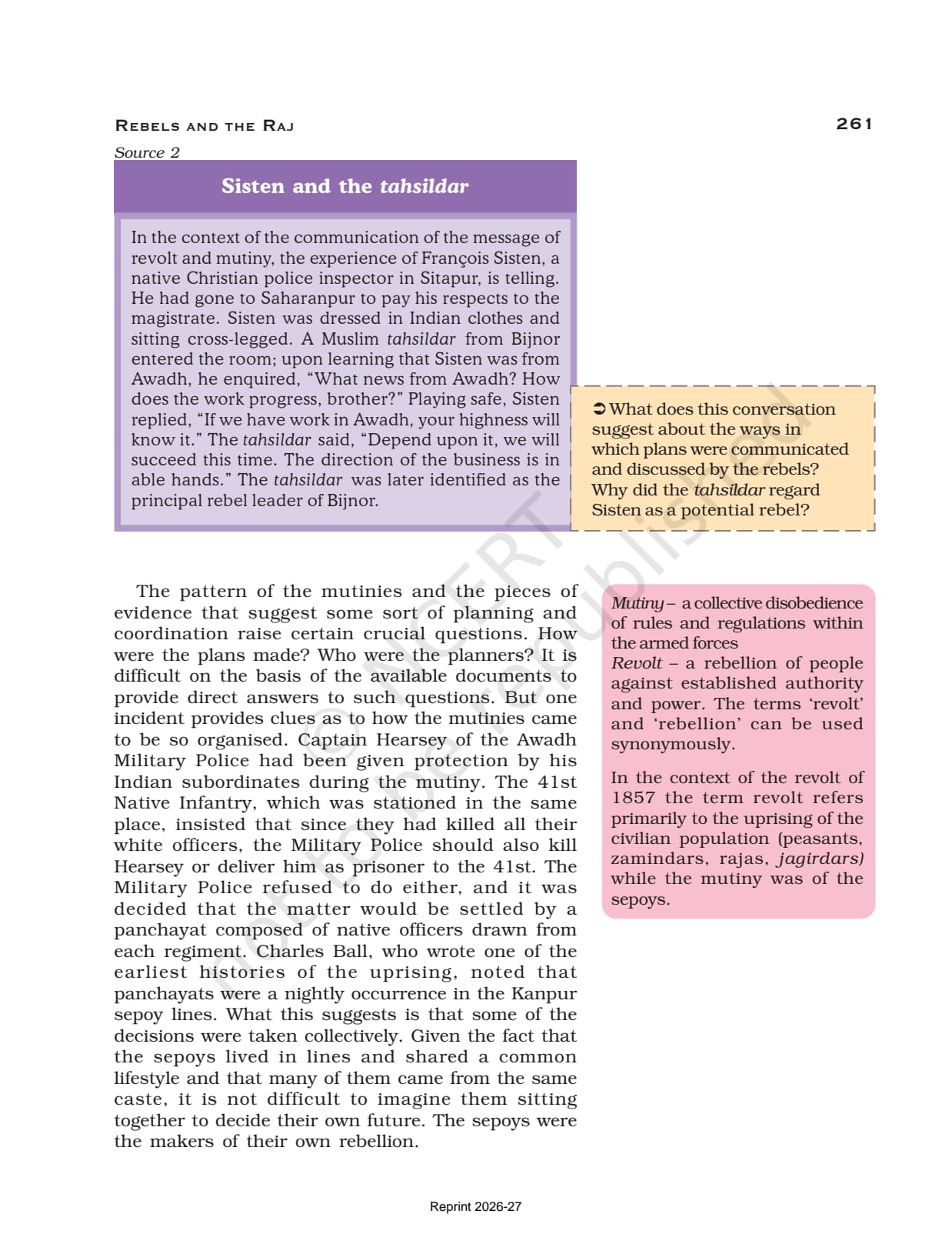
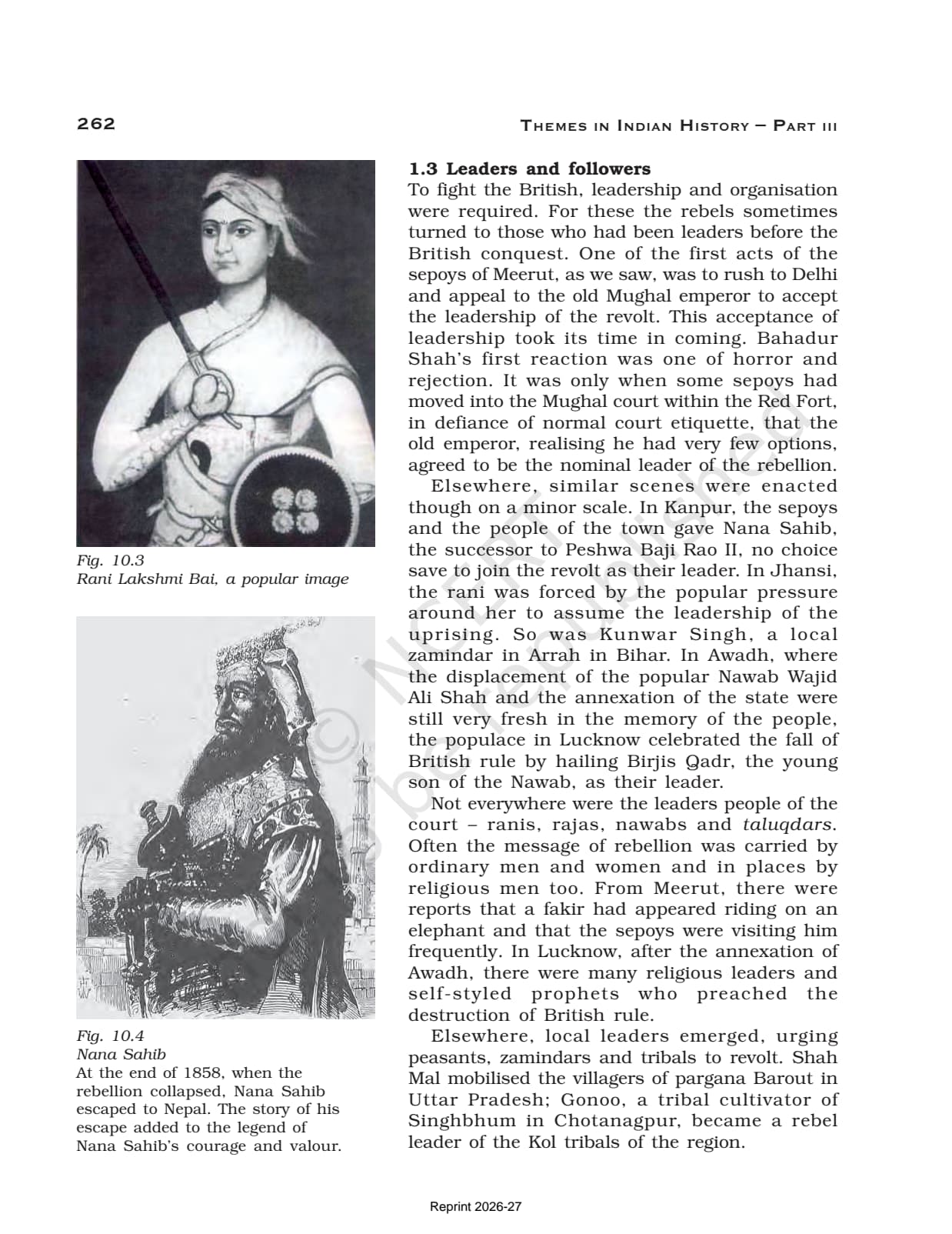
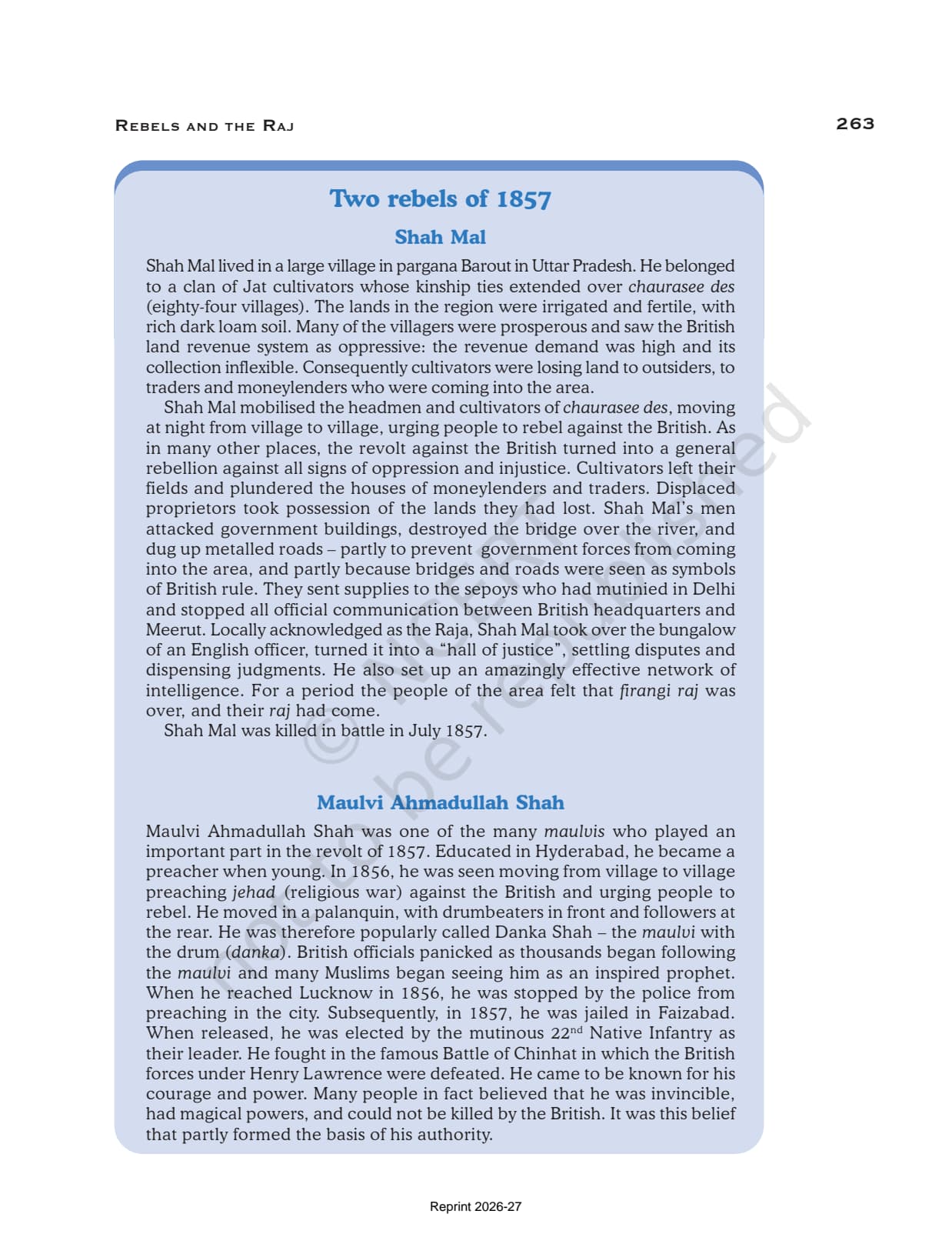
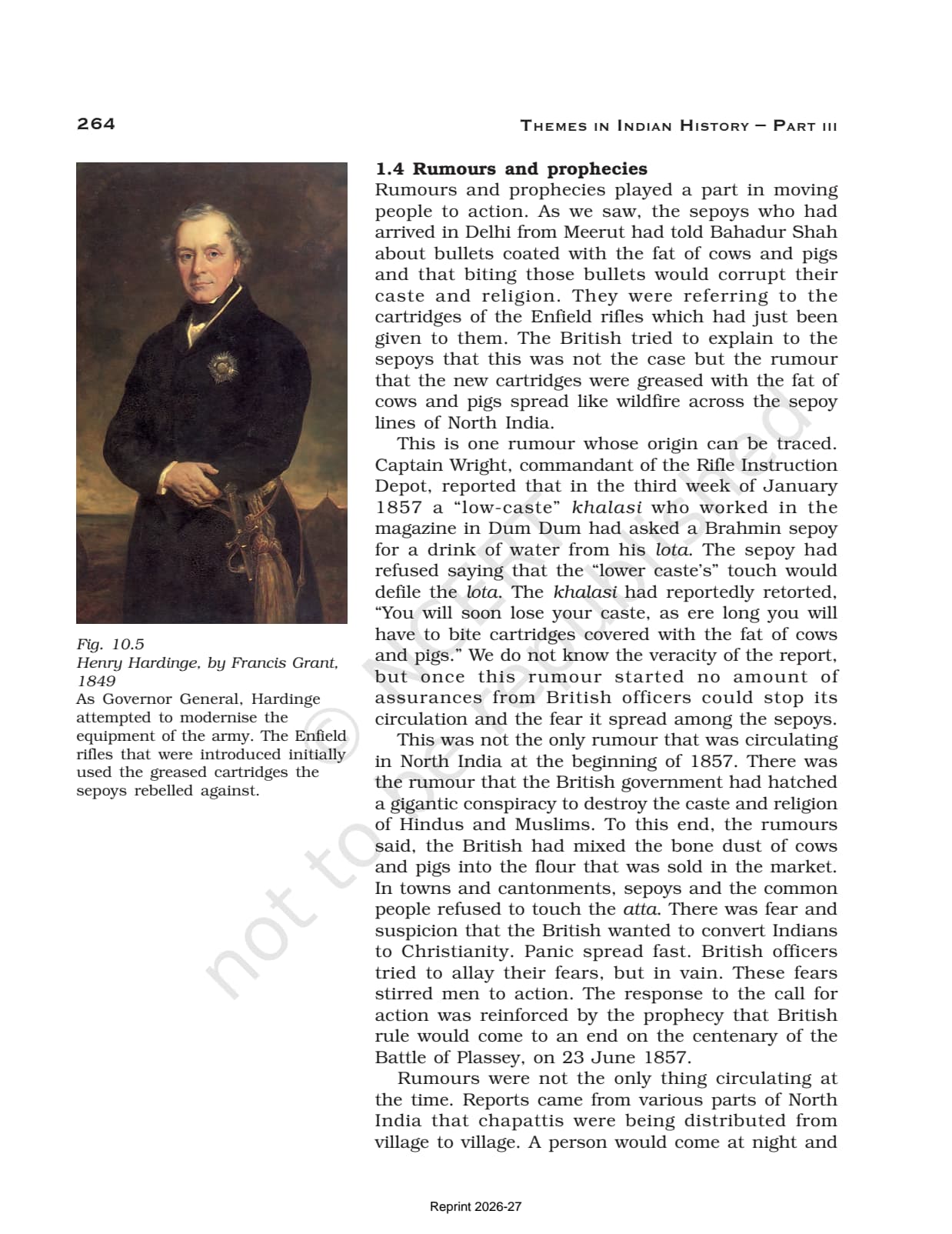
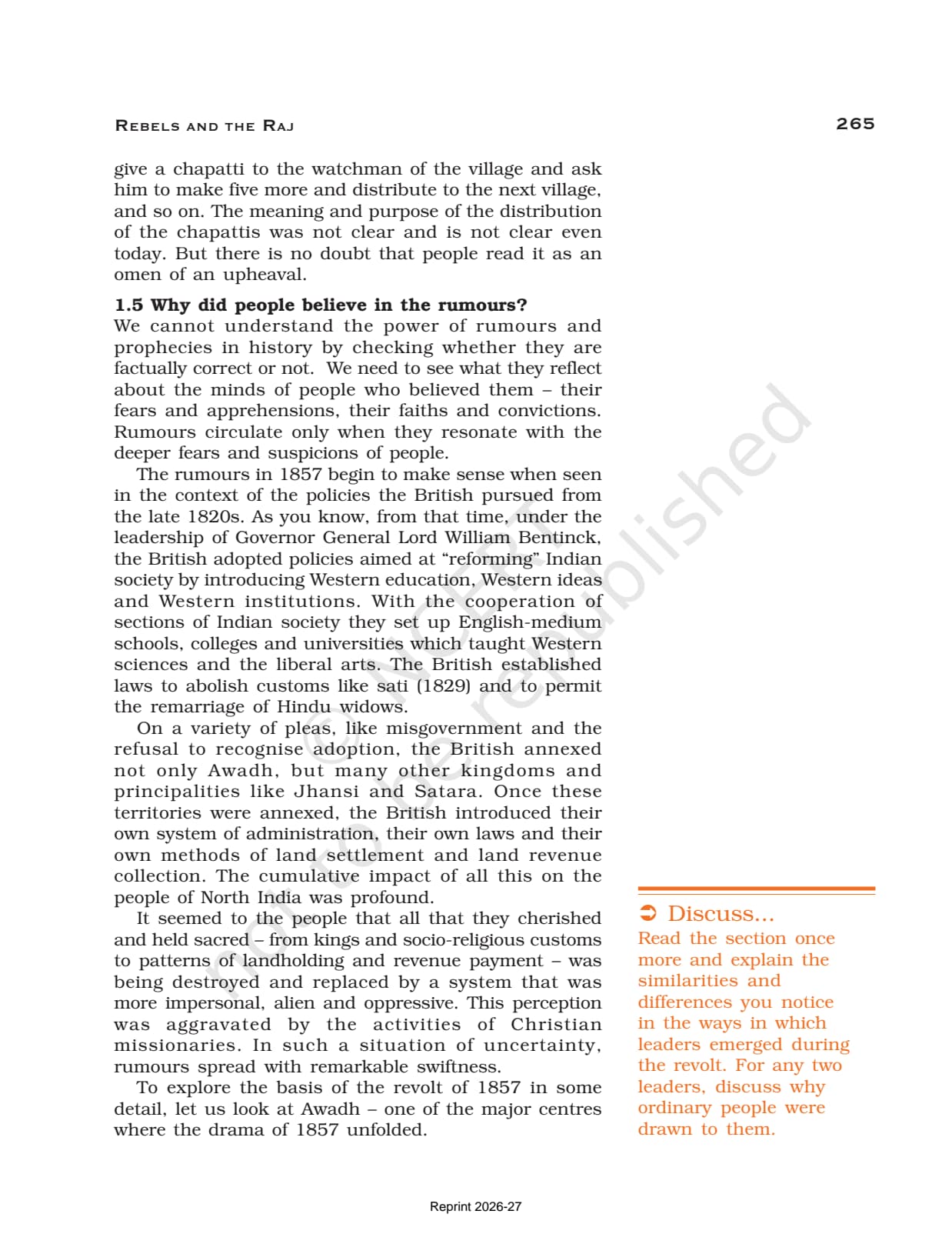
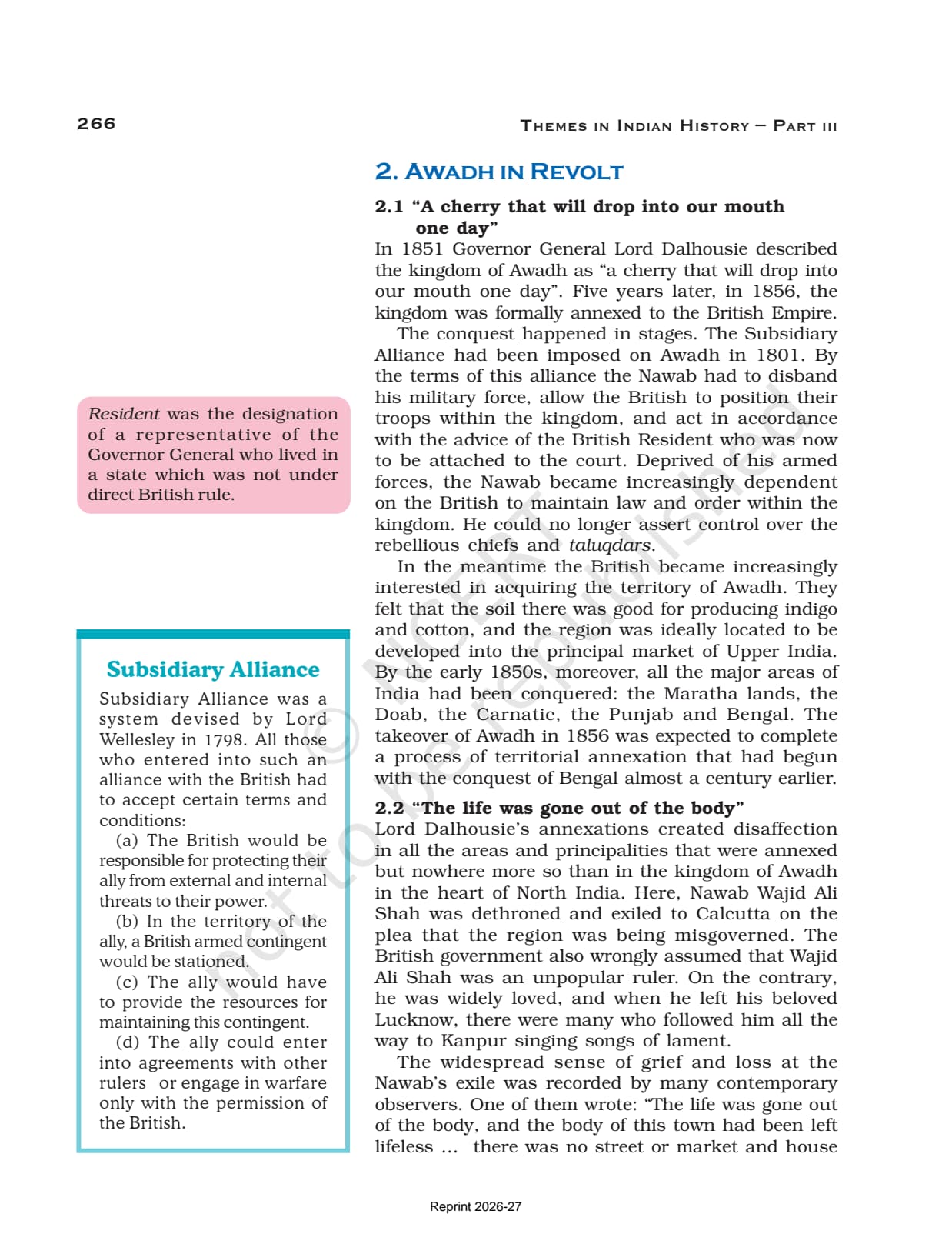
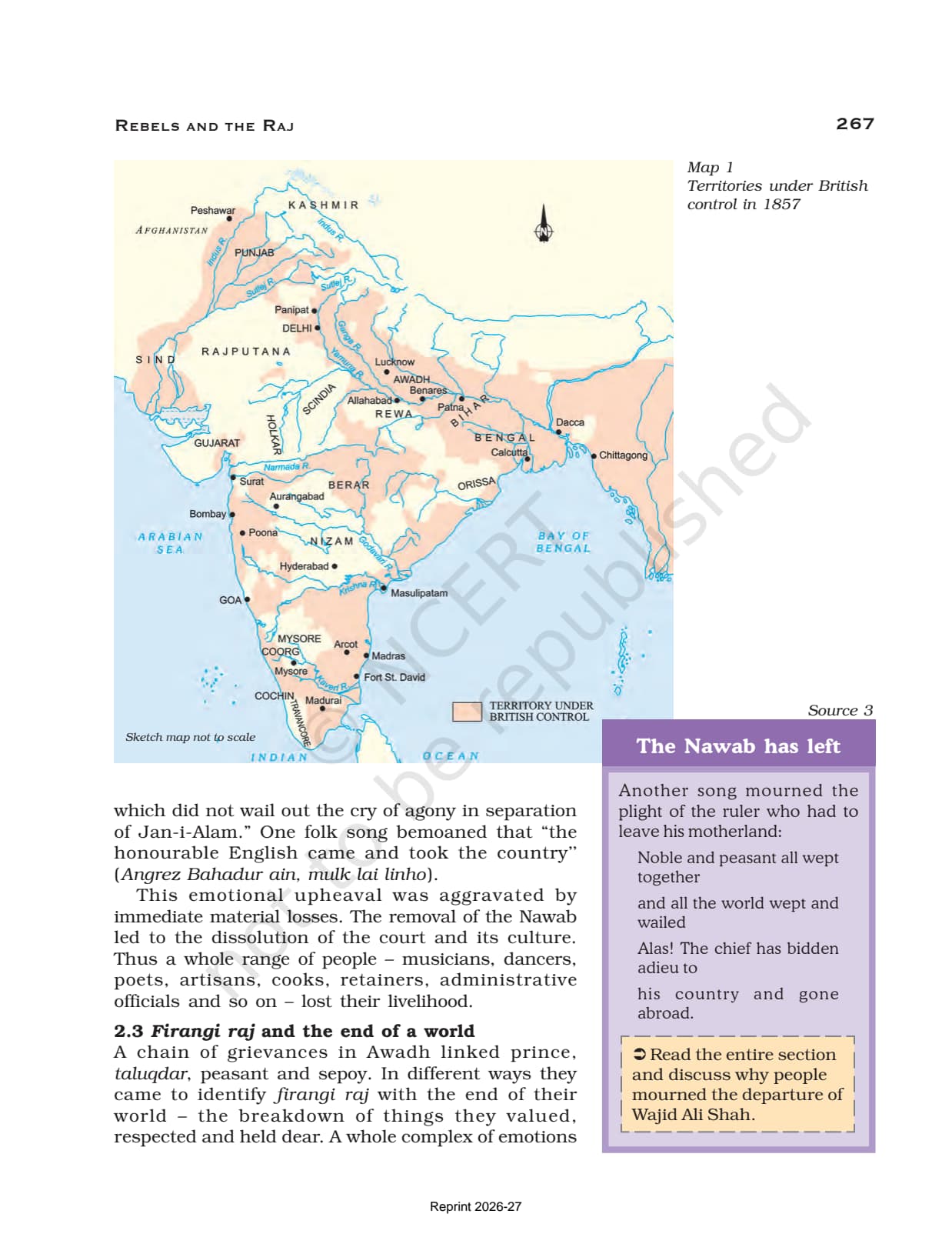
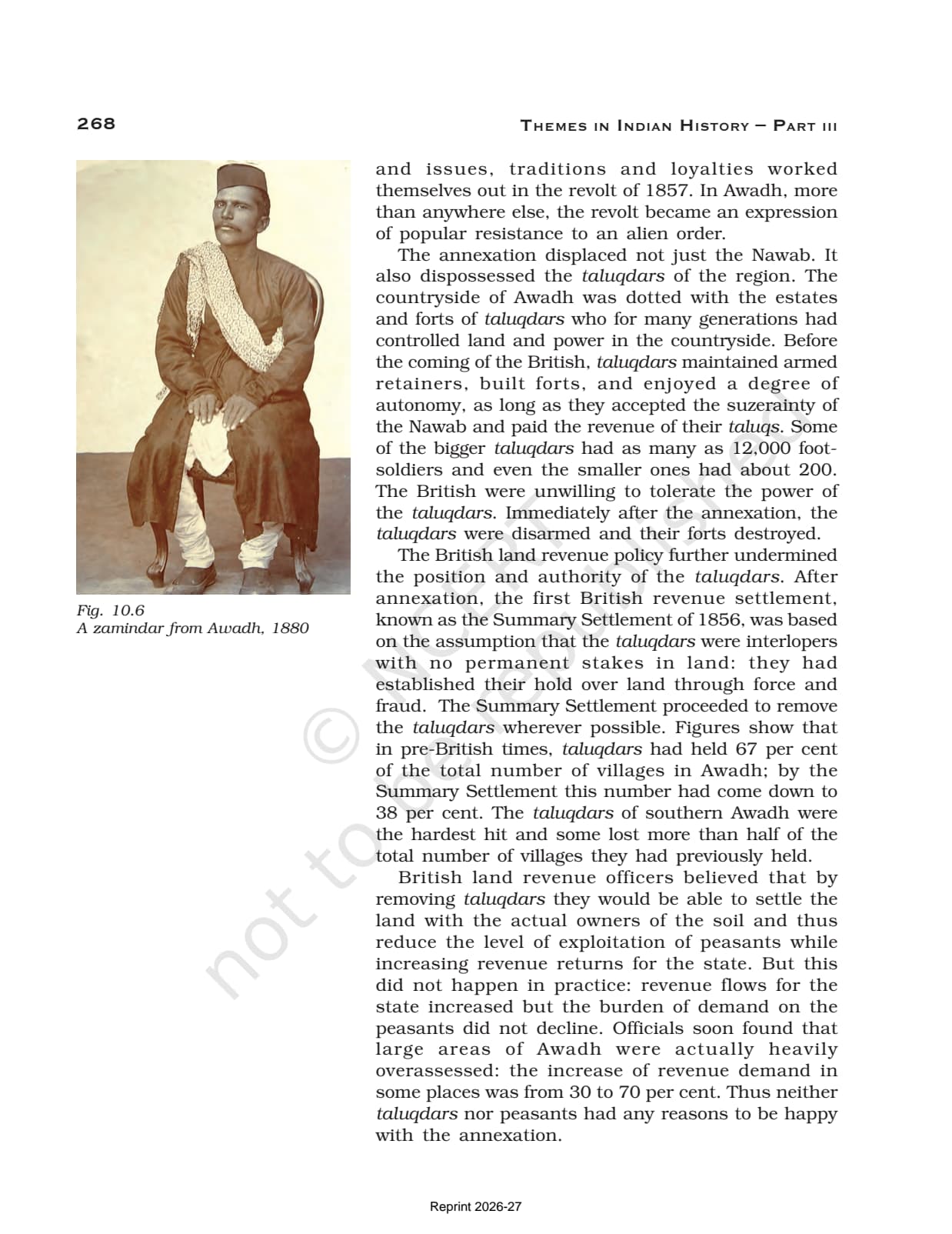
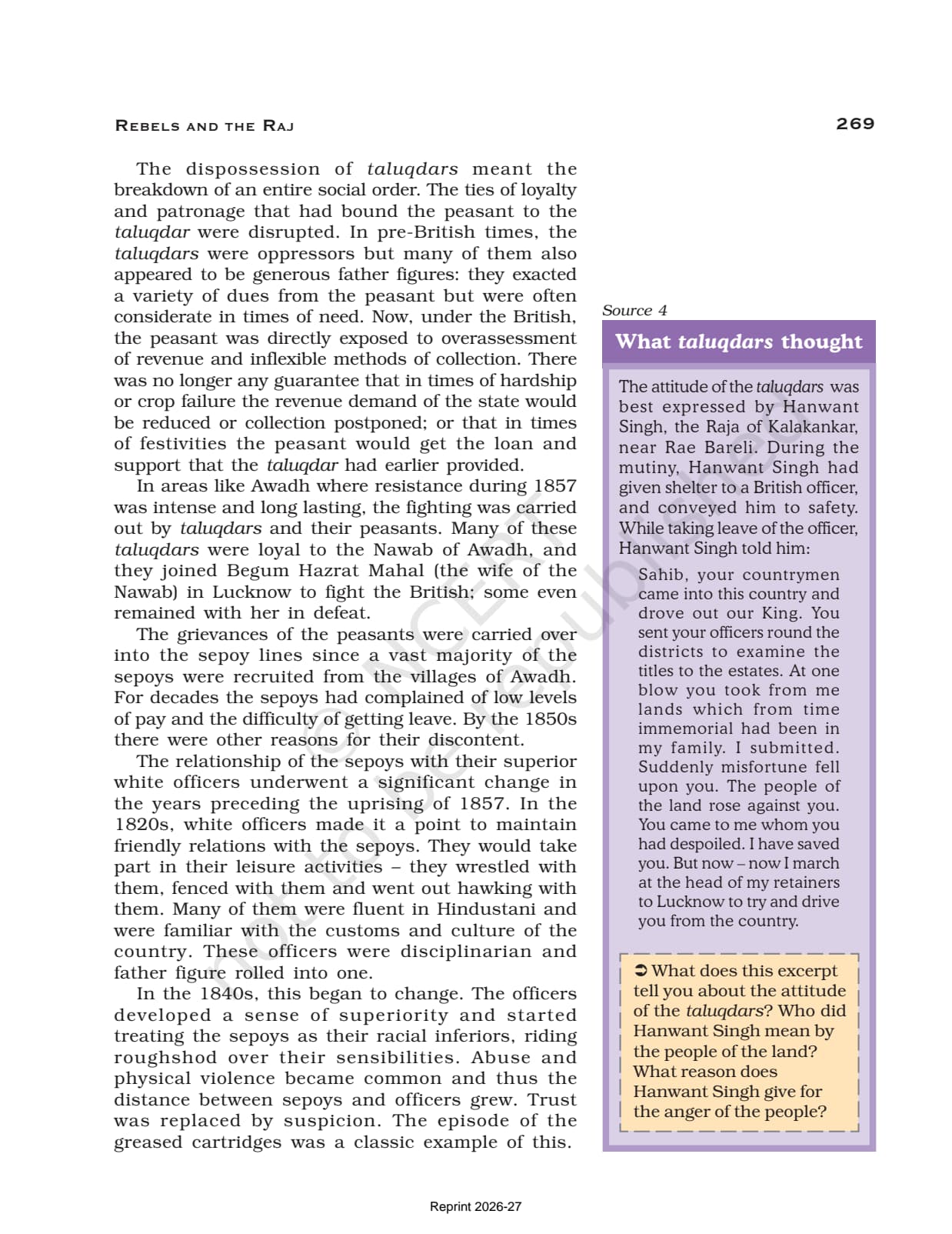
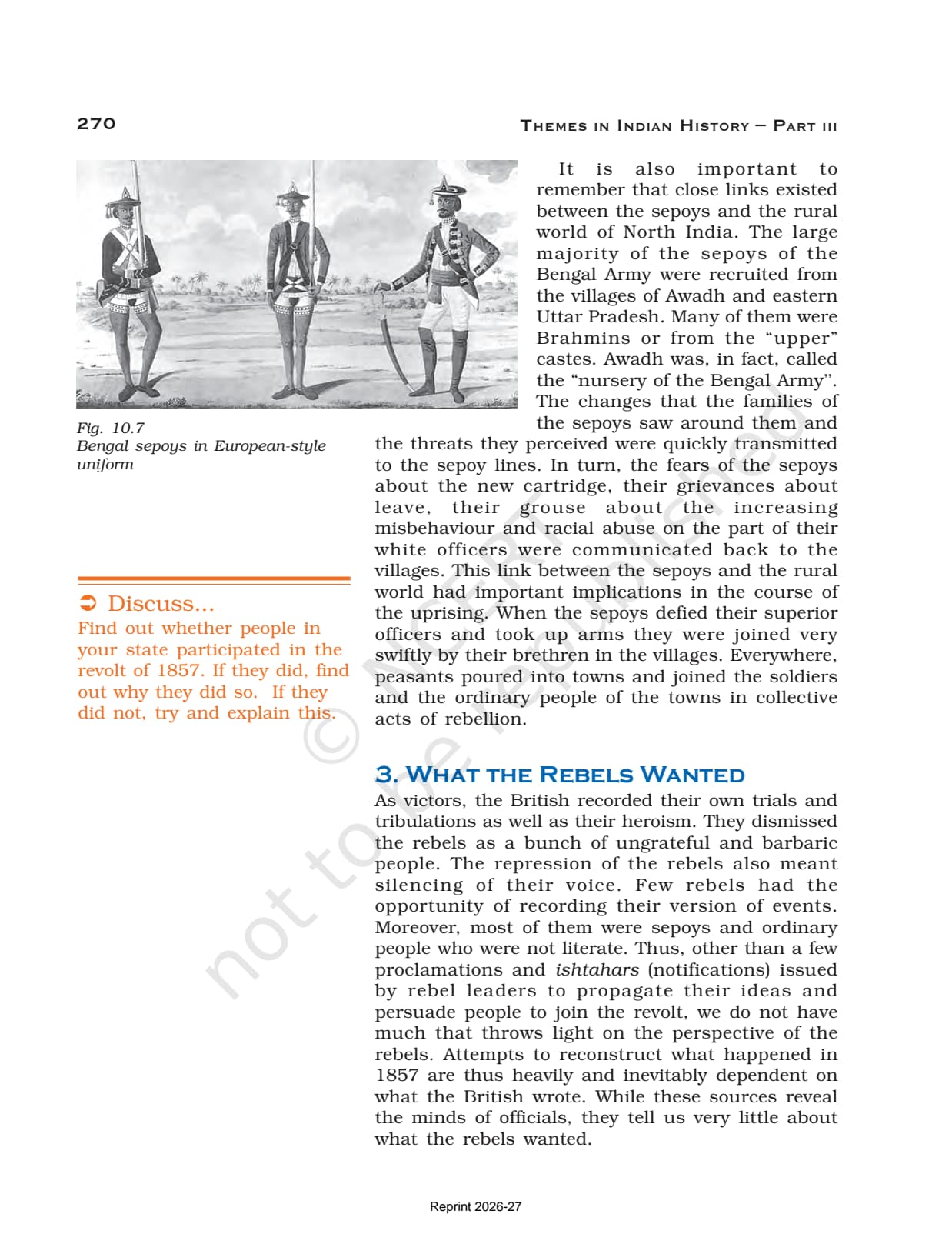
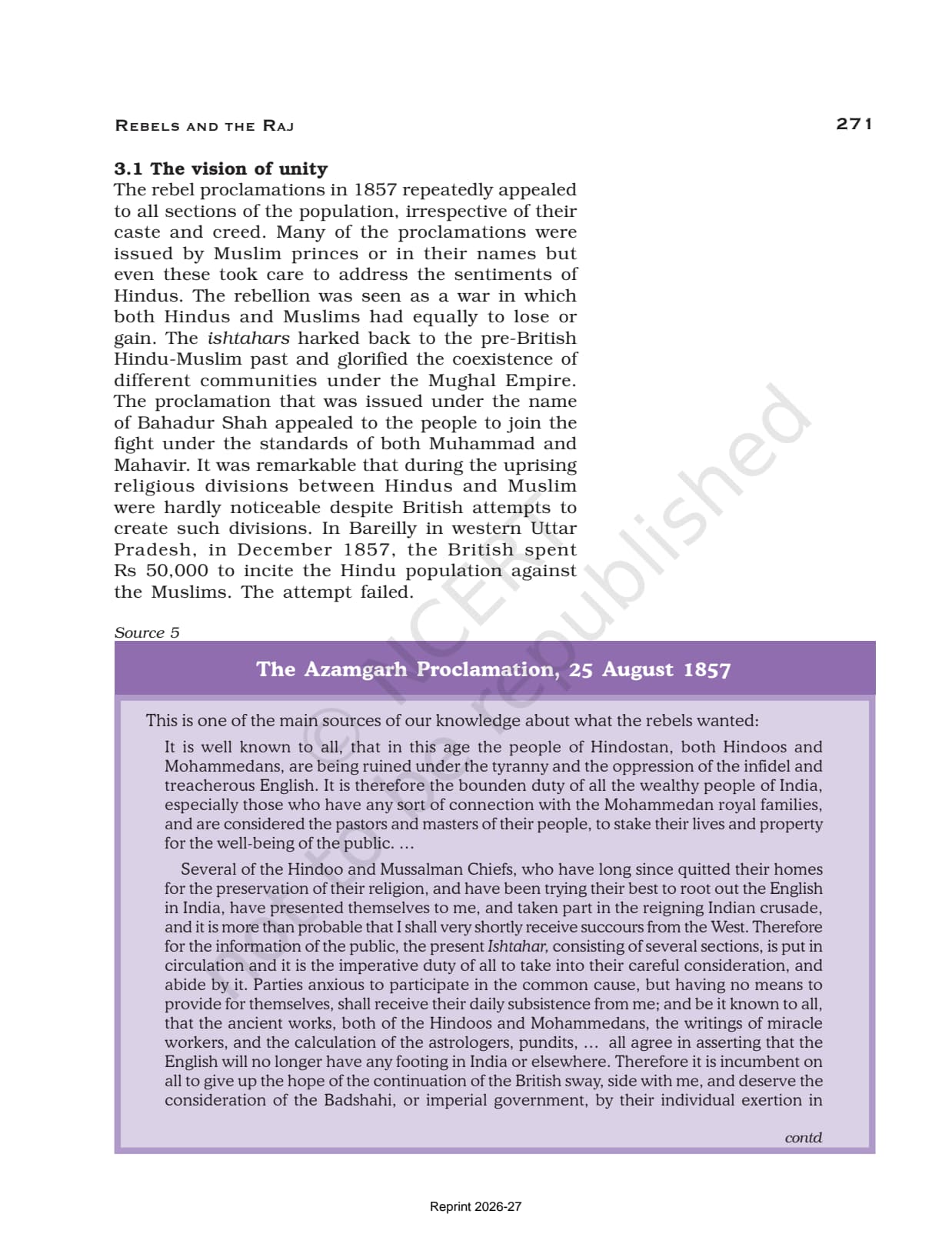
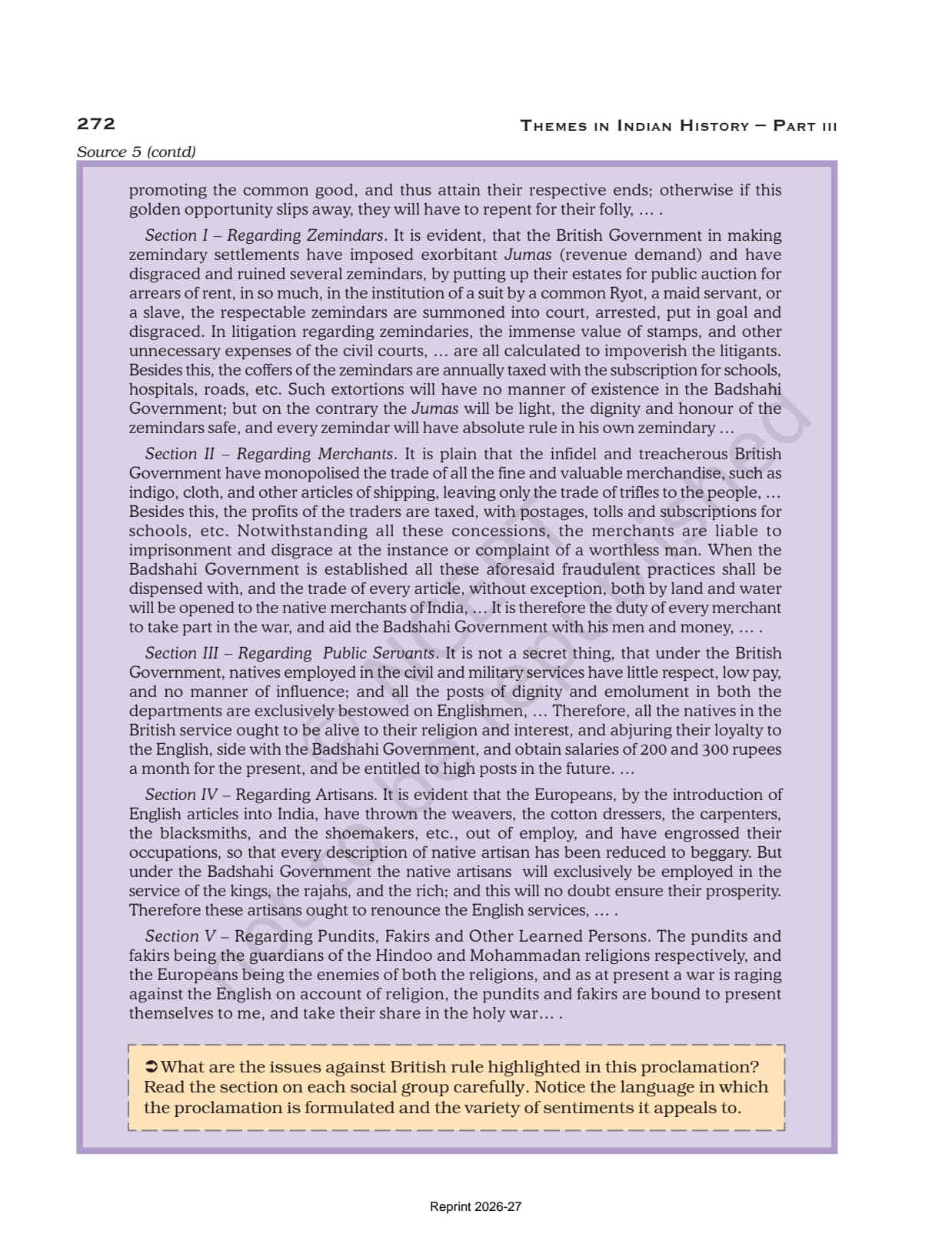
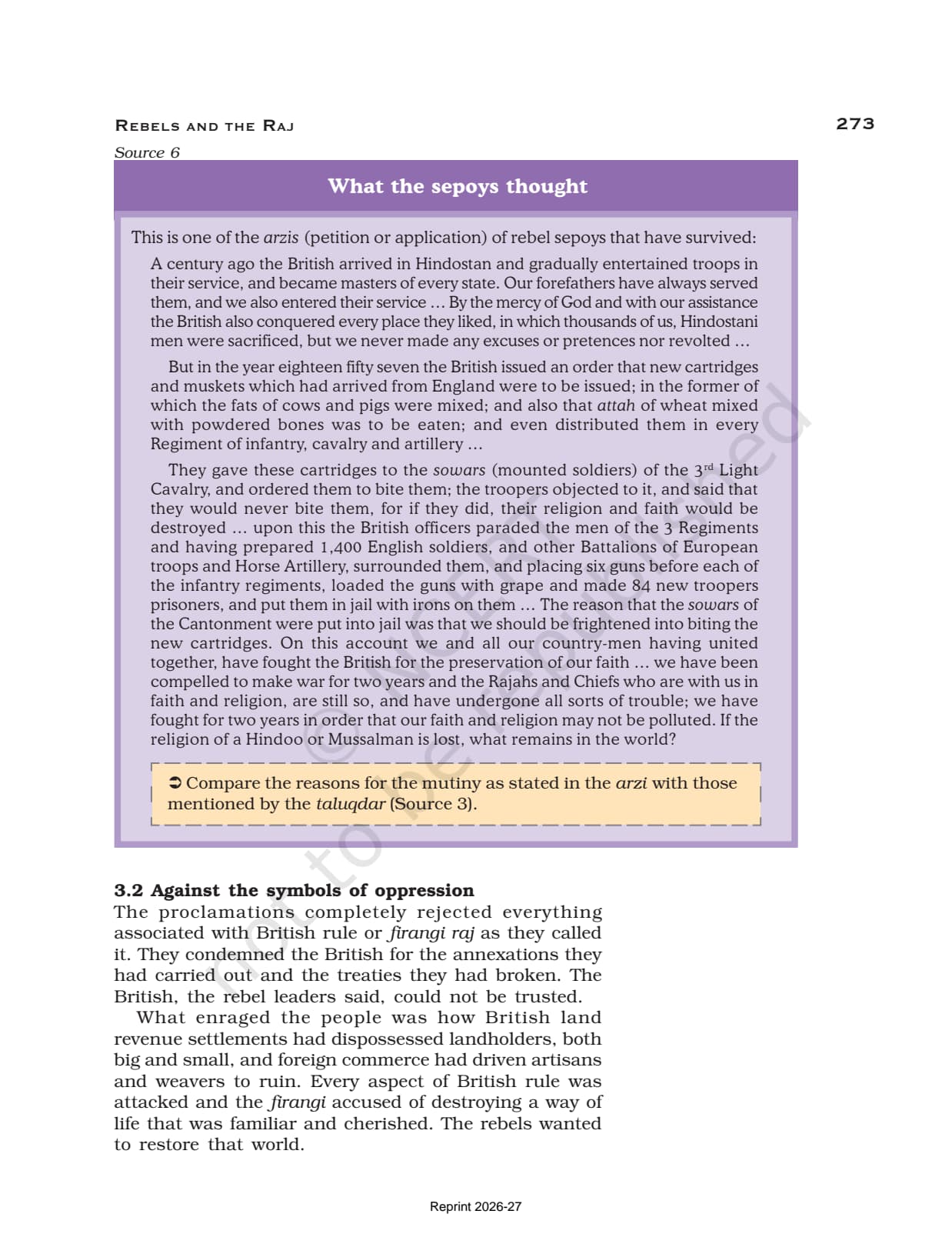
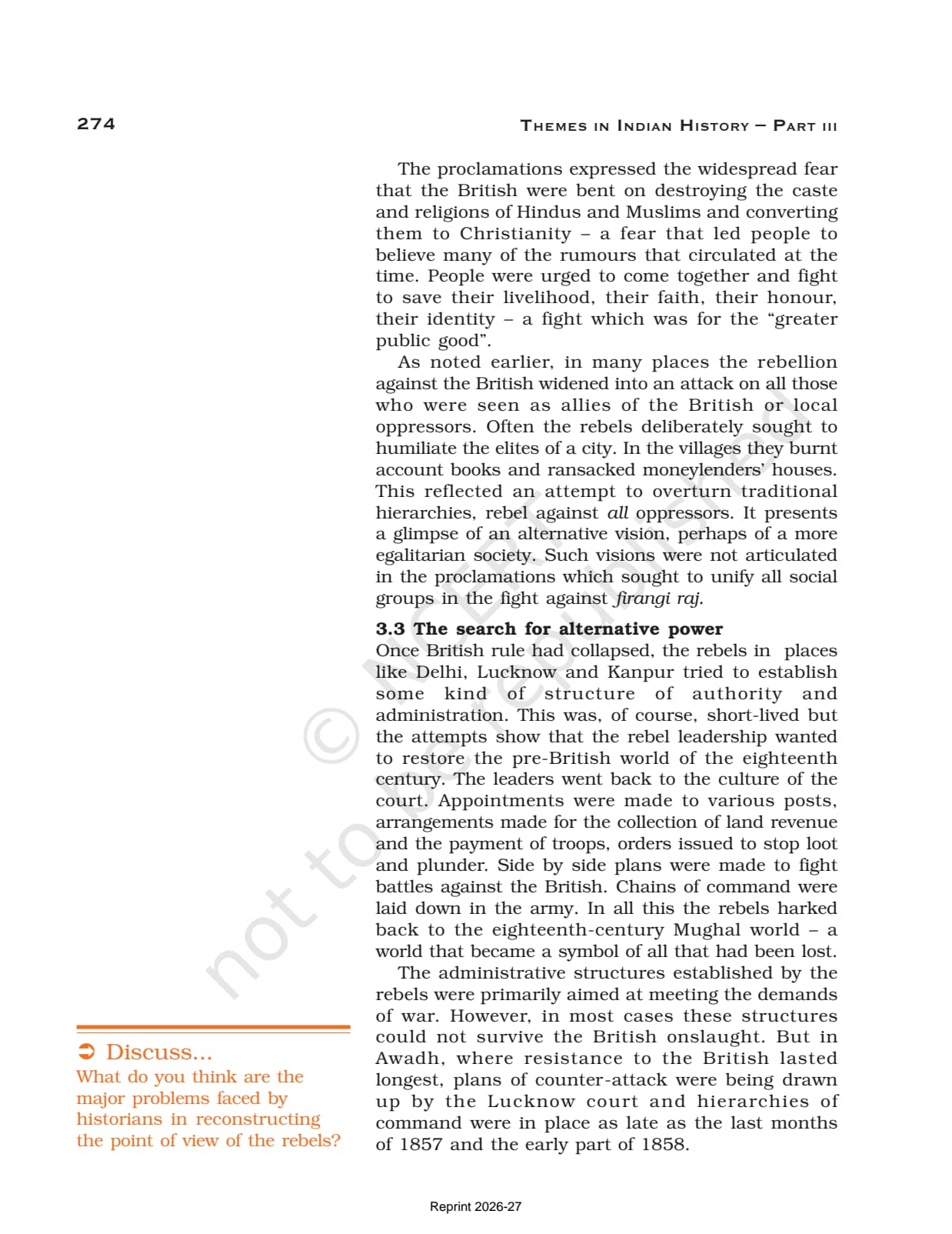
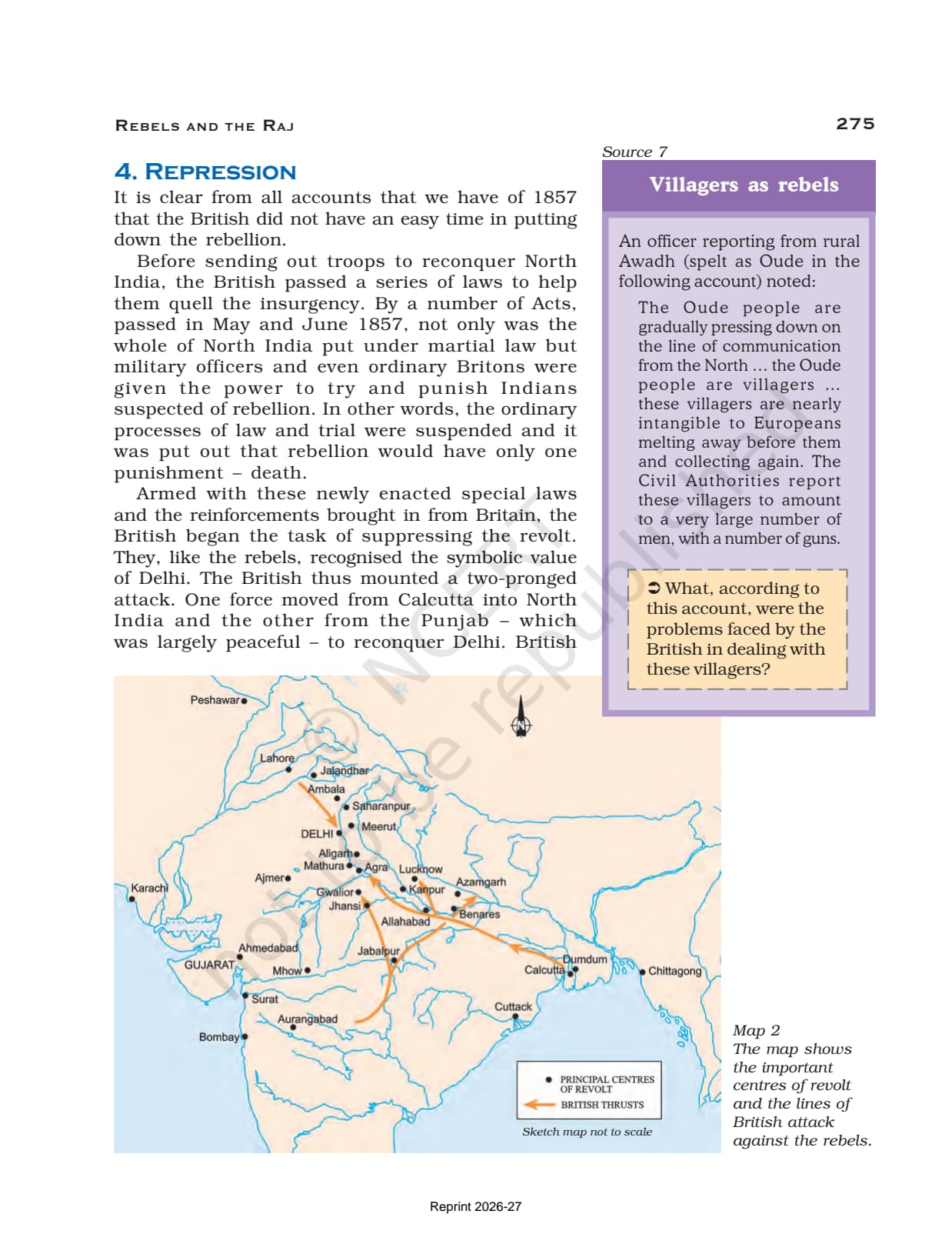
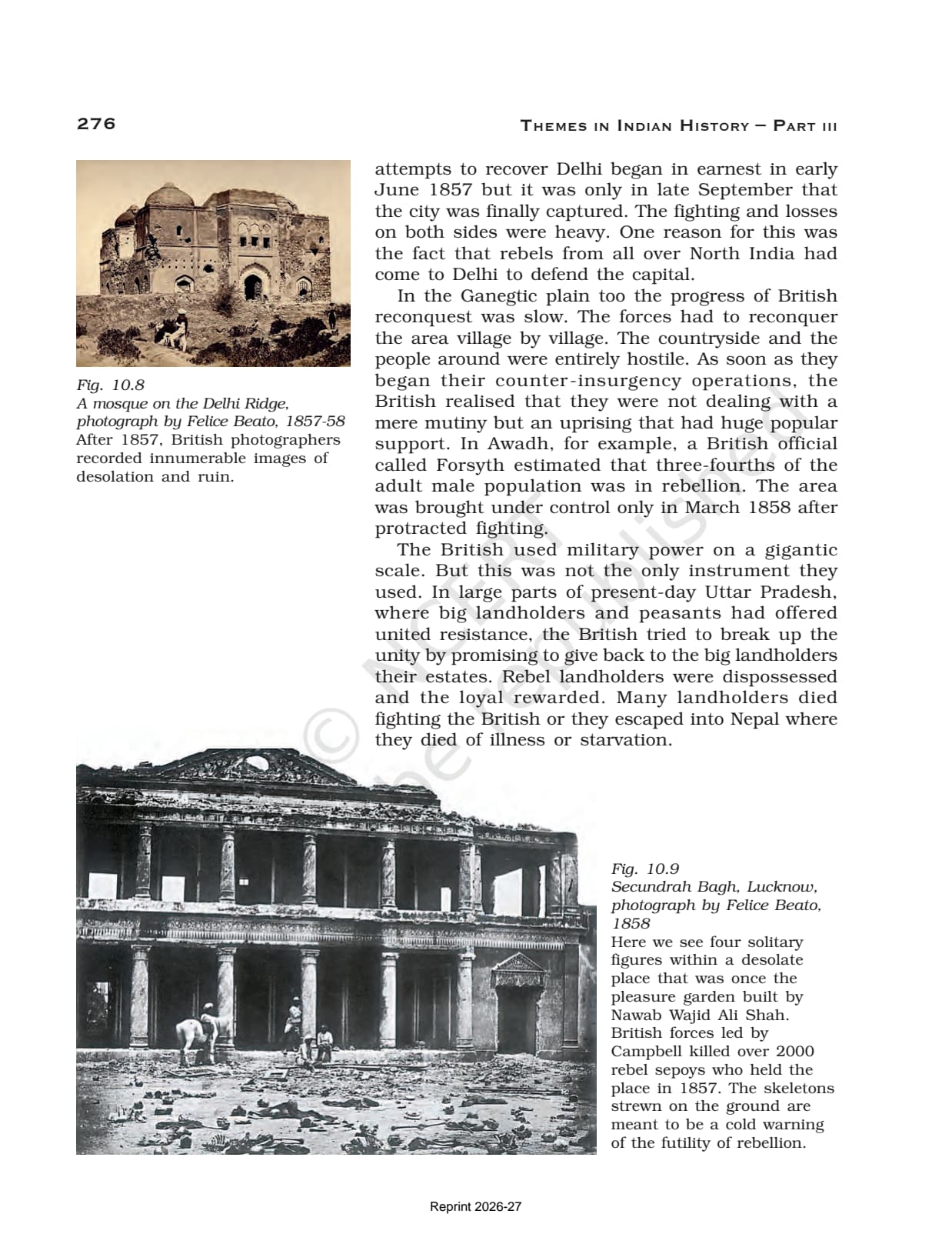
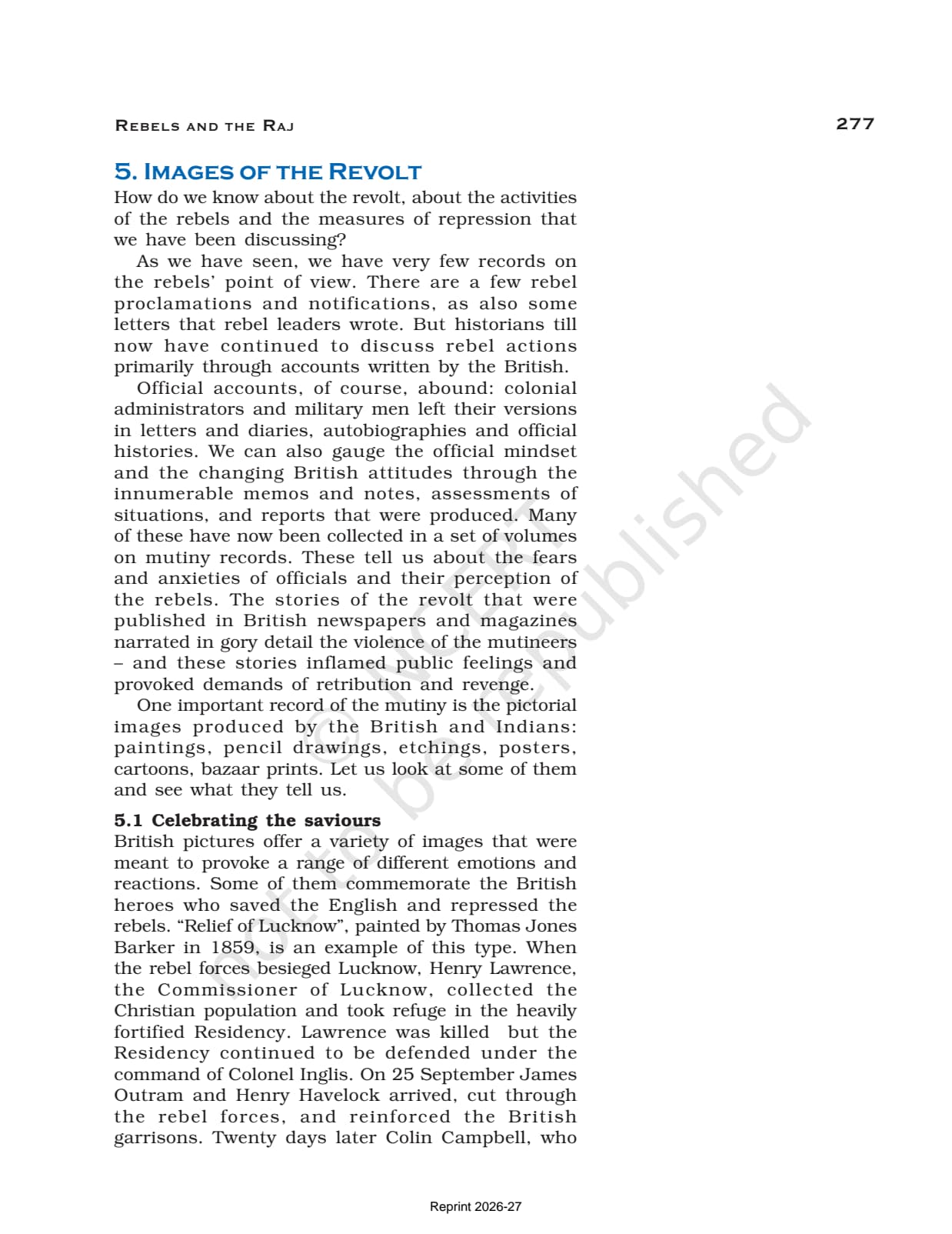
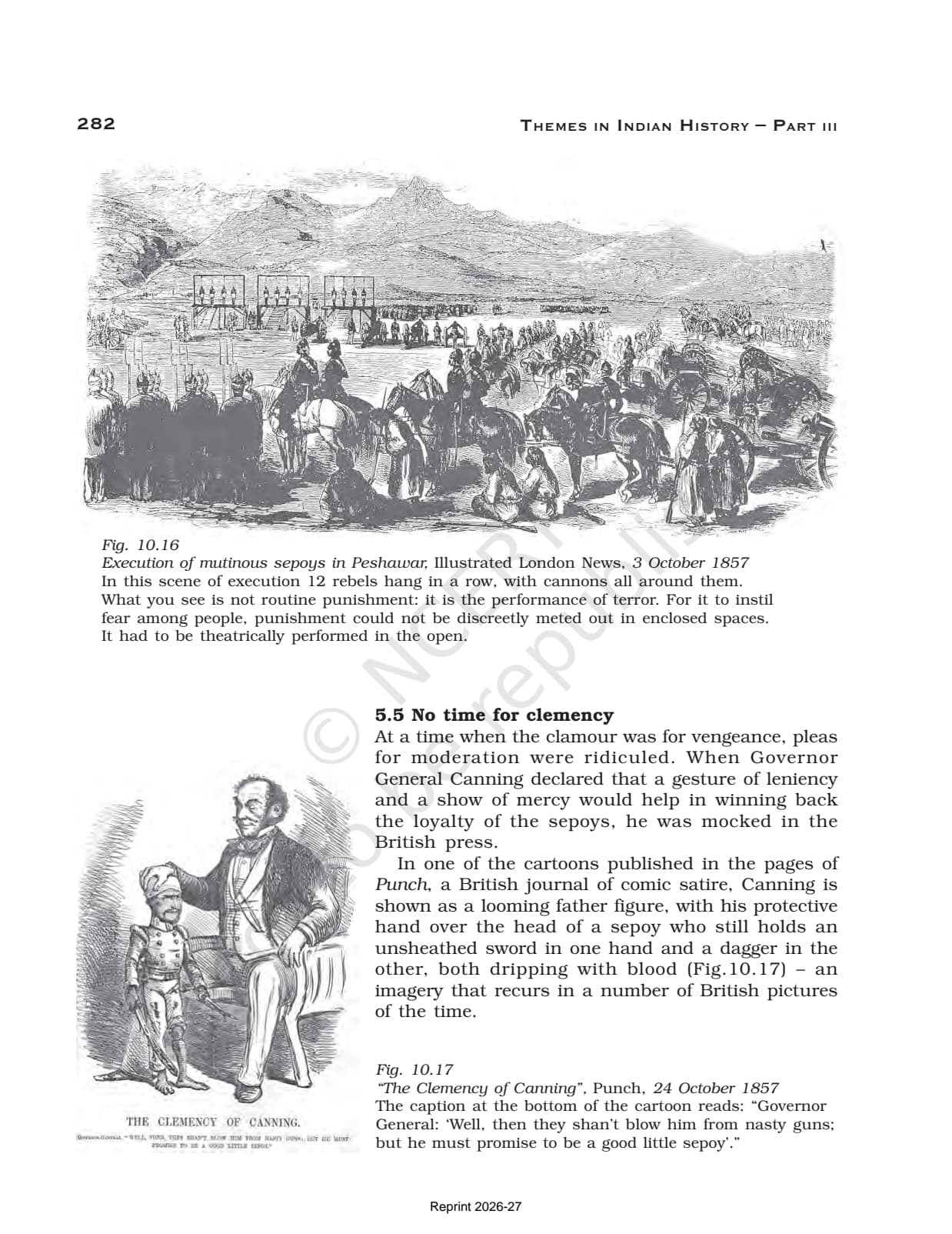
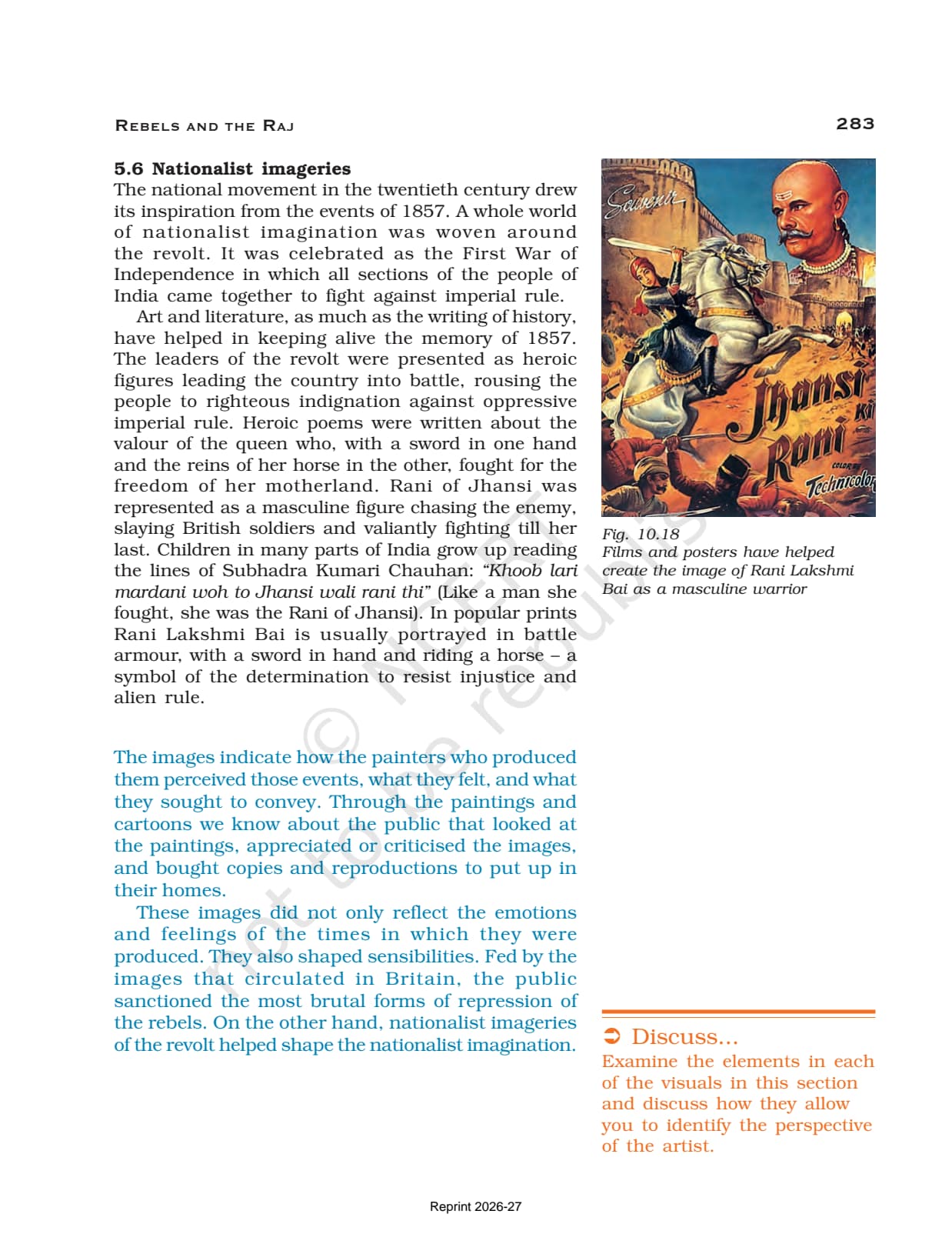
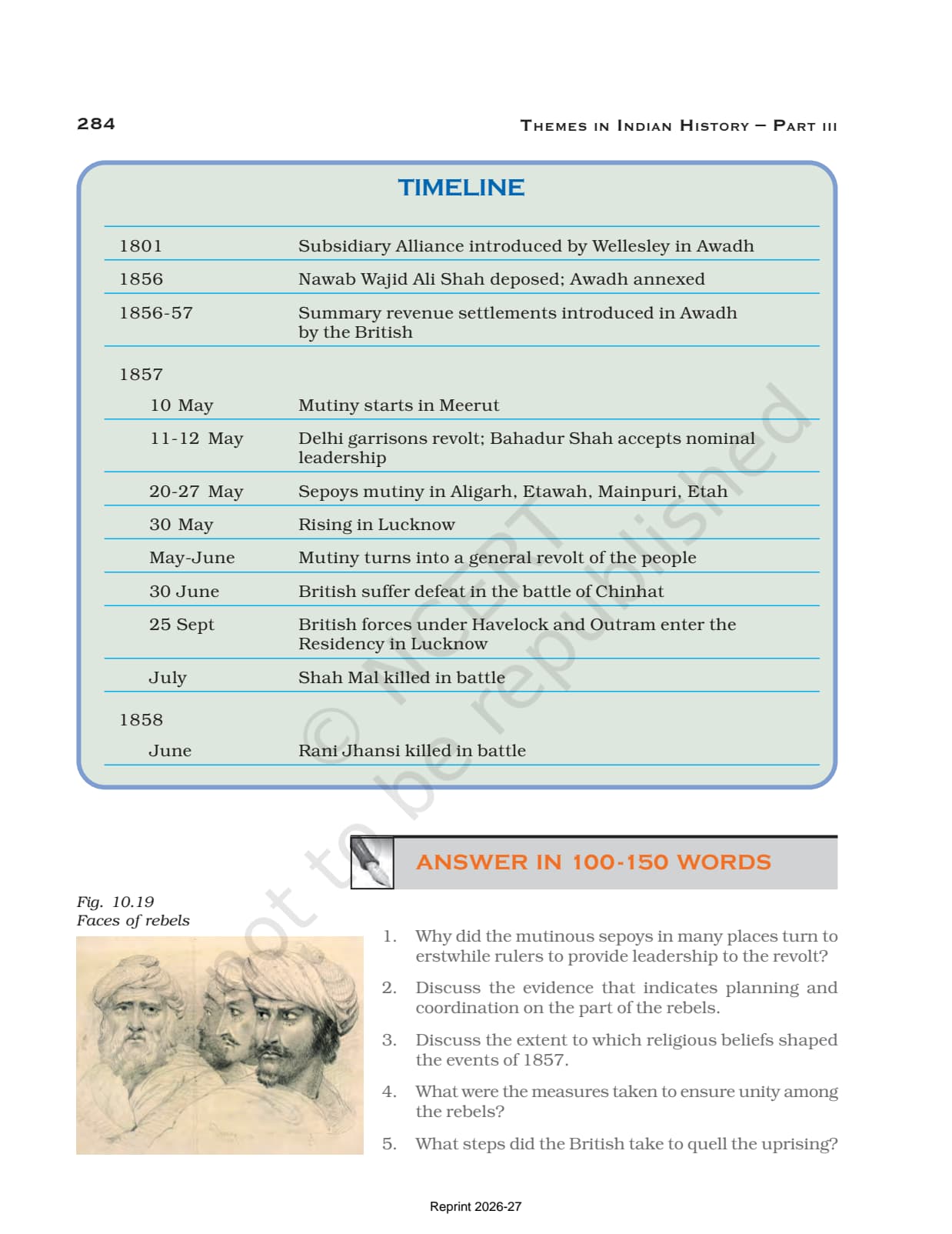
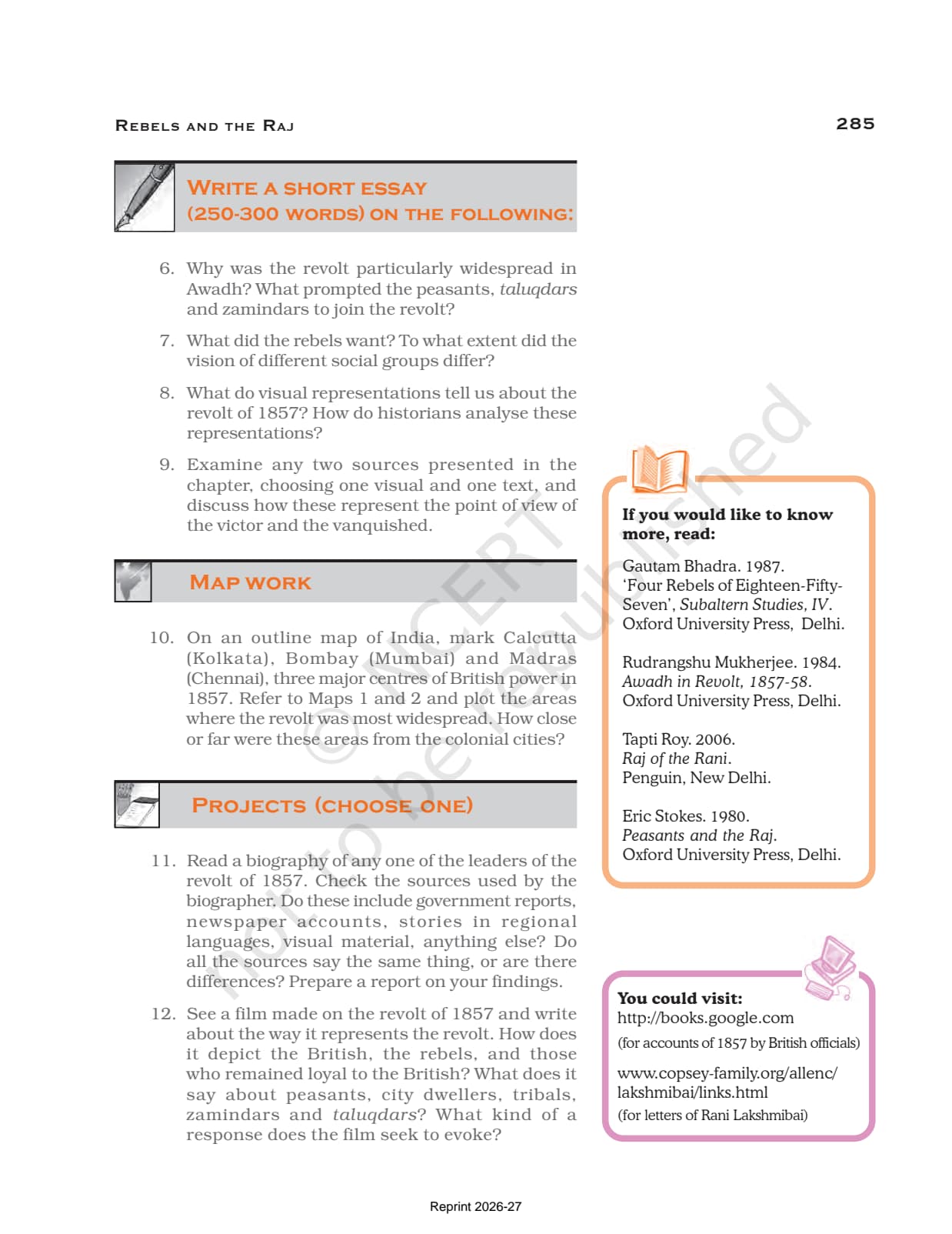
- Official NCERT chapter with the original maps, paintings, photographs and source extracts.
- This Class 12 History chapter usually carries 6 to 8 marks in the board paper.
- Pairs with the NCERT Solutions, Notes and Handwritten Notes linked lower on this page.
This is the official NCERT Rebels and the Raj chapter from Themes in Indian History Part III, offered for free download in the 2026-27 edition.
Student Feedback: In a Collegedunia poll of 7,680 Class 12 History students before the 2026 boards, 67% of students said they kept the official NCERT chapter PDF open while solving source-based questions, because the proclamations and images in the exam come straight from the chapter's own extracts.
Source: 2026-27 Class 12 History student poll. Sample of 7,680 students from CBSE schools across 12 states.
What the Rebels and the Raj NCERT Chapter Covers
Rebels and the Raj is the tenth chapter of Themes in Indian History Part III. It studies the Revolt of 1857, the great uprising against the East India Company that began at Meerut on 10 May 1857 and spread across north and central India. The chapter reads the revolt through both rebel proclamations and British records, so the NCERT builds the story from two sides.
The chapter is built around three big questions:
- How the revolt spread from sepoy lines into a wide popular uprising.
- What the rebels wanted, and how the vision of different groups differed.
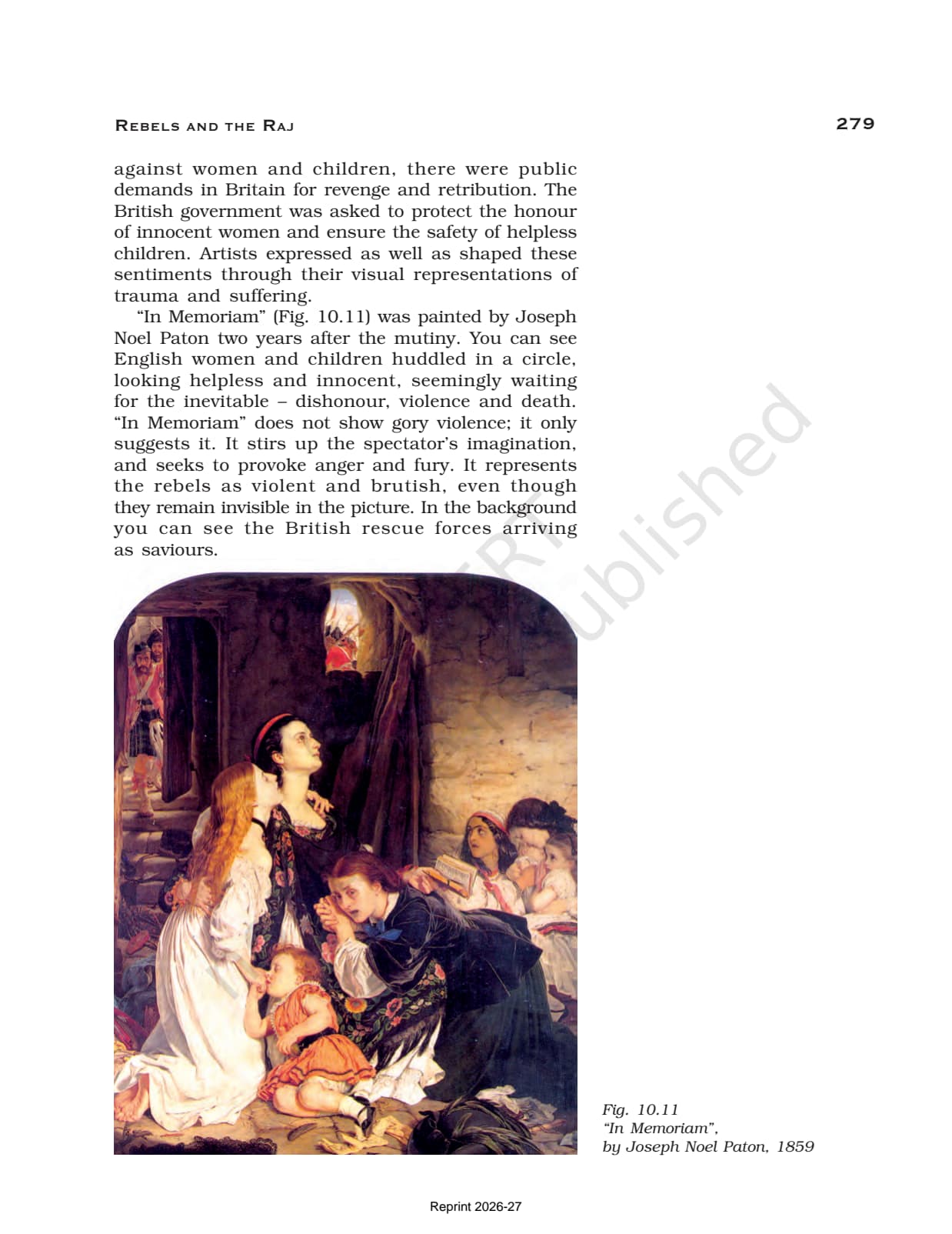
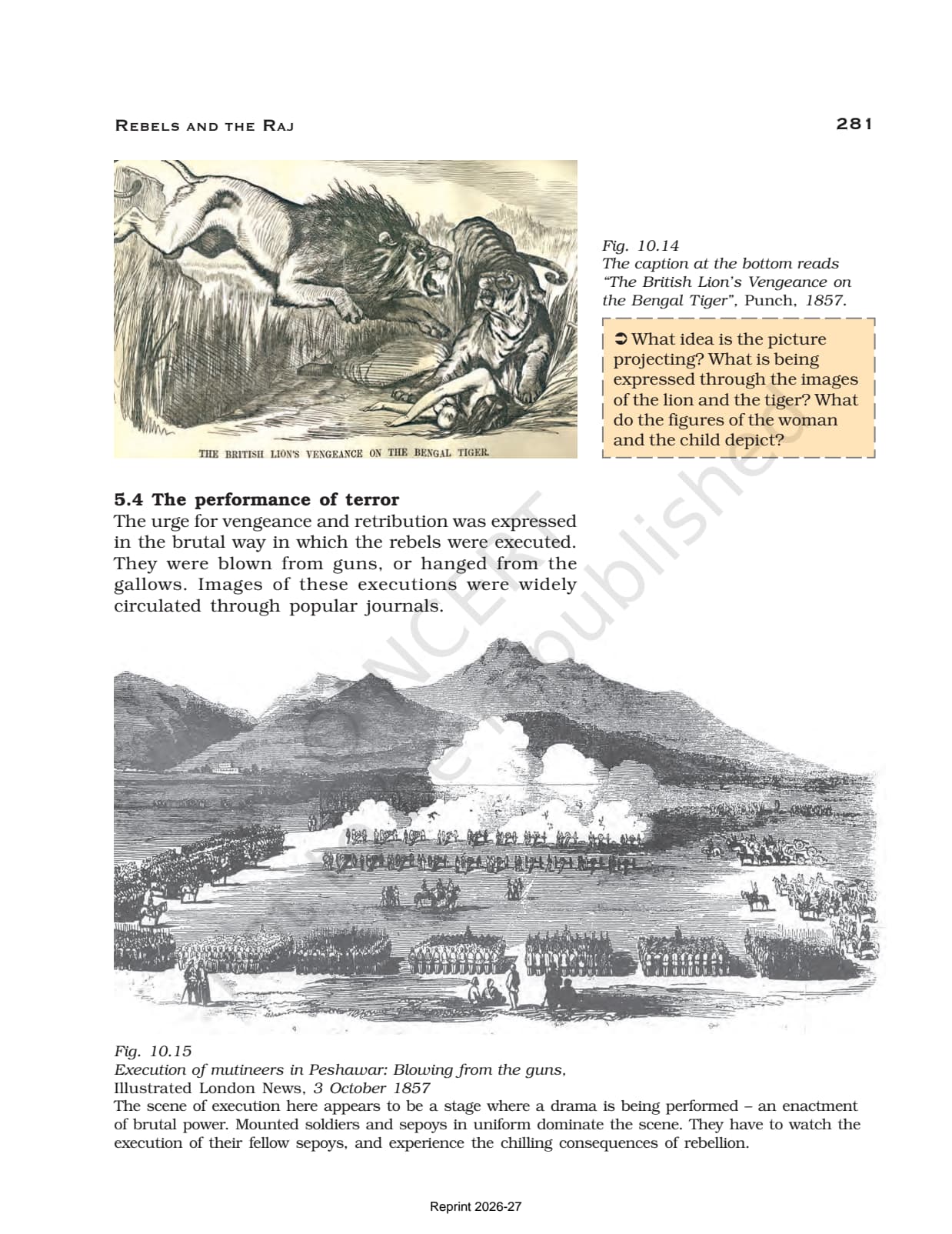
- How it was crushed, and how the British then pictured it in paintings and photos.
Reading the original NCERT text matters because the proclamations, paintings and captions in the class 12 history chapter 10 pdf are exactly what CBSE quotes in source-based questions. A student who knows the chapter's own examples can answer those passages with confidence.
Chapter Highlights and Important Figures
The NCERT chapter is rich with paintings, photographs and maps that the exam often refers to. Knowing what each figure shows helps students answer "look at the figure" questions quickly. The table below lists the highlights students should study in the original chapter PDF.
| Highlight | Why it matters |
|---|---|
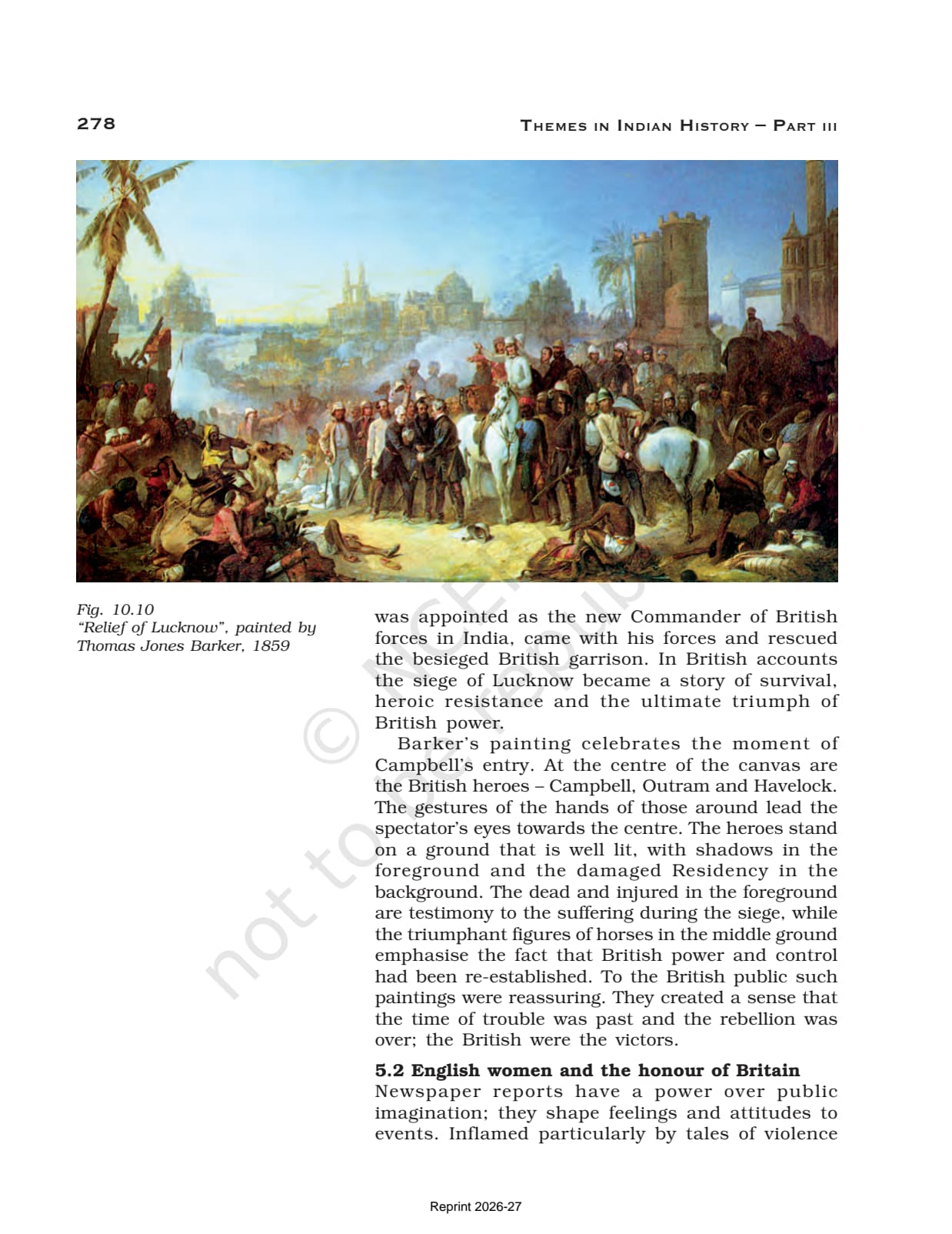
| "Relief of Lucknow" | A British painting by Thomas Jones Barker that celebrates Campbell's entry and British power. |
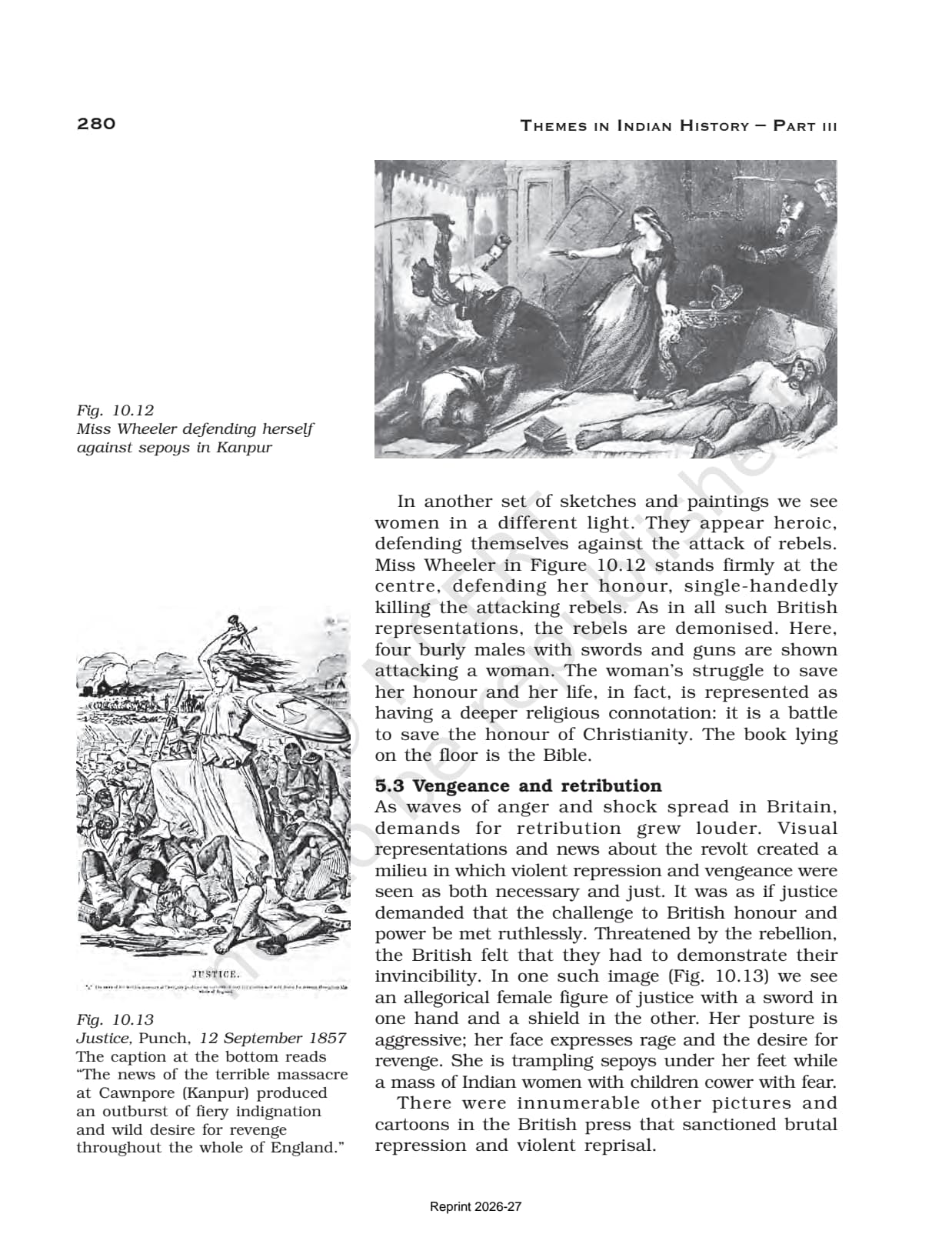
| The "Justice" cartoon | An allegory in Punch showing Justice trampling sepoys, calling for revenge. |
| Secundrah Bagh photograph | Felice Beato's image of skeletons left as a warning to others. |
| Rebel proclamations | Source extracts that show the rebels' appeal to Hindu-Muslim unity. |
| Maps of the revolt | Show how widely the revolt spread across the Gangetic plain and central India. |
The chapter also explains how Awadh became the storm centre after the annexation of 1856. One point students should mark while reading is that the rebels turned to old rulers like Bahadur Shah Zafar to give the revolt a familiar source of authority. That single idea is the heart of the leadership answer, and it appears almost every year.
Causes, Spread and Leaders in the Chapter
The chapter devotes whole sections to why the revolt began, how it spread, and who led it. These sections feed the short and long answers, so reading them in the original NCERT helps students quote the right examples. The lists below show what the chapter covers.
- Causes: the Doctrine of Lapse, heavy land revenue, the ruin of artisans, sepoy grievances, and the greased cartridge.
- Spread: from Meerut on 10 May to Delhi on 11 May, then across the Gangetic plain and central India.
- Leaders: Bahadur Shah Zafar at Delhi, Nana Saheb at Kanpur, Rani Lakshmibai at Jhansi, Begum Hazrat Mahal in Awadh.
- Followers: sepoys, peasants, taluqdars and zamindars who joined for different reasons.
The chapter explains that Awadh rose so widely because the annexation of 1856 hurt the Nawab, the taluqdars and the peasants together. It also covers the proclamations that called on Hindus and Muslims to unite against the firangi. Because these examples are drawn straight from the source chapter, the chapter 10 history class 12 ncert book is the most reliable place to learn them.
How Historians Read the Sources of 1857
The closing sections of the chapter are the most thoughtful, and they are also the hardest to answer well. NCERT explains how historians use proclamations, paintings and photographs to read the revolt from two sides. Reading these pages in the original chapter helps students write balanced answers.
- Two sides: rebel proclamations give the rebels' view, while British records give the rulers' view.
- Images take a side: British paintings glorify the Raj, while later Indian art honours the rebel leaders.
- Reading with care: historians ask who made each source, for whom, and what it leaves out.
- Victor and vanquished: the chapter asks students to compare how each side is pictured.
The chapter is honest that most surviving images show the point of view of the victor, so they glorify the British and blame the rebels. It ends by linking the revolt to the start of Crown rule: after the revolt was crushed in 1858, the Company was replaced by direct British rule. Reading these closing pages in the official PDF gives students the wording NCERT itself uses, which scores best in the board paper.
How to Download and Use the NCERT Chapter PDF
The chapter PDF is free and easy to use on any device. Students can save it for offline reading and pair it with the solutions and notes. The steps below show how to get the most out of the rebels and the raj pdf during revision.
- Download: tap the download card above to save the official Chapter 10 PDF to your device.
- First read: read the chapter once end to end, marking the figures, proclamations and source extracts.
- Source practice: keep the PDF open while attempting source-based questions, since the passages come from it.
- Revision: use the chapter alongside the notes to fix dates, leaders and centres.
Many students search for the class 12 history chapter 10 pdf the night before a test so they can revise offline. A saved copy means the proclamations and images are always at hand. After reading the chapter, move to the solutions to check that your answers match the model points, then use the notes for a final quick recall.
How the Book PDF Pairs with the Solutions and Notes
The NCERT Book PDF is the source text. To prepare fully, students should use it with the other resources for the same chapter, all linked in the table below. Read the chapter, fix the ideas with the notes, then test yourself with the solutions.
| Resource | Best used for |
|---|---|
| Rebels and the Raj NCERT Solutions | Step-by-step answers to all 12 back-exercise questions |
| Rebels and the Raj Class 12 Notes | Quick chapter summary with all dates and leader names in one place |
| Rebels and the Raj Handwritten Notes | Last-minute, one-shot revision in a scanned notebook style |
Tip: read the chapter PDF first, then attempt the solutions on your own, and only then check the model answers. Reading the source text before the answers builds far stronger source-based skills.
All Class 12 History NCERT Book PDFs by Chapter
The table links the NCERT chapter PDFs for every chapter in Themes in Indian History so students can move across the book in one click. Chapter 10 is highlighted.
| Chapter | NCERT Book PDF |
|---|---|
| Chapter 1 | Bricks, Beads and Bones |
| Chapter 2 | Kings, Farmers and Towns |
| Chapter 3 | Kinship, Caste and Class |
| Chapter 4 | Thinkers, Beliefs and Buildings |
| Chapter 5 | Through the Eyes of Travellers |
| Chapter 6 | Bhakti-Sufi Traditions |
| Chapter 7 | An Imperial Capital Vijayanagara |
| Chapter 8 | Peasants, Zamindars and the State |
| Chapter 9 | Colonialism and the Countryside |
| Chapter 10 | Rebels and the Raj 1857 |
| Chapter 11 | Mahatma Gandhi and the Nationalist Movement |
| Chapter 12 | Framing the Constitution |
FAQs on Rebels and the Raj NCERT Book PDF
Rebels and the Raj Class 12 NCERT Book Common Questions
Ques. Where can I download the Rebels and the Raj NCERT Book PDF?
Ans. You can download the official Rebels and the Raj Class 12 History chapter PDF directly from this page. It is free, follows the 2026-27 NCERT edition, and carries the original text, maps, paintings and source extracts of Chapter 10.
Ques. Which book is Rebels and the Raj from?
Ans. It is the tenth chapter of Themes in Indian History Part III, the Class 12 History textbook. The chapter studies the Revolt of 1857 through rebel proclamations and British records, reading the event from both sides.
Ques. What does the Rebels and the Raj chapter cover?
Ans. It covers the Revolt of 1857 against the East India Company, including its causes, the spread from Meerut to Delhi, leaders like Bahadur Shah Zafar and Rani Lakshmibai, the Awadh revolt, the rebel vision, British repression, and how the revolt was pictured.
Ques. Why should I read the original NCERT chapter PDF?
Ans. Because CBSE draws source-based questions straight from the chapter's own proclamations, paintings and captions. Reading the official chapter 10 history class 12 PDF gives you the exact wording and examples that score best in the board paper.
Ques. How should I use the chapter PDF with the other resources?
Ans. Read the chapter PDF first, fix the ideas with the notes, then test yourself with the solutions. Keeping the PDF open while practising source-based questions helps, since the passages and images come directly from it.



Comments