




The Class 9 Science NCERT Book PDF Chapter 10 Sound Waves Characteristics and Applications is the exact chapter from the new Exploration textbook for the 2026-27 syllabus. This page lets students download the full chapter PDF free and shows what is inside it, from how sound is produced to echoes and ultrasound. Read the summary first, then open the book PDF to study every section, figure and exercise in the original NCERT wording.
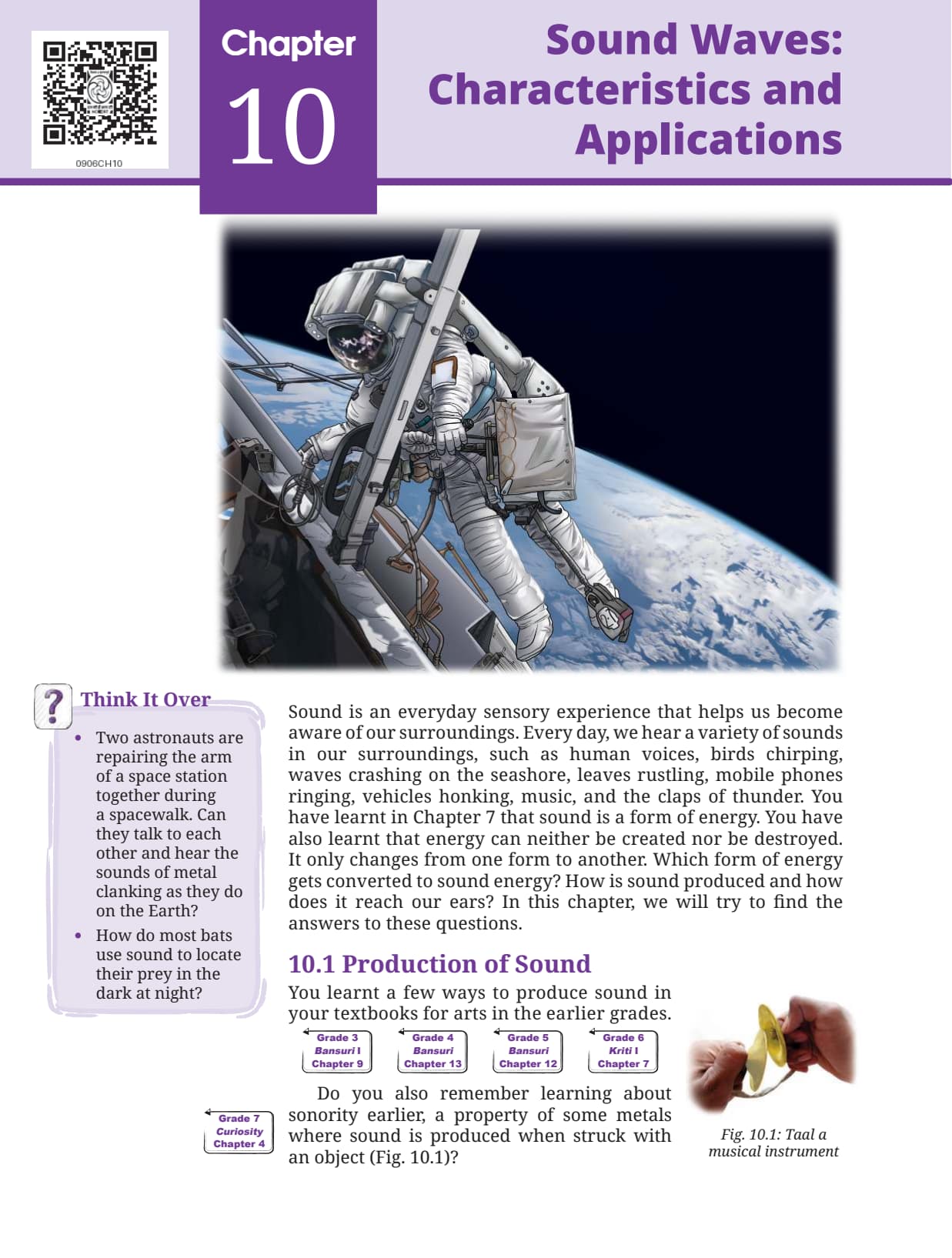
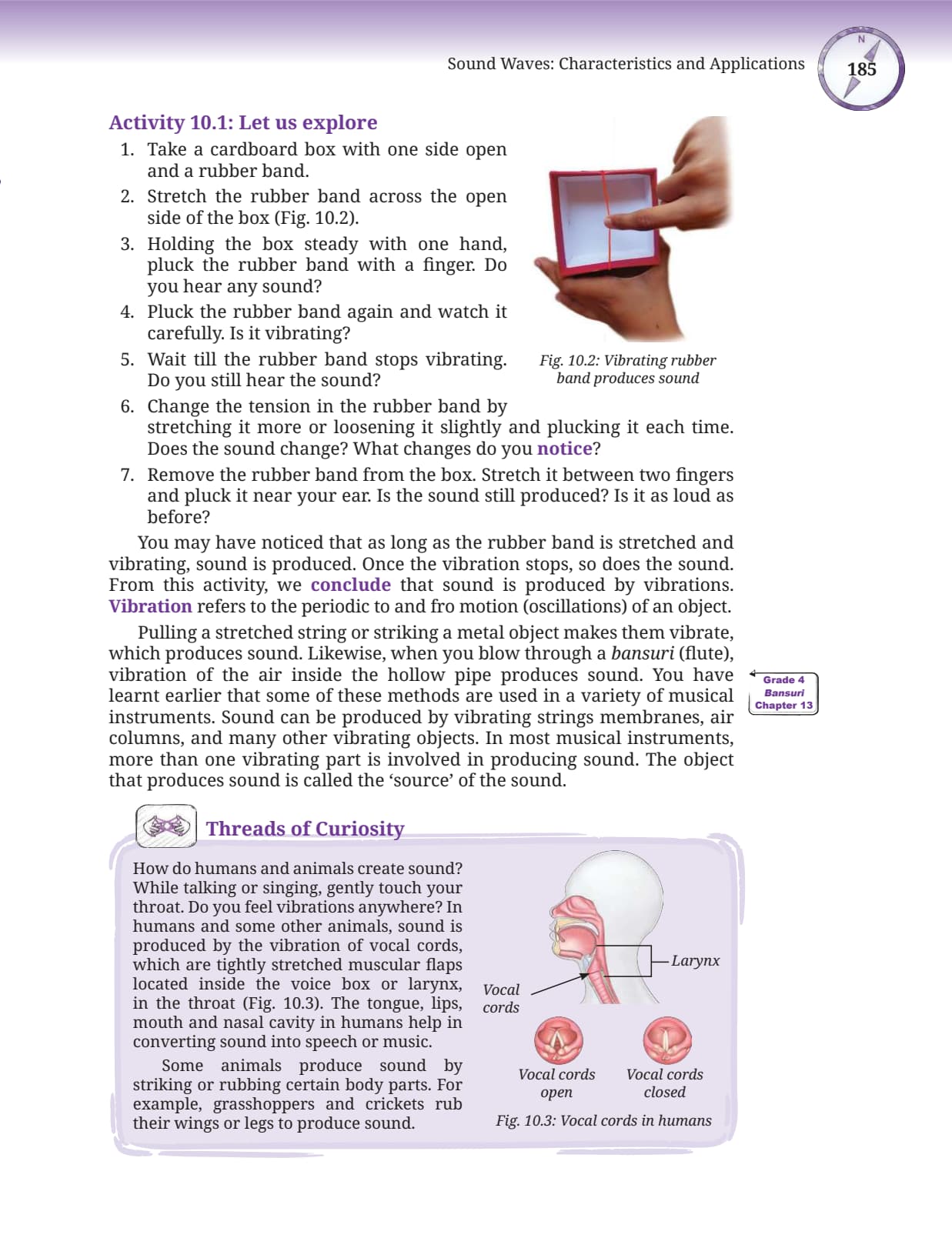
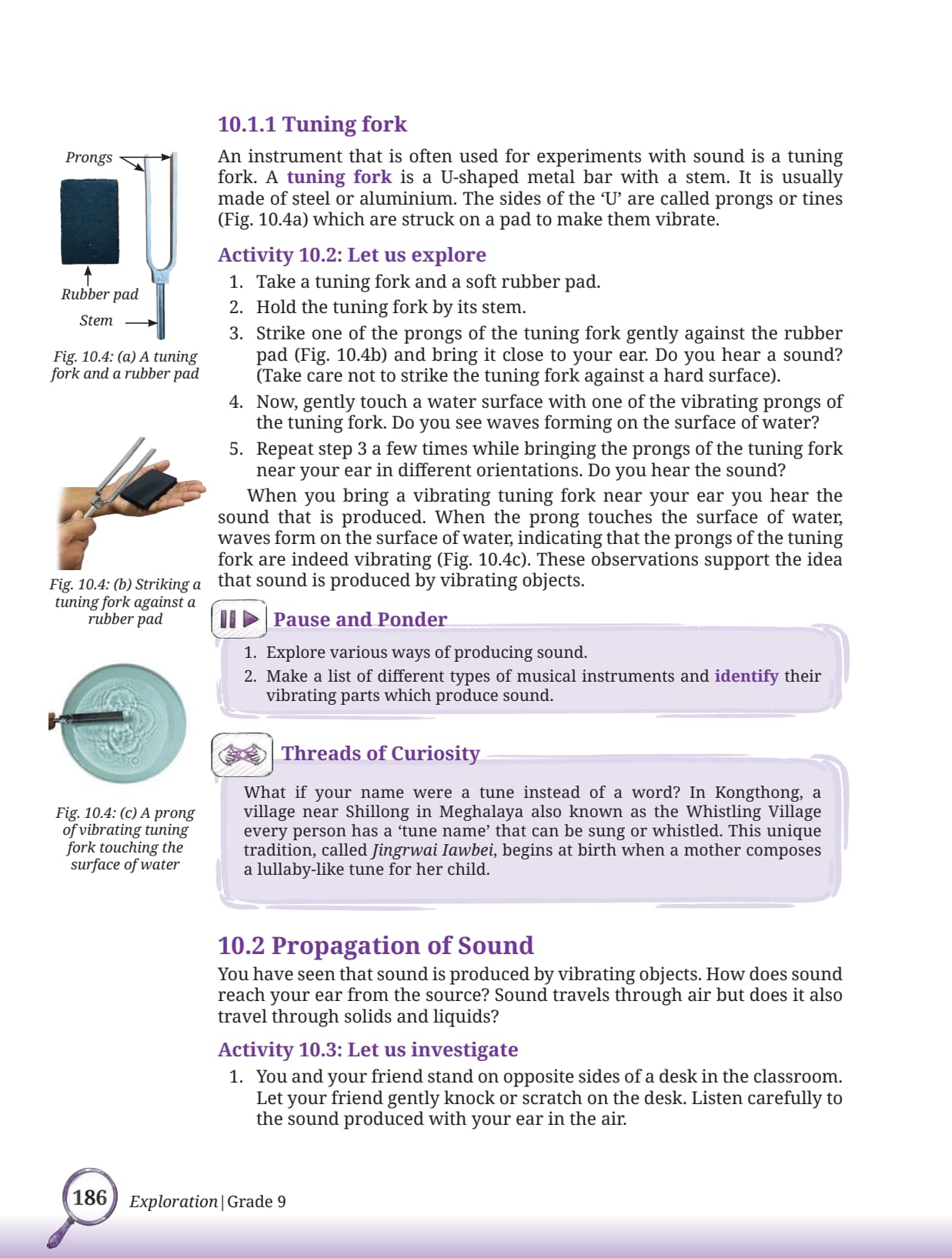
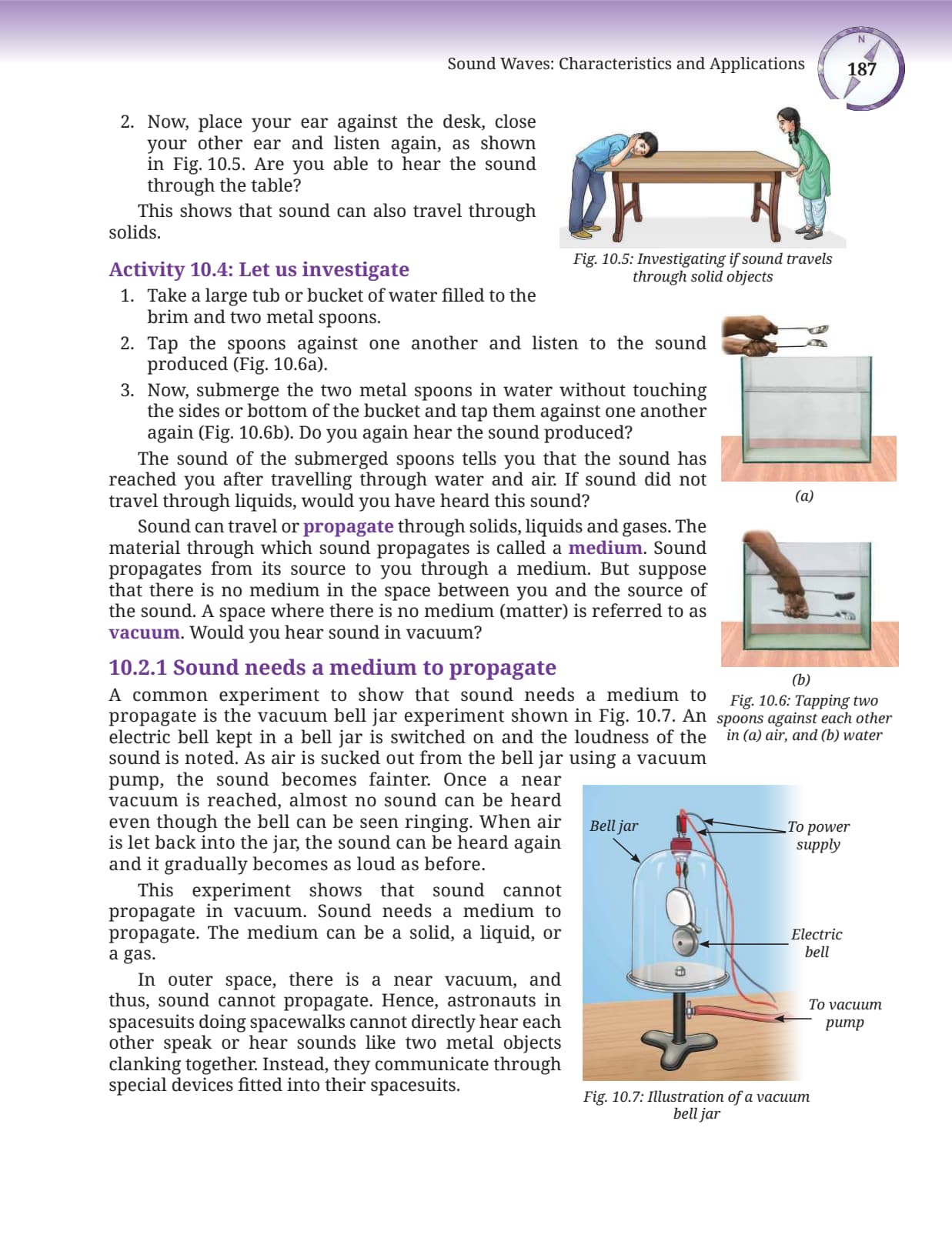
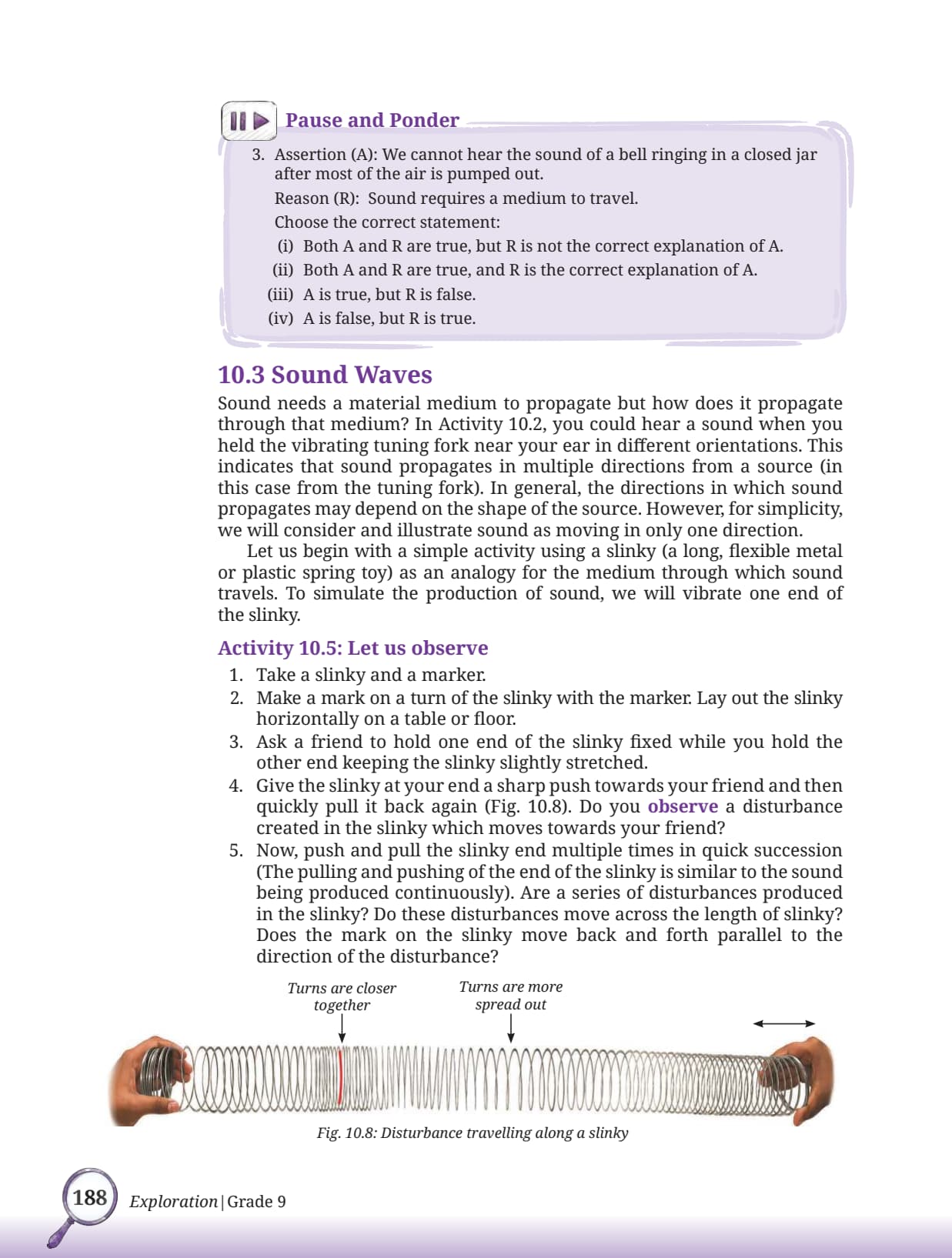
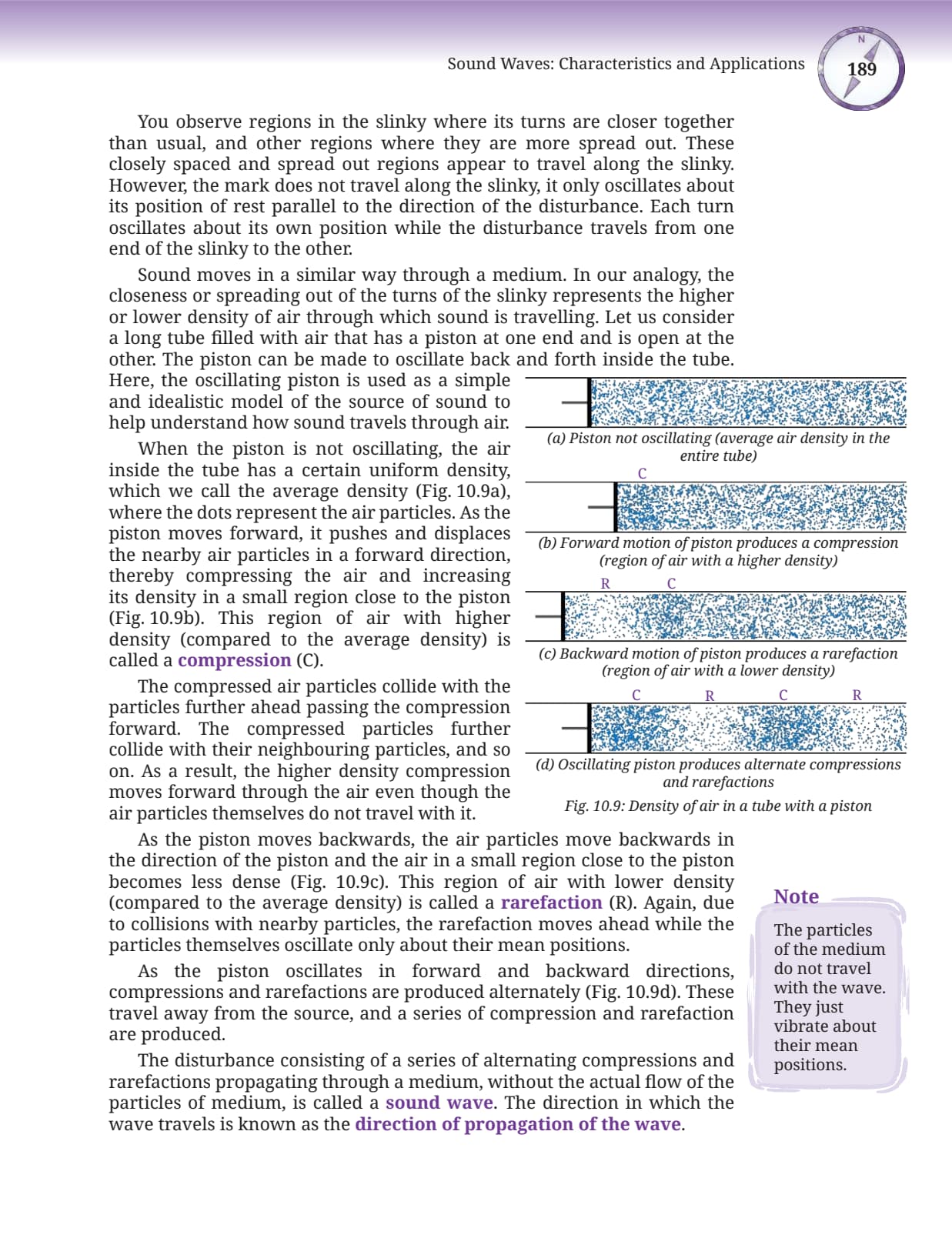
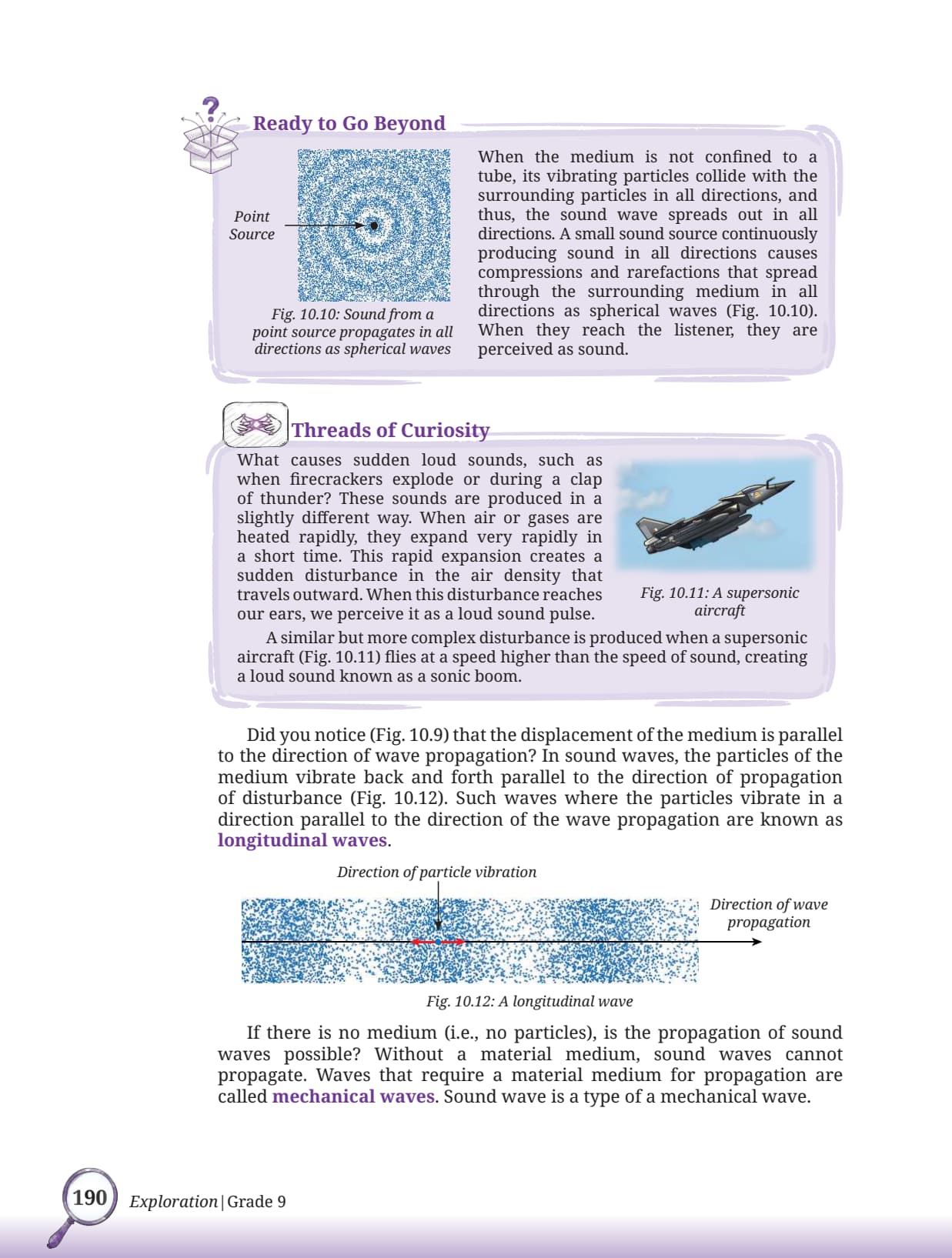
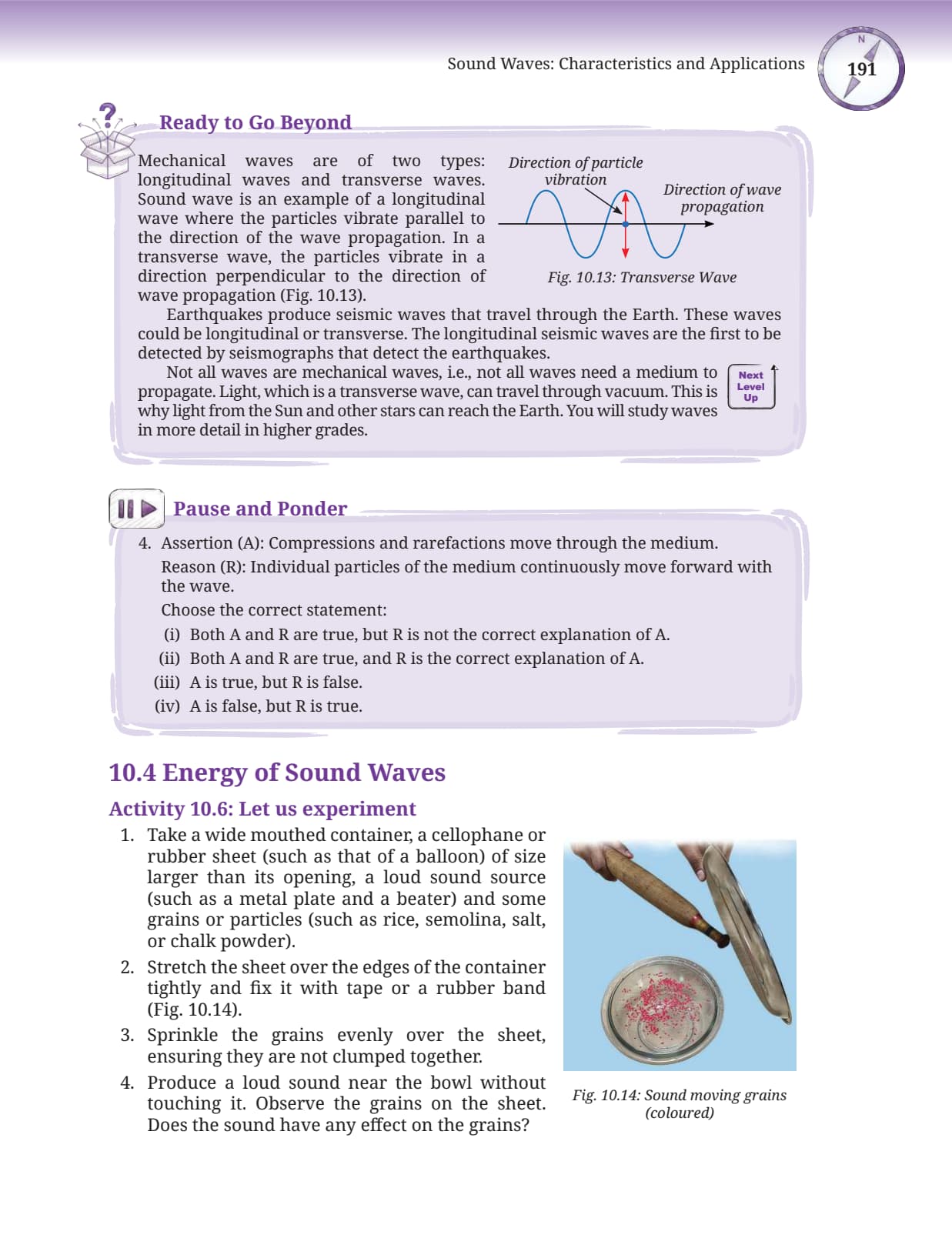
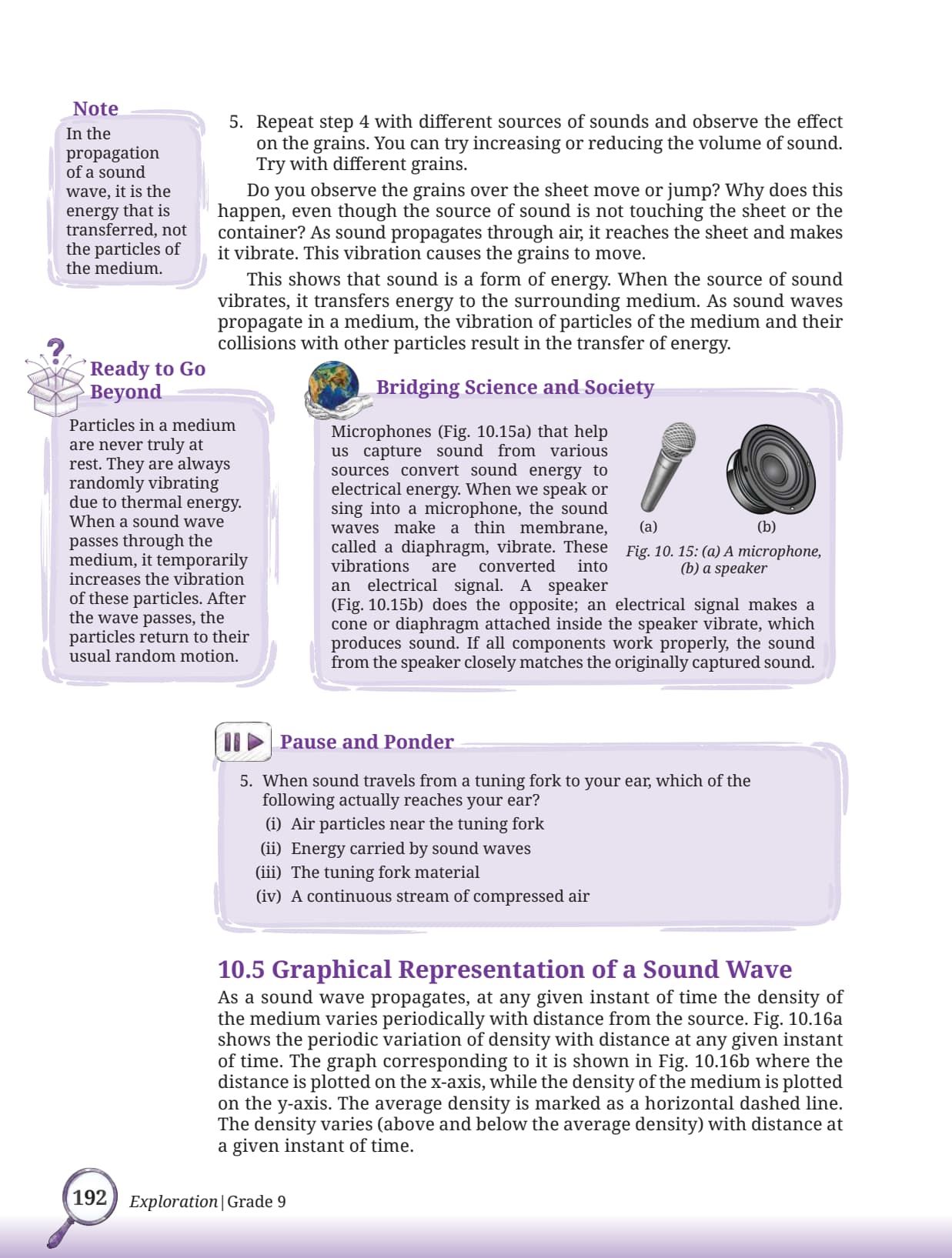
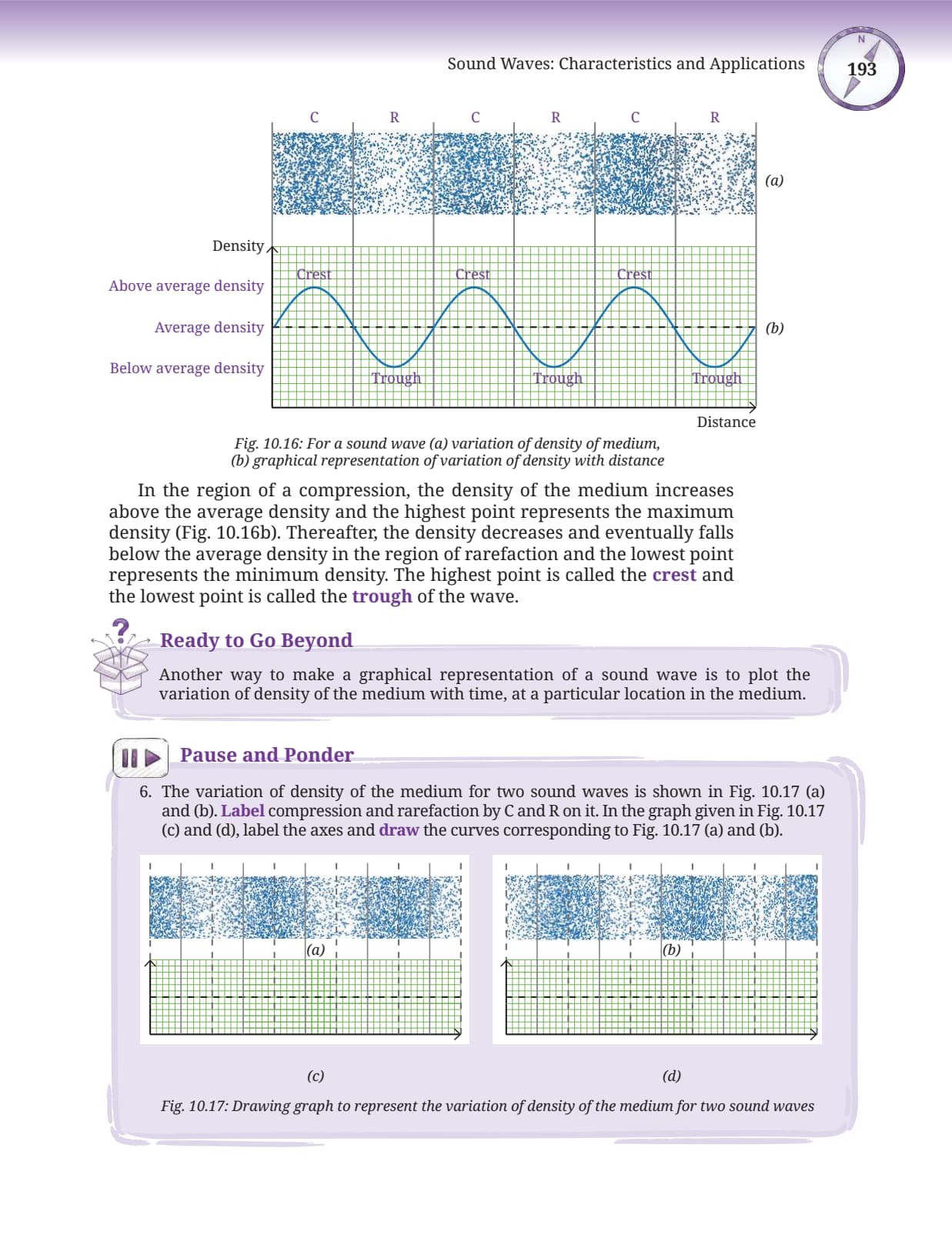
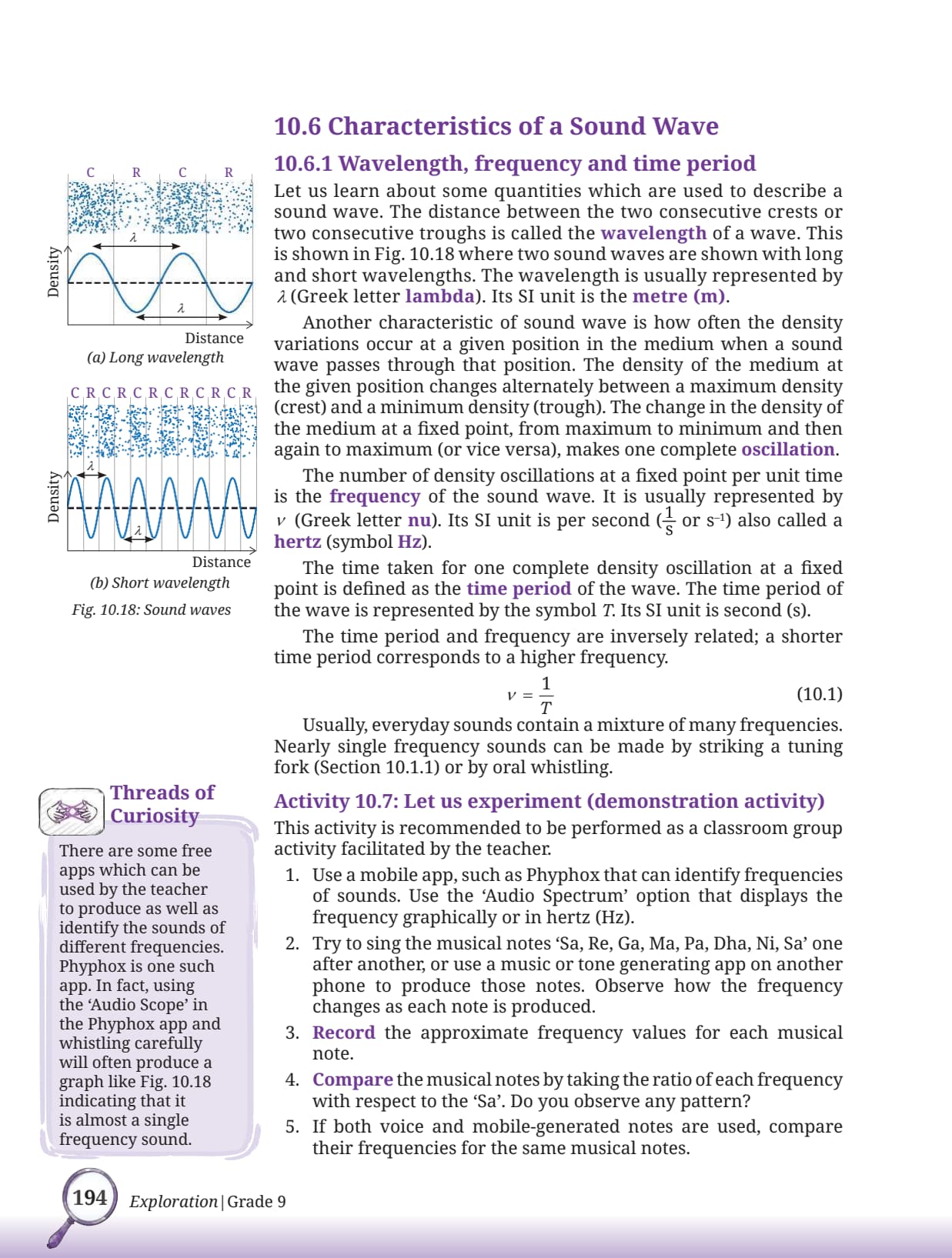
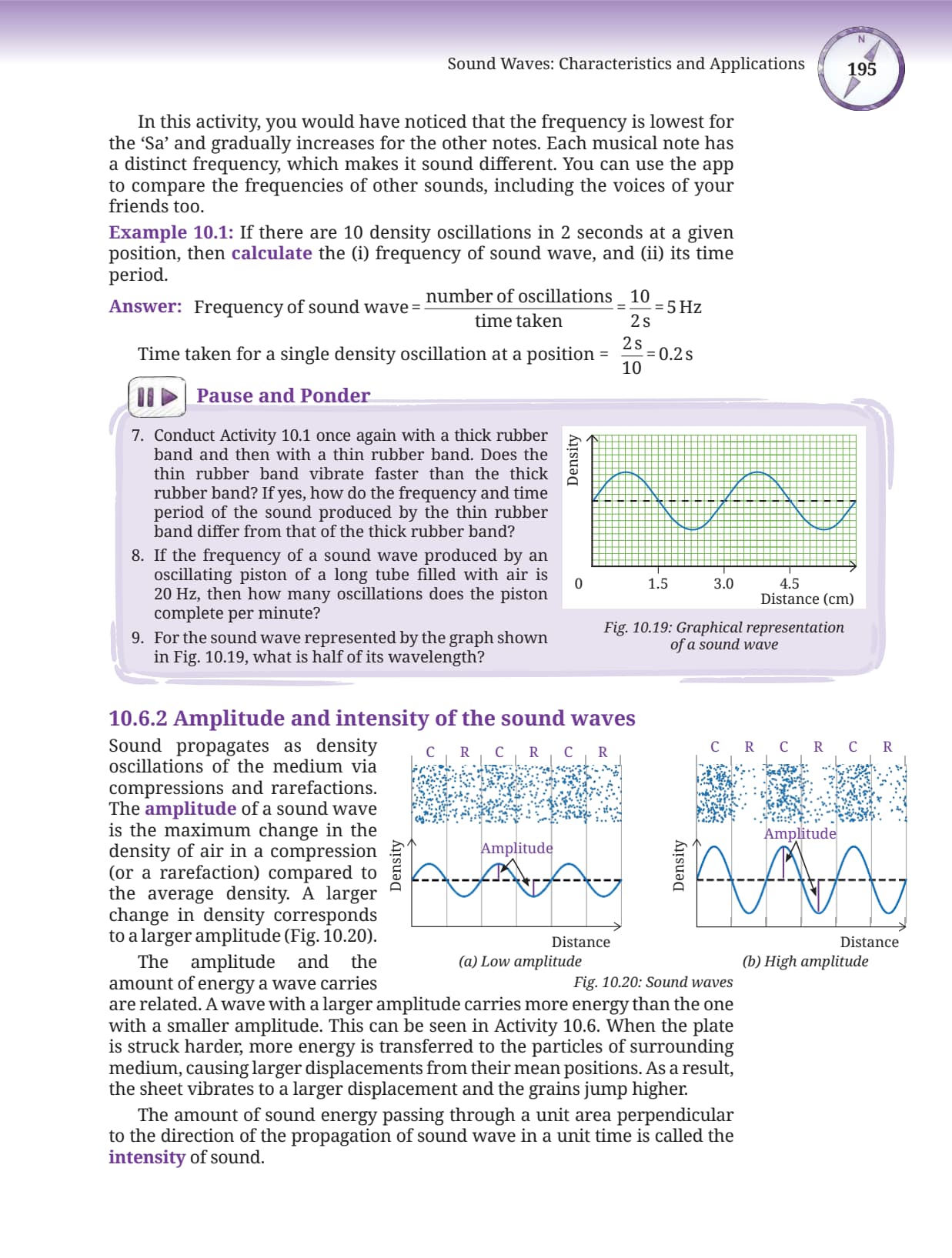
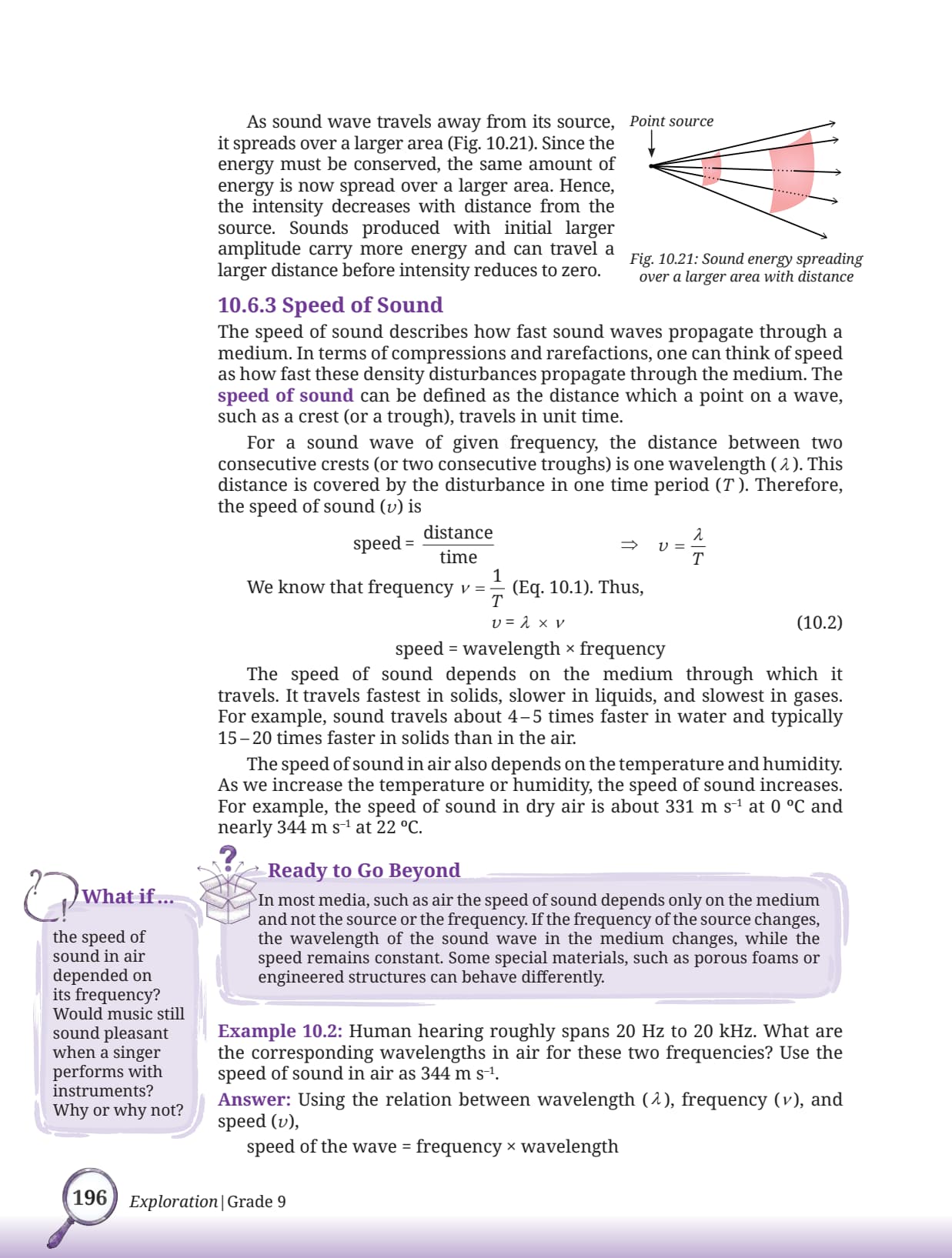
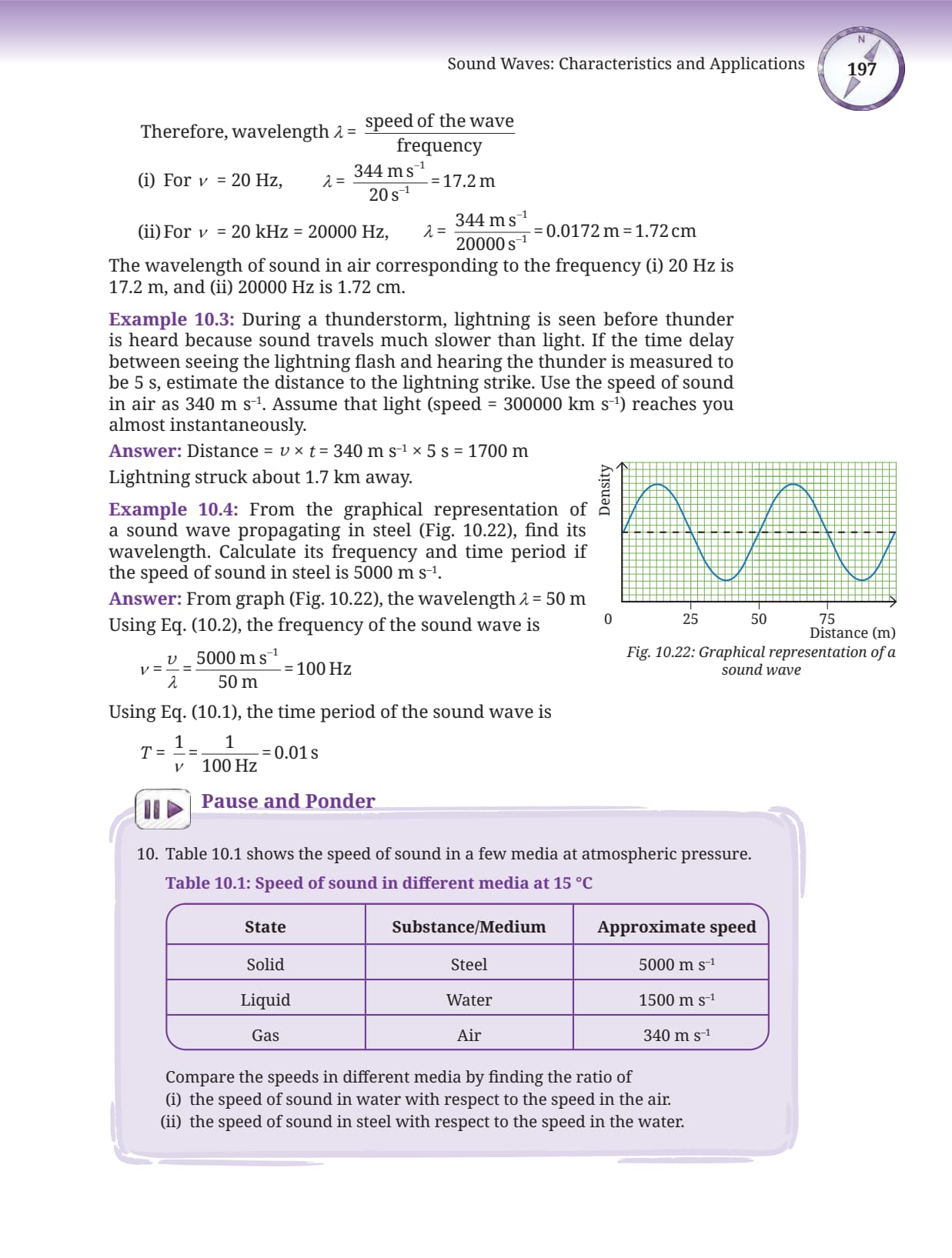
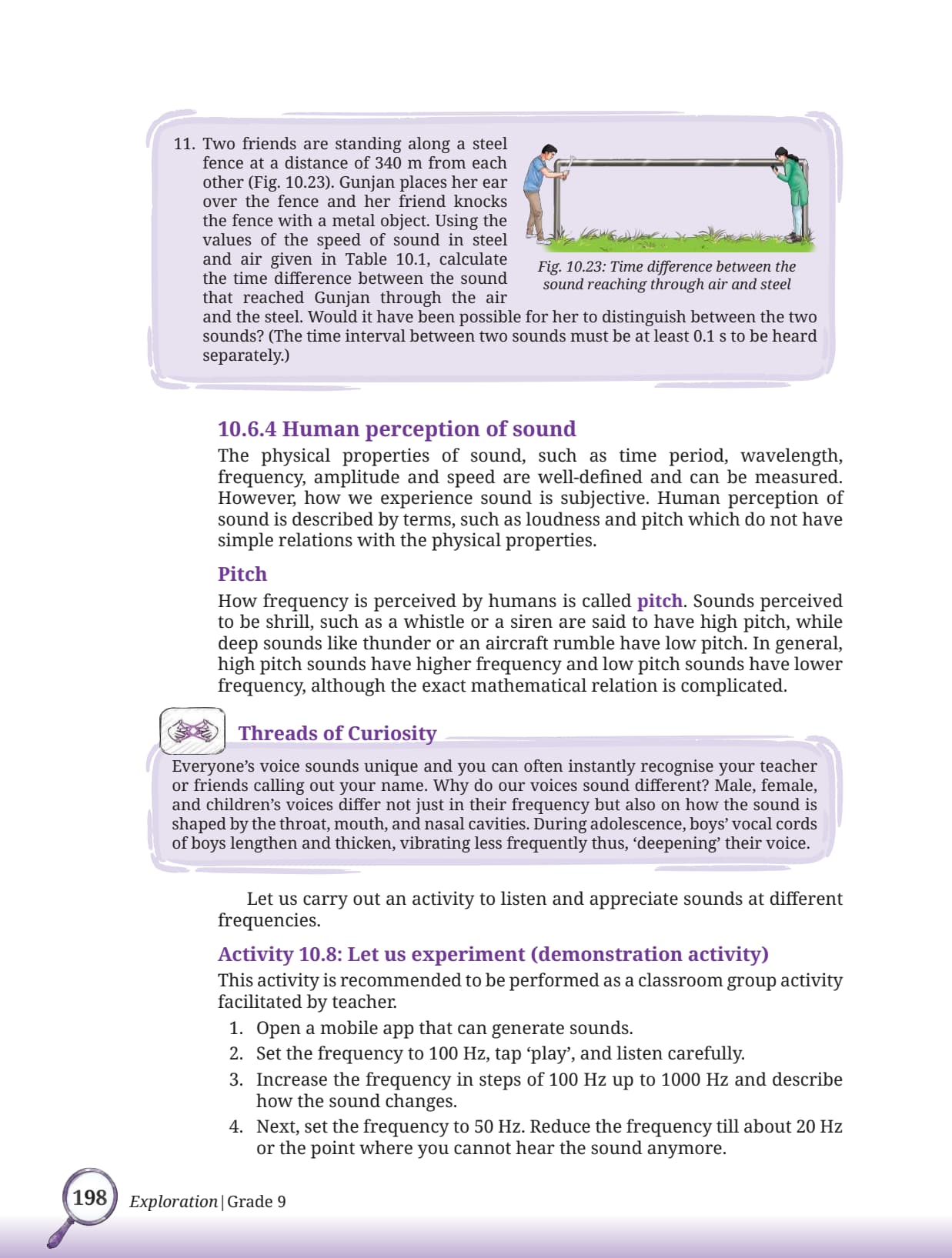
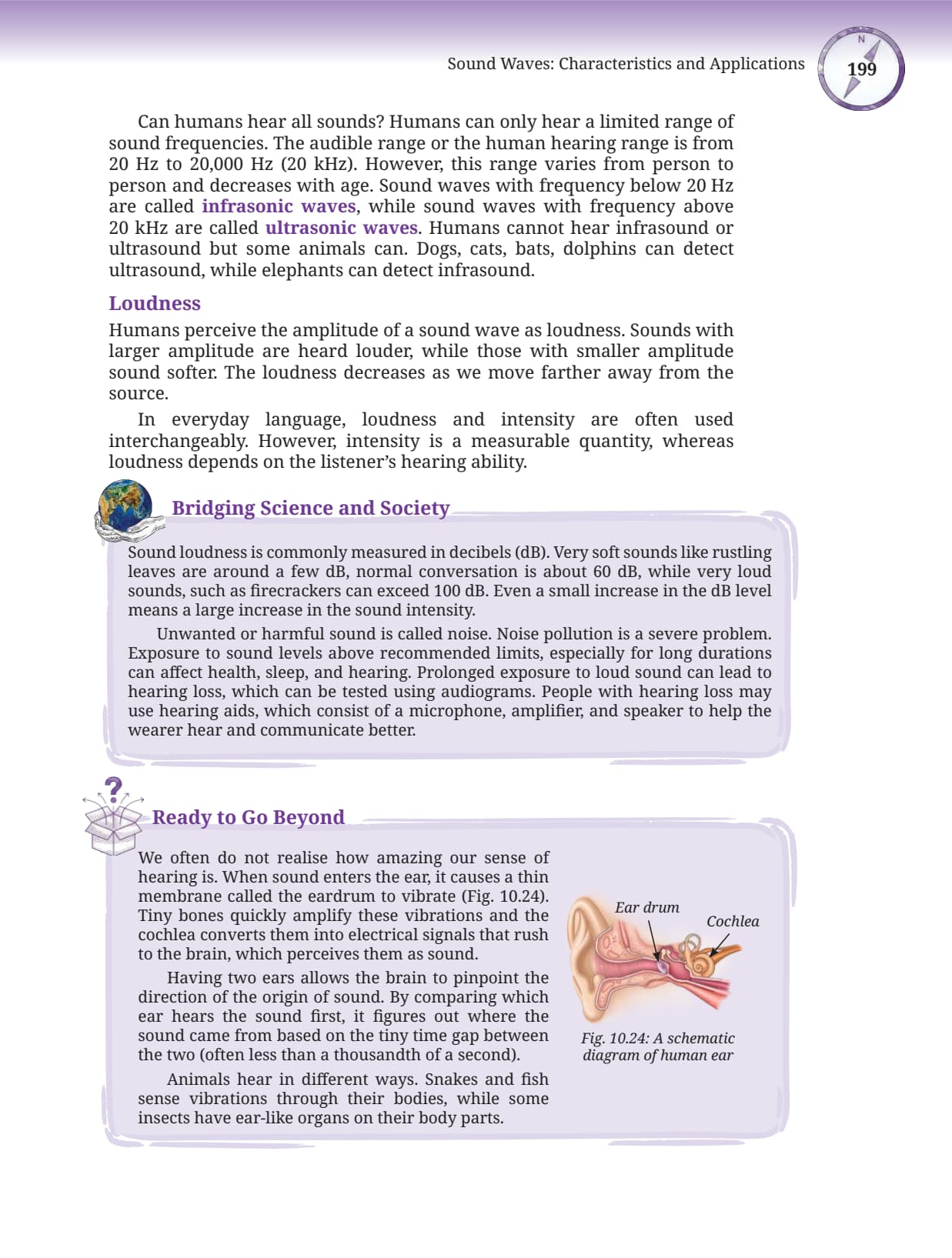
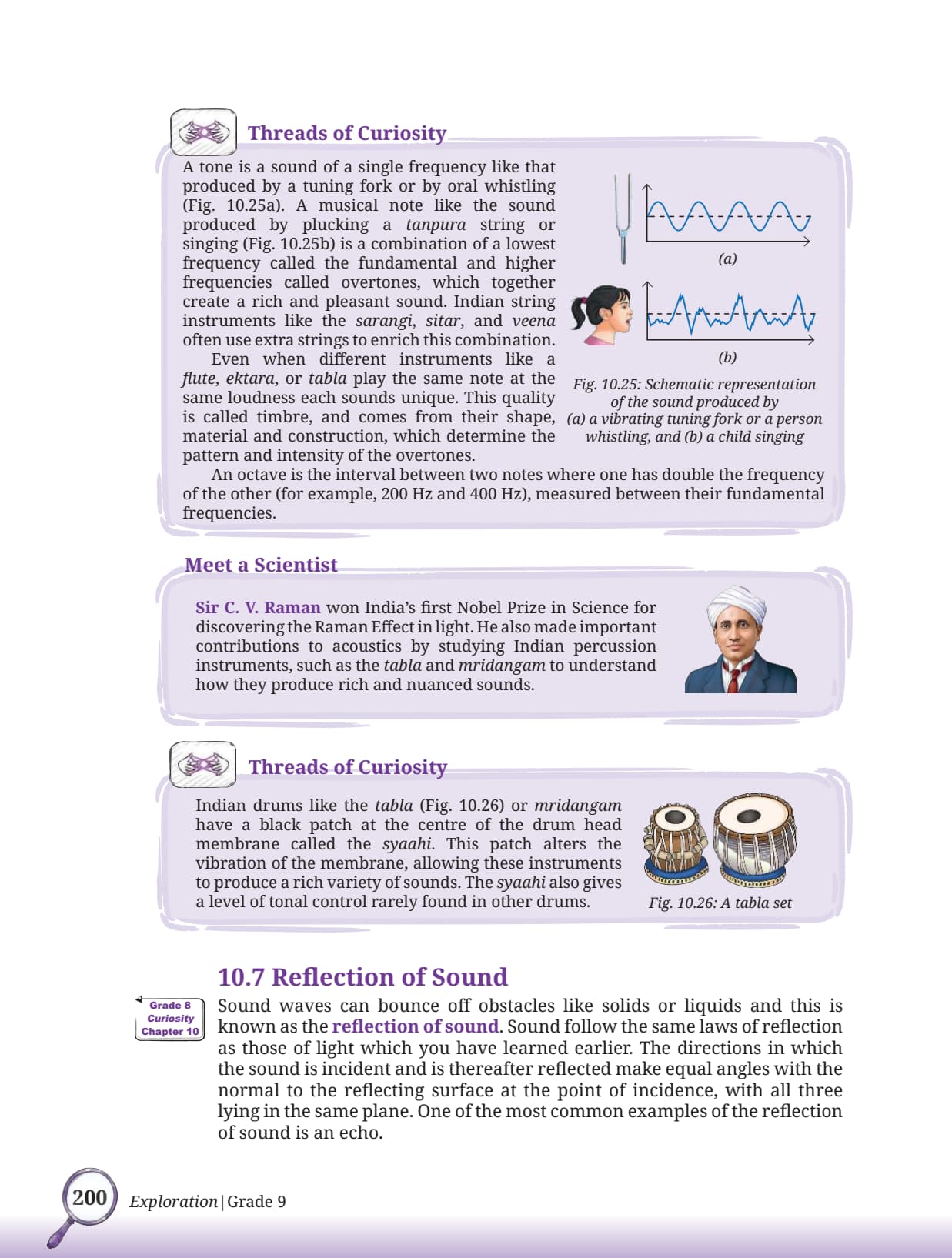
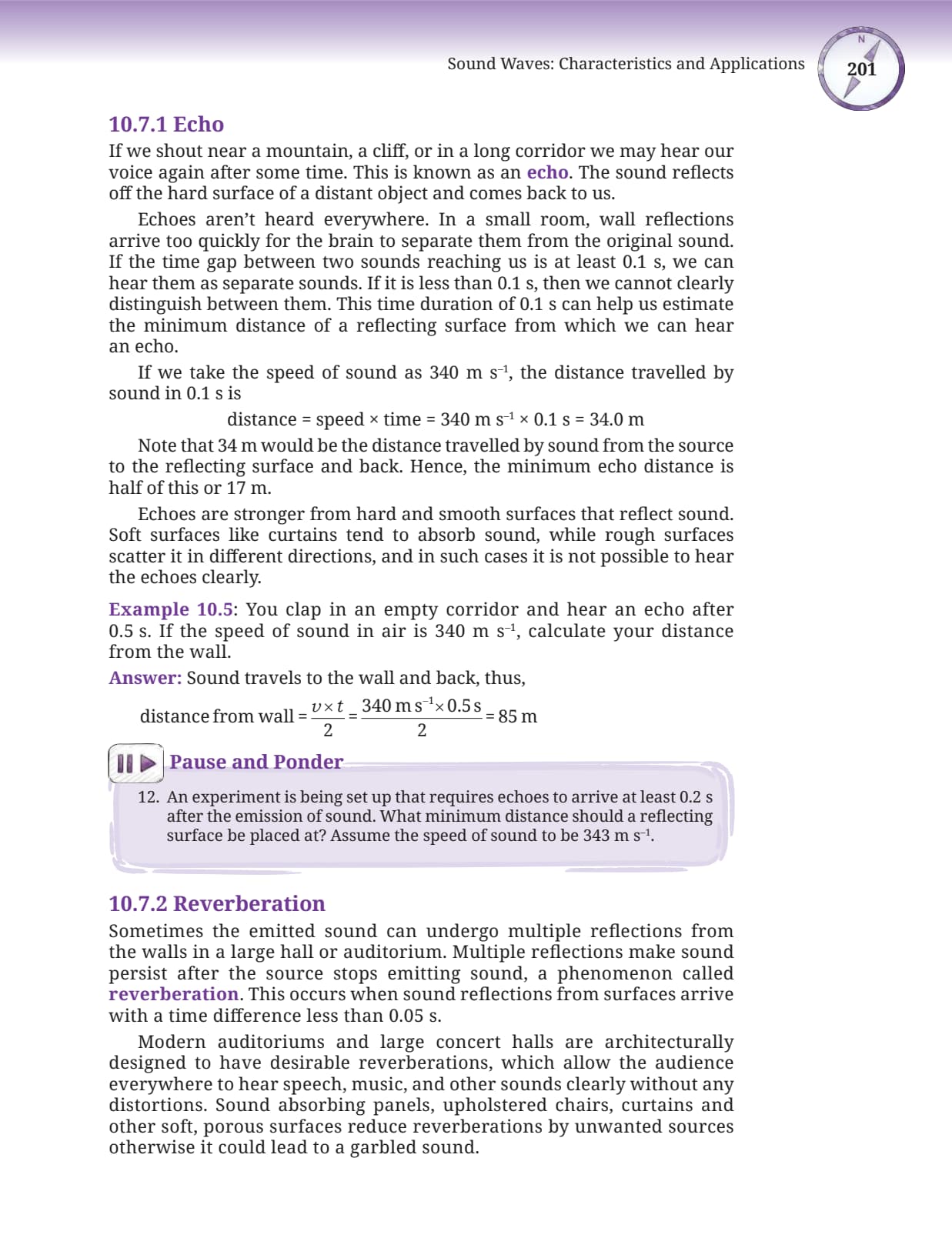
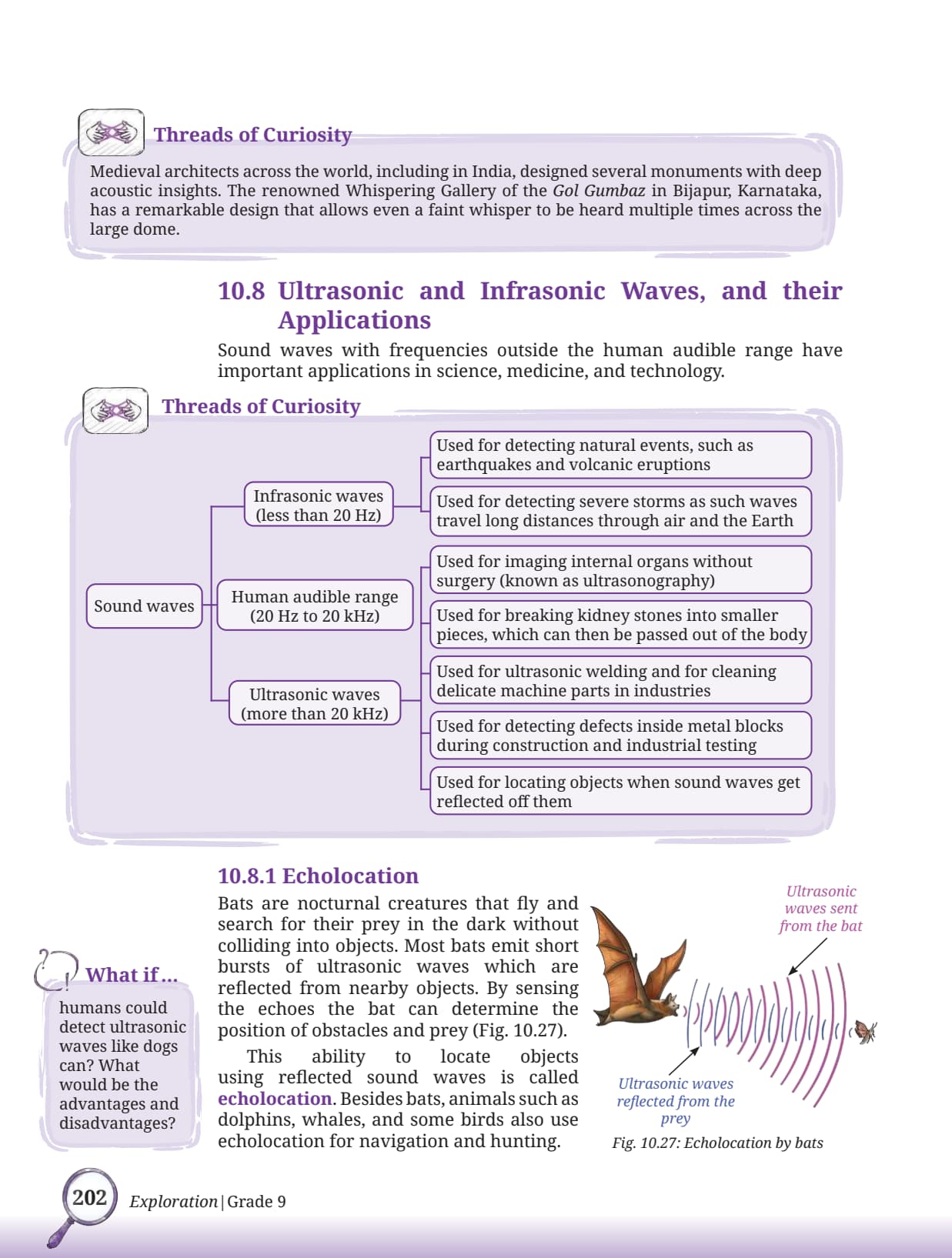
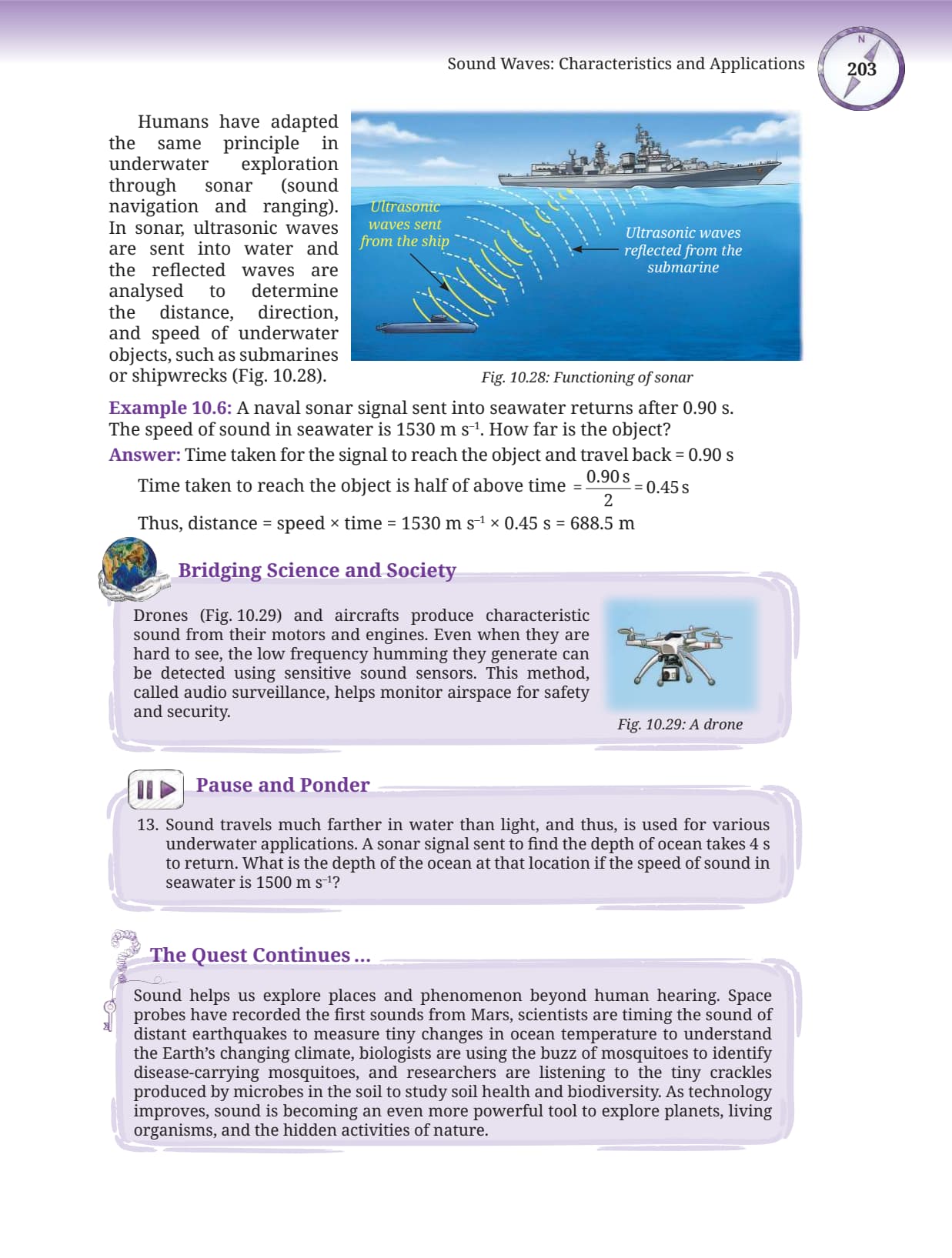
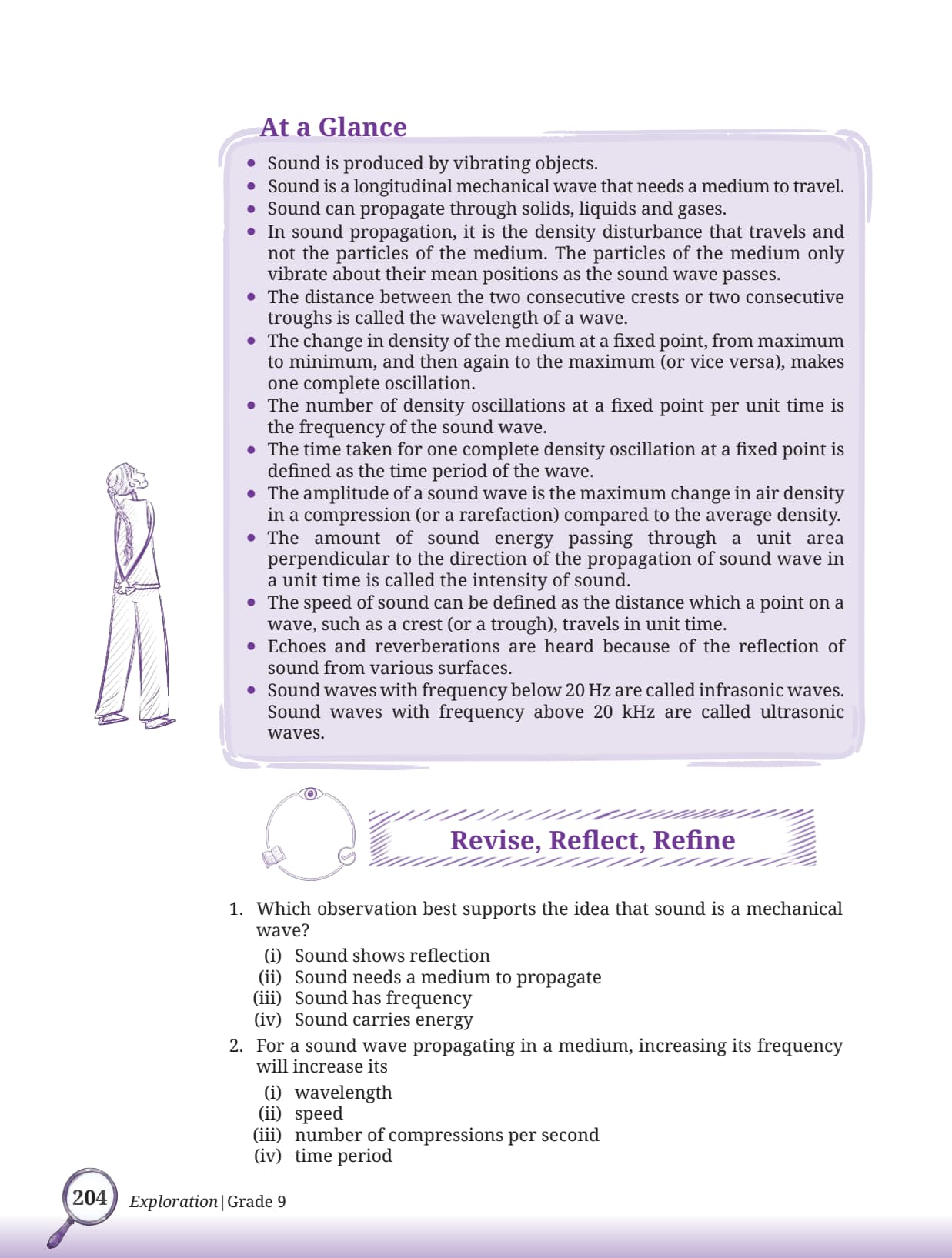
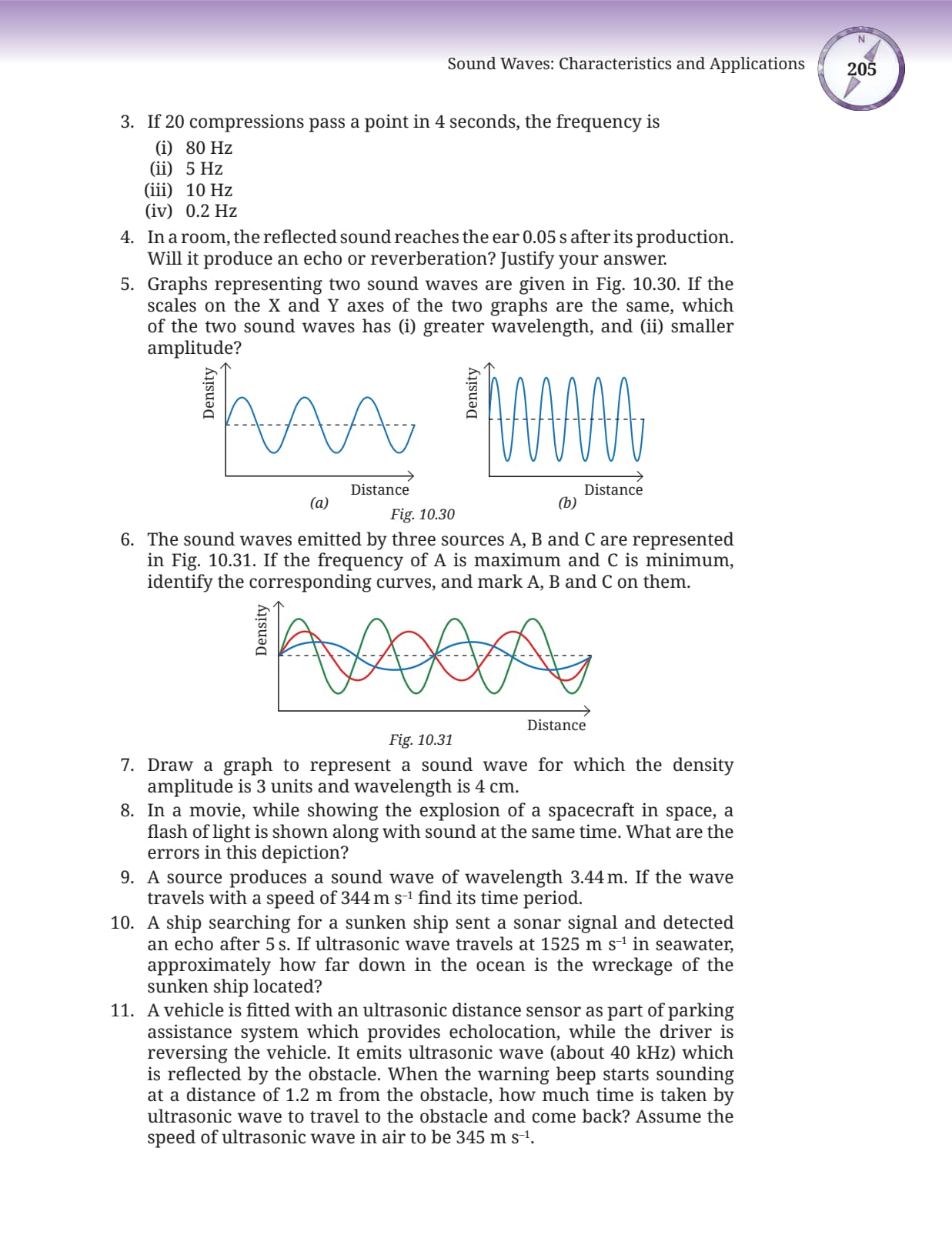
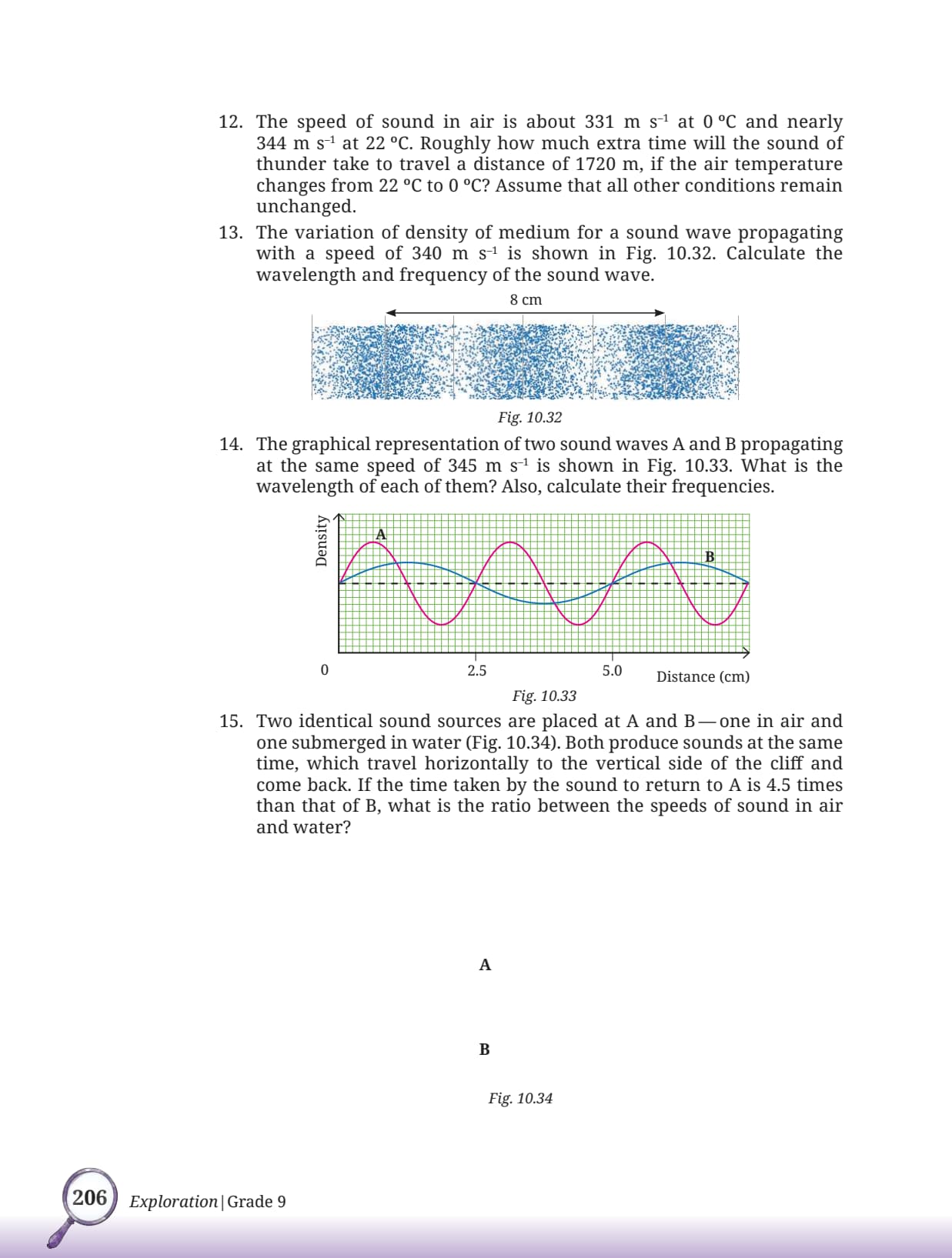
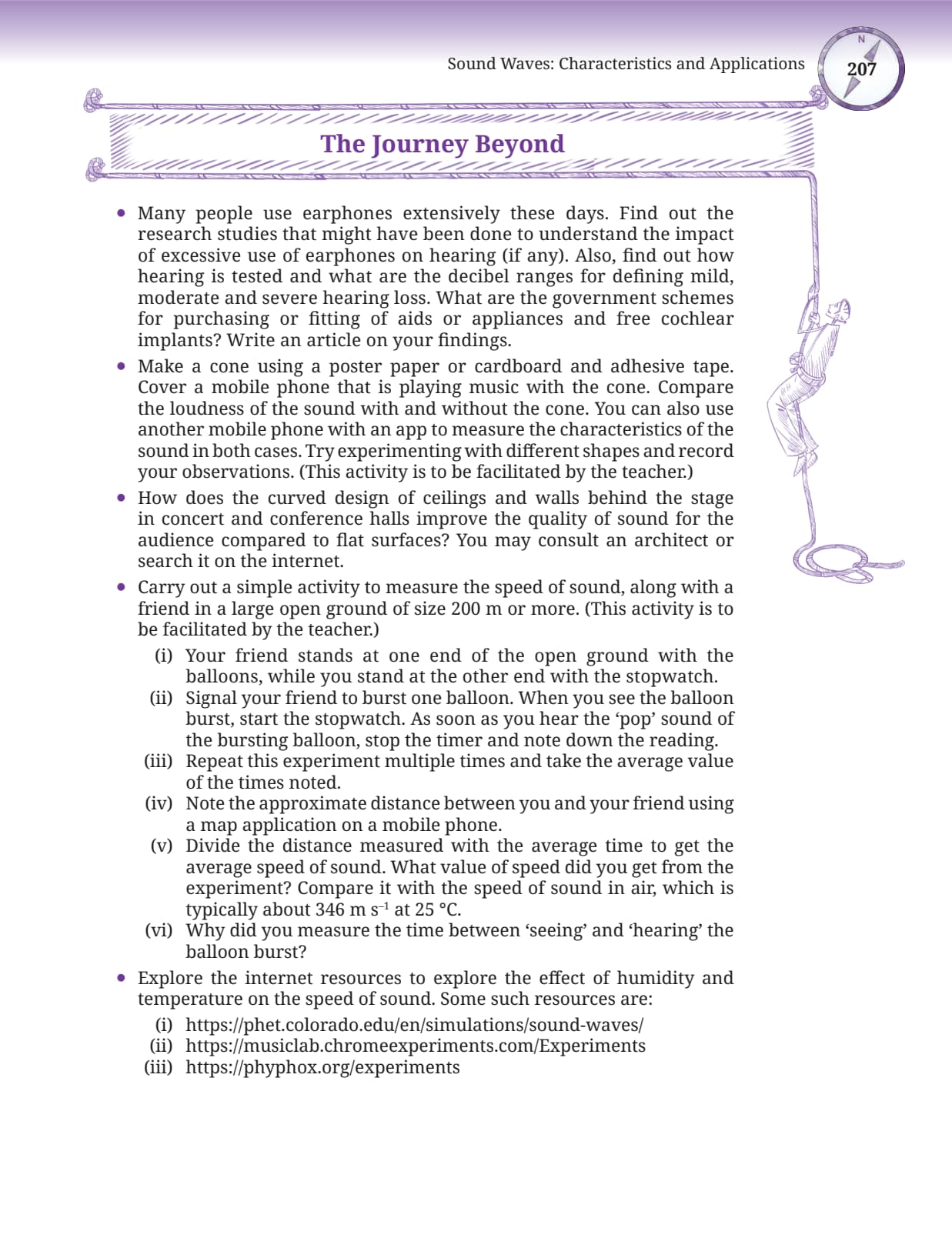
- What you get: the complete Chapter 10 PDF with all eight sections, labelled figures, activities and the Revise, Reflect, Refine exercise.
- Topics inside: production and propagation of sound, sound waves, wavelength, frequency, amplitude, speed, reflection, echo, reverberation, and ultrasonic and infrasonic waves.
- Exam link: a high-scoring Physics chapter that mixes definitions, the wave equation and real-life applications for CBSE, JEE and NEET.
Student Feedback
In a Collegedunia survey of 10,860 Class 9 students taken before the 2026 boards, 81% said they preferred studying the original NCERT Book PDF alongside short notes rather than notes alone. About 4 out of 5 rated the compression-and-rarefaction figures in Chapter 10 the most useful part of the book, and many said reading the exact textbook wording helped them answer definition questions on sound in the exam.
Sound Waves Characteristics and Applications Class 9 Explained in a Short Video
Source: Magnet Brains on YouTube
What the Sound Waves Characteristics and Applications Class 9 NCERT Book PDF Covers
Every day we hear voices, birds, traffic and thunder, yet few students can say exactly how sound is made or how it reaches the ear. Chapter 10 of the new Exploration textbook answers this in simple steps. The Class 9 Science NCERT Book PDF Chapter 10 Sound Waves Characteristics and Applications starts with how vibrations make sound, shows how sound travels through a medium, and then explains the properties of a sound wave and its everyday uses.
- Production of sound: vibrating objects such as a rubber band, a tuning fork or an air column make sound.
- Propagation of sound: sound needs a medium, so it moves through solids, liquids and gases but not through a vacuum.
- Nature and characteristics: sound is a longitudinal wave described by wavelength, frequency, time period, amplitude and speed.
- Reflection and uses: echo, reverberation, and ultrasonic and infrasonic waves used in sonar and medical scans.
This chapter carries steady weight in Class 9 Science exams because it mixes clear definitions with one key equation and many real examples. Sound is a longitudinal mechanical wave that always needs a medium to travel. Studying it from the original book PDF helps students learn the exact wording examiners look for.
Section-by-Section Inside the Class 9 Science Chapter 10 PDF
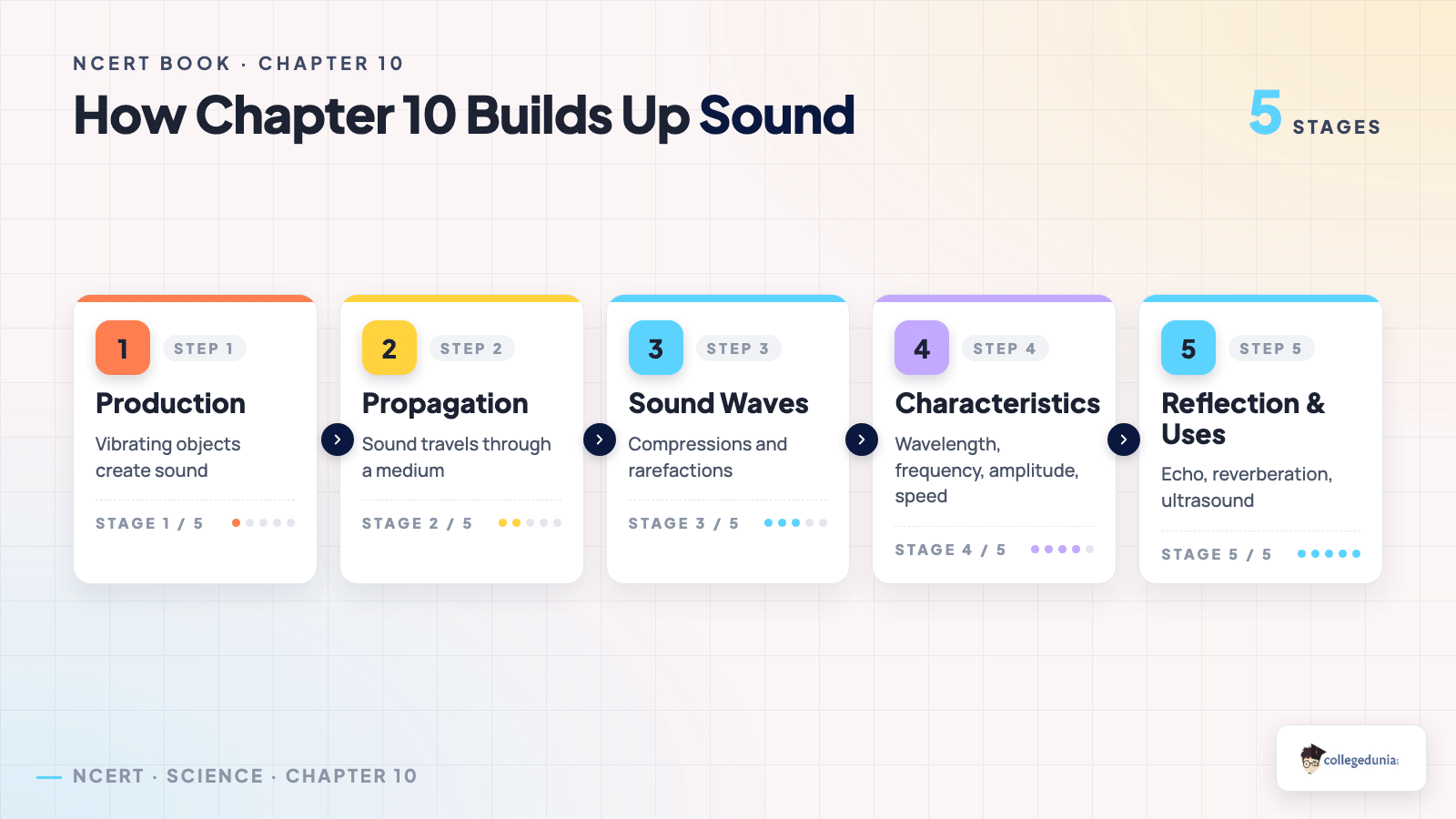
The book PDF is organised into eight numbered sections, each building on the one before. The roadmap below shows the order in which the chapter develops, so students know what to expect as they scroll through the download.
| Section | Title | What it teaches |
|---|---|---|
| 10.1 | Production of Sound | Sound comes from vibrating objects; the tuning fork as a standard source. |
| 10.2 | Propagation of Sound | Sound needs a medium; it travels through solids, liquids and gases but not a vacuum. |
| 10.3 | Sound Waves | Compressions and rarefactions; sound as a longitudinal wave. |
| 10.4 | Energy of Sound Waves | How a sound wave carries energy from the source to the listener. |
| 10.5 | Graphical Representation of a Sound Wave | Drawing density changes as a wave to picture crests and troughs. |
| 10.6 | Characteristics of a Sound Wave | Wavelength, frequency, time period, amplitude, intensity, speed and human hearing. |
| 10.7 | Reflection of Sound | Echo and reverberation, with laws of reflection applied to sound. |
| 10.8 | Ultrasonic and Infrasonic Waves | High and low frequency sound, echolocation, sonar and medical uses. |
Each section in the PDF carries labelled figures and one or two activities, so students can follow the idea straight from the textbook. In sound propagation it is the disturbance that travels, not the particles of the medium. Small facts like this appear right where the book introduces them, which makes the PDF easy to revise from.
Key Terms and the Wave Equation in the Sound Chapter
The heart of Chapter 10 is a small set of wave quantities and one simple equation. The book PDF defines each term clearly and then links them with the wave relation for any sound wave.
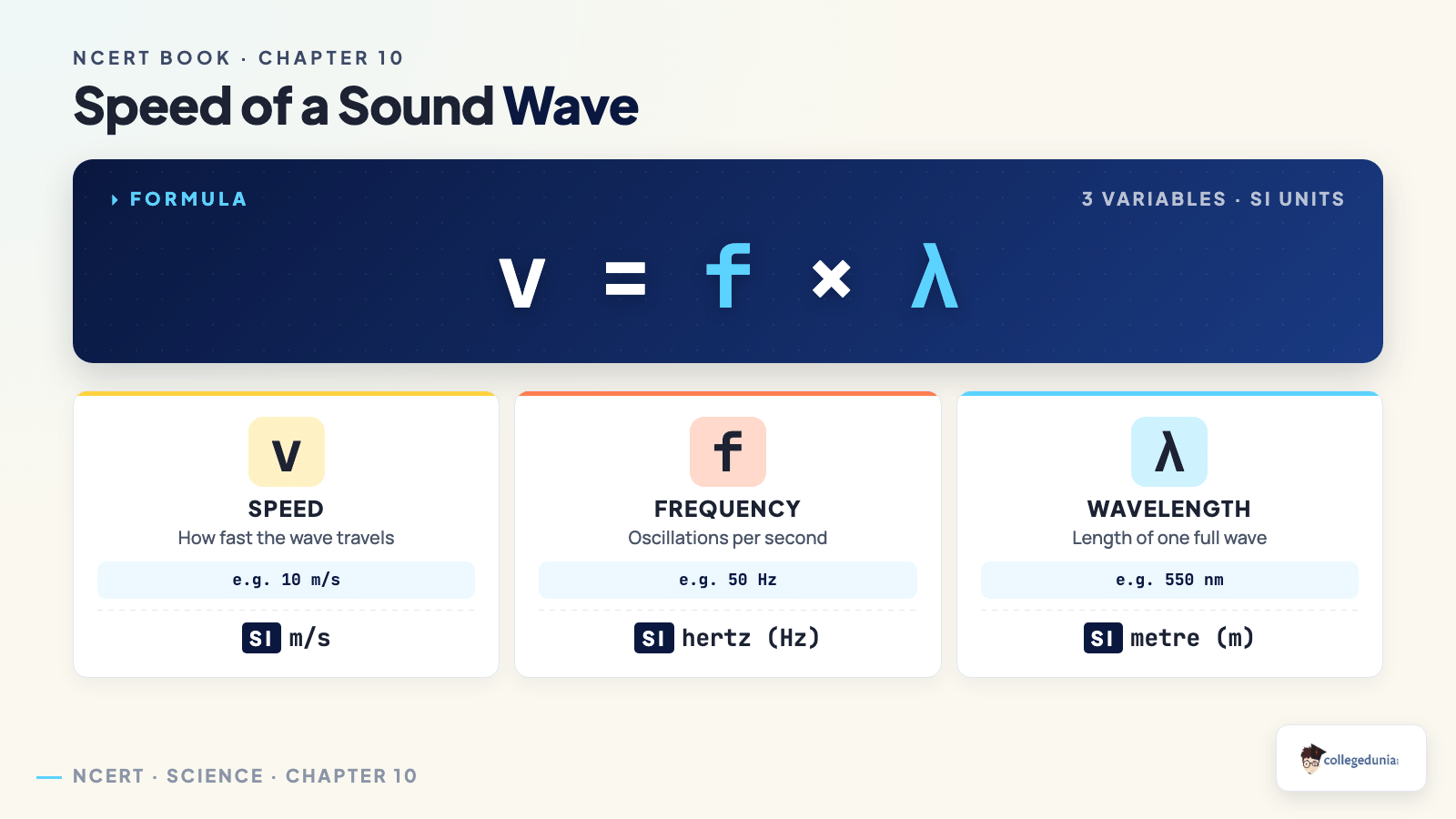
- Wavelength: the distance between two consecutive compressions or two consecutive rarefactions, measured in metres.
- Frequency: the number of oscillations per second at a fixed point, measured in hertz (Hz).
- Time period: the time taken for one complete oscillation, equal to 1 divided by the frequency.
- Wave equation: v = f × λ, where v is the speed of sound, f is the frequency and λ is the wavelength.
The amplitude of a sound wave decides how loud it sounds, while the frequency decides how high or low the pitch is. A human ear normally hears sound in the range of about 20 Hz to 20,000 Hz. The book shows how the same equation connects speed, frequency and wavelength for sound in air, water or steel.
In-Text Features and Exercises in the Class 9 Science Chapter 10 Book
The Exploration textbook does more than state facts. Chapter 10 is built around simple activities and short prompts that make students stop and think, plus a full end-of-chapter exercise. Downloading the book PDF gives students access to all of these in the original layout.
- Activities: hands-on tasks, such as plucking a rubber band, striking a tuning fork or hearing sound through a desk, that show how sound is made and how it travels.
- Think It Over: real questions, such as whether astronauts on a spacewalk can hear metal clanking, or how bats find prey in the dark.
- Pause and Ponder: quick checks that ask students to reason about a wave or a definition before moving on.
- Revise, Reflect, Refine: the end-of-chapter exercise with definitions, assertion-reason questions, numericals on the wave equation and application questions.
Students who work through the Revise, Reflect, Refine questions from the PDF cover the exact style of questions the exam uses. For fully worked answers to these, pair the book with the NCERT Solutions linked lower on this page.
Why Download the Sound Waves Characteristics and Applications Class 9 NCERT Book PDF
Notes and solutions are quick, but the original textbook is still the source every exam is set from. Keeping the Class 9 Science Chapter 10 NCERT Book PDF on your device gives students the complete, correct chapter to study offline.
- Exact wording: definitions of wavelength, frequency, echo and reverberation in the words the exam expects.
- All figures: the compression-rarefaction diagrams and reflection sketches that summary notes often leave out.
- Offline study: read the whole chapter without internet, on a phone, tablet or printout.
- 2026-27 ready: the current first-edition Exploration chapter, matched to what schools teach this session.
Because the PDF is the real chapter, students can highlight, print and annotate it just like the printed book. This makes it the best single file to revise from before a class test or the final exam.
How to Use the Sound NCERT Book PDF with Notes and Solutions
The book PDF works best as one part of a set. Students revise fastest when they read the chapter, learn from short notes, drill the questions and recap from a formula sheet, each resource doing its own job.
- Read the book PDF first to meet every concept, figure and activity in the original NCERT order.
- Move to the NCERT Notes for short, exam-ready explanations of production, propagation, characteristics and reflection of sound.
- Practise with the NCERT Solutions to solve every Revise, Reflect, Refine question with full steps.
- Recap with the Formula Sheet for a one-page list of the wave equation, frequency, time period and speed of sound.
Together these four resources cover Chapter 10 for the 2026-27 session. The book explains in full, the notes condense, the solutions drill, and the formula sheet gives the final quick revision.
More Sound Waves Characteristics and Applications Class 9 Science Resources
| Resource | Open |
|---|---|
| NCERT Book PDF | Sound Waves Characteristics and Applications Class 9 NCERT Book PDF |
| NCERT Solutions | Sound Waves Characteristics and Applications Class 9 NCERT Solutions |
| Revision Notes | Sound Waves Characteristics and Applications Class 9 Notes |
| Handwritten Notes | Sound Waves Characteristics and Applications Class 9 Handwritten Notes |
| Formula Sheet | Sound Waves Characteristics and Applications Class 9 Formula Sheet |
NCERT Book PDF for Class 9 Science: All Chapters
Use the table below to download the NCERT Book PDF for any other chapter of the new Class 9 Science Exploration textbook.
| Chapter | NCERT Book PDF |
|---|---|
| Chapter 1 | Exploration Entering the World of Secondary Science |
| Chapter 2 | Cell The Building Block of Life |
| Chapter 3 | Tissues in Action |
| Chapter 4 | Describing Motion Around Us |
| Chapter 5 | Exploring Mixtures and their Separation |
| Chapter 6 | How Forces Affect Motion |
| Chapter 7 | Work, Energy, and Simple Machines |
| Chapter 8 | Journey Inside the Atom |
| Chapter 9 | Atomic Foundations of Matter |
| Chapter 10 | Sound Waves Characteristics and Applications |
| Chapter 11 | Reproduction How Life Continues |
| Chapter 12 | Patterns in Life Diversity and Classification |
| Chapter 13 | Earth as a System Energy, Matter, and Life |
Sound Waves Characteristics and Applications Class 9 Science NCERT Book PDF FAQs
Ques. Where can I download the Class 9 Science NCERT Book PDF Chapter 10 Sound Waves Characteristics and Applications?
Ans. You can download the Sound Waves Characteristics and Applications Class 9 NCERT Book PDF free from this page. It is the complete Chapter 10 from the 2026-27 Exploration textbook, with all sections, figures and the Revise, Reflect, Refine exercise.
Ques. What topics are covered in Class 9 Science Chapter 10?
Ans. Chapter 10 covers production and propagation of sound, sound waves, energy of sound waves, graphical representation, characteristics such as wavelength, frequency, amplitude and speed, reflection of sound including echo and reverberation, and ultrasonic and infrasonic waves.
Ques. Which book is Chapter 10 Sound Waves Characteristics and Applications from?
Ans. It is Chapter 10 of the new Exploration textbook of Science for Grade 9, the first-edition book for the 2026-27 syllabus. It replaces the older Class 9 Science book and uses the Revise, Reflect, Refine exercise format.
Ques. What is the wave equation for sound in Chapter 10?
Ans. The wave equation is v = f × λ, where v is the speed of sound, f is the frequency in hertz and λ is the wavelength in metres. This links how fast a sound wave travels with its pitch and its wavelength.
Ques. Why can sound not travel through a vacuum?
Ans. Sound is a mechanical wave, so it needs a material medium of particles to carry the vibration. A vacuum has no particles, so there is nothing to pass the disturbance along, and no sound is heard. Chapter 10 shows this with the bell jar experiment.
Ques. Is the Sound Waves Characteristics and Applications PDF enough to prepare the chapter?
Ans. The book PDF gives the full chapter and is the main source. For fast revision and full answers, pair it with the Class 9 Science Chapter 10 Notes, NCERT Solutions and Formula Sheet linked on this page.



Comments