



Content Writer
The tap root is the largest and dominant root system that grows directly downwards. It contains primary roots and branches. Tap roots are considered one of three basic forms of root systems that are tapering in shape.
- The tap root is a type of storage organ that has been developed for the cultivation of vegetables.
- The root system is an underground part of the flowering plant.
- Inside the earth, the primary root develops.
- It also consists of several lateral roots referred to as secondary and territory roots.
- The tap root can easily be modified into a fibrous or diffuse system.
- The first structure to emerge from these roots is from the embryonic radicle.
- Some common examples of tap root systems include turnips, carrots and pines.
Key Terms: Tap Root, Roots, Organ, Branches, Embryo, Types of Tap Root, Fuctions of Tap Root, Deep Feeder, Surface Feeder, Minerals, Fibrous Root System, Napiform, Fusiform, Respiratory Roots, Germination, Flowering Plant
What are Tap Roots?
[Click Here for Sample Questions]
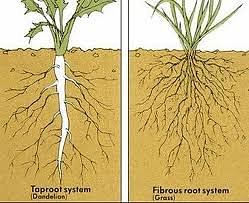
A taproot system includes rootlets and secondary and tertiary roots. It forms from the source of an embryo. The primary root refers to the taproot.
- The radicle grows directly towards the main root.
- However, towards the tip, the taproot is narrow.
- These are large central roots from which small lateral roots sprout out.
- The branches of the first and second order are secondary and tertiary roots.
- These roots are vertical in orientation.
- Tap roots are less shallow than fibrous root systems.
Tap Root Structure
Tap root structure comprises one thick, cylindrical main root known as the primary root. The roots that branch out from primary roots are known as secondary and tertiary roots.
- Rootlets are thin-hair-like structures that are found at the tip of the root.
- These are responsible for the absorption of soil.
They tend to develop in acropetal succession, which means older roots will grow near the stem, and newer roots will grow near the tap root.
- It consists of four regions, namely root cap, regions of meristematic activity, elongation and maturation.
- The radicle of these species after the germination phase.
Example of Tap RootsExample 1: Some common tap roots are as follows:
Example 2: Some common taproot trees are as follows:
Example 3: Some common taproot weeds are as follows:
|
Read More:
| Chapter Related Concepts | ||
|---|---|---|
| Mycorrhiza | Diversity in Living Organisms | Megasporangium |
| Vegetative propagation | Gymnosperms | Tropism in Plants |
Functions of Tap Root
[Click Here for Sample Questions]
The primary function of tap roots is to ensure the absorption of nutrients and water from the soil. Some other important functions are as follows:
Storage
Tap root are designed in such a way that they holds the capability to store food which plants produce. The food is used later for nutritional purposes amid adverse environmental situations. Turnip is common example in such cases.
Respiration
These types of plants are found in swamp areas where plants have respiratory roots called pneumatophores. These roots help in the exchange of gases. Black mangrove comes under this category.
Nitrogen Fixation
There are taproots whose nodules are irregularly inflated. As a result, they can pick up free atmospheric nitrogen. The plants have the power to convert them into organic compounds. Groundnut comes under this category.
Types of Tap Root System
[Click Here for Sample Questions]
The Taproot system is divided into two types. These are the Deep feeder and Surface feeder.
Deep Feeder
Deep Feeder consists of a wide-ranging tap root system that enters into deep layers of soil. Most of these root systems met in trees.
- It is also referred to as the racemose tap root system.

Surface Feeder
Surface Feeder is not as broad as a deep feeder. It spreads wider near the surface of the soil in a horizontal way.
- A thin fibrous root is seen in some annual plants.
- It also names the cymose tap root system.

Different Shapes of Tap Root
[Click Here for Sample Questions]
The tap root system is divided into the category of root system and branch system which are as follows:
Different Shapes of Tap Root System
Due to the stored food, the taproot is fleshy. At the time of food storage, Hypocotyl joins with these roots. Secondary roots always remain thin in shape.
- Several types of fleshy taproots form due to the difference in shapes are as follows:
Tuberous Roots
Tuberous Roots roots did not contain any definite form. It exists thickly.
Example of Tuberous RootsExample: Trichosanthes, Echinocystis Lobata, and Mirabilis jalapa are examples of tuberous roots. |
Napiform
The napiform root is spherical and thick at the base. Moreover, towards the top level, it is thin. Napiform vegetables include turnips and beets.
- The narrow, pointed area bears thread-like secondary roots.
- In the case of turnips, the taproots grow in an upward direction.
Fusiform
Fusiform is thick in the middle and narrow at the apex and base. Radish comes under this category of roots. The root formation in Indian and European radish is different.
- Swollen hypocotyl view near the base level of Indian radish.
- On the other side, hypocotyl forms in the middle fleshy part of European radish.
Different Shapes of Taproot Branches
There are two shapes of tap root branches which are as follows:
Tuberculate Roots
Tuberculate roots consist of small or large swellings that are sometimes produced by prime roots. These are referred to as root nodules. It consists of various minute nitrogen-fixing bacteria.
- Nitrogen in these types of branches ensures that they are picked up by bacteria.
- The process of turning nitrogen into nitrogenous chemicals is known as nitrogen fixation.
- Occasionally, prime roots create few or massive swellings.
- They are called root nodules.
- It comprises a variety of tiny nitrogen-fixing microorganisms.
Example of Tuberculate RootsExample: These roots are seen in plants like peas, Groundnuts, Gram, soybeans, and Methi. |

Respiratory Roots
Respiratory Roots are seen in the plants that grow near seashores and swamps. They absorb roots from the base. These plants will form horizontal cable roots.
Example of Respiratory RootsExample: Avicennia, Heritiera, and Sonneratia are the plants that consist of these roots. |
Advantages of Tap Root
[Click Here for Sample Questions]
Some important advantages of tap root include:
- The plants which have tap root systems are considered drought tolerant.
- They hold the capability to store food in reserves, which makes these plants self-sufficient and resilient.
- These plants can extract more minerals from the soil.
- Tap roots have a strong hold of the soil and are less susceptible to extractions.
Read More:
Things to Remember
- Tap roots are considered the root of a primary root system.
- One of the divisions of the flowering plant, such as dicots, starts with these roots.
- Deep feeders and Surface feeders are two types of such root systems.
- Tuberous Roots, Napiform, and fusiform are modifications of a tap root system.
- Moreover, Respiratory Roots and Tuberculate Roots are branches of taproots.
Sample Questions
Ques. Depict the functions of a root system? (3 marks)
Ans. A root system provides various functions. These are,
- Minerals and water from the soil become absorbed.
- Ensure a proper basin to parts of a plant.
- Keep the food materials in a reserved manner.
- Regulate the growth of plants.
Ques. Write the difference between deep feeder and surface feeder? (2 marks)
Ans. Deep feeder consists of a wide-ranging tap root system that enters into deep layers of soil. Most of these root systems met in trees. It is referred to as the racemose tap root system. On the other hand, the surface feeder is not as broad as a deep feeder. It spreads wider near the surface of the soil in a horizontal way. A thin fibrous root is viewable in some annual plants. It also names the cymose tap root system.
Ques. Define a tap root system? (2 marks)
Ans. A taproot system includes rootlets, secondary and tertiary roots. It forms from the source of an embryo. The primary root refers to taproot.
- Primary roots and branches relate to the taproot system.
- Mineral absorption and reserve of food materials are functions of a root system.
Ques. Is there any difference between napiform and fusiform? (2 marks)
Ans. In Napiform, the root is spherical and thick at the base. Moreover, towards the top, it is thin. Turnips and Beet are examples of Napiform. A thread-like secondary root bear at the narrow pointed region. Fusiform is thick in the middle and lean at the apex and base. Radish is an example of this. The root formation in Indian and European radish is different.
Ques. Write a few examples for tuberous roots? (1 mark)
Ans. These roots did not contain any definite form. It exists thickly. Trichosanthes, Echinocystis Lobata, Mirabilis jalapa are examples of tuberous roots.
Ques. Which of the plants contain a tap root system? (2 marks)
Ans. The root system is an underground part of a flowering plant. Beetroot, burdock, carrot, sugar beet, dandelion, parsley, parsnip, poppy mallow, radish, sagebrush, turnip, common milkweed, cannabis, and trees such as oaks, elms, pines are the plants contain tap root system.
Ques. How to identify a tap root system? (2 marks)
Ans. The primary root refers to taproot. The radicle grows directly towards the main root. However, towards the tip, the taproot is narrow. Moreover, roots that come from plants are lying horizontally.
Ques. Define respiratory roots? (2 marks)
Ans. The root see in the plants that grow near seashore and swamps. Absorb roots form from the base. Avicennia, Heritiera, and Sonneratia are the plants that consist of these roots. Horizontal cable roots develop in these plants.
Ques. Write a few examples for tuberculate roots? (2 marks)
Ans. At occasionally, prime roots create few or massive swellings. Root nodules are what they are called. It comprises a variety of tiny nitrogen-fixing microorganisms. These roots are seen in the plants like pea, groundnut, gram, soybean, and methi.
Ques. What is the difference between taproot and fibrous root system? (3 marks)
Ans. The difference between taproot and fibrous root system are as follows:
| Tap Root System | Fibrous Root System |
|---|---|
| Tap root has the capability to penetrate in the soil. | Fibrous Root System does not have the capability to penetrate in the soil. |
| The root are of different thickness category. | The root are of same thickness category. |
| It consists of long main root. | It does not consists of long main root. |
Ques. What are the disadvantages of tap root system? (3 marks)
Ans.
The disadvantages of the tap root system are as follows:- It isn't easy to dig this type of soil.
- These plants die in the process of translocation.
- They do not have the capability to regrow.
Also Read:



Comments