





University of Exeter admissions run through UCAS for undergraduates and Exeter’s own Student Records portal for postgraduates. Undergraduate applicants need about 80 percent in Class XII (CBSE/ICSE); postgraduate applicants need a UK 2:1 equivalent, roughly 60 to 65 percent in a Bachelor’s degree.
- The primary September 2027 UG cycle opens on 2 September 2026 via UCAS.
- Tuition from GBP 24,900 (INR 32.55 Lakhs) yearly, with UG application fee GBP 29.50 (INR 3,856).
- UG needs Class XII 80% (CBSE/ICSE), PG needs UK 2:1 or 2:2, IELTS floor 6.5 or 7.0.
- Third-party trackers estimate an overall acceptance rate of 70 to 80 percent (no official figure).
Indian applicants concentrate in MSc Finance, MSc Business Analytics, MSc Data Science, and the One Planet MBA. Student sentiment focuses on strong careers support and the coastal Devon campus. Read the University of Exeter profile for the full academic and outcomes view.
Table of Contents
- University of Exeter Application Deadlines
- Exeter Eligibility for Indian Students
- Exeter PG Programs and English Scores
- University of Exeter UG Programs
- Exeter MBA Admissions Timeline
- Exeter PhD Applications
- University of Exeter Application Steps
- Exeter Documents Required
- Exeter Acceptance Rate
- UK Student Visa for Exeter Applicants
- Tips and Checklist for Exeter Admissions
- University of Exeter Admissions FAQs
University of Exeter Application Deadlines
The University of Exeter runs a dominant September intake for undergraduate, postgraduate taught, MBA, and PhD entry, plus a smaller January window for select master’s programmes. Undergraduate applications go through UCAS (Universities and Colleges Admissions Service), while postgraduate and PhD candidates apply directly through Exeter’s Student Records portal. Every date below is drawn from the official Exeter international entry page and the Exeter postgraduate study page.
University of Exeter’s primary intake for Indian students is September — most programs open here.
| Intake | Level | App Opens | Deadline | App Fee | Portal |
|---|---|---|---|---|---|
| September 2027 (Primary intake) | UG | 2 September 2026 | 14 January 2027 (equal consideration) | GBP 29.50 (INR 3,856) | UCAS |
| September 2026 (final rolling window) | PG Taught | Open | 31 August 2026 (target) | None | Exeter PG portal |
| September 2027 | PG Taught | October 2026 (rolling) | 31 August 2027 (target) | None | Exeter PG portal |
| September 2026 | One Planet MBA | Open | 11 September 2026 | None | Exeter PG portal |
| September 2027 | PhD (International) | Rolling | 30 June 2027 | None | Exeter PG Research portal |
| September 2026 | Business School PhD (Round 1) | Open | 30 September 2026 | None | Exeter PG Research portal |
| January 2027 | Business School PhD (Round 2) | Open | 31 January 2027 | None | Exeter PG Research portal |
| May 2027 | Business School PhD (Round 3) | Rolling | 31 May 2027 | None | Exeter PG Research portal |
Insider note: The 31 August PG target is a rolling recommendation for CAS (Confirmation of Acceptance for Studies) and visa turnaround, not a hard cut-off. Late applications may still receive review while programme places last.
University of Exeter Eligibility for Indian Students
Eligibility at Exeter, a top-25 UK ranking band Russell Group university, is set in Class XII percentages for undergraduate entry and UK Bachelor’s classifications for postgraduate entry. Exeter groups its English language rules into two profiles: Profile B2 covers most science and engineering degrees, while Profile E covers business, law, marketing, and communication-heavy programmes.
University of Exeter UG Academic Bars by Indian Board
- CBSE and ICSE: Class XII with 80 percent aggregate
- State boards (most): Class XII with 85 percent aggregate
- West Bengal board: Class XII with 70 percent aggregate
- Foundation Year option: available via the International Study Centre for lower scores
University of Exeter PG Academic Bars
- Standard 2:1 route: Bachelor’s with 60 to 65 percent, a UK upper second class equivalent
- Lower 2:2 route: Bachelor’s with roughly 55 percent, a UK lower second class
- MBA: Bachelor’s plus at least 3 years full-time work experience
- PhD: Master’s with strong research proposal, aligned to a supervisor
English test minimums, verified from the Exeter English language requirements page, apply across all programmes:
| Test | Profile B2 (most Sciences, CS, Engineering) | Profile E (Business, Law, Marketing) |
|---|---|---|
| IELTS Academic | 6.5 overall, 6.0 in each | 7.0 overall, 6.5 writing, 6.0 others |
| TOEFL iBT (pre-21 Jan 2026) | 90 with 21 in each | 100 with 25 writing, 21 others |
| PTE Academic | 67 overall, 64 in each | 70 overall, 67 writing, 64 others |
| Duolingo (from Jul 2024) | 120 overall, 110 in each subscore | 130 overall |
University of Exeter IELTS Waiver for Indian Students
Exeter accepts a Medium of Instruction (MOI) letter from Indian institutions confirming English medium teaching and examination. If your Bachelor’s or Class XII was taught and examined in English at a recognised Indian institution, you can apply for a waiver rather than sitting IELTS or TOEFL. The formal MOI letter must be issued by the institution head and reviewed by Exeter’s admissions team on a case-by-case basis.
Planning note: The MOI waiver decision usually arrives with your offer. Request the letter early from your college registrar because MOI drafting delays are a common cause of last-week visa scramble.
University of Exeter PG Programs and English Scores
Postgraduate taught degrees at Exeter run for one calendar year, with base tuition starting at GBP 30,700 (around INR 40.13 Lakhs) for MSc Finance and Investment and rising to GBP 44,700 (around INR 58.43 Lakhs) for the One Planet MBA. See the detailed course-wise fee breakdown for the full listing. English profile assignment (B2 or E) is set at programme level, so business and finance programmes ask for the higher IELTS 7.0 while data-heavy MSc degrees stay at IELTS 6.5.
| Programme | Duration | Minimum Eligibility | English Req. Min. |
|---|---|---|---|
| MSc Finance and Investment | 1 year | UK 2:1 (around 60 to 65 percent) in Finance, Economics, or related quantitative discipline | IELTS 7.0 (Profile E) |
| MSc Business Analytics | 1 year | UK 2:1 in a quantitative discipline with strong Mathematics | IELTS 7.0 (Profile E) |
| MSc Marketing | 1 year | UK 2:1 in any discipline, business-relevant preferred | IELTS 7.0 (Profile E) |
| MSc Data Science | 1 year | UK 2:1 in Computer Science, Maths, Statistics, or Engineering | IELTS 6.5 (Profile B2) |
| MSc International Management | 1 year | UK 2:2 (around 55 percent) in any discipline | IELTS 7.0 (Profile E) |
| MSc Economics | 1 year | UK 2:1 in Economics or Mathematics-heavy degree | IELTS 6.5 (Profile B2) |
| MSc Computer Science | 1 year | UK 2:1 in Computer Science, Maths, or a related quantitative subject | IELTS 6.5 (Profile B2) |
| MSc Accounting and Finance | 1 year | UK 2:1 in Accounting, Finance, Economics, or Business | IELTS 7.0 (Profile E) |
| LLM Law | 1 year | UK 2:1 in Law or law-related discipline | IELTS 7.0 (Profile E) |
| MSc Psychology | 1 year | UK 2:1 in Psychology or a related behavioural science | IELTS 7.0 (Profile E) |
Note: Program-specific entry requirements, fees, and intake availability may differ from the institution-wide minimums shown above. Always confirm on the official University of Exeter page for your chosen program before applying.
University of Exeter UG Programs
Undergraduate degrees at Exeter run 3 to 4 years, with Foundation Year and Year-in-Industry pathways available. Base tuition sits between GBP 24,900 (around INR 32.55 Lakhs) per year for business and finance degrees and GBP 48,900 (around INR 63.92 Lakhs) per year for the BMBS Medicine programme. Indian A-Level equivalents map directly to Class XII score bands, and UCAT is required only for Medicine.
| Programme | Duration | Minimum Eligibility | English Req. Min. |
|---|---|---|---|
| BA Business and Management | 3 years | Class XII at 80 percent (CBSE/ICSE); Mathematics recommended | IELTS 7.0 (Profile E) |
| BSc Computer Science | 3 years | Class XII at 80 percent with Mathematics | IELTS 6.5 (Profile B2) |
| BSc Economics | 3 years | Class XII at 80 percent with Mathematics | IELTS 7.0 (Profile E) |
| BA International Relations | 3 years | Class XII at 80 percent, any stream | IELTS 7.0 (Profile E) |
| BEng Engineering (Mechanical, Civil, Electronic) | 3 to 4 years | Class XII at 80 percent with Mathematics and Physics | IELTS 6.5 (Profile B2) |
| BMBS Medicine | 5 years | Class XII at 90 percent+ with Biology and Chemistry, plus UCAT | IELTS 7.5 |
State-board applicants need 85 percent in Class XII, and West Bengal board applicants need 70 percent, matching Exeter’s board-wise concessions. Foundation Year entrants sit an additional prep year at the International Study Centre before joining year one of the degree.
University of Exeter MBA Admissions Timeline
The One Planet MBA is Exeter Business School’s flagship one-year programme built around sustainability, systems thinking, and the UN Sustainable Development Goals. Fees for the September 2026 cohort sit at GBP 44,700 (around INR 58.43 Lakhs), with rolling admissions closing 11 September 2026. Confirmed via the official One Planet MBA page.
University of Exeter MBA Eligibility for Indians
- Bachelor’s degree: UK 2:1 equivalent, around 60 to 65 percent, in any discipline
- Work experience: minimum 3 years full-time post-Bachelor’s, mid-career preferred
- English: IELTS 7.0 overall with 6.5 writing (Profile E)
- Interview: shortlisted applicants attend a virtual admissions interview
University of Exeter MBA Funding Pathways
Two programme-specific scholarships open every MBA cycle. The UN SDG Scholarship covers up to 40 percent of tuition (around GBP 17,880, or INR 23.37 Lakhs) for candidates with strong sustainability records. The Better World Scholarship covers 10 percent (around GBP 4,470, or INR 5.84 Lakhs). Both apply automatically at offer stage.
Insider note: The One Planet MBA does not run fixed rounds; applications are reviewed rolling, and scholarship funds deplete as offers issue. Apply by early May for the strongest funding chance for the September 2027 cohort.
University of Exeter PhD Applications
PhD entry at Exeter runs university-wide with rolling review, plus a separate 3-round cycle at the Business School. Applications go through the Exeter Postgraduate Research portal and require a written research proposal aligned to a supervisor identified before submission. There is no application fee.
University of Exeter PhD Deadlines and Rounds
- University-wide PhD (Sept 2027 entry): deadline 30 June 2027 for international applicants
- Business School PhD Round 1: 30 September 2026
- Business School PhD Round 2: 31 January 2027
- Business School PhD Round 3: 31 May 2027
University of Exeter PhD Funding for Indian Students
Funding varies by department. UKRI-linked studentships fund tuition plus a stipend at the standard UKRI rate; department-specific PhD scholarships from Business, Law, and Life Sciences add further support. Check the funding options for Indian students page for a full breakdown before submitting your proposal.
Planning note: Approach a potential supervisor 6 to 8 weeks before applying. A supportive supervisor email significantly strengthens the application and speeds proposal-fit review at the Business School.
Note: PhD funding amounts and stipend rates are reviewed each academic year. Confirm current values on the official University of Exeter research page before applying.
University of Exeter Application Process
The University of Exeter admissions journey differs by level: undergraduates apply via UCAS (the UK’s central admissions service), postgraduates apply through Exeter’s Student Records portal, and PhD candidates apply through the Postgraduate Research portal. The UCAS 2027 entry cycle opens on 2 September 2026, per the UCAS academic-year calendar.
University of Exeter Steps for Indian Undergraduates
- Register on the UCAS platform from 2 September 2026 and add Exeter to your five-choice list.
- Pay the UCAS application fee of GBP 29.50 (around INR 3,856), collected by UCAS.
- Write a personal statement, request an academic reference, upload Class XII marks.
- Submit by 14 January 2027 for equal consideration; late applications continue rolling.
- Track offer via UCAS Hub, respond by the UCAS reply deadline.
University of Exeter Steps for Indian Postgraduates
- Register on the Exeter PG portal; there is no application fee.
- Upload Bachelor’s transcripts, certificates, IELTS or MOI letter, statement of purpose.
- Add two academic references and, for MBA, a professional CV.
- Track application status; the university targets 20 working days for a decision.
- Accept your offer and start CAS and Student visa steps.
University of Exeter Admission Decisions Timeline
PG decisions arrive within a target 20 working days of complete-application submission. Conditional offers pending final transcripts or English test scores are common. Deferral is possible for one year on request, subject to programme approval, and offer holders can request deferral through the admissions team before firm acceptance.
University of Exeter Documents Required
Exeter’s paperwork bar is standard across programmes, with a few India-specific pieces. Documents can be uploaded during application; certified copies are only requested after conditional offer.
University of Exeter Core Document Checklist
- Passport: valid biodata page, at least 6 months beyond course end
- Class XII transcripts: mark sheets and passing certificate
- Bachelor’s degree: transcripts plus provisional or final degree certificate (for PG)
- English proof: IELTS, TOEFL, PTE, or Duolingo report, or MOI letter
- Statement of Purpose: programme-specific, typically 500 to 1,000 words
- Two academic references: on institutional letterhead, signed and dated
- Curriculum Vitae: mandatory for MBA, optional for other PG
- Work experience letters: full-time roles, mandatory for MBA (3 years minimum)
- Research proposal: for PhD, 1,500 to 3,000 words with supervisor alignment
- Financial proof: for CAS and visa, showing tuition and living-cost funds
University of Exeter Acceptance Rate
The University of Exeter does not publish an official institutional acceptance rate. Third-party trackers estimate an overall admission rate around 70 to 80 percent, with undergraduate estimated near 87 percent and postgraduate near 75 percent. The basis is aggregate offer-versus-applicant tracking rather than an official disclosure.
How University of Exeter Selectivity Compares
Exeter sits in the mid-tier of Russell Group selectivity: less competitive than Oxford, Cambridge, LSE, or Imperial, but more selective than most post-92 UK universities. Medicine (BMBS), Psychology, and specific MSc Finance intakes are competitive within Exeter and can dip below the institution-wide estimate.
University of Exeter Programmes with Higher Selection Bars
- BMBS Medicine: requires 90 percent+ with Biology and Chemistry and UCAT
- MSc Finance and Investment: caps intake, prefers strong quantitative background
- PhD (all schools): supervisor-fit is the binding constraint, not aggregate rate
Insider note: A UK 2:2 Bachelor’s opens fewer than half the PG programmes at Exeter. Push toward 2:1 (60 percent+) if you are still finishing your Bachelor’s, because a 2:2 filters out competitive MSc Finance, Business Analytics, and Marketing options.
UK Student Visa for University of Exeter Applicants
Indian students study at the University of Exeter on the UK Student visa (formerly Tier 4). After firm offer acceptance, the university issues a Confirmation of Acceptance for Studies (CAS) reference number, which is the anchor for the visa application. You apply online at gov.uk, pay the visa fee and the Immigration Health Surcharge (IHS), submit biometrics at a VFS Global centre in India, and typically receive a decision within 3 weeks.
Financial proof must show course tuition for year one plus living-cost funds specified by UKVI for outside-London universities. Post-arrival, you enrol at Exeter and complete police registration only if the vignette on your visa states so; most current cohorts no longer need it.
2026 update: The Graduate Route remains open for Exeter graduates for 2 years post-degree (3 years for PhD), letting Indian graduates work in the UK without employer sponsorship. Check the latest UKVI rules before you file, as post-study work terms are under periodic policy review.
Tips and Checklist for University of Exeter Admissions
The following tips and steps are drawn from Indian-applicant patterns at Exeter over recent cycles. They combine timing anchors with programme-specific insights, so you can plan the application 6 to 9 months ahead rather than scramble in the final month.
- 10 months before deadline: shortlist 3 to 5 Exeter programmes, cross-check English profile B2 vs E.
- 8 months before: book IELTS or PTE test, or start MOI letter request from your college registrar.
- 6 months before: begin Statement of Purpose drafting, contact 2 academic referees.
- 4 months before: submit PG application via Exeter portal; UG applicants submit UCAS by 14 January 2027 for equal consideration.
- Right after offer: pay the GBP 2,500 international tuition confirmation on time to lock CAS priority. Apply for the UK Student visa via gov.uk with CAS and financial proof.
- India-specific tip: attach the MOI letter proactively even if you have IELTS, as it strengthens waiver evaluation.
- MBA applicants: request work-experience letters early since HR turnaround can take 2 to 3 weeks in Indian corporates.
- Funding tip: apply for the funding options for Indian students alongside the main application, not after offer.
University of Exeter admissions reward early, well-documented applications. Lock the primary September intake, use the MOI waiver where you qualify, and hit the equal-consideration deadline for UG and the rolling 20-working-day PG review window. Your funding chances rise sharply when you apply before scholarship budgets deplete.
University of Exeter Admissions: Frequently Asked Questions
Ques. When do University of Exeter applications open for September 2027?
Ans. UCAS opens the undergraduate 2027 entry cycle on 2 September 2026. Postgraduate applications through the Exeter PG portal open rolling from October 2026, with a target 31 August 2027 deadline.
Ques. What IELTS score does University of Exeter accept for Indian students?
Ans. IELTS 6.5 (with 6.0 in each band) for Profile B2 programmes such as MSc Data Science and Computer Science. IELTS 7.0 (with 6.5 writing) for Profile E programmes such as MSc Finance, Marketing, and the One Planet MBA.
Ques. Does University of Exeter offer an IELTS waiver via MOI?
Ans. Yes. Exeter accepts a Medium of Instruction letter from Indian institutions confirming English medium teaching and examination. The letter must be issued by the head of your Bachelor’s or Class XII institution and is reviewed case-by-case.
Ques. What is the University of Exeter application fee?
Ans. Undergraduate applicants pay the UCAS application fee of GBP 29.50 (around INR 3,856), collected by UCAS. Postgraduate and PhD applications directly through the Exeter portal carry no application fee.
Ques. What are eligibility criteria for University of Exeter postgraduate programs?
Ans. A Bachelor’s degree at UK 2:1 (around 60 to 65 percent) is standard for most MSc programmes. Some accept a UK 2:2 (around 55 percent). The MBA additionally requires 3 years of full-time work experience.
Ques. How long does University of Exeter take to make an admission decision?
Ans. The university targets 20 working days for postgraduate decisions once your application is complete with all documents. Undergraduate decisions are issued via UCAS Hub on a rolling basis after 14 January 2027.
Ques. What Class XII percentage do I need for University of Exeter undergraduate entry?
Ans. 80 percent from CBSE or ICSE, 85 percent from most state boards, and 70 percent from West Bengal board. Medicine (BMBS) requires 90 percent+ with Biology and Chemistry plus a UCAT score.
Ques. What scholarships does University of Exeter offer to Indian students?
Ans. The September 2026 PG Taught scholarship is worth GBP 7,500 (around INR 9.80 Lakhs). Exeter Excellence Scholarships add GBP 3,000 to GBP 5,000. One Planet MBA candidates can win up to 40 percent tuition via the UN SDG Scholarship.
Ques. Does University of Exeter’s One Planet MBA require GMAT?
Ans. GMAT is not a hard requirement for the One Planet MBA. The admissions committee weights work experience, Bachelor’s academic record, statement of purpose, and admissions interview. A strong GMAT can strengthen a borderline profile.
Ques. Can I apply to University of Exeter with a UK 2:2 Bachelor’s?
Ans. Yes, some MSc programmes such as International Management accept a UK 2:2 equivalent (around 55 percent). Competitive MSc Finance, Business Analytics, and Marketing typically require a UK 2:1 (60 to 65 percent).
College Student Profiles

University of Exeter Program Fees & Deadlines
| Program | Important Dates | Fees | Eligibility | Financial Aid |
|---|---|---|---|---|
MBA 1 year | USD 61,380 /Yr GBP 46,500 /Yr | Bachelor Degree, IELTS: 7.0, TOEFL iBT: 5.0 | ||
| USD 42,406 /Yr GBP 32,126 /Yr | GPA: 2.7, IELTS: 6.5, TOEFL iBT: 90, Duolingo: 120 | |||
M.Sc Marketing 1 year | USD 41,232 /Yr GBP 31,236 /Yr | Bachelor Degree, IELTS: 6.5, TOEFL iBT: 4.5, PTE: 67 | ||
| USD 46,200 /Yr GBP 35,000 /Yr | GPA: 2.7, IELTS: 6.5, TOEFL iBT: 90, Duolingo: 120 | |||
M.Sc Economics 1 year | USD 33,792 /Yr GBP 25,600 /Yr | Duolingo-120 | ||
M.Sc Human Resources 1 year | USD 41,232 /Yr GBP 31,236 /Yr | GPA: 2.7, IELTS: 6.5, TOEFL iBT: 90, Duolingo: 120 | ||
| USD 38,940 /Yr GBP 29,500 /Yr | Duolingo-120 | |||
| USD 34,980 /Yr GBP 26,500 /Yr | GPA: 2.7, IELTS: 6.5, TOEFL iBT: 90, Duolingo: 120 | |||
M.Sc Health Data Science 1 year | USD 39,204 /Yr GBP 29,700 /Yr | Duolingo-120 | ||
| USD 40,920 /Yr GBP 31,000 /Yr | Duolingo-120 |
Do you think the Dates are wrong ? Report Here


Course Finder - Search from 50K+ courses
Popular Streams:
Reviews
Most Popular Tags
20 Reviews Found
Likes
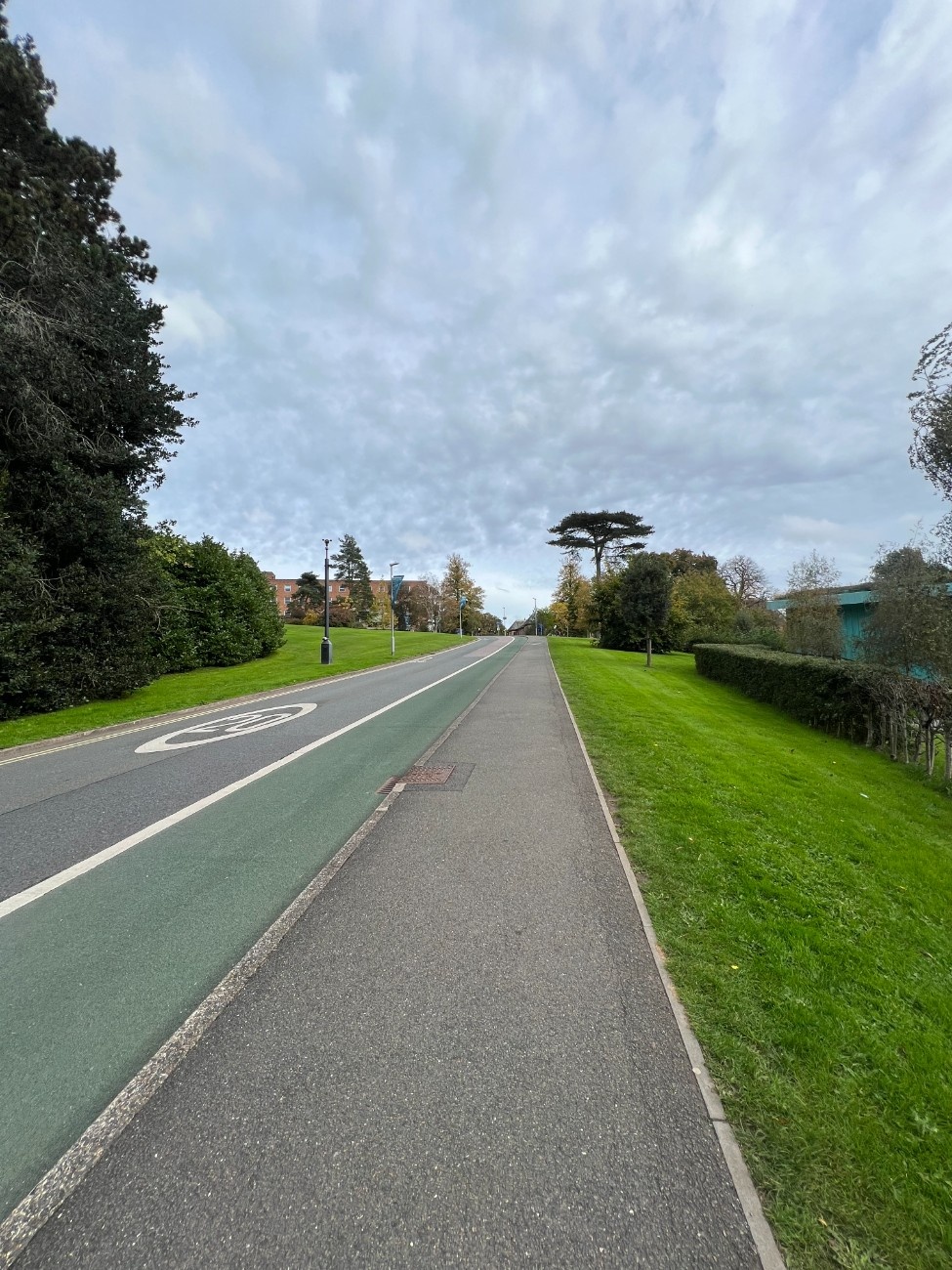
- Absolutely beautiful campus: It is almost like you are strolling through a park when walking to lectures at Stretham's gardens and woodland.
- Building on respected degree: My degree is recognised by the Russell Group so it carries real weight with employers.
- World-class research: Exeter is a hub for climate research, so I learn from those who are working on a subject that is real and affecting the world.
Dislikes
- Expensive living: High rents, and difficult and stressful to find affordable housing.
- Working up hills: Lecturing uphill and down on campus is a regular exercise.
- Low noise levels: Exeter is a small city and there aren't much places to go out.
Likes
- Safe green campus which is part of Russel group university.
- I studied Fintech and particularly about Blockchain and bitcoin.
Likes
- The best part of my university alongside the perfect course structure & amazing faculty was the campus area (Streatham).
- It was beautiful with a small pond & surrounded by trees from all sides.
- I had so much fun & learned a lot throughout the year.
Likes
- Faculty is top notch
- Very diverse culture, truly International experience.
- University dorms are clean, safe
Dislikes
- Not many on campus career fairs
- Accommodation rents are unfairly high when compared with the duration students stay.
Likes
- There is nothing to dislike about the university of Exeter.
Likes
- I really liked the strong academic reputation and supportive learning environment at the University of Exeter, especially the focus on practical, real-world applications.
Likes
- Before I delve into what I personally liked and disliked as a student of History it is important to understand that people from different streams have different experiences at the University.
- The faculty was very approachable and kind and they truly enriched my learning experience at the university.
Dislikes
- The diversity was quite limited in my department but at no point did I feel that I did not belong there and the faculty often went an extra mile to help me feel more included. There are a lot of extra curricular activities to do there and you will be spoilt for options.
Likes
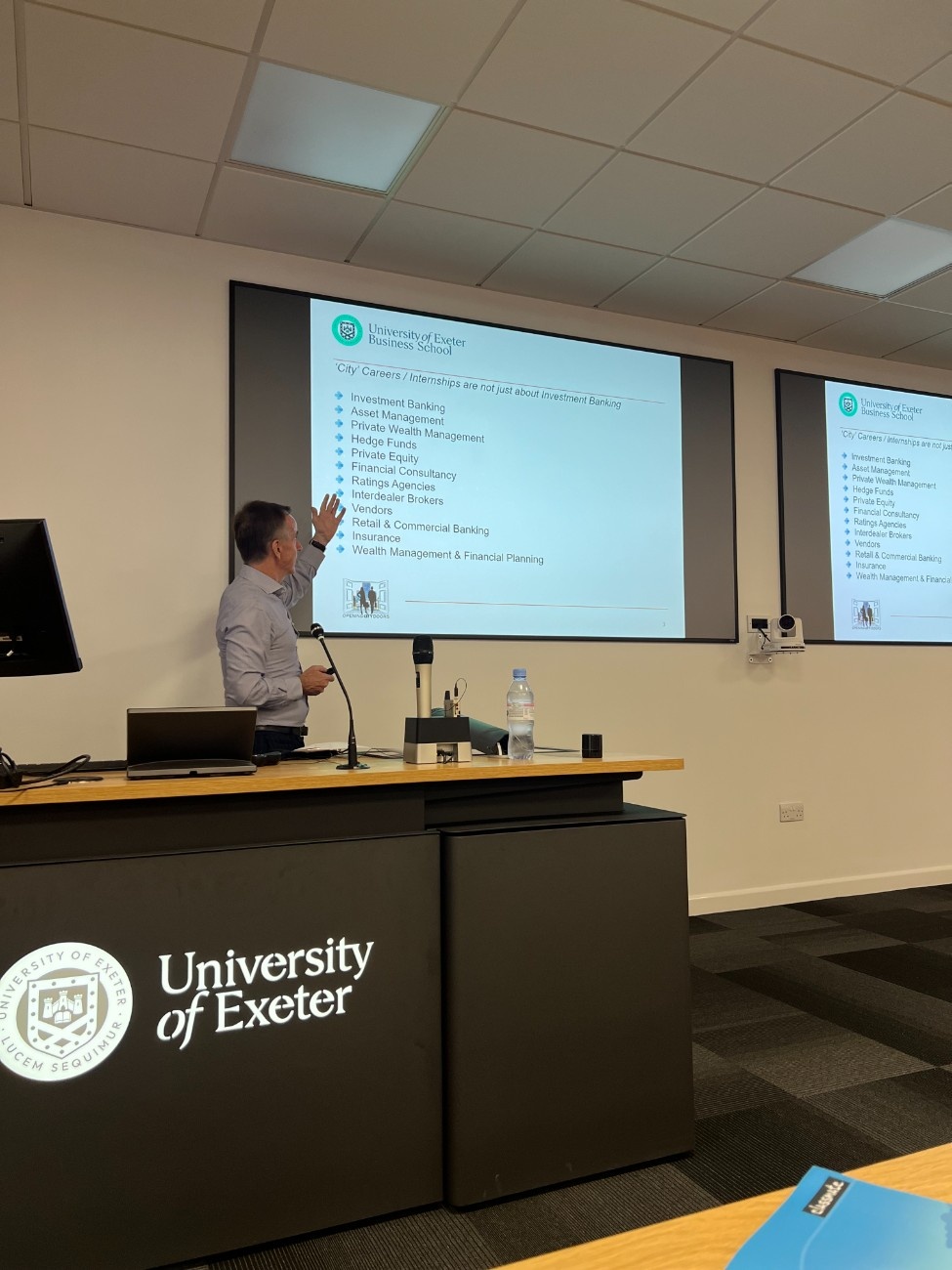
- Career Zone & Guidance: The university has a great career zone situated in a separate building wherein there are readily available mentors, CV review, Interview prep courses etc.
- Academic Curriculum: The curriculum was just right and perfect to balance out a MSc student’s life with a perfect blend of theory and practical assignments. Assignments are super heavy and more in number making the topic easy to understand
- Societies & Events: There are more than 13+ societies to participate with no cap! Each of them holding amazing events, programs especially for international students- a great way to network and make friends. Another great thing was the variety of societies and not just sticking to a single niche.
Dislikes
- Transport: As the university is on a hilltop, it becomes difficult to travel back and fro to the city. There is a bus option but can be inconvenient at times.
Scholarship
- Yes, Global Excellence Award- 5000GBP, Eligibility criteria- Academic and Nationality
- The award amount for the scholarship was 5000GBP
- There would be a cap for the number of seats kept for scholarship but for Indians they do have multiple options but the ideal scenario would be applying as early as possible.


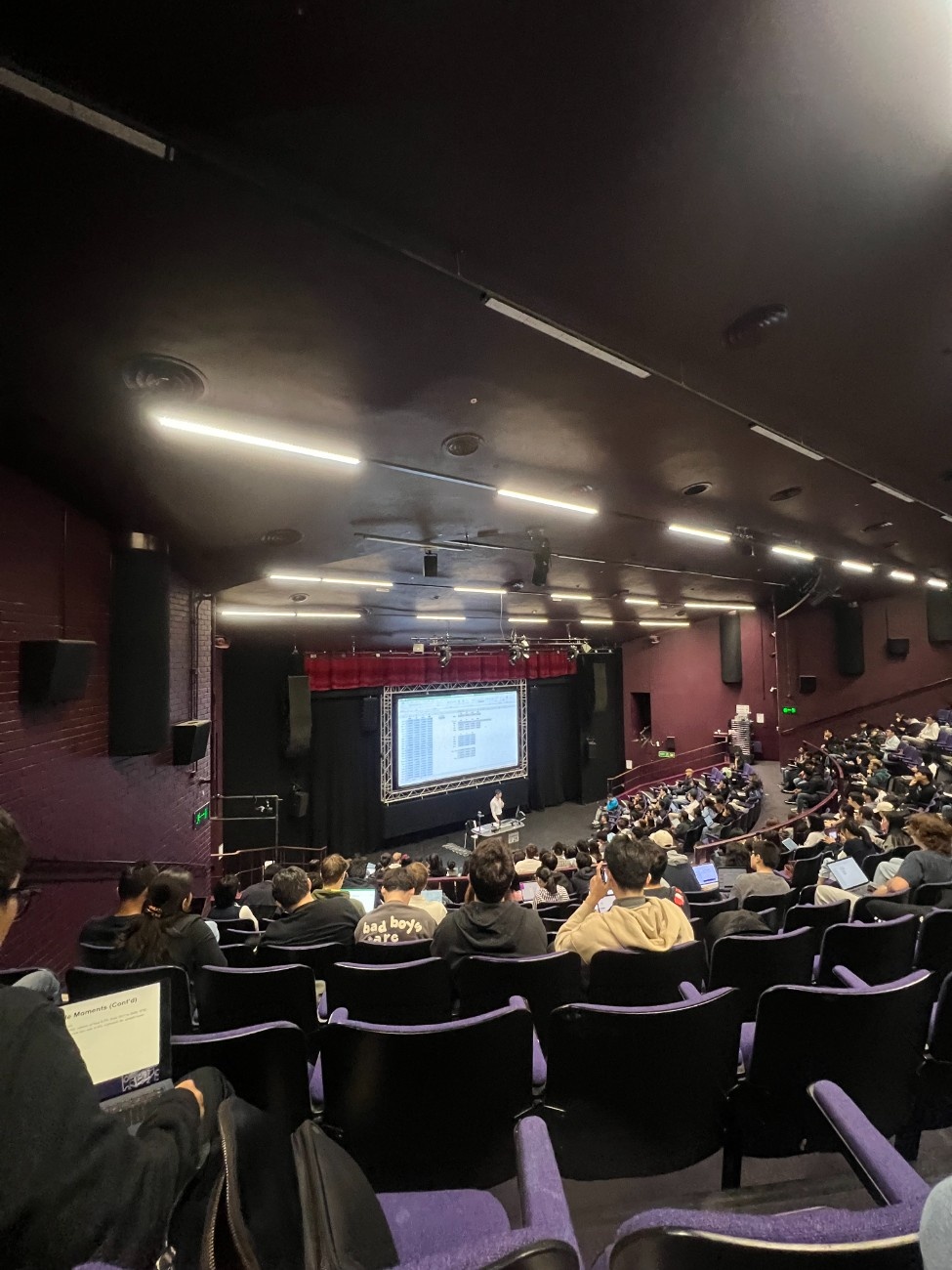
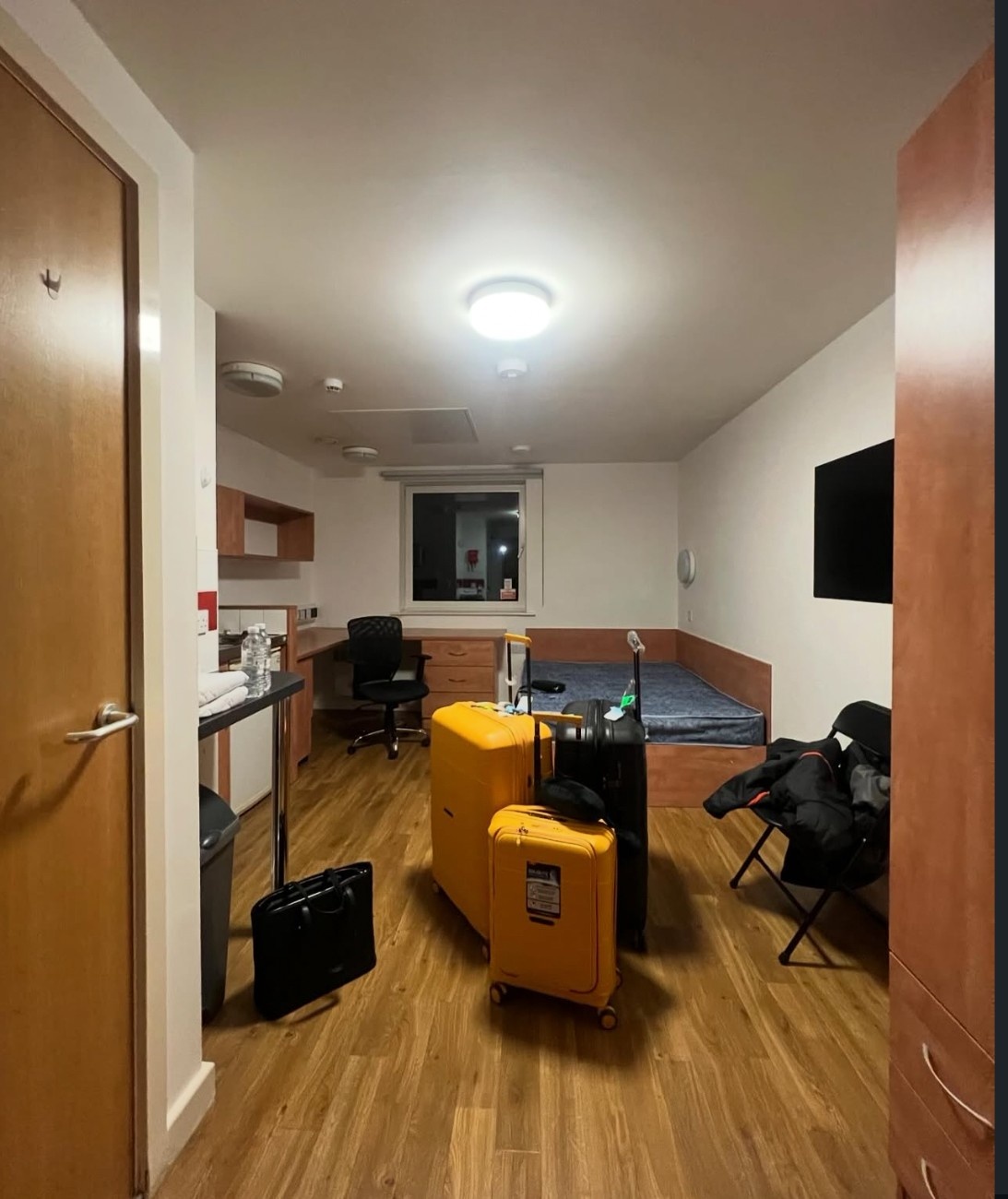



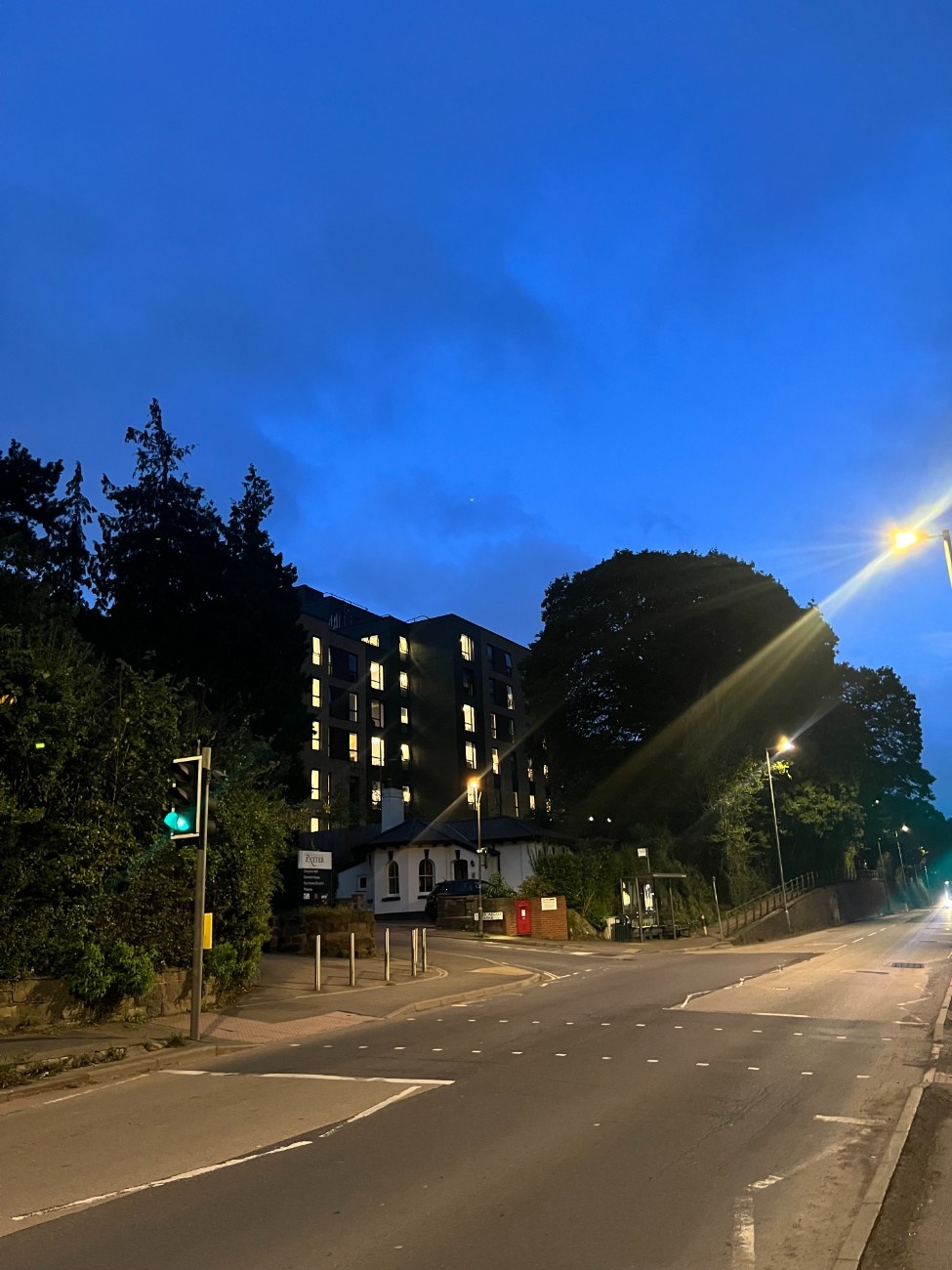
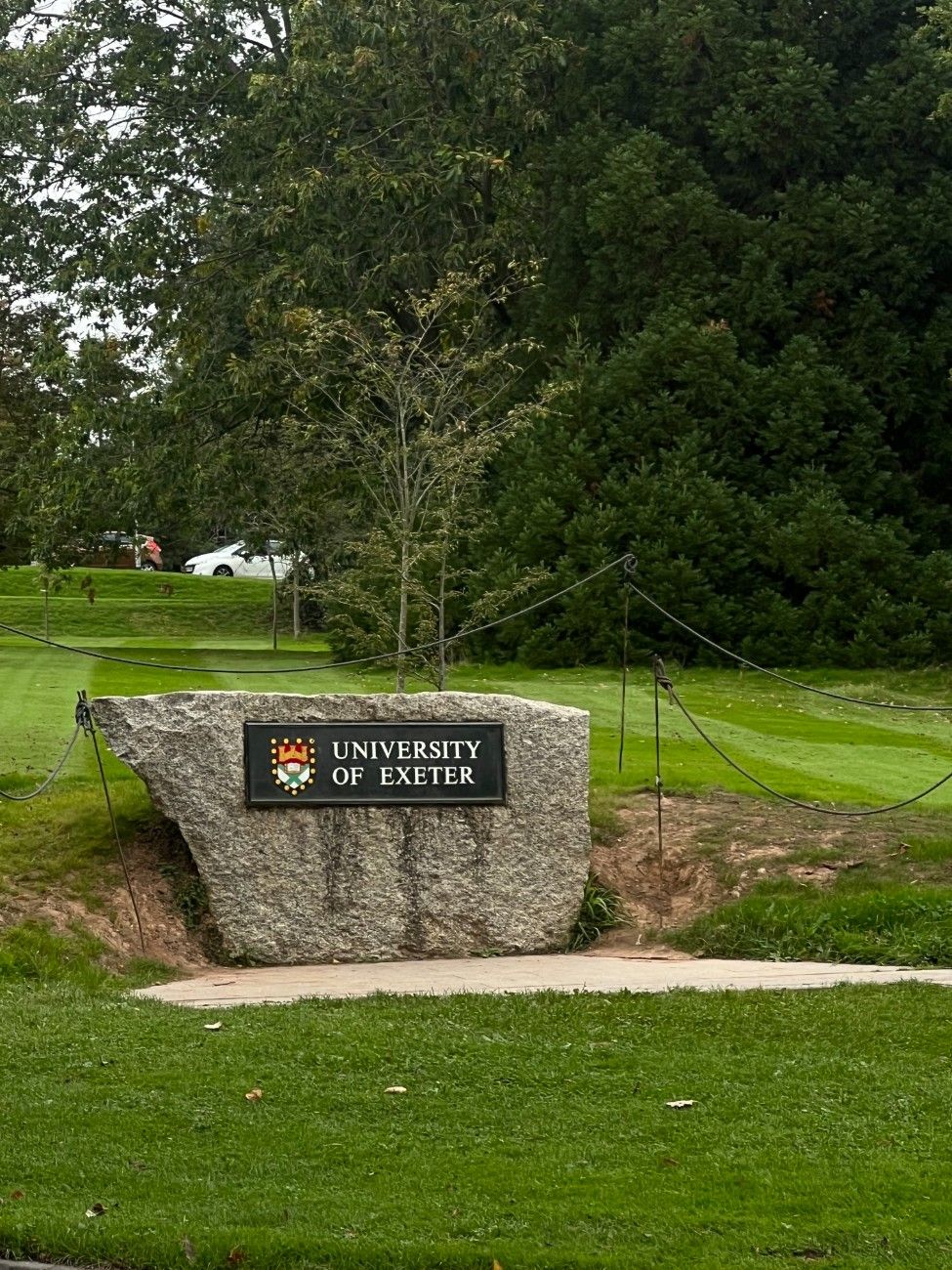
Likes
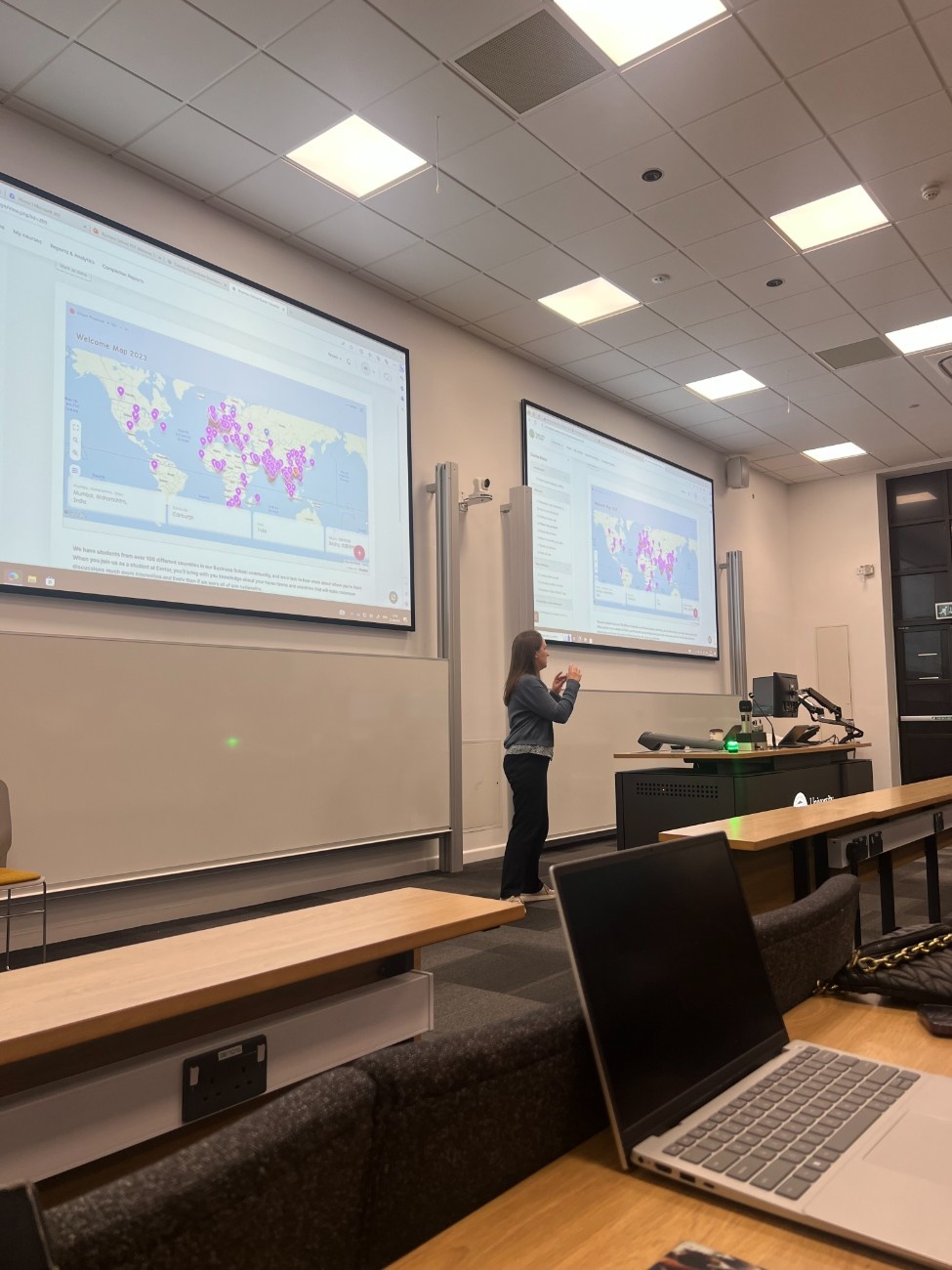
- Facilities like adapting to the accent webinars, free english courses, free events to get to know the places nearby.
- Huge campus, all types of sports activities involved.
- Enough resources to help you understand your course
Dislikes
- Depending on the course teaching isn't great
- Money goes to Russell group not your future progression or development.
- Too overrated for this course.
Scholarship
- No, I didn't receive any kind of scholarship; the eligibility criteria was that you must have above 85 or a number of years of experience in a particular field. 40% of them received scholarships. No, there was no other kind of financial aid apart from indian student scheme award, which was 3000 pounds per student, which everyone received. So many planned to pay tuition fees by semester. While i didnt, since i didnt had the idea of that whole thing.
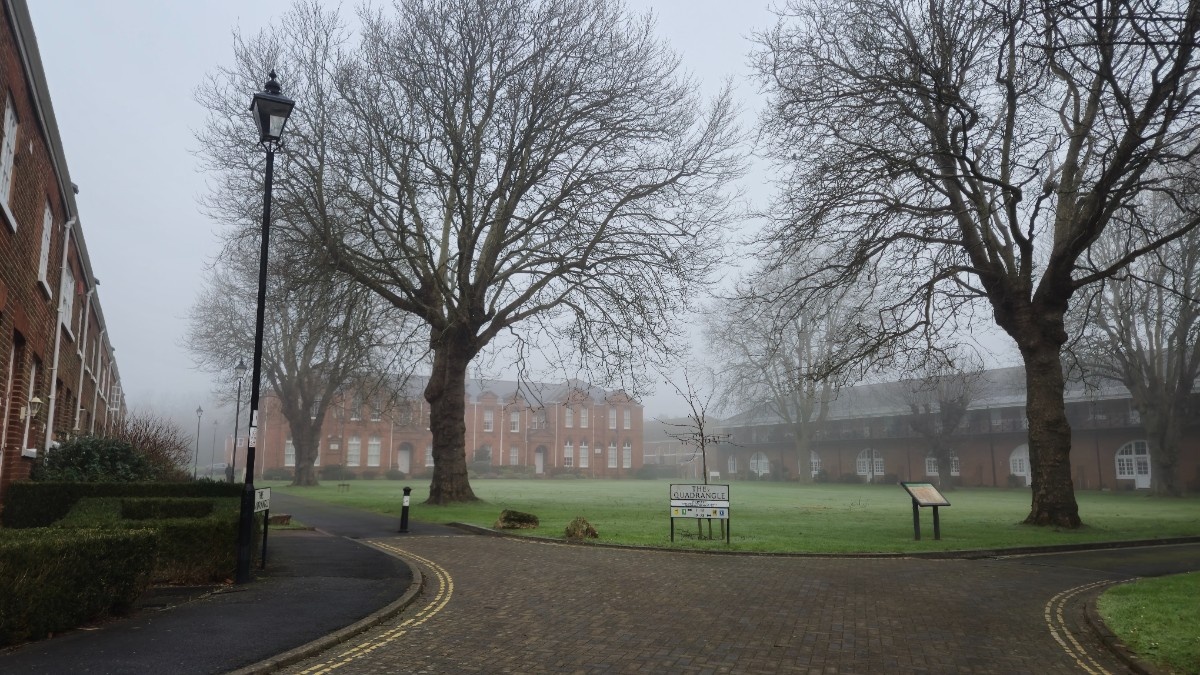
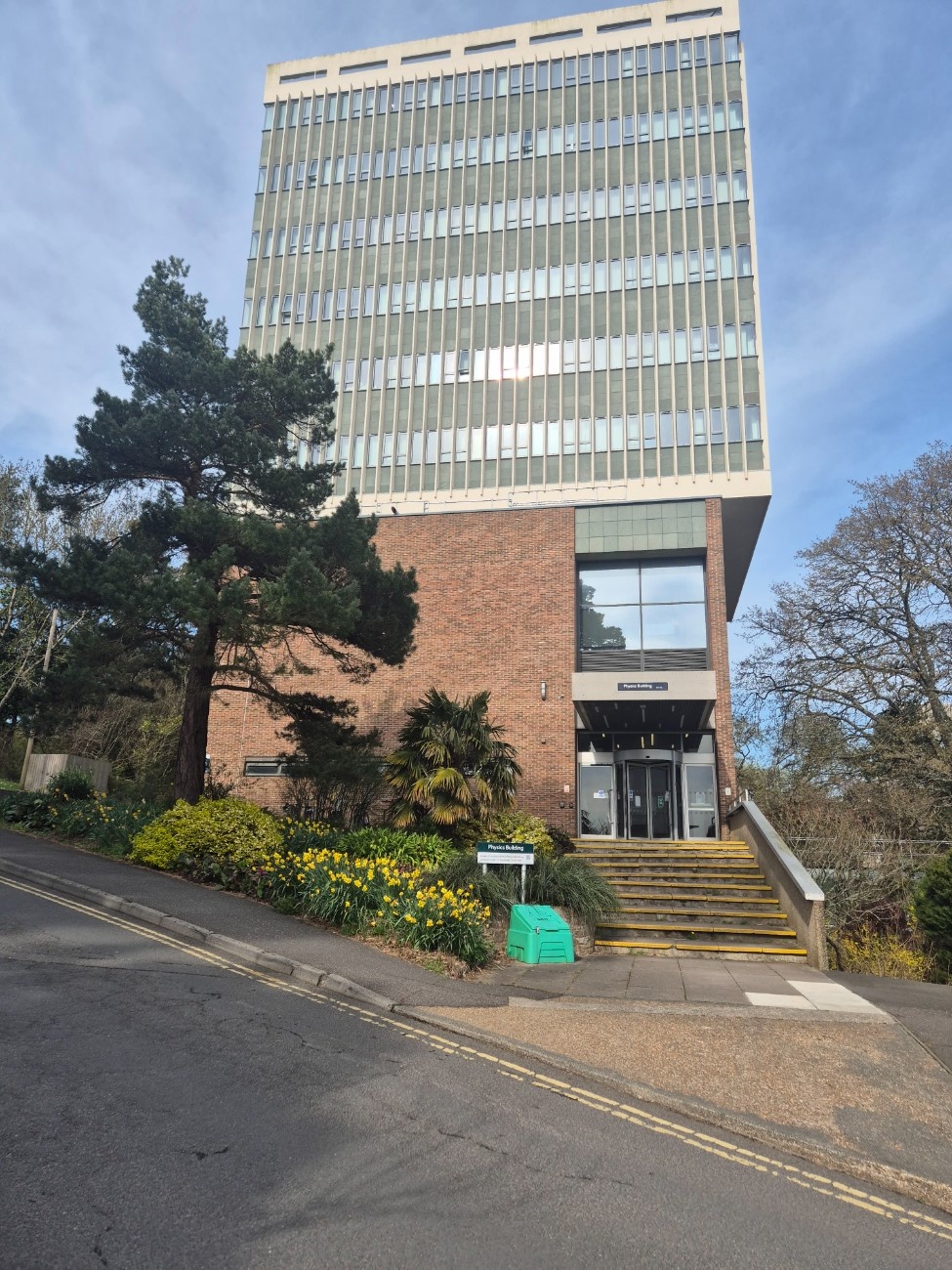


Likes
- The campus was gorgeous
- The city was safe and again beautiful
- Accomodation, living costs were low.
Dislikes
- The fact that there are no placements
- Job situation in the UK which makes spending so much on the degree a moot point


interested in this College ?
Follow & Share this college to get information about admission.



Comments