




The Patterns of Social Inequality and Exclusion PDF is the official NCERT chapter on caste, tribe, gender and disability from Indian Society. This page lets students download the original Chapter 5 text and case studies for the 2026-27 CBSE syllabus. Reading the source chapter is the best way to understand social stratification, untouchability, social exclusion and the women's movement.
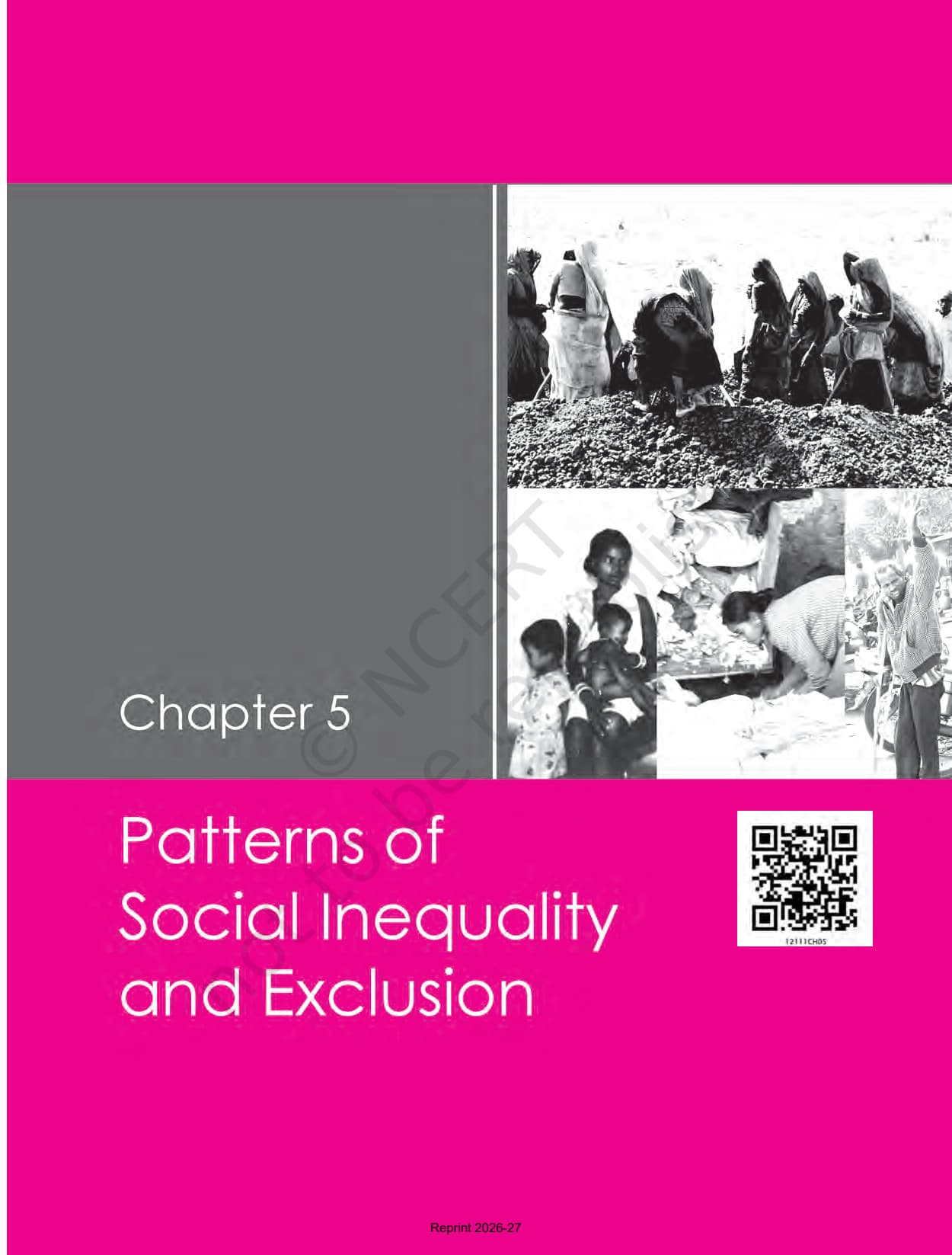
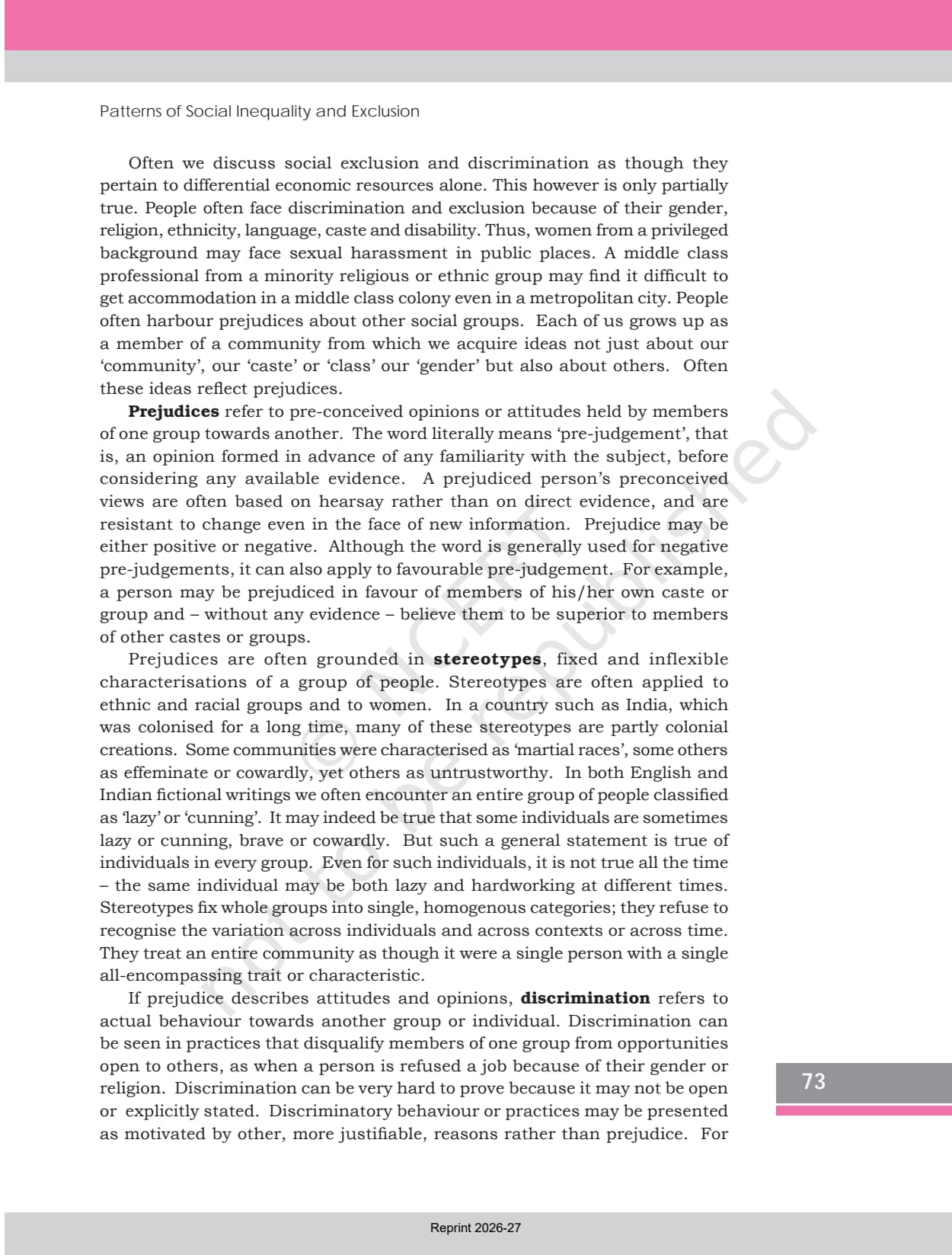
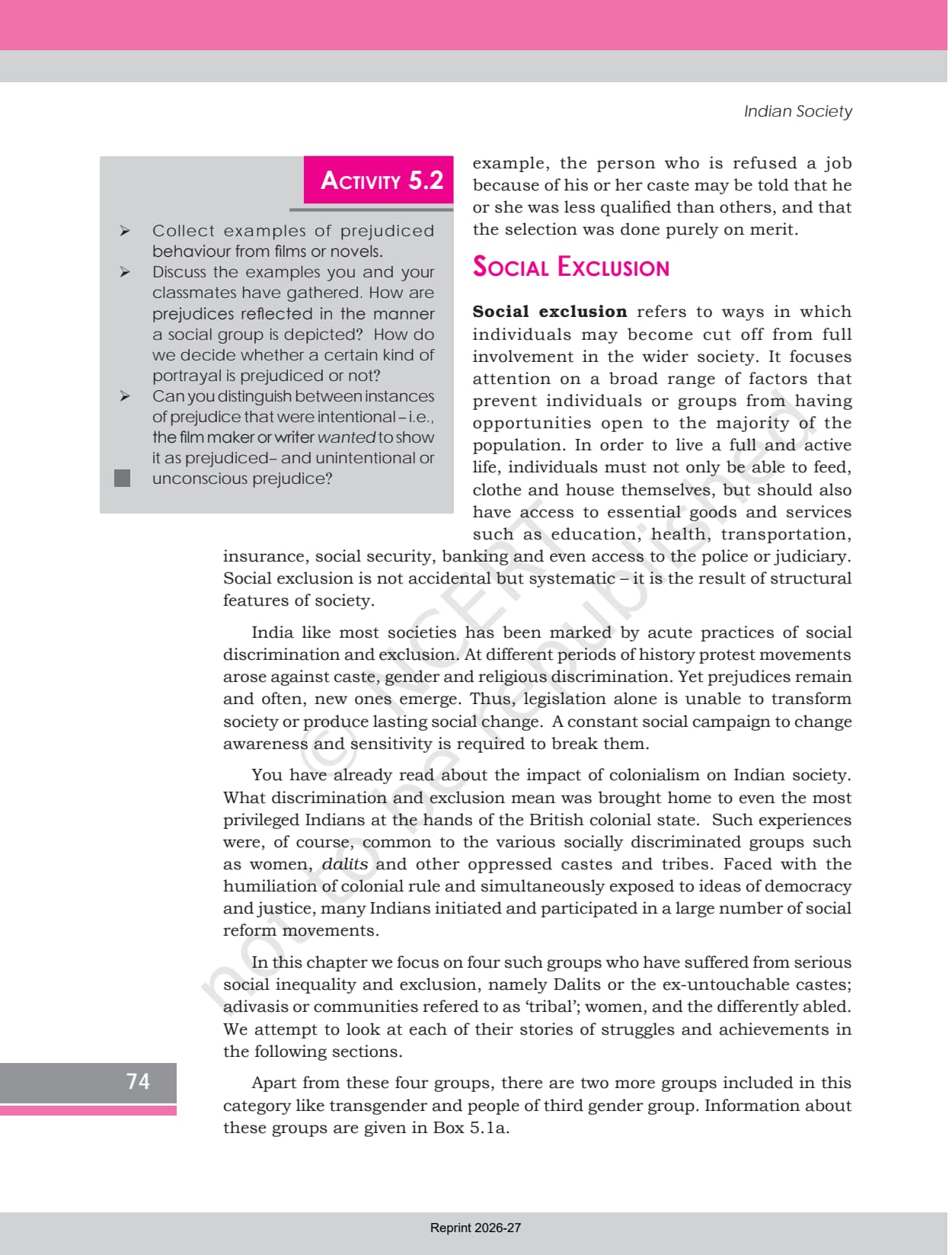
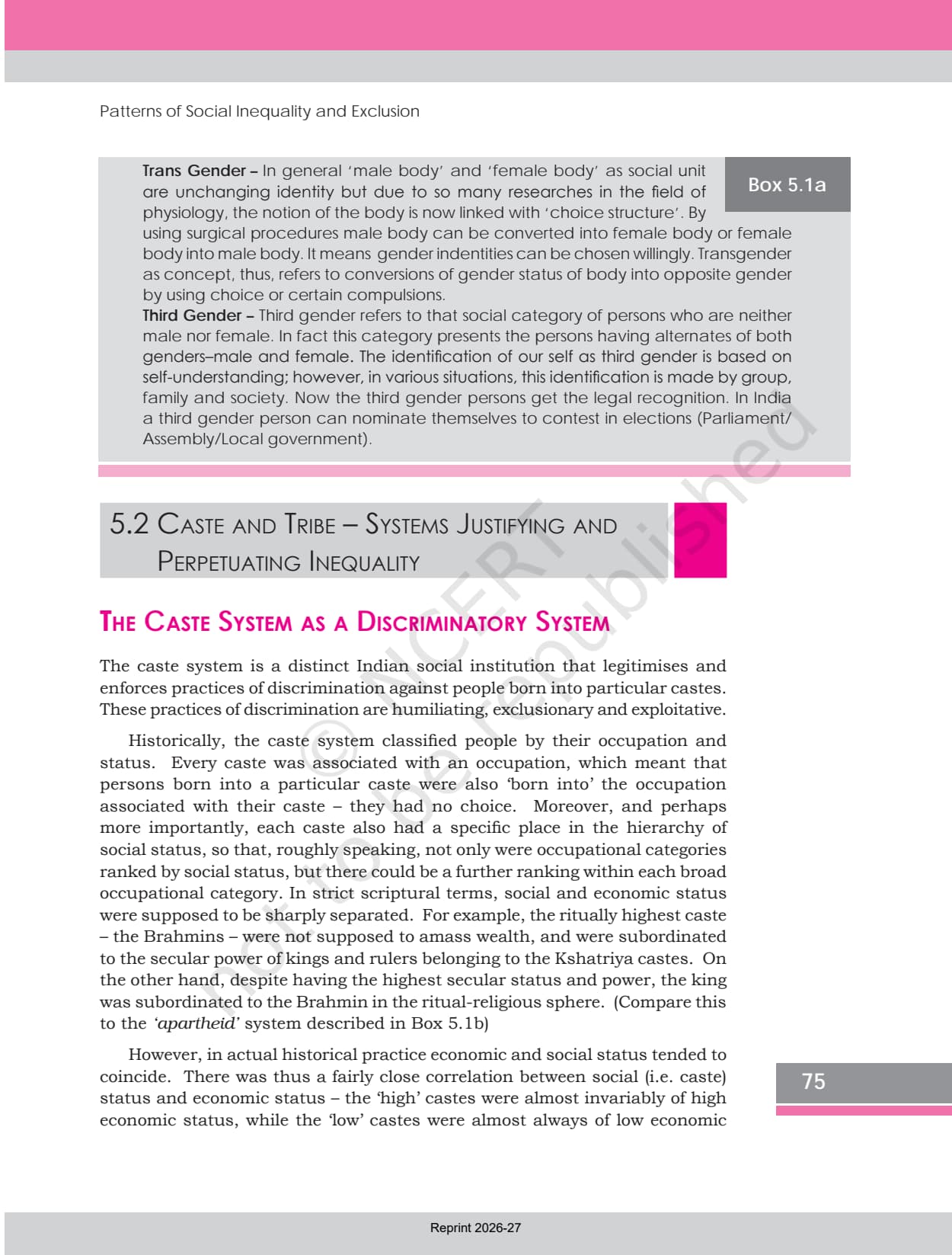
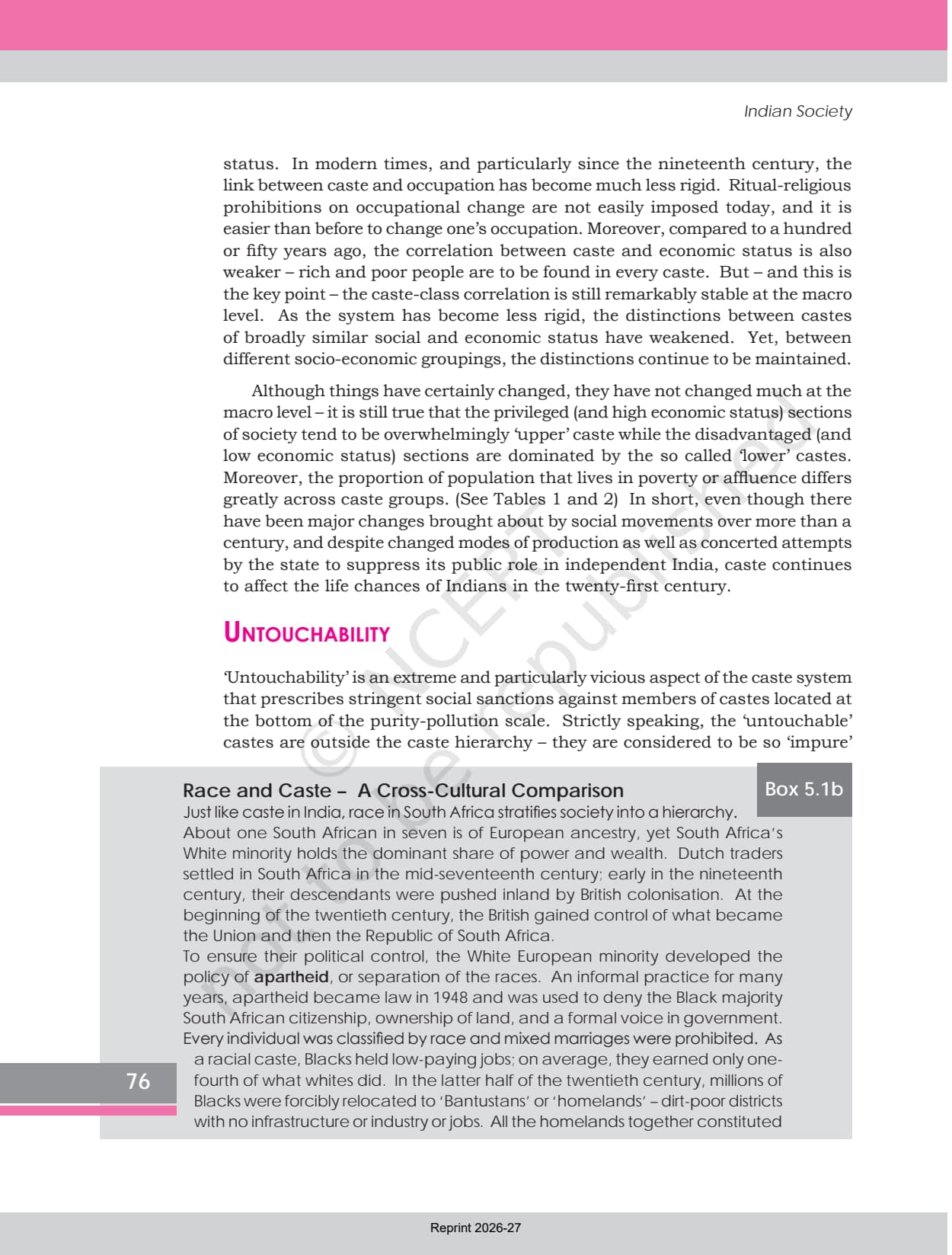
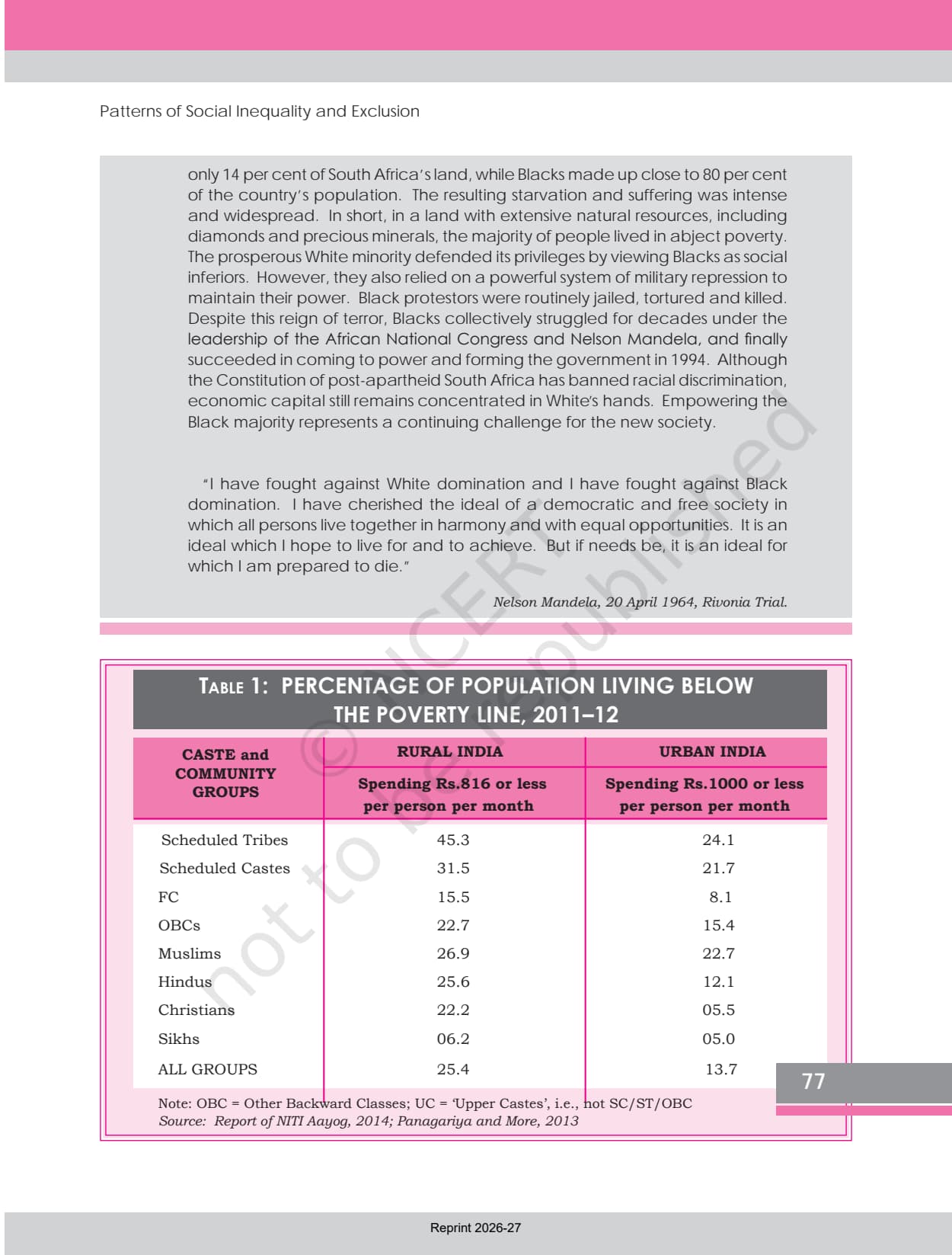
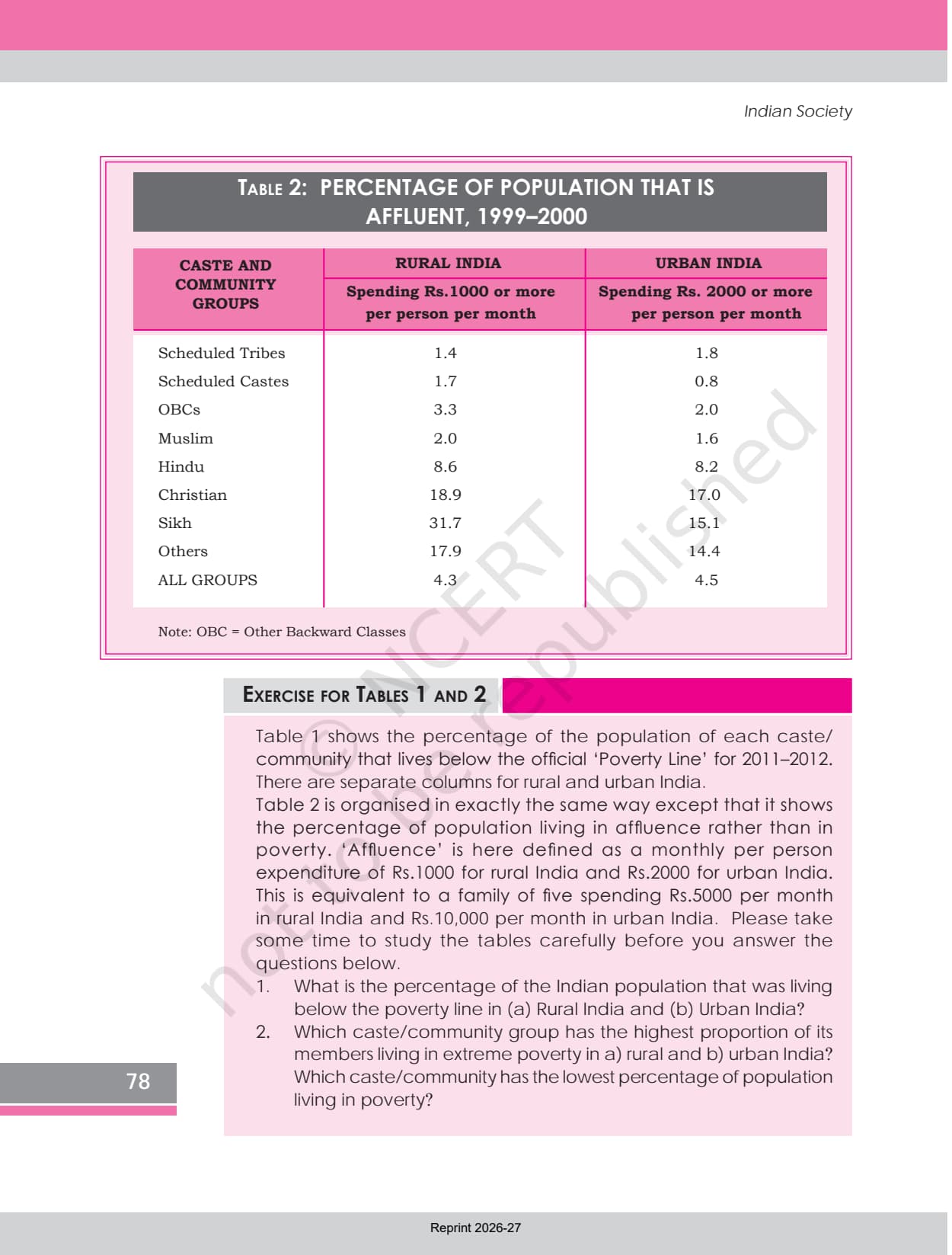
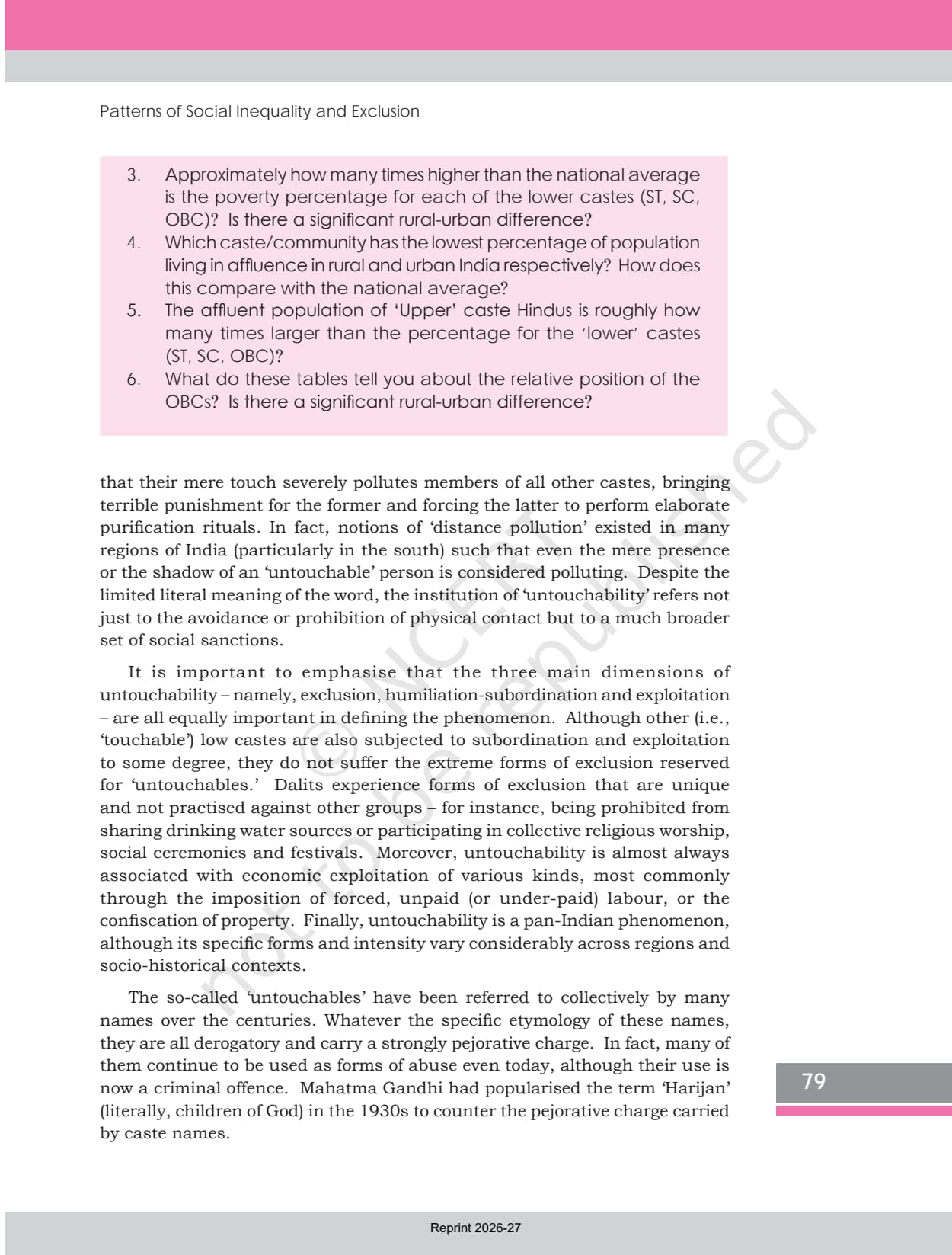
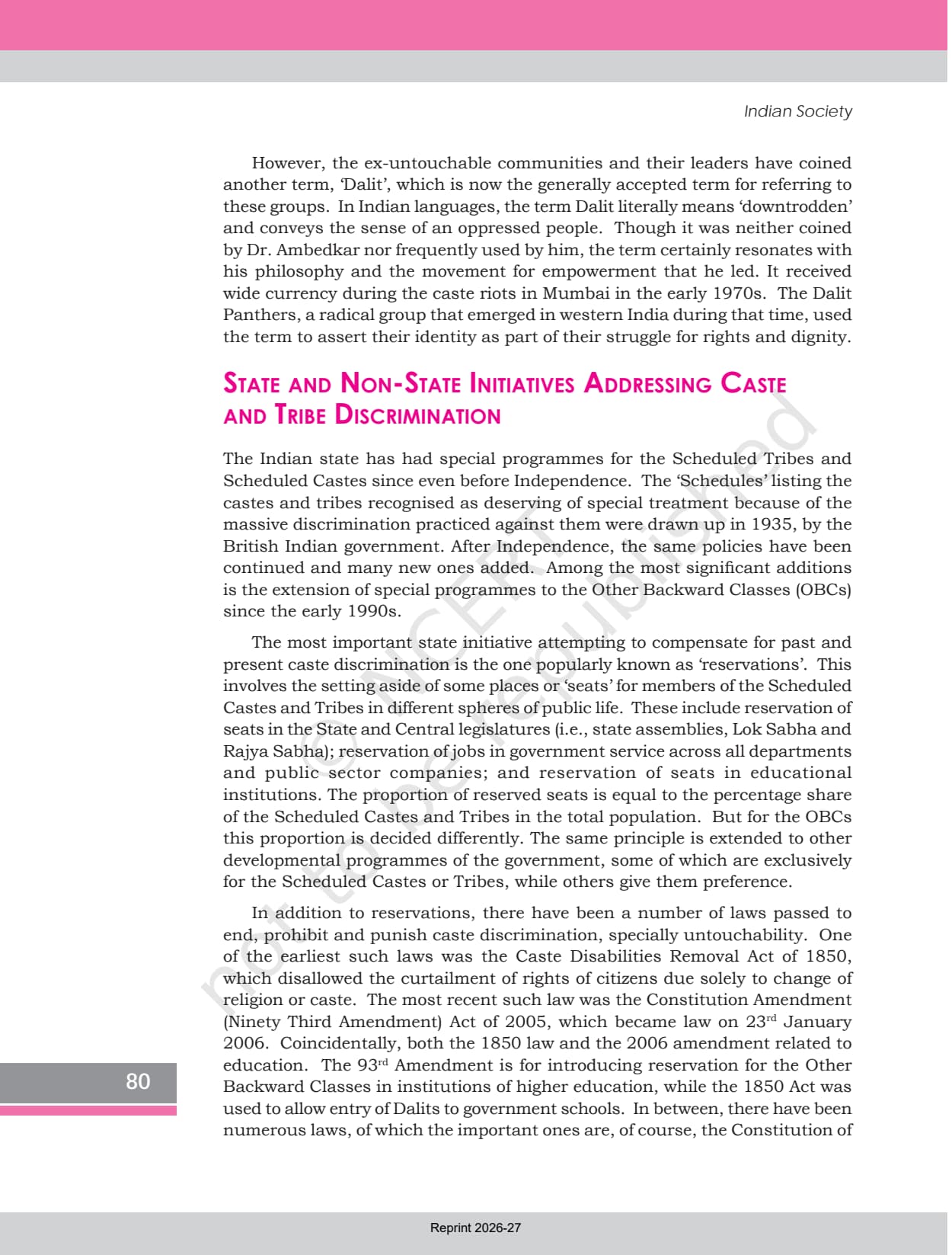
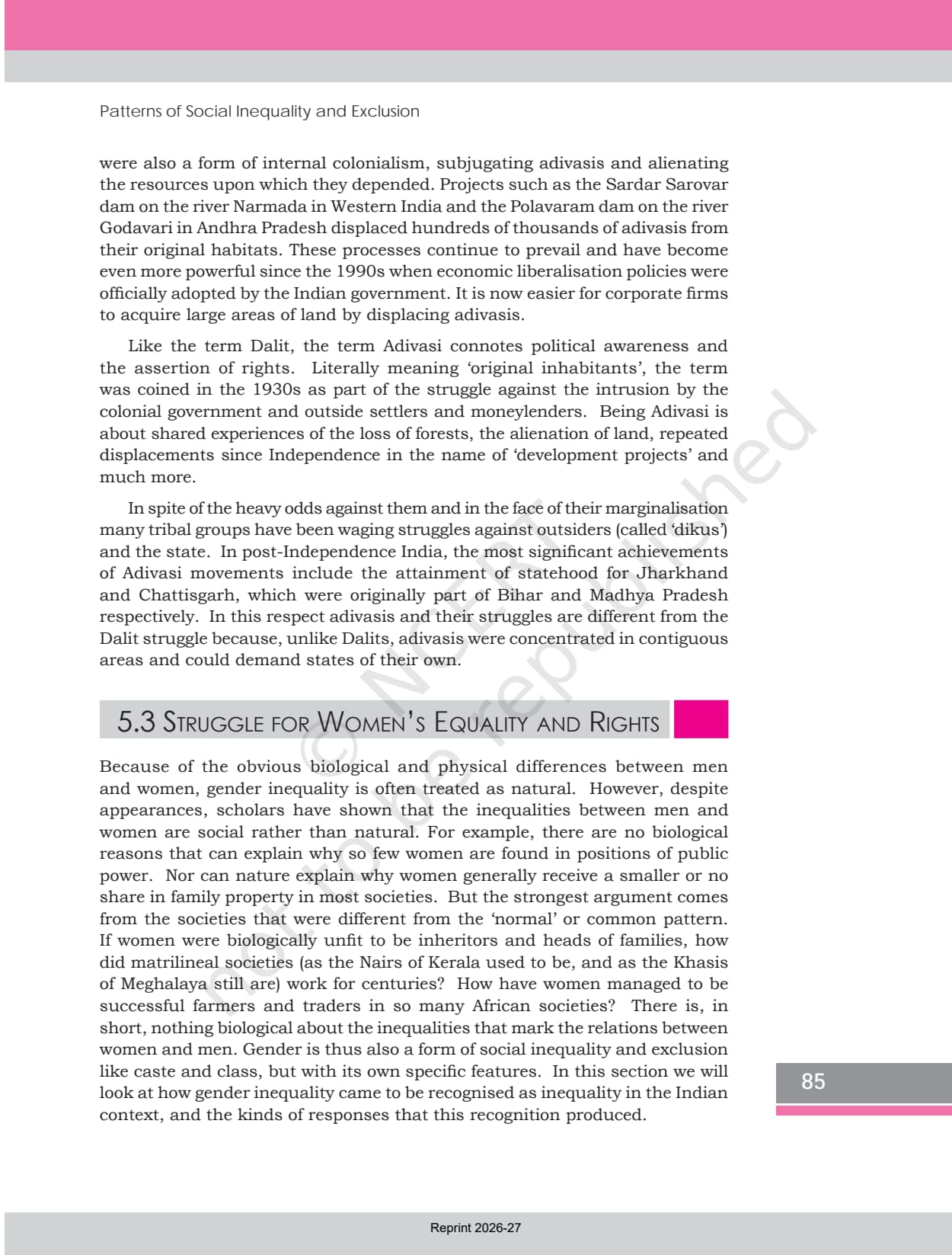
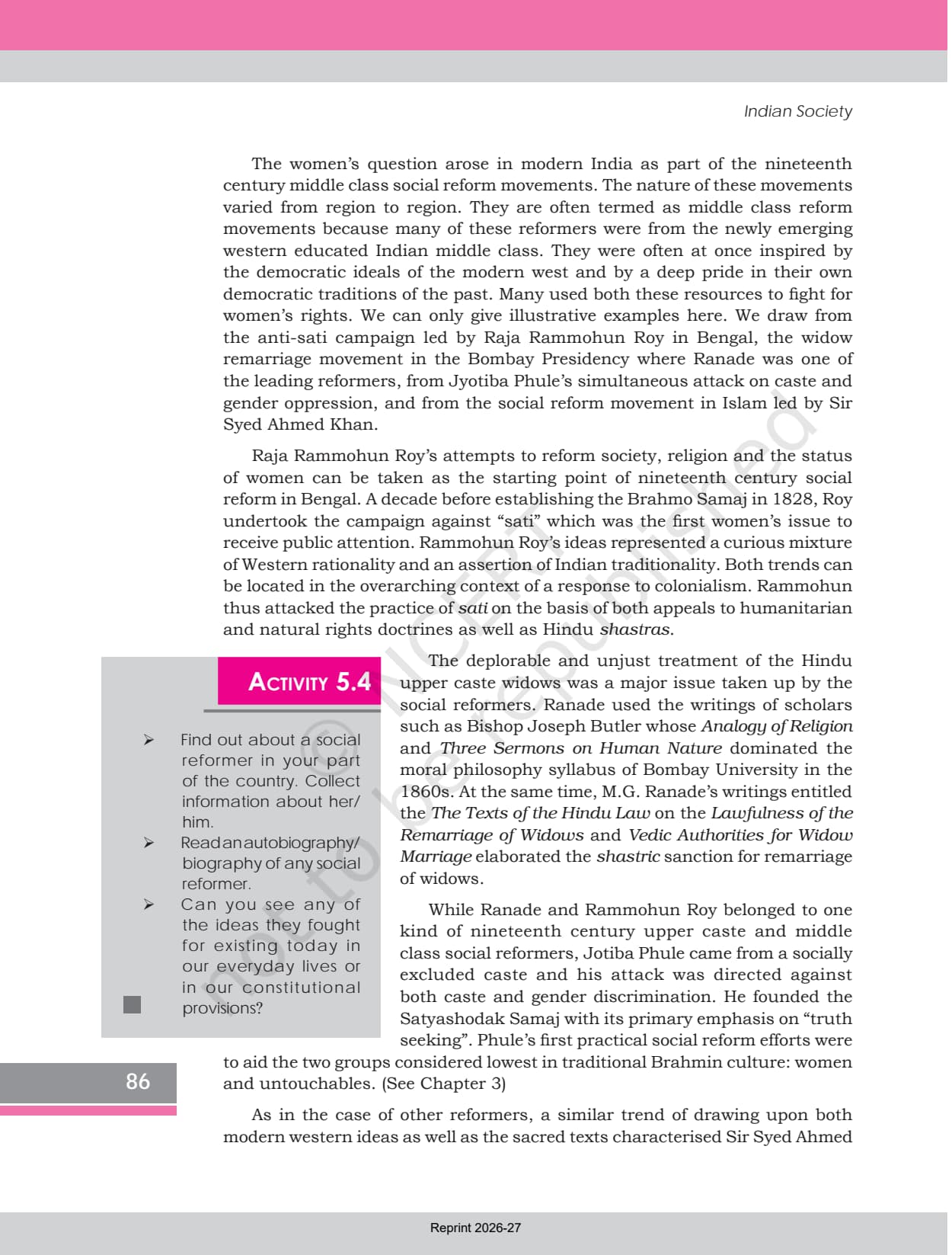
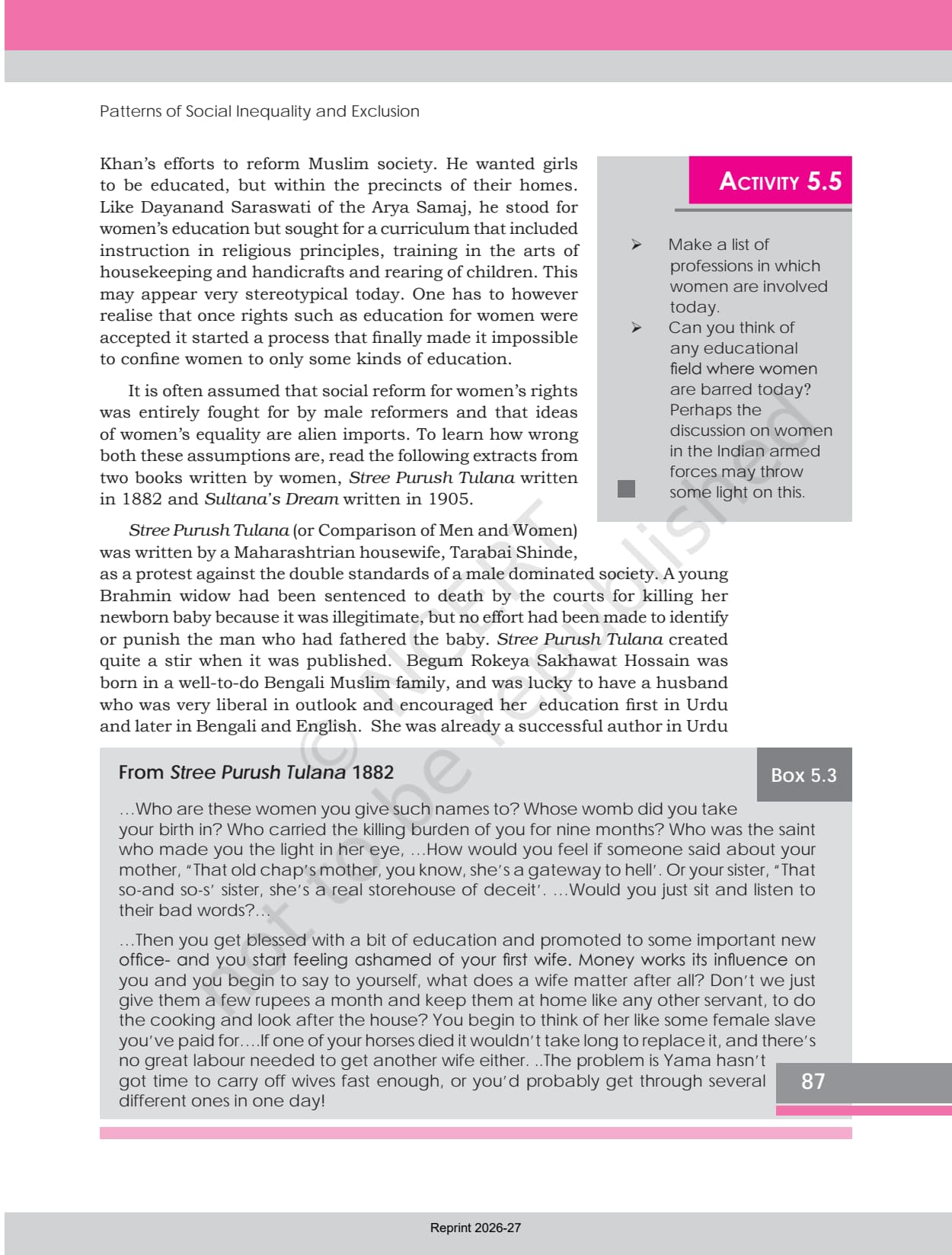
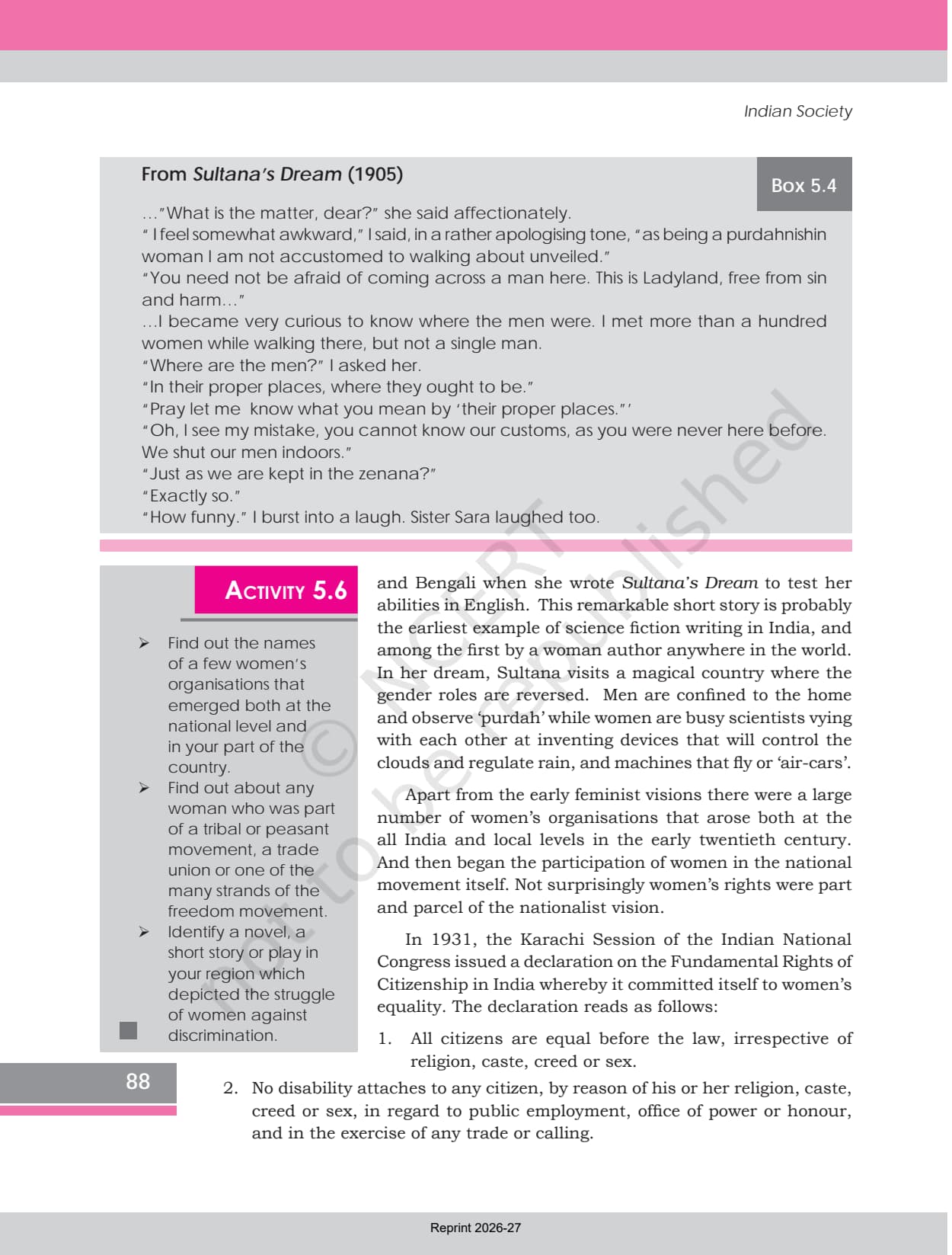
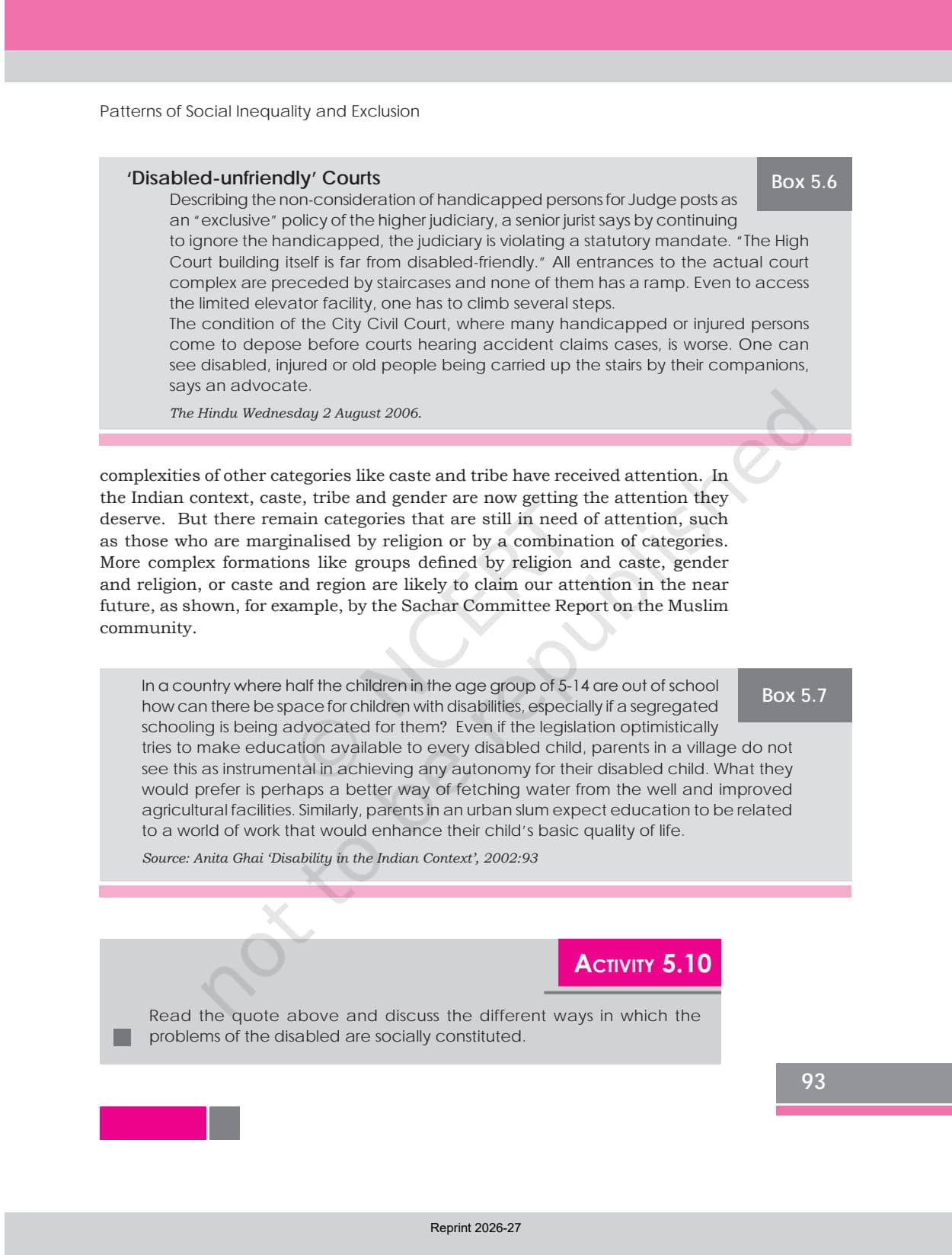
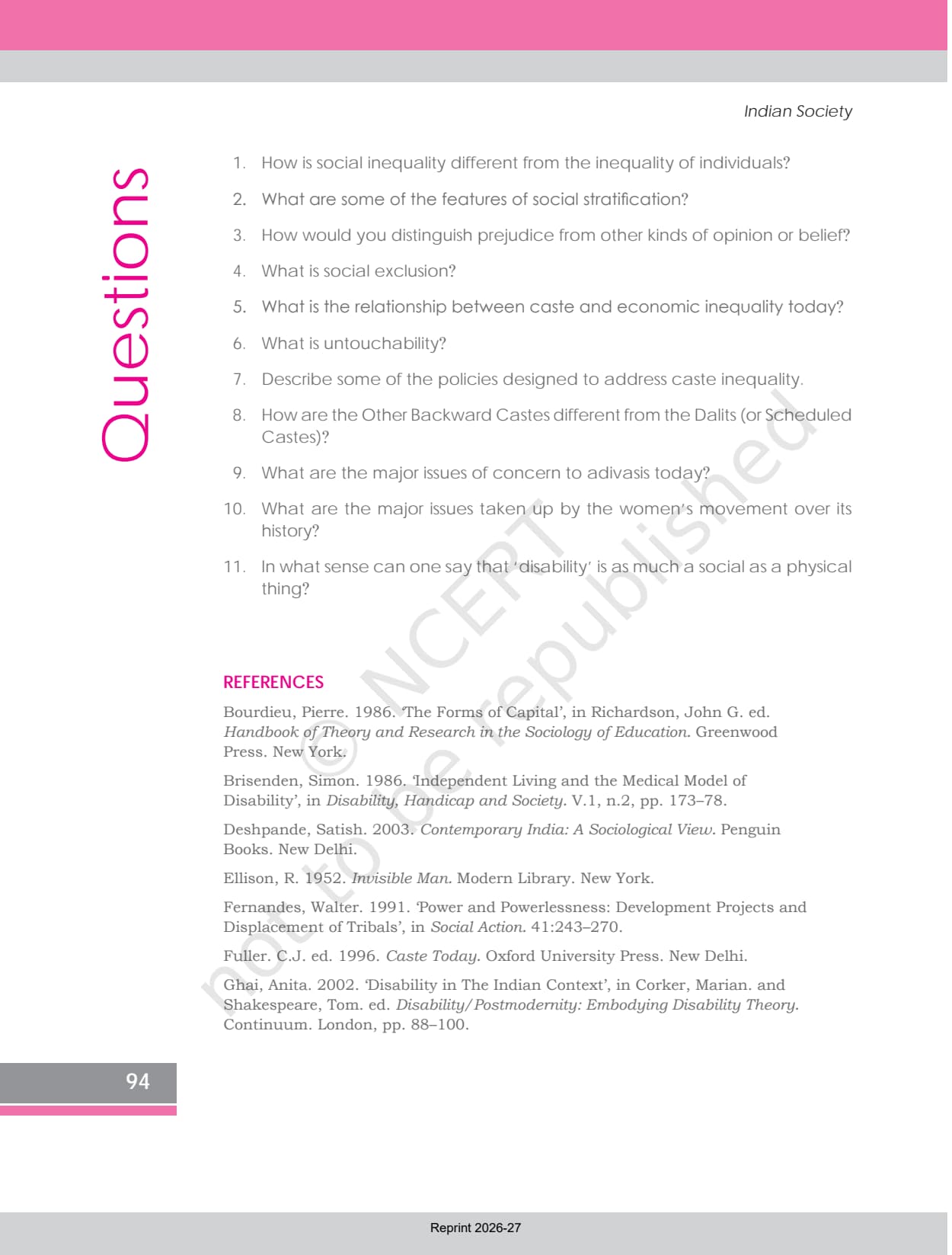
- Official NCERT chapter with the original boxes, case studies and source passages.
- This Class 12 Sociology chapter usually carries 6 to 8 marks in the board paper.
- Pairs with the NCERT Solutions, Notes and Handwritten Notes linked lower on this page.
This is the official NCERT Patterns of Social Inequality and Exclusion chapter from Indian Society, offered for free download in the 2026-27 edition.
Student Feedback: In a Collegedunia poll of 8,140 Class 12 Sociology students before the 2026 boards, 70% of students said they kept the official NCERT chapter PDF open while answering source-based questions, because the apartheid box and the Dalit, adivasi and women case studies come straight from the chapter itself.
Source: 2026-27 Class 12 Sociology student poll. Sample of 8,140 students from CBSE schools across 13 states.
What the Patterns of Social Inequality and Exclusion NCERT Chapter Covers
Chapter 5 of Indian Society opens with one correction and builds on it: inequality is social and group-made, not natural or individual. The chapter then studies how caste, tribe, gender and disability shut whole groups out of the resources the majority enjoys, and what the state and social movements do about it.
The original chapter is organised in three parts, which is why reading the source PDF helps:
- Concepts: social inequality, social stratification, prejudice, stereotype, discrimination and social exclusion.
- Systems and groups: the caste system and untouchability, the OBCs, adivasis, women and persons with disability.
- Responses: reservation, anti-discrimination law and the social movements that carry the change.
The chapter uses real boxes and case studies, such as the apartheid example of race in South Africa, so the source text gives context that a summary cannot.
Chapter Highlights and Important Topics
The NCERT chapter packs several high-value topics into a single read. The table lists the parts students should mark while reading the PDF, since each is a likely exam question.
| Topic | Why it matters in the exam |
|---|---|
| Features of stratification | A regular 6-mark long answer: society-wide, inherited and ideological. |
| Prejudice, stereotype, discrimination | A sharp short answer on attitude versus action. |
| Social exclusion | The key concept that frames the four case studies. |
| Untouchability | Its three dimensions: exclusion, humiliation and exploitation. |
| The women's movement | Its shift from 19th-century reform to dowry, violence and land rights. |
Reading the patterns of social inequality and exclusion chapter in the original NCERT gives students the exact phrasing CBSE rewards, which is why source-based answers score higher than paraphrased ones.
Caste, Untouchability and the Case Studies in the Chapter
The second half of the chapter is a set of case studies of excluded groups. The PDF treats each one in detail, with the data and boxes a summary leaves out. Students should read these closely before attempting the long answers.
- Caste and untouchability: the purity-pollution scale, the three dimensions of untouchability, and the caste-class link today.
- OBCs and adivasis: discrimination short of untouchability, and adivasi displacement, forest rights and identity.
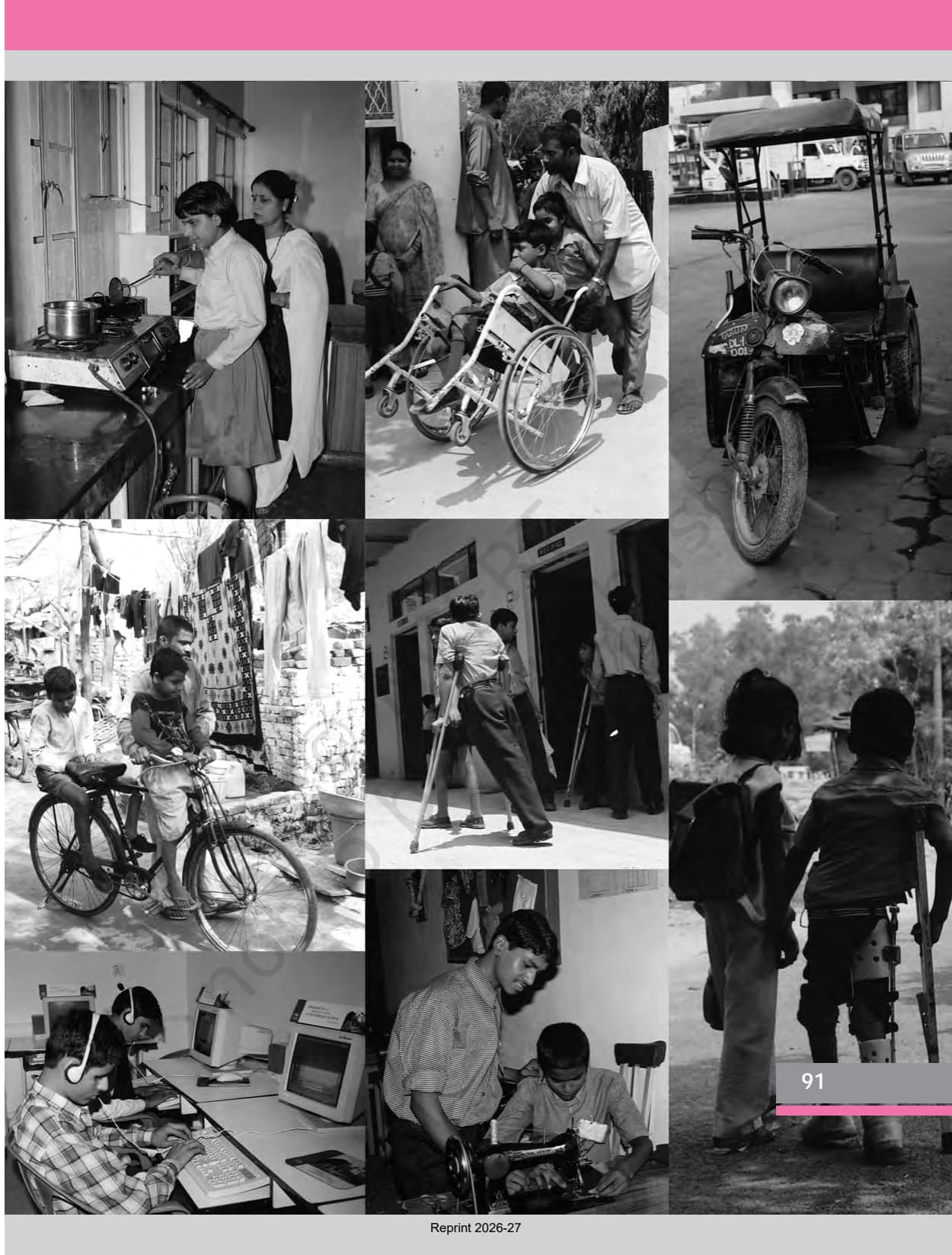
- Women and disability: the women's movement across its phases, and the case for seeing disability as a social, not only physical, thing.
The chapter's honest point is that repeated lawmaking is itself proof that law alone cannot end a social practice. Reading the original passages on Phule, Periyar, Ambedkar and the women's movement gives students the named examples that lift an answer from average to full marks.
How to Download and Use the NCERT Chapter PDF
The chapter PDF is free and works on any device. A simple reading routine turns the source text into exam-ready answers.
- Download once: save the class 12 sociology chapter 5 pdf from the card above so you can read it offline.
- Read with a pen: mark the features of stratification, the three dimensions of untouchability and the named reformers.
- Cross-check answers: read the chapter first, then use the NCERT Solutions to see how each point becomes a full answer.
Reading the source chapter and then practising with the solutions is the routine most toppers follow, because the exact NCERT wording is what the board paper expects.
How the Book PDF Pairs with the Solutions and Notes
The Book PDF is the original chapter. To revise and practise answers, students should use it alongside the other resources for the same chapter, all linked in the table below.
| Resource | Best used for |
|---|---|
| Patterns of Social Inequality and Exclusion Class 12 NCERT Solutions | Step-by-step answers to all 11 back-exercise questions |
| Patterns of Social Inequality and Exclusion Class 12 Notes | A quick typed summary of all terms, groups and policies |
| Patterns of Social Inequality and Exclusion Class 12 Handwritten Notes | Last-minute, one-shot revision in a scanned notebook style |
Tip: read the Book PDF for context, revise from the Notes, then practise with the Solutions. The three together cover depth, recall and practice.
All Class 12 Sociology NCERT Book PDFs by Chapter
The table links the NCERT Book PDF for every chapter in both Class 12 Sociology books, so students can download the whole course in one place. Patterns of Social Inequality and Exclusion is highlighted.
| Chapter | NCERT Book PDF |
|---|---|
| Indian Society | |
| Chapter 1 | Introducing Indian Society |
| Chapter 2 | The Demographic Structure of the Indian Society |
| Chapter 3 | Social Institutions - Continuity and Change |
| Chapter 4 | The Market as a Social Institution |
| Chapter 5 | Patterns of Social Inequality and Exclusion |
| Chapter 6 | The Challenges of Cultural Diversity |
| Social Change and Development in India | |
| Chapter 1 | Structural Change |
| Chapter 2 | Cultural Change |
| Chapter 3 | The Constitution and Social Change |
| Chapter 4 | Change and Development in Rural Society |
| Chapter 5 | Change and Development in Industrial Society |
| Chapter 6 | Globalisation and Social Change |
| Chapter 7 | Mass Media and Communications |
| Chapter 8 | Social Movements |
FAQs on Patterns of Social Inequality and Exclusion NCERT Book PDF
Patterns of Social Inequality and Exclusion Class 12 Book PDF Common Questions
Ques. Where can I download the class 12 sociology chapter 5 NCERT Book PDF?
Ans. You can download the official Patterns of Social Inequality and Exclusion NCERT chapter PDF free from this page. It is the original Chapter 5 text from Indian Society for the 2026-27 CBSE syllabus.
Which book is Patterns of Social Inequality and Exclusion from?
Ans. It is Chapter 5 of Indian Society, one of the two Class 12 Sociology textbooks. The other book is Social Change and Development in India.
Ques. What topics does the NCERT chapter cover?
Ans. The chapter covers social inequality and stratification, prejudice and discrimination, social exclusion, caste and untouchability, caste policy, the OBCs, adivasis, the women's movement and disability as a social construct.
Ques. Should I read the Book PDF or just the notes?
Ans. Read both. The Book PDF gives the exact NCERT wording and case studies that source-based questions use, while the notes are faster for revision. Reading the chapter first makes the answers easier to remember.
Ques. Is the NCERT Book PDF enough for the board exam?
Ans. The Book PDF gives you the full source text, but pair it with the NCERT Solutions to practise full answers to the 11 exercise questions. Read the chapter, then write and check your answers.



Comments