




Download the Class 12 Sociology Chapter 4 The Market as a Social Institution NCERT Book PDF free, straight from the official Indian Society textbook and matched to the 2026-27 CBSE syllabus. This is the original NCERT chapter, with its boxes, examples and exercise, the exact text the board exam is set from.
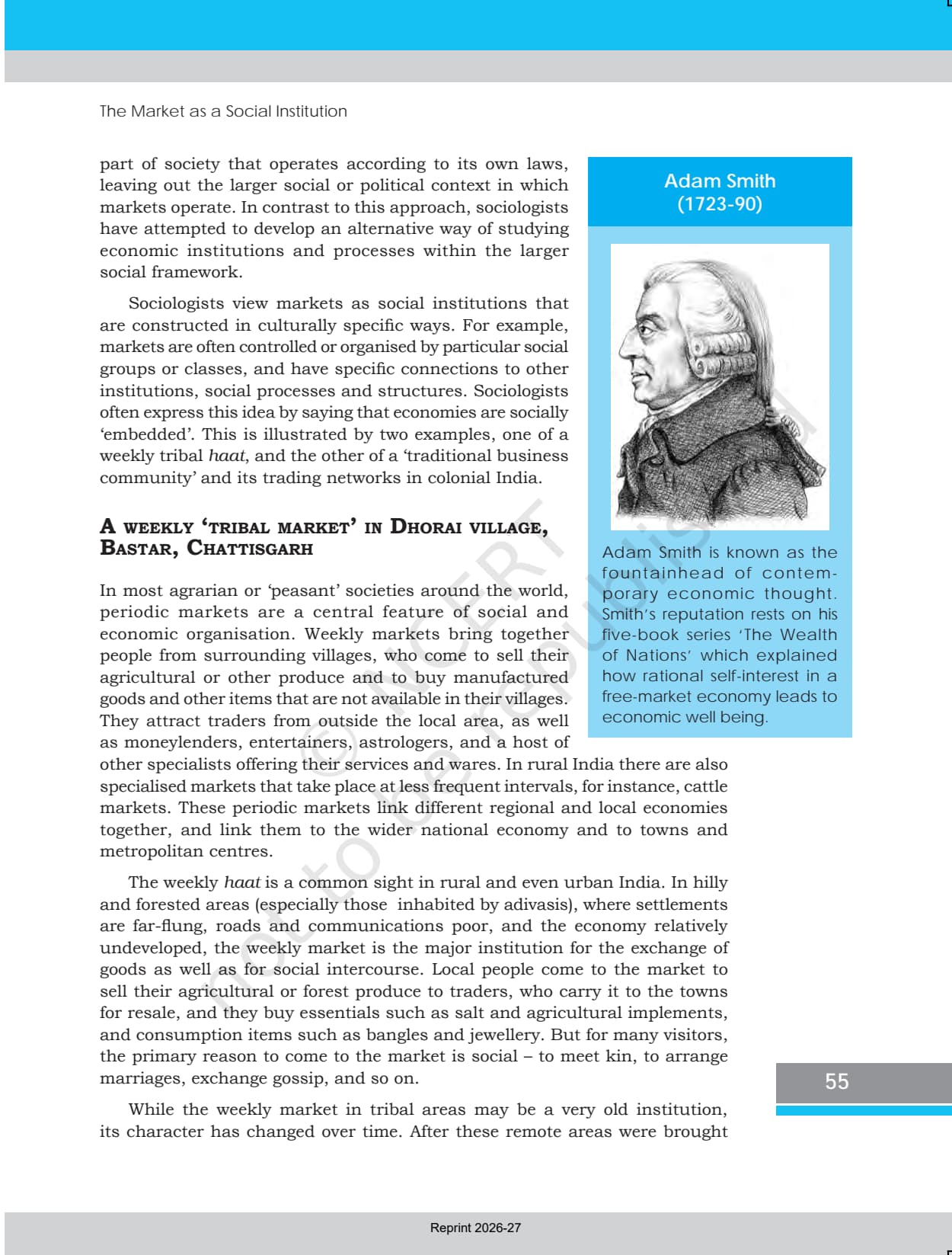
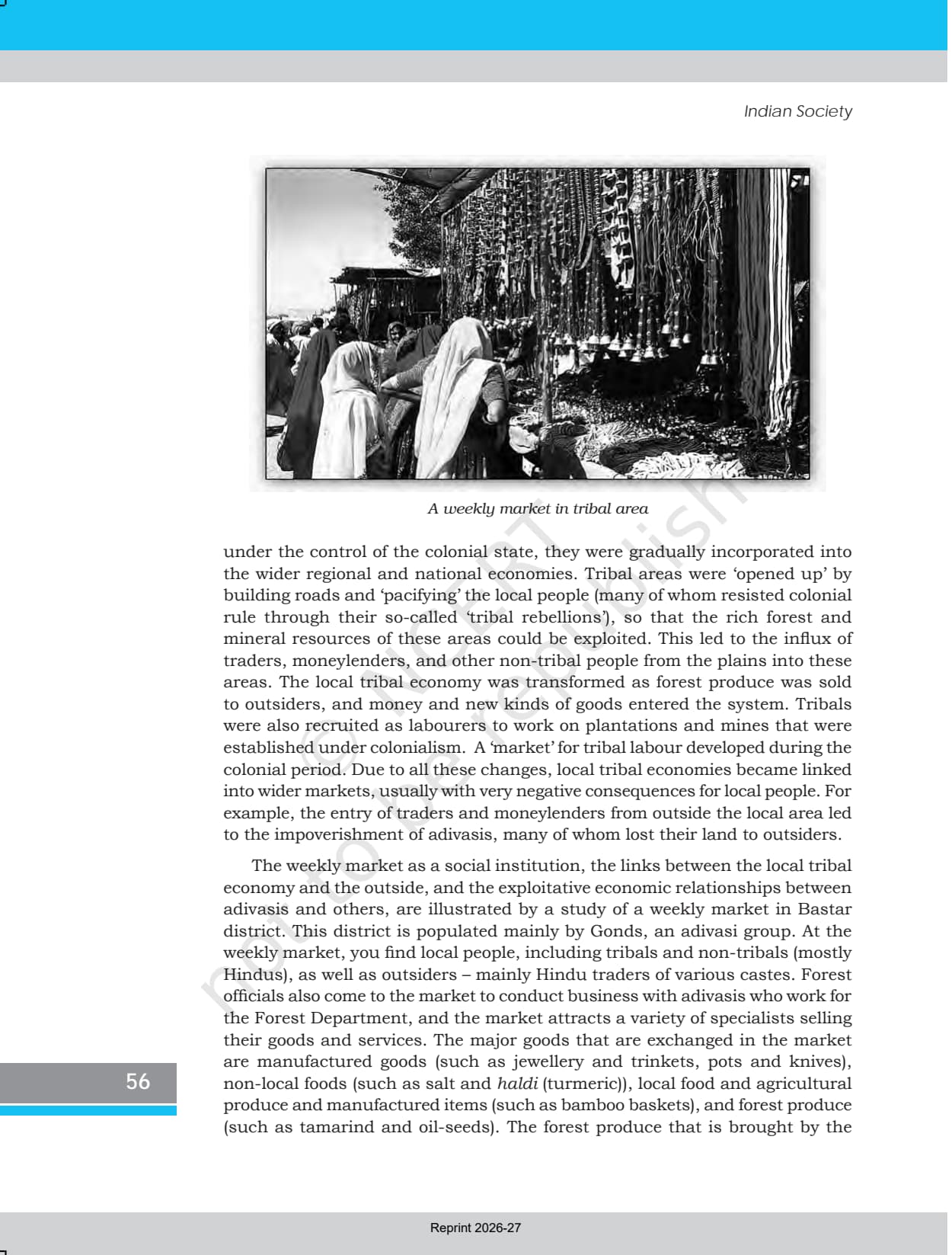
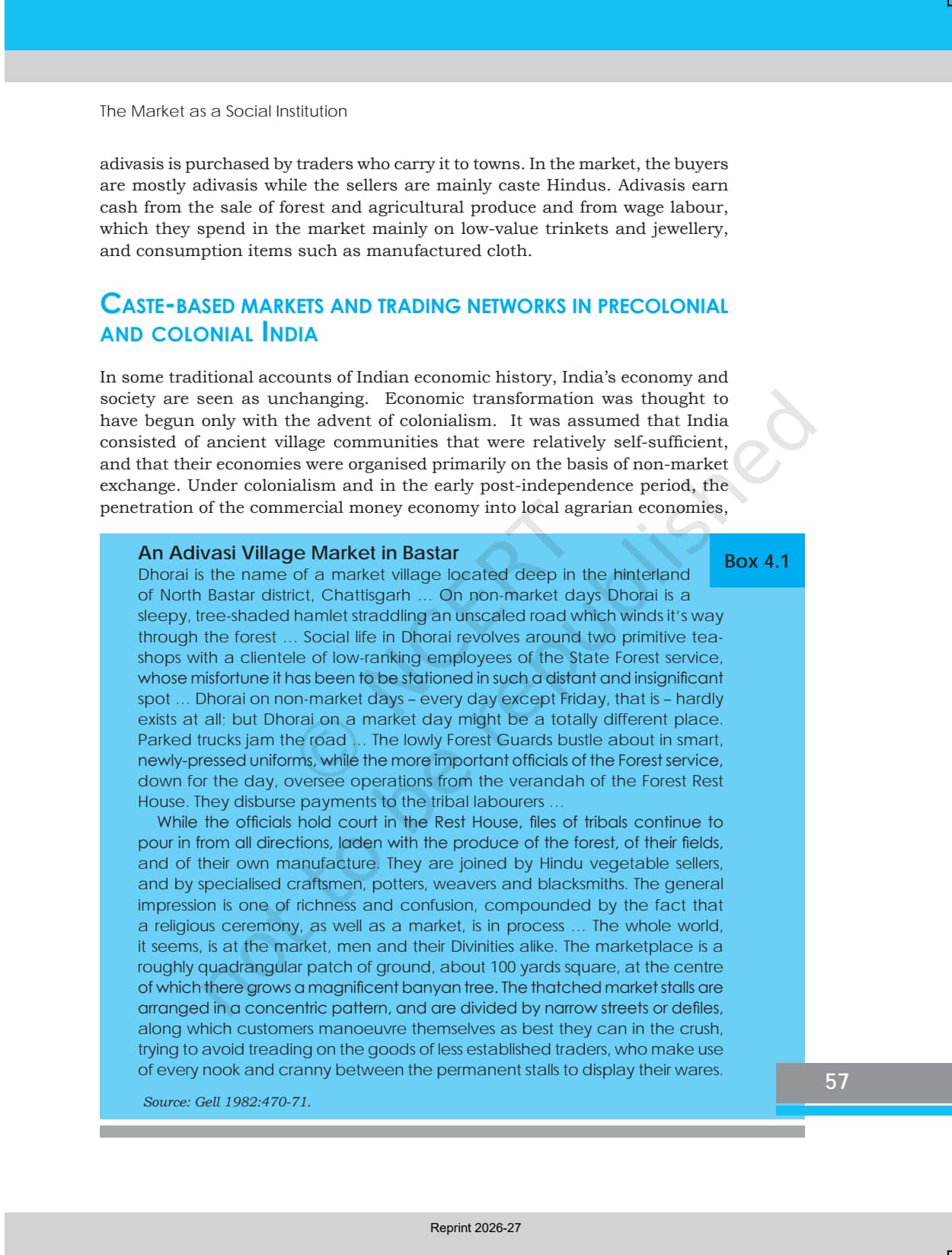
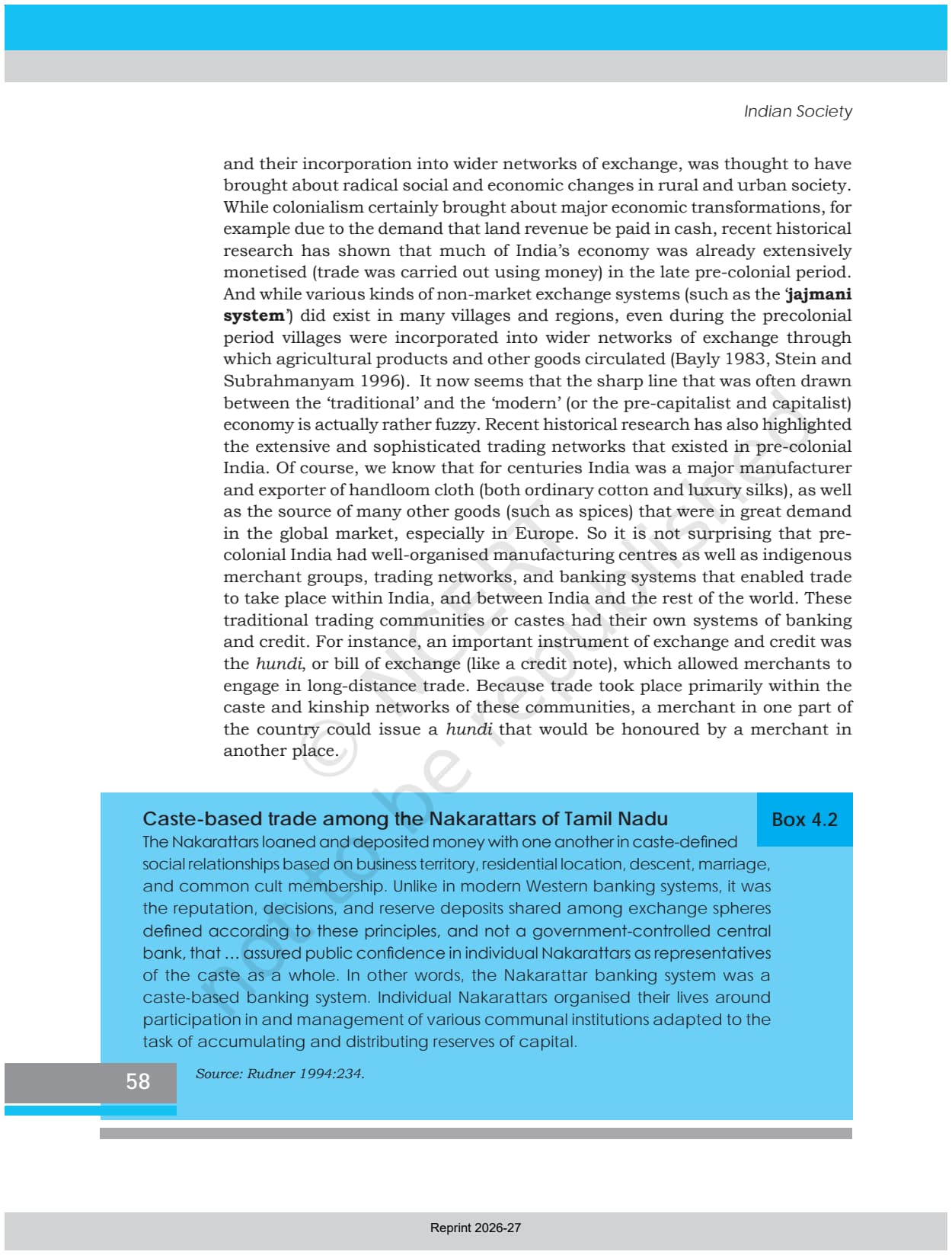
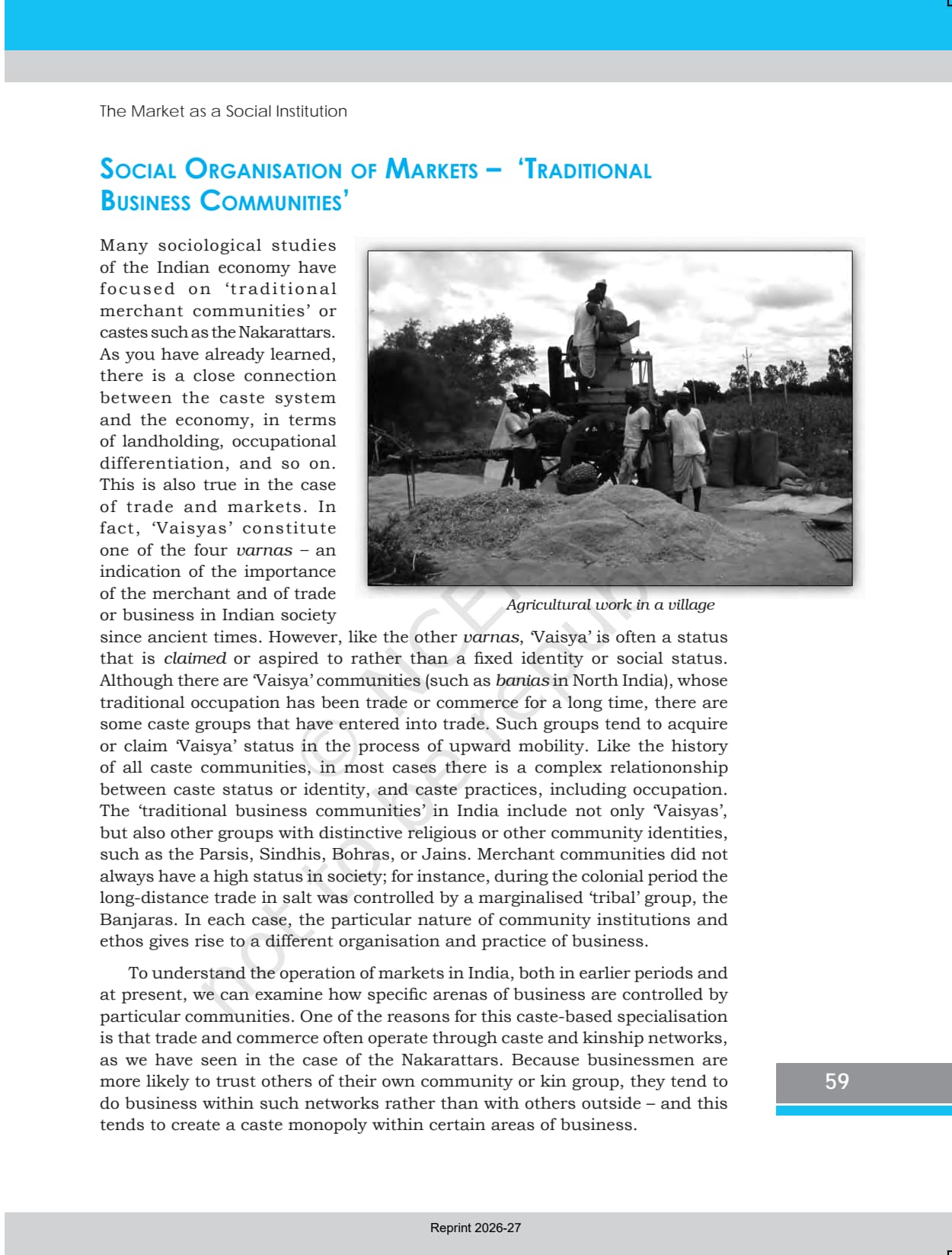
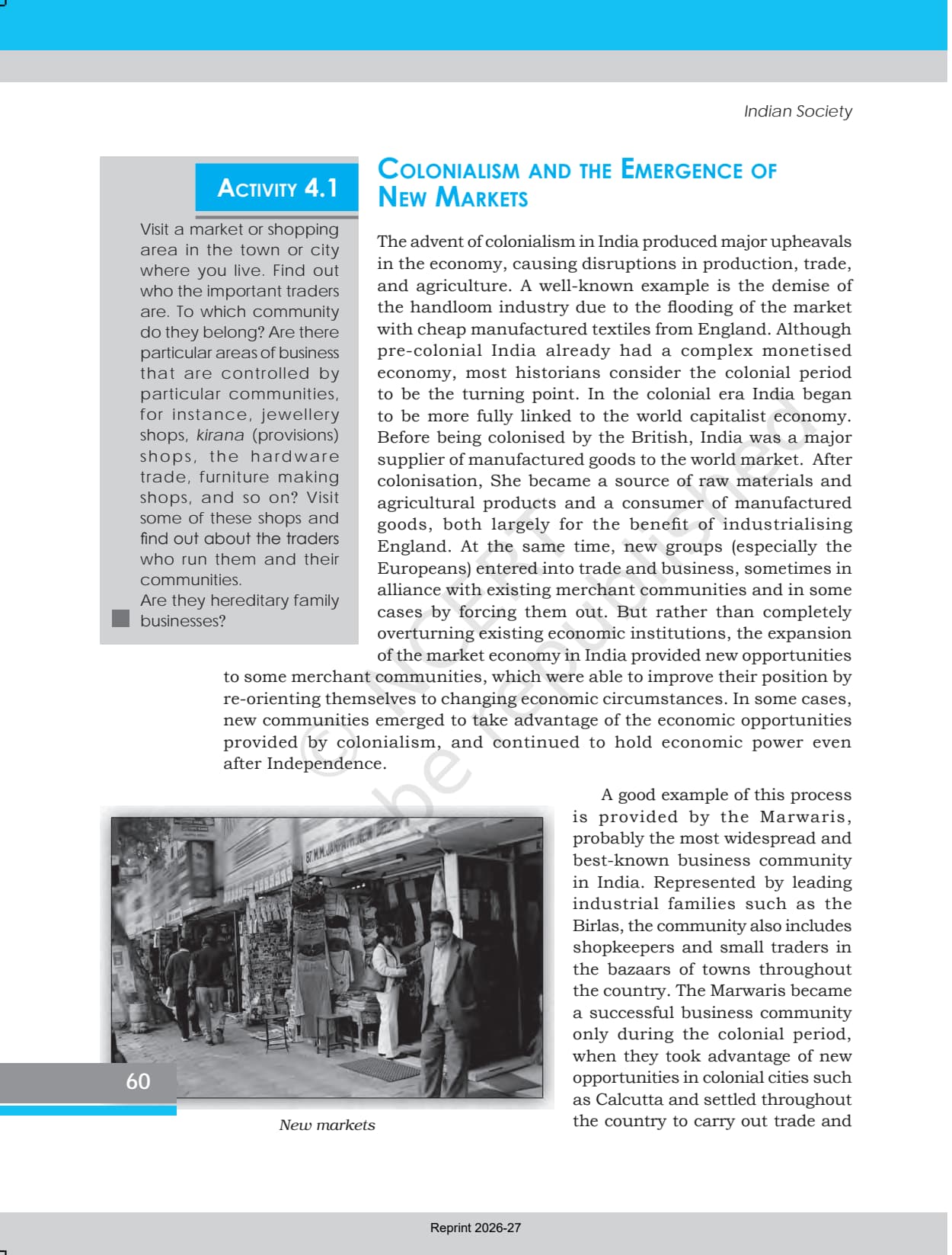
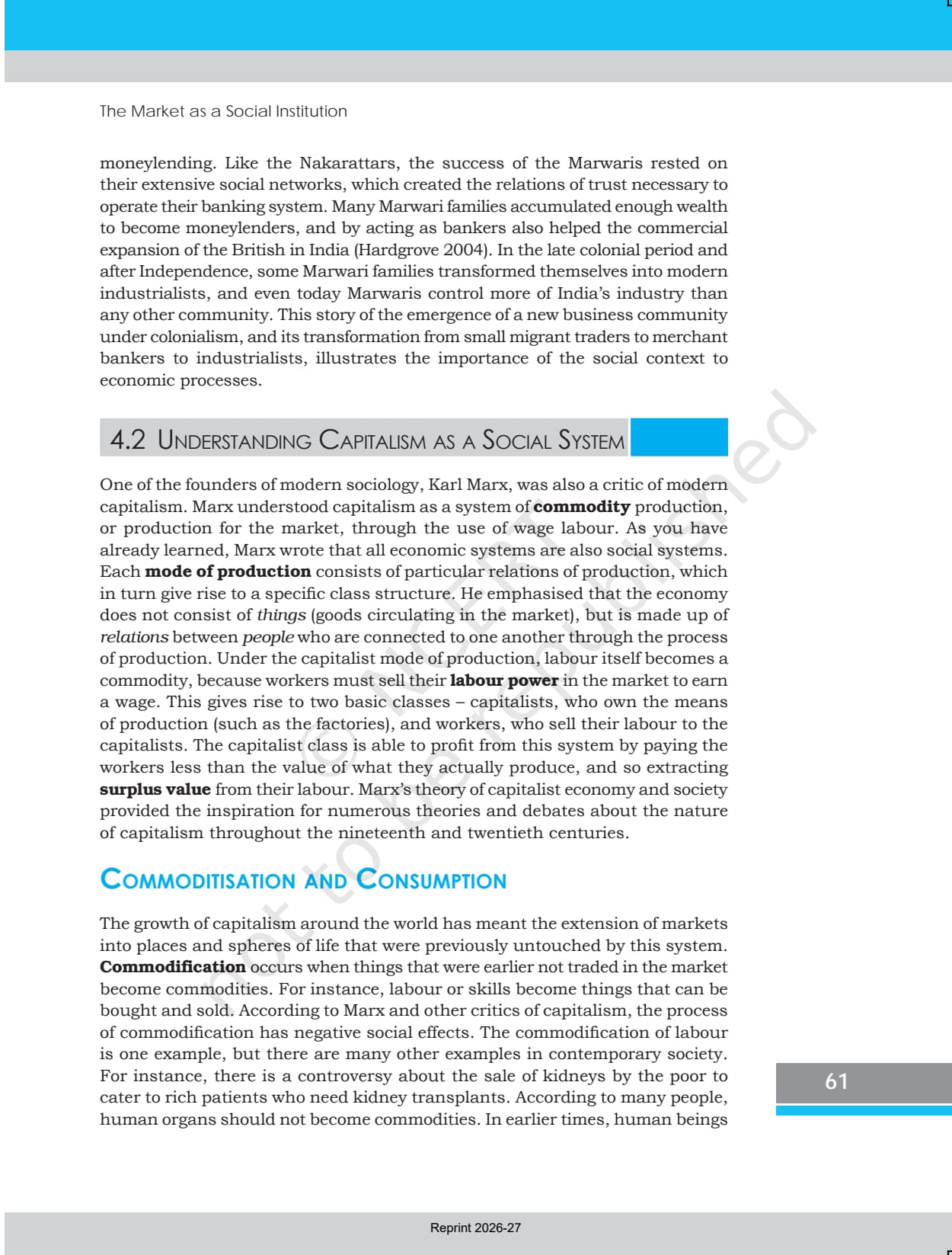
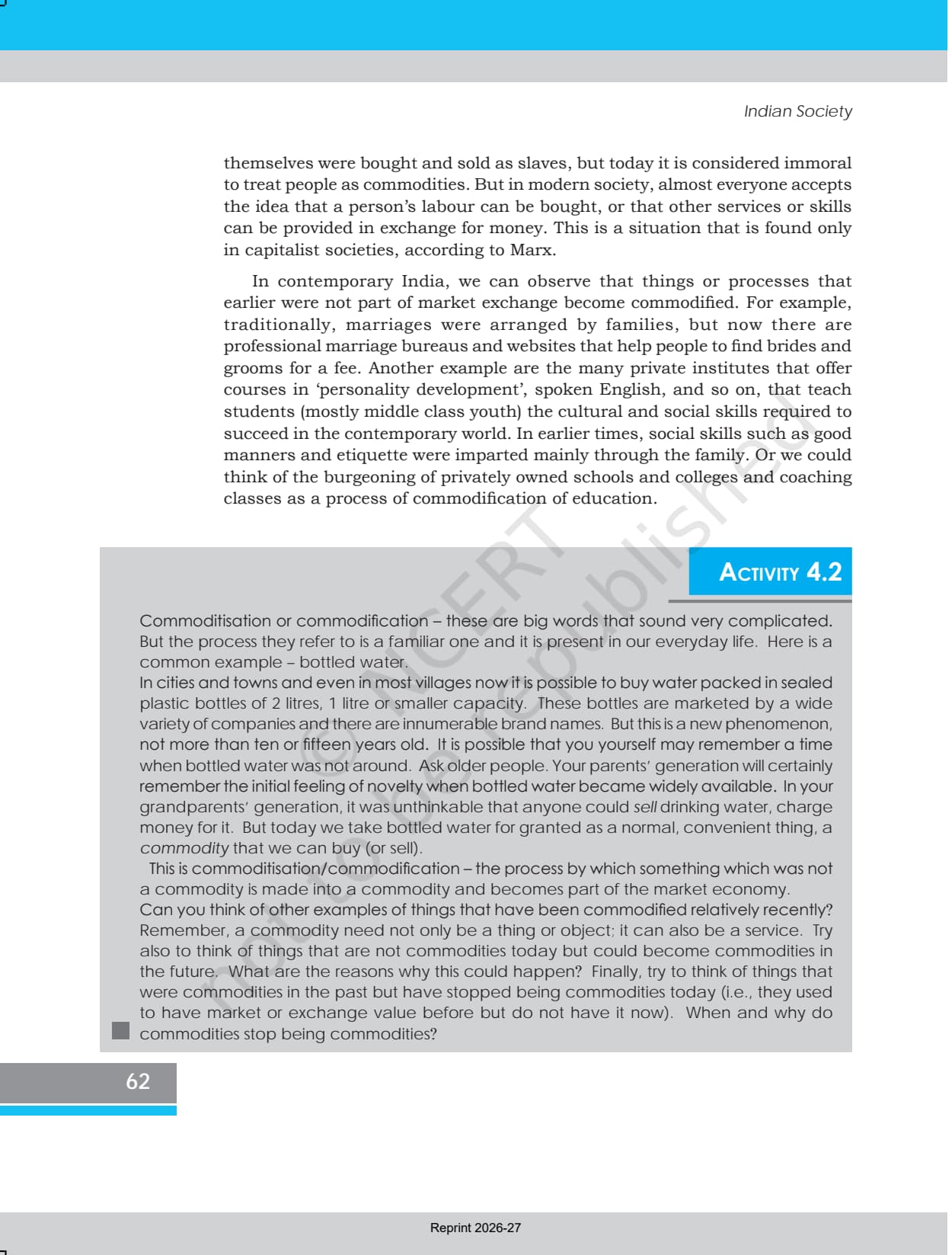
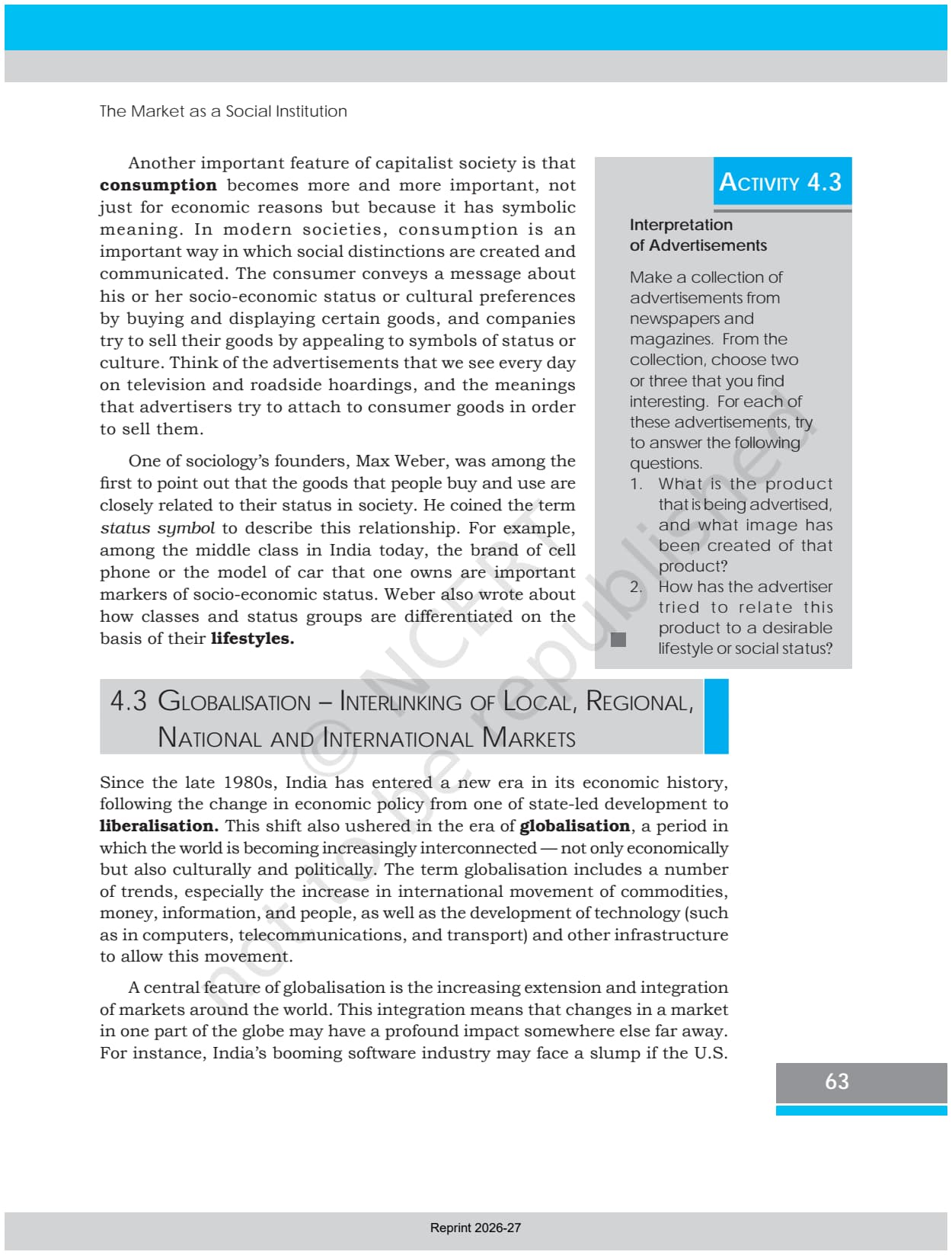
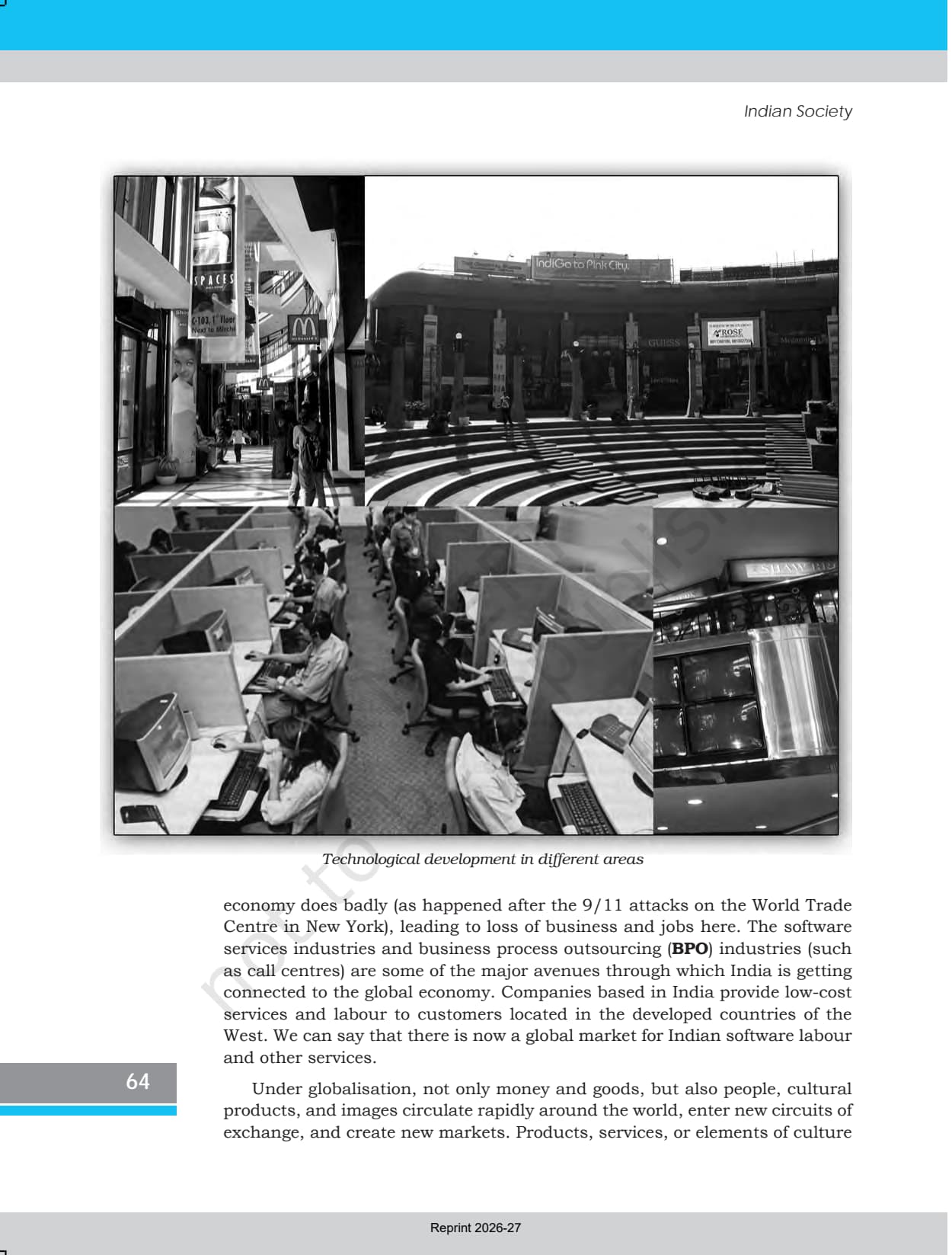
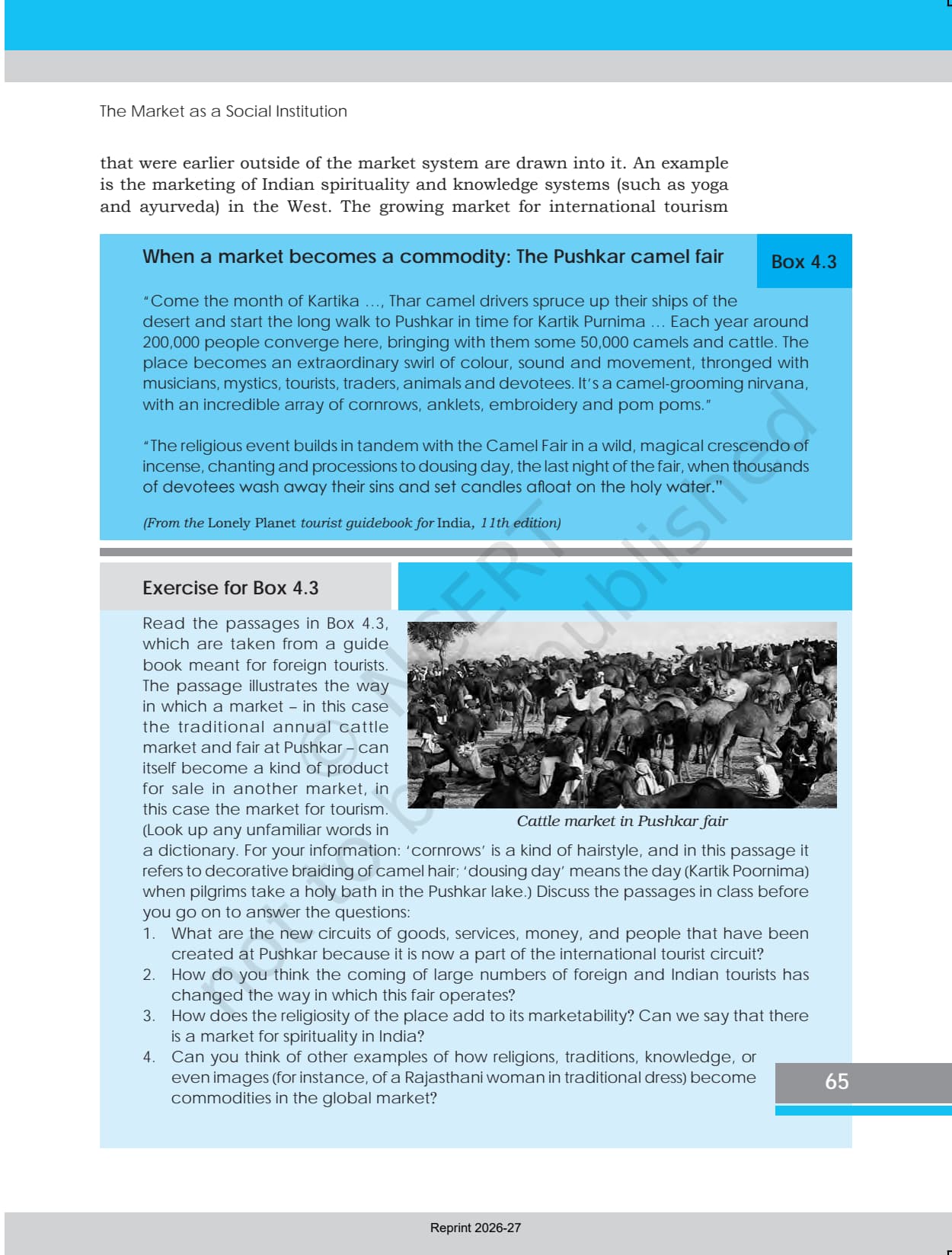
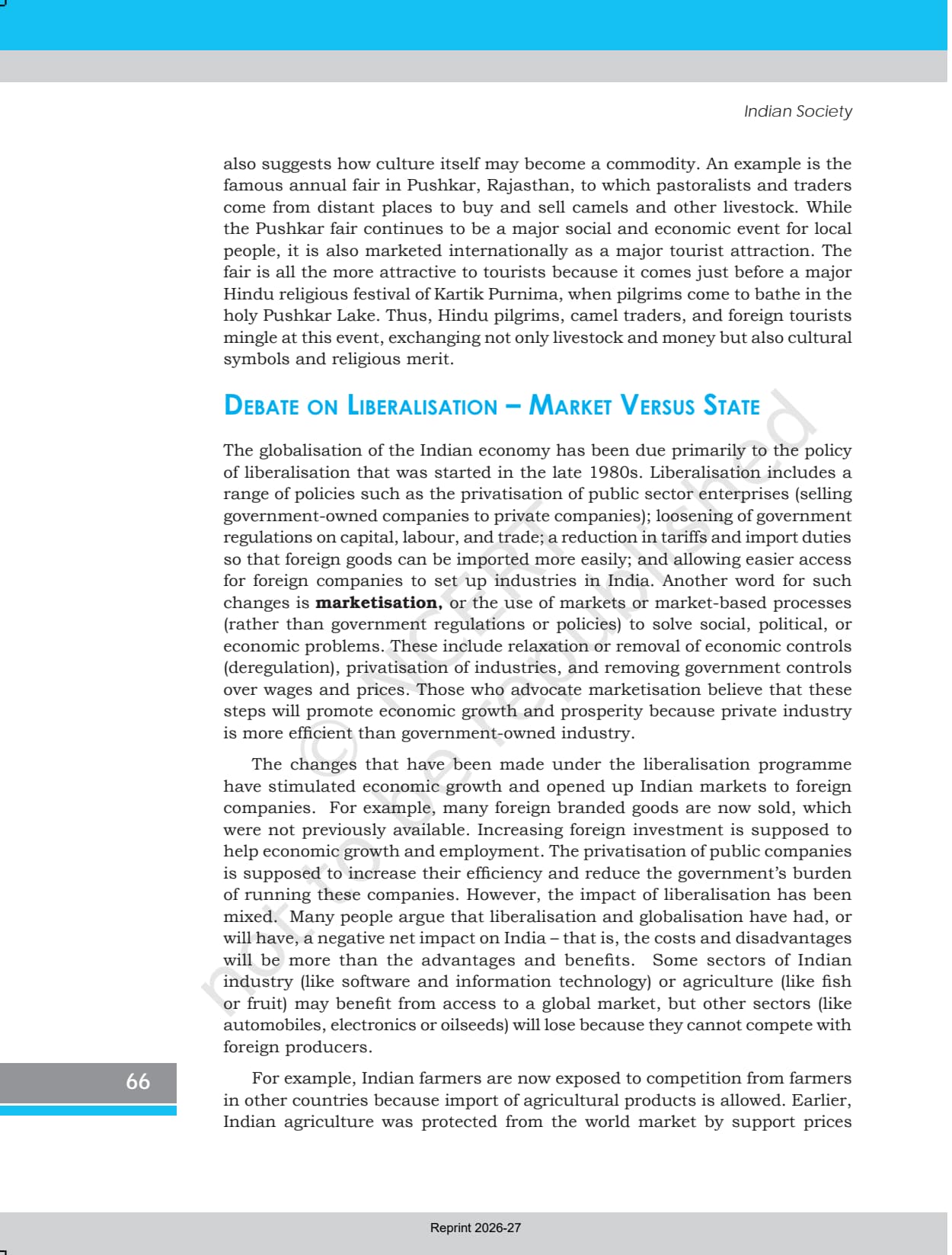
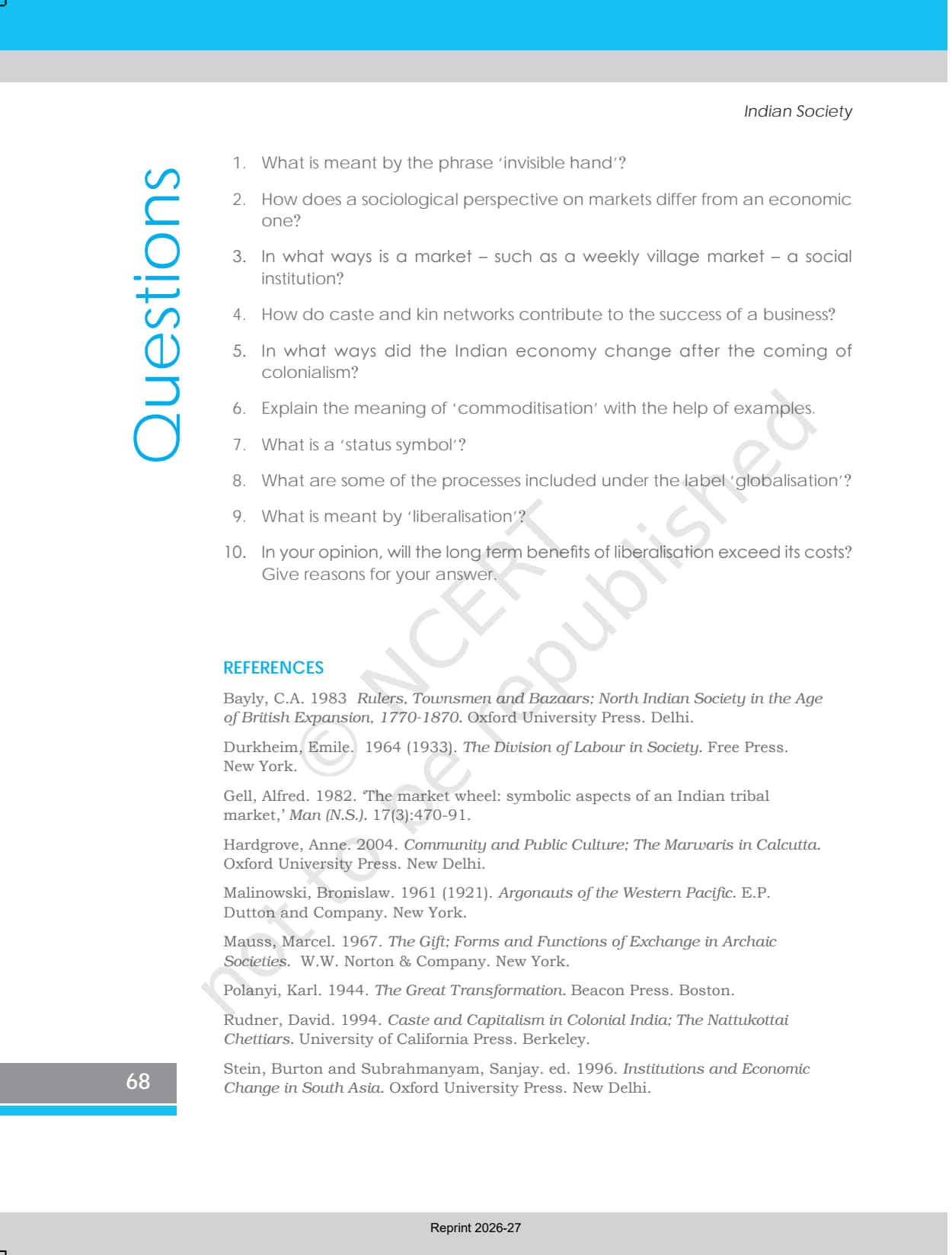
- The full NCERT chapter on the sociology of markets, Indian trade and liberalisation.
- Includes the back-exercise of 10 questions and the in-text case boxes.
- Pairs with the NCERT Solutions, Notes and Handwritten Notes linked lower on this page.
This is the official NCERT Indian Society Chapter 4 text, hosted free for Class 12 Sociology students and matched to the 2026-27 CBSE syllabus.
Student Feedback: In a Collegedunia poll of 7,820 Class 12 Sociology students, 68% of students said they read the original NCERT chapter at least once before relying on notes, because board answers are marked against the exact textbook wording. Most kept the PDF on their phone for offline reading.
Source: 2026-27 Class 12 Sociology student poll. Sample of 7,820 students from CBSE schools across 12 states.
What Is Inside The Market as a Social Institution NCERT Book Chapter
The Market as a Social Institution is the fourth chapter of Indian Society. The NCERT text introduces the sociology of markets and then walks through the examples and ideas a student needs. The list below shows what the original chapter holds, so students know what they are downloading.
- Sociology of markets: the invisible hand of Adam Smith and the idea that economies are socially embedded.
- Markets in India: the weekly haat, caste and kin trade networks, and the colonial transformation of the economy.
- A global economy: commoditisation, consumption and the status symbol, following Max Weber.
- Liberalisation: globalisation, the 1991 reforms and the debate around them.
Reading the original chapter matters because the board marks answers against the NCERT wording. A student who has read the textbook once will phrase definitions the way the examiner expects, which the notes and solutions then reinforce.
Topic List of the NCERT Chapter
The chapter moves in a clear order, and the PDF keeps the NCERT section headings. The table below lists each section with a one-line note, so students can see the shape of the chapter before they read. It also helps with planning revision.
| Section | What it covers |
|---|---|
| Sociological perspectives on markets | The invisible hand, and how sociology sees the market as an embedded social institution. |
| Markets as social institutions | The weekly haat, the Bastar market and trade as a centre of social life. |
| Caste-based markets and trading networks | The Nakarattars, the Marwaris, the hundi and trust in business. |
| Colonialism and the emergence of new markets | The decline of handloom, and India as a supplier of raw materials. |
| Globalisation and liberalisation | Commoditisation, consumption, status symbols and the debate on liberalisation. |
The most exam-heavy sections are the sociological perspective and the caste-based networks, so students should read those slowly. The colonialism and liberalisation parts set up the real-world answers, so they are worth a careful first read rather than a skim.
How to Download the Class 12 Sociology Chapter 4 PDF
The PDF is free and easy to save on any device. The steps below show students how to get the chapter and keep it for offline reading. No login or payment is needed at any stage.
- Open the download card at the top of this page and tap the PDF button.
- Save to your device so you can read the chapter offline, even without internet.
- Print if you prefer paper: the HD version is clear for printing the full chapter.
- Pair it with the NCERT Solutions linked below to attempt the back-exercise as you read.
Many students search for the class 12 sociology chapter 4 pdf the night before a test, so a saved copy means you can revise even when the network is down. Keep the textbook PDF and the solved answers together for a full self-study set.
Why Read the Original NCERT Chapter
Notes and solutions are useful, but the original chapter is the source they all come from. There are clear reasons to read it at least once. The points below explain why the textbook still matters in the age of quick notes.
- Board wording: answers are marked against the NCERT text, so its phrasing is the safest to learn.
- Full context: the chapter explains the "why" behind each example, which notes often cut for space.
- Case boxes: the in-text boxes carry cases like the Bastar market that examiners use for source questions.
- Exercise: the back-exercise is the exact set the solutions answer, so reading it first sharpens recall.
The honest takeaway is that the textbook is the master copy. Read it once for understanding, then move to the Notes for revision and the Solutions for practice. That order builds a stronger answer than starting from notes alone.
How the Book PDF Pairs with the Solutions and Notes
The Book PDF gives you the original text. To study the chapter fully, use it with the other resources for the same chapter, all linked in the table below.
| Resource | Best used for |
|---|---|
| The Market as a Social Institution Class 12 NCERT Solutions | Full point-wise answers to all 10 exercise questions |
| The Market as a Social Institution Class 12 Notes | A typed chapter summary with all terms and examples in tables |
| The Market as a Social Institution Class 12 Handwritten Notes | One-shot revision in a scanned notebook style |
Tip: read the NCERT chapter first for the full picture, then revise from the Notes and test yourself with the Solutions. The textbook is where every good answer starts.
All NCERT Book PDFs for Class 12 Sociology
The table links the NCERT Book PDF for every chapter in both Class 12 Sociology books, so students can download the whole course in one place. The Market as a Social Institution is highlighted.
| Chapter | NCERT Book PDF |
|---|---|
| Indian Society | |
| Chapter 1 | Introducing Indian Society |
| Chapter 2 | The Demographic Structure of the Indian Society |
| Chapter 3 | Social Institutions - Continuity and Change |
| Chapter 4 | The Market as a Social Institution |
| Chapter 5 | Patterns of Social Inequality and Exclusion |
| Chapter 6 | The Challenges of Cultural Diversity |
| Social Change and Development in India | |
| Chapter 1 | Structural Change |
| Chapter 2 | Cultural Change |
| Chapter 3 | The Constitution and Social Change |
| Chapter 4 | Change and Development in Rural Society |
| Chapter 5 | Change and Development in Industrial Society |
| Chapter 6 | Globalisation and Social Change |
| Chapter 7 | Mass Media and Communications |
| Chapter 8 | Social Movements |
FAQs on The Market as a Social Institution NCERT Book PDF
The Market as a Social Institution Class 12 NCERT Book Common Questions
Ques. Where can I download the class 12 sociology chapter 4 NCERT Book PDF?
Ans. You can download the The Market as a Social Institution NCERT Book PDF free from the download card on this page. It is the official Indian Society chapter, matched to the 2026-27 CBSE syllabus.
Ques. Which book is The Market as a Social Institution from?
Ans. It is Chapter 4 of Indian Society, one of the two Class 12 Sociology textbooks. The other book is Social Change and Development in India.
Ques. What topics does the NCERT chapter cover?
Ans. The chapter covers the invisible hand, the sociological view of markets, the weekly haat, caste and kin trade, colonialism and new markets, commoditisation, status symbols, globalisation and liberalisation, along with a back-exercise of 10 questions.
Ques. Is it useful to read the NCERT chapter and not just the notes?
Ans. Yes. Board answers are marked against the NCERT wording, so reading the original chapter once helps you phrase definitions the way the examiner expects. Use the notes for revision and the solutions for practice afterwards.
Ques. How many questions are in the chapter exercise?
Ans. The back-exercise has 10 questions, on the invisible hand, the sociological view, the weekly market, caste and kin trade, colonialism, commoditisation, status symbols, globalisation and liberalisation. The full answers are in the NCERT Solutions linked on this page.



Comments