




The Mass Media and Communications Class 12 NCERT Book PDF gives students the official Chapter 7 of Social Change and Development in India to read and download, set to the 2026-27 CBSE syllabus. The chapter traces how print, radio and television grew in India, how the State guided early media, and how liberalisation after 1991 opened the field to private channels. This page helps students get the original text and read it the smart way.
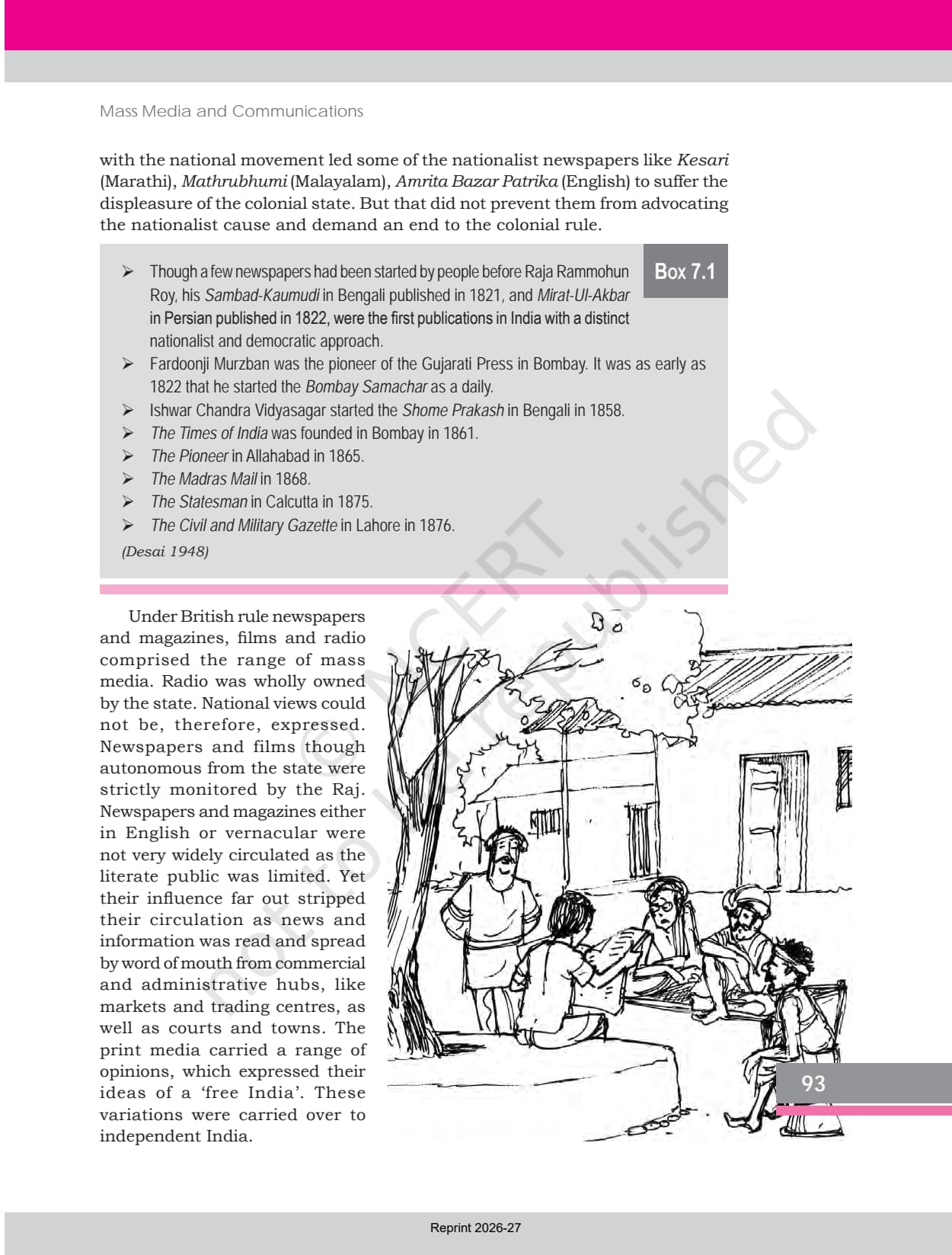
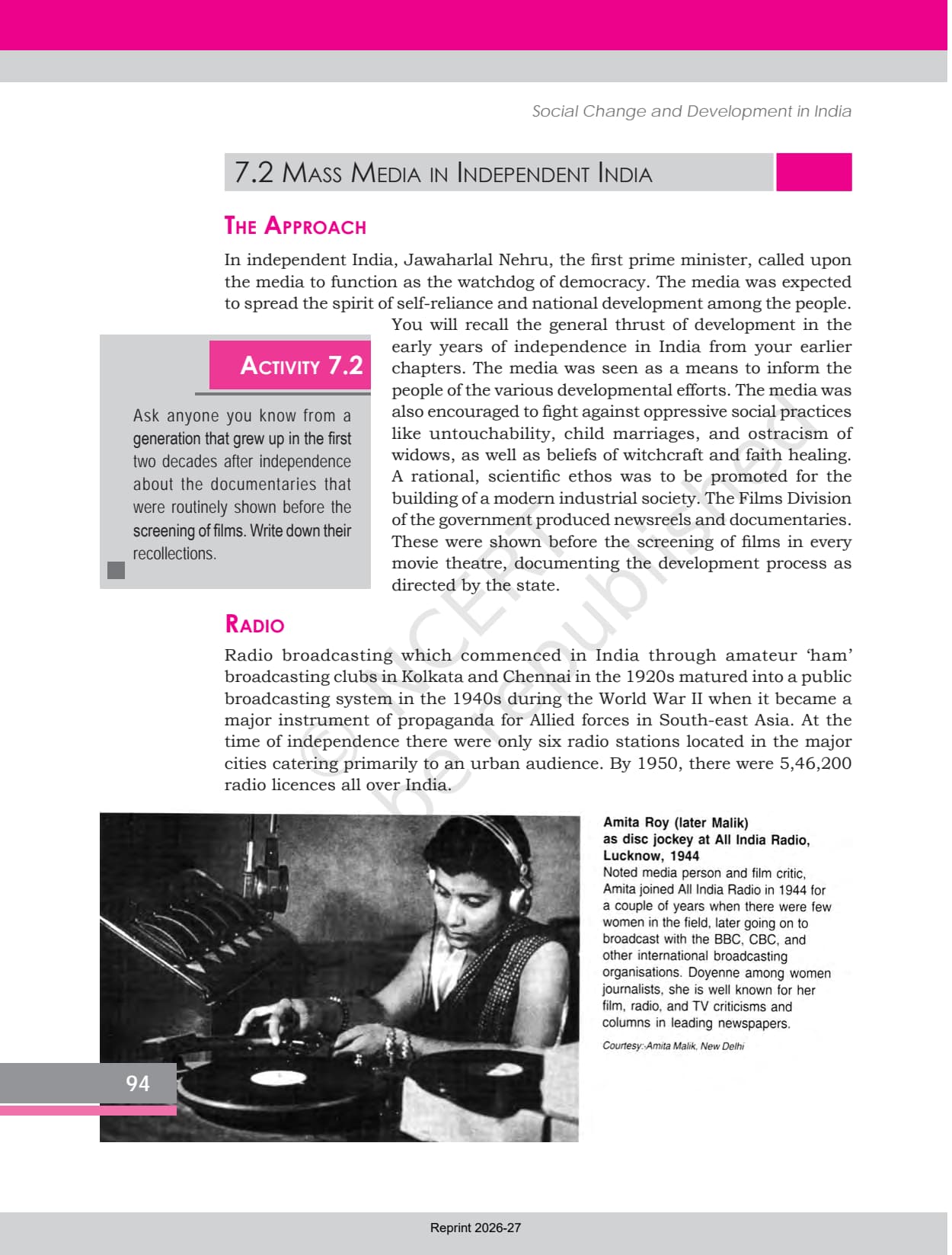
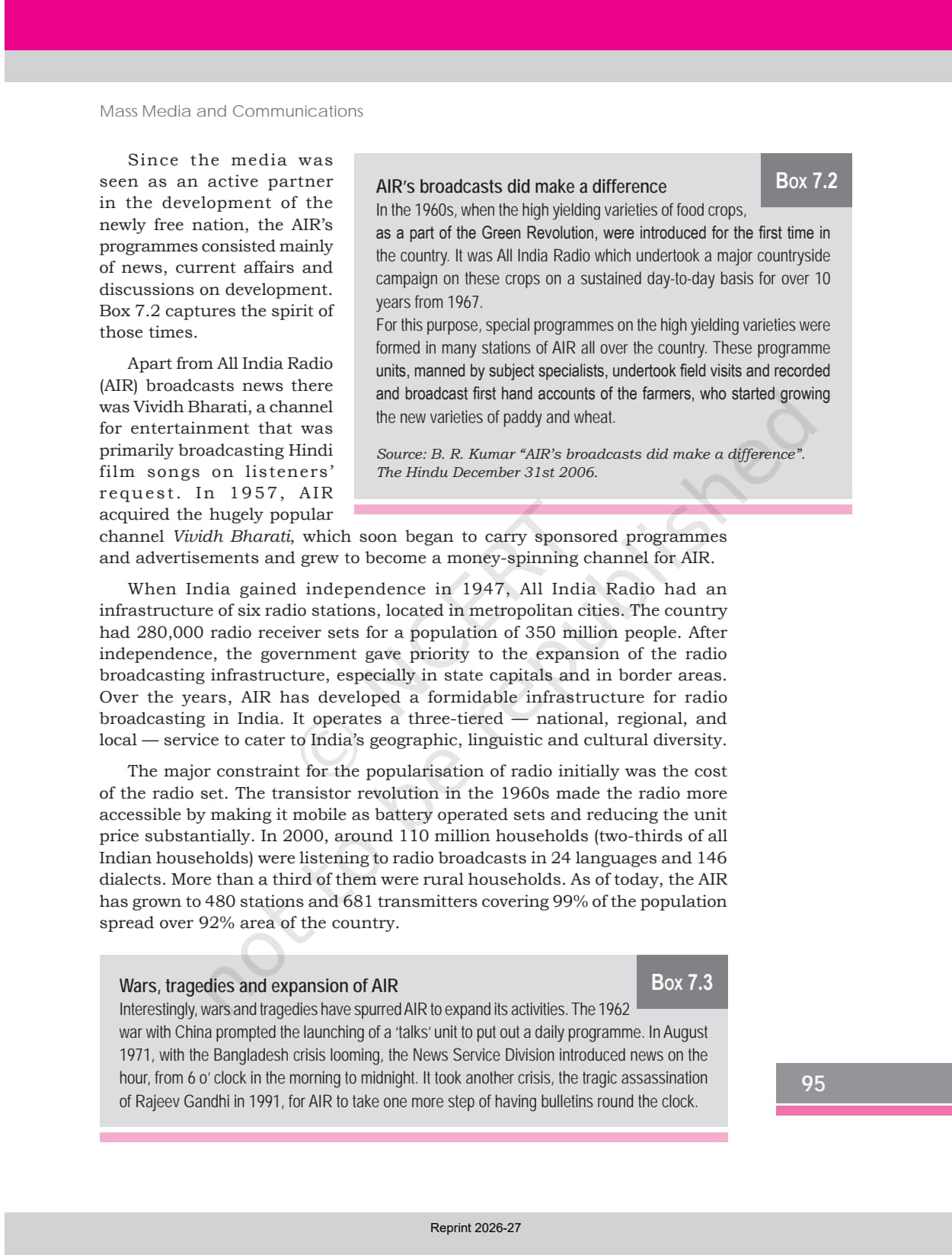
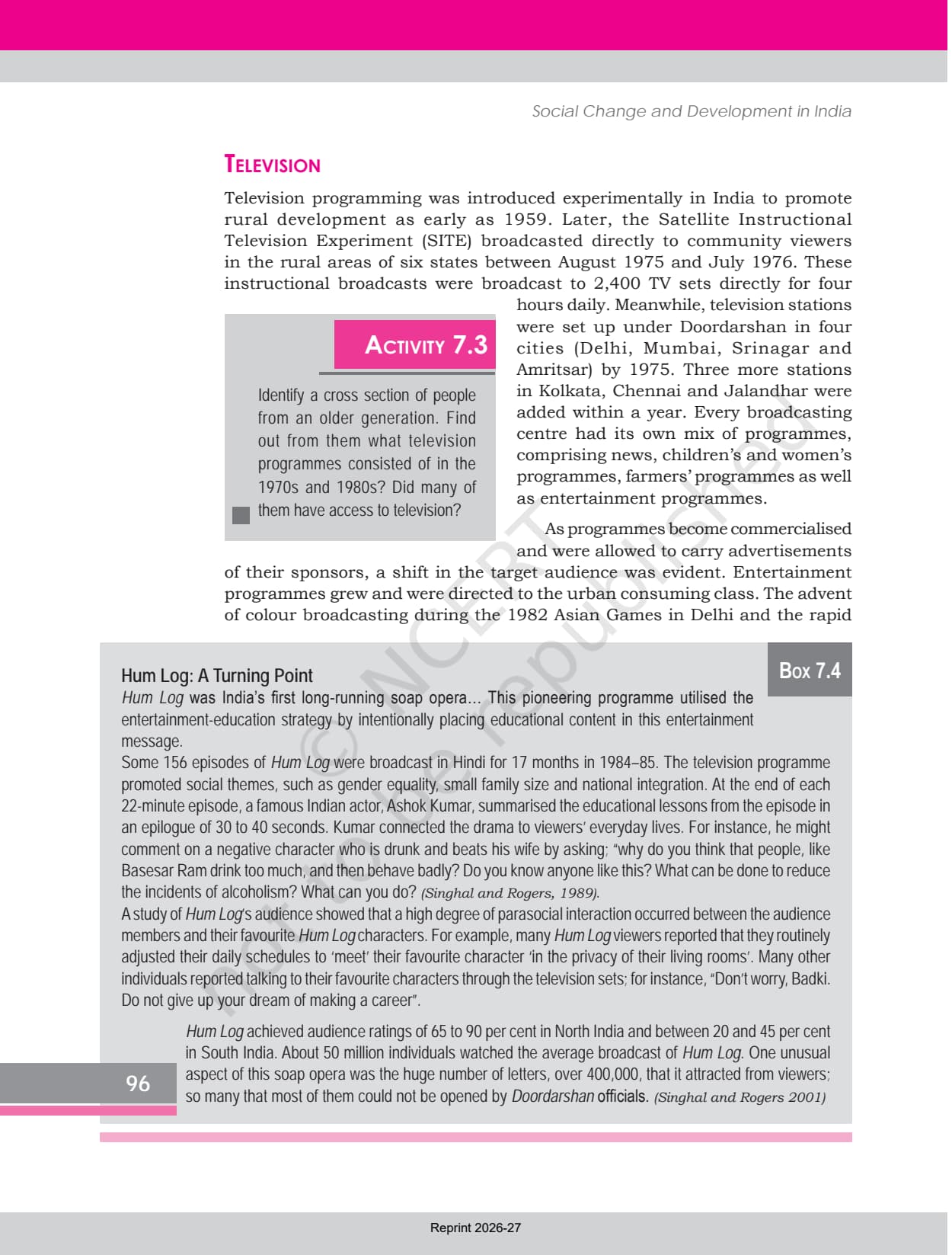
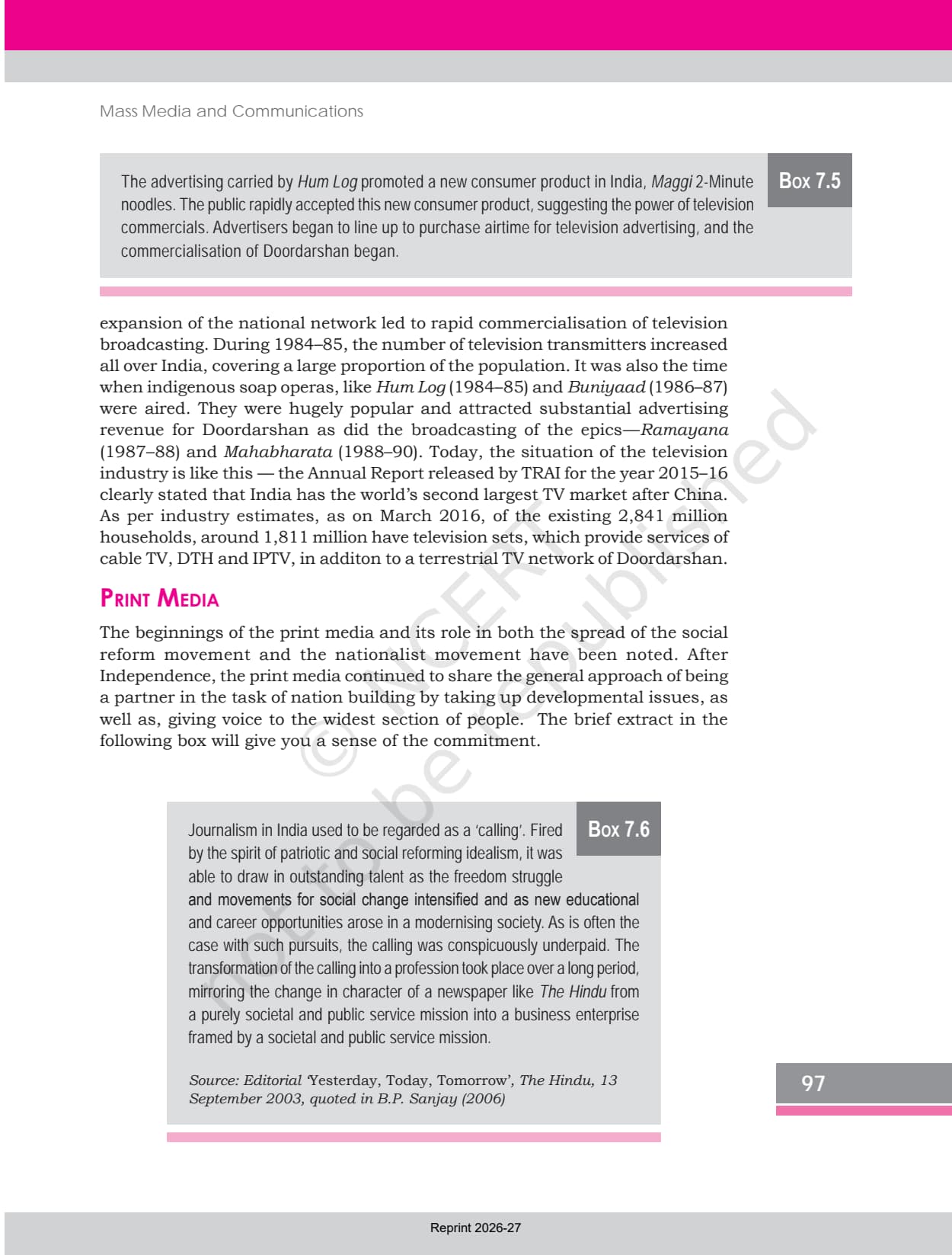
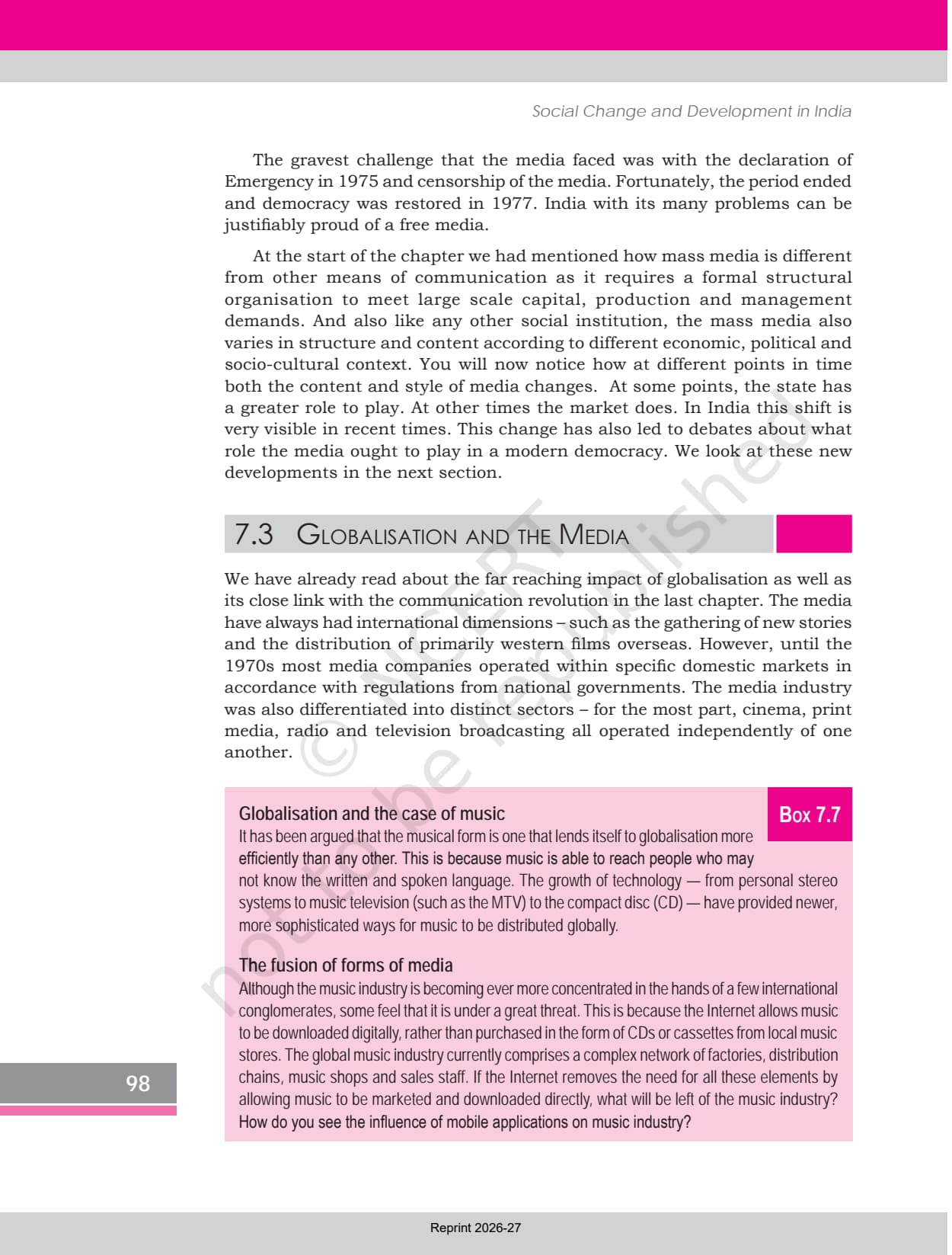
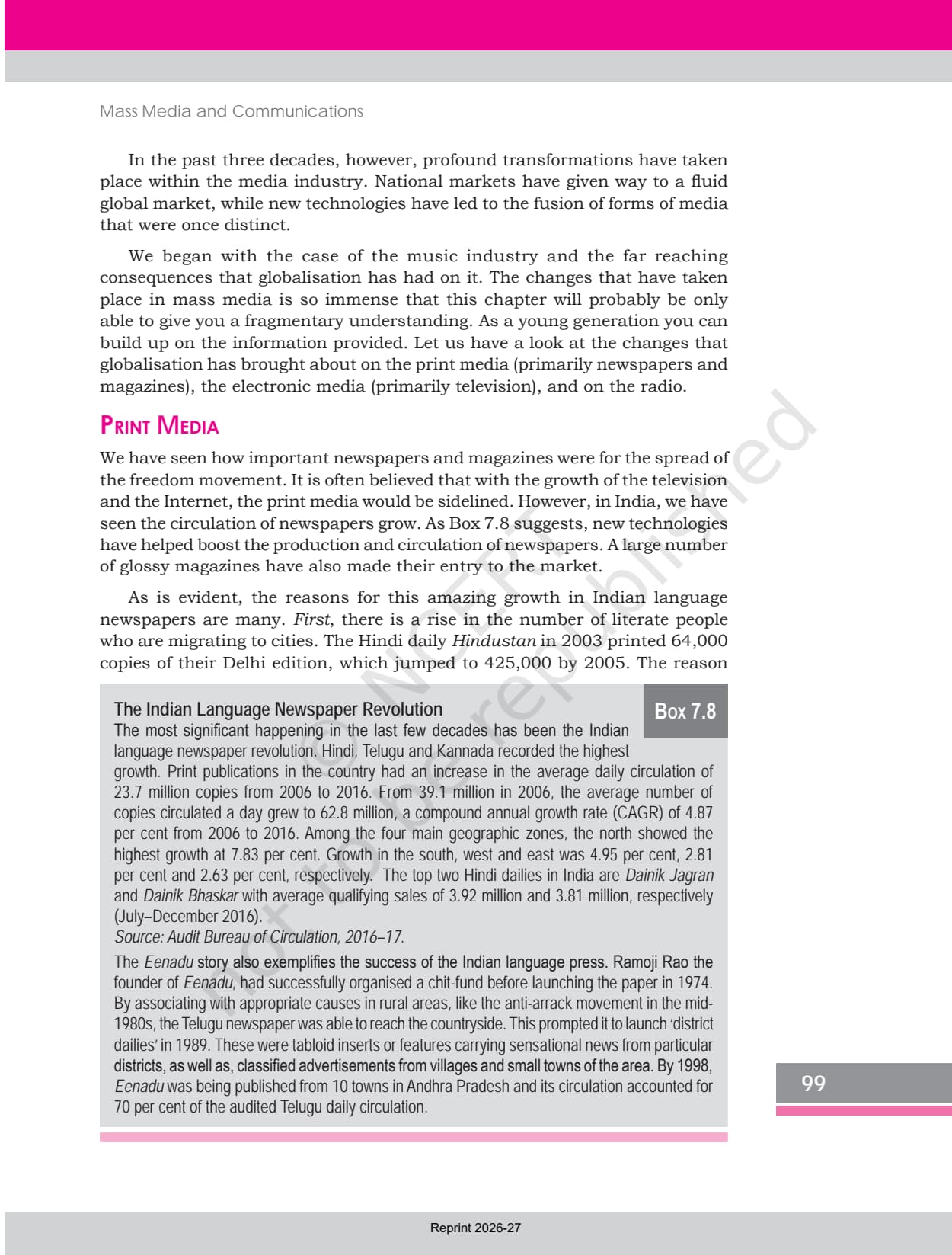
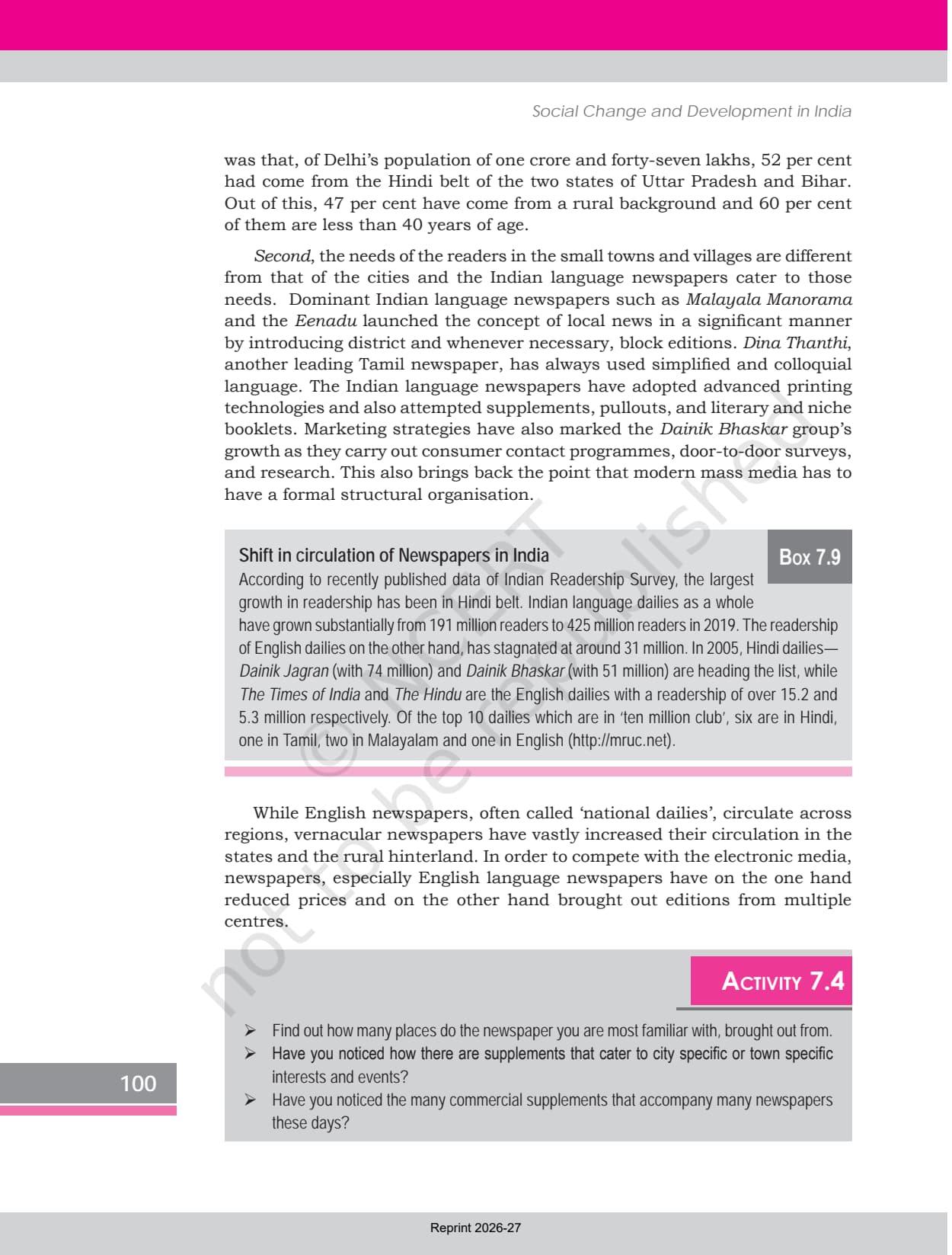
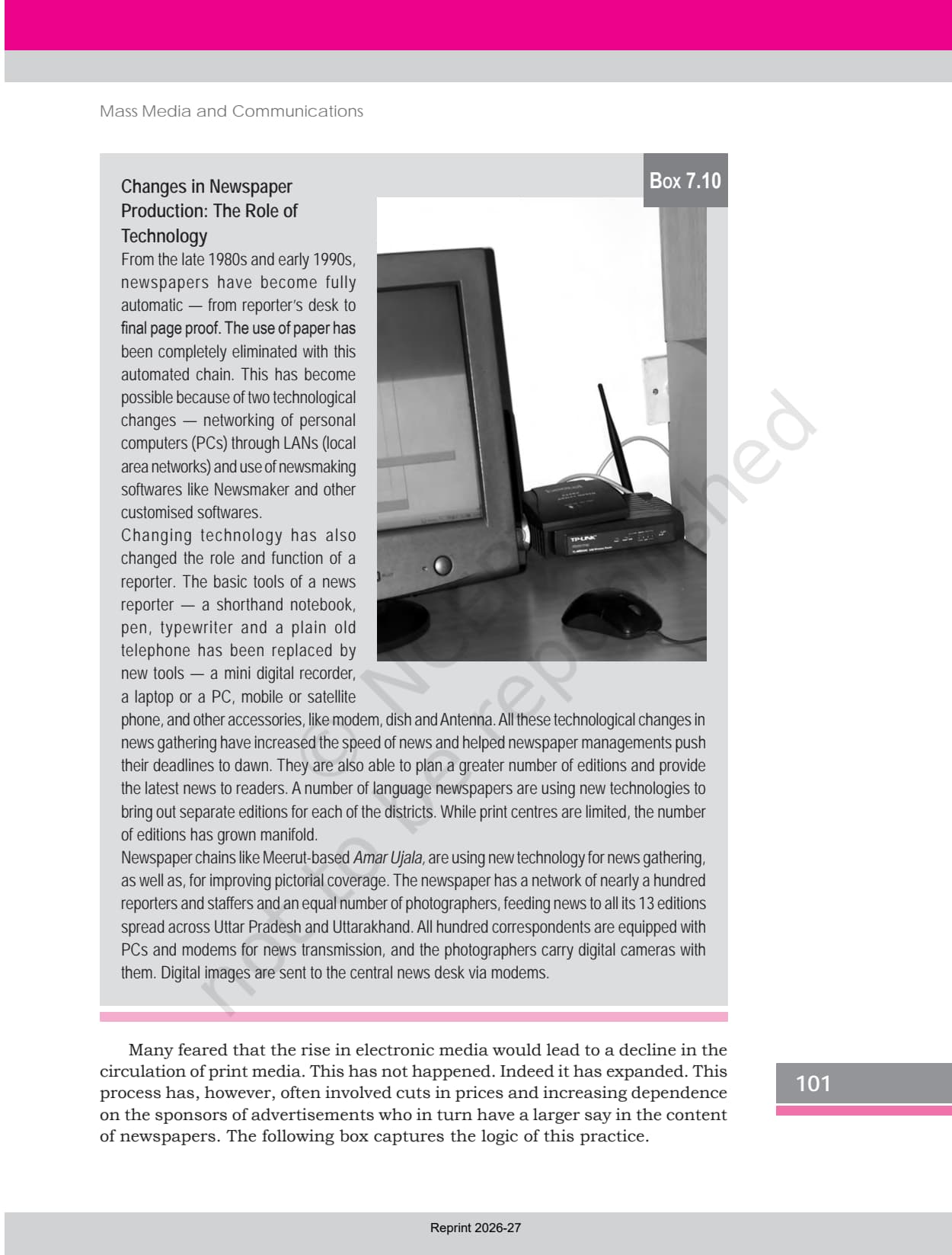
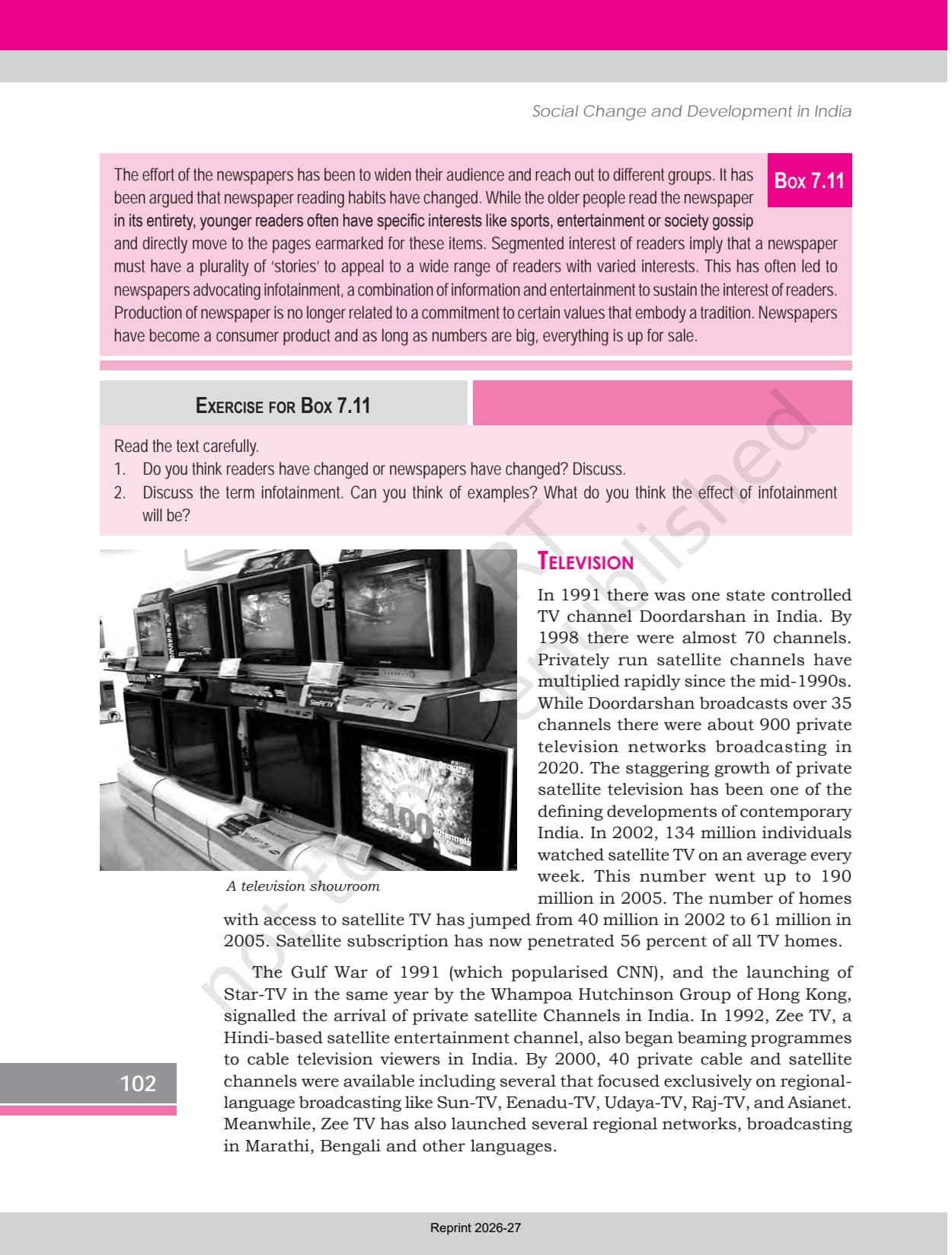
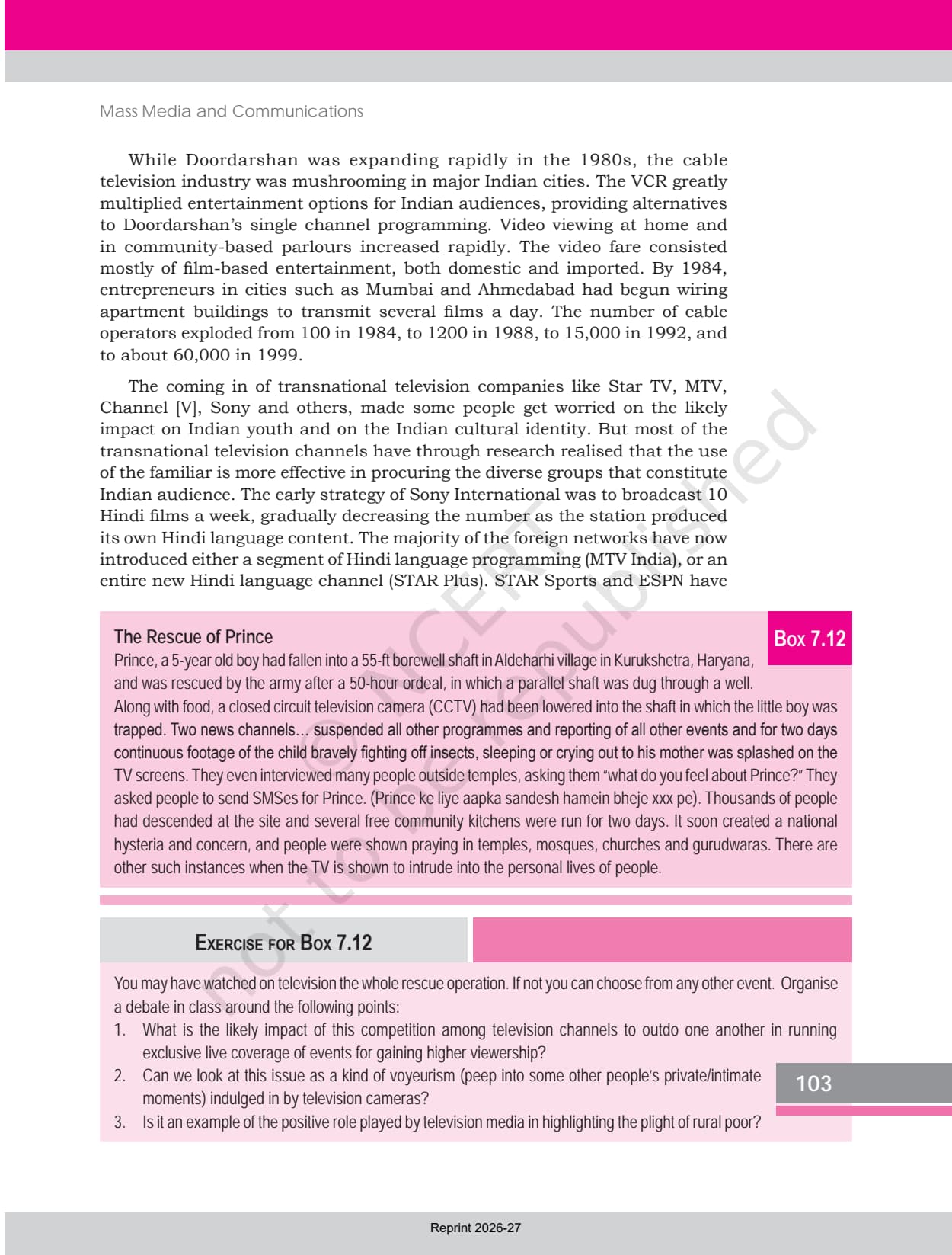
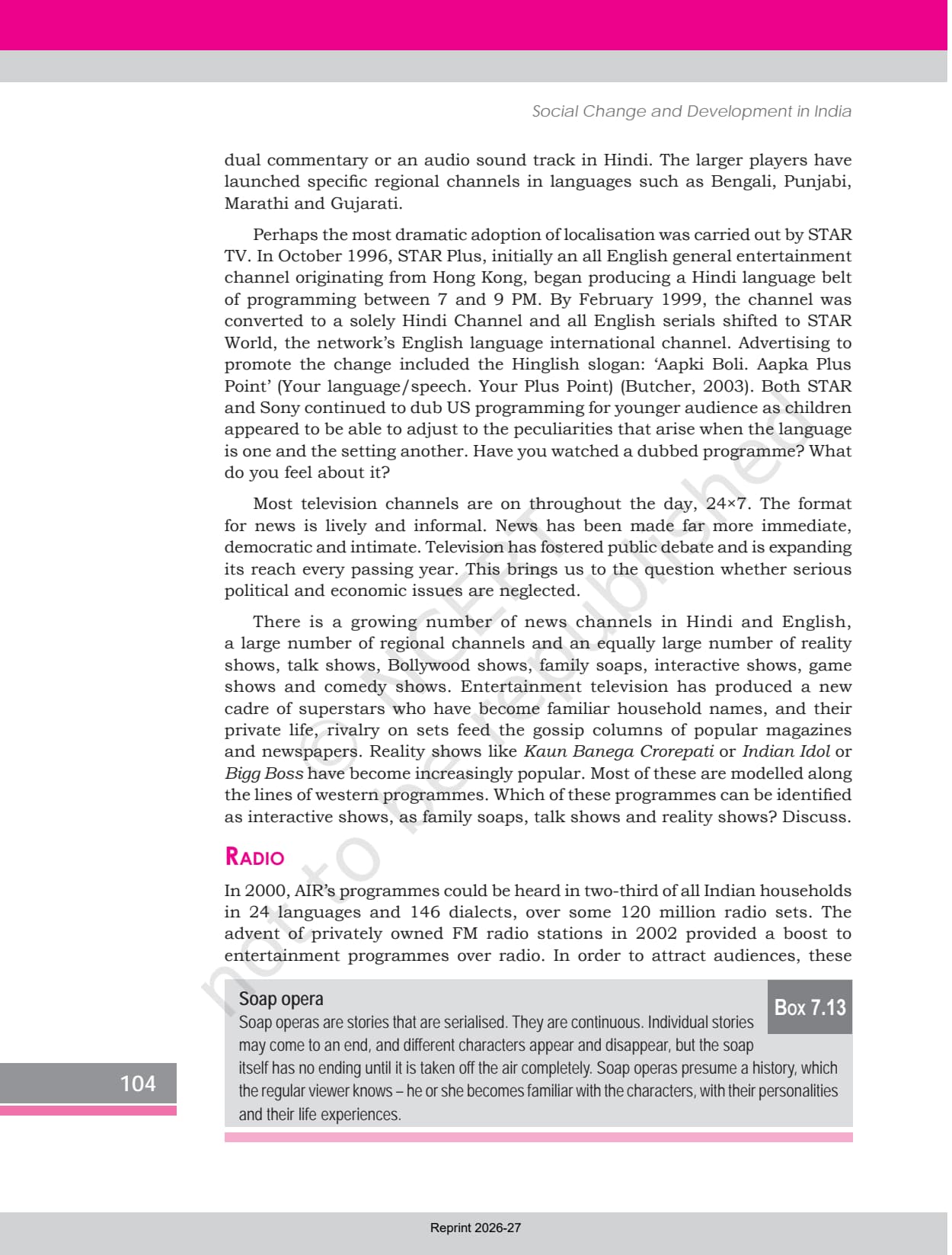
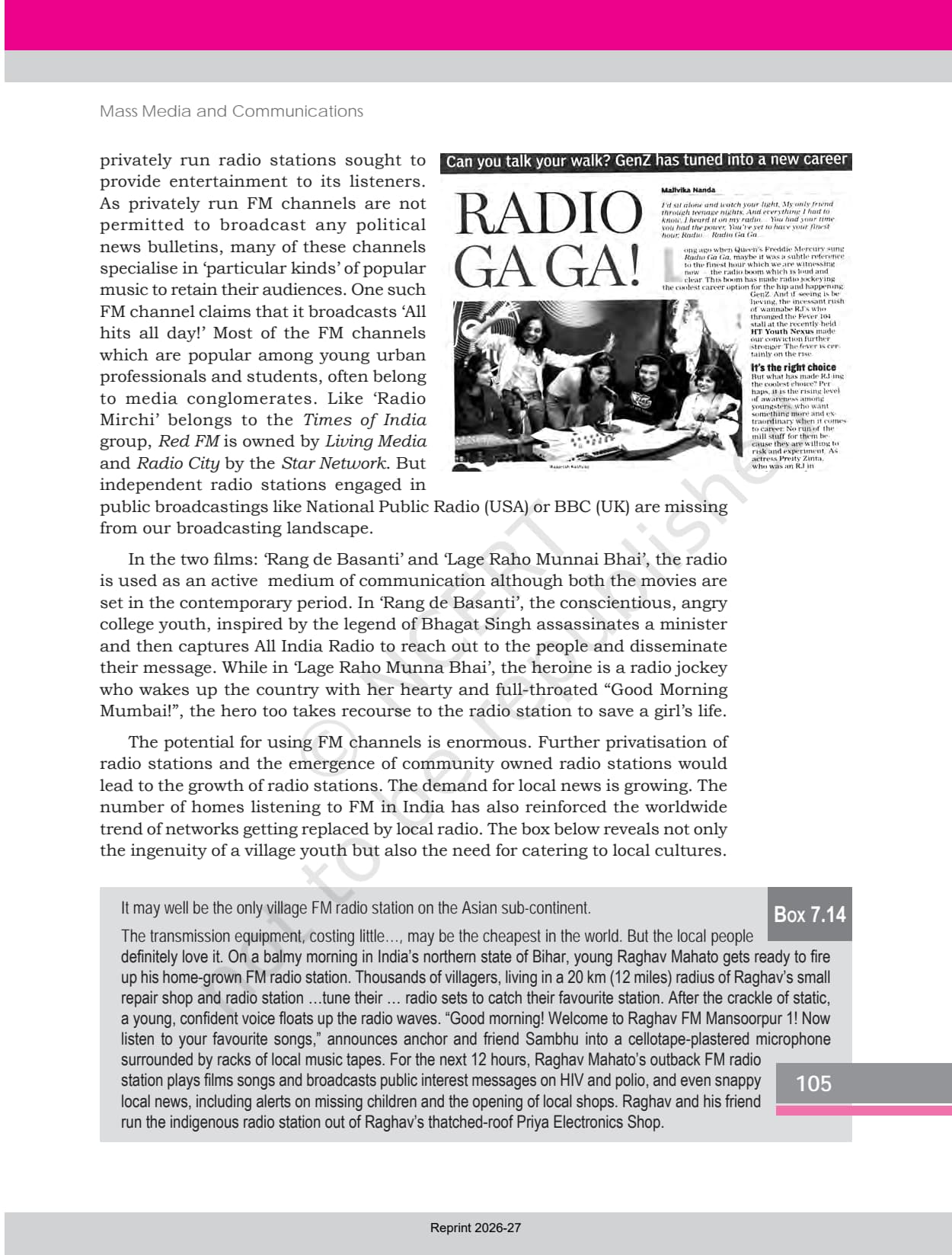
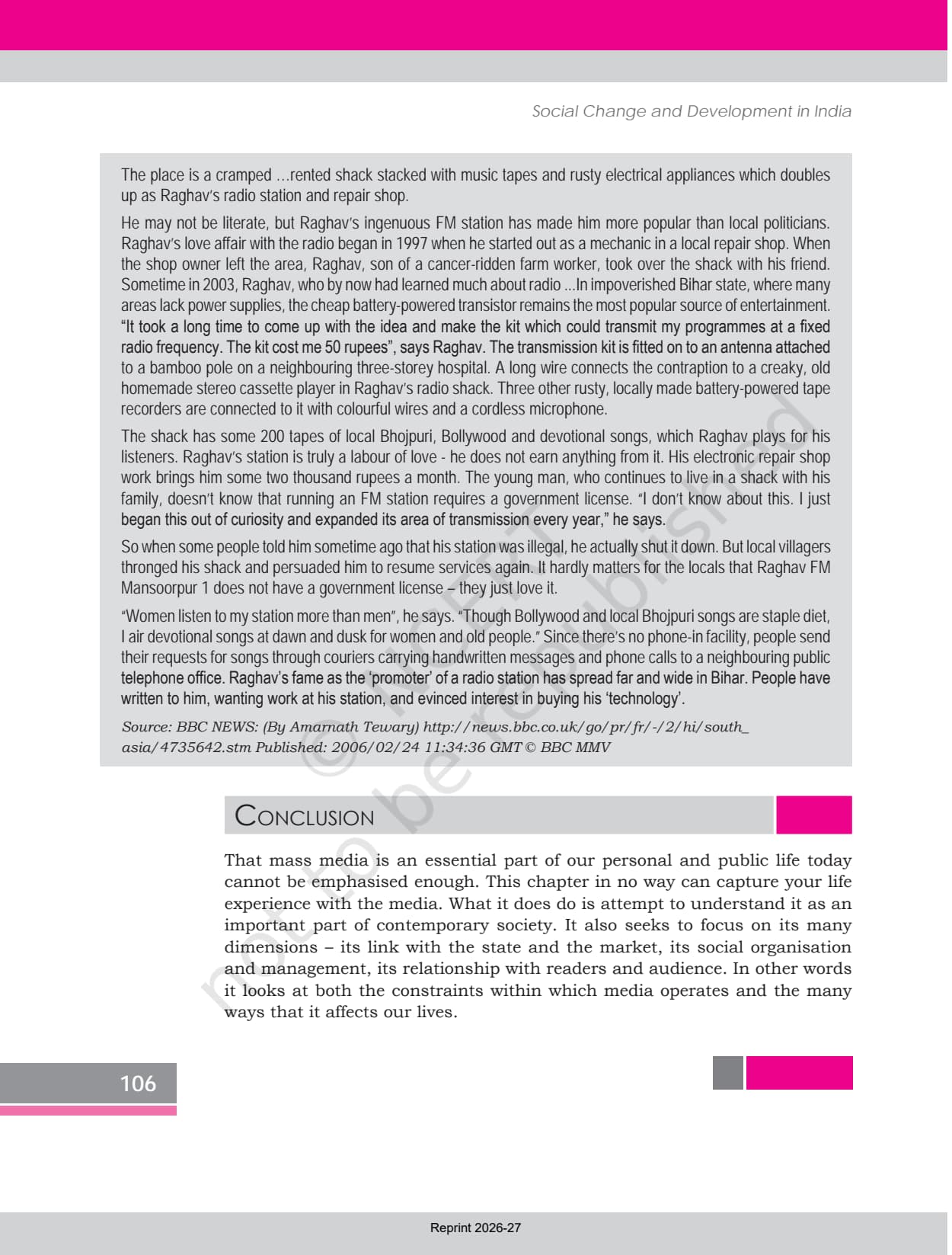
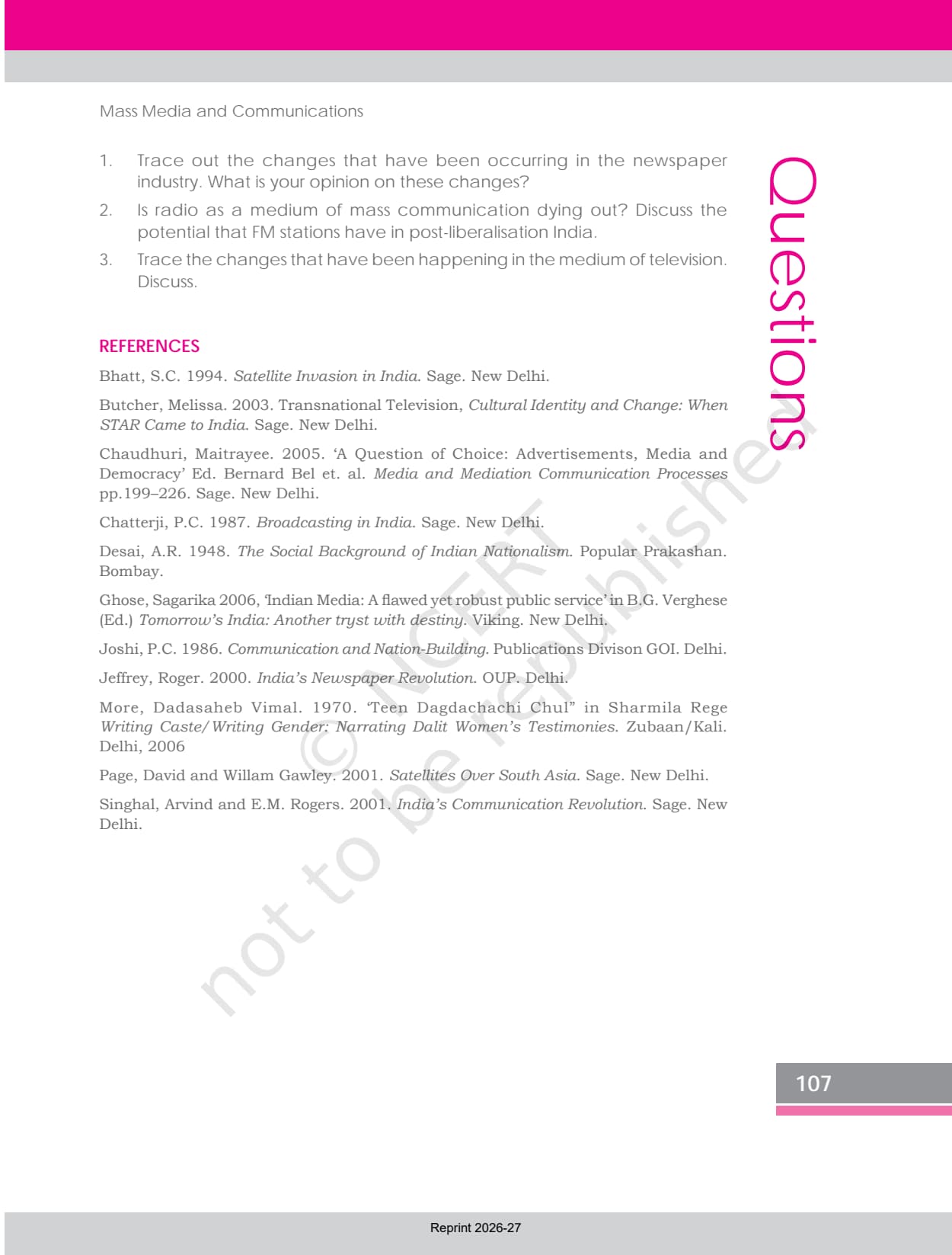

- Direct access to the official NCERT chapter text for Mass Media and Communications.
- This Class 12 Sociology chapter usually carries 5 to 6 marks per board paper.
- Pairs with the NCERT Solutions, Notes and Handwritten Notes linked lower on this page.
Student Feedback: In a Collegedunia poll of 7,920 Class 12 Sociology students before the 2026 boards, 68% of students said they kept the official NCERT chapter PDF open beside their notes to confirm exact terms and examples. Most students checked the print and radio sections against the book before the exam.
Source: 2026-27 Class 12 Sociology student poll. Sample of 7,920 students from CBSE schools across 12 states.
This is the official NCERT Social Change and Development in India Chapter 7 text, offered for free reading and download in line with the 2026-27 CBSE pattern.
What the Mass Media and Communications Chapter Covers
Mass Media and Communications is the seventh chapter of Social Change and Development in India. The NCERT text studies the channels that reach millions of people at once, and how each one changed in India. Reading the original chapter helps students get the exact wording examiners expect.
- The idea of mass media: tools that carry one message to a huge, scattered public.
- Media and the State: how radio and television served development goals after 1947.
- The three media stories: the Indian language press, the survival of radio, and the rise of private television.
The chapter is short but example-rich, so reading the book itself, alongside the notes, is the safest way to revise mass media and communications class 12.
Key Terms to Watch for in the Chapter
As students read the PDF, a few terms keep returning. Noting them while reading makes later revision much faster. The glossary card below gathers the words the chapter defines.
- Mass media: channels like TV, radio, newspapers and the internet that reach a mass public at once.
- Print media: newspapers and magazines, the oldest mass medium in India.
- Doordarshan: India's public television service, started in 1959.
- Community radio: a small local station run by and for a community.
The link to keep in mind while reading is that each term marks one stage in the move from a state-guided media to a private, market-driven one. The image below sorts the terms for quick reference.
How the Chapter Is Organised
The NCERT chapter moves in a clear order, so students should read it in that sequence rather than jumping around. The timeline below shows the path the book follows.
- Colonial era: the press grows as a tool of the freedom movement.
- After 1947: the State guides radio and television for nation building.
- 1959: Doordarshan brings television to India.
- 1991: liberalisation opens media to private channels.
- 2000s: vernacular newspapers and FM radio surge.
Reading the chapter in this order makes the State-to-market shift obvious, which is the single idea most board questions test. The image below lays the order out as a timeline.
How to Read This Chapter for the Board Exam
The chapter is easy to read but easy to underprepare for, because the questions ask for an opinion as well as facts. The tips below help students read with the exam in mind.
- Read medium by medium: note print, radio and television points in separate lists.
- Mark the examples: the vernacular press and community radio are favourite long-answer topics.
- Track the dates: the order of changes is what a "trace the changes" question rewards.
- Form a view: decide your own opinion on each change as you read, since the questions ask for it.
A student who reads the chapter this way once can answer most board questions without going back to the book again. Pair this reading with the solved exercise for full practice.
Download Formats and Languages
Students can use the official chapter in more than one form, depending on how they like to study. The options below cover the common needs.
- Chapter PDF: the full Chapter 7 text for offline reading on any device.
- Whole-book PDF: all chapters of Social Change and Development in India in one file.
- Hindi and English: NCERT offers the text in both media, useful for bilingual revision.
Many students keep the chapter PDF on their phone so they can confirm an exact term or example even without internet the night before the exam.
How the Book PDF Pairs with the Other Resources
The Book PDF gives the original text. To turn that text into exam marks, students should use it alongside the other resources for the same chapter, all linked in the table below.
| Resource | Best used for |
|---|---|
| Mass Media and Communications Class 12 NCERT Solutions | Full point-wise answers to all 3 exercise questions |
| Mass Media and Communications Class 12 Notes | Quick chapter summary with all key terms in one place |
| Mass Media and Communications Handwritten Notes | Last-minute, one-shot revision in a scanned notebook style |
Tip: read the Book PDF first to get the exact wording, then revise from the Notes, and finally test yourself with the NCERT Solutions.
All NCERT Book PDFs for Class 12 Sociology
The table links the NCERT Book PDF for every chapter in both Class 12 Sociology books, so students can collect the whole course in one place. Mass Media and Communications is highlighted.
| Chapter | NCERT Book PDF |
|---|---|
| Indian Society | |
| Chapter 1 | Introducing Indian Society |
| Chapter 2 | The Demographic Structure of the Indian Society |
| Chapter 3 | Social Institutions - Continuity and Change |
| Chapter 4 | The Market as a Social Institution |
| Chapter 5 | Patterns of Social Inequality and Exclusion |
| Chapter 6 | The Challenges of Cultural Diversity |
| Social Change and Development in India | |
| Chapter 1 | Structural Change |
| Chapter 2 | Cultural Change |
| Chapter 3 | The Constitution and Social Change |
| Chapter 4 | Change and Development in Rural Society |
| Chapter 5 | Change and Development in Industrial Society |
| Chapter 6 | Globalisation and Social Change |
| Chapter 7 | Mass Media and Communications |
| Chapter 8 | Social Movements |
FAQs on Mass Media and Communications Class 12 NCERT Book PDF
Mass Media and Communications Class 12 Sociology Common Questions
Ques. Where can I download the Mass Media and Communications Class 12 NCERT Book PDF?
Ans. You can download the official Mass Media and Communications Class 12 Sociology NCERT Book PDF directly from this page. It is free, follows the 2026-27 syllabus, and carries the full Chapter 7 text of Social Change and Development in India.
Ques. Which book is Mass Media and Communications from?
Ans. It is Chapter 7 of Social Change and Development in India, the second Class 12 Sociology textbook. The first book is Indian Society.
Ques. What does the NCERT chapter on mass media cover?
Ans. The chapter covers what mass media is, how the State used radio and television for development after 1947, how liberalisation opened the field after 1991, and how print, radio and television each changed, including the Indian language newspaper revolution.
Ques. Is the NCERT Book PDF available in Hindi and English?
Ans. Yes. NCERT publishes the chapter in both Hindi and English, so students can read the official text in whichever medium suits them for revision.
Ques. Is reading the Book PDF enough for the board exam?
Ans. Reading the chapter gives the exact terms and examples, but students should pair it with the NCERT Solutions and Notes to practise full board answers and revise quickly.



Comments