



Content Writer
Viviparous, Oviparous Animals, & Ovoviviparous Animals are categorized on the basis of internal and external fertilization. When an animal is fertilizing outside the animal body, then it is called external fertilization.
- When an animal is fertilized inside the animal body, then it is called internal fertilization.
- Oviparous and viviparous are the terms related to the mode of giving birth to young ones by advanced animals.
- Oviparous animals lay eggs, whereas viviparous animals give birth to young ones of their kind.
- So, these two kinds of phenomena are based on embryonic development.
- But, in both kinds of animals, internal fertilization is the prerequisite.
- Ovoviviparous Animals are species of animals that exhibit ovoviviparity.
Key Terms: Viviparous Animals, Oviparous Animals & Ovoviviparous Animals, Oviparous animals, Viviparous animals, Ovoviviparous animals, Metamorphosis, Embryonic development, Internal fertilization, Fertilization, External Fertilization, Embryo, Ovoviviparity
Oviparous Animals
[Click Here for Sample Questions]
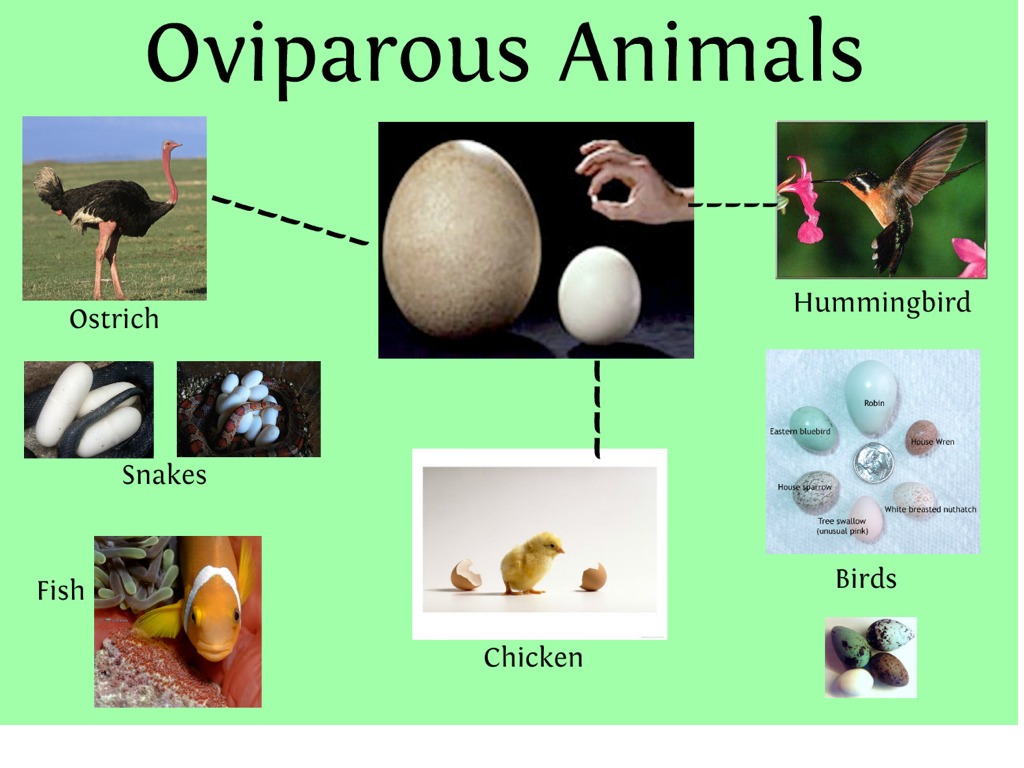
Oviparous Animals are egg-laying animals. In these types of animals, fertilization occurs internally, but embryonic development is external. In external embryonic development, the embryo develops outside the female body.
- In oviparous animals, the females lay eggs, where embryonic development occurs.
- The developing embryo gets nutrition from the reserve food.
- This condition is called oviparity.
- The young ones hatch out of eggs after full development.
- The zygote is formed and developed into a foetus.
- Oviparous Animals protect their eggs from predators by the eggshell.
Example of Oviparous AnimalsExample: Examples of oviparous animals are fishes, amphibians, reptiles and birds. Exceptions are a few snakes and mammals. Duckbill platypus and echidna are oviparous mammals. |
Also Read:
| Related Articles | ||
|---|---|---|
| Difference Between Moth and Butterfly | Phylum Chordata Classification | Plasmodium Life cycle |
Viviparous Animals
[Click Here for Sample Questions]
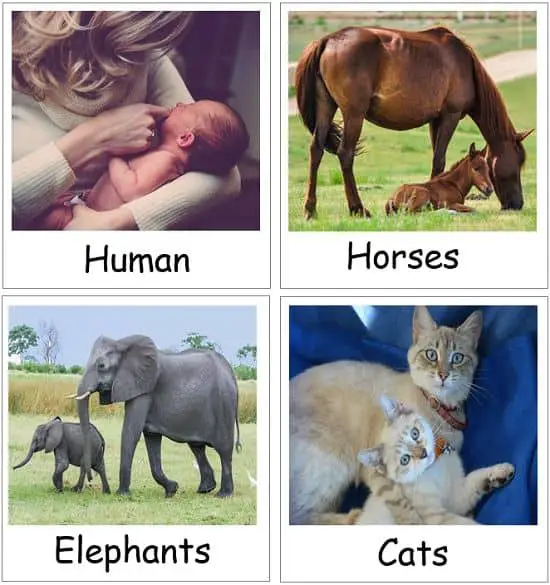
Viviparous animals are animals that give birth to young ones. In these animals, both fertilization and embryonic development are internal. In internal embryonic development, the embryo develops inside the female body.
- The developing embryos get total nutrition and oxygen from the mother.
- This condition is called matrotrophy.
- In these animals, the young ones are delivered out of the female womb after full development.
- Viviparous animals can produce sexually.
- The male animals have organs which are necessary to fertilize the females.
- They can give birth at any time of the year.
Example of Viviparous AnimalsExample: Examples of viviparous animals include human beings, cats, dogs, goats and other mammals except duckbill platypus and echidna. |
Ovoviviparity in Ovoviviparous Animals
[Click Here for Sample Questions]
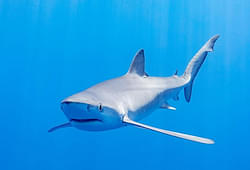
Ovoviviparous Animals are those animals in which eggs are hatched inside the body of the mother itself. The baby gets nutrients both from the yolk and also from the mother; this condition is called ovoviviparity.
- These animals undergo internal fertilization via copulation.
- In the case of sharks, male shark penetrates their clasper into the female shark to release sperm.
- Fertilization takes place inside oviducts.
On the other hand, their female counterpart will produce extra sperm, which is used for fertilization of eggs for a period of eight months. Ovoviviparous Animals do not have any type of umbilical cord.
- Animals achieve the required nourishment by the yolk of eggs.
- It is seen in some insects, ray fishes, sharks, and snakes.
Metamorphosis
[Click Here for Sample Questions]
Metamorphosis is defined as the process of transforming a newly born one into successive physical changes to get into an adult form. Oviparous animals like insects show distinct changes like egg, larva, pupa and imago.
- It is a biological process which involves conspicuous and relatively abrupt changes in the animal's body structure.
- The development is done with the help of differentiation and cell growth.
- In this process, growth is controlled by hormones synthesized by endocrine glands.
- The word metamorphosis is derived from Ancient Greek, which means transformation and transforming.
- Viviparous animals like frogs show stages like egg, tadpole larva and adult frog.
Development of Embryo
[Click Here for Sample Questions]
The development of an embryo is a complicated process which involves the fertilization of eggs in the embryo. The union of male and female gametes is called fertilization.
- The product of fertilisation is zygote.
- The unicellular zygote develops into a multicellular embryo and foetus through cell divisions and tissue differentiation.
- It is different in different kinds of animals.
- Embryo development is a long, complex process in milk-giving animals called mammals.
- In these animals’ implantation of tiny embryos and foetus, development occurs, which is called pregnancy.
- The process of development of an embryo takes place internally or externally.
Difference between Oviparous, Viviparous and Ovoviviparous Animals
[Click Here for Sample Questions]
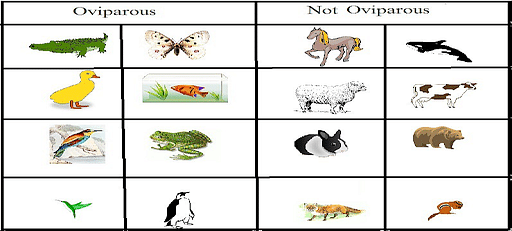
The difference between Oviparous Viviparous and Ovoviviparous Animals are as follows:
| Aspects | Oviparous animals | Viviparous animals | Ovoviviparous Animals |
|---|---|---|---|
| Definition | Animals that lay eggs are called oviparous animals. | Viviparous animals are those who give birth to young ones. | Ovoviviparous Animals are animals that lay eggs inside the female body. |
| Fertilisation | These animals undergo external or internal fertilization. | These animals undergo internal fertilization. | These animals undergo internal fertilization. |
| Embryonic development | It take place externally in the egg. | It take place internally within the mother’s womb. | There is direct development of embryo. |
| Nutrition | They reserve food in the egg | It is from the mother through the placenta | They absorb nutrition from mother foetus. |
| Examples | Insects, fishes, frogs, tortoises, birds, echidna, duckbill platypus | Humans, Cats & Dogs | Snakes |
Things to Remember
- Viviparous Animals, Oviparous Animals and Ovoviviparous Animals are differentiated on the basis of fertilisation.
- Animals laying eggs are called oviparous animals.
- The developing embryo gets nutrition from the reserved food in oviparous animals, which is called oviparity.
- In the case of viviparous animals, the developing embryos get total nutrition from the mother, which is called metrotrophy.
- In ovoviviparous animals, eggs are hatched inside the body of the mother itself.
- The transformation of a newborn into successive physical changes to get into an adult form is called metamorphosis.
Also Read:
Sample Questions and Answers
Ques: What are oviparous and viviparous animals? (2 marks)
Ans: Egg-laying animals are called oviparous animals. In these animals’ fertilization is internal, but embryonic development is external.
- Animals that give birth to young ones are called viviparous animals. The developing embryos get total nutrition and oxygen from the mother. This condition is called matrotrophy.
Ques: What is fertilisation? What kind of fertilization is seen in oviparous and viviparous animals? (3 marks)
Ans: The fusion of male and female gametes is called fertilization. It is multi-step process that is completed in 24 hours. In this process, a new cell is formed when two gametes also known as sex cells produces sperm and fuse together with ova.
- Oviparous animals: Egg-laying animals are called oviparous animals. In oviparous animals, fertilisation may be external or internal.
- Viviparous animals: Animals that give birth to young ones are called viviparous animals. In viviparous animals’ fertilisation is internal.
Ques: Give examples for oviparous animals and viviparous animals? (2 marks)
Ans: Oviparous animals: Insects, fishes, frogs, tortoises, birds, echidna, duckbill platypus
Viviparous animals: Humans, snakes and mammals
Ques: What are ovoviviparous animals? Give examples? (2 marks)
Ans: In ovoviviparous animals, eggs are hatched inside the body of the mother itself. The baby gets nutrients both from the yolk and also from the mother, this condition is called ovoviviparity. It is seen in some insects, ray fishes, sharks, and snakes.
Ques: What is metamorphosis? Give some examples? (3 marks)
Ans: The transformation of a newly born one into successive physical changes to get into an adult form is called metamorphosis. The development is done with the help of differentiation and cell growth. In this process, growth is controlled by hormones synthesized by endocrine glands.
- Insects: Oviparous animals like insects show distinct changes like egg, larva, pupa and imago.
- Frogs: Viviparous animals like frogs show stages like egg, tadpole larva and an adult frog.
Ques: Define zygote and embryo? (2 marks)
Ans: The fertilization product of a sperm and an egg is called a zygote. The process is followed by cleavage, when the single cell of humans and animals becomes subdivided into smaller cells. A mass of differentiated tissue formed from the zygote is called an embryo. It is initiated at the early stage of animals. In case of humans it is developed into the utreus of mother.
Ques: What is oviparity? What are mammals with oviparous conditions? (2 marks)
Ans: Egg-laying animals are called oviparous animals. The development of an embryo externally within the egg is called oviparity. Oviparous mammals are echidna and duckbill platypus.
Ques: Give any five differences between oviparous and viviparous animals? (5 marks)
Ans: The differences between oviparous and viviparous animals are as follows:
| Oviparous animals | Viviparous animals |
|---|---|
| Animals that lay eggs are called oviparous animals. | Viviparous animals are those who give birth to young ones. |
| External or internal fertilization takes place | Internal fertilization takes place |
| External embryonic development in the egg | Internal embryonic development within the mother’s womb |
| Reserve food in the egg is utilized by the developing embryo. | Nutrition is from the mother through the placenta |
| Insects, fishes, frogs, tortoises, birds, echidna, duckbill platypus are examples | Some snakes and mammals are examples |
Ques: Why are ducks oviparous? (2 marks)
Ans: Oviparous are animals that lay eggs. In case of these animals, fertilization is carried out internally but development of embryo take place externally. In case of birds like hens and ducks, development of embryo is carried out internally. The outside shells of egg will protect them from any kind of damage. Thus duck is oviparous.
Ques: Explain the metamorphosis of butterfly? (4 marks)
Ans: The metamorphosis of butterfly are as follows:
- First female butterfly will lay eggs on plants which is later transformed into caterpillars.
- In second stage which is also known as larval stage, caterpillar will shed skin about four to five times.
- Third stage is the pupa stage where butterflies pupa also called chrysalis undergo development from a few weeks to years.
- Lastly is the adult stage where butterfly is fully developed and fulfill the reproductive stage in the butterfly life cycle
Ques: What is embroyic development? (2 marks)
Ans: Embroyic development is a complex process that is necessary for its growth. Fertilization is the process through which male and female gametes unite. The zygote is the result of fertilization. The unicellular zygote undergoes cell division and tissue development to become a multicellular embryo and fetus. Mammals are milk-producing animals whose embryos develop over a long, intricate period of time. An embryo's development can occur either within or outside.
For Latest Updates on Upcoming Board Exams, Click Here: https://t.me/class_10_12_board_updates
Check-Out:



Comments