



Content Curator
Weathering is a very slow & steady process which has been taking place on earth for thousands of years. At times, Weathering can become a very rapid procedure as well. During natural calamities like landslides, earthquakes, etc, weathering takes place and can also cause severe damage. Weathering is responsible for the turning of huge and tall mountains into plateau or plains. Various ranges like the Appalachian Mountains, Himalayas are examples of the process of weathering.
| Table of Content |
Key Takeaways: Weathering, Physical weathering, Chemical weathering,
What is Weathering?
[Click Here for Sample Questions]
The process of dissolving or breaking down rocks from the topmost surface of the earth into smaller grains due to the agents like rain, winds, frost, plants, temperature and sun. This process is what we call weathering. Weathering is one of the important parts of the rock cycle. The two consecutive processes Weathering & Erosion are responsible for the change in the earth’s landscape.
Weathering takes place due to various processes like physical, Chemical & biological. Not a single rock can be resistant to the process of weathering. We can include such an example as –the Grand Canyon, USA.
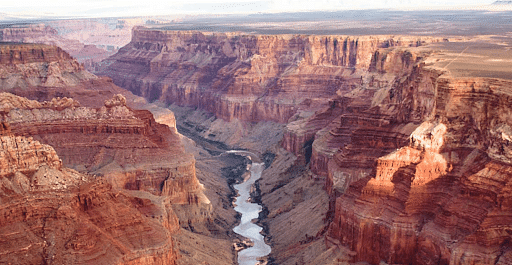
Weathering
Agents of Weathering
[Click Here for Sample Questions]
There are specifically four important agents which are mainly responsible for the weathering process:
- Wind: The small sand-sized granules or very small pieces of rocks are moved by the air or wind
- Glacier: Glaciers have the strength to move the extremely huge boulders or rocks as well as the smaller fragments of rocks.
- Water: on the basis of its strength, it moves or breaks down the rocks into sediments. It is also responsible for the transportation of those sediments to other places.
- Gravity: Gravity is also responsible for the movement and breaking down of the small or large rocks, down the slope.
Also Read:
| Related Articles | ||
|---|---|---|
| Difference between Rocks and Minerals | Metamorphic Rocks | Minerals |
| Minerals and Energy Resources | Fossils | Evolution |
Types of Weathering
[Click Here for Sample Questions]
Mechanical Weathering/Physical Weathering
The rock undergoes decay without any sort of chemical changes in it. The rocks can change their shape and size but their chemical property remains the same. One such process is known as Abrasion.
Physical Weathering is found in regions where there is less soil or arid areas. It generally takes place due to the extreme pressure, temperature, etc. Due to these reasons, continuous shrinking & expansion of rocks of the surface can take place, which results in breaking of the structure of the rocks. Ex- roots of plants result in cracks in rocks, ice wedging.
Chemical Weathering
Chemical weathering is a very slow procedure which undergoes the change in the overall chemical property of the rock and several chemical reactions take place that changes its composition. The rock may go under the process of hydration & oxidation. Various other agents responsible for chemical weathering are microbes or plant-root metabolism acids, high temperatures, etc. Ex- salinity in the sea-water, oxidation.
There are few types in Chemical Weathering:
- Hydrolysis: It is a form of chemical weathering in which the rock undergoes decay due to the acidic water, which turns the rock into clay or other soluble salts.
- Oxidation: Rocks undergoes disintegration due to the constant reaction of water and oxygen on the rocks. Due to this, a rust-like layer is formed on the surface of the rock which is very rich in iron.
- Carbonation: Carbonation takes place due to the rainwater which is acidic in nature. The acid (carbon dioxide) dissolved in rainwater causes the chemical reaction (carbonation) on the surface of the rocks, which results in the breakdown or decomposition of the rocks.
Biological Weathering
The effect of animals, plants and microorganisms that weakens and breaks the rocks is termed as Biological Weathering. The roots of the plants can create pressure on the rocks, which can lead to weathering. The microbial influence such as the growth of algae & fungi on a rock releases various chemicals which produce cracks and gradually results in which break down the rocks. Various animals or insects build their homes on the surface of the earth by digging up the rocks and making their exposure causing weathering. Ex- Lichens present in rocks.
Other Factors of Weathering
[Click Here for Sample Questions]
Humans too contribute a lot in the process of weathering. In the mountain areas, humans cut down the mountains to build roads, which make the rocks on the mountain in a vulnerable condition, due to which landslides take place frequently.
Due to the release of harmful chemicals (like nitrogen and sulphur dioxide) into the atmosphere, the acid compounds are forming and along with the rain it is coming back to the surface of earth in the form of acid rain. Weathering is taking place due to the acid rains in rocks like limestone, gravestones and marbles and resulting in the change of their chemical composition.
Also Read:
| Related Articles | ||
|---|---|---|
| Effects Of climate changes | Distinguish between weather and climate | Climate and Adaptation |
| Unit of Humidity | Acid Rain | The Role of Atmosphere in Climate Control |
Things to Remember
- The disintegration of rocks and the surface of the earth is known as weathering
- Agents who are responsible for the process of weathering are rain, wind, sunlight, frost, etc.
- There are various types of weathering: Physical, chemical & biological.
- Each and every rock undergoes the process of weathering
- Salinity of seawater can be considered as an example of chemical weathering
- Plants, animals also take part in the process of weathering.
Sample Questions
Ques. What are the agents responsible for Weathering? (3 marks)
Ans. The Agents responsible for the process of Weathering are:
- Rain
- Sunlight
- Temperature
- Frost
- Winds
- Plants
- Animals, etc.
Ques. Are micro-organisms also involved in the process of Weathering? (2 marks)
Ans. Micro-organisms, like algae and fungi, result in growth on the rocks which releases chemicals which leads to the break-down of the rock. This is a very slow process which consists of chemical and physical weathering along with the action of microorganisms.
Ques. What are the types of Weathering? (3 marks)
Ans. There are three types of Weathering:
- Physical or Mechanical weathering: the rock changes its shape and size, without changing the chemical properties.
- Biological Weathering: Decay of rocks due to the animals, plants and microbes.
- Chemical Weathering: due to alteration of air and water, the chemical composition of the rock changes.
Ques. State the Difference between Chemical & Physical Weathering? (2 marks)
Ans. The breakdown of rocks in physical weathering does not change the chemical property of the rock. Whereas, in case of the chemical weathering, the entire chemical properties of the rocks changes. The agents of physical weathering are moisture and temperature. The agents of chemical weathering are carbonation, oxidation & hydration or hydrolysis.
Ques. What are the various types involved in Chemical Weathering? (3 marks)
Ans. There are three types involved in Chemical Weathering:
- Hydrolysis
- Carbonation
- Oxidation
Ques. What is weathering? What does climate influence have on weathering? (3 marks)
Ans. The process of disintegration of rocks due to several agents like rain, wind, ice, etc is known as weathering. Temperature and pressure play a major role in Weathering.
Due to increase in temperature, the process of weathering increases rapidly which doubles the rate of the chemical reactions. Due to the presence of more water precipitations, the chemical reaction will increase in both mechanical & chemical weathering.
Ques. What is Ice Wedging? (2 marks)
Ans. Ice wedging is a form of physical weathering. During this process, the rocks quickly break due to the different temperatures in day and night. The water that seeps inside the cracks of the rocks freezes at night and expands which causes wedges inside the rock. With the continuation of this process, the rock breaks down or disintegrates in pieces.
Read More:



Comments