





Columbia University is a private Ivy League research university in Morningside Heights, Manhattan, founded in 1754 as King’s College. It ranks #43 in the QS World University Rankings 2027 and sits among the most selective universities in the United States, with an undergraduate acceptance rate of just 4.23% for the Class of 2030.
Columbia University teaches all its programmes in English across 20 schools, including 4 undergraduate colleges and 16 graduate and professional schools. For Indian applicants, the university’s most sought programmes are the MBA at Columbia Business School, MS Computer Science and MS Financial Engineering at SEAS, and MA Statistics and MA Economics at GSAS, with the primary intake in Fall and a limited Spring window for select programmes. Indian nationals form one of the largest international cohorts on campus, with strong pipelines from IITs, IIMs and top autonomous engineering institutes into MS universities in USA.
- QS World Rank 2027: #43
- Undergraduate Acceptance Rate: 4.23% (Class of 2030, official)
- Primary Intake: Fall (August-September)
- PG Tuition Range: USD 76,212 to 97,928 per year (INR 72.7 to 93.4 lakh)
- Average International UG Aid Package: USD 79,000 (INR 75.4 lakh)
- MBA First-Year Cost of Attendance: USD 143,030 (INR 136.4 lakh)
Also Check: MS Universities in USA for Indian Students
Columbia meets 100% of demonstrated financial need for admitted international undergraduates through a need-blind policy, with the university spending roughly USD 19 million annually on international aid. Living expenses in Manhattan add another USD 27,000 to 32,000 per academic year on top of tuition, and F-1 visa holders should plan a lead time of 6 to 12 weeks after the I-20 for a US student visa appointment. Post-study, STEM-designated masters at SEAS qualify for a 36-month OPT extension, a decisive factor for Indian applicants weighing career return on investment.
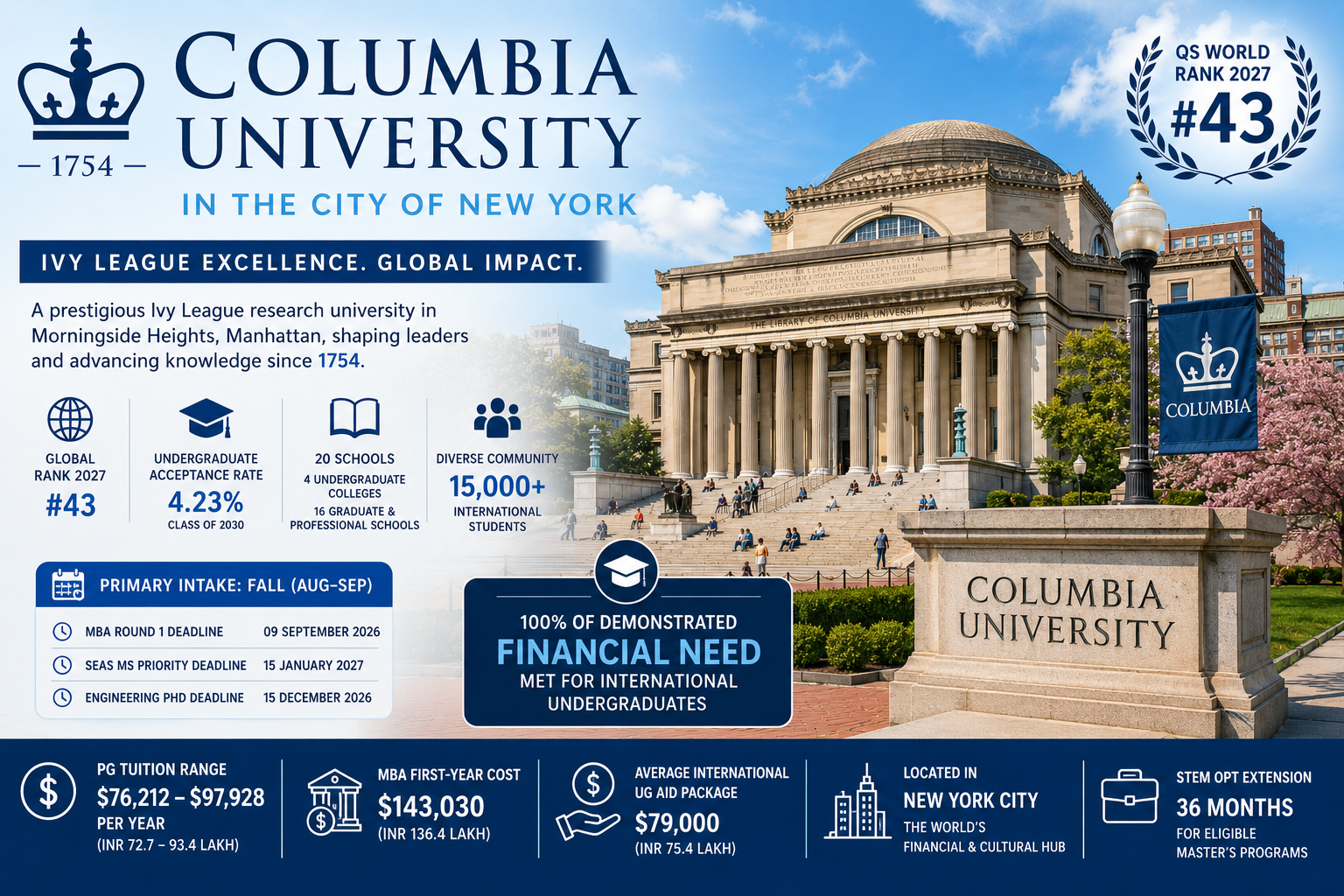
Exchange rate used: 1 USD = INR 95.37 as of July 2026
Admission Status: Open (Fall 2027 intake). Columbia Business School Round 1 for August 2027 entry closes on 09 September 2026, with Round 2 on 05 January 2027 and Round 3 on 29 March 2027. Columbia Engineering doctoral applications close 15 December 2026; SEAS masters carry a priority deadline of 15 January 2027 and a regular deadline of 15 February 2027. GSAS Fall 2027 programme-level deadlines are expected to be published in September 2026 on the official GSAS site.
Table of Contents
- Popular Courses and Fees at Columbia University 2027
- Columbia University Admission 2027
- Columbia University Admission Requirements for Indian Applicants 2027
- Columbia University Acceptance Rate 2027
- Columbia Fees and Cost of Living for Indian Students 2027
- Columbia University Campus, Facilities and Student Life
- Columbia University Scholarships 2027
- Columbia University Rankings 2027
- Columbia University Placements and Career Outcomes 2027
- Columbia University vs Peer Universities
- FAQs
Popular Courses at Columbia University and Fees 2027
Columbia University offers over 100 masters, doctoral and undergraduate programmes across GSAS, Columbia Business School, Columbia Engineering (SEAS), SIPA, the Journalism School and the School of Social Work. Fees at Columbia are set per school and per programme, with GSAS masters running USD 76,212 to USD 97,928 annually, SEAS masters priced at USD 2,822 per credit for a typical 30-credit programme, and the two-year MBA carrying an annual tuition of USD 93,908. Programme duration is one to two years for most masters and four years for the undergraduate degree.
Columbia Popular Postgraduate Courses and Fees 2027
The table below covers the ten postgraduate programmes Indian applicants apply to most, with total tuition in USD and INR lakh. Fees are drawn from the official Columbia bulletins for GSAS, SEAS and Columbia Business School.
| Programme | Total Tuition (USD) | Total Tuition (INR lakh) | Entry Requirement (Indian scale) |
|---|---|---|---|
| MBA (Columbia Business School) | USD 187,816 (2 years) | INR 179.11 lakh | Bachelor’s with 65% or CGPA 7.0/10; GMAT/GRE required |
| MS Computer Science | USD 84,660 | INR 80.74 lakh | Bachelor’s in CS or allied field with 70% or CGPA 7.5/10 |
| MS Financial Engineering | USD 84,660 | INR 80.74 lakh | Bachelor’s with 70% or CGPA 7.5/10; GRE required |
| MS Data Science | USD 84,660 | INR 80.74 lakh | Bachelor’s with 70% or CGPA 7.5/10 |
| MS Business Analytics | USD 84,660 | INR 80.74 lakh | Bachelor’s with 70% or CGPA 7.5/10; GRE/GMAT required |
| MA Statistics | USD 97,928 (per year) | INR 93.40 lakh | Bachelor’s with 65% or CGPA 7.0/10 |
| MA Economics | USD 94,136 (per year) | INR 89.78 lakh | Bachelor’s with 65% or CGPA 7.0/10 |
| MA Biotechnology | USD 87,156 (per year) | INR 83.13 lakh | Bachelor’s in life sciences with 65% or CGPA 7.0/10 |
| MS Electrical Engineering | USD 84,660 | INR 80.74 lakh | Bachelor’s in EE/ECE with 70% or CGPA 7.5/10 |
| MPH | USD 76,212 (per year) | INR 72.69 lakh | Bachelor’s with 60% or CGPA 6.5/10 |
[Source: Columbia University official bulletins, GSAS, SEAS and CBS fee schedules]
Columbia Popular Undergraduate Courses and Fees 2027
Columbia College and Columbia Engineering charge a uniform tuition of USD 72,800 per year across all majors, and total cost of attendance including housing and health insurance reaches USD 99,044 for a 9-month academic year. Programme duration is four years.
| Programme | Annual Tuition (USD) | Annual Tuition (INR lakh) | Entry Requirement (Indian scale) |
|---|---|---|---|
| BA Economics | USD 72,800 | INR 69.43 lakh | Class 12 with 90% to 95%; SAT/ACT test-optional |
| BS Computer Science | USD 72,800 | INR 69.43 lakh | Class 12 (Science/Maths) with 90% to 95% |
| BS Applied Mathematics | USD 72,800 | INR 69.43 lakh | Class 12 (Science/Maths) with 90% to 95% |
| BA Political Science | USD 72,800 | INR 69.43 lakh | Class 12 with 90% to 95% |
| BA Architecture | USD 72,800 | INR 69.43 lakh | Class 12 with 88% to 93%; portfolio required |
[Source: Columbia College Bulletin 2026-27, Columbia University]
Insider note: Indian PG applicants cluster into MS Financial Engineering, MS Financial Economics and MS Business Analytics because these programmes are STEM-designated at Columbia, unlocking a 36-month OPT window that resident MBA tracks do not offer.
Read More: Columbia Fees and Cost of Living Guide
Columbia University Admission 2027
Columbia runs a Fall-primary intake across almost all schools; Spring entry is limited to the School of Social Work International Programme, School of Professional Studies certificates and a small number of GSAS readmissions. Indian applicants target Fall 2027 through school-specific portals, and deadlines vary sharply by school.
Columbia University PG Admission Dates 2027
The table lists deadlines confirmed by Columbia Business School and Columbia Engineering official pages, plus a Fall 2027 programme start date.
| Milestone | Date | Notes for Indian Applicants |
|---|---|---|
| MBA (CBS) Round 1 | 09 September 2026 | Interview decisions by 02 November 2026; final decision 14 December 2026 |
| MBA (CBS) Round 2 | 05 January 2027 | Best round for full-scholarship consideration alongside Round 1 |
| SEAS PhD applications | 15 December 2026 | Deadline uniform across engineering doctoral programmes |
| SEAS Masters priority deadline | 15 January 2027 | Priority window for merit scholarship review; regular deadline 15 February 2027 |
| Programme start | Early September 2027 | Allow 6-12 weeks for F-1 visa after receiving I-20 |
Columbia University UG Admission Dates 2027
Columbia College, Columbia Engineering undergraduate and the School of General Studies use different admissions windows; Indian applicants overwhelmingly apply through Columbia College and SEAS.
| Milestone | Date | Notes for Indian Applicants |
|---|---|---|
| Columbia College Early Decision | Expected 01 November 2026 (based on prior cycle) | Binding; strongest signal of interest but locks in enrollment |
| Columbia College Regular Decision | Expected 01 January 2027 (based on prior cycle) | Non-binding; most common route for Indian UG applicants |
| School of General Studies Priority EA | 15 January 2027 | For non-traditional/transfer applicants; official EA deadline is 01 March 2027 |
| Programme start | Early September 2027 | Book credential verification (WES) 8-10 weeks in advance |
[Source: Columbia GS official, Columbia Business School official calendar]
Planning note: Indian applicants applying to GSAS should factor in transcript evaluation lead time, since programme-level Fall 2027 deadlines will only be published in September 2026 and most fall between early December and mid-January.
Read More: Columbia University Admissions Guide for Indian Students
Columbia University Admission Requirements for Indian Applicants 2027
Indian applicants clear both academic and English-language thresholds set by each Columbia school before their file is read.
Postgraduate Requirements
- Academic: Four-year bachelor’s degree from a UGC-recognised university with a minimum 65% aggregate or CGPA 7.0/10 (recommended); competitive admits usually cross 75% or CGPA 8.0/10.
- English proficiency: GSAS institutional minimum is TOEFL iBT 5.5 (1-6 scale) for tests taken on or after 21 January 2026 or TOEFL iBT 100 (0-120 legacy scale) for earlier tests, with paper-based TOEFL PBT 600 and IELTS 7.5 as alternates.
- Standardised tests: GRE required for most SEAS and GSAS quantitative programmes; GMAT or GRE required for the MBA and MS Business Analytics.
- Credential verification: WES ICAP course-by-course evaluation is standard for Indian transcripts.
Undergraduate Requirements
- Academic: Class 12 board results (CBSE, ISC or state board) with 90% to 95% (recommended) for competitive admission to Columbia College or SEAS undergraduate.
- English proficiency: Same institutional minimums as GSAS; TOEFL iBT 5.5 (new scale) or 100 (legacy scale), or IELTS 7.5. SAT and ACT remain test-optional through the current cycle.
Key insight: Columbia GSAS accepts the paper-based TOEFL PBT 600 as an alternative for Indian applicants in test-centre-limited cities, which is often overlooked by candidates who default to iBT and struggle with rescheduling.
Columbia University Acceptance Rate 2027
Columbia’s undergraduate acceptance rate for the Class of 2030 was 4.23%, admitting 2,581 students from a record applicant pool of 61,031 to Columbia College and Columbia Engineering. This is the official figure published by the university.
| Class | Acceptance Rate | Trend |
|---|---|---|
| Class of 2030 (Fall 2026 entry) | 4.23% | Down |
| Class of 2029 (Fall 2025 entry) | 4.94% | Down |
| Class of 2028 (Fall 2024 entry) | 3.85% | Baseline |
[Source: Columbia University Office of Undergraduate Admissions, Class of 2030 announcement]
Graduate acceptance rates vary by school and programme; the Columbia Business School MBA typically admits around 15% to 20% of applicants, while SEAS masters programmes admit at higher rates depending on the specialisation. Applicants routinely cluster around a 3% to 4% Regular Decision rate versus 11% to 13% Early Decision rate at the undergraduate level.
Reality check: Indian applicants competing in Regular Decision face the toughest bracket; committee data from prior Common Data Sets shows RD acceptance is roughly one-third of ED, so applicants confident in Columbia as first choice should file ED.
Read More: Columbia University Acceptance Rate
Columbia Fees and Cost of Living for Indian Students 2027
An Indian student at Columbia should budget USD 99,000 to USD 143,000 (INR 94.5 to 136.4 lakh) per academic year, combining tuition, mandatory fees, housing, food, health insurance and personal expenses; the exact figure depends on school and living arrangements.
Columbia Tuition Fees for Indian Students 2027
Columbia sets tuition at the school level; SEAS charges per credit, GSAS and CBS charge per semester or year, and Columbia College undergraduate charges a flat annual tuition.
| Level / School | Annual Tuition (USD) | Annual Tuition (INR lakh) | Mandatory Fees (USD) |
|---|---|---|---|
| Columbia College UG | USD 72,800 | INR 69.43 lakh | 3,430 |
| GSAS MA (standard) | USD 76,212 | INR 72.69 lakh | Included per term |
| GSAS MA (Statistics / Math Finance) | USD 97,928 | INR 93.40 lakh | Included per term |
| SEAS MS (30 credits total) | USD 84,660 total | INR 80.74 lakh total | Included per credit |
| MBA (CBS) | USD 93,908 | INR 89.56 lakh | 3,870 |
| MSSW (School of Social Work) | USD 63,158 | INR 60.24 lakh | Included per term |
[Source: Columbia College Bulletin, GSAS and CBS official fee schedules 2026-27]
Monthly Cost of Living in New York City for Indian Students
Columbia’s official Cost of Attendance breakdown for a 9-month academic year in Morningside Heights totals USD 22,814 in non-tuition direct costs, plus health insurance of USD 5,823.
| Expense | Monthly (USD) | Monthly (INR lakh) | Annual 9-month (USD) | Annual 9-month (INR lakh) |
|---|---|---|---|---|
| Housing (on-campus room) | USD 1,600 | INR 1.53 lakh | USD 14,400 | INR 13.73 lakh |
| Meal plan / food | USD 580 | INR 55,000 | USD 5,250 | INR 5.01 lakh |
| Transportation (MetroCard unlimited) | USD 132 | INR 13,000 | USD 1,188 | INR 1.13 lakh |
| Books and supplies | USD 200 | INR 19,000 | USD 1,800 | INR 1.72 lakh |
| Personal expenses | USD 150 | INR 14,000 | USD 1,364 | INR 1.30 lakh |
| Health insurance | USD 647 | INR 62,000 | USD 5,823 | INR 5.55 lakh |
| Total | USD 3,309 | INR 3.16 lakh | USD 29,825 | INR 28.44 lakh |
[Source: Columbia University official Cost of Attendance 2026-27; monthly split estimated from 9-month figures]
Insider note: Off-campus shared apartments in nearby Harlem or Washington Heights can drop rent to USD 900 to 1,100 per month, but international students should factor in broker fees of one month’s rent plus a security deposit before signing a New York lease.
Read More: Study in USA for Indian Students
Columbia University Campus, Facilities and Student Life
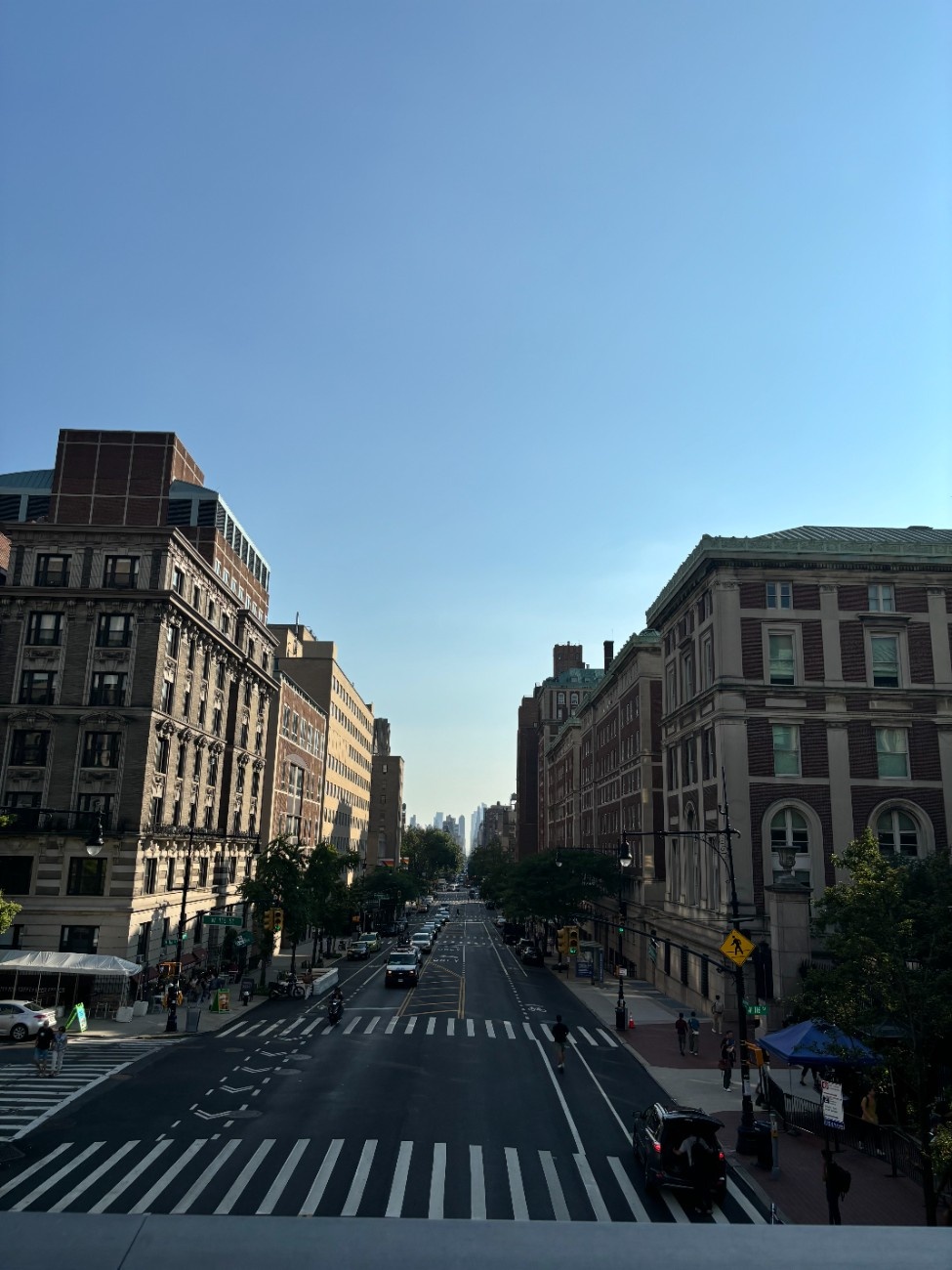
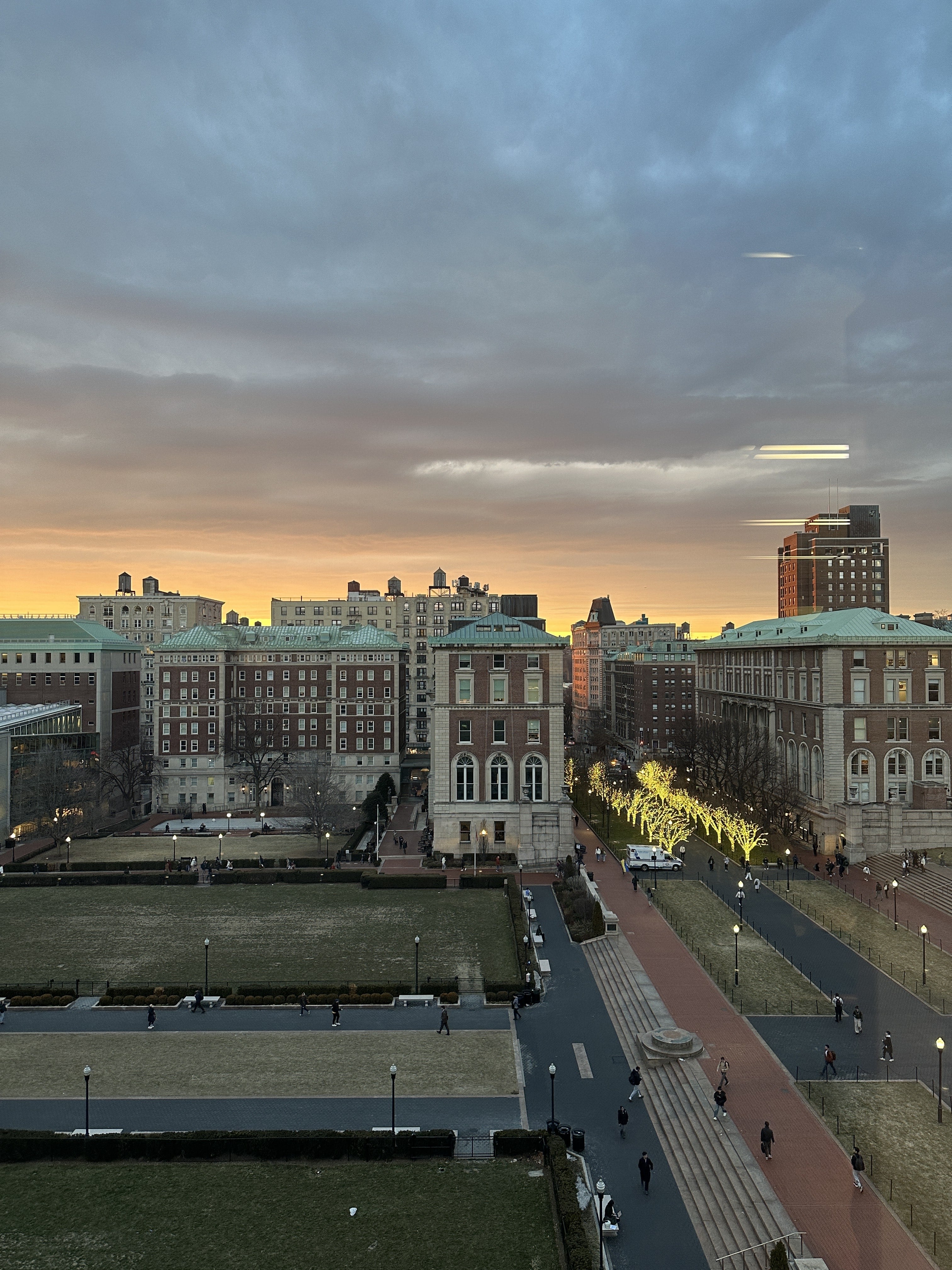
Columbia’s main campus is a compact urban plot in Morningside Heights on the Upper West Side of Manhattan, walking distance from Central Park and 25 minutes by subway from Wall Street or Times Square.
- Location and transport: The 116th Street-Columbia University subway stop on the 1 line is on the edge of campus; a monthly MetroCard costs USD 132 and covers unlimited subway and bus rides across the city.
- Housing: Columbia guarantees on-campus housing for all four years of Columbia College and Columbia Engineering undergraduates; graduate housing is offered on a rolling basis and covers roughly 65% of the graduate population.
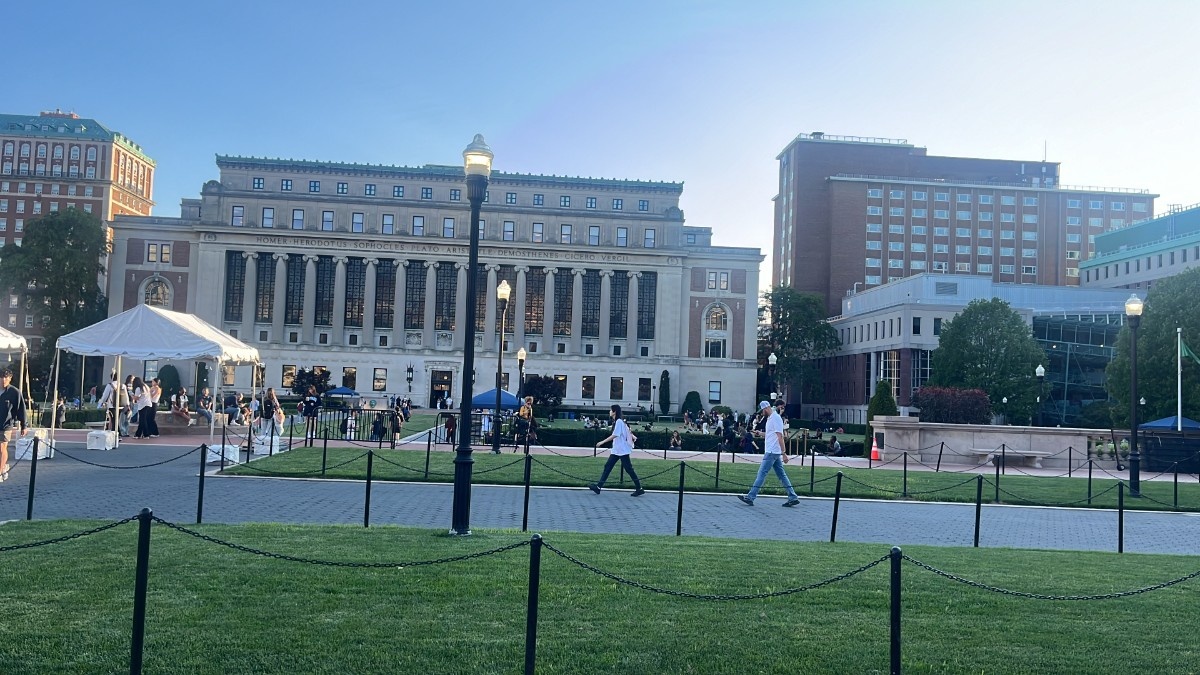
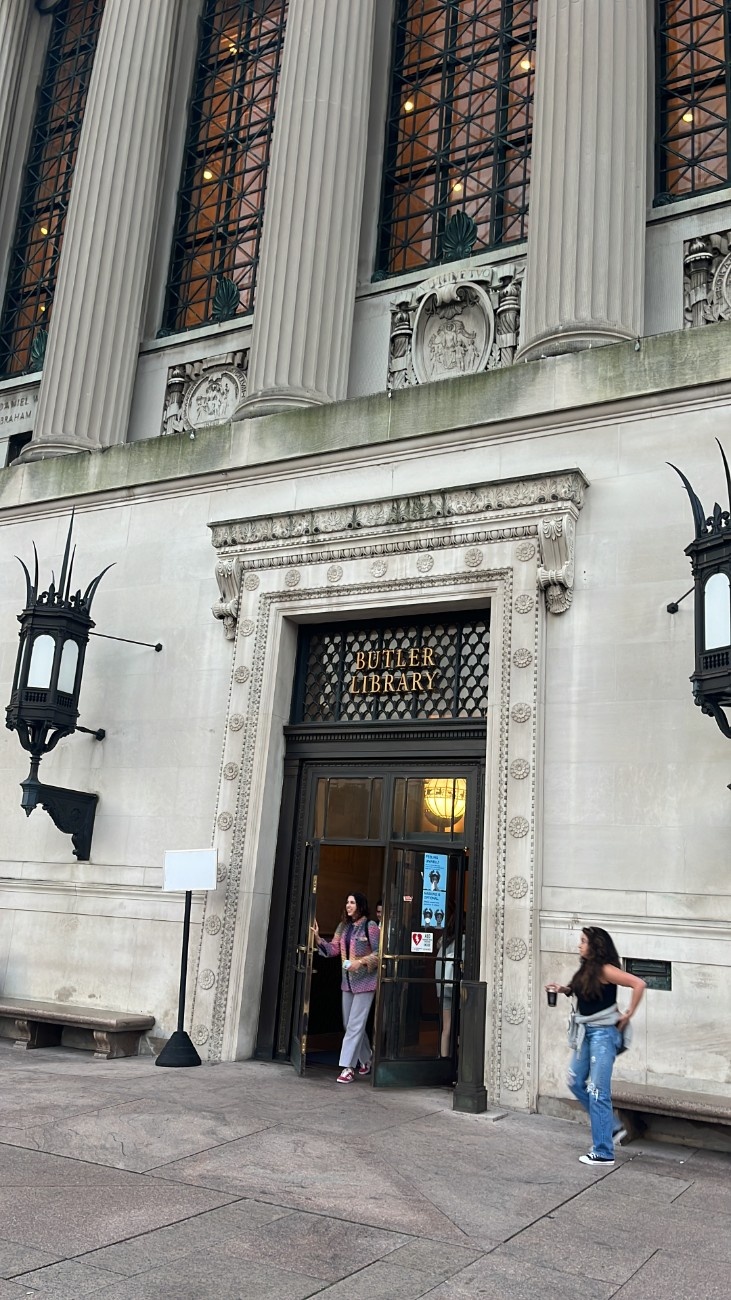
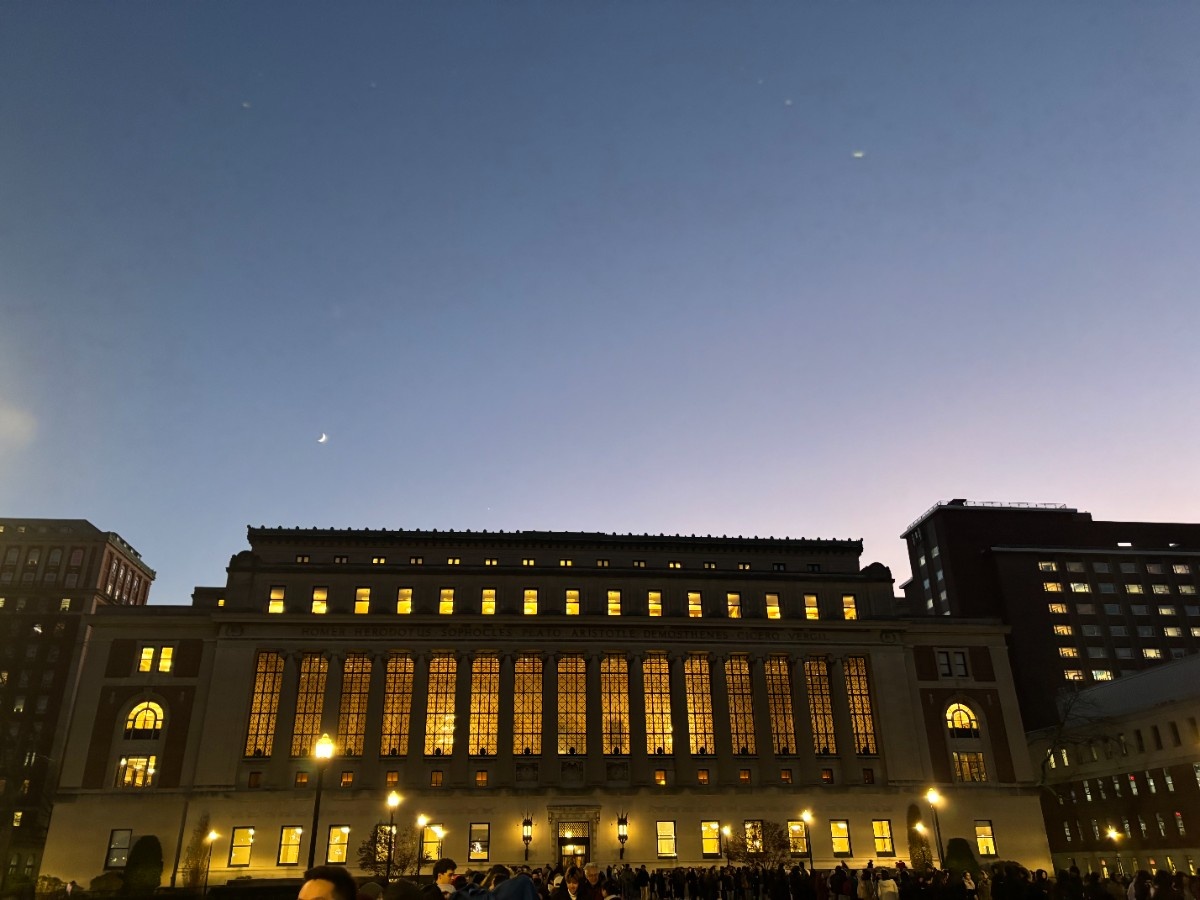
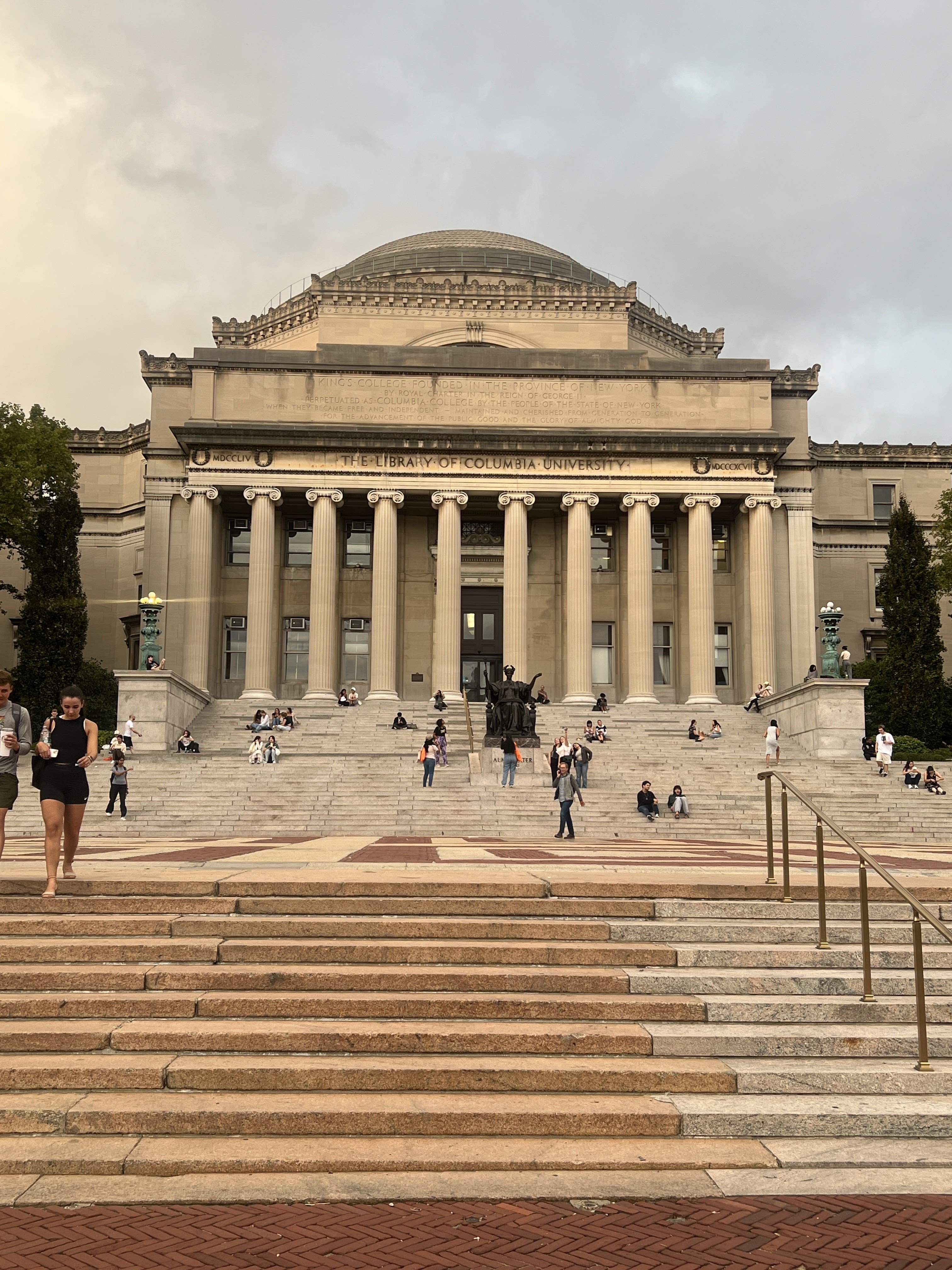
- Facilities: The Butler Library, Low Memorial Library and Northwest Corner Building anchor a research infrastructure with over 15 million volumes; SEAS labs house computing resources shared with the Data Science Institute.
- Indian student community: The Columbia University Indian Graduate Students Association and Club Zamana run cultural events across the year, and the university observes Diwali on campus with the Bhakti Club.
What Indian students say: On-campus housing in Ivy dorms is comfortable but costly; renting shared apartments north of 125th Street cuts costs meaningfully. Subway access is the single biggest quality-of-life advantage over suburban US campuses, and Columbia’s proximity to finance, media and consulting internships in Manhattan is genuinely irreplaceable.
Columbia University Scholarships 2027
Columbia’s aid model is dominated by need-based support for undergraduates and school-administered fellowships for graduate applicants; the university spends approximately USD 19 million annually on international undergraduate aid alone, with an average international package of USD 79,000.
| Scholarship | Type | Award Value | Eligibility | Deadline |
|---|---|---|---|---|
| Columbia Undergraduate Need-Based Financial Aid | Need-based grant | Up to 100% of demonstrated need (avg USD 79,000 / INR 75.36 lakh) | All admitted Columbia College and SEAS UG international applicants | Same as admission deadline |
| GSAS Fellowships (PhD) | Merit + tuition + stipend | Full tuition + annual stipend (verify at official page for programme-specific rates) | All admitted GSAS PhD applicants; automatic consideration | Programme deadline |
| Columbia Business School Merit Fellowships | Merit | Partial to full tuition | All admitted MBA candidates; automatic consideration | Application deadline by round |
| SEAS Departmental Awards | Merit | Partial tuition | Admitted MS candidates in select departments | 15 January 2027 priority |
[Source: Columbia University Office of Undergraduate Financial Aid and Educational Financing, GSAS and CBS official pages]
Planning note: Columbia is need-blind for admissions but does not offer merit aid for masters programmes outside CBS and select SEAS awards, so Indian PG applicants should apply parallel for external funding like the JN Tata Endowment loan-scholarship and the Inlaks Shivdasani Scholarship.
Read More: Columbia University Scholarships Guide
Columbia University Rankings 2027
Columbia University holds a Top-50 position in every major world ranking, with its strongest showing in the ARWU Shanghai Ranking at #8 globally and a five-year decline in the QS World Rankings from #34 in 2025 to #43 in 2027.
| Ranking Body | Latest Edition | Previous Edition | Two Editions Back |
|---|---|---|---|
| QS World | 2027: #43 | 2026: #38 | 2025: #34 |
| THE World | 2026: #20 | 2025: #17 | 2024: #17 |
| US News Best Global | 2025-2026: #10 | 2024-2025: #10 | 2023-2024: #7 |
| ARWU Shanghai | 2025: #8 | 2024: #8 | 2023: #8 |
| Collegedunia Study Abroad | #16 globally, #12 in USA | NA | NA |
[Source: QS, THE, US News, ARWU, Collegedunia Study Abroad]
Columbia’s ranking dip in the QS 2027 edition reflects methodology weight shifts on employer reputation surveys rather than a decline in institutional quality; the ARWU rank of #8 reflects five consecutive years at the same position, driven by Nobel laureate count and research output. In subject rankings, Columbia’s Business, Law and Journalism programmes consistently sit inside the global Top 10.
Key insight: For Indian applicants, Columbia’s ARWU #8 and US News #10 positions matter more than its QS rank when applying for education loans, since Indian public sector banks typically use ARWU and US News in their pre-approved university lists.
Read More: Columbia University Rankings Analysis
Columbia University Placements and Career Outcomes 2027
Columbia’s Manhattan location makes it a preferred campus for finance, consulting, technology and media recruiters, with graduates entering the workforce at some of the highest median salaries in the Ivy League.
- MBA median base salary: USD 175,000 (INR 166.9 lakh); median signing bonus USD 30,000 (INR 28.6 lakh) as per Columbia Business School Employment Report
- MS Financial Engineering median starting salary: USD 120,000 to 150,000 (INR 114.4 to 143.1 lakh) per year, market median across the class
- SEAS MS placement rate: Approximately 85% of masters graduates report full-time employment or PhD placement within six months, per departmental placement statistics
- Top recruiting sectors: Investment banking, management consulting, technology, quantitative finance, media and public health; representative recruiters span the top-tier of each sector
- Post-study work: STEM-designated MS programmes qualify for 36 months of OPT under the F-1 visa; non-STEM masters and MBA graduates get 12 months of OPT
Insider note: Indian MBA graduates from Columbia routinely convert summer internships at bulge-bracket banks and MBB consulting firms into full-time offers; the summer between year one and year two is decisive, and applicants targeting these paths should build finance or consulting experience before matriculation.
Columbia University vs Peer Universities
The most common peer set for Indian applicants comparing Columbia includes fellow Ivy League universities and NYU, based on programme overlap and location.
| University | Location | Ivy Status | Differentiator vs Columbia |
|---|---|---|---|
| Columbia University | Manhattan, NYC | Ivy League | Only Ivy inside NYC; strongest finance, journalism, SIPA access |
| Harvard University | Cambridge, MA | Ivy League | Stronger brand halo and larger endowment; smaller MBA class |
| University of Pennsylvania | Philadelphia, PA | Ivy League | Wharton finance depth; more integrated undergraduate business path |
| Yale University | New Haven, CT | Ivy League | Smaller campus, stronger law and drama; less urban recruiting exposure |
| New York University | Manhattan, NYC | Non-Ivy peer | Comparable NYC access; Stern for finance, Courant for maths; lower selectivity |
Columbia stands out on two dimensions: it is the only Ivy League university physically inside New York City, and its need-blind, full-need financial aid policy for international undergraduates is more generous than most Ivy peers apart from Harvard and Princeton. For PG applicants, Columbia’s combination of SIPA, Journalism and Business under one Manhattan campus is unmatched in the Ivy League.
Columbia University suits Indian applicants who want an Ivy League degree without a small-town US setting, and who can pair a total investment of INR 94 to 143 lakh per year against a target median masters starting salary of INR 114 to 167 lakh. The strongest Indian-specific advantage is the 36-month OPT extension for STEM MS graduates via the study in USA pathway, which converts Manhattan recruiting access into a three-year US work window before H-1B lottery.
Columbia is not for applicants with a tight budget or those unwilling to compete in the highest-density Ivy applicant pool; MS Computer Science at peer US universities such as Cornell Tech or NYU Courant offers a similar Manhattan pathway at 15% to 25% lower total cost, and remains a realistic alternative for cost-sensitive Indian STEM applicants.
FAQs
Ques. Does Columbia University offer part-time work options for Indian F-1 students?
Ans. Yes, Columbia University F-1 students can work on campus up to 20 hours per week during semesters and full-time during breaks without additional authorisation. Off-campus work needs Curricular Practical Training tied to a course or Optional Practical Training after program completion. Indian students typically earn USD 15 to 25 per hour in on-campus roles like research assistantships, library work or teaching assistantships across Columbia’s schools.
Ques. Can Indian applicants get a GRE waiver at Columbia SEAS or GSAS?
Ans. Columbia SEAS waives the GRE for select MS programmes on a case-by-case basis, with waivers commonly granted for applicants with strong quantitative backgrounds, ABET-accredited degrees or three-plus years of relevant industry experience. GSAS quantitative masters like Statistics and Economics still require the GRE. MS Financial Engineering and MS Financial Economics keep the GRE mandatory. Check the department page for each programme before applying.
Ques. What is the Columbia University application fee for Indian applicants?
Ans. Columbia charges an application fee of USD 85 (INR 8,107) for undergraduate applications through the Common App or Coalition App. Graduate application fees range from USD 85 to USD 250 (INR 8,107 to 23,843) depending on the school; Columbia Business School charges USD 250. Fee waivers are available for applicants with demonstrated financial need through school-specific waiver request forms submitted with the application.
Ques. Are Indian education loans accepted for studying at Columbia University?
Ans. Yes, Columbia is on the pre-approved university lists of major Indian lenders including SBI, HDFC Credila, ICICI Bank, Axis Bank and Avanse. Public sector banks like SBI typically sanction education loans up to INR 1.5 crore for Columbia with a 10 to 15 year repayment window. Private lenders such as HDFC Credila and Prodigy Finance offer collateral-free loans up to USD 100,000 for MS and MBA candidates admitted to Columbia.
Ques. What documents do Indian applicants need for the Columbia F-1 visa interview?
Ans. Indian applicants need the Columbia I-20 form, DS-160 confirmation, SEVIS I-901 payment receipt (USD 350), MRV fee payment (USD 185), valid passport, Columbia admission letter, academic transcripts, test scores and financial documents showing at least USD 99,000 to USD 143,000 available for year one. Bank statements, sponsor affidavits, education loan sanction letters and property valuations are all accepted as evidence of funding at the US consulate.
Ques. Does Columbia University allow dependents on F-2 visas for Indian students?
Ans. Yes, Columbia issues F-2 dependent I-20 forms for spouses and children under 21 of admitted Indian F-1 students. Indian applicants must show additional financial proof of approximately USD 8,000 for a spouse and USD 5,000 per child on top of their own cost of attendance. F-2 spouses cannot work in the US but can pursue part-time academic study; F-2 children can attend US primary and secondary schools full-time throughout their stay.
Ques. Is there an interview requirement for Columbia MBA and undergraduate admissions?
Ans. Columbia Business School requires interviews for MBA shortlisted candidates only, conducted by alumni or admissions staff either in person or virtually after Round 1 to Round 3 evaluation. For Columbia College and SEAS undergraduate applicants, interviews are optional and alumni-conducted where regional capacity exists. Interview availability in India varies by city, and no applicant is disadvantaged if an alumni interviewer is not available in their location.
Ques. How does Columbia verify Indian transcripts and educational credentials?
Ans. Columbia GSAS, SEAS and CBS accept Indian transcripts directly from the applicant at the application stage, without mandatory WES evaluation for the initial file review. However, admitted Indian students must submit official transcripts sealed and signed by the university registrar before matriculation. WES ICAP course-by-course evaluation is required for some interdisciplinary programmes and strongly recommended for applicants from lesser-known Indian institutions to establish grading context.
Columbia University Program Fees & Deadlines
| Program | Important Dates | Fees | Application Fees | Eligibility | Financial Aid |
|---|---|---|---|---|---|
MS Computer Science 2 years | USD 64,800 /Yr | 85 | GPA: 3.5, IELTS: 7.5, TOEFL: 5.5, Duolingo: 135 | ||
MS Data Science 2 years | USD 64,800 /Yr | 85 | GPA: 3.5, IELTS: 7.5, TOEFL: 5.5, Duolingo: 135 | ||
MS Business Analytics 1 year | USD 97,200 /Yr | 85 | GPA: 3.5, IELTS: 7.5, TOEFL: 5.5, Duolingo: 135 | ||
MS Financial Engineering 1 year | USD 97,200 /Yr | 85 | GPA: 3.5, IELTS: 7.5, TOEFL: 5.5, Duolingo: 135 | ||
MArch 3 years | USD 70,380 /Yr | 75 | GPA 3.5, TOEFL-5.5, IELTS-7.5 | ||
MS Financial Economics 2 years | USD 75,256 /Yr | 100 | GPA: 3.9, IELTS: 7.5, TOEFL: 5.5, PTE: 68, GRE: 330 | ||
MPH 2 years | USD 50,372 /Yr | 135 | GPA 3.5, TOEFL-5.5, IELTS-7.5 Duolingo-135 | ||
MS Applied Analytics 1 year | USD 85,560 /Yr | 150 | GPA: 3.0, IELTS: 7.0, TOEFL: 5.5, Duolingo: 135 | ||
MA Economics 2 years | USD 90,730 /Yr | 120 | GPA: 3.5, IELTS: 7.5, TOEFL: 5.5, Duolingo: 135 | ||
| USD 97,200 /Yr | 85 | GPA: 3.5, IELTS: 7.5, TOEFL: 5.5, Duolingo: 135 |
Do you think the Dates are wrong ? Report Here


Find A Program
Top Recommended Courses
Master of Science [MS] Data Science
Master of Business Administration [MBA]
Do you think the fees are wrong ? Report Here
Do you think the fees are wrong ? Report Here
Course Finder - Search from 50K+ courses
Popular Streams:
Columbia University comparison
| University Name | Columbia University | Massachusetts Institute of Technology | University of California | Yale University | Carnegie Mellon University | Fordham University | Duke University | University of Oxford | Columbia College | University of Pennsylvania | University of Southern California | New York University | Princeton University | Brown University | Stanford University | Cornell University | Georgia Institute of Technology | Harvard University | Cornell Tech |
|---|---|---|---|---|---|---|---|---|---|---|---|---|---|---|---|---|---|---|---|
| Collegedunia Score | 8.4 Out of 10 | 9 Out of 10 | 8.4 Out of 10 | 8.1 Out of 10 | 6.4 Out of 10 | 4.1 Out of 10 | 6.9 Out of 10 | 8.9 Out of 10 | - Out of 10 | 7.9 Out of 10 | 5.9 Out of 10 | 6.9 Out of 10 | 8.3 Out of 10 | 6.7 Out of 10 | 9.3 Out of 10 | 7.9 Out of 10 | 6.1 Out of 10 | 10 Out of 10 | - Out of 10 |
| Overall Ranking |
|
|
|
|
|
|
|
|
|
|
|
|
|
|
|
|
|
| - |
| Subject Strength |
|
|
|
|
|
|
|
| - |
|
|
|
|
|
|
|
|
| - |
| Programs |
|
|
|
|
|
|
|
|
|
|
|
|
|
|
|
|
|
|
|
| Acceptance Rate | 4.0 % | 4.5 % | 11.7 % | 4.6 % | 12.0 % | 56.0 % | 0.0 % | 0.0 % | 3.9 % | 5.0 % | 10.0 % | 9.0 % | 5.0 % | 5.0 % | 4.0 % | 8.0 % | 14.0 % | 3.0 % | 12.0 % |
| Exam Score | - | - | - | - | - | - | - | - | - | - | - | - | |||||||
| Cost to Study |
|
|
|
|
|
|
|
|
|
|
|
|
|
|
|
|
|
|
|
| - | Read Full Comparison | Read Full Comparison | Read Full Comparison | Read Full Comparison | Read Full Comparison | Read Full Comparison | Read Full Comparison | Read Full Comparison | Read Full Comparison | Read Full Comparison | Read Full Comparison | Read Full Comparison | Read Full Comparison | Read Full Comparison | Read Full Comparison | Read Full Comparison | Read Full Comparison | Read Full Comparison |
Do you think the data is wrong ? Report Here

Overall 43 out of 1504 in Global Ranking

Overall 19 out of 2298 in Global Ranking
Do you think the Rankings are wrong ? Report Here
Columbia University Reviews
Most Popular Tags
23 Reviews Found
Likes
- The University has great curriculum, curated and taught by some of the best professors in the field
- The university has 18 colleges underneath it (Engineering, Law, Business) etc.. which provided an environment which is very culturally rich and dense
Dislikes
- They can host top leaders like Jensen Huang, Jamie Dimon etc for sessions with students just like how Stanford, Harvard does
Campus Life
- It hosts a large number of events for students to collaborate, organizes fun events, hosts Sport facilities, a gym, etc
Fees
- 75000 USD
Likes
- Columbia University opens a lot of doors, if you focus on networking with the alumni you will have a lot of benefits. There are plenty of mixers that happen throughout the semester and it is a good place to start.
- There is a lot of flexibility in the courses you can pick within the program, this will help in navigating what your interests are.
- If you are interested. in working in finance or consulting, being in New York city adds a ton of benefits with potential employers
Dislikes
- The assistantship do not sponsor tuition, which is usually different from most public universities in the country
- Since it is only a 16 month long degree, the course work will feel very heavy. You will have to be mentally prepared to grind to maximize the experience
- On-campus housing is very limited and very hard to get, it is also expensive
Campus Life
- There is the main campus and the business school campus, which are on 116th and 130th streets, respectively. There are other law and medical campuses but it won't be necessary to go there.
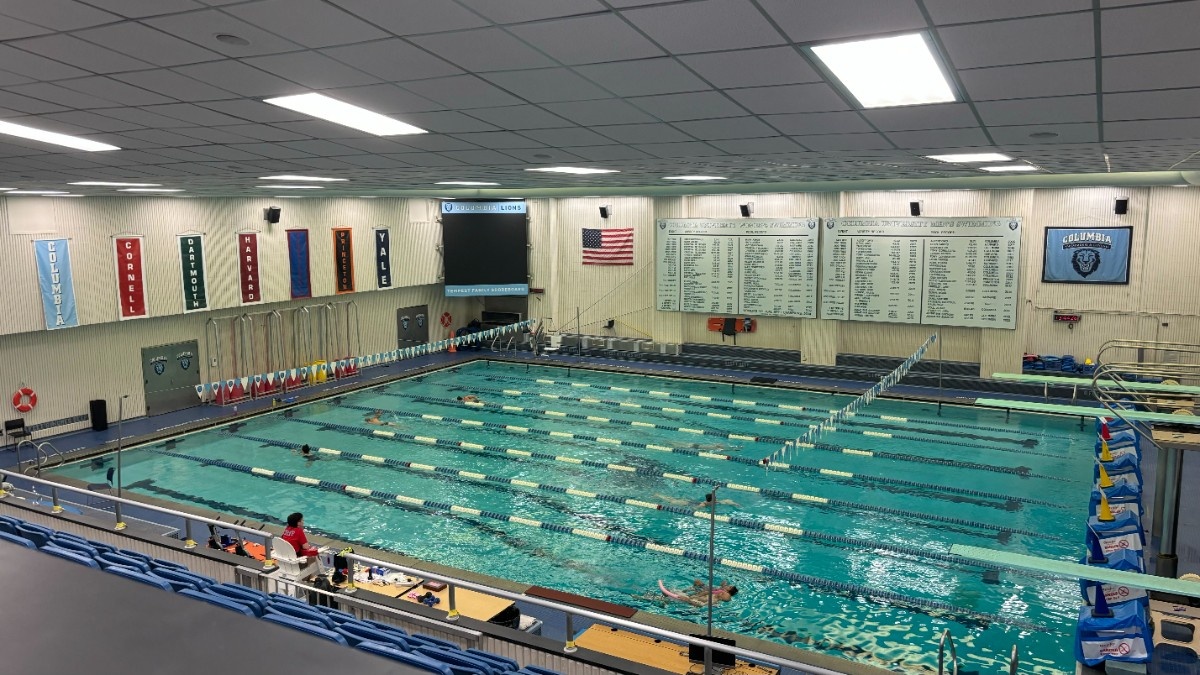
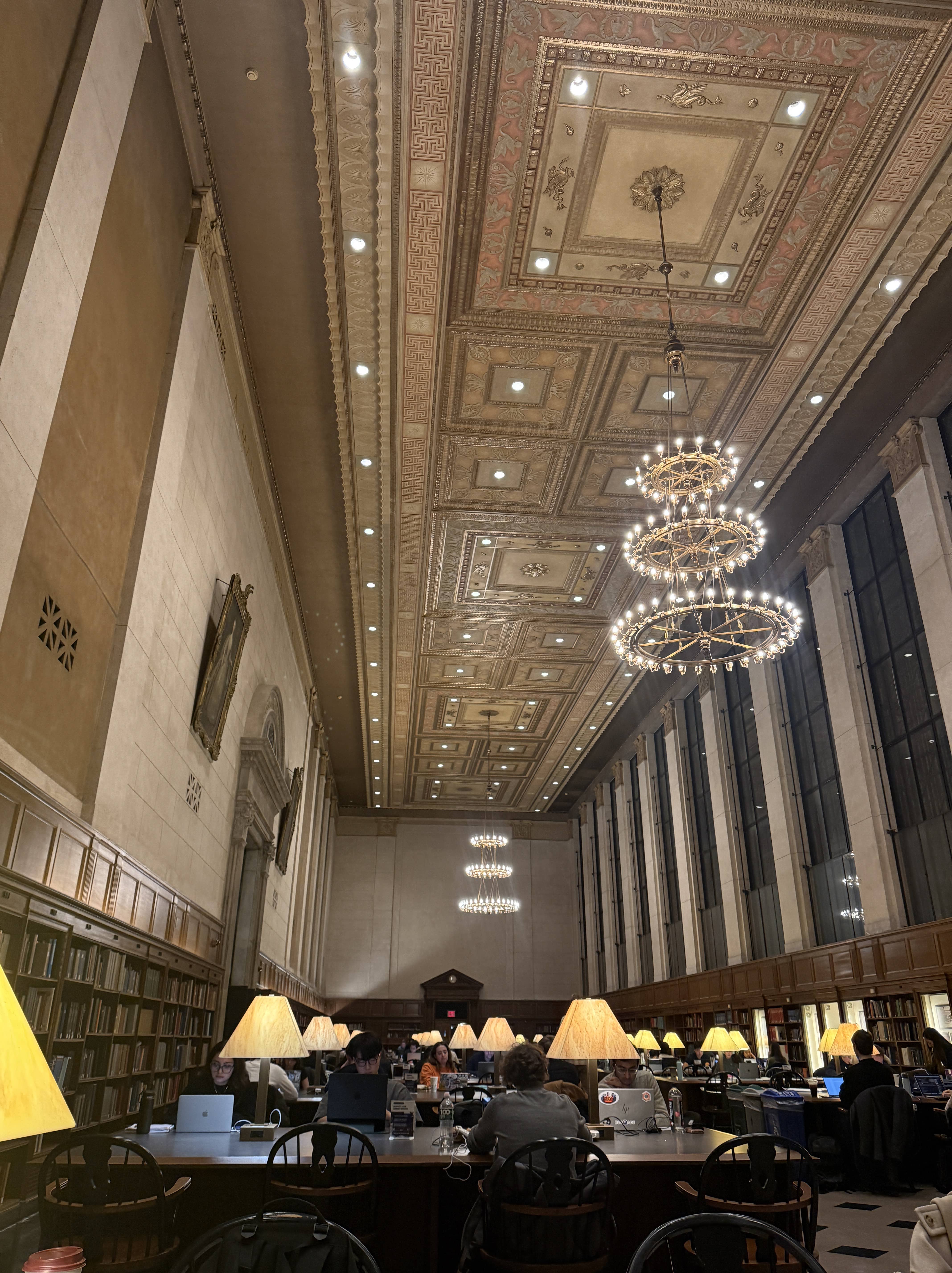
- There are libraries and gyms available on all campuses. There is a track, badminton, swimming pool, and rock climbing as well for students to use. The facilities are smaller but accessible.
Fees
- The fee is charged per credit, and on average you are required to do 36 credits. Usually people pick up 12 per semester. The fee is charged semester-wise. Along with this, you will have to pay for insurance.
- As for living expenses, The average rent for a private room close to campus will be $1200 on the lower end. You will have some grocery and phone expenses and you can have a good comfortable time at university for around $2000. Public Transportation in nyc is affordable and you can walk around quite a bit.
Likes
- The professors were outstanding — highly knowledgeable, approachable, and deeply invested in their students’ growth, offering excellent research opportunities.
- The courses were very well structured, featuring in-depth projects that directly connected to real-world applications and professional life.
- Campus life was vibrant, with a variety of activities and seasonal events that made it easy to meet new people and build connections. We also had numerous employer info sessions that helped us stay updated on industry trends and opportunities.
Dislikes
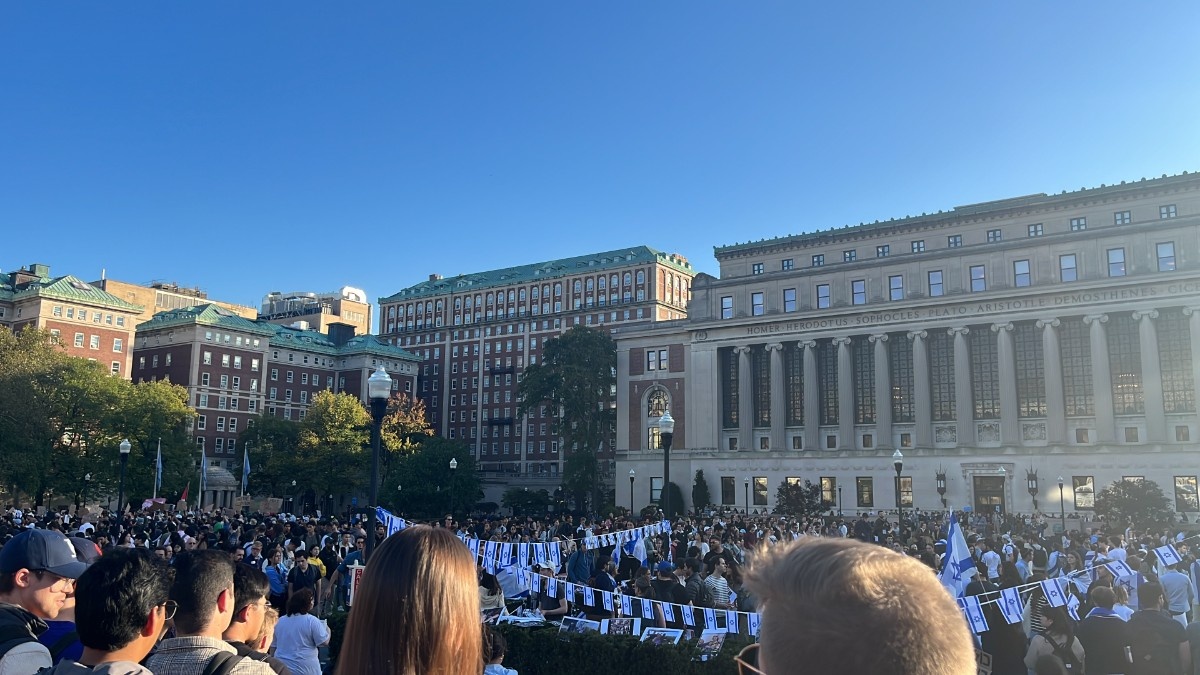
- During my time on campus, there was a lot of unrest related to the Israel - Palenstine conflict with a lot of student protests and backlask from the College body, This led to a lot of patrolling bu police on campus as well as a lot of changes in the college body representatives. This was very overwhelming to me as it became diffciult to be on campus due to this and people would protest in libraries and then they would close them down and have additonal checks on campus. This led to a noticeble difference in my time there.
- The length of the program was 1.5 years, I felt that it could have been longer, I felt lost the first 6-8 months and by the time I started grooving and understadning thigns beetter my time at Columbia came to an end.
- The campus placement cell has not been particularly supportive. While the University organizes many networking sessions, the placement officers themselves have not provided the level of guidance or help I had hoped for.
Campus Life
- 2 campuses - Main Manhattanville campus and the Business school campus.
- Both campus are equipped with all basic study spaces, classrooms and other amenities
- The main campus has larger gyms and play areas with bigger libraries.
- THe campus has events for all major festivals. On december 6th we have the tree-lighting, which is something that I am fond of.
Fees
- Tuition and Fees Structure
- The tuition was approximately $30,000 per semester, with the program spanning around three semesters. In addition to tuition, there were other costs such as visa requirements, university fees, and living expenses. The University charges tuition on a per-credit basis, and the overall fees are billed semester-wise depending on the number of credits taken.
- Tuition: $30,000 per semester × 3 semesters = ~$90,000 total
- Housing (off-campus apartment): = $1,500 per month
- Living expenses (food, utilities, personal expenses): ~$500 per month
- On average, monthly expenses came to about $2,000:
- Groceries, utilities, and personal expenses: ~$500

Likes
- Good amount of electives and courses offered.
- Very learned and experienced Professors.
- Lot of cultural and social activities to engage students.
Dislikes
- The coursework becomes hectic with 4 subjects per semester.
- The tuition fee and cost of living in New York are a bit more expensive than any other college.
- Very competitive group of students.
Campus Life
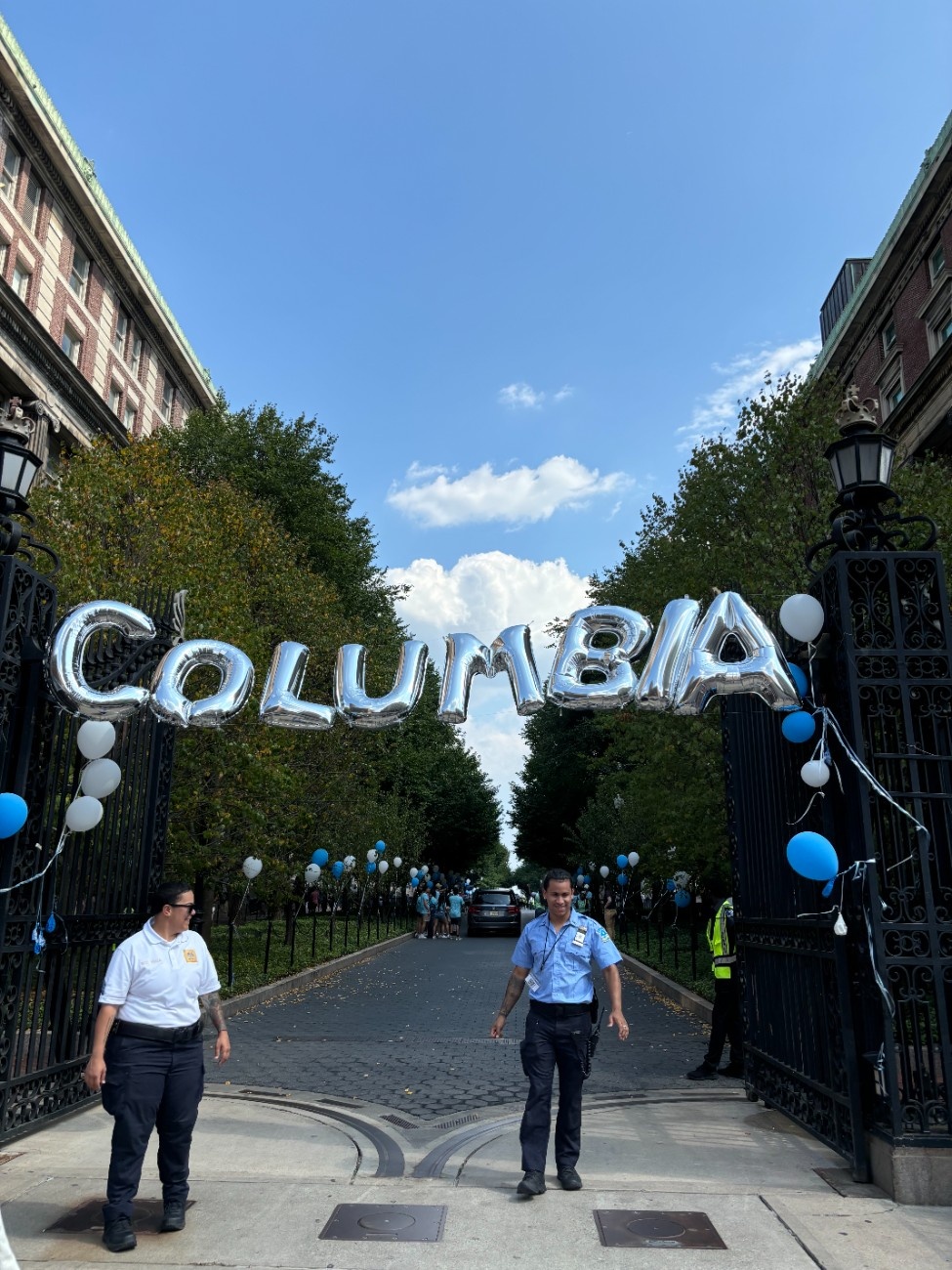
- The campus is very big and gated. Lots of buildings for different departments. We have very big libraries and study halls, which helps during exam time. Every community celebrates their festivals and cultural programs are held almost every month. Lots of free food events and wellness events are held to keep students engaged.
- There are boat cruises and DJ parties once a semester to enjoy and relax. The ISSO organization takes students out in New York to see famous places and landmarks around the city.
Fees
- The fee is semester wise and for each semester, it's around $34000, which includes tuition fees, health insurance and college activity fees.
- The tuition fees are credit-based, around $2500 and in every semester a student should complete 12 credits minimum.
- Monthly expenses range from $1800-$2000 which includes rent, groceries, utility bills and transportation.
Likes
- Courses - suited my expectations
- Research opportunities - easy to interact with professors and research groups
- Student life - plenty of opportunities, New York is a great place
Dislikes
- It is a very flexible program, so it feels like there is a lack of direction at times.
- There were definitely some issues with the variety in courses experienced in the Spring semester.
- There are a few disruptions due to the ongoing situation.
Campus Life
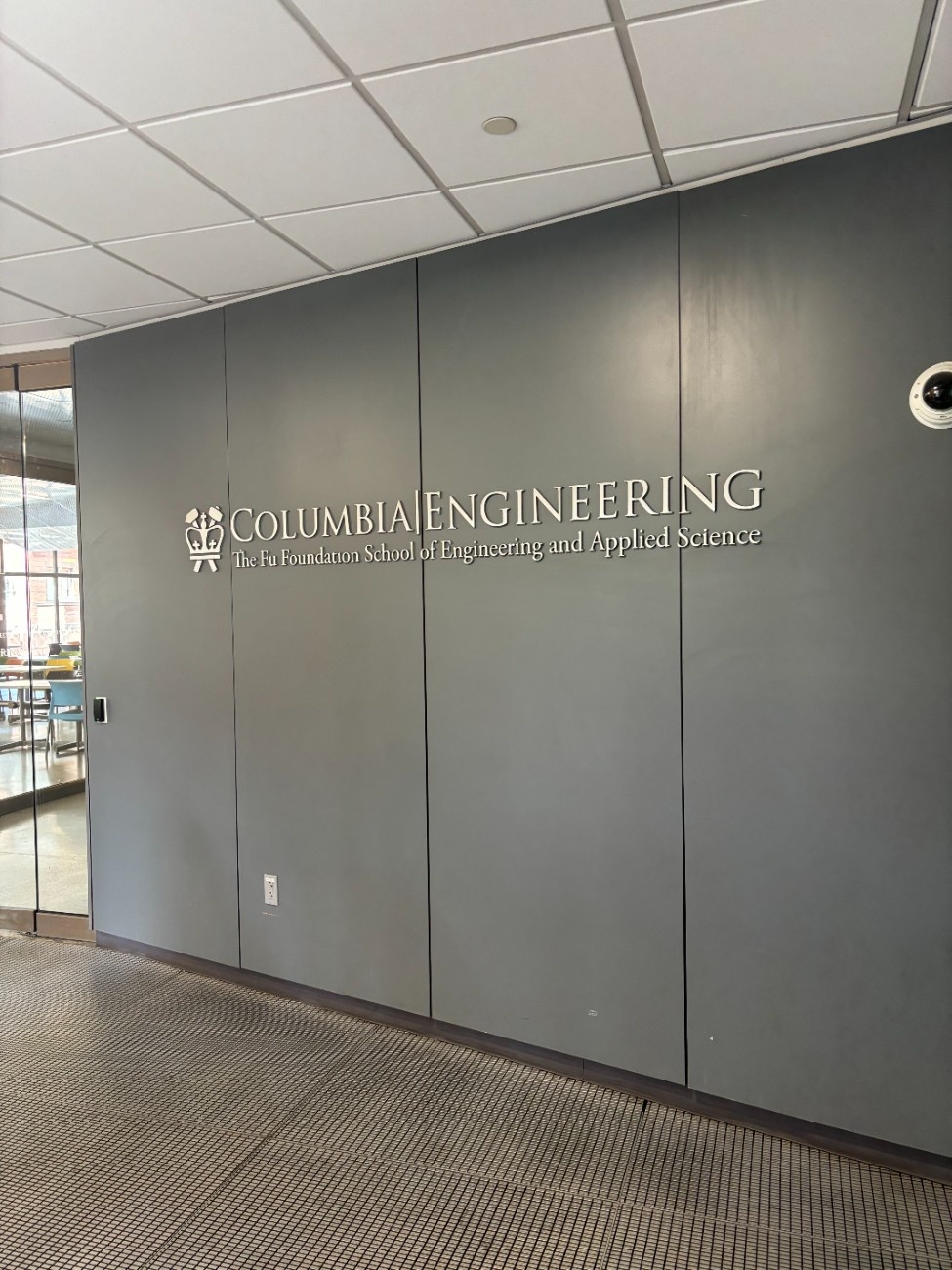
- Campus experience has been incredible. At the beginning of the semester, there is a club orientation, introducing you to some of the clubs and organisations. There are at least four excellent libraries that anyone can access.
- Columbia is part of the Ivy league, and you can watch the teams take part in sports like basketball, football and baseball. There are intramural leagues that you can join, and numerous parks around the area which you can play casually in.
Likes
- Campus, Location, Professors, Connections.
- I love how everyone here is very smart and great to network with.
- The diverse experience I think is the best part.
Dislikes
- The protests that are happening, are a pain.
- I don't like the fees of course its too much and very less scholarship options.
- Better transport service go campus, right now its pretty bad.
Campus Life
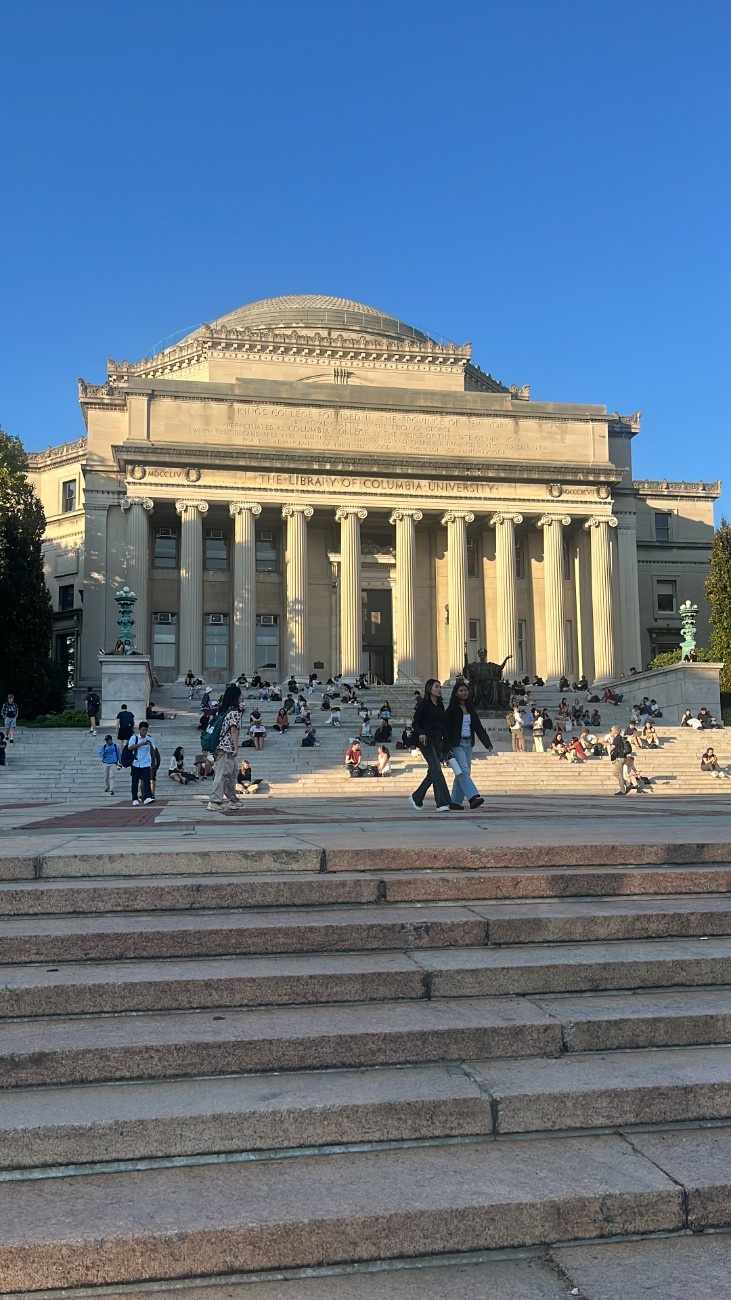
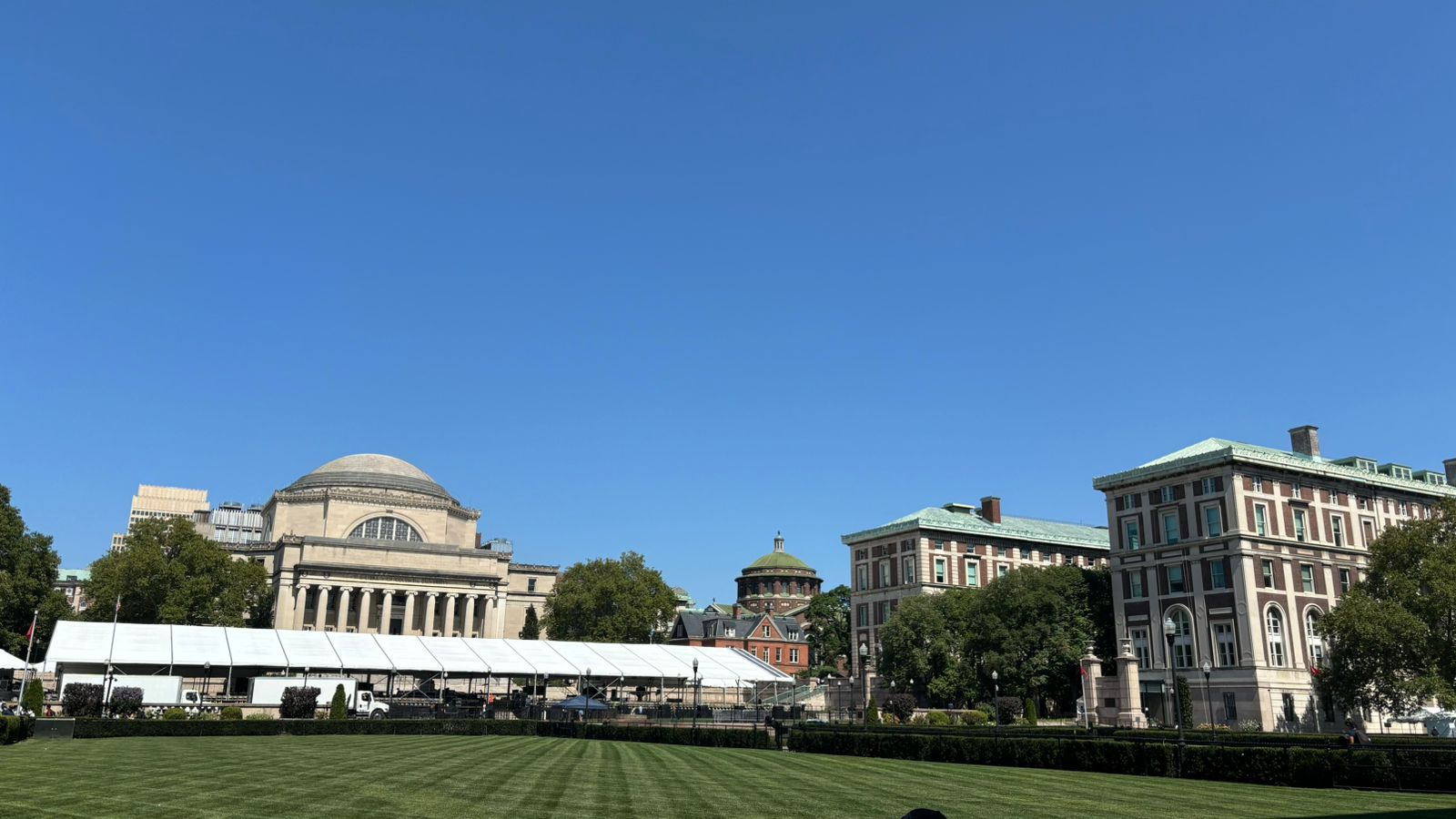
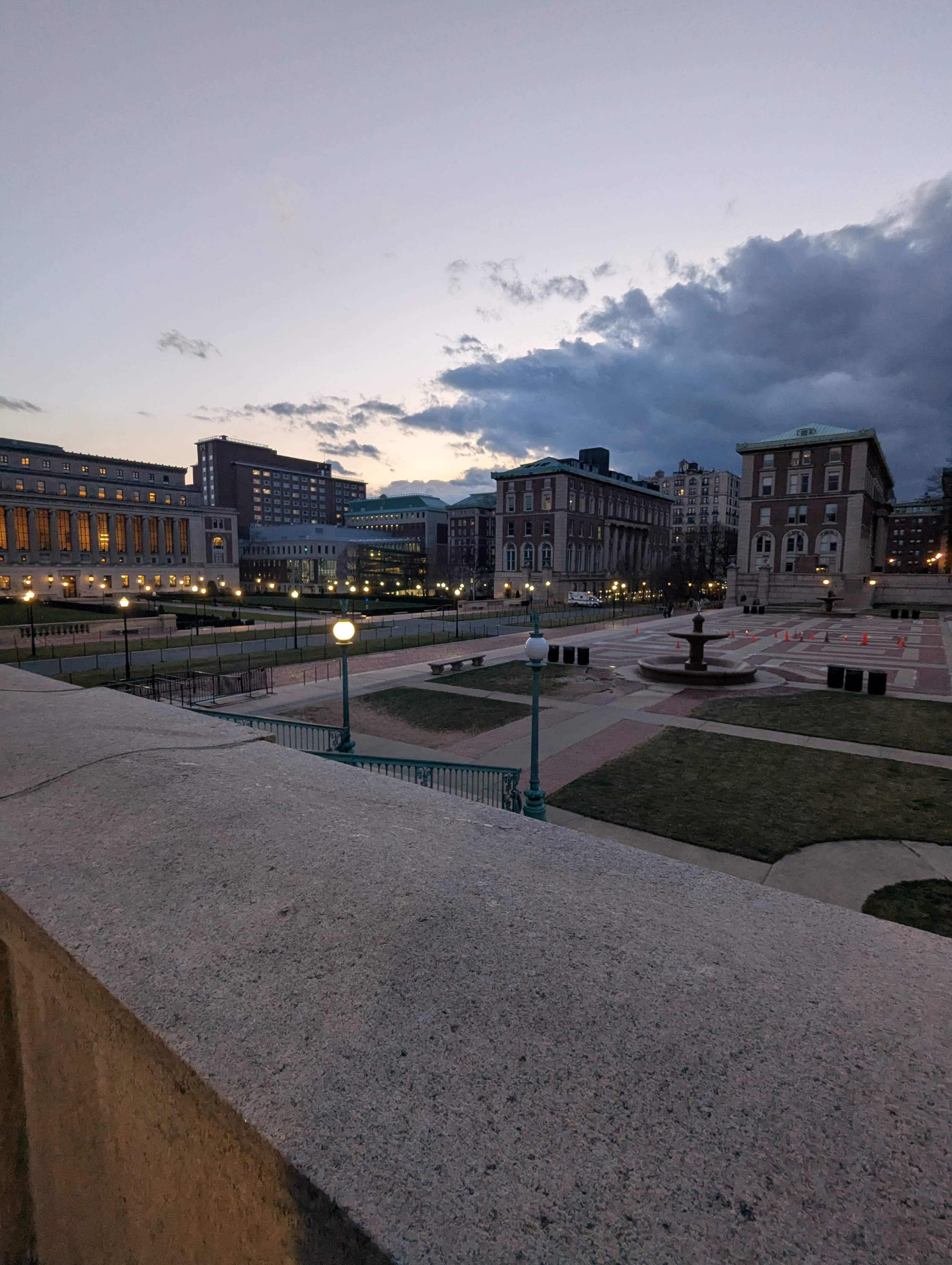
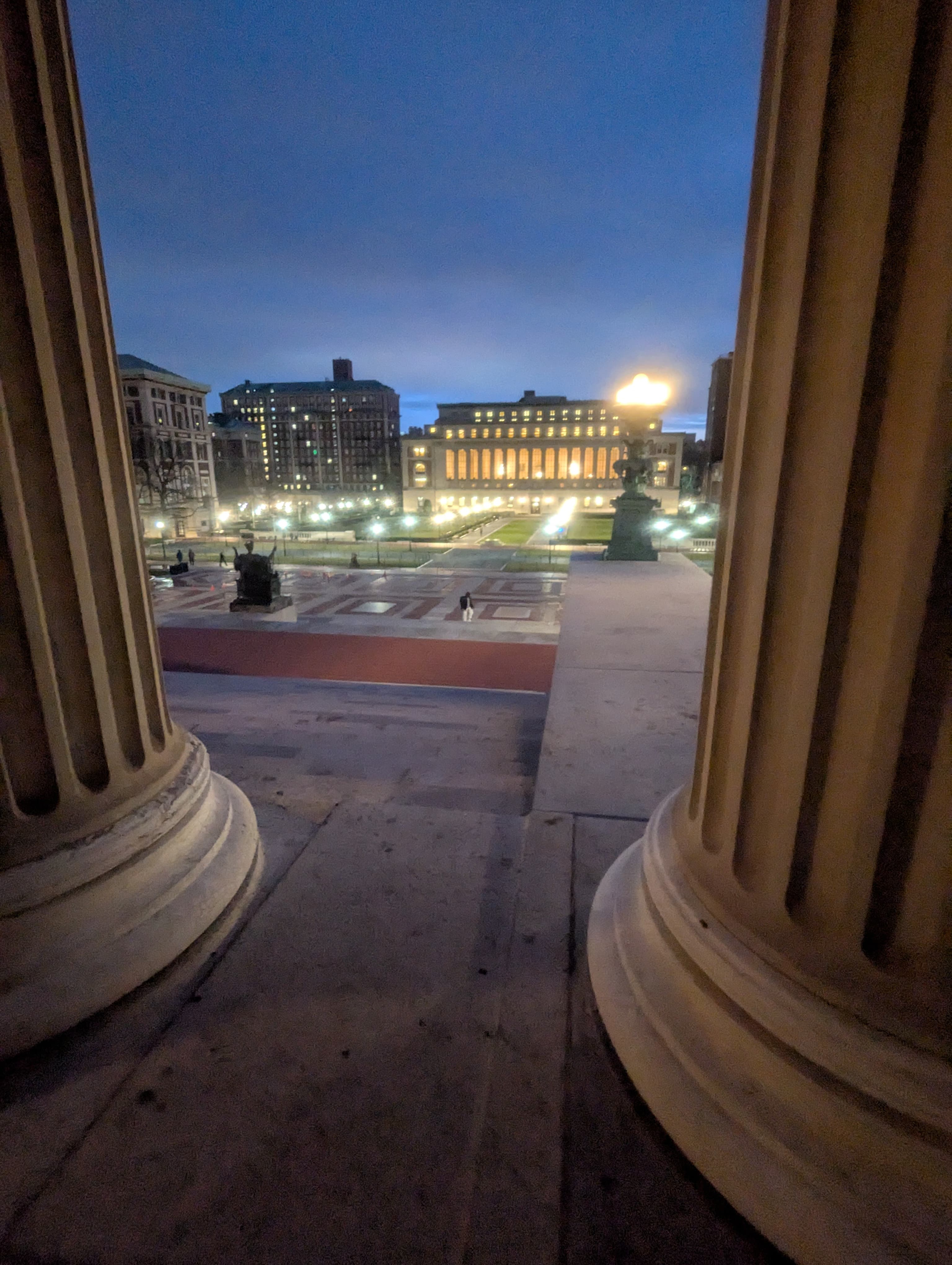
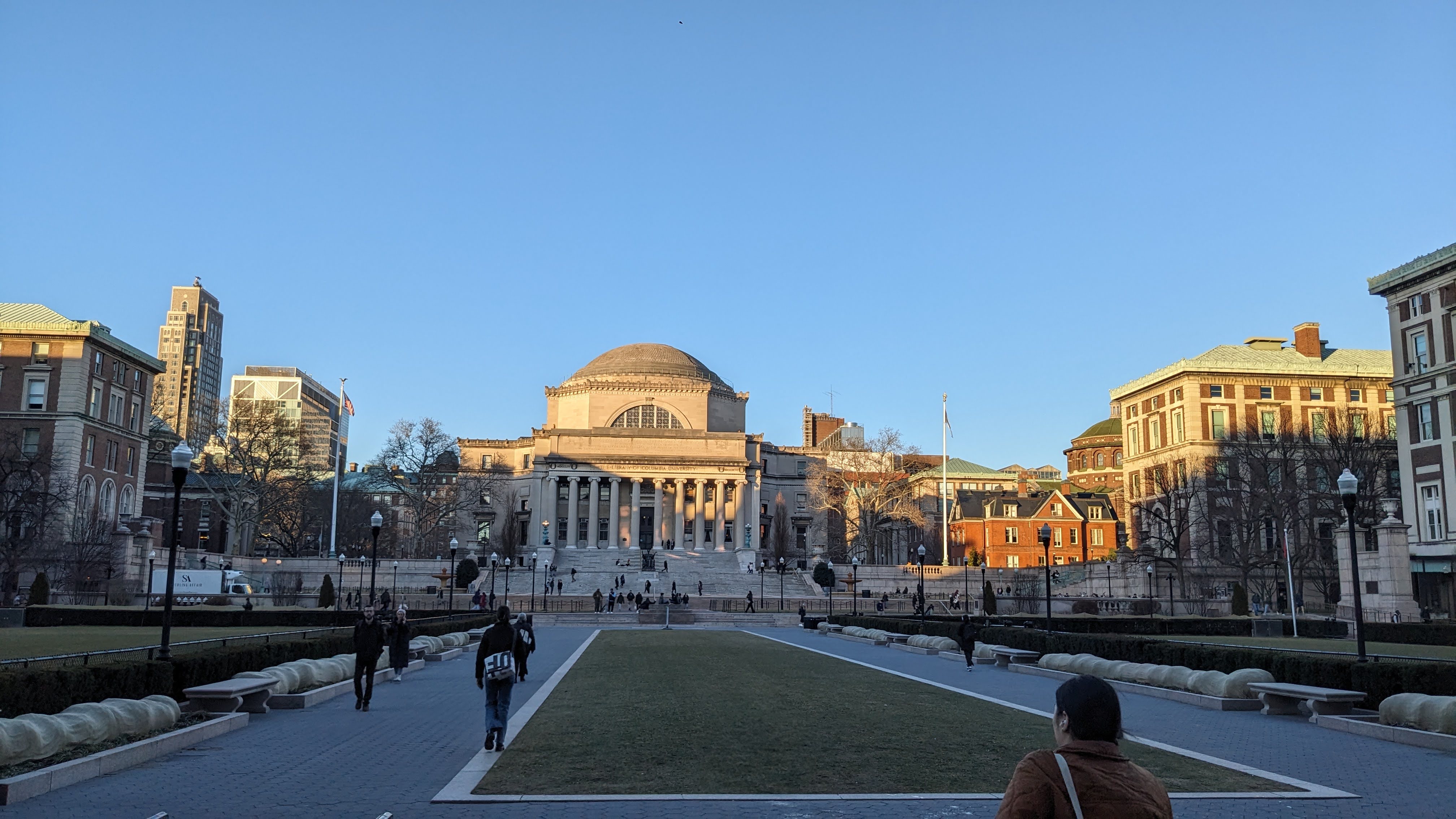
- Amazing, beautiful, magnificent campus with one of the most gorgeous libraries. Located right in Manhattan, its just amazing going to campus.
- The classes are huge, the infrastructure is beautiful land, and every building has a story. Columbia is the most filmed ivy and of course the stairs, the statutes, and the gym are just perfect.
Likes
- Location in NYC and proximity to some of the greatest landmarks and places in the world.
- Professors both tenured and adjunct professors, all of who are distinguished and have excellent track records of academic publication and actual practice.
- Institutional networks with top policy and finance organizations.
Dislikes
- Recent handling of student protests and overall administration response to student issues.
- Extremely expensive due to its location.
- Some of the infrastructure in the School of International Affairs is quite dated compared to the business school
Campus Life
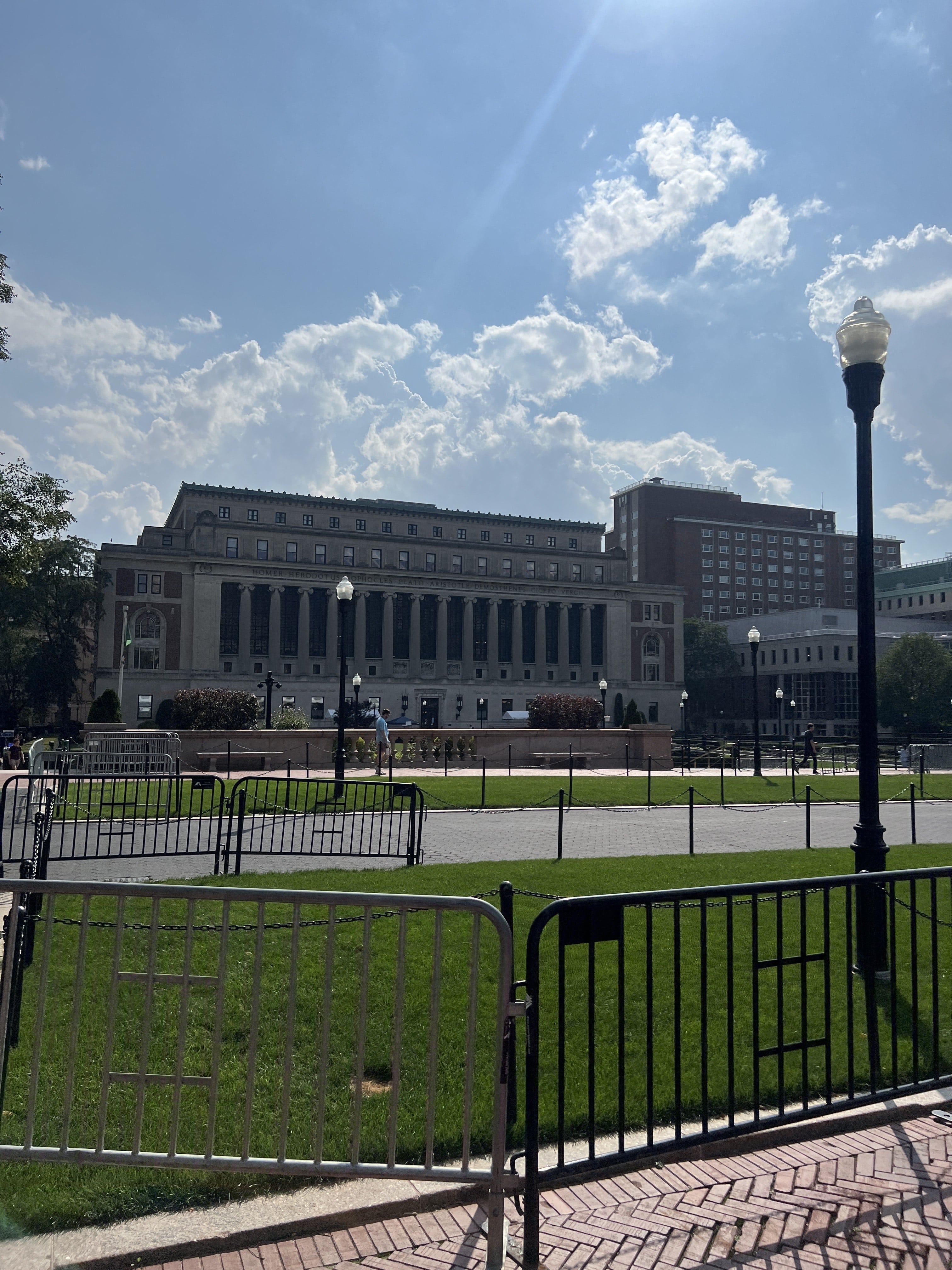
- Two campuses, one on 115th Street and one on 125th Street. All facilities are available including multiple libraries. A big gym and sports centre. Medical services on campus. Lots of clubs available for every interest imaginable. I was involved in the squash club and the policy club.
Fees
- Tuition was 75,000 USD per year, broken into two payments one for each semester. Monthly expenses are approximately USD 5000 including rent for a studio apartment in NYC.

Likes
- Academic rigor and diversity of courses, like joining clubs and organizations (e.g.,debate team, literary magazines
- I like the fact that there's world-class faculty and research opportunities in my school
- Exploring the nearby American Museum of natural history
Dislikes
- What I disliked is the high tuition fees and living costs in school
- There is limited availability of housing, especially for upperclassmen
- Distance from family and friends (for out of state/international students)
Overview
The admission process is based on the application submission first, students submit their application through the common app or coalition app, typically by the January 1st deadline for regular decision. I prepared for the admission, maintaining a high GPA, especially in challenging courses like AP or IB and taking the SAT or ACT. Consultants are Crimson Education.
Campus Life
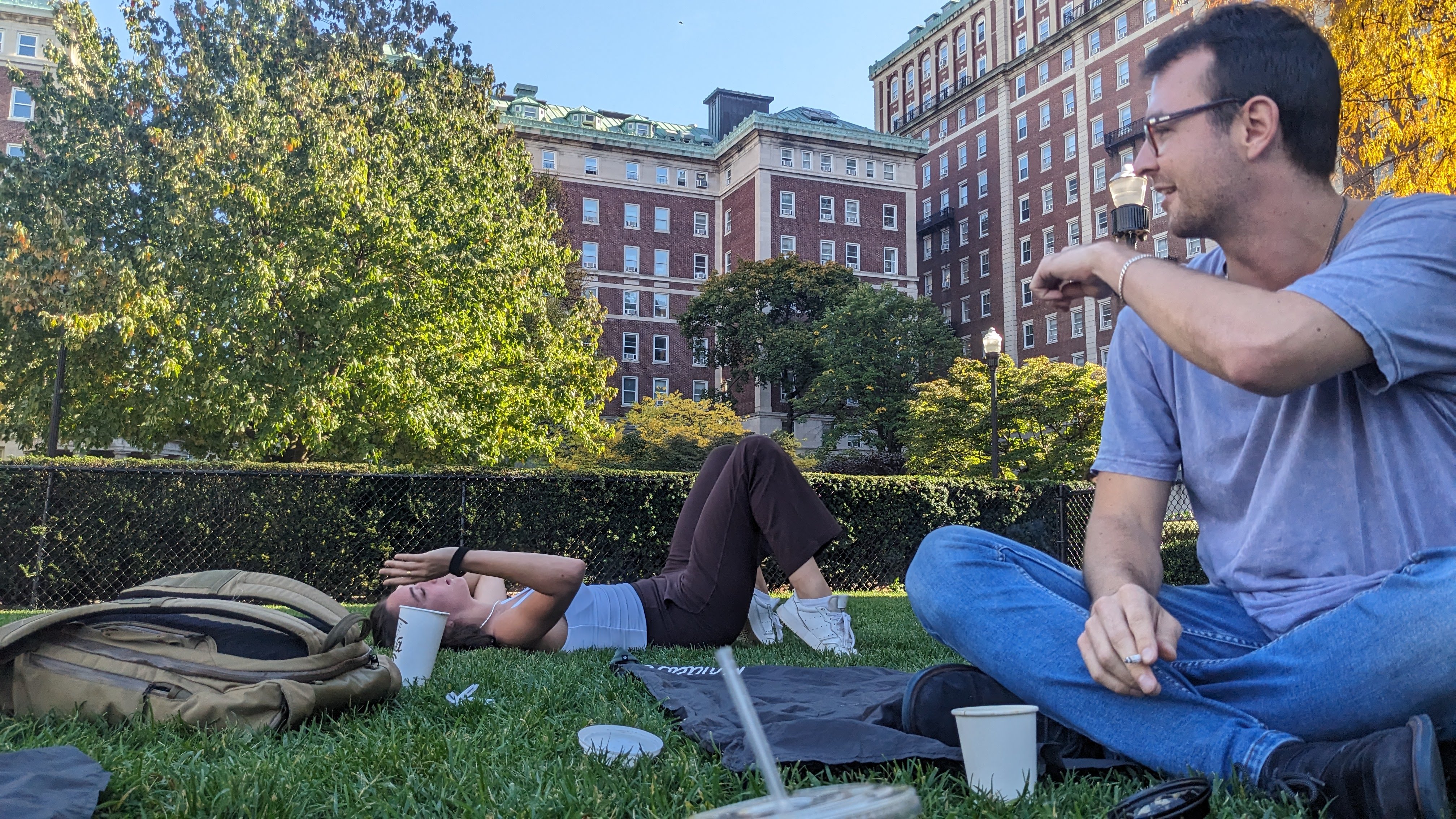
My school campus life is vibrant and diverse, offering a unique blend of academic rigour, cultural experiences and extracurricular activities. With over 500 student organizations, clubs, and groups, there's something for everyone. The residential life, student activities, campus resources and traditions. I met many of my fellow countrymen on campus. The infrastructure of the library, Butler Library is the main library, with over 2 million volumes and 46000 serials. Sports, Baker Athletics Complex features a stadium track and field facilities, a medical facility student health service providing primary care, mental health services and health education. Campus Fest like spring fling, it's an annual festival celebrating the end of the semester with live music, food, and games. Clubs Columbia Daily Spectator (newspaper).
Campus Life
My college doesn’t have a campus, but main columbia has and it’s always lively. There are numerous events happening everyday and lots of resources in library. Wifi is everywhere and we have access to gym too.
Likes
- I accepted it for the reputation, career opportunities, location and courses.
- It has a great reputation and is located in New York City, with close access to large corporations and an extensive network. The courses offered at the Business School is really informative and interactive. The people are really helpful.
Dislikes
- Columbia is smaller than the other ivy league institutions in the US. The classes at the engineering school are heavily quantitative, and I found it less useful compared to the more business school classes, due to my focus on pursuing a consulting career.
Overview
Overall, Columbia University was a fantastic experience. Its located in a vibrant city, with opportunities to stick to a campus life, and still enjoy everything NYC has to offer. The students are helpful and collaborative. The professors are incredibly well experienced with several accolades. All in all, had a great learning experience.
Campus Life
Columbia constantly hosts several events on campus, and off campus, which are great for meeting people. There are several clubs for people interested like Robotics club, but also for career related purposes like Consulting Club.
Columbia University Scholarships
| Name | Scholarship Per Student | Level of Study | Type | |
|---|---|---|---|---|
| Bharat Petroleum Scholarship | Scholarship per studentVariable Amount | Level Of StudyMaster | TypeMerit-Based | |
| Comindware Scholarship | Scholarship per student$4,000 | Level Of StudyApprenticeship | TypeMerit-Based | |
| Forktip Women’s- Innovation Scholarship | Scholarship per studentVariable Amount | Level Of StudyBachelor | TypeCollege-Specific | |
| FINCAD Women in Finance Scholarship | Scholarship per student$20,000 | Level Of StudyMaster | TypeMerit-Based | |
| Jane M. Klausman Women in Business Scholarship | Scholarship per student$5,000 | Level Of StudyBachelor | TypeMerit-Based | |
| The Google Lime Scholarship | Scholarship per student$10,000 | Level Of StudyBachelor | TypeMerit-Based |
View All 21 Scholarships
Do you think the Scholarship is wrong ? Report Here
Columbia University Admissions
Application Portal: https://admissions.columbia.edu
Columbia University Exam Scores
| Exams | Avg. Score | Min Score | Max. Score | %Submitted' |
|---|---|---|---|---|
| Graduate | ||||
| GRE | 332 | 324 | 340 | - |
| Check Detailed Score | ||||
| GRE Verbal Scores | 166 | 162 | 170 | - |
| GRE Quantitative Scores | 166 | 162 | 170 | - |
| GMAT | 766 | 732 | 800 | - |
| Language Proficiency | ||||
| IELTS | 8 | 7.5 | 9 | - |
| TOEFL | 105 | 105 | 120 | - |
| Undergraduate | ||||
| SAT | 1550 | 1510 | 1570 | - |
| Check Detailed Score | ||||
| Evidence-Based Reading and Writing | 770 | 750 | 780 | - |
| Mathematics | 770 | 760 | 790 | - |
| ACT | 35 | 34 | 36 | - |
Attendance Cost
The table shows average yearly cost of attendance for international students. Amount may vary with the course opted, nature of accommodation, and personal spending habits of a candidate.Check Program wise Fees
Columbia University Campuses, Schools & Faculties
Columbia University Accreditations
Faculty
| Total Faculty | Full Time | Part Time | Graduate Assistants |
|---|---|---|---|
| 4628 | - | - | - |
interested in this College ?
Follow & Share this college to get information about admission.



Comments
Found 41 Comments
Kindly refer here to view the admission requirements for Columbia University.