




These The Market as a Social Institution handwritten notes turn the whole chapter into clean, handwritten pages for fast last-minute revision. They follow the 2026-27 CBSE syllabus and Chapter 4 of Indian Society. Students get the invisible hand, the sociological view of markets, the weekly haat, caste and kin trade, commoditisation and liberalisation in a pen-on-paper format that is easy to skim before a test.
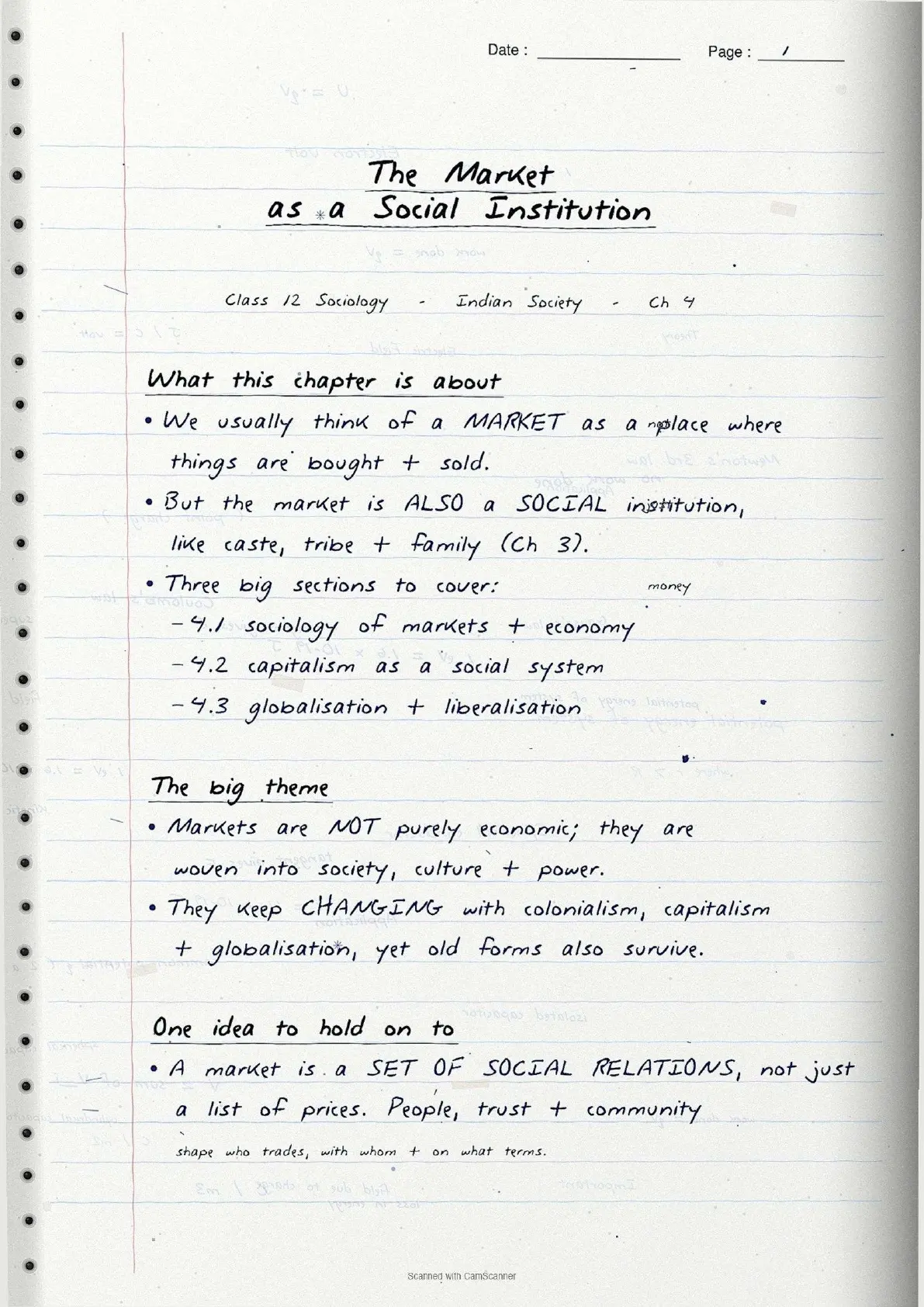
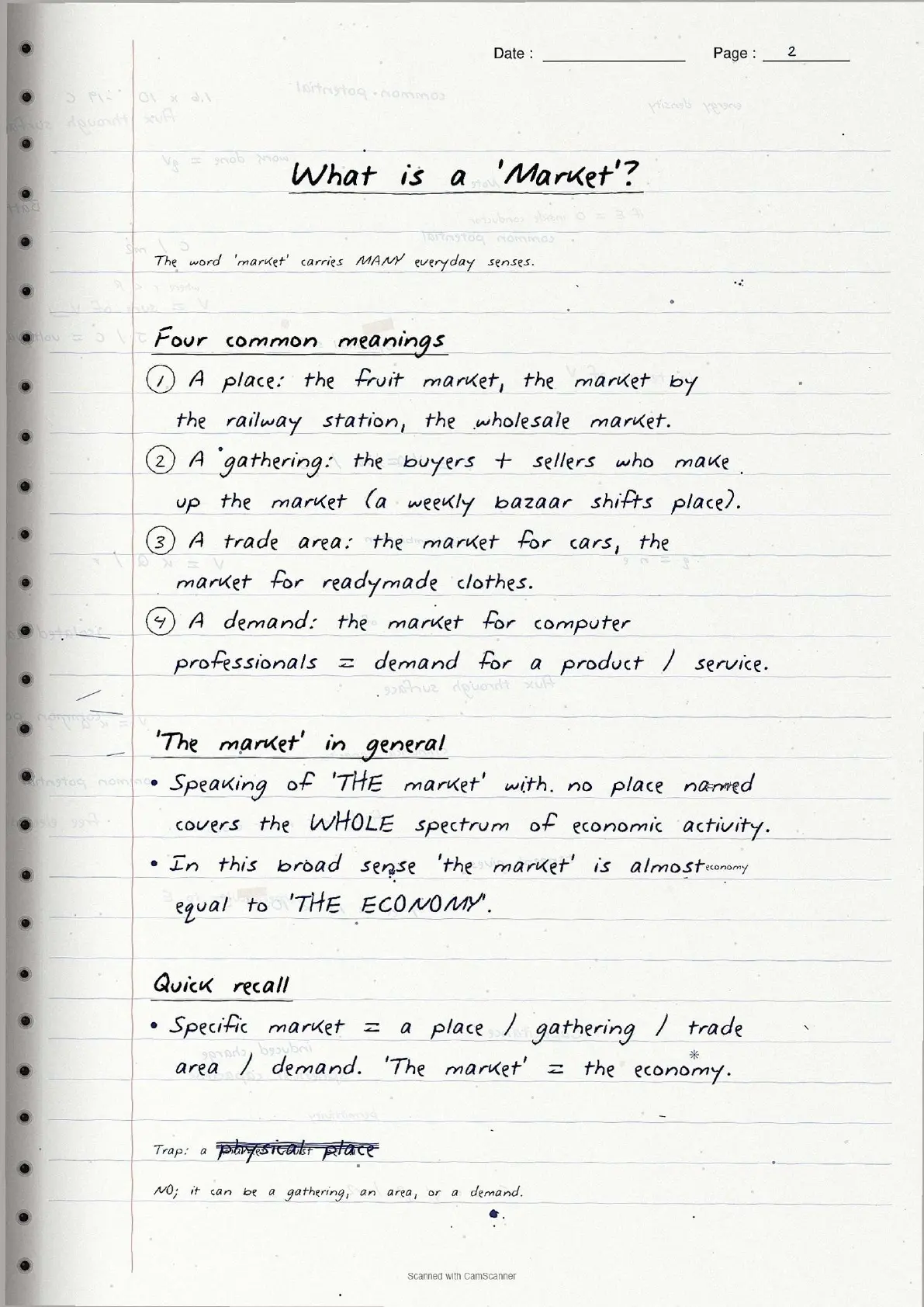
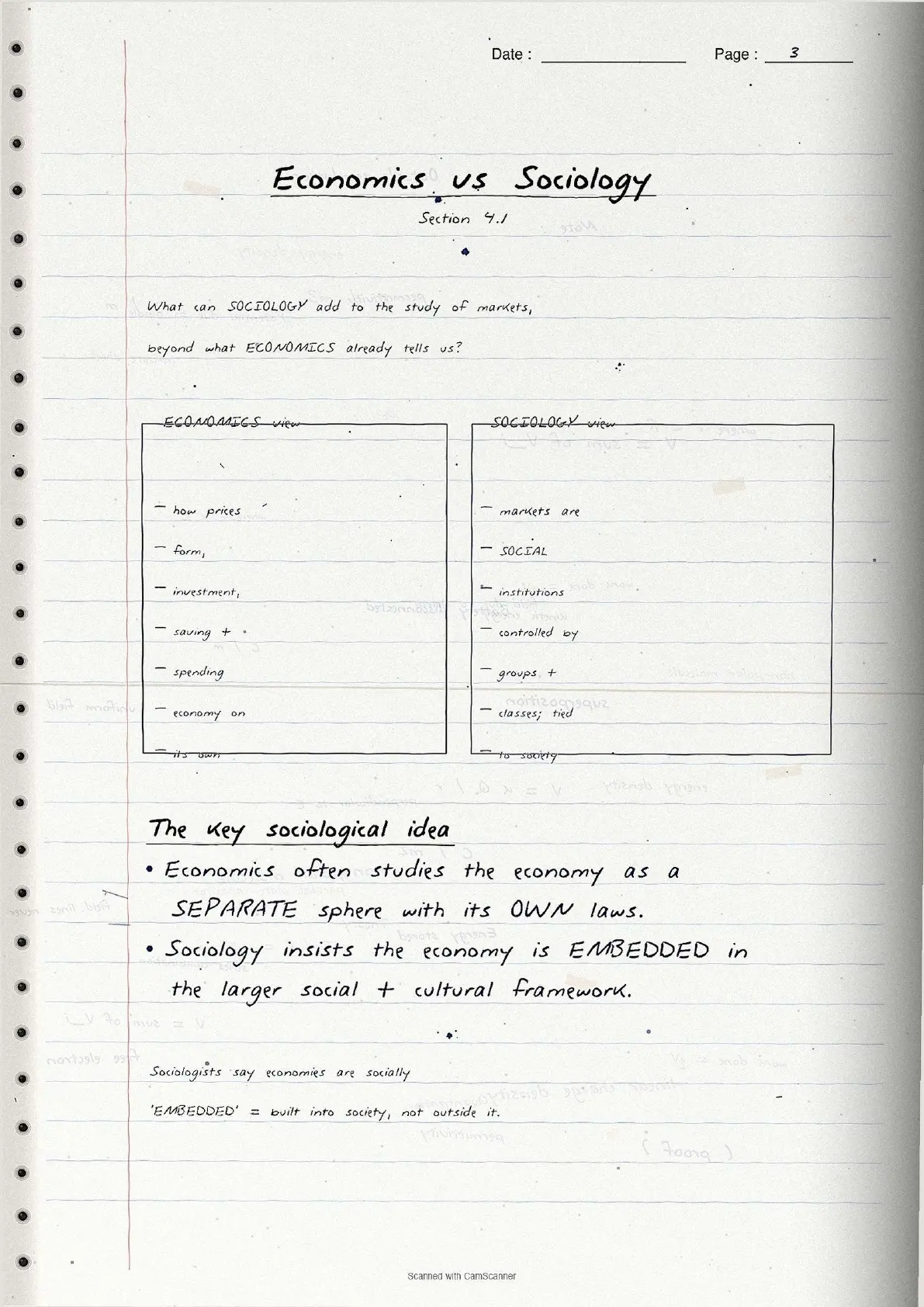
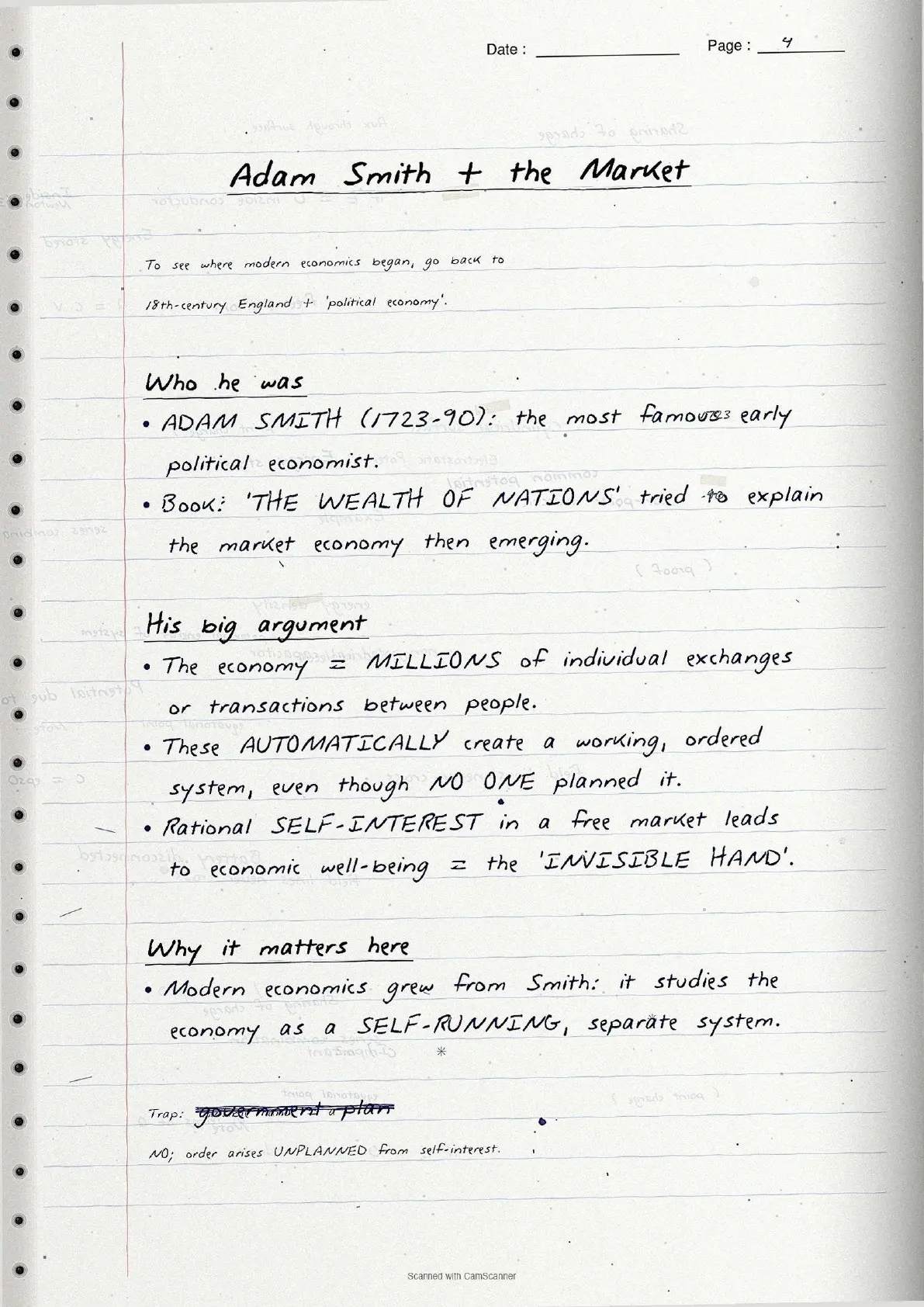
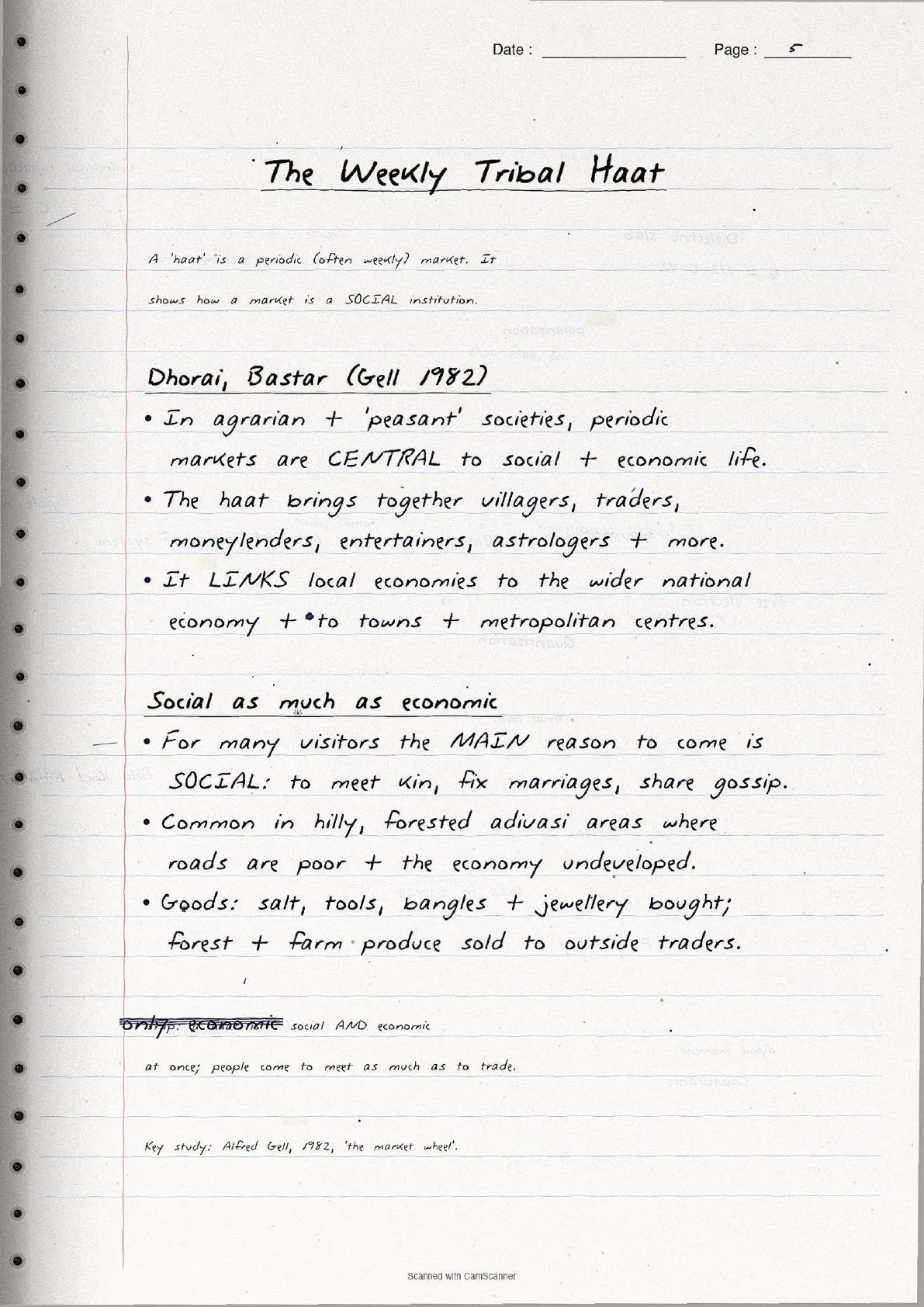
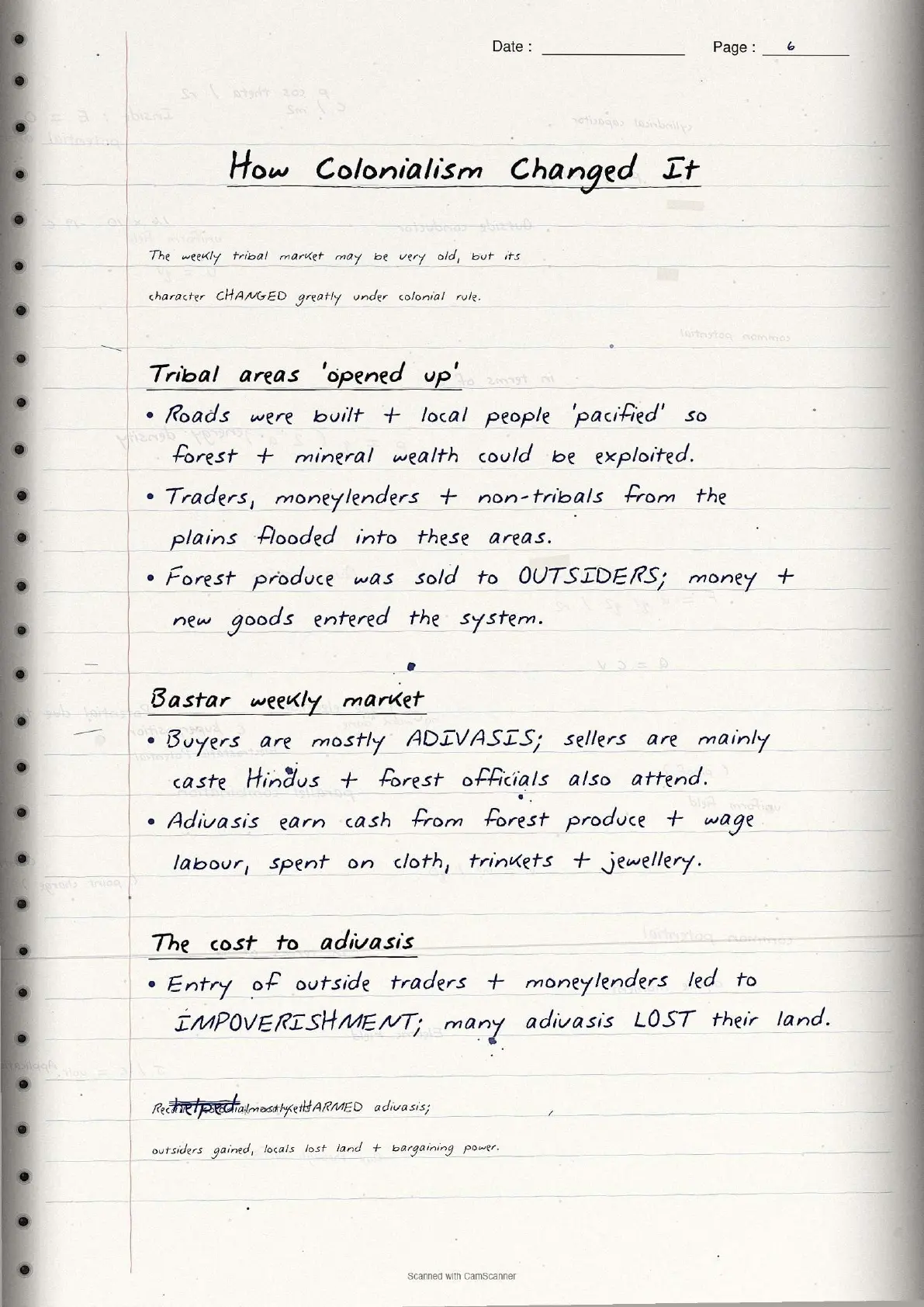
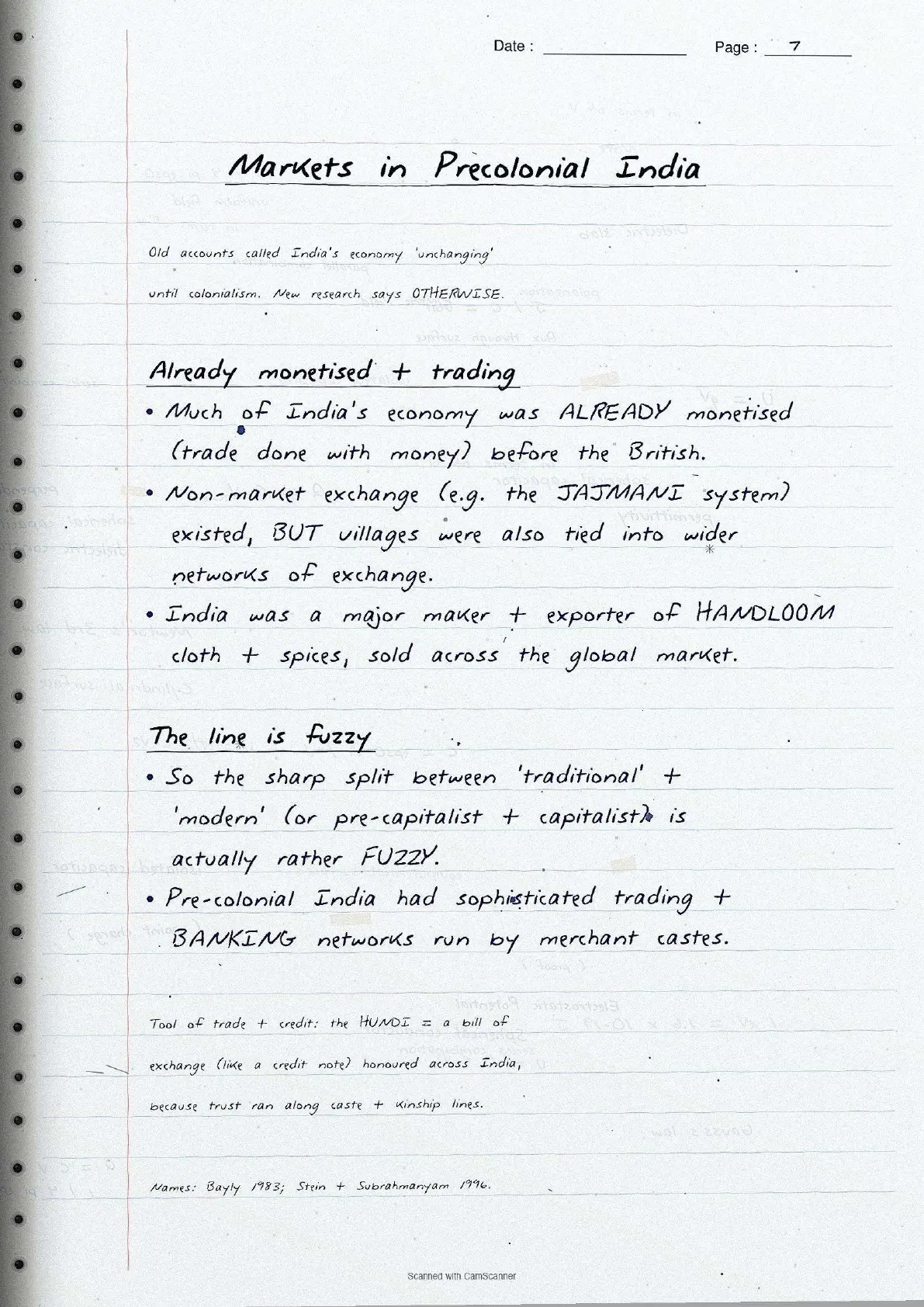
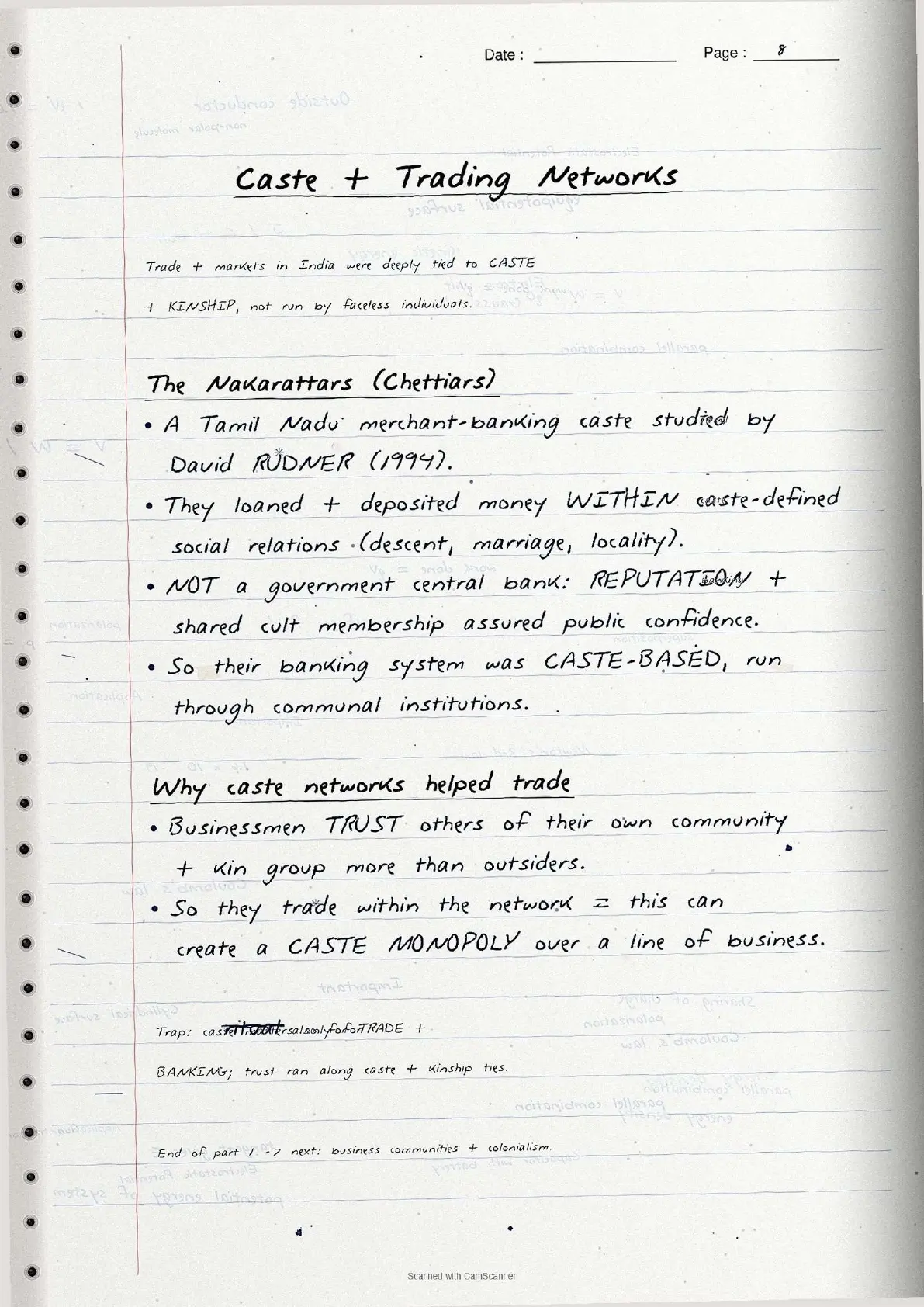
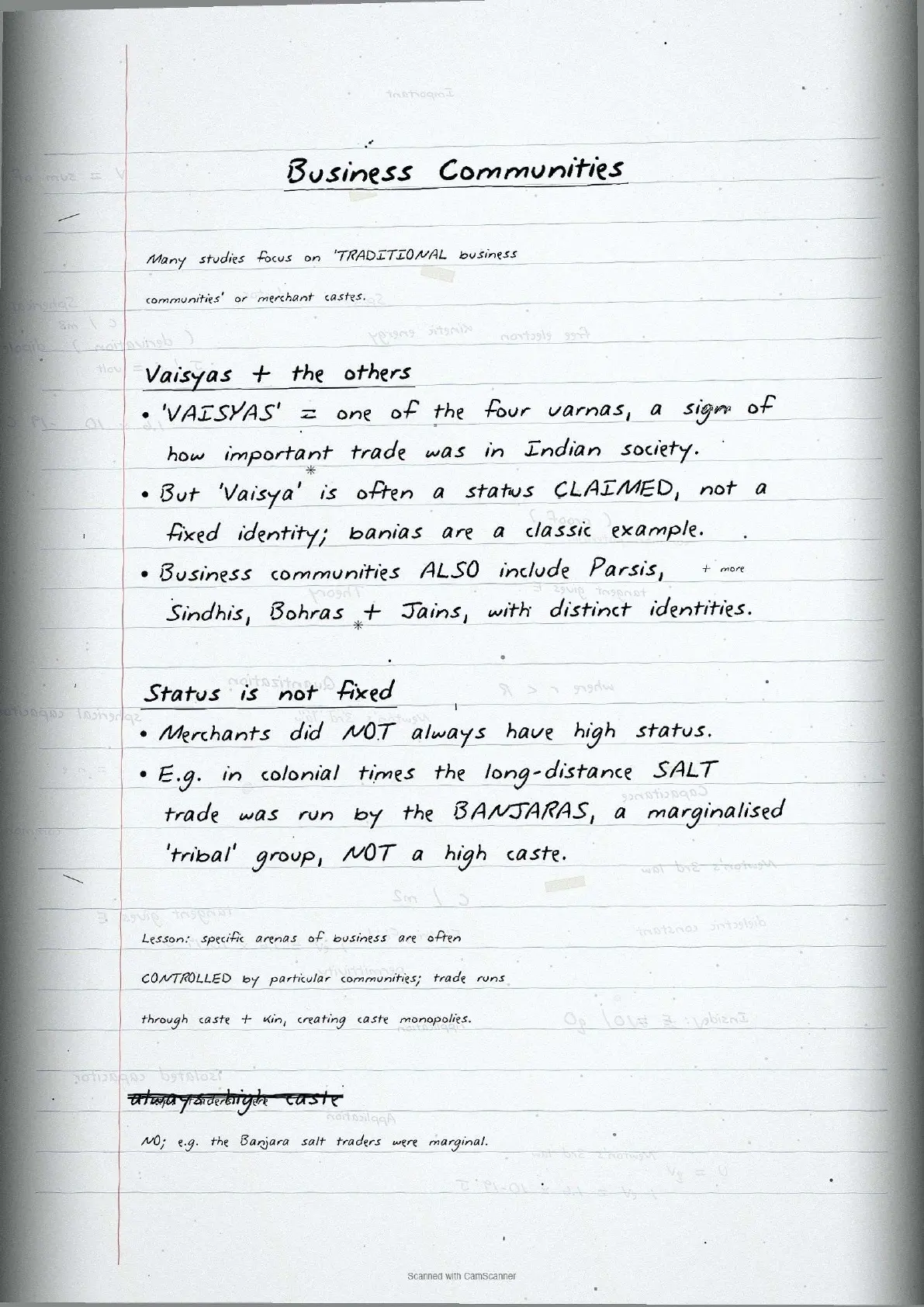
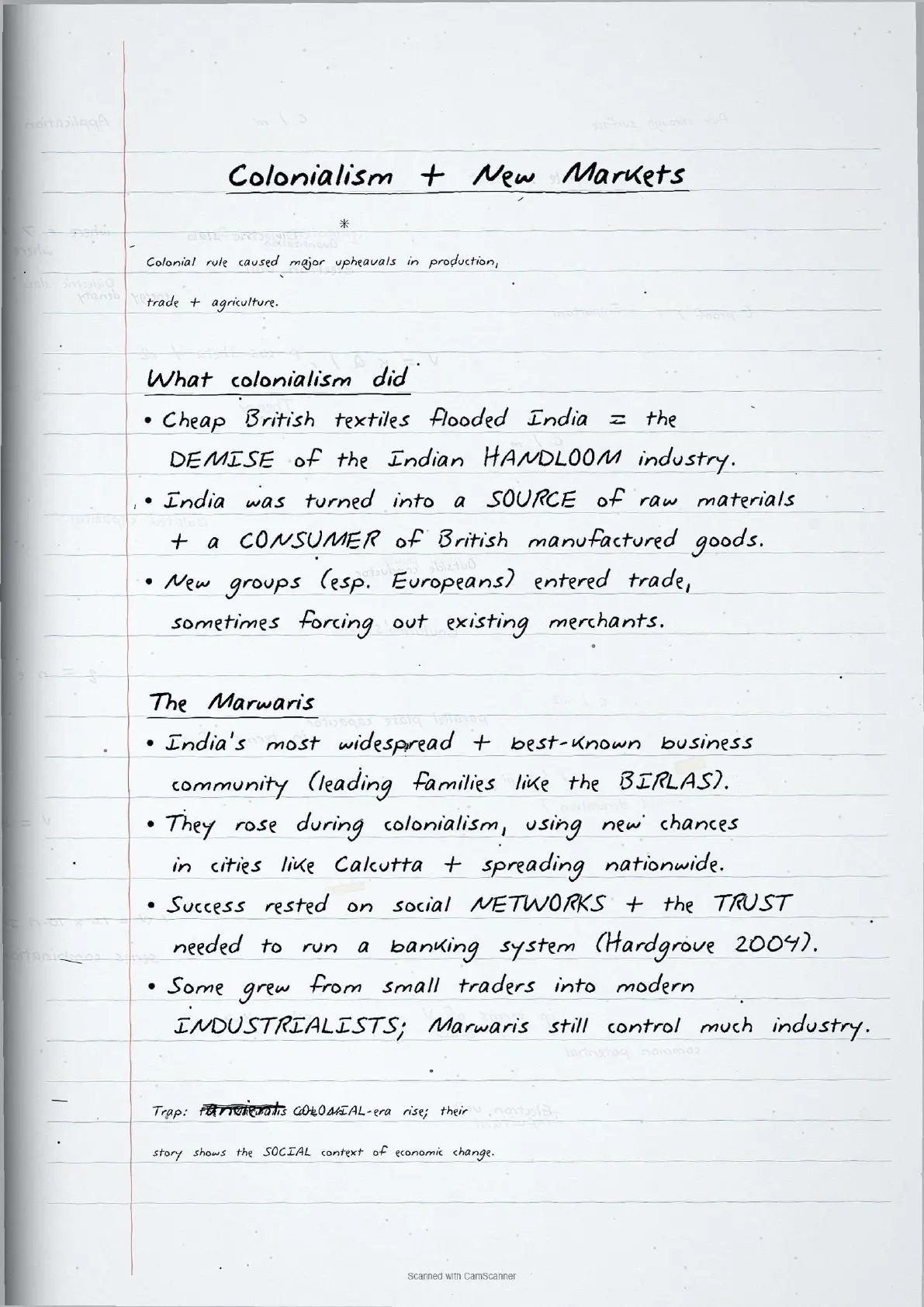
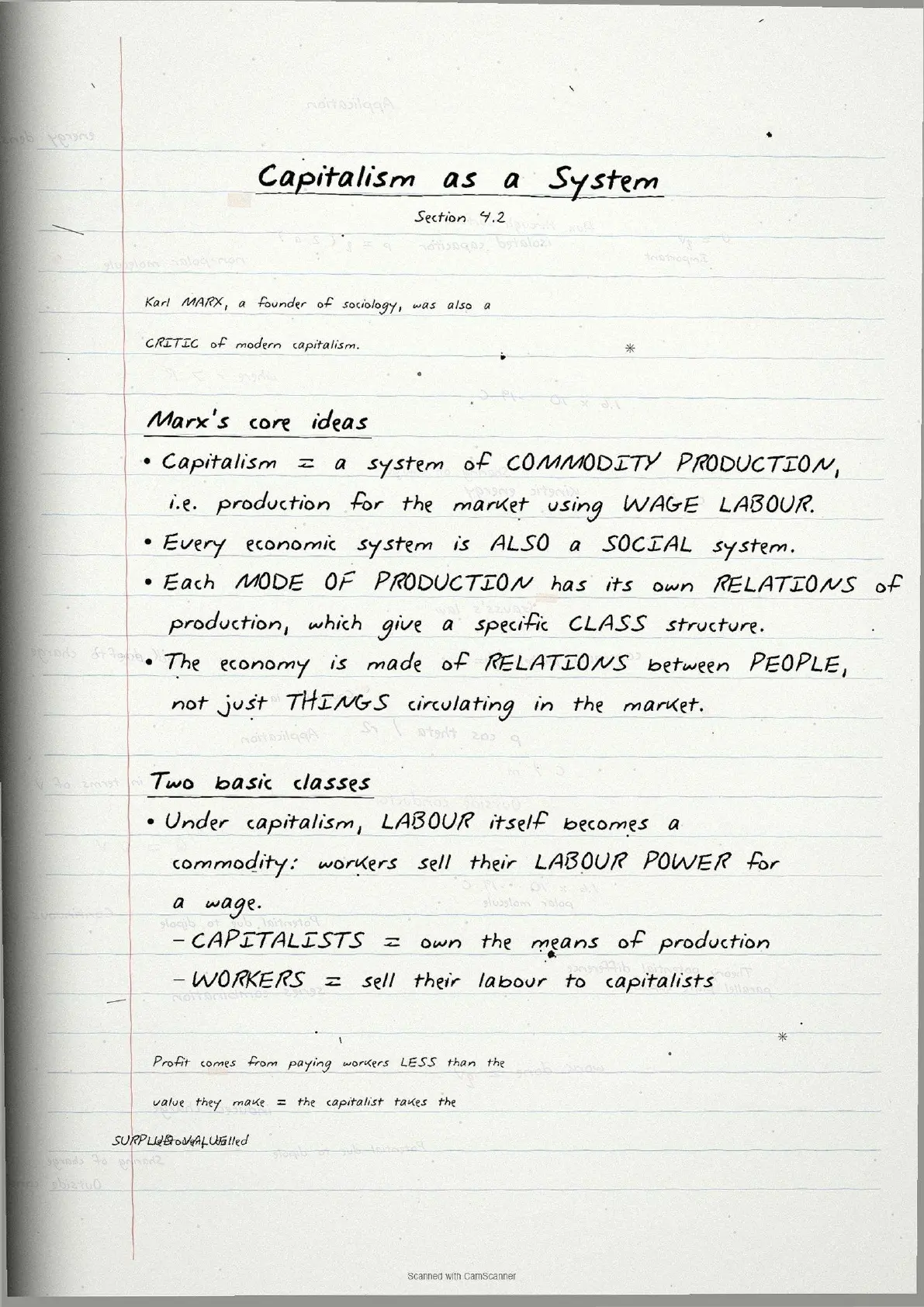
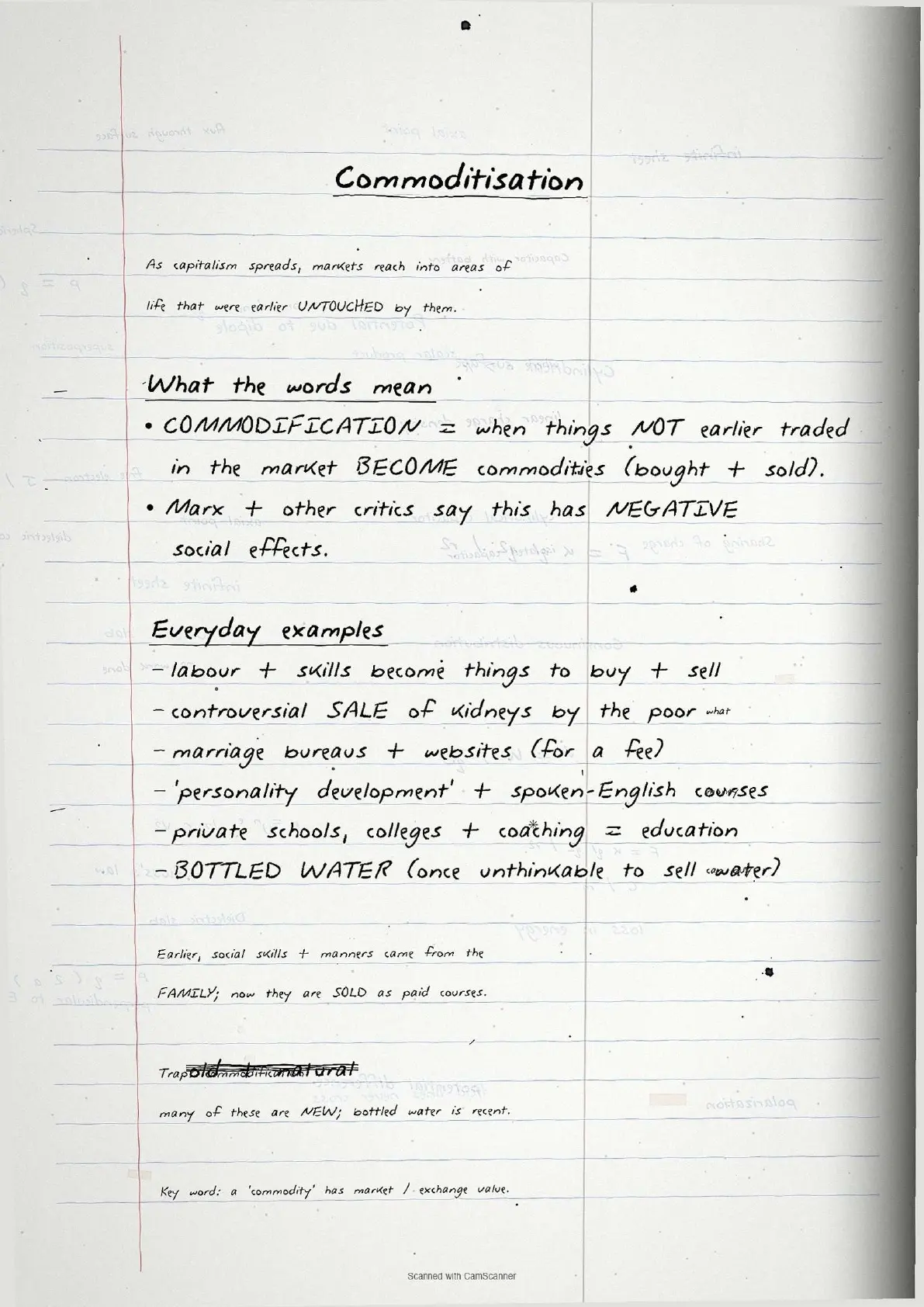
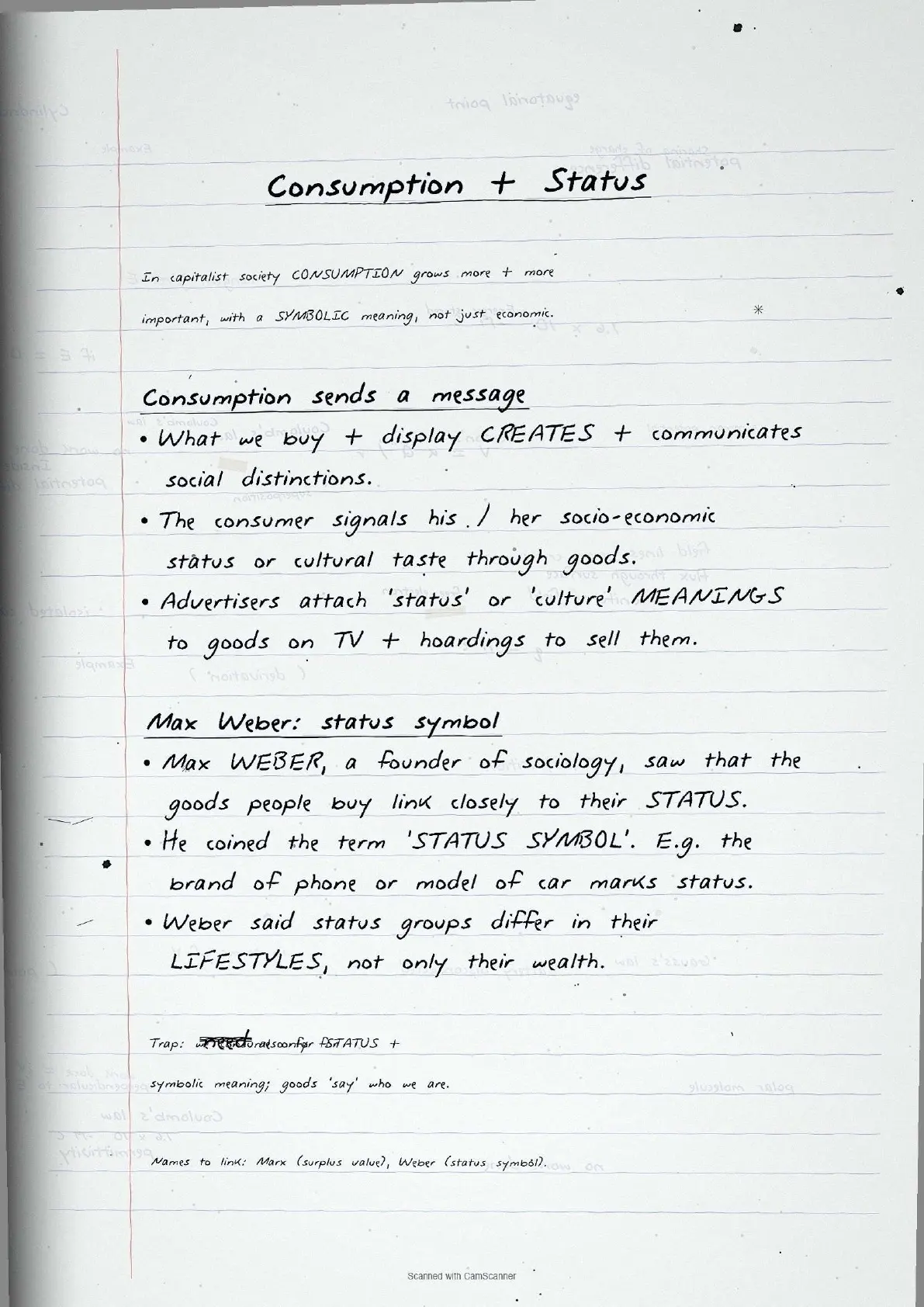
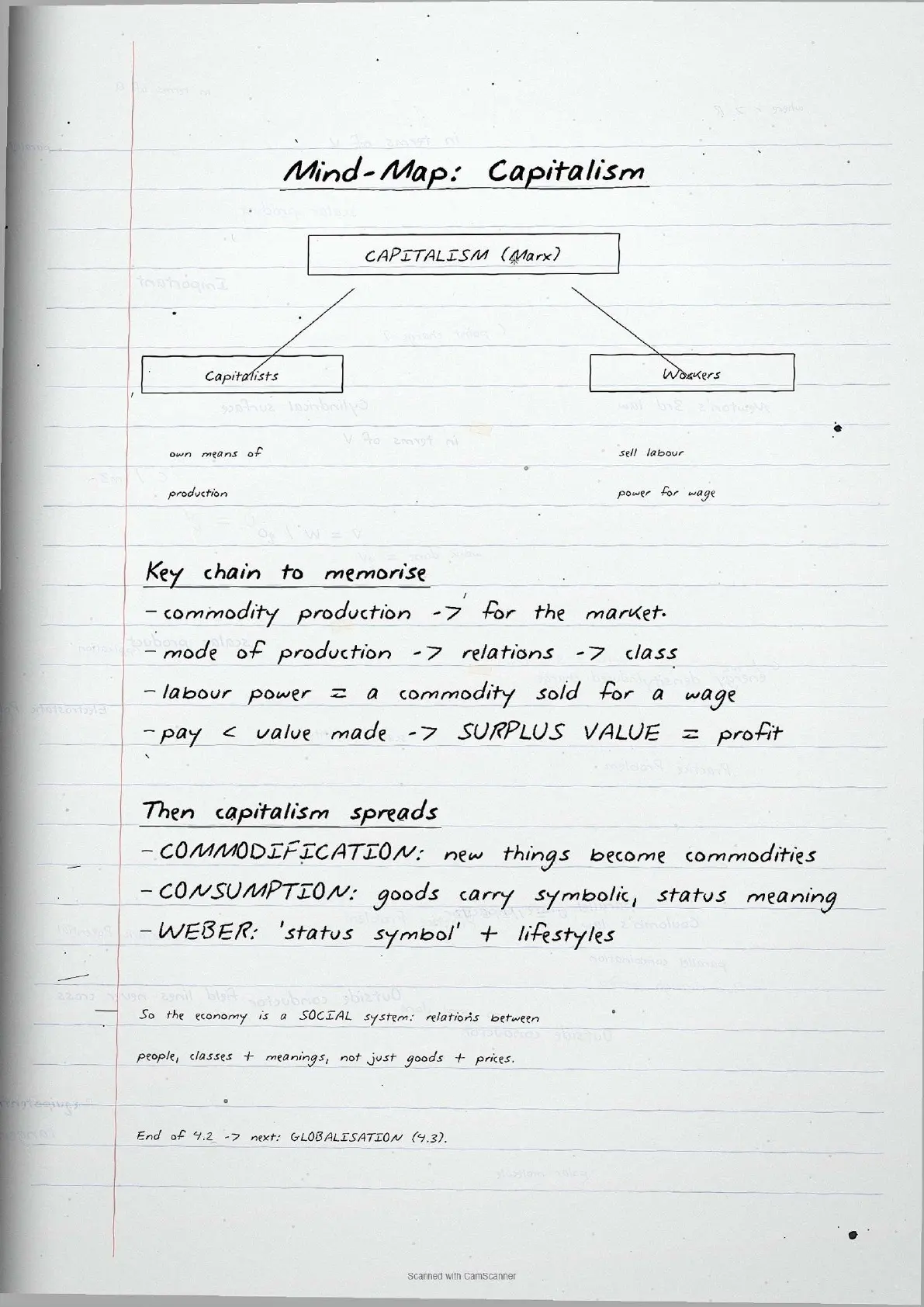
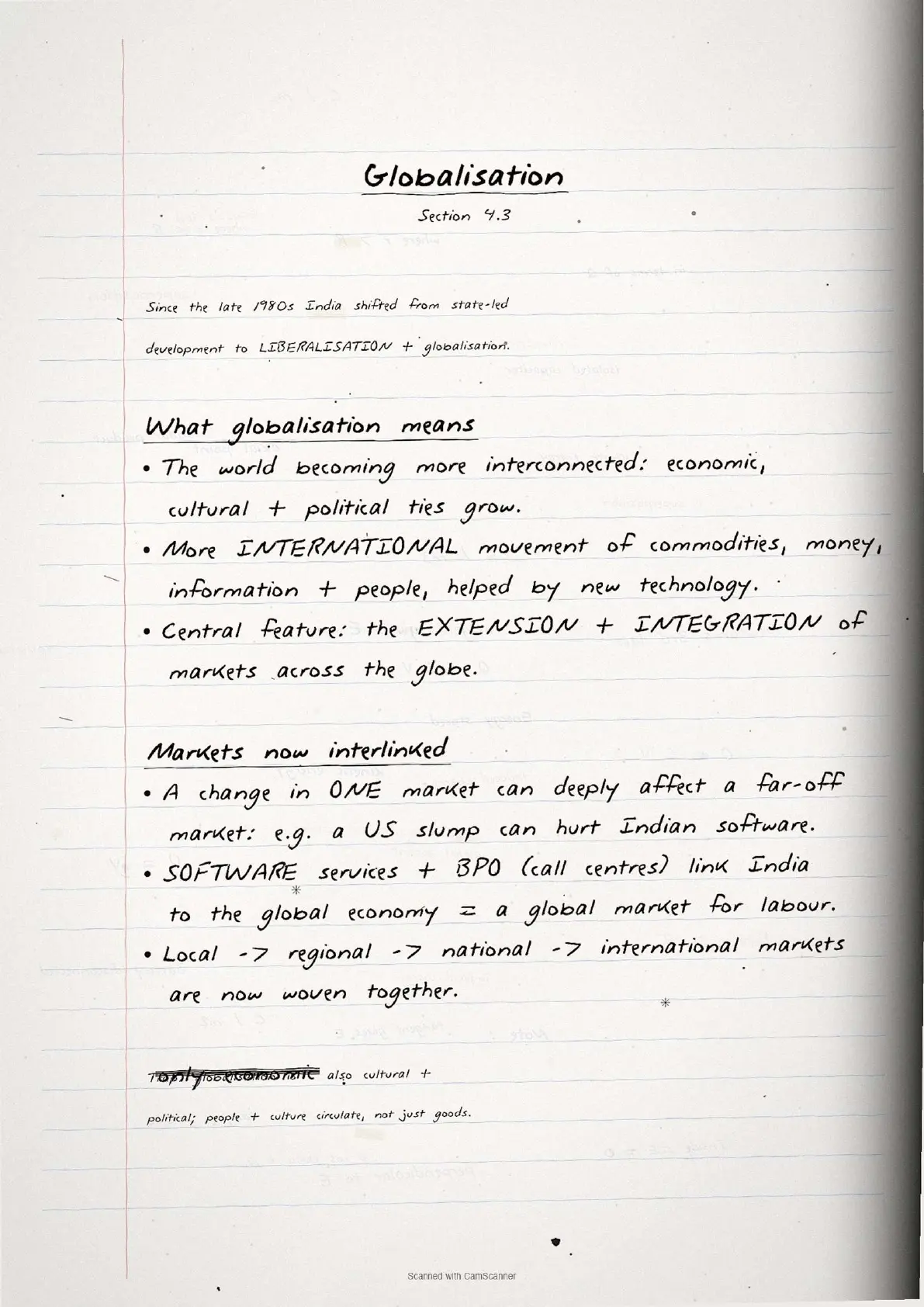
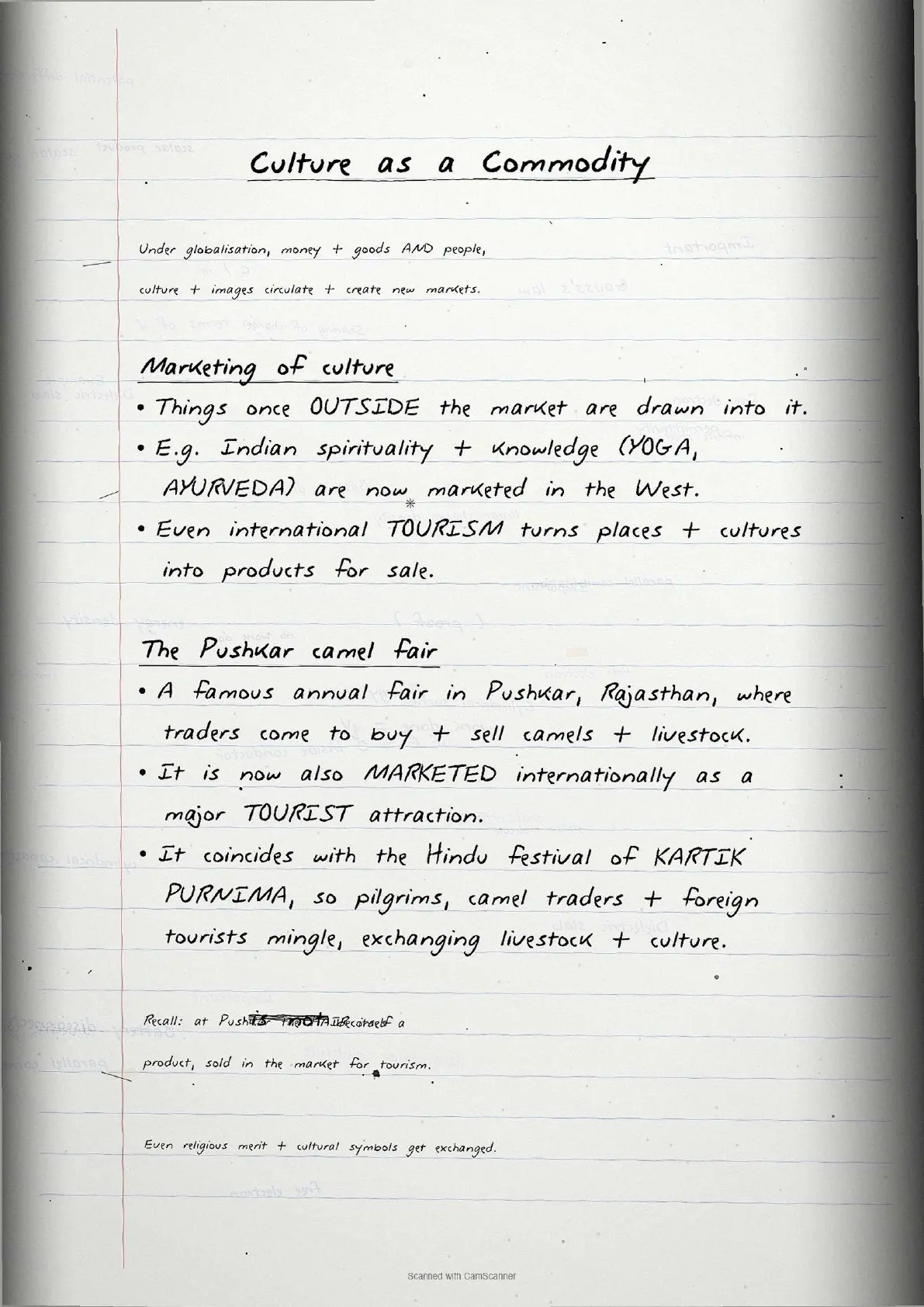
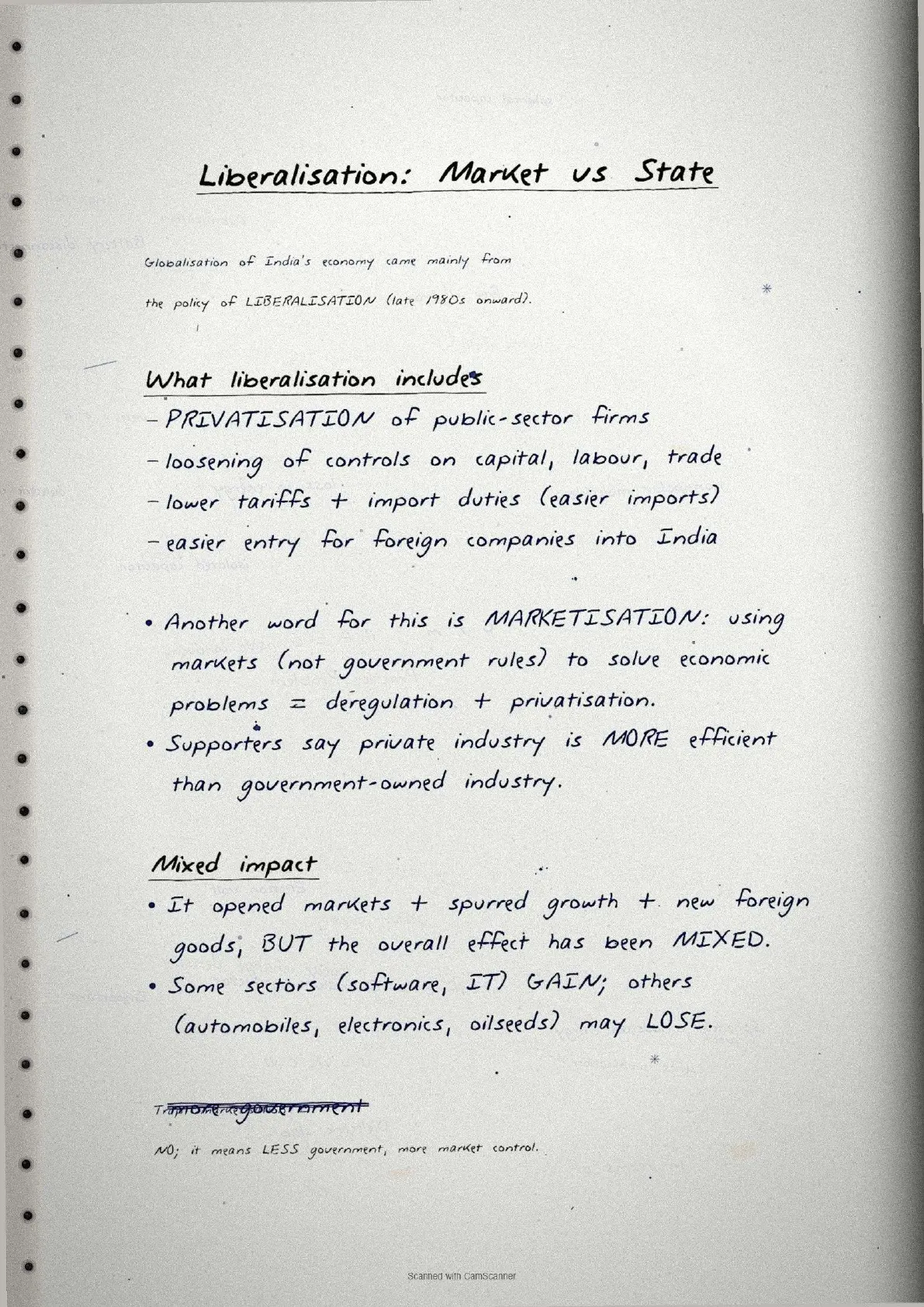
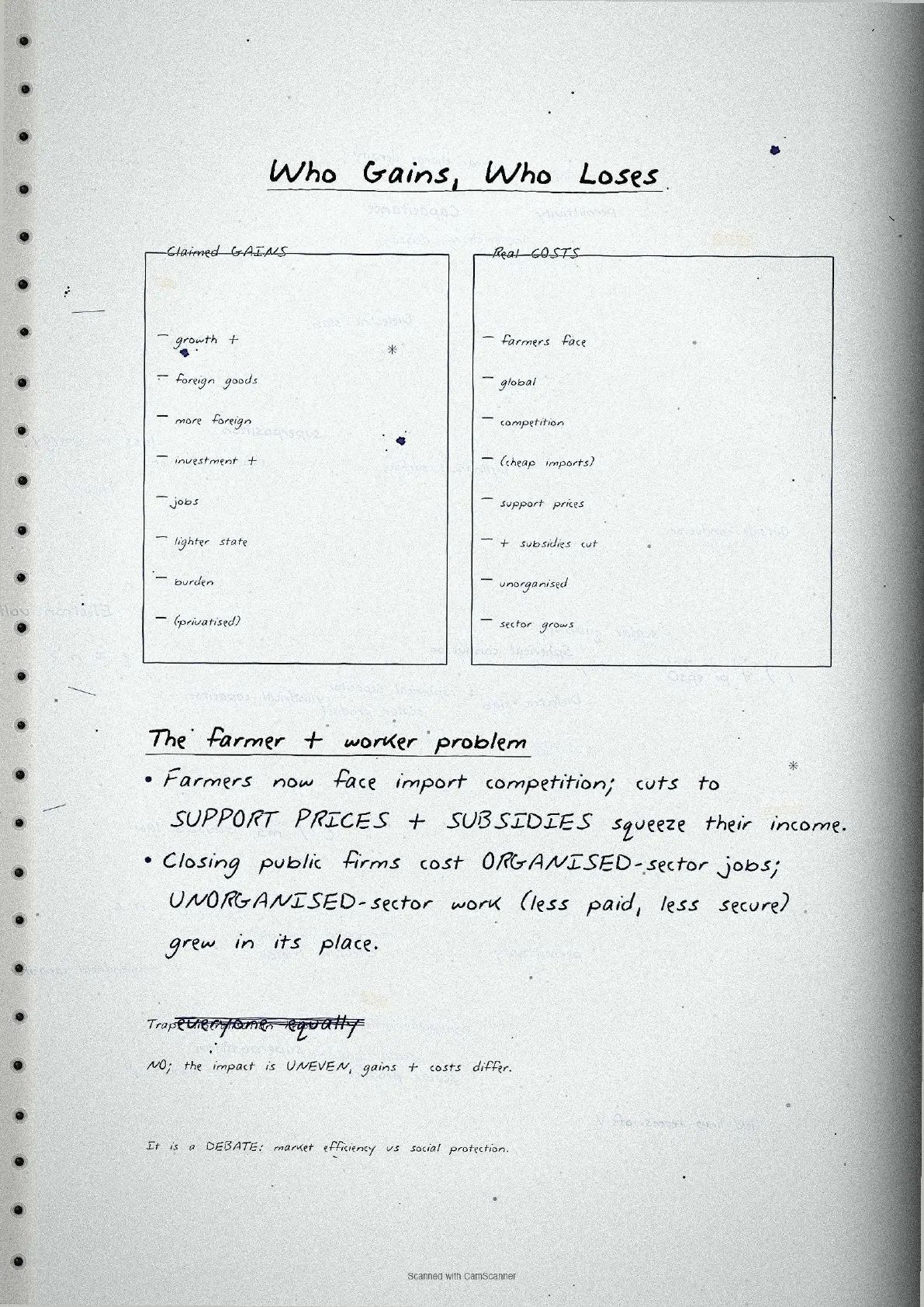
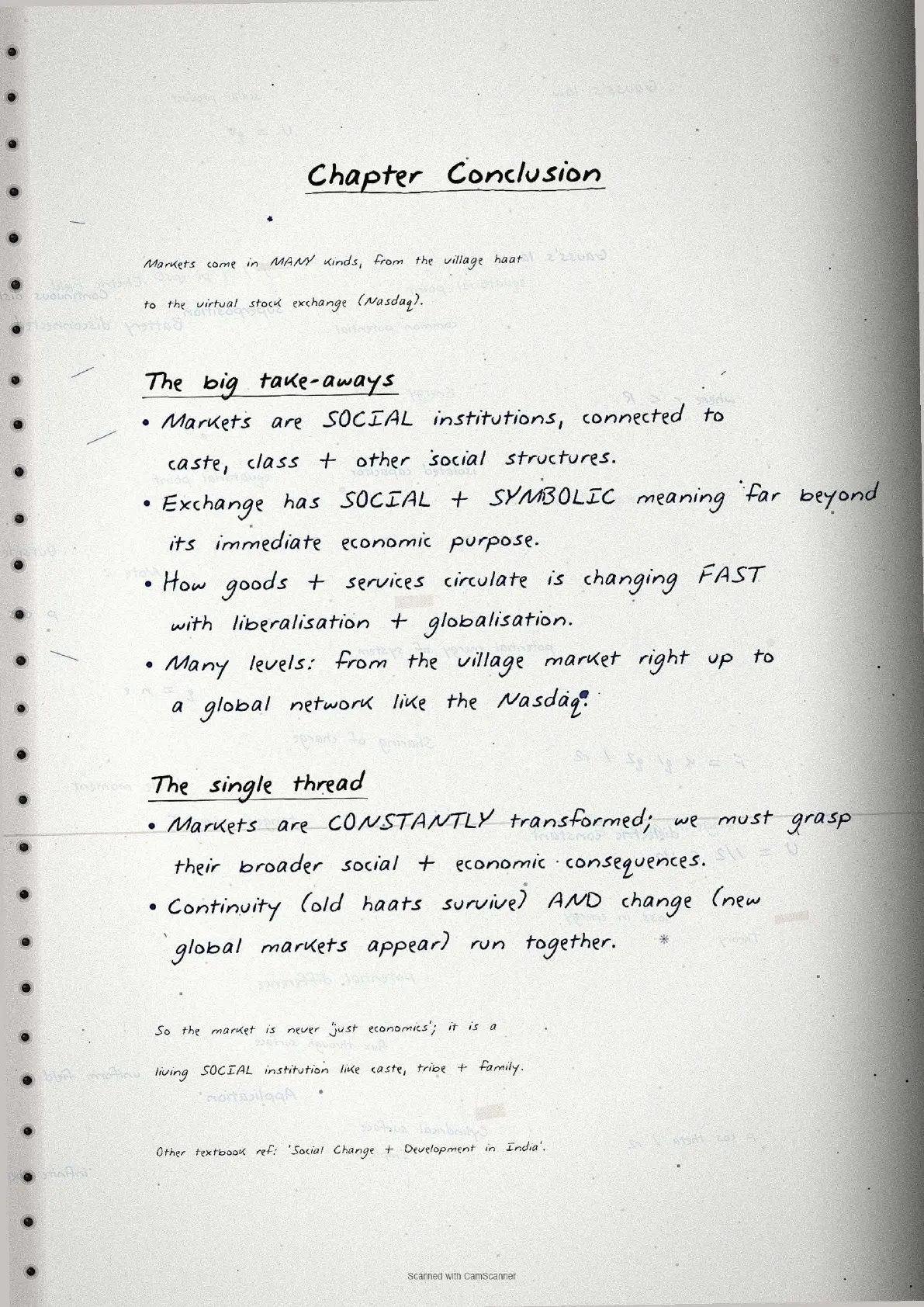
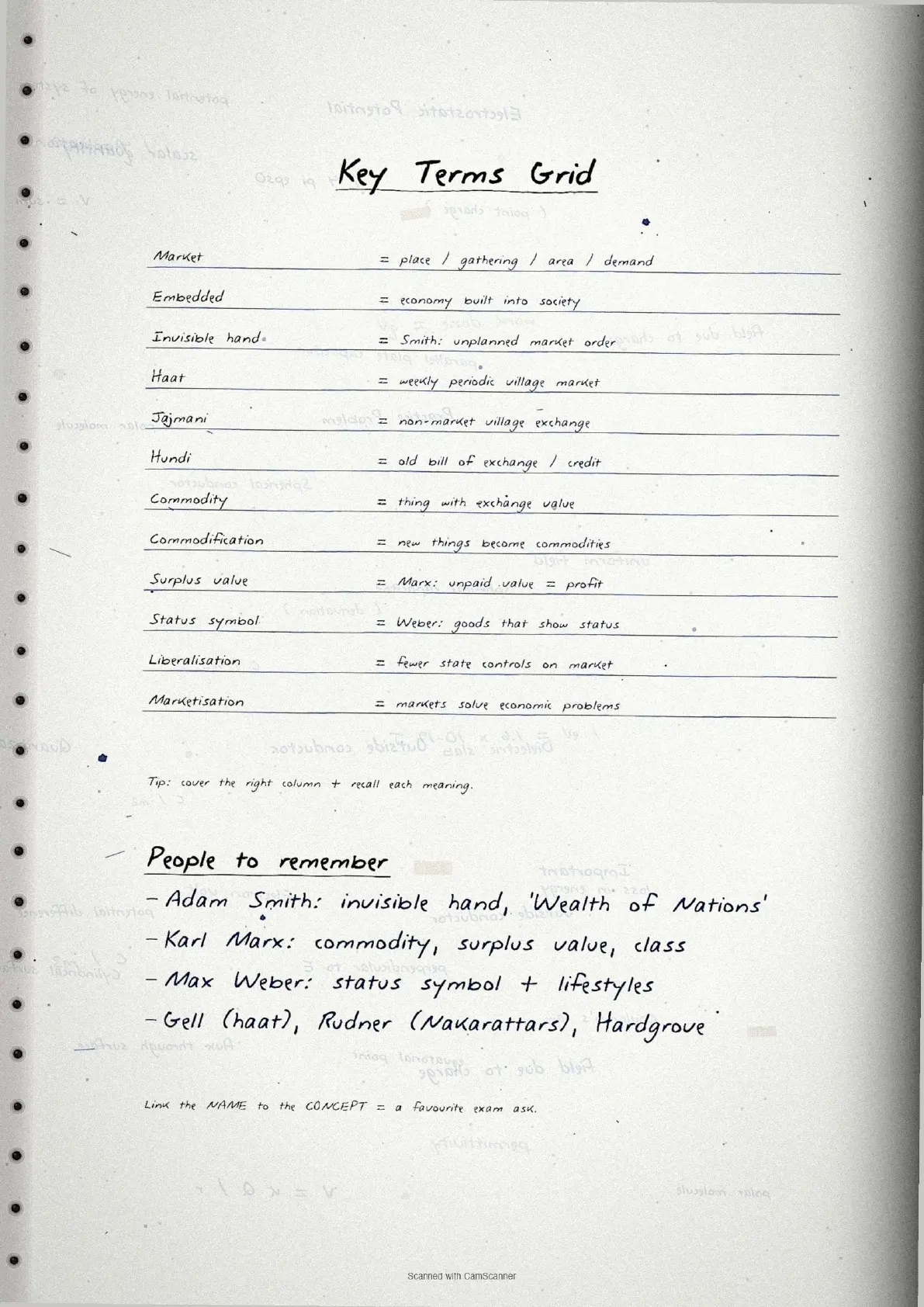
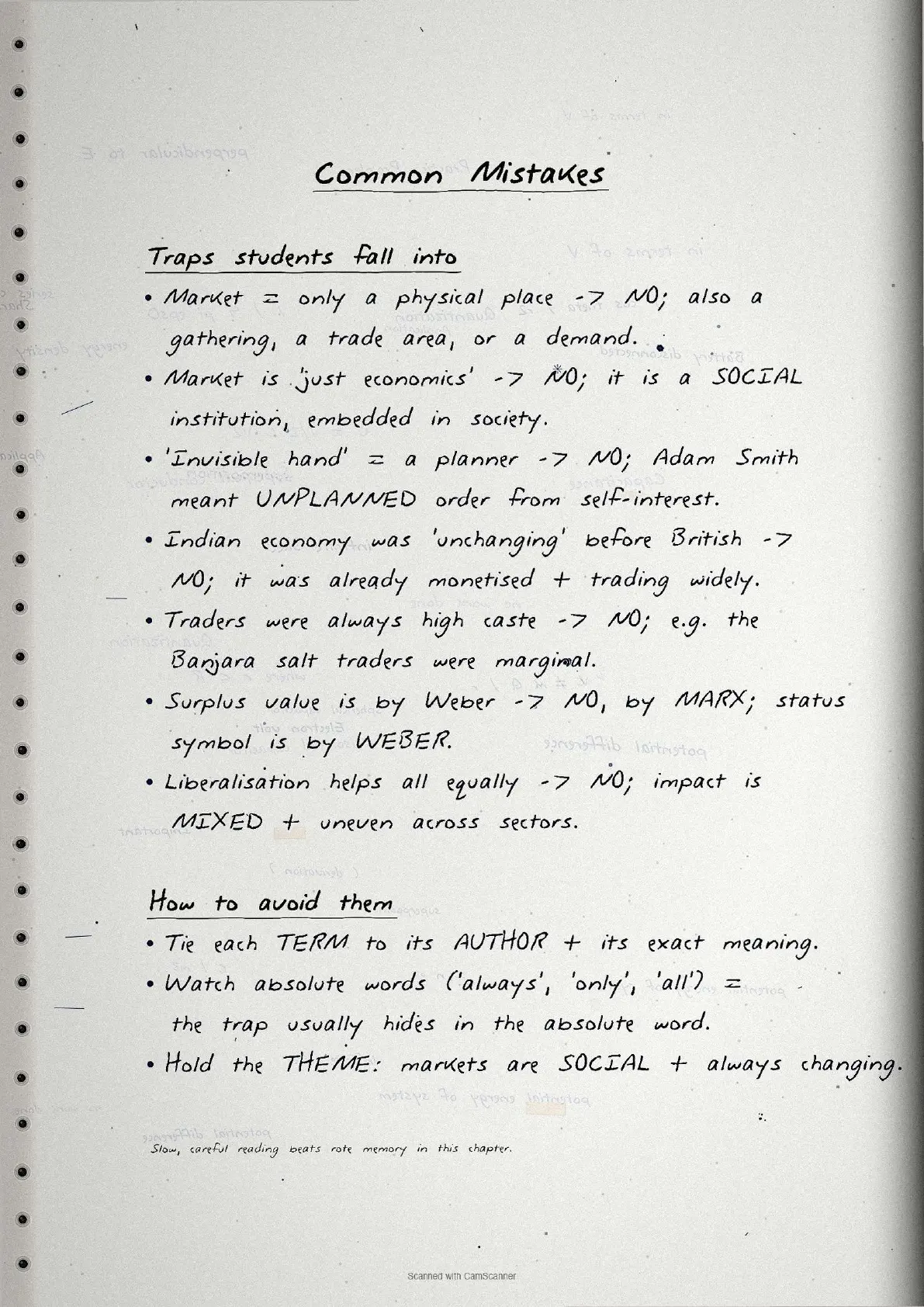
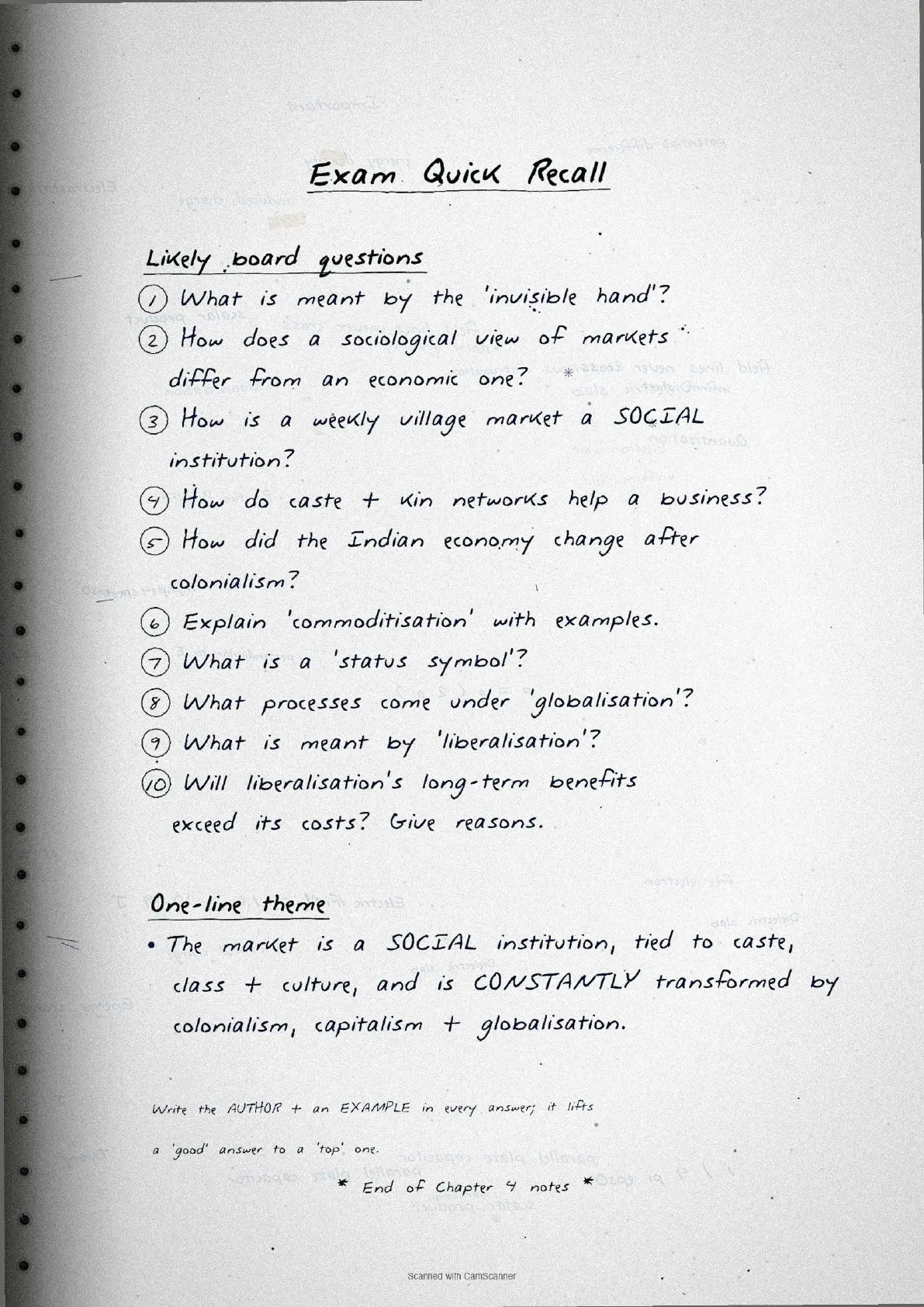
- Handwritten pages with boxed key terms and labelled Indian examples.
- This Class 12 Sociology chapter usually carries 4 to 6 marks in the board paper.
- Pairs with the NCERT Solutions, Notes and Book PDF linked lower on this page.
These The Market as a Social Institution handwritten notes are prepared from the official NCERT Indian Society textbook and checked against the last five years of CBSE board papers.
Student Feedback: In a Collegedunia poll of 7,820 Class 12 Sociology students before the 2026 boards, 72% of students said handwritten notes felt faster to revise from than printed text for this chapter. Most students used the boxed "sociological vs economic" page to recall the key answer in the exam.
Source: 2026-27 Class 12 Sociology student poll. Sample of 7,820 students from CBSE schools across 12 states.
What Is Inside These The Market as a Social Institution Handwritten Notes
These notes cover the whole of Indian Society Chapter 4 in a pen-on-paper style. Every key idea is boxed or underlined so the eye finds it fast. The list below shows what each page set carries, so students know exactly what they are downloading.
- Sociology of markets: the invisible hand and the idea of embeddedness, in a boxed definition.
- Indian examples: the weekly haat, the Nakarattars and the Marwaris, each labelled on its own page.
- Core terms: commoditisation, status symbol and globalisation, written as quick one-liners.
- Liberalisation: the 1991 reforms and a two-side page on the debate around them.
The big advantage is speed. Because the notes are handwritten and boxed, a student can flip through the whole chapter in minutes the night before the exam, which is far harder with a wall of printed text.
Topic-by-Topic Map of the Market Notes
The notes follow the same order as the NCERT chapter, so they are easy to read alongside the textbook. Each topic is kept to one idea per box. The table below maps each notebook page to what it holds, so students can jump straight to a weak spot.
| Page topic | What the page shows |
|---|---|
| Invisible hand | Boxed definition with Adam Smith and The Wealth of Nations named. |
| Sociological view | A two-column page contrasting the economic and sociological views. |
| Weekly haat | Labelled sketch of a village market with arrows to its social roles. |
| Caste and kin trade | The Nakarattars and Marwaris, with "trust" boxed as the engine. |
| Liberalisation | The 1991 reforms and a quick for-and-against list on the debate. |
The most important page is the sociological vs economic view, because that is the most-tested idea in the chapter. A student who can write that contrast from memory can answer the biggest long question without a textbook.
The Sociological View of Markets Page Explained
This page is the heart of the notes, so it deserves a closer look. The two-column layout shows the economic view on one side and the sociological view on the other. Picture two boxes side by side.
- Economic side: the market as a pricing machine, studying supply, demand and investment, separate from society.
- Sociological side: the market as a social institution that is embedded in caste, class and culture.
- The bridge: even Adam Smith's self-running market sits inside social rules, so no market floats free.
The note in the margin reminds students that "who controls it" is the sociological question. Economics asks how the mechanism works; sociology asks who runs it and what it means. Redraw this two-column page a few times and the contrast sticks for good.
How to Use These Handwritten Notes for Revision
Handwritten notes work best as a final-stage tool, not a first read. The points below show students how to get the most out of them in the last week before the exam. Follow them in order for the best recall.
- Read the textbook first so you understand the chapter, then switch to these notes to revise.
- Cover and recall: hide the right side of each box and say the point aloud before checking.
- Redraw the contrast of the economic and sociological views on blank paper from memory.
- Self-test: attempt the NCERT Solutions linked below, then come back to fix weak spots.
The honest tip is that active recall beats passive reading every time. These notes are built for it, so do not just stare at the pages. Quiz yourself, redraw the two-column page, and the chapter will be exam-ready in a couple of sittings.
Common Mistakes These Notes Help You Avoid
A few slips cost marks in this chapter every year, and the boxed format of these notes is designed to stop them. Keep these points in mind as you revise. Fixing them is the fastest way to lift a score.
- Naming the invisible hand without crediting Adam Smith and The Wealth of Nations.
- Answering the sociological view with pure economics - always add embeddedness.
- Describing the weekly market only as a place to buy and sell, missing its social role.
- Forgetting to name the Nakarattars and Marwaris in the caste-and-kin answer.
- Treating liberalisation as all good or all bad, instead of weighing both sides.
Students who keep these five points in view usually move from average to high marks. The boxed, hand-drawn format makes each one easy to spot, so a quick flip before the exam catches most errors.
How These Handwritten Notes Pair with the Solutions and Book PDF
These notes are for fast revision. To finish your prep, use them with the other resources for the same chapter, all linked in the table below.
| Resource | Best used for |
|---|---|
| The Market as a Social Institution Class 12 NCERT Solutions | Full point-wise answers to all 10 exercise questions |
| The Market as a Social Institution Class 12 Notes | A typed chapter summary with all terms and examples in tables |
| The Market as a Social Institution NCERT Book PDF | Reading the original NCERT chapter text and examples |
Tip: read the textbook, attempt the Solutions, then flip these handwritten notes the night before the exam for a quick, confident recap.
All Handwritten Notes for Class 12 Sociology
The table links the Handwritten Notes for every chapter in both Class 12 Sociology books, so students can revise across the course in one place. The Market as a Social Institution is highlighted.
| Chapter | Handwritten Notes |
|---|---|
| Indian Society | |
| Chapter 1 | Introducing Indian Society |
| Chapter 2 | The Demographic Structure of the Indian Society |
| Chapter 3 | Social Institutions - Continuity and Change |
| Chapter 4 | The Market as a Social Institution |
| Chapter 5 | Patterns of Social Inequality and Exclusion |
| Chapter 6 | The Challenges of Cultural Diversity |
| Social Change and Development in India | |
| Chapter 1 | Structural Change |
| Chapter 2 | Cultural Change |
| Chapter 3 | The Constitution and Social Change |
| Chapter 4 | Change and Development in Rural Society |
| Chapter 5 | Change and Development in Industrial Society |
| Chapter 6 | Globalisation and Social Change |
| Chapter 7 | Mass Media and Communications |
| Chapter 8 | Social Movements |
FAQs on The Market as a Social Institution Handwritten Notes
The Market as a Social Institution Class 12 Handwritten Notes Common Questions
Ques. Are these class 12 sociology chapter 4 handwritten notes free to download?
Ans. Yes, the The Market as a Social Institution handwritten notes are free to download as a PDF from this page. They follow the 2026-27 NCERT and cover the whole chapter in handwritten pages.
Ques. What do the handwritten notes cover in this chapter?
Ans. They cover the invisible hand, the sociological view of markets, the weekly haat, caste and kin trade, colonialism, commoditisation, status symbols, globalisation and liberalisation, with boxed terms and labelled Indian examples.
Ques. Are handwritten notes good for last-minute revision?
Ans. Yes. Boxed, hand-drawn notes are quick to skim, so students can flip the whole chapter in minutes before a test. They work best after you have read the textbook and attempted the NCERT Solutions.
Ques. How should I use these notes with the NCERT Solutions?
Ans. Read the textbook first, then attempt the NCERT Solutions linked on this page. Use these handwritten notes for a final, fast recap, and rewrite the sociological vs economic contrast from memory to lock it in.
Ques. Do the notes include the Indian examples like the Nakarattars?
Ans. Yes. The Nakarattars, the Marwaris and the weekly haat are each labelled on their own page, with "trust" boxed as the reason caste and kin networks help business. Named examples are what lift a board answer.



Comments