



Education Journalist | Study Abroad Lead
Gonorrhea is a sexually transmitted disease that can affect both men and women. It is a common sexually transmitted infection (STI) that can pass on during any form of sexual contact. If the medical professional diagnoses the same early, it can be treated effectively. However, if left untreated, Gonorrhea can several complications and also result in long term health problems. Gonococcus is a bacterium that lives on the mucous membrane and is commonly found in the pelvic cavity wherein it causes Gonorrhea. With the correct treatment and precautions, Gonorrhea can be cured. However, medication can only halt the illness and not reverse the harm caused by the infection. Gonorrhea can be treated within 7-10 days of treatment initiation.
| Table of Contents |
Key Terms: Gonorrhea, Sexually Transmitted Infection, Disease, Sexual Contact, Bacteria, Men, Women, STI, Sexual Contact, Treatment, Symptoms, Bacteria
What is Gonorrhea?
[Click Here for Sample Questions]
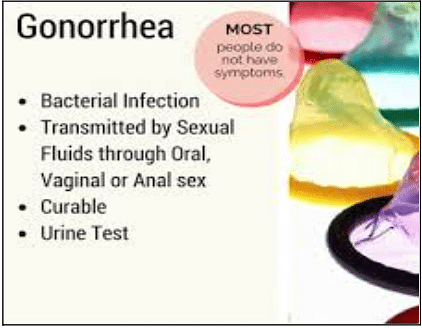
Gonorrhea is a sexually transmitted infection that develops through sexual touch or contact. It affects both men and women. However, it is more common in men. An estimate of 78-90 million cases of Gonorrhea is reported every year. In addition to syphilis, chlamydia is one of the most common STIs prevailing in the world.
Gonorrhea
Causes of Gonorrhea
[Click Here for Sample Questions]
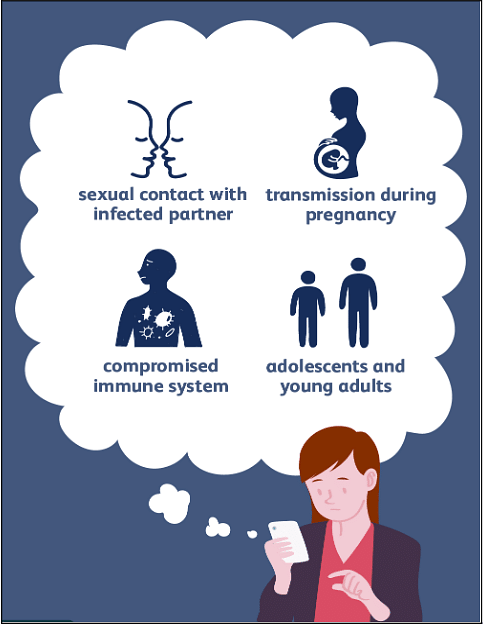
Gonorrhea is caused by bacteria and is rightly named after it called the Neisseria Gonorrhoeae. It can be found in the semen or vaginal fluids of the infected individual. It is highly transmissible and is known to spread through acts of sexual contact which may be vaginal, oral or even anal. People are likely to contract the same by having sexual intercourse with an infected person. It is very contagious and can pass from person to person through the genitals, mouth, eyes, throat and rectum. The infection is also known to develop in the body’s mucous membranes if left untreated. It can also pass through a baby during delivery if the mother is priorly infected.
Risk Factors in Gonorrhea
Symptoms of Gonorrhea
[Click Here for Sample Questions]
Gonorrhea displays different symptoms for both men and women. Often people infected with Gonorrhea show no symptoms and then it can be difficult to diagnose.

Symptoms of Gonorrhea in Men and Women
1. Symptoms of Gonorrhea in Men
Men may show the following symptoms:
- Burning sensation during urination;
- Pain/swelling in testicles;
- Green, white, yellowish discharge from the penis;
- Inflammation of foreskin (skin around the penis).
2. Symptoms of Gonorrhea in Women
Women may show the following symptoms:
- Burning sensation while urinating;
- Abnormal vaginal discharge can be yellow, green, watery thin;
- Severe abdominal cramping;
- Swelling in the outer vaginal area;
- Spotting between periods;
- Swelling and pain in the throat (oral Gonorrhea)
Rectal symptoms of Gonorrhea display the following:
- Itching around the anus;
- Abnormal yellowish discharge;
- Bleeding;
- Cramping during bowel movements;
- Soreness and swelling.
It can also infect the eye, if genital fluids containing the bacteria enters the eye, the person may develop conjunctivitis also called the pink eye.
Treatment of Gonorrhea
[Click Here for Sample Questions]
Gonorrhea can be completely cured if diagnosed in the early stages. However, if left undetected, it may result in fatal complications. Gonorrhea needs to be prevented from progressing with the help of antibiotics. Medical professionals generally prescribe multiple doses of Gonorrhea antibiotics to the patient. The patient must keep in mind it is important to complete the entire course of the prescribed antibiotics for the disease to be fully cured. The patient also must make it a point to attend all follow-up checkups and avoid engaging in sexual intercourse until the medical professional advises that it is safe for them to do so.
If Gonorrhea occurs during pregnancy, the patient or the family must inform the healthcare team pertaining to the same. There is a possibility that the infection can transmit from the mother to the baby while delivery and so the newborn must be administered antibiotics post-delivery. If an individual does not notice any betterment or change in their symptoms, they are advised to get in touch with a medical professional for further testing in order to determine the cause of the same.
Check More:
Things to Remember
- Gonorrhea can be prevented from not engaging in sexual intercourse with people who have already contracted it or have been cured of it or by resorting to precautions such as suitable contraceptives which in turn will act as a protective barrier and reduce the possibilities of contracting the disease;
- Symptoms usually occur at a time gap of 2 to 14 days post-exposure. But there are circumstances wherein people who develop Gonorrhea don’t show noticeable symptoms but even such carriers can also spread infection and when a person has no visible symptoms, they are more prone to transfer Gonorrhea to other patients.
- In rare cases, if not treated Gonorrhea can continue to cause damage to other parts of the body like the eyes, mouth in addition to genitals. It can also enter into the bloodstream causing heart damage, arthritis, inflammation of the spinal cord. These are uncommon, but serious conditions.
Sample Questions
Ques. What is an STI? Name some common types of STIs in the world. Describe at least two of them. (5 Marks)
Ans. An STI is a sexually transmitted infection that is transmitted by way of sexual contact. Some common STIs in the world like syphilis, chlamydia and Gonorrhea.
- Gonorrhea- Gonorrhea is a sexually transmitted infection (STI) that is caused by the Neisseria gonorrhoeae affecting both men and women. Its transmission can be oral, vaginal or even anal. It can be diagnosed by way of noticeable symptoms in men and women like i) testicular pain, pain in urination etc. and ii) abnormal vaginal discharge, pelvic pain, spotting between periods etc. respectively.
- Syphilis- It is an STI caused by a bacteria named Treponema pallidum. Methods of transmission can be oral, vaginal as well as anal. Syphilis can occur in a total of three stages being primary, secondary and tertiary. Using proper protection during sexual intercourse can prevent the same.
Ques. Which bacteria causes Gonorrhea? What are some other causes of Gonorrhea? (3 Marks)
Ans. The bacteria by the name of Neisseria Gonorrhea cause Gonorrhea. Some other causes of Gonorrhea are engaging in unprotected sexual intercourse with an already infected person or someone who has been cured of it, a pregnant mother infected with Gonorrhea passing it onto her baby during delivery or having multiple sexual partners.
Ques. What are some common symptoms of Gonorrhea in men and women? (5 Marks)
Ans. The symptoms of Gonorrhea in men and women have been mentioned below:
- Symptoms of Gonorrhea in men
- Abnormal discharge of fluids from the penis usually yellow, white or even green;
- Pain/burning sensation during urination;
- Severe pain in the testes/lower pelvic region.
- Symptoms of Gonorrhea in women
- Discharge of blood in between periods;
- Abnormal greenish/yellow/white vaginal discharge;
- Inflammation in the outer vaginal region;
- Burning sensation during urination;
- Swelling/pain in the throat can occur because of oral Gonorrhea.
Ques. Reema, a woman of 35 experiences the following symptoms such as abnormal thin, watery vaginal discharge, spotting in between her periods, abdominal cramping. Name the disease she has contracted. What will you further advise her to do? (3 Marks)
Ans. Reema, shows symptoms of contracting Gonorrhea. She must further visit a medical professional for diagnosis and get done the required tests if deemed necessary. She must also keep taking her antibiotics on time and visit the doctor for follow-up treatments as and when called. She must refrain from engaging in further sexual contact until advised by her doctor to do so.
Ques. How can Gonorrhea be prevented during the delivery of a child if the woman is already infected? (3 Marks)
Ans. There are thin chances of Gonorrhea being prevented if the pregnant mother has already contracted it during delivery. However, after delivery, the child must be immediately put on antibiotics to prevent the infection from progressing. However, if regular screenings or x-rays are conducted during pregnancy it can reduce the risk of further complications during the delivery.
Ques. State some effective methods of prevention of Gonorrhea. (3 Marks)
Ans. Some methods of prevention of Gonorrhea are using condoms or protection during sexual intercourse, avoiding having sexual intercourse with multiple partners, avoid having sexual intercourse if there emerges a possibility of infection. Once the individual has contracted Gonorrhea, he/she must refrain from engaging in sexual intercourse in order to prevent the transmission of the same to their potential partners.
Ques. Can Gonorrhea affect other body parts except for genitals? If yes, name them. (3 Marks)
Ans. Yes, Gonorrhea can affect other body parts except for genitals such as the eyes, throat as well as cause joint infection in babies.
In rare cases, if left untreated it may also enter the bloodstream causing arthritis, inflammation in the spinal cord as well as heart damage.
Ques. Can Gonorrhea be treated? If yes, name some methods of treatment. (3 Marks)
Ans. Yes, Gonorrhea can be treated if diagnosed in the early stages by supplying the patient with antibiotics. The patient must make sure to complete the entire course of antibiotics prescribed by the medical professional and prevent engaging in sexual intercourse until fully cured. It is advised that the patient must undergo regular screenings in the later stages to get hold of any serious damage caused by the bacteria.
Check More:



Comments