




The Class 9 Social Science Handwritten Notes Chapter 8 Building Blocks in Economics The Problem of Choice are a topper's own neat revision of this economics chapter. Every idea, from needs and wants to scarcity, opportunity cost, the Production Possibility Curve, and the three key questions, is written by hand with each rule boxed in the margin.
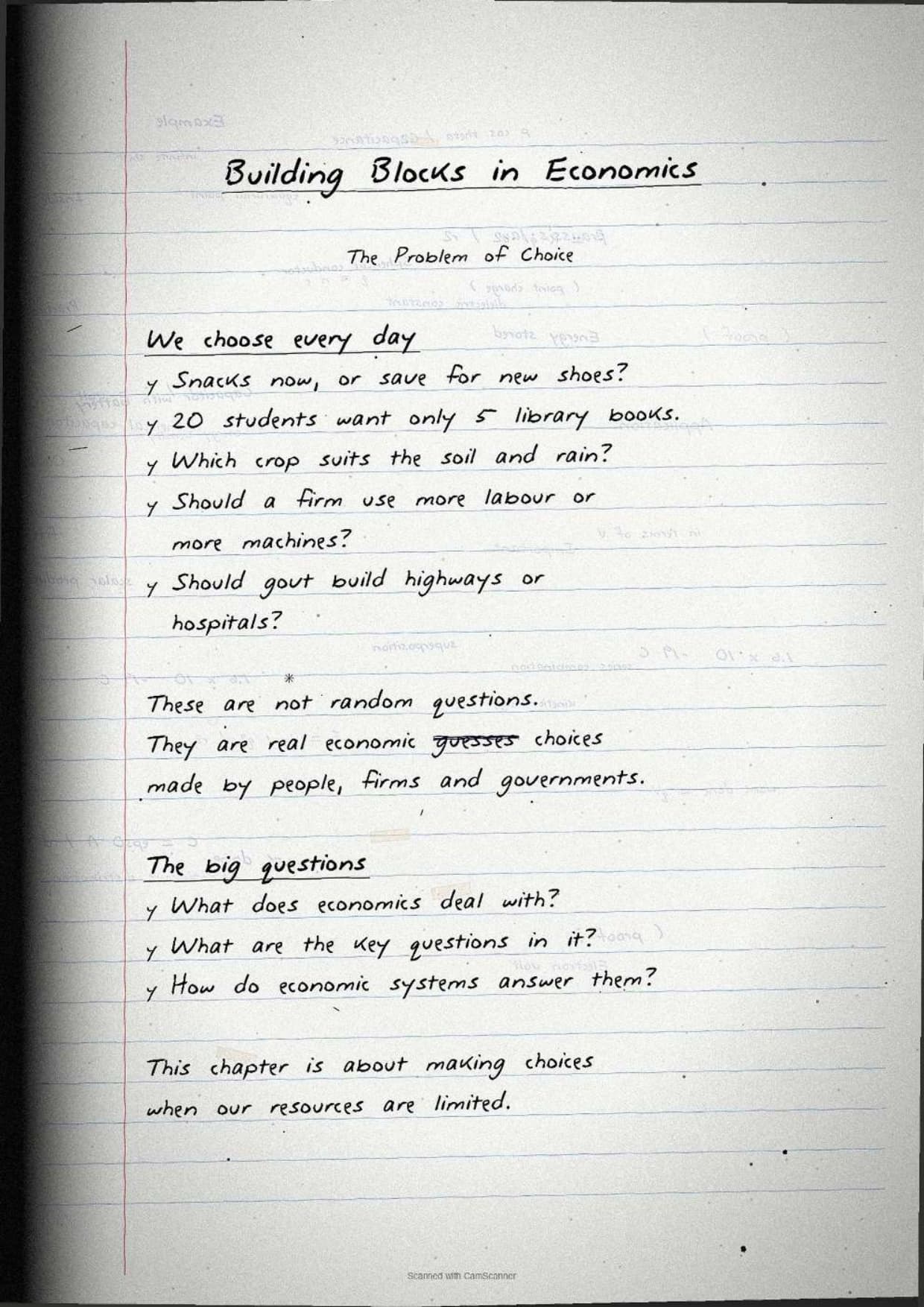
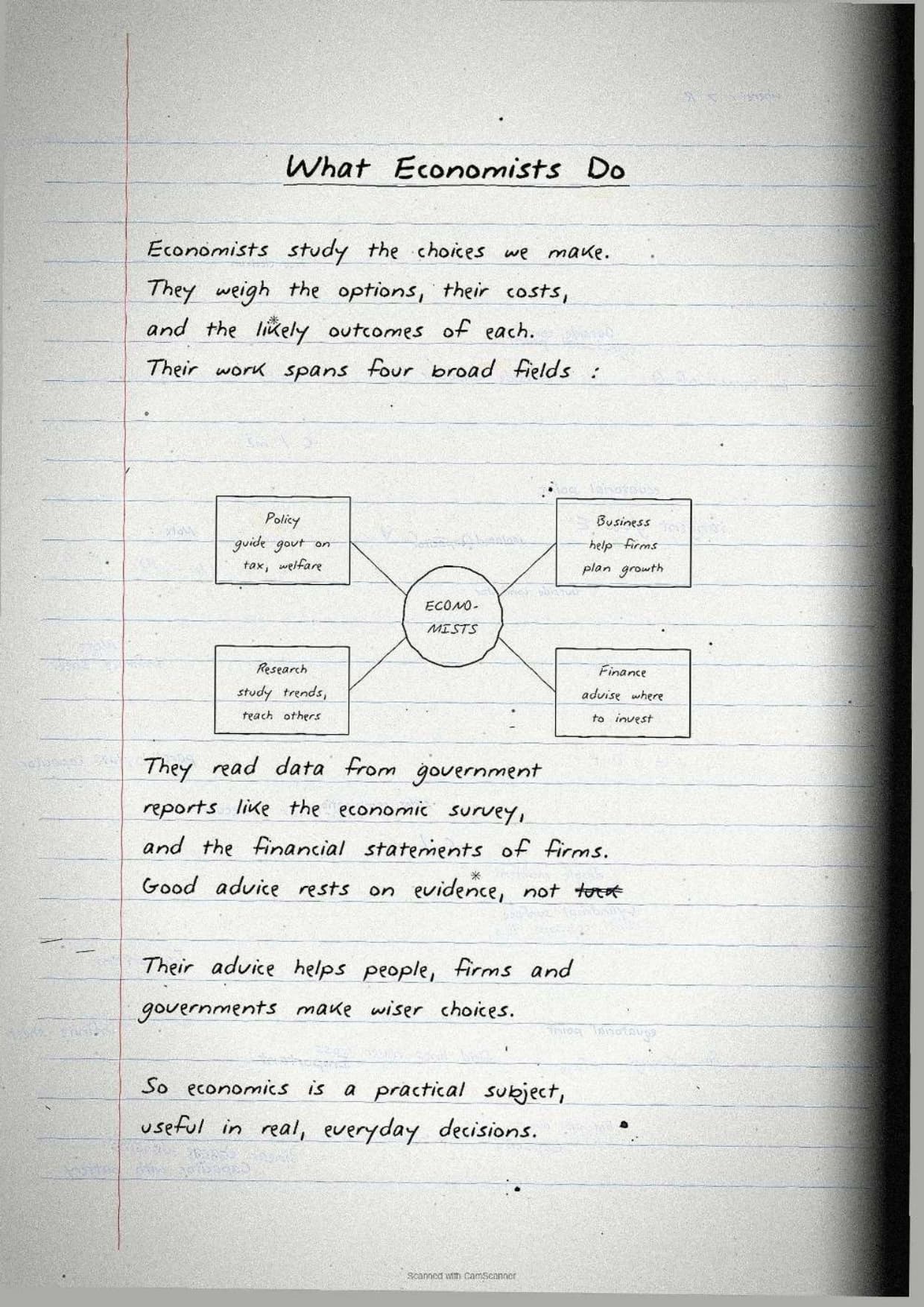
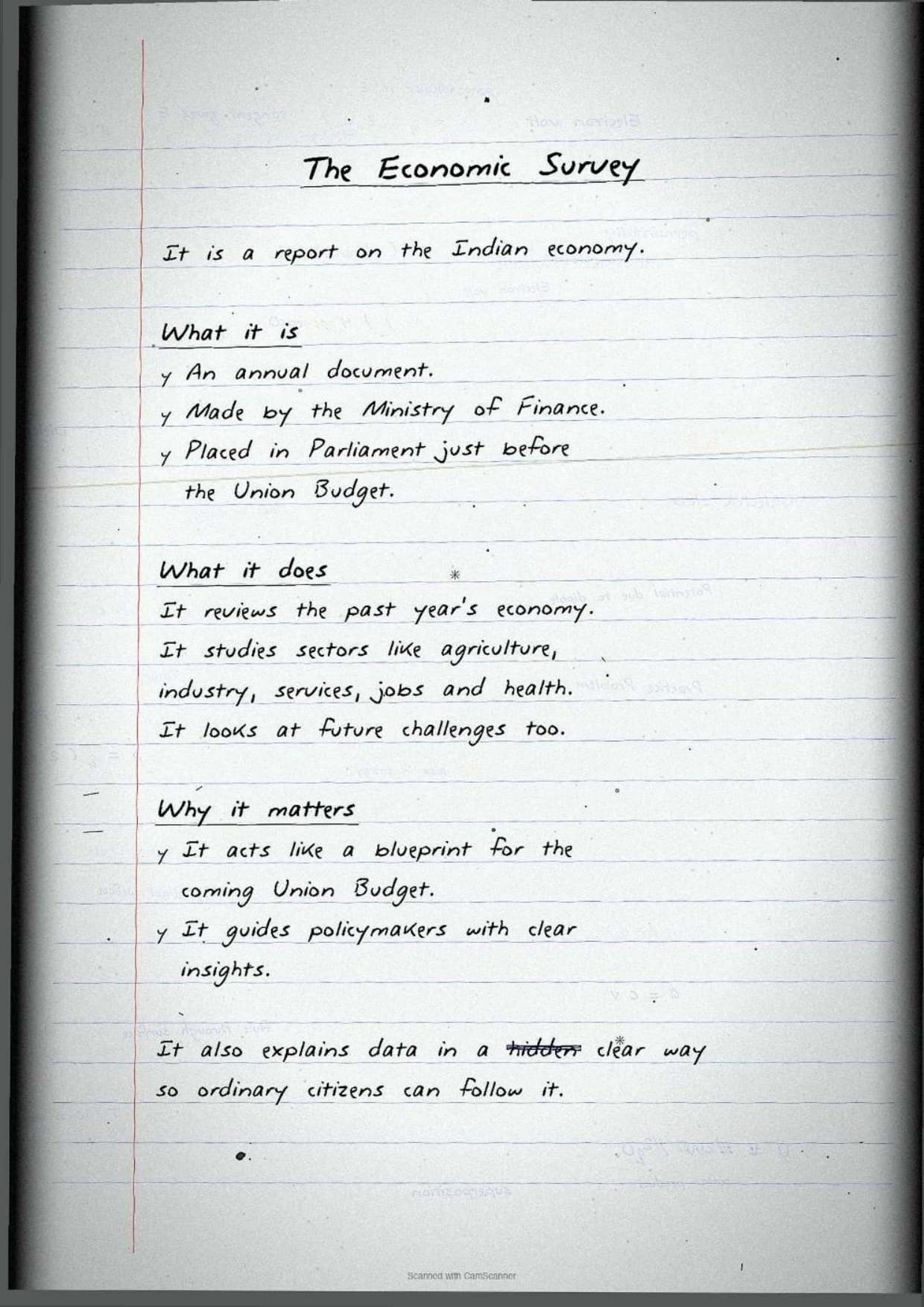
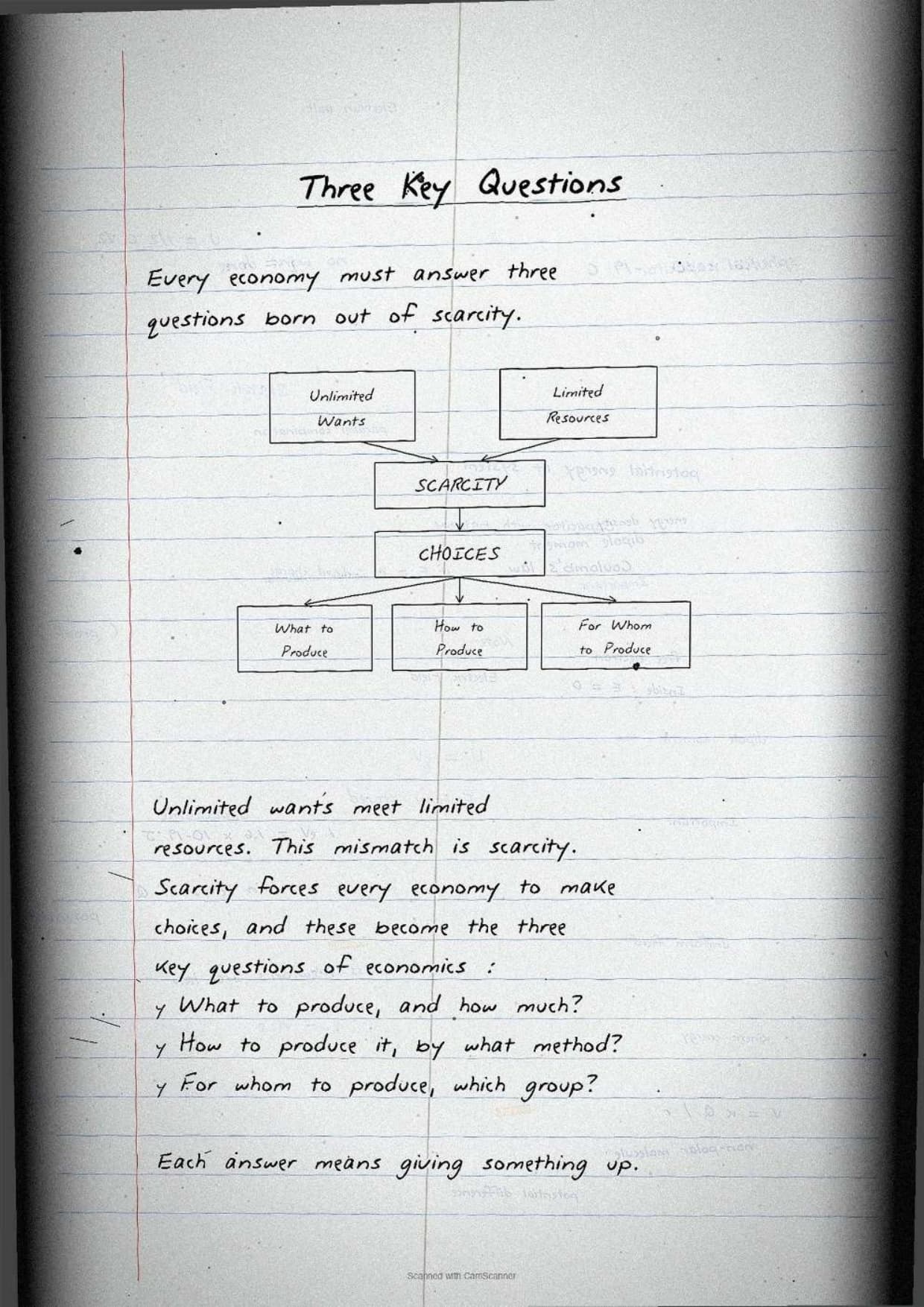
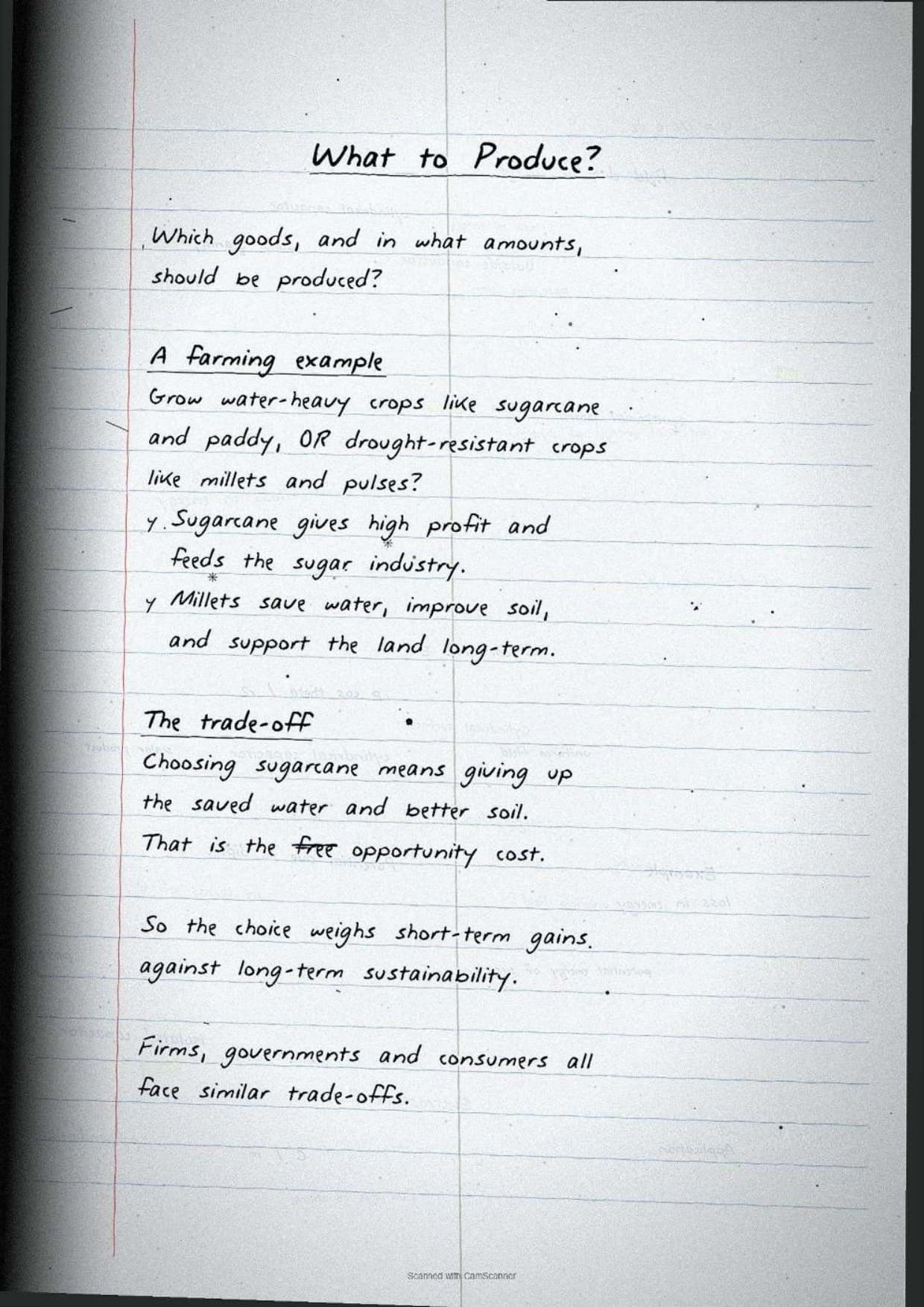
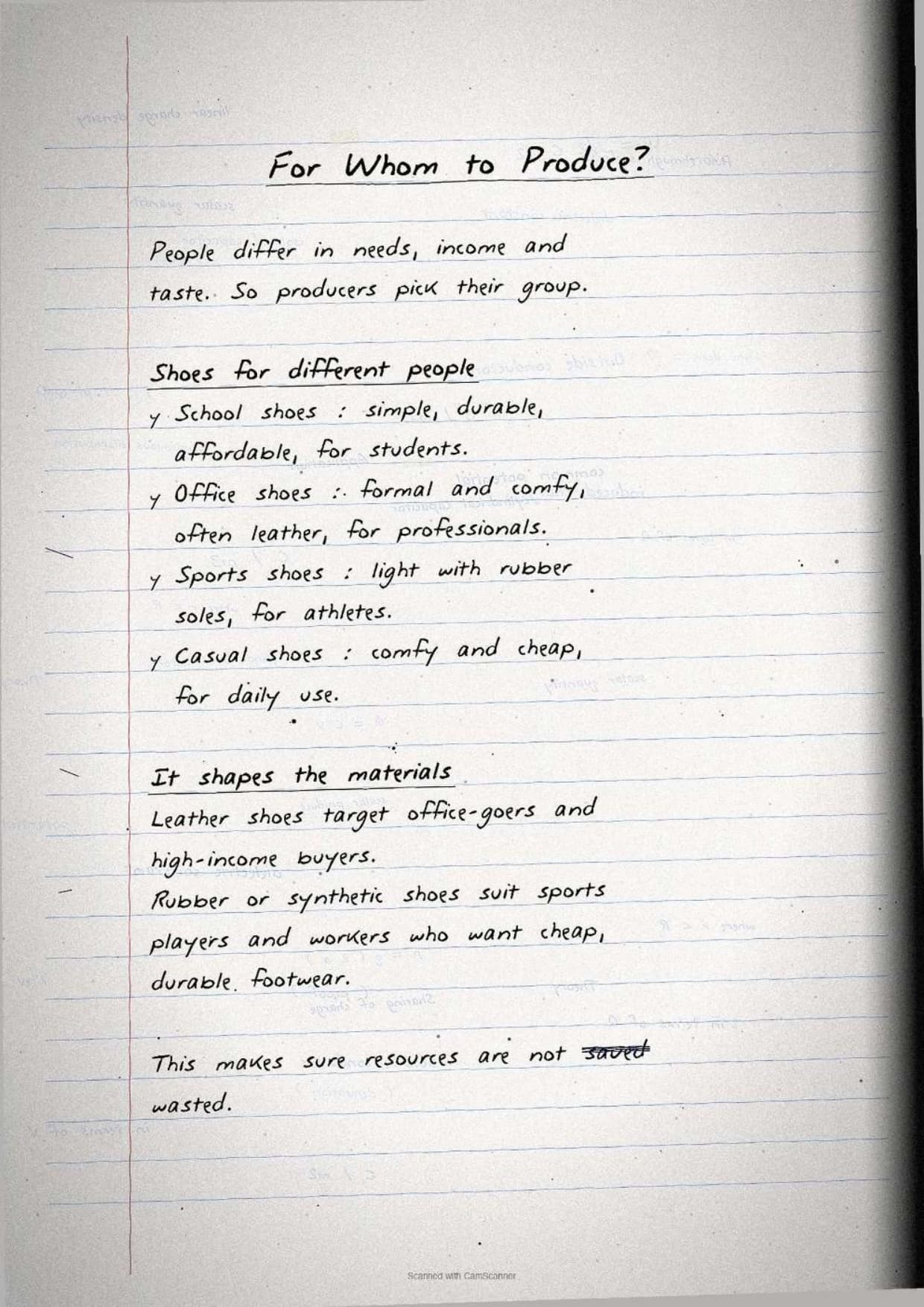
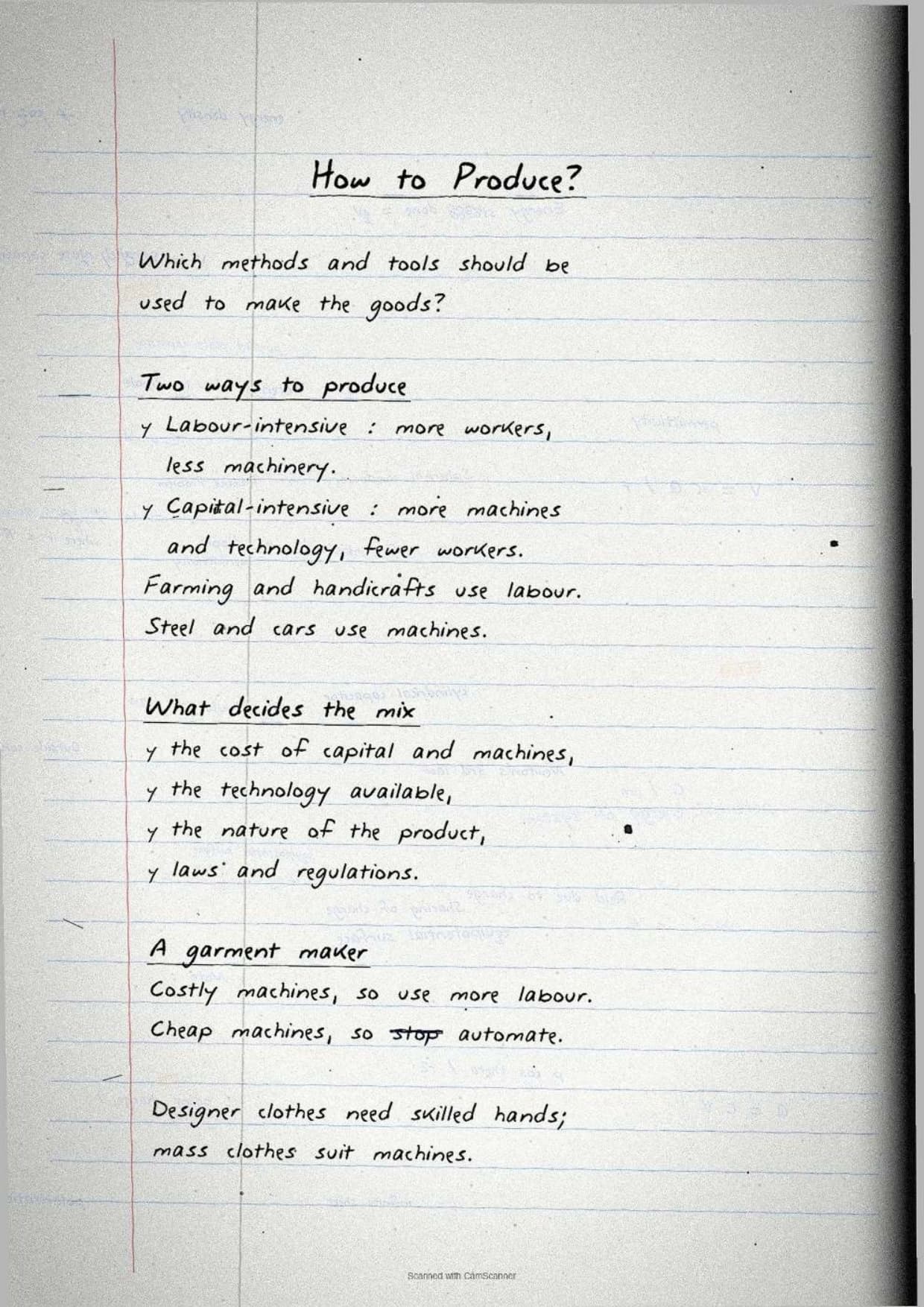
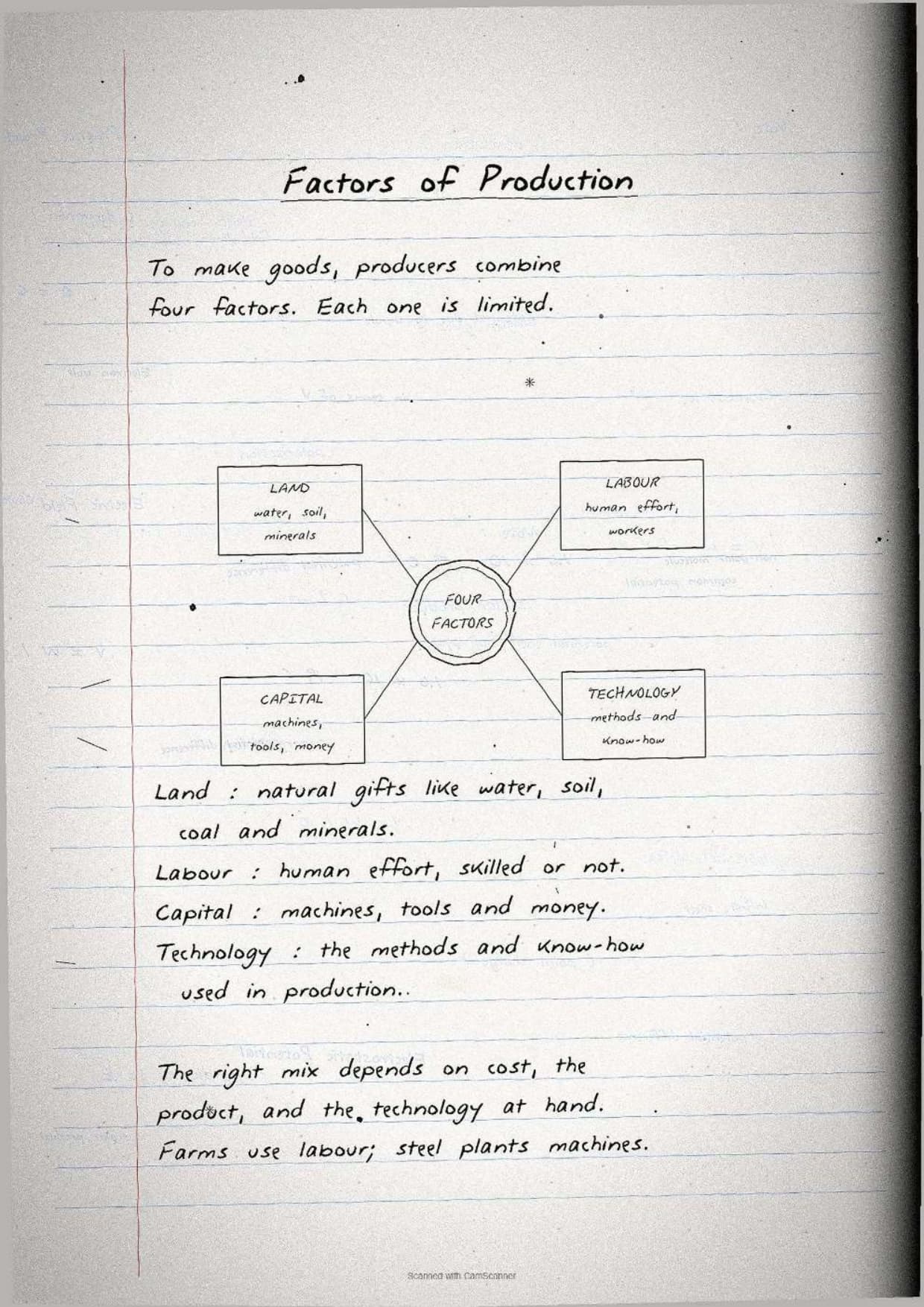
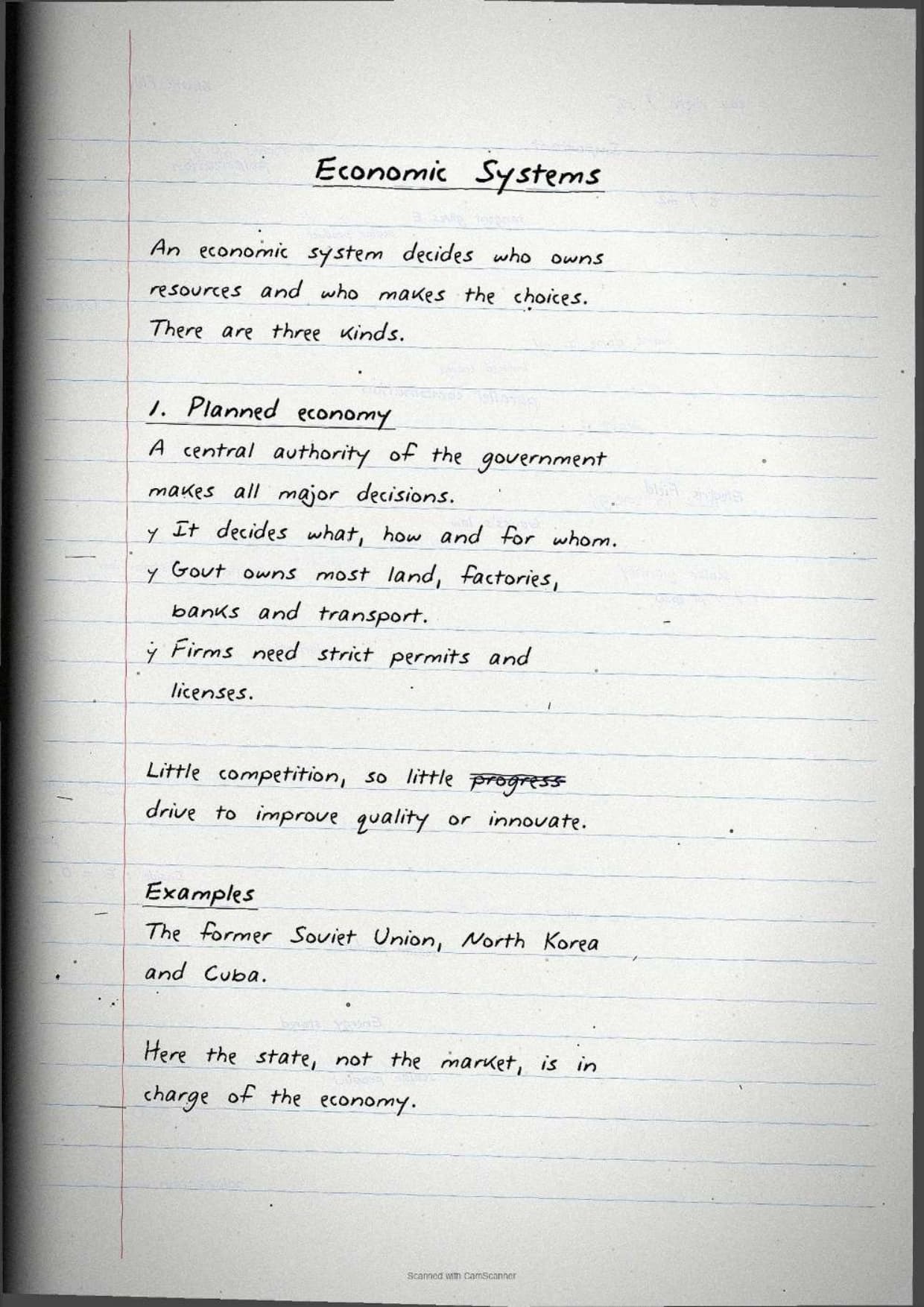
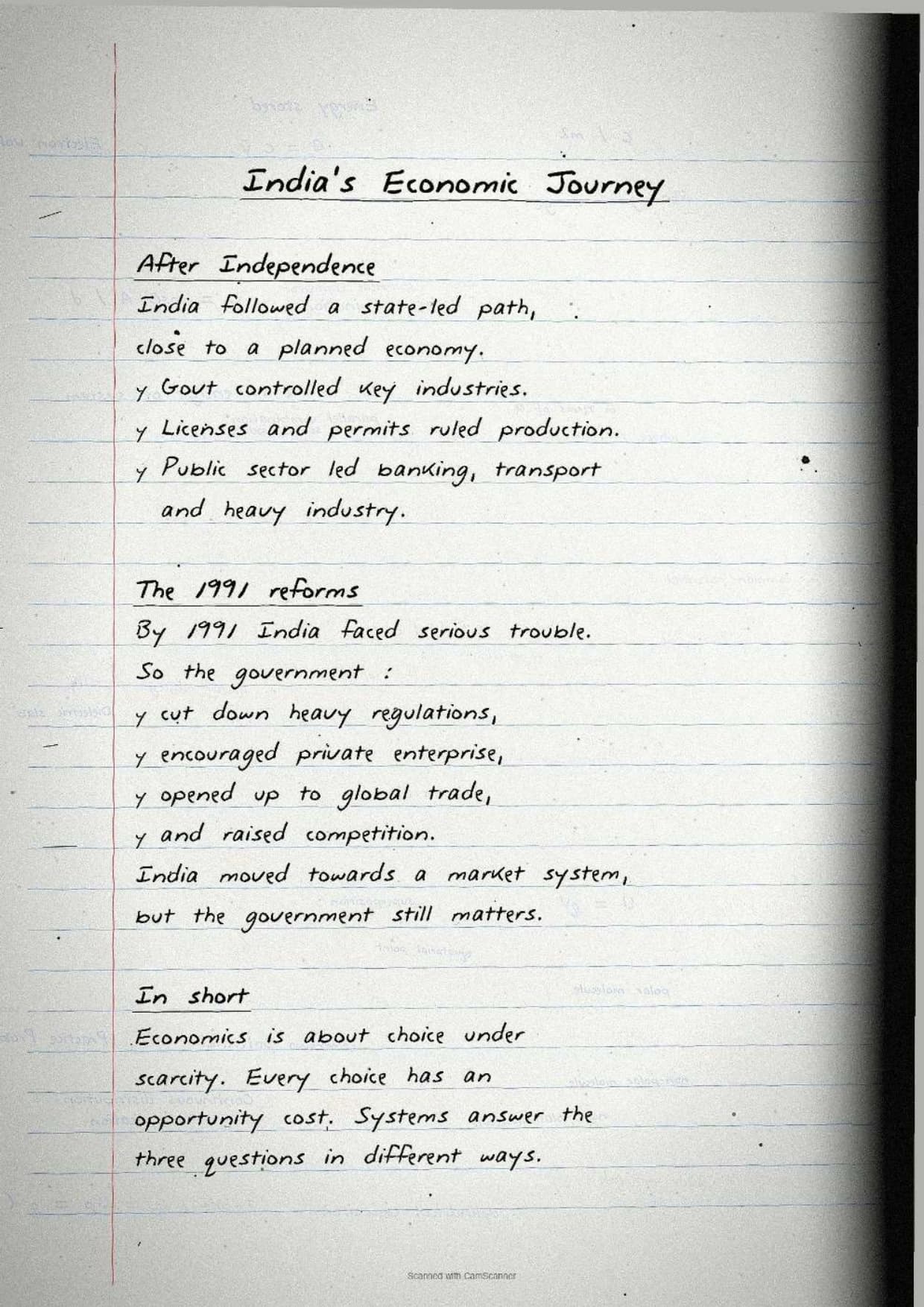
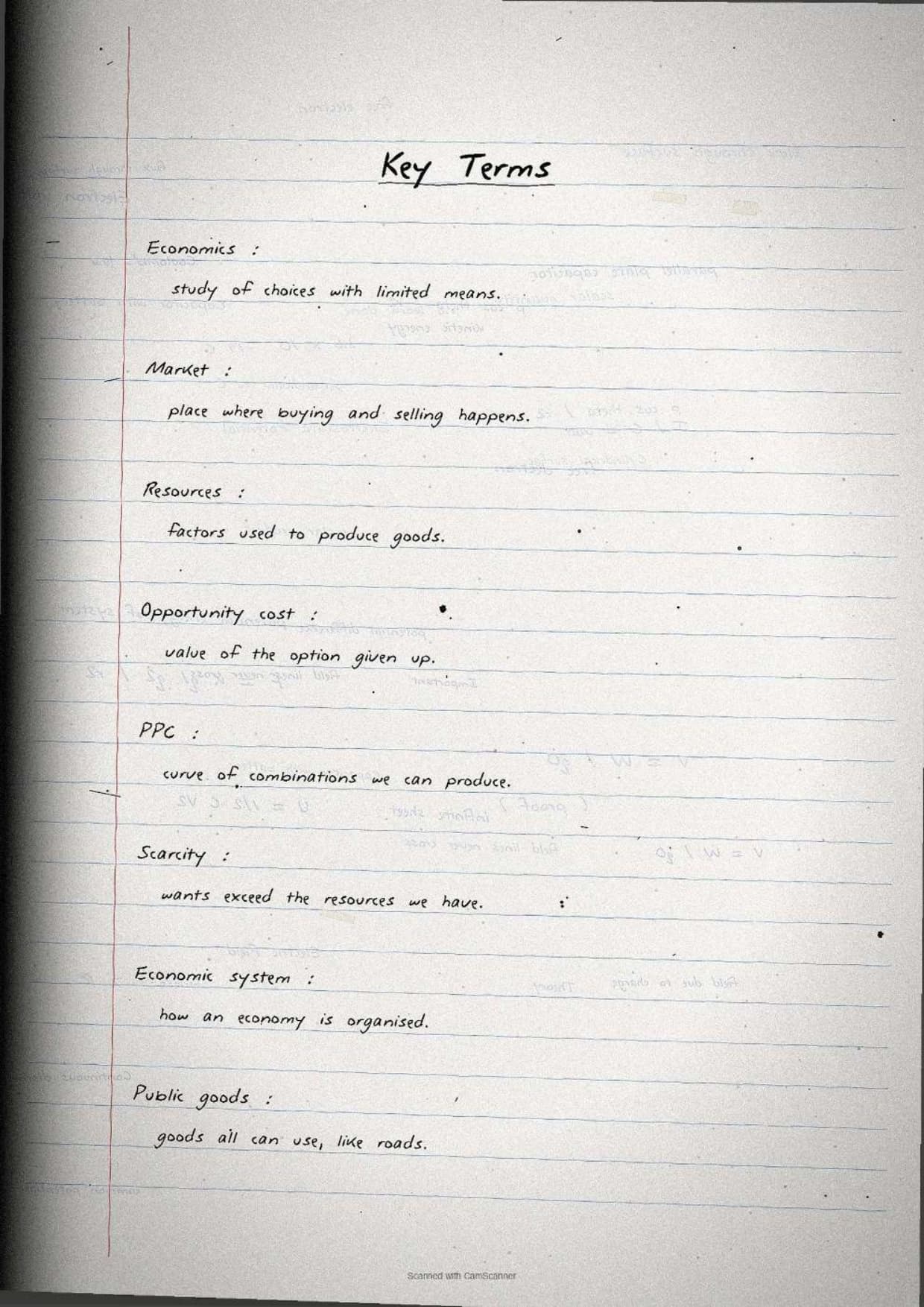
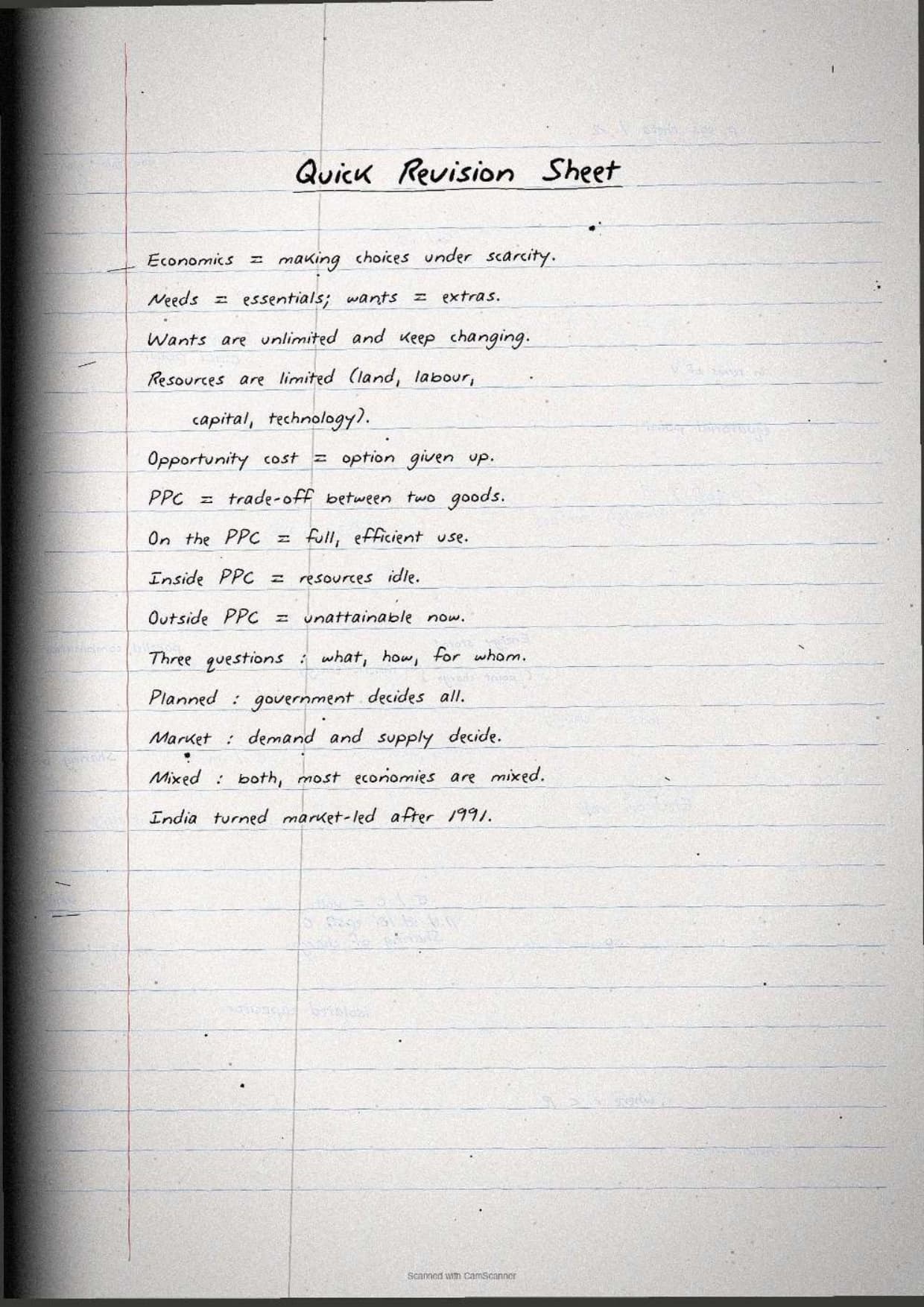
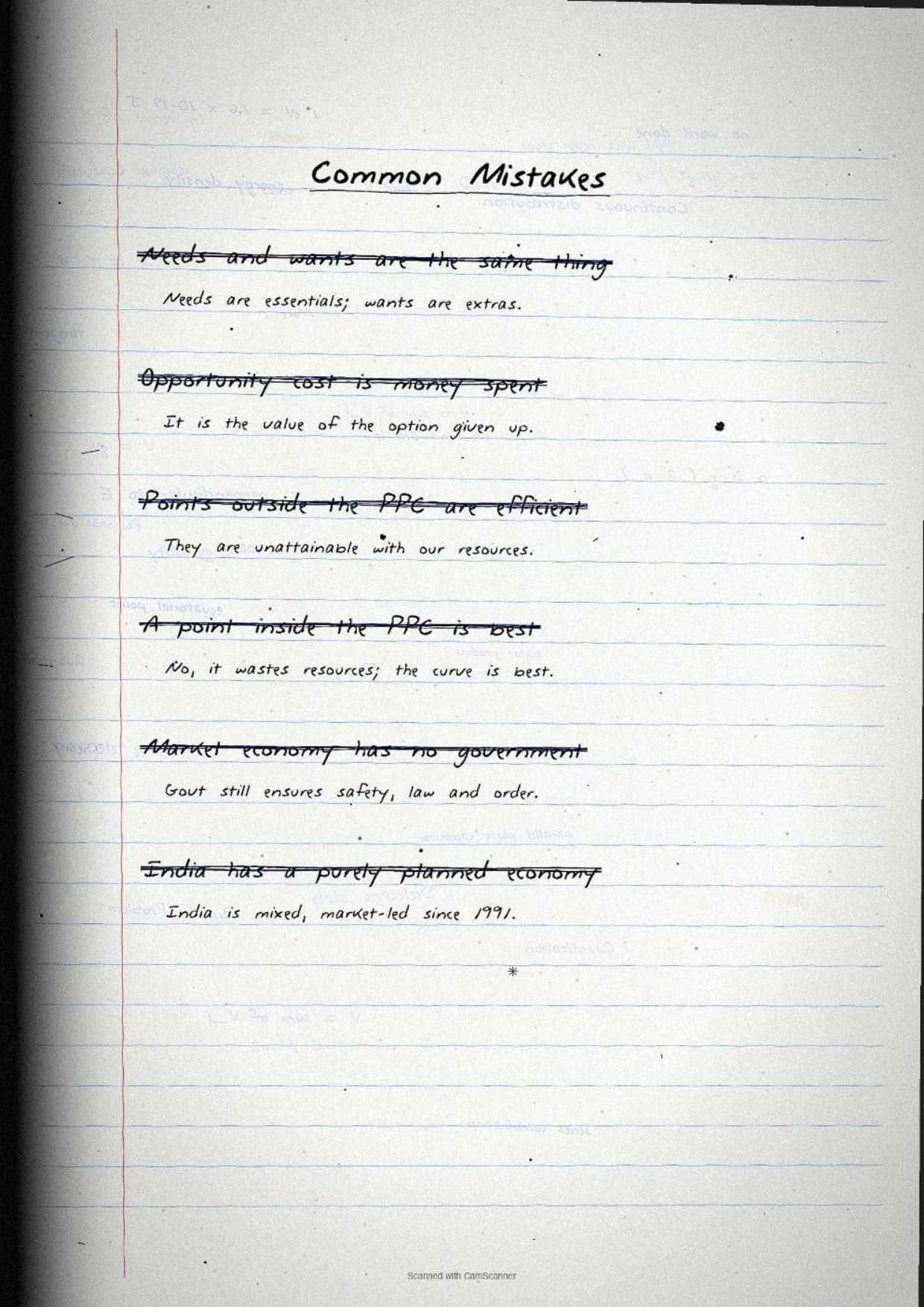
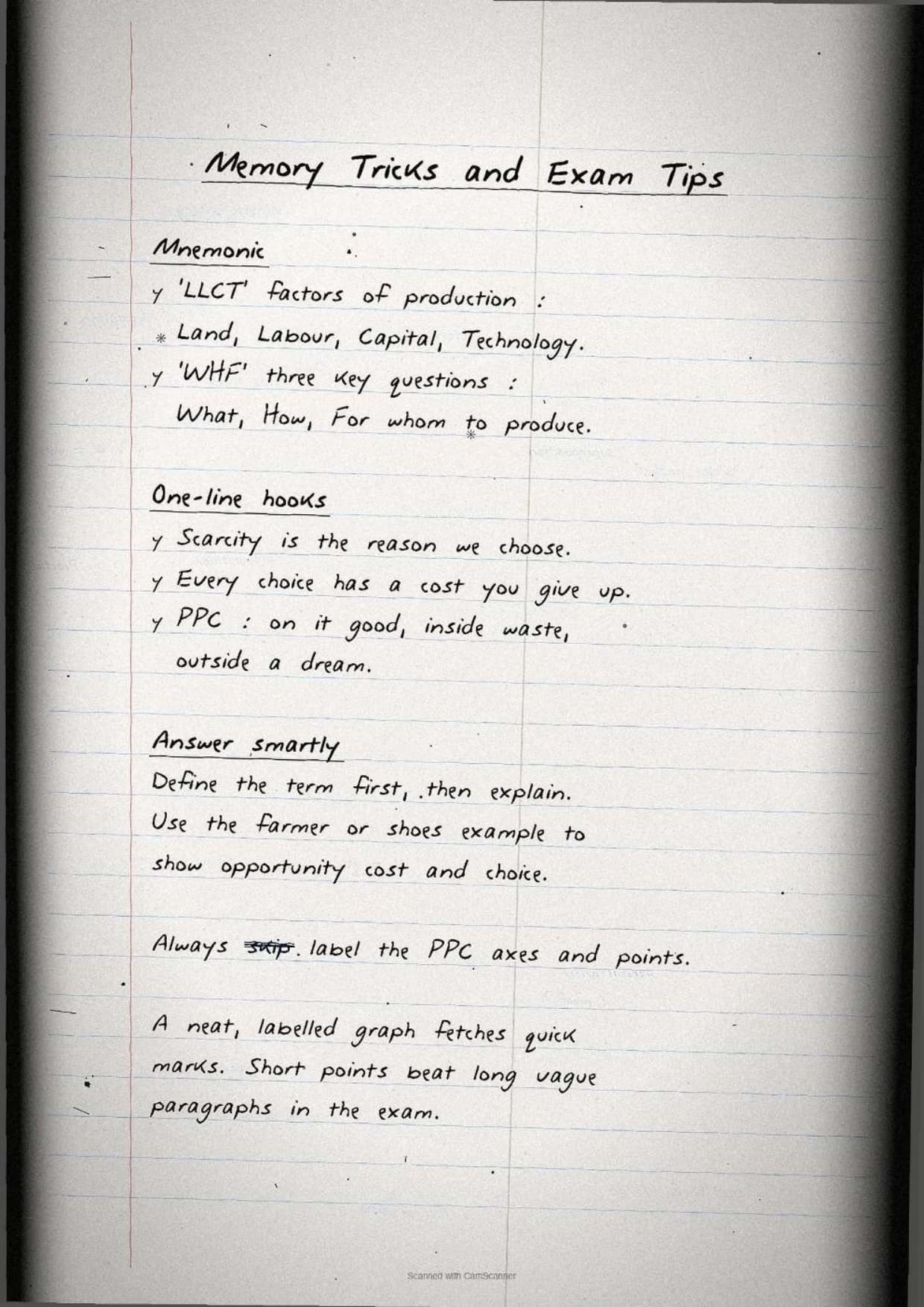
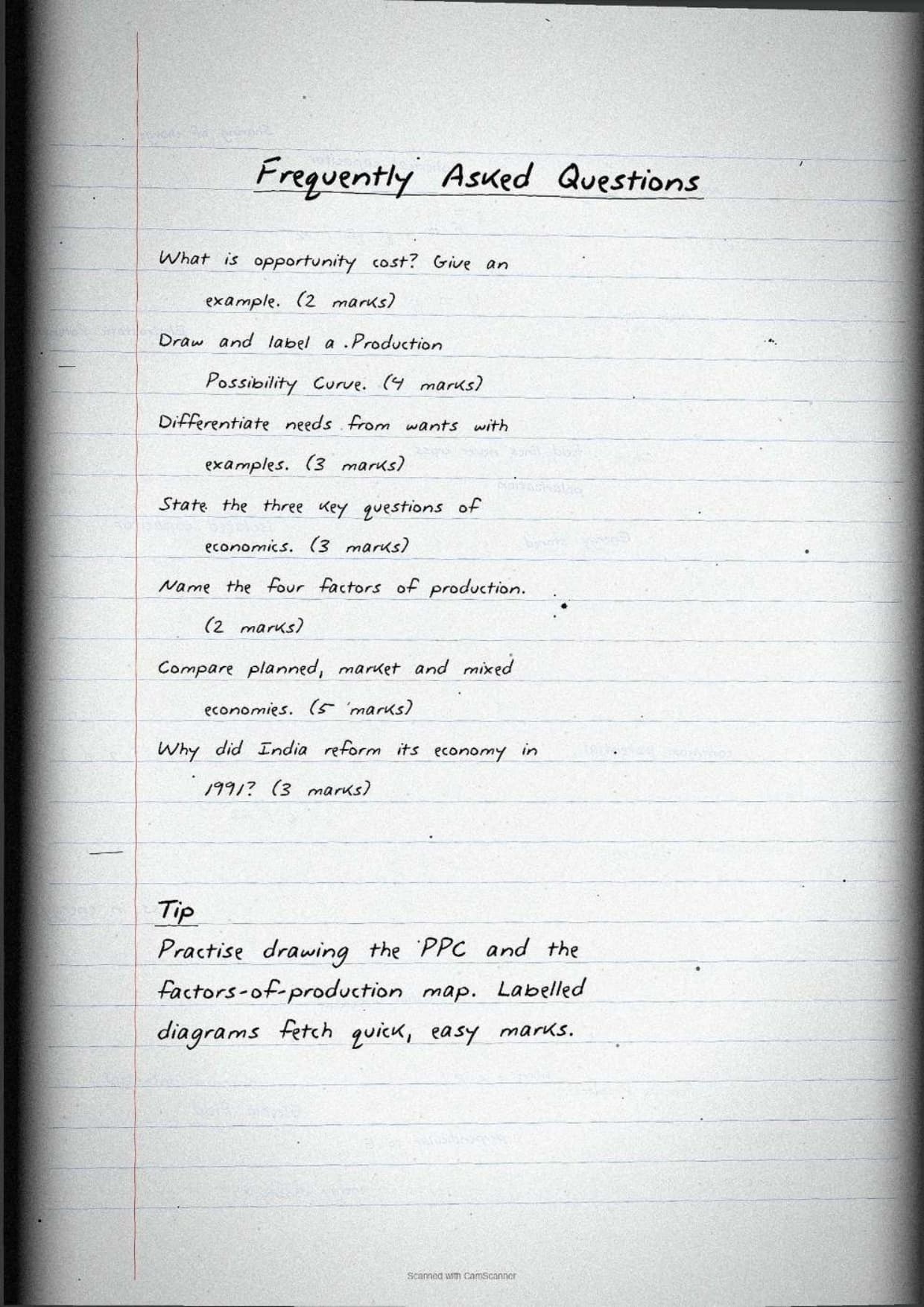
- What you get: needs versus wants, scarcity, opportunity cost, the PPC, the three key questions, and planned, market, and mixed economies.
- Colour-coded: new sub-topics in red, each definition and worked sum in a hand-drawn box, examples in blue.
- Why by hand: writing the PPC table and each opportunity-cost sum helps you recall the method fast in the exam.
Student Feedback
In a Collegedunia study of 1,180 Class 9 students, 81% said hand-written pages of scarcity, opportunity cost, and the three economic systems were easier to recall than typed notes. About 4 out of 5 rated the boxed PPC table and red-marked mistakes as most useful before a test.
Why Use the Class 9 Social Science Chapter 8 Building Blocks in Economics Handwritten Notes
Chapter 8 is your first economics chapter, so it mixes new terms with one graph and a few small sums. The Class 9 Social Science Handwritten Notes Chapter 8 Building Blocks in Economics The Problem of Choice keep every definition beside a diagram, so you revise the chapter in one sitting.
- Each definition, like scarcity or opportunity cost, sits in its own hand-drawn box.
- A quick flow chart or graph is sketched next to the idea it explains.
- Red sub-headings split the chapter into short, easy parts.
What Is Inside the Building Blocks in Economics Handwritten Notes PDF
The Class 9 Social Science Handwritten Notes Chapter 8 Building Blocks in Economics The Problem of Choice move from needs and wants, to scarcity, opportunity cost and the Production Possibility Curve, the three key questions, and the three economic systems. A short example follows each idea. The colour code below explains every mark.
- Red: new sub-topic headings, such as Scarcity, Opportunity Cost, or Mixed Economy.
- Boxes: each definition and worked sum, like the opportunity cost on the PPC.
- Blue: real-life examples and their worked numbers.
Needs, Wants, and Scarcity in the Building Blocks in Economics Notes
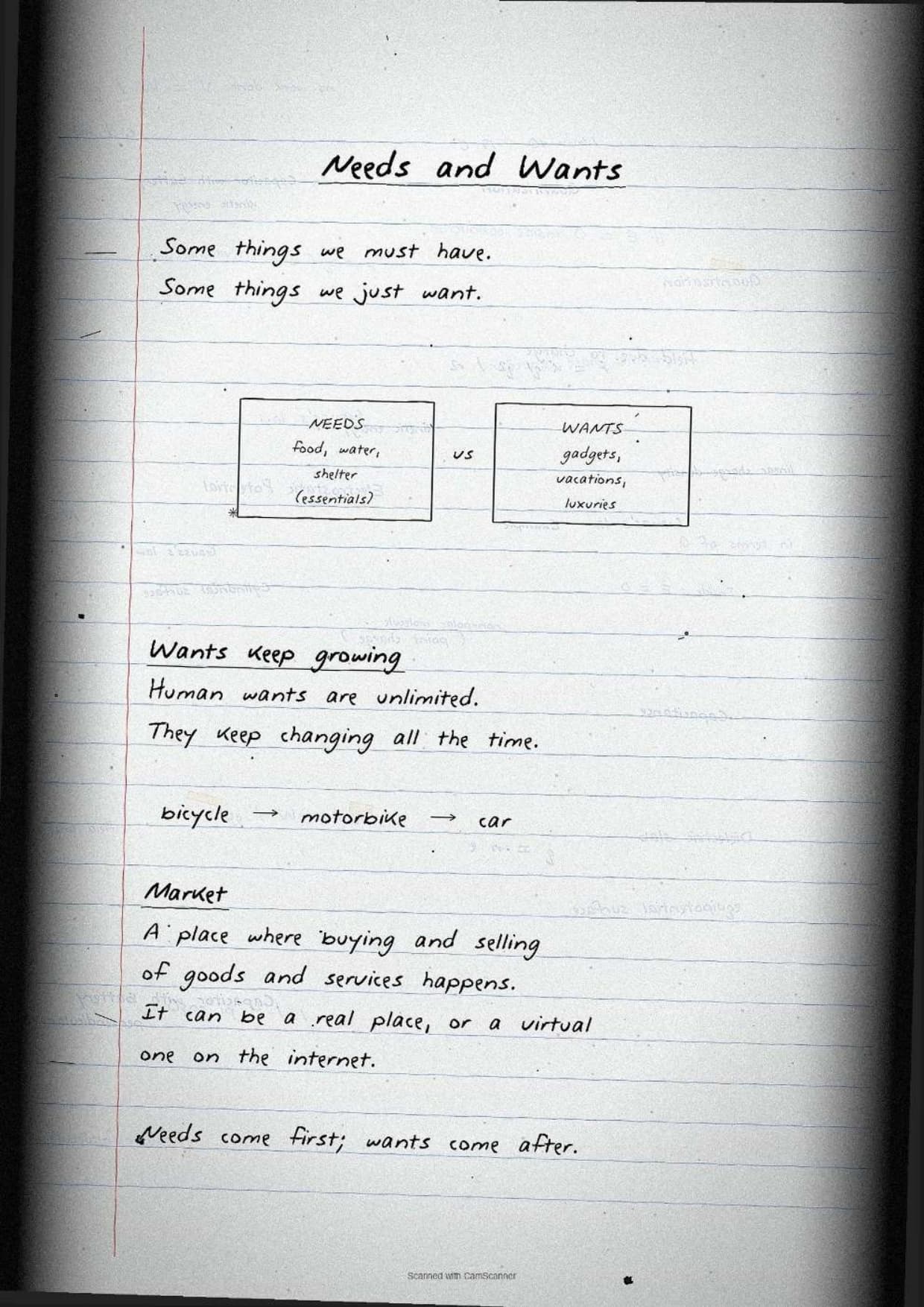
The chapter opens with a simple truth: people have many wants, but the means to meet them are limited. The notes box the first two terms so the difference is clear.
- Needs are essentials for survival, such as food and shelter.
- Wants are extra desires, such as a smartphone or a car. Human wants are unlimited.
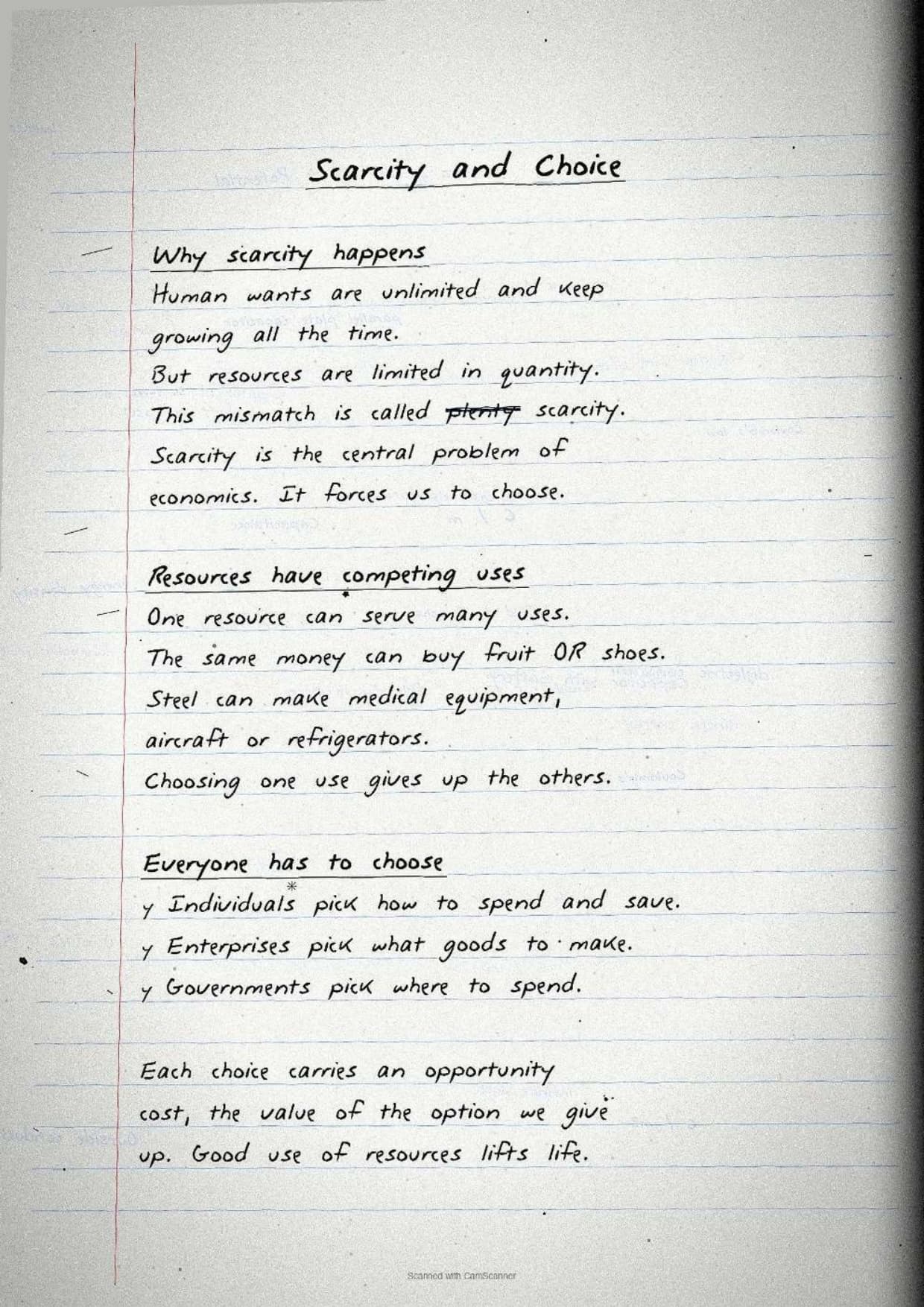
- Scarcity means limited resources cannot satisfy all wants, so everyone must choose.
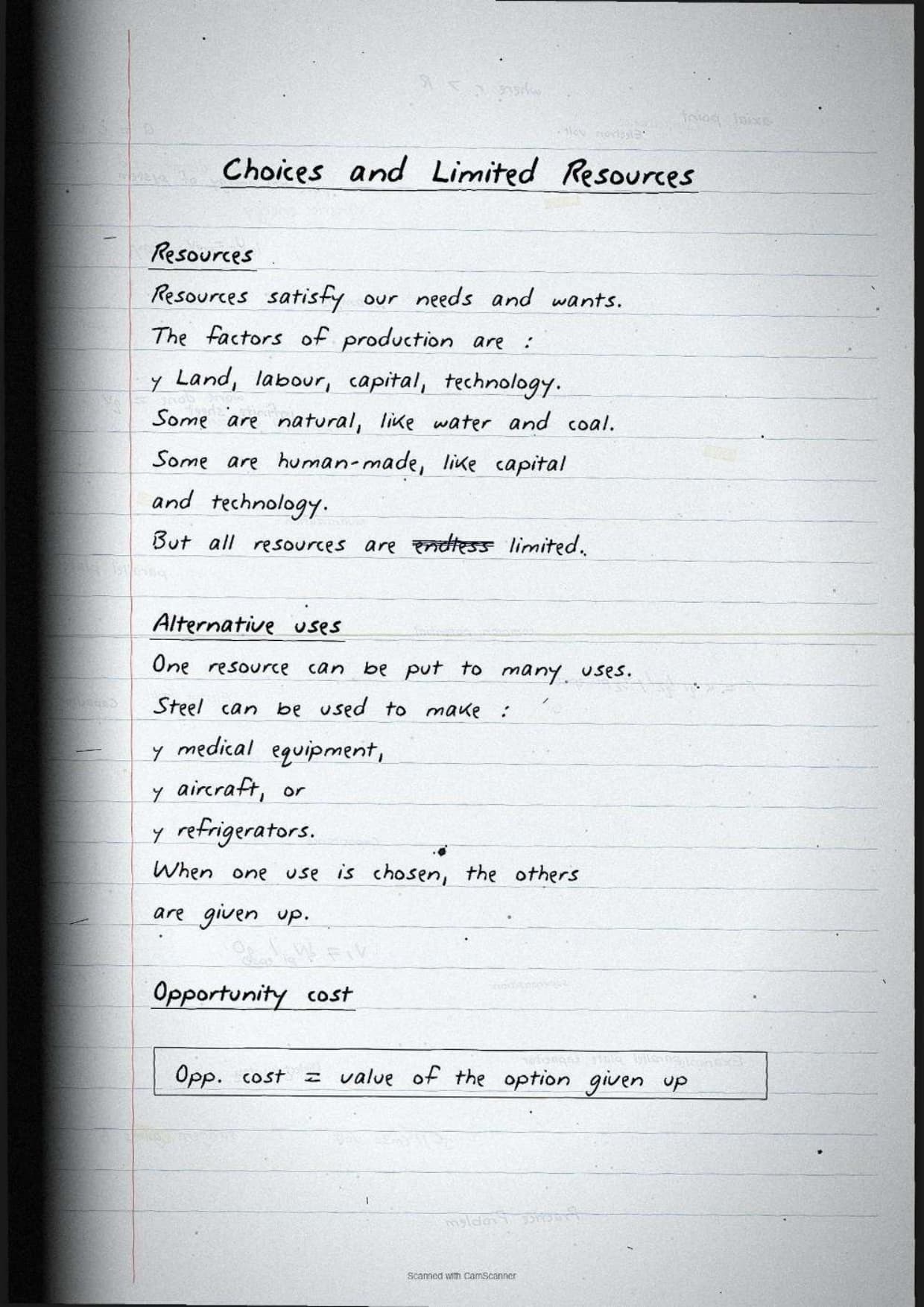
A red flow chart fixes the chain: unlimited wants plus limited resources leads to scarcity, and scarcity forces choice. The four factors of production, land, labour, capital, and technology, are the building blocks of all production.
Opportunity Cost and the PPC Drawn by Hand in the Building Blocks in Economics Notes
Once resources are scarce, every choice has a cost. The value of the best option you gave up is your opportunity cost. The notes give this a boxed definition and a money example.
- Opportunity cost is the value of the next best alternative given up.
- With Rupees 100, buying a notebook means giving up a racket, which is the opportunity cost.
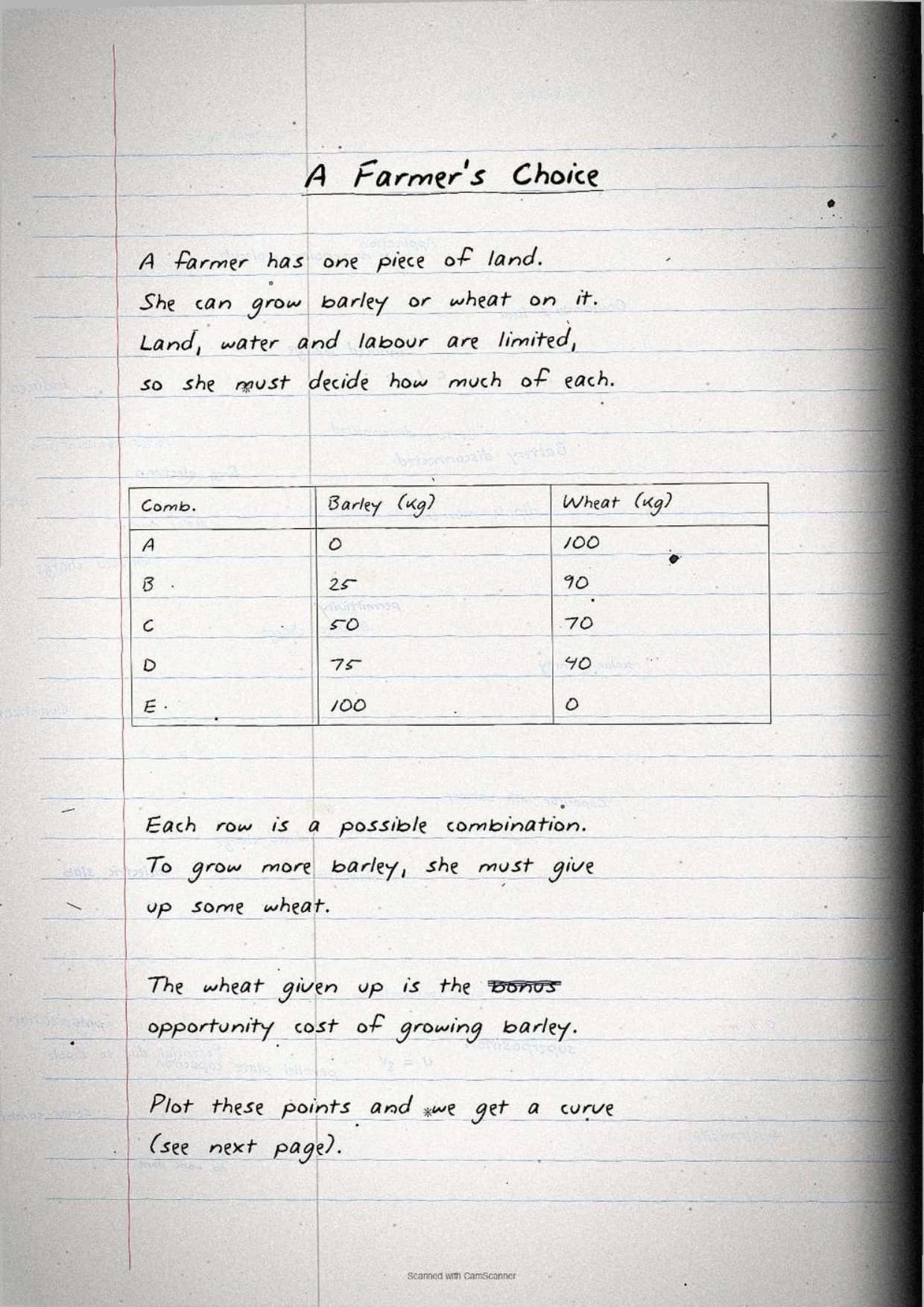
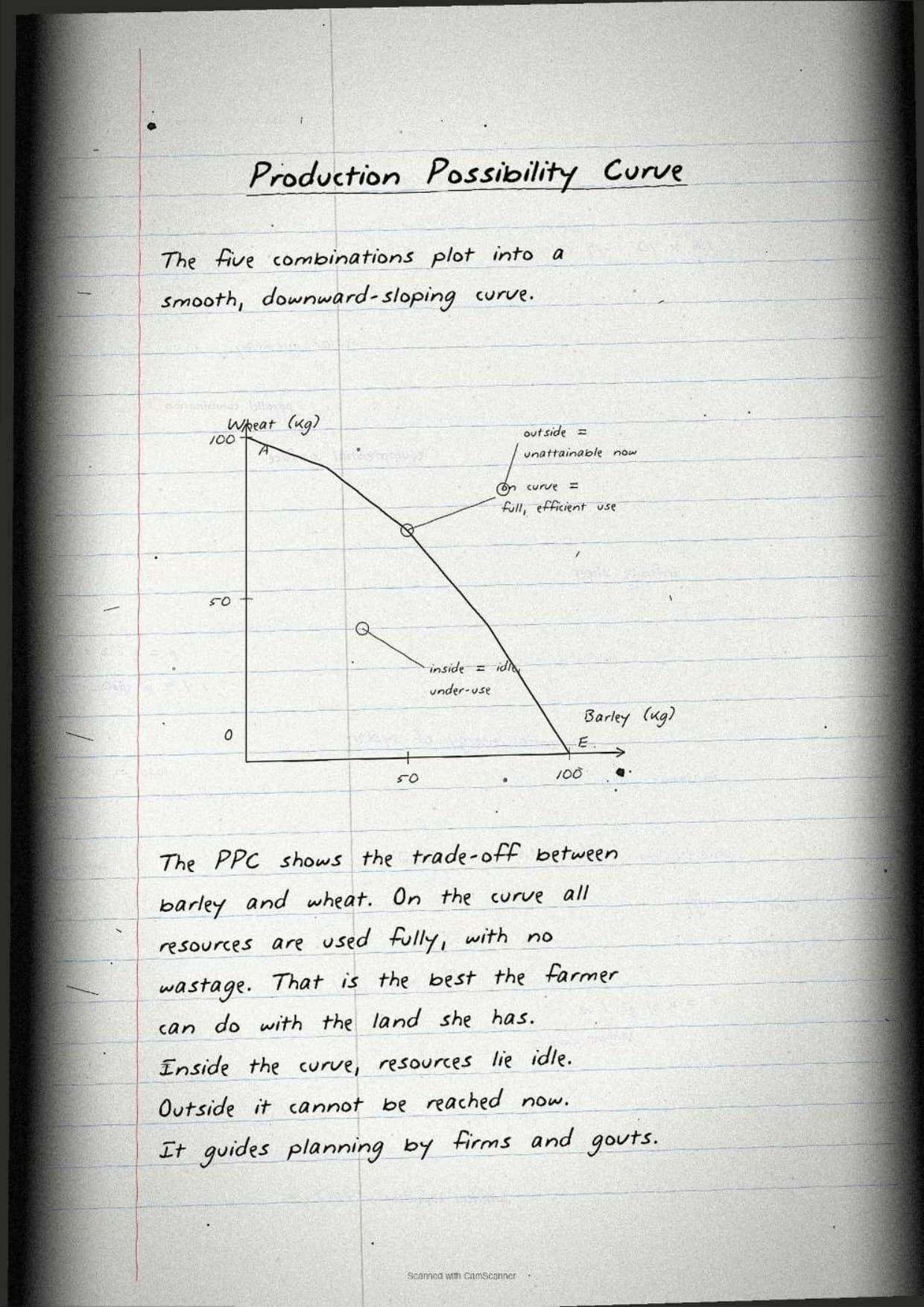
The notes then draw the farmer's table and graph by hand. A farmer with limited land must split it between barley and wheat. The combinations form a downward sloping Production Possibility Curve, because more of one good means less of the other.
| Combination | Barley (kg) | Wheat (kg) |
|---|---|---|
| A | 0 | 100 |
| B | 25 | 90 |
| C | 50 | 70 |
| D | 75 | 40 |
| E | 100 | 0 |
One sum is worked in blue. Moving from C to D, barley rises by 25 kg while wheat falls by 30 kg, so the opportunity cost of 25 kg extra barley is 30 kg of wheat. A point on the curve uses all resources; inside wastes them; outside is out of reach.
The Three Key Questions in the Building Blocks in Economics Handwritten Notes
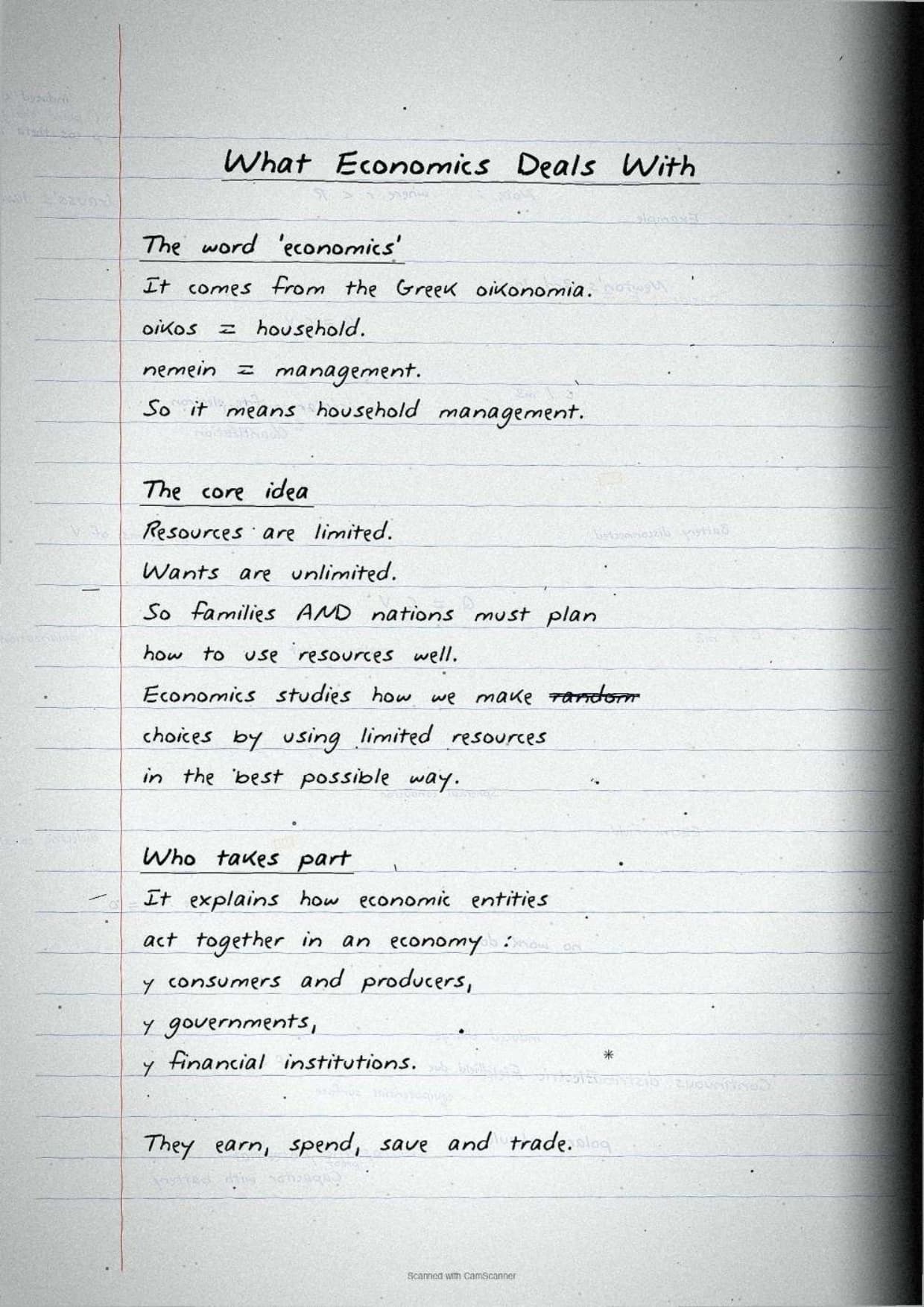
Because wants are unlimited and resources are limited, every economy must answer three central questions. The notes pin them in a red box so you never miss one. The word economics comes from the Greek oikonomia, meaning household management; a nation plans its scarce resources just as a family does.
| Question | What it decides |
|---|---|
| What to produce? | Which goods and services, and in what amounts. |
| How to produce? | Labour-intensive (more workers) or capital-intensive (more machines). |
| For whom to produce? | Which group of buyers the goods are made for. |
Short blue examples follow. A firm picks workers when labour is cheap and machines when labour is costly.
Planned, Market, and Mixed Economies Compared by Hand
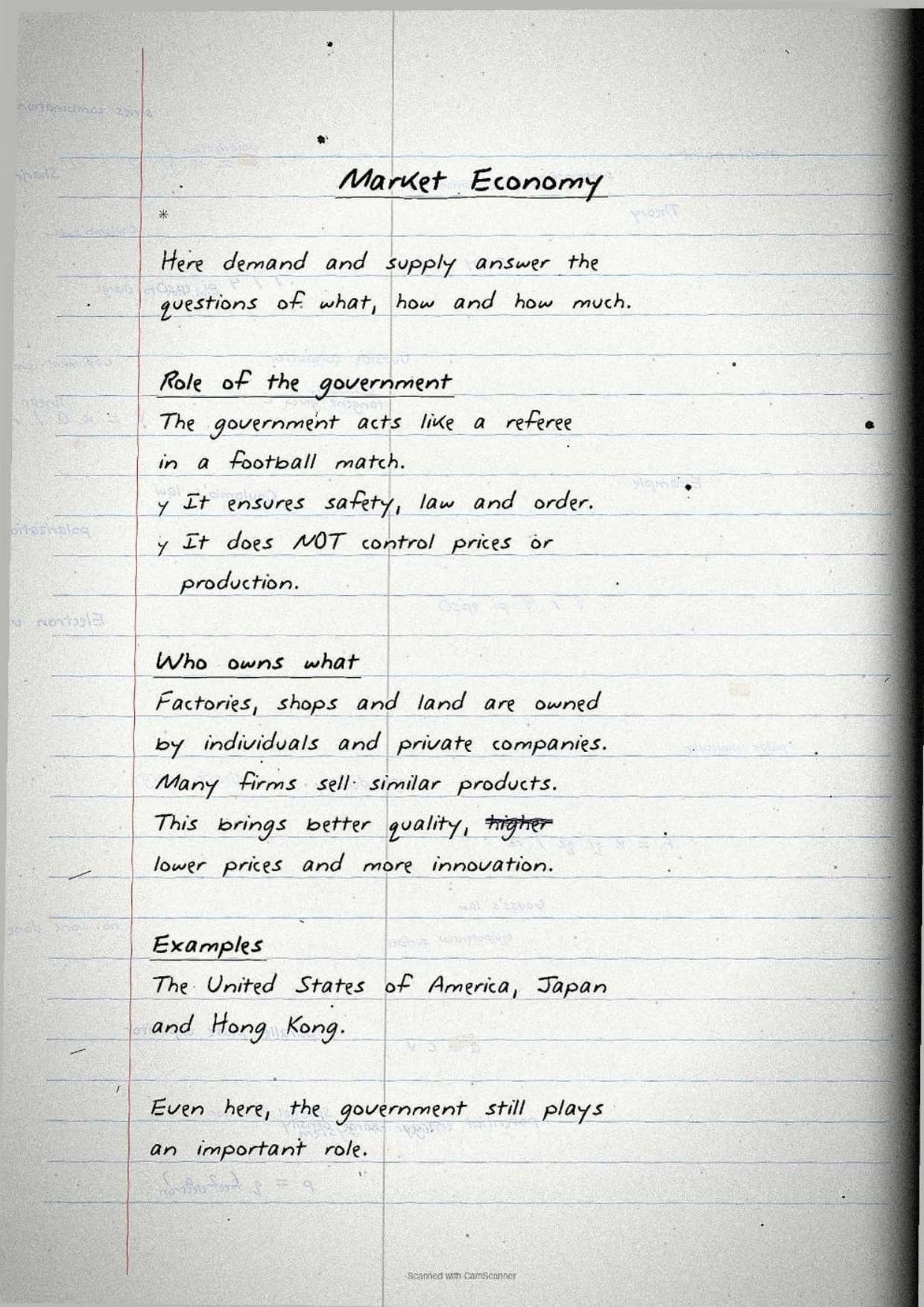
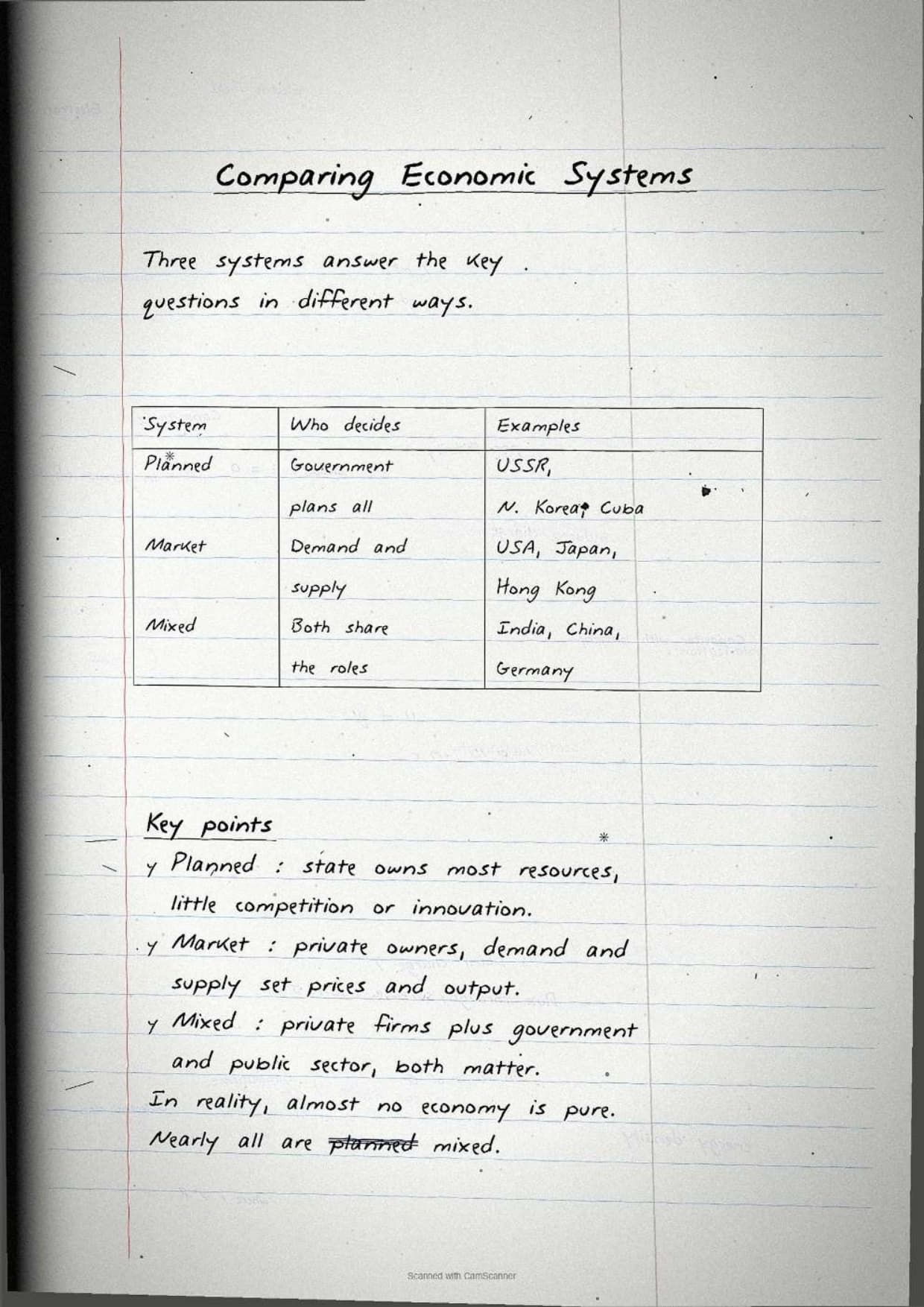
Different countries answer the three questions in different ways. Who owns the resources and controls the decisions is the economic system. The notes place the three types on one hand-drawn spectrum, from full government control to full private.
| System | Who decides | Examples |
|---|---|---|
| Planned | Central government owns most resources | Former Soviet Union, North Korea, Cuba |
| Market | Demand and supply, private ownership | United States, Japan, Hong Kong |
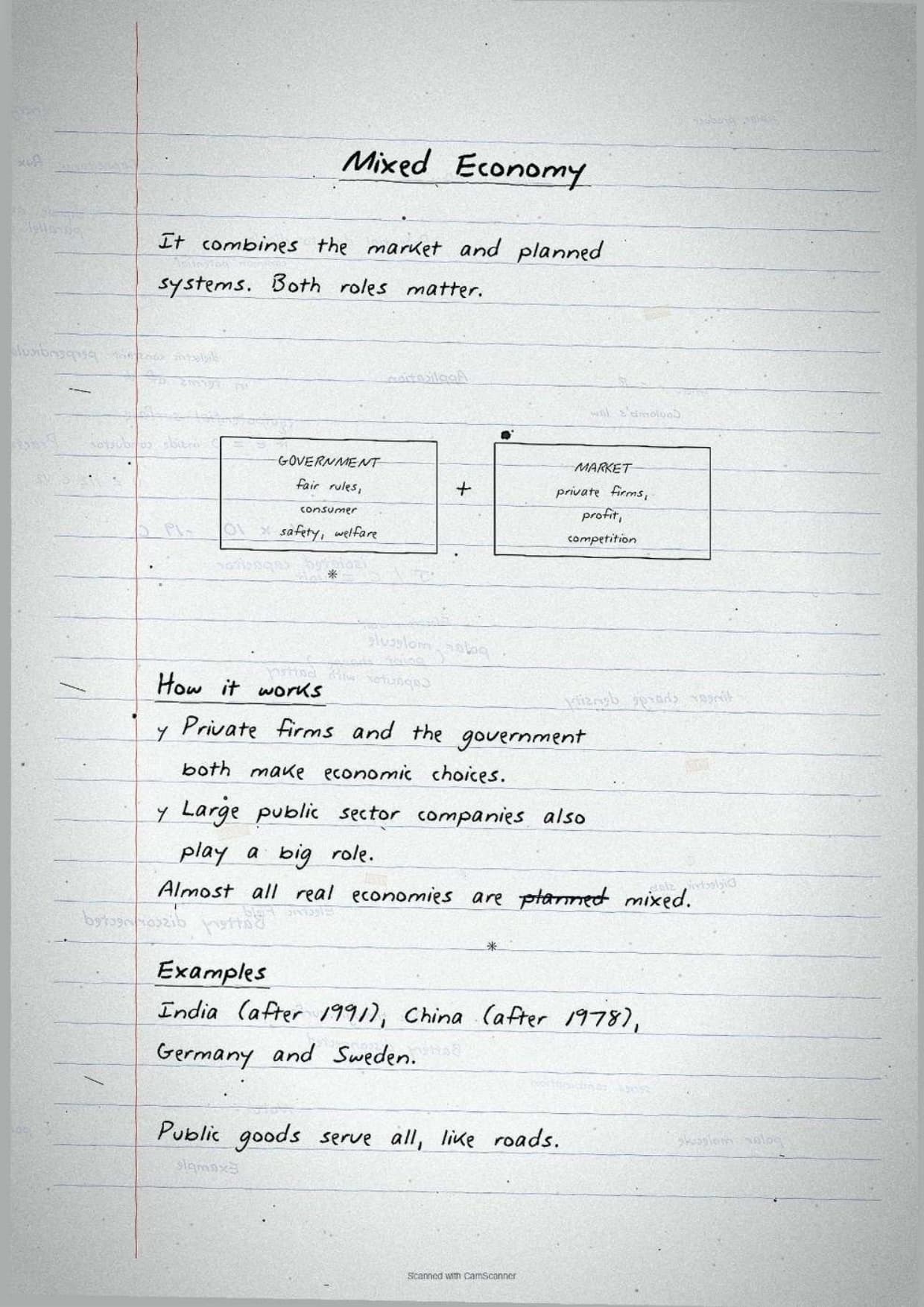
| Mixed | Government and private together | India (post-1991), China, Germany, Sweden |
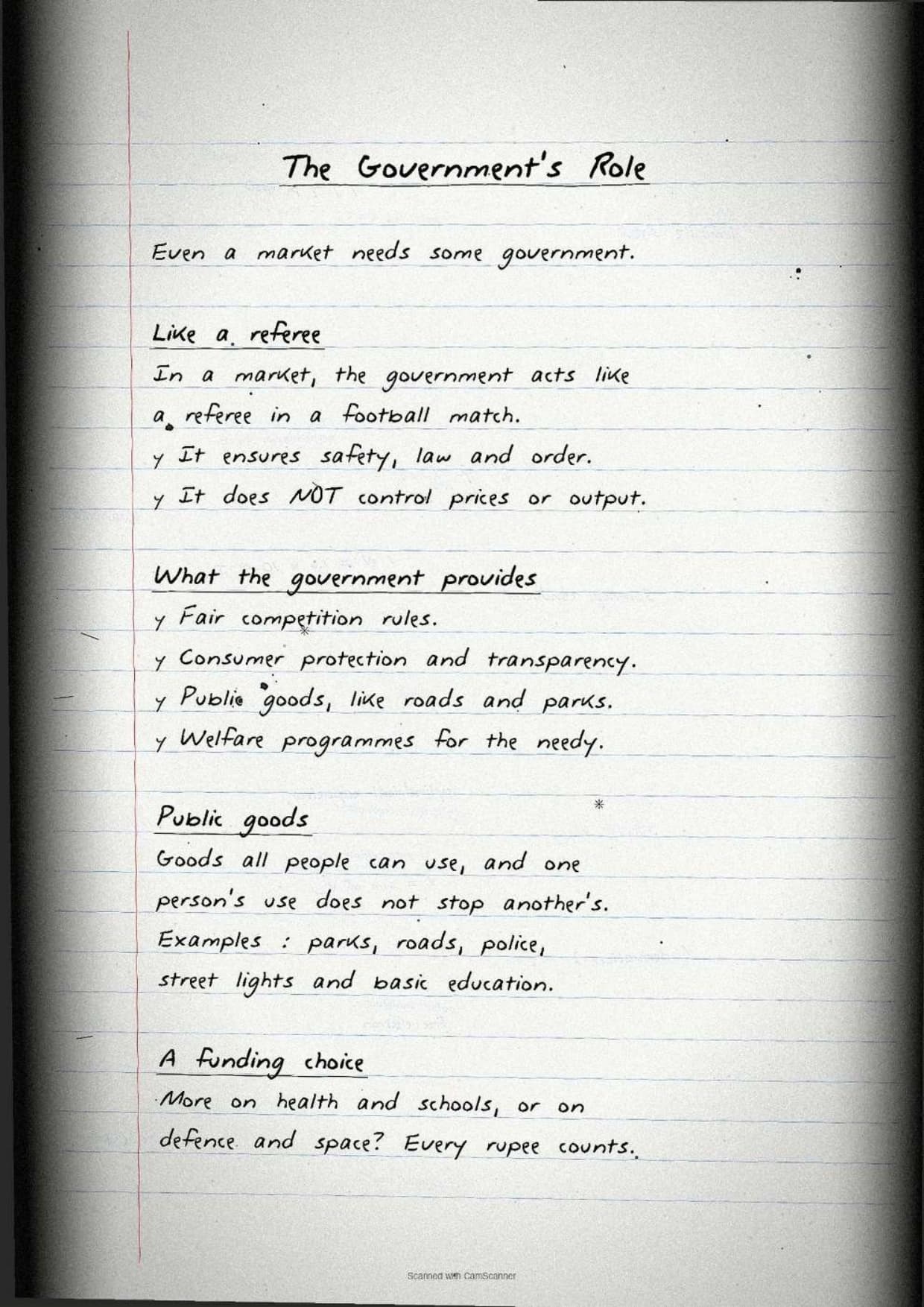
The key point is boxed in red: in a market economy the government acts like a referee, keeping order but not setting prices. Almost every country is mixed. India followed a planned path after Independence, then the 1991 reforms welcomed private firms.
Common Mistakes Flagged in Red in the Building Blocks in Economics Notes
Most lost marks here come from small slips, not hard ideas. The notes circle these in red so you fix them while you revise.
- Forgetting that every choice has a hidden opportunity cost.
- Confusing points inside, on, and outside the curve.
- Calling a country purely planned or purely market; most are mixed.
- Applying scarcity only to money; it applies to time and land too.
Last-Minute Revision with the Class 9 Social Science Chapter 8 Building Blocks in Economics The Problem of Choice Handwritten Notes
The night before your exam, the Class 9 Social Science Handwritten Notes Chapter 8 Building Blocks in Economics The Problem of Choice work as a quick skim. Every boxed definition and red heading is a checkpoint, so you cover the chapter in under an hour.
- Define needs, wants, and scarcity in one line each.
- Explain opportunity cost with the notebook-and-racket example.
- Read the PPC table and find the opportunity cost between two rows.
- List the three key questions: what, how, and for whom.
- Compare planned, market, and mixed economies with one example each.
Other Building Blocks in Economics Class 9 Social Science Resources
The Class 9 Social Science Handwritten Notes Chapter 8 Building Blocks in Economics The Problem of Choice work best alongside the solutions and the NCERT book. Use the table below to open the other resources for this chapter.
| Resource | Open |
|---|---|
| Handwritten Notes | Building Blocks in Economics Class 9 Social Science Handwritten Notes |
| NCERT Solutions | Building Blocks in Economics Class 9 Social Science NCERT Solutions |
| Revision Notes | Building Blocks in Economics Class 9 Social Science Notes |
| NCERT Book PDF | Building Blocks in Economics Class 9 Social Science NCERT Book PDF |
NCERT Handwritten Notes for Class 9 Social Science: All Chapters
Use the table below to open the handwritten notes for any other chapter of the new Class 9 Social Science Understanding Society book.
| Chapter | Handwritten Notes |
|---|---|
| Chapter 1 | Understanding Social Science |
| Chapter 2 | Shaping of the Earth's Surface |
| Chapter 3 | Atmosphere and Climate |
| Chapter 4 | Early Humans and Beginning of Civilisation |
| Chapter 5 | State and Society up to 1000 CE |
| Chapter 6 | Democracy |
| Chapter 7 | Elections |
| Chapter 8 | Building Blocks in Economics The Problem of Choice |
| Chapter 9 | The Price Puzzle What Drives the Market |
Building Blocks in Economics Class 9 Social Science Handwritten Notes FAQs
Ques. Are these real handwritten notes for Chapter 8?
Ans. Yes. They are a topper's own clear handwritten revision notes, with each definition boxed, flow charts and the PPC graph drawn by hand, and sub-headings colour-coded in red.
Ques. What topics do the Building Blocks in Economics handwritten notes cover?
Ans. They cover needs and wants, scarcity, resources and factors of production, opportunity cost, the Production Possibility Curve, the three key questions, and planned, market, and mixed economies, each with a short example.
Ques. How do the notes explain opportunity cost?
Ans. The notes define opportunity cost as the value of the next best option given up. They show it with the farmer's PPC table, where moving from one row to the next means giving up some wheat to grow more barley.
Ques. Is Building Blocks in Economics part of the new Class 9 Social Science book?
Ans. Yes. Building Blocks in Economics The Problem of Choice is Chapter 8 of the new Understanding Society textbook for the 2026-27 syllabus. It is followed by Chapter 9, The Price Puzzle What Drives the Market.



Comments