




The Early Humans and Beginning of Civilisation Class 9 Social Science Handwritten Notes are a topper's own neat revision of Chapter 4. These class 9 social science handwritten notes chapter 4 Early Humans and Beginning of Civilisation cover human evolution, the Stone Age, the Neolithic Revolution, and the Bronze Age civilisations, each key term boxed by hand.
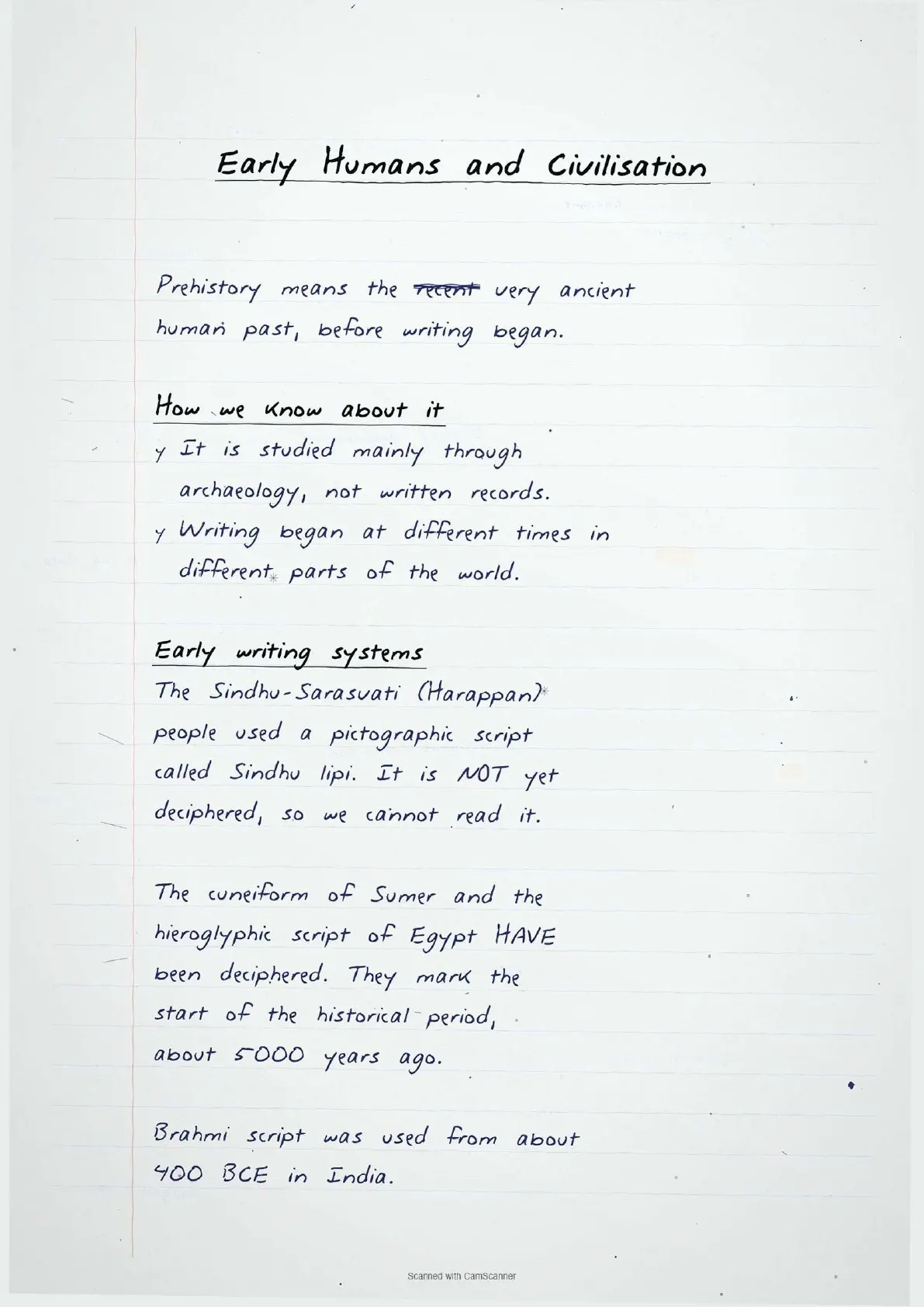
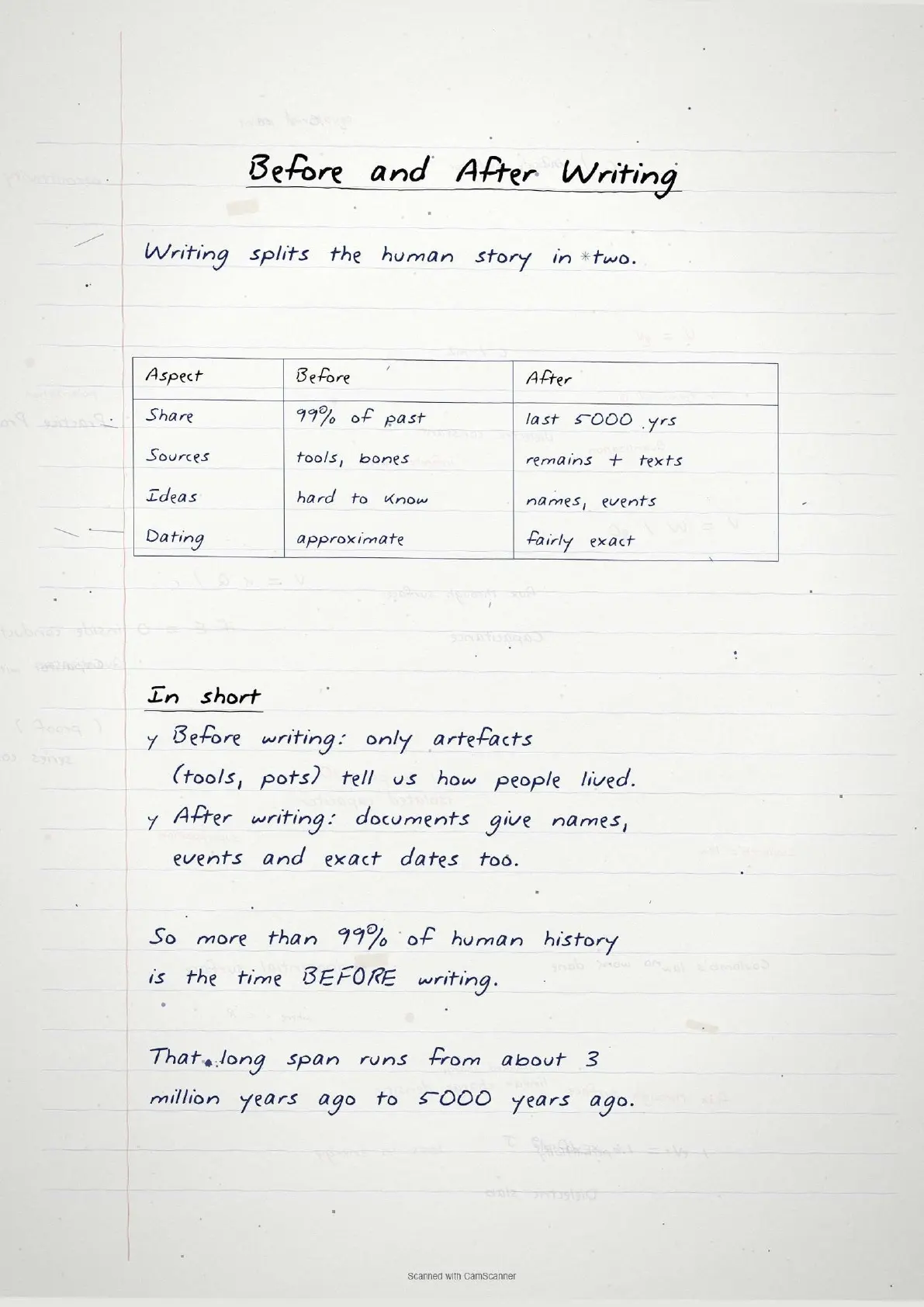
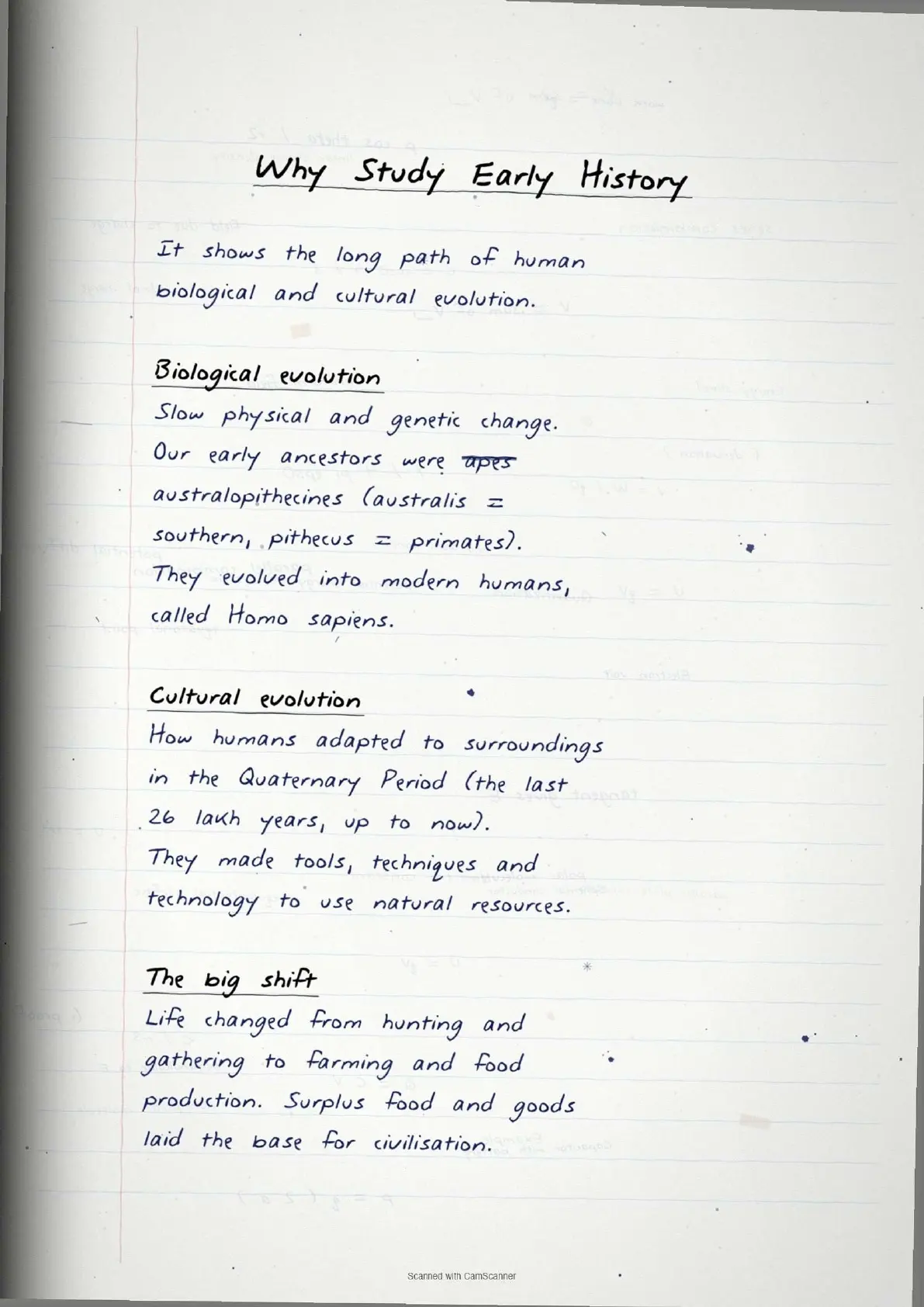
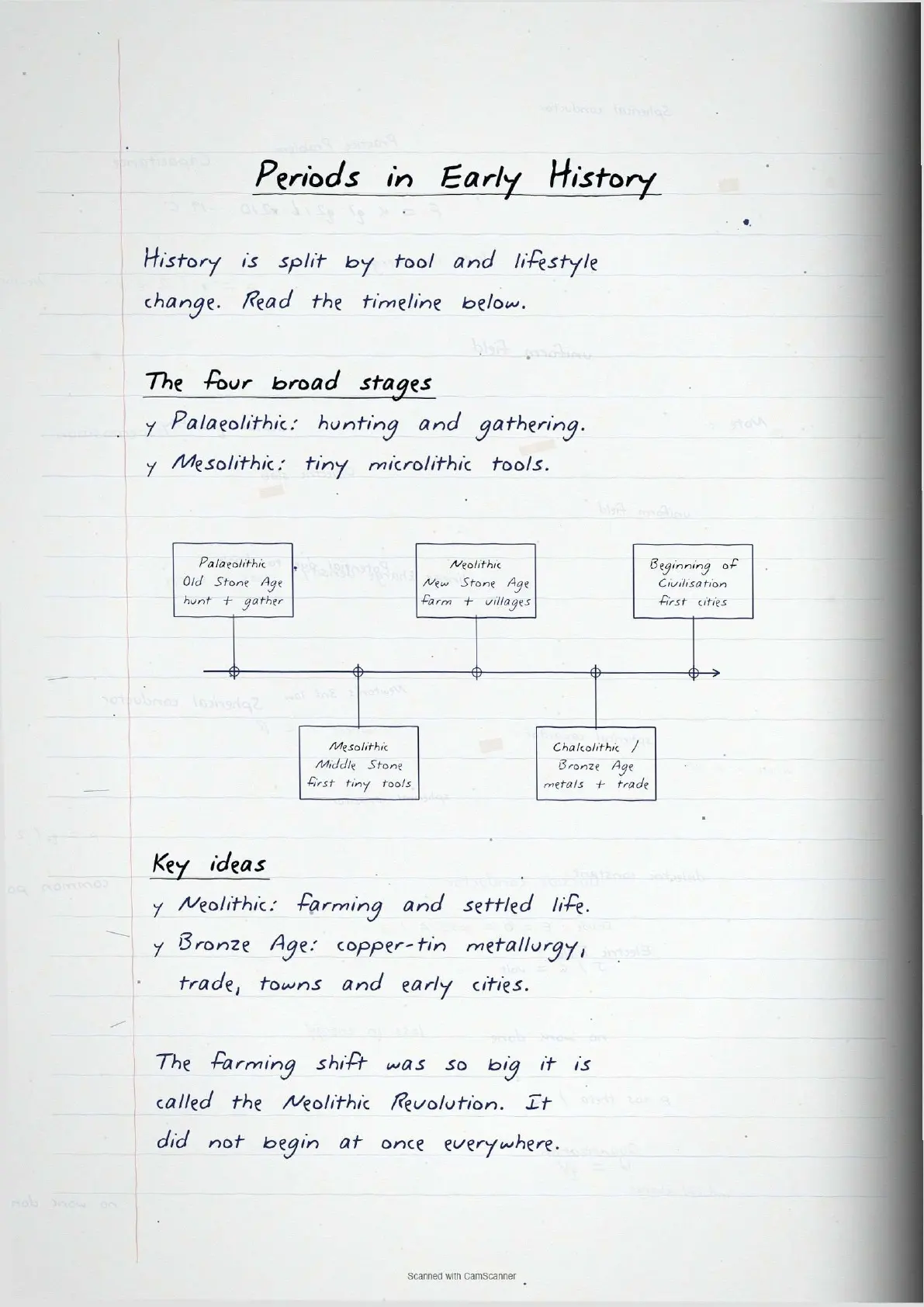
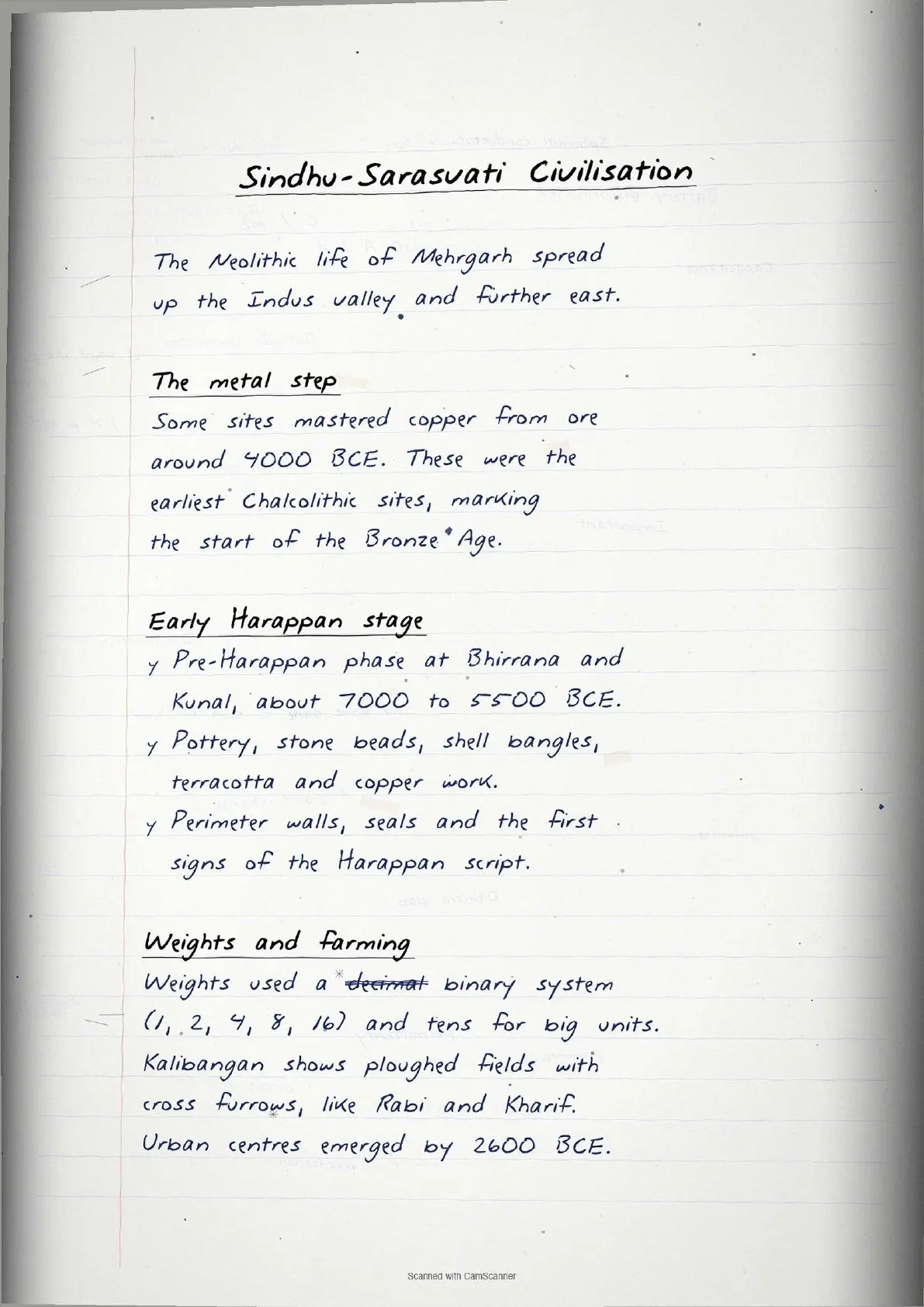
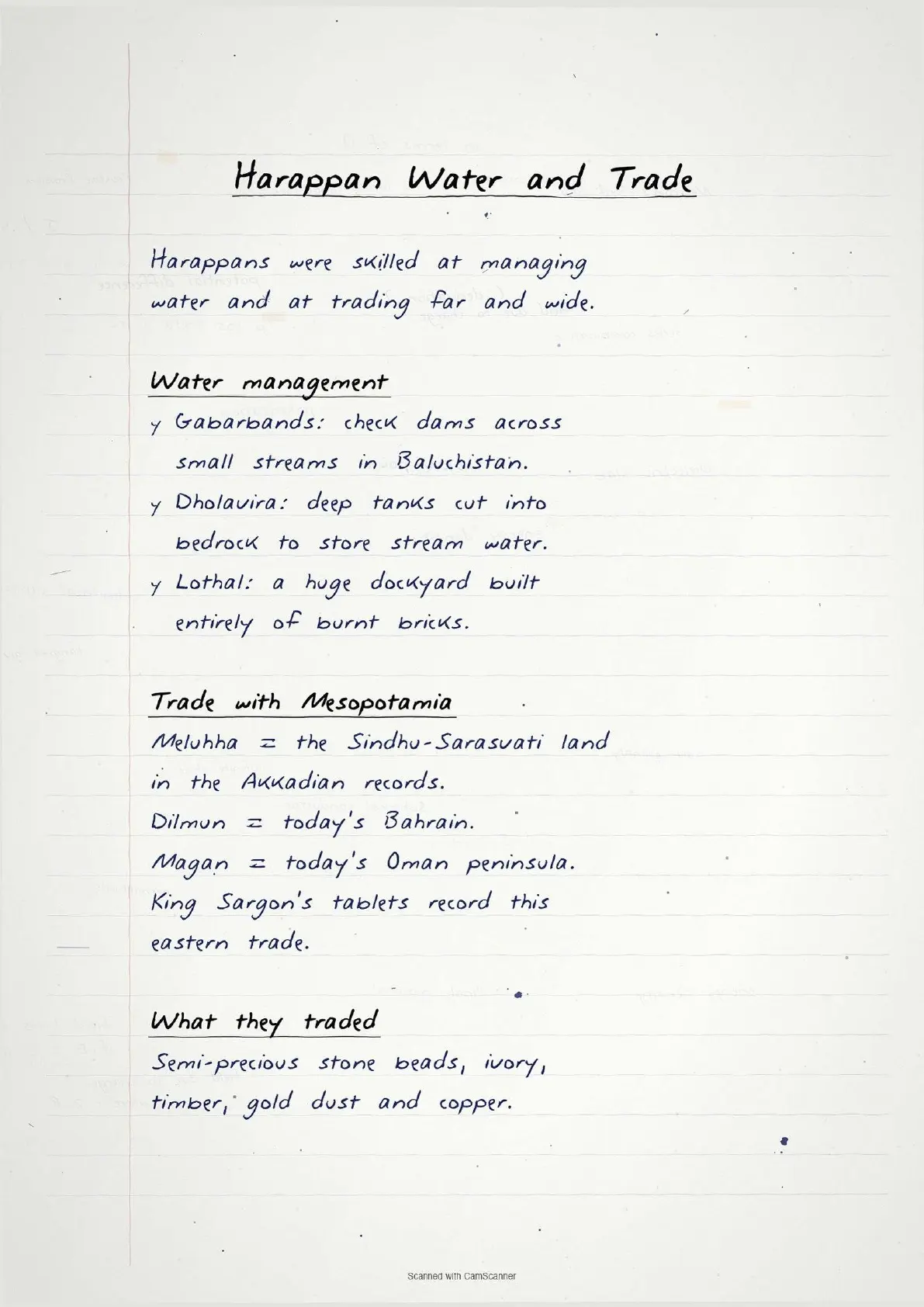
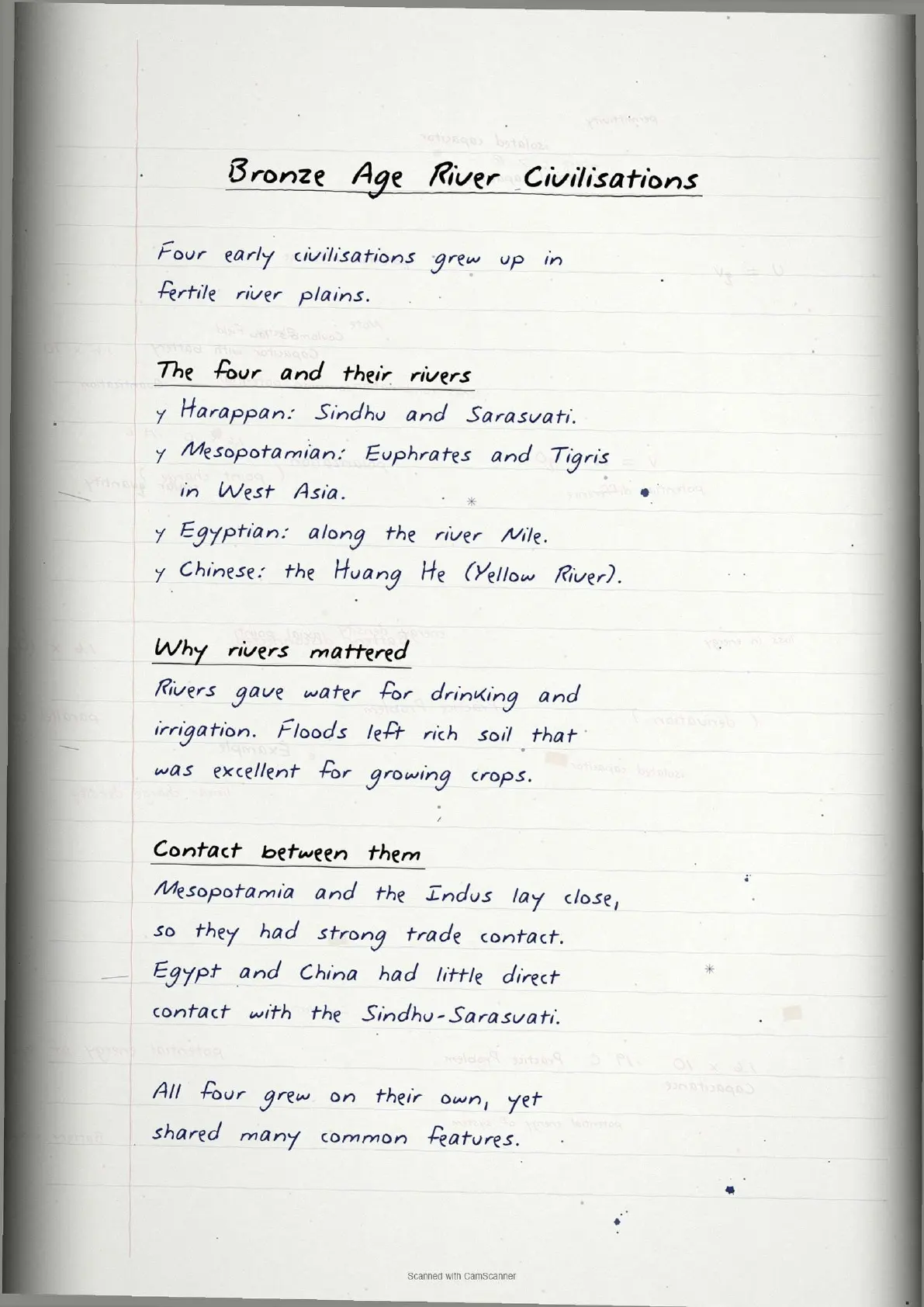
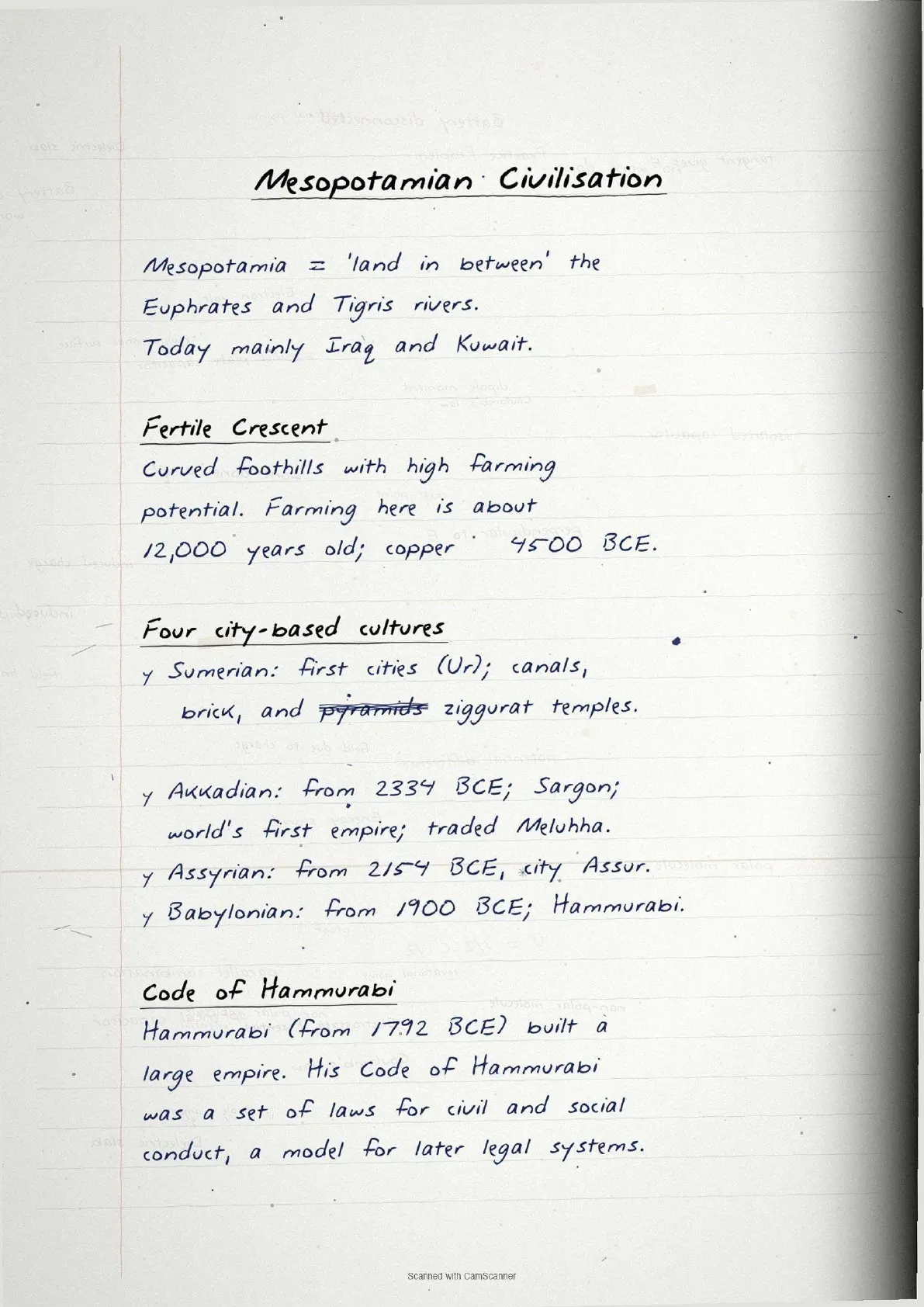
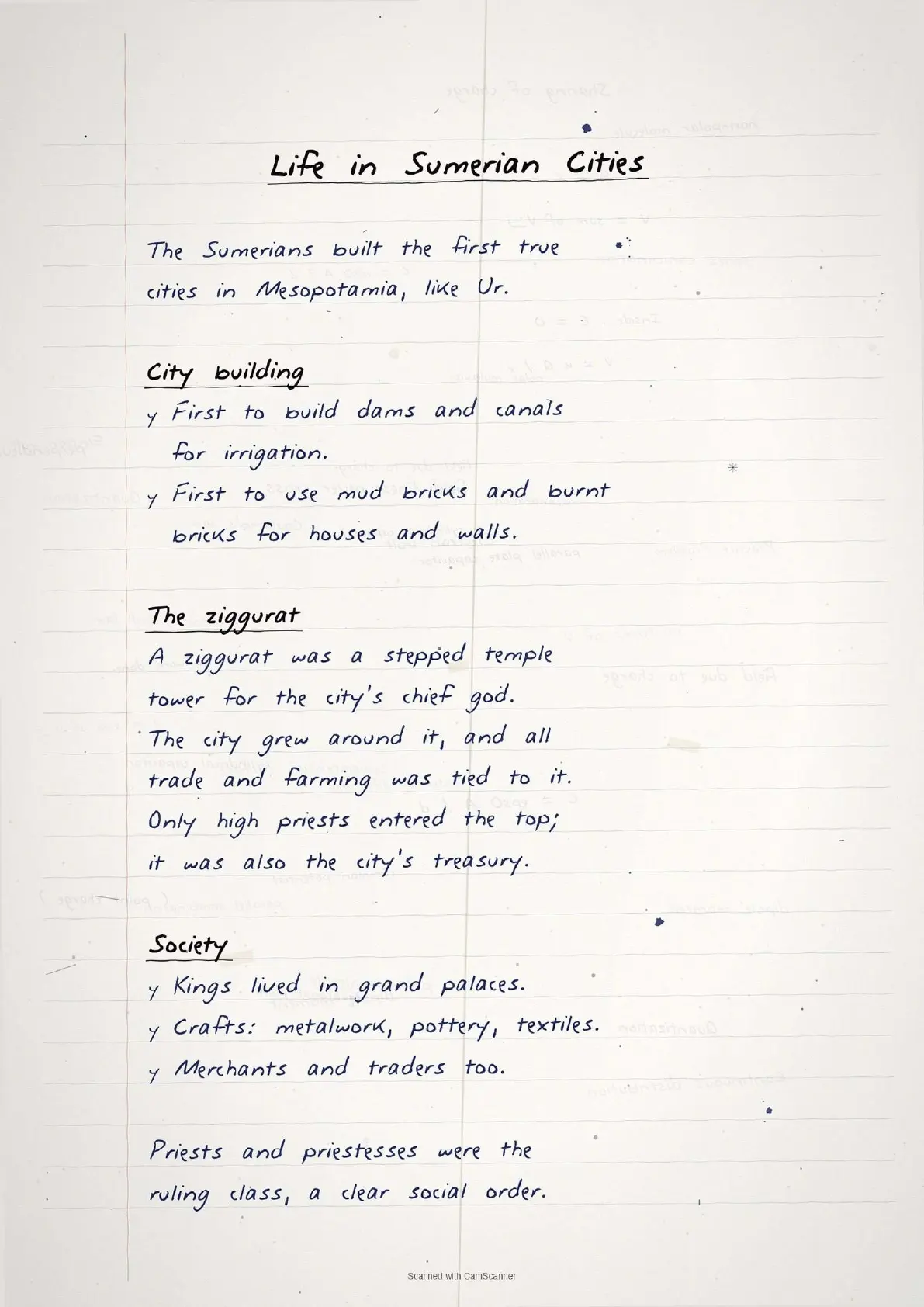
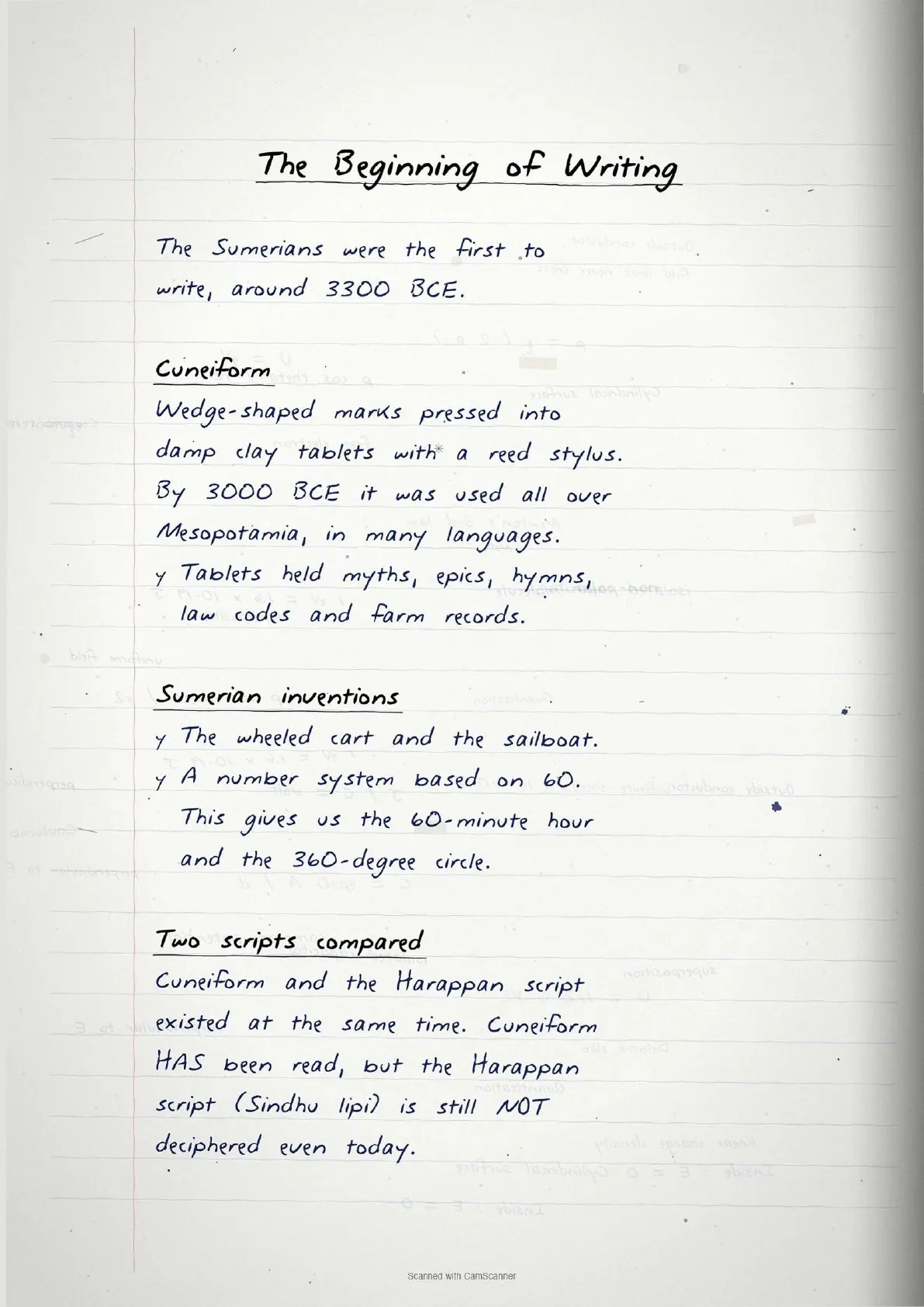
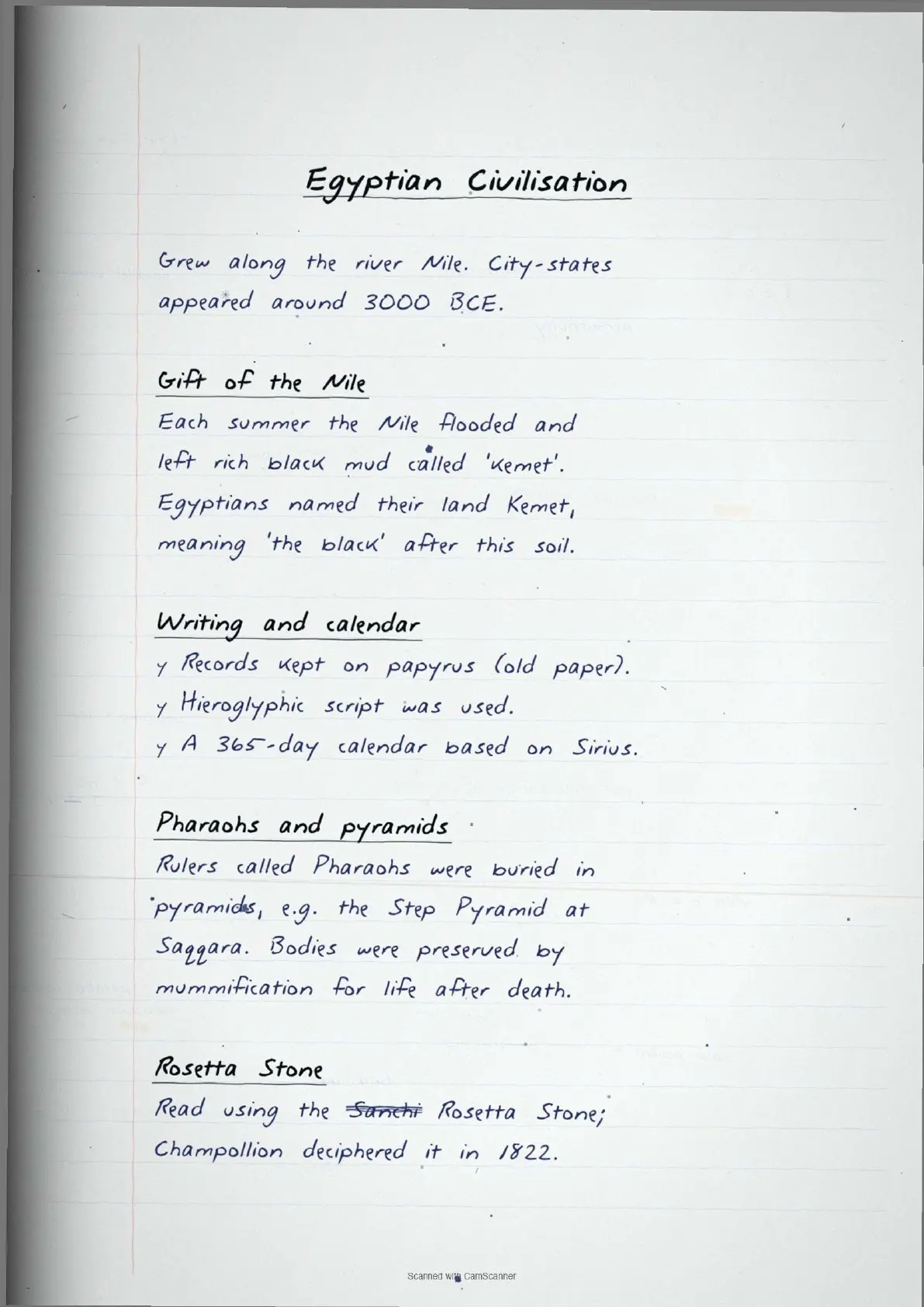
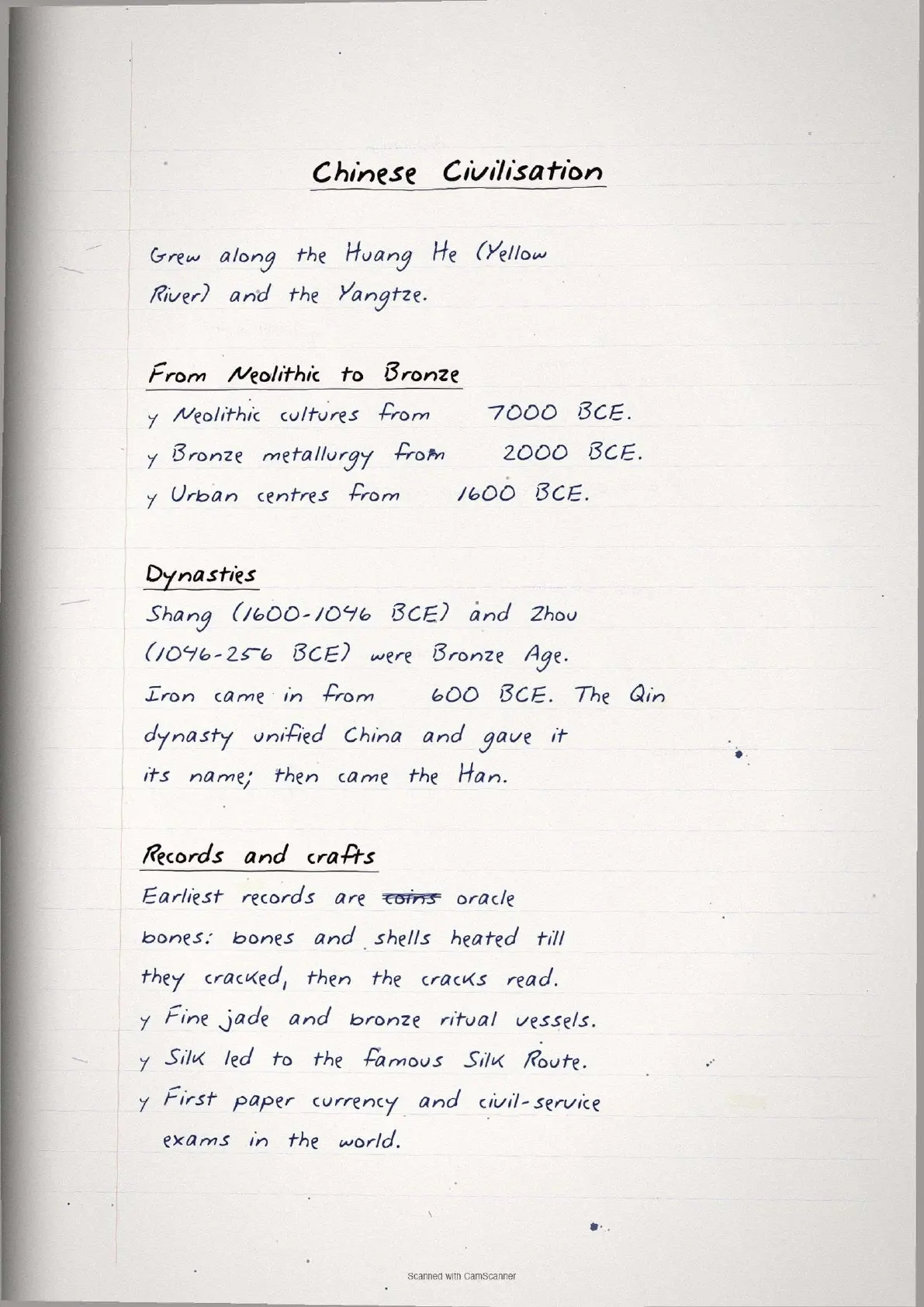
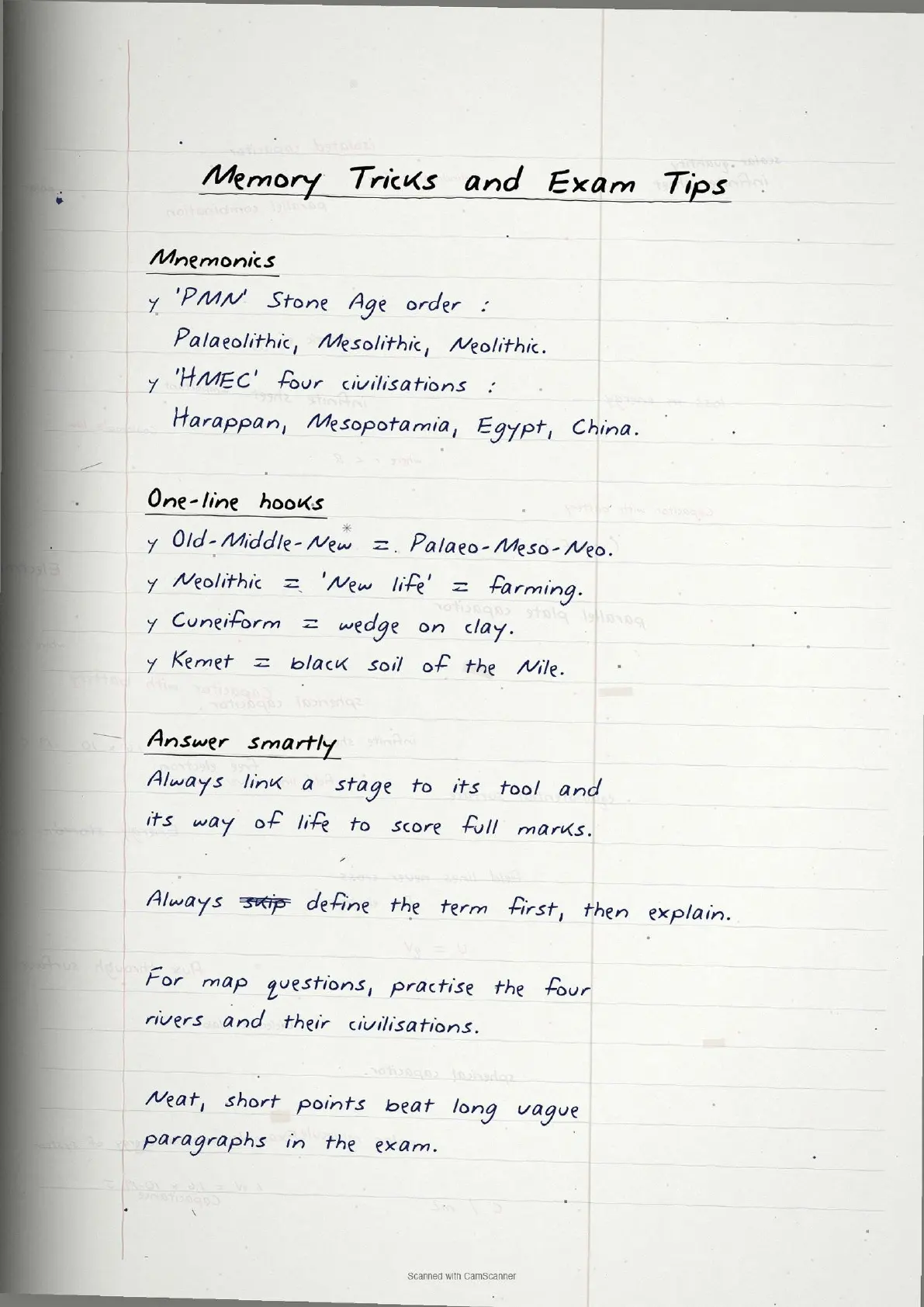
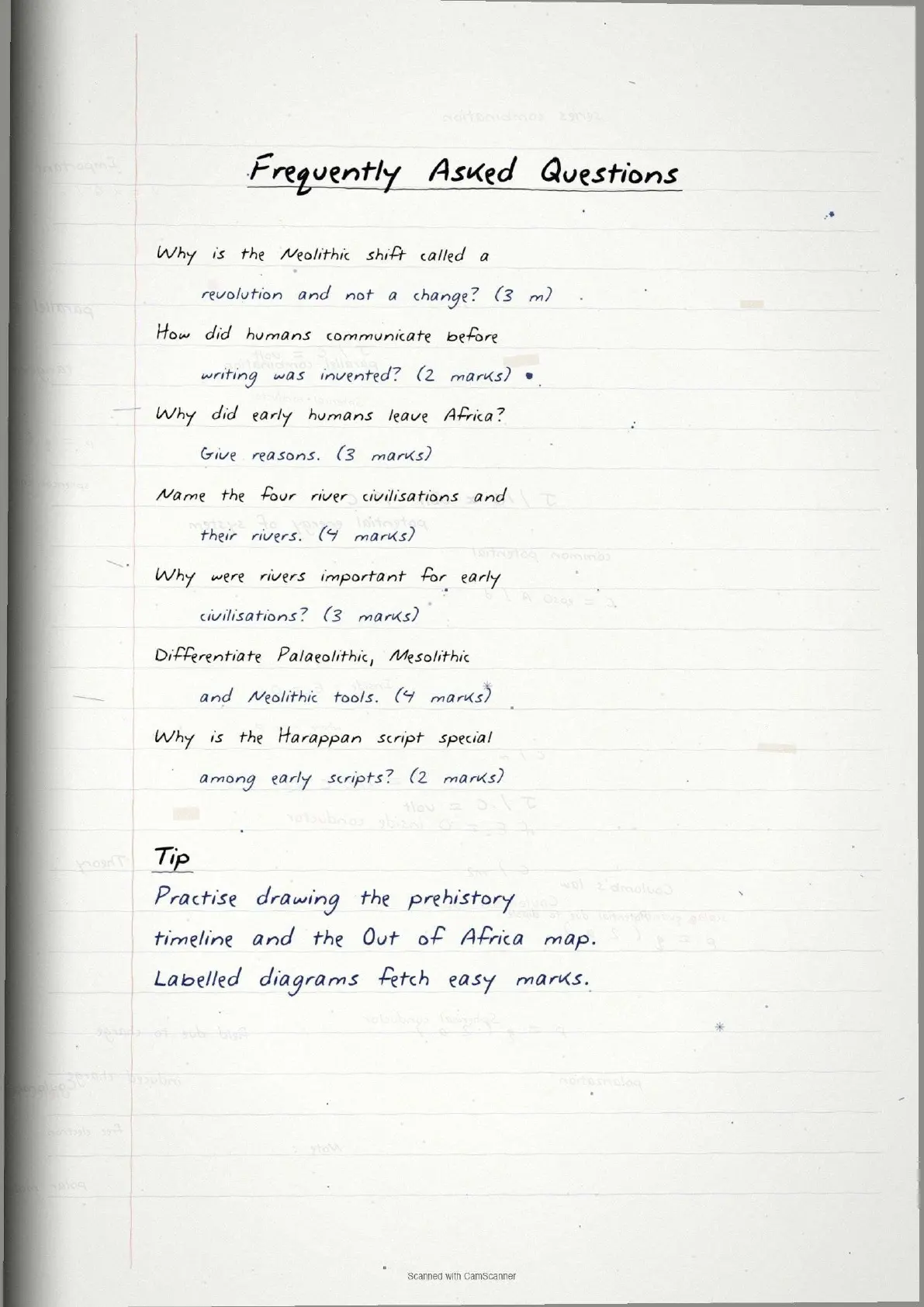
- What you get: human evolution, the three Stone Age stages, the Neolithic Revolution, and the four Bronze Age civilisations, all in clear handwriting.
- Colour-coded: new sub-topics in red, each key term and date in a hand-drawn box, and simple timeline sketches in blue.
- Why by hand: writing the ages, sites, and dates yourself helps you recall the order and match rivers to civilisations in the exam.
Student Feedback
In a Collegedunia study of 1,180 Class 9 students, 81% said hand-written timelines of the Stone Age and the four river-valley civilisations were easier to recall than typed notes. About 4 out of 5 rated the boxed key terms and red-marked mistakes as the most useful part before a test.
Why Use Handwritten Notes for Early Humans and Beginning of Civilisation Class 9 Social Science
Chapter 4 packs in dates, ancestors, ages, and four civilisations, so a clean hand-written page saves time. The notes keep one idea per line, so you revise the whole 2026-27 chapter fast.
- Each key date, like Mehrgarh at 7000 BCE, sits in its own hand-drawn box.
- A quick arrow timeline shows the order of ages and dynasties.
- Red sub-headings split the chapter into easy parts.
What Is Inside the Early Humans and Beginning of Civilisation Handwritten Notes
The class 9 social science handwritten notes chapter 4 Early Humans and Beginning of Civilisation run to 24 pages. They move from how we study prehistory, to human evolution, the Stone Age, the Neolithic Revolution, and the four Bronze Age civilisations.
- Red: new sub-topic headings, such as Out of Africa, Domestication, or Cuneiform.
- Boxes: each key term, date, and site, like Bhimbetka and Lothal, drawn by hand.
- Blue: arrow timelines and the simple maps that link rivers to civilisations.
Human Ancestors and Evolution in the Early Humans and Beginning of Civilisation Notes
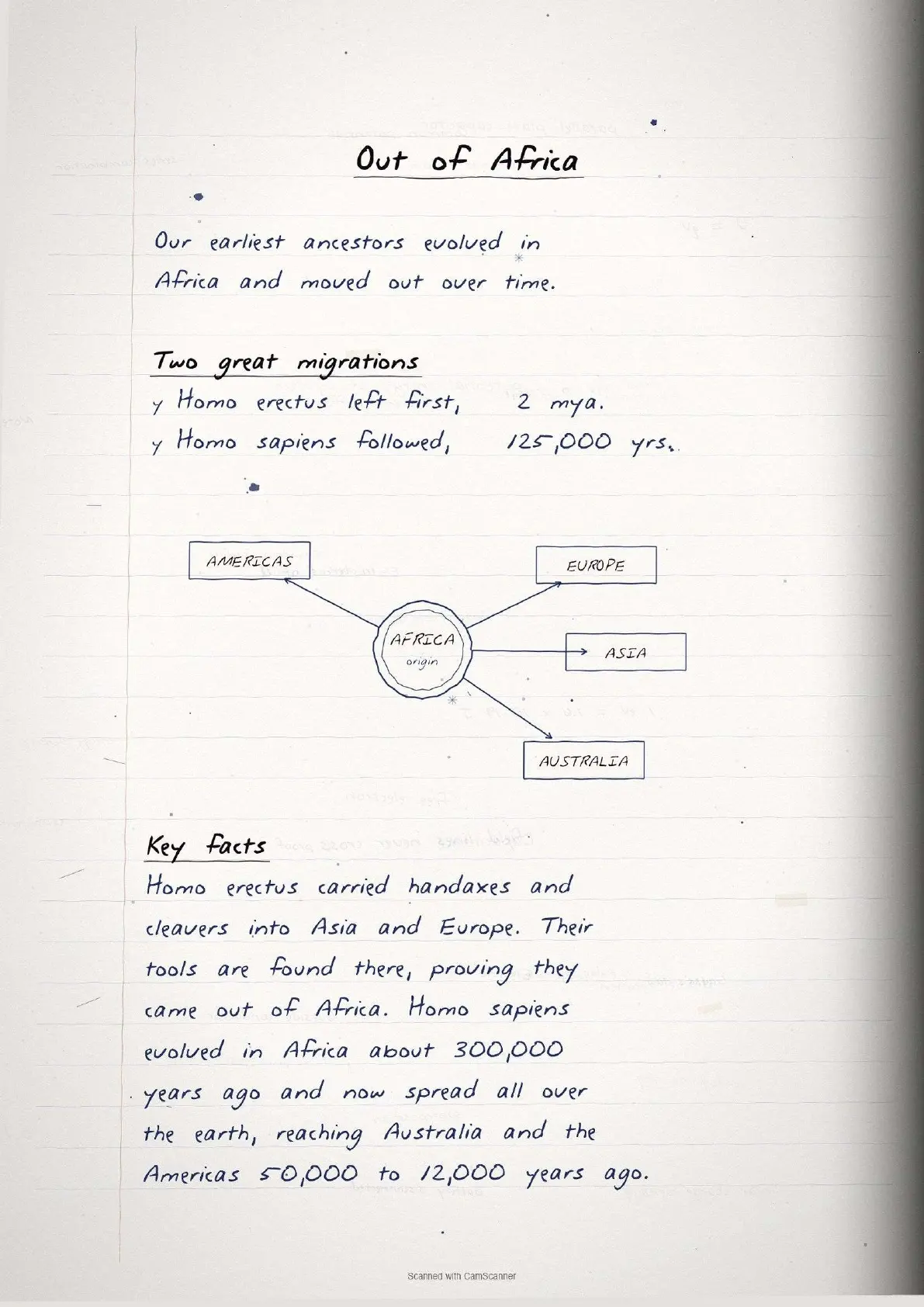
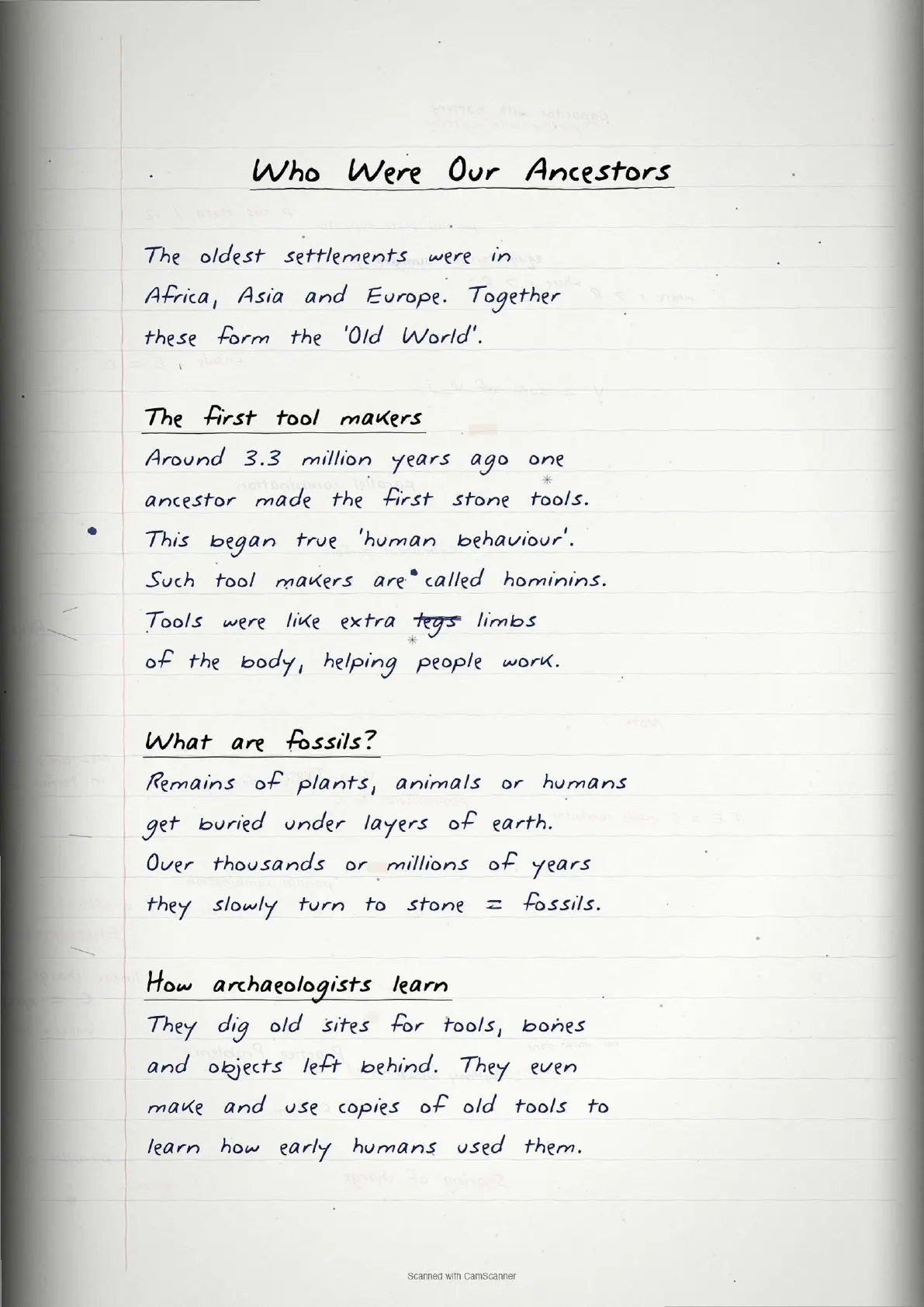
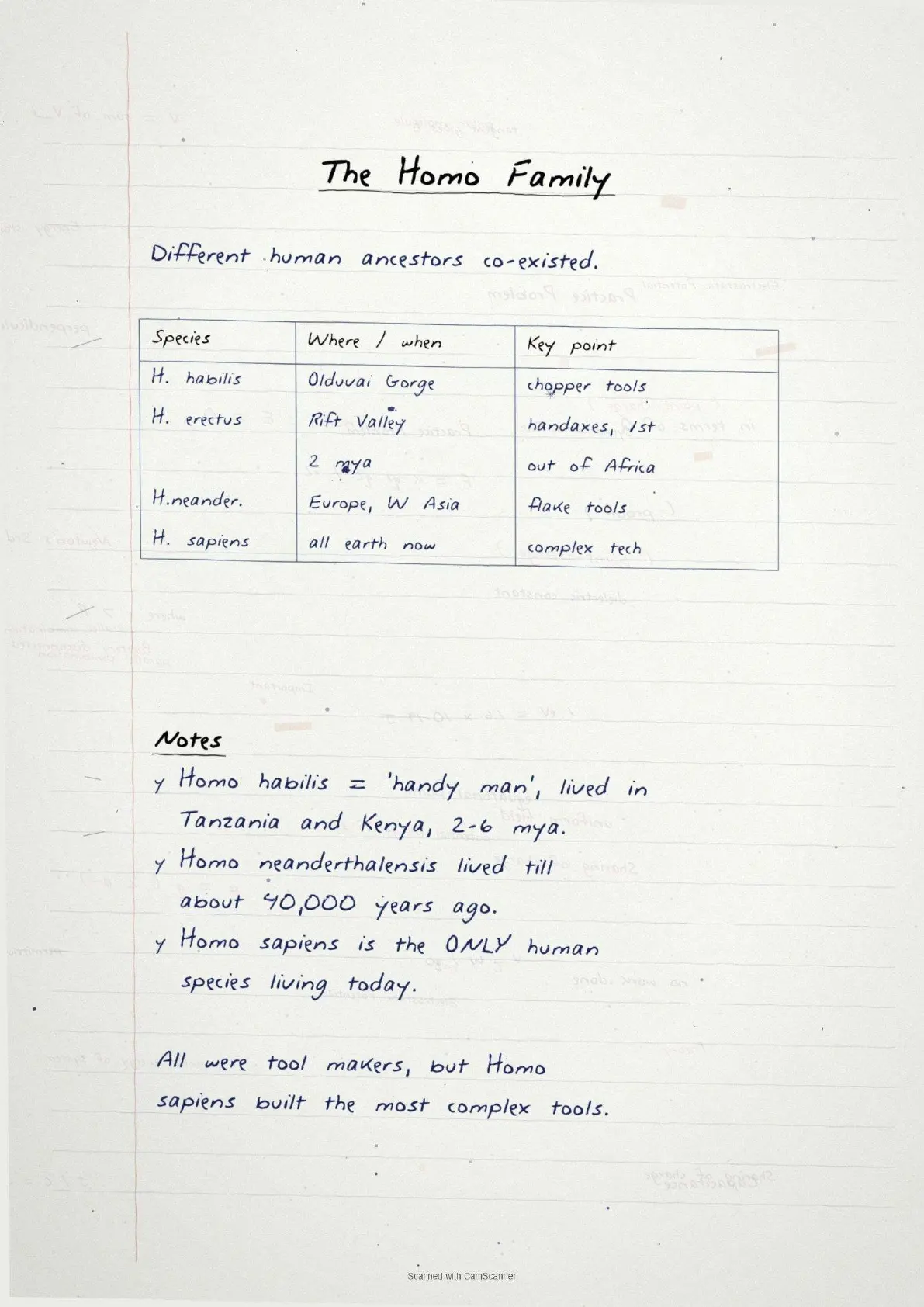
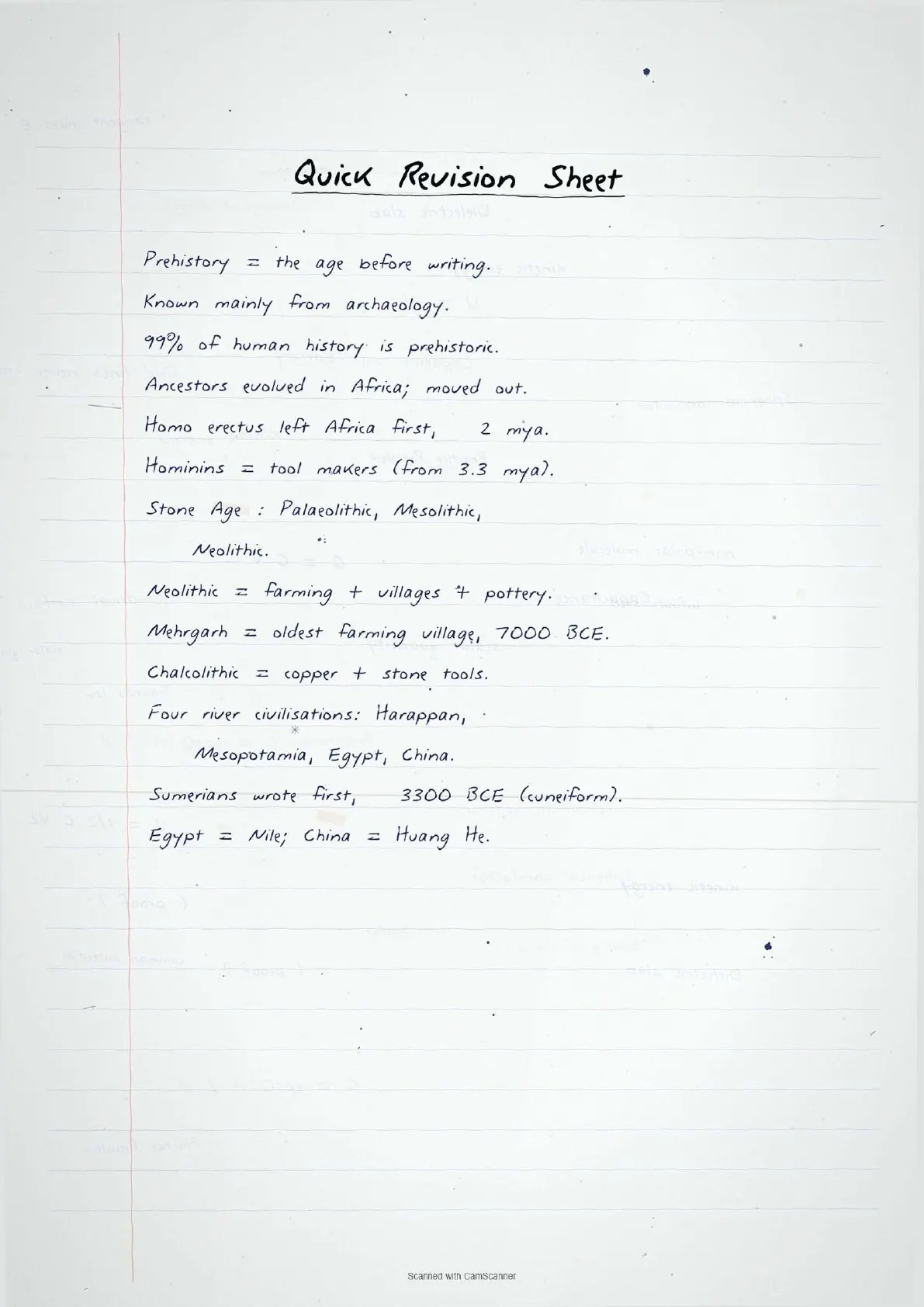
Most of human history happened before writing, so the notes begin with how archaeologists read tools, fossils, and cave art. They then explain two kinds of change: biological evolution changed the body, and cultural evolution changed tools and ways of life. Our ancestors evolved in Africa.
| Ancestor | Where and when | Key tool or trait |
|---|---|---|
| Homo habilis | Africa, 2 to 6 million years ago | Chopper stone tools |
| Homo erectus | East Africa, about 2 million years ago | Handaxes; first to leave Africa |
| Homo neanderthalensis | Europe and SW Asia, till 40,000 years ago | Flake tools |
| Homo sapiens | Africa, from 300,000 years ago | Only human species living today |
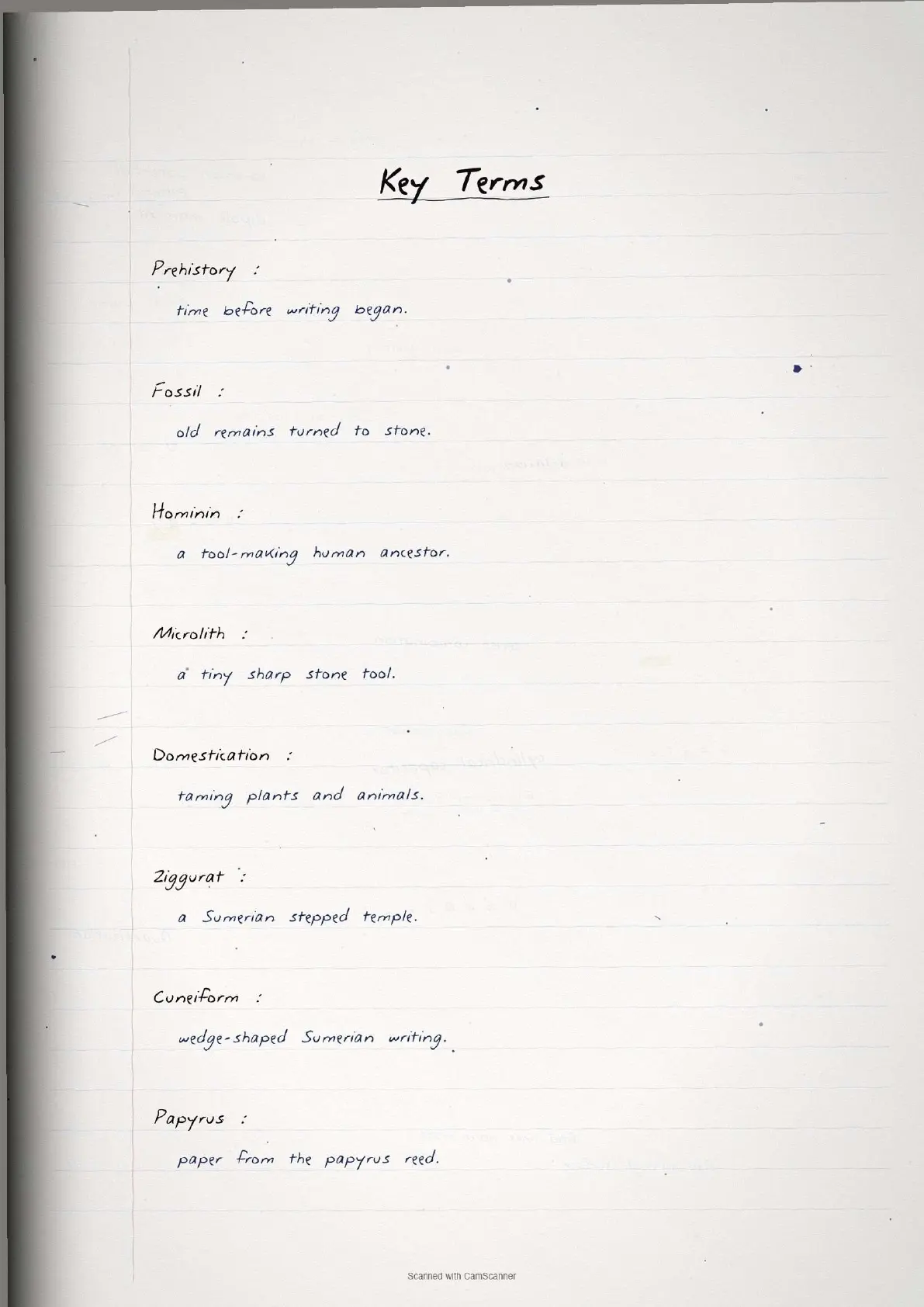
The notes sum this up: humans are hominins, or tool makers, the only species that makes tools.
Stone Age Stages Marked in the Early Humans and Beginning of Civilisation Handwritten Notes
The Stone Age has three stages, and the notes give each one a boxed heading with its tools and way of life. In the class 9 social science handwritten notes chapter 4 Early Humans and Beginning of Civilisation, a simple mnemonic keeps the order fixed before an exam.
| Stage | Tools | Way of life |
|---|---|---|
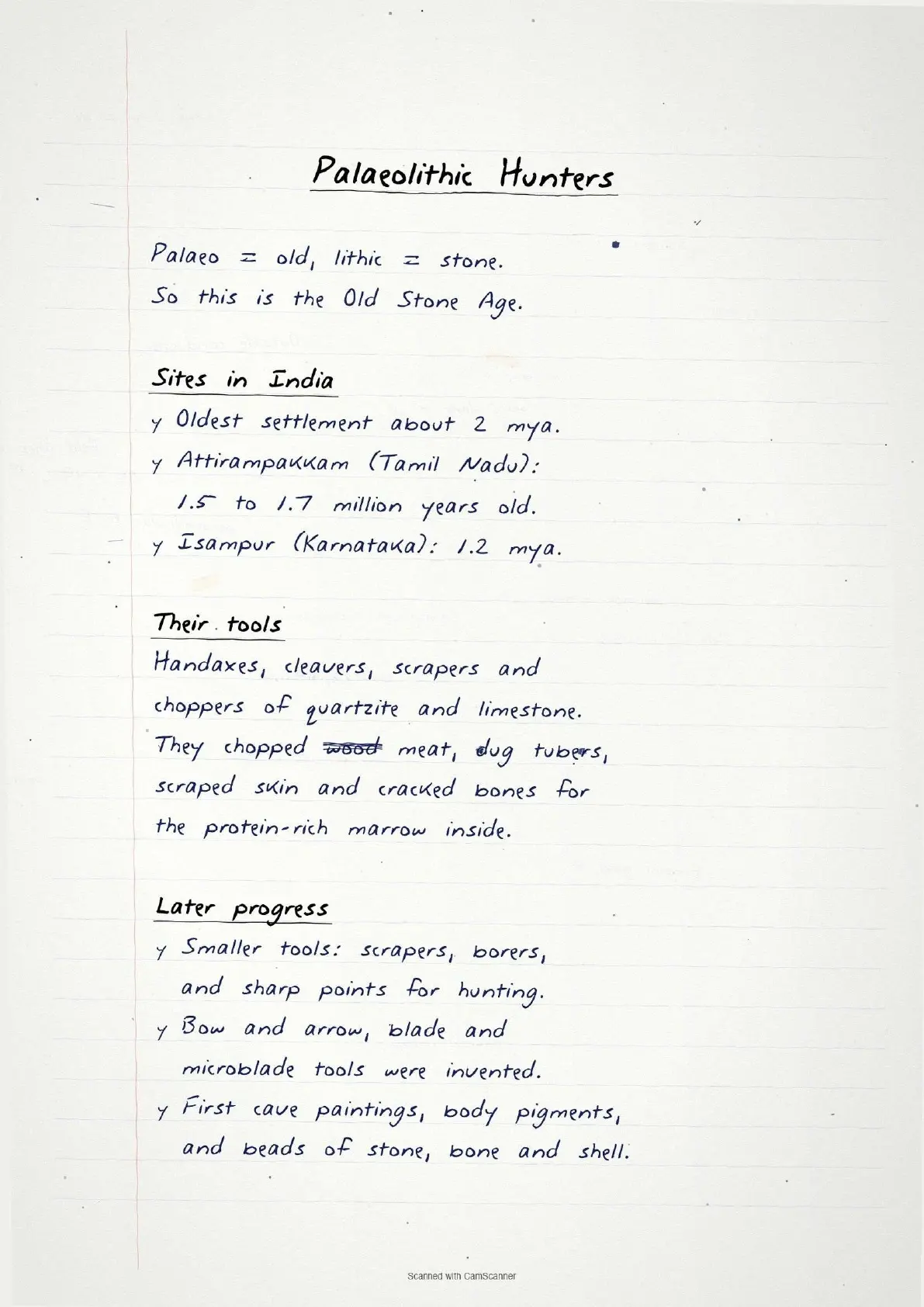
| Palaeolithic (Old Stone Age) | Handaxes, cleavers, scrapers | Hunting and gathering; caves and camps |
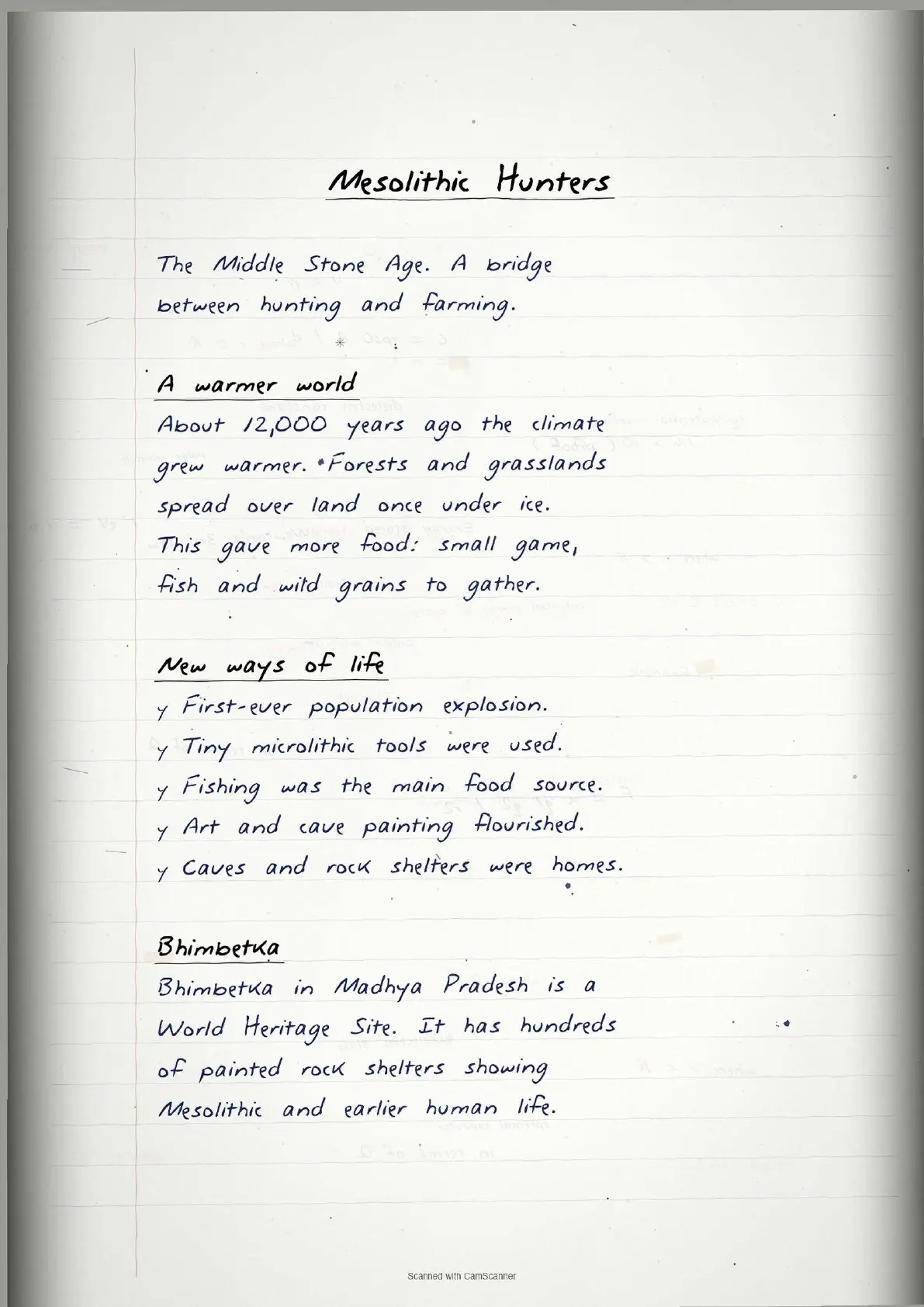
| Mesolithic (Middle Stone Age) | Tiny microlithic tools | Fishing, wild grains; rock art at Bhimbetka |
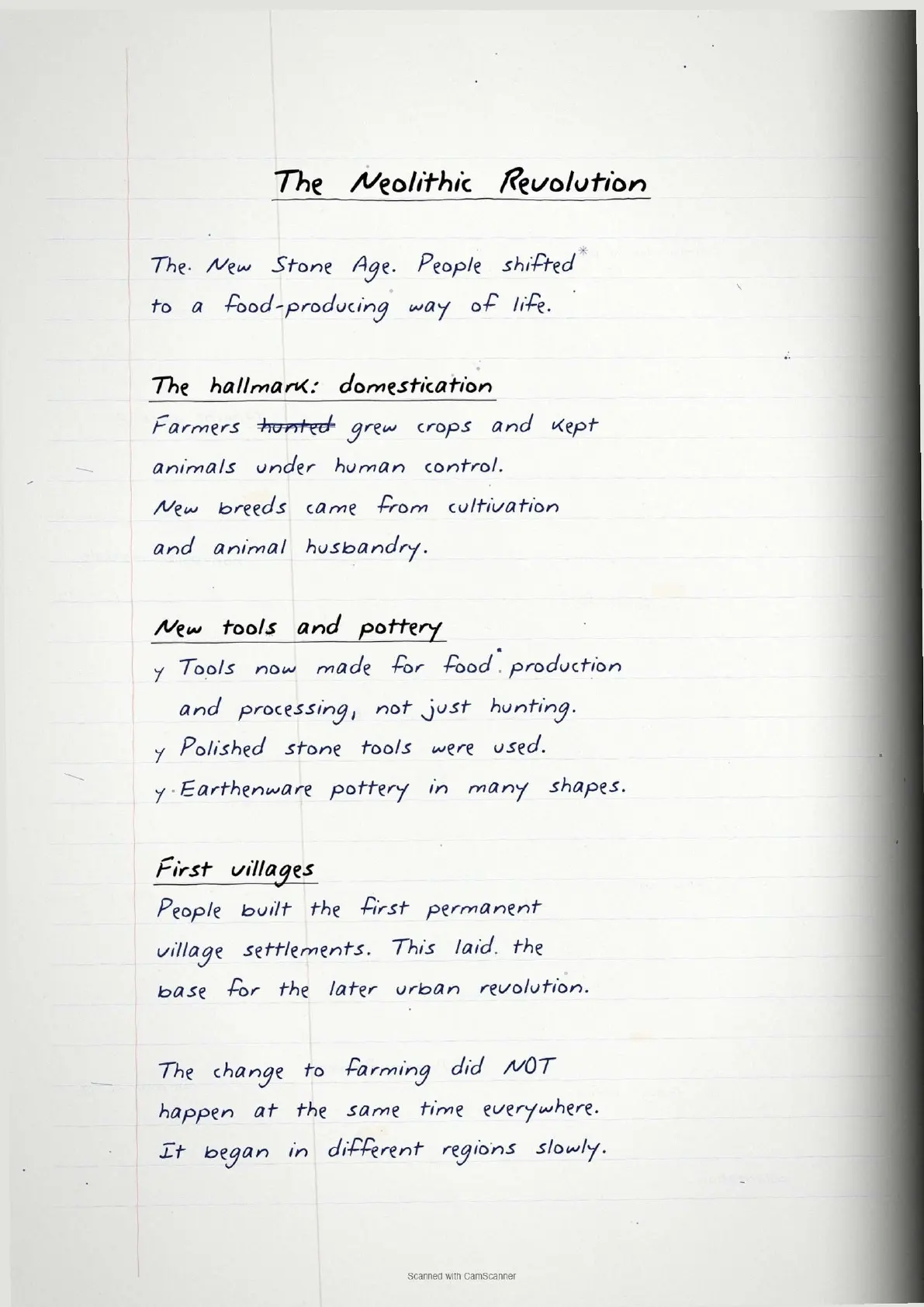
| Neolithic (New Stone Age) | Polished tools, pottery | Farming, herding, first villages |
The notes box early Indian sites: Attirampakkam and Isampur for the Palaeolithic, and the painted rock shelters of Bhimbetka for the Mesolithic. Around 12,000 years ago the climate grew warmer, bringing population growth.
Neolithic Revolution and Mehrgarh in the Early Humans and Beginning of Civilisation Notes
The biggest change in early life was the move from hunting to farming, called the Neolithic Revolution. Its hallmark was domestication, taming plants and animals. A steady food supply let people settle in villages.
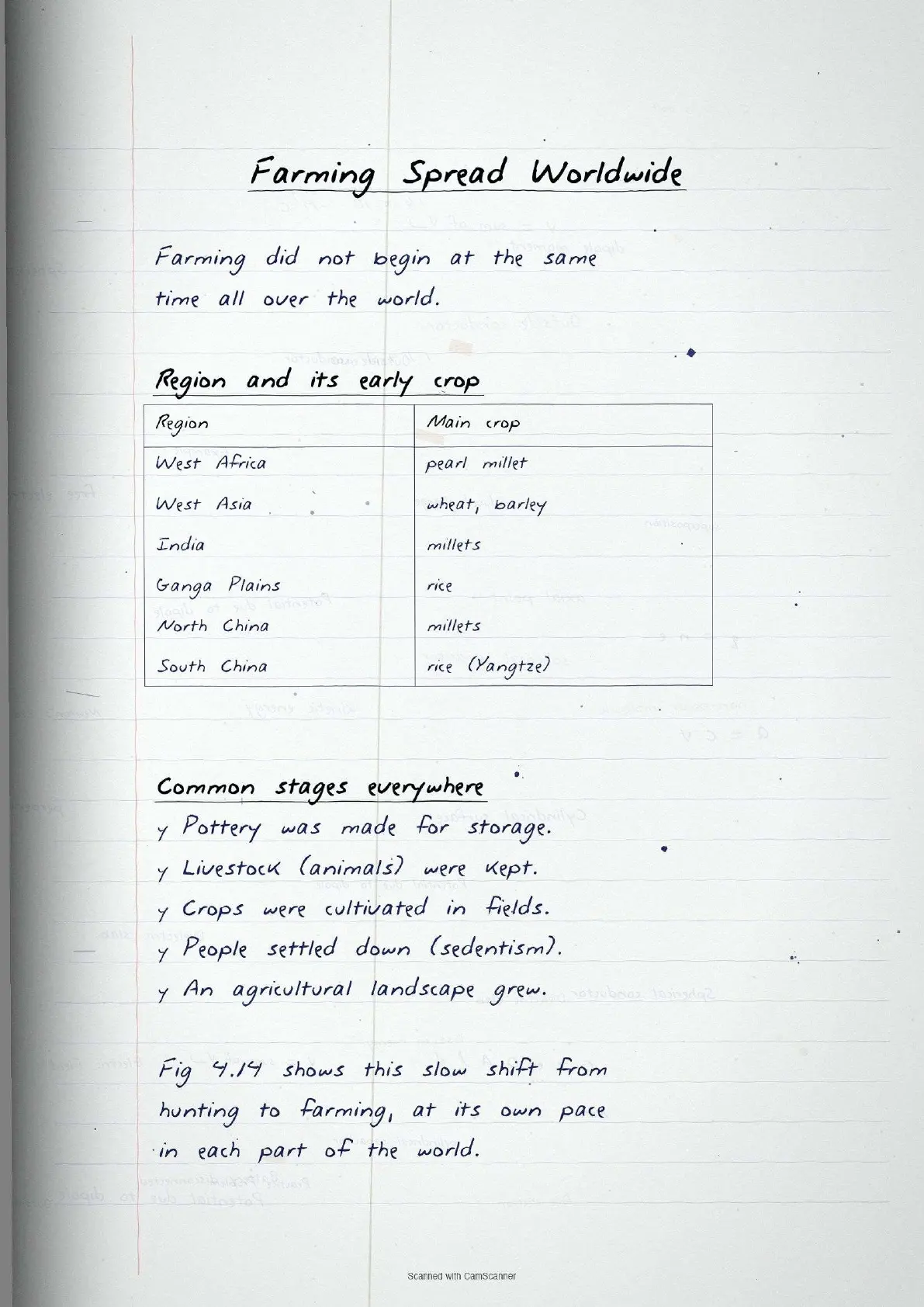
- Farming began independently in many regions: wheat and barley in West Asia, millets and rice in India and China.
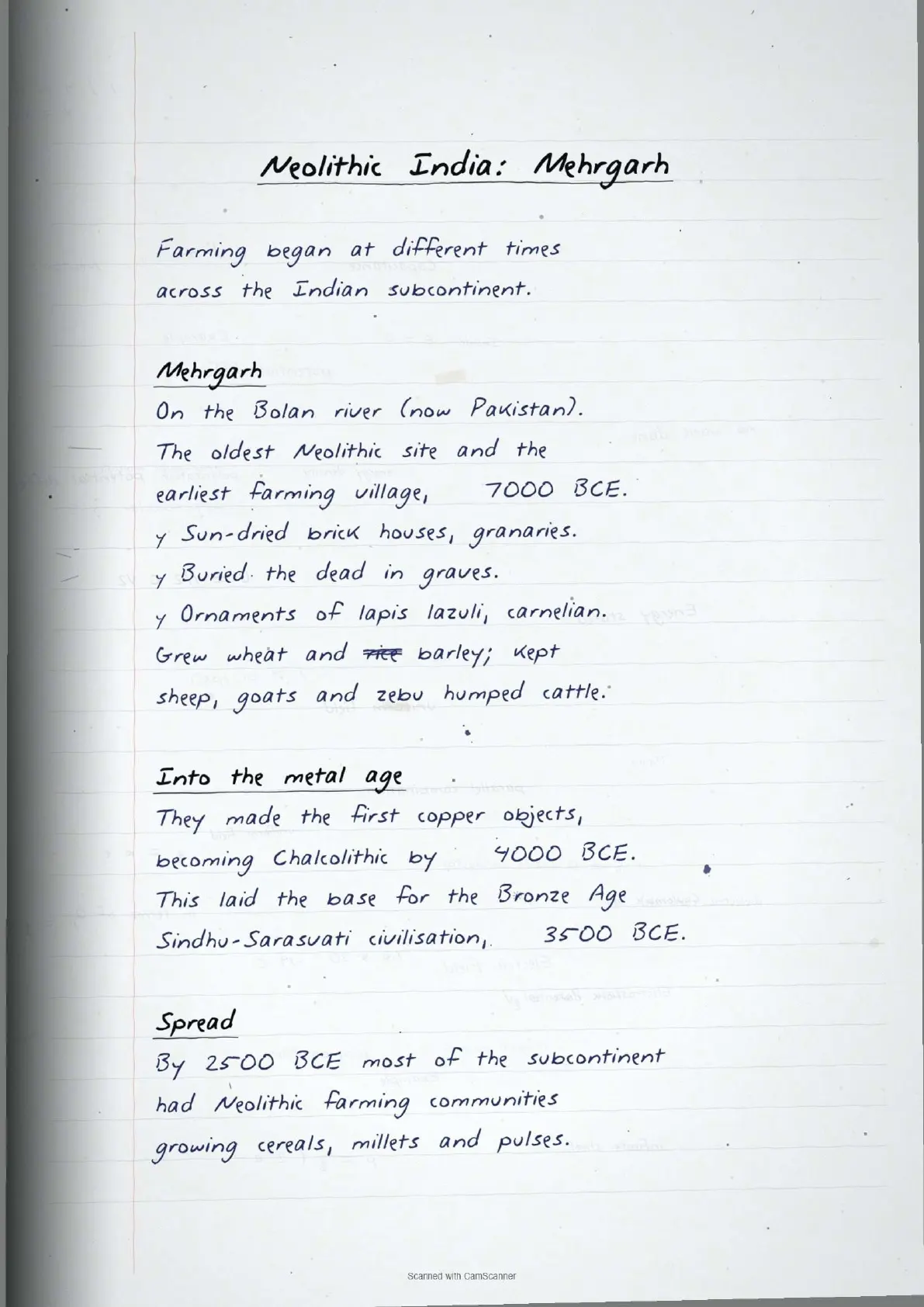
- Mehrgarh, on the Bolan River, is the oldest Neolithic site, dating to about 7000 BCE.
- Mehrgarh people built brick houses, grew wheat and barley, kept goats and cattle, and later made copper objects.
Sindhu-Sarasvati and Bronze Age Civilisations in the Handwritten Notes
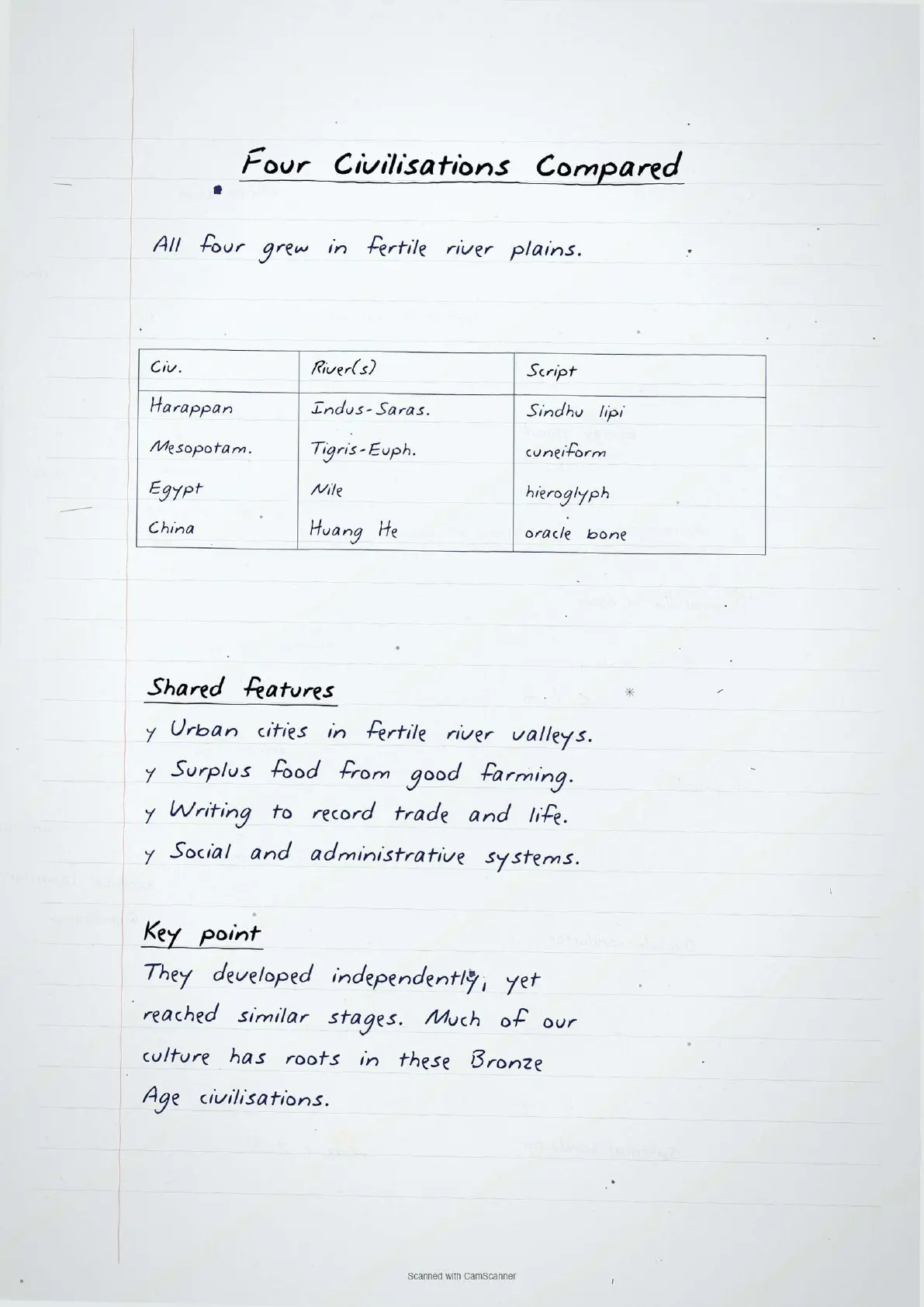
Some farming villages grew into cities once people learnt to work copper, beginning the Bronze Age. In India this led to the Sindhu-Sarasvati (Harappan) civilisation, known for planned cities, seals, and drainage. The notes line up all four in one table.
| Civilisation | River(s) | Known for |
|---|---|---|
| Sindhu-Sarasvati | Indus, Sarasvati | Planned cities, seals, weights, drainage |
| Mesopotamian | Euphrates, Tigris | Ziggurats, cuneiform, Code of Hammurabi |
| Egyptian | Nile | Pyramids, hieroglyphs, mummification |
| Chinese | Huang He, Yangtze | Bronze, jade, oracle bones, silk |
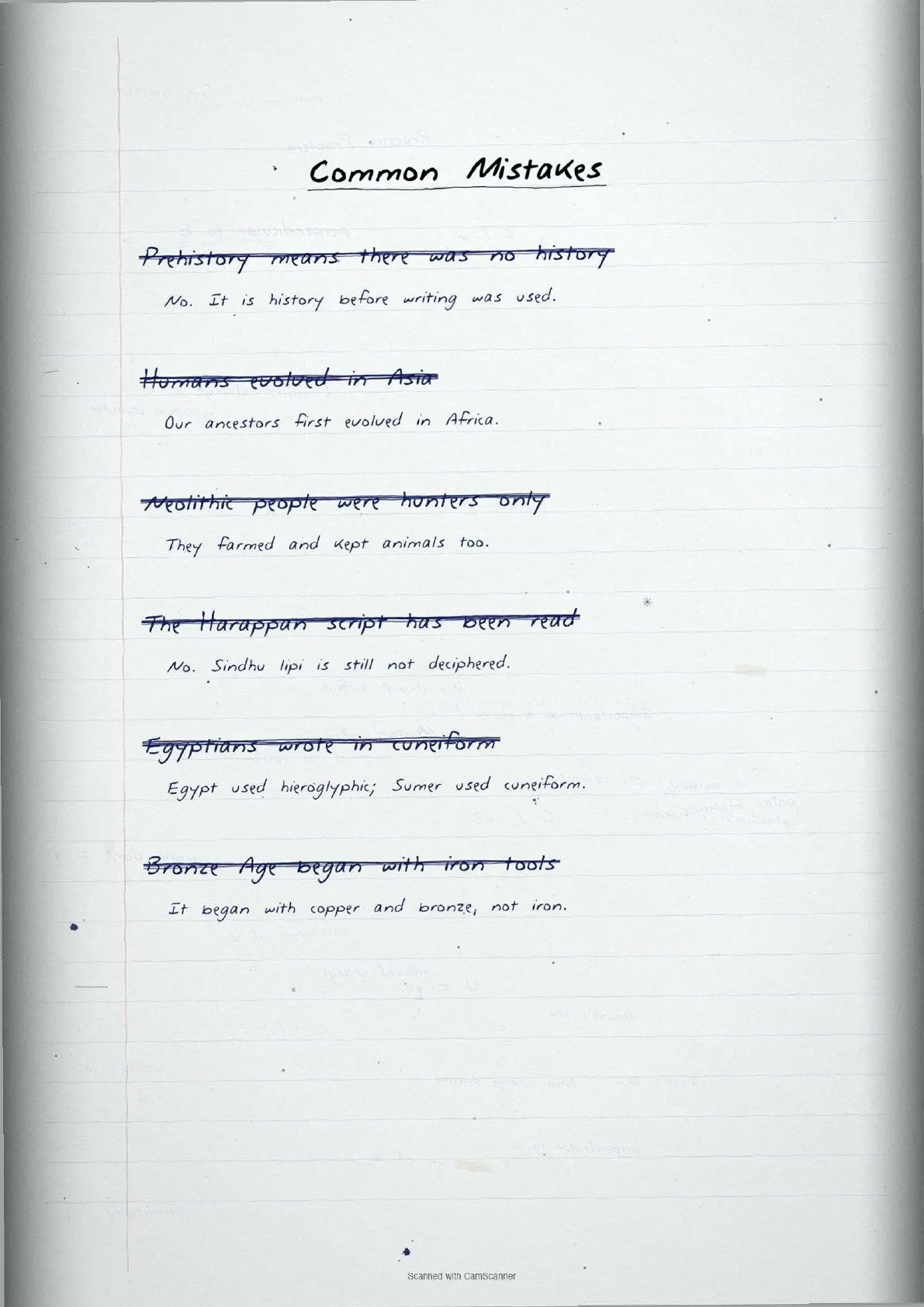
The notes add a red mnemonic, "Home Made Every Civilisation", for Harappan, Mesopotamian, Egyptian, and Chinese. They also flag one trap: the Harappan script is still undeciphered, while cuneiform and hieroglyphs have been read.
Colour Coding and Last-Minute Revision with These Handwritten Notes
The night before your exam, the class 9 social science handwritten notes chapter 4 Early Humans and Beginning of Civilisation work as a quick skim, with every boxed date a checkpoint.
- Name the four ancestors in order, from Homo habilis to Homo sapiens.
- List the three Stone Age stages with their tools.
- Define the Neolithic Revolution and name Mehrgarh with its date.
- Match the four Bronze Age civilisations to their rivers.
More Early Humans and Beginning of Civilisation Class 9 Social Science Resources
Open the other resources for this chapter below.
| Resource | Open |
|---|---|
| Handwritten Notes | Early Humans and Beginning of Civilisation Handwritten Notes |
| NCERT Solutions | Early Humans and Beginning of Civilisation NCERT Solutions |
| Revision Notes | Early Humans and Beginning of Civilisation Notes |
| NCERT Book PDF | Early Humans and Beginning of Civilisation NCERT Book PDF |
NCERT Handwritten Notes for Class 9 Social Science: All Chapters
Also Check: open the handwritten notes for any other chapter below.
| Chapter | Handwritten Notes |
|---|---|
| Chapter 1 | Understanding Social Science |
| Chapter 2 | Shaping of the Earth's Surface |
| Chapter 3 | Atmosphere and Climate |
| Chapter 4 | Early Humans and Beginning of Civilisation |
| Chapter 5 | State and Society up to 1000 CE |
| Chapter 6 | Democracy |
| Chapter 7 | Elections |
| Chapter 8 | Building Blocks in Economics: The Problem of Choice |
| Chapter 9 | The Price Puzzle: What Drives the Market |
Early Humans and Beginning of Civilisation Class 9 Social Science Handwritten Notes FAQs
How many pages are the Early Humans and Beginning of Civilisation Class 9 Social Science handwritten notes?
The handwritten notes run to 24 pages. They cover the full chapter, from how we study prehistory and human evolution to the Stone Age, the Neolithic Revolution, Mehrgarh, and the four Bronze Age river-valley civilisations, with a boxed key term after each idea.
Are these real handwritten notes?
Yes. They are a topper's own clear handwritten revision, with each date and key term boxed, simple timelines and maps drawn by hand, and sub-headings colour-coded in red so the long chapter stays easy to follow.
Which civilisations do the Chapter 4 notes cover?
The notes cover four Bronze Age civilisations: the Sindhu-Sarasvati on the Indus and Sarasvati, the Mesopotamian on the Euphrates and Tigris, the Egyptian on the Nile, and the Chinese on the Huang He and Yangtze, each matched to its river.
Is Early Humans and Beginning of Civilisation part of the new Class 9 Social Science book?
Yes. It is Chapter 4 of the new Understanding Society textbook for the 2026-27 syllabus. The notes follow the same order as the book, so you can revise alongside it and check every date and site quickly.



Comments