



Content Curator
Agricultural chemistry is the study of how to influence chemical and biochemical processes in soil and plants, as well as plant mineral nutrition and the use of fertilizers and other chemicals to improve soil and yield. It also deals with pesticides and growth stimulants, as well as providing a scientific foundation for incorporating chemical processes into agriculture. In terms of goals, methodology and research topics, agricultural chemistry is similar to both the chemical and biological sciences.
| Table of Content |
Key Takeaways: Agricultural Chemistry, Crop Production, Insecticides, Pesticides, Irrigation, Photosynthesis
What is Agricultural Chemistry?
[Click Here for Sample Questions]
Agricultural chemistry is the use of techniques and processes to increase production. It utilizes the knowledge of biochemistry and the relationship between plants and environment to devise ways that help in improving agricultural practices.
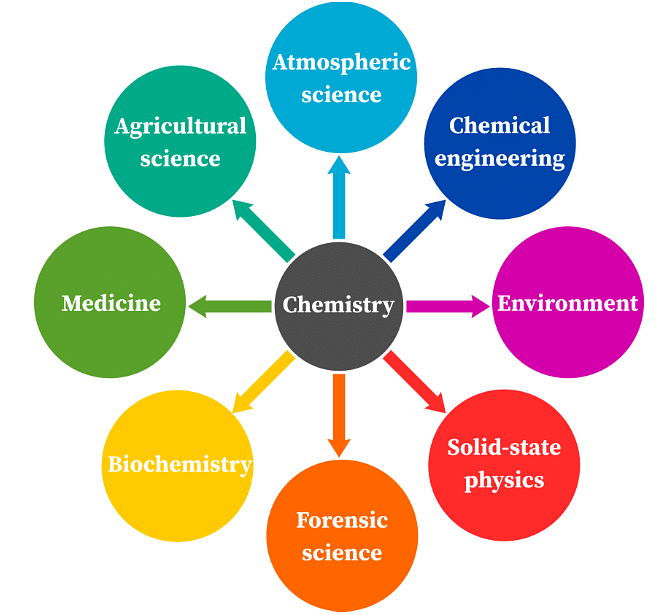
Branches in Chemistry
The main objectives of agricultural chemistry include:
- Increasing crop production
- Producing high-quality agricultural products
- Reducing the cost of agriculture without compromising its quality
Read More: Plant Kingdom mcqs
Agricultural Chemistry is a broad term that has following main subdivisions:
- Plant nutrition
- Soil and fertilizer interactions
- Evaluation of specific types
- Types of fertilizers and their methods of application
- Soil improvement by chemical means
Read More:
Uses of Agricultural Chemistry
[Click Here for Sample Questions]
The important uses of agricultural chemistry are given below:
- Agricultural chemists aim to improve and preserve soil quality.
- Agricultural chemists also ensure that resources are not exploited and they are replenished for future generations.
- Agricultural chemistry is involved in the production of fungicides, insecticides, herbicides, and other pesticides. Chemicals such as animal feed supplements, fertilizers and plant growth regulators are also examples of products developed from agricultural chemistry.
Read Also:
Importance of Agricultural Chemistry
[Click Here for Sample Questions]
Agricultural chemistry is of much importance due to following reasons:
Pesticides and Insecticides
To reduce pest damage to crops, a wide range of chemicals known as pesticides are utilized. Herbicides, insecticides, fungicides, rodenticides, pediculicides and biocides are subclasses of this, according to their purpose. With ongoing research in this field, more safe and environment-friendly insecticides are being created.

Insecticides and Pesticides
Insecticides are poisons that are used to eliminate insects that can transfer diseases to livestock, eat stored food, and prey on crops. However, not all insects are destructive and some are essential to pollinate plants in order for seeds to be set. Insects and other animals are prevented from eating crops because of these poisons.
Read More:
Fertilizer
Fertilizer is any natural or synthetic organic or inorganic chemical that is applied to soil to give one or more plant nutrients that are required for plant growth. Fertilizers are divided into two types: organic and inorganic.

Fertilizers Types
- Organic Fertilizers- Living systems as well as animal dung, compost, fish, and bone meal are used to create these fertilizers. Microorganisms break down organic fertilizers in the soil, releasing nutrients for plant use.
- Inorganic Fertilizers- Inorganic fertilizers are compounds that are made using the Haber-Bosch process, which produces ammonia as a byproduct.
Photosynthesis
Photosynthesis is a natural process that serves as the foundation for all agricultural products. Photosynthesis is the most important chemical mechanism for life on Earth. Without photosynthesis, there would be no plants, and the planet would be incapable of supporting any form of life. This field's research has aided in better understanding the mechanism and as a result, enhancing the circumstances for maximizing this process.

Process of Photosynthesis
Read Also: Biotechnology Agriculture
Uses of Chemistry in Areas of Agriculture
[Click Here for Sample Questions]
The applications of chemistry can be found in different agricultural practices. Some areas of agriculture where chemistry is involved are as follows:
- Improved irrigation using plastic pipes: Plastic is a product of chemistry that is often utilized in agriculture. The use of plastic pipes to improve irrigation practices has resulted in a significant increase in irrigation resulting in a more favourable climate for crop growth by meeting their water requirements.

Irrigation
- Agricultural product storage and preservation: To keep the grain fresh and useful, sulfur dioxide is applied for a longer time. Preservatives like sodium benzoate and salicylic acid are used in foods to extend their shelf life. New-generation refrigerants are being developed.
To promote fruit maturation or seed germination, chemicals are introduced. The material generated as a result of breakthroughs in chemistry has aided in the development of food packaging. Agricultural chemistry has enhanced the variety of human diets as well as overall food availability for animals and plants.
Read More:
Things to Remember
[Click Here for Sample Questions]
- The study of chemistry and biochemistry in connection to agriculture is referred to as agricultural chemistry.
- Agricultural chemistry studies and develops solutions to improve factors such as agricultural output, agricultural product consumption, and environmental issues.
- To improve the agricultural sector, agricultural chemistry emphasizes the link between plants, animals and the environment.
- A biochemist uses strategies to improve the production, protection and utilization of animals and crops by applying their knowledge of biochemistry.
- Agricultural chemistry is used to make irrigation pipes, store and preserve crops and other products, process food and rescue chemicals from agricultural waste.
Read More:
Sample Questions
Ques. What is the importance of agricultural chemistry? (2 marks)
Ans. The goals of agricultural chemistry are to get a better understanding of the causes and effects of biochemical events associated with plant and animal growth, to find ways to control those reactions and to manufacture chemical products that will give the required help or control.
Ques. What does the term "agricultural chemistry" mean? (2 marks)
Ans. Agricultural chemistry is a branch of science that studies how to influence chemical and biochemical processes in soil and plants, as well as plant mineral nutrition and the use of fertilizers and other chemical techniques to improve soil and boost production.
Ques. What role do chemistry and agriculture have in our everyday lives? (2 marks)
Ans. Chemistry has been effective in the development of pesticides that have reduced pesticide crop damage. Pesticides include fungicides, pediculicides, herbicides, biocides, and insecticides, depending on the pest. The application of these pesticides reduces the pests' impact on crops by 10%.
Ques. What are the responsibilities of agricultural chemists? (3 marks)
Ans. The main responsibilities of an agricultural chemist is to protect the country's food supply (such as corn and dairy cows) and assist farmers in maintaining healthy crops. This can be accomplished through improving insect management or disease prevention, changing soil composition, or even determining the best time to sow the crop.
Ques. What is agricultural chemistry used for? (3 marks)
Ans. Agricultural chemistry can be used for the following purposes:
- Pesticides and insecticides, which are employed on a big scale to keep foreign organisms from hurting crops, are made with agricultural chemistry. Rodenticides, pediculicides, biocides, fungicides, herbicides, and other pesticides fall under this category.
- Agricultural chemistry is used to make irrigation pipes, store and preserve crops and other products, process food, and recover chemicals from agricultural waste.
Ques. What are the chemistry's drawbacks in agriculture? (2 marks)
Ans. Chemical fertilizers have an impact on soil microorganisms. Chemical fertilizers are very soluble in water, thus they leak into the groundwater without providing full benefit to the plant. As a result, the plant has fewer nutrients accessible.
Ques. What role does chemistry play in agriculture for farmers? (2 marks)
Ans. Chemistry helps to protect weeds and pests from harming their crops and to add extra nutrients to the soil, many farmers choose to employ pesticides. Herbicides, insecticides, and fungicides are the three types of pesticides. These insecticides are all used to destroy various types of pests that can be found on a farm.
Read Also:



Comments