



Content Curator
Dams are barriers built to hold back or restrict the flow of surface water or underground streams. The reservoirs built by dams not only help in suppressing floods but also provide water required for several activities like irrigation, human consumption, industrial use, and aquaculture, etc.
There exist several types of Dams including diversion dam, buttress dam, cofferdam, storage dam, gravity dam, etc.
| Table of Content |
Key Terms: Irrigation, Water Distribution, Hydropower, Renewable Energy, Flood Control, Recreational activities, GreenHouse gases, Deforestation, Ecosystem.
Read More: Difference between adolescence and puberty
What are Dams?
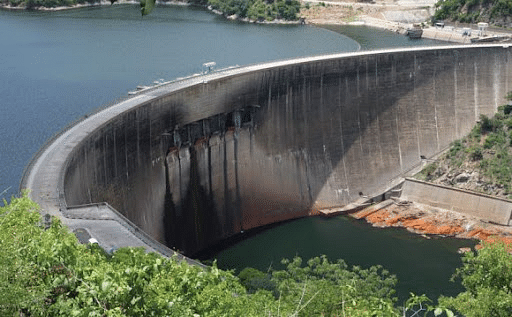
The barriers built of bricks, clay, concrete, etc. across a river or a stream to control the overflow of water is termed as a Dam. Their structure is built in a way that helps in holding back the flow of water and subsequently forming lakes or reservoirs.
Dams
These reservoirs or artificial lakes serve various important purposes such as they help in irrigation, several industries usage of water & other household usages. Furthermore, these lakes also prevent floods by controlling the flow of water.
Read More:
Purpose of Dams
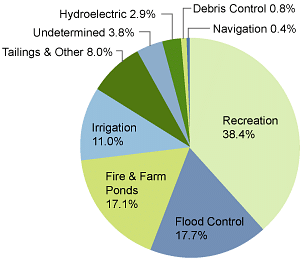
Dams serve several purposes. The list of the primary purpose of building dams has been mentioned below:
Distributing Water
Dams hold an important role in distributing the water upon requirements. It also helps in the irrigation purpose by supplying the required water and flooding agricultural lands. The surroundings of the dams such as the industries, families, etc. also benefit from these dams and their controlled water flow.
Read More:
Generating Electricity
The dams are very important in the process of generating hydropower. The water which is released from the gate and are passed through the turbines, a force of water is released which generates electricity. The hydropower created is a great source of renewable energy.
Flood Control
Another important role of dams other than generating electricity, and distributing water are in controlling floods. There exist few dams which are purpose-built to manage the flood, and these dams can reduce the flood by almost 30%-50% whereas other equipped dams can prevent areas from flooding when used with appropriate planning.
Purpose of Dams
Waste Containment
Some dams are built to contain various types of wastes. These dams prevent the water of the river from contaminating by not letting the waste mix with the water.
Recreational Activities
The artificial lakes which are created by the dams promote several recreational activities e.g. swimming, fishing, boating, etc.
Read More:
Disadvantages of Dams
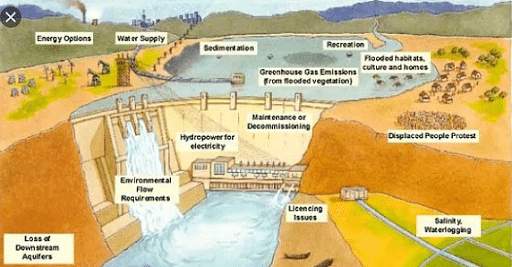
Apart from the above-mentioned advantages and primary uses, there are a few disadvantages of building dams. The building of large dams and reservoirs results in varied and numerous adverse effects. Additionally, it impacts the physical and chemical properties of the river and its ecosystem directly.
Advantages and Disadvantages of Dams
The lists of adverse effects caused due to big dams are as follows:
Large Scale Displacement
One of its major drawbacks is that a huge amount of humans, as well as cattle population, are displaced due to the construction of large huge dams. Furthermore, due to the construction of reservoirs behind the dams, more than 500 million people have been displaced in the past two centuries. The surrounding of the dams and reservoirs get flooded frequently, and due to this, the area which was previously available for several purposes cannot be used for any activity now including habitation, cattle-rearing, or farming, etc.
Discharge of Greenhouse Gases
It further raises the discharge of greenhouse gases. When the area surrounding the reservoirs gets submerged in the water, it leads to the decay of the natural vegetation of the area. The plants that decay during this eventually begin to release greenhouse gases such as methane. The methane gas released is around 20 times better reflector than carbon dioxide.
Read More:
Destruction of Forests
Apart from this, a massive amount of forest areas are also destroyed due to the construction of dams. On the cutting down of trees (deforestation) there is a reduction in the amount of photosynthesis and hence results in the increased level of carbon dioxide in the atmosphere.
Disruption of Local Ecosystems
The local ecosystem also gets disrupted as the large areas of forests are destroyed for the construction of dams. The dam creates a barrier in the flow of water that hinders the movement of aquatic animals, which is very crucial for the purpose of breeding and migration of aquatic animals. Therefore, the local aquatic biome gets destroyed.
Transformation of Free Flowing Ecosystem
Another significant impact of huge dams is that they can transform the free-flowing ecosystem of the river or a stream into an artificial slack-water habitat.
Read More:
Alternatives to Dams
Keeping in mind the above disadvantages, we must have some alternatives against Dams. A dam is a great idea for channelizing the water for several uses but not the best. We have to aim at finding other most feasible and economic ways for reducing the adverseness of big dams. Other alternatives can be as follows:
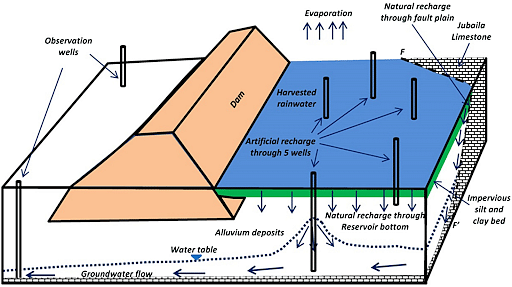
Groundwater Recharge: It is a hydrologic process, where water moves down from surface water to the groundwater. Recharging groundwater is an essential technique.
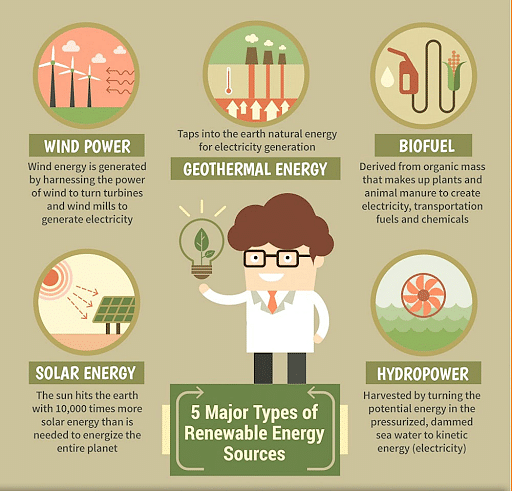
Energy Production Alternatives: With the increase in the number of dams, there is a great requirement of its alternatives with new technologies like Solar energy, thermal energy, etc.
Recycling/Reuse of water: By reusing the water implies the course of sewage treatment. The sewage treatment plants can place the sewage or wastewater into utilization again and therefore, helping in collecting the water supply for non-compact purposes like water systems, etc.

Flood Management Alternatives: Dams play an essential part in flooding the executives. In any case, there are a few alternate methods of flooding the executives, for example, diminishing water run-off, Riparian and in-waterway flooding of the board, isolating individuals and the danger, and so on.
Also Read:
Things to Remember
- Dams are the barriers built to prevent or restrict the flow of surface water or groundwater.
- It helps in the purposes such as irrigation, human consumption, aquaculture, and industrial use, etc.
- Problems caused by Dams include they must be operated for many years to become profitable, high cost for the construction of dams, impacts on ecosystem and groundwater, etc.
- Alternatives of dams include reuse or recycling of water, recharging of groundwater, updating the already existing dams, etc.
Read More:
Sample Questions
Ques: How does the building of dams impact the groundwater? (3 marks)
Ans: The building of dams impacts the level of groundwater. When there is deepening in the riverbeds, the level of groundwater starts getting affected which means that the level of groundwater starts falling. It also makes it difficult for the plants to reach for the water. Moreover, the decreased level of groundwater has a huge effect on the contents of salts and minerals present in the groundwater thus, impacting the soil composition.
Read More: Open Type Circulatory System
Ques: Name the largest and the smallest Dam in the world. (2 marks)
Ans: The “Three Gorges Dam” which is situated on the Yangtze River in China is known to be the largest dam in the world whereas the “Inks Dam” built on the Colorado River is known as the smallest river in the world.
Read More:
Ques: Why do we need the alternatives for dams? (3 marks)
Ans: The huge dams have their advantages since they aid in multiple regions and the overall development of the surrounding areas. However, they have some drawbacks too such as the impact on the ecosystem and groundwater, etc. Therefore, alternatives to big dams such as water recycling are required to save ecosystems.
Ques: What are the different types of dams? (2 marks)
Ans: There are various kinds of dams in construction like- Masonry Dam, Concrete dam, timber dam, steel dam, earthen dam, rockfill dam, gravity dam, etc.
Read More: Cell Wall and Cell Membrane
Ques: Which is the oldest dam in the world? (2 marks)
Ans: Jawa Dam, which was constructed back in the fourth millennium BC is the oldest in the world. It is situated on the remains of an ancient place in Jordan, 100 km away from the capital Amman.
Also Read:



Comments