



Content Writer
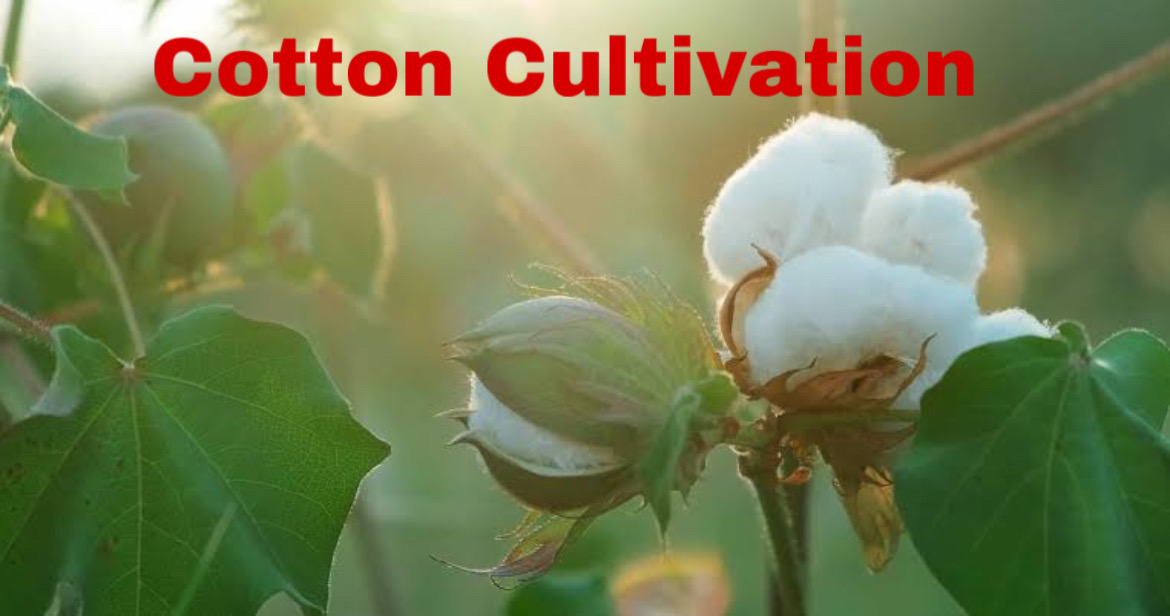
Cotton cultivation plays an important role in our country's industrial and agricultural economy. Cotton is a natural plant fibre that grows in a protective case (boll) around the seeds of the cotton plant.
- Cotton fibre contains almost 99 per cent cellulose and has multiple uses.
- The word 'cotton' is derived from the Arabic word 'qutn,' which means soft.
- Cotton is a natural fibre that is procured from the cotton plant.
- It grows in a protective case or balls around the seeds of the cotton plant.
- The fibre has an insoluble substance comprising long chains of glucose monomers.
- Cotton cultivation is primarily done for sale in the market – cash crops.
- In India, cotton is raised as a kharif crop – it is grown during the monsoon season (June – October).
Key Terms: Cotton, Cotton Cultivation, Cotton boll, Ginning, Spinning, Weaving, Knitting, Gossypium hirsutum, Gossypium barbadense, Gossypium arboreum, Gossypium herbaceum, Sliver
Types of Cotton
[Click Here for Sample Questions]
There are mainly four varieties of cotton grown in the world. These are as follows:
Gossypium Hirsutum
Gossypium hirsutum is also known as upland cotton or Mexican cotton and is native to Central America, Mexico, Caribbean and Florida. It is the most widely used cotton in the world.
- It accounts for nearly 90 percent of the total cotton production in the world.
- This is mainly used for making cotton fabrics.
Gossypium Barbadense
Gossypium barbadense is also called extra-long staple (ELS) cotton. This type of cotton is native to the countries of South America.
- It accounts for almost 8 percent of the total cotton production in the world.
- It produces cotton with long and silky fibres.
Gossypium Arboreum
Gossypium arboreum is also known as tree cotton and is native to the countries of India and Pakistan. This type of cotton accounts for less than 2 percent of the total cotton production in the world.
Gossypium Herbaceum
Gossypium herbaceum is also popularly called Levant cotton. This type of cotton is indigenous to the semi-arid regions of Arabia and sub-Saharan Africa.
- It also contributes to less than 2 percent of the total cotton production in the world.
- The cotton is mainly used for manufacturing textiles.
Besides these, several hybrid varieties are also grown across the world.
Read More:
Conditions for Cotton Cultivation
[Click Here for Sample Questions]
The following conditions need to be fulfilled for the successful cultivation of cotton:
Temperature
Cotton is a subtropical crop that requires a high temperature ranging between 21°C and 30°C. Additionally, a frost-free period of at least 200 days is necessary for the ideal growth of cotton.
Rainfall
A moderate rainfall varying between 50 and 75 cm is essential for the proper growth of cotton. Rainfall is mainly required during the early stages of the growth of the cotton plant.
- Rainfall during boll-opening and harvesting periods is detrimental for the plant as it becomes vulnerable to pests and diseases.
- In areas of low rainfall, irrigation is necessary for the growth of cotton.
Soil
Cotton thrives well in well-drained clayey soils containing lime and phosphates. Therefore, regur or black soil is most suitable for cotton cultivation across the world.
- It also grows well in the red and laterite soils
Example of SoilExample: In Peninsular India, as well as the alluvial soils as seen in the Sutlej-Ganga Plain. Additionally, manures and fertilizers are regularly required as cotton cultivation tends to exhaust the soil fertility. |
Relief
Cotton cultivation is possible only on flat and level terrain.
Labour
Cotton cultivation demands a huge labour force, especially at the time of picking. Thus, it is best suited for areas where a cheap and efficient labour force is available.
Processes of Cotton Cultivation
[Click Here for Sample Questions]
A variety of processes are utilised for making cotton fabrics from the cotton bolls. These have been explained as follows:
Harvesting
In India, cotton is raised as a kharif crop and therefore, is mainly harvested in the months of September and October. The cotton can be picked using either traditional methods (by hand) or through modern techniques ( by machines).
Ginning
After harvesting the cotton crop, the cotton is ginned. Ginning can be defined as the process that involves separating the fibres or lint from the cotton seeds.
- It can be done using either traditional methods (by hand) or through modern techniques ( by machines).
Fibre Bales
The cotton lint or fibre is then shrunk into bales and are transported to different manufacturing regions.
Spinning
The next step involves spinning the cotton fibre. Spinning can be defined as the process of converting the cotton fibre into yarn. The fibres are initially combed to form a rope-like mass of fibres called sliver.
- These slivers are then spun to produce yarn.
- Spinning is mainly done using machines including charkha.
Knitting or Weaving
The cotton yarn is either knitted by interlocking the looped strands with the help of needles or are woven by interlacing the strands on a loom. Thus, the cotton fabric is produced.
- This process can be done using either traditional methods (by hand) or through modern techniques ( by machines).
Dyeing
Finally, the cotton fabric is dyed with various colours which can be sewed and be used for making different materials.
Cotton Cultivation
Cotton Cultivation in India
[Click Here for Sample Questions]
Cotton is a subtropical plant that is grown in all parts of the world including the Americas, Egypt, Africa and India. At present, the total cotton production in the world is nearly 25 million tonnes.
- It accounts for almost 2.5 per cent of the total arable land in the world.
- India is one of the primary producers of cotton in the world.
- It accounts for nearly 26 percent of the total cotton production of the world.
The main cotton producing states of the country are as follows:
Gujarat
Gujarat is the largest producer of cotton in India. In 2017-18, the state accounted for over one-third of the total cotton production in the country.
Maharashtra
Maharashtra is the second largest producer of cotton in the country. In 2017-18, it produced nearly 18.7 percent of the total cotton production in India.
Telangana
Telangana is the third largest producer of cotton in the country. In 2017-18, it produced nearly 13 percent of the total cotton production in India.
Andhra Pradesh
Andhra Pradesh is responsible for producing about 5.8 percent of the total cotton production in India.
Rajasthan
Rajasthan is responsible for producing about 5.43 percent of the total cotton production in the country.
Madhya Pradesh
Madhya Pradesh accounts for only 5.36 percent of the total cotton production in the nation.
Haryana
Haryana accounts for only 4.66 percent of the total cotton production in the whole country.
Punjab
Punjab accounts for nearly 3.68 percent of the total cotton production in India.
Karnataka
Karnataka is responsible for producing almost 3.5 percent of the total cotton production in the nation.
Tamil Nadu
Tamil Nadu contributes only 1.22 percent of the total cotton production in India.
- Besides these states, Odisha, Uttar Pradesh, Kerala, Meghalaya and Mizoram also produce cotton in small quantities.
Read More:
Uses of Cotton
[Click Here for Sample Questions]
Cotton is a very important plant as every part of this plant is used for some purpose. The different uses of cotton are as follows:
- Cotton fibres are used to make cotton fabrics which in turn are used to make garments like t-shirts, pants, kurtas, etc.
- They are also used for making curtains, bedsheets, towels, face masks, tea bags, etc.
- Most people prefer cotton fabrics to any other fabrics due to their durability and comfort.
- Cotton is also utilised for the production of plastics as well as rubber.
- Besides the textile industry, cotton also acts as a raw material for several other industries.
- Cotton is used for the manufacture of soaps and cosmetics.
- The cotton seeds can be crushed to get oil, which, in turn, can be used for cooking food.
- It can be used as fodder for feeding cattle as well as other domestic animals.
Thingsto Remember
- Cotton cultivation is used for making fabrics, cosmetics, plastics, and oil.
- It is a natural plant fibre that grows in a protective case (boll) around the seeds of the cotton plant.
- The plant comprises 99 per cent cellulose.
- For successful cotton cultivation, adequate sunshine (21°C – 30°C), moderate rainfall (50 – 75 cm), and black soil are necessary.
- India is one of the chief producers of cotton in the world.
- Nearly one-third of the total cotton production in India is done by Gujarat.
Sample Questions
Ques. Explain: (A) Which state is responsible for producing the highest quantity of cotton in India
(B) Name the process that involves the separation of cotton lint from cotton seeds? (2 marks)
Ans. (A) Gujarat produces the highest quantity of cotton in the nation. In 2017-18, the state accounted for nearly one-third of the total cotton production in the country.
(B) The process that involves the separation of cotton lint or fibre from cotton seeds is known as ginning. Ginning can be done using either traditional methods (by hand) or through modern techniques (by machines).
Ques. Explain: (A) Which type of cotton is native to Pakistan
(B) Define sliver? (2 marks)
Ans. (A) The Gossypium arboreum is the type of cotton that is native to Pakistan. It accounts for less than 2 percent of the total cotton production in the world.
(B) Sliver can be defined as rope-like mass of fibres that are formed after combing the cotton fibres. These slivers can later be used to produce yarn during the process of spinning.
Ques. Mention the uses of cotton? (4 marks)
The uses of cotton are as follows:
- Cotton fibers are used to create cotton fabrics, which are then utilized to create clothing items like kurtas, t-shirts, and slacks.
- They can also be used to make face masks, tea bags, curtains, bedsheets, towels, and other items.
- Cotton textiles are the most popular choice among consumers since they are comfortable and long-lasting.
- In addition to rubber, cotton is also used in the creation of plastics.
- Cotton serves as a raw material for a number of different industries in addition to the textile one.
- The production of soaps and cosmetics uses cotton.
- You can crush the cotton seeds to extract oil, which you can then use to cook with.
- It can be fed to domestic animals, including cattle, as fodder.
Ques. What are the different types of cotton that are cultivated in the world? (4 marks)
Ans. The different types of cotton that are cultivated in the world are as follows:
- Gossypium hirsutum: which is the most widely used variety of cotton and accounts for nearly 90 percent of the total cotton production in the world.
- Gossypium barbadense: which contributes to only 8 percent of the total cotton production in the world.
- Gossypium arboreum: which accounts for less than 2 percent of the total cotton production in the world.
- Gossypium herbaceum: which also contributes to less than 2 percent of the total cotton production in the world.
Ques. In which soil is cotton cultivation best suited for? (2 marks)
Ans. Cotton thrives well in well-drained clayey soils containing lime and phosphates. Therefore, regur or black soils are most suitable for the cultivation of cotton across the world. It also grows well in the red and laterite soils, for example, in Peninsular India, as well as in the alluvial soils as seen in the Sutlej-Ganga Plain.
Ques. Explain in detail the different temperature and rainfall conditions that are necessary for the growth of cotton in the world? (3 marks)
Ans. The different temperature and rainfall conditions that are necessary for the successful growth of cotton in the world are as follows:
- Temperature: Cotton is a subtropical crop that requires a high temperature ranging between 21°C and 30°C. Additionally, a frost-free period of at least 200 days is necessary for the ideal growth of cotton.
- Rainfall: A moderate rainfall varying between 50 and 75 cm is essential for the proper growth of cotton. Rainfall is mainly required during the early stages of the growth of the cotton plants. However, rainfall during boll-opening and harvesting periods is detrimental for the plant as it becomes vulnerable to pests and diseases. In areas of low rainfall, irrigation is necessary for the growth of cotton.
Ques. Explain the different processes that are followed for making cotton fabrics? (5 marks)
Ans. A variety of processes are utilised for making cotton fabrics from the cotton bolls. These have been explained as follows:
- Harvesting: In India, cotton is raised as a kharif crop and therefore, is mainly harvested in the months of September and October. The cotton can be picked using either traditional methods (by hand) or through modern techniques ( by machines).
- Ginning: After harvesting the cotton crop, the cotton is ginned. Ginning can be defined as the process that involves separating the fibres or lint from the cotton seeds. It can be done using either traditional methods (by hand) or through modern techniques ( by machines).
- Fibre Bales: The cotton lint or fibre is then shrunk into bales and transported to different manufacturing regions.
- Spinning: The next step involves spinning the cotton fibre. This can be defined as the process of converting the cotton fibre into yarn. The fibres are initially combed to form a rope-like mass of fibres called sliver. These slivers are then spun to produce yarn. Spinning is mainly done using machines including charkha.
- Knitting or Weaving: The cotton yarn is either knitted by interlocking the looped strands with the help of needles or woven by interlacing the strands on a loom. Thus, the cotton fabric is produced. This process can be done using either traditional methods (by hand) or through modern techniques ( by machines).
- Dyeing: Finally, the cotton fabric is dyed with various colours which can be sewed and be used for making different materials.
Ques. How cotton is cultivated? (4 marks)
Ans. Tropical and subtropical climates are used to cultivate cotton. In field circumstances, a minimum temperature of 15oC is necessary for improved germination.
- While it can withstand temperatures as high as 43°C, the ideal range for vegetative growth is between 21 and 27°C.
- Temperatures lower than 21°C are harmful to the crop.
- During the fruiting period, warm days and cool nights with significant diurnal fluctuations are favorable for optimal boll and fiber development.
Many types of soils are used to cultivate cotton: black clayey soils with varied depths in the center region, well-drained deep alluvial soils in the north, and black and mixed black and red soils in the south zone. Cotton likes well-drained soils since it is sensitive to water logging and only partially tolerant to salinity.
Ques. What are the properties of cotton? (3 marks)
Ans. The properties of cotton are as follows:
- Cotton is porous in nature which makes it breathable.
- The fabrics is suitable for all types ok skin and does not cause any irritation.
- It allow sweat to evaporate easily thus they are more preferred in summer.
- Cotton fabric exhibit the properties of insulation.
- It does not cause perspiration like synthetic fibres.
Ques. What is the difference between natural fibres and synthetic fibres? (4 marks)
Ans. The difference between natural fibres and synthetic fibres are as follows:
| Natural Fibre | Synthetic Fibre |
|---|---|
| Natural fibres are grown naturally. | Synthetic fibres are prepared by man. |
| They tend to exhibit their natural colour. | There colour changes according to the requirement. |
| Natural fibre fades due to dust or impurities. | Synthetic fibre do not fades due to dust or impurities. |
| It is less durable. | It is more durable. |
Ques. What are the uses of cotton as a fabric? (3 marks)
Ans. Cotton fabrics is used in India due to following reasons:
- Cotton fabrics are mostly used in creation of cotton clothes during summer.
- It is used as a strainer to prepare paneer, sweet dish rasgulla, etc.
- Some times cotton fabrics are use to prepare face masks.
- It is used to prepare tea bags.
- Fabric is used to create semi-synthetic fabrics.
Check-Out:



Comments