



Content Curator
Carcinogens are elements that cause cancer in the human body or animals. When these elements get into the body and are involved in the process of cancer formation are called carcinogenicity. These substances can damage these cells that help in the process of metabolism. Toxicity results from chemical substances that harm the organisms' body parts directly or indirectly. Toxicity is the dose dependent as quantity of certain elements bring toxic damage to the body. Radioactive materials are called carcinogenic substances that emit alpha, beta, and gamma rays. There are also non-radioactive carcinogens such as tobacco. The substances that include toxic material in them medications alcohol virus snake venom are toxic.
| Table of Content |
Key Terms: Carcinogen, Carcinogenicity, toxicity, radioactive, chemical, alpha rays, cancer, radiation, human cells
Carcinogenicity
[Click Here for Sample Questions]
The term carcinogen refers to the chemical substances or exposures which can induce cancer or increase its incidents. In other words, carcinogens are those substances, radionuclides, or radiations directly involved in cancer formation. The entire process of formation of cancer through these carcinogen substances is known as carcinogenicity.
For example, smoke, environmental and medical radiation, home and workplace chemicals, etc., it is almost impossible to eradicate carcinogenic exposure. Still, one should take steps to reduce what they encounter.
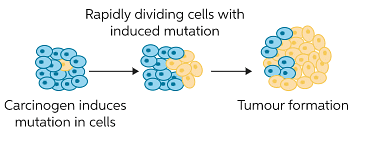
Carcinogenicity
Also read: Mutagens
Types of Carcinogens
[Click Here for Sample Questions]
Cancer is a disease that causes abnormal cell growth, and it also can spread to other parts of the human body. In this disease, the body cells get damaged. Carcinogenic substances enhance the cancer risk as they damage the metabolic cells of the body. They also damage the DNA component, which is directly associated with numerous biological processes that occur in the body, leading to tumors.
Fungus produces aflatoxin B1, which grows on the surface of peanut butter and other nuts and grains. This occurs naturally. It is a microbial carcinogenic element. Also, the Human papillomavirus causes mouth and throat, cervical and genital cancers. Hepatitis B and Hepatitis C cause liver infections which lead to liver cancer.
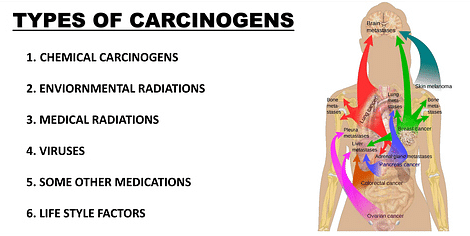
Types of Carcinogens
Formaldehyde is carcinogenic material used in building making materials and making furniture and other household products. It is often used in composite wood products like hardwood plywood medium density fireboard, which emits chemicals in the room, often called “off-gassing.” It is also the byproduct of smoking and lit cigarettes. Asbestos is another example of a carcinogenic substance present in old pipe insulation, textured ceilings, attic insulations, floor tiles, etc.
Ultraviolet radiation from the sun can cause skin cancer. Another common example of a carcinogenic substance is radon emitted from the decay of uranium in the soil. After smoking, radon is the second leading element that causes lung cancer. Radiation that emits during CT scans and radiation therapy used to treat cancer is also carcinogenic. Common outdoor air pollutants that emit from industrial or power plants, fire smoke, engine exhaust are causes lung cancer.
Besides these, there are numerous carcinogenic substances. The substances like benzene and polynuclear hydrocarbons, which have more than two benzene rings fused, contain carcinogenic effects. When organic material such as coal, petroleum, and tobacco goes through incomplete combustion emits these polynuclear hydrocarbons. When these substances enter the human body, they undergo chemical reactions which damage DNA cells and lead to death.
Toxicity
[Click Here for Sample Questions]
The degree to which a chemical or a specific mixture of substances can damage a human body cell is called toxicity. It can refer to the effect on the whole organism such as a plant, animal, or bacteria. The liver is called hepatotoxicity on the organism’s structure like an organ or cell-like. This also refers to the toxic effect on more complex groups like society and family. The toxicity can be defined as the higher intake of a general substance like water can become toxic if one takes this in higher doses. But the most toxic substance is snake venom, which cannot lead to any toxic effect if consumed in limited doses.
A novel Drug Toxicity Index has been proposed to represent the limitation of this dose-response concept. DTI involves important responsibilities like redefining the drug toxicity, recognizing hepatotoxic drugs, giving proper mechanistic inside, predicting clinical outcomes, and screening. Toxicity is species-specific, and it creates problems while analyzing cross-species.

Toxicity and Types of Toxicity
Types of Toxicity
[Click Here for Sample Questions]
There are four major types of toxic entities. They are given below: -
Chemical: Toxicants that are inorganic substances like chlorine gas, mercury, hydrofluoric acid, and organic compounds such as different types of medication, methyl alcohol, lead, etc.
Biological: It is difficult to measure the biological toxicity of pathogens as the threshold dose can be a single organism. One worm, one virus, or bacteria can generate some serious infections.
Physical: Physical toxicants are present due to their physical nature in biological processes. Asbestos fibers, finely divided silicon and coal dust are examples of physical toxicity as they cause fatal diseases if inhaled.
Radiation: It can cause a toxic effect on the organisms.
Things to Remember
- Carcinogenicity damages the genome cells of the body through radiation for radionuclide particles.
- There are also non-radioactive carcinogens are certain food items, tobacco, and smoke.
- Carcinogenic particles damage the body's DNS cells and lead to tumor formation.
- Toxicity is when external chemical substances damage the human body's cells.
- There are 4 types of toxic materials: chemical, biological, physical, and radiation.
- Chemical substances include medicines, and biological substances include worms, viruses, and physical toxicant materials include dust pollution radiation.
- Toxicity can arise from any material which can bring harmful effects to the body. Even water can lead to toxicity as harmful substances such as lead sulfide.
- Other than fungus, bacteria, viruses, radioactive materials, there are also benzene and hydrocarbons with two benzene rings that also infuse carcinogen effects.
Sample Questions
Ques. Define carcinogen. (1 Mark)
Ans. Carcinogens are substances or any chemical product that can cause cancer formation cells.
Ques. What are carcinogenic foods and their disadvantages? (2 Marks)
Ans. People are nowadays inclined to food that is easy to get and packed. This food goes through many processing units, including all chemicals and addictive materials used for flavor and taste. But this flavoring has brought a large change in the lifestyle. Some carcinogenic foods are soda potato chips, artificial sweeteners, alcohol, excessive sugar products, and microwave popcorn refined carbohydrates.
Ques. How is toxicity bringing change in health and the environment? (2 Marks)
Ans. Toxicity is a process the body is undergoing through a change with all poisonous and harmful materials. They are lethargy failure in certain organs, minor and major changes in the body, even cancer. Similarly, it is bringing changes in the ham environment as polluted materials or harmful materials are causing air pollution and water pollution. Soil pollution and this all-change organisms' lifestyles.
Ques. Carcinogenic substances cause changes in which part of the body? (1 Mark)
Ans. Genomes are the part of the body cells that damage the entrance of carcinogenic substances.
Ques. What kind of rays do carcinogenic substances emit? (1 Mark)
Ans. Carcinogenic substances emit radioactive rays, especially alpha and gamma rays.
Ques. What is the difference between carcinogenicity and toxicity? (1 Mark)
Ans. Carcinogenicity is when cancer-developing cells enter the body and damage the cells through radiation or radionuclide particles. In contrast, toxicity is the process of cancer cell formation with harmful or poisonous products such as lead, alcohol, snake venom, and other cancer-causing materials.
Ques. How are non-radioactive substances carcinogenic products? (1 Mark)
Ans. Nonradioactive carcinogens are inhaled in the body, such as asbestos, dioxins, tobacco. There are no spontaneous toxic elements but they bring damage gradually.
Ques. How do carcinogenic elements bring changes in the body? (1 Mark)
Ans. These carcinogenic elements damage the body cells and the body's metabolism system. The DNA cells get ruptured, bringing variations in the biological process.
Check-Out:



Comments