



Content Curator
Gypsum is a soft white chalk-like rock which is abundantly used in various industries. Gypsum is a mineral consisting of hydrous calcium sulfate that is used as a soil amendment and in the making of plaster of paris. Due to its wide range of variety gypsum is majorly used in jewellery, sculptures, fillers, tiles and so on. Gypsum is found worldwide.
| Table of Content |
Key Terms: Minerals, Rock, Sedimentary Rock, Sulfate, Calcium, Fertilizer, Soil, Nutrient
What Is Gypsum?
[Click Here for Sample Questions]
Gypsum is both a mineral form (selenite) and a rock in bedded layers. It is a non-toxic mineral and in rock, it comes under the family of sedimentary rock. It is a common sulfate mineral of industrial significance and is composed of hydrated calcium sulfate.
Gypsum is found in various forms and hence is a great source of economics. Most of the gypsum is colourless or white in colour but due to the presence of impurities, it is tinted light brown, green, yellow, grey, or orange.
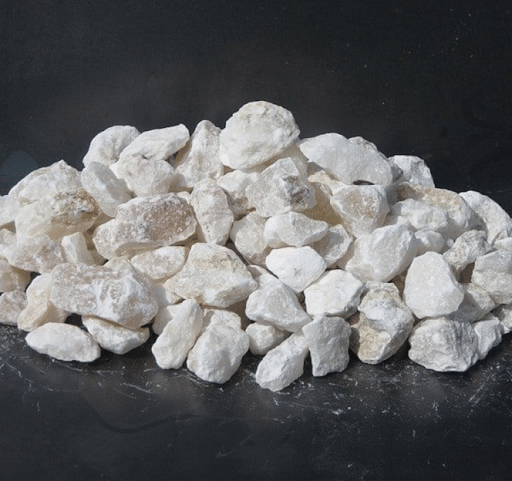
Gypsum
Uses Of Gypsum
[Click Here for Sample Questions]
The significant uses of gypsum are:
Gypsum In Agriculture
- It is used as a soil additive and fertilizer.
- It boosts the soil quality and controls excess salinity of the soil by removing sodium from it.
- Gypsum also provides nutrients to the soil.
Gypsum Powder
- Gypsum is used as fertilizer.
- Gypsum prevents soil erosion and improves soil composition.
- It helps in the movement of water and air.
- It also facilitates root growth and balances micronutrients.
Gypsum Board
- It consists of the non-combustible core.
- Gypsum has excellent fire resistance
Other Uses Of Gypsum
- Used in still water to separate the impurities.
- Gypsum is helpful in creating orthopaedic and surgical casts.
- Gypsum is eatable so used in food.
Also Check:
| Concept Related To Gypsum | ||
|---|---|---|
| Calcium Sulphate | Chemical Indicators | Sulphates |
Physical Properties Of Gypsum
[Click Here for Sample Questions]
The distinguished physical properties of gypsum are:
- Gypsum ranges from transparent to translucent.
- Gypsum has large varieties like “satin spar” and “alabaster.”
- The mineral is soft and feels rather light.
- Small crystal-like forms appear pearly, whereas the massive ones look dull.
Chemical Properties Of Gypsum
[Click Here for Sample Questions]
The distinguished chemical properties of gypsum are:
- Chemical classifications of gypsum are sulphate minerals.
- Chemical composition of gypsum is CaSO4·2H2O
Formation Of Gypsum
[Click Here for Sample Questions]
Gypsum is a naturally occurring sedimentary rock. The popularly known gypsum, which is also known as calcium sulfate hydrate is formed when water evaporates in mineral-rich marine soil environments. After a long period of time, with evaporation minerals comes to the soil surface, eventually forming a solid deposit.
Also Check:
| Chapter Related Topics | ||
|---|---|---|
| Sedimentary Rocks | Earth | Difference between Rocks and Minerals |
Things To Remember
- Gypsum is found worldwide.
- Gypsum is found in various forms and hence is a great source of economics.
- Gypsum is used as fertilizer.
- The mineral is soft and feels rather light.
- Chemical classifications of gypsum are sulphate minerals.
Sample Questions
Ques. What is gypsum? (4 Marks)
Ans. Gypsum is both a mineral form (selenite) and a rock in bedded layers. It is a non-toxic mineral and in rock, it comes under the family of sedimentary rock. It is a common sulfate mineral of industrial significance and is composed of hydrated calcium sulfate.
Gypsum is found in various forms and hence is a great source of economics. Most of the gypsum is colourless or white in colour but due to the presence of impurities, it is tinted light brown, green, yellow, grey, or orange.
Gypsum is a soft white chalk-like rock which is abundantly used in various industries. Gypsum is a mineral consisting of hydrous calcium sulfate that is used as a soil amendment and in the making of plaster of paris. Due to its wide range of variety gypsum is majorly used in jewellery, sculptures, fillers, tiles and so on. Gypsum is found worldwide.
Ques. State two advantages and disadvantages of the gypsum board. (4 Marks)
Ans. The disadvantages and advantages of the gypsum board are:
| Advantages | Disadvantages |
|---|---|
| Easy to install | Fungi issue |
| Fire resistance | Can be easily damaged |
Ques. Is gypsum eatable? (2 Marks)
Ans. Yes, gypsum is eatable and used in various food. Gypsum is used in supplements and hence increases the intake of calcium in the body.
Ques. What are the two disadvantages of gypsum plaster? (3 Marks)
Ans. The two disadvantages of gypsum plaster are:
- Gypsum plaster cannot be used for outside walls and damp areas.
- Gypsum plaster is costlier than traditional cement plaster.
Ques. What are the physical properties of gypsum? (3 Marks)
Ans. The distinguished physical properties of gypsum are:
- Gypsum ranges from transparent to translucent.
- Gypsum has large varieties like “satin spar” and “alabaster.”
- The mineral is soft and feels rather light.
- Small crystal-like forms appear pearly, whereas the massive ones look dull.
Ques. What is the four basic use of gypsum? (2 Marks)
Ans. The three basic uses of gypsum are:
- Agriculture
- Powder
- Board
Ques. State two chemical properties of gypsum. (2 Marks)
Ans. The distinguished chemical properties of gypsum are:
- Chemical classifications of gypsum are sulphate minerals.
- Chemical composition of gypsum is CaSO4·2H2O
Ques. List the illustrated use of gypsum. (5 Marks)
Ans. The significant uses of gypsum are:
Gypsum In Agriculture
- It is used as a soil additive and fertilizer.
- It boosts the soil quality and controls excess salinity of the soil by removing sodium from it.
- Gypsum also provides nutrients to the soil.
Gypsum Powder
- Gypsum is used as fertilizer.
- Gypsum prevents soil erosion and improves soil composition.
- It helps in the movement of water and air.
- It also facilitates root growth and balances micronutrients.
Gypsum Board
- It consists of the non-combustible core.
- Gypsum has excellent fire resistance
Other Uses Of Gypsum
- Used in still water to separate the impurities.
- Gypsum is helpful in creating orthopaedic and surgical casts.
- Gypsum is eatable so used in food.
Ques. What are the distinguished uses of gypsum in agriculture? (3 Marks)
Ans. The distinguished uses of gypsum in agriculture are:
- It is used as a soil additive and fertilizer.
- It boosts the soil quality and controls excess salinity of the soil by removing sodium from it.
- Gypsum also provides nutrients to the soil.
Ques. State some general uses of gypsum. (4 Marks)
Ans. General uses of gypsum are:
- Used in still water to separate the impurities.
- Gypsum is helpful in creating orthopaedic and surgical casts.
- Gypsum is eatable so used in food.
Also Check:



Comments