



Class 7 Social Science Part 2 Chapter 4 Turning Tides: 11th and 12th Centuries marks a turning point. These class 7 social science handwritten notes chapter 4 Turning Tides: 11th and 12th Centuries follow the 2026-27 NCERT and cover Mahmud of Ghazni, Muhammad Ghuri and their impact.
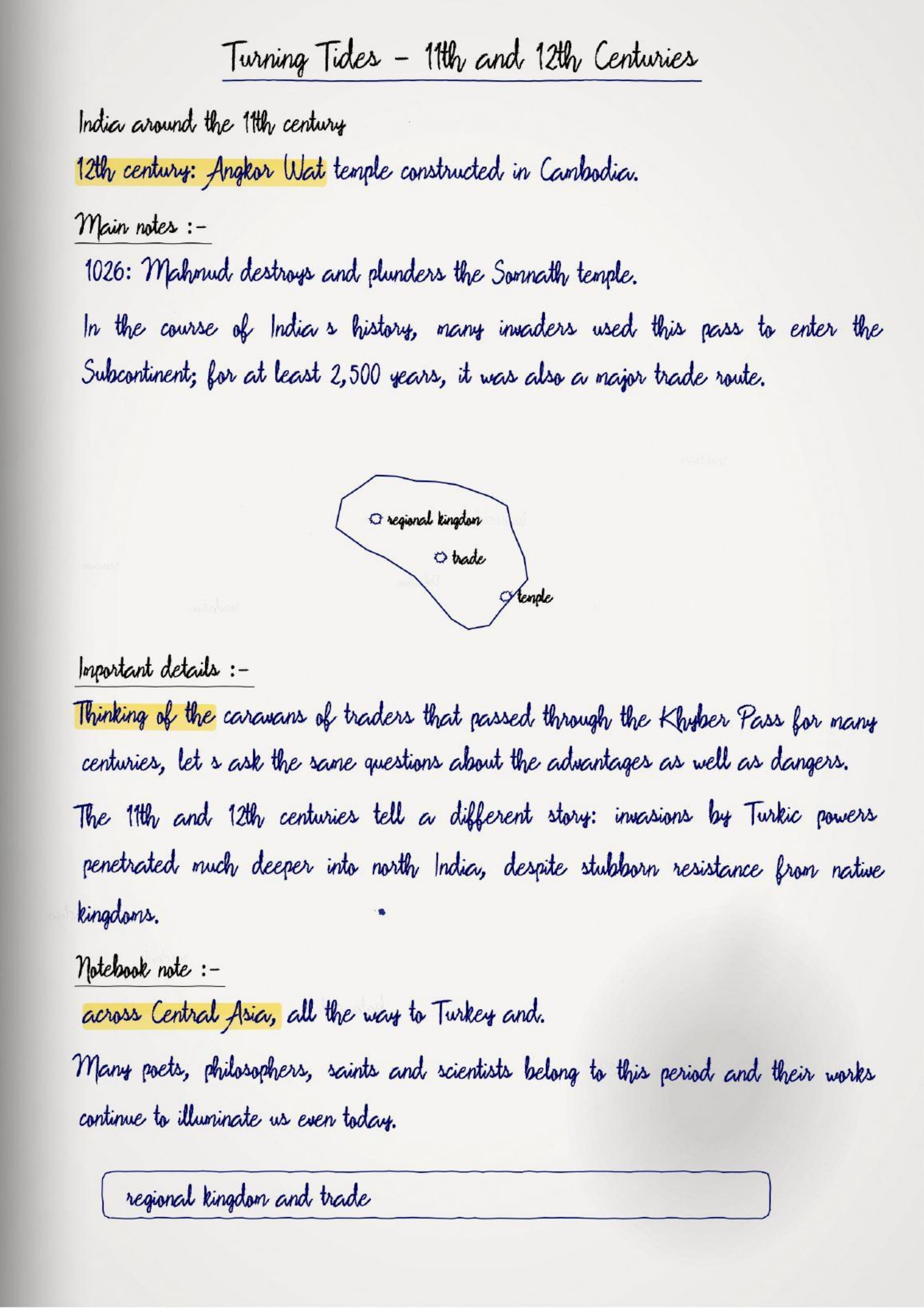
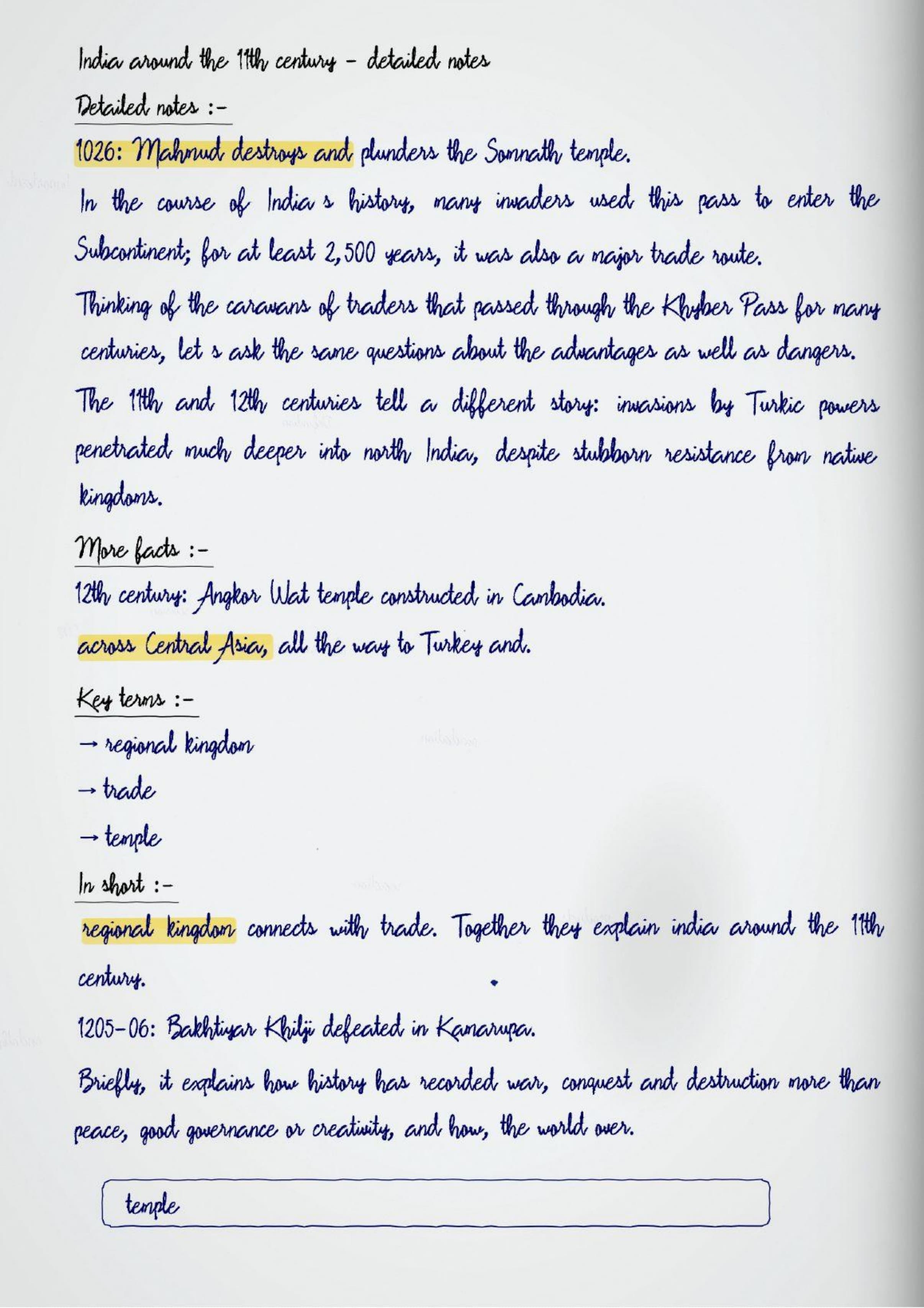
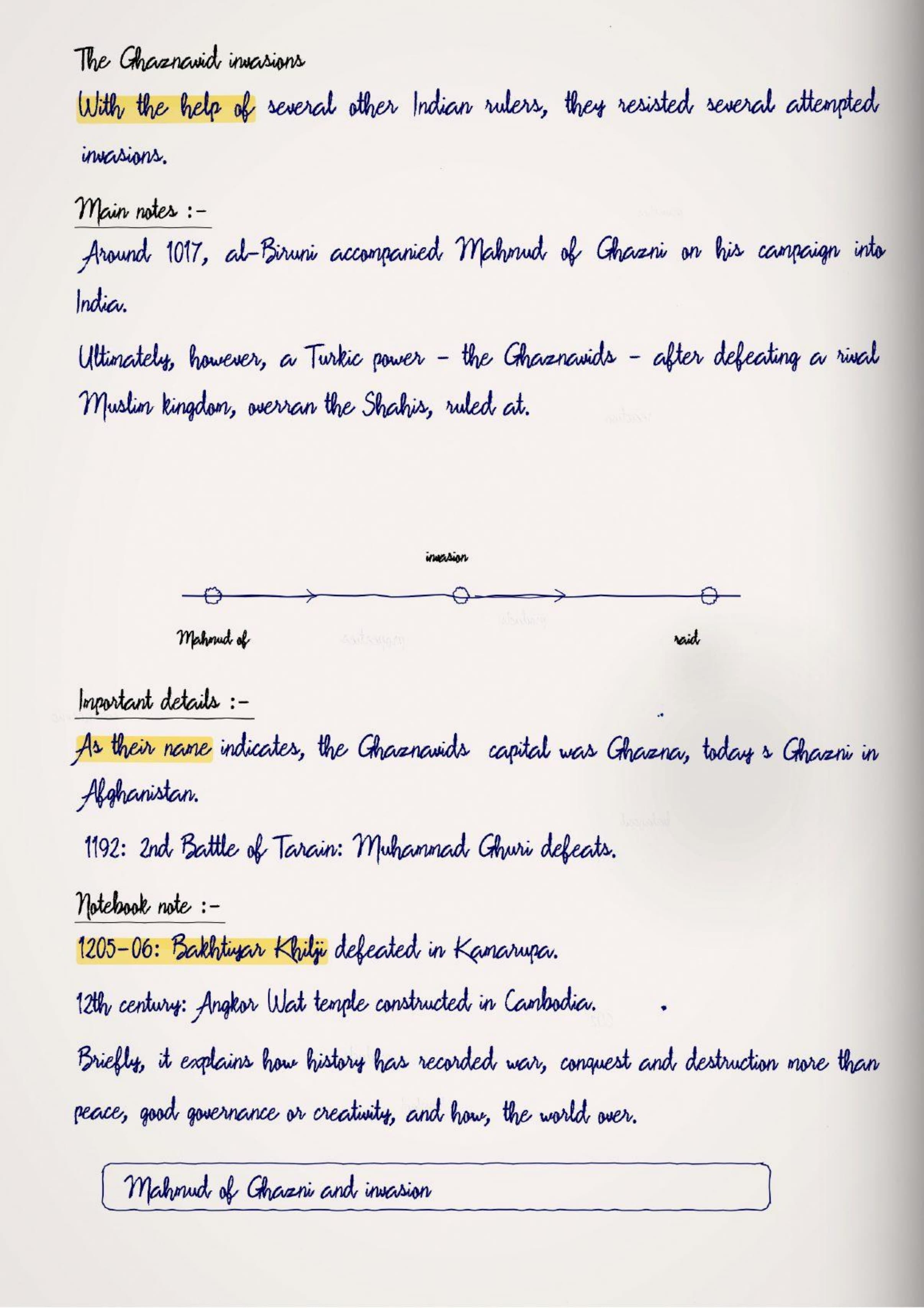
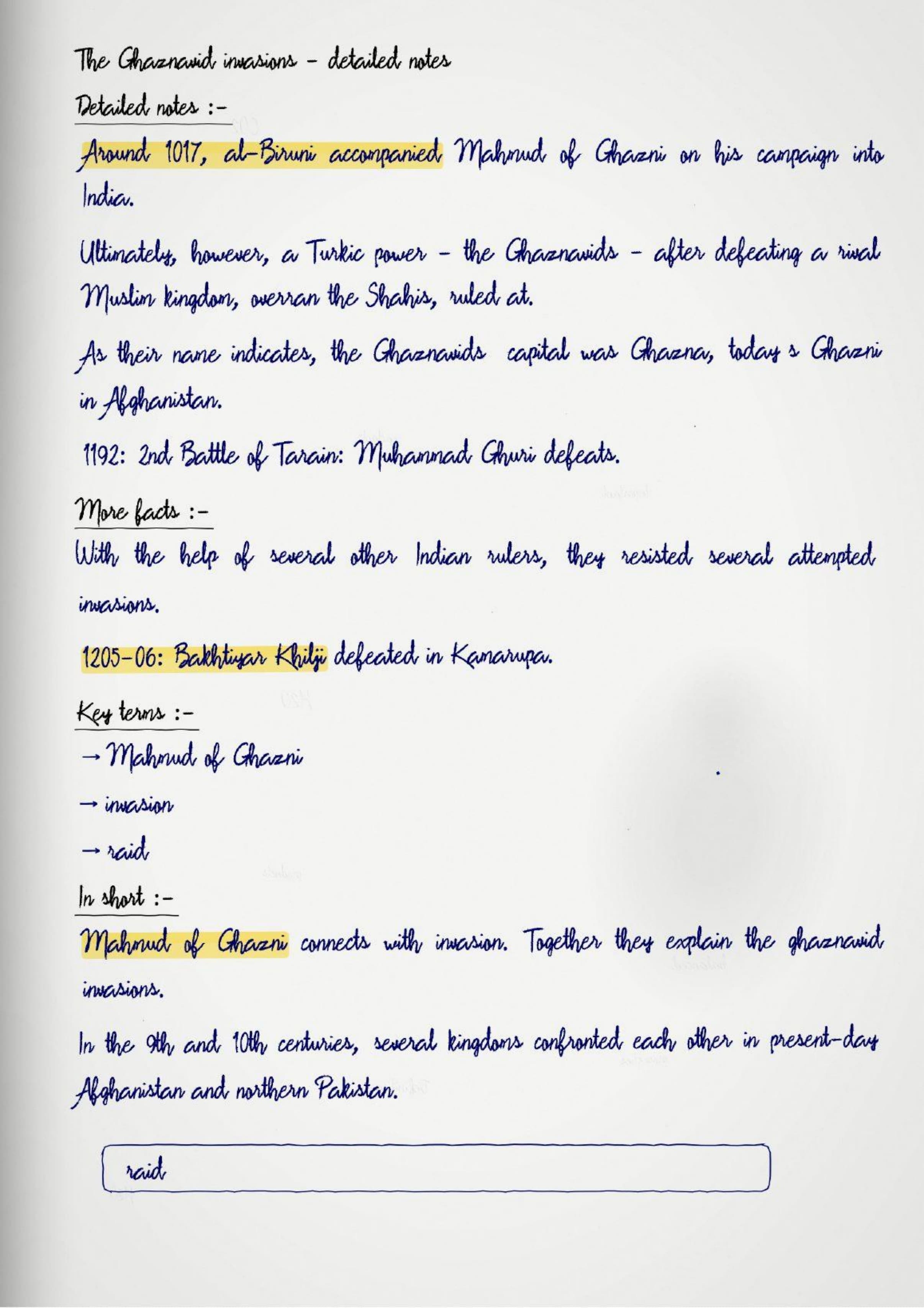
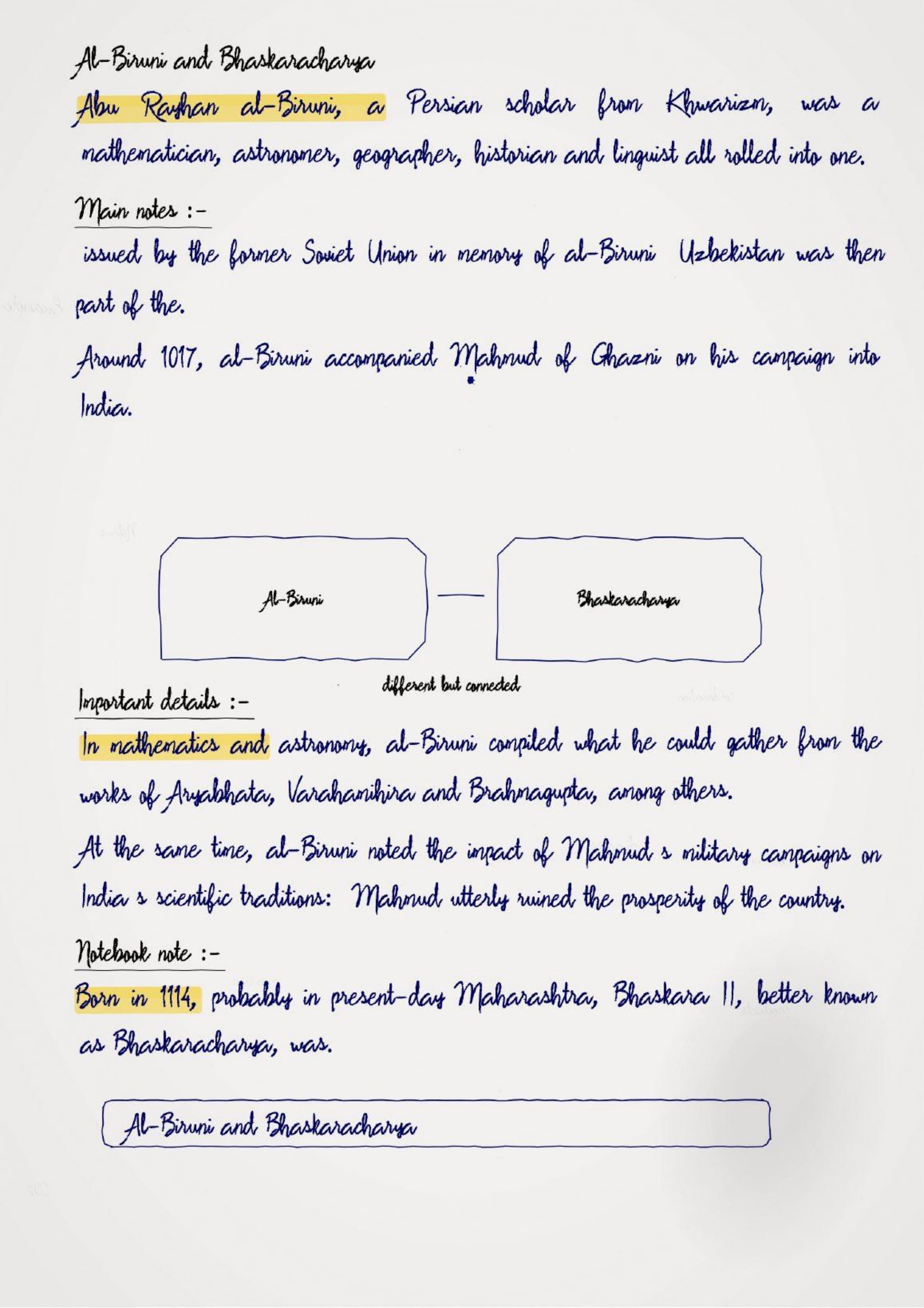
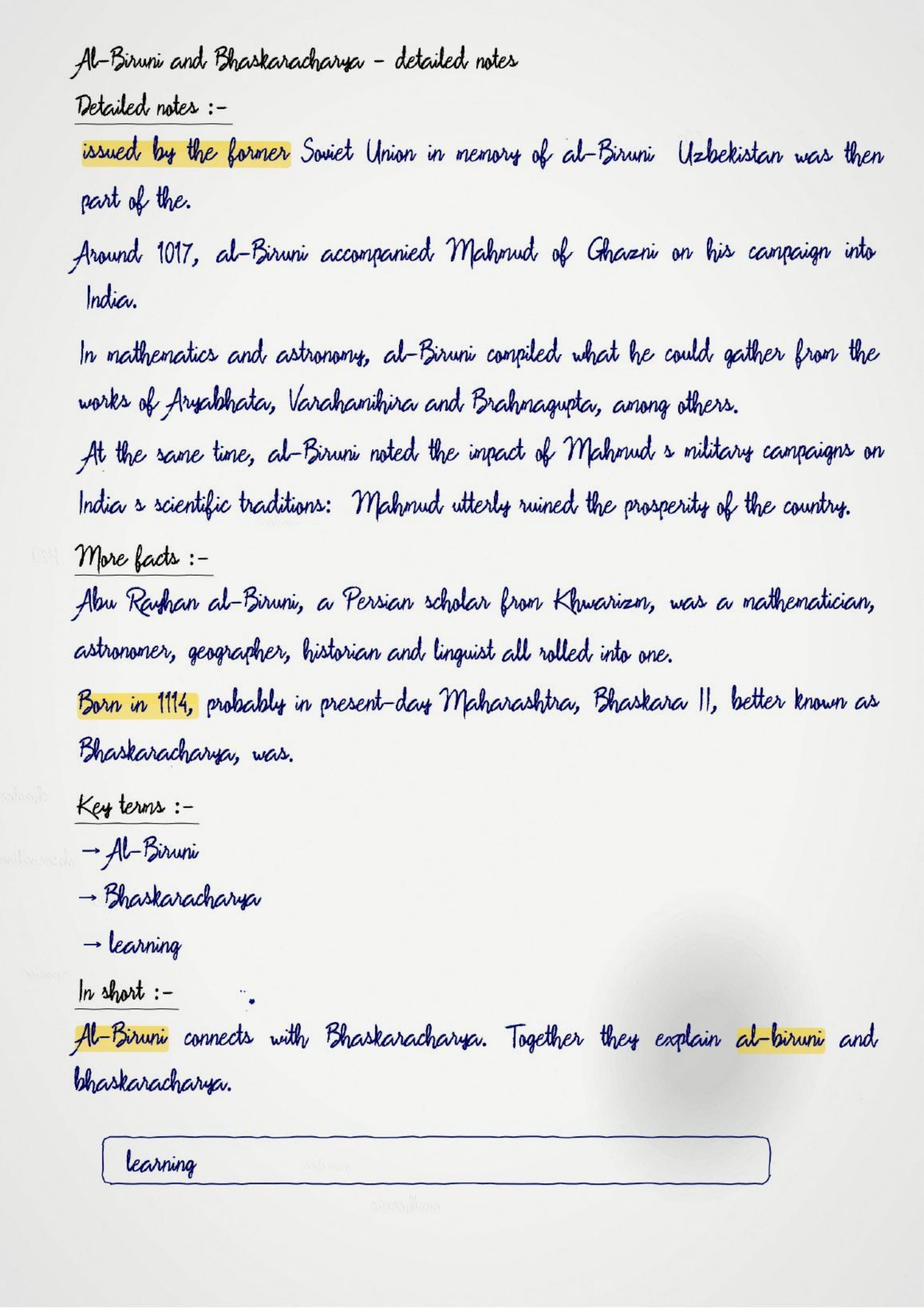
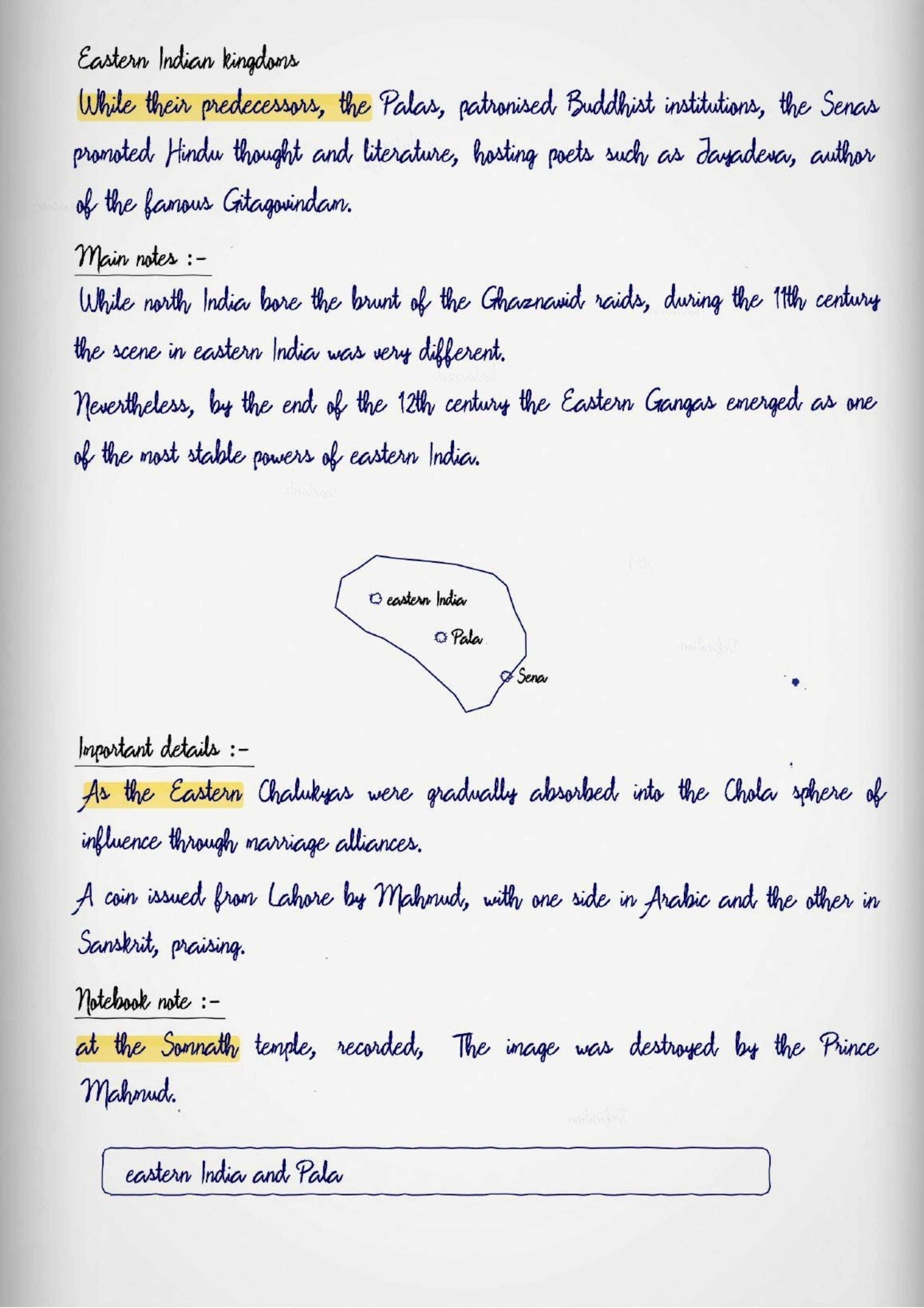
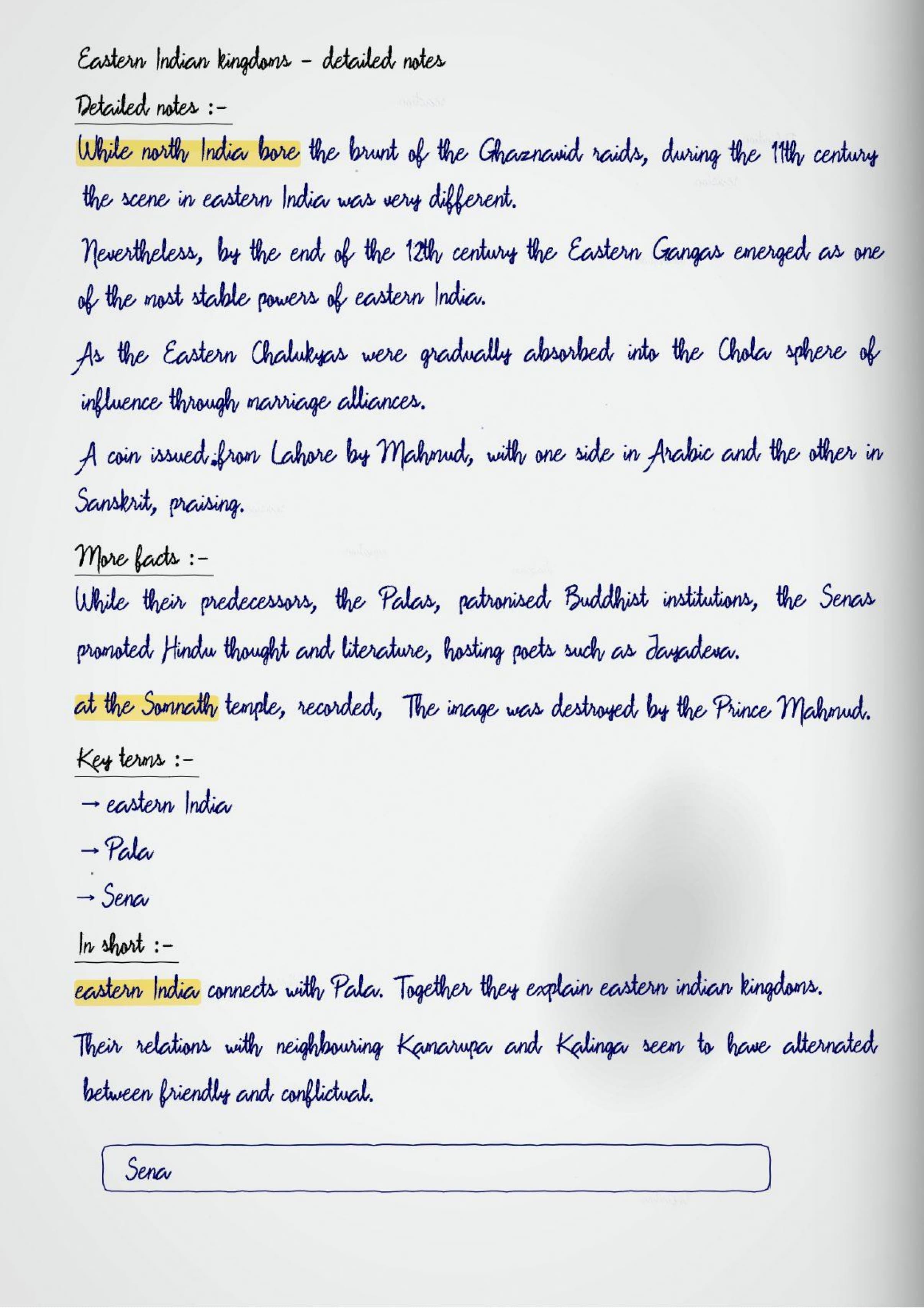
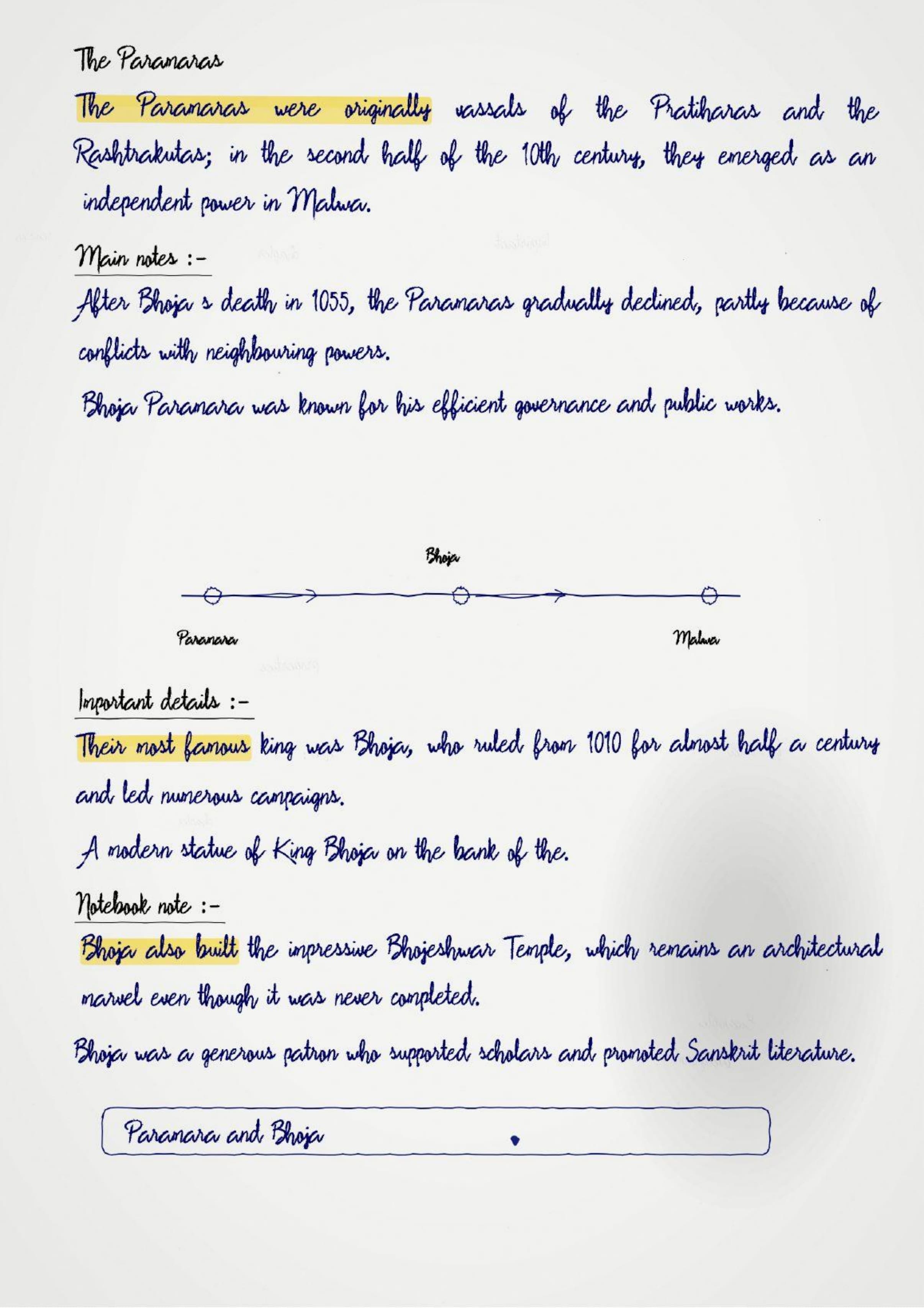
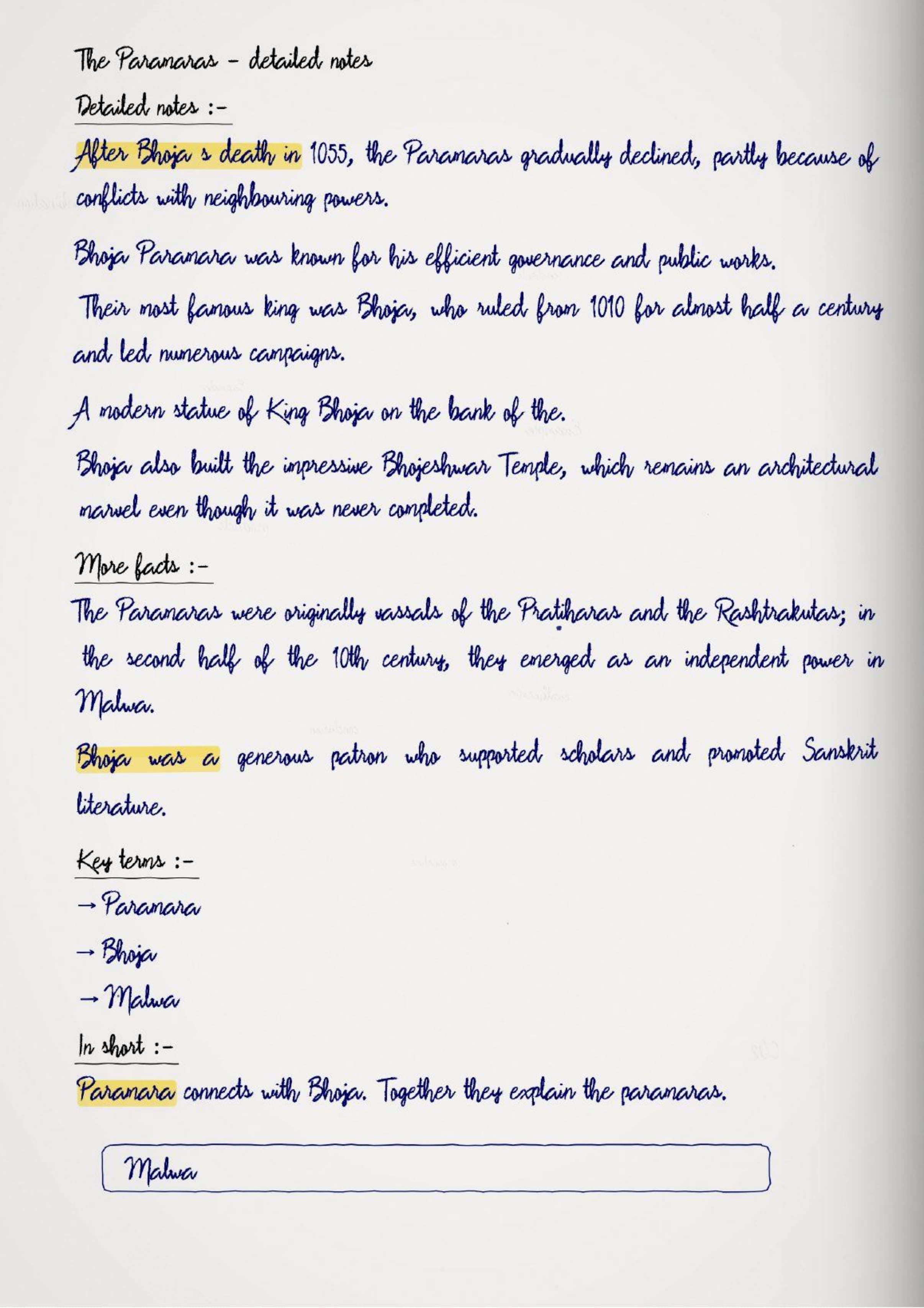
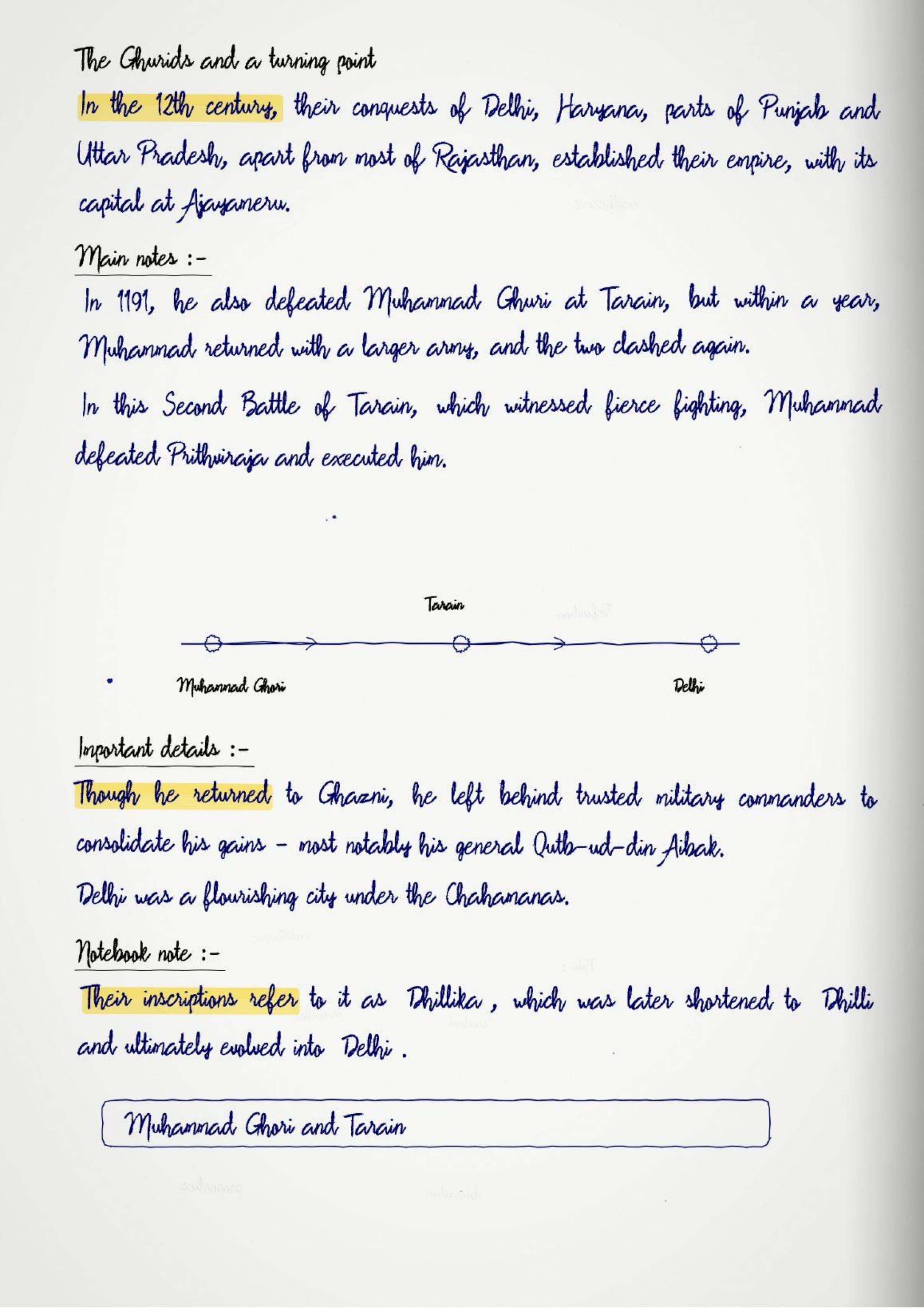
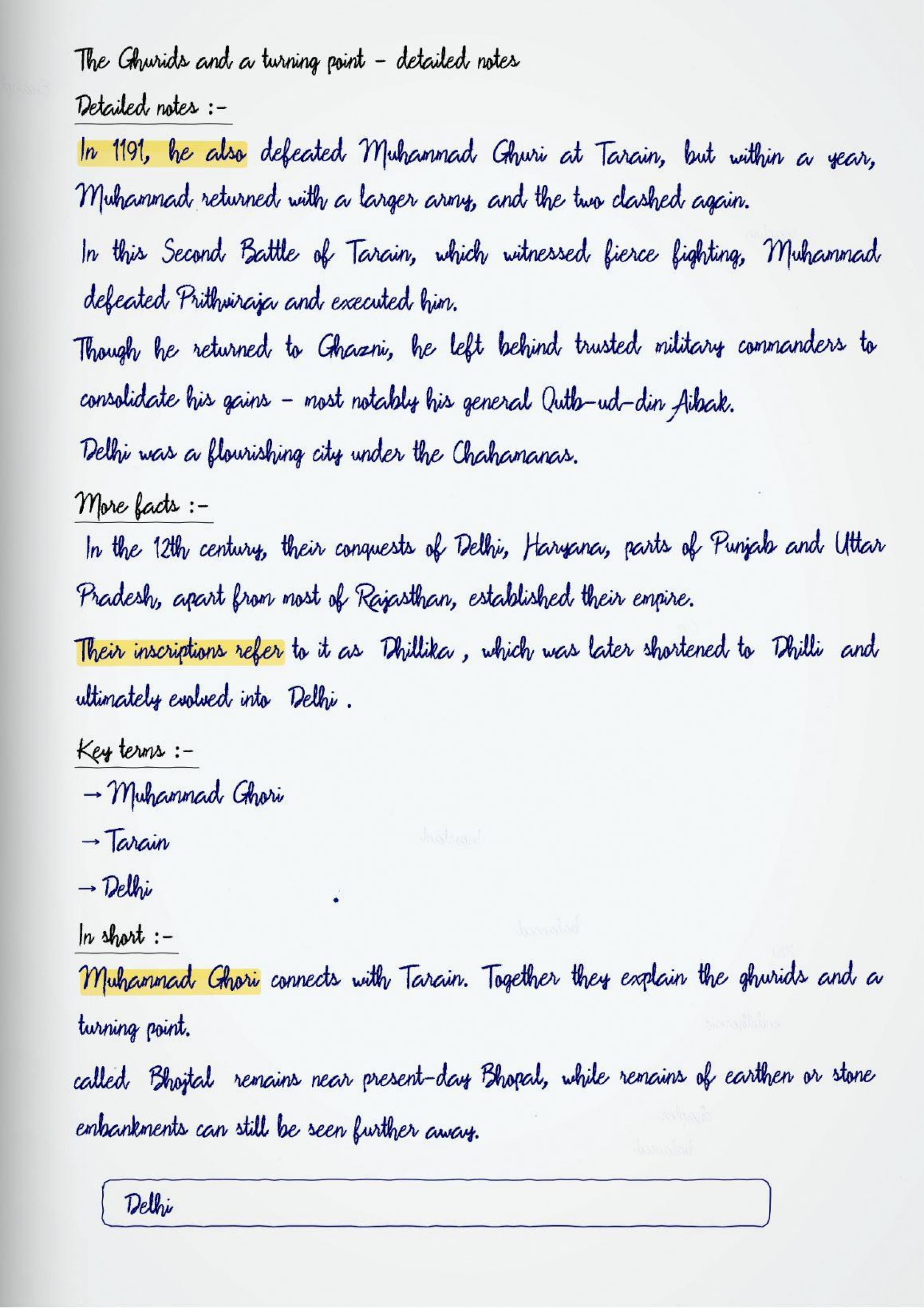
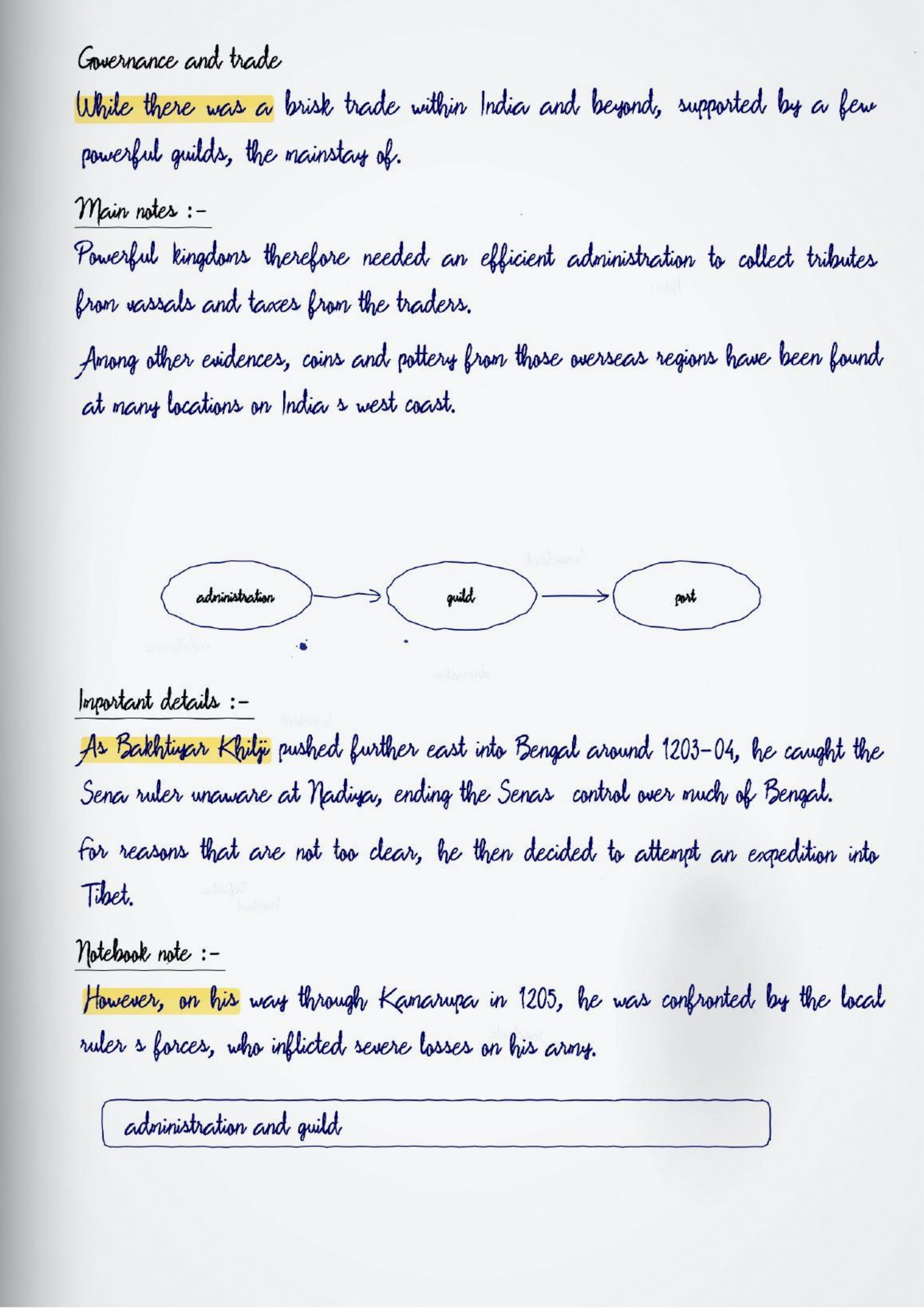
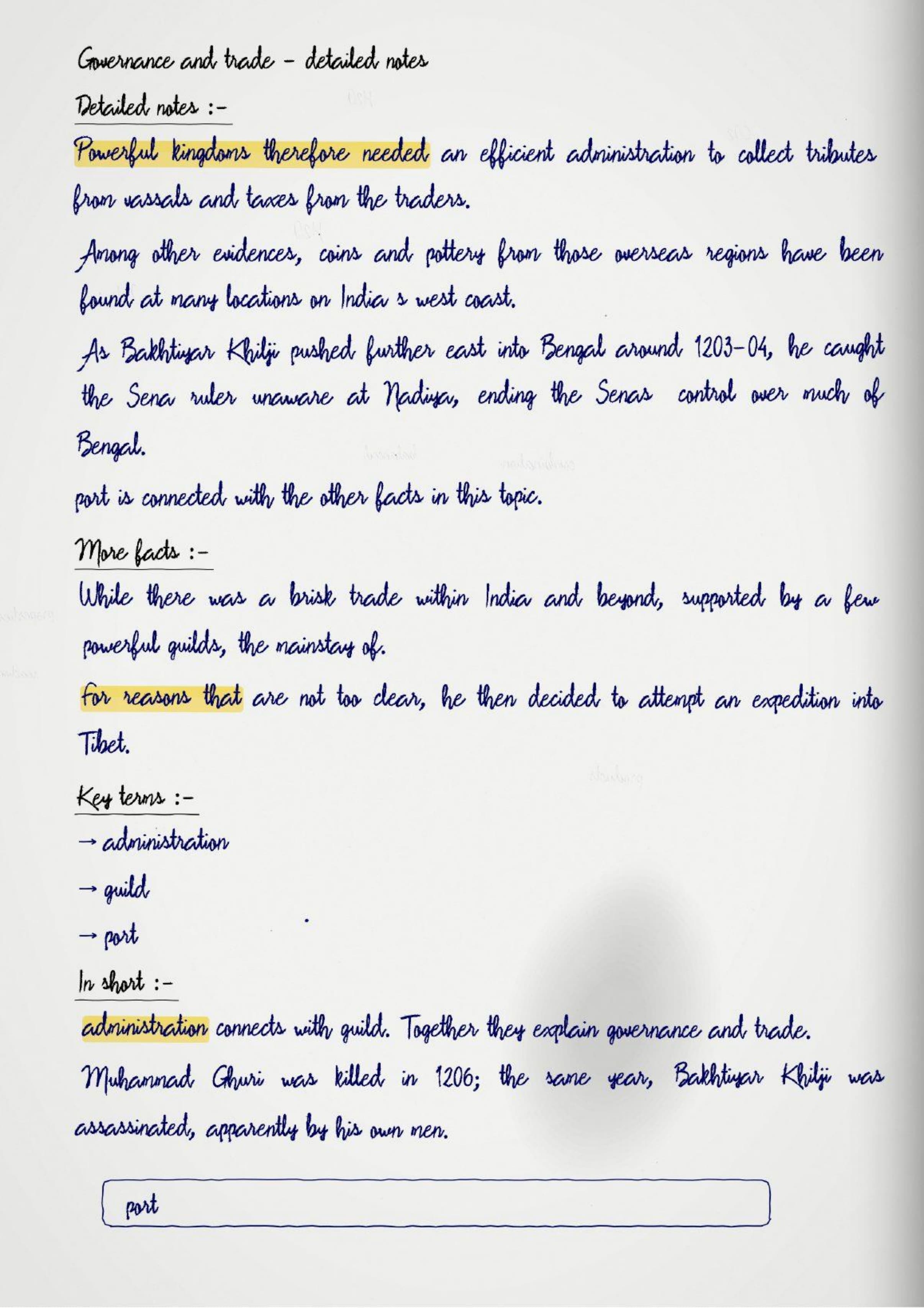
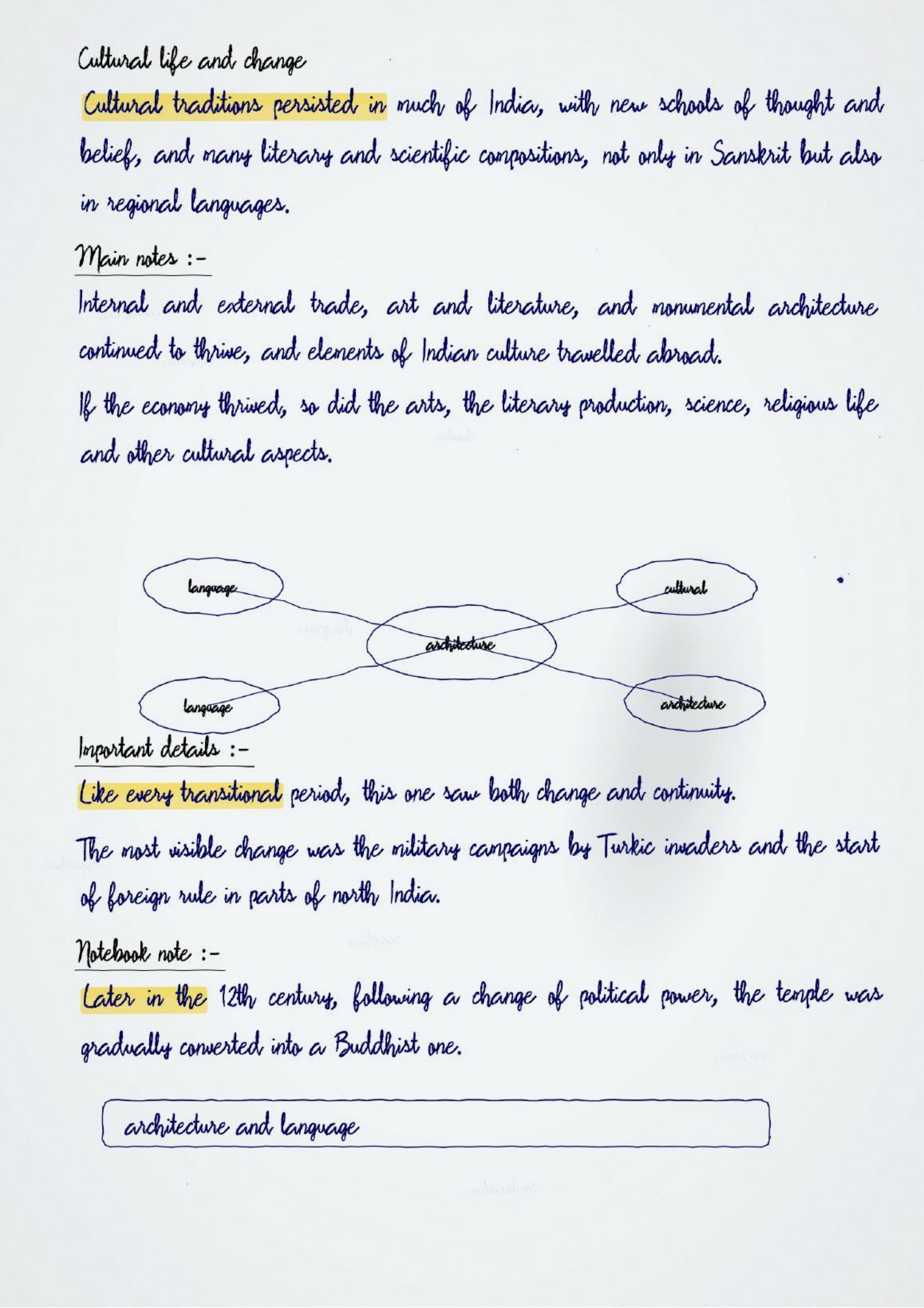
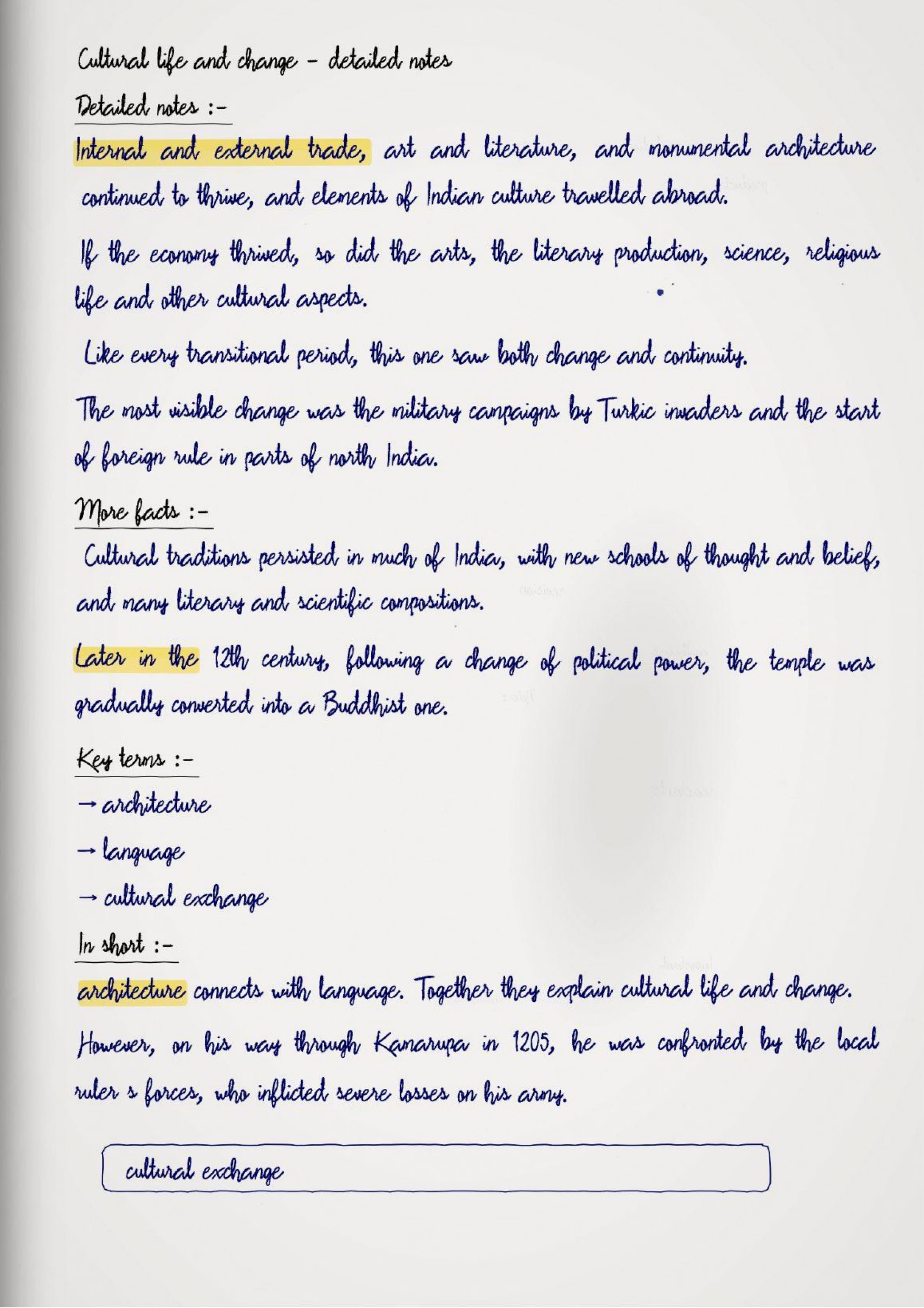
- Two centuries compared: Ghazni's raids in the 11th century against Ghuri's conquests in the 12th
- What the notes cover: the raids of Mahmud of Ghazni, the conquests of Muhammad Ghuri, and what continued to thrive
- Best for: the compare-the-two-invaders question, a standard long answer
Open the PDF below for the complete class 7 social science handwritten notes covering Turning Tides: 11th and 12th Centuries from the first page to the last.
These handwritten notes are written by Social Science teachers, mapped to the 2026-27 NCERT Exploring Society book, and checked against Class 7 school question papers.
Where Students Lose Marks in Turning Tides: 11th and 12th Centuries
This chapter is examined through comparison, which rewards students who keep the two figures separate in their notes.
- Comparing Ghazni and Ghuri is a standard long answer
- The date and target of each invasion is a one-mark question
- What continued to thrive is a commonly missed point
- The chapter leads into the medieval history of Class 8
Why Students Pick Collegedunia's Turning Tides: 11th and 12th Centuries Handwritten Notes
Collegedunia has these class 7 social science handwritten notes written by teachers who set Class 7 papers. The two invaders are written on facing halves of a page, so the comparison is built into the layout.
- Two-column compare: Ghazni on one side and Ghuri on the other
- Invasion map: the routes and targets of both invasions
- Continuity panel: what kept flourishing through this period
- Colour-coded sub-headings: sub-topics in red so each figure stays apart
Test Yourself on Turning Tides: 11th and 12th Centuries
Five questions on this turning point. Tap each to reveal.
Mahmud of Ghazni carried out his raids in the
(a) 10th century (b) 11th century (c) 12th century (d) 13th century
Answer: (b) 11th century
Who conquered Delhi and the Gangetic plains?
(a) Mahmud of Ghazni (b) Muhammad Ghuri and his generals (c) the Hindu Shahis (d) the Cholas
Answer: (b) Muhammad Ghuri and his generals
Mahmud of Ghazni's aim in India was mainly to
(a) establish permanent rule (b) plunder and take wealth (c) build universities (d) settle farmers
Answer: (b) plunder and take wealth
Which region remained outside Turkic control?
(a) all of south India (b) Delhi (c) Bengal (d) the Gangetic plains
Answer: (a) all of south India
Through this period, what continued to thrive?
(a) nothing (b) trade, art, literature and architecture (c) only warfare (d) only farming
Answer: (b) trade, art, literature and architecture
Topics Written Out in the Turning Tides: 11th and 12th Centuries Notes
The chapter title says it plainly: these two centuries turned the tide of Indian history. The notes keep the two invaders clearly apart.
- Why the 11th and 12th centuries were a turning point
- Mahmud of Ghazni and the Hindu Shahis
- Ghazni's raids into north India
- Plunder, temple destruction and prisoners
- Why Ghazni did not seek to rule India
- Muhammad Ghuri and his generals
- The conquest of Delhi and the Gangetic plains
- Destruction of centres of learning
- Regions that remained outside Turkic control
- Trade, art, literature and architecture continuing to thrive
Turning Tides: 11th and 12th Centuries Sub-topic Priority List for CBSE Class 7 Social Science
Comparing the two invaders is the highest-scoring question here.
| Sub-topic | Weightage | How often asked |
|---|---|---|
| Mahmud of Ghazni compared with Muhammad Ghuri | High | asked often |
| The conquest of Delhi and the Gangetic plains | High | asked often |
| Why these centuries were a turning point | Medium | asked sometimes |
| Regions outside Turkic control | Medium | asked sometimes |
| Continuity of trade, art and architecture | Medium | asked sometimes |
| Destruction of centres of learning | Medium | asked sometimes |
Turning Tides: 11th and 12th Centuries in the Last Hour Before the Exam
The card for this comparison question.
- The 11th and 12th centuries were a turning point in Indian history
- Mahmud of Ghazni: 11th century, raids and plunder, no attempt to rule
- Muhammad Ghuri: 12th century, conquest of Delhi and the Gangetic plains
- Centres of learning were left in ruins
- North India in part, and all of south India, stayed outside Turkic hold
- Trade, art, literature and architecture continued to thrive
Hand-drawn Sketches Inside the Turning Tides: 11th and 12th Centuries Notes
The comparison and the routes both need to be seen.
| Figure drawn by hand | What it shows |
|---|---|
| Two-column compare | Ghazni and Ghuri set against each other |
| Invasion map | the routes of both invasions marked |
| Century timeline | the 11th and 12th centuries with key events |
| Continuity panel | trade, art and architecture continuing |
| Regions map | the parts of India outside Turkic control shaded |
Words and Ideas the Turning Tides: 11th and 12th Centuries Notes Box Off
Precise words matter here, because raid and conquest mean different things.
| Term / Idea | What it means |
|---|---|
| Raid | a sudden attack to seize wealth, without occupying the land |
| Conquest | the taking of territory to hold and rule it |
| Plunder | goods and wealth taken by force |
| Turning point | a moment after which the course of events changes |
| Gangetic plains | the fertile plains watered by the Ganga |
| Centres of learning | places such as universities and monasteries where scholars studied |
| Turkic | relating to the Turkic peoples of Central Asia |
Best Way to Read the Turning Tides: 11th and 12th Centuries Handwritten Notes
A short plan works better than one long sitting with the class 7 social science handwritten notes. Keep the two invaders in two columns. Mixing them is the commonest error in this chapter.
- Fill a two-column comparison of Ghazni and Ghuri
- Mark both invasion routes on an outline map
- Write two things that continued to thrive in this period
- Before the test, revise the two-column compare and the invasion map
Where to Go After the Turning Tides: 11th and 12th Centuries Notes
Read the notes with the solved questions and the Exploring Society chapter itself.
- Class 7 Social Science NCERT Solutions
- Class 7 Social Science Revision Notes
- Class 7 Exploring Society Book PDF
Chapter-wise Class 7 Social Science Handwritten Notes
Exploring Society Part 1 has twelve chapters and Part 2 has eight. Use the table to open the class 7 social science handwritten notes for any other chapter.
Turning Tides: 11th and 12th Centuries Class 7 Social Science Handwritten Notes FAQs
Ques. Where can I download the Turning Tides Class 7 Handwritten Notes PDF?
Ans. The PDF is on this page, free, in both the normal and the HD version.
Ques. What is the difference between Mahmud of Ghazni and Muhammad Ghuri?
Ans. Mahmud of Ghazni raided north India in the 11th century for plunder and did not try to establish rule. Muhammad Ghuri, in the 12th century, conquered Delhi and large parts of the Gangetic plains and his generals stayed to rule.
Ques. How many pages is the Part 2 Chapter 4 handwritten notes PDF?
Ans. It runs 20 pages, with the two-column comparison, the invasion map and a quiz.
Ques. Which parts of India remained outside Turkic control?
Ans. Large parts of northern India and the whole of south India remained outside the hold of the Turkic invaders, where powerful kingdoms continued to rule.
Ques. What continued to flourish during this period?
Ans. Internal and external trade, art and literature, and monumental architecture all continued, and elements of Indian culture carried on developing.



Comments