




Class 7 Social Science Part 2 Chapter 8 Banks and the Magic of Finance closes the year with money and safety. These class 7 social science handwritten notes chapter 8 Banks and the Magic of Finance follow the 2026-27 NCERT and cover financial institutions, savings, credit and online fraud.
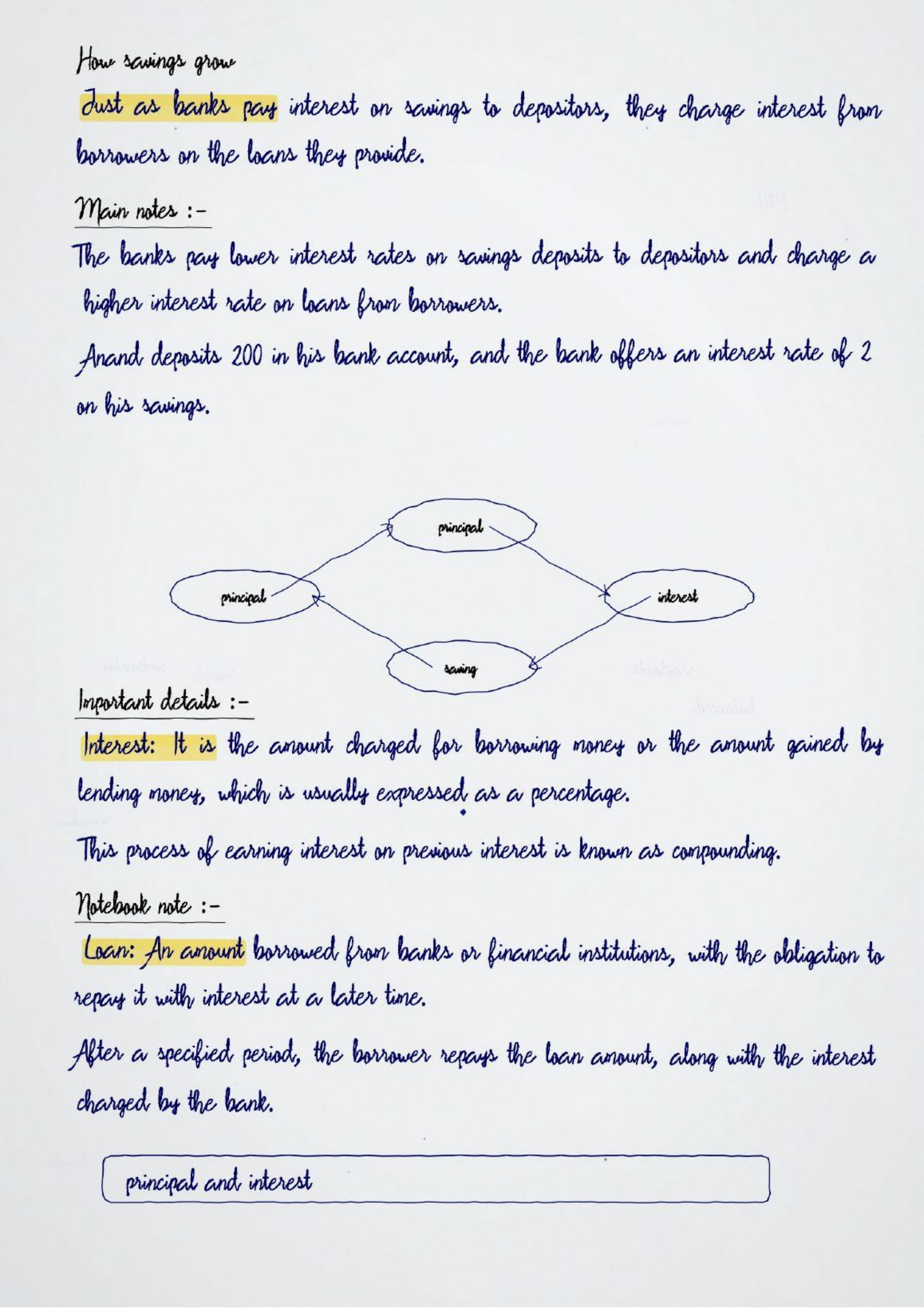
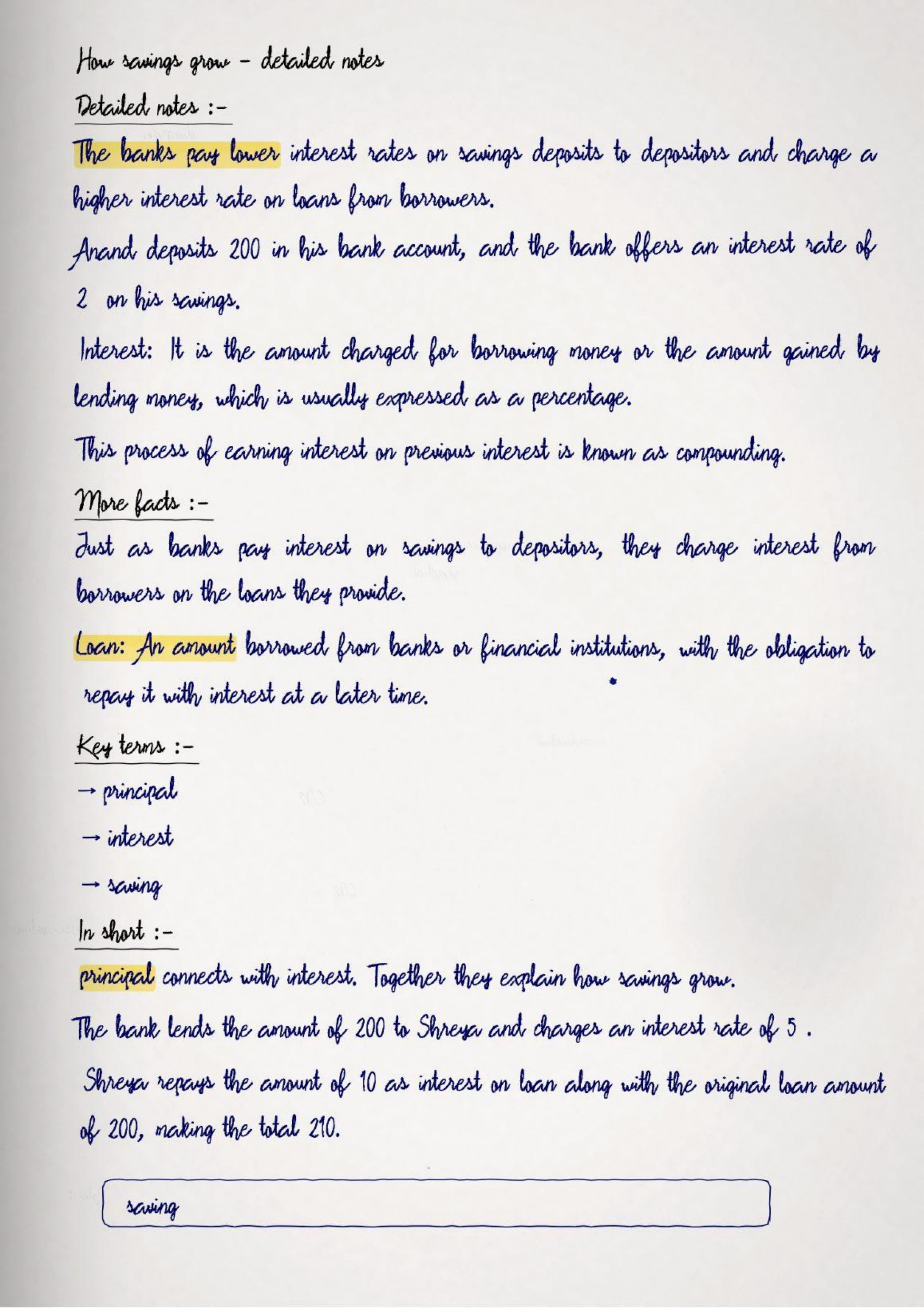
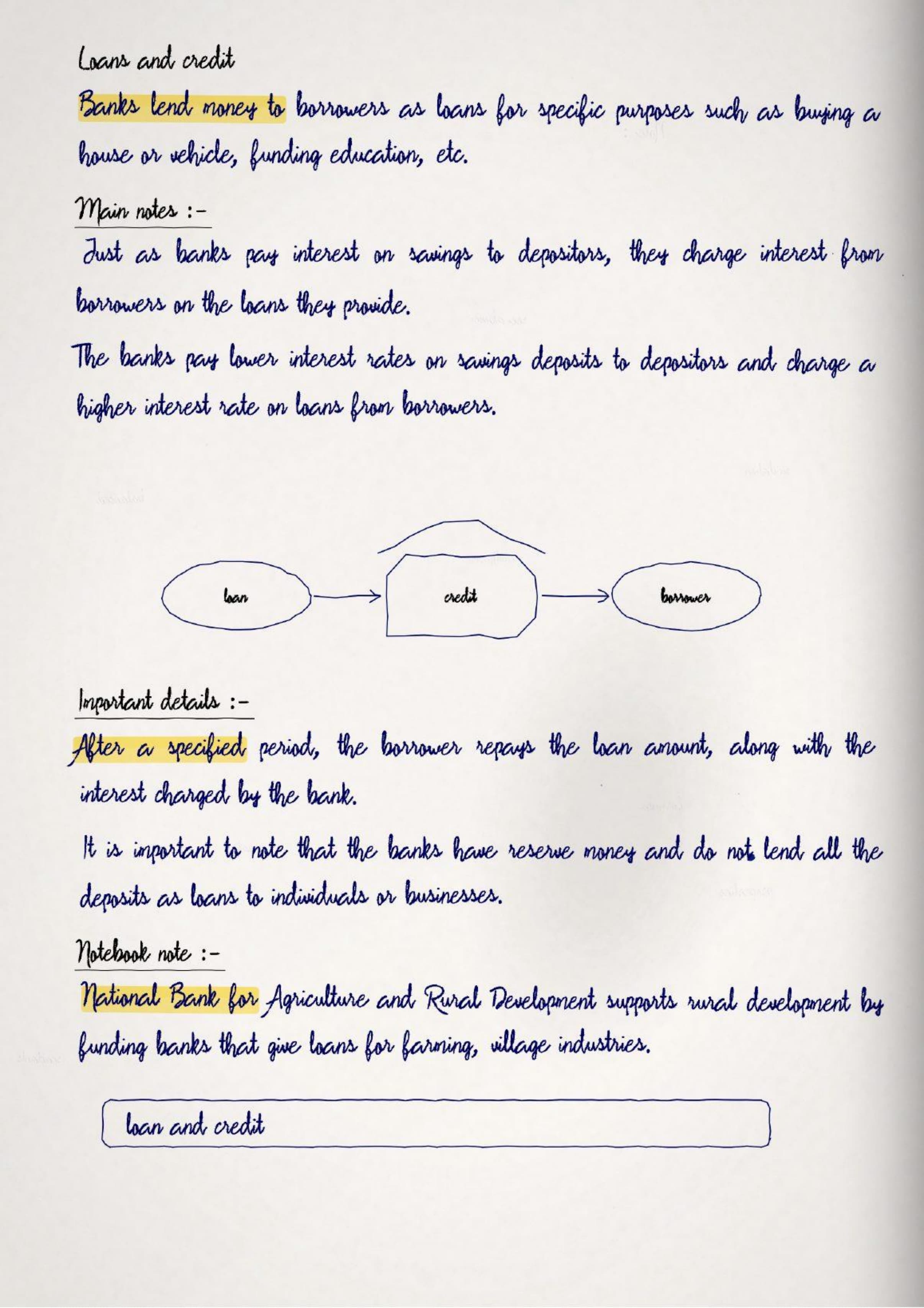
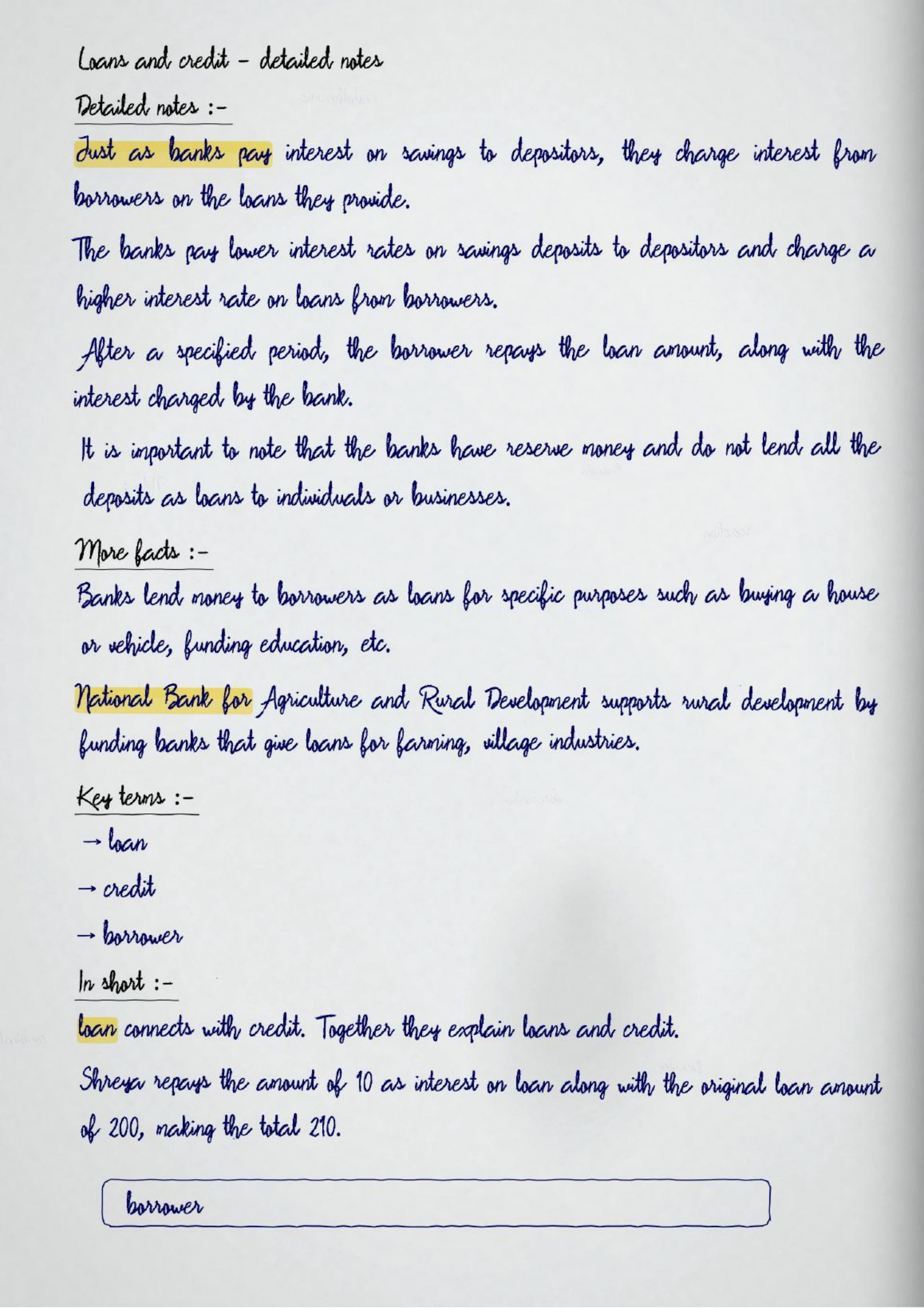
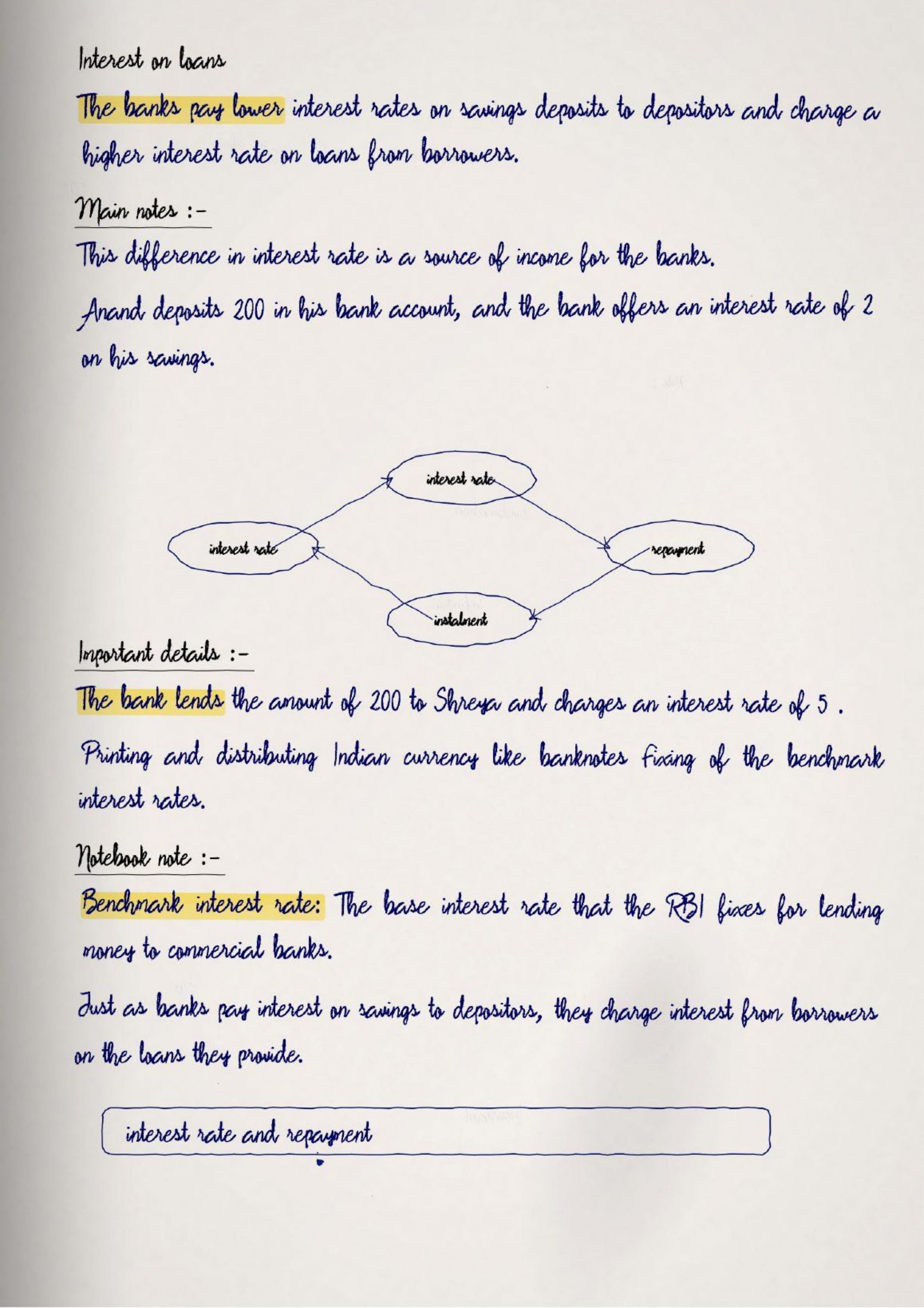
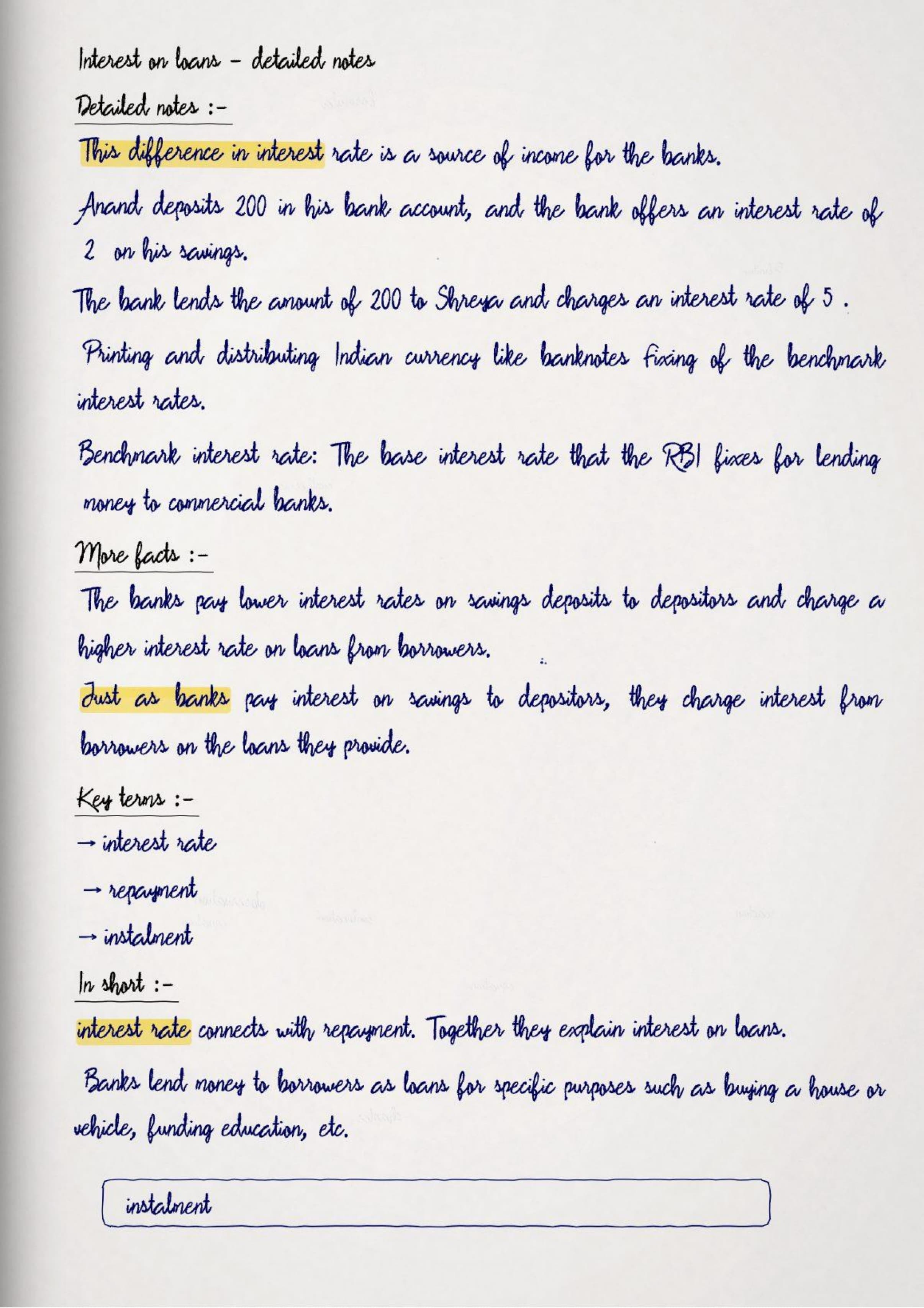
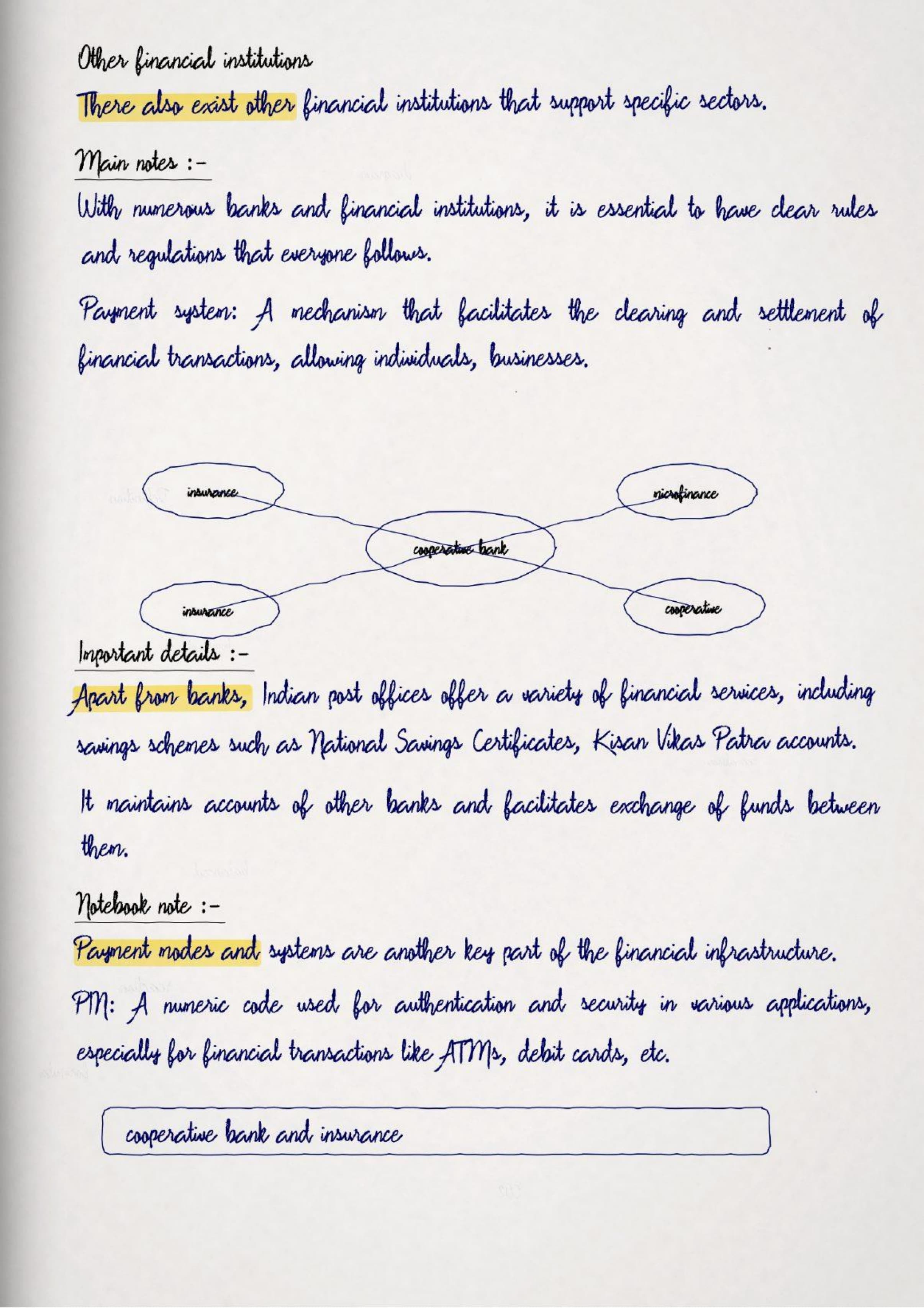
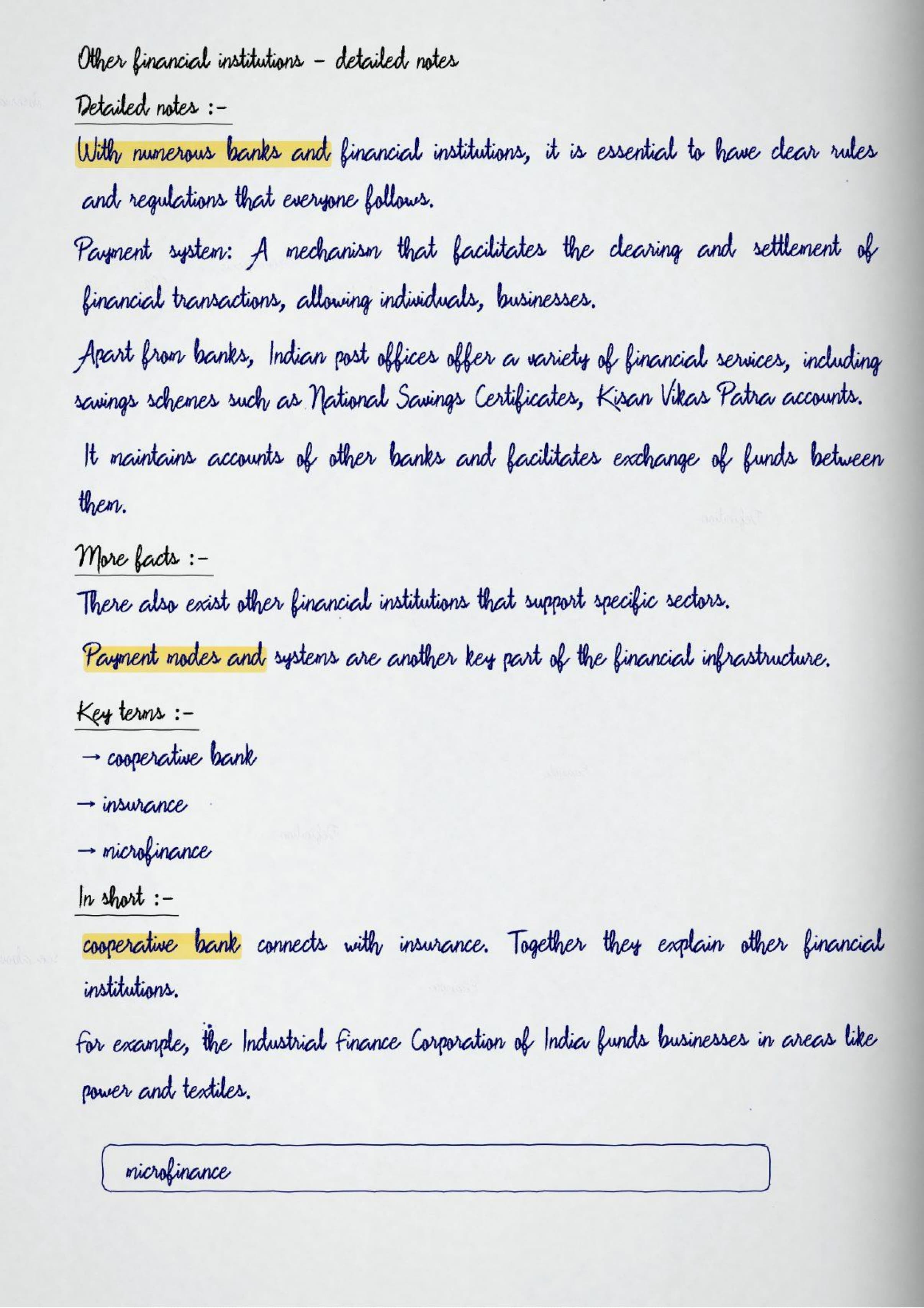
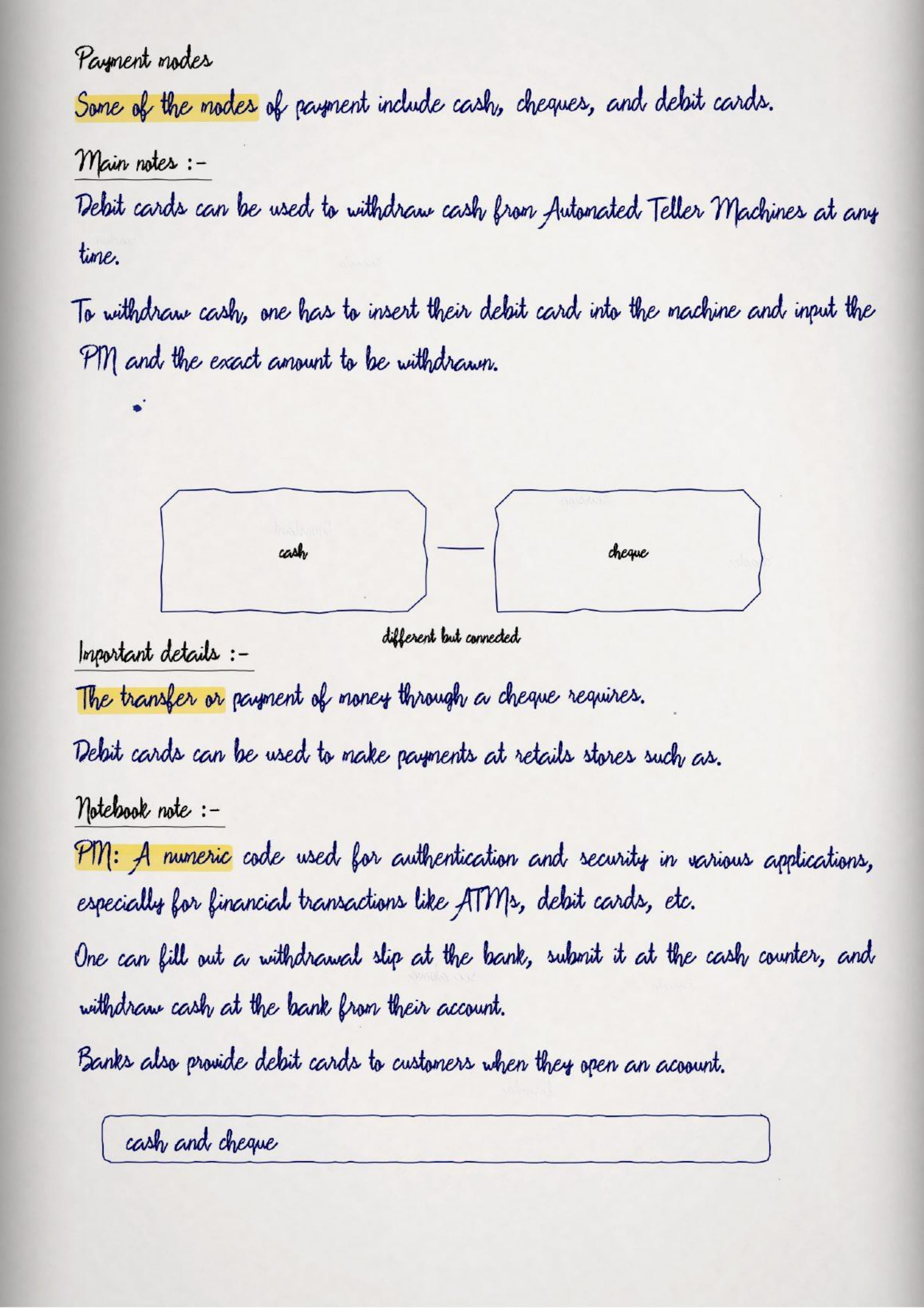
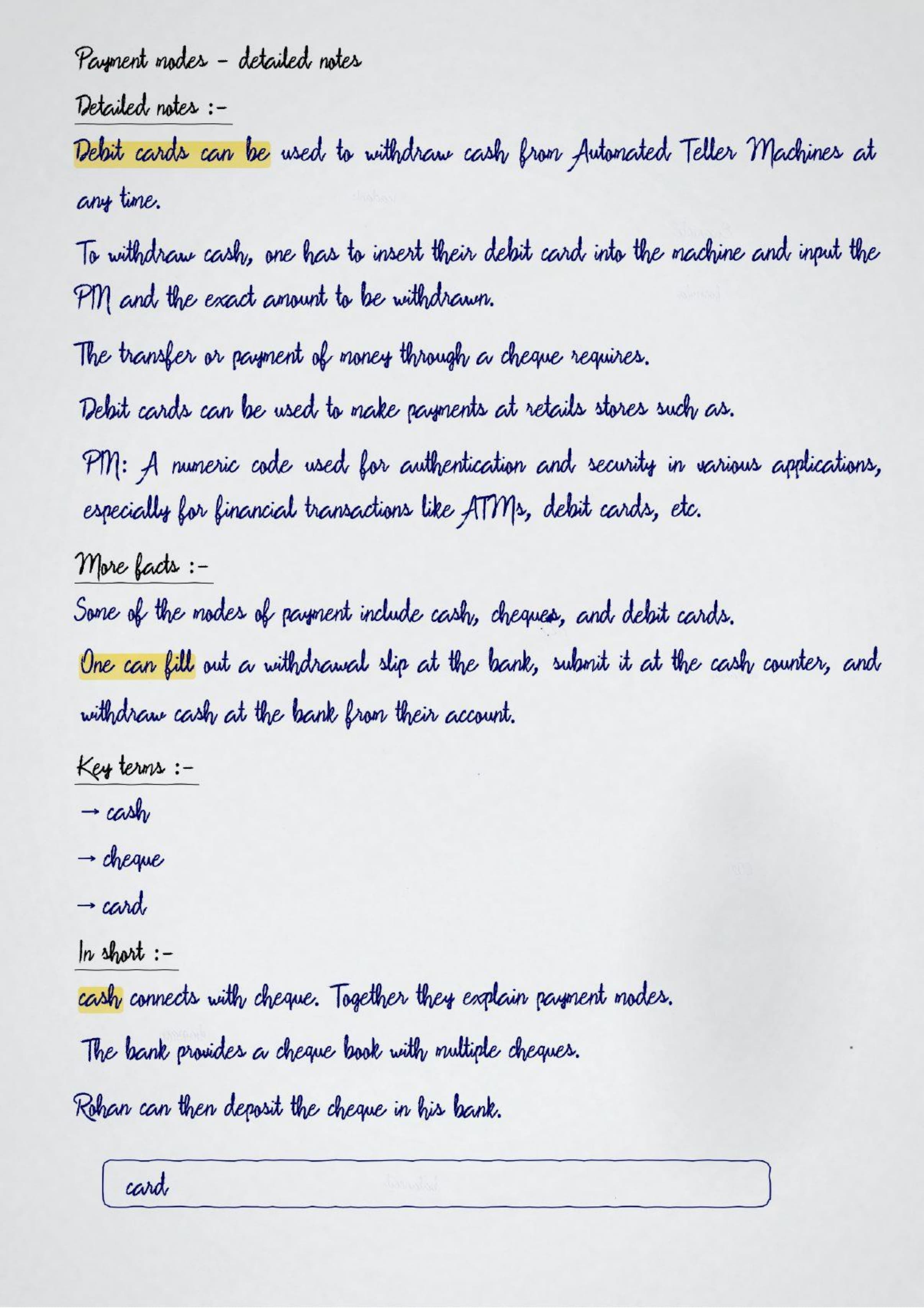
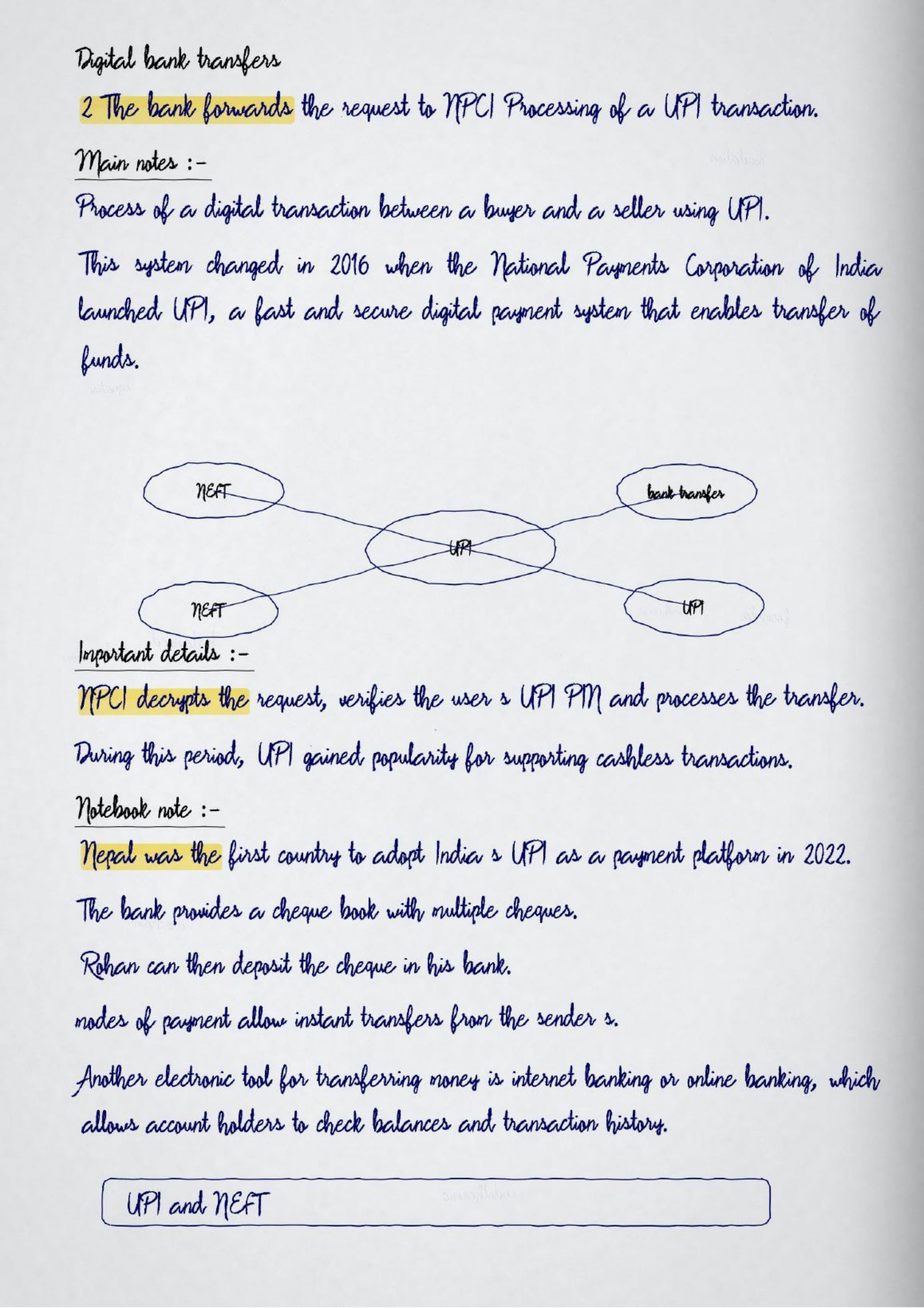
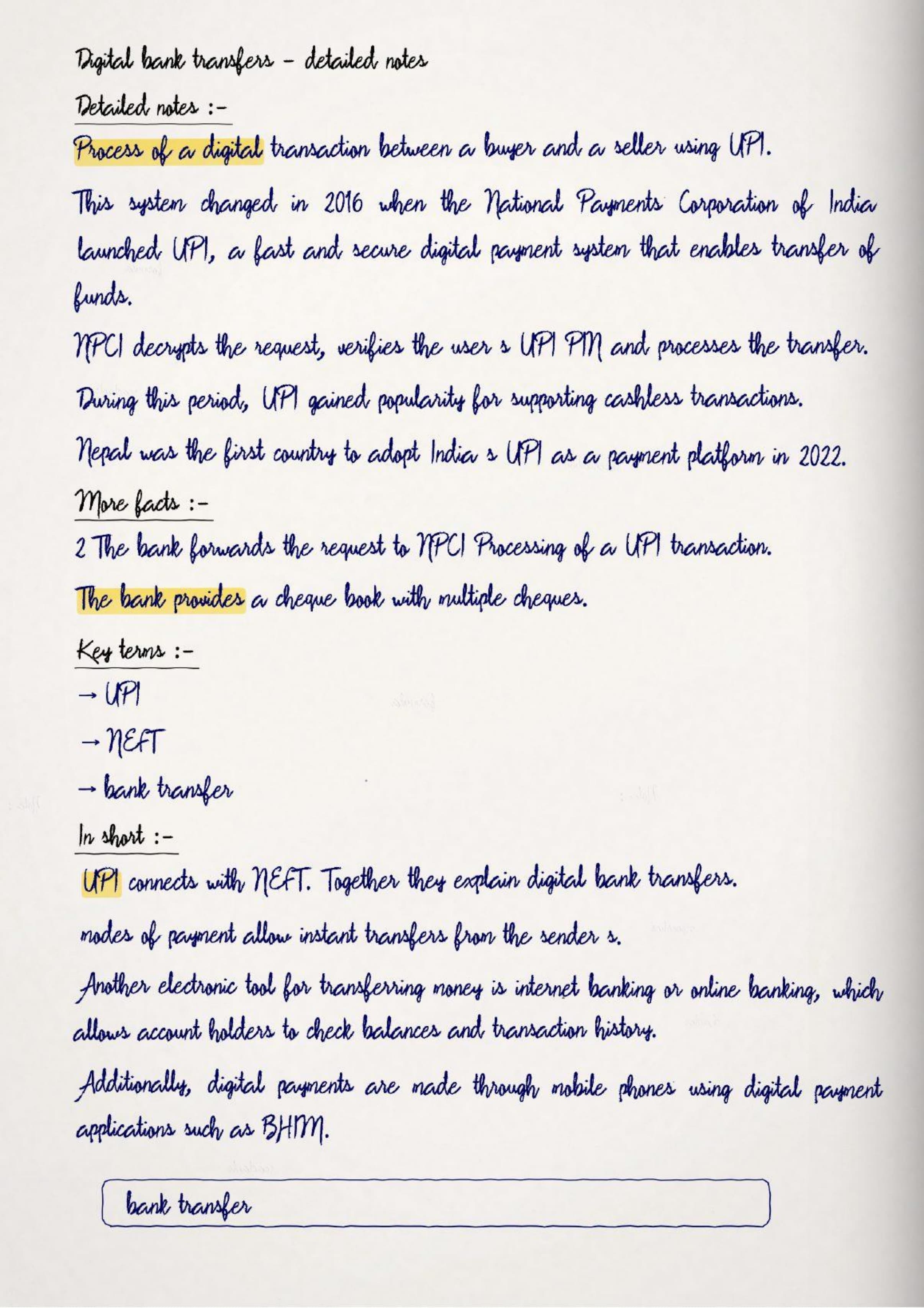
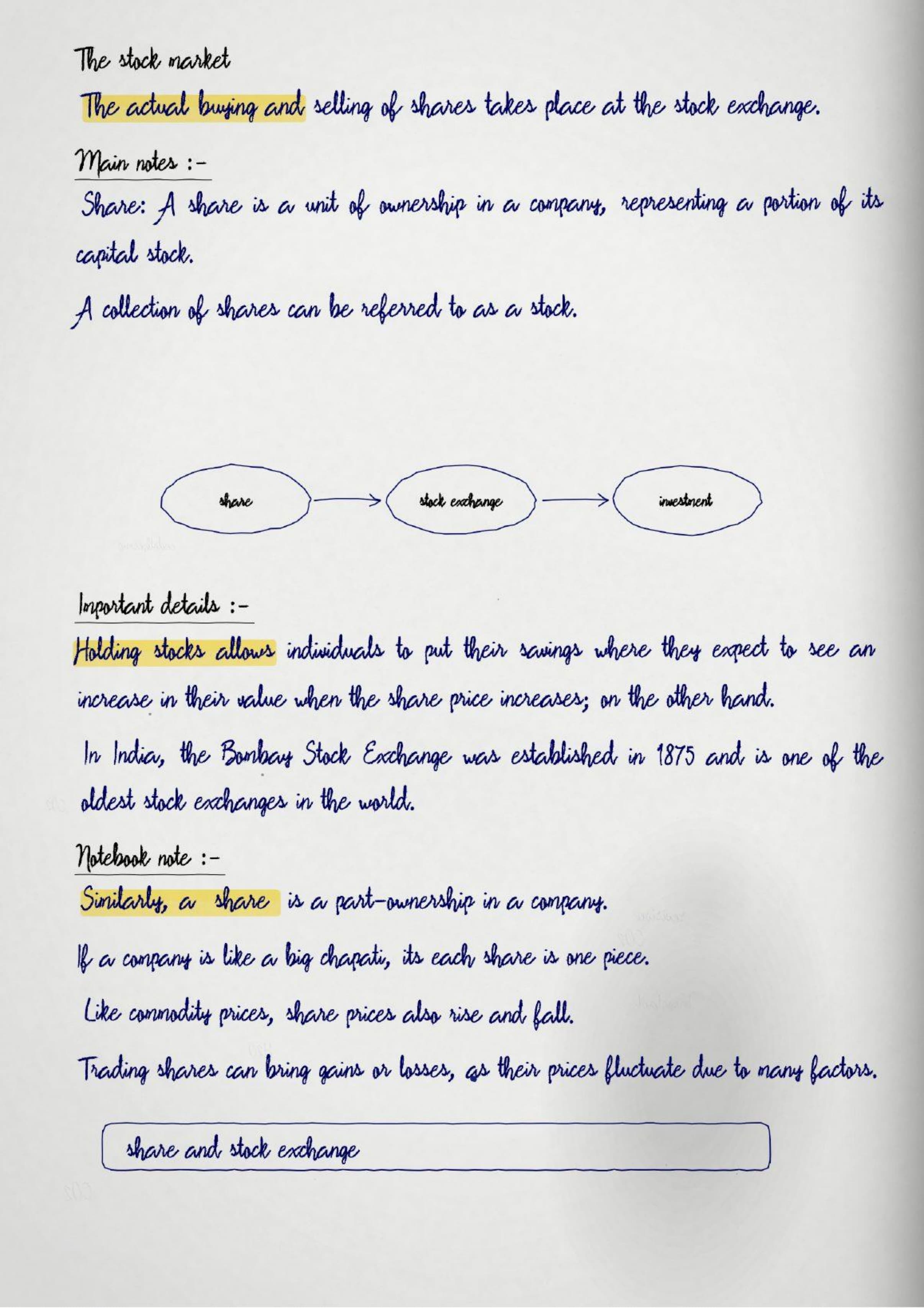
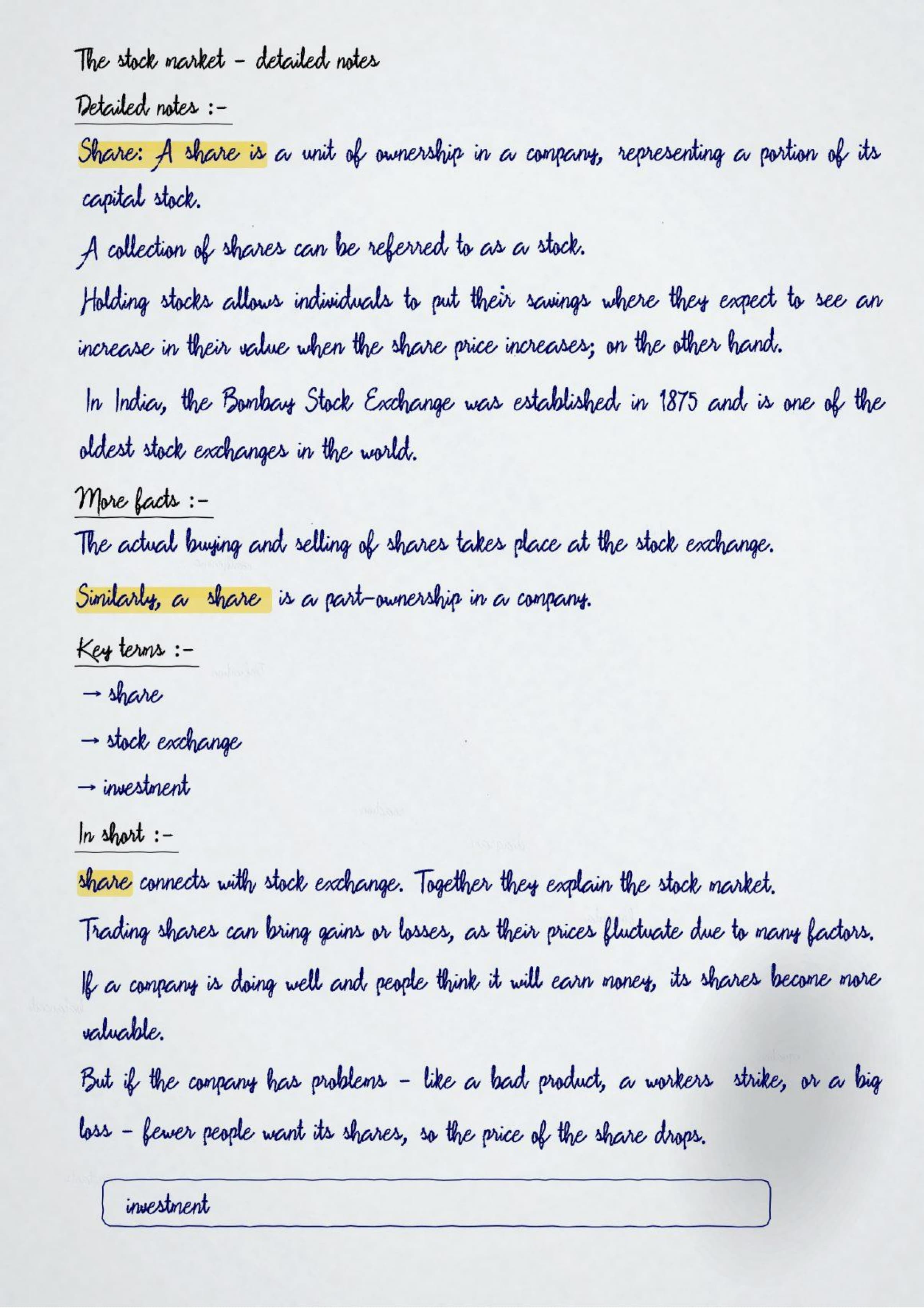
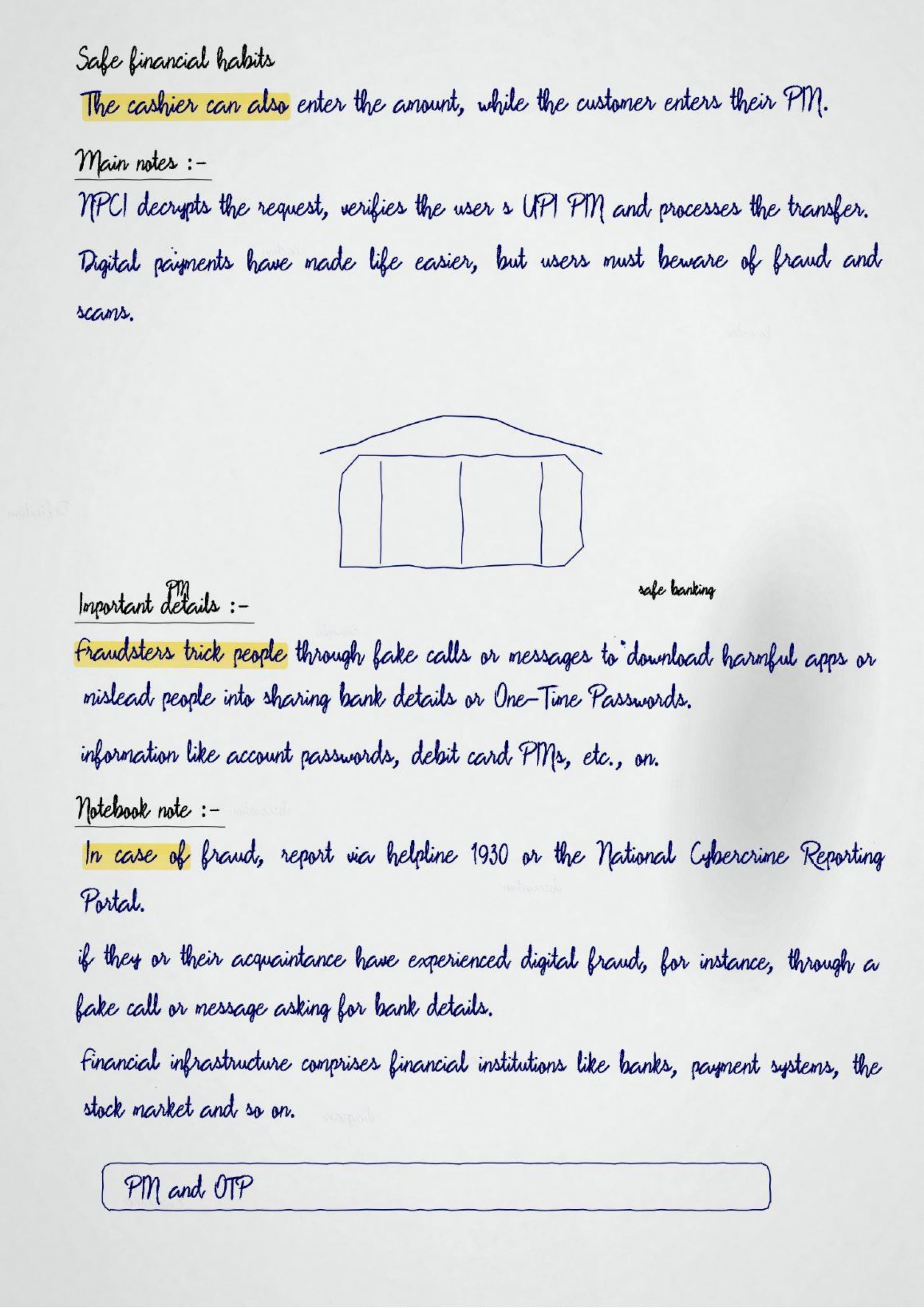
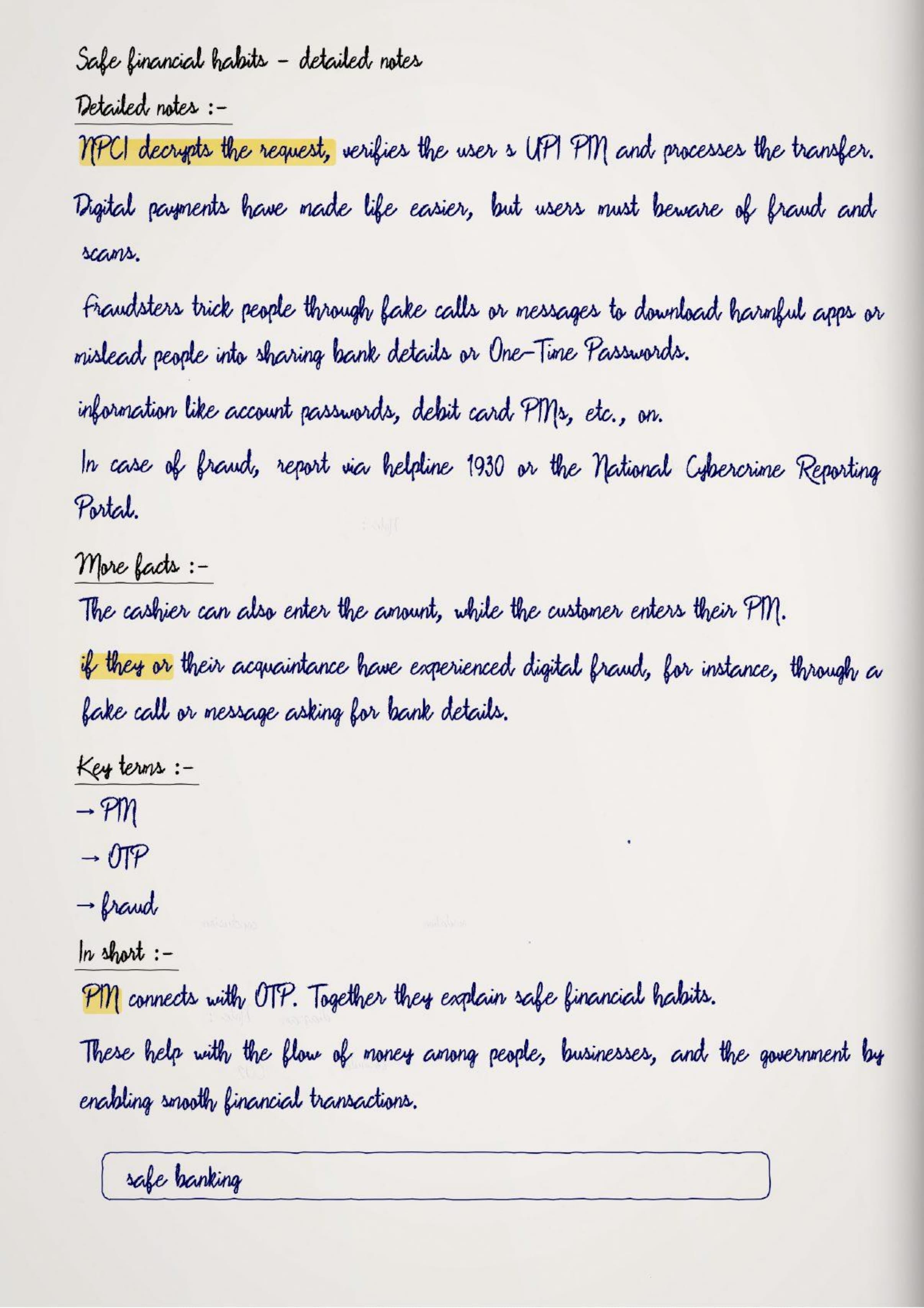
- Safety rules boxed: never share an OTP, avoid unknown links, and report fraud on 1930
- What the notes cover: financial infrastructure, how banks move money, savings and credit, and staying safe online
- Best for: the online-safety question, which every recent paper includes
You can read the complete class 7 social science handwritten notes for Banks and the Magic of Finance, with boxed definitions and quick recall points, in the PDF below.
These handwritten notes are written by Social Science teachers, mapped to the 2026-27 NCERT Exploring Society book, and checked against Class 7 school question papers.
How Collegedunia's Handwritten Notes Help You Revise Banks and the Magic of Finance
Collegedunia writes its class 7 social science handwritten notes as one clean pass through the chapter. The safety rules are boxed on their own page, so they stand out from the economics.
- Safety box: the do-not-share list and the fraud helpline number
- Money flow diagram: money moving between people, businesses and government
- Savings and credit panel: the two ideas drawn side by side
- Colour-coded sub-headings: sub-topics in red so finance and safety stay apart
What the Banks and the Magic of Finance Handwritten Notes Cover
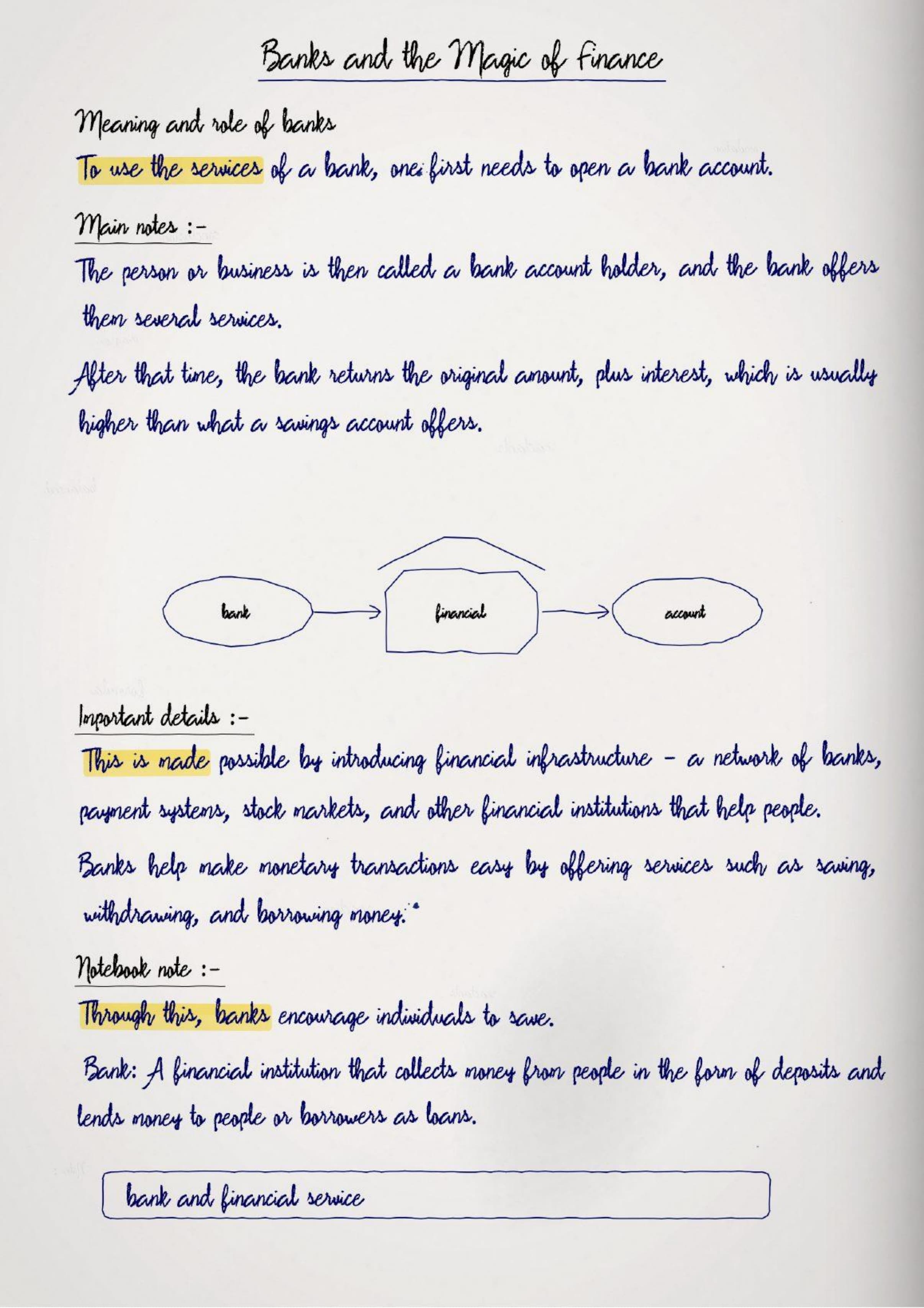
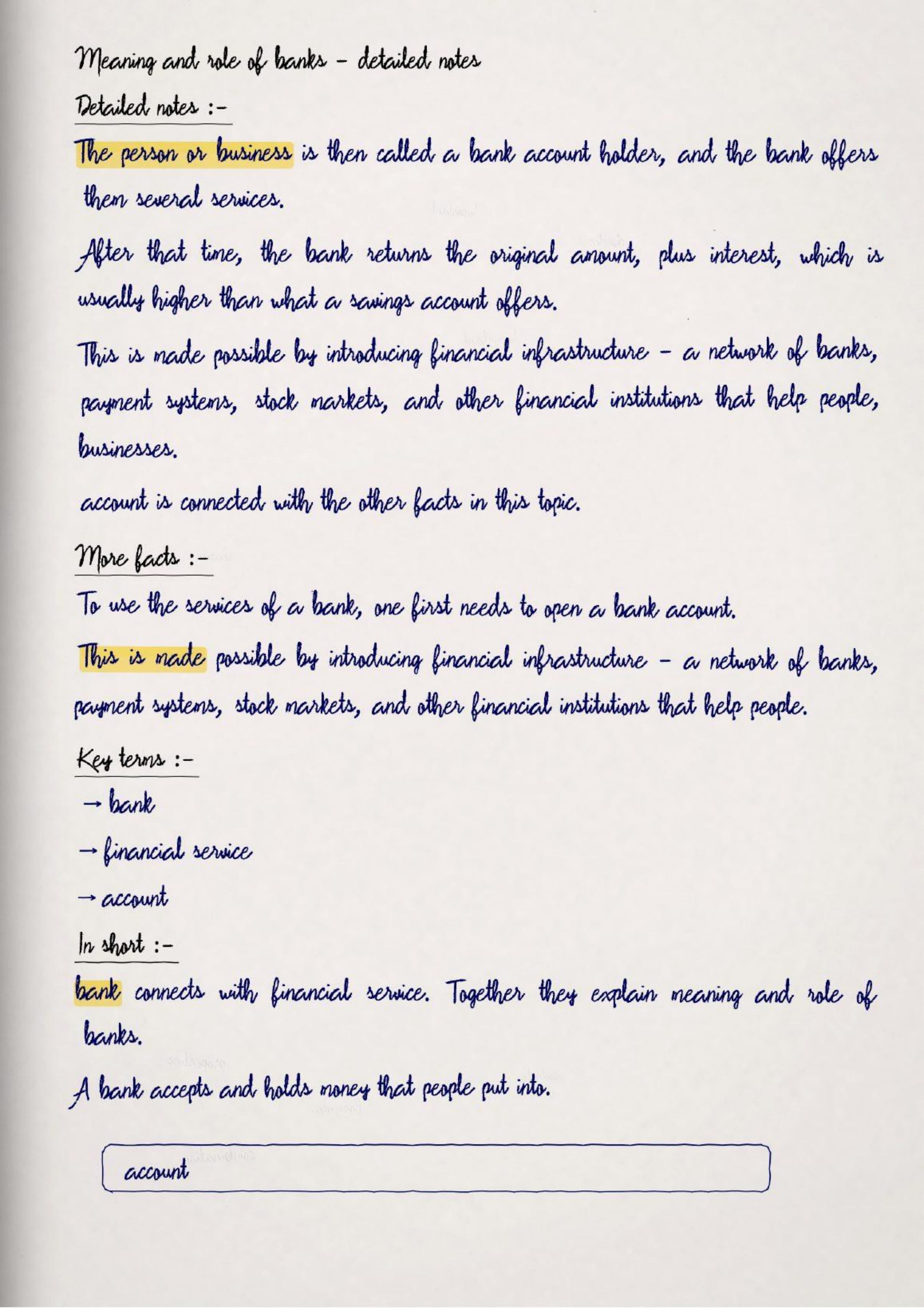
Financial infrastructure means banks, payment systems and the stock market. The chapter explains how they move money and how to use them safely.
- What financial infrastructure means
- Banks and other financial institutions
- Payment systems and the stock market
- How money flows between people, businesses and government
- Savings and why they matter
- Credit and investment
- How finance boosts economic activity
- What an OTP is and why it is private
- Online fraud and how to avoid it
- Reporting fraud on helpline 1930
Banks and the Magic of Finance Topic-wise Weightage for CBSE Class 7 Social Science
Online safety and the role of banks are the two highest-scoring topics.
| Sub-topic | Weightage | How often asked |
|---|---|---|
| Online safety and avoiding fraud | High | asked often |
| Role of banks and financial institutions | High | asked often |
| Savings, credit and investment | High | asked often |
| What financial infrastructure includes | Medium | asked sometimes |
| How money flows in the economy | Medium | asked sometimes |
| Reporting fraud | Medium | asked sometimes |
Why Banks and the Magic of Finance Is Worth Revising Carefully
The online safety part of this chapter is genuinely useful, and examiners have started setting it as a value-based question.
- Online safety rules are set as a direct list question
- The role of banks is a standard two-mark answer
- Savings, credit and investment is a three-part definition question
- The helpline number 1930 is a one-mark factual question
Last 24-Hour Revision Card for Banks and the Magic of Finance
The final card of the Class 7 Social Science course.
- Financial infrastructure: banks, payment systems, the stock market
- It moves money between people, businesses and government
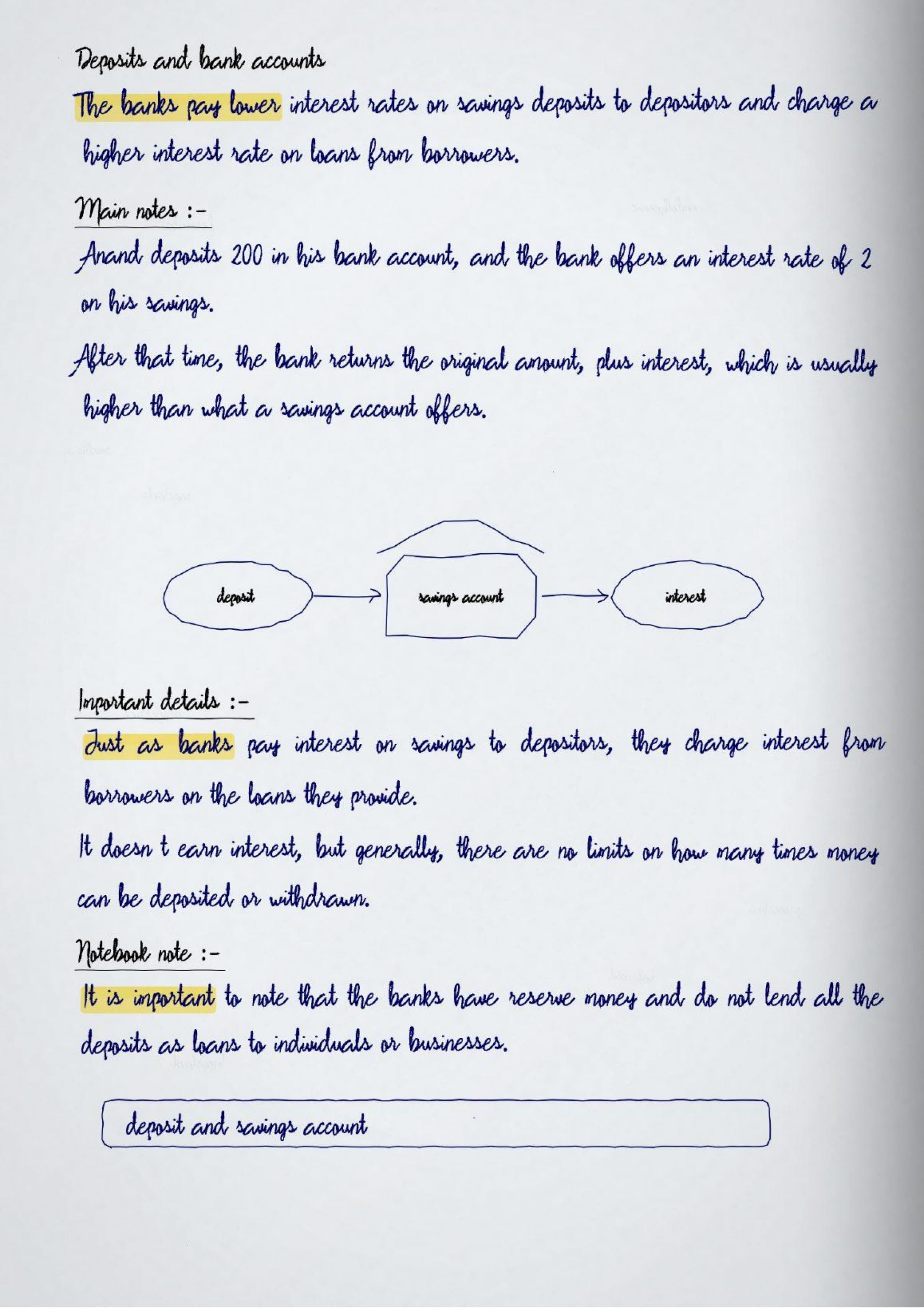
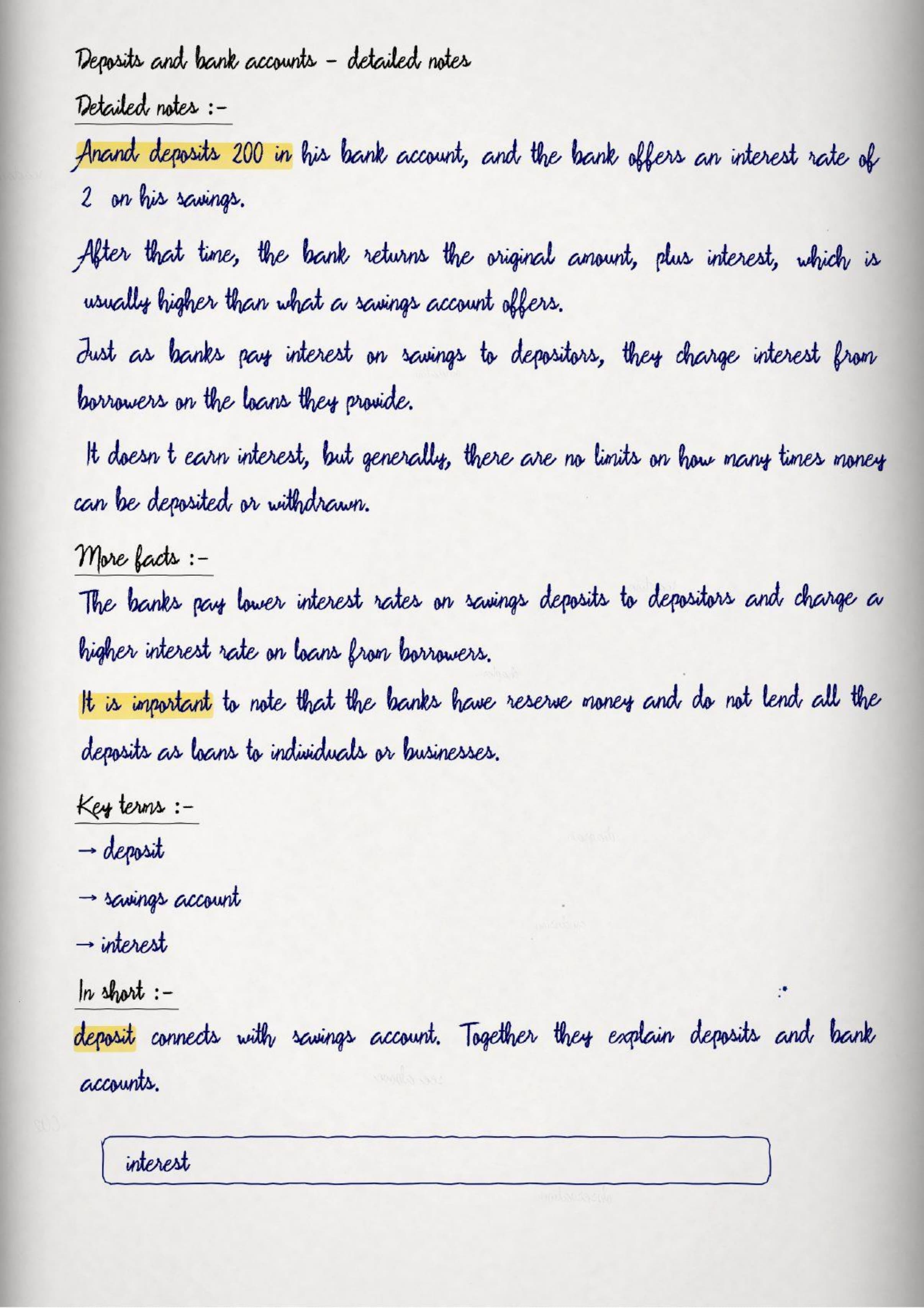
- Savings is money set aside; credit is money borrowed
- OTP means One-Time Password and is never to be shared
- Never share account numbers, passwords or PINs
- Report fraud on helpline 1930 or the National Cybercrime Reporting Portal
Banks and the Magic of Finance Self-Assessment Quiz
Five closing questions for the Class 7 course. Tap each to check.
What does OTP stand for?
(a) Online Transfer Payment (b) One-Time Password (c) Open Trade Portal (d) Official Transaction Proof
Answer: (b) One-Time Password
Which number should you call to report financial fraud?
(a) 100 (b) 1930 (c) 108 (d) 1098
Answer: (b) 1930
Money set aside rather than spent is called
(a) credit (b) savings (c) investment (d) tax
Answer: (b) savings
You should share your OTP with
(a) bank callers (b) friends (c) nobody (d) shopkeepers
Answer: (c) nobody
Financial infrastructure includes
(a) banks, payment systems and the stock market (b) roads only (c) schools only (d) farms
Answer: (a) banks, payment systems and the stock market
Key Terms and Ideas in Banks and the Magic of Finance
Financial vocabulary is asked directly, and the safety terms are asked most.
| Term / Idea | What it means |
|---|---|
| Financial infrastructure | the banks, payment systems and markets that move money |
| Bank | an institution that keeps money safe, lends it and enables payments |
| Savings | money set aside rather than spent |
| Credit | money borrowed that must be repaid |
| Investment | money put into something in the hope of a future return |
| OTP | a one-time password, a temporary code used to verify a transaction |
| Cybercrime | a crime committed using computers or the internet |
Diagrams Drawn by Hand in the Banks and the Magic of Finance Notes
The notes keep the finance simple and the safety rules prominent.
| Figure drawn by hand | What it shows |
|---|---|
| Money flow diagram | money circulating between people, businesses and government |
| Safety box | the do-not-share list and helpline 1930 |
| Savings and credit panel | the two ideas drawn side by side |
| Bank services sketch | deposits, loans and payments shown at a bank |
| Fraud warning panel | an unknown link and an OTP request marked as risks |
How to Use These Handwritten Notes for Social Science Revision
Use these class 7 social science handwritten notes in two passes. Learn the safety rules as a list you could recite to a family member. That is the point of them.
- Write the four online safety rules from memory
- Explain the difference between savings, credit and investment
- Draw the money flow between people, businesses and government
- Before the exam, revise the safety box and the money flow diagram
Class 7 Social Science Handwritten Notes for All Chapters
Exploring Society Part 1 has twelve chapters and Part 2 has eight. The table below links the class 7 social science handwritten notes for every chapter.
Banks and the Magic of Finance Class 7 Social Science Handwritten Notes FAQs
Ques. Where can I download the Banks and the Magic of Finance Class 7 Handwritten Notes PDF?
Ans. The PDF is free on this page in both the normal and the HD version.
Ques. What is financial infrastructure?
Ans. It comprises financial institutions such as banks, along with payment systems and the stock market. Together they enable money to flow smoothly among people, businesses and the government.
Ques. How many pages is the Part 2 Chapter 8 handwritten notes PDF?
Ans. It runs 20 pages, with the money flow diagram, the online safety box and a quiz.
Ques. What is an OTP and why should it never be shared?
Ans. OTP stands for One-Time Password, a temporary code of letters or numbers used to verify your identity or authorise a transaction. Anyone who asks you for it is attempting fraud.
Ques. How do you report financial fraud in India?
Ans. Call the helpline 1930 or use the National Cybercrime Reporting Portal. You should also avoid clicking unknown links and never store passwords or PINs where others can find them.



Comments