




Class 7 Social Science Part 1 Chapter 7 The Gupta Era: An Age of Tireless Creativity covers a high point of Indian achievement. These class 7 social science handwritten notes chapter 7 The Gupta Era: An Age of Tireless Creativity follow the 2026-27 NCERT and cover Gupta rule, art, science and mathematics.
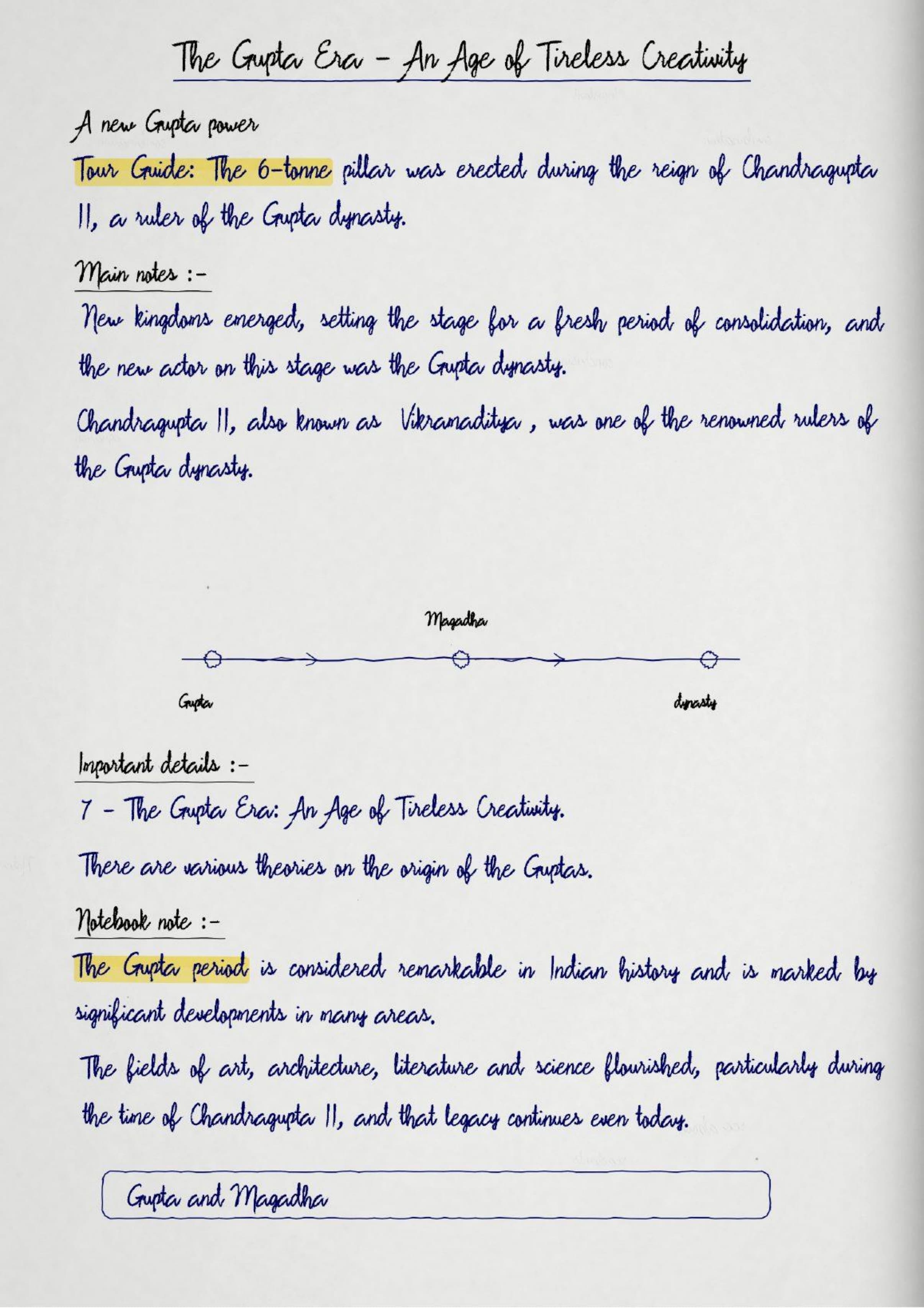
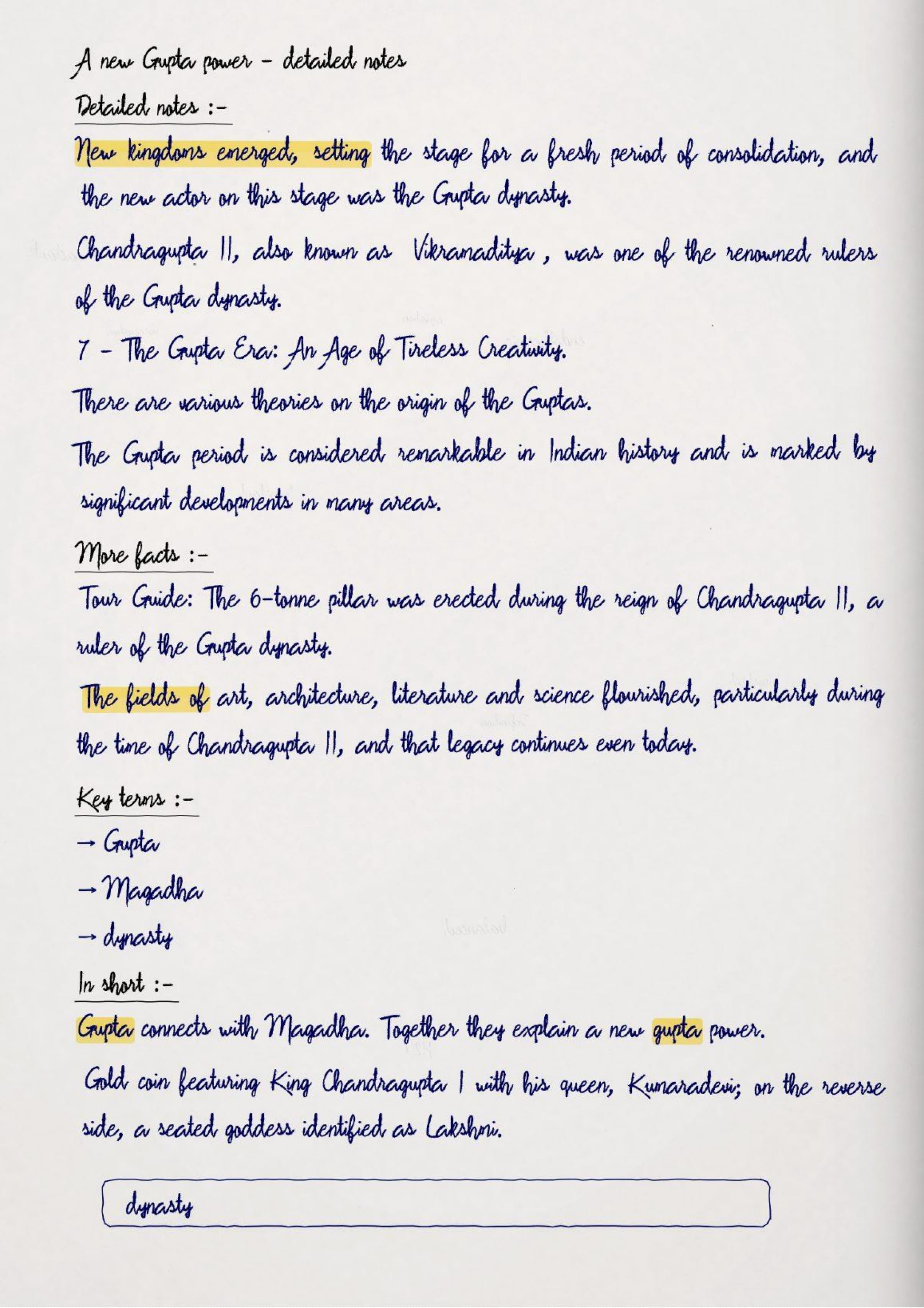
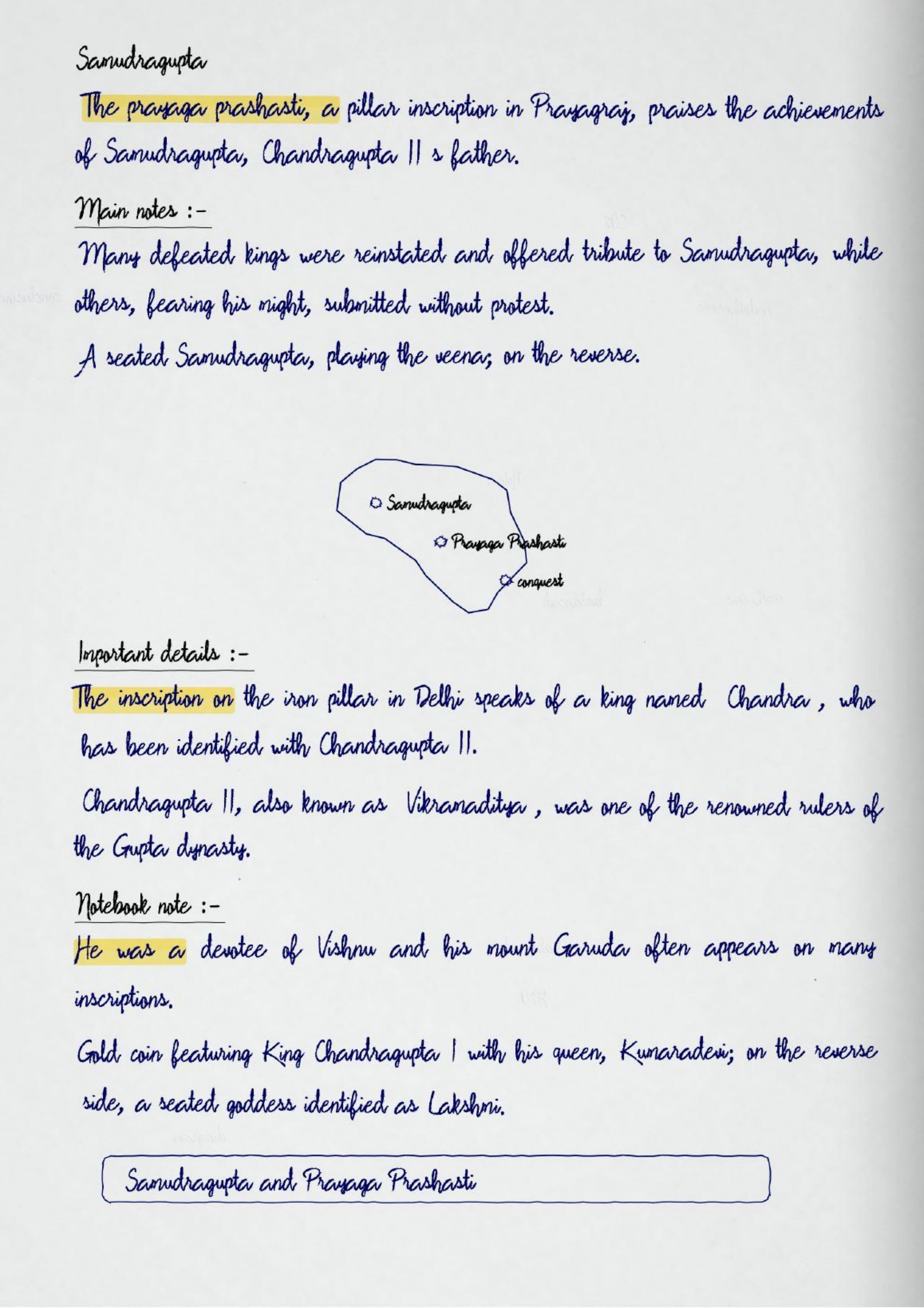
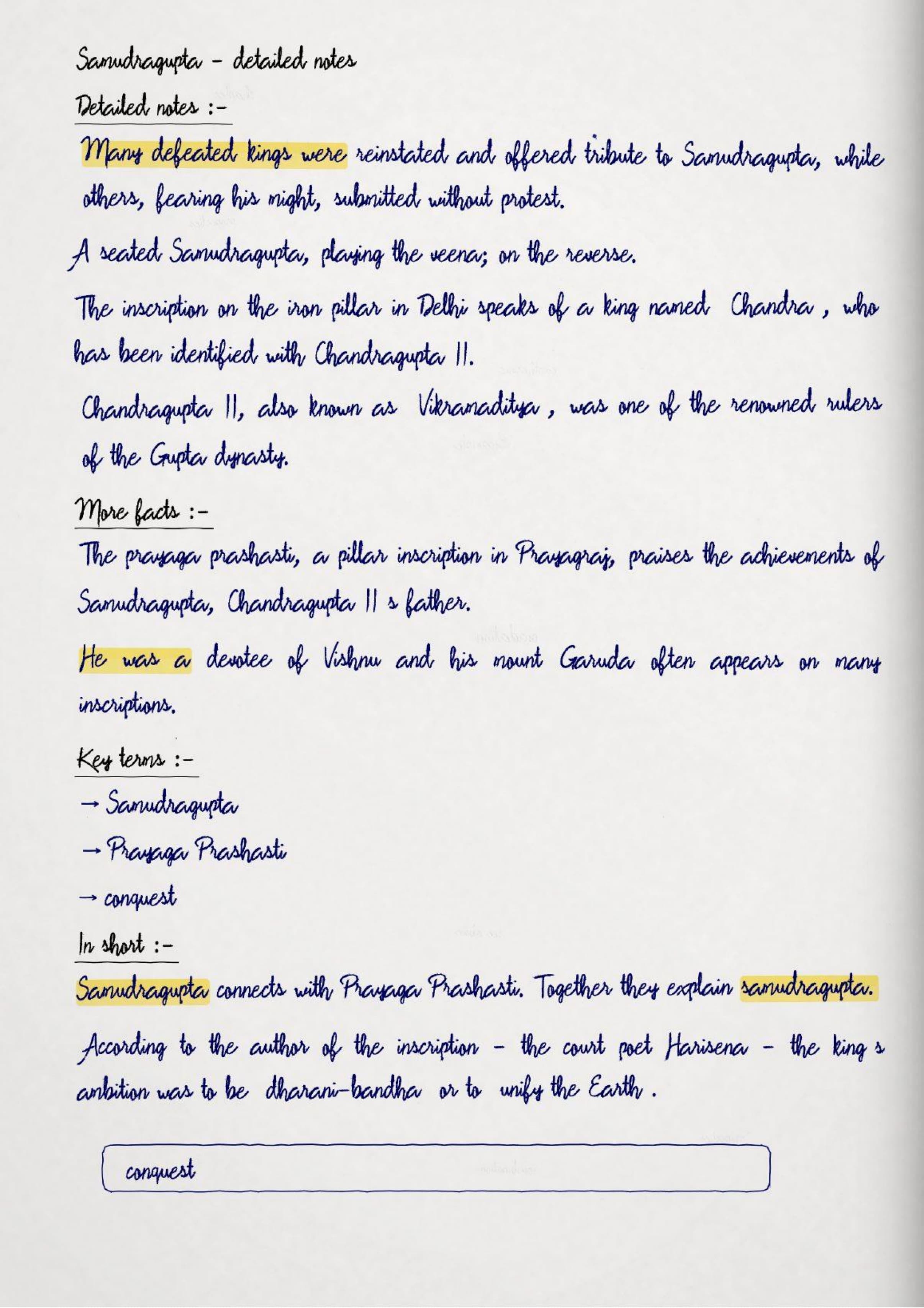
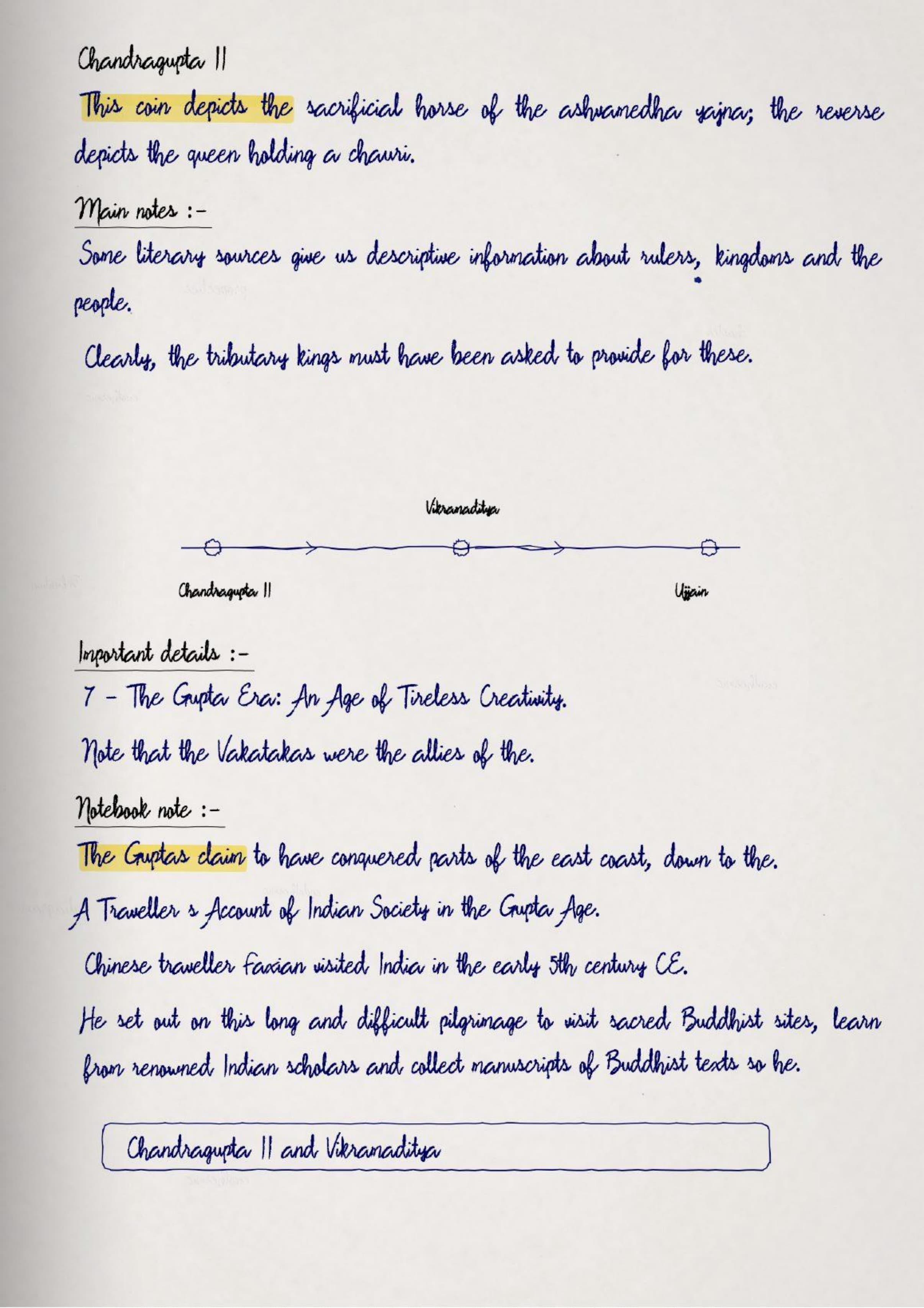
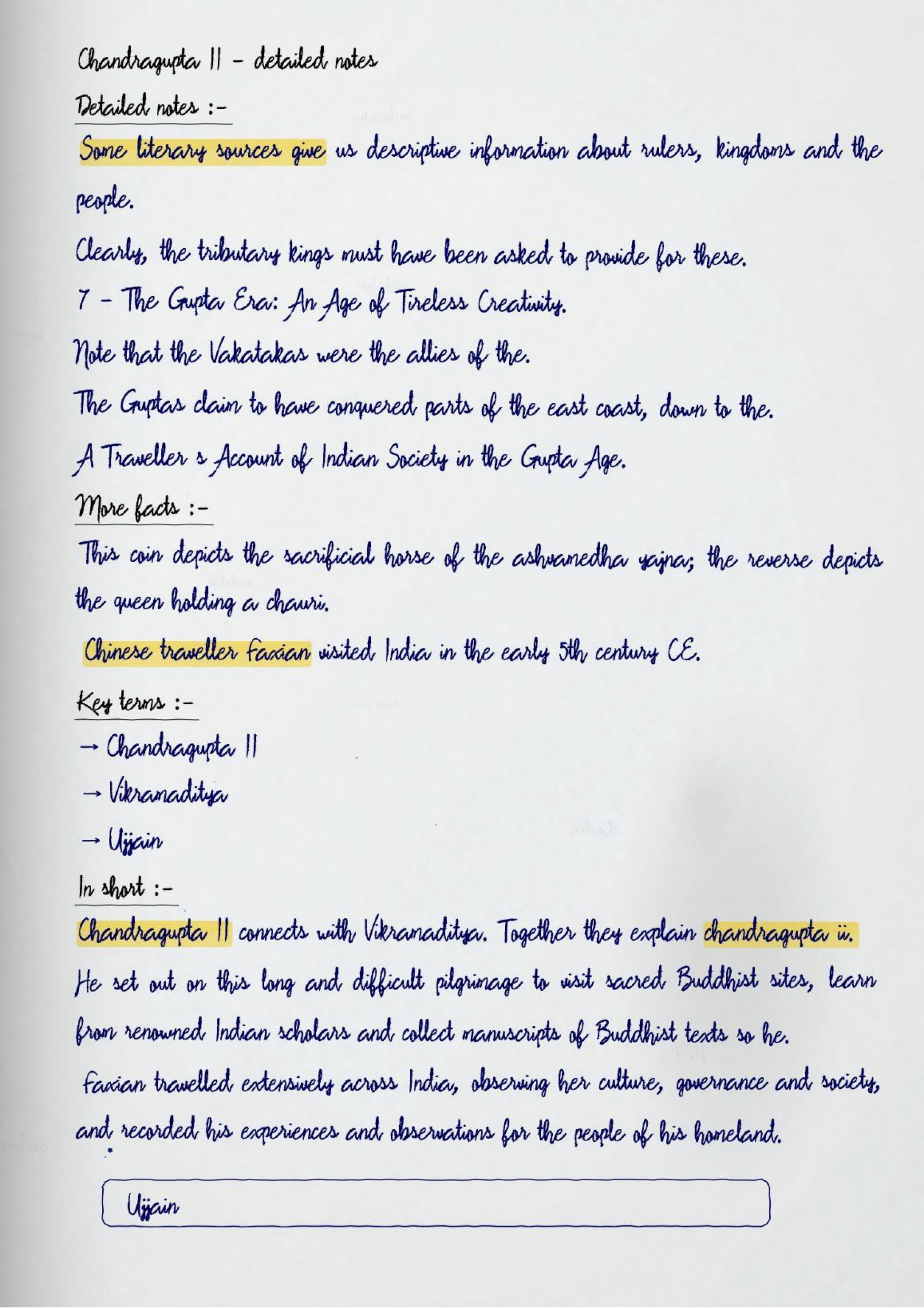
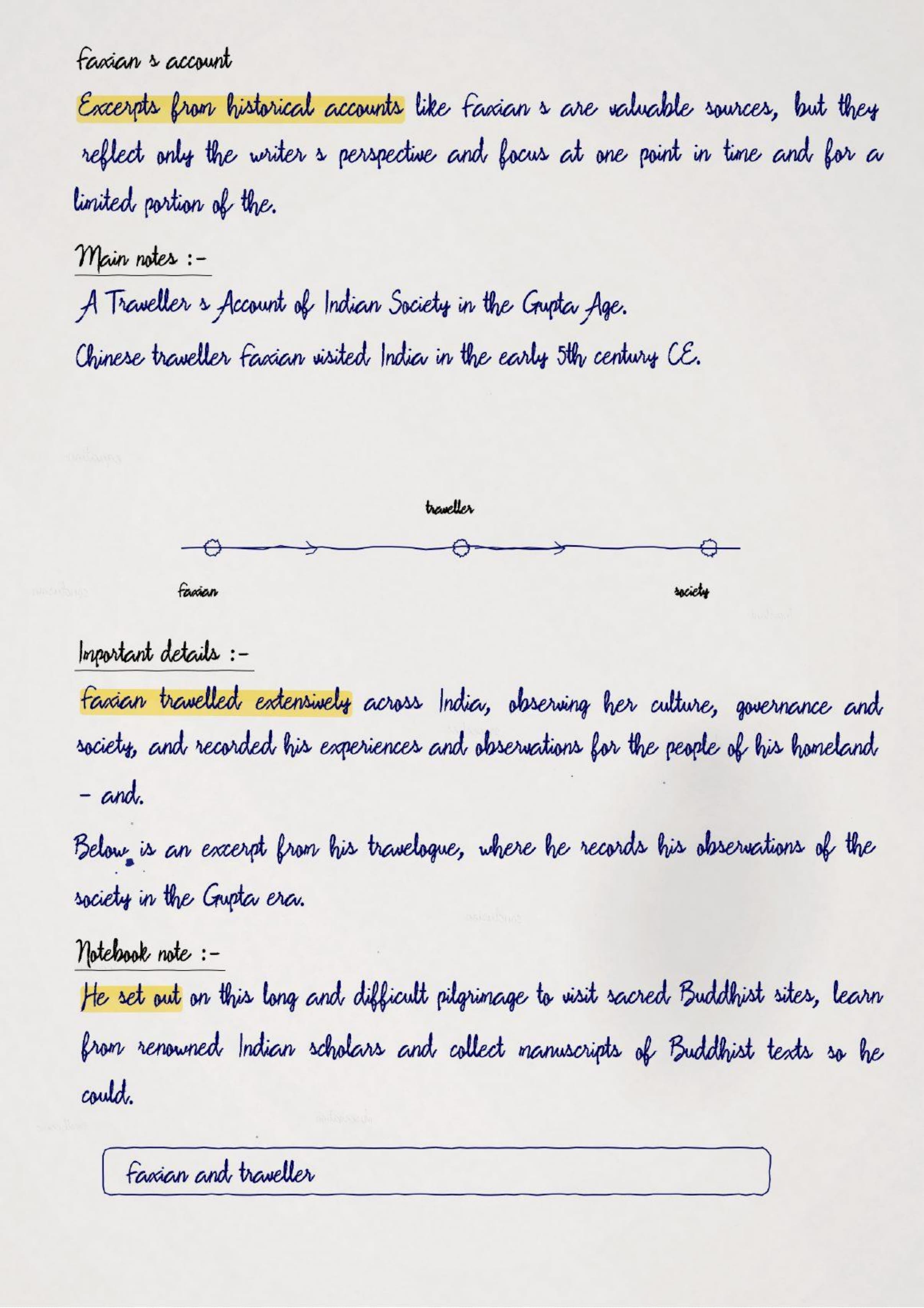
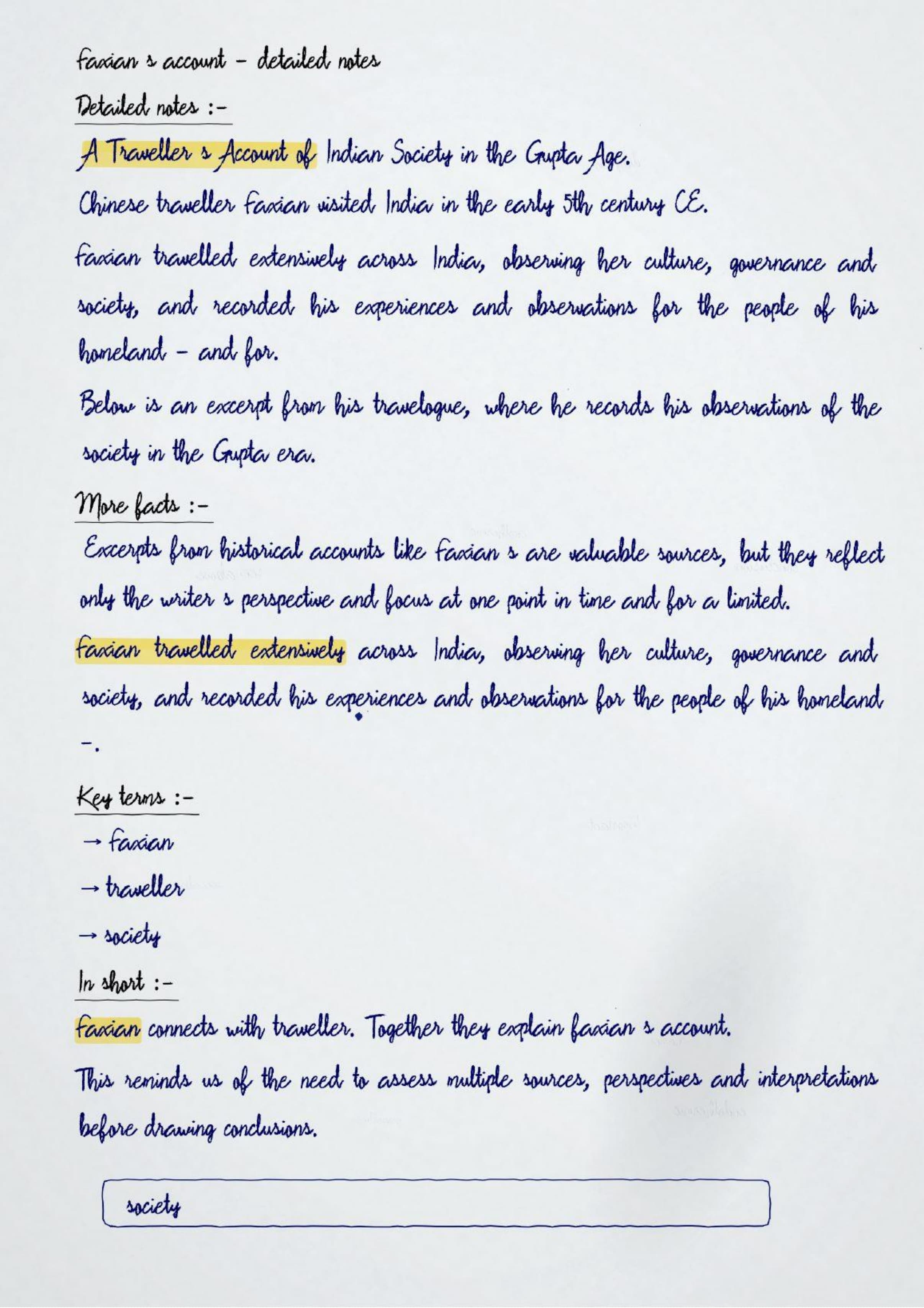
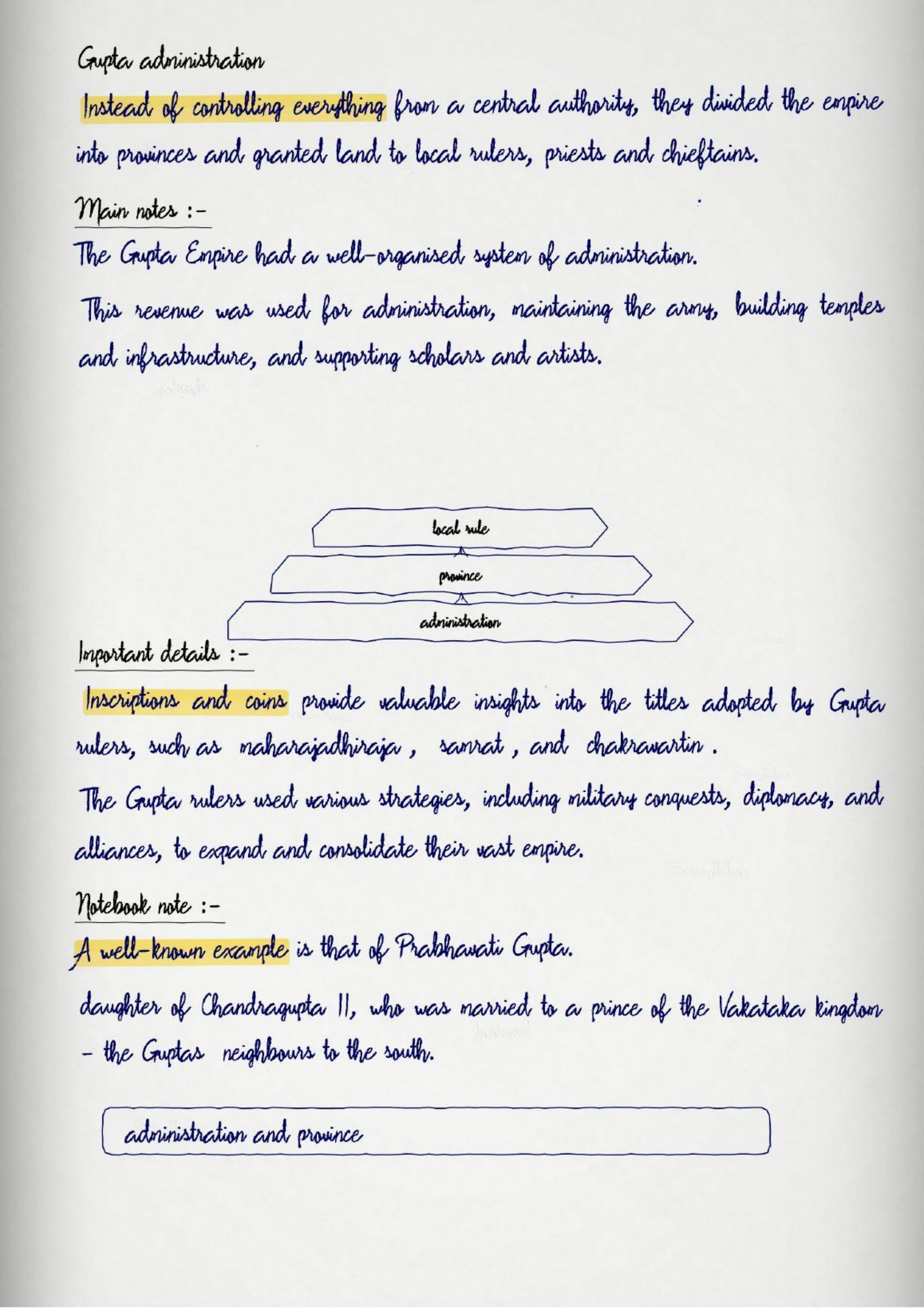
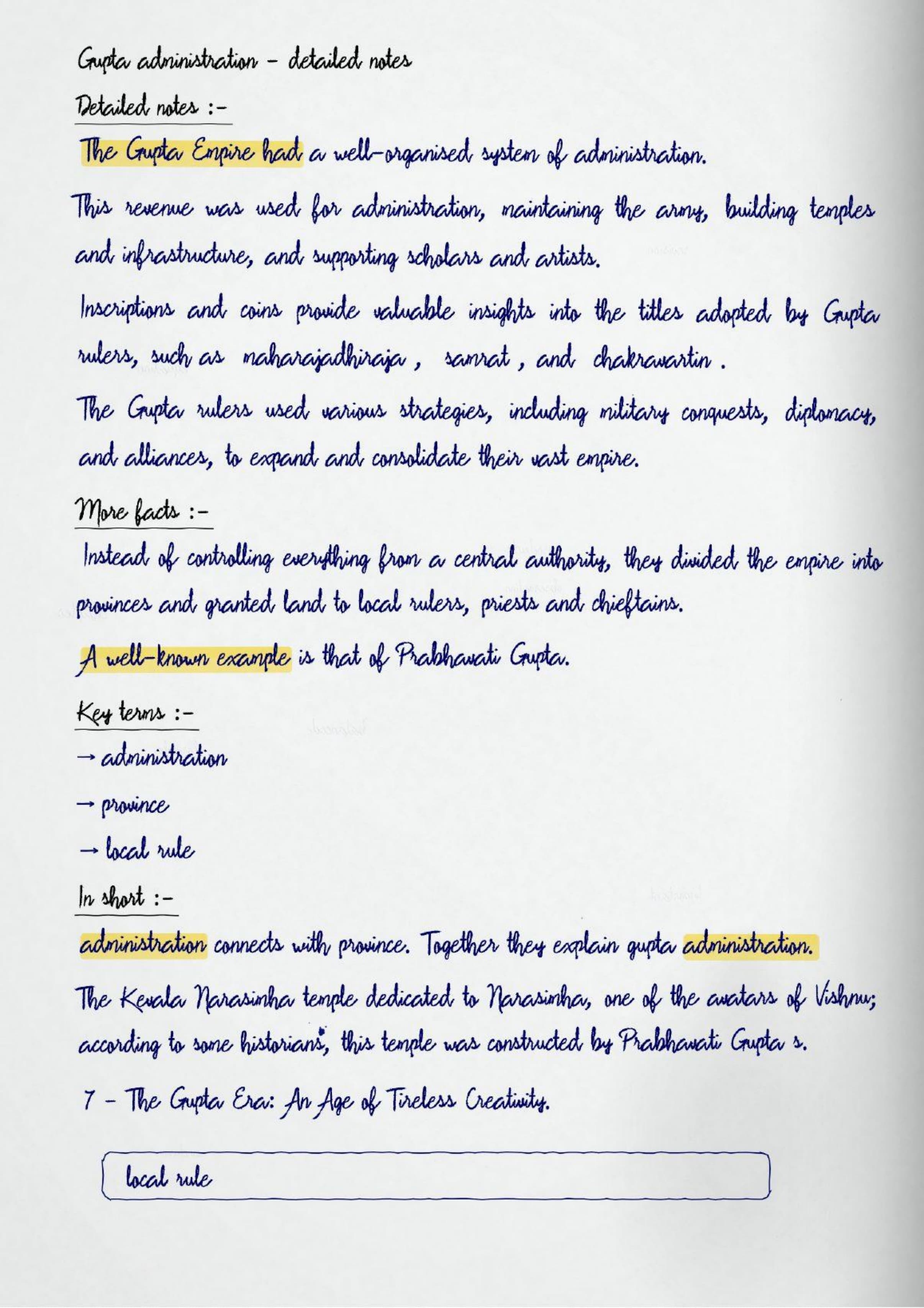
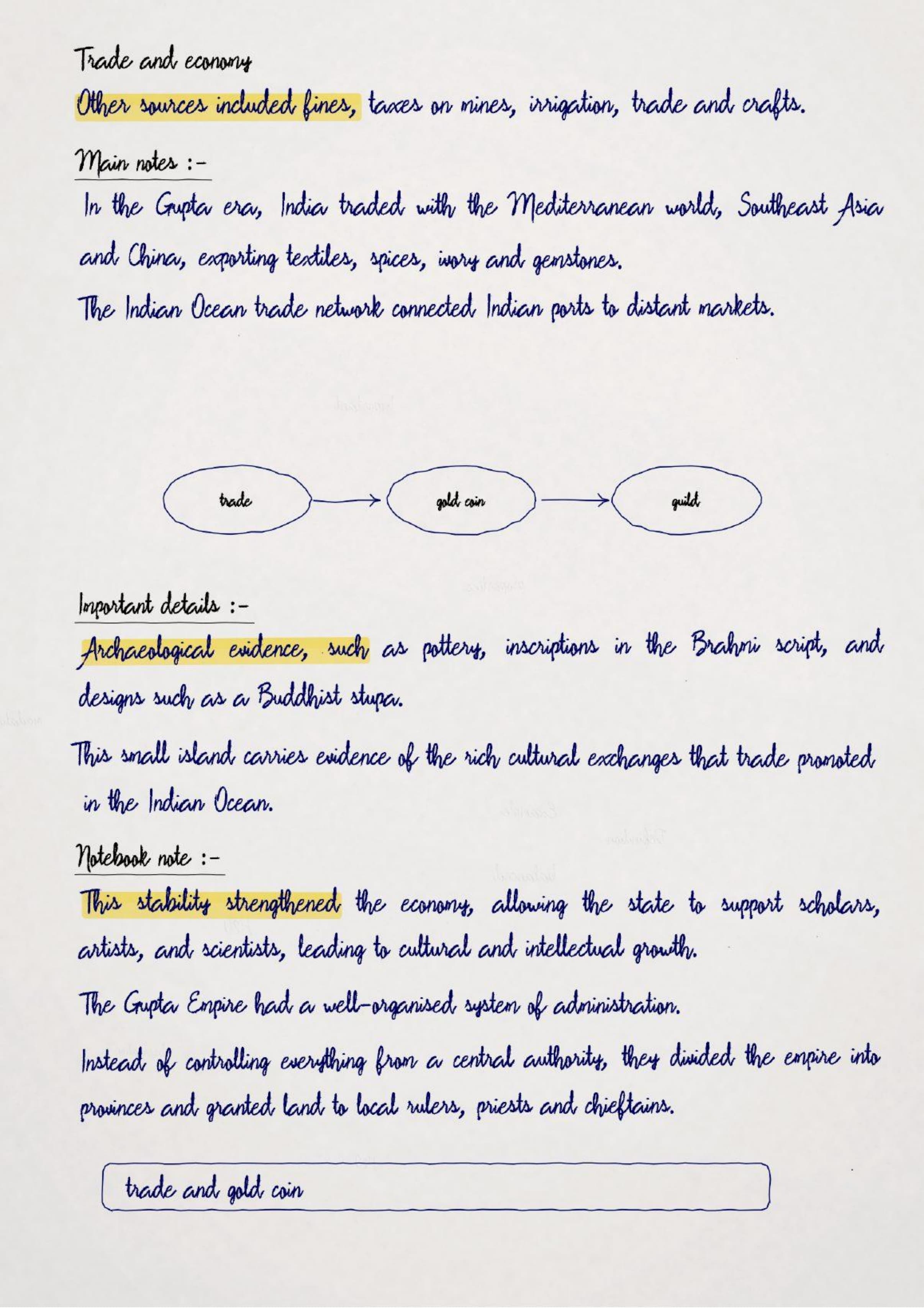
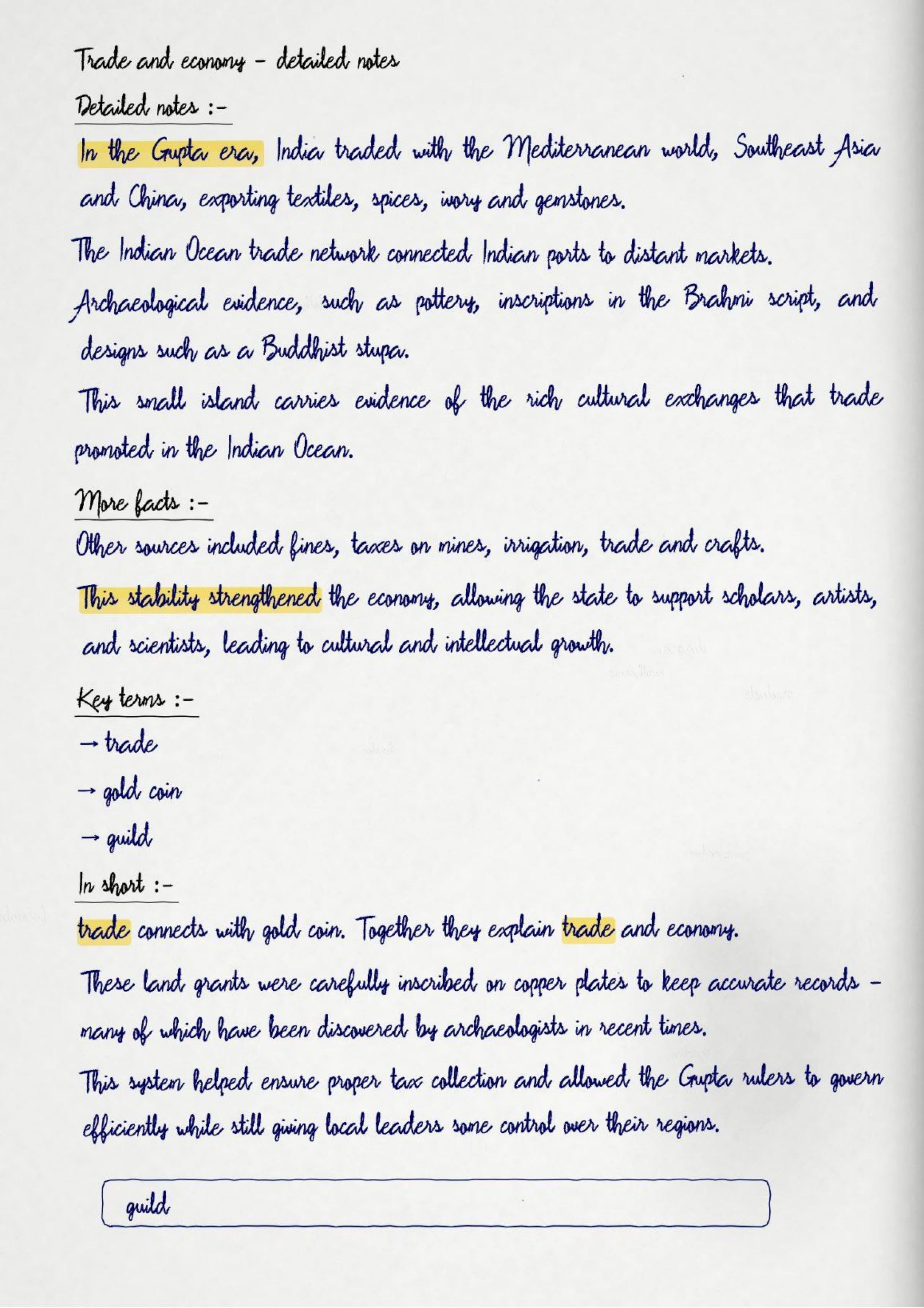
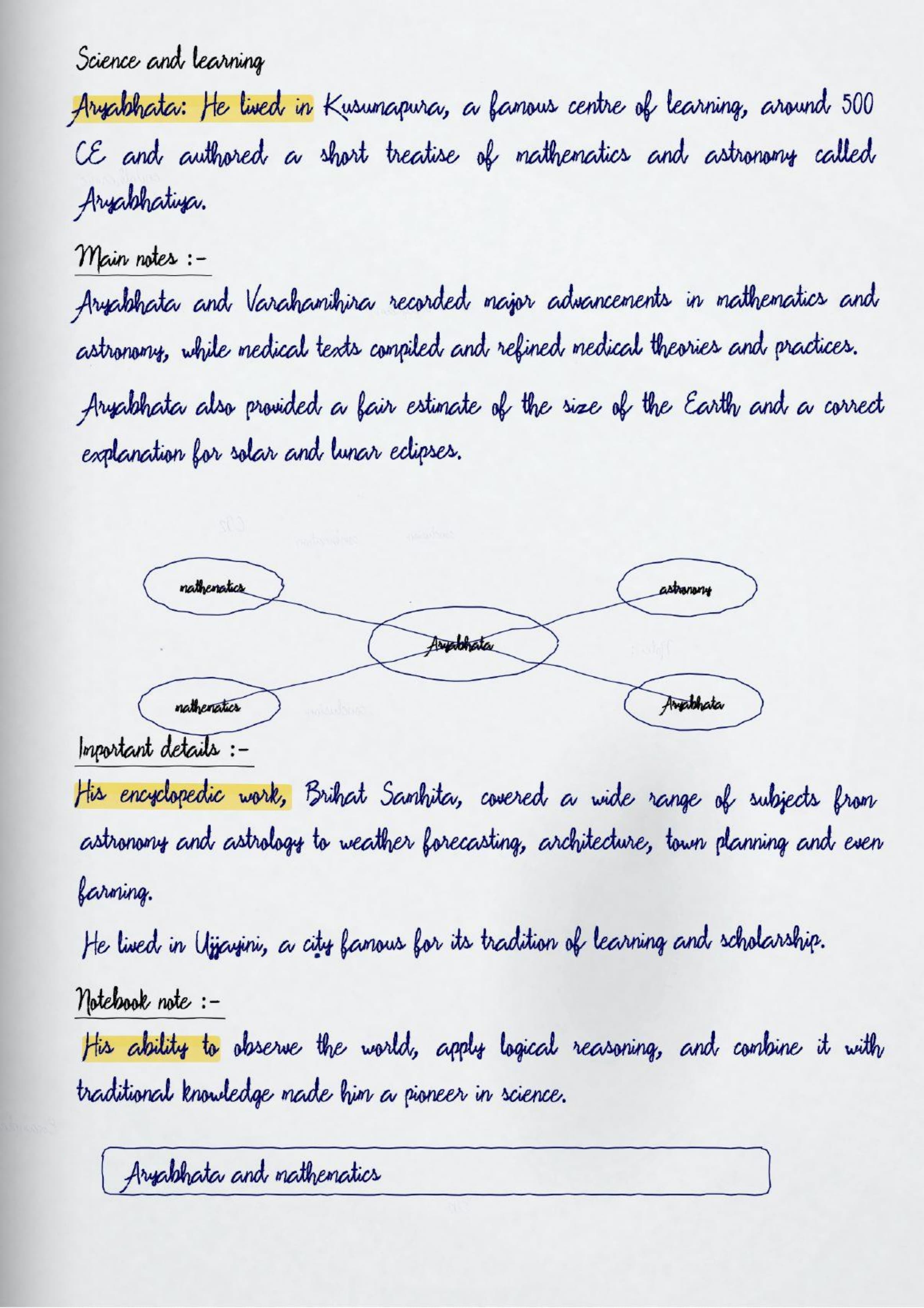
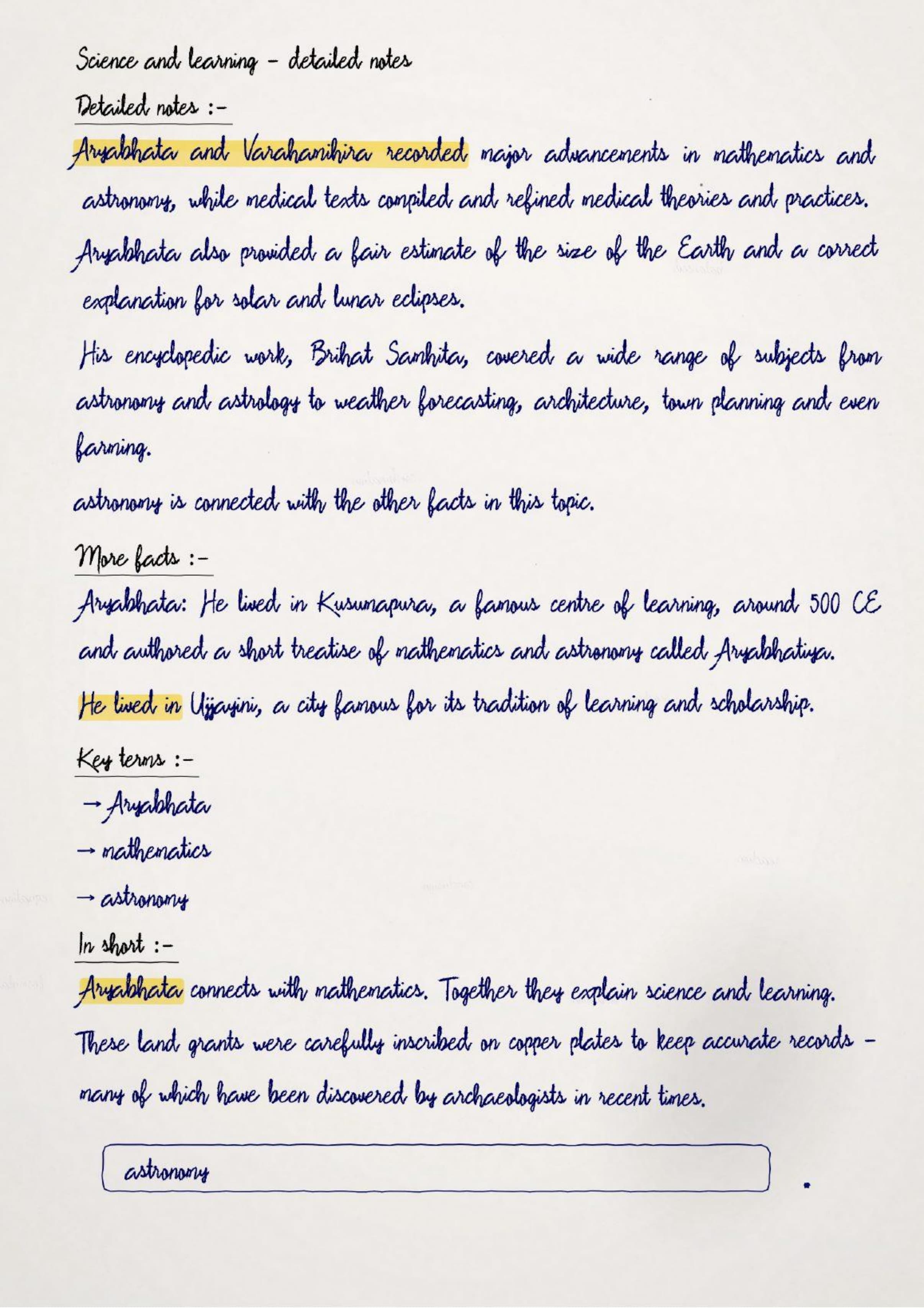
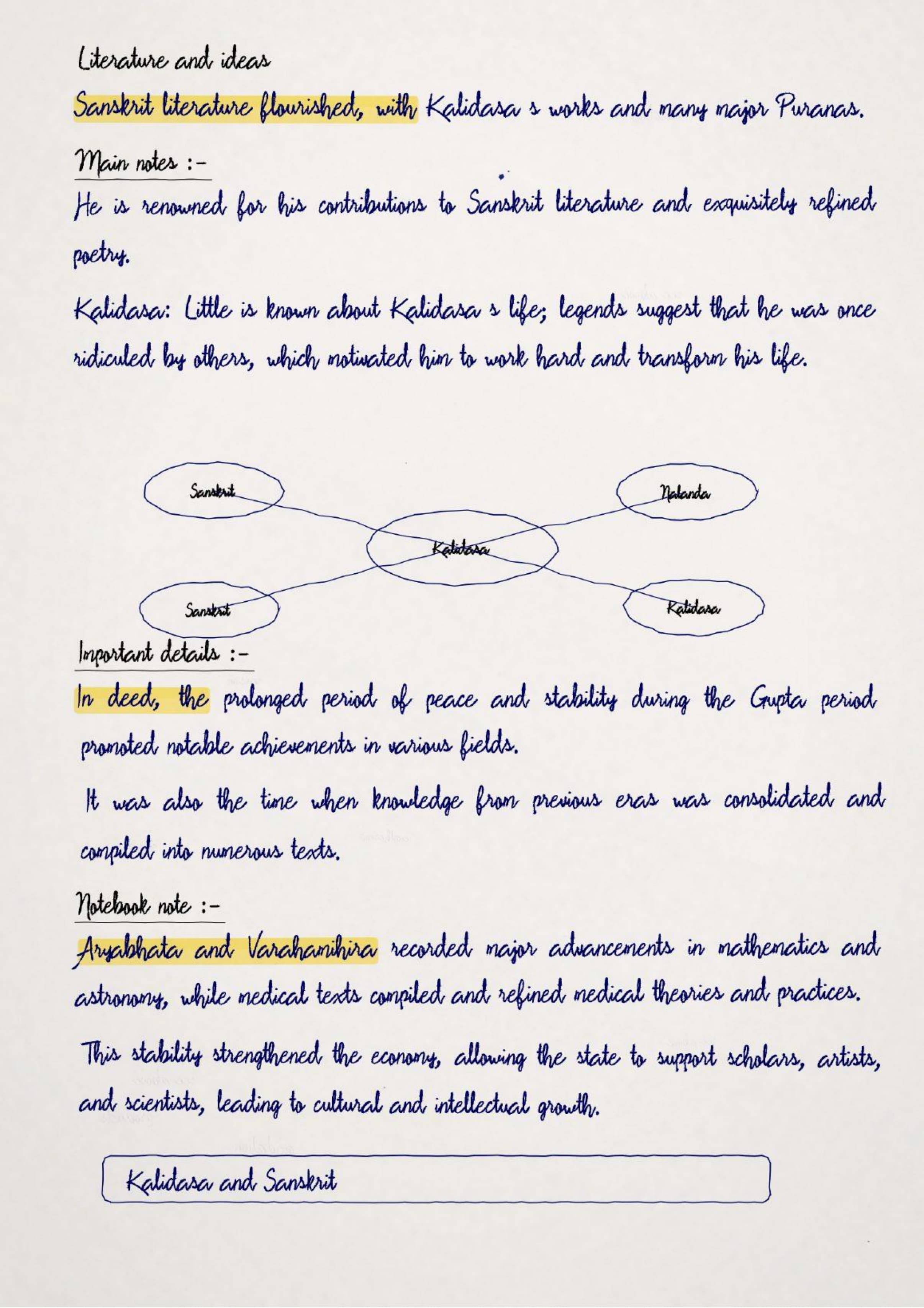
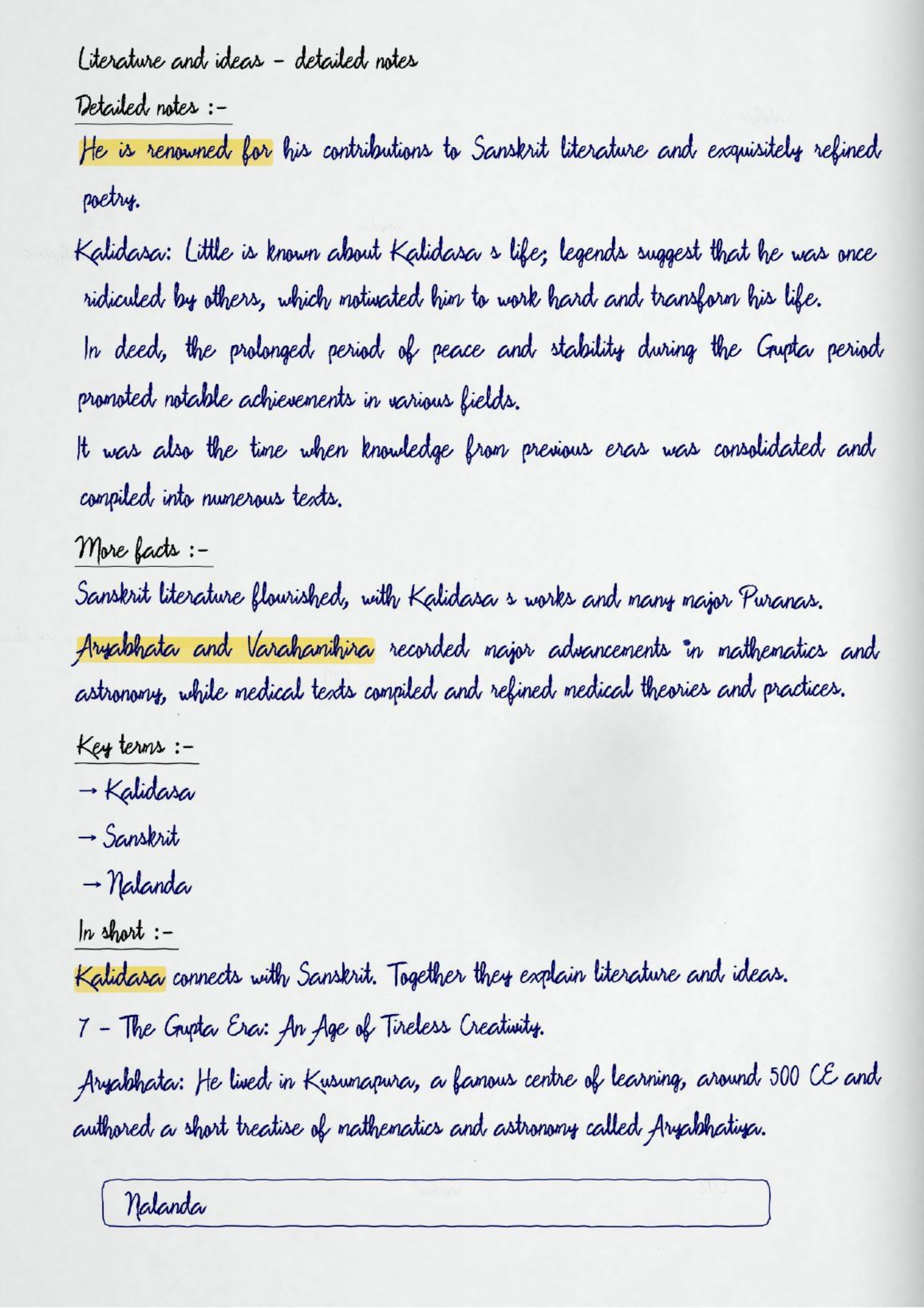
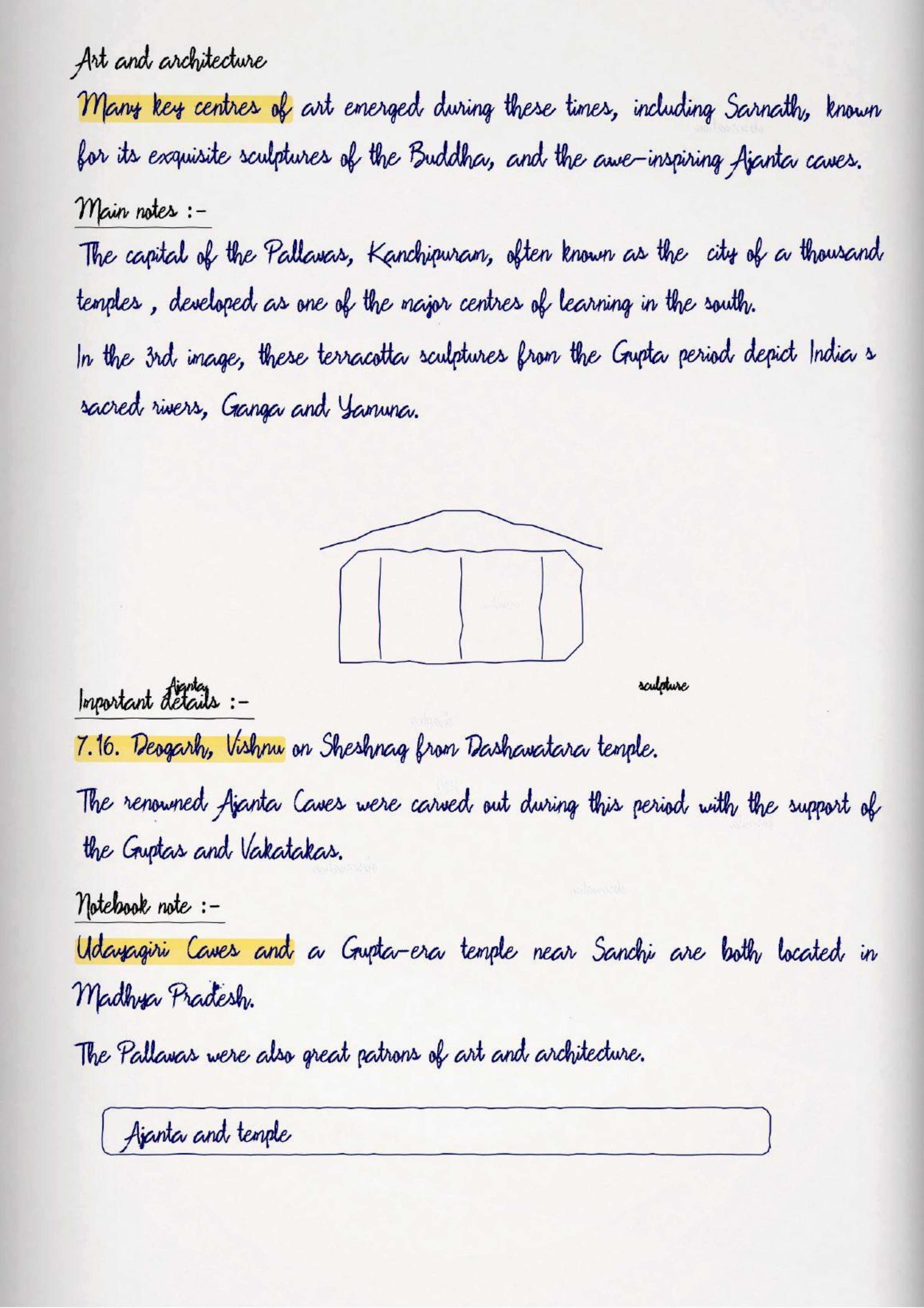
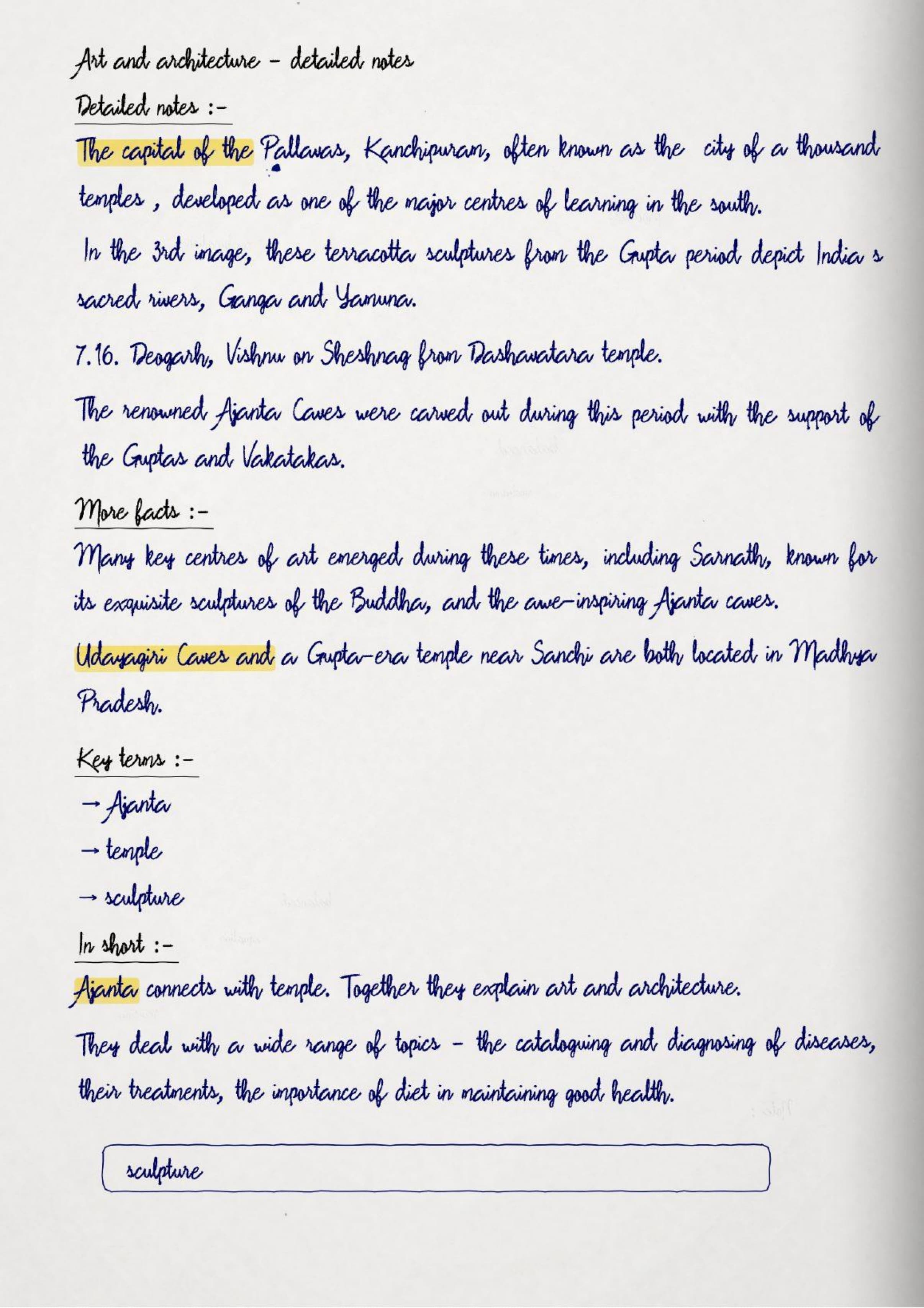
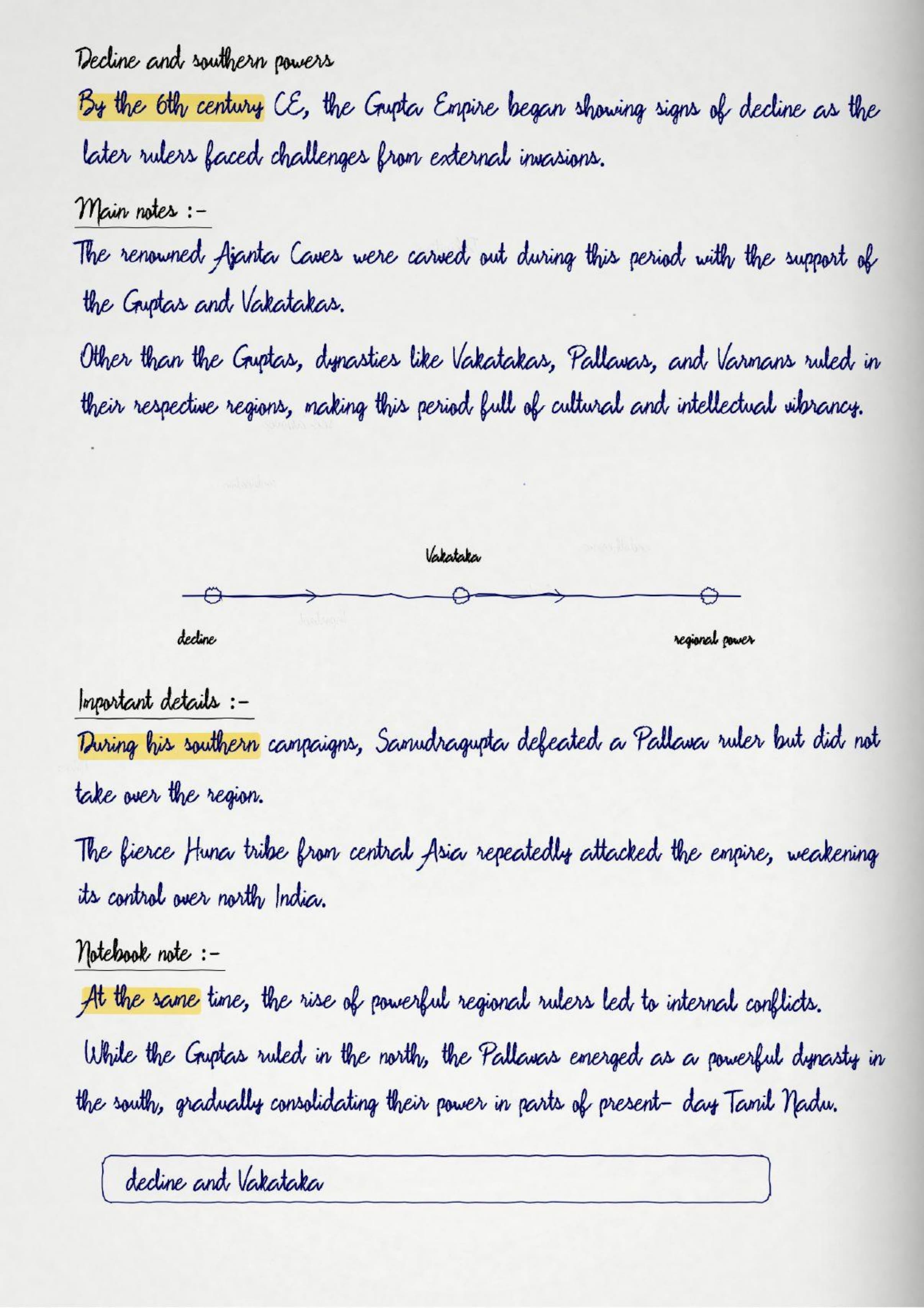
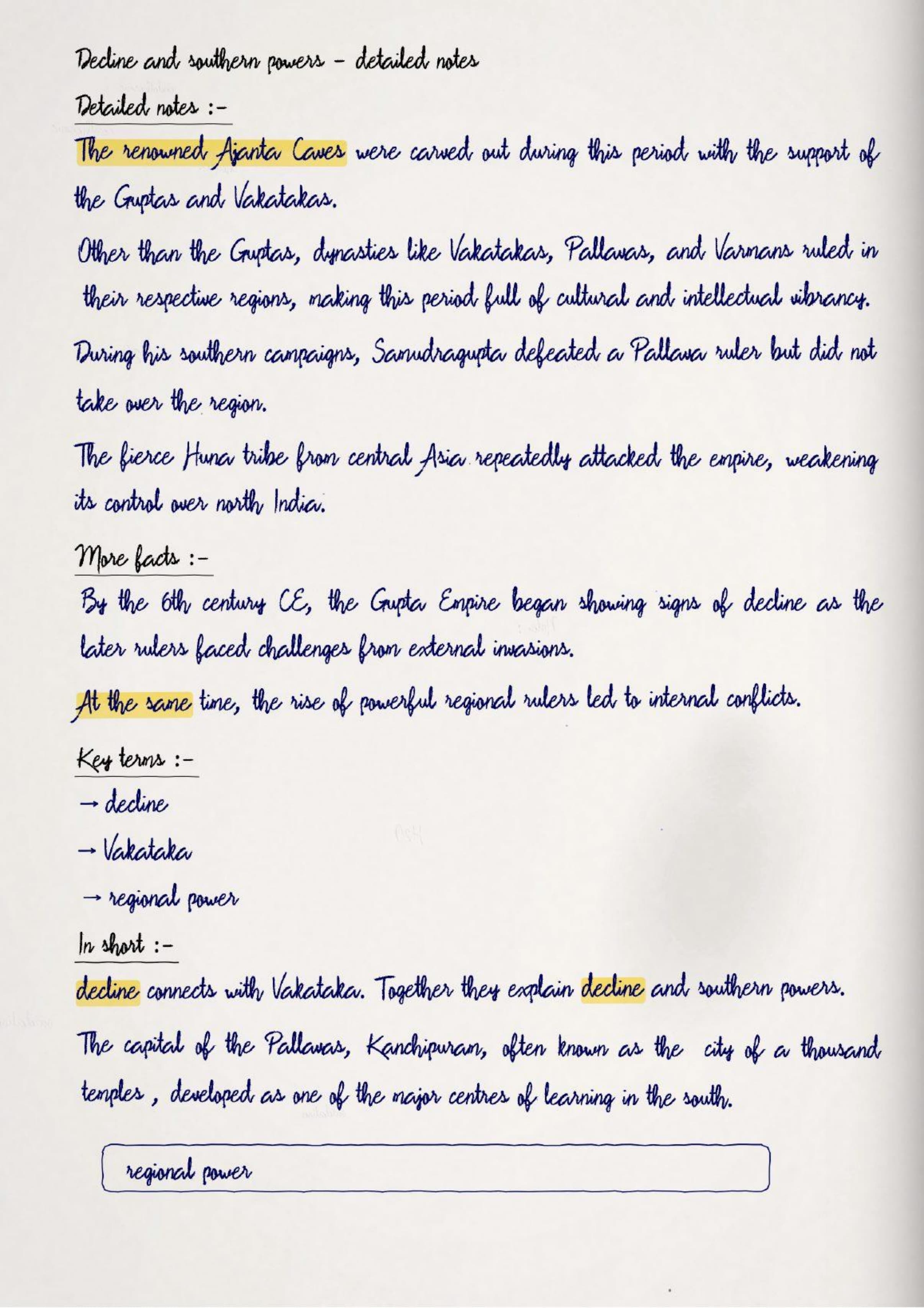
- Achievements boxed: art, literature, science and mathematics under the Guptas
- What the notes cover: how the Guptas consolidated power, their achievements, and the other dynasties of the period
- Best for: the achievements question, a reliable long answer in every paper
You can read the complete class 7 social science handwritten notes for The Gupta Era: An Age of Tireless Creativity, with boxed definitions and quick recall points, in the PDF below.
These handwritten notes are written by Social Science teachers, mapped to the 2026-27 NCERT Exploring Society book, and checked against Class 7 school question papers.
How Collegedunia's Handwritten Notes Help You Revise The Gupta Era: An Age of Tireless Creativity
Collegedunia writes its class 7 social science handwritten notes as one clean pass through the chapter. The achievements are grouped into four fields, each on its own quarter of a page.
- Four-field panel: art, literature, science and mathematics grouped separately
- Consolidation box: campaigns, land grants and alliances in one box
- Other dynasties strip: Vakatakas, Pallavas and Varmans with their regions
- Colour-coded sub-headings: sub-topics in red so each field stands out
What the The Gupta Era: An Age of Tireless Creativity Handwritten Notes Cover
The Gupta kings held their empire together through campaigns, land grants and marriage alliances. What the chapter celebrates is what that stability made possible.
- The rise of the Gupta dynasty
- Military campaigns and expansion
- Land grants as a tool of rule
- Matrimonial alliances and stability
- Achievements in art and sculpture
- Achievements in literature
- Achievements in science and mathematics
- The Vakatakas, Pallavas and Varmans
- Why the period is called creative
The Gupta Era: An Age of Tireless Creativity Topic-wise Weightage for CBSE Class 7 Social Science
The achievements carry the marks. The methods of consolidation are a shorter answer.
| Sub-topic | Weightage | How often asked |
|---|---|---|
| Gupta achievements in science and mathematics | High | asked often |
| Gupta art and literature | High | asked often |
| How the Guptas consolidated power | Medium | asked sometimes |
| Other dynasties of the period | Medium | asked sometimes |
| Land grants and alliances | Medium | asked sometimes |
| Extent of the Gupta empire | Low | asked rarely |
Why The Gupta Era: An Age of Tireless Creativity Is Worth Revising Carefully
This chapter carries the achievements that make Indian contributions to mathematics and astronomy examinable at Class 7 level.
- The achievements question is set in nearly every test
- Methods of consolidation make a three-mark answer
- Naming the other dynasties is a one-mark question
- The chapter connects to the maths you study this year
Last 24-Hour Revision Card for The Gupta Era: An Age of Tireless Creativity
The card for the Gupta question.
- Guptas consolidated through campaigns, land grants and marriage alliances
- Achievements in four fields: art, literature, science, mathematics
- Vakatakas, Pallavas and Varmans ruled at the same time
- Stability is what made the creativity possible
- The era is called an age of tireless creativity
The Gupta Era: An Age of Tireless Creativity Self-Assessment Quiz
Five questions on the Gupta era. Tap each to reveal.
The Guptas consolidated power through campaigns, land grants and
(a) foreign trade only (b) matrimonial alliances (c) abolishing taxes (d) moving the capital
Answer: (b) matrimonial alliances
Which of these dynasties ruled alongside the Guptas?
(a) Mauryas (b) Vakatakas (c) Shungas (d) Kushanas
Answer: (b) Vakatakas
The Gupta era is remembered as an age of
(a) decline (b) isolation (c) tireless creativity (d) foreign rule
Answer: (c) tireless creativity
Land grants were given by rulers to
(a) foreign kings (b) individuals and institutions (c) no one (d) traders only
Answer: (b) individuals and institutions
The Guptas made notable contributions in
(a) art, literature, science and mathematics (b) shipping only (c) mining only (d) none of these
Answer: (a) art, literature, science and mathematics
Key Terms and Ideas in The Gupta Era: An Age of Tireless Creativity
Use the exact term when you describe how the Guptas ruled.
| Term / Idea | What it means |
|---|---|
| Consolidate | to make power secure and firmly established |
| Land grant | land given by a ruler to an individual or institution |
| Matrimonial alliance | a marriage arranged to link two ruling families |
| Dynasty | a line of rulers from one family |
| Inscription | writing carved on stone or metal |
| Astronomy | the study of the stars, planets and their movements |
| Decimal system | the number system based on ten, developed in India |
Diagrams Drawn by Hand in the The Gupta Era: An Age of Tireless Creativity Notes
The notes group the material visually rather than as long lists.
| Figure drawn by hand | What it shows |
|---|---|
| Four-field panel | art, literature, science and mathematics in four quarters |
| Gupta empire map | the extent of Gupta rule shaded |
| Consolidation box | campaigns, land grants and alliances drawn together |
| Sculpture sketch | a Gupta-period figure drawn simply |
| Other dynasties strip | Vakatakas, Pallavas and Varmans on a small map |
How to Use These Handwritten Notes for Social Science Revision
Use these class 7 social science handwritten notes in two passes. Group the achievements into four fields. That grouping is how the marks are awarded.
- List two achievements in each of the four fields
- Write the three methods the Guptas used to consolidate power
- Name the other three dynasties and their regions
- Before the test, revise the four-field panel and the consolidation box
Other Social Science Resources for The Gupta Era: An Age of Tireless Creativity
Read the notes with the solved questions and the Exploring Society chapter itself.
- Class 7 Social Science NCERT Solutions
- Class 7 Social Science Revision Notes
- Class 7 Exploring Society Book PDF
Class 7 Social Science Handwritten Notes for All Chapters
Exploring Society Part 1 has twelve chapters and Part 2 has eight. The table below links the class 7 social science handwritten notes for every chapter.
The Gupta Era: An Age of Tireless Creativity Class 7 Social Science Handwritten Notes FAQs
Ques. Where can I download The Gupta Era Class 7 Handwritten Notes PDF?
Ans. The PDF is on this page, free, in both the normal and the HD version.
Ques. How did the Gupta kings consolidate their power?
Ans. Through military campaigns, land grants to individuals and institutions, and matrimonial alliances with other ruling families, all of which brought stability to the empire.
Ques. How many pages is the Part 1 Chapter 7 handwritten notes PDF?
Ans. It runs 20 pages, with the four-field achievements panel, the empire map and a quiz.
Ques. What were the achievements of the Gupta period?
Ans. Remarkable contributions in art, literature, science and mathematics. The stability of the empire allowed all four fields to advance together.
Ques. Which other dynasties ruled during the Gupta period?
Ans. The Vakatakas, the Pallavas and the Varmans ruled in their own regions, making the whole period culturally and intellectually vibrant.



Comments