




Class 7 Social Science Part 1 Chapter 5 The Rise of Empires covers India's first empires. These class 7 social science handwritten notes chapter 5 The Rise of Empires follow the 2026-27 NCERT and cover why empires formed, Alexander's campaign, and the Mauryas under Ashoka.
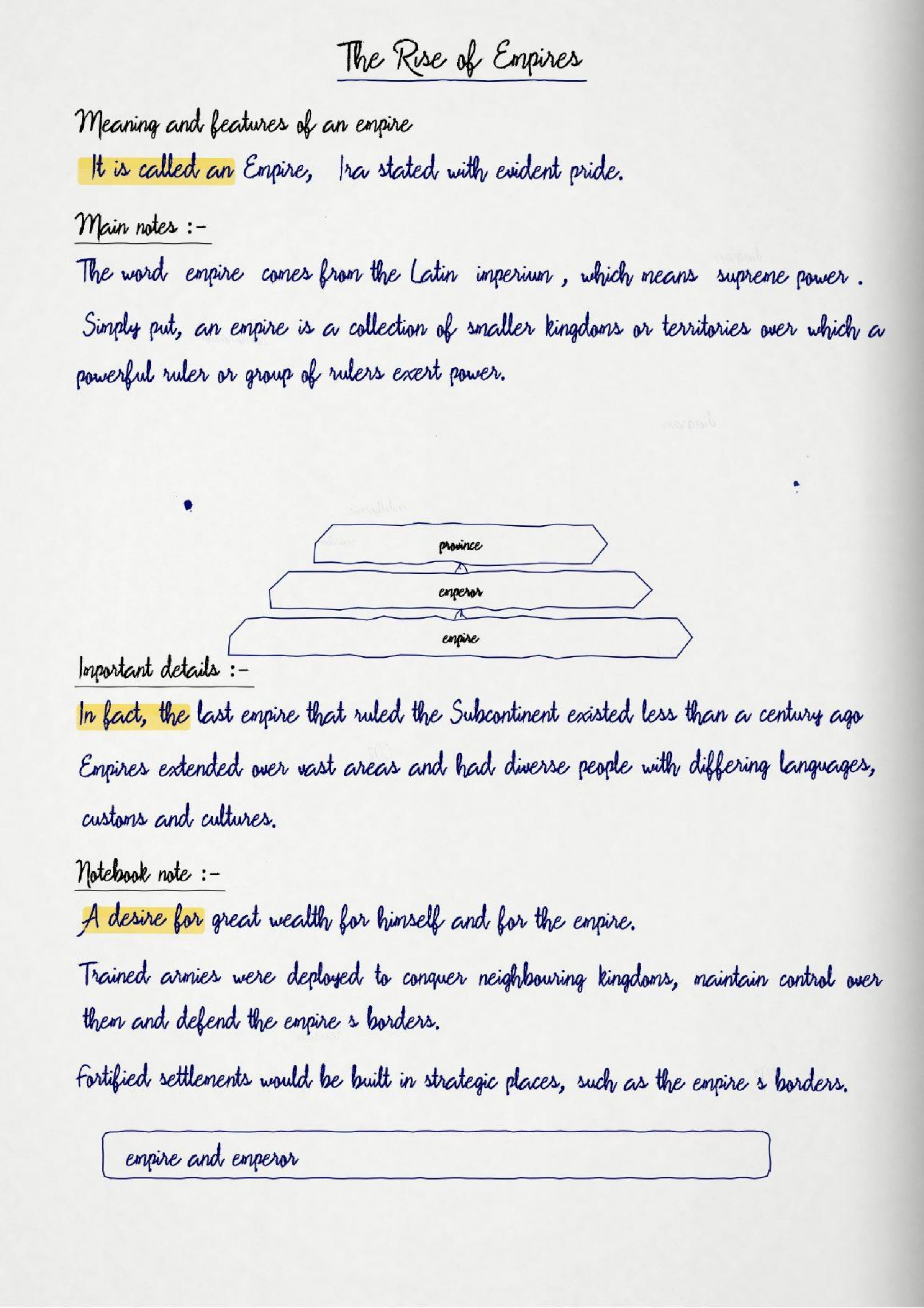
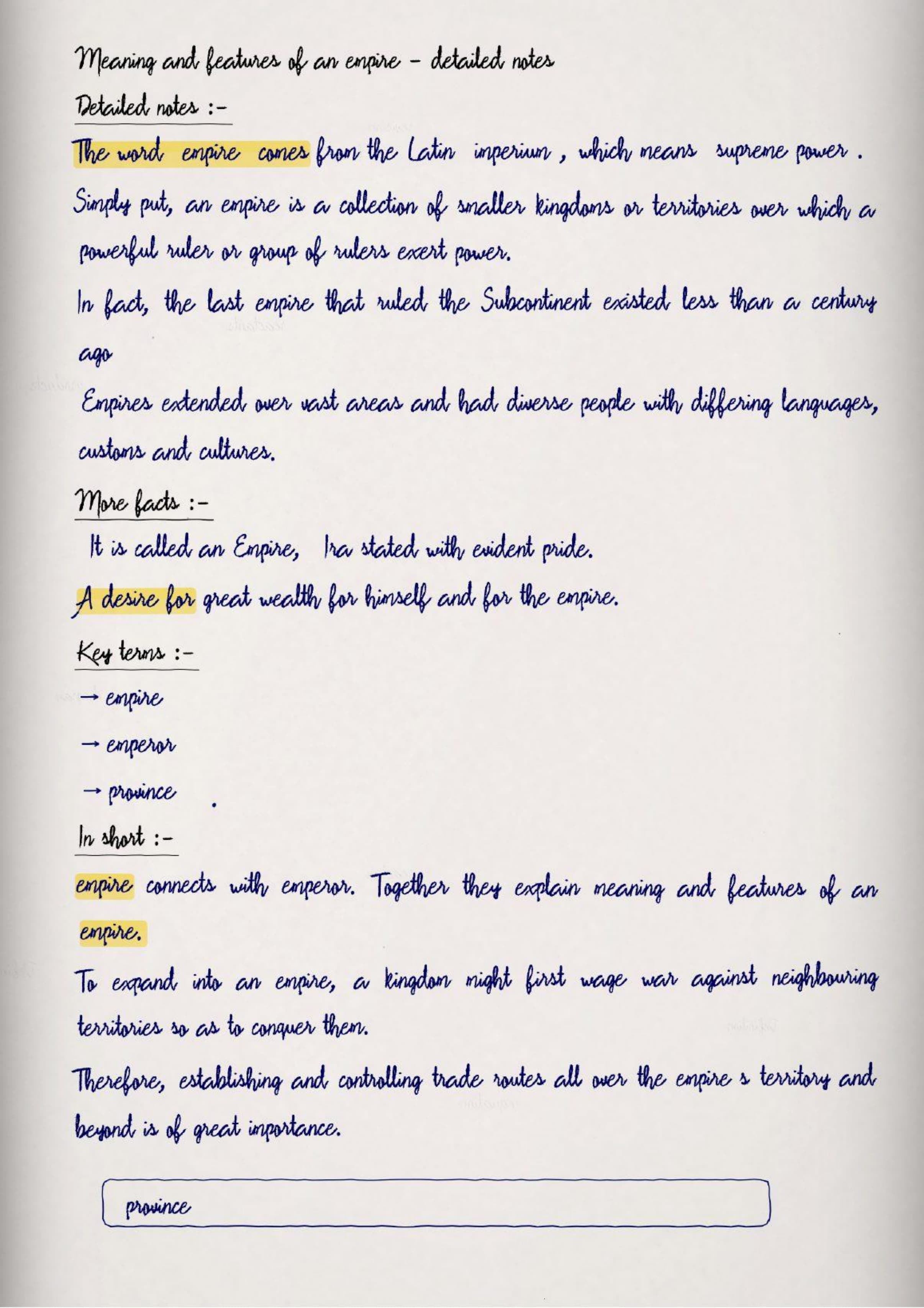
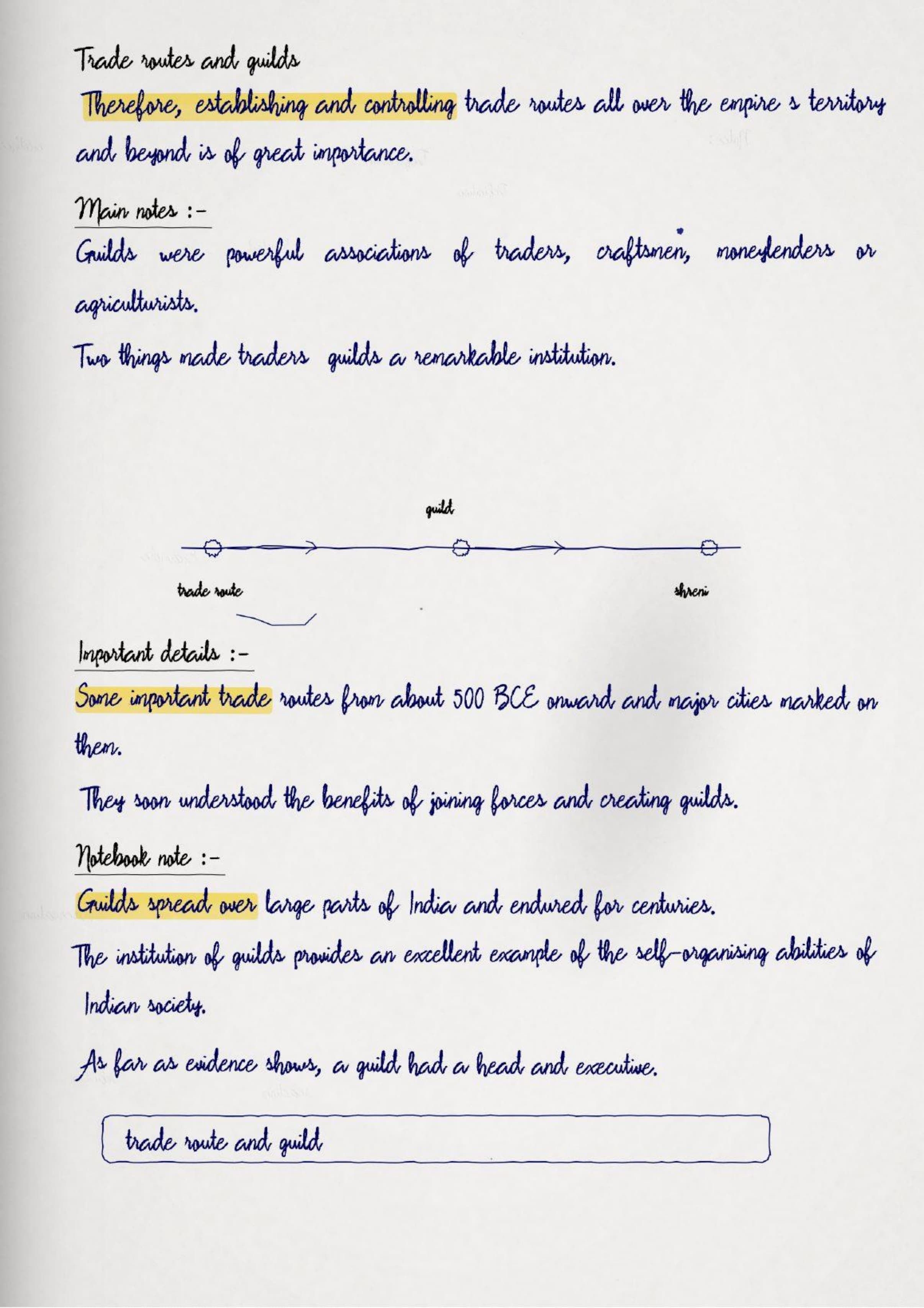
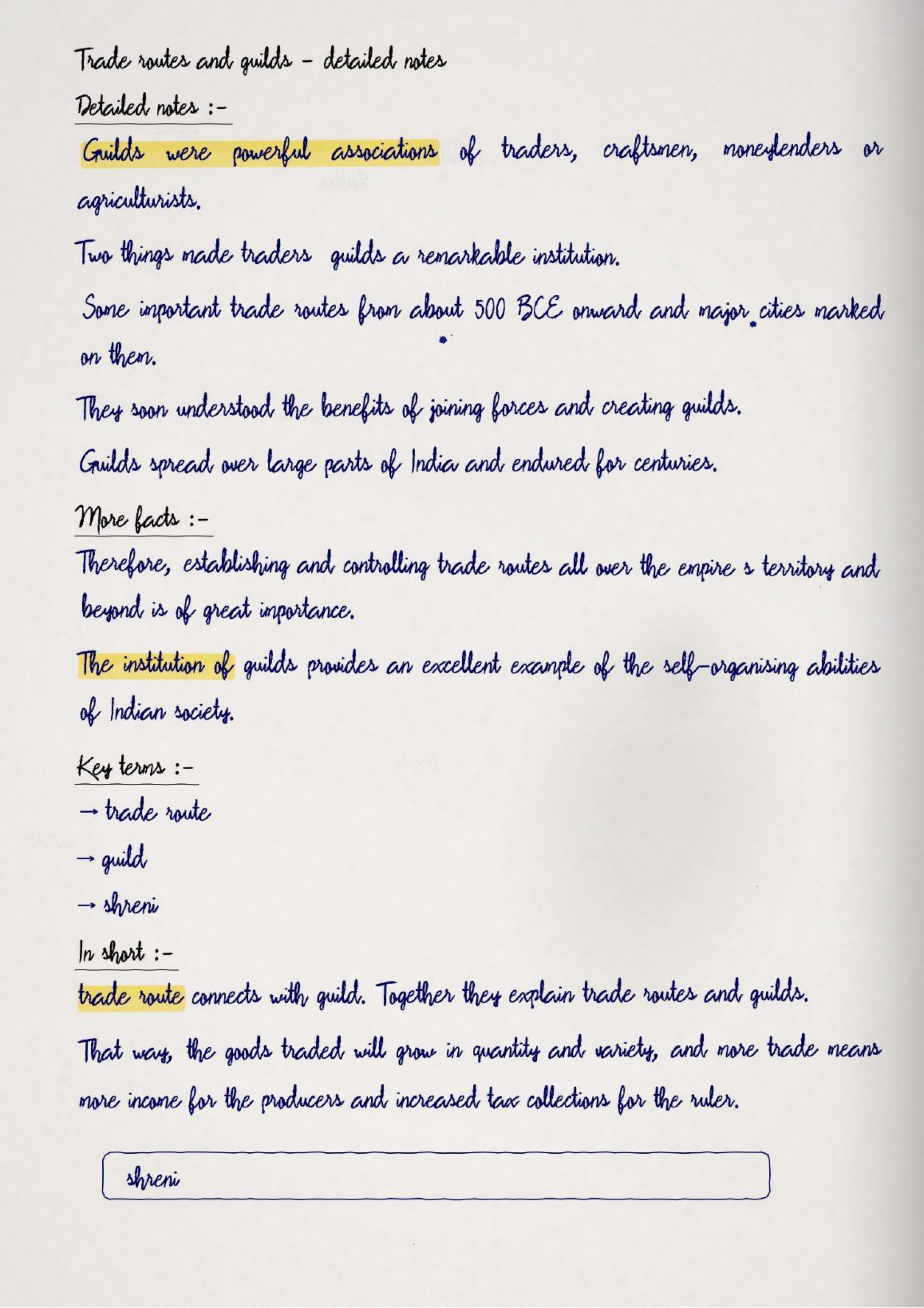
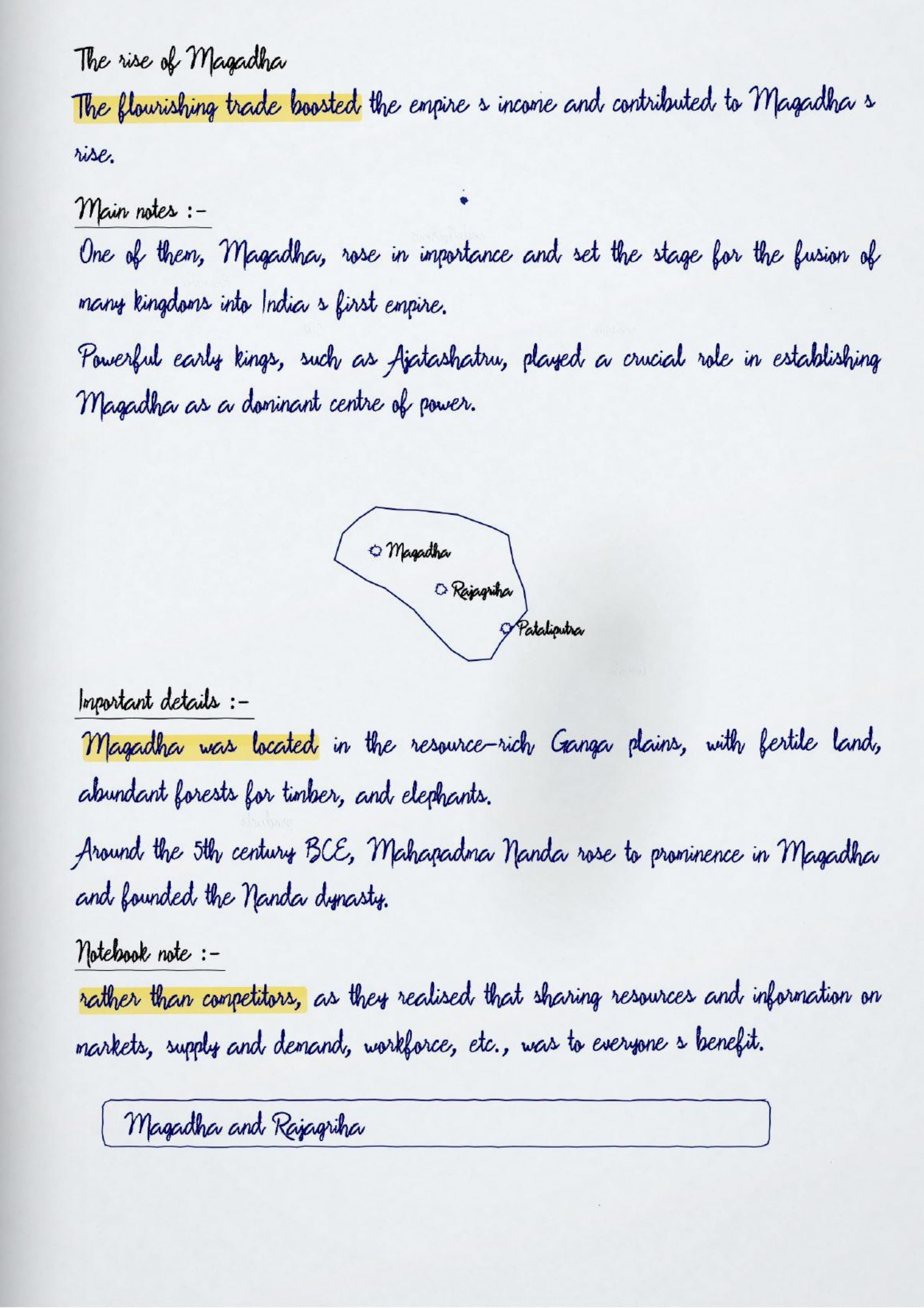
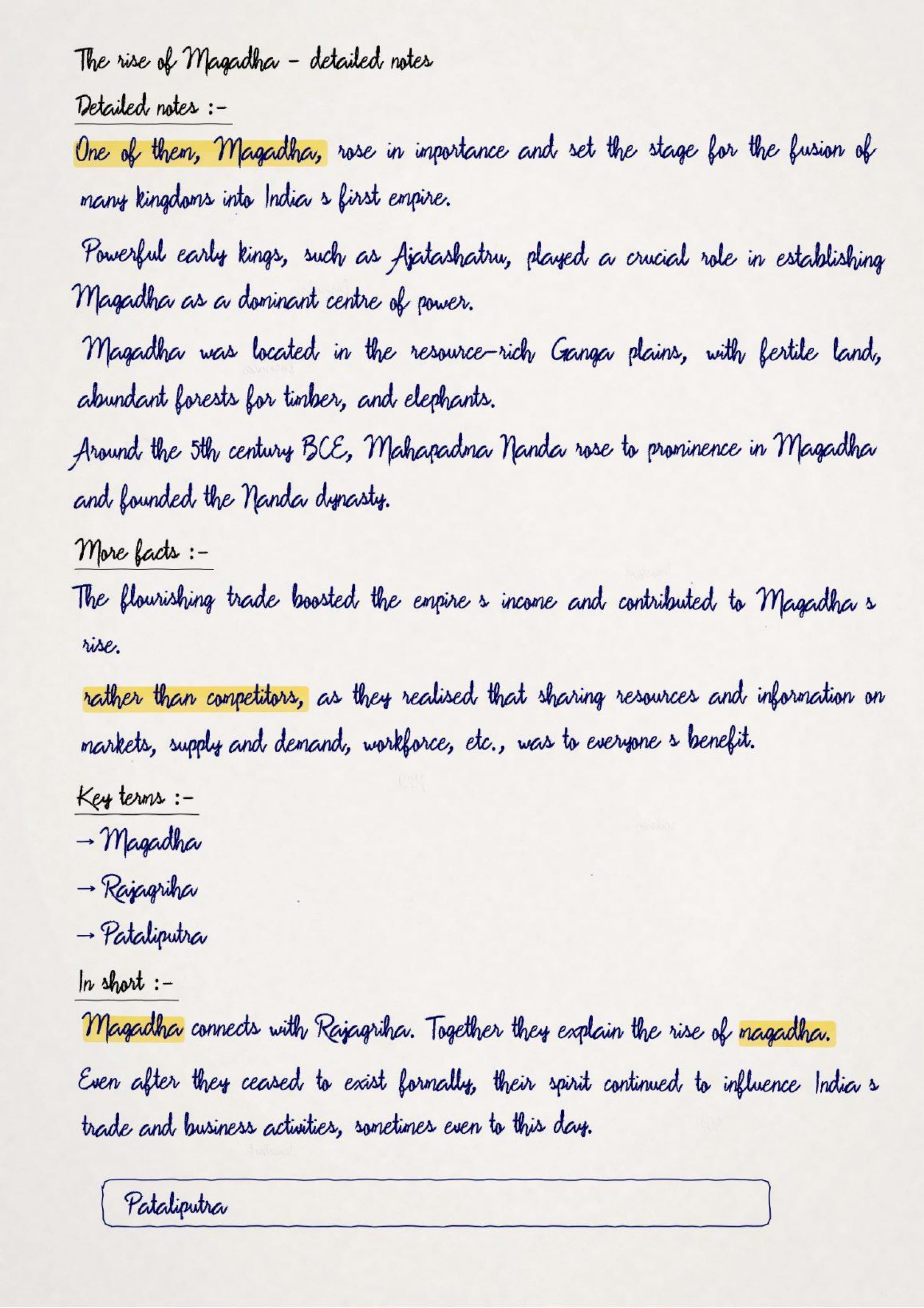
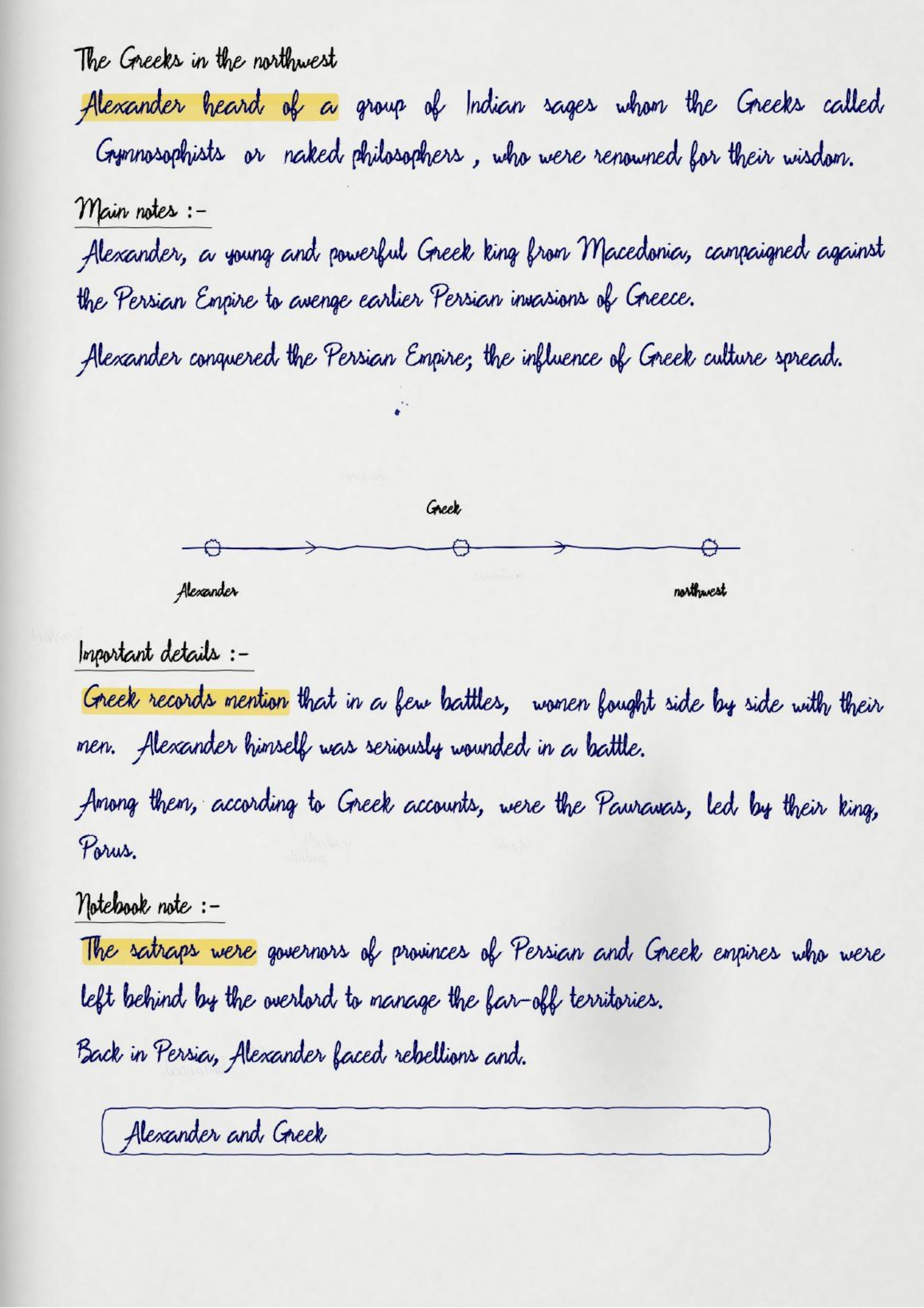
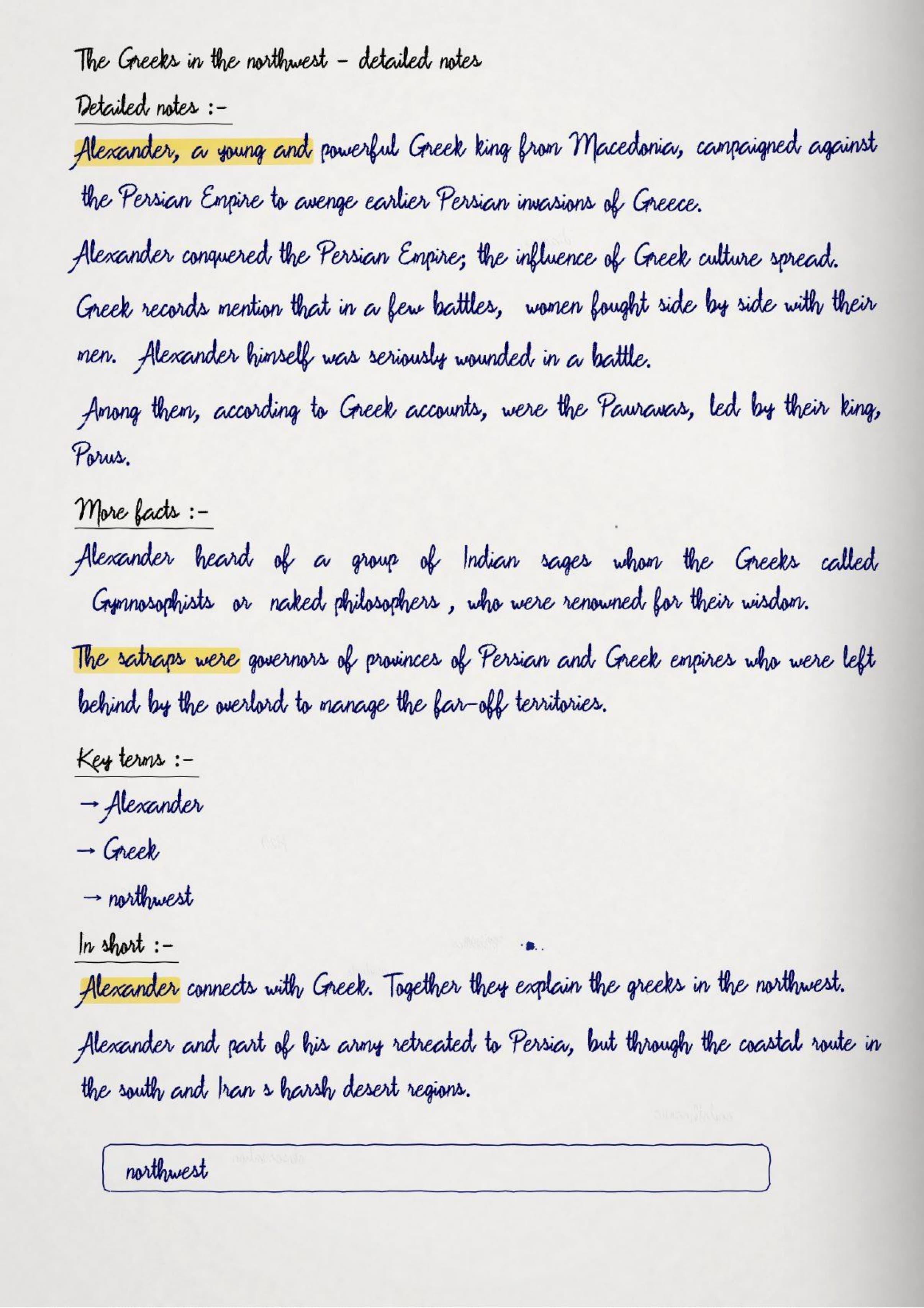
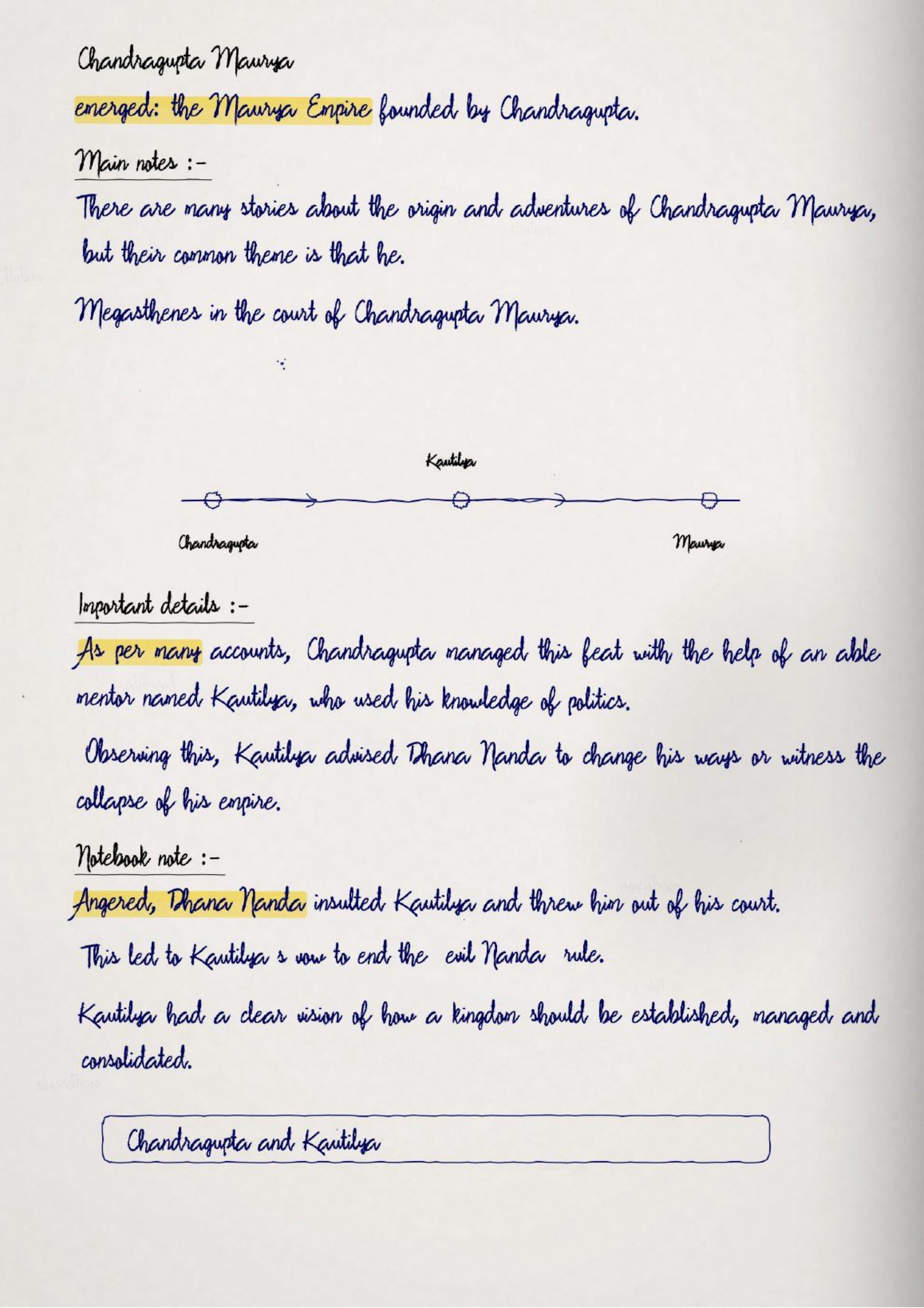
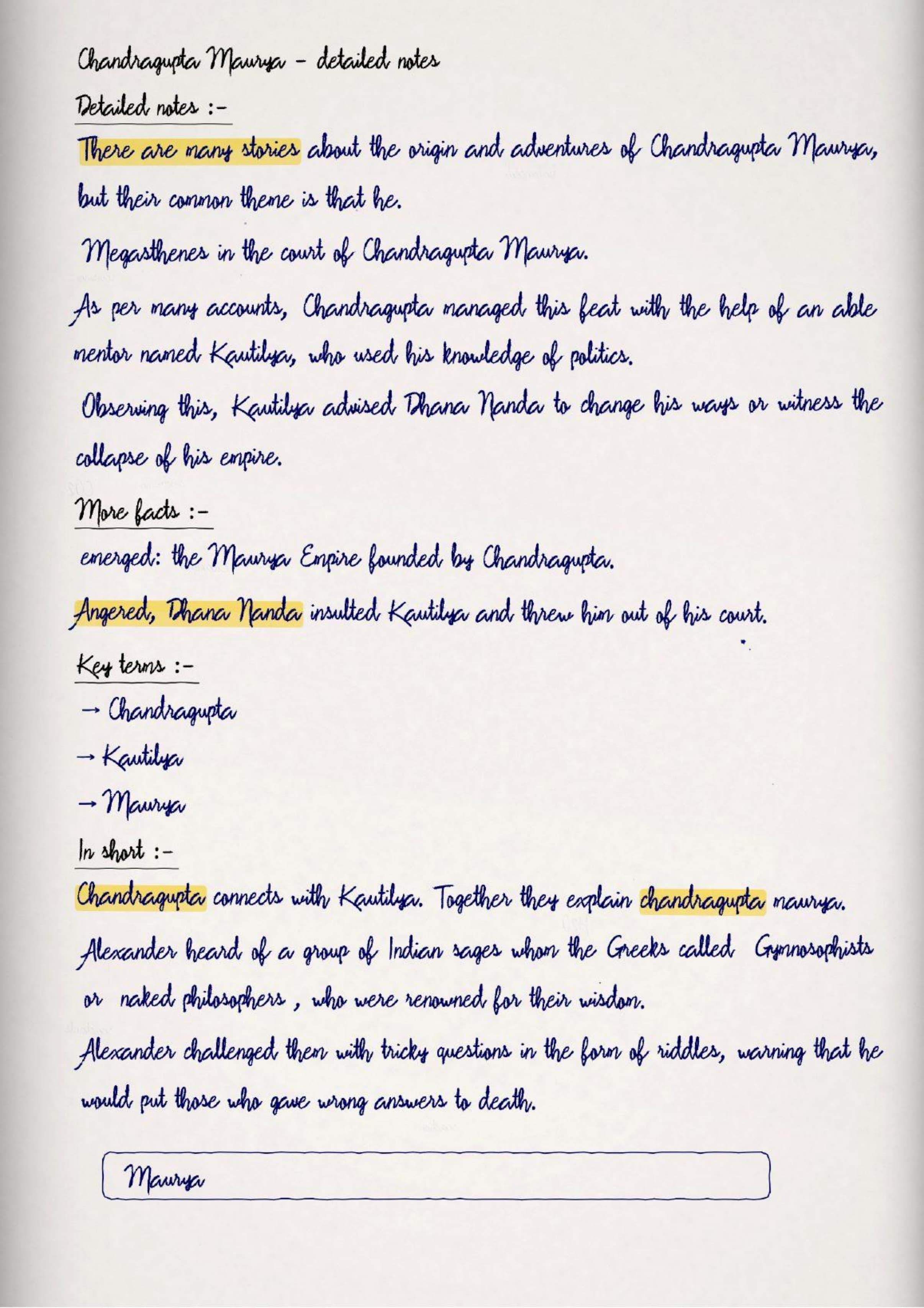
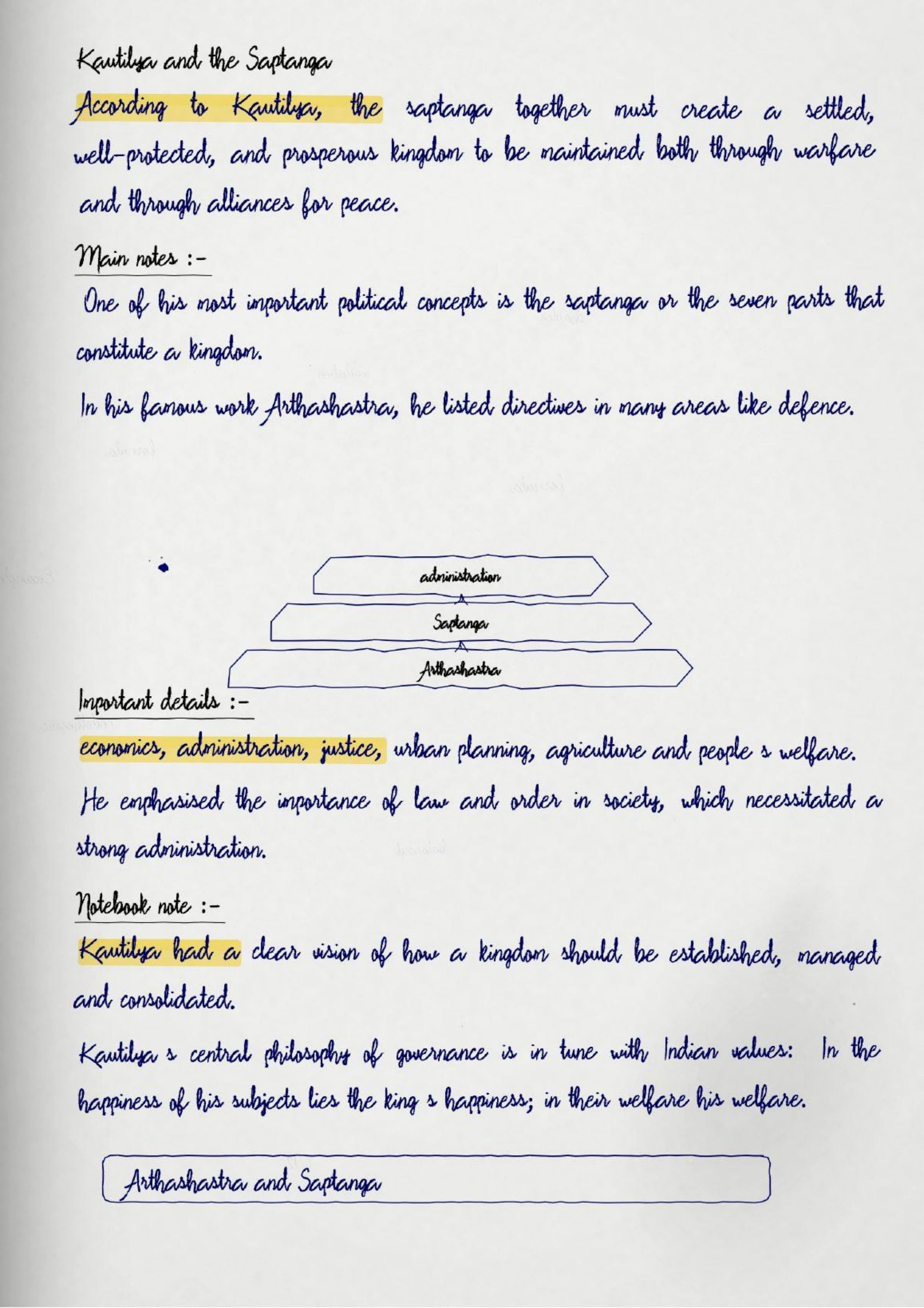
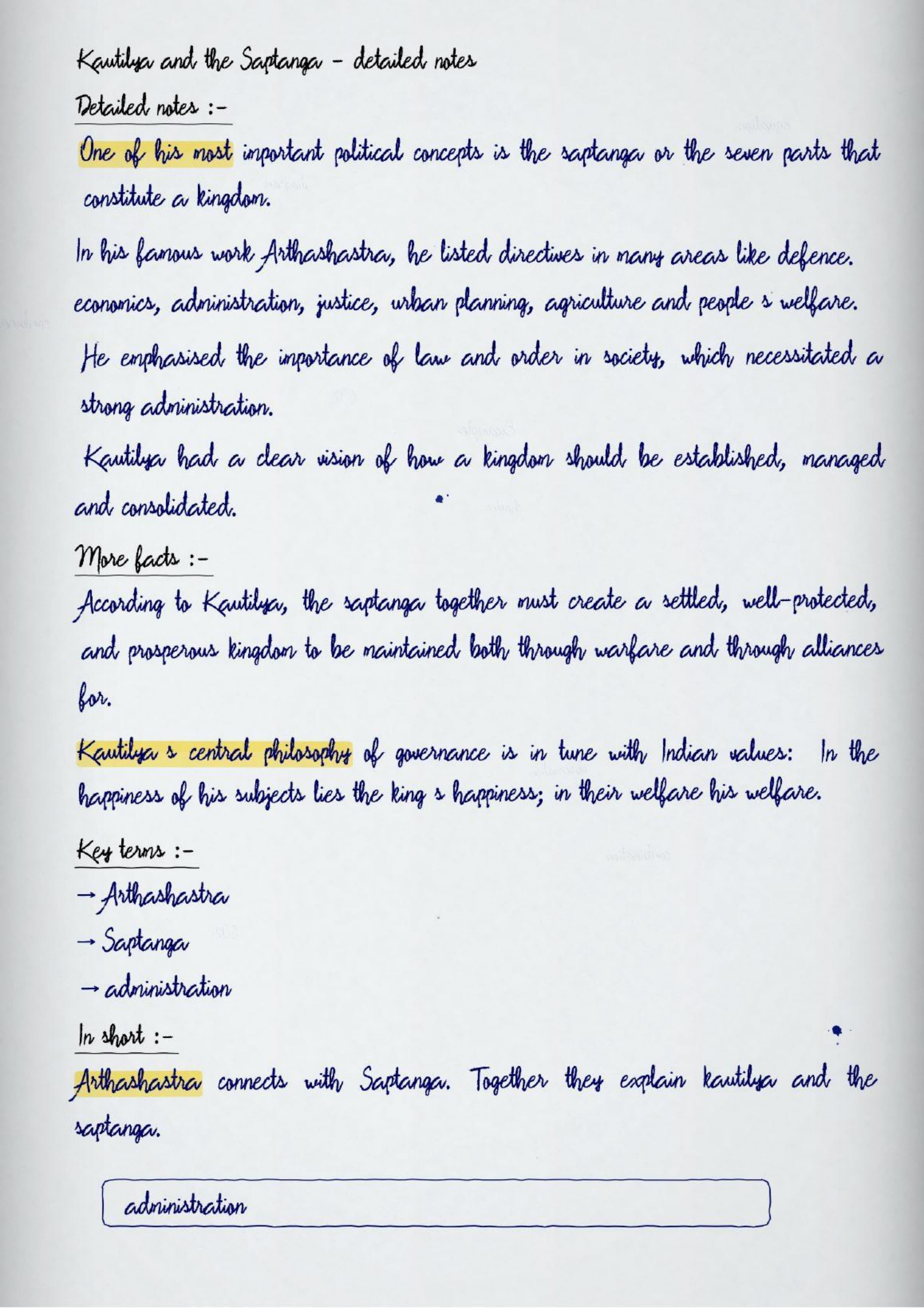
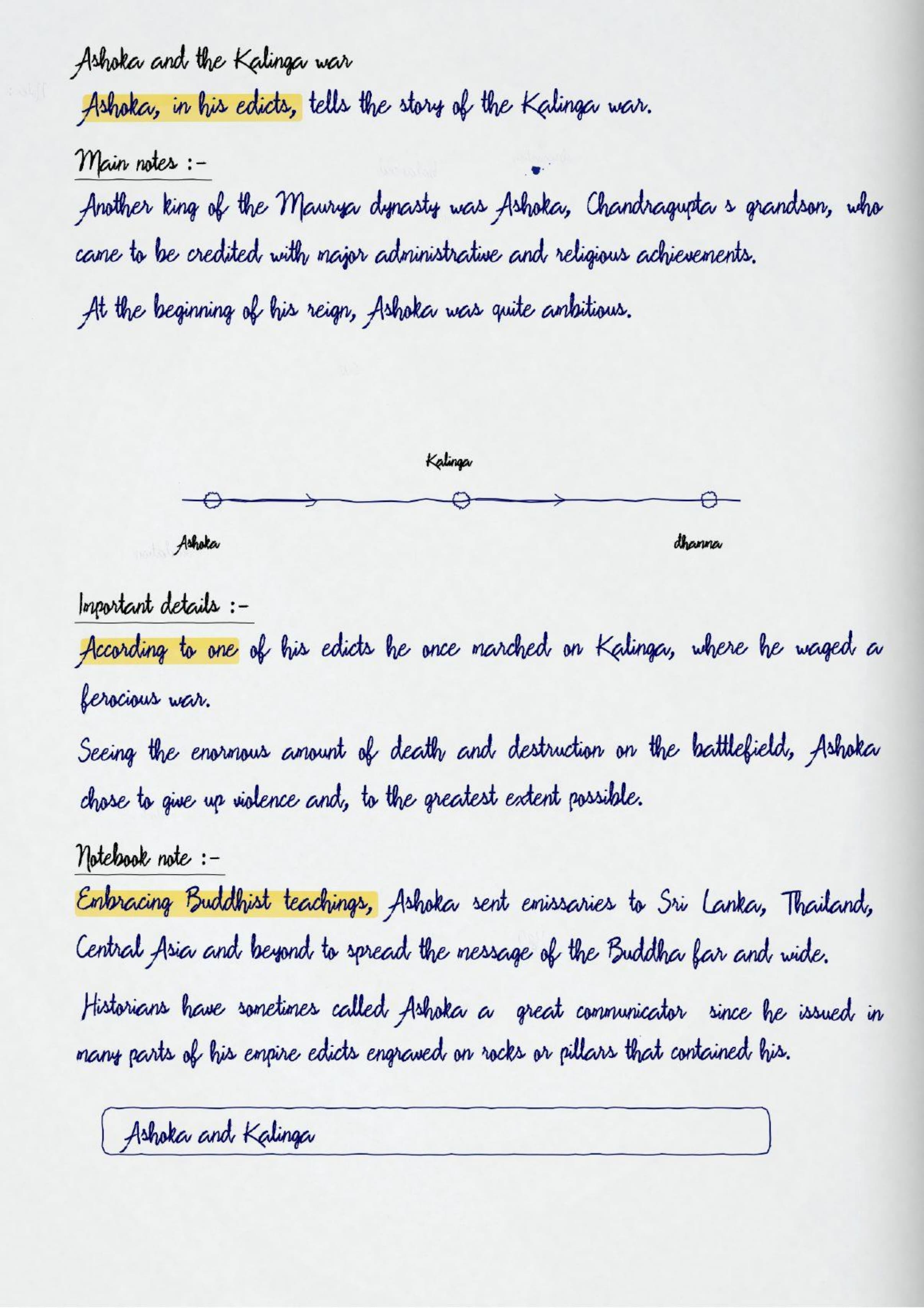
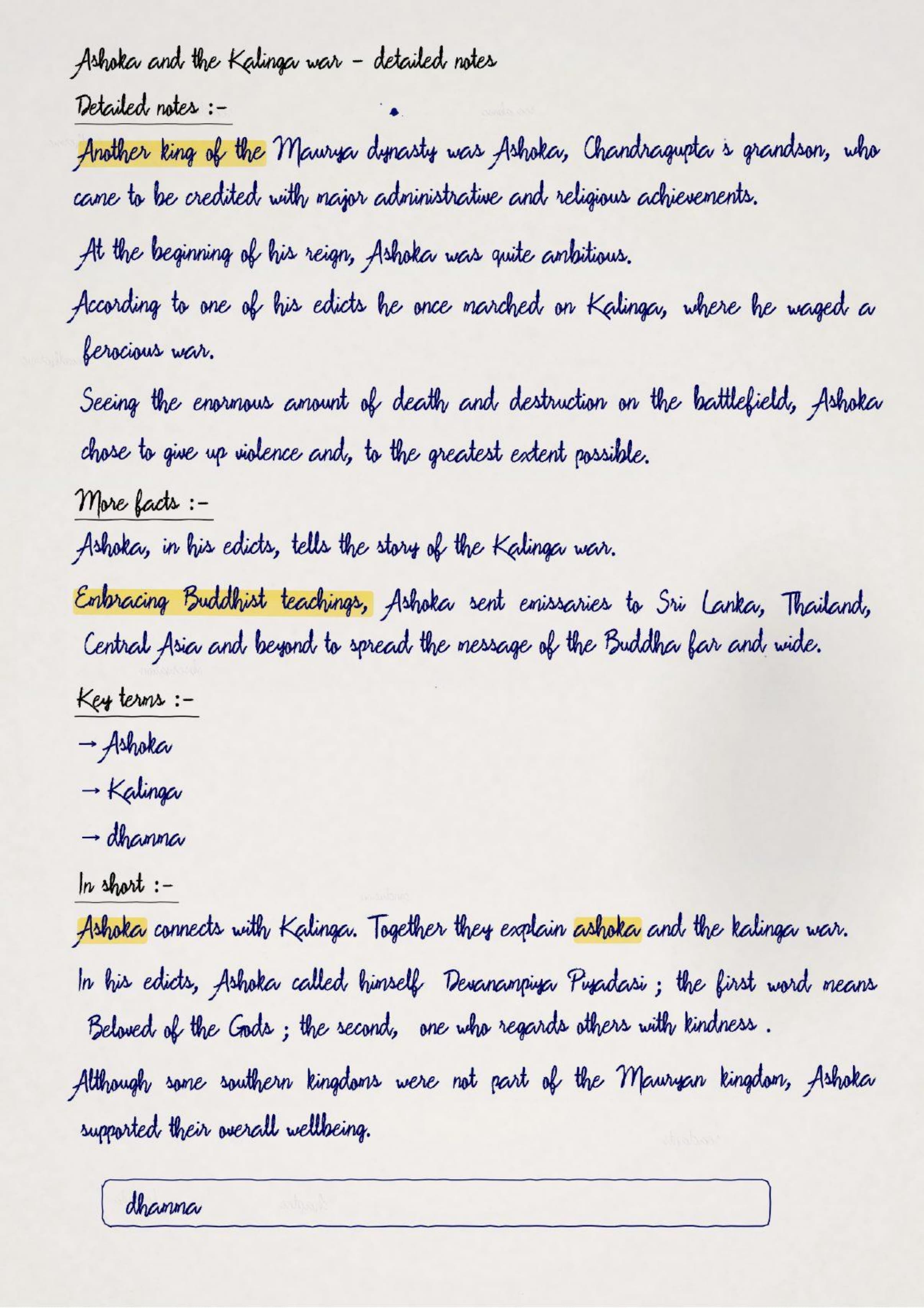
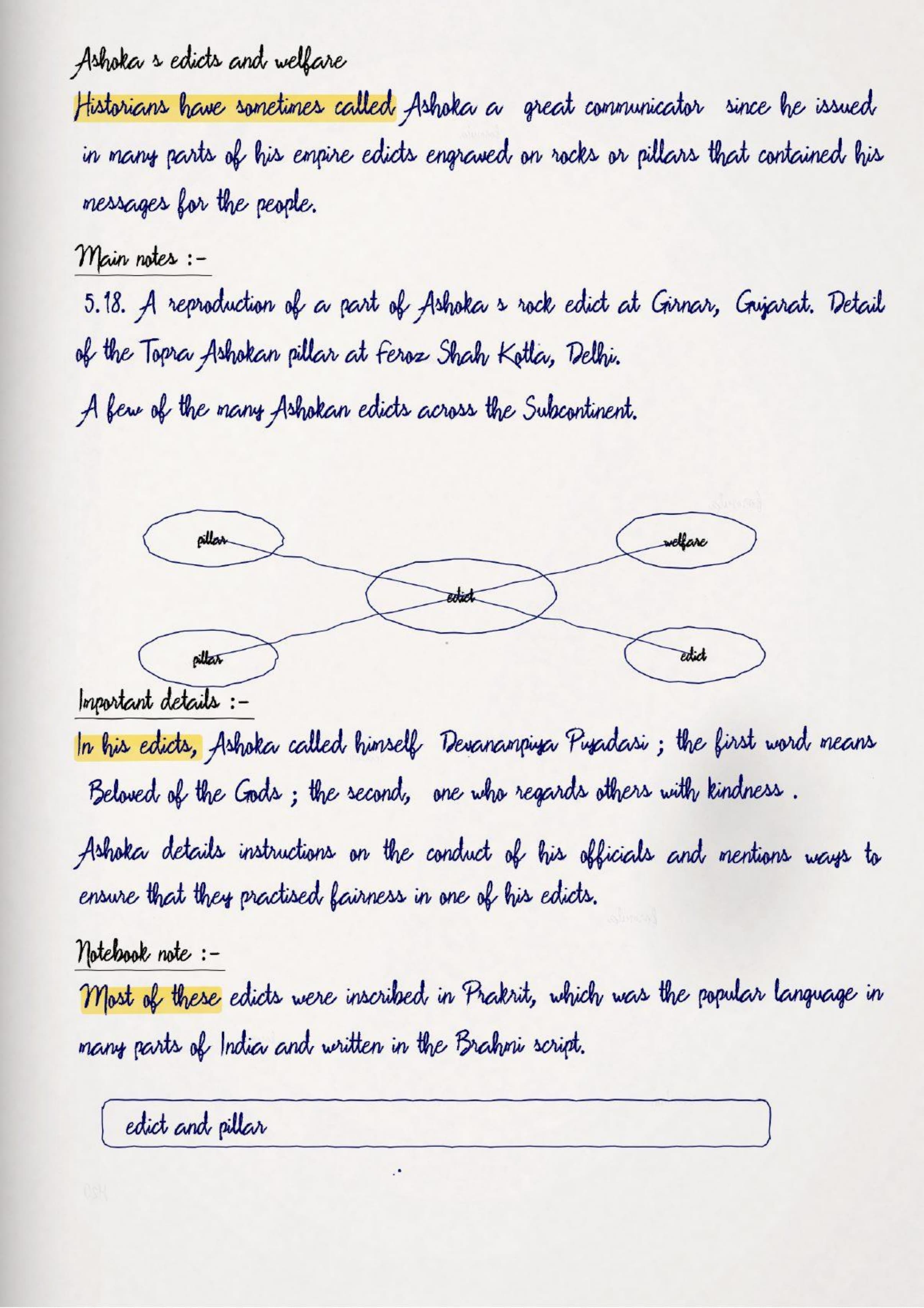
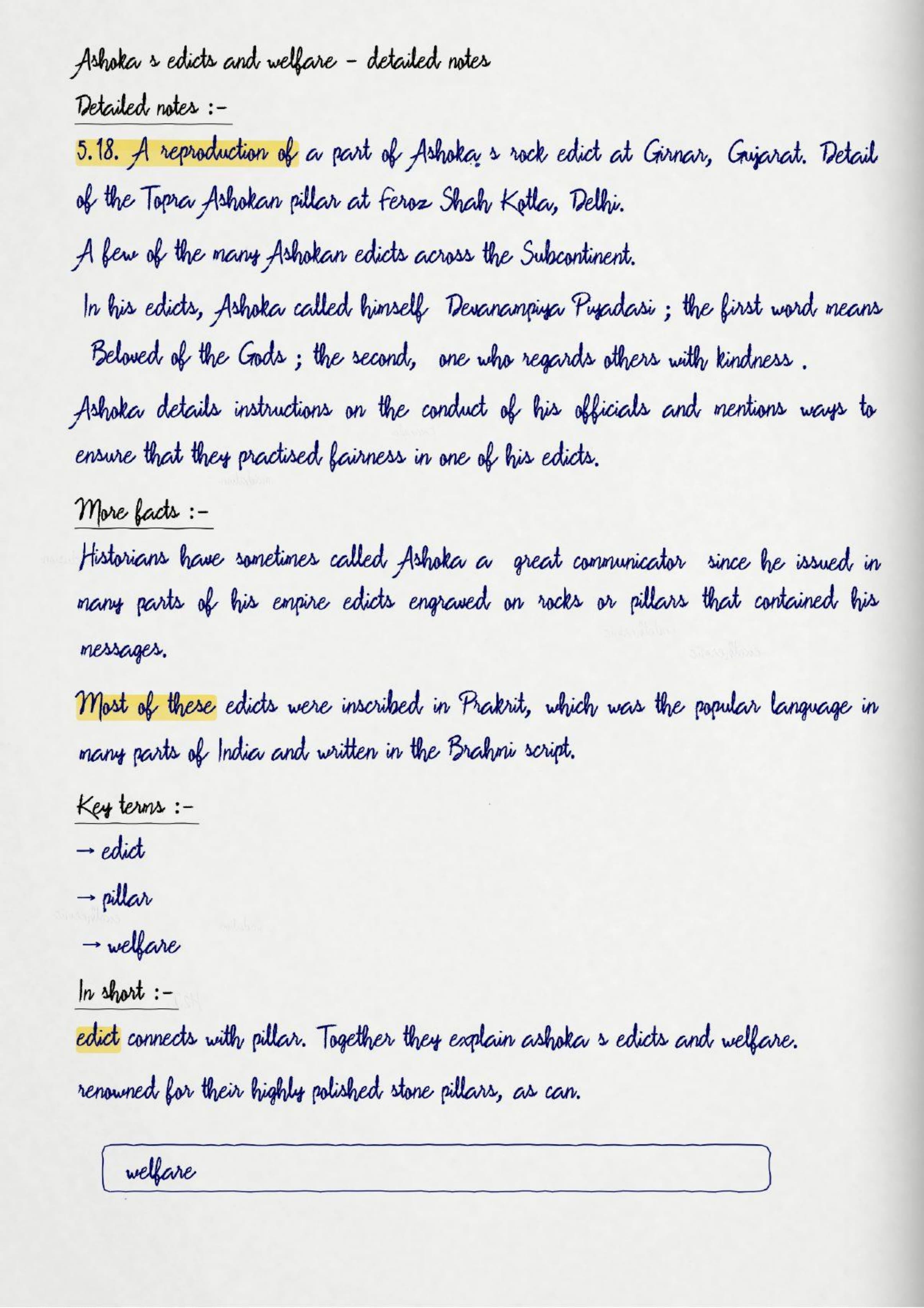
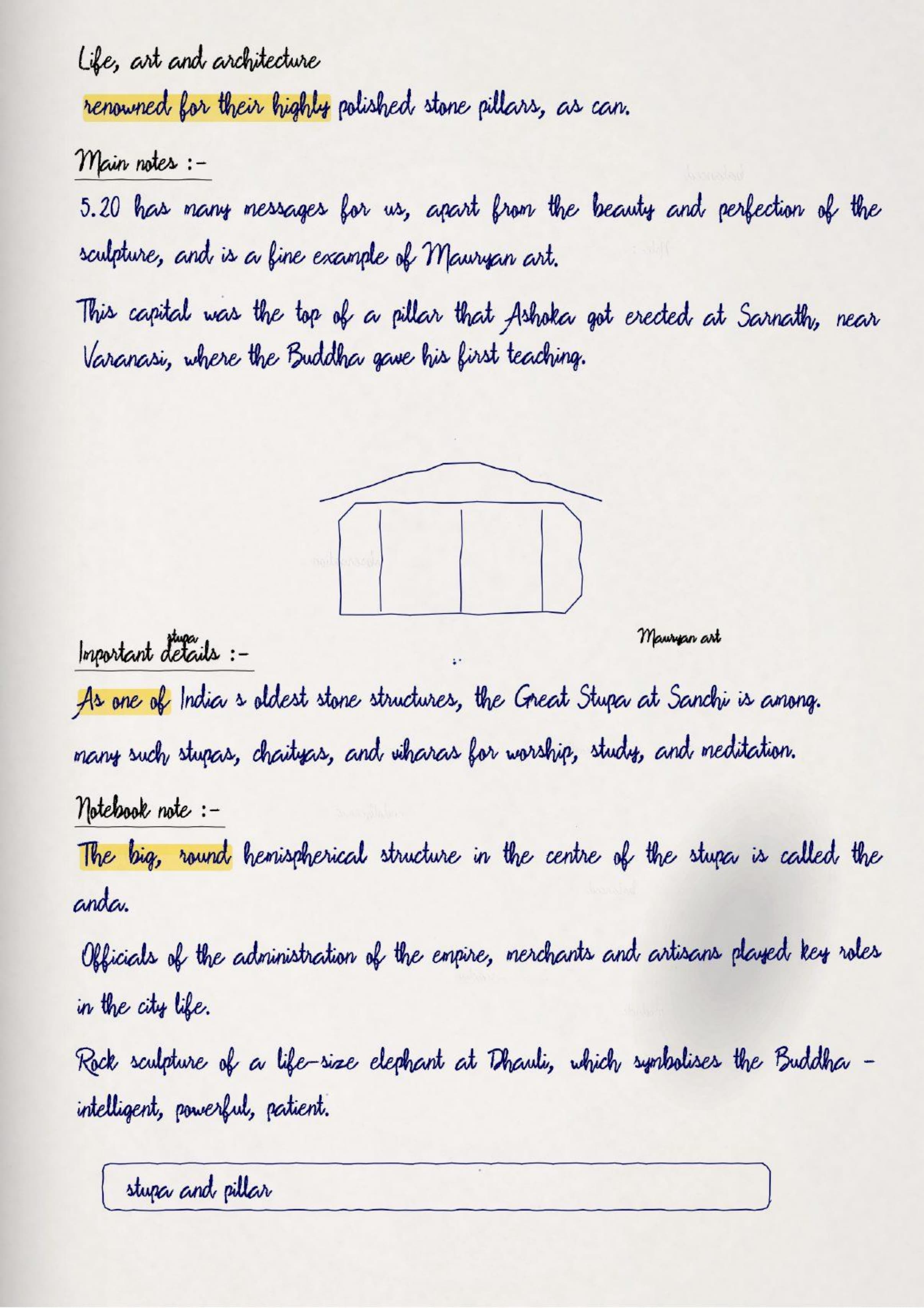
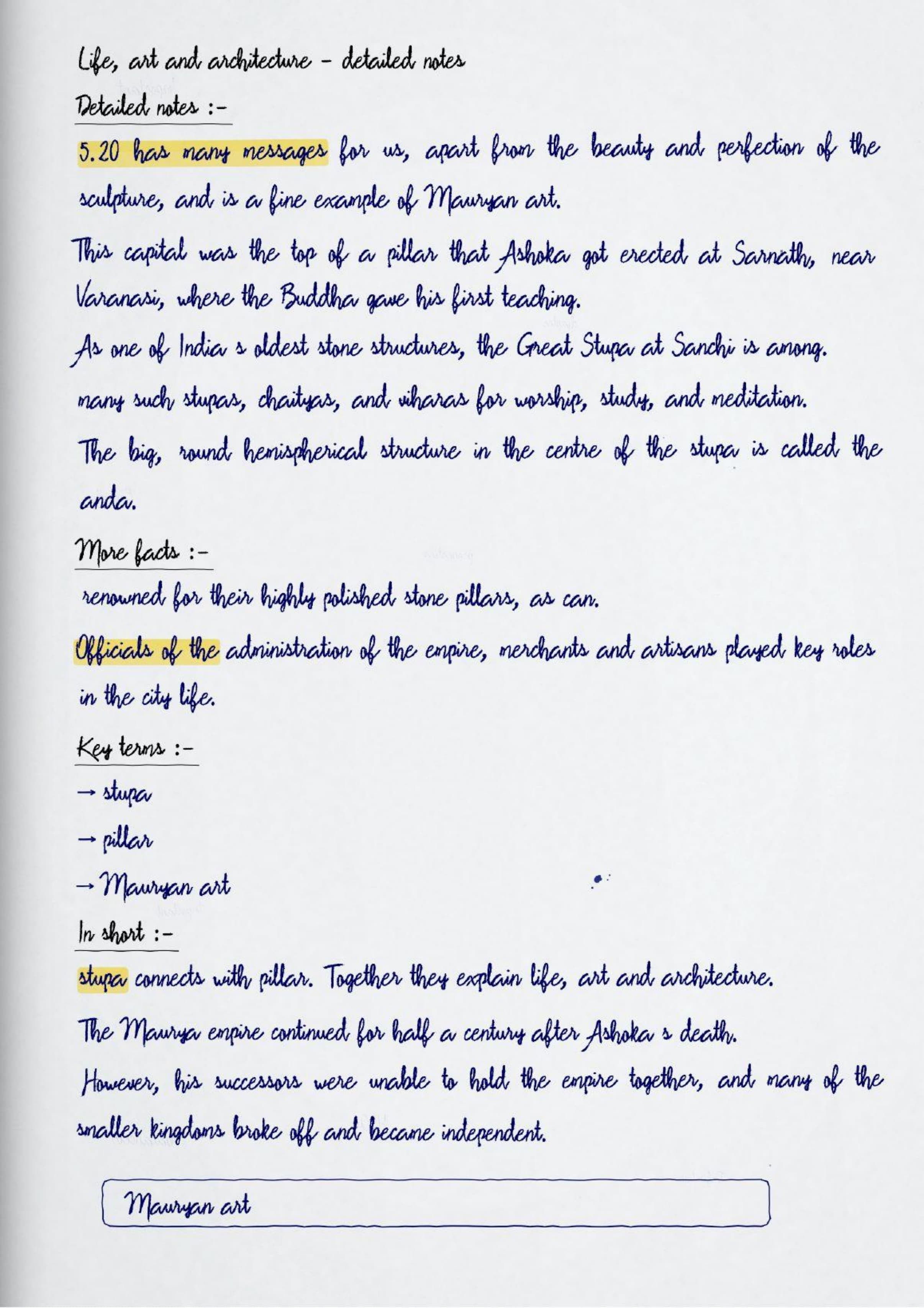
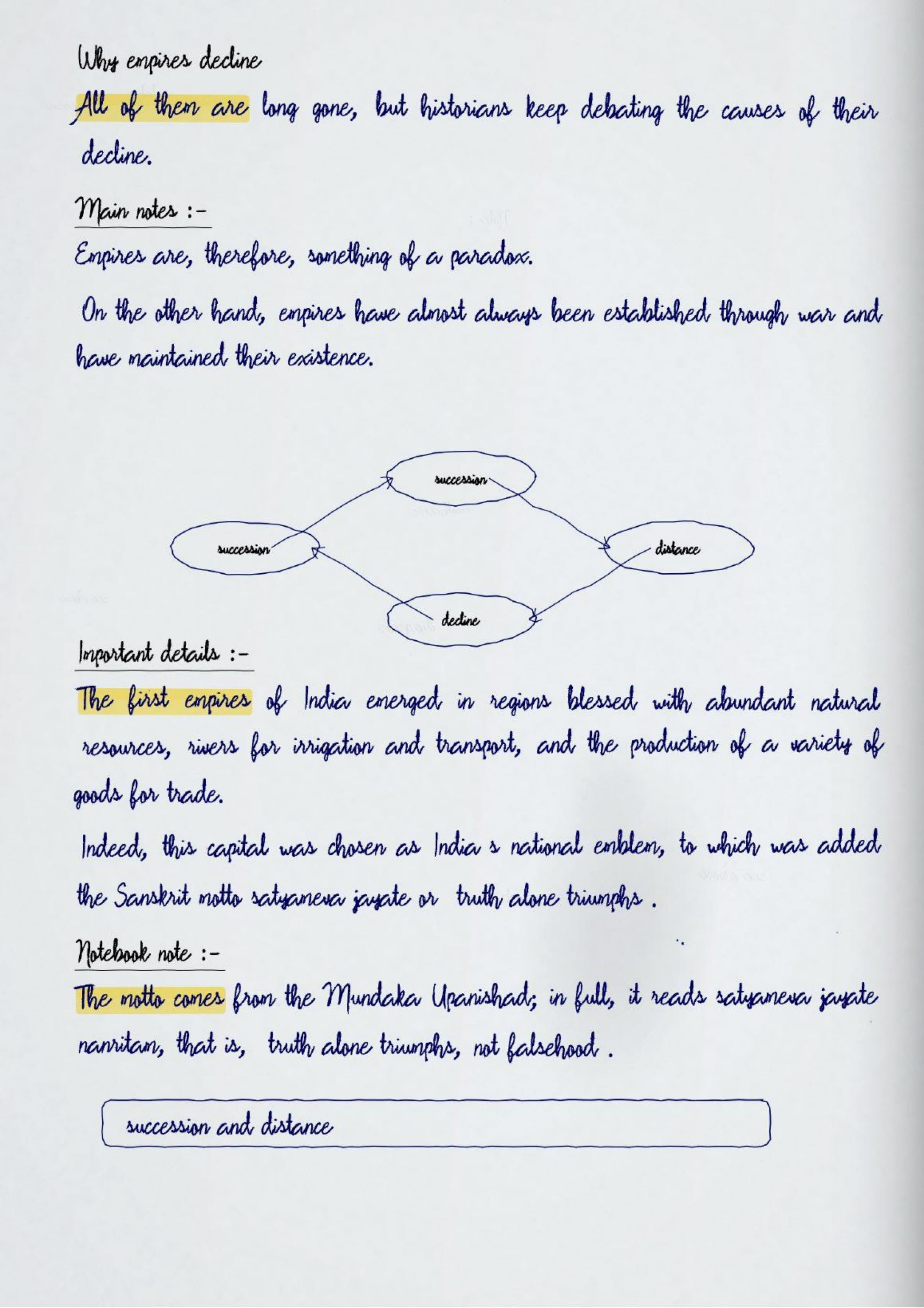
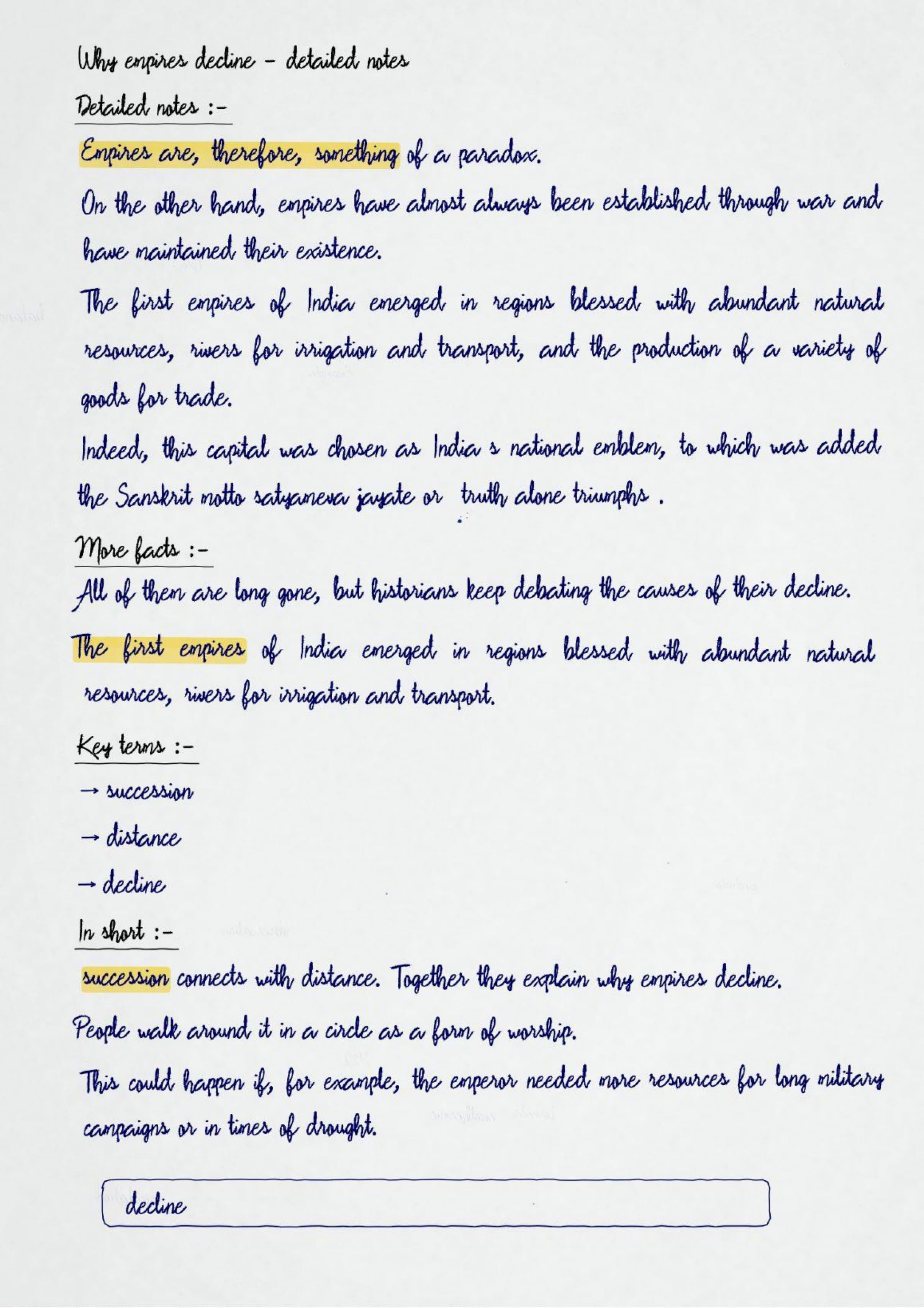
- Mauryan legacy boxed: trade routes, coins, city planning, administration and art
- What the notes cover: what an empire is, why empires rose, Alexander's campaign, and the Mauryan empire
- Best for: the Ashoka question, the most asked topic in the Class 7 history section
Open the PDF below for the complete class 7 social science handwritten notes covering The Rise of Empires from the first page to the last.
These handwritten notes are written by Social Science teachers, mapped to the 2026-27 NCERT Exploring Society book, and checked against Class 7 school question papers.
Where Students Lose Marks in The Rise of Empires
Ashoka appears in every Class 7 history paper, and often in the long-answer section.
- An Ashoka question appears in almost every test
- The Mauryan legacy is a standard five-point answer
- Alexander's limited impact is a common trap question
- Chapter 6 continues from the fall of the Mauryas
Why Students Pick Collegedunia's The Rise of Empires Handwritten Notes
Collegedunia has these class 7 social science handwritten notes written by teachers who set Class 7 papers. The Mauryan legacy is written as five numbered points, exactly the shape the answer needs.
- Legacy list: the five parts of the Mauryan legacy numbered
- Empire map: the extent of the Mauryan empire on an outline map
- Ashoka panel: his edicts and the image he projected
- Colour-coded sub-headings: sub-topics in red so each ruler stands apart
Test Yourself on The Rise of Empires
Five questions on the first empires. Tap to reveal.
An empire is
(a) a single village (b) a large territory of many smaller kingdoms (c) a trade route (d) an assembly
Answer: (b) a large territory of many smaller kingdoms
Alexander's campaign in India mainly resulted in
(a) lasting Greek rule (b) Indo-Greek cultural contacts (c) the fall of the Mauryas (d) the Second Urbanisation
Answer: (b) Indo-Greek cultural contacts
Which dynasty created a vast empire with a lasting administrative legacy?
(a) the Guptas (b) the Mauryas (c) the Shungas (d) the Cholas
Answer: (b) the Mauryas
Ashoka is known for
(a) hiding his achievements (b) advertising his achievements through edicts (c) refusing to rule (d) abolishing trade
Answer: (b) advertising his achievements through edicts
Empires generally arose in regions with
(a) no rivers (b) abundant natural resources and rivers (c) only mountains (d) no trade
Answer: (b) abundant natural resources and rivers
Topics Written Out in the The Rise of Empires Notes
An empire is a large territory made of many smaller kingdoms. The chapter asks why rulers wanted them, then follows the Mauryas in detail.
- What an empire is
- Why rulers built empires
- Where India's first empires grew and why
- Alexander's campaign in northwest India
- Indo-Greek cultural contacts
- The rise of the Mauryas
- Mauryan administration and trade
- Coins, cities and roads under the Mauryas
- Ashoka and how he projected his image
The Rise of Empires Sub-topic Priority List for CBSE Class 7 Social Science
Ashoka and the Mauryan legacy take most of the marks in this chapter.
| Sub-topic | Weightage | How often asked |
|---|---|---|
| Ashoka and his policies | High | asked often |
| The Mauryan empire and its legacy | High | asked often |
| Why empires were built | Medium | asked sometimes |
| Alexander's campaign and its impact | Medium | asked sometimes |
| Mauryan administration | Medium | asked sometimes |
| Definition of an empire | Low | asked rarely |
The Rise of Empires in the Last Hour Before the Exam
The card for the empires question.
- An empire is many kingdoms under one ruler
- Empires grew where there were resources, rivers and trade
- Alexander's impact was cultural, not political
- Mauryan legacy: trade routes, coins, cities, administration, art
- Ashoka used edicts to project a benevolent image
Hand-drawn Sketches Inside the The Rise of Empires Notes
Maps and panels carry the history in these notes.
| Figure drawn by hand | What it shows |
|---|---|
| Mauryan empire map | the extent of the empire shaded on an outline of India |
| Legacy list | the five parts of the Mauryan legacy in a numbered box |
| Ashoka pillar sketch | a pillar with an edict marked |
| Trade route map | the routes strengthened under the Mauryas |
| Coin panel | early punch-marked coins drawn |
Words and Ideas the The Rise of Empires Notes Box Off
These are the words that make a history answer precise.
| Term / Idea | What it means |
|---|---|
| Empire | a large territory made up of many smaller kingdoms under one ruler |
| Emperor | the ruler of an empire |
| Administration | the system by which a state is run day to day |
| Dynasty | a line of rulers from the same family |
| Campaign | a military expedition with a set aim |
| Legacy | what is left behind for later generations |
| Edict | an official order or proclamation issued by a ruler |
Best Way to Read the The Rise of Empires Handwritten Notes
A short plan works better than one long sitting with the class 7 social science handwritten notes. Learn the legacy as a numbered list. Examiners mark it point by point.
- Write the five parts of the Mauryan legacy from memory
- Mark the extent of the Mauryan empire on an outline map
- Explain in three sentences why empires were built
- Before the test, revise the legacy list and the Ashoka panel
Where to Go After the The Rise of Empires Notes
Read the notes with the solved questions and the Exploring Society chapter itself.
- Class 7 Social Science NCERT Solutions
- Class 7 Social Science Revision Notes
- Class 7 Exploring Society Book PDF
Chapter-wise Class 7 Social Science Handwritten Notes
Exploring Society Part 1 has twelve chapters and Part 2 has eight. Use the table to open the class 7 social science handwritten notes for any other chapter.
The Rise of Empires Class 7 Social Science Handwritten Notes FAQs
Ques. Where can I download The Rise of Empires Class 7 Handwritten Notes PDF?
Ans. The PDF is free on this page in both the normal and the HD version.
Ques. What is an empire?
Ans. A large territory made up of many smaller kingdoms or territories brought under one ruler, held together by an army, an administration and trade.
Ques. How many pages is the Part 1 Chapter 5 handwritten notes PDF?
Ans. It runs 20 pages, with the empire map, the legacy list and a quiz.
Ques. What was the legacy of the Mauryan empire?
Ans. Strengthened trade routes and economic systems, extensive use of coins, well-designed urban settlements, an elaborate administration, and support for art and architecture.
Ques. What was the impact of Alexander's campaign in India?
Ans. Politically it was limited. Its lasting effect was to open the door for Indo-Greek cultural contacts in the northwest of the Subcontinent.



Comments