




Class 7 Social Science Part 1 Chapter 6 The Age of Reorganisation covers what followed the Mauryas. These class 7 social science handwritten notes chapter 6 The Age of Reorganisation follow the 2026-27 NCERT and cover the Shungas, Satavahanas, Kushanas and the southern kingdoms.
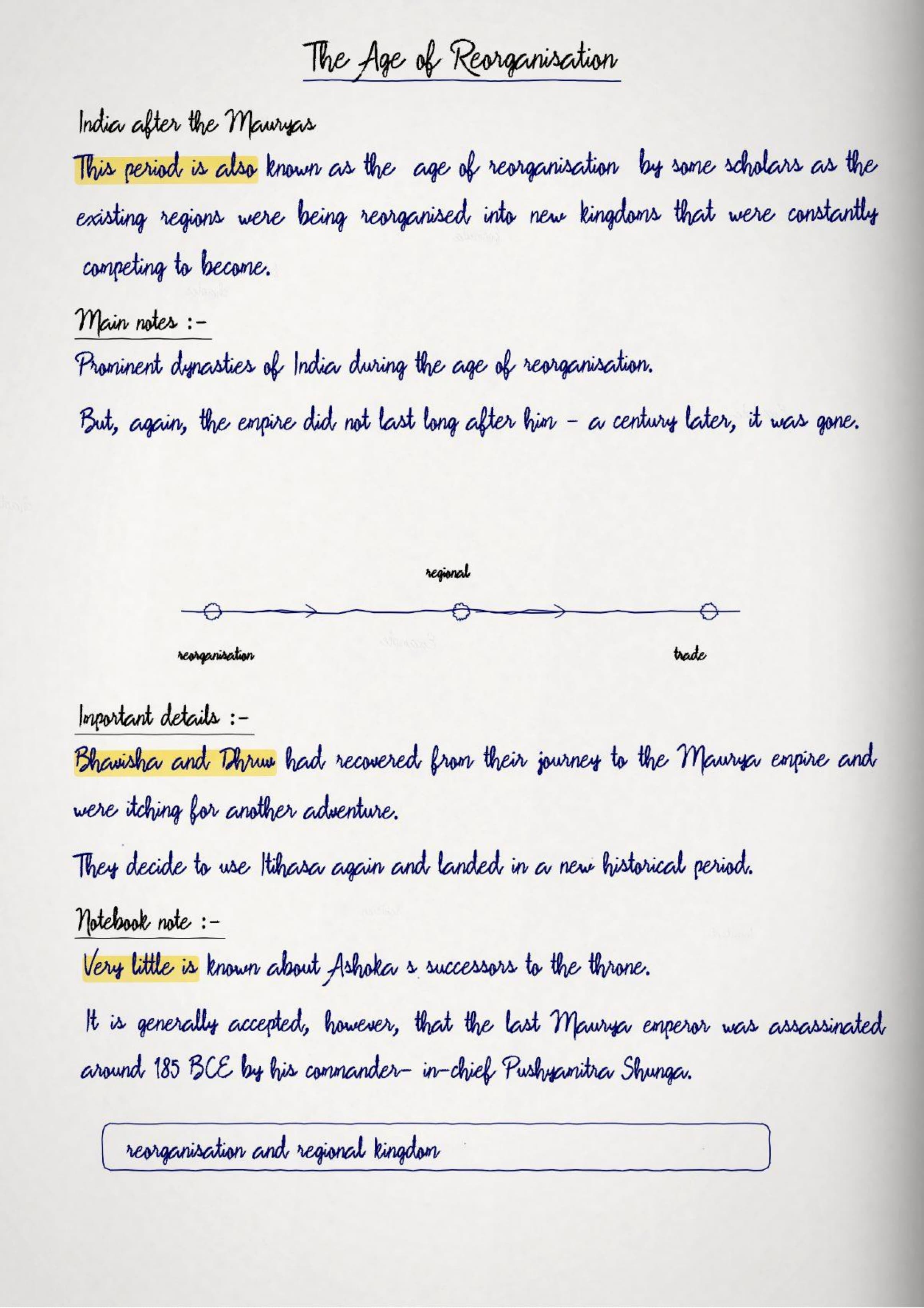
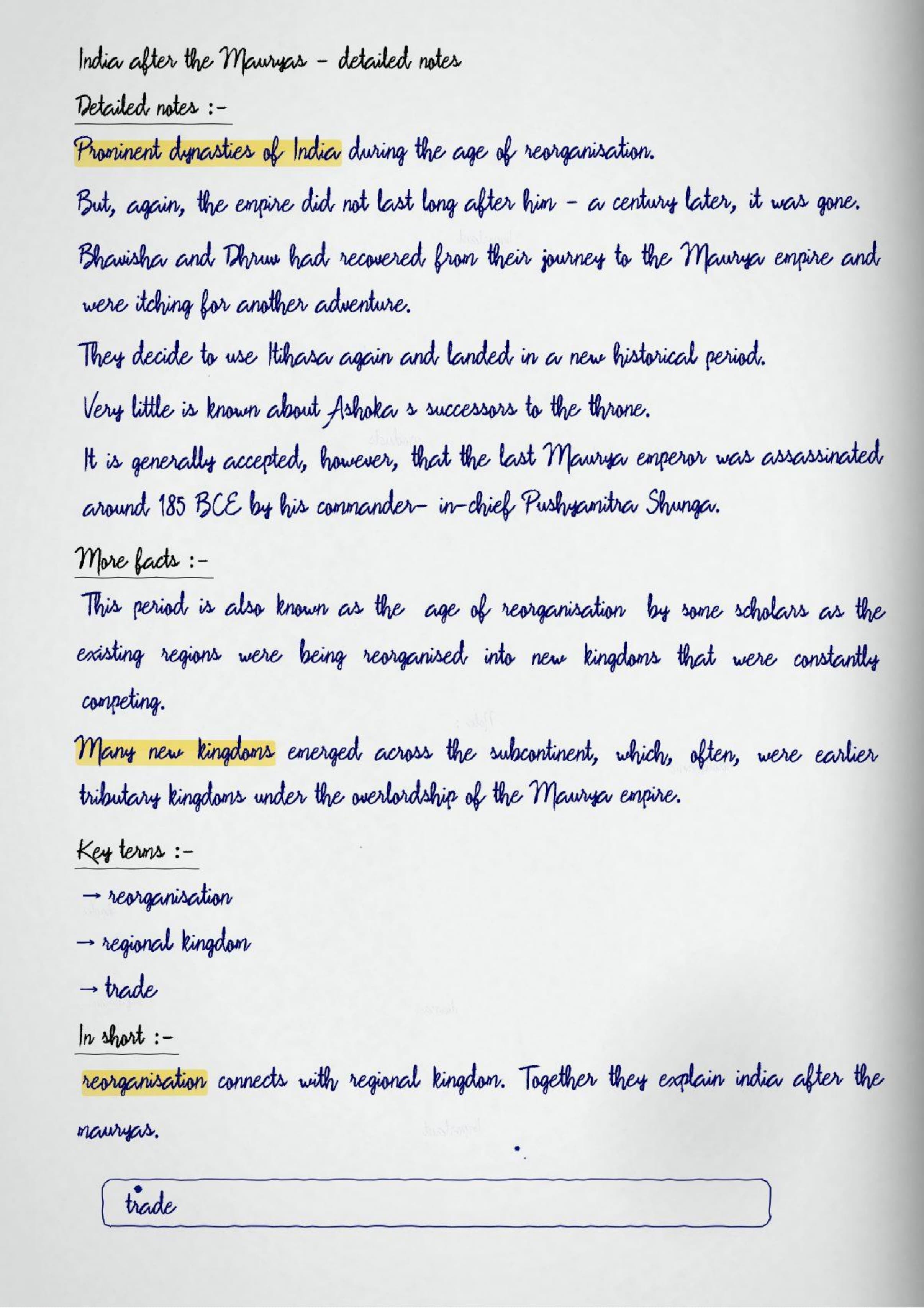
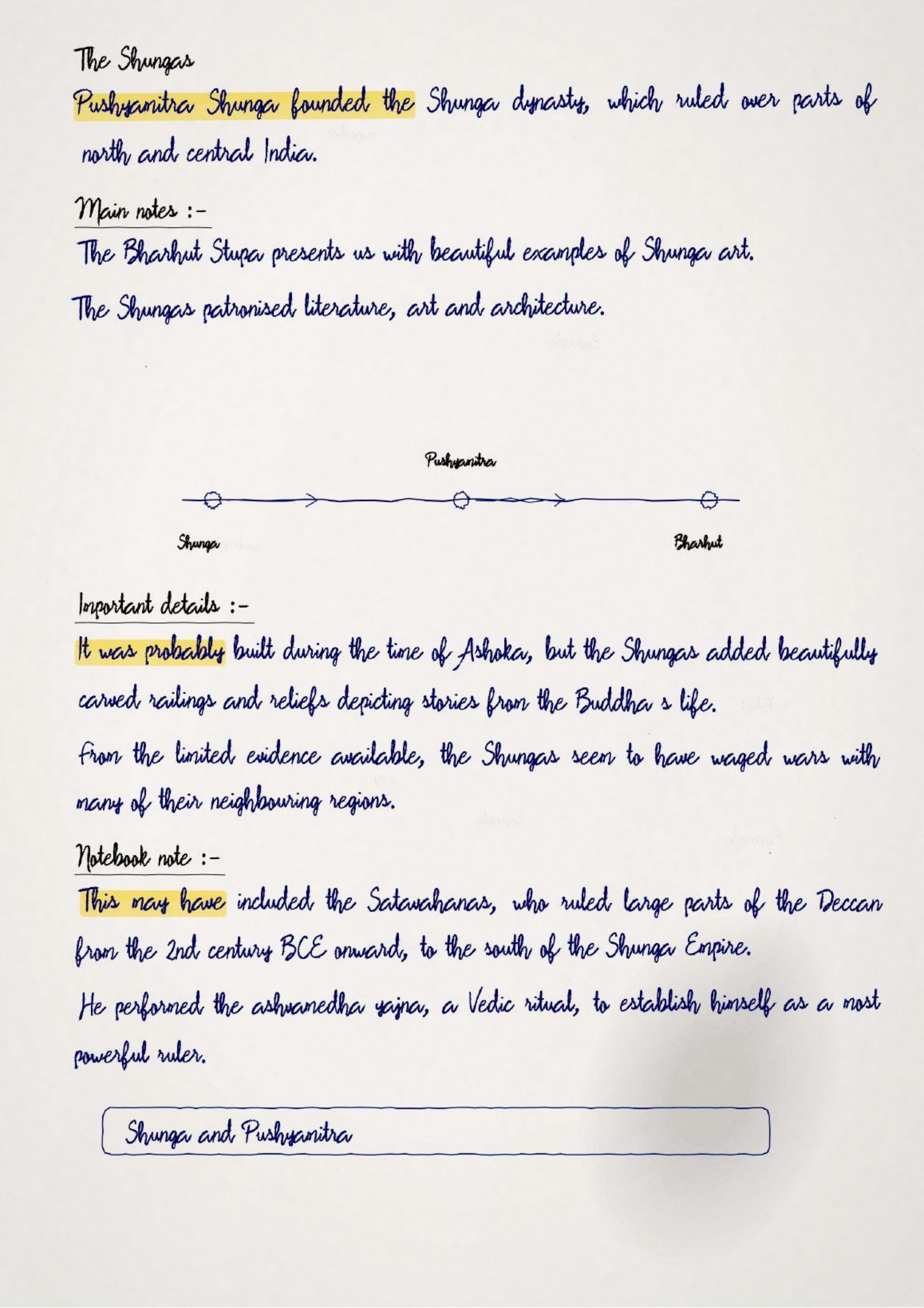
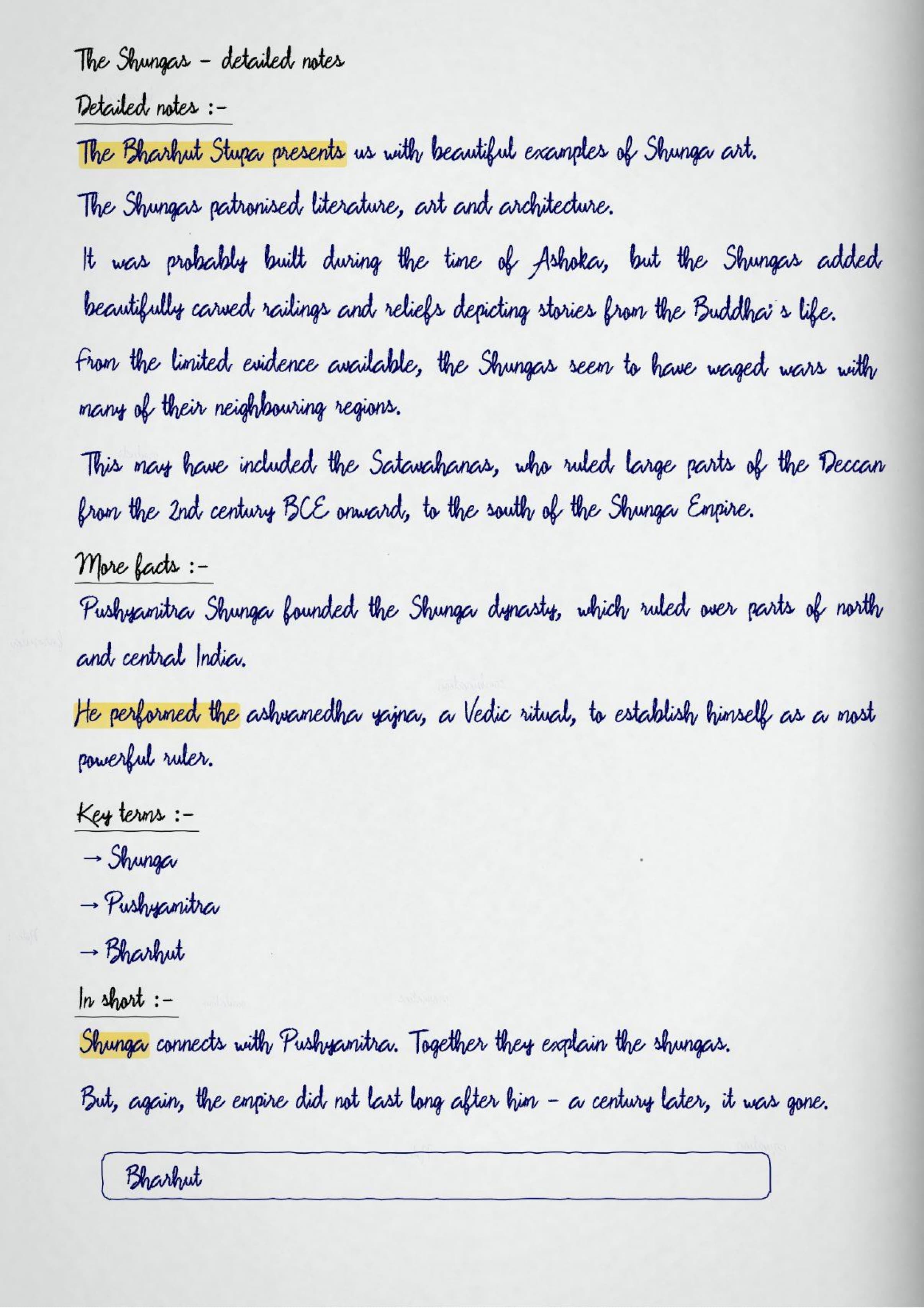
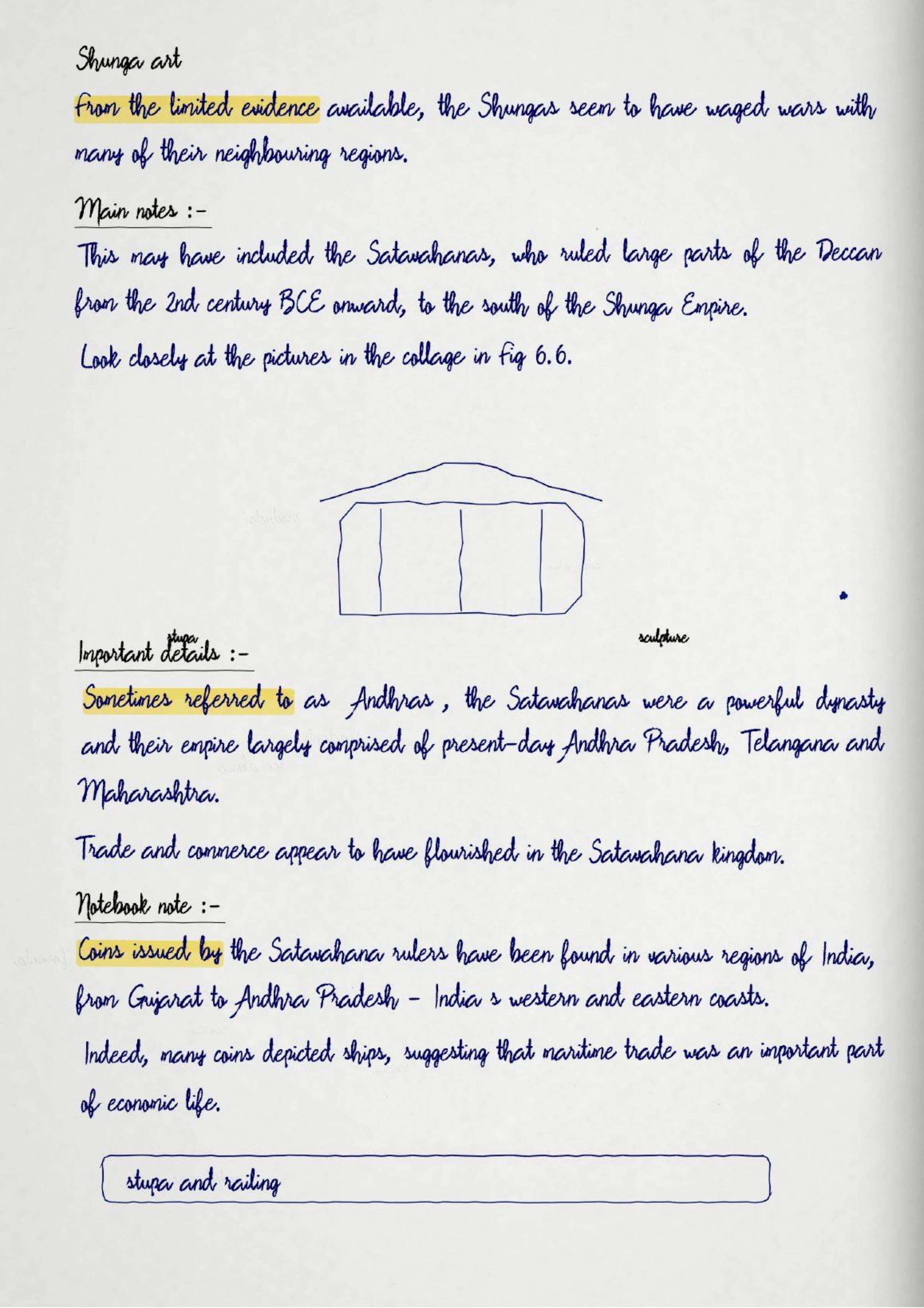
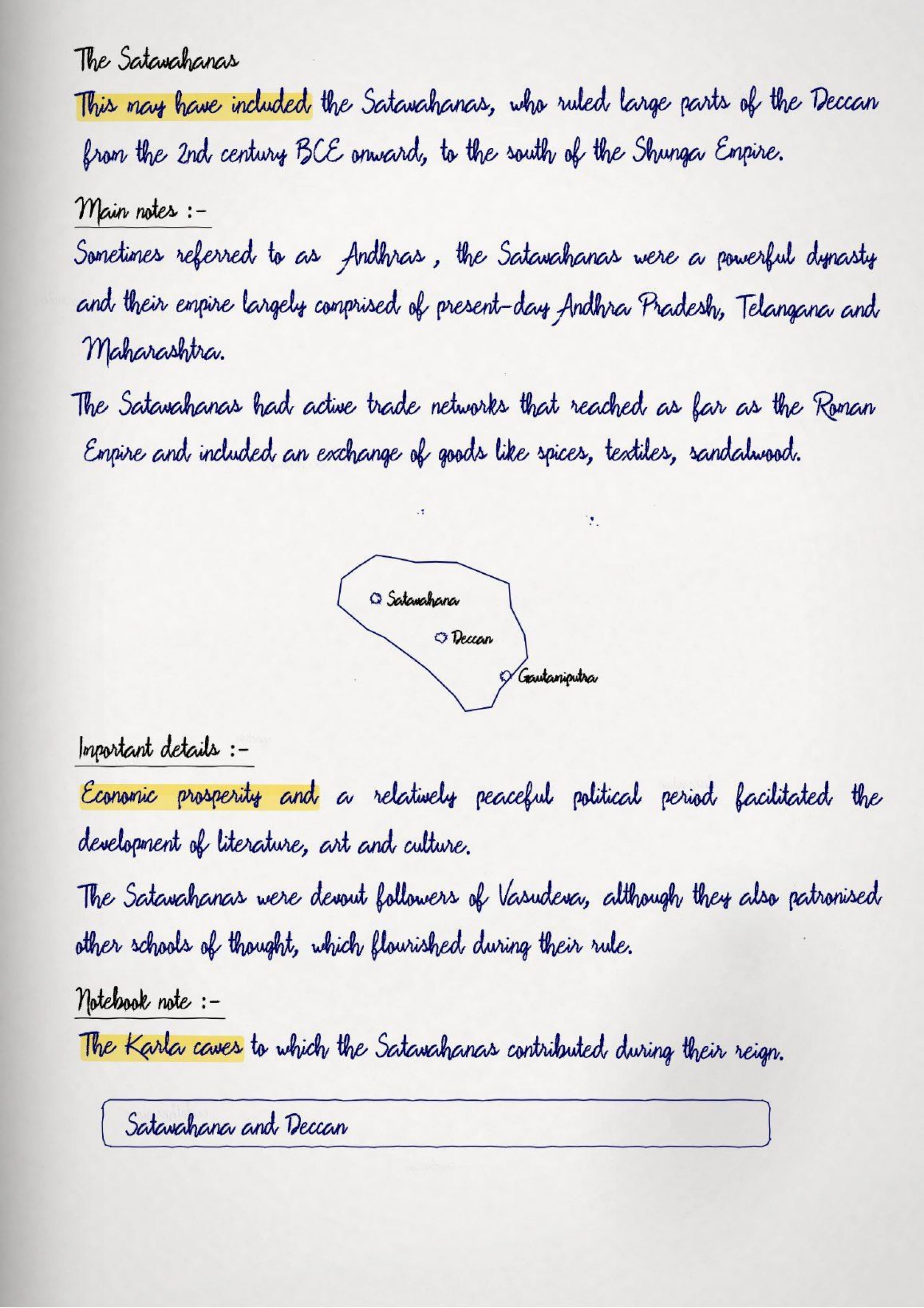
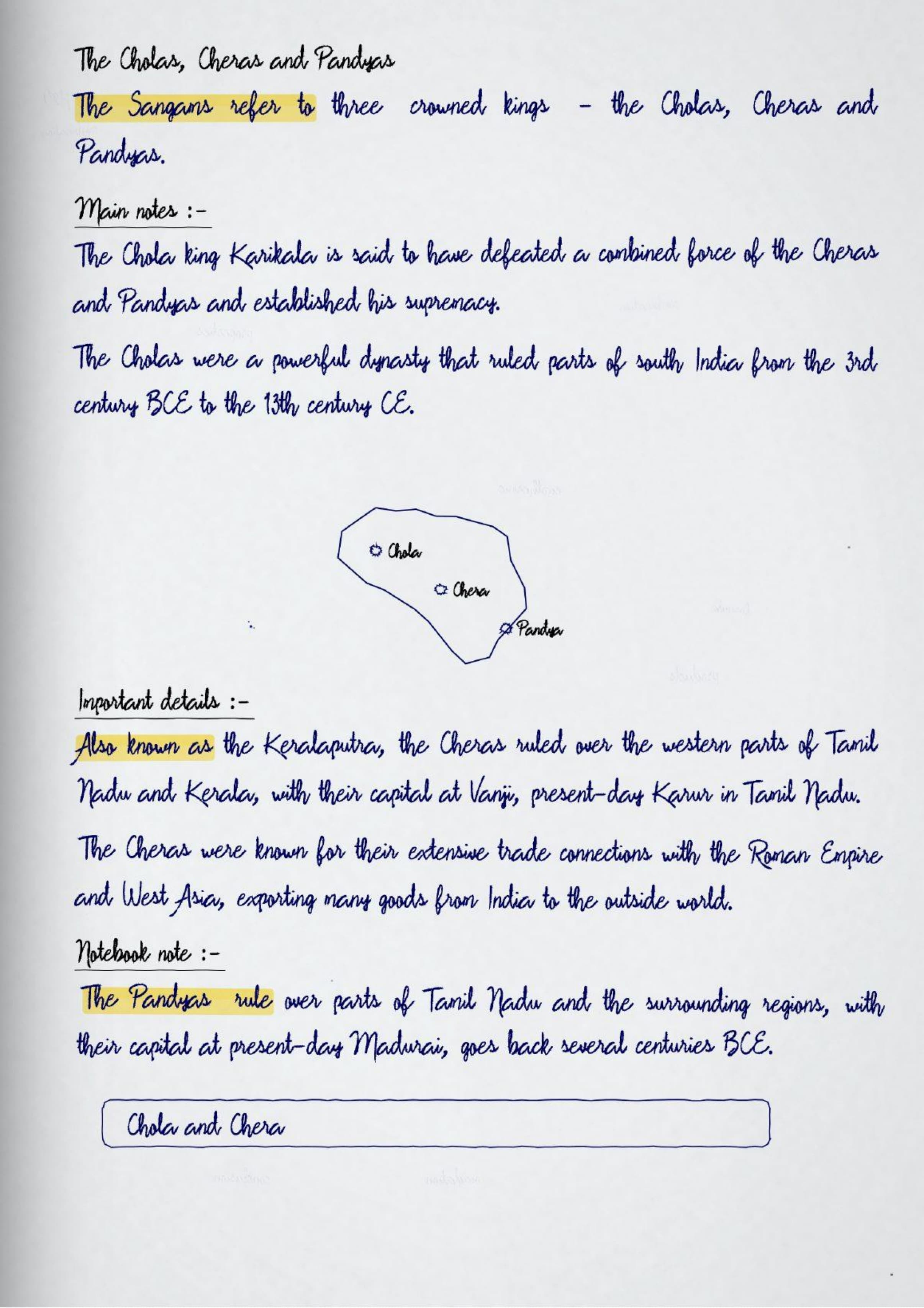
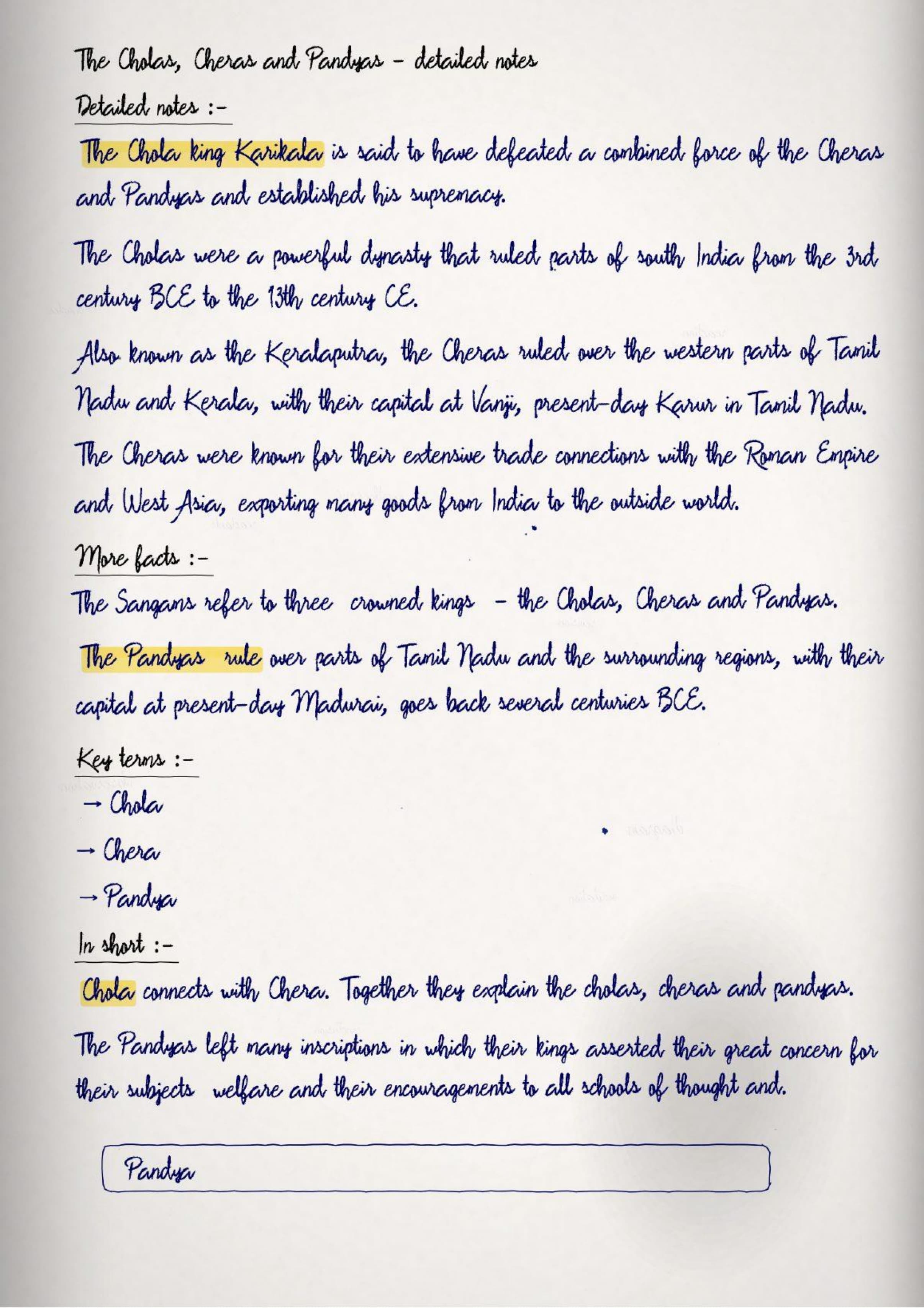
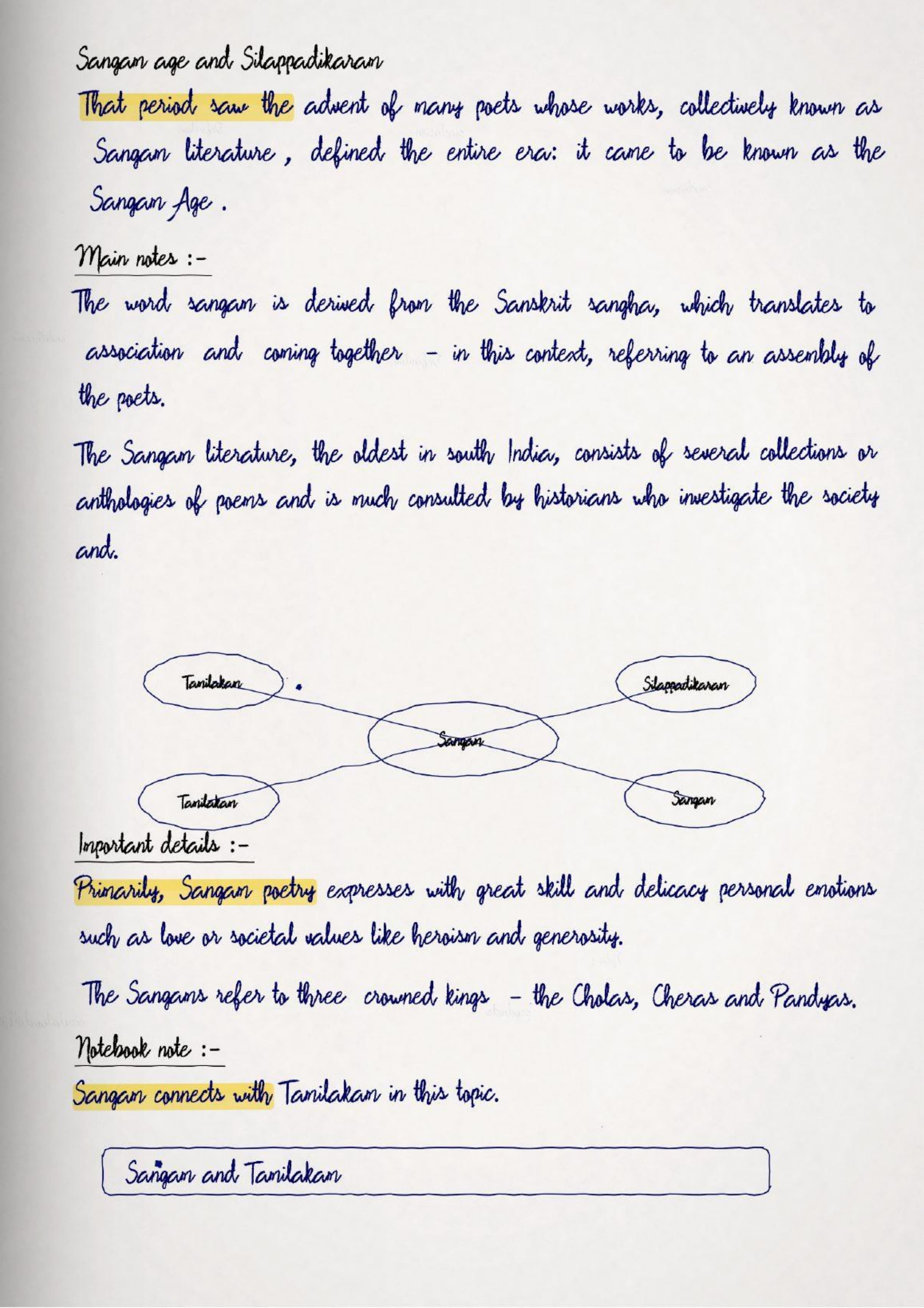
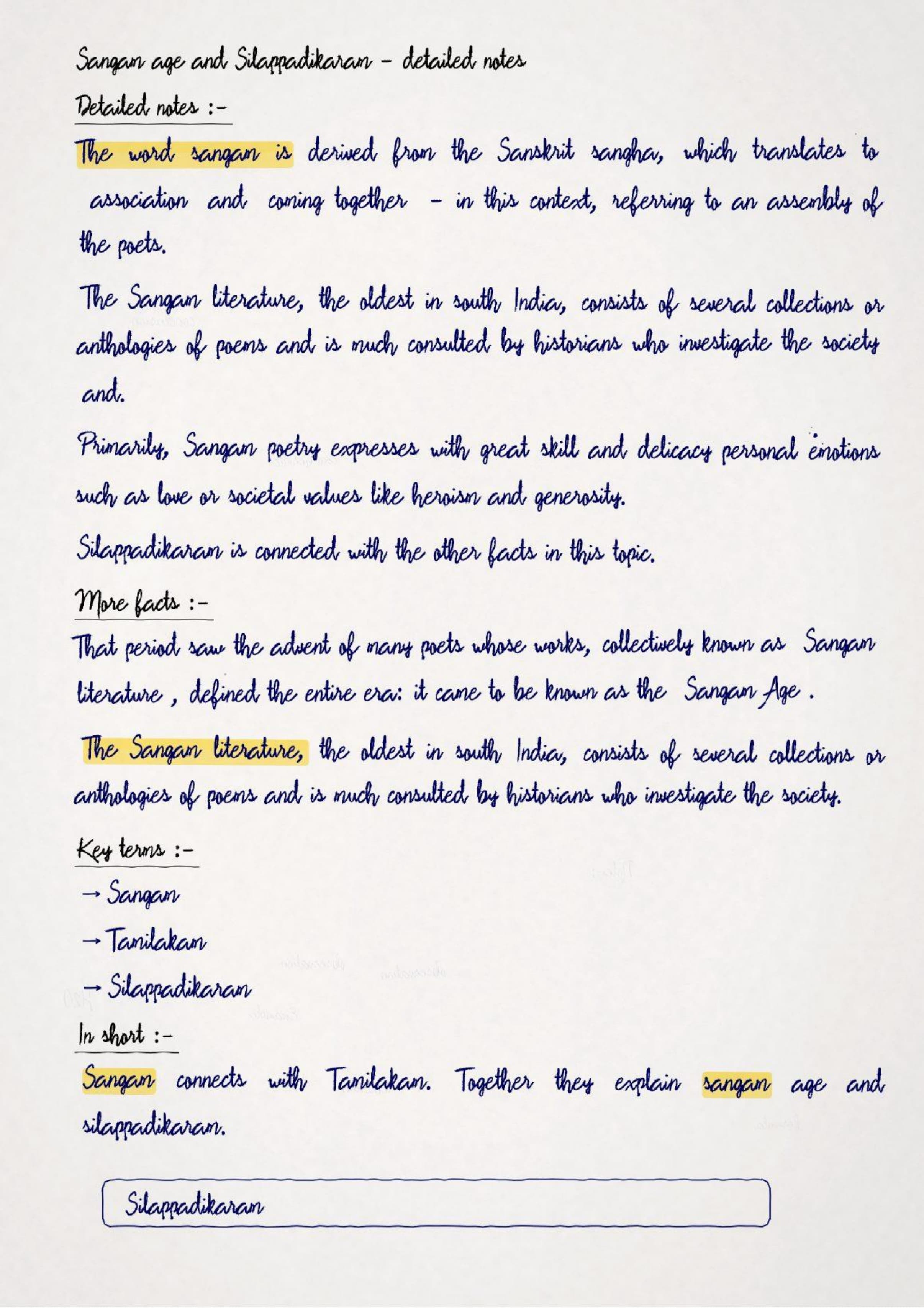
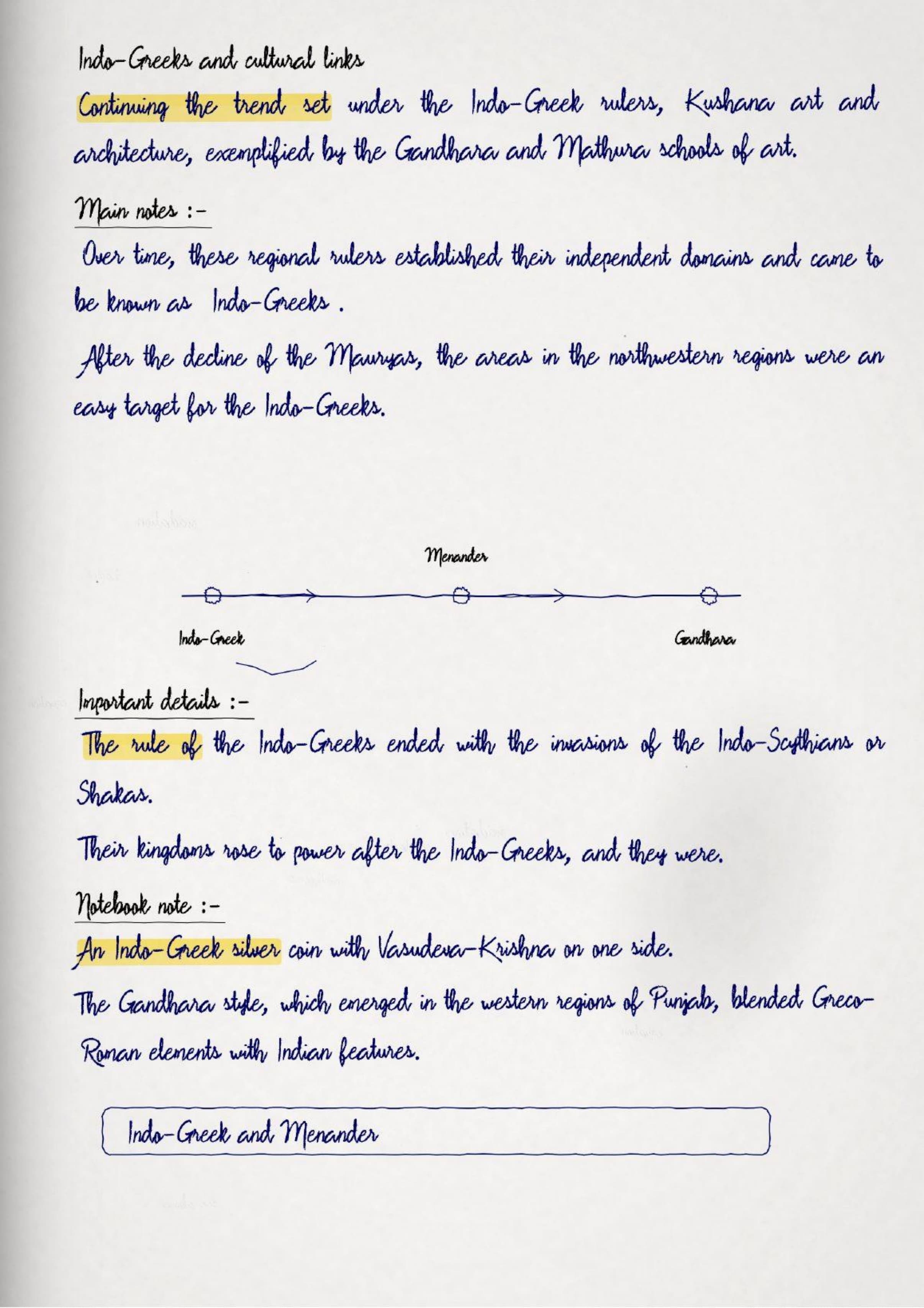
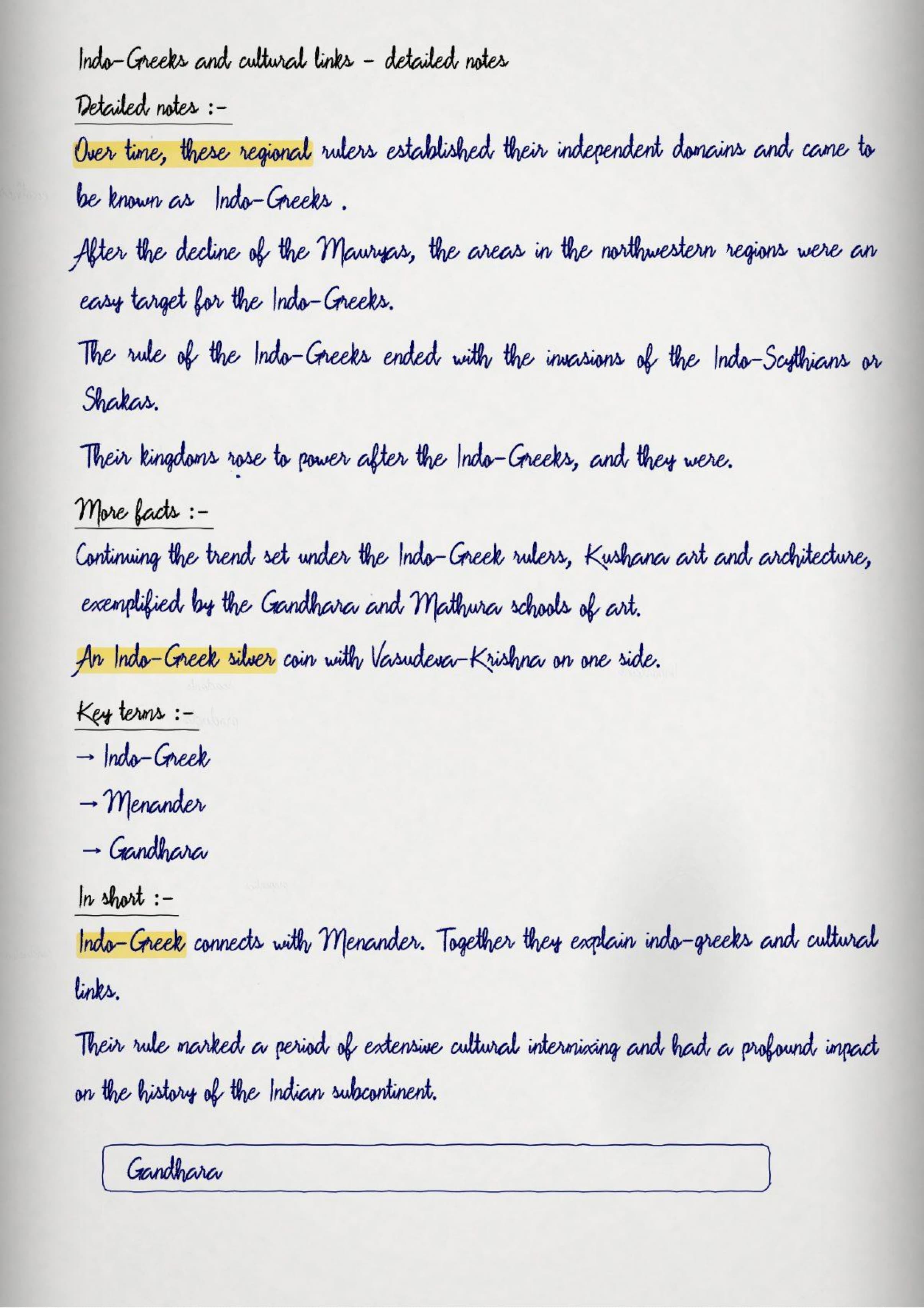
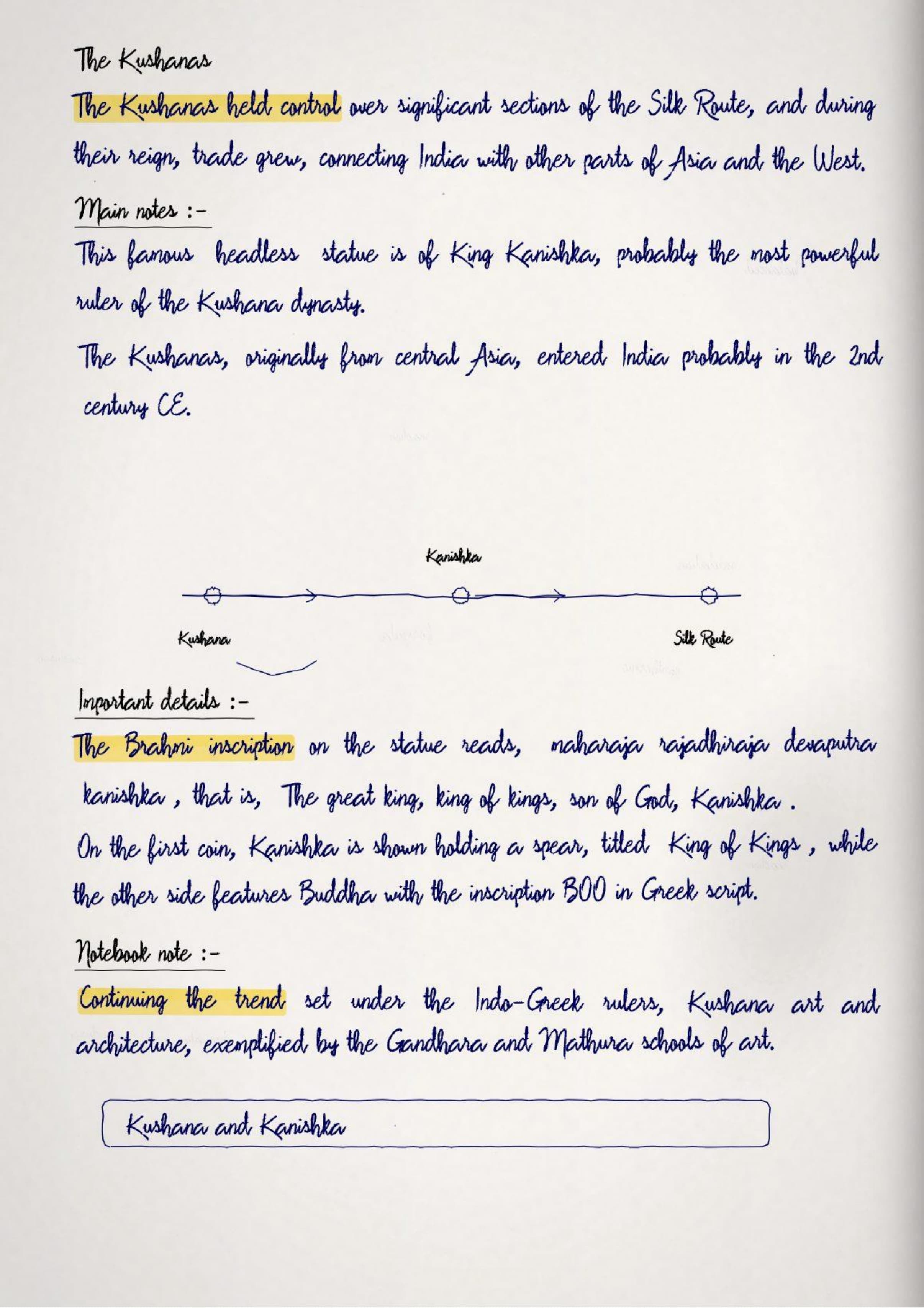
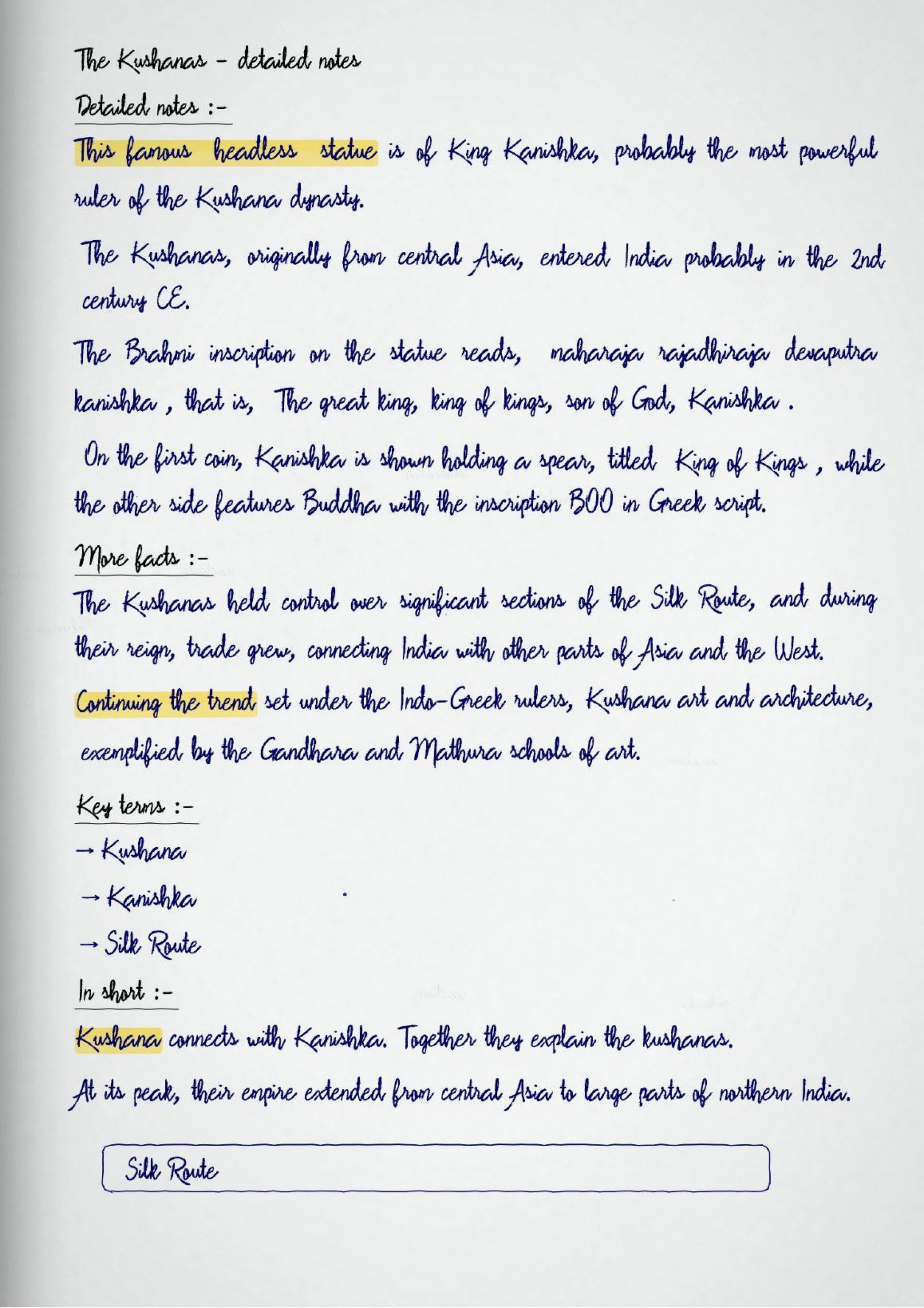
- Dynasty timeline boxed: Shungas, Indo-Greeks, Shakas, Kushanas, Satavahanas and the southern kingdoms
- What the notes cover: the break-up of the Mauryan empire, the new kingdoms, cultural exchange and trade
- Best for: the timeline question, which needs the dynasties in order
Everything described here is in the class 7 social science handwritten notes PDF for The Age of Reorganisation, linked below.
These handwritten notes are written by Social Science teachers, mapped to the 2026-27 NCERT Exploring Society book, and checked against Class 7 school question papers.
Section-by-Section Map of the The Age of Reorganisation Notes
After the Mauryan empire broke up, many kingdoms rose across the Subcontinent. Internal conflict and foreign invasion together reorganised political power.
- The break-up of the Mauryan empire
- The Shungas under Pushyamitra
- The Indo-Greeks in the northwest
- The Shakas and the Kushanas
- Kanishka and the Kushana empire
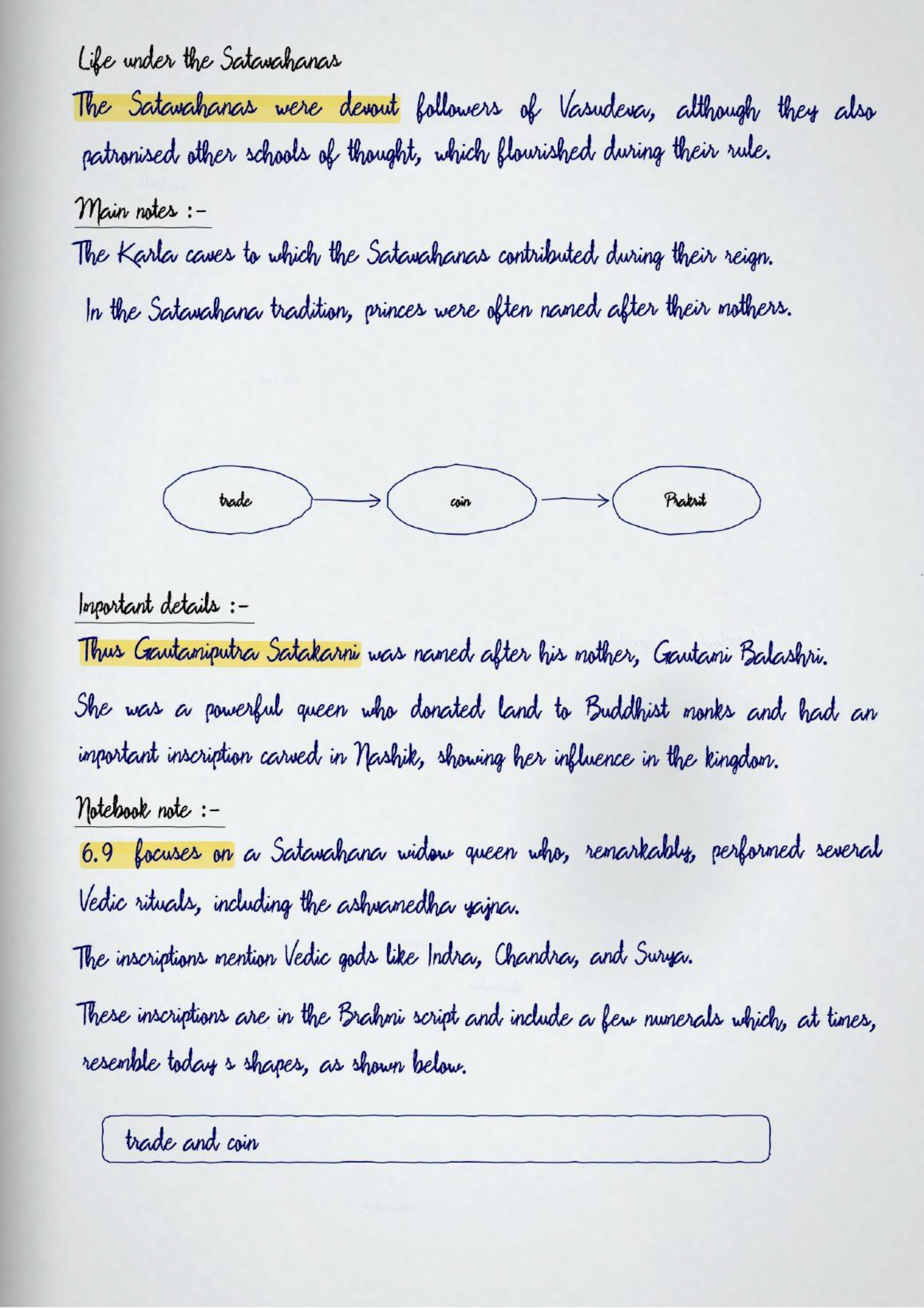
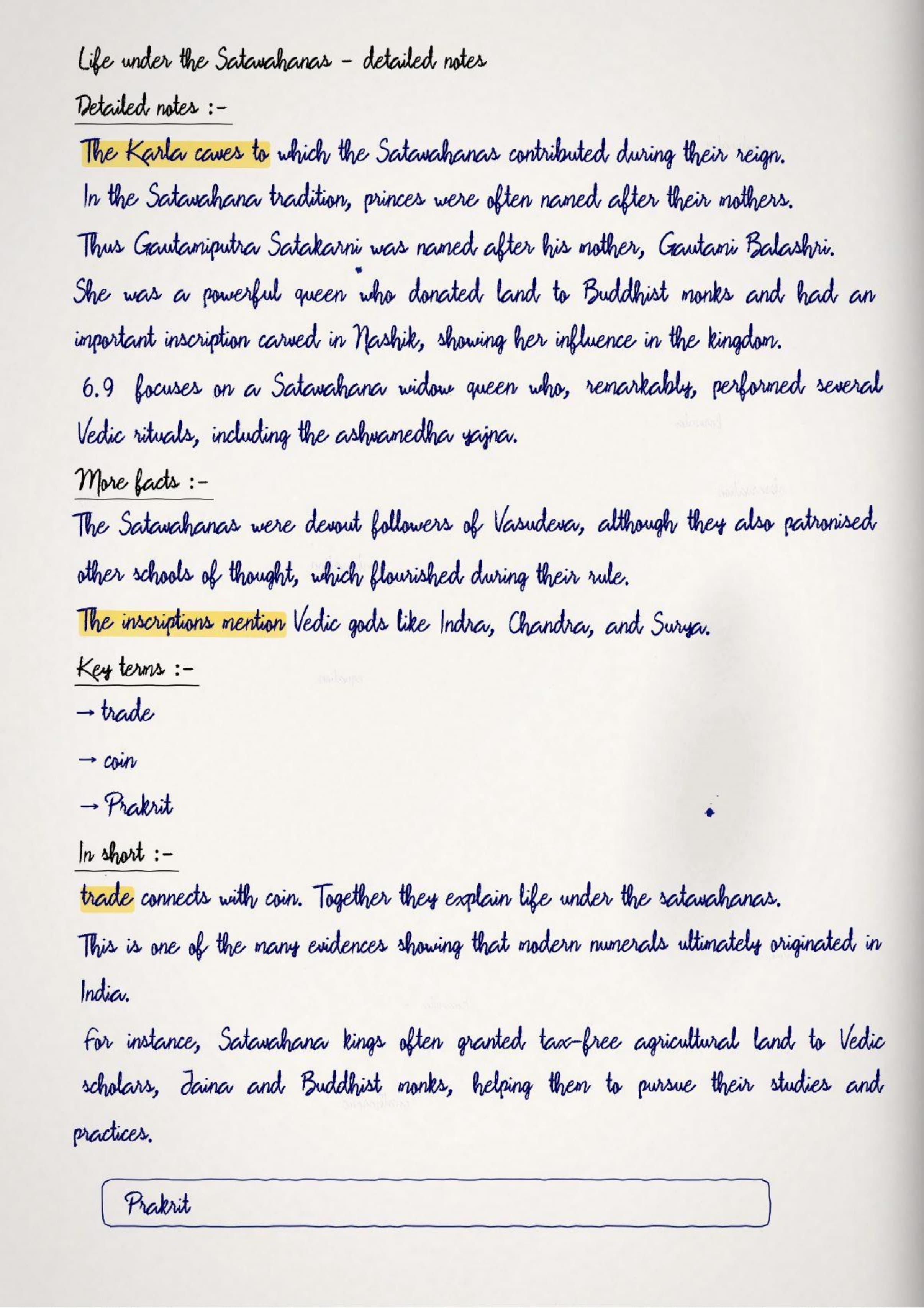
- The Satavahanas and Gautamiputra Satakarni
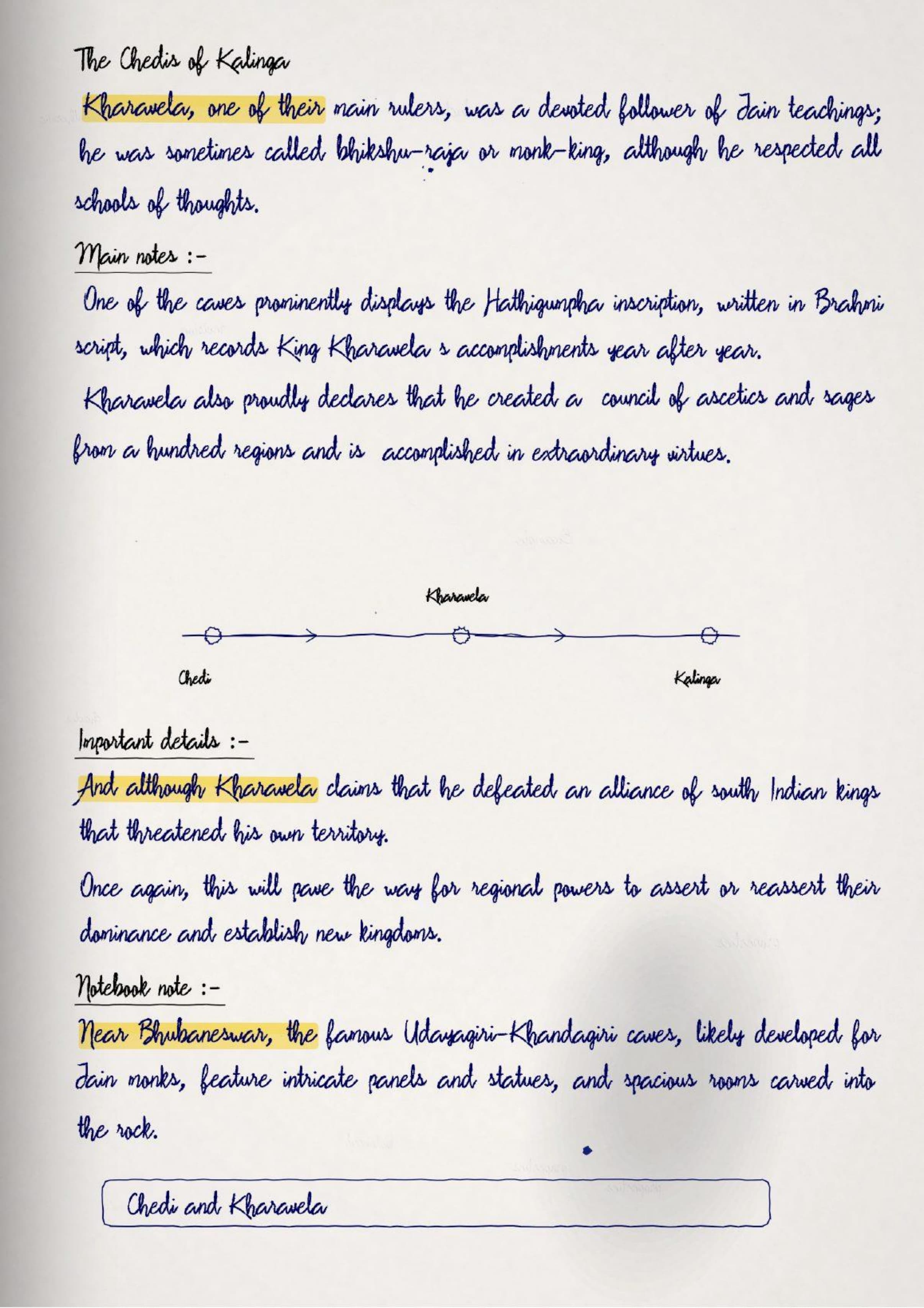
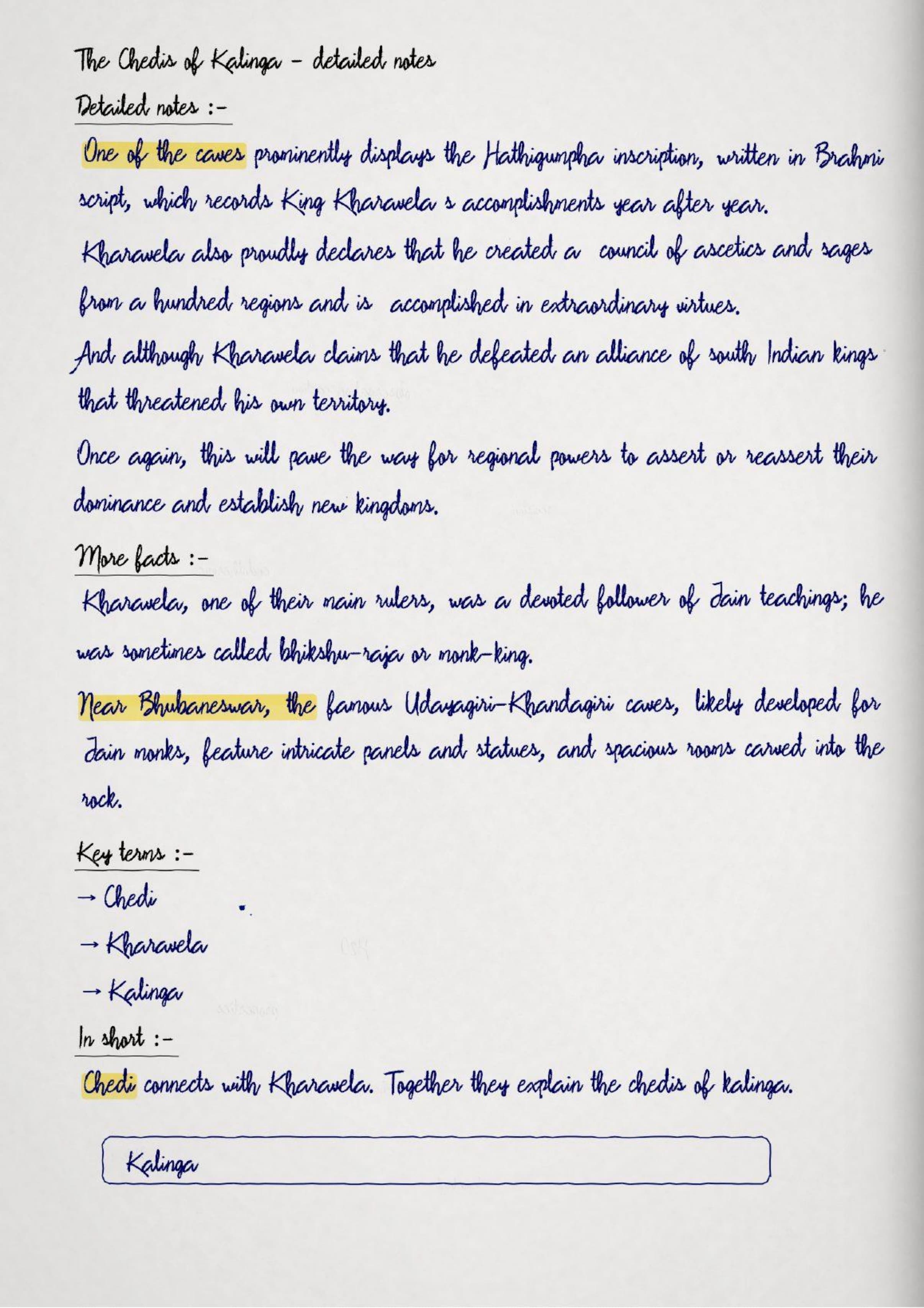
- Kharavela of Kalinga
- The Cholas, Cheras and Pandyas of the south
- Cultural exchange, art, coinage and Sanskrit literature
- Growth of internal and external trade
How Collegedunia Wrote These The Age of Reorganisation Notes
All the dynasties sit on one horizontal timeline, so their overlap is visible at a glance. Collegedunia checks every page of these class 7 social science handwritten notes against the textbook.
- Shared timeline: all the dynasties drawn on one line from 200 BCE to 300 CE
- Ruler and region table: each ruler paired with the dynasty and the region
- Art panel: the new styles that came from cultural mixing
- Colour-coded sub-headings: sub-topics in red so each dynasty is easy to find
How CBSE Class 7 Social Science Splits Marks Across The Age of Reorganisation
The timeline and the cultural exchange are the two big scorers here.
| Sub-topic | Weightage | How often asked |
|---|---|---|
| Timeline of post-Mauryan dynasties | High | asked often |
| Cultural exchange and new art styles | High | asked often |
| The Kushanas and Kanishka | Medium | asked sometimes |
| The Satavahanas | Medium | asked sometimes |
| Southern kingdoms: Cholas, Cheras, Pandyas | Medium | asked sometimes |
| Growth of trade | Low | asked rarely |
The The Age of Reorganisation Vocabulary CBSE Class 7 Social Science Expects
Dynasty names are the vocabulary of this chapter, so pair each with its region.
| Term / Idea | What it means |
|---|---|
| Dynasty | a line of rulers from the same family |
| Reorganisation | the rearranging of power after an existing order breaks down |
| Invasion | an armed entry into a territory by an outside force |
| Coinage | the coins issued by a ruler or state |
| Patronage | the support a ruler gives to art, learning or religion |
| Sanskrit literature | the body of writing composed in the Sanskrit language |
| Subcontinent | the large landmass of India and its neighbours |
The Age of Reorganisation Practice Questions with Answers
Five questions on this period. Tap each to check.
Who founded the Shunga dynasty?
(a) Kanishka (b) Pushyamitra (c) Kharavela (d) Ashoka
Answer: (b) Pushyamitra
Kanishka belonged to which dynasty?
(a) Satavahana (b) Shunga (c) Kushana (d) Chola
Answer: (c) Kushana
Gautamiputra Satakarni was a ruler of the
(a) Kushanas (b) Satavahanas (c) Indo-Greeks (d) Pandyas
Answer: (b) Satavahanas
Which three kingdoms ruled in the far south in this period?
(a) Shungas, Shakas, Kushanas (b) Chola, Chera, Pandya (c) Guptas, Vakatakas, Pallavas (d) Chedis only
Answer: (b) Chola, Chera, Pandya
This period saw a dominance of
(a) foreign themes only (b) Indian themes and flourishing Sanskrit literature (c) no art at all (d) no trade
Answer: (b) Indian themes and flourishing Sanskrit literature
Why The Age of Reorganisation Matters Beyond Class 7
Examiners like this chapter because it tests whether students can hold several dynasties in order rather than just one.
- A timeline question is set in most tests
- Matching a ruler to a dynasty is a common one-mark question
- Cultural exchange makes a three-mark answer
- Part 2 Chapter 3 continues the story after the Guptas
One-Page Recall Card for The Age of Reorganisation
The card for the dynasty question.
- The Mauryan break-up led to many kingdoms, not to decline
- Pushyamitra founded the Shungas
- Kanishka ruled the Kushanas
- Gautamiputra Satakarni ruled the Satavahanas
- Chola, Chera and Pandya ruled the far south
- Trade, art and Sanskrit literature all grew
What the The Age of Reorganisation Notes Draw Out for You
A shared timeline is the only way to see these dynasties clearly.
| Figure drawn by hand | What it shows |
|---|---|
| Shared timeline | all dynasties from 200 BCE to 300 CE on one line |
| Region map | the dynasties placed on an outline of the Subcontinent |
| Ruler and region table | each ruler with his dynasty and territory |
| Coin panel | coins of different dynasties compared |
| Art style panel | sculpture styles showing mixed influences |
Fitting the The Age of Reorganisation Notes Into Your Revision Week
Draw one timeline and place every dynasty on it. Separate lists never stick. Treat the class 7 social science handwritten notes as a revision tool, not as a first-time textbook.
- Draw a single timeline and mark every dynasty on it
- Match five rulers to their dynasties and regions
- Write three sentences on cultural exchange in this period
- Before the test, revise the shared timeline and the ruler table
Pair the The Age of Reorganisation Notes With These
Read the notes with the solved questions and the Exploring Society chapter itself.
- Class 7 Social Science NCERT Solutions
- Class 7 Social Science Revision Notes
- Class 7 Exploring Society Book PDF
Class 7 Social Science Handwritten Notes Chapter List
The class 7 social science handwritten notes for all chapters are listed below. Exploring Society Part 1 has twelve chapters and Part 2 has eight.
The Age of Reorganisation Class 7 Social Science Handwritten Notes FAQs
Ques. Where can I download The Age of Reorganisation Class 7 Handwritten Notes PDF?
Ans. The PDF is available free on this page in both the normal and the HD version.
Ques. Why is this period called the Age of Reorganisation?
Ans. Because after the Mauryan empire disintegrated, political power was rearranged among many big and small kingdoms, shaped by internal conflict and foreign invasions.
Ques. How many pages is the Part 1 Chapter 6 handwritten notes PDF?
Ans. It runs 20 pages, with a shared timeline, the ruler and region table and a quiz.
Ques. Which dynasties ruled after the Mauryas?
Ans. The Shungas, Indo-Greeks, Shakas, Kushanas and Satavahanas in the north and Deccan, along with the Cholas, Cheras and Pandyas in the far south and Kharavela in Kalinga.
Ques. What were the cultural developments of this period?
Ans. Different cultures absorbed each other's influences, creating new styles of art, architecture and coinage, with Indian themes eventually dominant and Sanskrit literature flourishing.



Comments