




Class 7 Social Science Part 2 Chapter 1 The Story of Indian Farming opens the second book with agriculture. These class 7 social science handwritten notes chapter 1 The Story of Indian Farming follow the 2026-27 NCERT and cover cropping seasons, soil types and farming challenges.
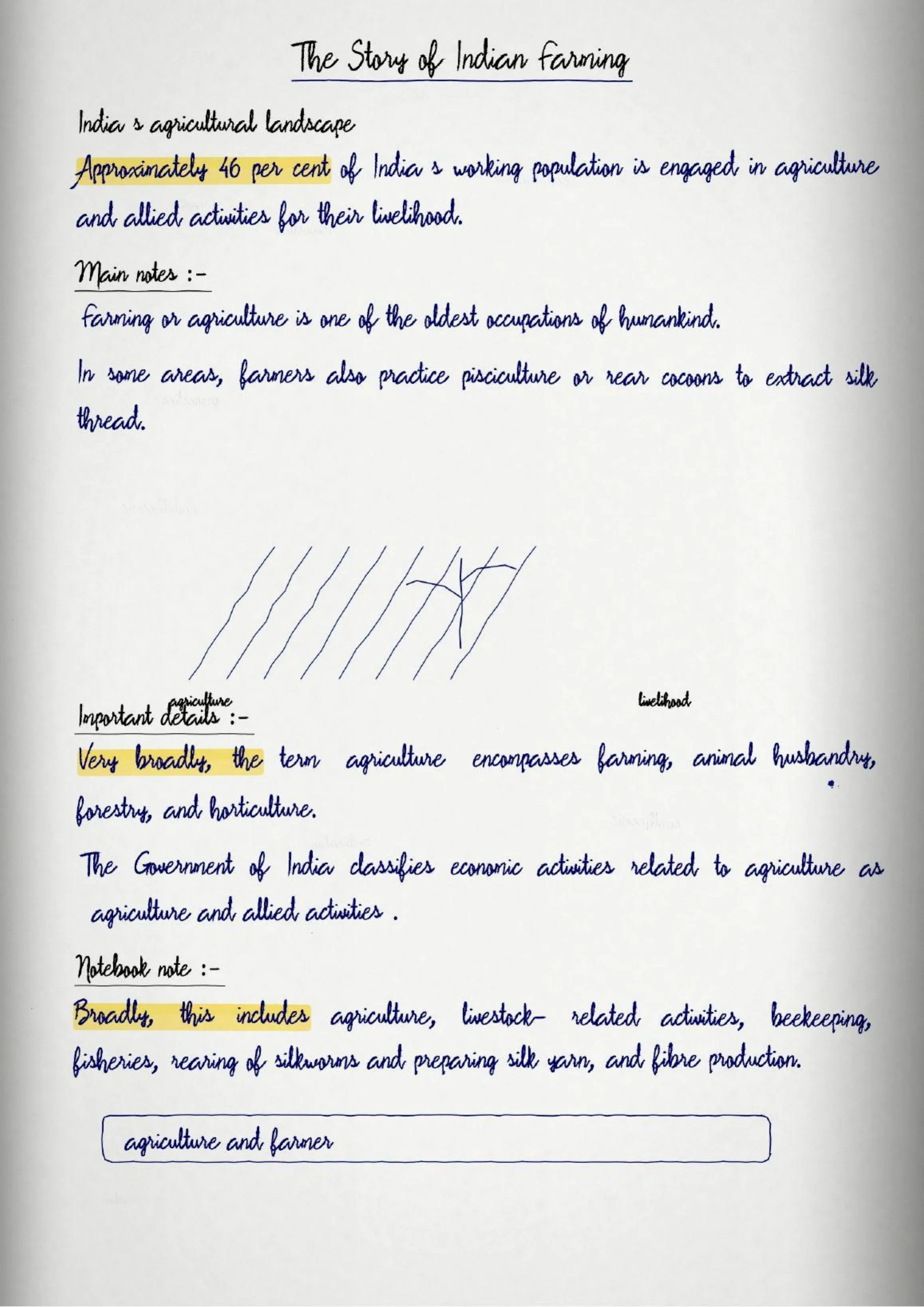
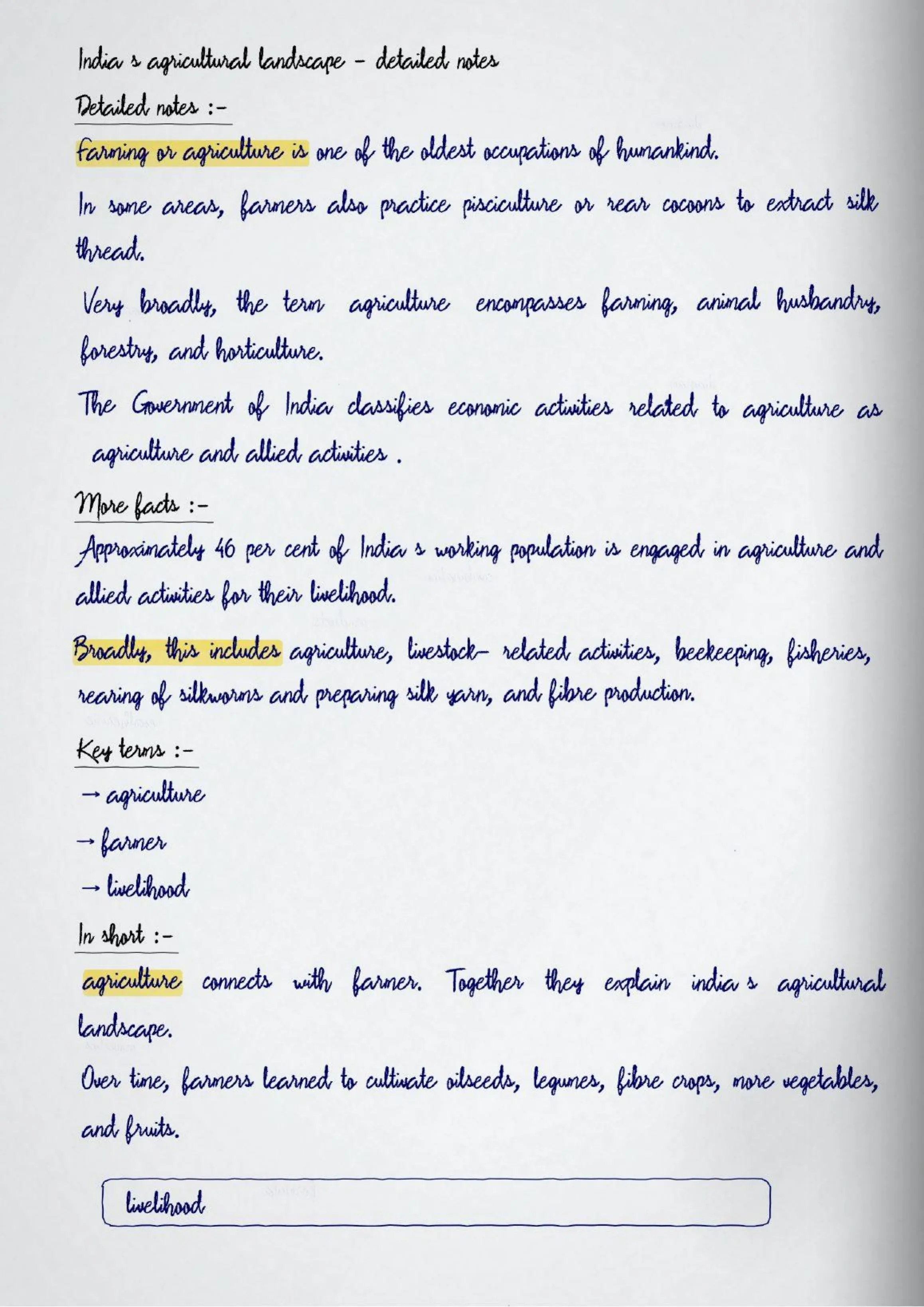
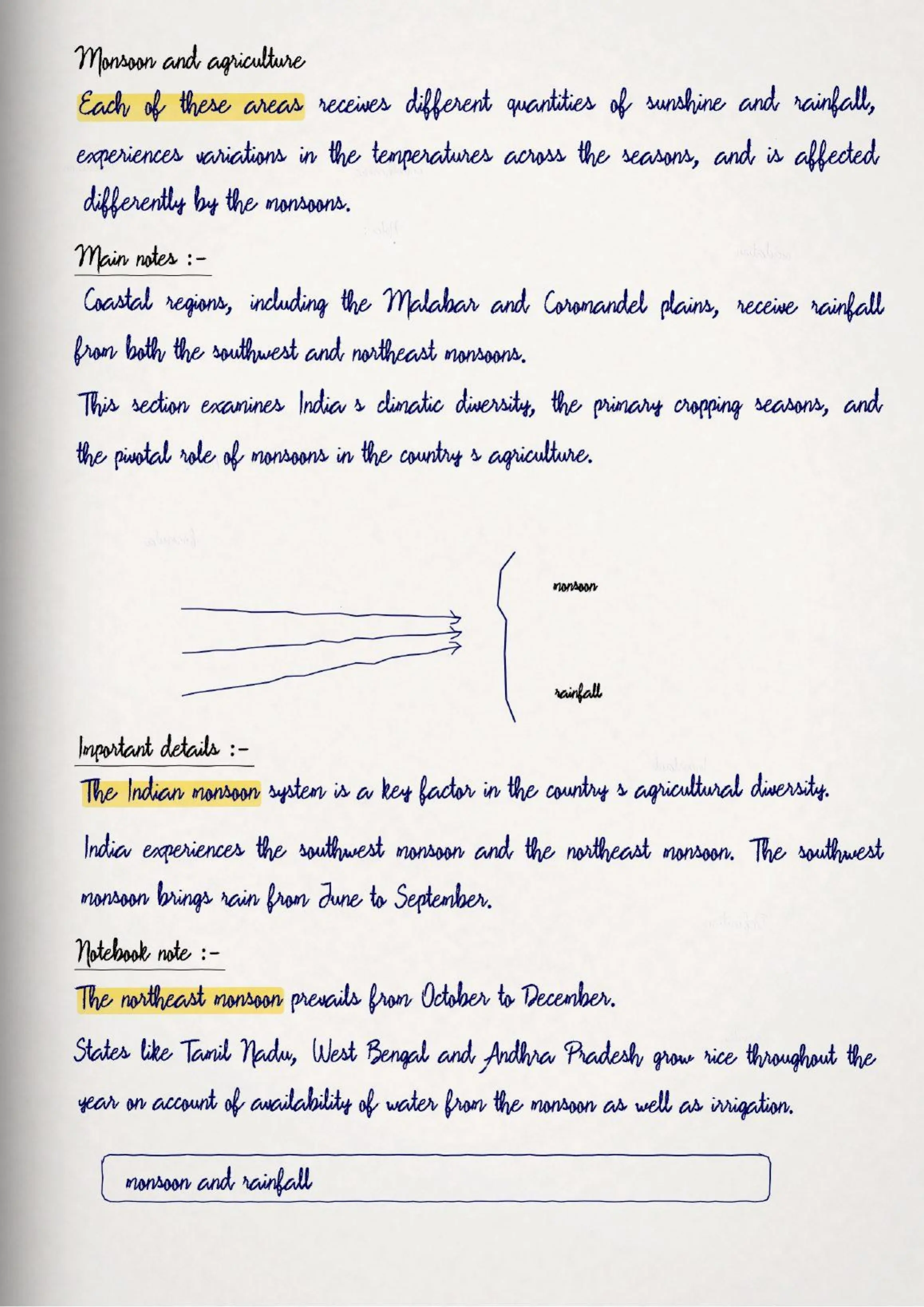
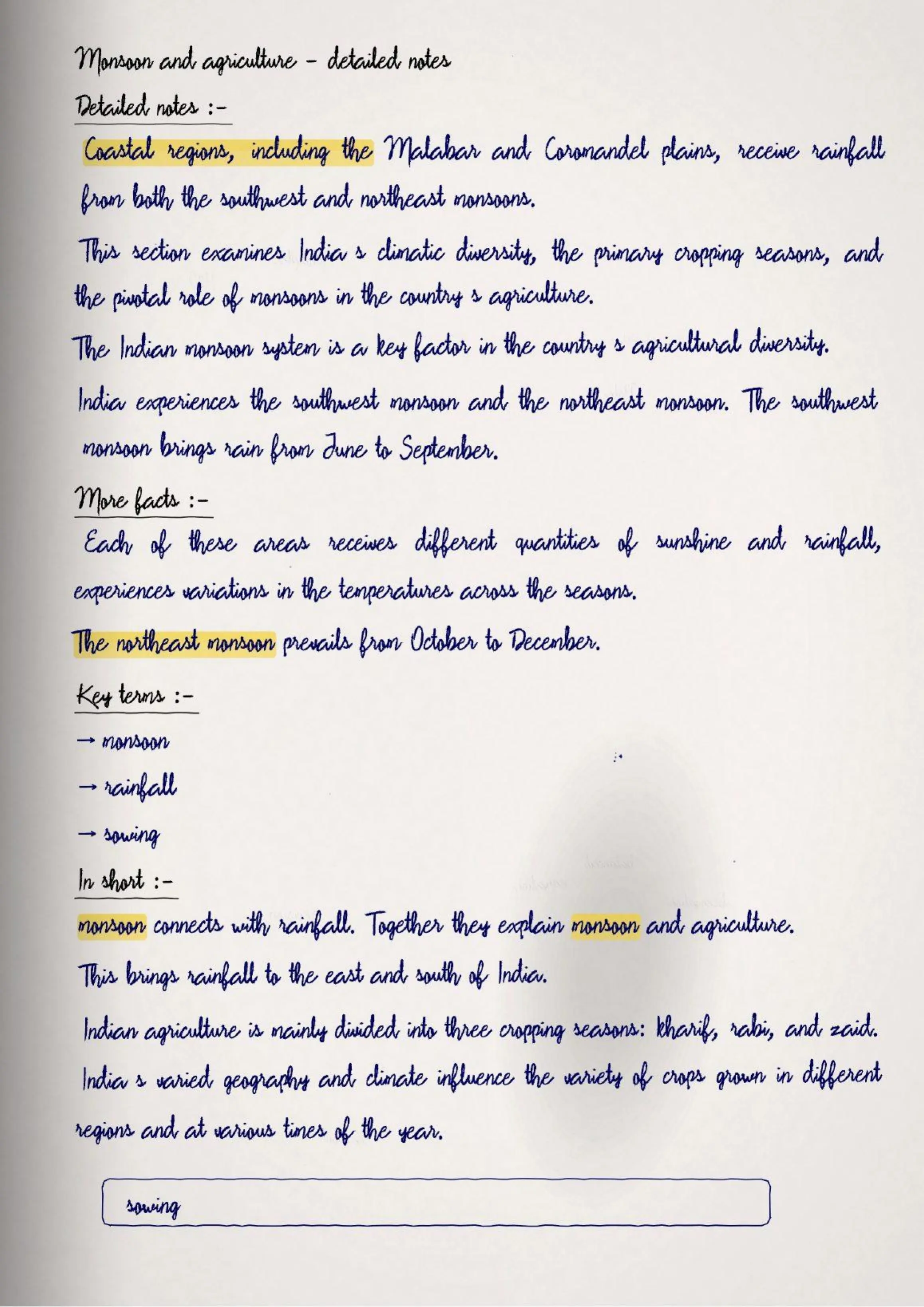
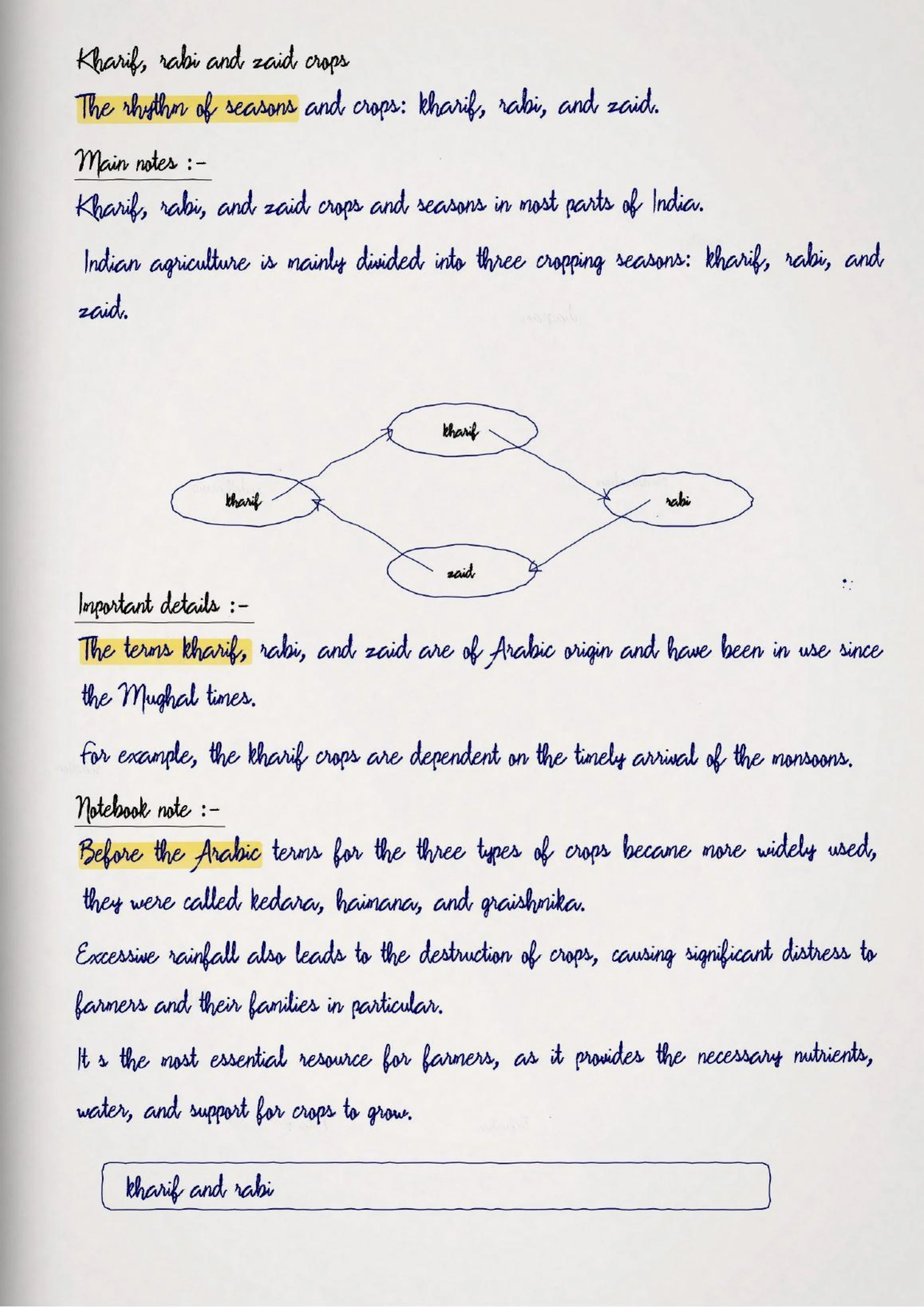
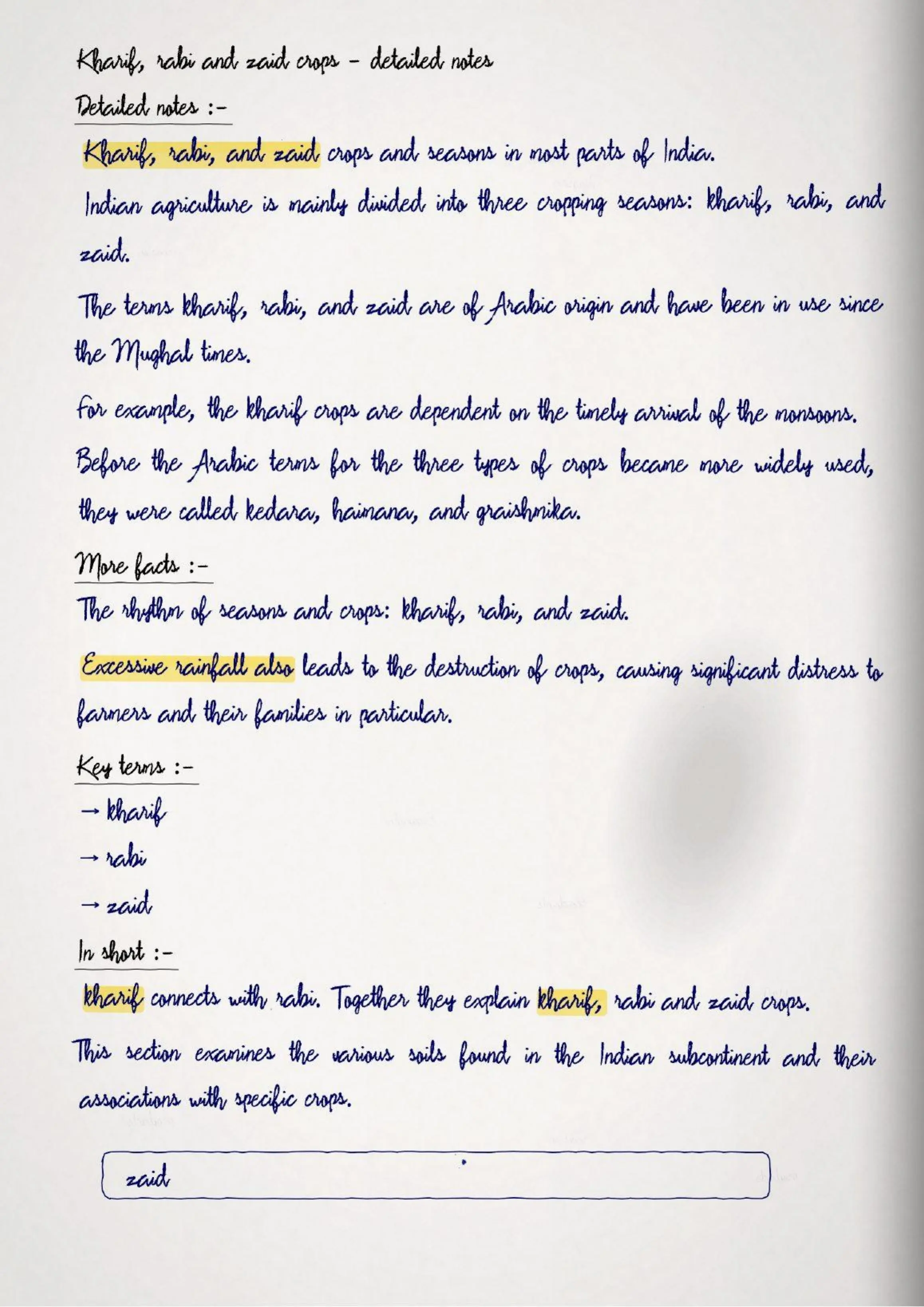
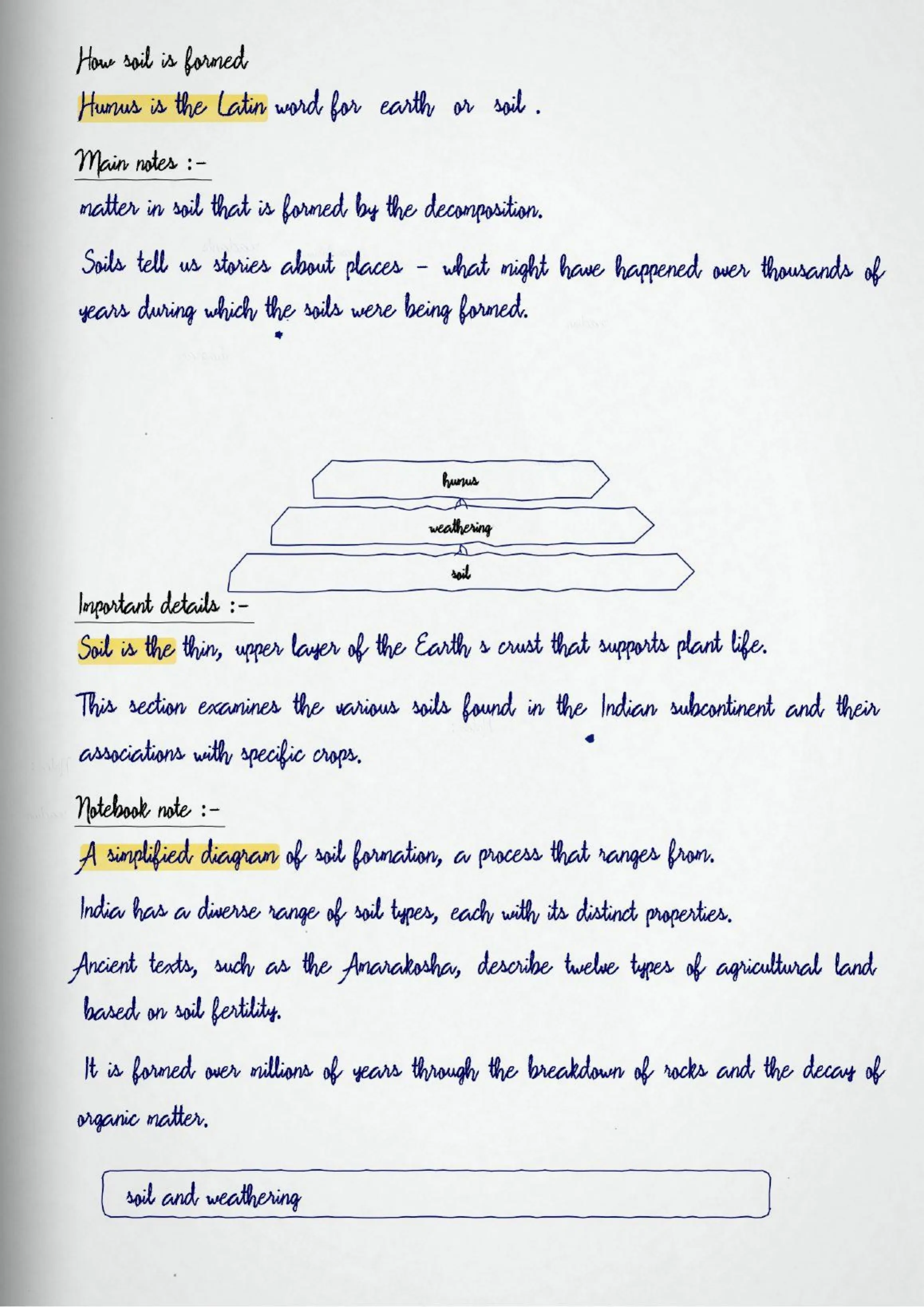
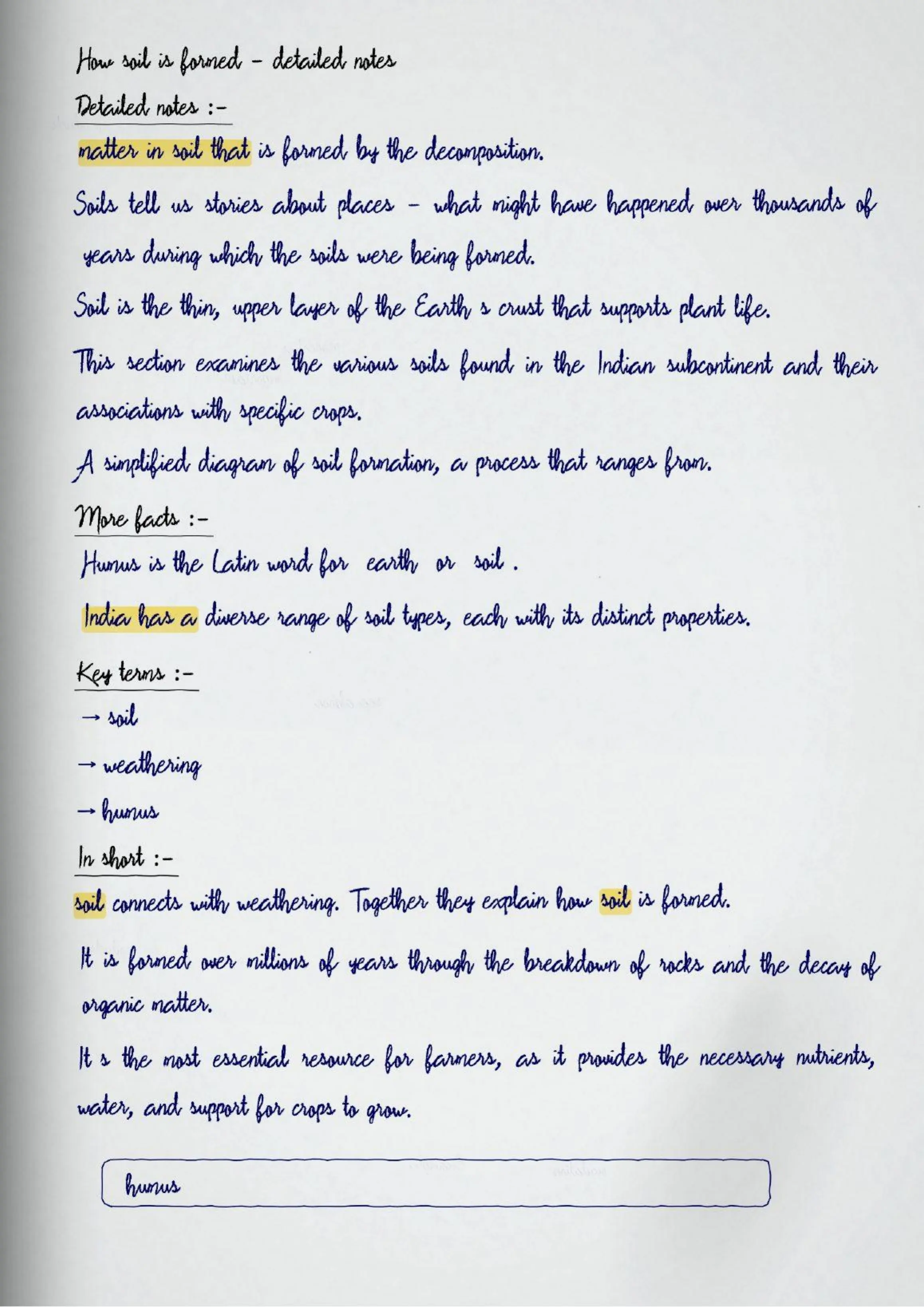
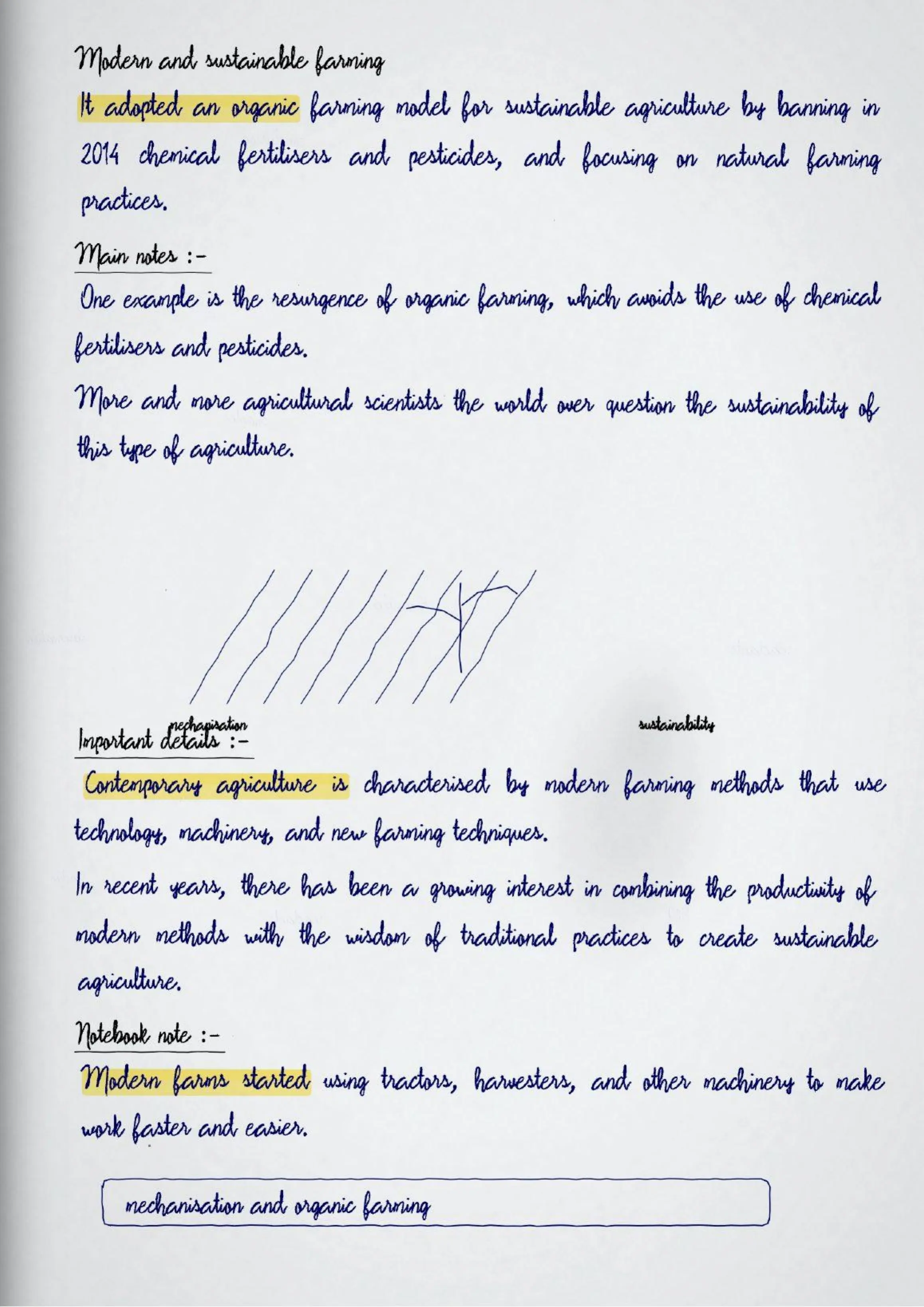
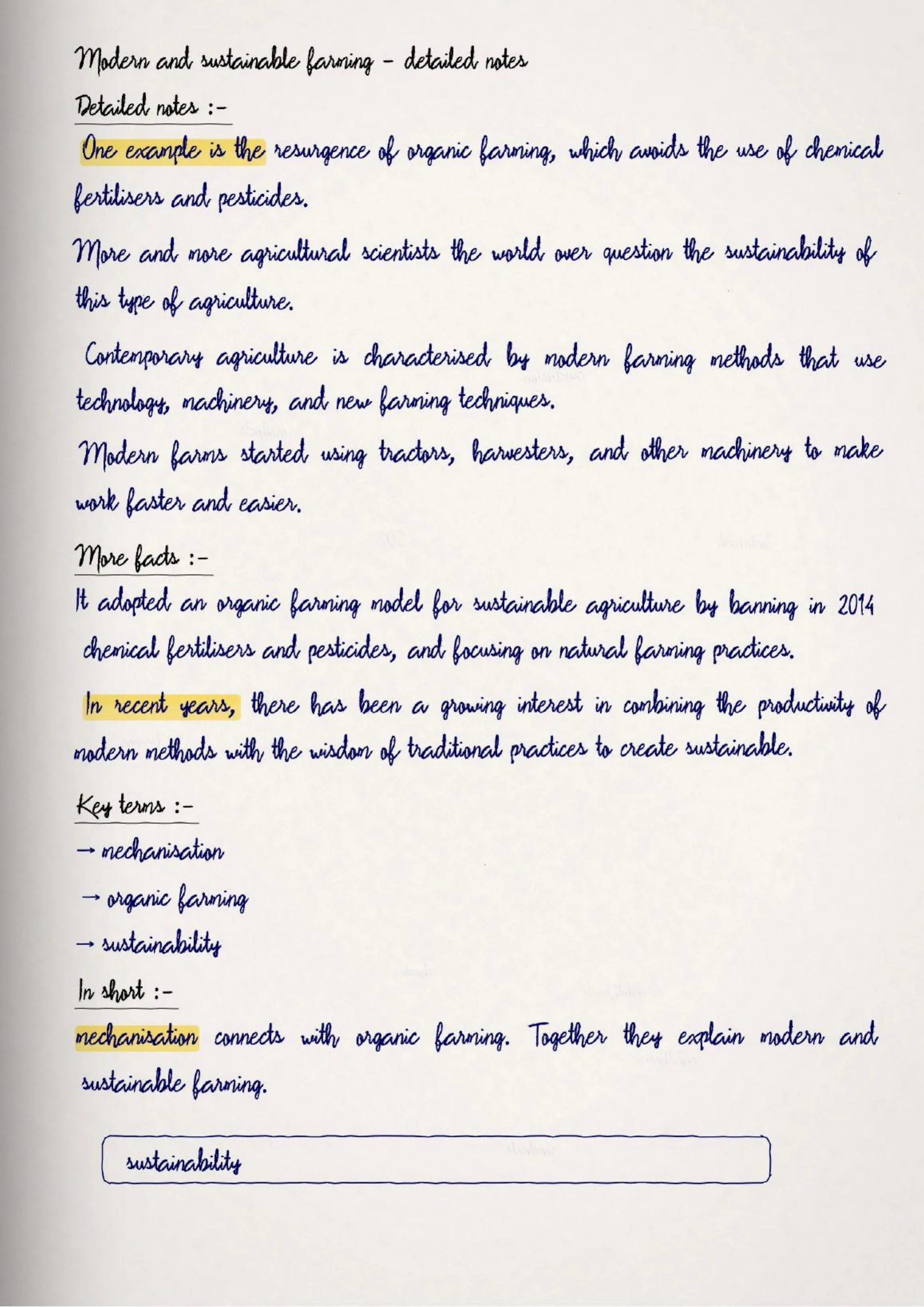
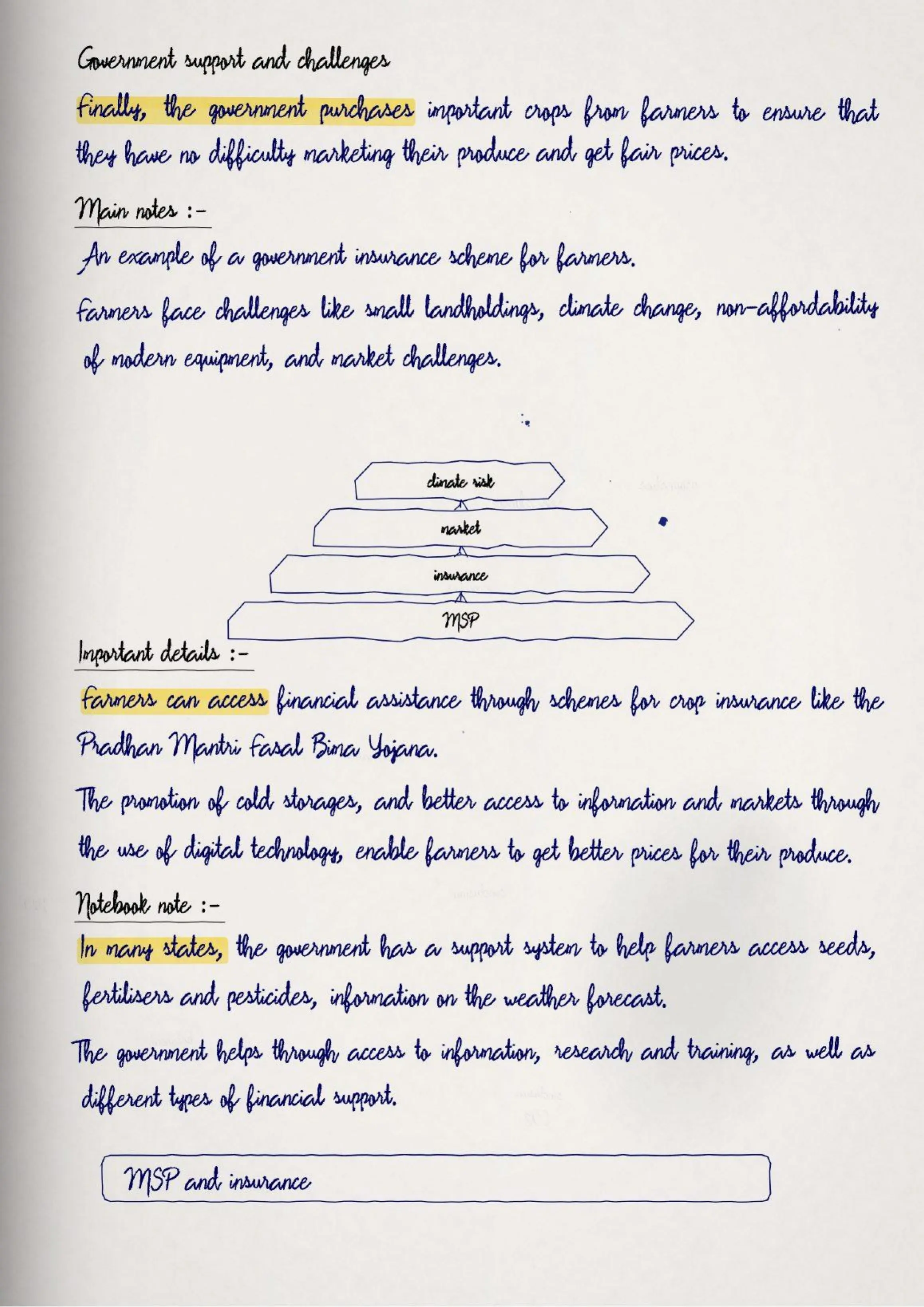
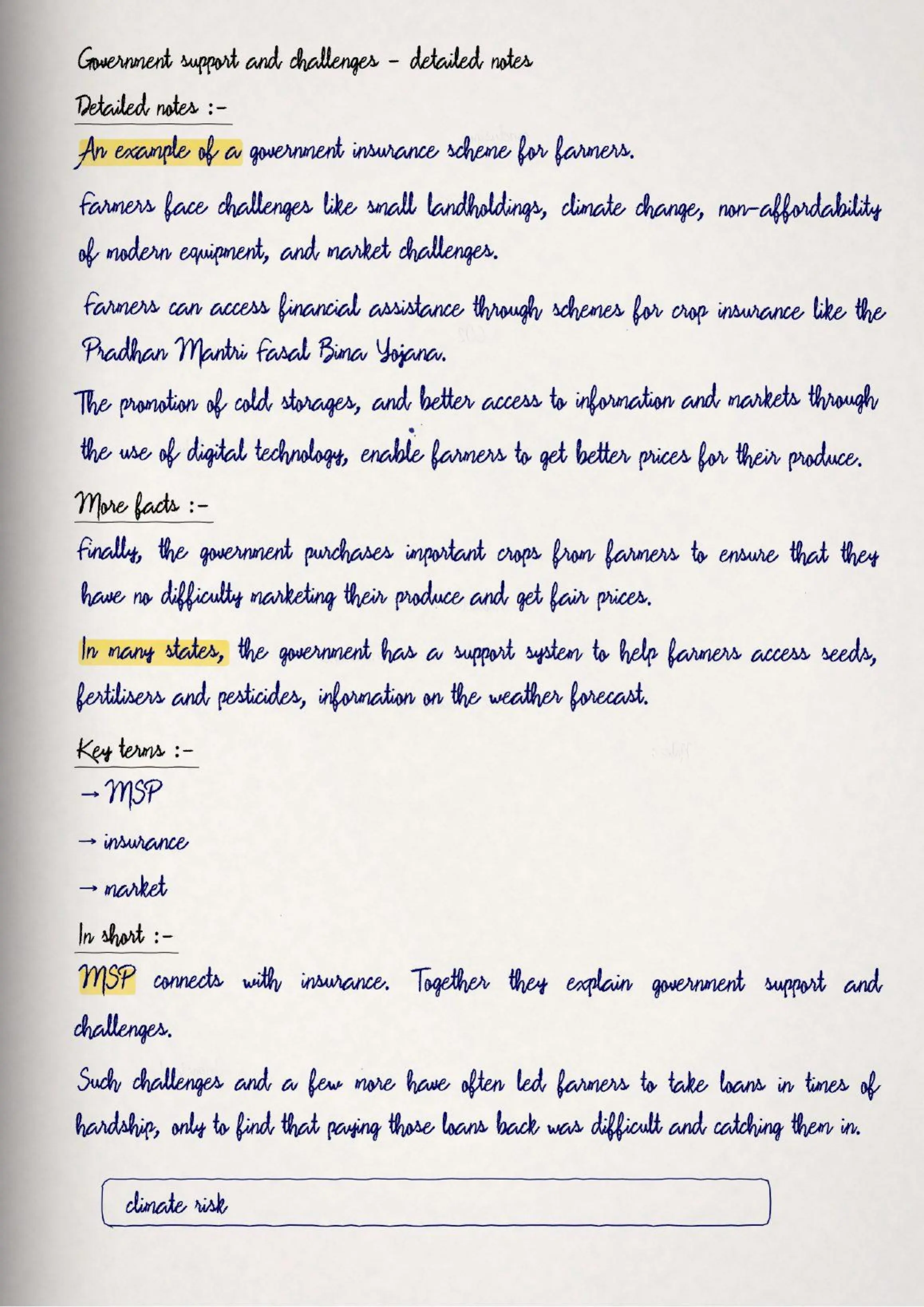
- Three seasons boxed: kharif, rabi and zaid with their months and crops
- What the notes cover: traditional and modern farming, cropping seasons, six soil types, seeds, sustainability and challenges
- Best for: the cropping seasons question and the soil types answer
You can read the complete class 7 social science handwritten notes for The Story of Indian Farming, with boxed definitions and quick recall points, in the PDF below.
These handwritten notes are written by Social Science teachers, mapped to the 2026-27 NCERT Exploring Society book, and checked against Class 7 school question papers.
How Collegedunia's Handwritten Notes Help You Revise The Story of Indian Farming
Collegedunia writes its class 7 social science handwritten notes as one clean pass through the chapter. The seasons and the soils are two tables on facing pages, so neither gets lost in prose.
- Season table: kharif, rabi and zaid with months and typical crops
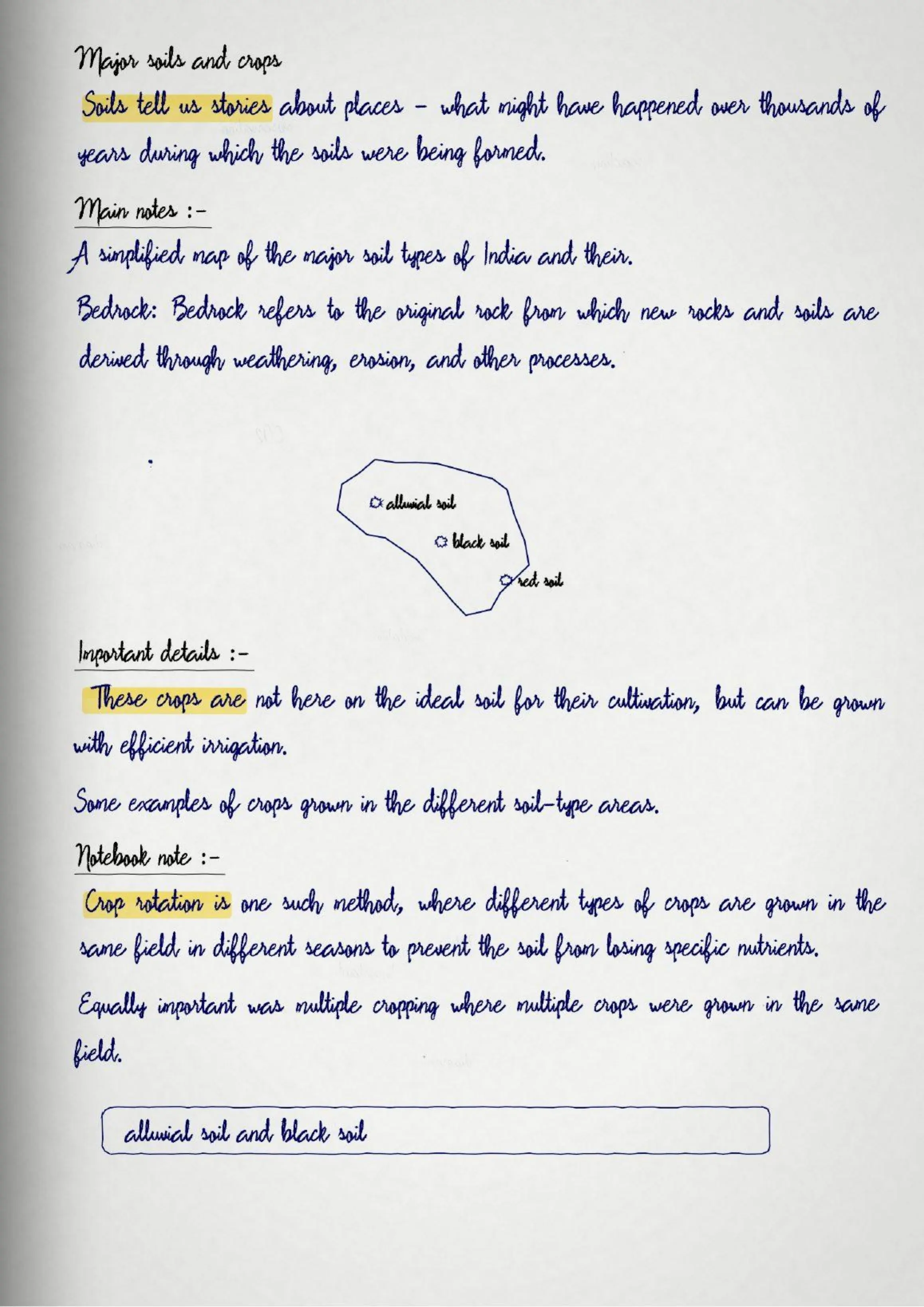
- Soil map: the six major soil types shaded on an outline of India
- Challenge panel: the main problems farmers face, listed
- Colour-coded sub-headings: sub-topics in red so each part is easy to reach
What the The Story of Indian Farming Handwritten Notes Cover
Indian farming mixes old practices with new technology. The chapter ties both to the country's climates and to the monsoon.
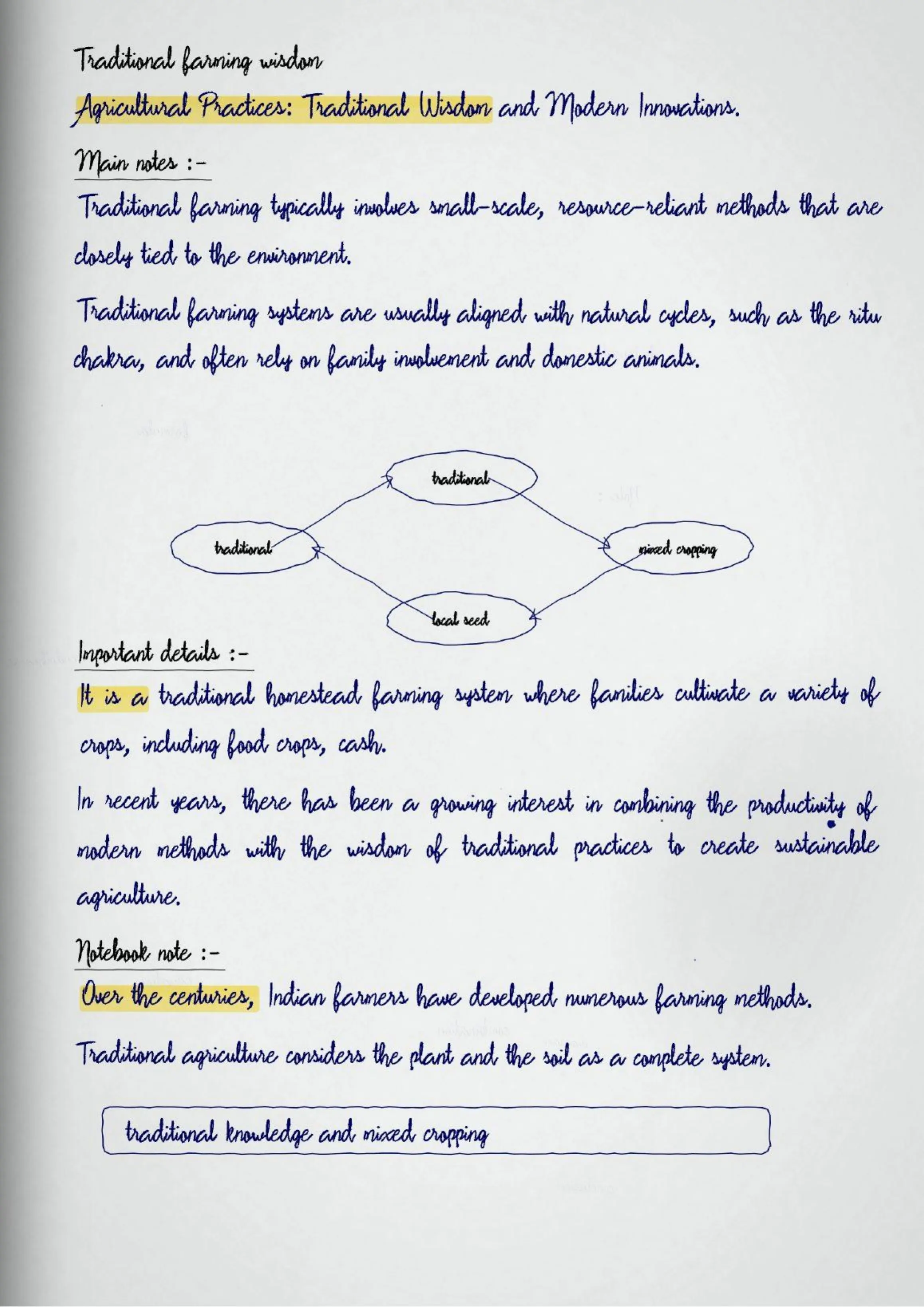
- Traditional and modern farming methods
- Crops, livestock and forestry
- Farming and India's diverse climates
- The three cropping seasons: kharif, rabi and zaid
- Six major soil types
- Soil health and sustainable farming
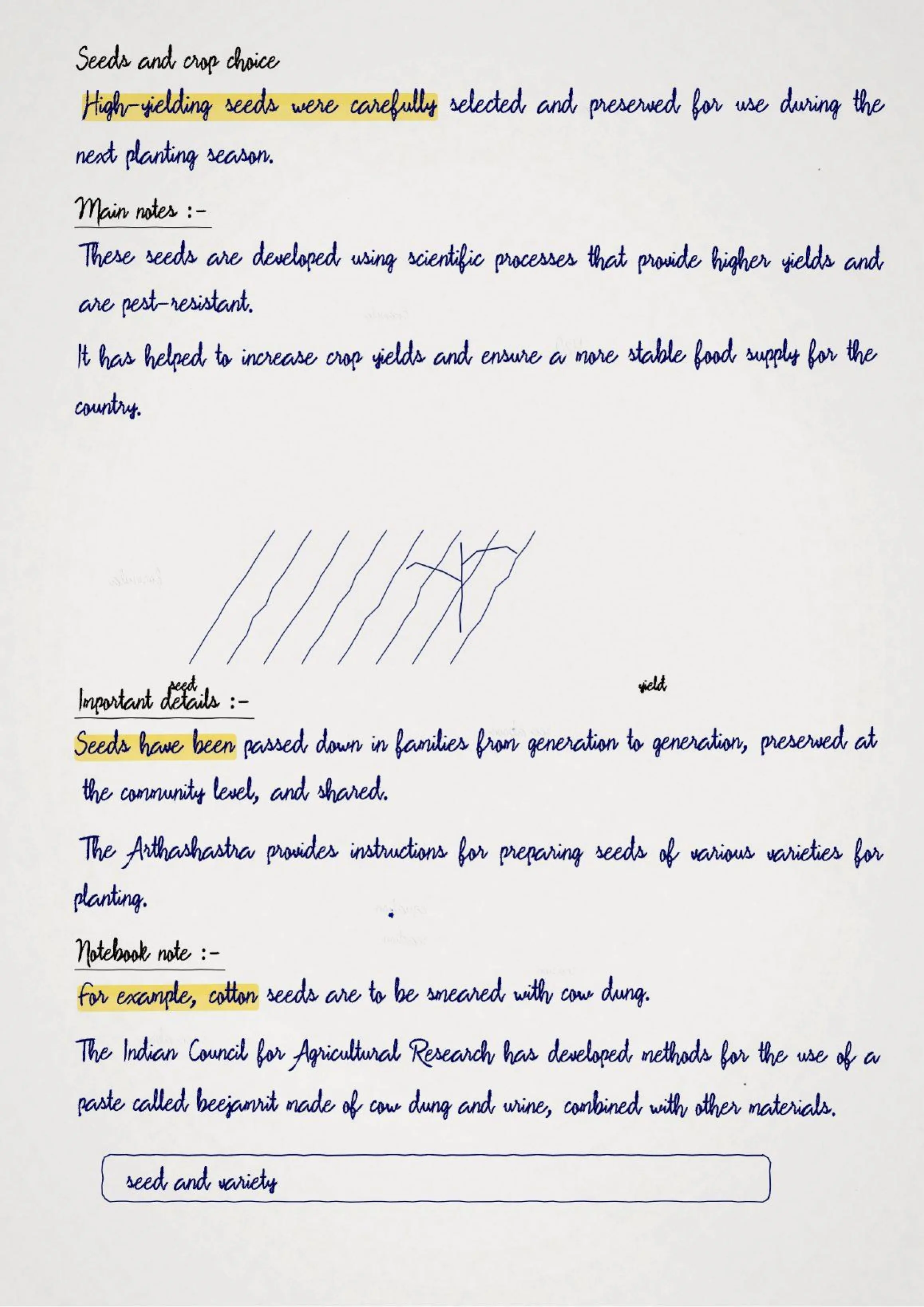
- Traditional seeds and high-yield varieties
- Dependence on companies for seeds
- Challenges: small landholdings, climate change and markets
- Government support through information and training
The Story of Indian Farming Topic-wise Weightage for CBSE Class 7 Social Science
The cropping seasons and the soil types are the two highest-scoring topics.
| Sub-topic | Weightage | How often asked |
|---|---|---|
| Kharif, rabi and zaid seasons | High | asked often |
| The six major soil types | High | asked often |
| Challenges faced by farmers | High | asked often |
| Sustainable farming practices | Medium | asked sometimes |
| Traditional versus high-yield seeds | Medium | asked sometimes |
| Government support to farmers | Medium | asked sometimes |
Why The Story of Indian Farming Is Worth Revising Carefully
Farming connects the geography and economics strands, so this chapter is examined from both directions.
- The three cropping seasons is a certain question
- The six soil types is a direct list answer
- Challenges faced by farmers is a long answer
- The chapter builds on the monsoon work in Part 1 Chapter 3
Last 24-Hour Revision Card for The Story of Indian Farming
The card for the farming question.
- Kharif with the monsoon, rabi in winter, zaid in the summer gap
- Six major soil types decide which crops grow where
- Soil health is the base of sustainable farming
- High-yield seeds raise output but create company dependence
- Challenges: small landholdings, climate change, cost of equipment, markets
The Story of Indian Farming Self-Assessment Quiz
Five questions on farming. Tap each to check.
Kharif crops are sown
(a) in winter (b) with the monsoon (c) in the short summer (d) never
Answer: (b) with the monsoon
How many major soil types does the chapter identify?
(a) three (b) four (c) six (d) ten
Answer: (c) six
Rabi is the
(a) monsoon season (b) winter cropping season (c) summer gap season (d) harvest festival
Answer: (b) winter cropping season
A high-yield variety seed is one bred to
(a) grow slowly (b) produce more crop per field (c) need no water (d) resist all pests
Answer: (b) produce more crop per field
Which of these is a challenge for Indian farmers?
(a) small landholdings (b) too much rain always (c) no crops available (d) no soil
Answer: (a) small landholdings
Key Terms and Ideas in The Story of Indian Farming
Agricultural terms come up directly in the question wording.
| Term / Idea | What it means |
|---|---|
| Kharif | the monsoon cropping season, sown around June and harvested after the rains |
| Rabi | the winter cropping season, sown around October and harvested in spring |
| Zaid | the short summer cropping season between rabi and kharif |
| Soil health | the ability of soil to keep supporting healthy crops |
| High-yield variety | a seed bred to produce more crop per field |
| Sustainable farming | farming that can continue long term without harming the land |
| Landholding | the area of land a farmer owns or works |
Diagrams Drawn by Hand in the The Story of Indian Farming Notes
Farming is examined through maps and tables, so the notes use both.
| Figure drawn by hand | What it shows |
|---|---|
| Season table | kharif, rabi and zaid with months and typical crops |
| Soil map | the six soil types shaded across India |
| Crop calendar | sowing and harvesting months on a yearly wheel |
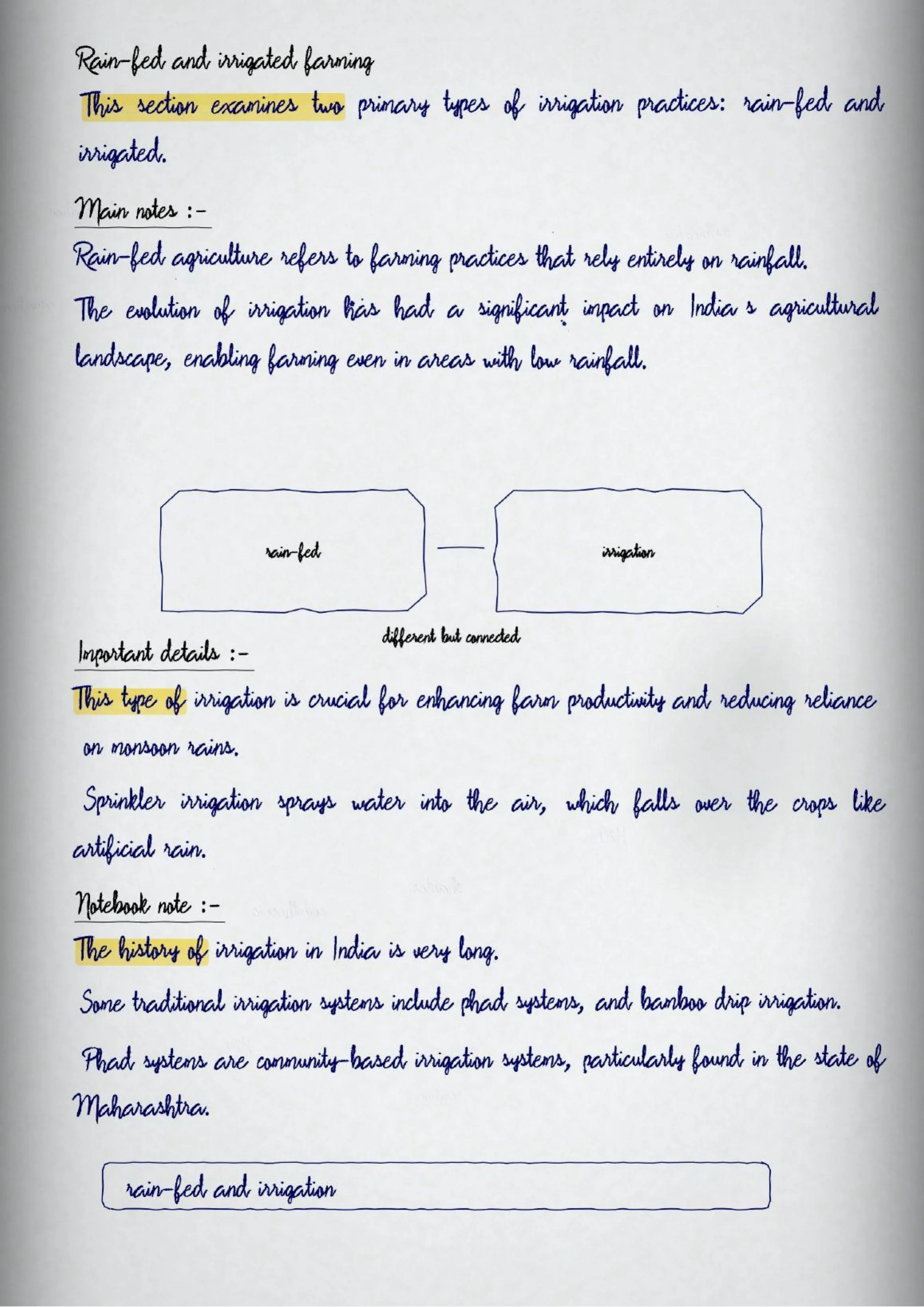
| Irrigation sketch | an efficient irrigation method drawn |
| Challenge panel | the main problems farmers face, drawn as a list |
How to Use These Handwritten Notes for Social Science Revision
Use these class 7 social science handwritten notes in two passes. Learn the seasons with their months attached. The question always asks for both.
- Fill the three-season table with months and crops
- Shade the six soil types on an outline map
- List four challenges Indian farmers face
- Before the test, revise the season table and the soil map
Other Social Science Resources for The Story of Indian Farming
Read the notes with the solved questions and the Exploring Society chapter itself.
- Class 7 Social Science NCERT Solutions
- Class 7 Social Science Revision Notes
- Class 7 Exploring Society Book PDF
Class 7 Social Science Handwritten Notes for All Chapters
Exploring Society Part 1 has twelve chapters and Part 2 has eight. The table below links the class 7 social science handwritten notes for every chapter.
The Story of Indian Farming Class 7 Social Science Handwritten Notes FAQs
Ques. Where can I download The Story of Indian Farming Class 7 Handwritten Notes PDF?
Ans. The PDF is on this page, free, in both the normal and the HD version.
Ques. What are the three cropping seasons in India?
Ans. Kharif, sown with the monsoon; rabi, the winter season; and zaid, the short summer season that falls between rabi and kharif.
Ques. How many pages is the Part 2 Chapter 1 handwritten notes PDF?
Ans. It runs 20 pages, with the season table, the soil map and a quiz.
Ques. What challenges do Indian farmers face?
Ans. Small landholdings, climate change, the cost of modern equipment, market difficulties, and dependence on companies for high-yield seeds.
Ques. What is sustainable farming?
Ans. Farming that combines modern technology with eco-friendly practices, such as efficient irrigation, so that the land keeps producing well over the long term.



Comments