



Content Curator
Animals that lay eggs are called oviparous animals. Their eggs develop outside the body and provide protection to the developing embryo. Some common examples of oviparous animals are birds, reptiles, insects, and fish. The following are the features of oviparous animals:
- Eggs are laid outside the body, usually in a suitable habitat that provides protection and nourishment.
- Eggs have tough shells to protect the developing embryo.
- Oviparous animals have specialized structures like ovaries, oviducts, and eggshell glands to lay eggs.
- Oviparous animals do not provide direct parental care to their offspring.
- Oviparous animals do not undergo internal fertilization.
- Oviparous animals can lay large numbers of eggs at a time, increasing the chances of survival.
- Eggs have a yolk, which provides nourishment to the developing embryo.
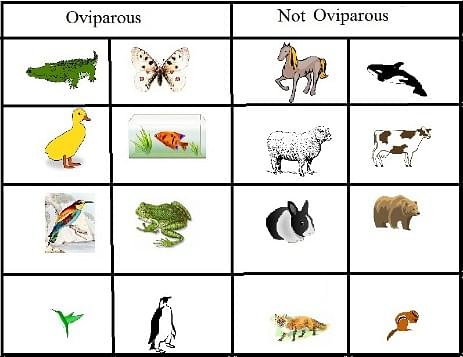
Oviparous Animals
Also check:



Comments