




These Thinkers, Beliefs and Buildings handwritten notes turn the whole chapter on new ideas and buildings into clean, handwritten pages for fast last-minute revision. They follow the 2026-27 CBSE syllabus and Theme 4 of Themes in Indian History Part I. Students get the thinkers, the teachings of Jainism and Buddhism, the stupa diagram and the temple growth in a pen-on-paper format that is easy to skim before a test.
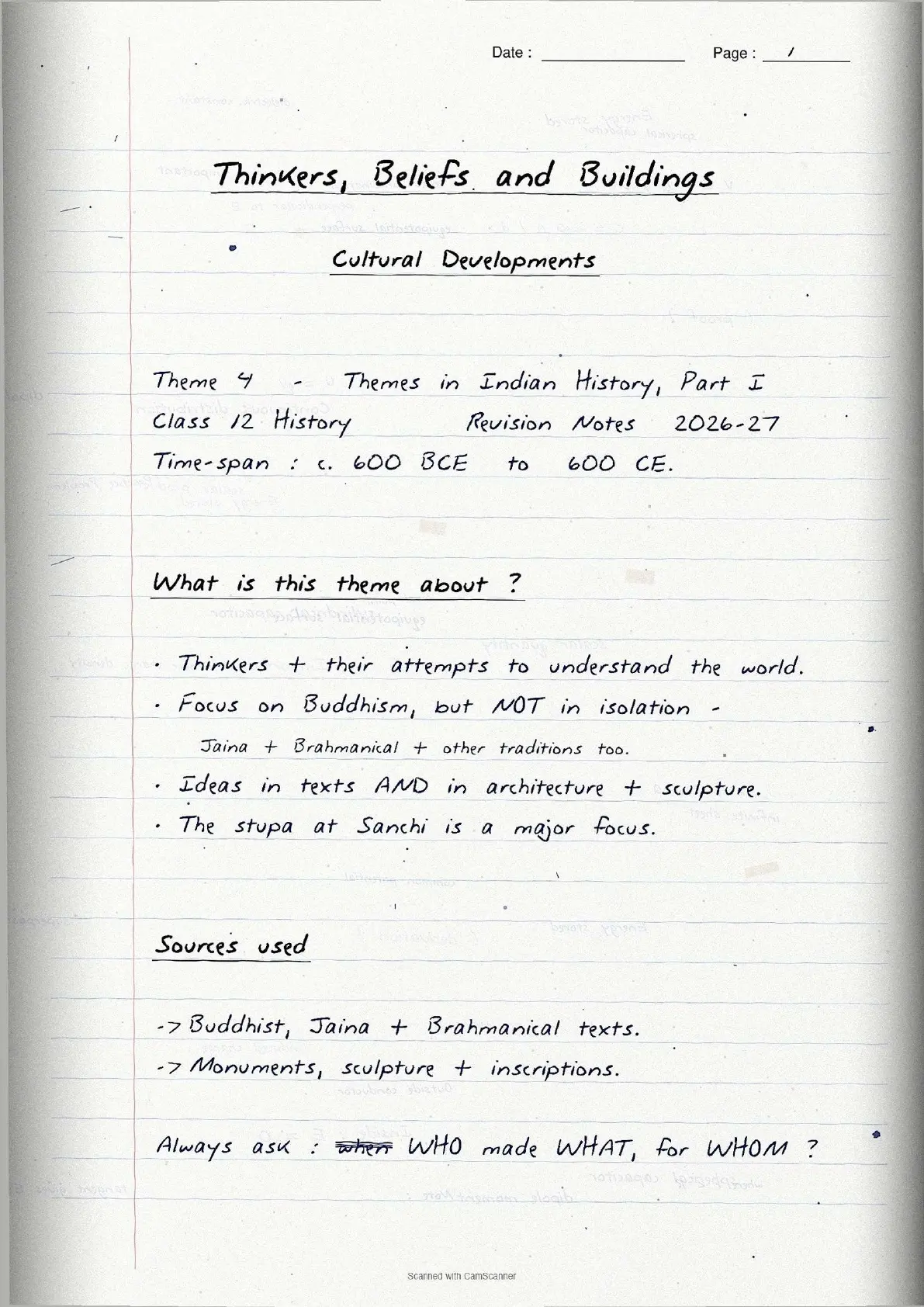
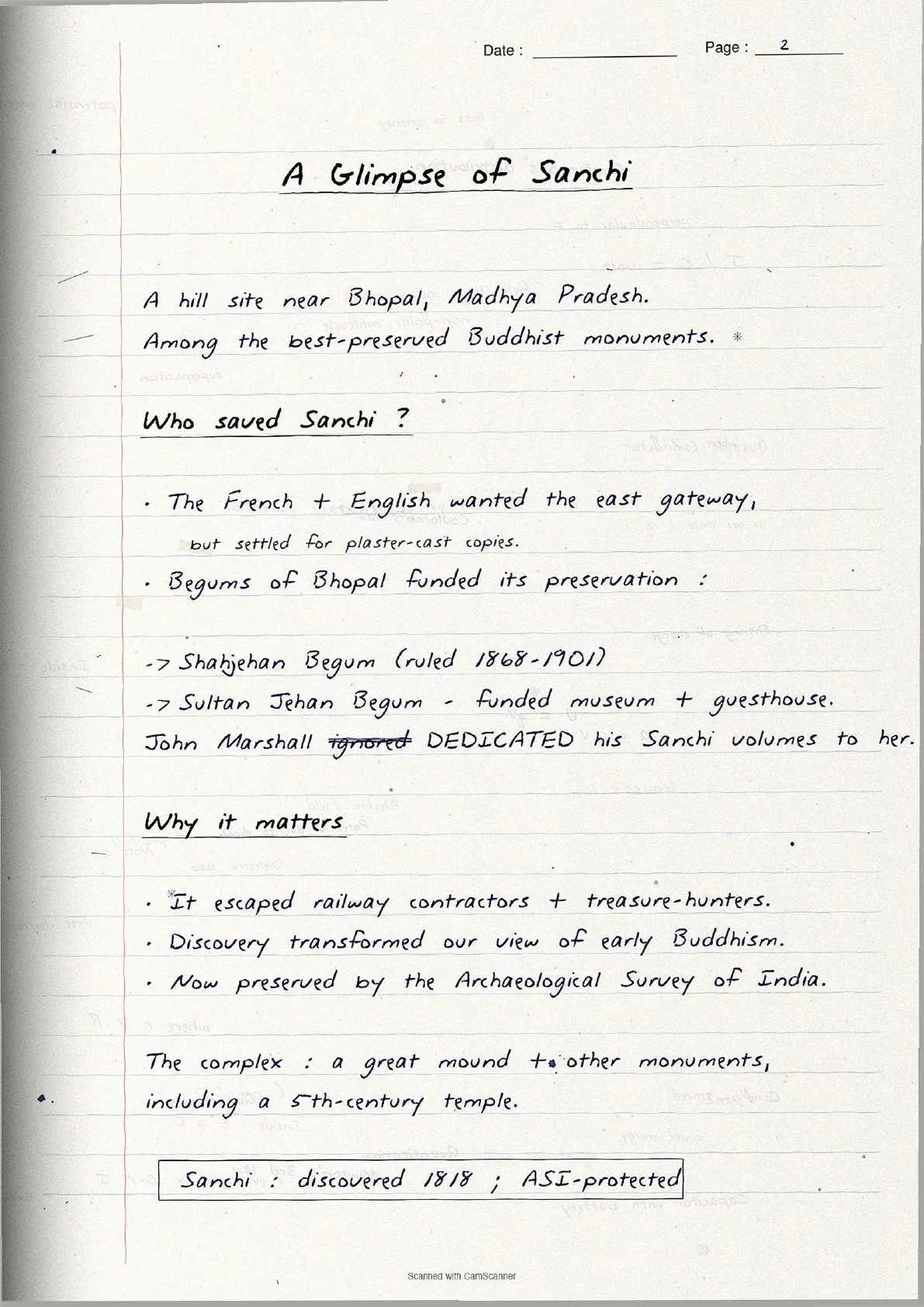
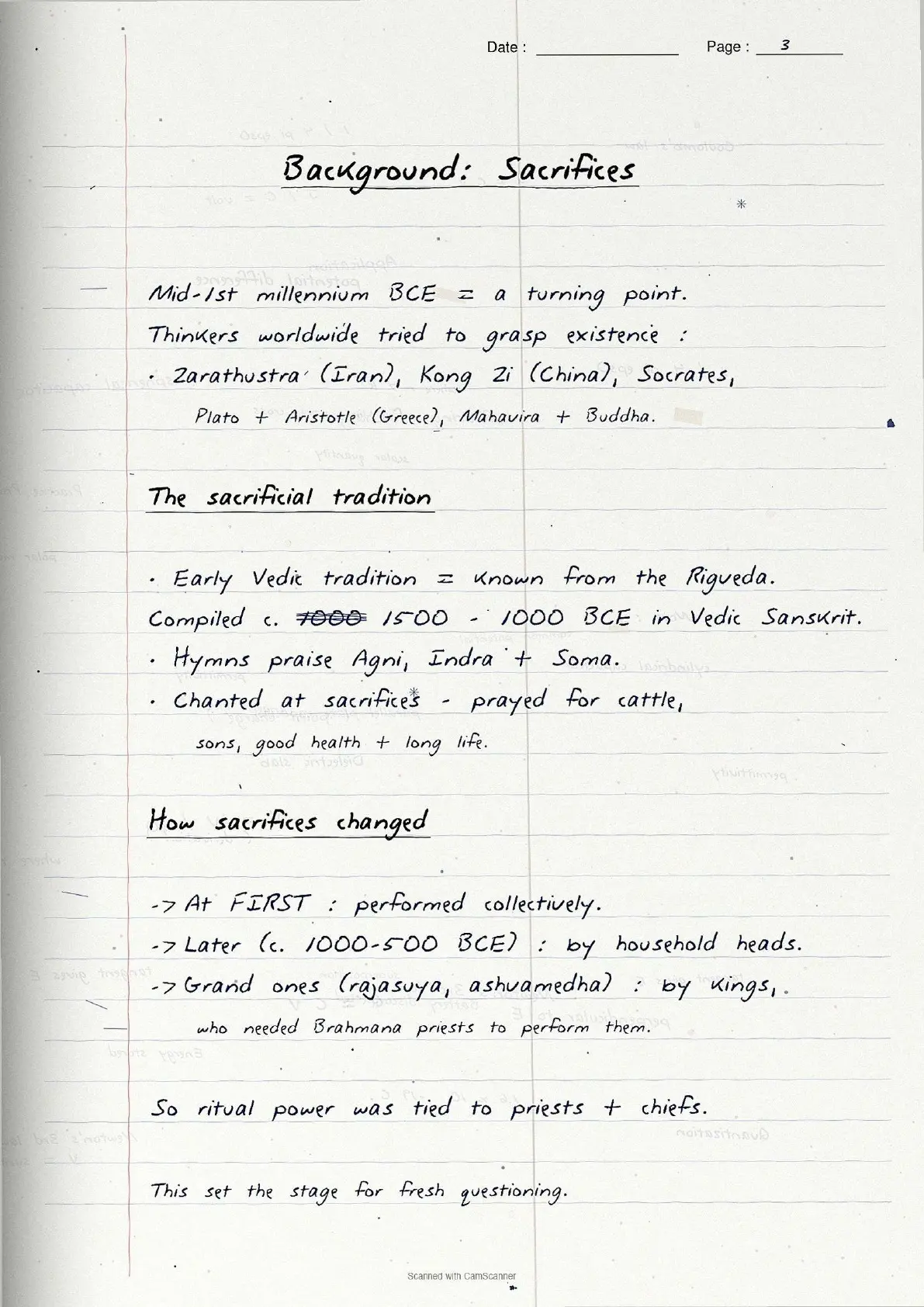
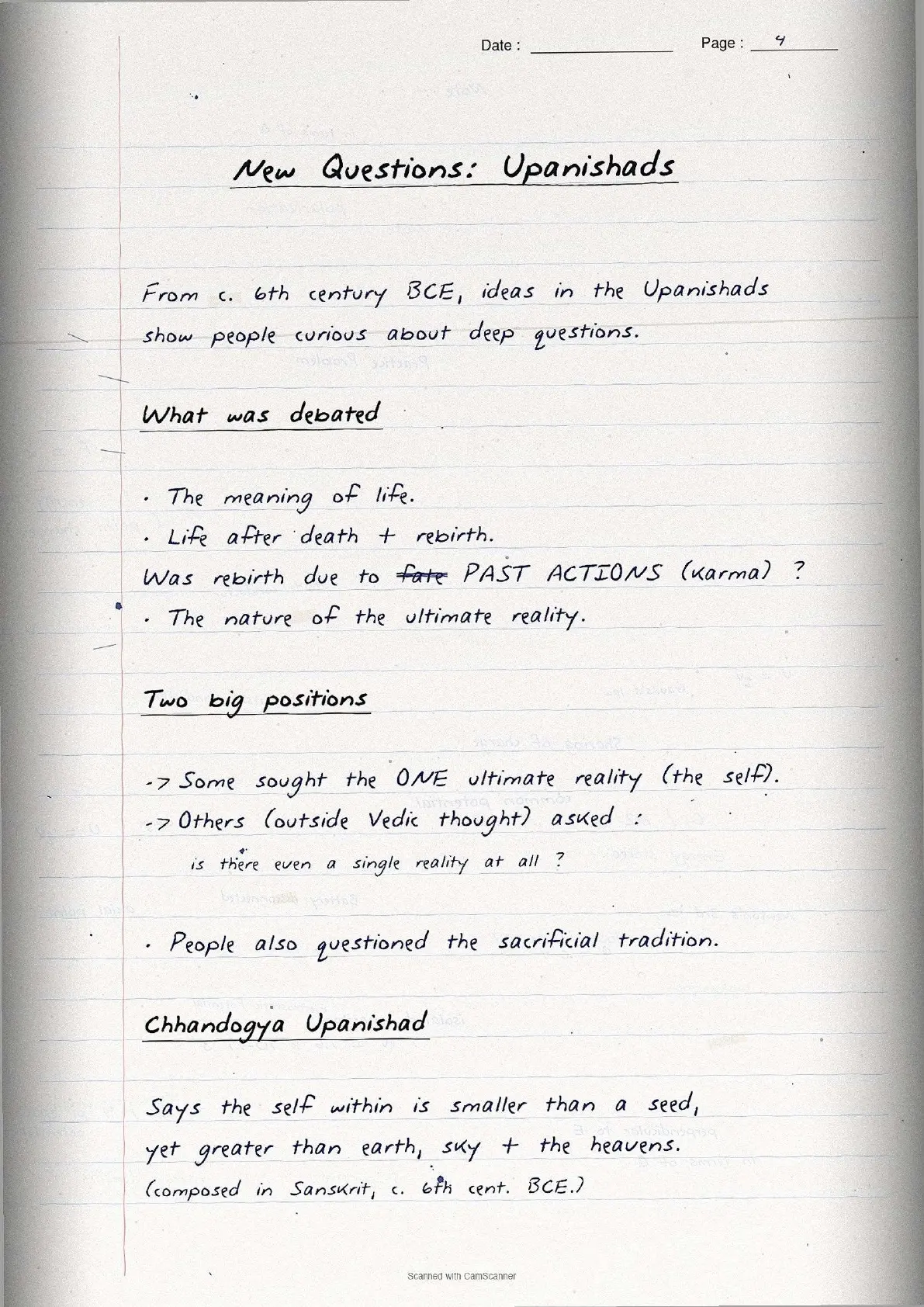
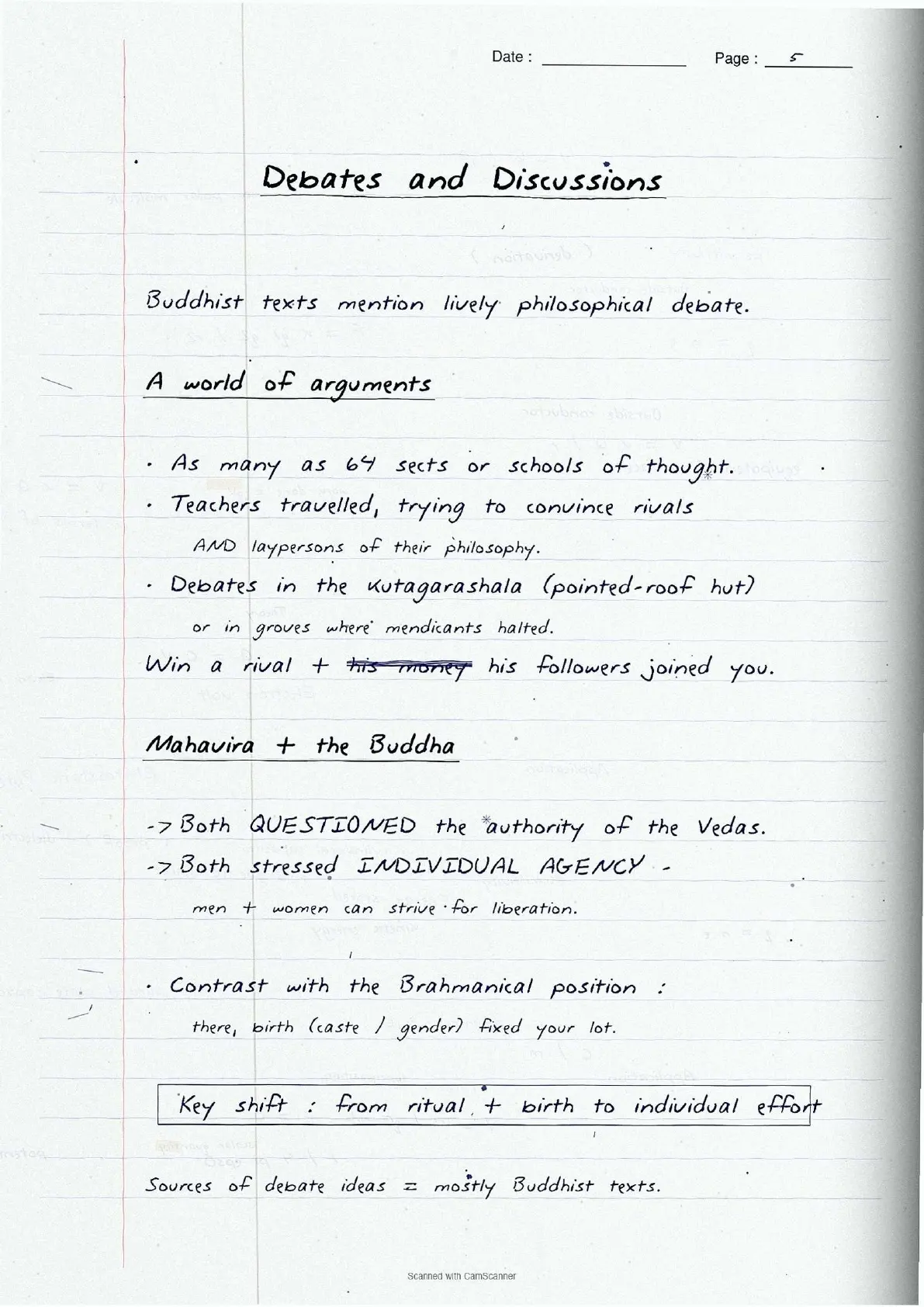
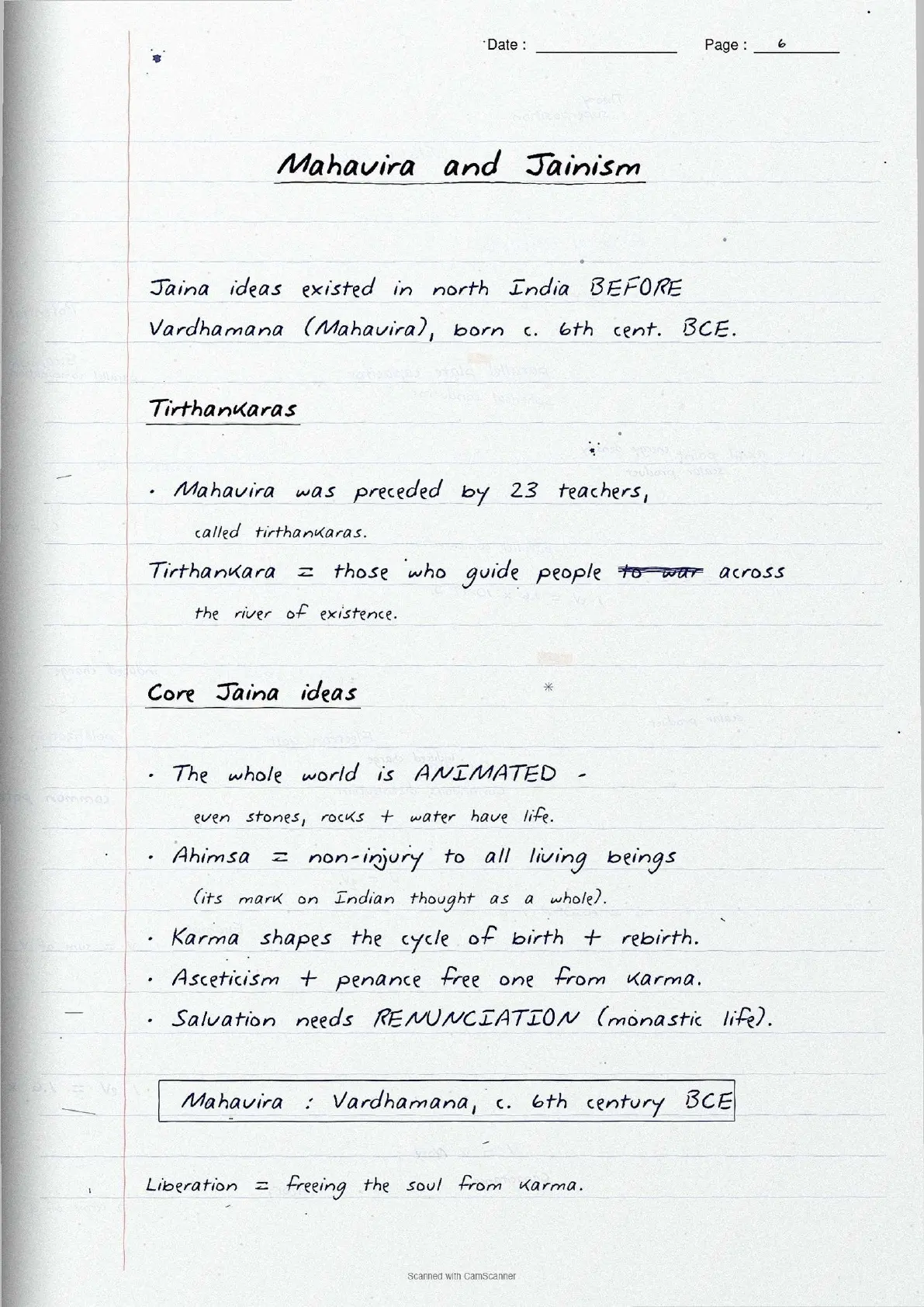
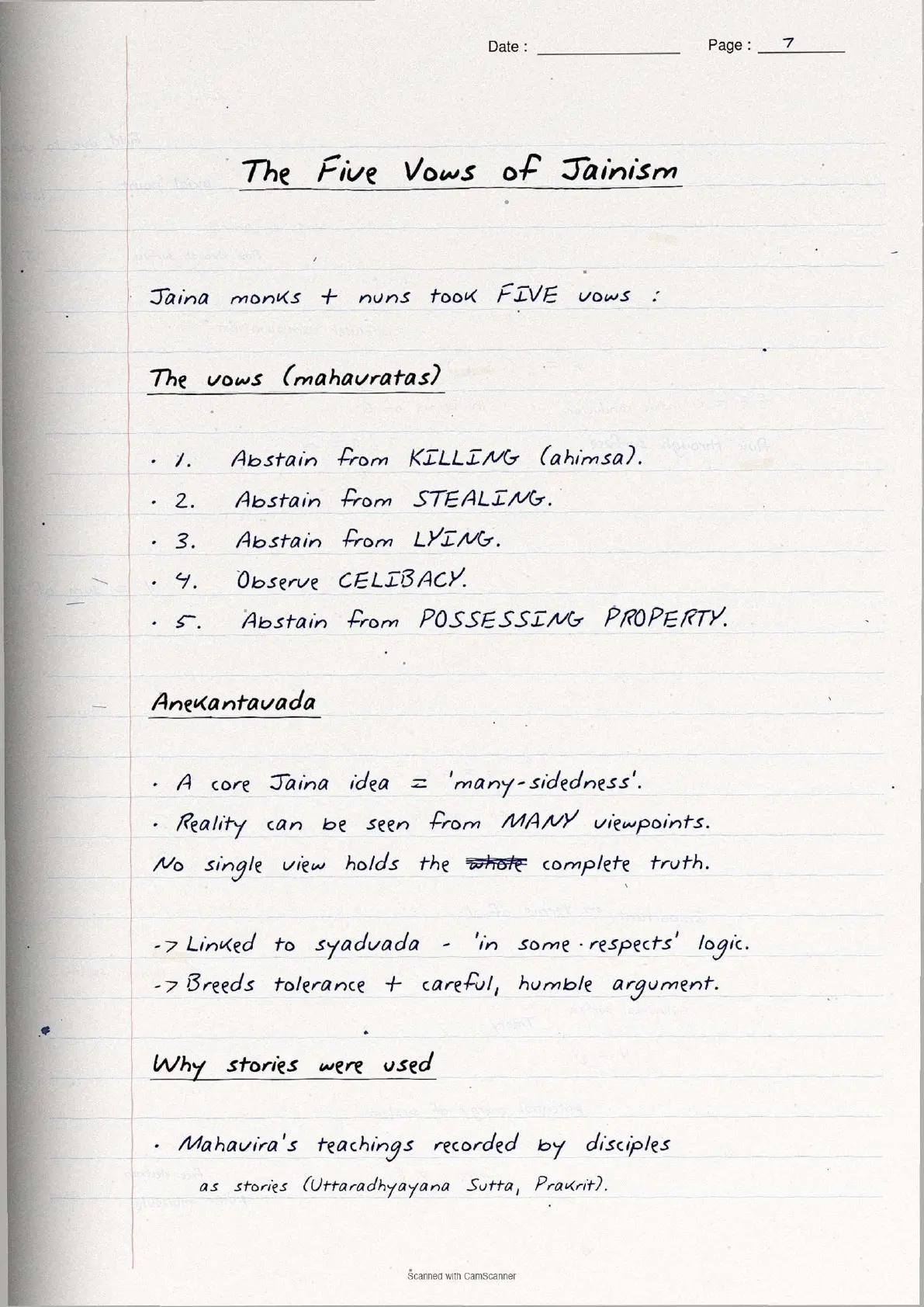
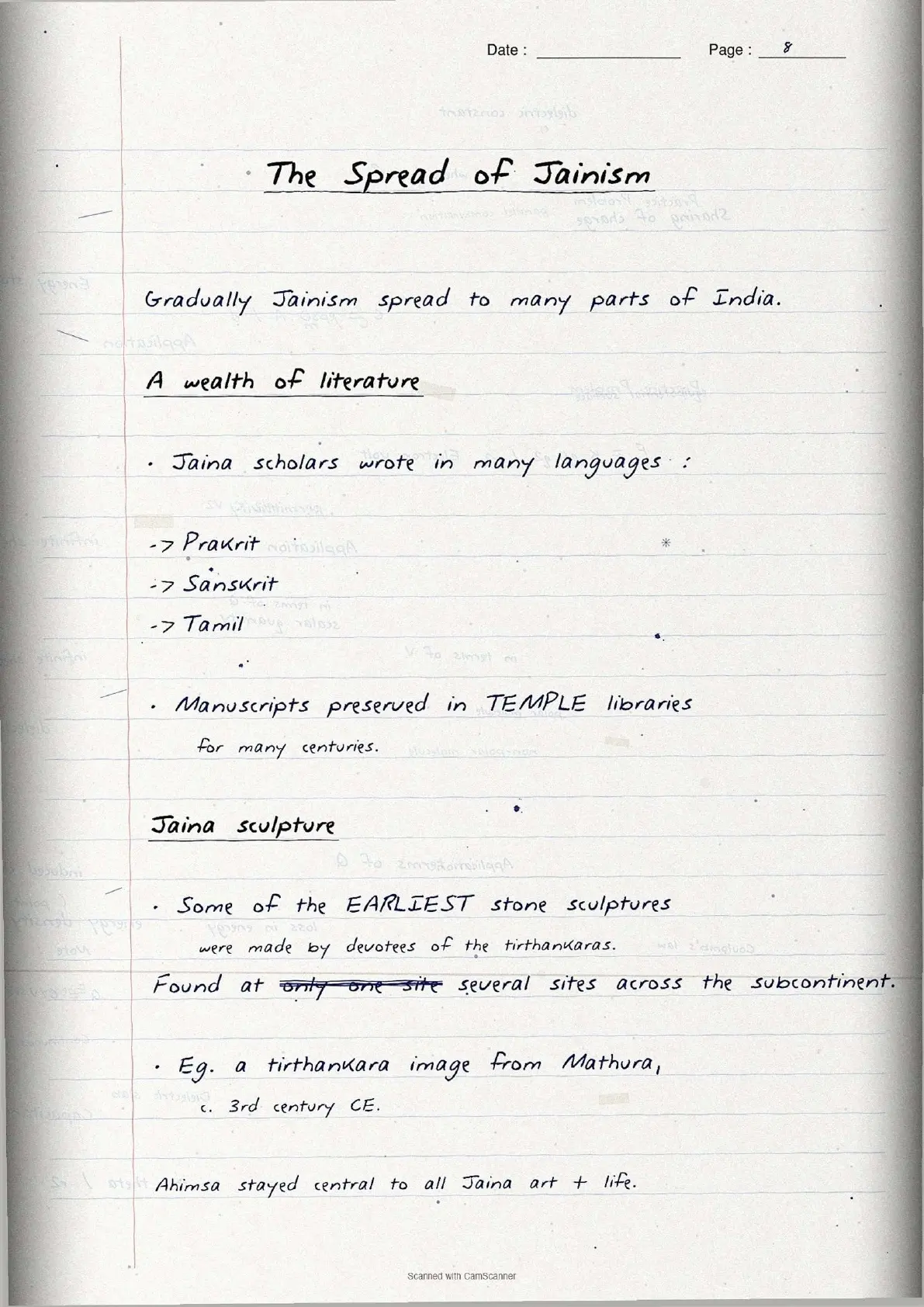
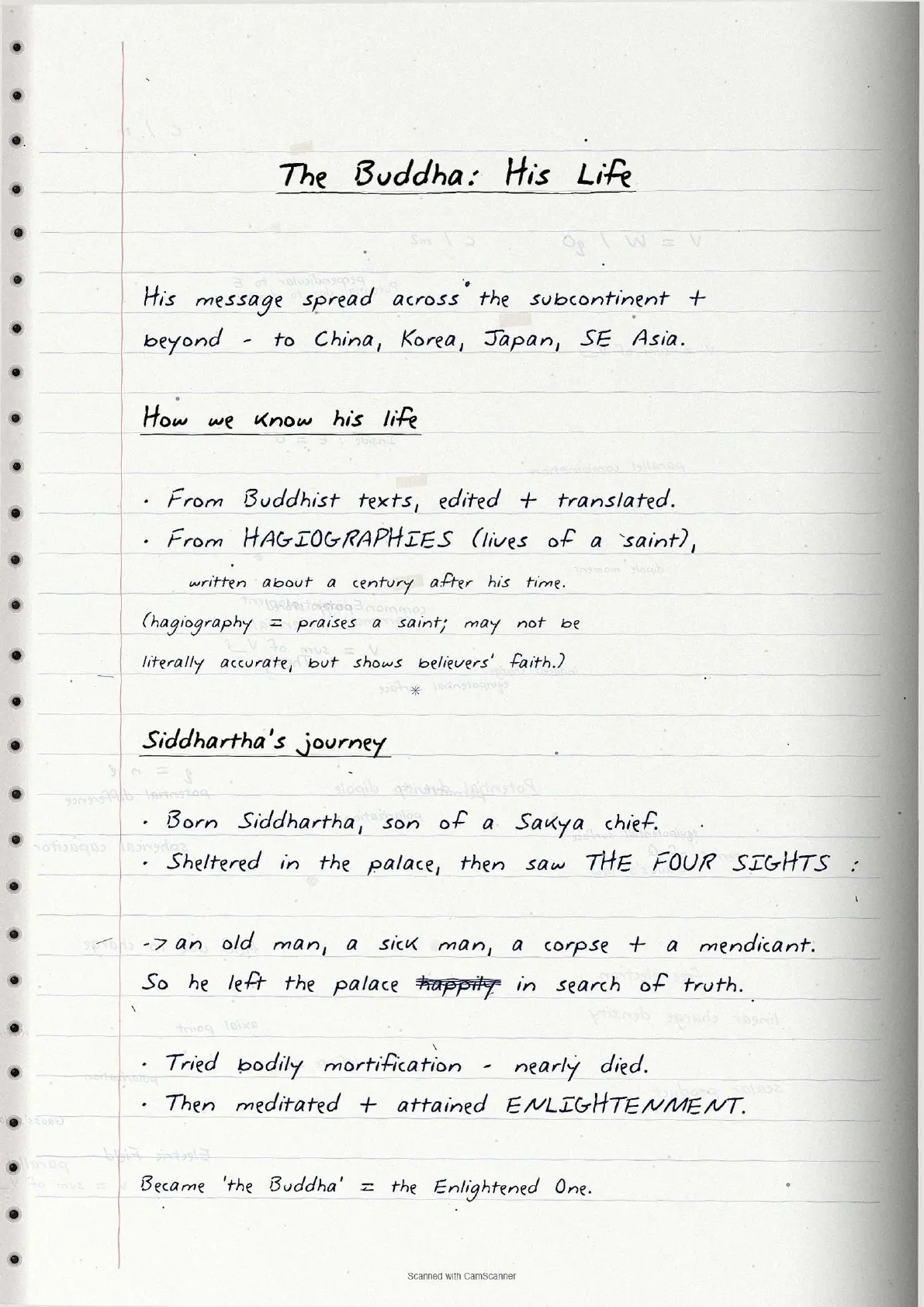
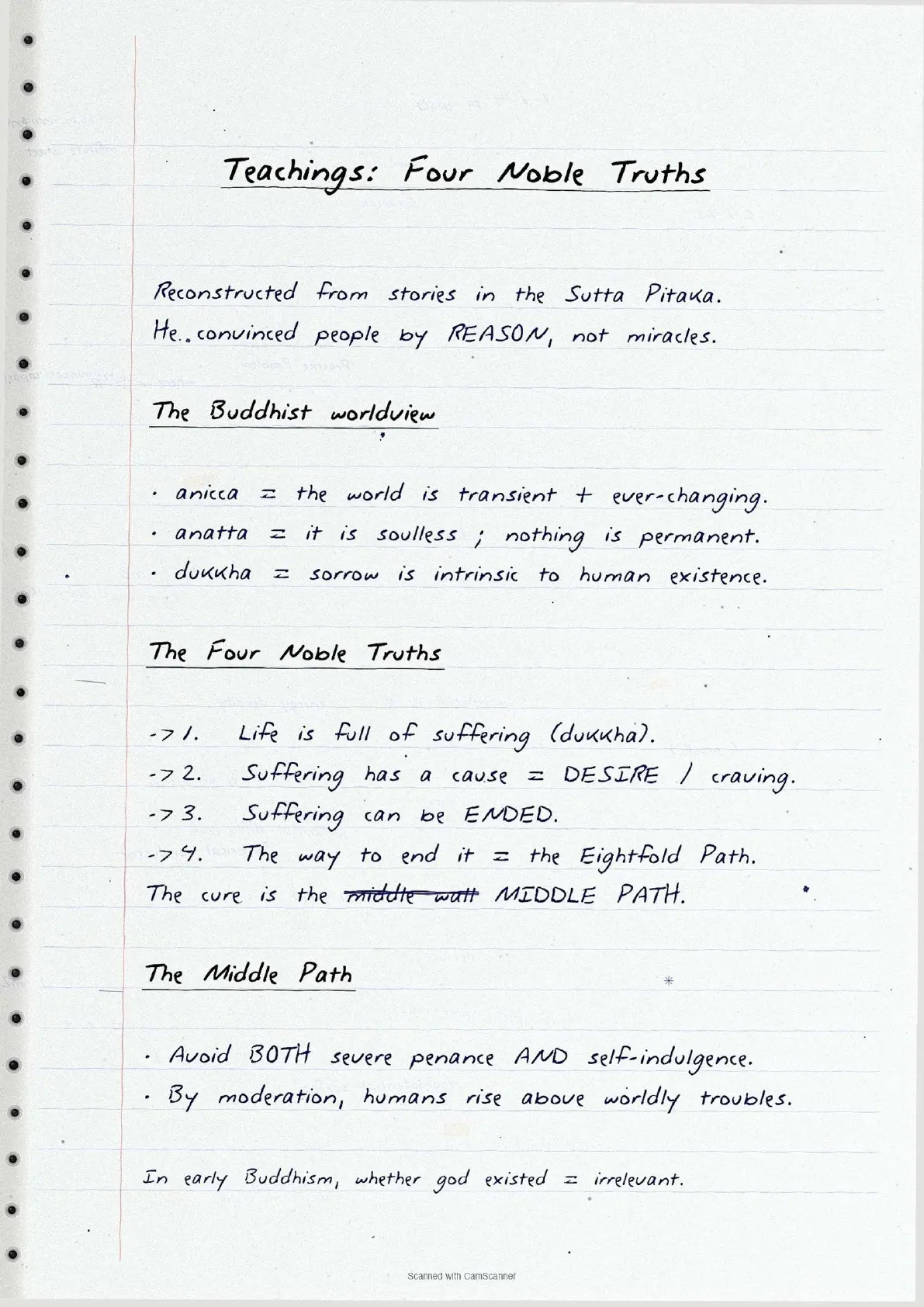
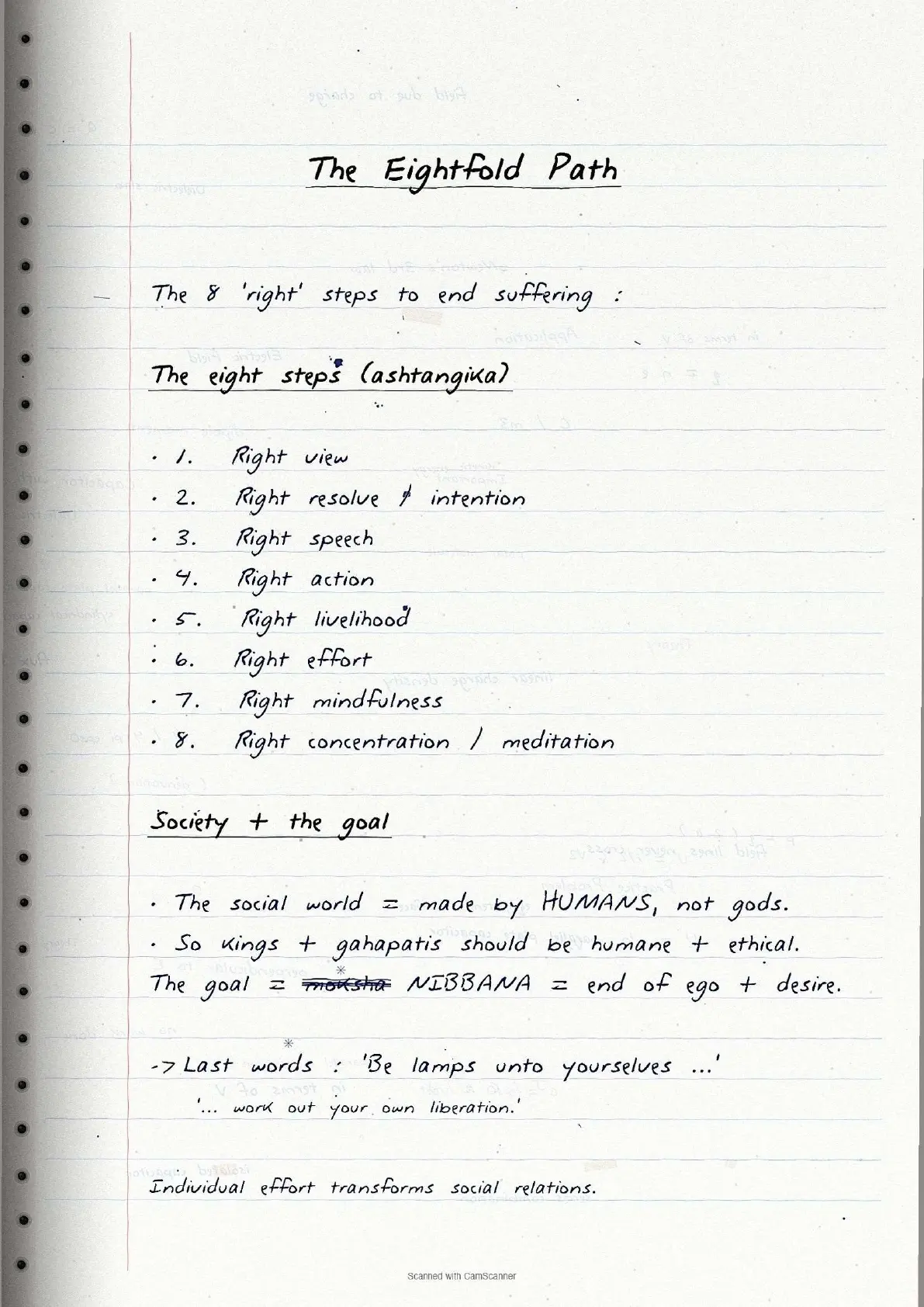
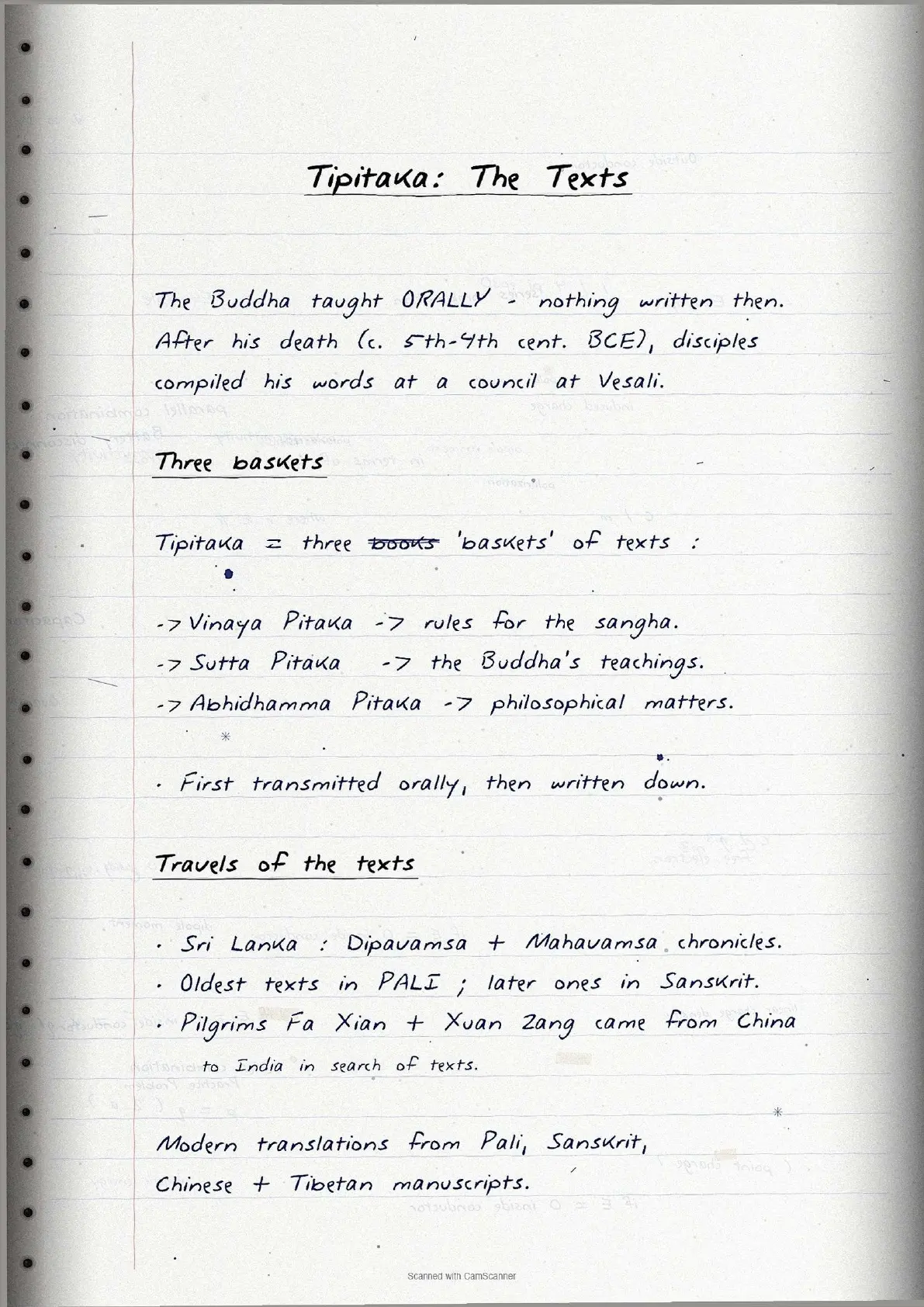
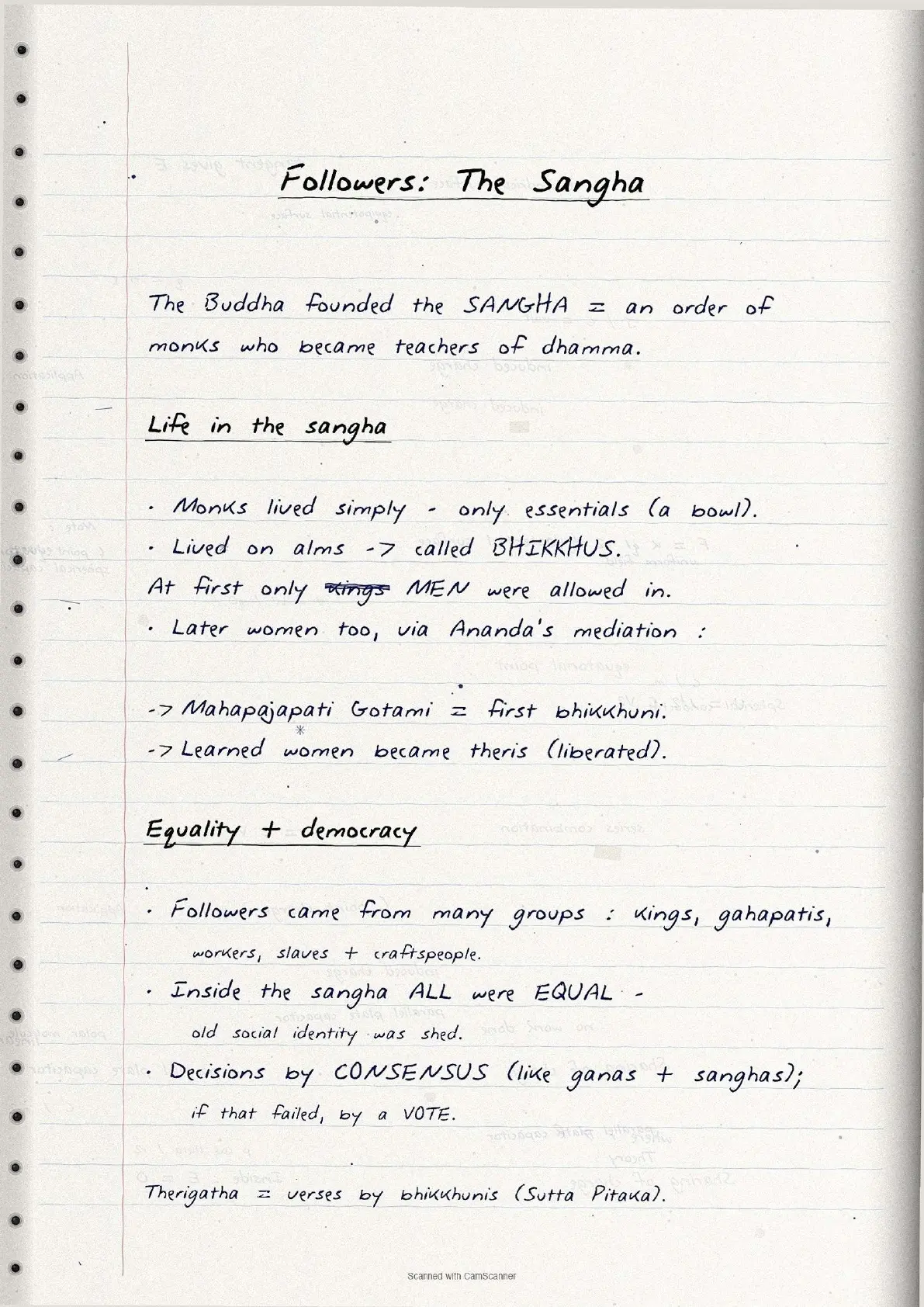
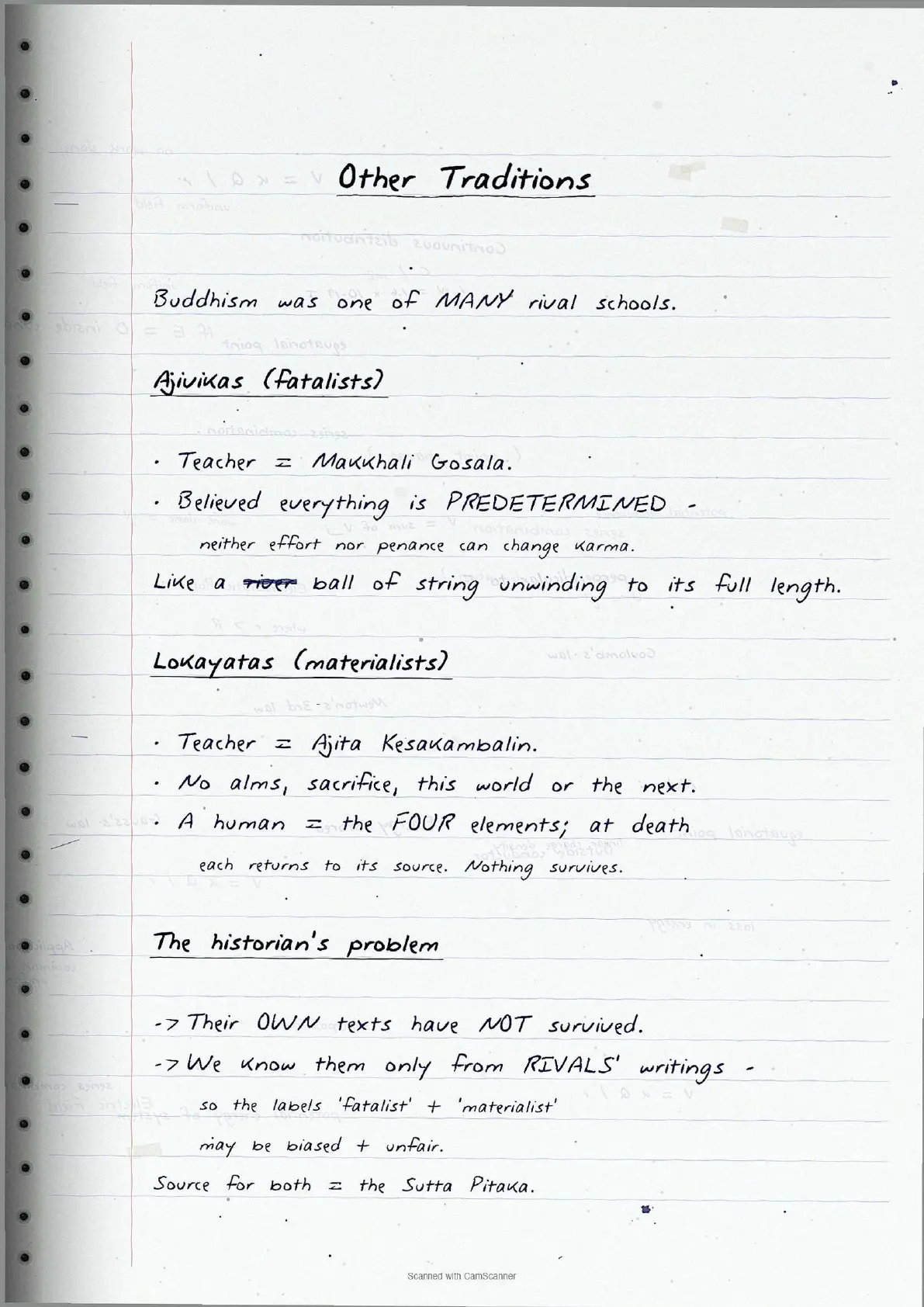
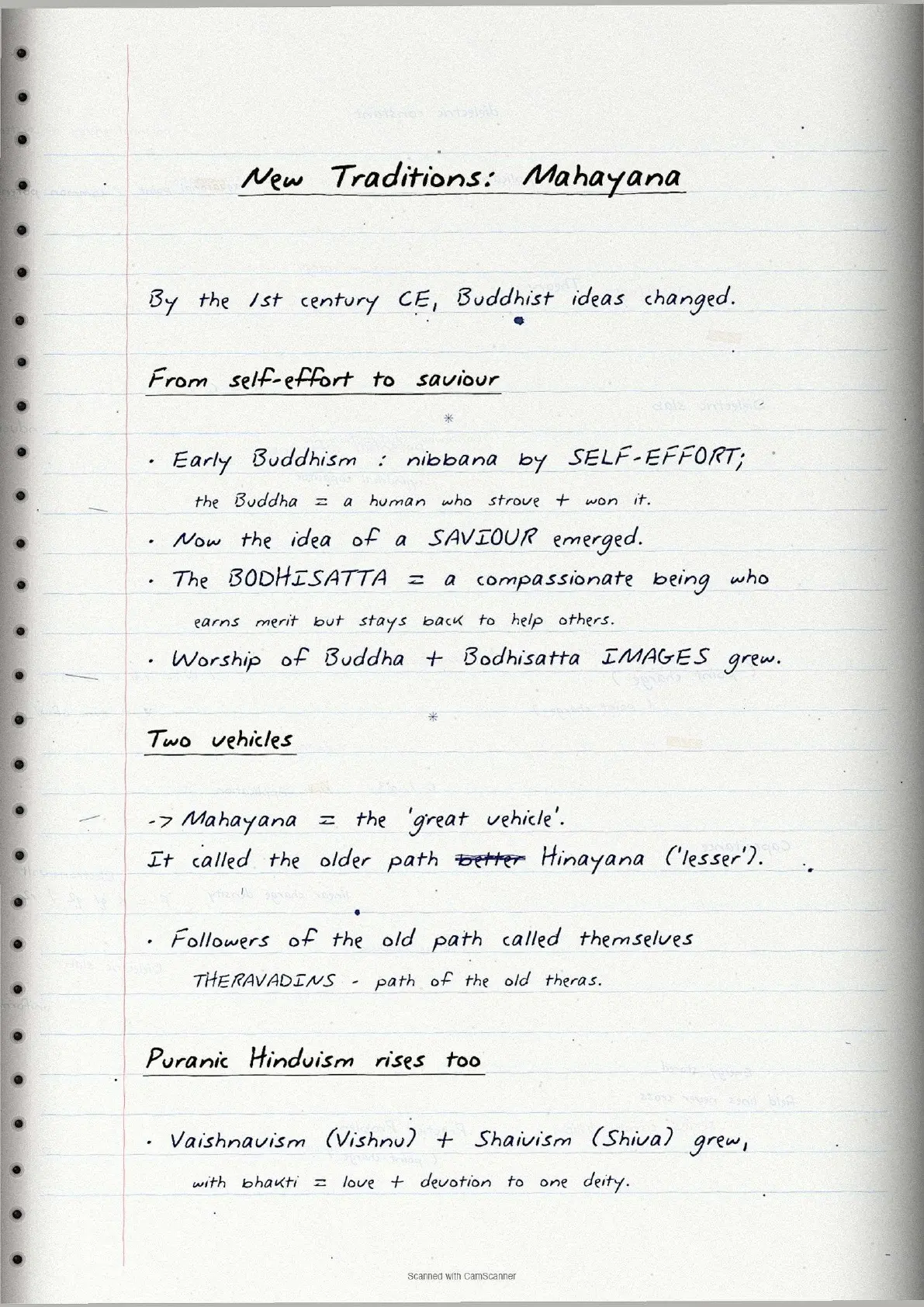
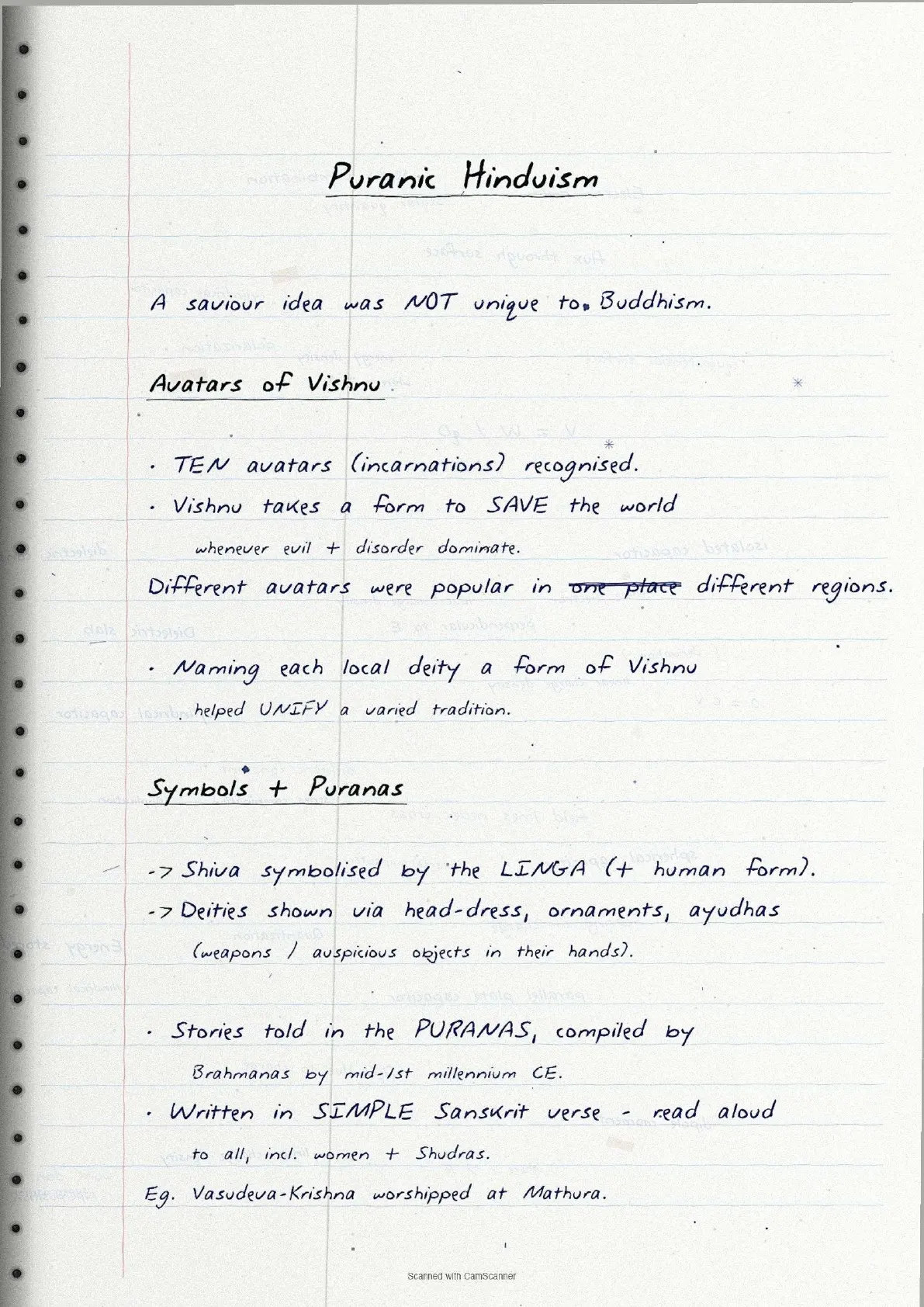
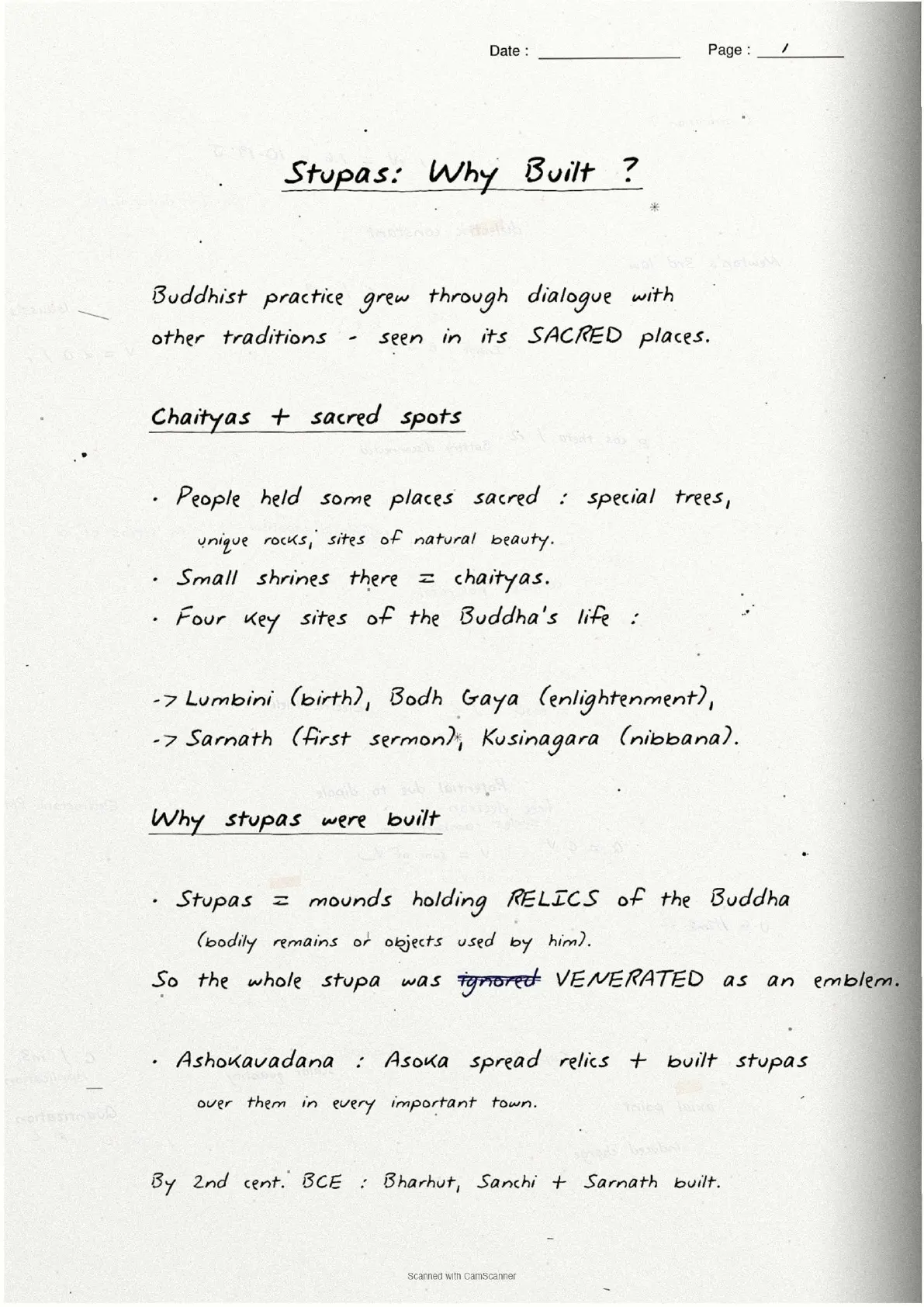
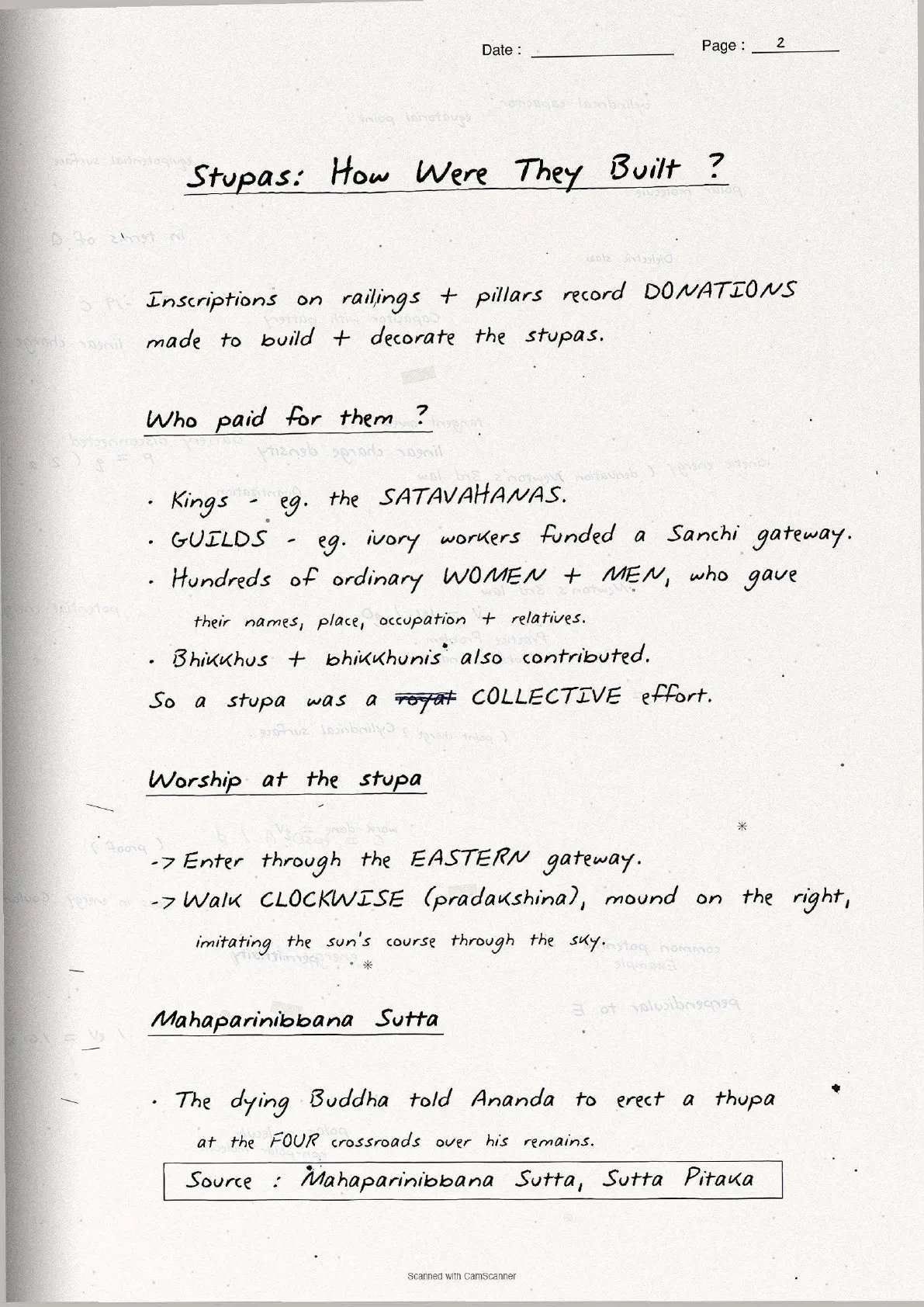
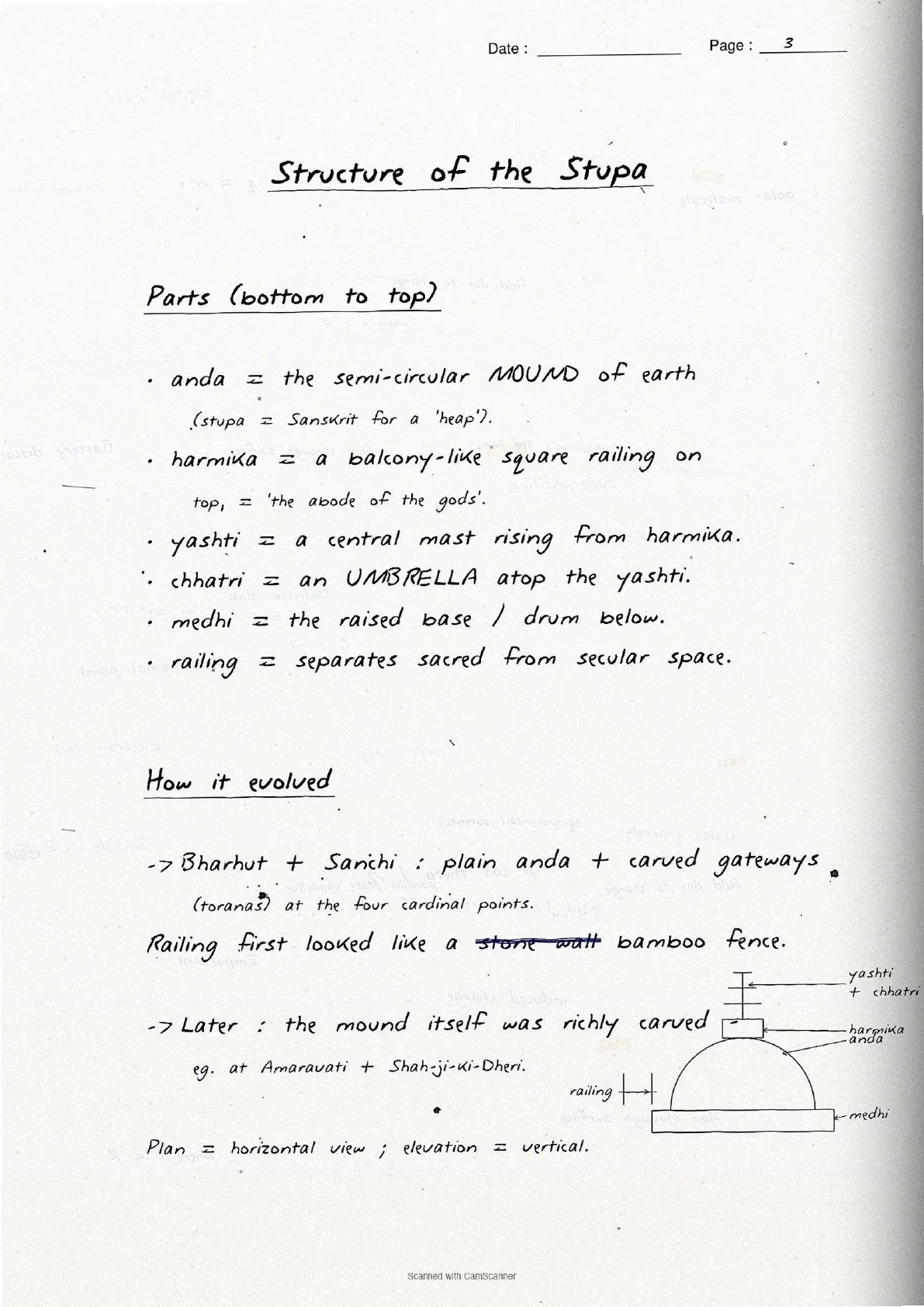
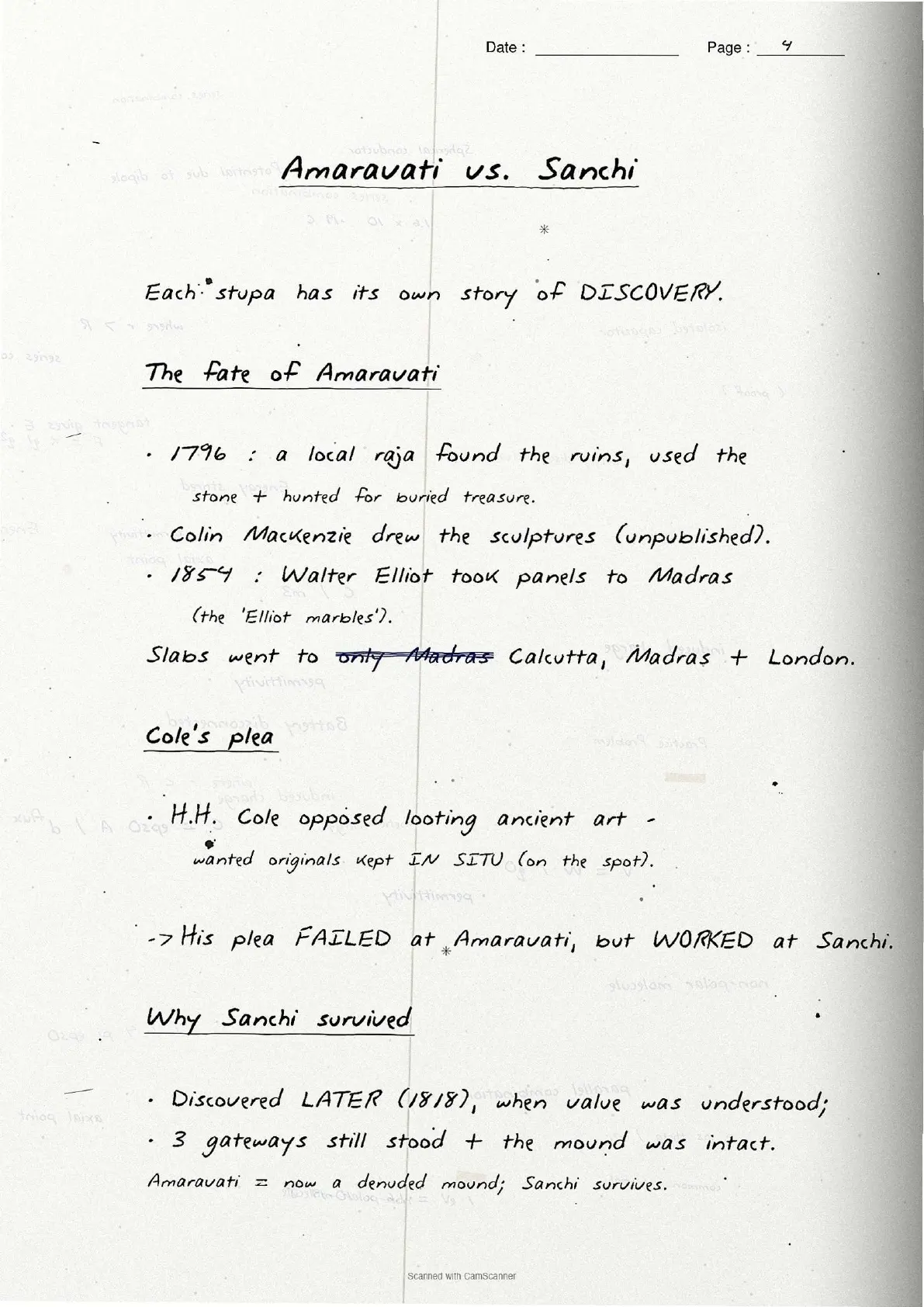
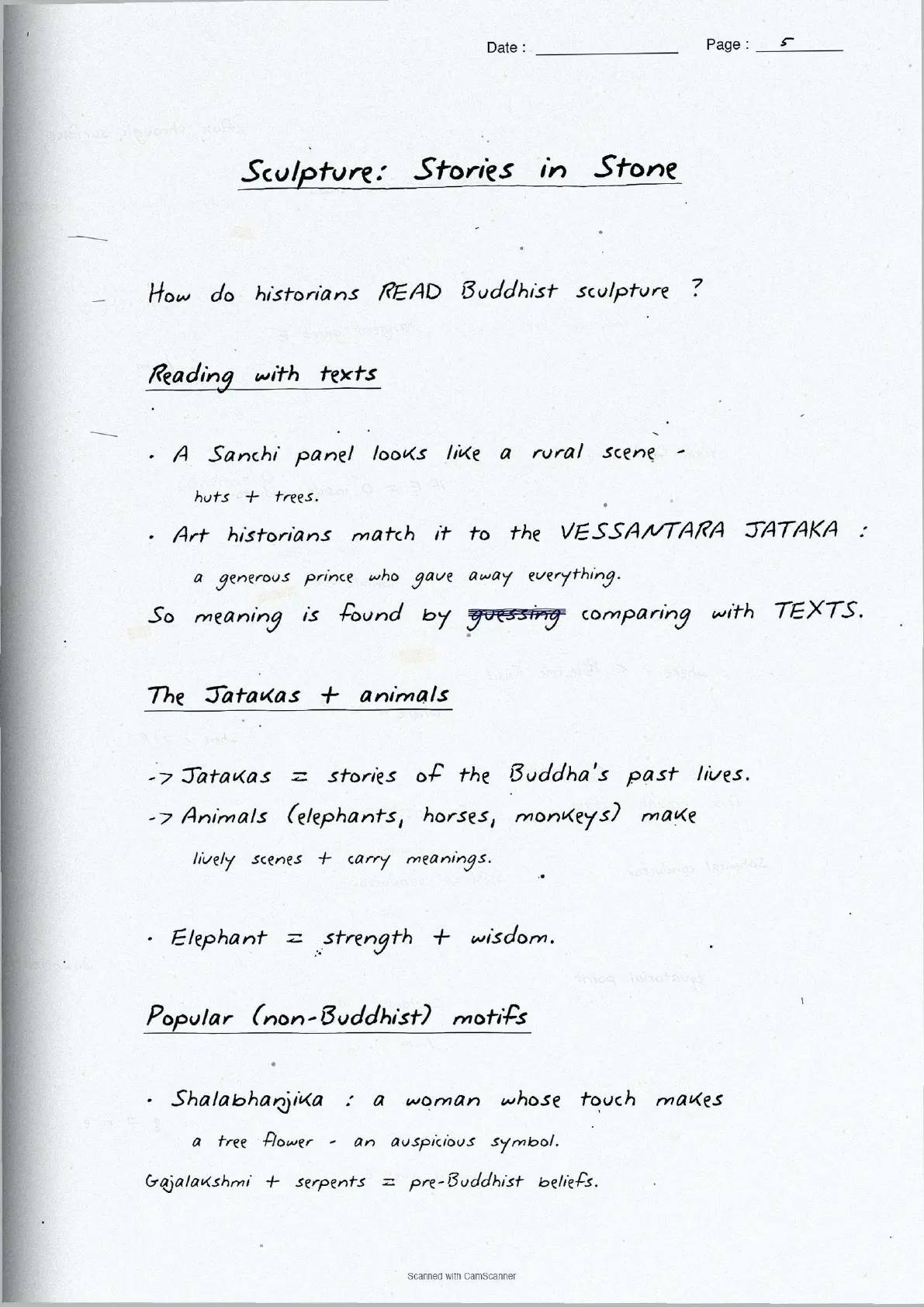
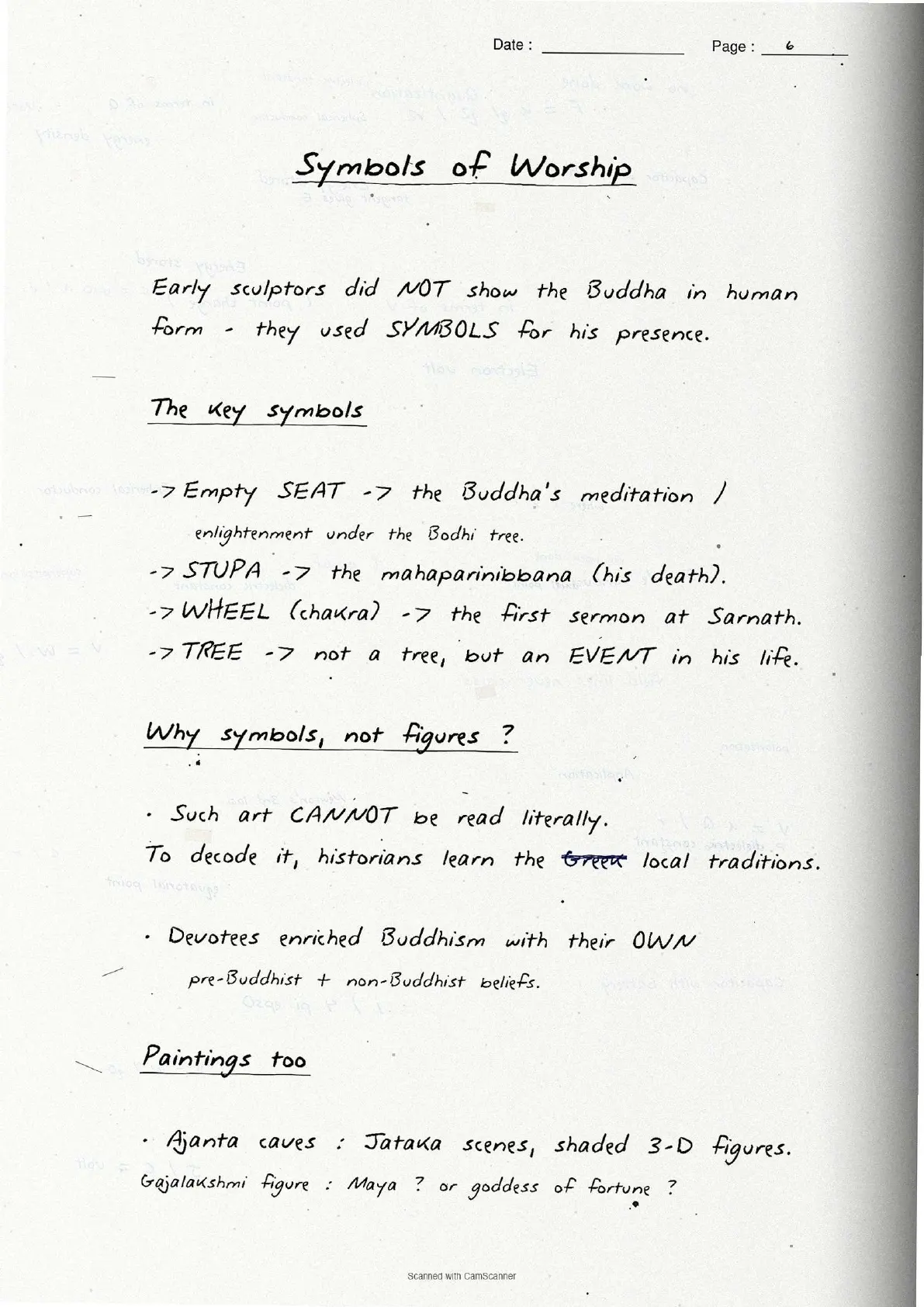
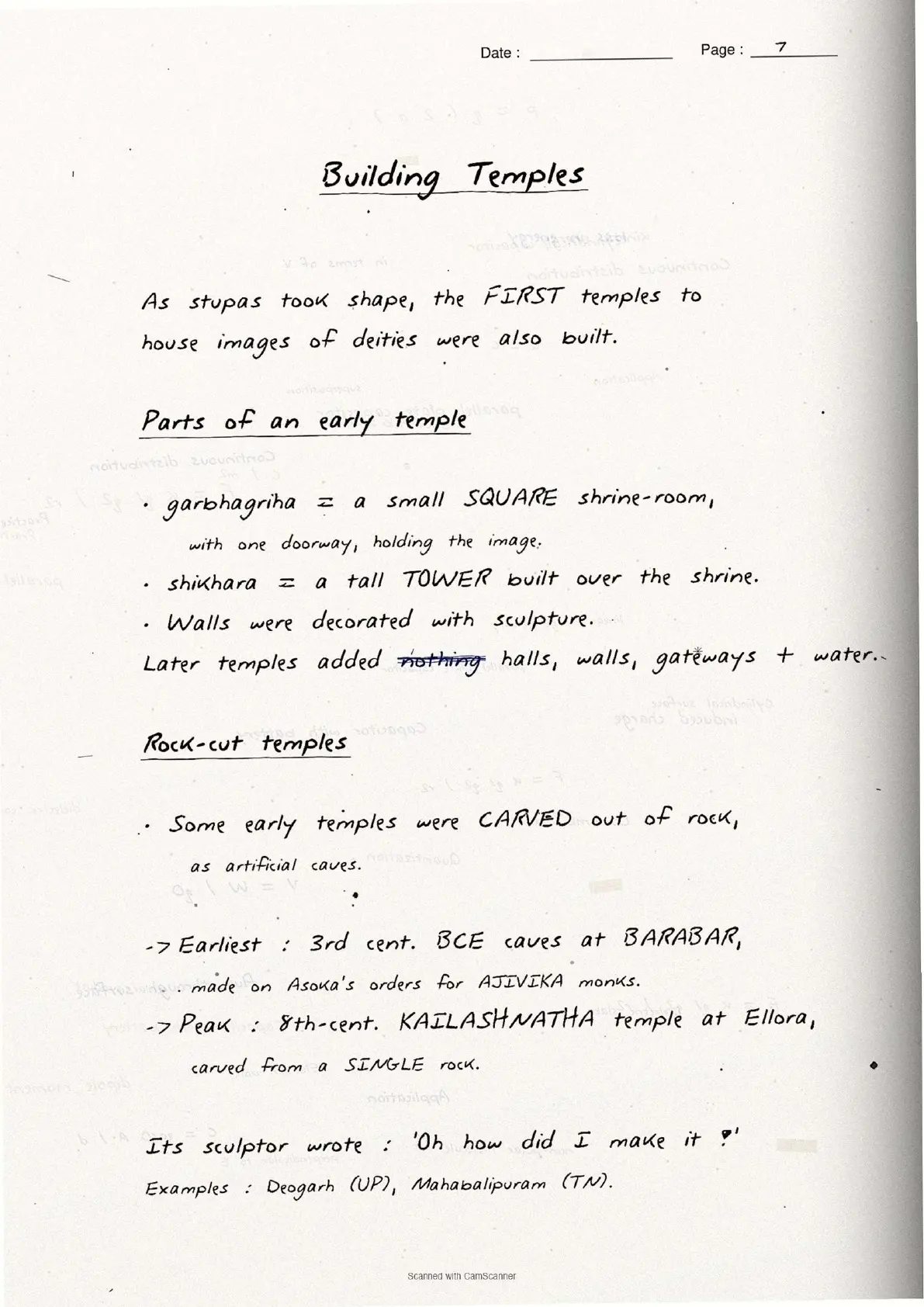
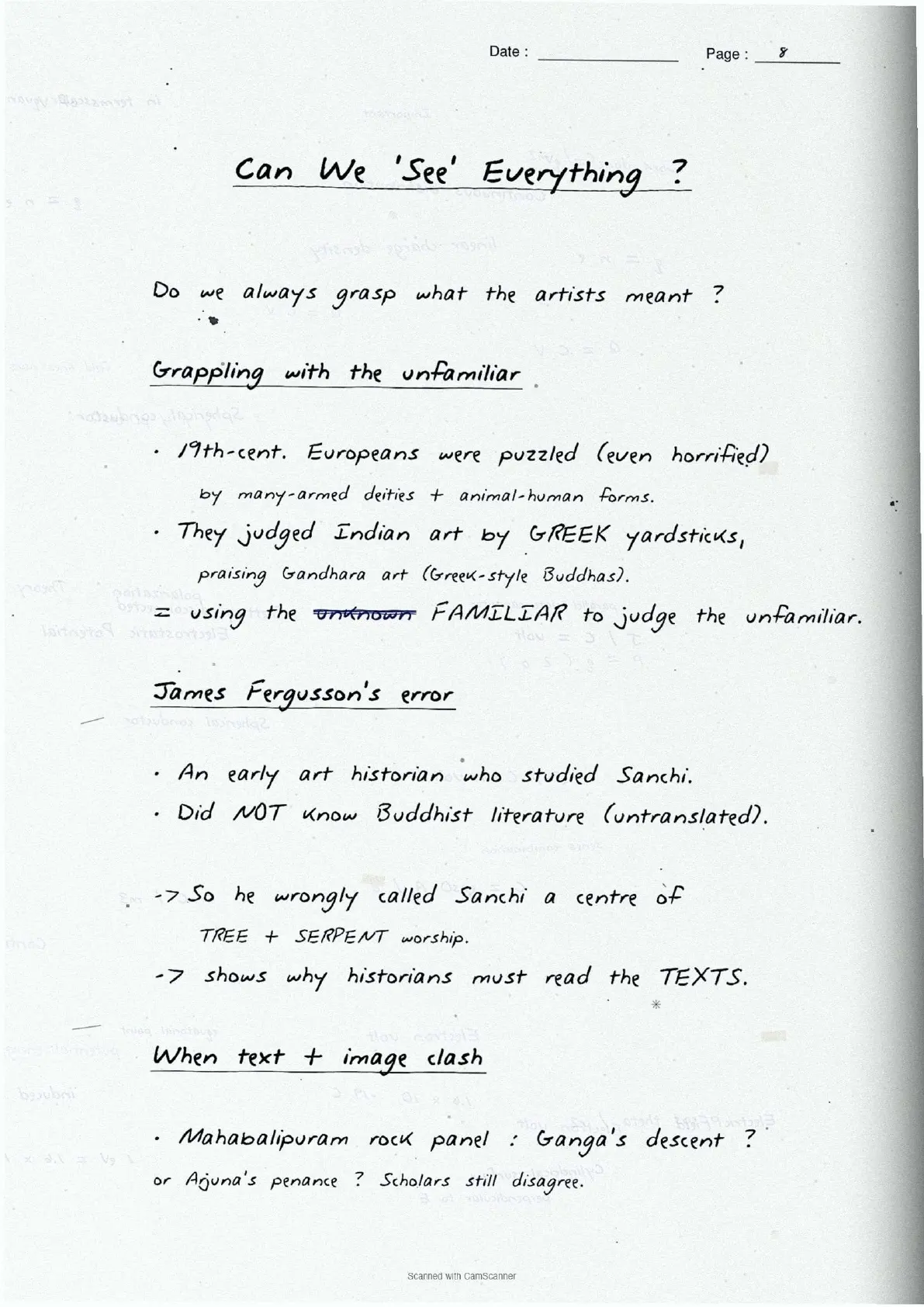
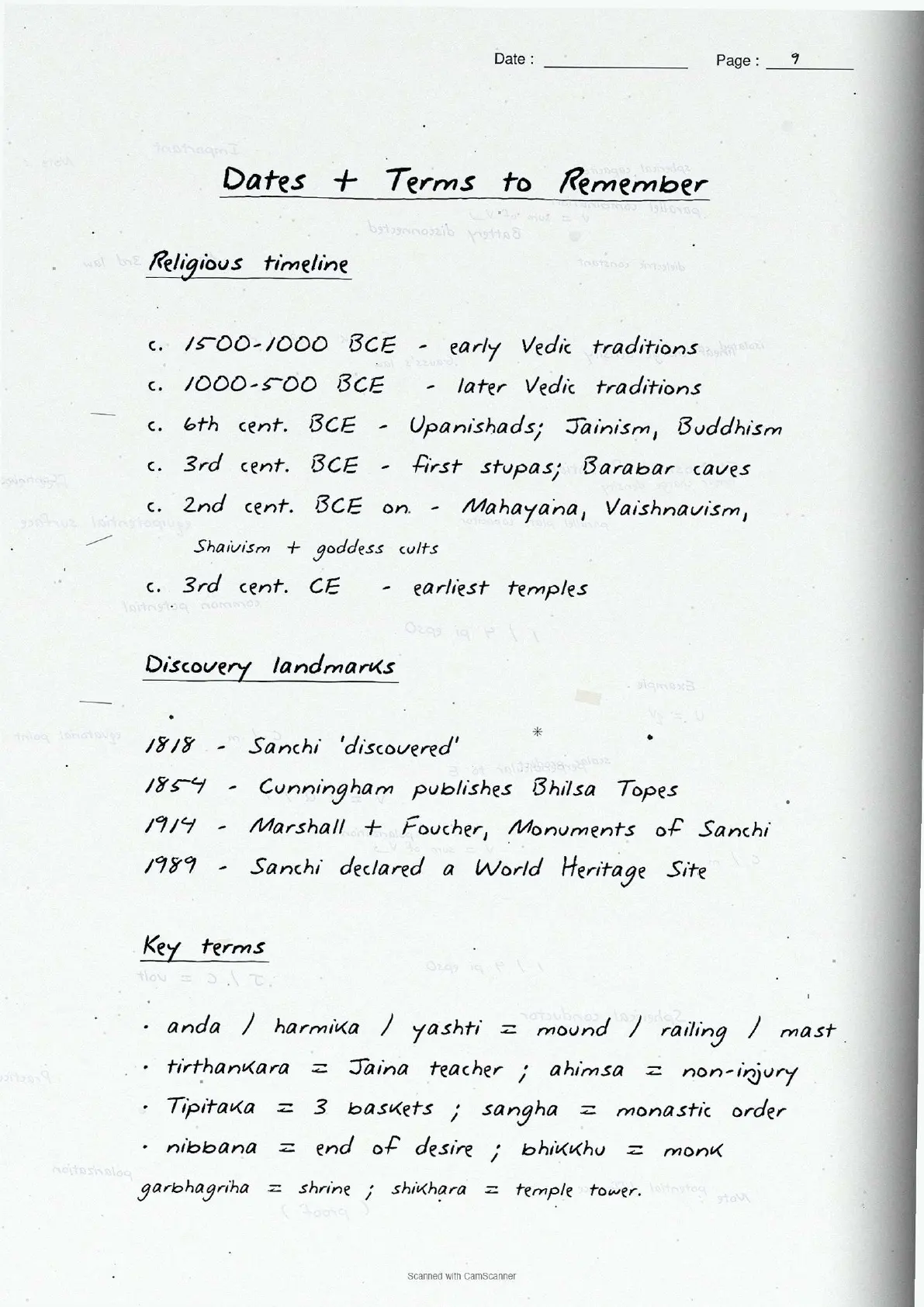
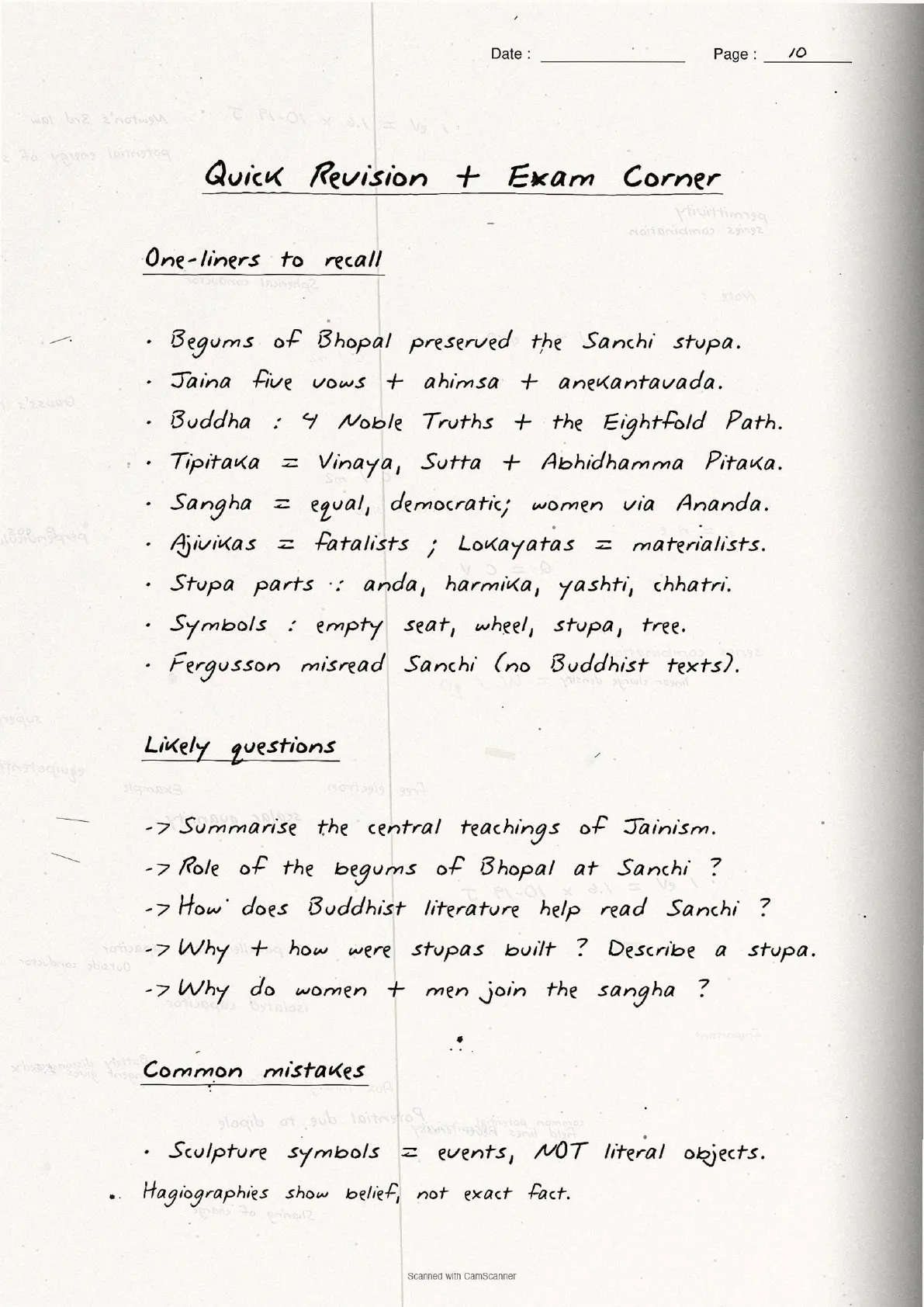
- Handwritten pages with boxed key terms and labelled stupa sketches.
- This Class 12 History chapter usually carries 6 to 8 marks in the board paper.
- Pairs with the NCERT Solutions, Notes and Book PDF linked lower on this page.
These Thinkers, Beliefs and Buildings handwritten notes are prepared from the official NCERT Themes in Indian History Part I and checked against the last five years of CBSE board papers.
Student Feedback: In a Collegedunia poll of 8,120 Class 12 History students before the 2026 boards, 75% of students said handwritten notes felt faster to revise from than printed text for this chapter. Most students used the labelled stupa sketch to recall the parts of the monument in the exam.
Source: 2026-27 Class 12 History student poll. Sample of 8,120 students from CBSE schools across 12 states.
What These Handwritten Notes Include
Thinkers, Beliefs and Buildings is the fourth chapter of Themes in Indian History Part I. It studies the new ideas, religions and buildings of roughly 600 BCE to 600 CE, from the Upanishads to the first temples. These handwritten notes condense the chapter into pages a student can read in one sitting.
Every page is built around the three words in the chapter title:
- Thinkers pages cover the Upanishadic teachers, the fatalists, the materialists, Mahavira and the Buddha.
- Beliefs pages cover Jainism, Buddhism, and the rise of Vaishnavism and Shaivism.
- Buildings pages cover stupas like Sanchi and the early temples.
Because the notes are handwritten, the key terms sit in boxes and the important dates are underlined, so the eye jumps straight to them. This makes the thinkers beliefs and buildings handwritten notes ideal for a last revision when there is no time to read full paragraphs. Sort each fact under a thinker, a belief or a building, and the whole of chapter 4 history class 12 falls into place.
Thinkers: Upanishads, Fatalists and Materialists Pages
The thinkers pages start with the older sacrificial tradition and the new ideas that questioned it. The notes keep the streams of thought as short, boxed lists so students can copy them straight onto the answer sheet.
- Sacrificial tradition: yajnas offered to gods like Agni, Indra and Soma.
- Upanishadic thinkers: asked about life, rebirth and the self, the atman.
- Fatalists (Ajivikas): everything is fixed; effort cannot change fate.
- Materialists (Lokayata): only this world is real, with no soul or rebirth.
The first exercise question asks whether the Upanishadic thinkers differed from the fatalists and materialists. The notes underline the key point: yes, they did, because the Upanishadic teachers searched for a deeper truth while the fatalists denied free will and the materialists denied the soul. A hand-drawn arrow links each thinker to the idea they rejected, which makes the comparison easy to recall under exam pressure.
Jainism and Buddhism Pages
The beliefs pages carry the two great new religions of the chapter, with boxed lists of their teachings. Jainism was taught by Mahavira, and Buddhism by the Buddha. The table below lists what the pages box for quick revision.
| Religion | Key teachings boxed in the notes |
|---|---|
| Jainism | Life in everything; ahimsa; five vows; asceticism frees the soul from rebirth. |
| Buddhism | The middle path; the end of suffering; the open sangha; no place for blind ritual. |
| The sangha | Monks (bhikkhus) and nuns (bhikkhunis); women joined after Ananda's request. |
| Why people joined | A search for peace, an open community, and a path out of suffering. |
The notes box the single most important Jain point in red ink: ahimsa, non-injury to every living thing. For Buddhism, the boxed key is the middle path and the open sangha. These two religions feed the "central teachings of Jainism" and "why people joined the sangha" questions, so the pages keep their core ideas as one-line takeaways.
Stupas, Sanchi and Symbols of Worship Pages
The buildings pages carry a labelled sketch of a stupa, the mound built over relics of the Buddha. The drawing marks each part, so students can describe the monument in detail. The notes use bead-sized boxes for the stupa anatomy and the early symbols of worship.
- Why stupas were built: to hold relics of the Buddha; later, places linked to his life became sacred.
- Parts of a stupa: the anda (mound), the harmika, the yashti, the railing, and the toranas (gateways).
- Who funded them: kings like Asoka, guilds and ordinary devotees, named in carved inscriptions.
- Symbols of worship: early art showed the Buddha as an empty seat, a stupa, a wheel or footprints.
The notes box the rule for the stupa-building answer: split it into "why" (relics and sacred sites) and "how" (funding plus the anatomy of the mound). A small hand-drawn label points to each part of the stupa, which makes the parts easy to picture. Keep the stupa diagram and the symbols of worship ready, as both appear often in the board paper.
Temples, Vaishnavism and Shaivism Pages
These pages cover the worship of Vishnu and Shiva and the first temples. The notes give this its own set of pages, since it feeds the temple-development question. The pages split the topic into the deities and the building.
- Vaishnavism: worship of Vishnu, shown through his avatars in sculpture.
- Shaivism: worship of Shiva, often shown through the linga.
- First temples: built from about the third century CE, with a small shrine room, the garbhagriha.
- Temple growth: a tower (shikhara) rose above the shrine, and the walls carried rich sculpture.
The pages underline the key development: the early temple housed a single deity in a small garbhagriha, and grew more elaborate over time. A linking arrow connects Buddhist literature, the Jatakas and life-stories of the Buddha, to the Sanchi carvings, which is the point of the "Buddhist literature and sculpture" question. Keep the temple parts and this text-to-image link on your sheet.
Begums of Bhopal and Rediscovering Sanchi Pages
The last set of pages covers how Sanchi survived when many sites were lost. The stupa lay in the princely state of Bhopal, and its rulers protected it. Both threads, the threat and the rescue, are short-answer favourites, so the notes keep the points in one boxed table.
| Theme | Key points to recall |
|---|---|
| The threat | European officers wanted to carry off the gateways; the stupa could have been shipped abroad. |
| The begums' role | Shahjehan Begum and Sultan Jehan Begum funded the museum and guesthouse, and kept the stupa in place. |
| The record | Sultan Jehan Begum also funded John Marshall's volumes on Sanchi. |
One sharp point the notes box in the margin: because the begums kept Sanchi in situ and paid for its upkeep, the best-preserved Buddhist stupa survived for students to study today. This is why Sanchi, not the better-funded Amaravati, became the model site in the chapter. The pages mark the Sanchi-versus-Amaravati contrast with a linking arrow, since the exam often pairs the two.
How to Use These Handwritten Notes
Handwritten notes work best as a final layer of revision, not as your first read. The plan below helps students get the most out of the thinkers beliefs and buildings handwritten notes before the board exam. Follow it once a week in the run-up to the test.
- First pass: read the notes once, following the thinkers, beliefs and buildings order of pages.
- Active recall: cover the boxed terms and try to write each list from memory.
- Sketch practice: redraw the stupa diagram and label each part without looking.
- Self-test: attempt a short class 12 history chapter 4 mcq drill to check the small facts.
Because the notes come as a downloadable PDF, students can save them on a phone and revise offline on the way to the exam centre. Many students search for class 12 history chapter 4 notes on their phone the night before a test, so a saved PDF means revision is always at hand. Pair these pages with the full solutions to check your written answers against model points.
Common Mistakes These Notes Help You Avoid
A few errors cost marks in this chapter every year. Most come from mixing up the thinkers or from giving only half the stupa answer. The notes flag each soft point in the margin so students phrase it safely on the answer sheet.
- Mixing up the fatalists and materialists - fatalists deny free will, materialists deny the soul.
- Answering only "why" or only "how" stupas were built - the question needs both halves.
- Saying early art showed the Buddha as a human figure - it used an empty seat, wheel or stupa instead.
- Forgetting the begums kept Sanchi in situ - this is the heart of the preservation answer.
- Confusing the tirthankaras - Mahavira was the 24th and last, not the first.
Students who fix these five points usually move from average to high marks. The exam rewards precise wording, so name each thinker and each stupa part exactly as the NCERT does. The handwritten margin notes nudge you to use the right names in the right places.
How These Notes Pair with the Solutions and Book PDF
These handwritten notes are a revision layer. To prepare fully, students should use them with the other resources for the same chapter, all linked in the table below. Read the notes, then test yourself with the solutions, and open the book PDF for the original text and figures.
| Resource | Best used for |
|---|---|
| Thinkers, Beliefs and Buildings NCERT Solutions | Step-by-step answers to all 12 back-exercise questions |
| Thinkers, Beliefs and Buildings Class 12 Notes | Quick chapter summary with all dates, thinkers and stupa parts in one place |
| Thinkers, Beliefs and Buildings NCERT Book PDF | Reading the original NCERT chapter text and figures |
Tip: use the handwritten sketches to memorise the stupa parts, then write the full answer in your own words. Drawing the stupa once from memory fixes the building answer for good.
All Class 12 History Handwritten Notes by Chapter
The table links the handwritten notes for every chapter in Themes in Indian History so students can move across the book in one click. Chapter 4 is highlighted.
| Chapter | Handwritten Notes |
|---|---|
| Chapter 1 | Bricks, Beads and Bones |
| Chapter 2 | Kings, Farmers and Towns |
| Chapter 3 | Kinship, Caste and Class |
| Chapter 4 | Thinkers, Beliefs and Buildings |
| Chapter 5 | Through the Eyes of Travellers |
| Chapter 6 | Bhakti-Sufi Traditions |
| Chapter 7 | An Imperial Capital Vijayanagara |
| Chapter 8 | Peasants, Zamindars and the State |
| Chapter 9 | Colonialism and the Countryside |
| Chapter 10 | Rebels and the Raj 1857 |
| Chapter 11 | Mahatma Gandhi and the Nationalist Movement |
| Chapter 12 | Framing the Constitution |
FAQs on Thinkers, Beliefs and Buildings Handwritten Notes
Thinkers, Beliefs and Buildings Class 12 Handwritten Notes Common Questions
Ques. Where can I download the Thinkers, Beliefs and Buildings handwritten notes PDF?
Ans. You can download the Thinkers, Beliefs and Buildings handwritten notes PDF directly from this page. It is free, follows the 2026-27 NCERT, and gives the chapter as clean handwritten pages with boxed terms and a labelled stupa sketch.
Ques. Are handwritten notes good enough for the class 12 history board exam?
Ans. Yes, for revision. Handwritten notes are best used as a final layer after you have read the chapter and practised the solutions. They make the thinkers, the teachings and the stupa parts quick to recall in the exam.
Ques. What does the Thinkers, Beliefs and Buildings chapter cover?
Ans. It covers the new ideas of c. 600 BCE to 600 CE, including the Upanishads, fatalists and materialists, Jainism, the Buddha and the sangha, stupas like Sanchi, symbols of worship, and the rise of Vaishnavism, Shaivism and early temples.
Ques. What are the main parts of a stupa?
Ans. A stupa has the anda (the hemispherical mound), the harmika on top, the yashti (central mast), a railing for circumambulation, and four carved gateways called toranas. Sanchi has the best-preserved gateways.
Ques. How should I use these notes for quick revision?
Ans. Read the pages once in the thinkers, beliefs and buildings order, cover the boxed terms and write each list from memory, redraw the stupa sketch, then attempt a short class 12 history chapter 4 mcq drill to test the small facts.



Comments