




These Colonialism and the Countryside handwritten notes turn the whole chapter on colonial rural India into clean, handwritten pages for fast last-minute revision. They follow the 2026-27 CBSE syllabus and Theme 9 of Themes in Indian History Part III. Students get the dates, key terms, sketches and the three regions in a pen-on-paper format that is easy to skim before a test.
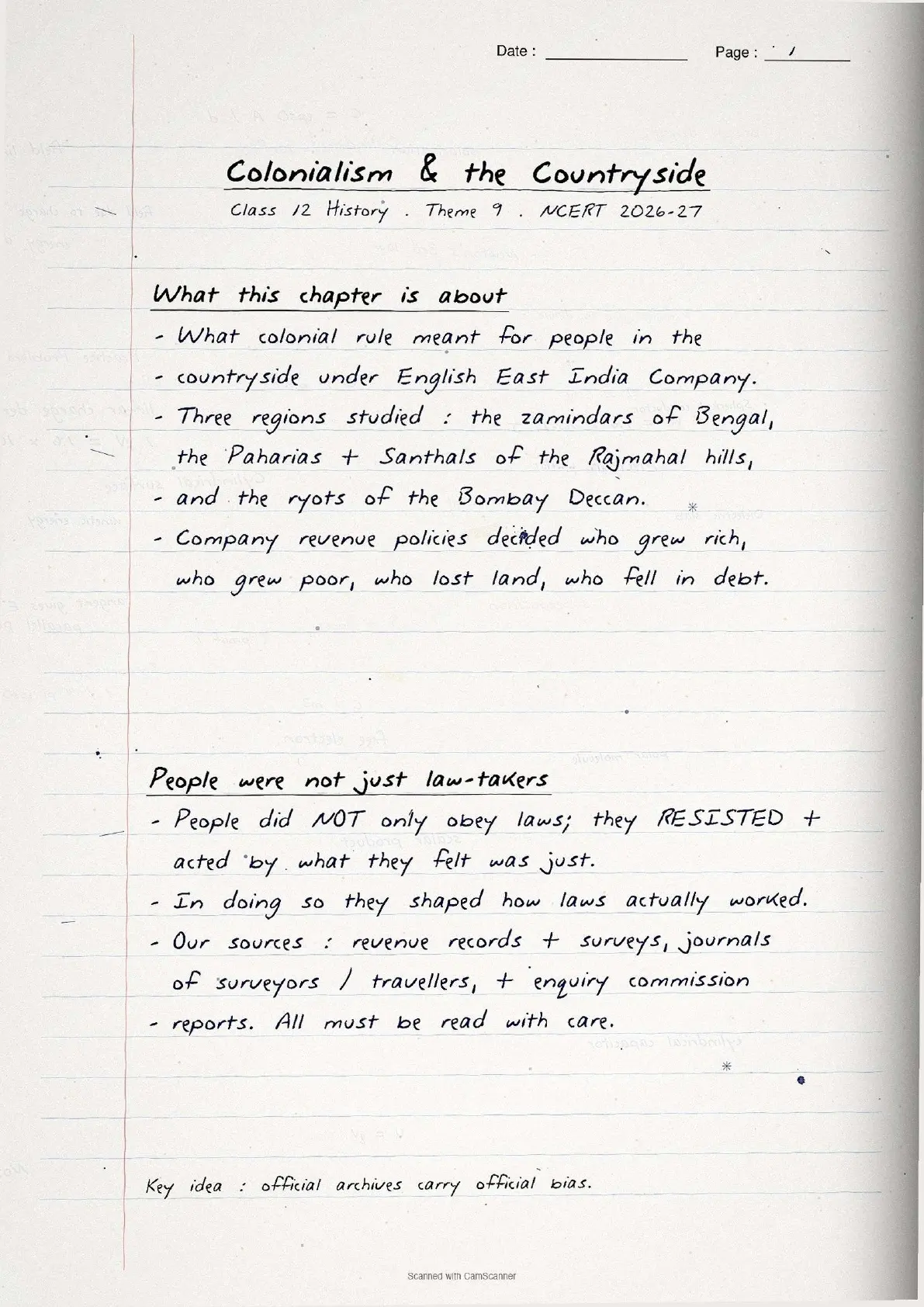
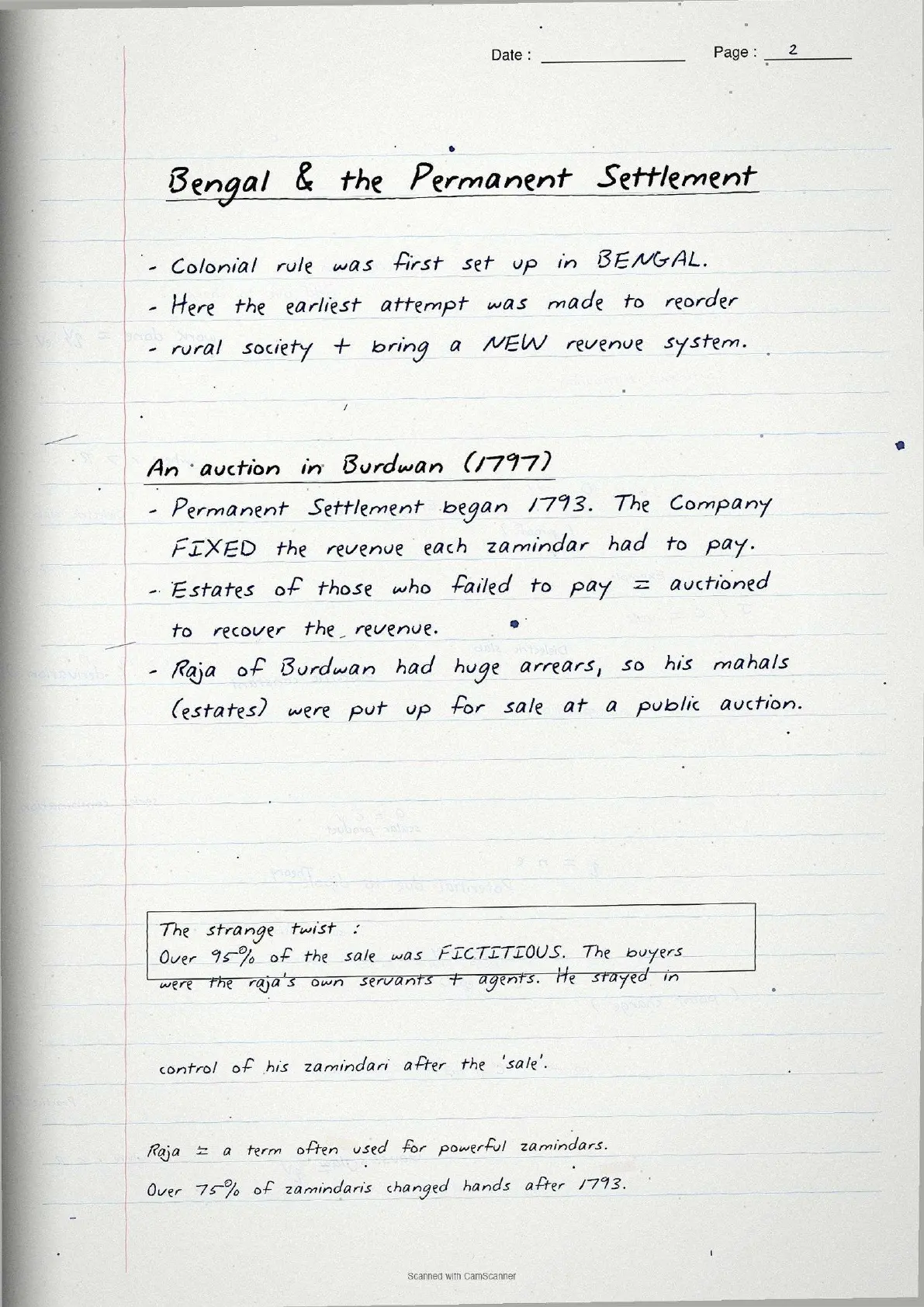
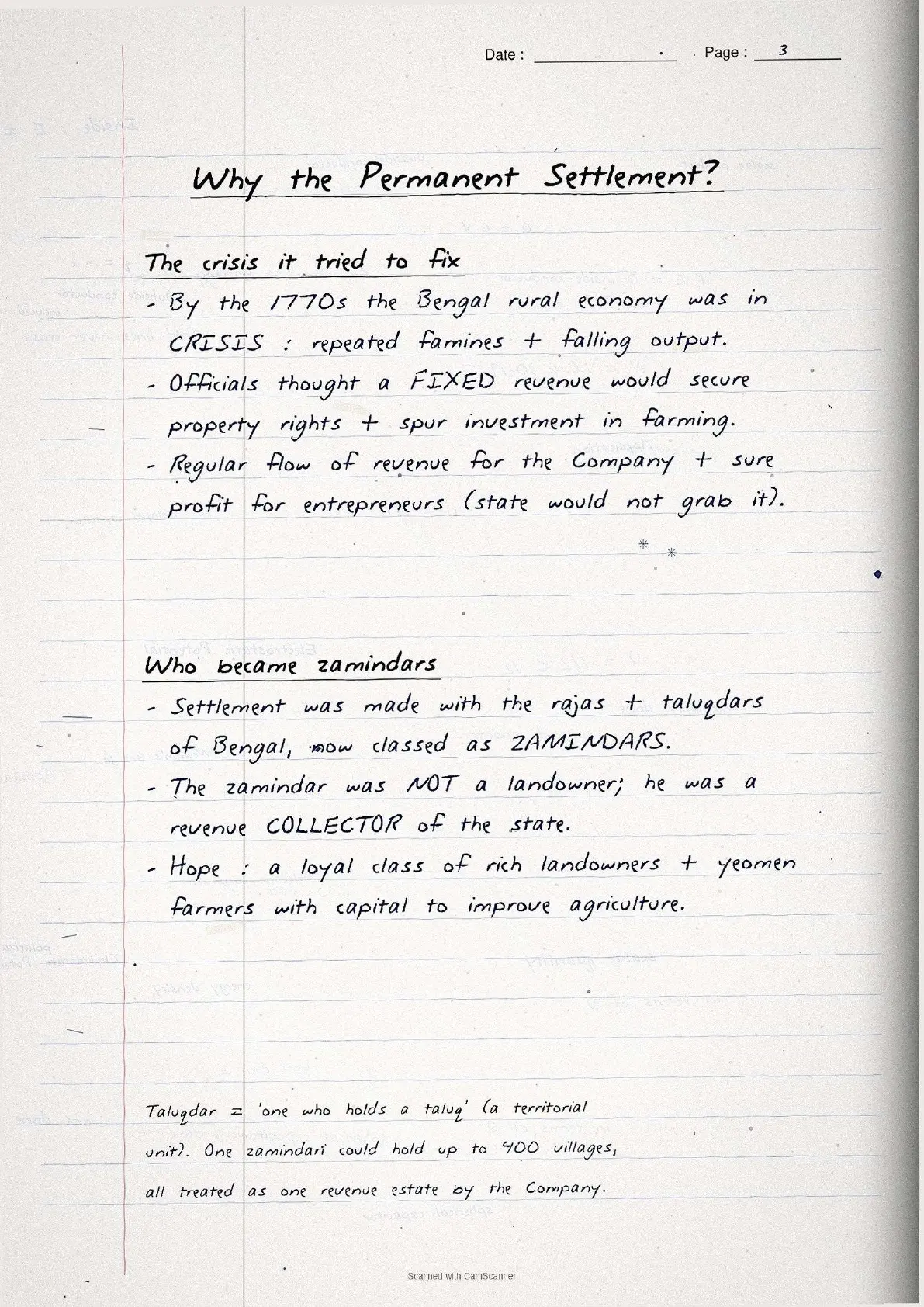
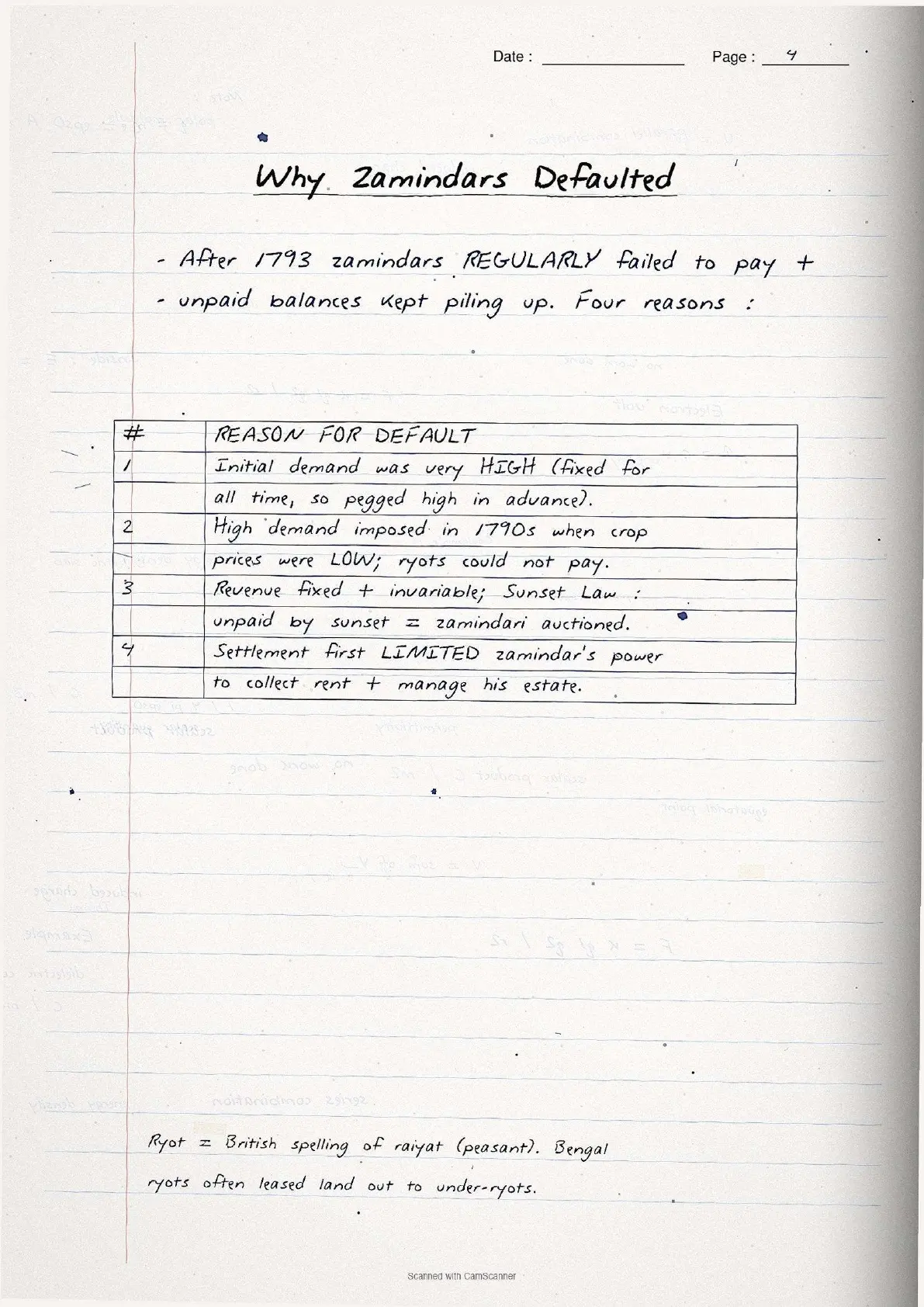
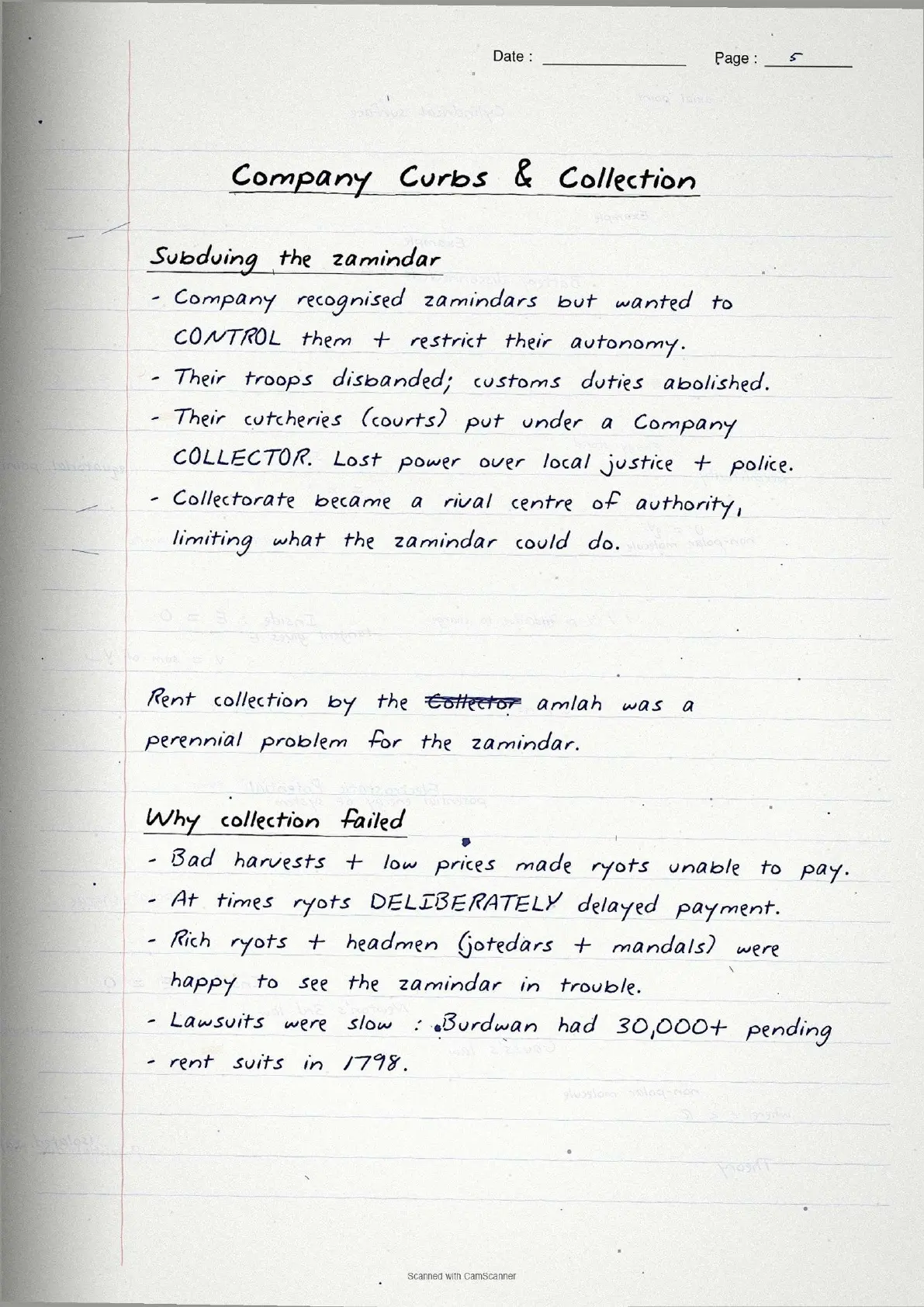
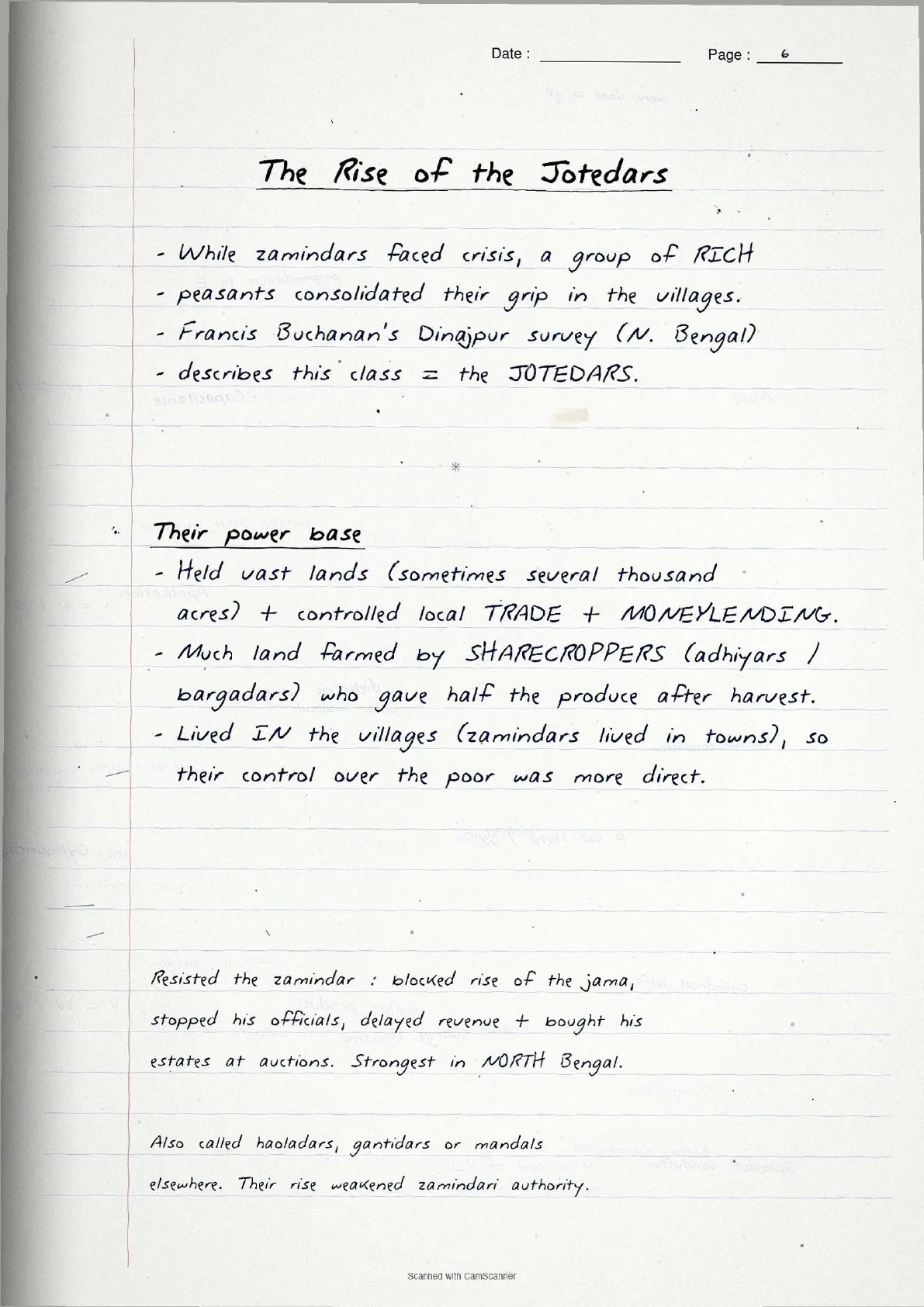
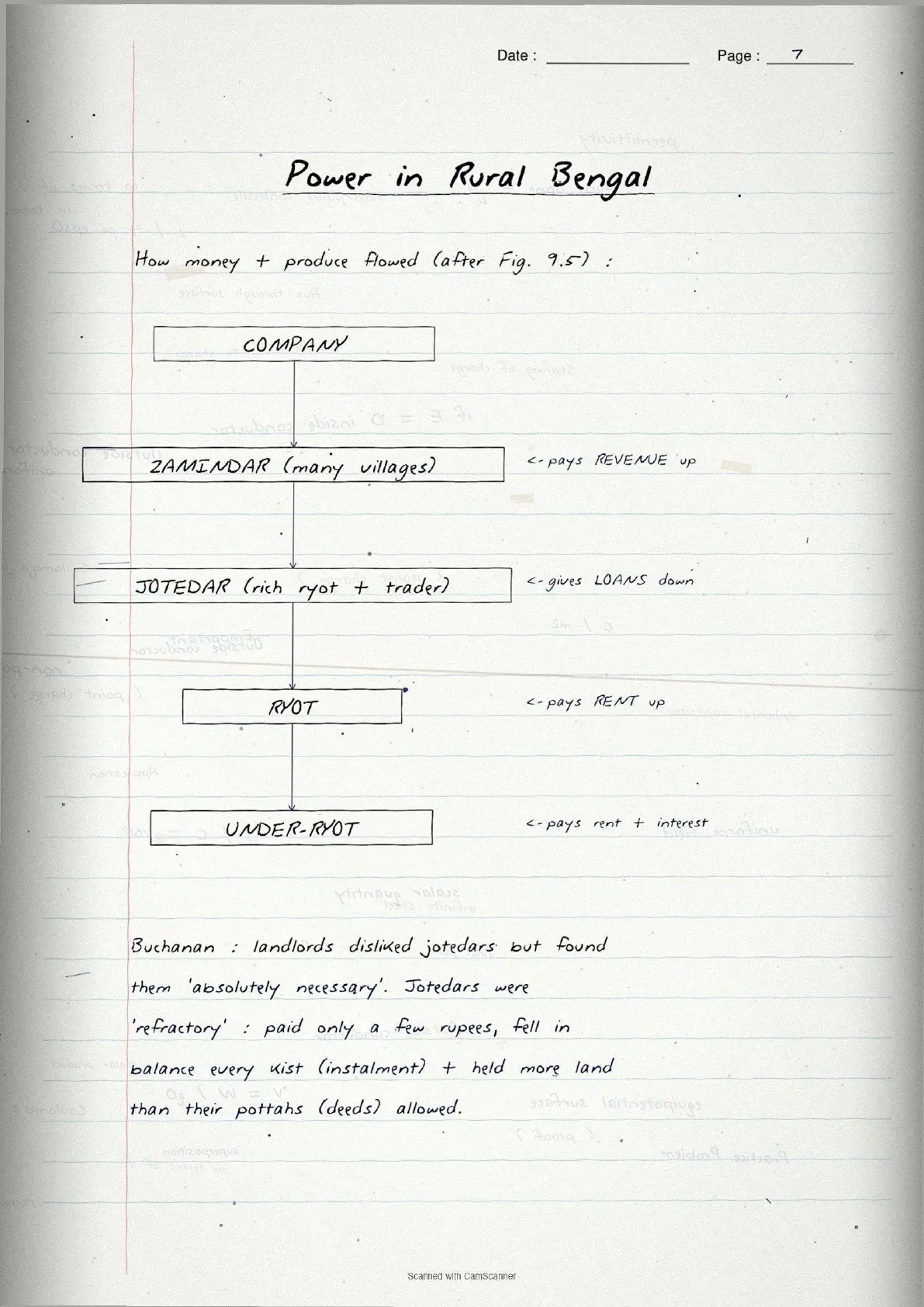
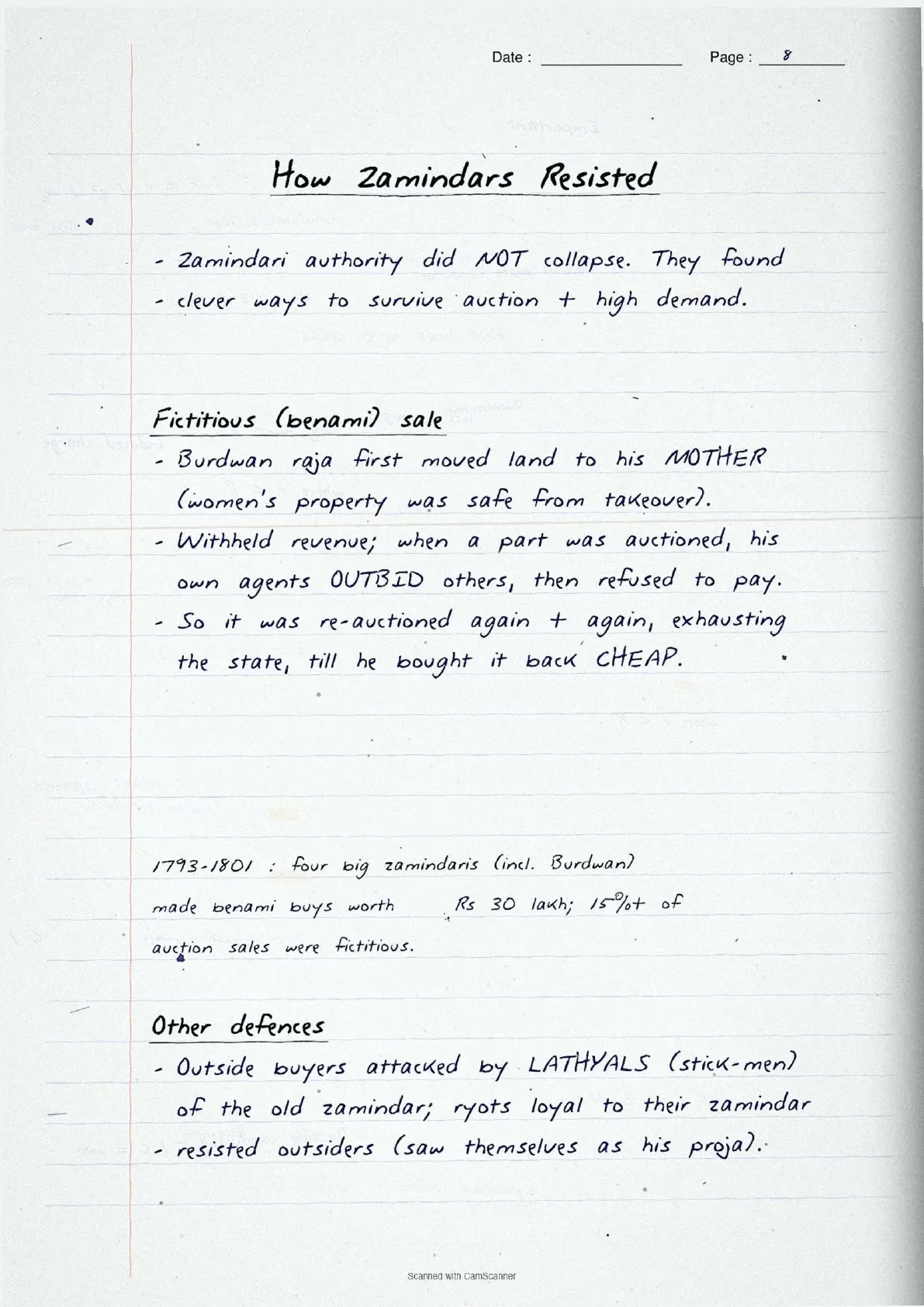
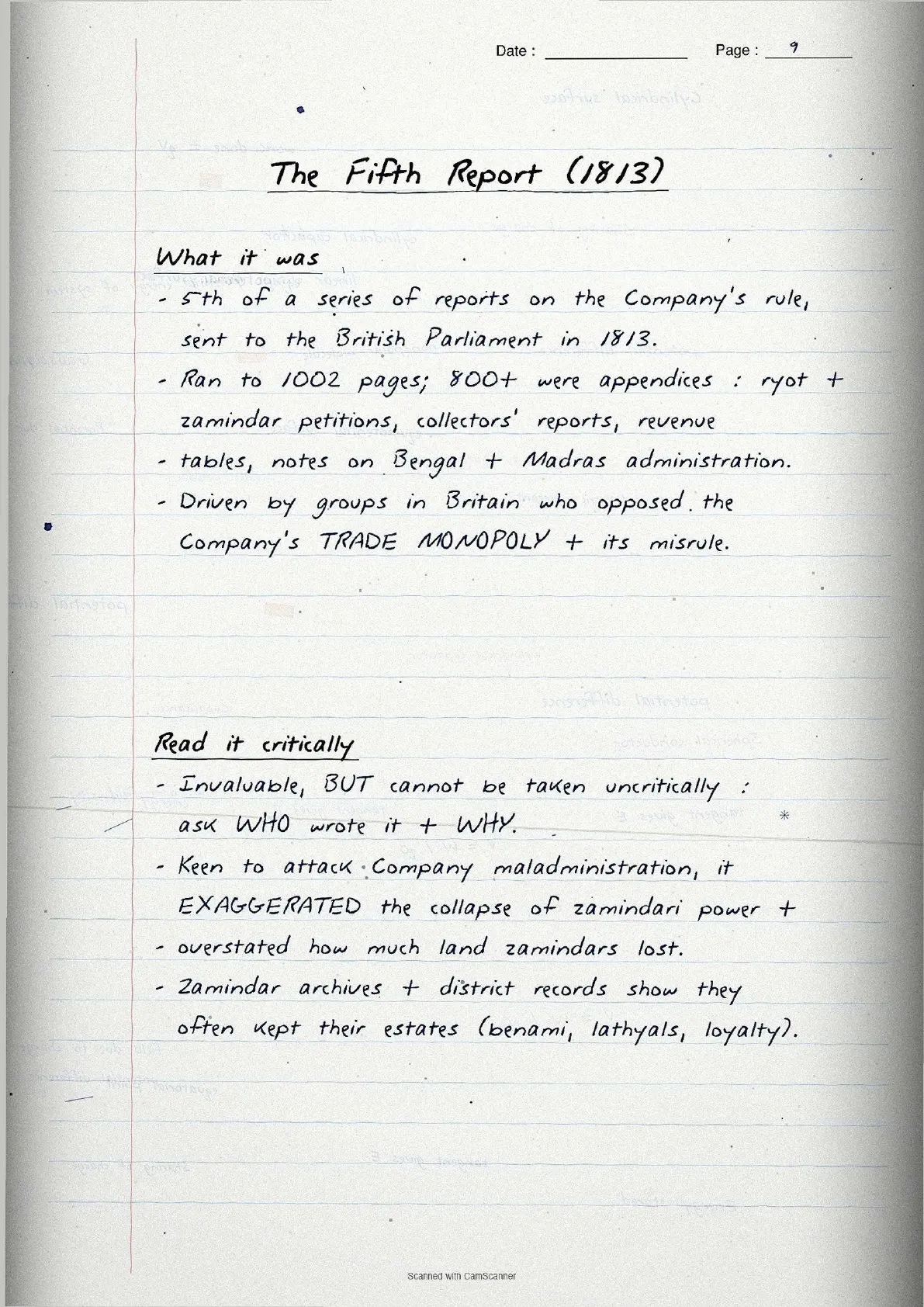
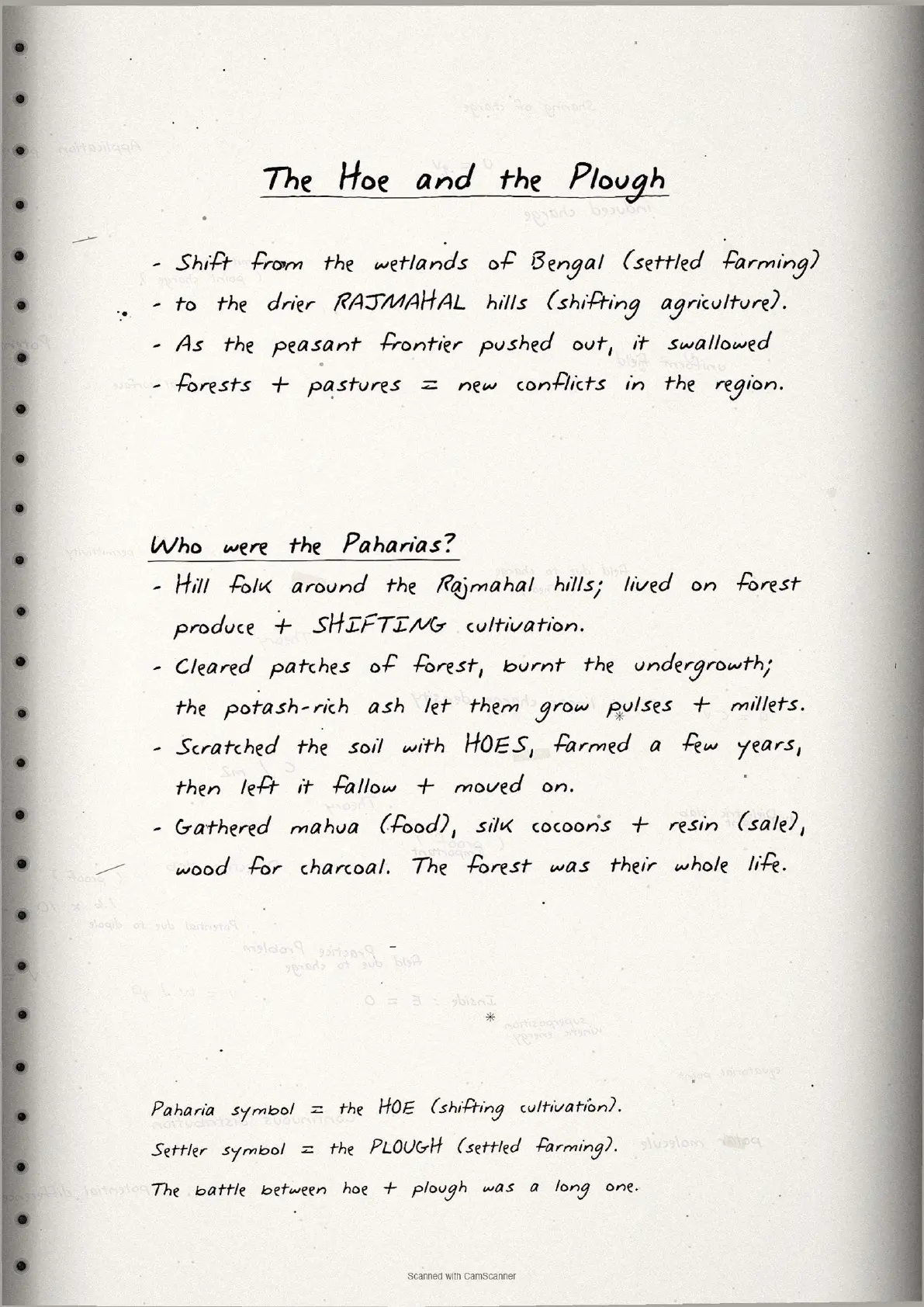
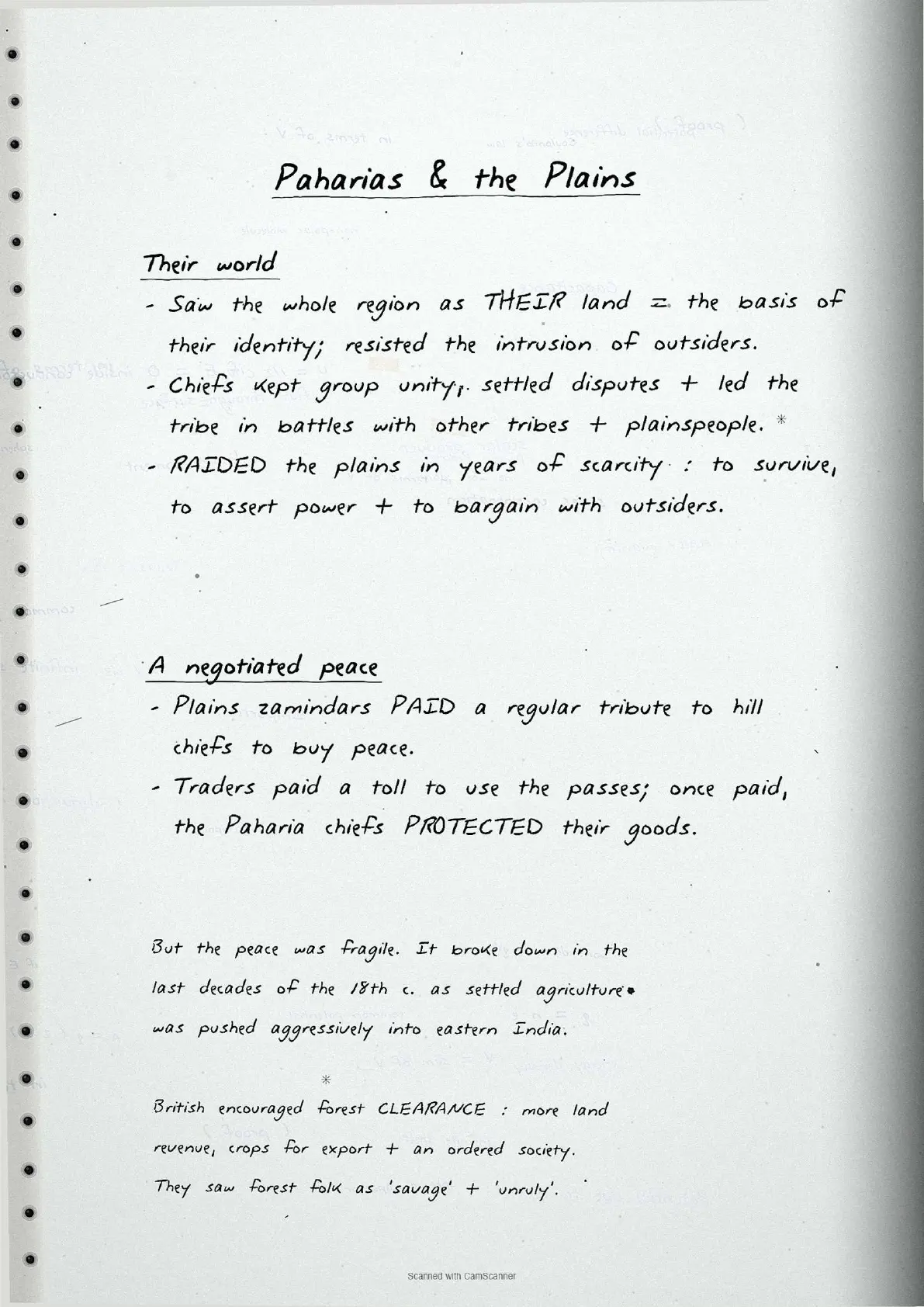
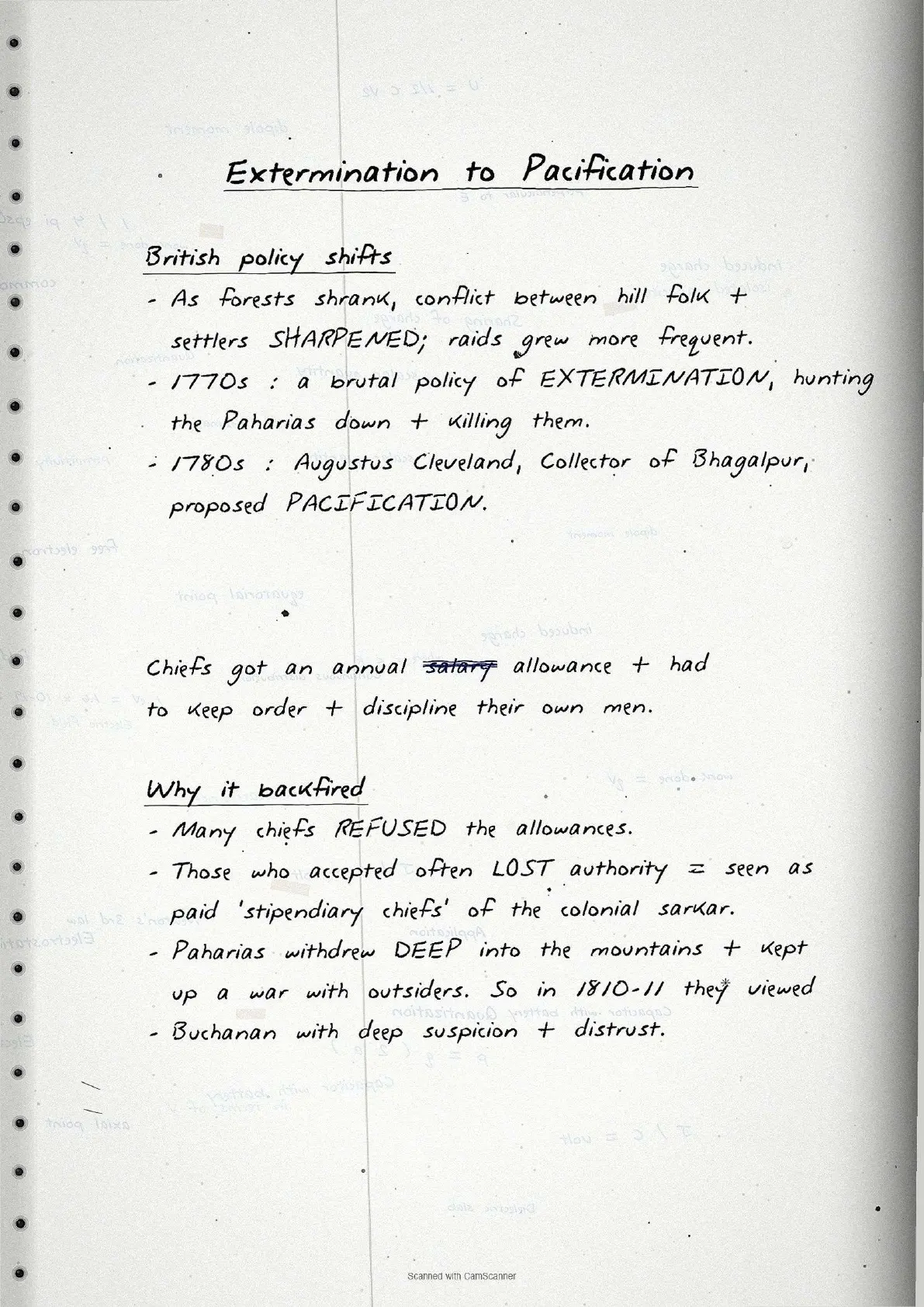
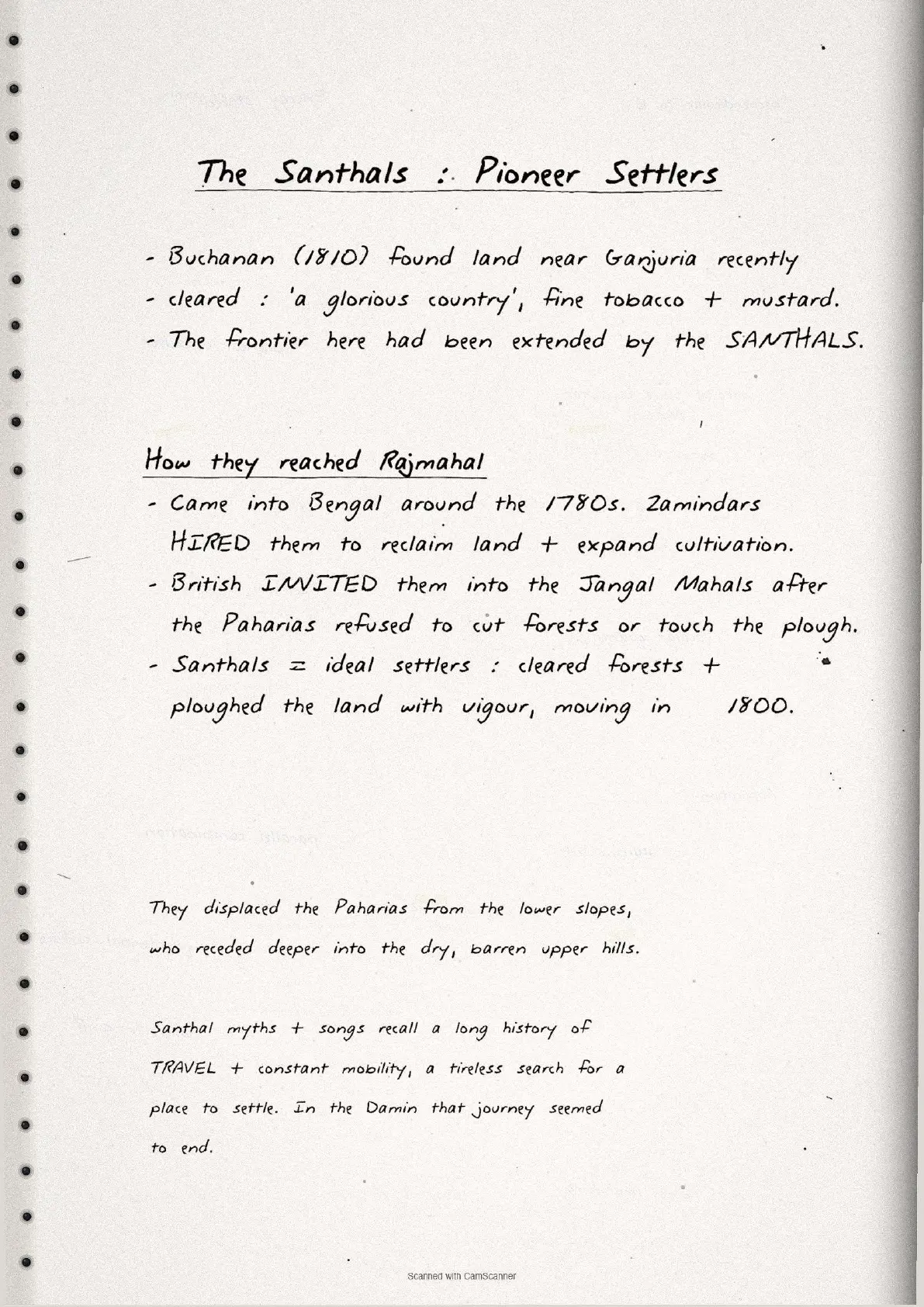
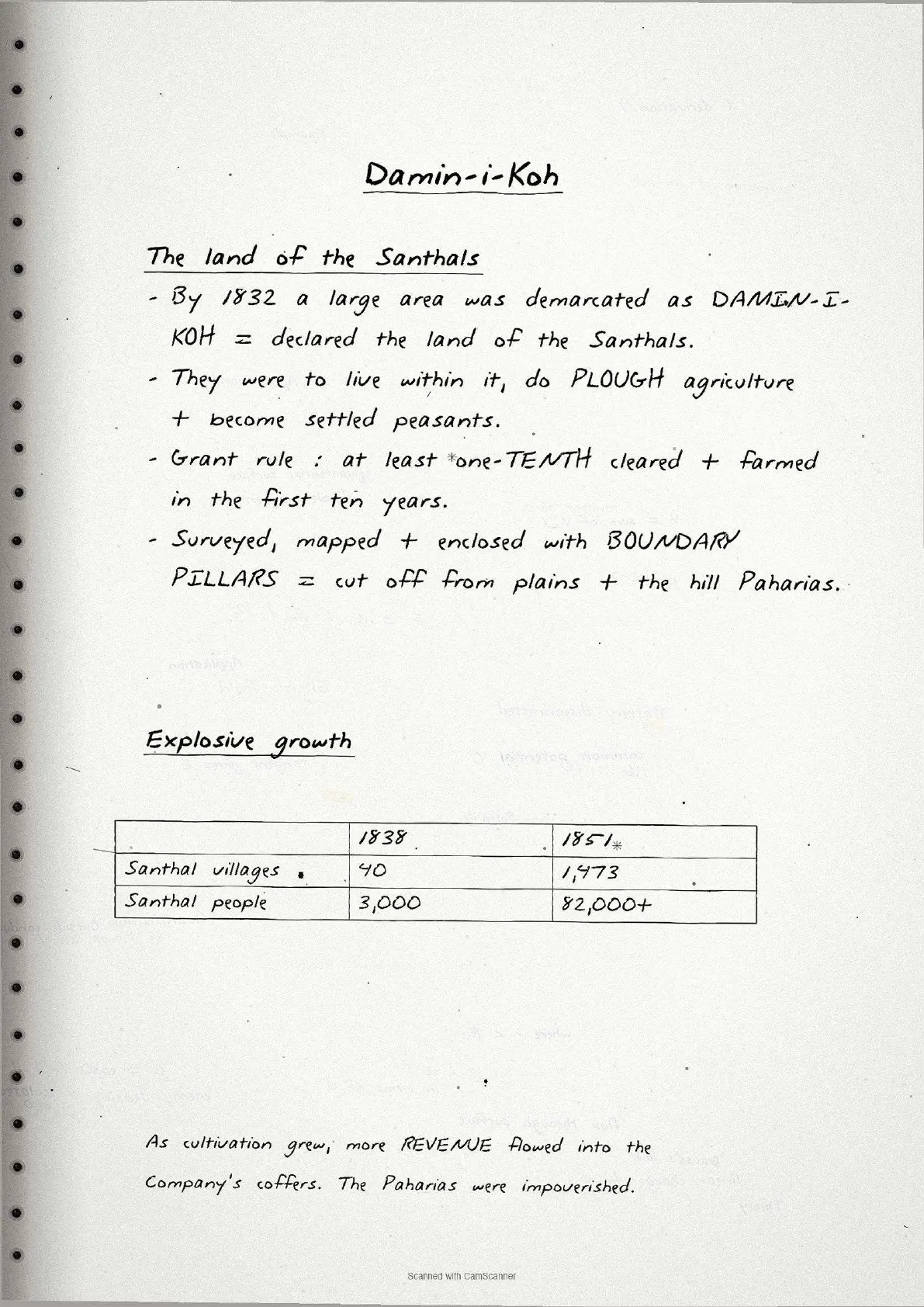
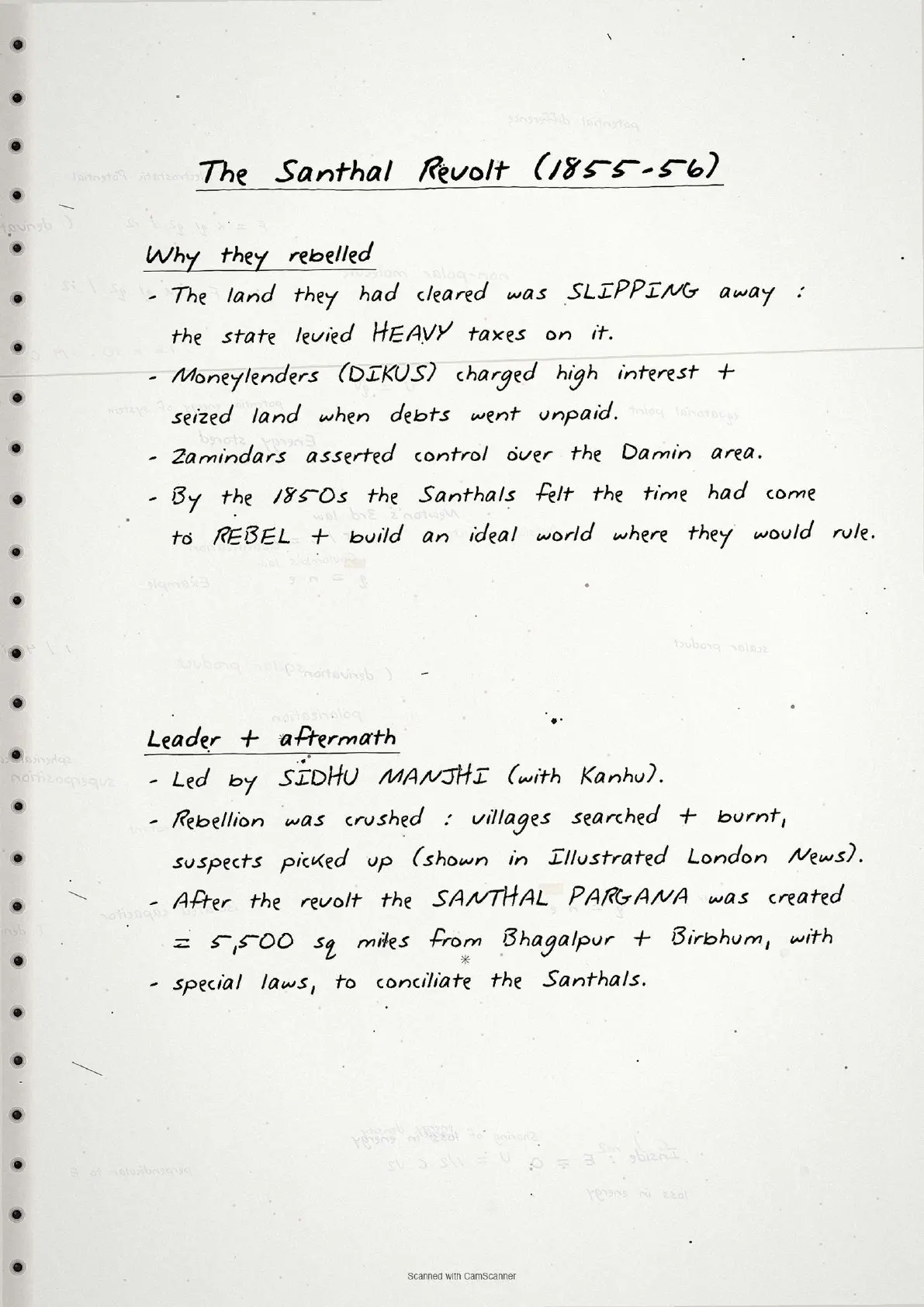
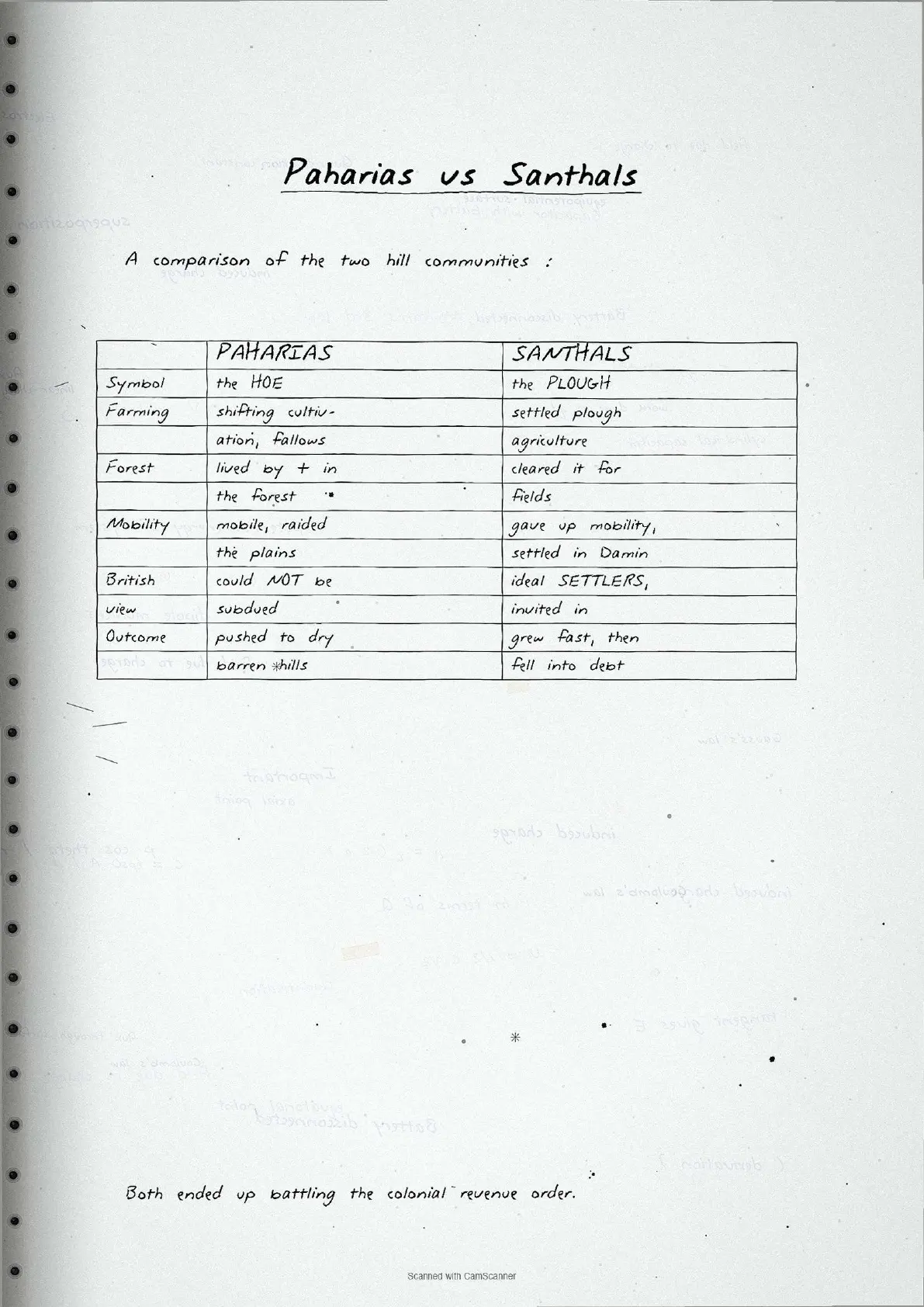
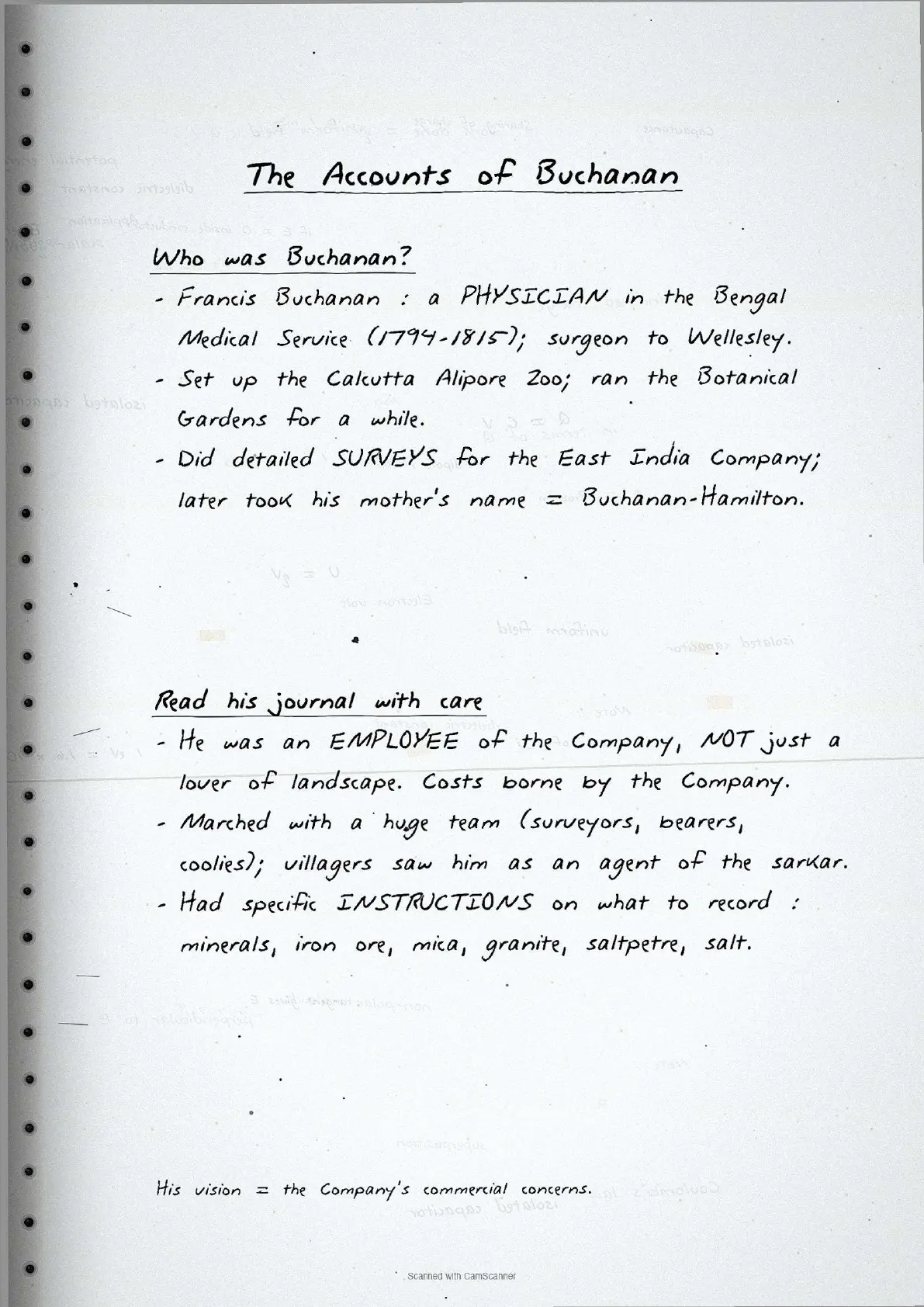
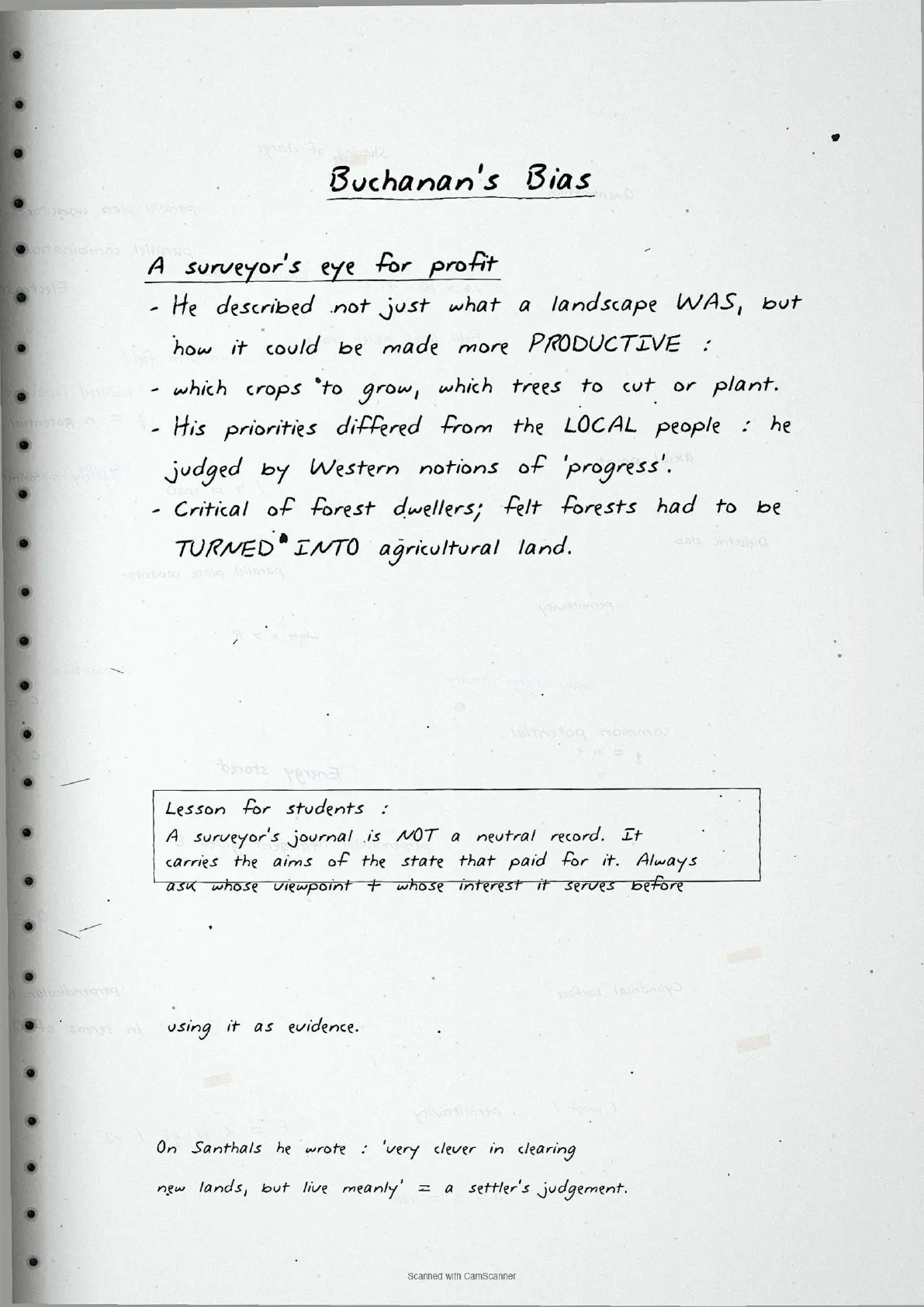
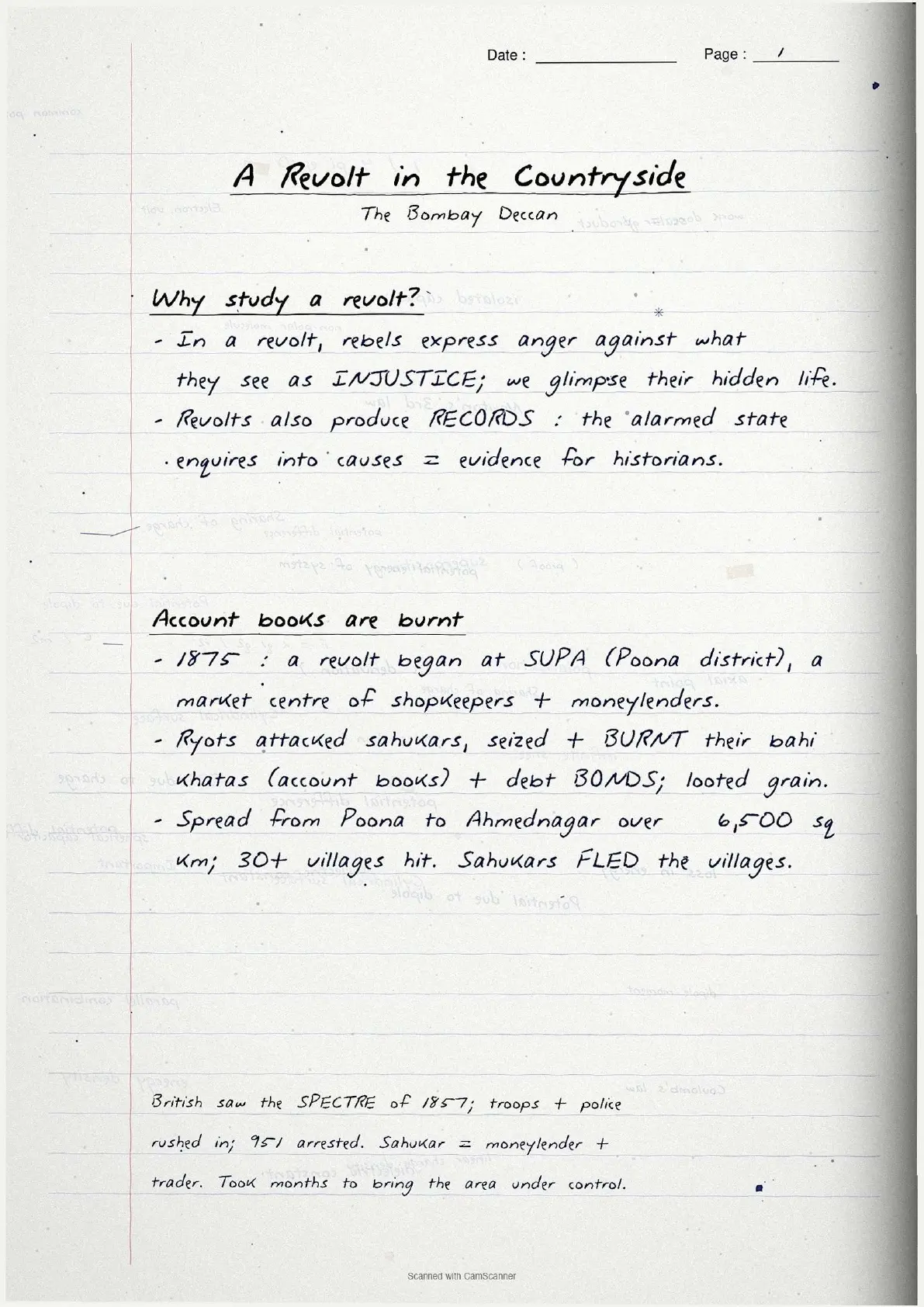
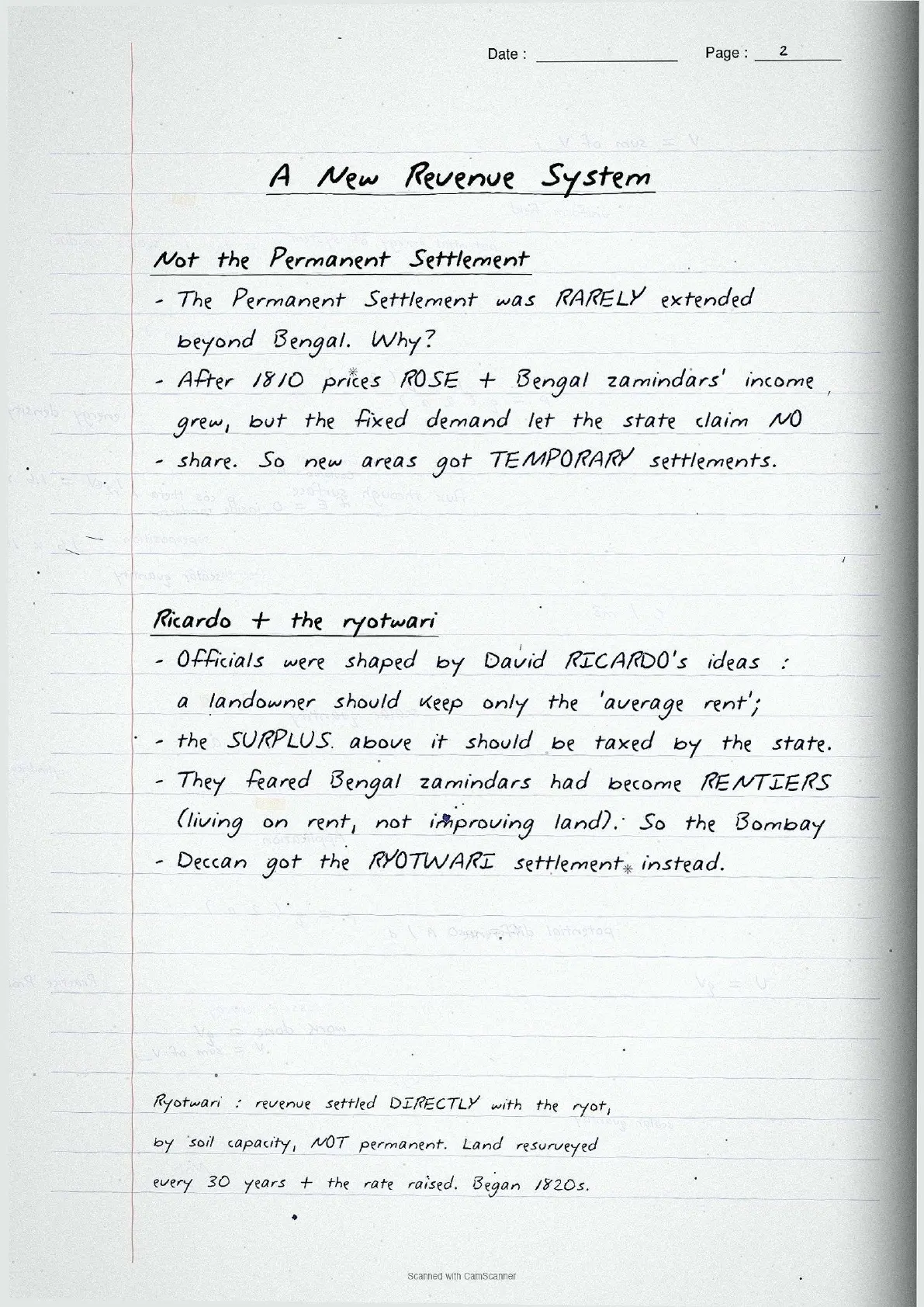
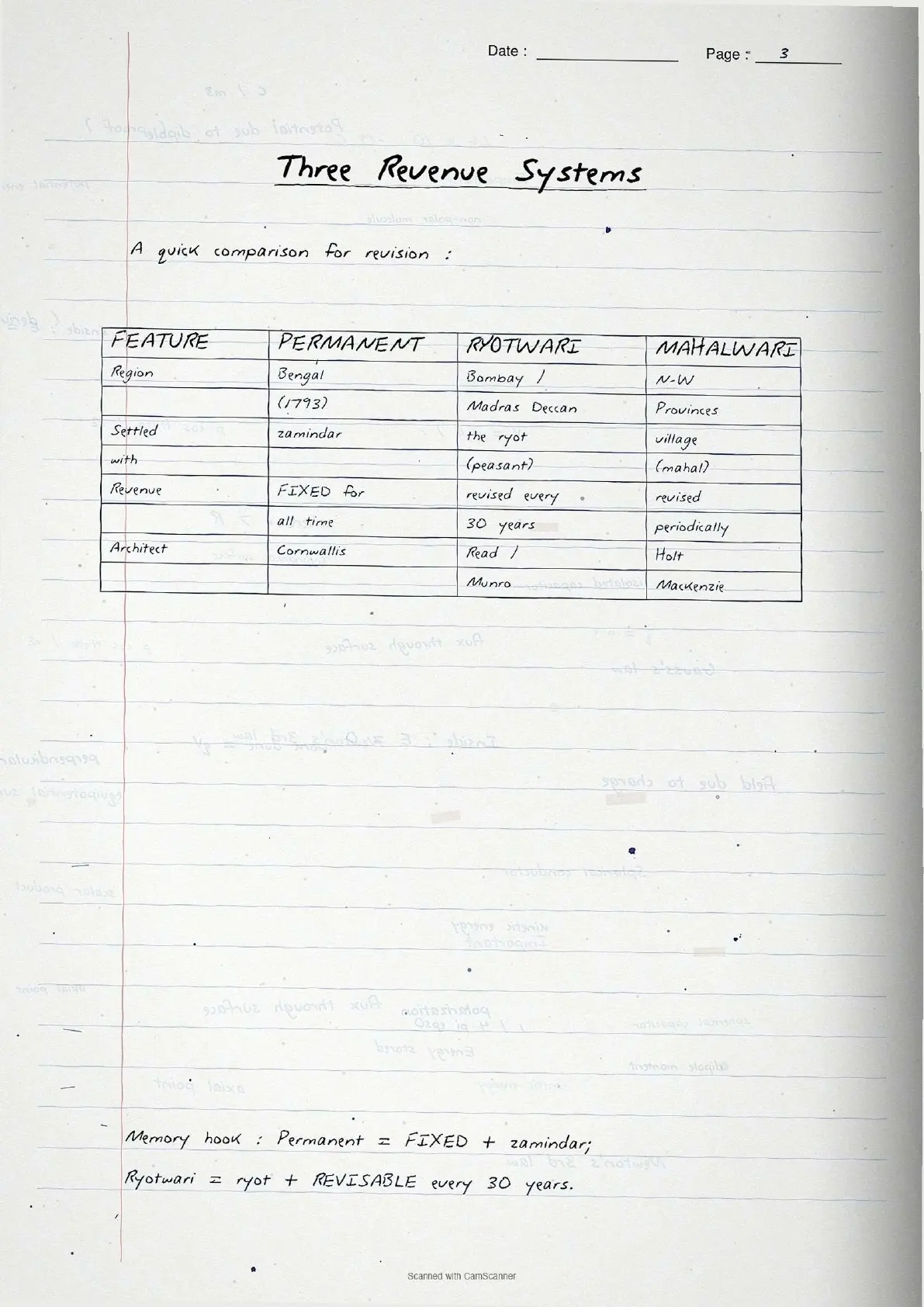
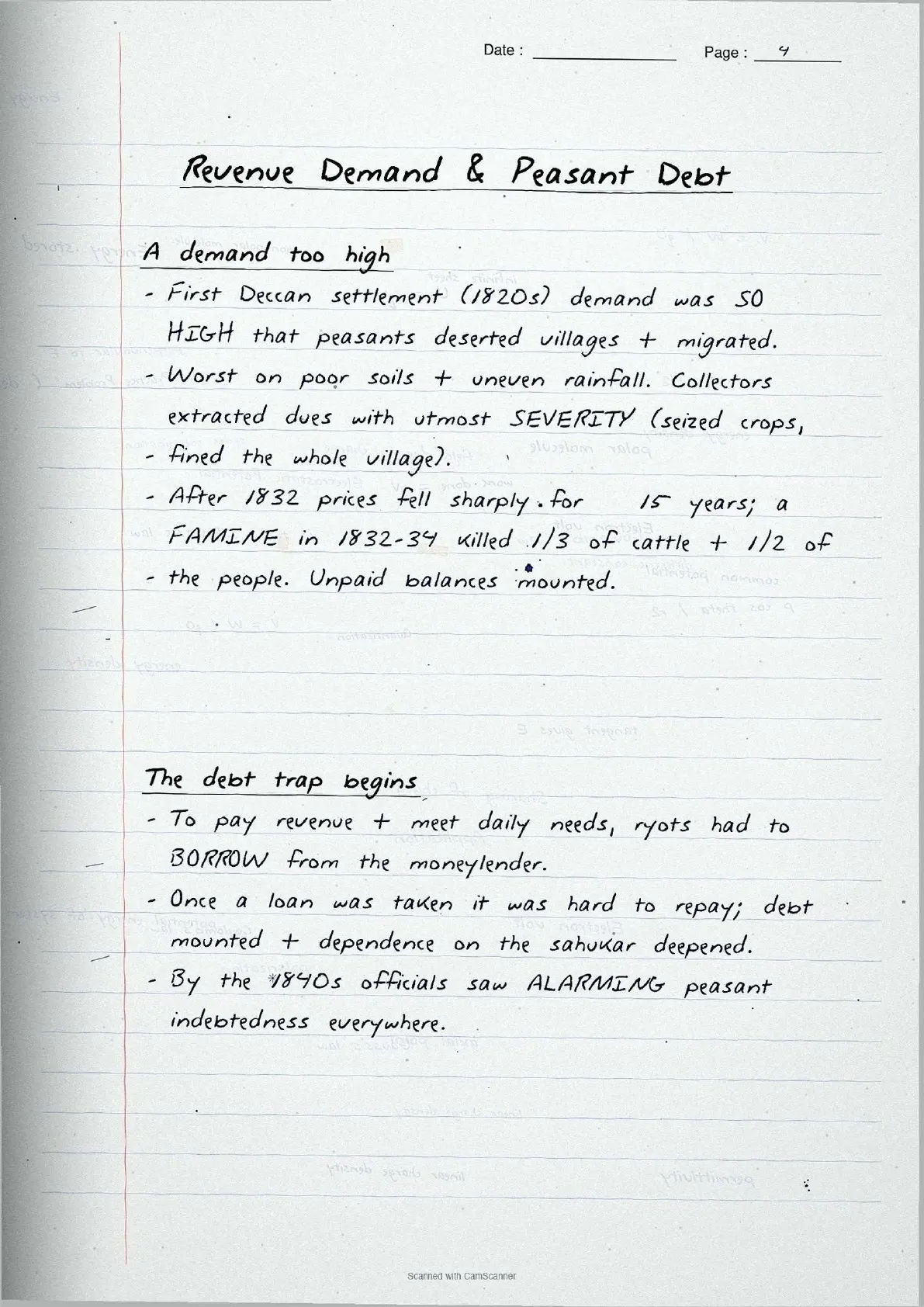
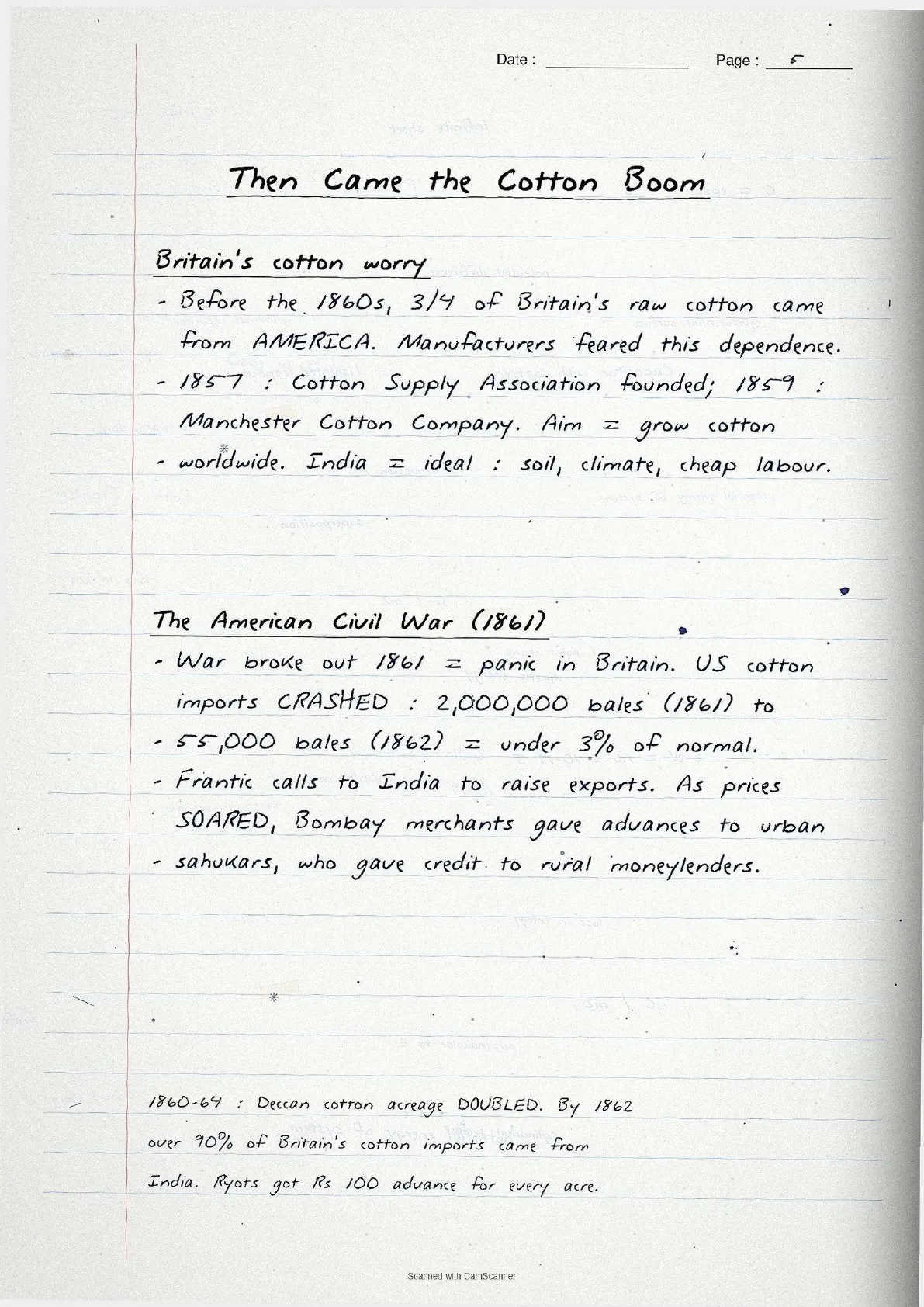
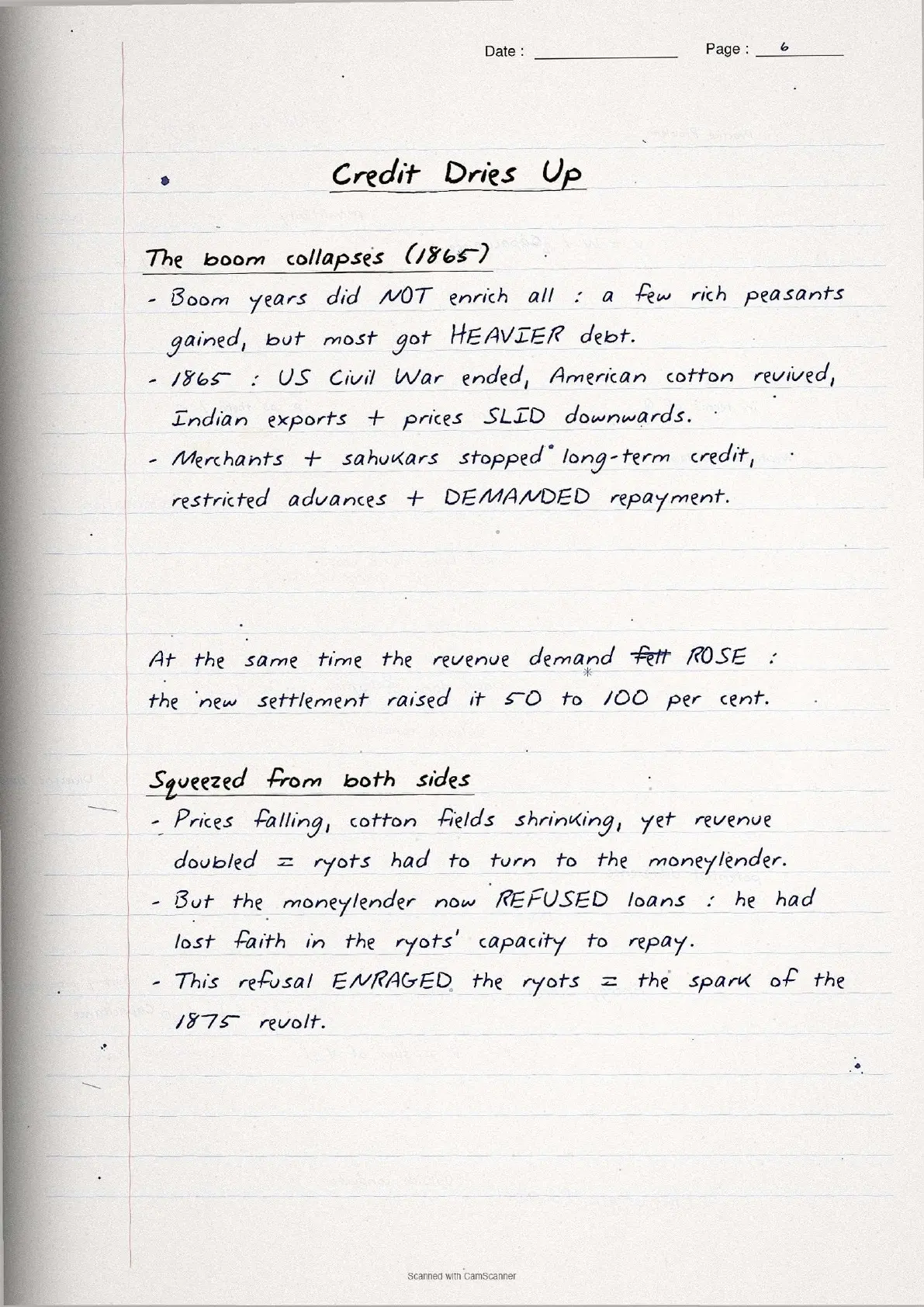
- Handwritten pages with boxed key terms and labelled diagrams.
- This Class 12 History chapter usually carries 6 to 8 marks in the board paper.
- Pairs with the NCERT Solutions, Notes and Book PDF linked lower on this page.
These Colonialism and the Countryside handwritten notes are prepared from the official NCERT Themes in Indian History Part III and checked against the last five years of CBSE board papers.
Student Feedback: In a Collegedunia poll of 8,120 Class 12 History students before the 2026 boards, 73% of students said handwritten notes felt faster to revise from than printed text for this chapter. Most students used the boxed three-region layout to recall the Bengal, Rajmahal and Deccan answers in the exam.
Source: 2026-27 Class 12 History student poll. Sample of 8,120 students from CBSE schools across 12 states.
What These Handwritten Notes Include
Colonialism and the Countryside is the ninth chapter of Themes in Indian History Part III. It studies how colonial rule changed rural life, read through official archives such as revenue records, surveys and enquiry reports. These handwritten notes condense the chapter into pages a student can read in one sitting.
Every page is built around the chapter's three regions:
- Bengal pages cover the Permanent Settlement, zamindars, jotedars and ryots.
- Rajmahal pages cover the Paharias, the Santhals and the Santhal Revolt.
- Deccan pages cover the ryotwari system, moneylenders and the 1875 riots.
Because the notes are handwritten, the key terms sit in boxes and the important dates are underlined, so the eye jumps straight to them. This makes the colonialism and the countryside handwritten notes ideal for a last revision when there is no time to read full paragraphs. Sort each fact under Bengal, the Rajmahal hills or the Deccan, and the whole of chapter 9 history class 12 falls into place.
Bengal and the Permanent Settlement Pages
The Bengal pages open with the Permanent Settlement of 1793. The notes keep the key terms in boxes so students can copy them straight onto the answer sheet, and the table below lists what the pages mark.
| Term | What it means |
|---|---|
| Permanent Settlement | Bengal, 1793, under Cornwallis; revenue fixed in perpetuity. |
| Zamindar | A revenue collector for the Company, not a true landowner. |
| Sunset Law | Estate auctioned if revenue was not paid by sunset of the due date. |
| Benami sale | A fictitious sale that let zamindars buy back their own estates cheaply. |
| Jotedar | A rich, village-based peasant who rose as zamindars declined. |
The notes box the single most important point in red ink: over 95 per cent of the Burdwan sale was fictitious, so the zamindar kept control. The margin also underlines that the jotedar lived in the village while the zamindar often did not, which is the key to the jotedar's power. A small arrow links the two points on the page.
Paharias, Santhals and the Santhal Revolt Pages
The Rajmahal pages carry a side-by-side sketch of the two hill peoples, framed as the hoe versus the plough. The drawing keeps them apart so students do not mix them up. The lists below show what the pages box for the comparison answer.
- Paharias (the hoe): mobile forest people, shifting cultivation, hunting, mahua, resin and charcoal.
- Santhals (the plough): settled farmers, cleared the Damin-i-Koh (marked in 1832), grew rice and cotton for the market.
- Paharia response: raids and tolls, then armed resistance, then refusal of Cleveland's allowances, then withdrawal.
- Santhal Revolt (1855 to 1856): led by Sidhu and Kanu, against heavy taxes, dikus and zamindars; led to the Santhal Pargana.
The notes underline the core of the Santhal answer: the Santhals cleared the forest, then watched the state, the moneylender and the zamindar take the land they had made. A hand-drawn arrow links the three oppressors to the revolt, which makes the cause easy to recall under exam pressure.
Deccan, Ryotwari and the 1875 Riots Pages
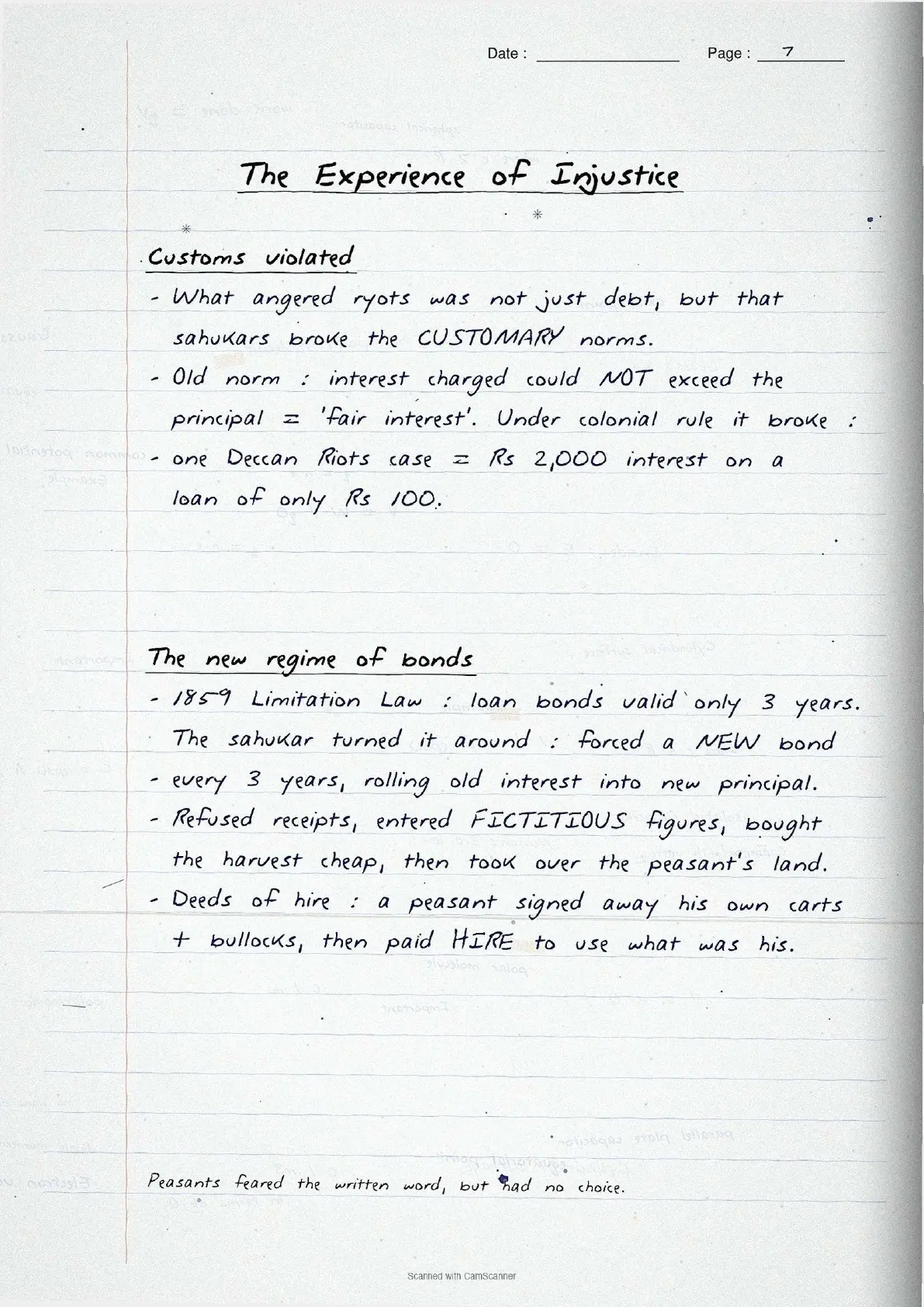
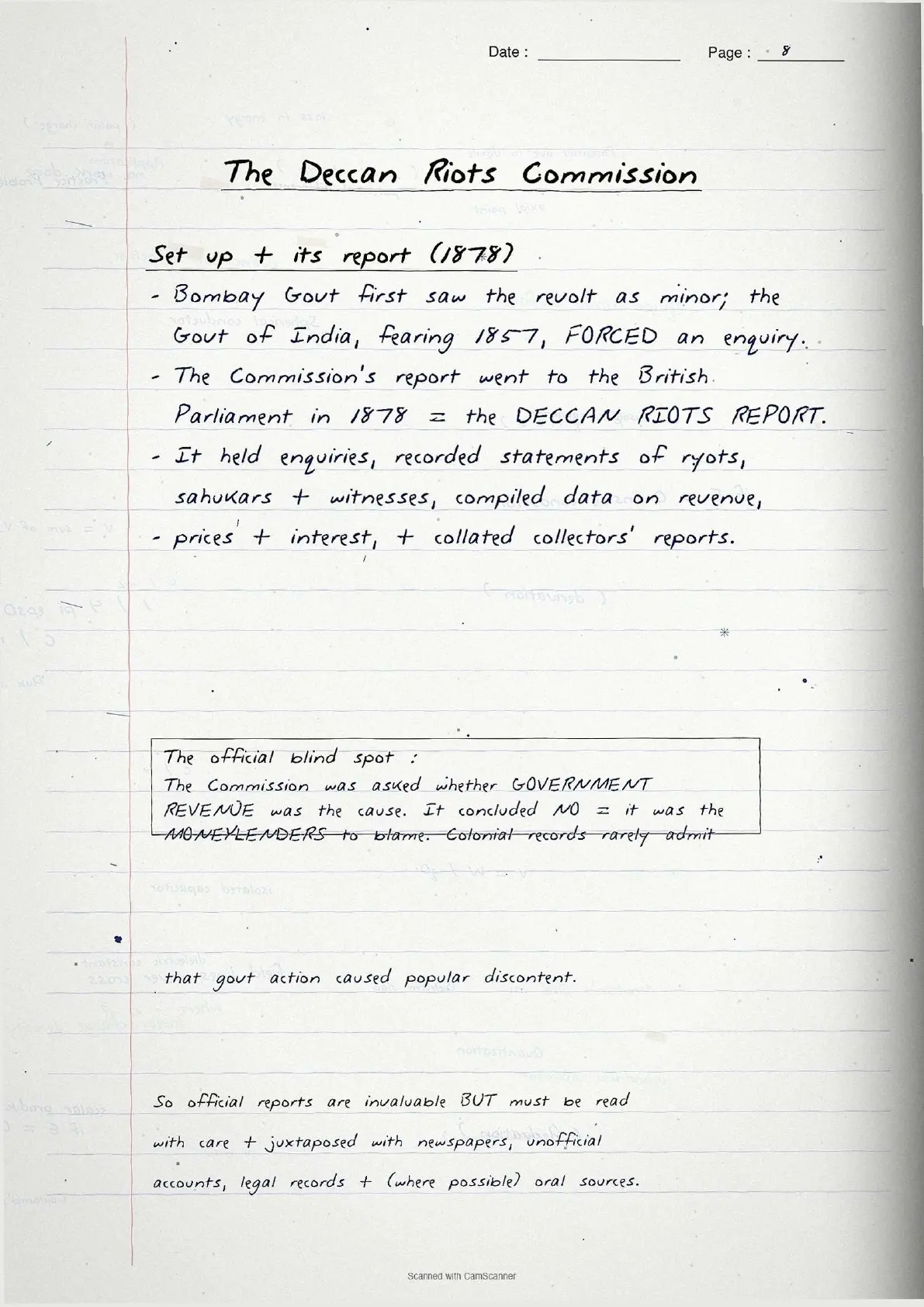
The Deccan pages cover the ryotwari system and the riots of 1875. The notes use boxed lists for the abuses and a small line graph for the cotton boom, so the bust stands out clearly.
- Custom broken: interest could not exceed the principal, yet one sahukar charged Rs 2,000 on a Rs 100 loan.
- Cheating through paper: forged accounts, no receipts, and a new bond forced every three years.
- Deeds of hire: a ruined ryot had to rent back his own bullocks and carts.
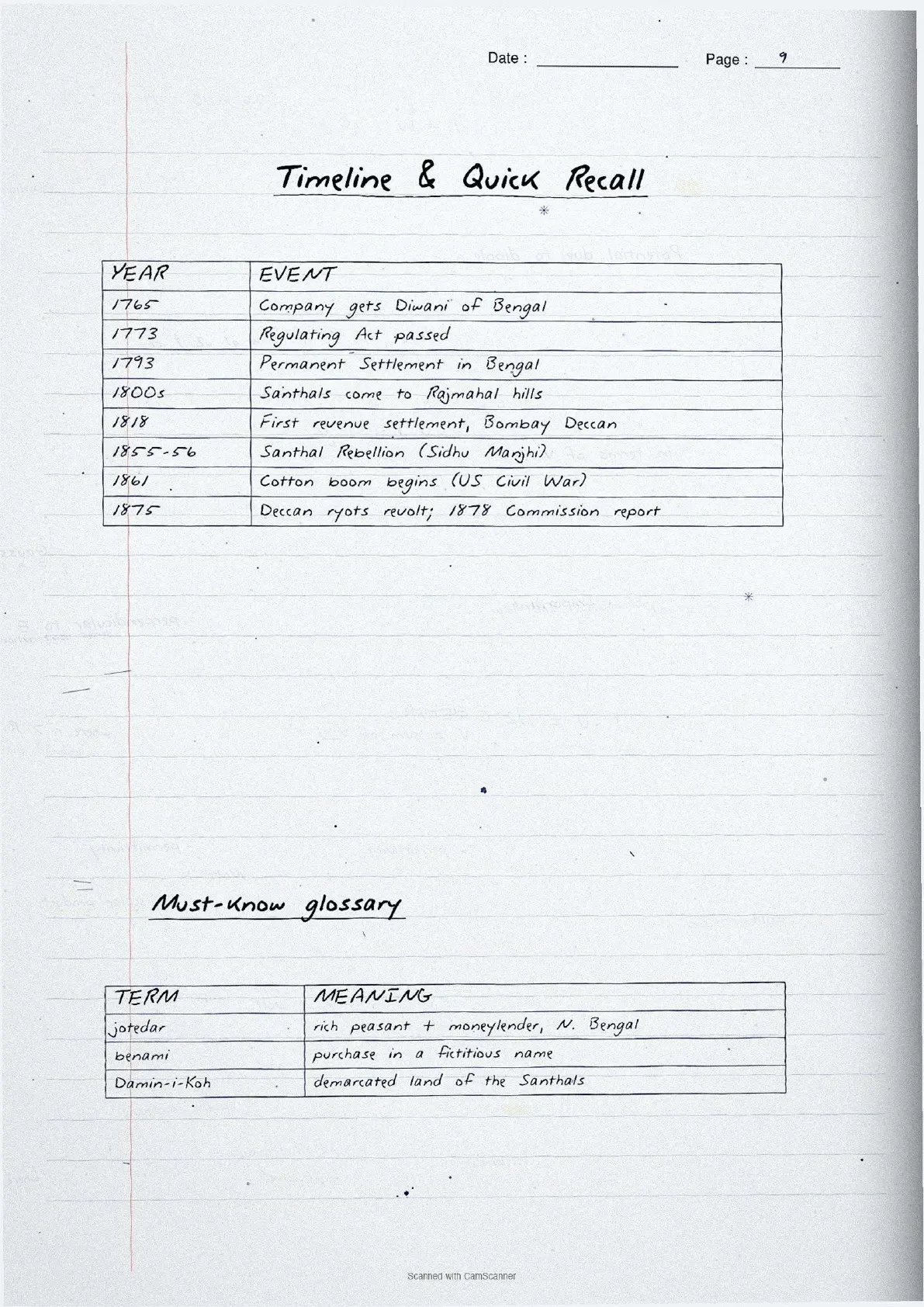
- The cotton link: the American Civil War (1861) sparked a boom, then a bust after 1865 that deepened debt.
The pages underline one point above all: the anger was about injustice, not debt as such. That is why the rebels' first act in 1875 was to burn the account books and bonds. A margin note adds that the Deccan Riots Commission (1878) blamed the moneylenders, not the revenue, a neat link to the official-bias theme.
How to Use These Handwritten Notes
Handwritten notes work best as a final layer of revision, not as your first read. The plan below helps students get the most out of the colonialism and the countryside handwritten notes before the board exam. Follow it once a week in the run-up to the test.
- First pass: read the notes once, following the Bengal, Rajmahal and Deccan order of pages.
- Active recall: cover the boxed terms and try to write each list from memory.
- Sketch practice: redraw the Paharias-versus-Santhals comparison without looking.
- Self-test: attempt a short class 12 history chapter 9 mcq drill to check the small facts.
Because the notes come as a downloadable PDF, students can save them on a phone and revise offline on the way to the exam centre. Many students search for class 12 history chapter 9 notes on their phone the night before a test, so a saved PDF means revision is always at hand. Pair these pages with the full solutions to check your written answers against model points.
Common Mistakes These Notes Help You Avoid
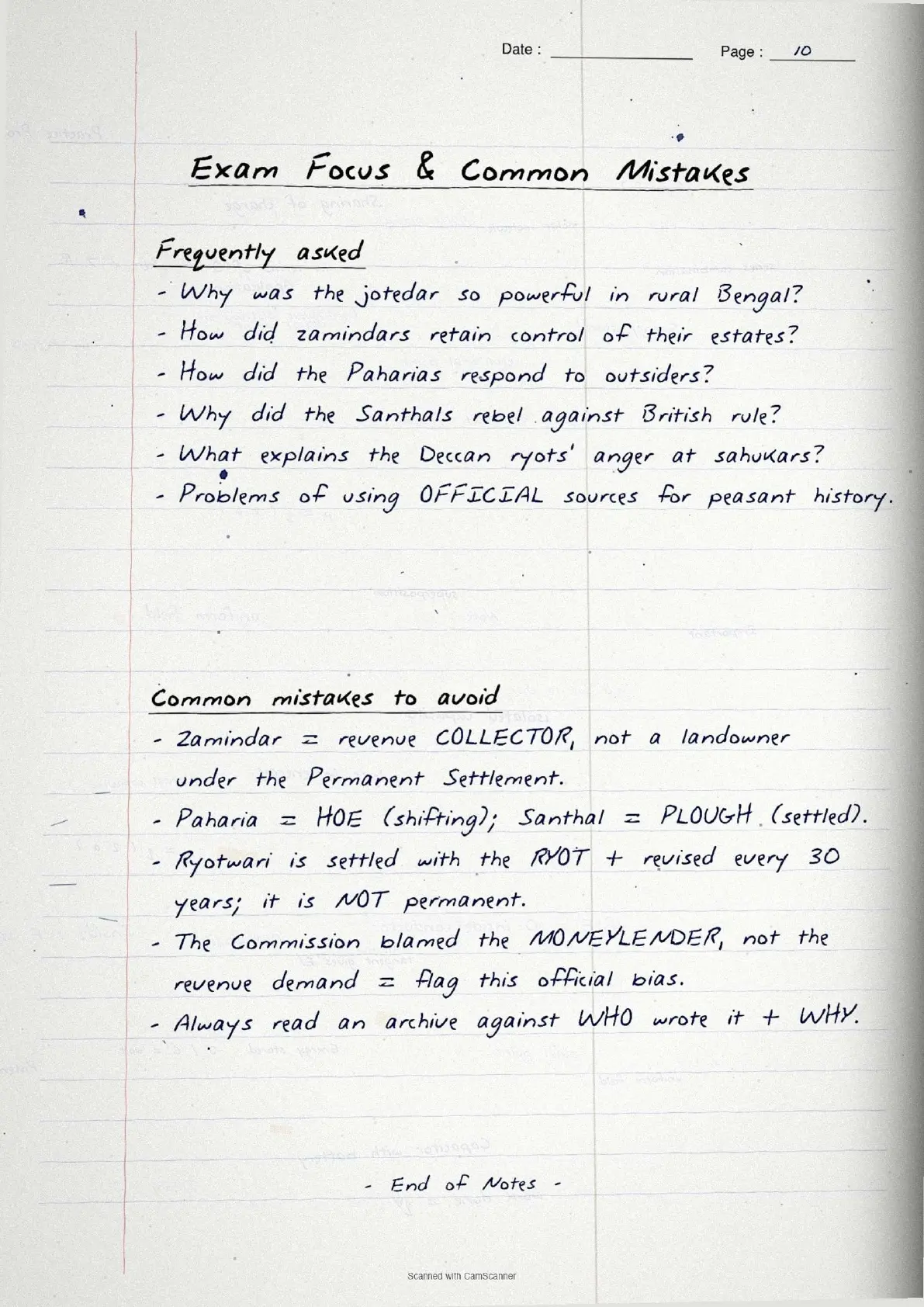
A few errors cost marks in this chapter every year. Most come from giving only one side of an argument or from reducing a rich answer to a single cause. The notes flag each soft point in the margin so students phrase it safely on the answer sheet.
- Saying the auctions ended the zamindars - most survived through benami sales.
- Reducing the Deccan ryots' anger to "they were in debt" - it was about injustice.
- Describing only the cotton boom - the marks lie in the bust after 1865.
- Treating official reports as plain fact - they carry the state's bias.
- Mixing up the Paharias (hoe) and the Santhals (plough) - keep the two peoples apart.
Students who fix these five points usually move from average to high marks. The exam rewards balanced wording, so always give both sides of a debate. The handwritten margin notes nudge you to use careful wording in the right places.
How These Notes Pair with the Solutions and Book PDF
These handwritten notes are a revision layer. To prepare fully, students should use them with the other resources for the same chapter, all linked in the table below. Read the notes, then test yourself with the solutions, and open the book PDF for the original text and figures.
| Resource | Best used for |
|---|---|
| Colonialism and the Countryside NCERT Solutions | Step-by-step answers to all 12 back-exercise questions |
| Colonialism and the Countryside Class 12 Notes | Quick chapter summary with all dates and key terms in one place |
| Colonialism and the Countryside NCERT Book PDF | Reading the original NCERT chapter text and figures |
Tip: use the handwritten sketches to memorise the three regions, then write the full answer in your own words. Drawing the Paharias-versus-Santhals comparison once from memory fixes that answer for good.
All Class 12 History Handwritten Notes by Chapter
The table links the handwritten notes for every chapter in Themes in Indian History so students can move across the book in one click. Chapter 9 is highlighted.
| Chapter | Handwritten Notes |
|---|---|
| Chapter 1 | Bricks, Beads and Bones |
| Chapter 2 | Kings, Farmers and Towns |
| Chapter 3 | Kinship, Caste and Class |
| Chapter 4 | Thinkers, Beliefs and Buildings |
| Chapter 5 | Through the Eyes of Travellers |
| Chapter 6 | Bhakti-Sufi Traditions |
| Chapter 7 | An Imperial Capital Vijayanagara |
| Chapter 8 | Peasants, Zamindars and the State |
| Chapter 9 | Colonialism and the Countryside |
| Chapter 10 | Rebels and the Raj 1857 |
| Chapter 11 | Mahatma Gandhi and the Nationalist Movement |
| Chapter 12 | Framing the Constitution |
FAQs on Colonialism and the Countryside Handwritten Notes
Colonialism and the Countryside Class 12 Handwritten Notes Common Questions
Ques. Where can I download the Colonialism and the Countryside handwritten notes PDF?
Ans. You can download the Colonialism and the Countryside handwritten notes PDF directly from this page. It is free, follows the 2026-27 NCERT, and gives the chapter as clean handwritten pages with boxed terms and labelled diagrams.
Ques. Are handwritten notes good enough for the class 12 history board exam?
Ans. Yes, for revision. Handwritten notes are best used as a final layer after you have read the chapter and practised the solutions. They make dates, key terms and the three regions quick to recall in the exam.
Ques. What does the Colonialism and the Countryside chapter cover?
Ans. It covers colonial rule in rural India through official archives: the Permanent Settlement in Bengal, the Paharias and Santhals in the Rajmahal hills, the ryotwari system and the Deccan riots, and the problems of using official sources.
Ques. Why did the Deccan ryots burn the account books in 1875?
Ans. Because the bonds and account books were the symbols of an unjust system. Moneylenders broke custom, forged accounts and seized land, so the rebels' first act was to seize and burn the bahi khatas and debt bonds.
Ques. How should I use these notes for quick revision?
Ans. Read the pages once in the Bengal, Rajmahal and Deccan order, cover the boxed terms and write each list from memory, redraw the Paharias-versus-Santhals comparison, then attempt a short class 12 history chapter 9 mcq drill to test the small facts.



Comments