




These Through the Eyes of Travellers handwritten notes turn the whole chapter on Al-Biruni, Ibn Battuta and Bernier into clean, handwritten pages for fast last-minute revision. They follow the 2026-27 CBSE syllabus and Theme 5 of Themes in Indian History Part II. Students get the dates, book titles, key terms and the compare-and-contrast points in a pen-on-paper format that is easy to skim before a test.
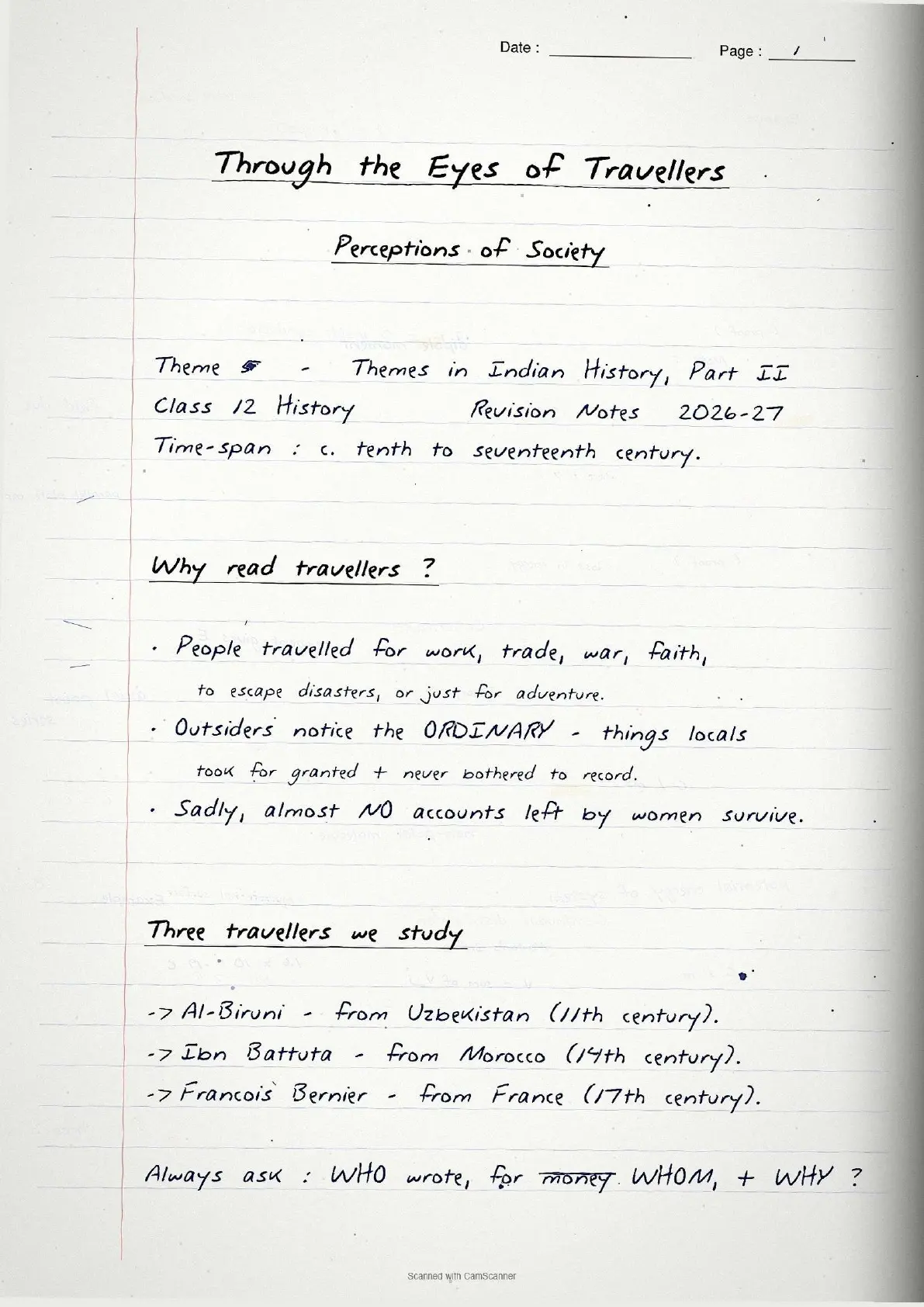
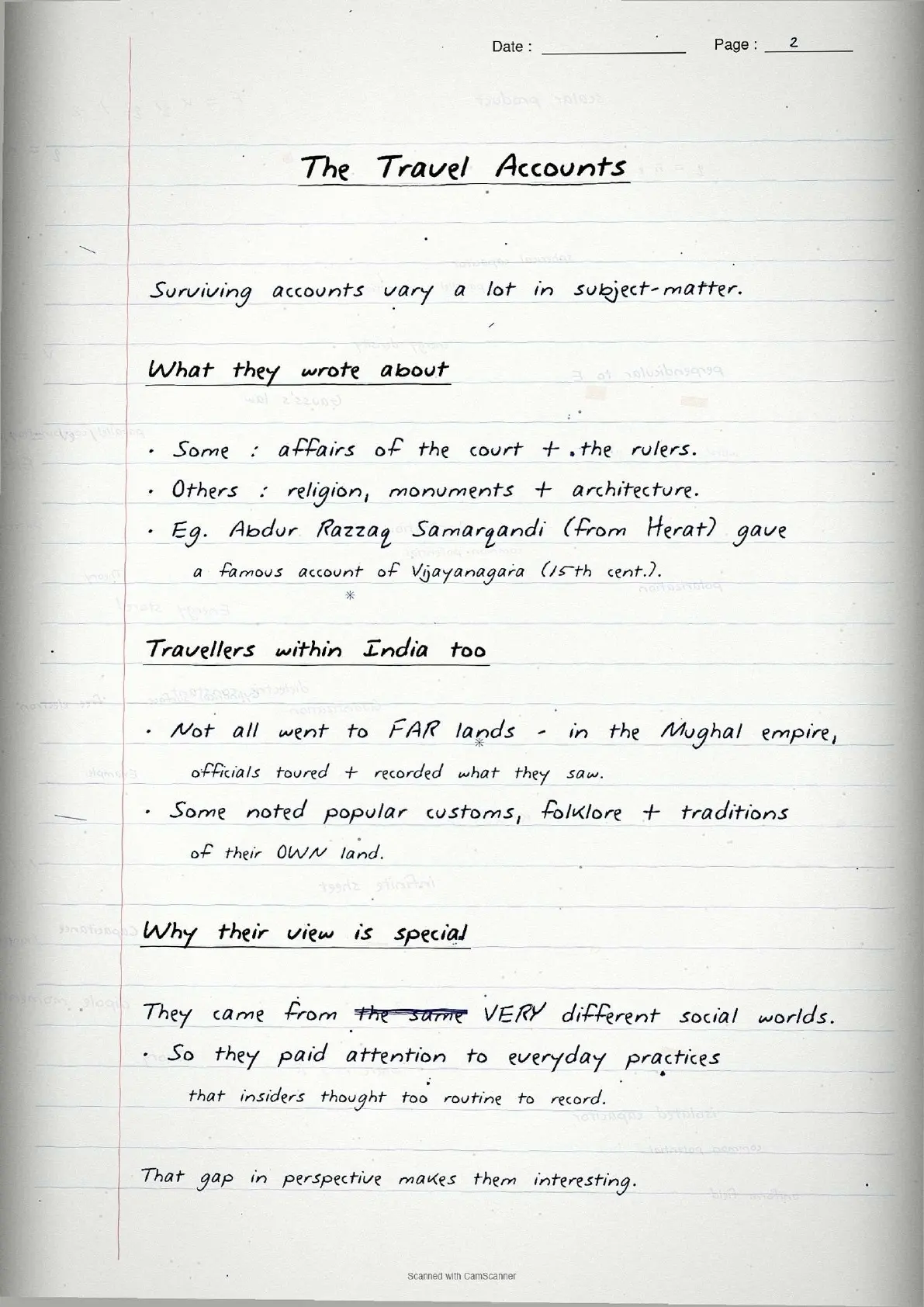
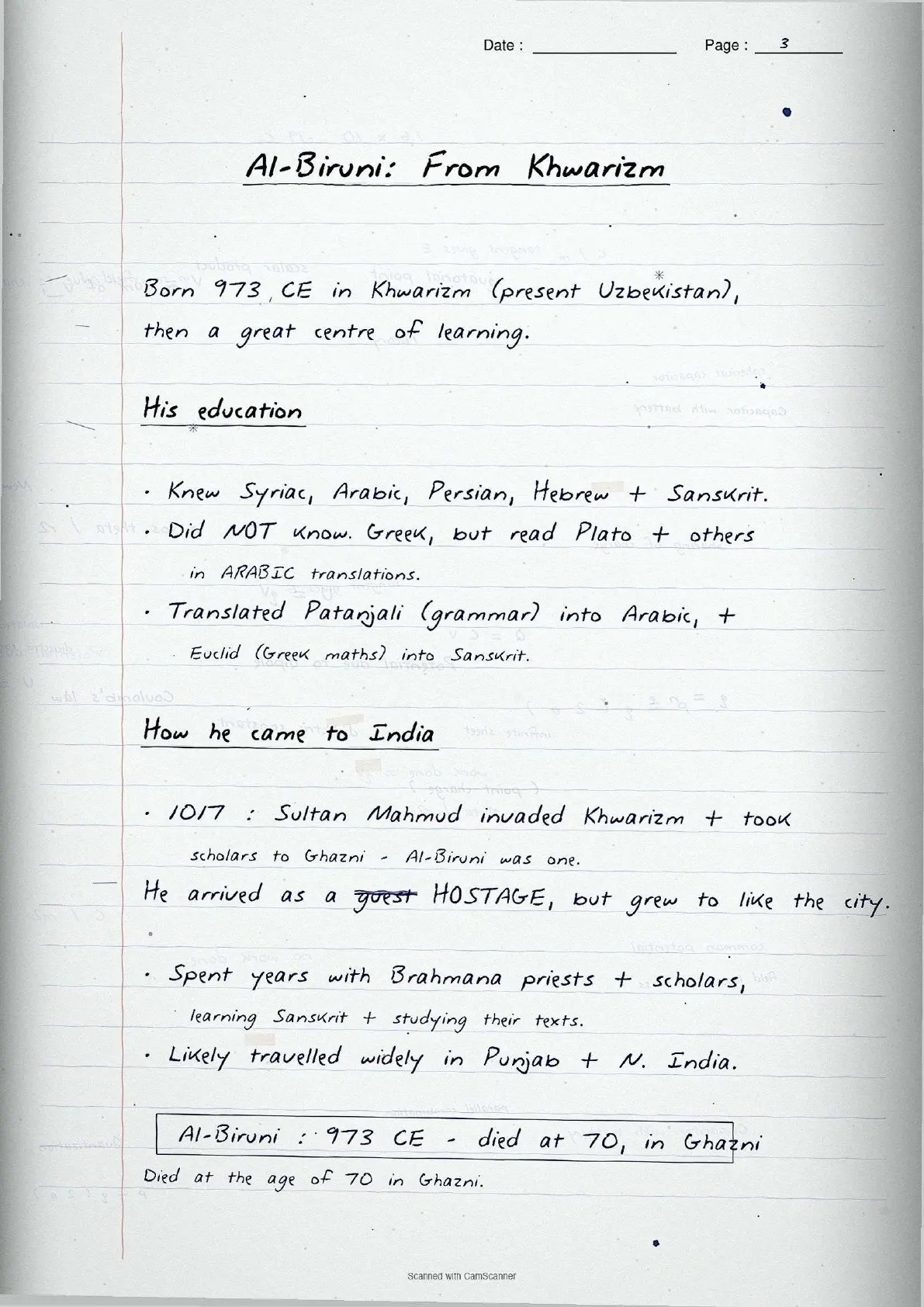
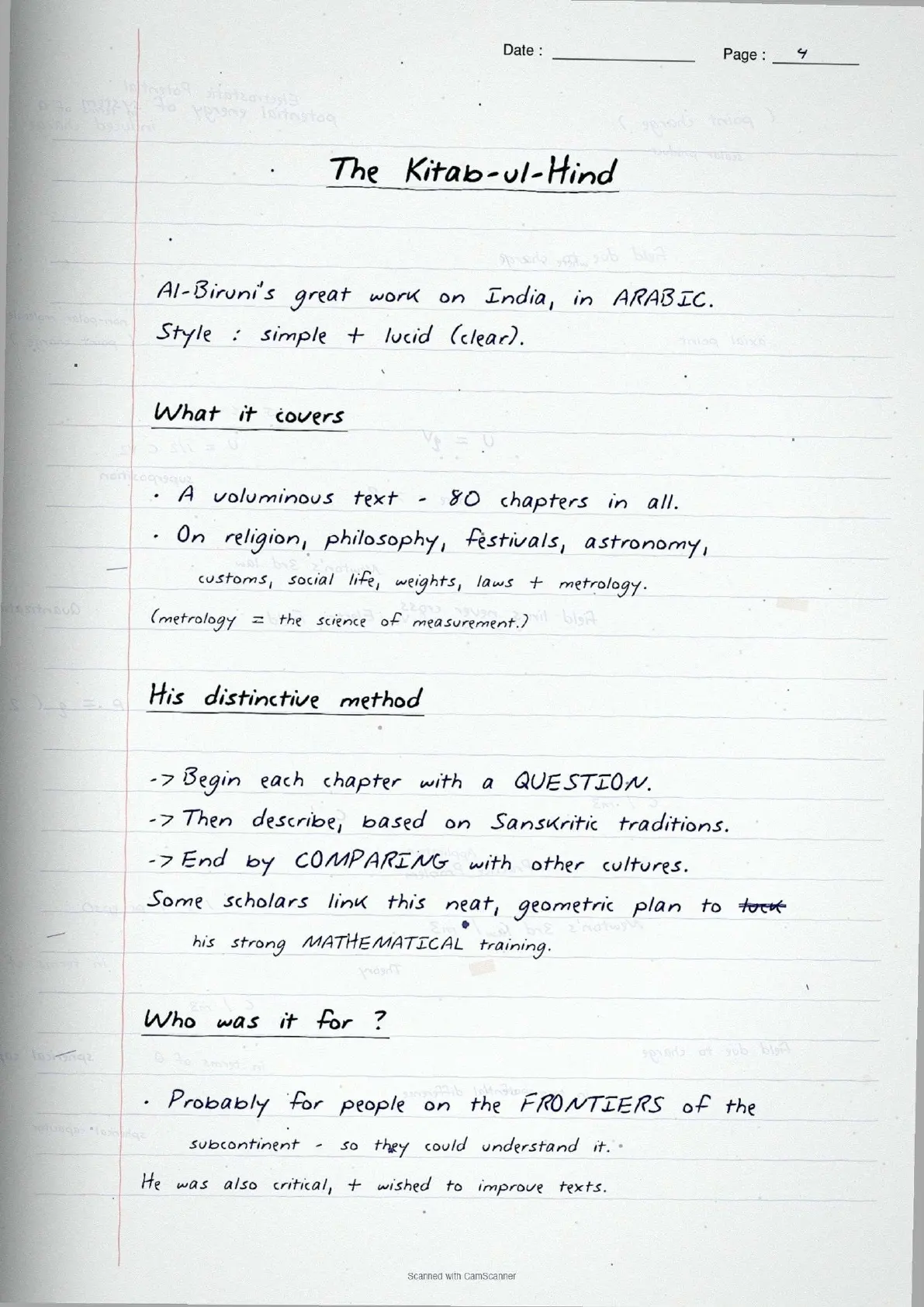
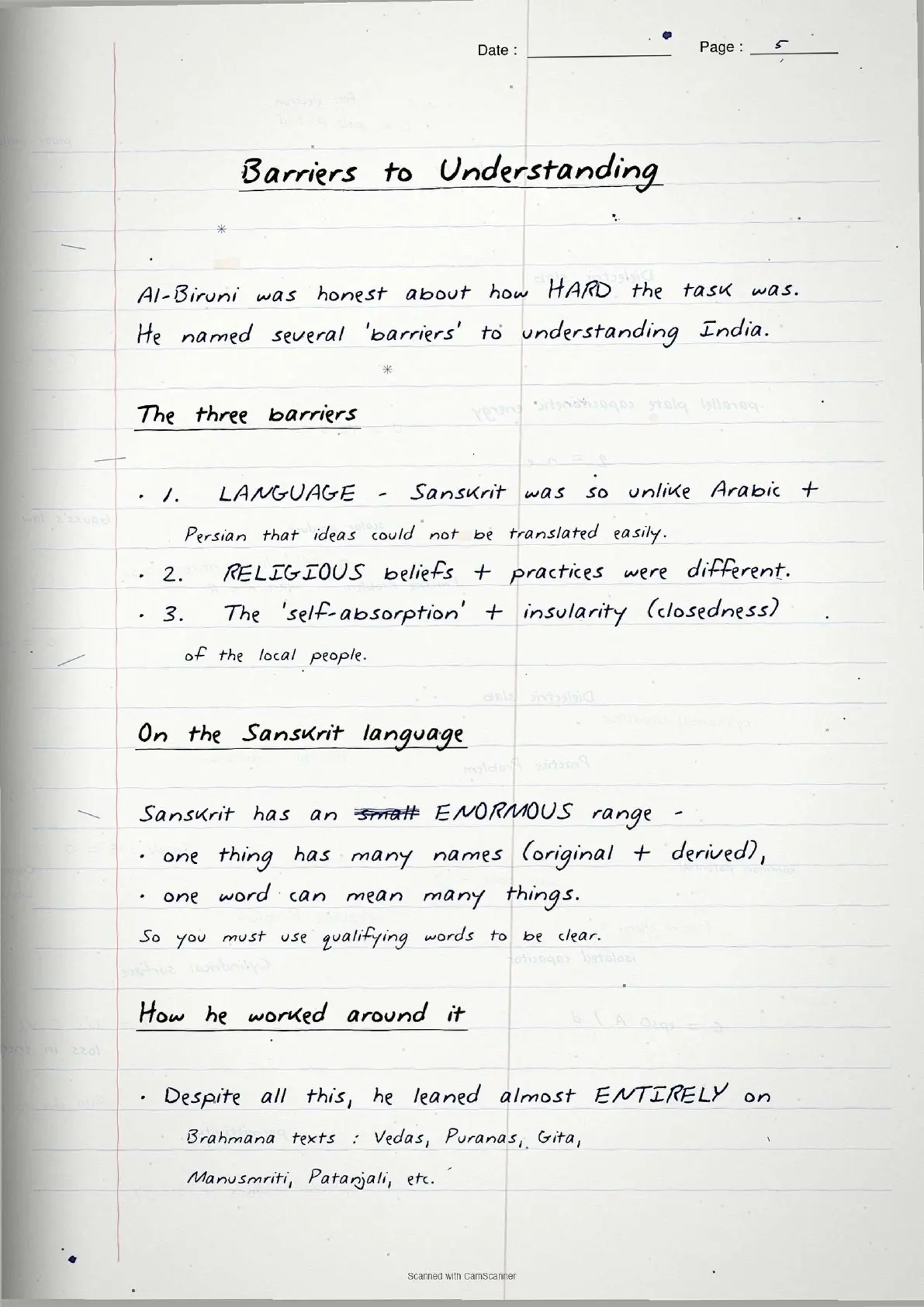
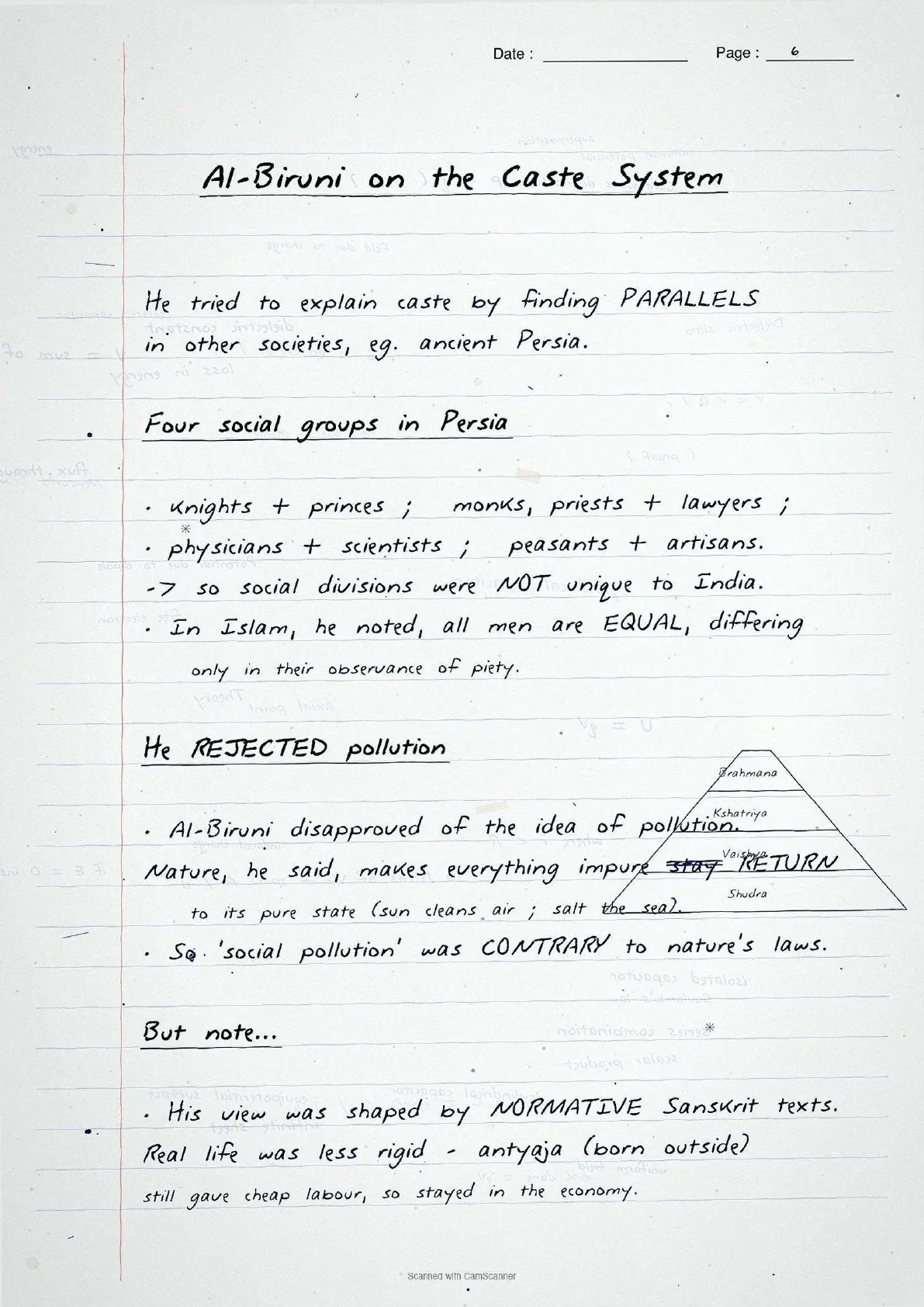
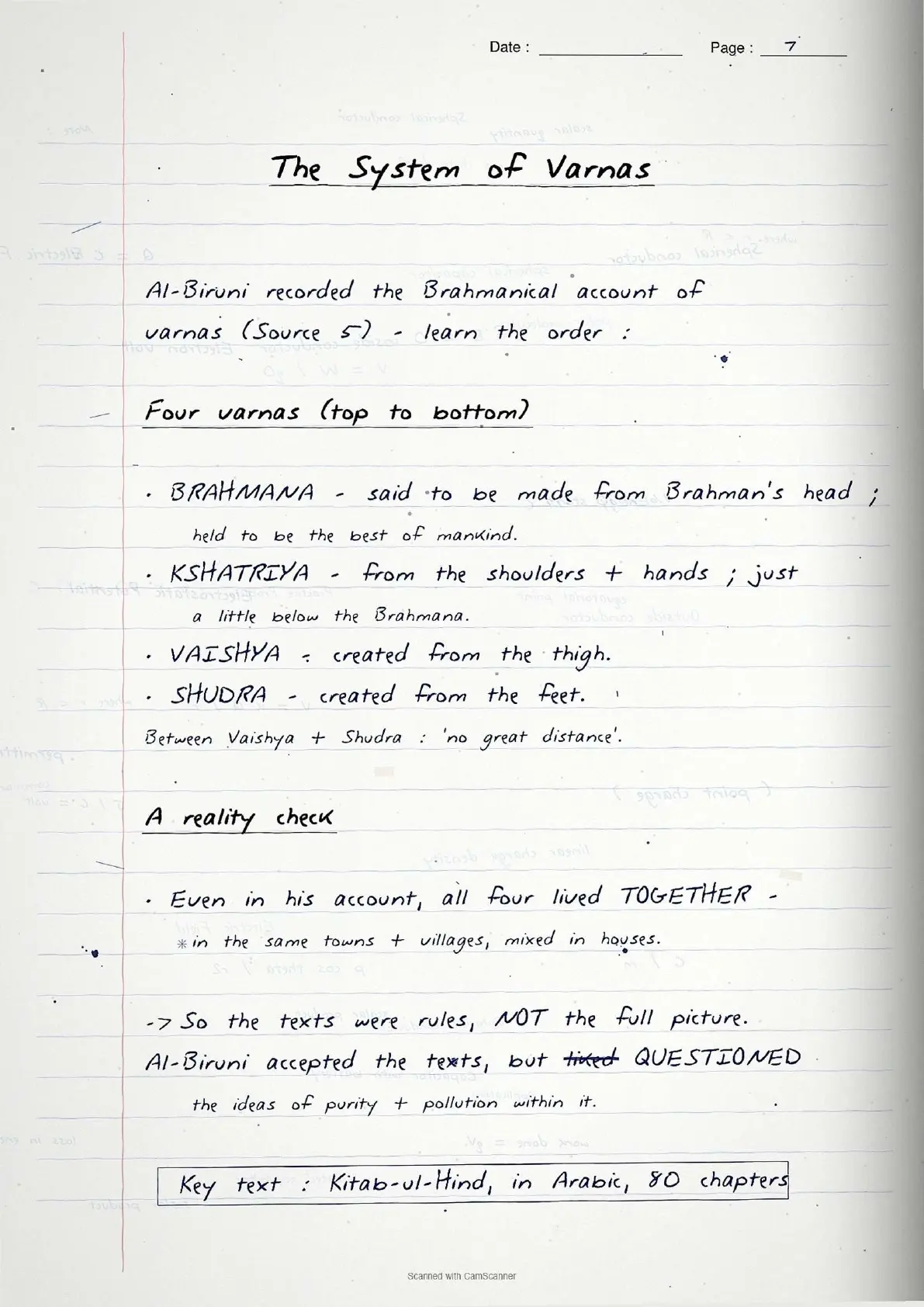
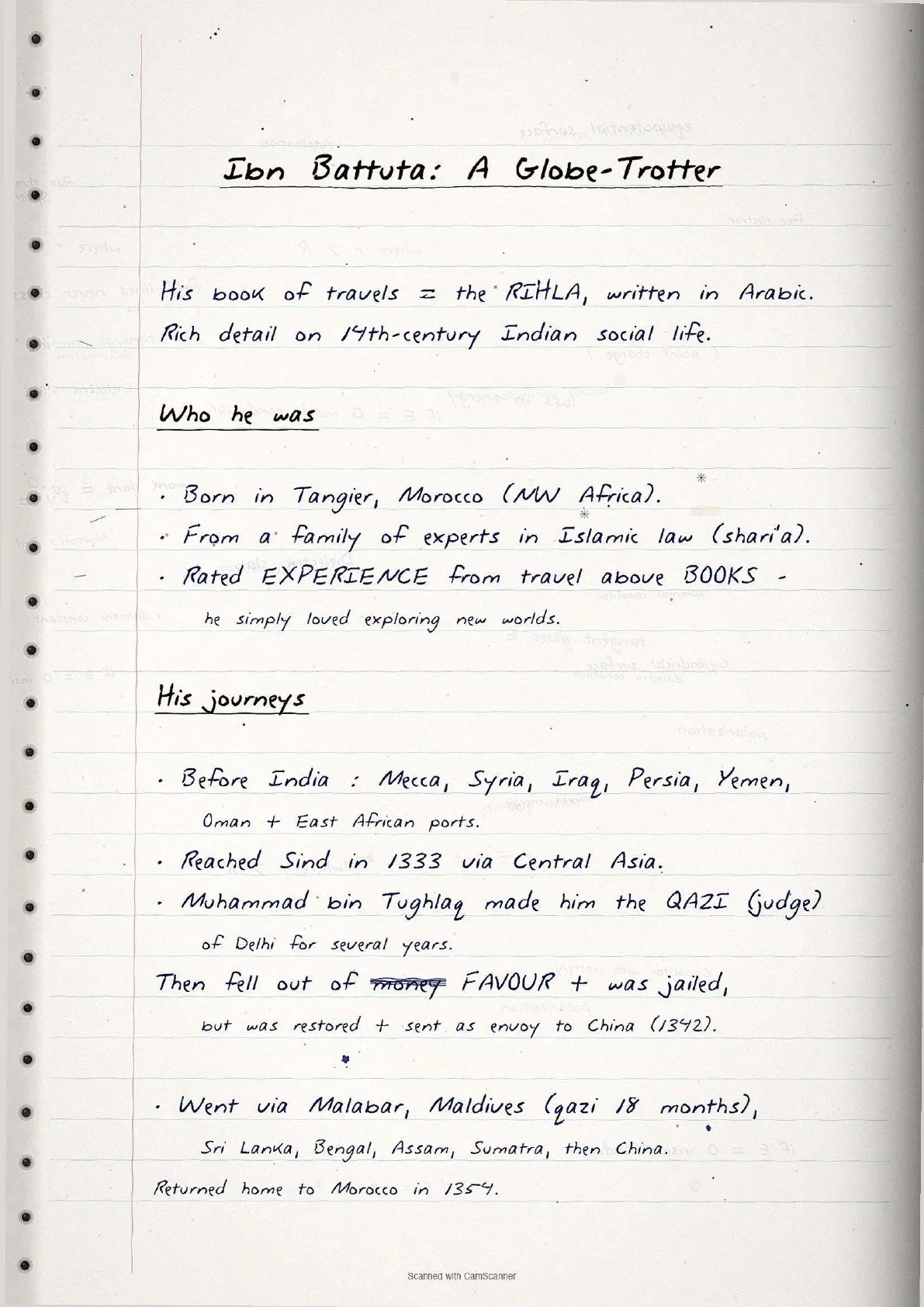
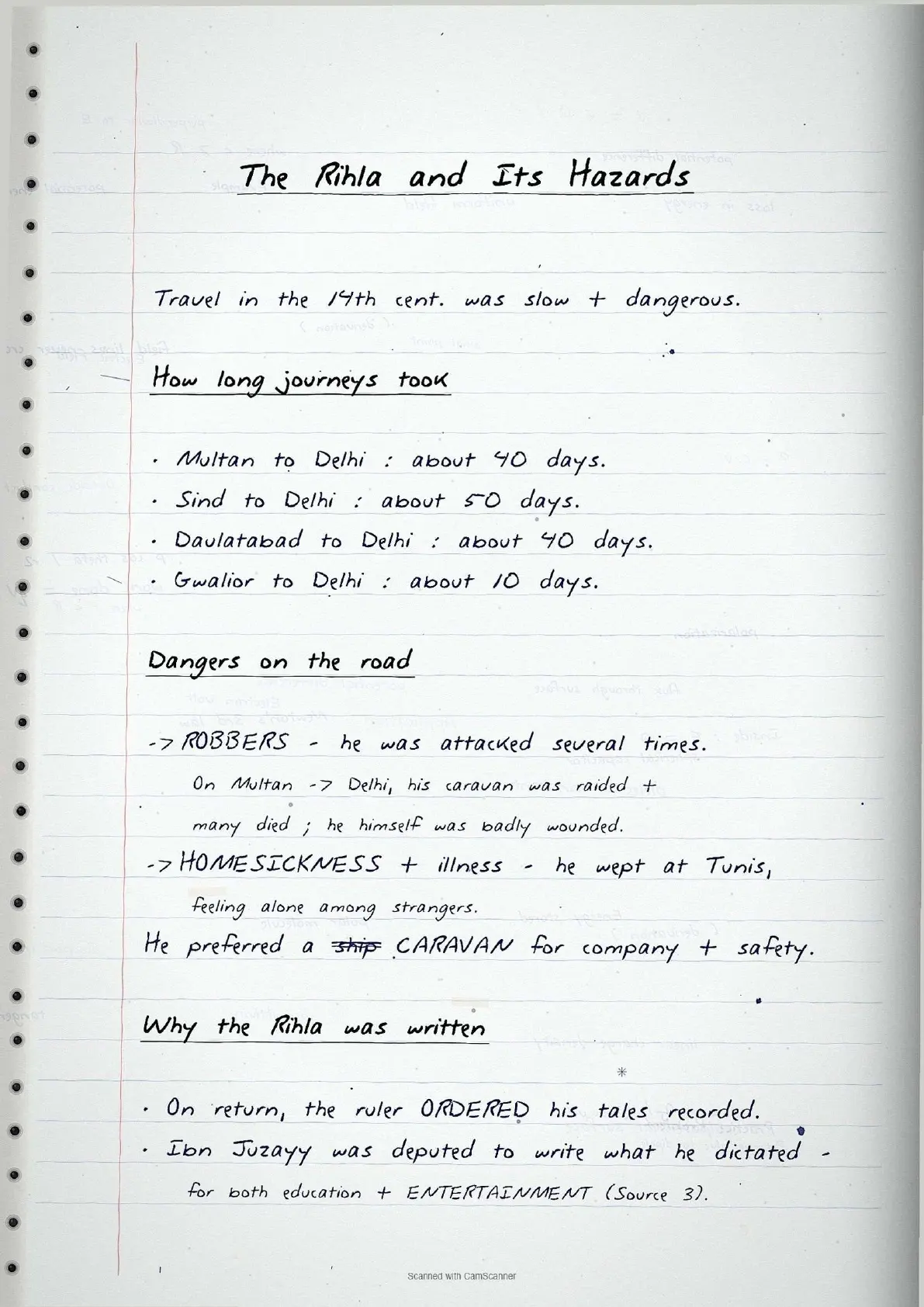
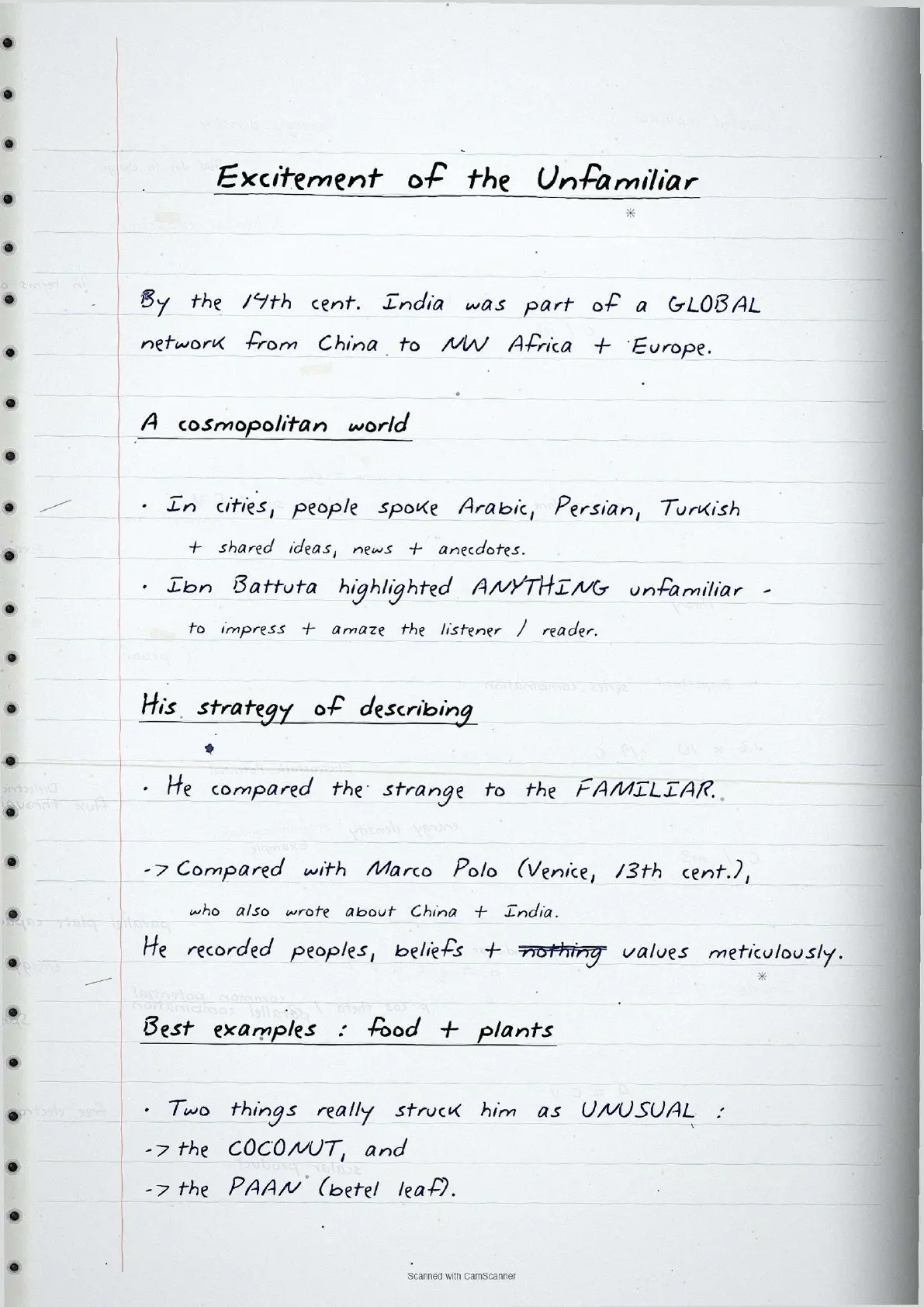
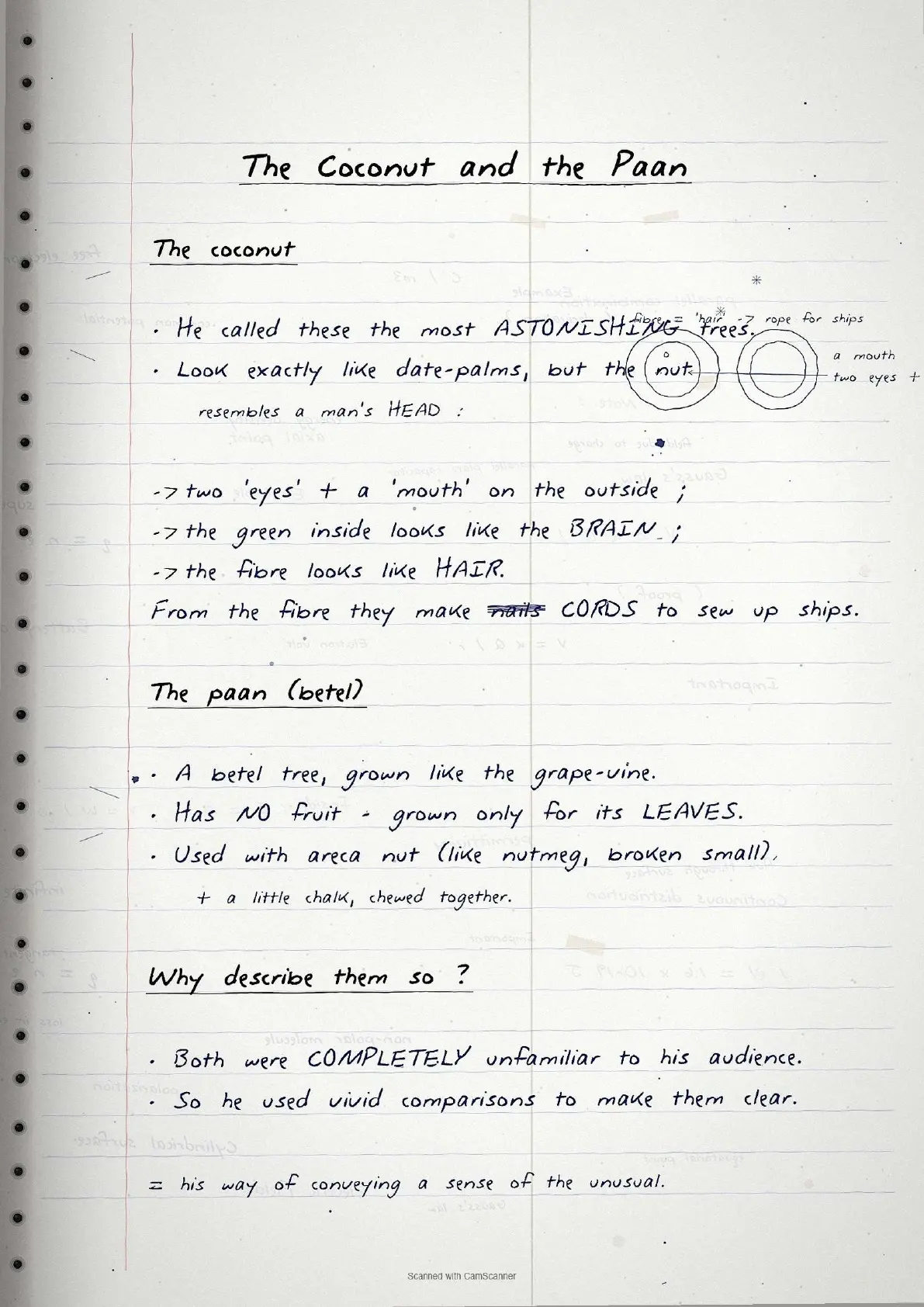
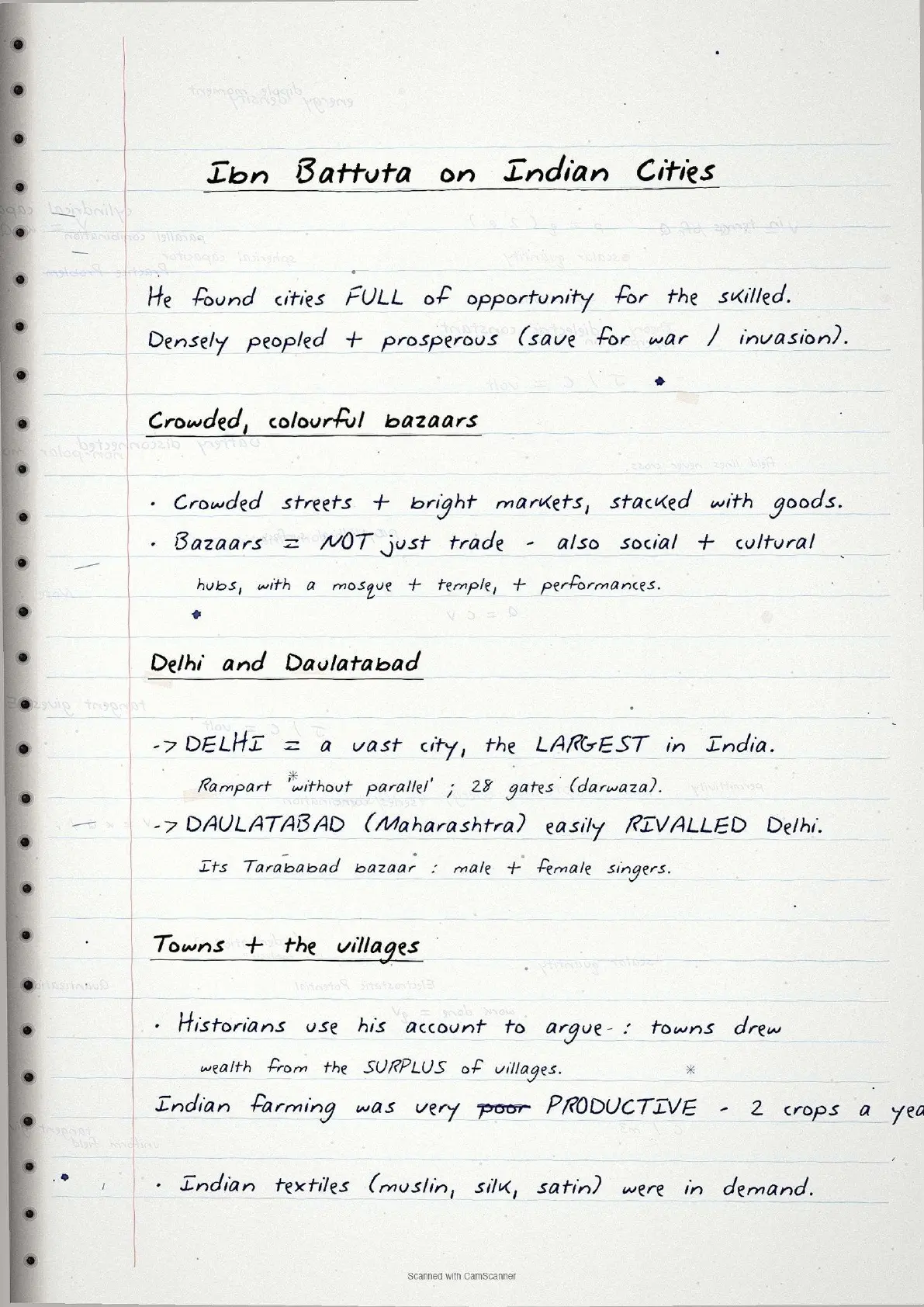
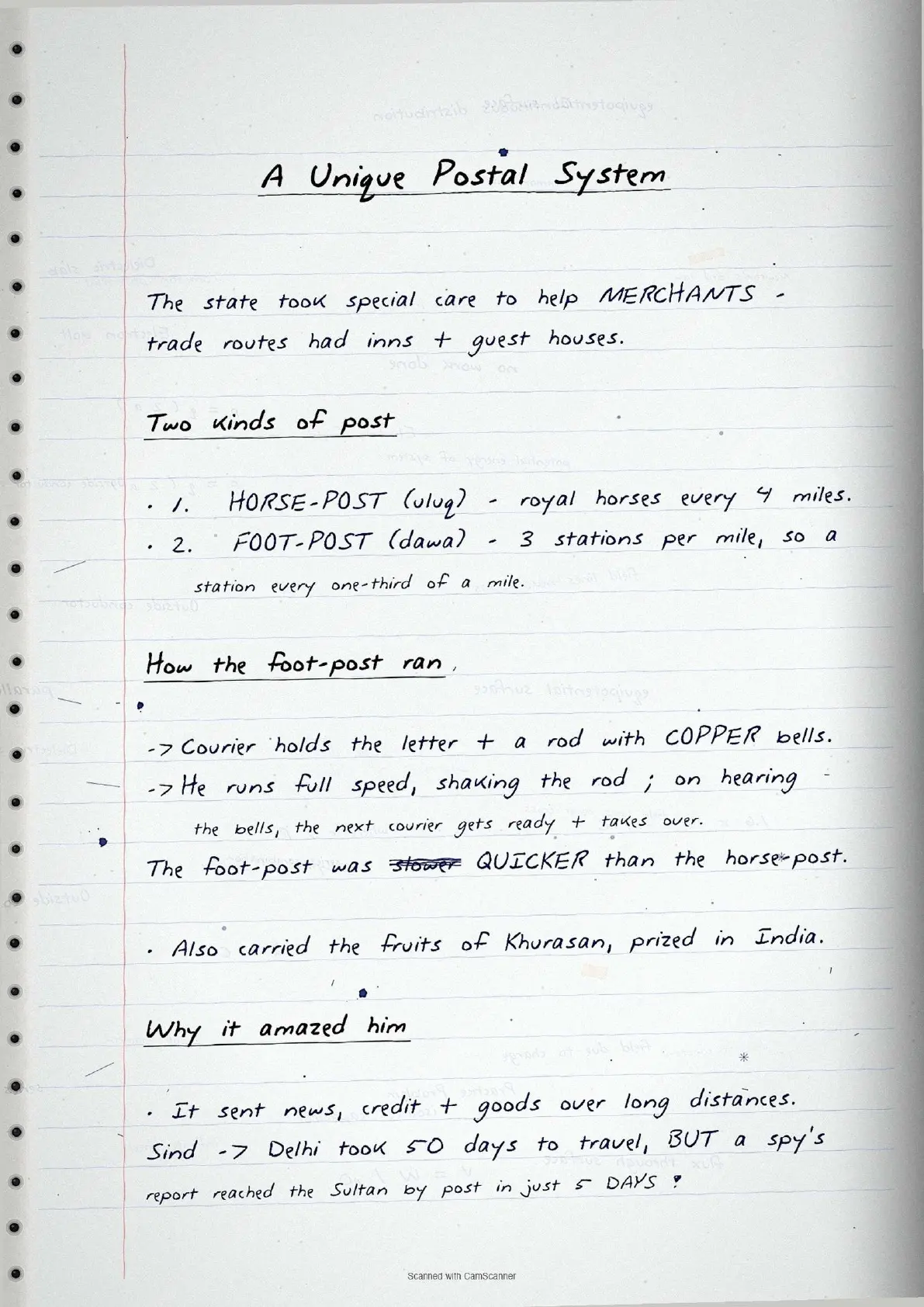
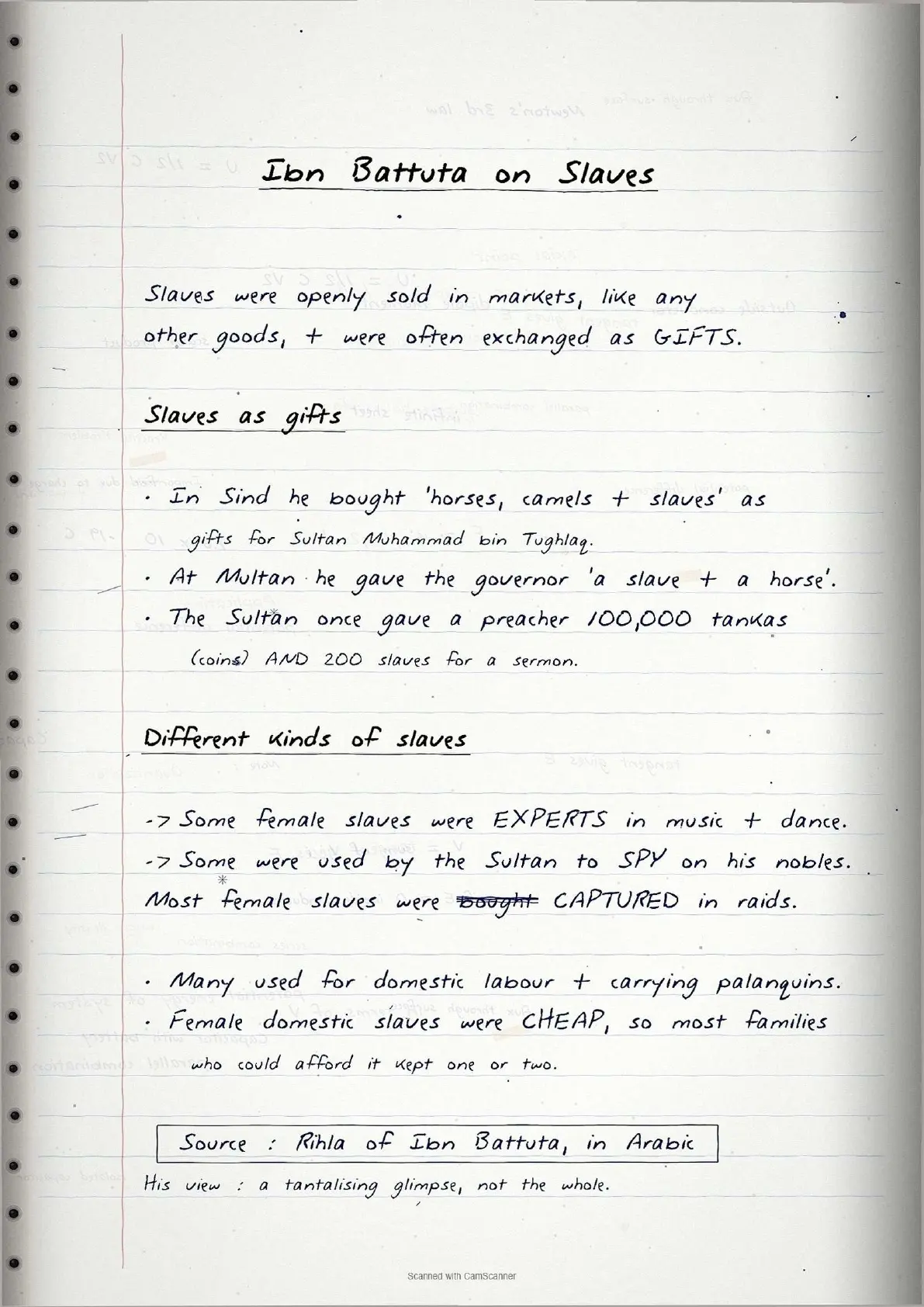
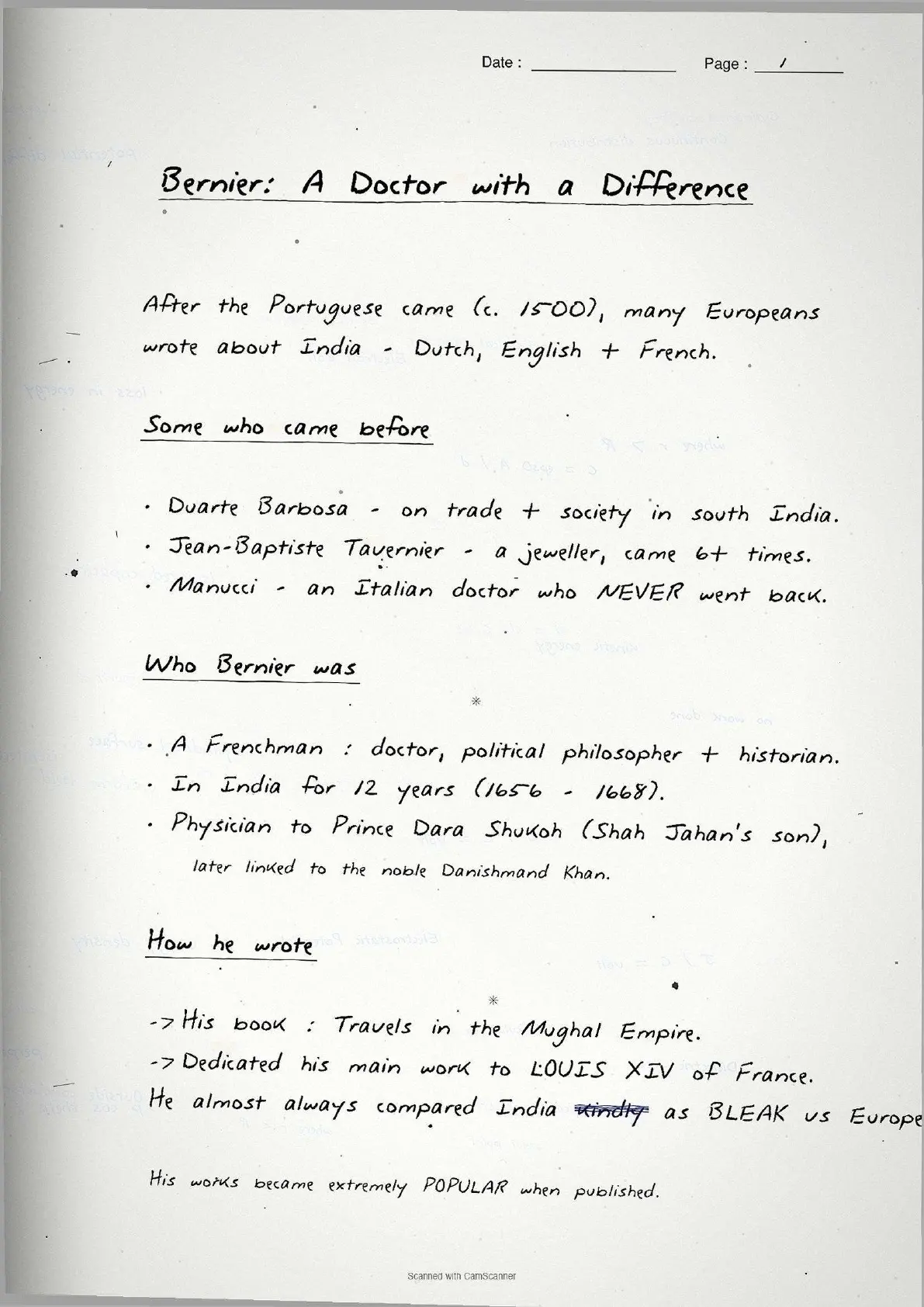
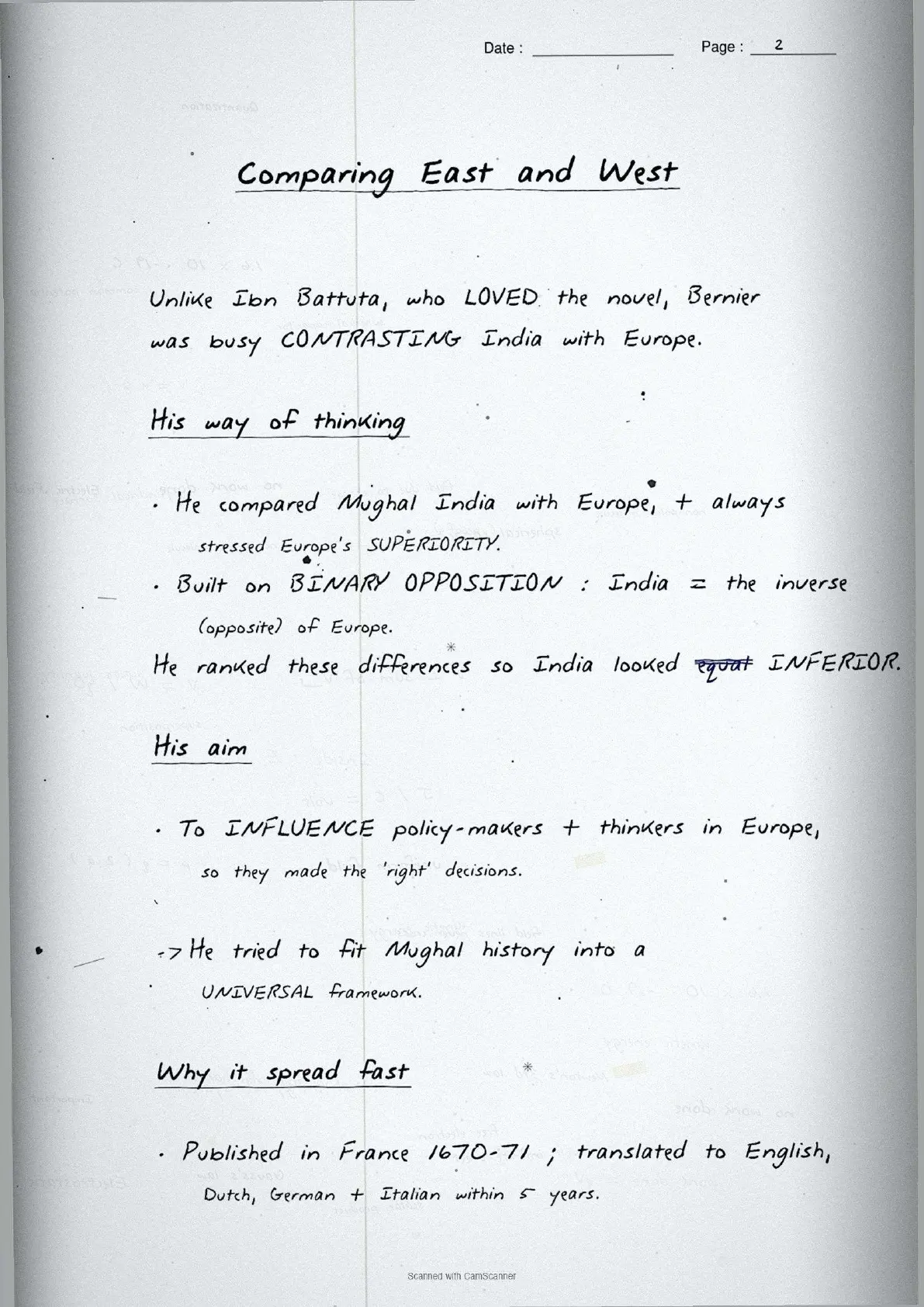
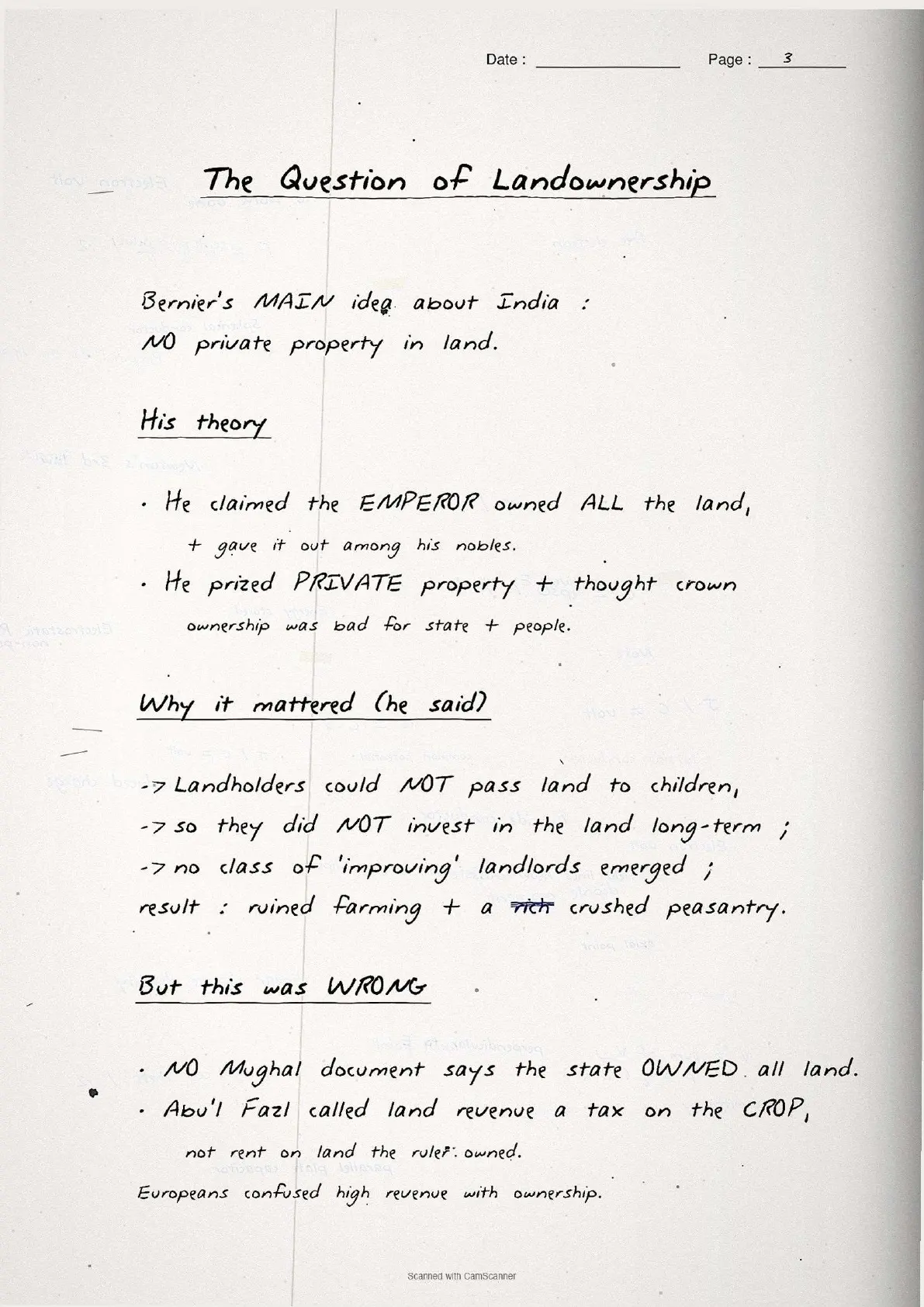
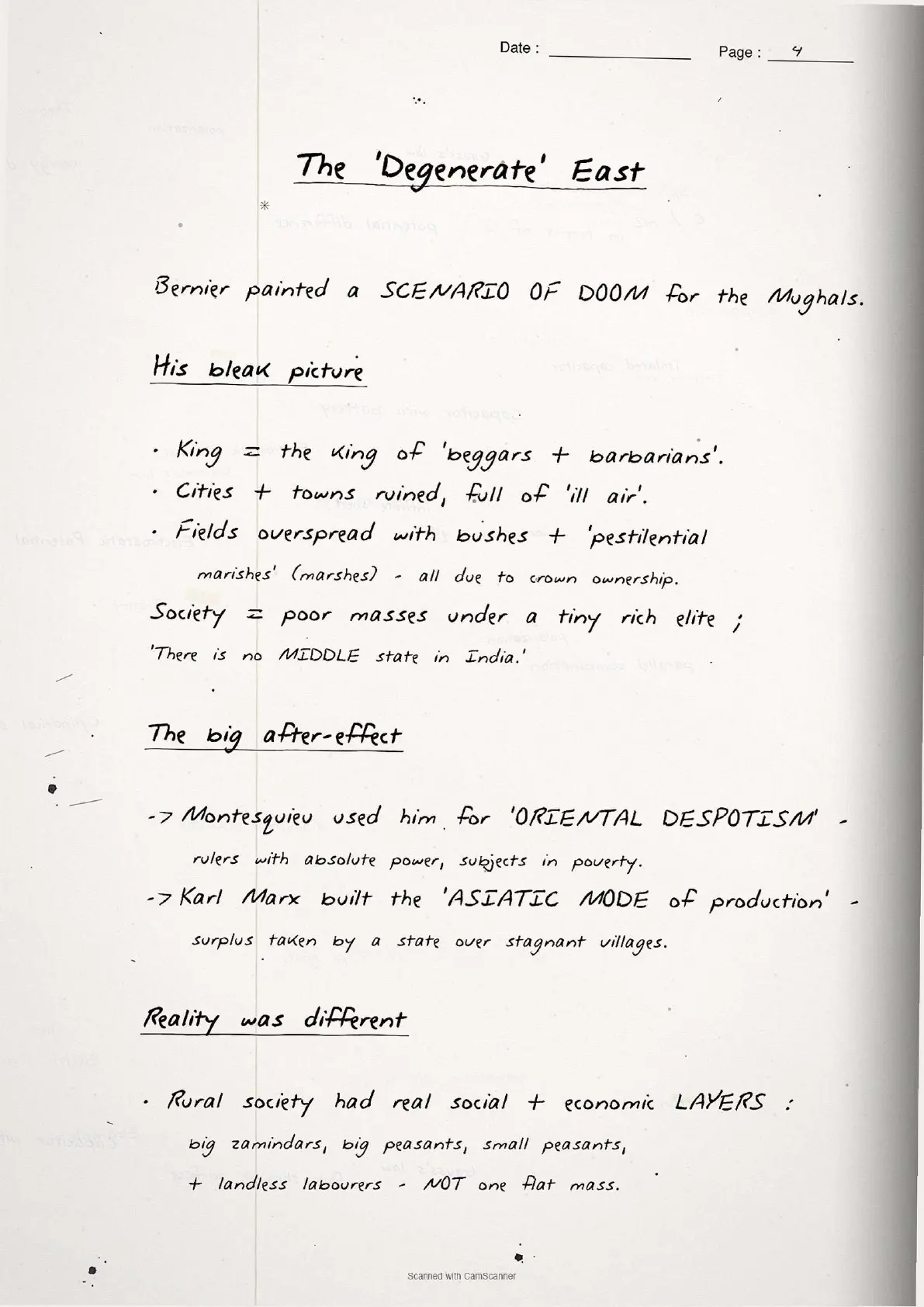
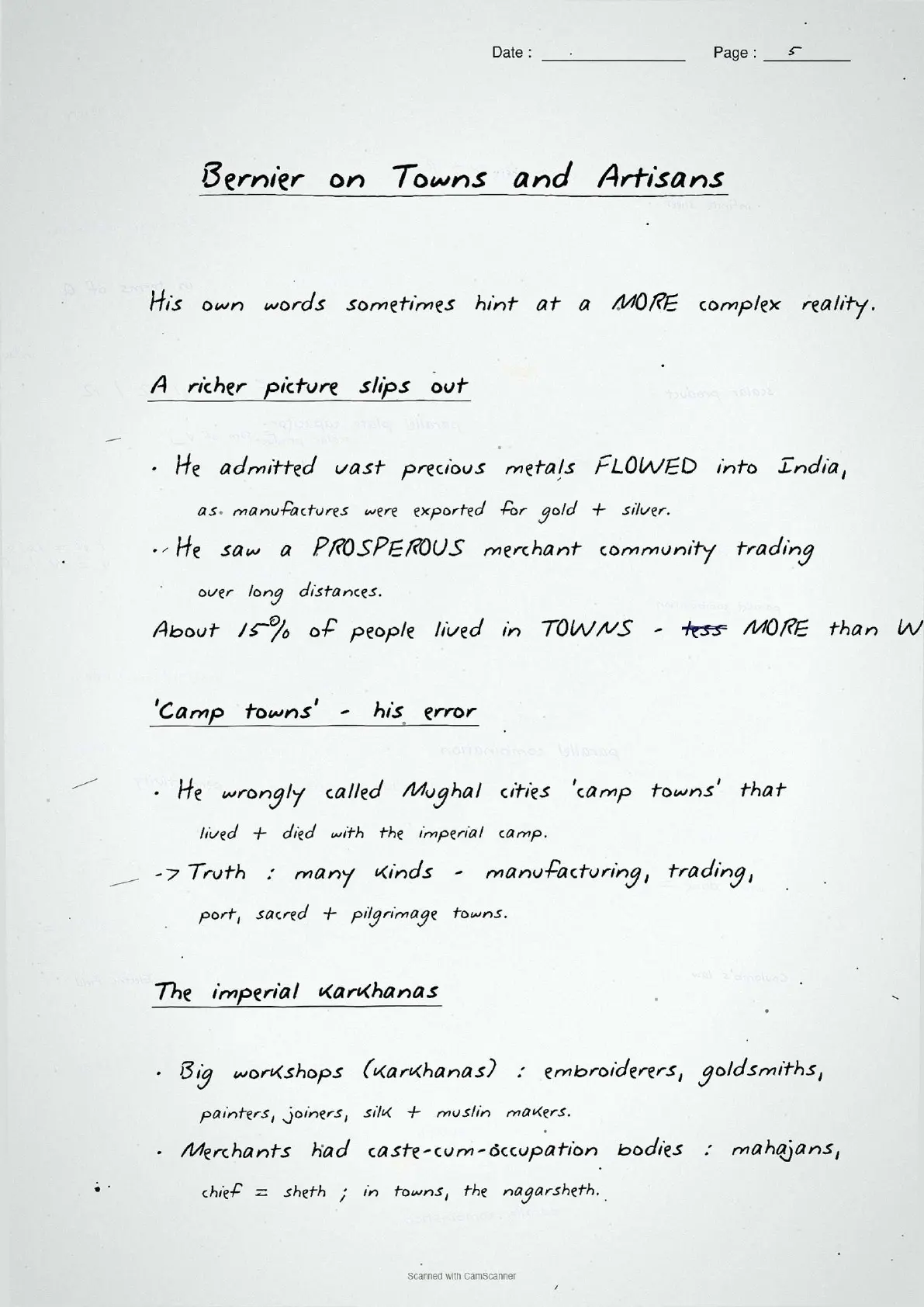
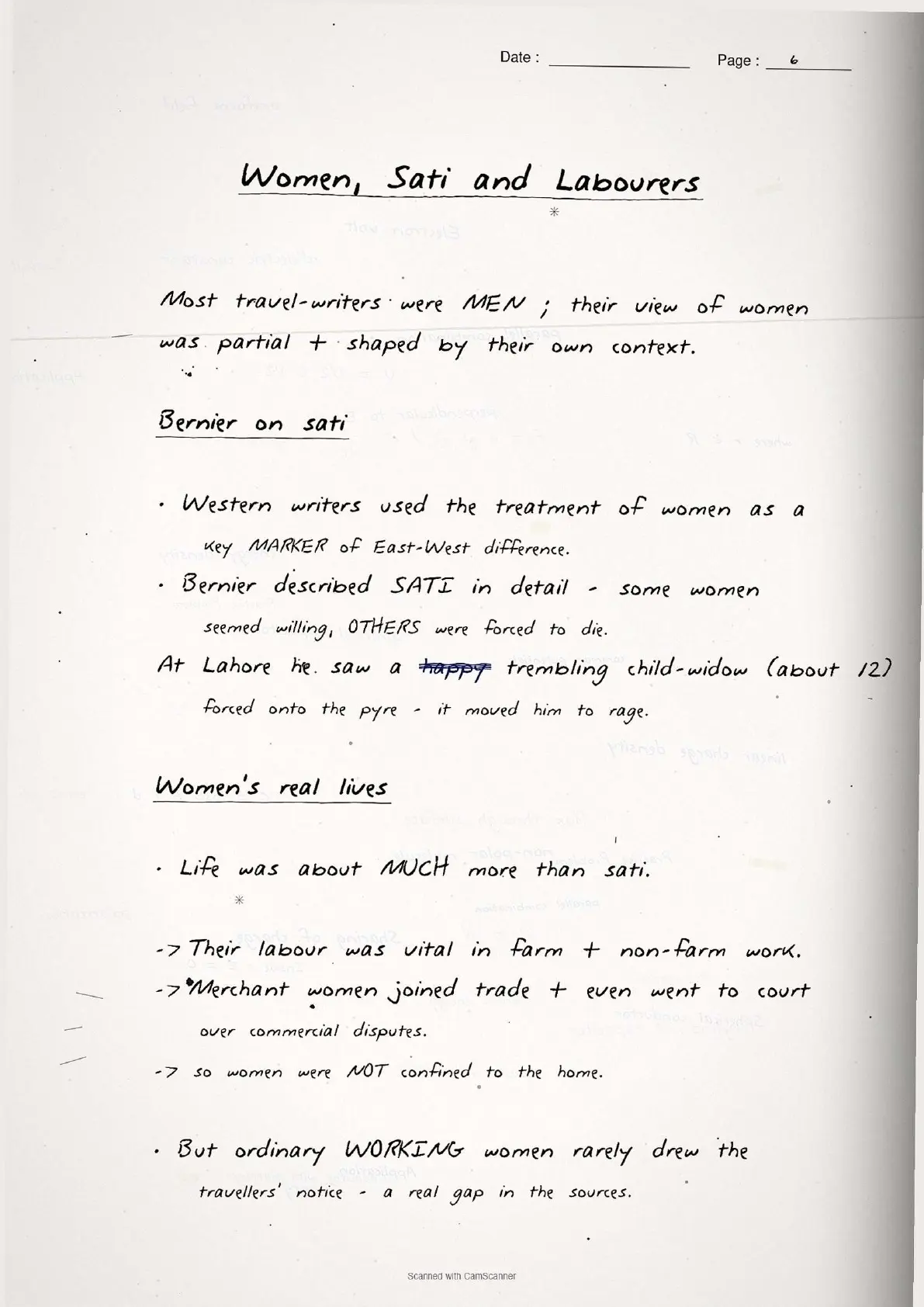
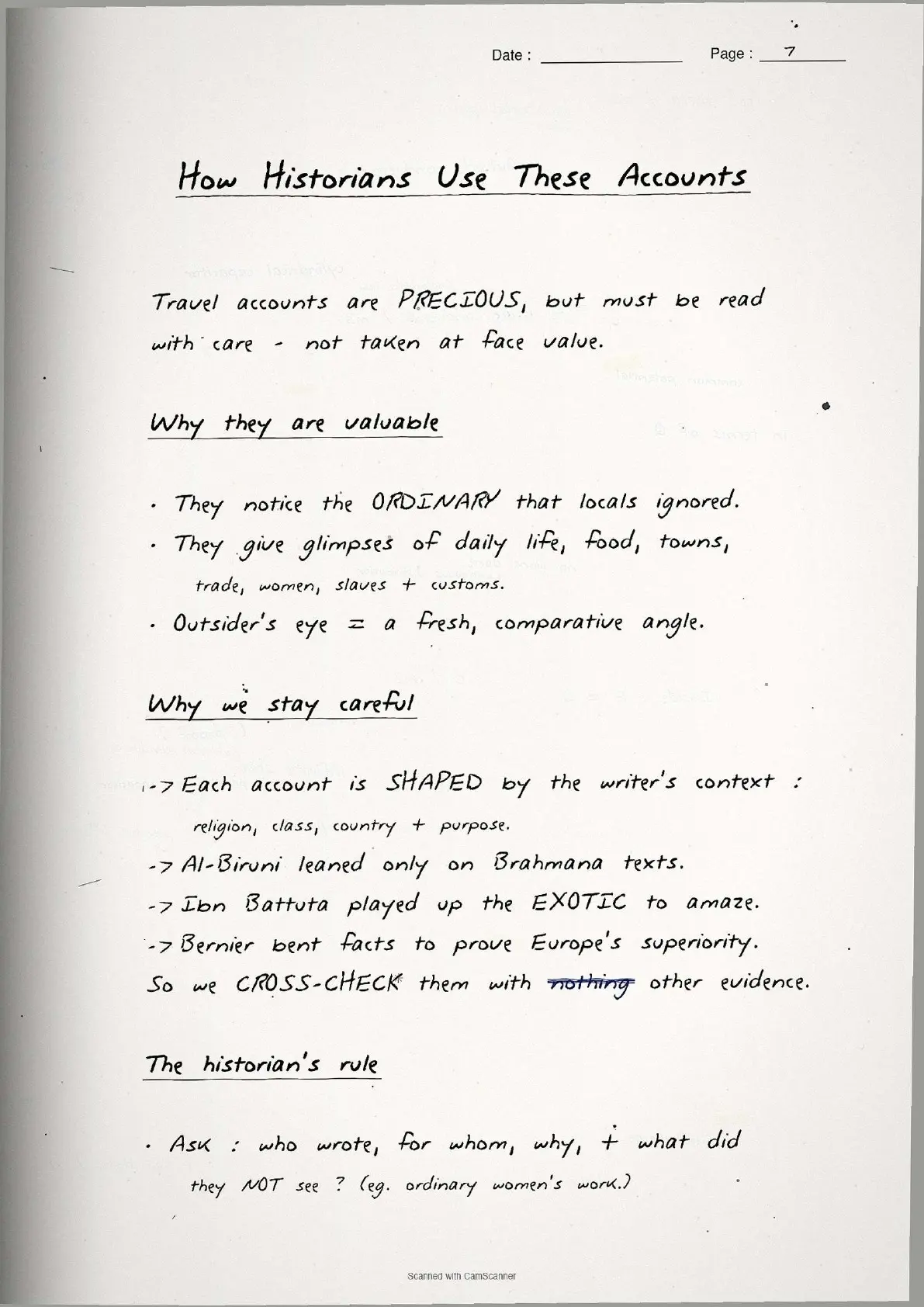
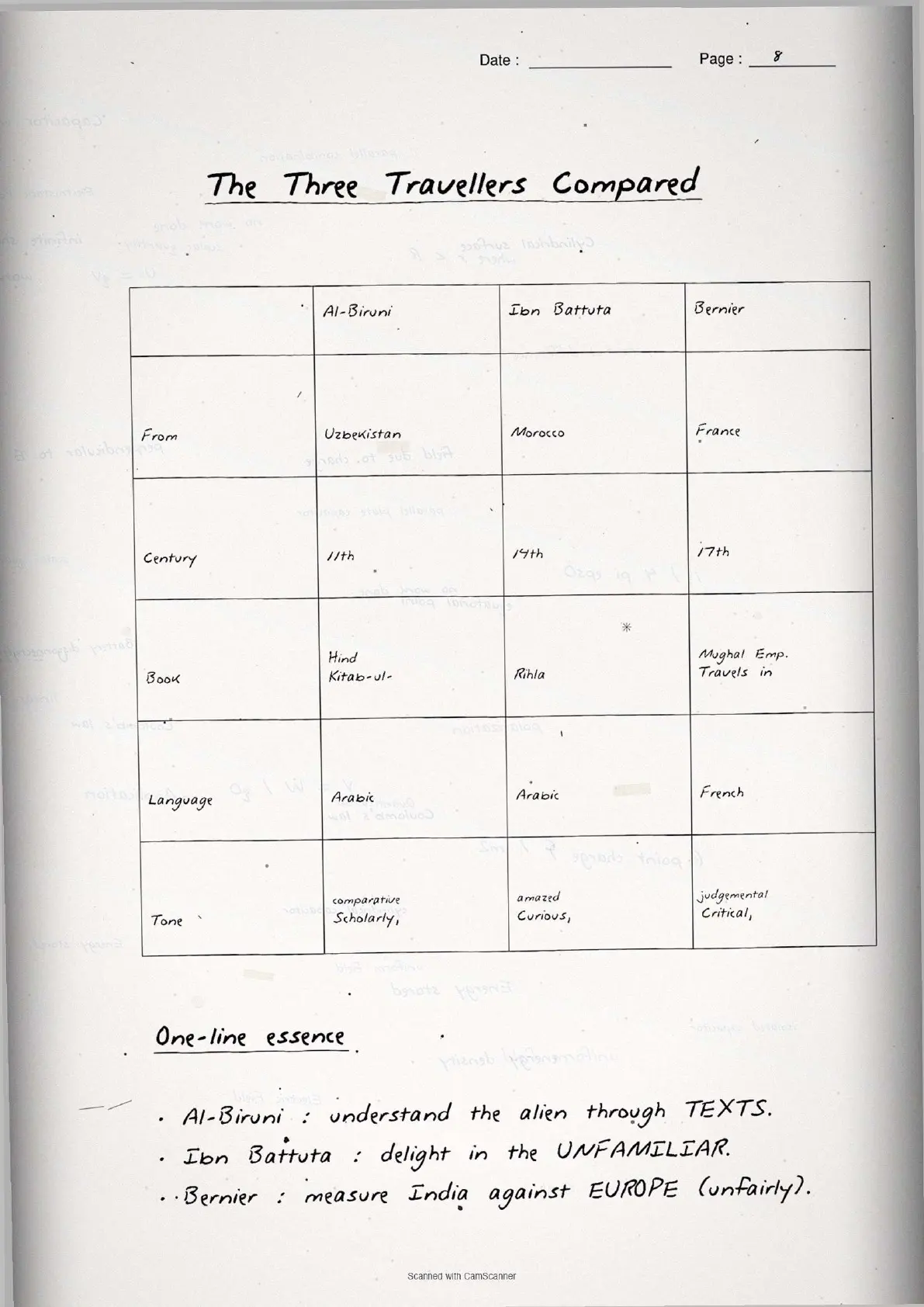
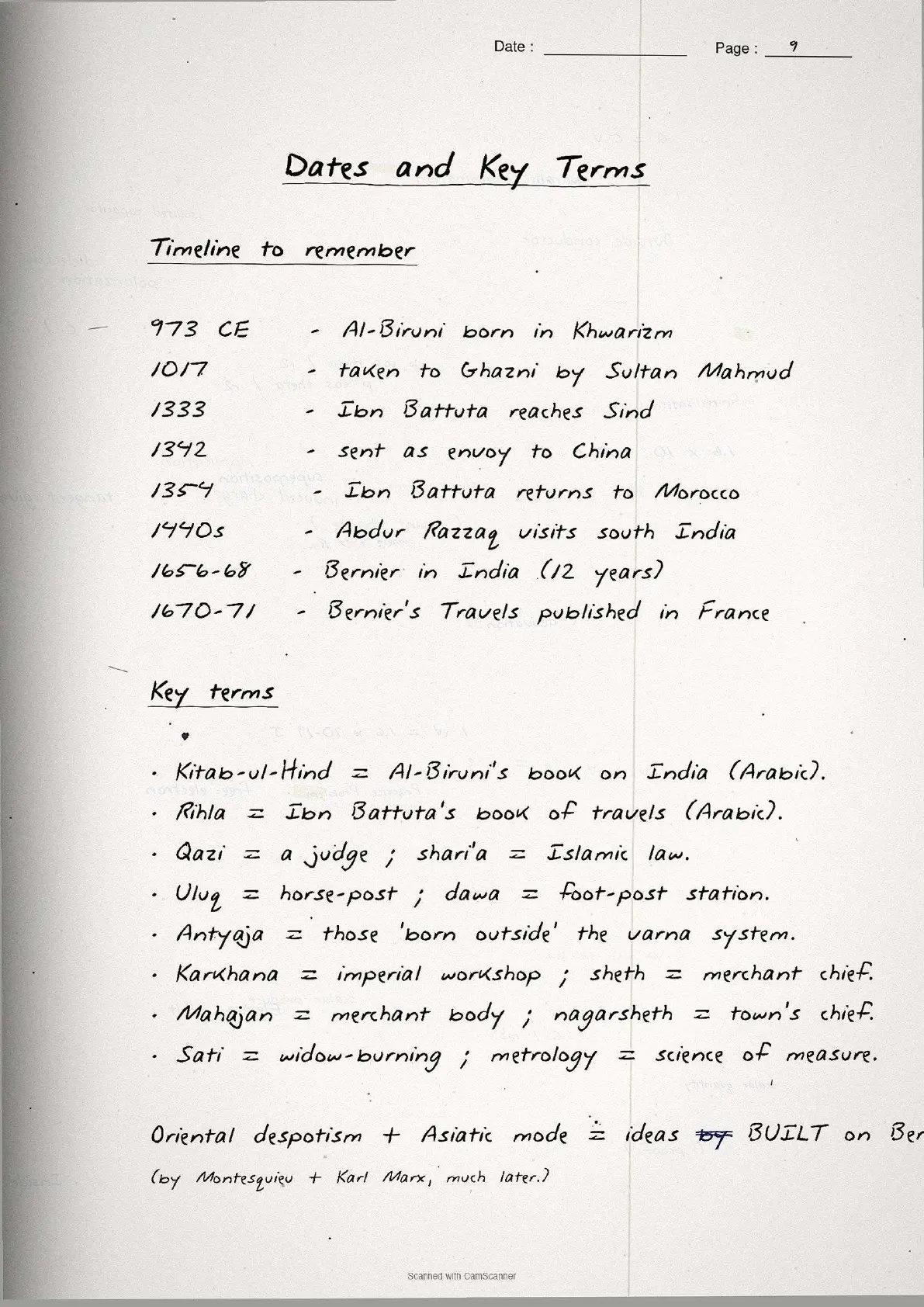
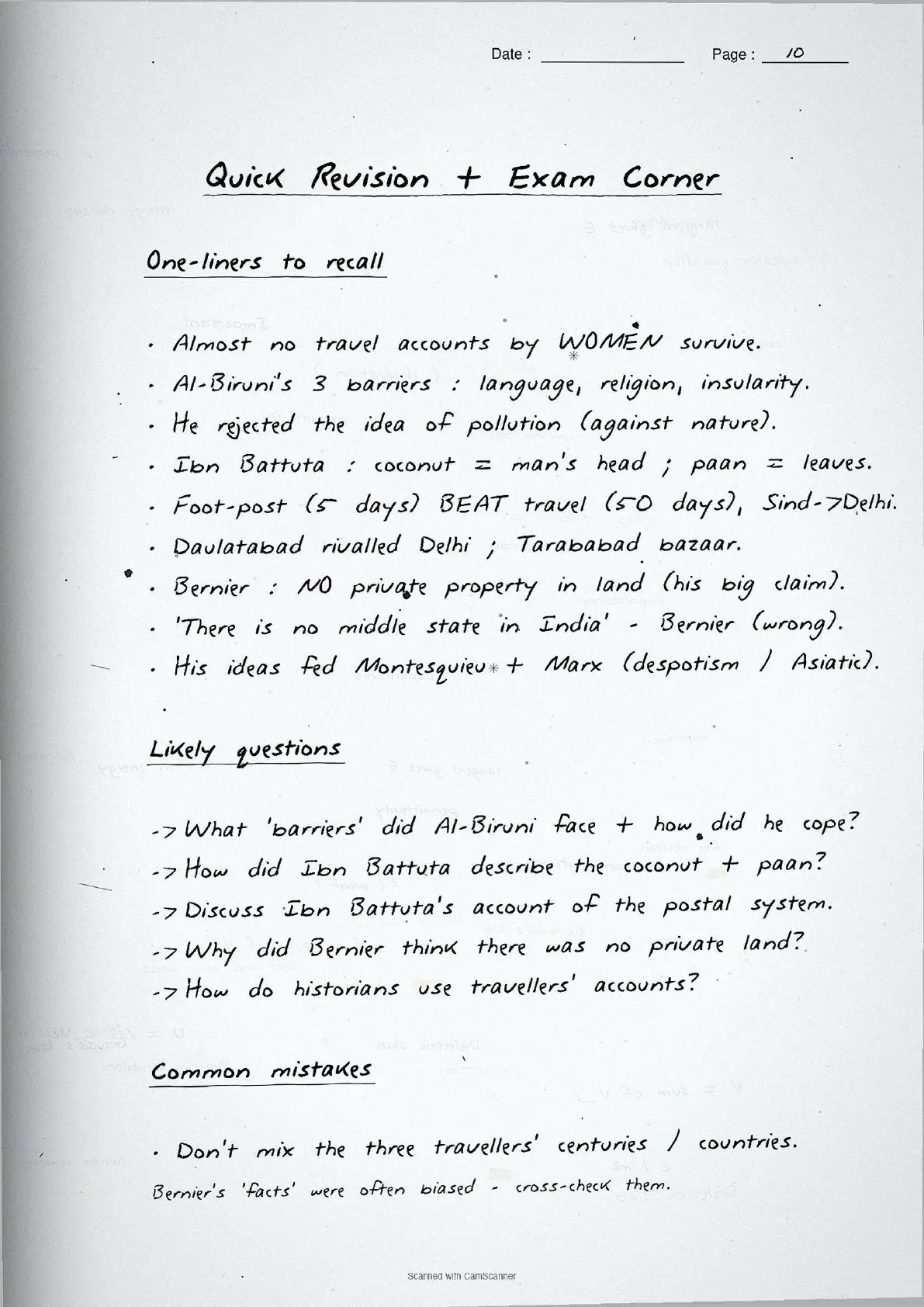
- Handwritten pages with boxed book titles and labelled traveller cards.
- This Class 12 History chapter usually carries 6 to 8 marks in the board paper.
- Pairs with the NCERT Solutions, Notes and Book PDF linked lower on this page.
These Through the Eyes of Travellers handwritten notes are prepared from the official NCERT Themes in Indian History Part II and checked against the last five years of CBSE board papers.
Student Feedback: In a Collegedunia poll of 8,140 Class 12 History students before the 2026 boards, 73% of students said handwritten notes felt faster to revise from than printed text for this chapter. Most students used the three-traveller cards to recall the compare-and-contrast answer in the exam.
Source: 2026-27 Class 12 History student poll. Sample of 8,140 students from CBSE schools across 12 states.
|
Table of Contents |
What These Handwritten Notes Include
Through the Eyes of Travellers is the fifth chapter of Themes in Indian History Part II. It studies Indian society from the tenth to the seventeenth century through three outsiders. These handwritten notes condense the chapter into pages a student can read in one sitting.
Every page is built around the three travellers in the chapter:
- Al-Biruni pages cover the Kitab-ul-Hind, his method and his view of caste.
- Ibn Battuta pages cover the Rihla, Indian cities, the postal system and slaves.
- Bernier pages cover land, towns, crafts and sati.
Because the notes are handwritten, the book titles sit in boxes and the key dates are underlined, so the eye jumps straight to them. This makes the through the eyes of travellers handwritten notes ideal for a last revision when there is no time to read full paragraphs. Sort each fact under Al-Biruni, Ibn Battuta or Bernier, and the whole of chapter 5 history class 12 falls into place.
Al-Biruni and the Kitab-ul-Hind Pages
The first set of pages covers Al-Biruni (973 to 1048), who came to India, learnt Sanskrit and wrote the Kitab-ul-Hind. The notes keep his book and method as short, boxed lists so students can copy them straight onto the answer sheet.
- The book: the Kitab-ul-Hind, in Arabic, about 80 chapters on religion, science, customs and laws.
- His method: set out a topic, compare Indian ideas with Greek and other thought, then conclude.
- Barriers: the Sanskrit language, the difference in belief, and the self-absorption of the people.
- On caste: he described the four varnas but called the idea of pollution against nature and reason.
The notes underline the key point: Al-Biruni leaned on Brahmanical texts, so his account of caste is the textbook ideal, not always daily life. A hand-drawn box around the book title and the four barriers makes the Kitab-ul-Hind answer easy to recall under exam pressure. Keep the date 973 to 1048 underlined in red.
Ibn Battuta and Indian Cities Pages
The middle pages carry a labelled card for Ibn Battuta (1304 to 1377), who reached India in 1333 and served as a judge under Muhammad bin Tughlaq. His book, the Rihla, is full of everyday detail. The table lists what the cards mark for quick revision.
| What he described | Key points to recall |
|---|---|
| Cities | Crowded, prosperous towns with bright bazaars; Delhi was the largest city in the eastern Islamic world. |
| The unfamiliar | He explained the coconut and the paan leaf for people back home who had never seen them. |
| The postal system | A horse-post (uluq) and a faster foot-post (dawa) that even carried fruit from Khurasan. |
| Trade | Indian textiles were in huge demand; some cloth was so costly only the rich could buy it. |
The notes box the single most important point in red ink: Ibn Battuta saw cities as full of opportunity for anyone with the drive and skill to use it. A small hand-drawn sketch of the two postal types, uluq and dawa, sits in the margin, and the coconut and paan get tiny labelled doodles so the source examples stick.
Bernier on Land, Towns and Sati Pages
The Bernier pages cover Francois Bernier (1620 to 1688), a French doctor who stayed in India from 1656 to 1668. He wrote to compare India with Europe, often to argue that Europe was better. The notes keep his claims as boxed points for the long answers.
- Landownership: he claimed the king owned all the land and there was no private property, which he saw as the root of all problems.
- Towns and crafts: he called Mughal cities "camp towns" tied to the court, yet praised the skill of Indian artisans.
- Sati: he watched it closely and noted the difference between willing widows and those forced onto the pyre.
- The "Degenerate East": his binary of a poor East and a rich West shaped European views for centuries.
The notes underline one correction in the margin: Bernier's claim of crown ownership of all land is now seen as wrong, since Mughal documents show many kinds of landholders. A linking arrow joins this claim to the "Degenerate East" idea, so students remember how a wrong fact shaped a lasting European image.
Comparing the Three Travellers Pages
The compare pages set the three travellers side by side, since the compare-and-contrast question is a regular long answer. The cards keep why each man wrote in one place, so the contrast is easy to draw out. The table gives the frame the cards use.
| Traveller | Why and how he wrote |
|---|---|
| Al-Biruni | A scholar; wrote to explain India to the West and Central Asian world using Sanskrit texts. |
| Ibn Battuta | A curious traveller; wrote of the new and strange, valuing first-hand experience over books. |
| Bernier | A doctor and critic; wrote to compare India with Europe, usually to show Europe in a better light. |
The contrast is boxed at the foot of the page: Ibn Battuta found the unfamiliar exciting and described it with wonder, while Bernier saw difference as a flaw and judged India against Europe. The notes underline this one line because writing it at the end of the compare answer is what shows the examiner you have grasped the perspectives.
Slavery, Women and Reading Sources Pages
The last set of pages covers slavery, women and how to judge a source. These pages feed the questions that ask whether an account is useful, since a top answer weighs the source instead of just repeating it. The notes keep the points as a boxed checklist.
- Slaves (Ibn Battuta): openly sold in markets, given as gifts, and used for domestic work and as palace guards.
- Women slaves: some were skilled in music and dance, which shows slavery was not one single experience.
- Sati (Bernier): a sign of how an outsider could both record and judge a practice.
- Reading limits: each traveller saw only part of society, so historians cross-check the accounts.
The notes underline the honest line that these travelogues are valuable but partial, so they must be read with care. A margin tick-box reminds students to say what each source reveals and what it leaves out. This is exactly the judging skill the "is the account useful" questions reward in the board paper.
How to Use These Handwritten Notes
Handwritten notes work best as a final layer of revision, not as your first read. The plan below helps students get the most out of the through the eyes of travellers handwritten notes before the board exam. Follow it once a week in the run-up to the test.
- First pass: read the notes once, following the Al-Biruni, Ibn Battuta and Bernier order of pages.
- Active recall: cover the boxed book titles and try to write each traveller's points from memory.
- Card practice: redraw the three-traveller comparison card and fill it in without looking.
- Self-test: attempt a short class 12 history chapter 5 mcq drill to check the small facts.
Because the notes come as a downloadable PDF, students can save them on a phone and revise offline on the way to the exam centre. Many students search for class 12 history chapter 5 notes on their phone the night before a test, so a saved PDF means revision is always at hand. Pair these pages with the full solutions to check your written answers against model points.
Common Mistakes These Notes Help You Avoid
A few errors cost marks in this chapter every year. Most come from mixing up the travellers or from treating a biased account as plain fact. The notes flag each soft point in the margin so students phrase it safely on the answer sheet.
- Mixing up the books - the Kitab-ul-Hind is Al-Biruni, the Rihla is Ibn Battuta, and Travels is Bernier.
- Treating Bernier's "king owns all land" claim as true - historians now reject it.
- Writing only a summary for the compare question - always end with the contrast.
- Saying Al-Biruni approved of caste - he described it but called pollution against reason.
- Repeating a source without judging it - say what it reveals and what it leaves out.
Students who fix these five points usually move from average to high marks. The exam rewards careful wording, so write "Bernier claimed" or "according to the Rihla" instead of stating a traveller's view as settled fact. The handwritten margin notes nudge you to use these soft words in the right places.
How These Notes Pair with the Solutions and Book PDF
These handwritten notes are a revision layer. To prepare fully, students should use them with the other resources for the same chapter, all linked in the table below. Read the notes, then test yourself with the solutions, and open the book PDF for the original text and source extracts.
| Resource | Best used for |
|---|---|
| Through the Eyes of Travellers NCERT Solutions | Step-by-step answers to all 12 back-exercise questions |
| Through the Eyes of Travellers Class 12 Notes | Quick chapter summary with all dates and book titles in one place |
| Through the Eyes of Travellers NCERT Book PDF | Reading the original NCERT chapter text and source extracts |
Tip: use the handwritten traveller cards to memorise who wrote what, then write the full answer in your own words. Filling the comparison card once from memory fixes the compare-and-contrast answer for good.
All Class 12 History Handwritten Notes by Chapter
The table links the handwritten notes for every chapter in Themes in Indian History so students can move across the book in one click. Chapter 5 is highlighted.
| Chapter | Handwritten Notes |
|---|---|
| Chapter 1 | Bricks, Beads and Bones |
| Chapter 2 | Kings, Farmers and Towns |
| Chapter 3 | Kinship, Caste and Class |
| Chapter 4 | Thinkers, Beliefs and Buildings |
| Chapter 5 | Through the Eyes of Travellers |
| Chapter 6 | Bhakti-Sufi Traditions |
| Chapter 7 | An Imperial Capital Vijayanagara |
| Chapter 8 | Peasants, Zamindars and the State |
| Chapter 9 | Colonialism and the Countryside |
| Chapter 10 | Rebels and the Raj 1857 |
| Chapter 11 | Mahatma Gandhi and the Nationalist Movement |
| Chapter 12 | Framing the Constitution |
FAQs on Through the Eyes of Travellers Handwritten Notes
Through the Eyes of Travellers Class 12 Handwritten Notes Common Questions
Ques. Where can I download the Through the Eyes of Travellers handwritten notes PDF?
Ans. You can download the Through the Eyes of Travellers handwritten notes PDF directly from this page. It is free, follows the 2026-27 NCERT, and gives the chapter as clean handwritten pages with boxed book titles and labelled traveller cards.
Ques. Are handwritten notes good enough for the class 12 history board exam?
Ans. Yes, for revision. Handwritten notes are best used as a final layer after you have read the chapter and practised the solutions. They make dates, book titles and the three-traveller comparison quick to recall in the exam.
Ques. What does the Through the Eyes of Travellers chapter cover?
Ans. It covers Indian society from the tenth to the seventeenth century through Al-Biruni's Kitab-ul-Hind, Ibn Battuta's Rihla and Bernier's Travels in the Mughal Empire, including caste, cities, slavery, the postal system, sati and landownership.
Ques. Who are the three travellers in class 12 history chapter 5?
Ans. Al-Biruni from Uzbekistan, Ibn Battuta from Morocco, and Francois Bernier from France. The notes give each a labelled card with his dates, his book and his main themes, so the three are easy to keep apart.
Ques. How should I use these notes for quick revision?
Ans. Read the pages once in the Al-Biruni, Ibn Battuta and Bernier order, cover the boxed book titles and write each traveller's points from memory, redraw the comparison card, then attempt a short class 12 history chapter 5 mcq drill to test the small facts.



Comments