




These Framing the Constitution handwritten notes turn the whole chapter on the Constituent Assembly into clean, handwritten pages for fast last-minute revision. They follow the 2026-27 CBSE syllabus and Theme 15 of Themes in Indian History Part III. Students get the dates, names, key debates and the language compromise in a pen-on-paper format that is easy to skim before a test.
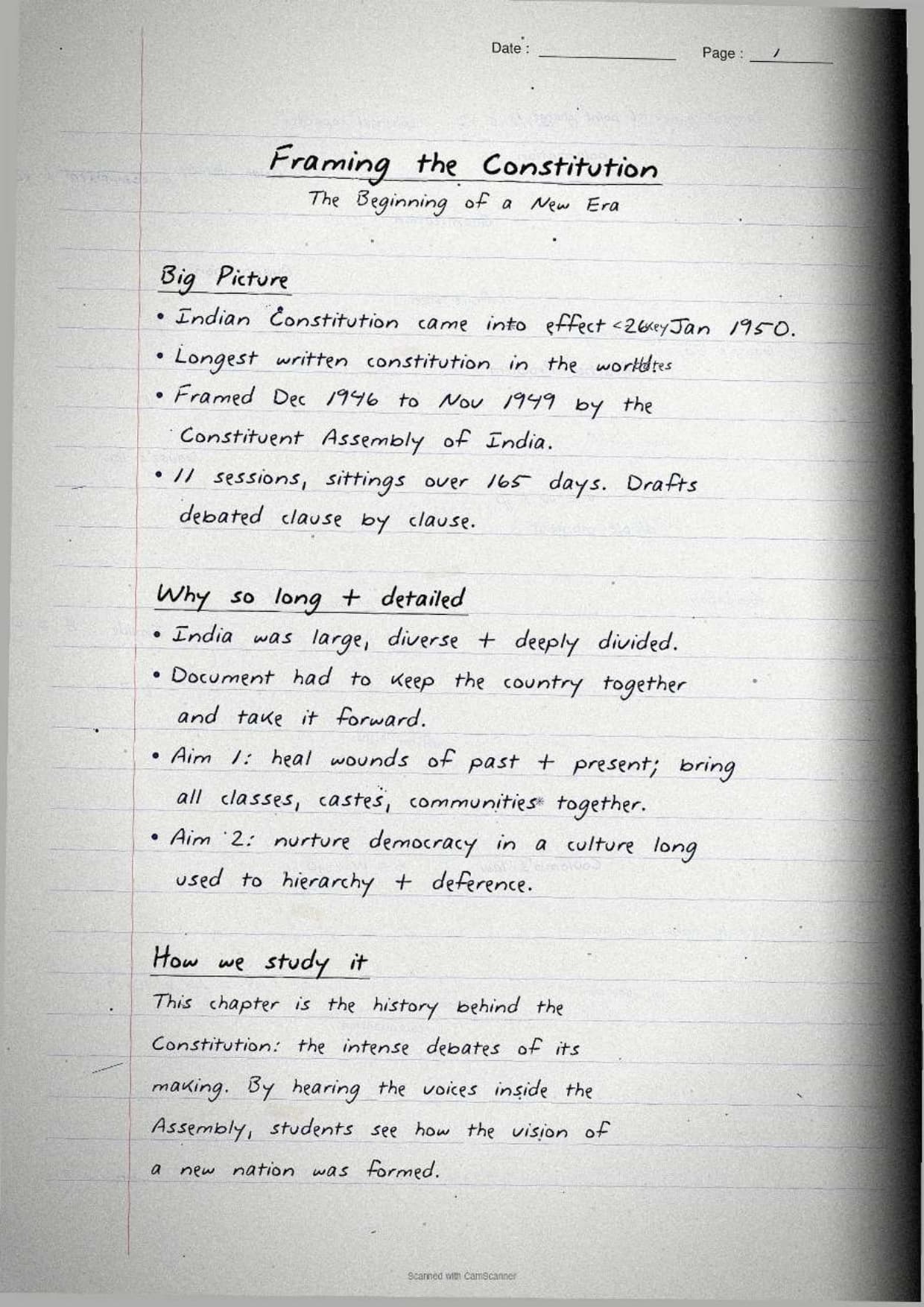
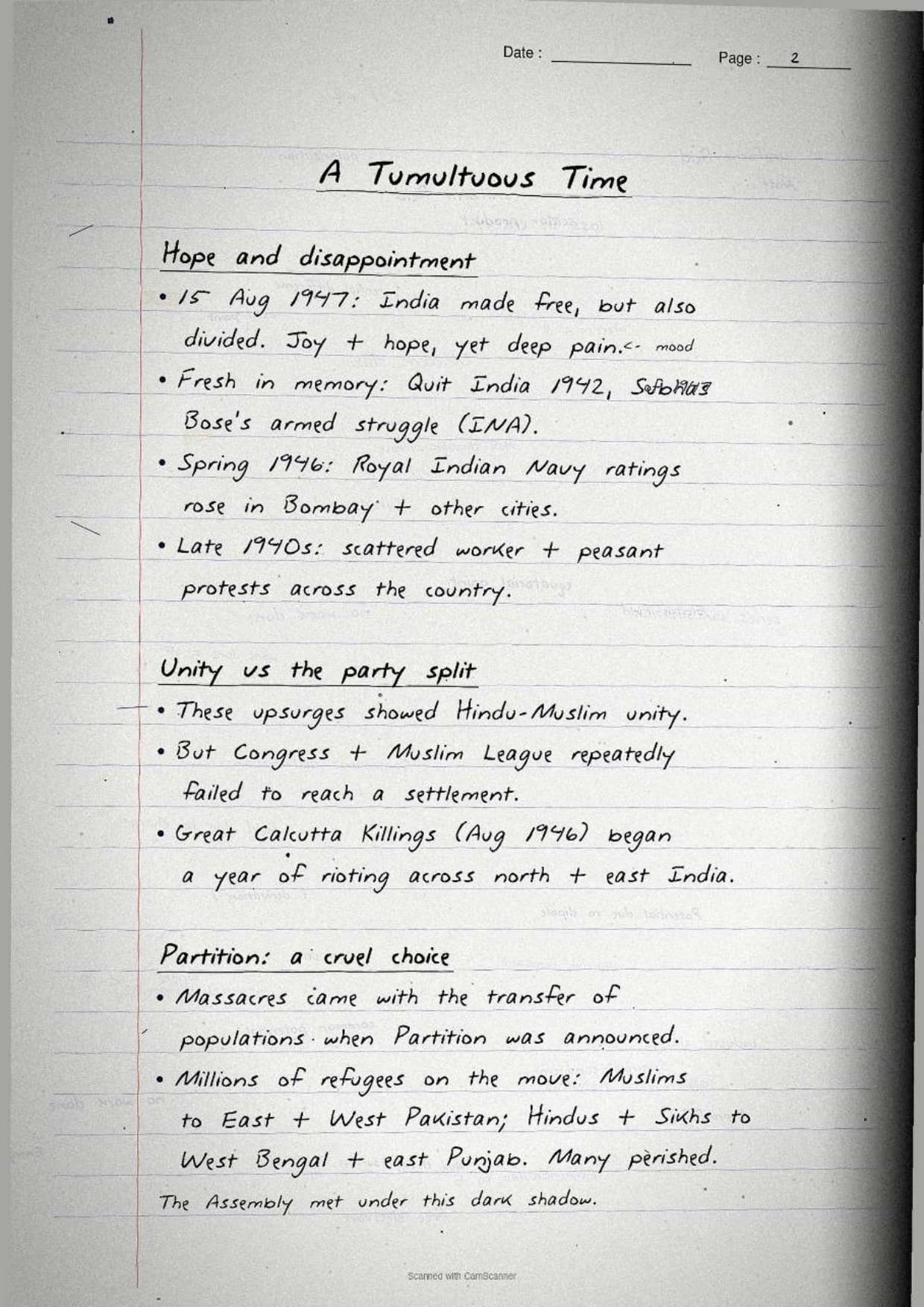
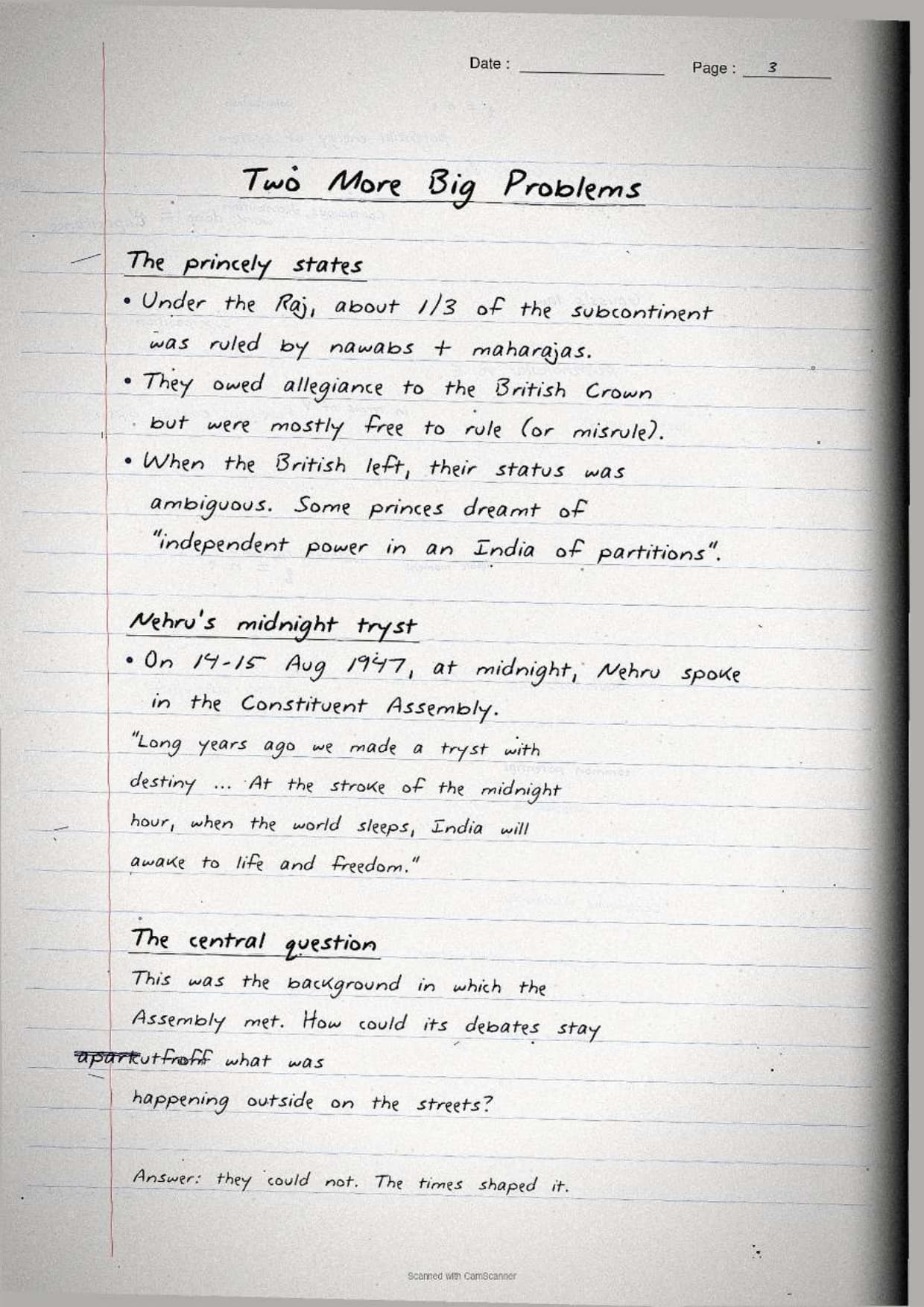
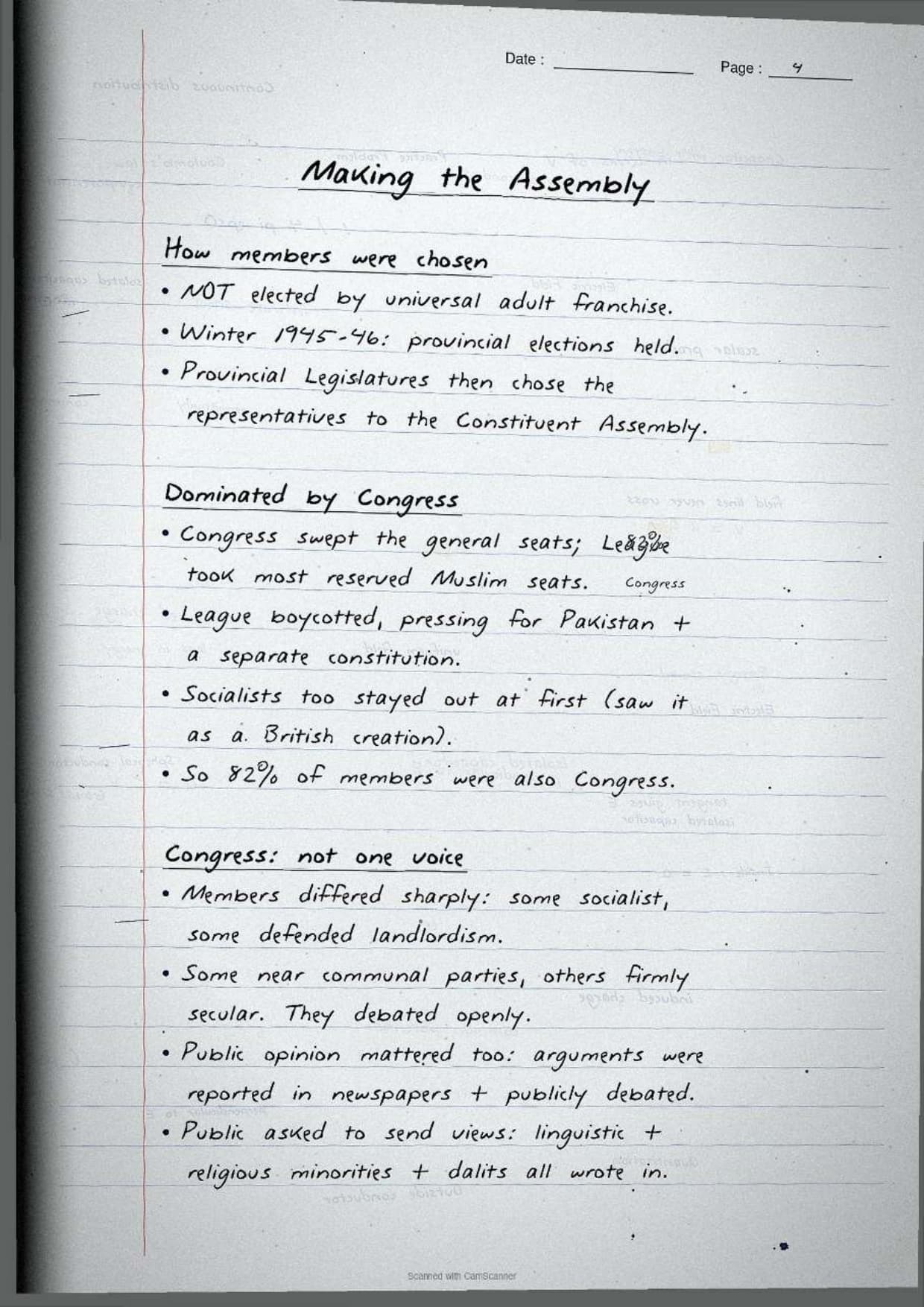
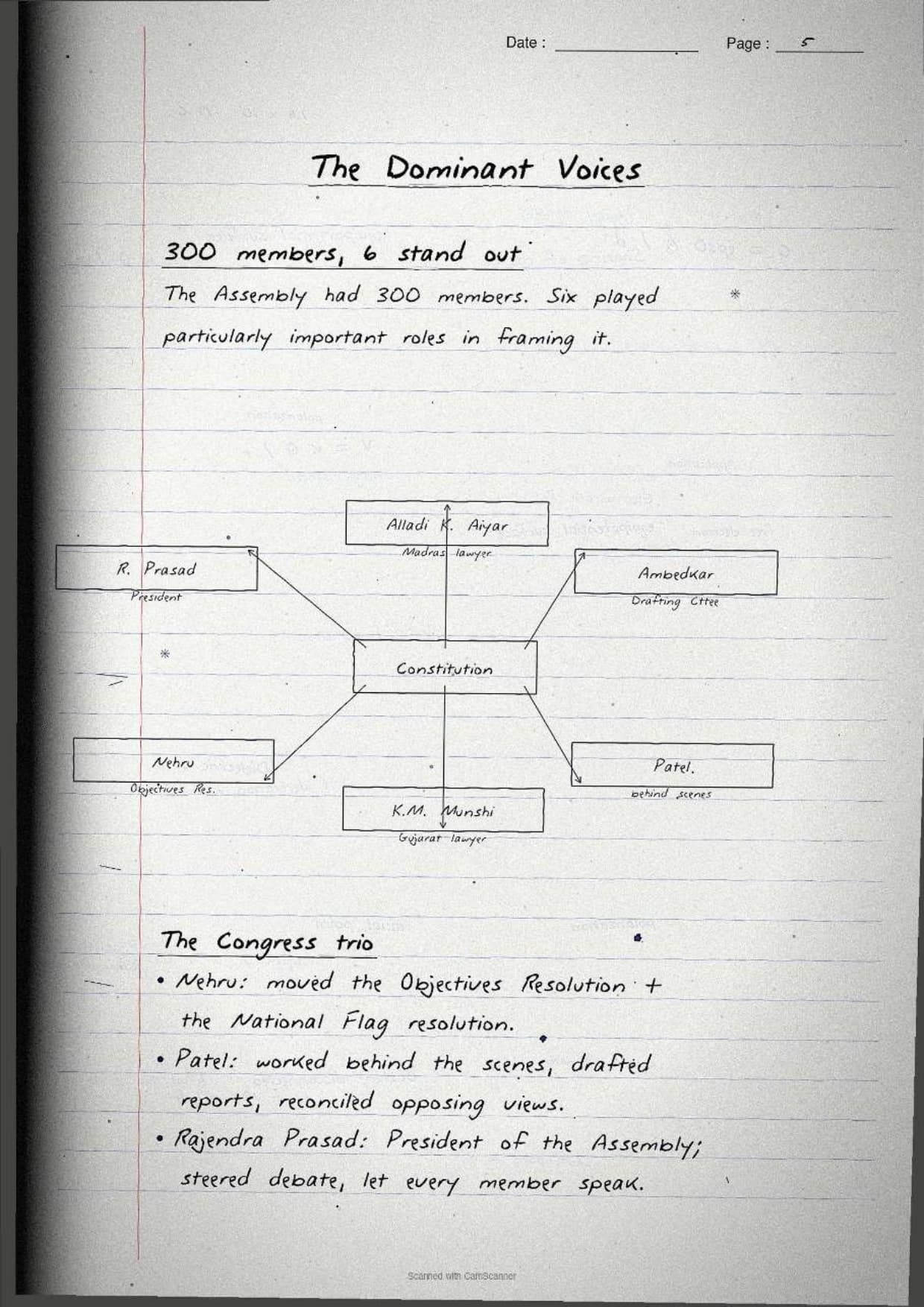
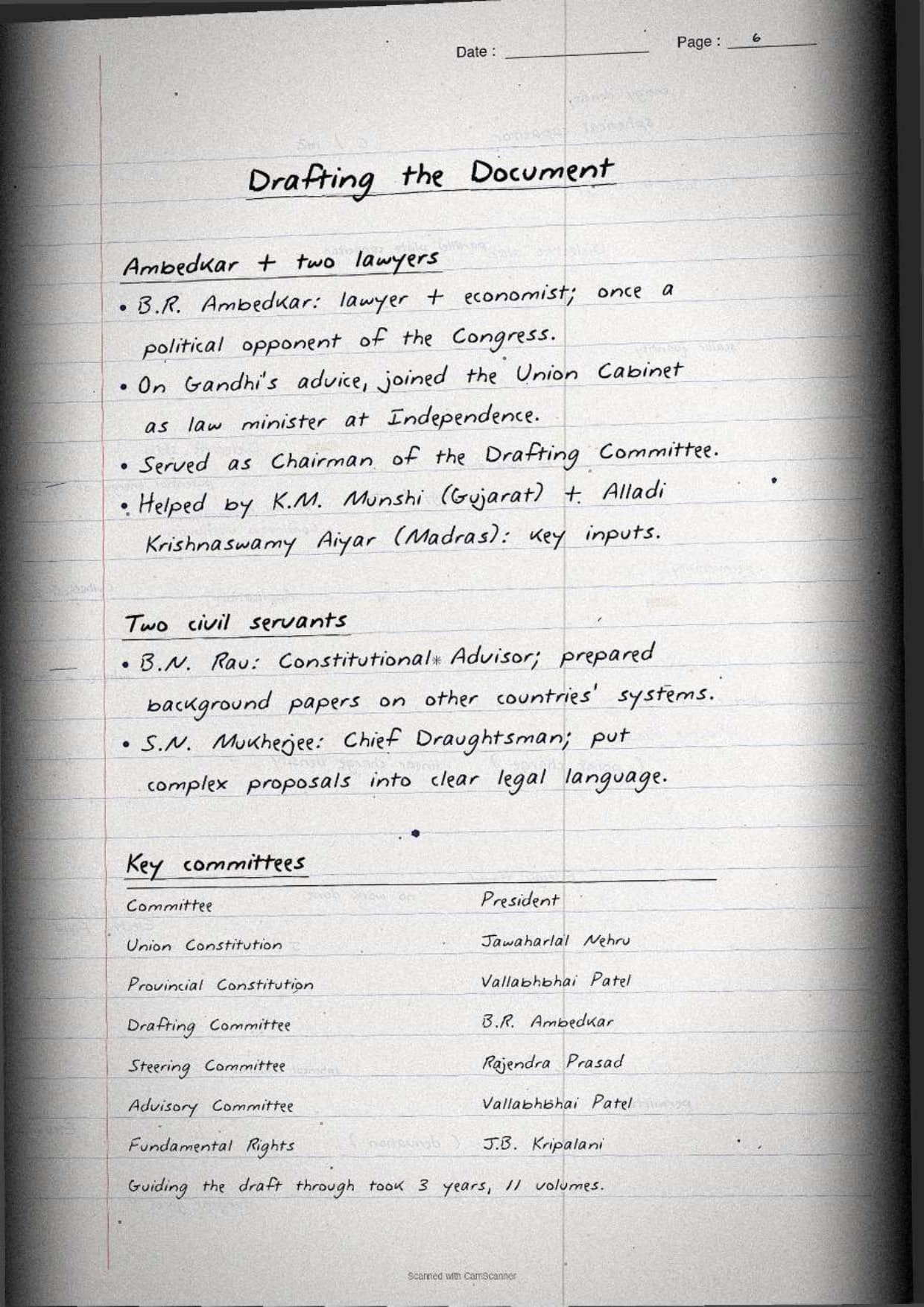
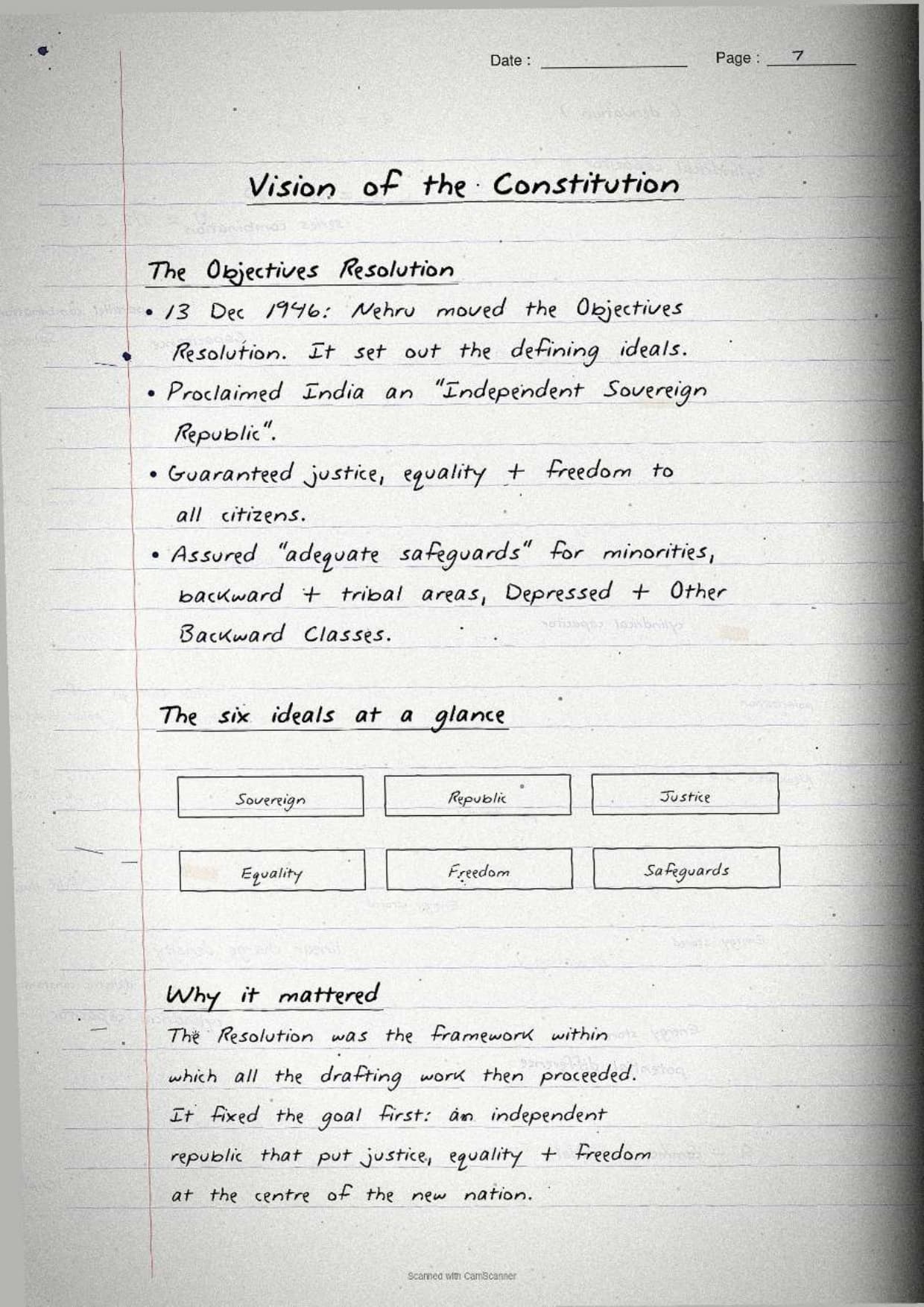
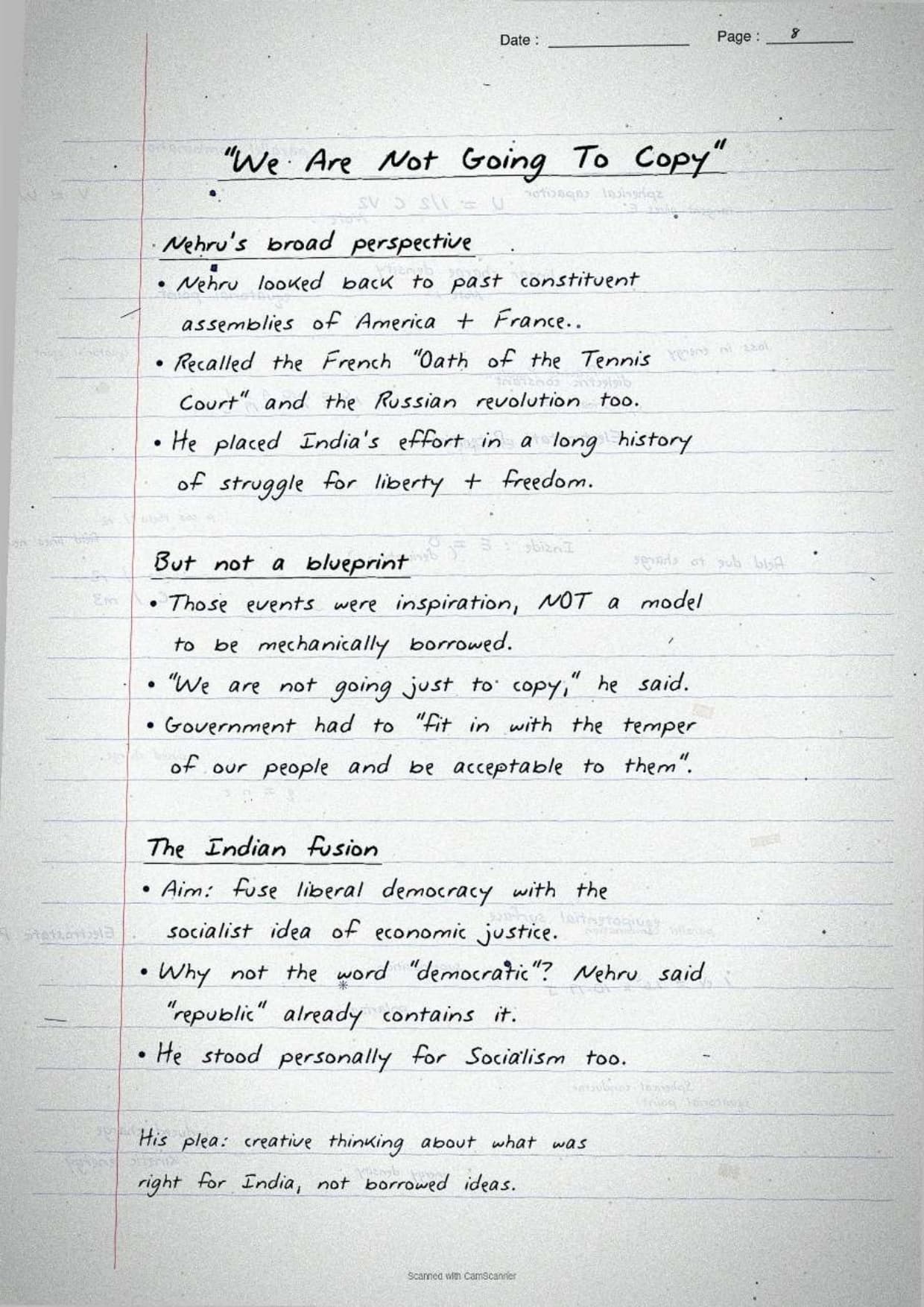
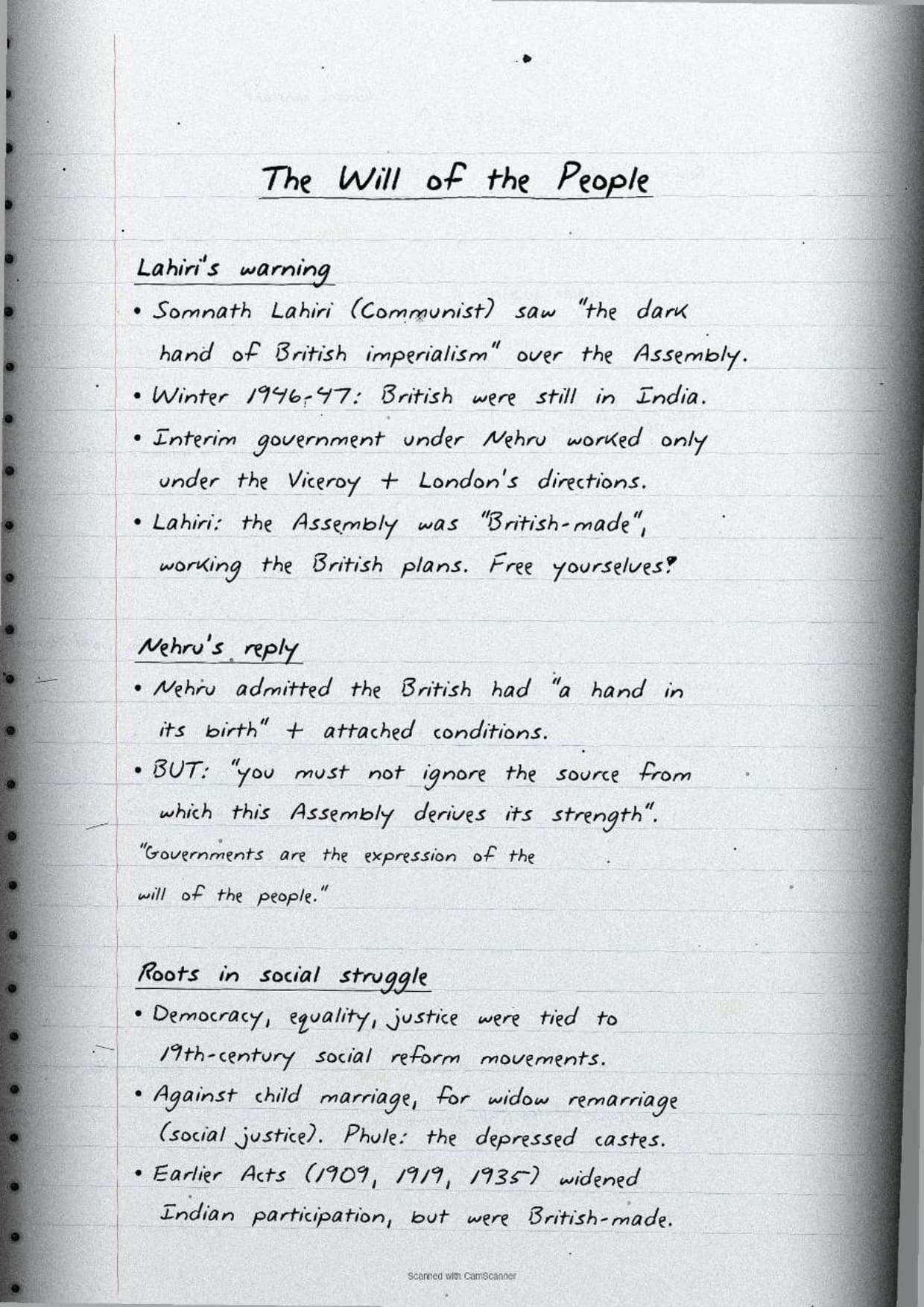
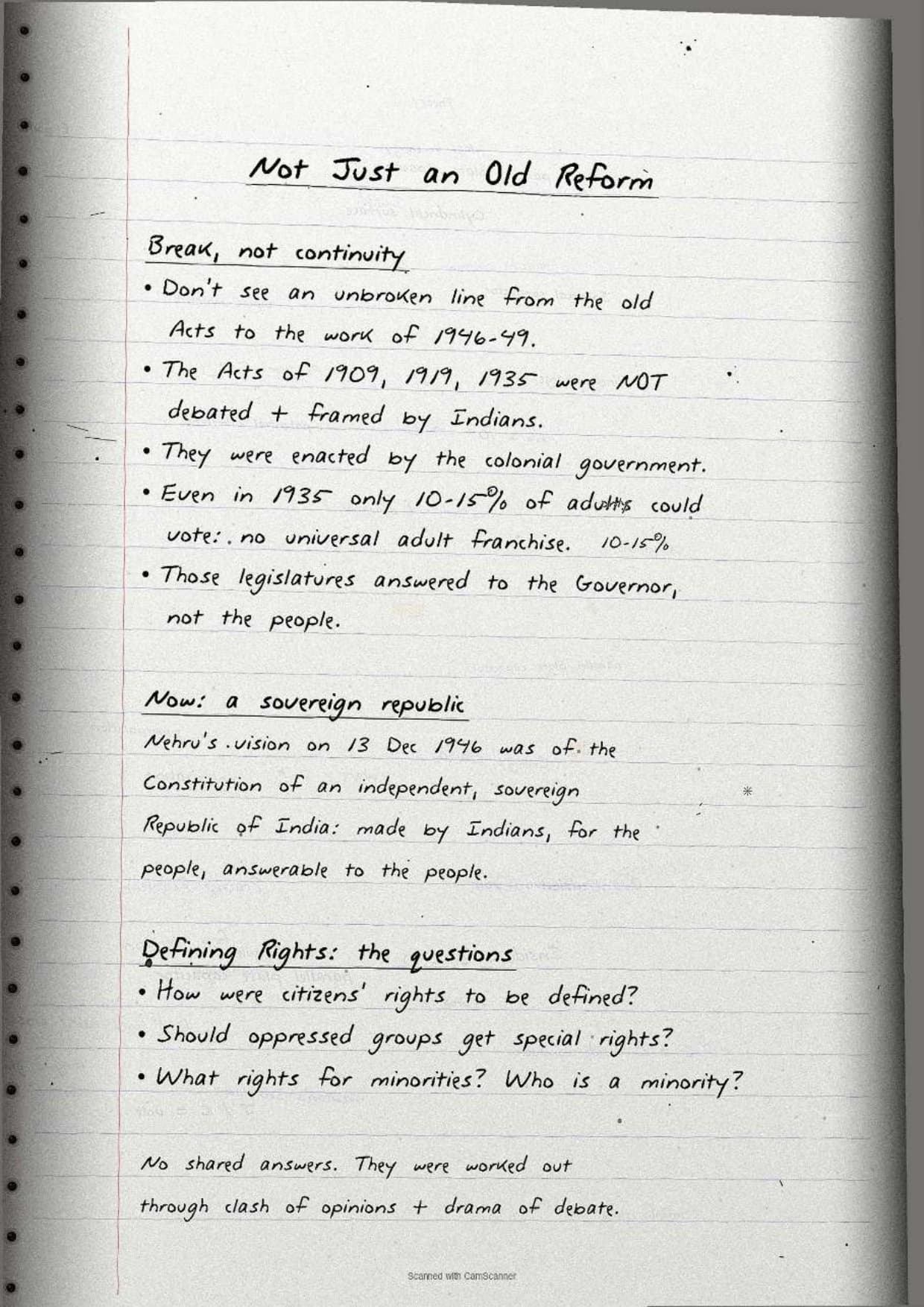
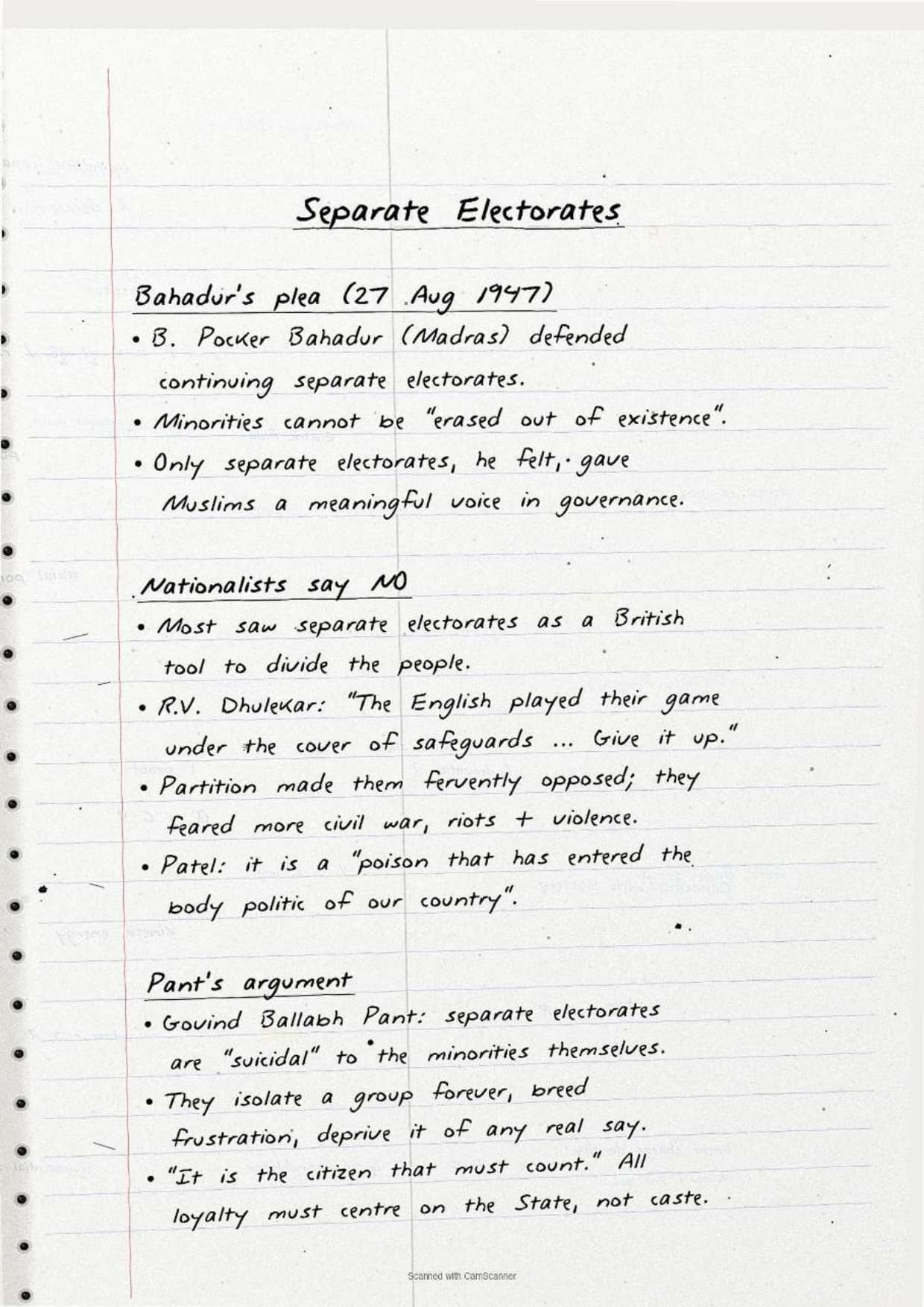
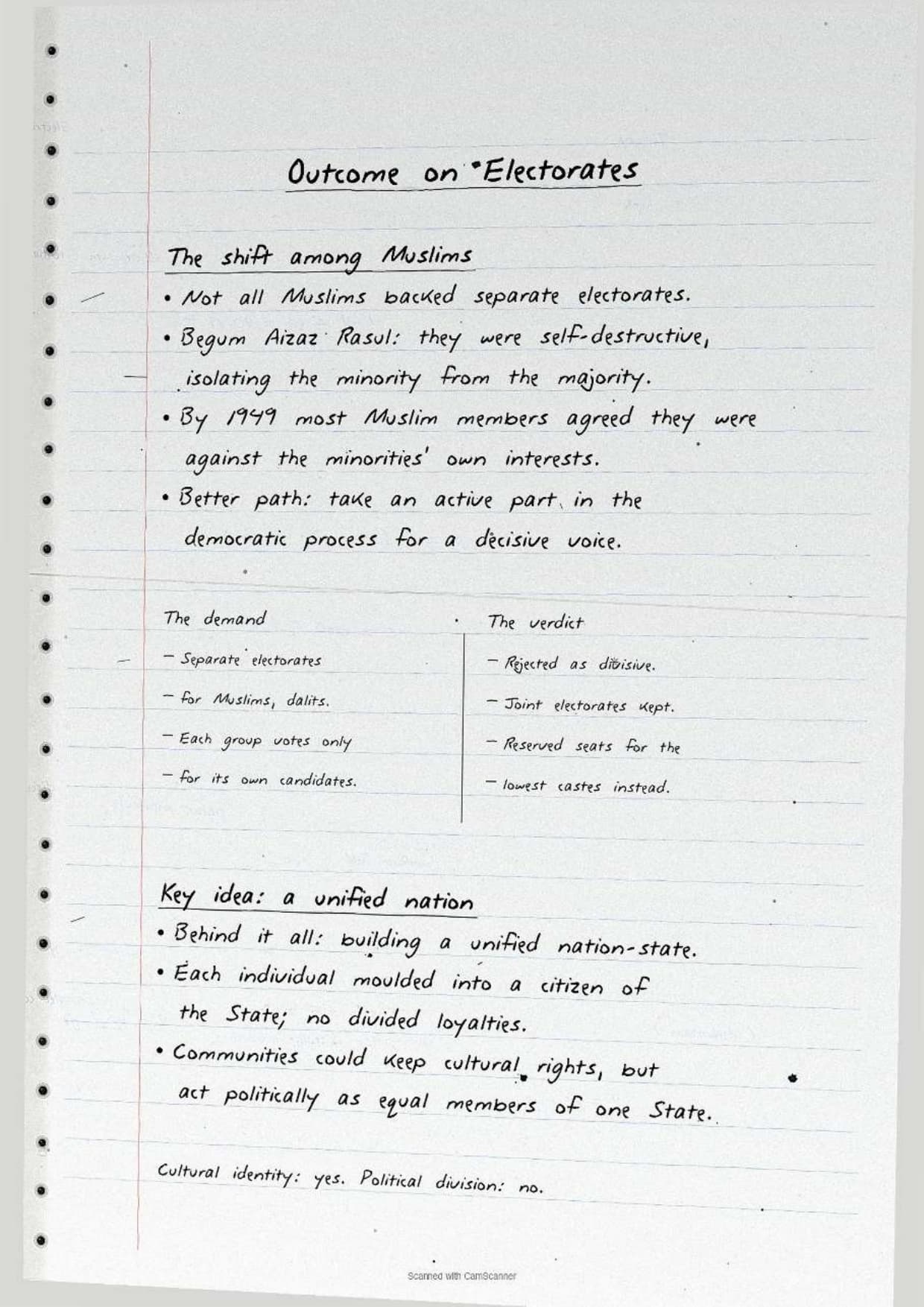
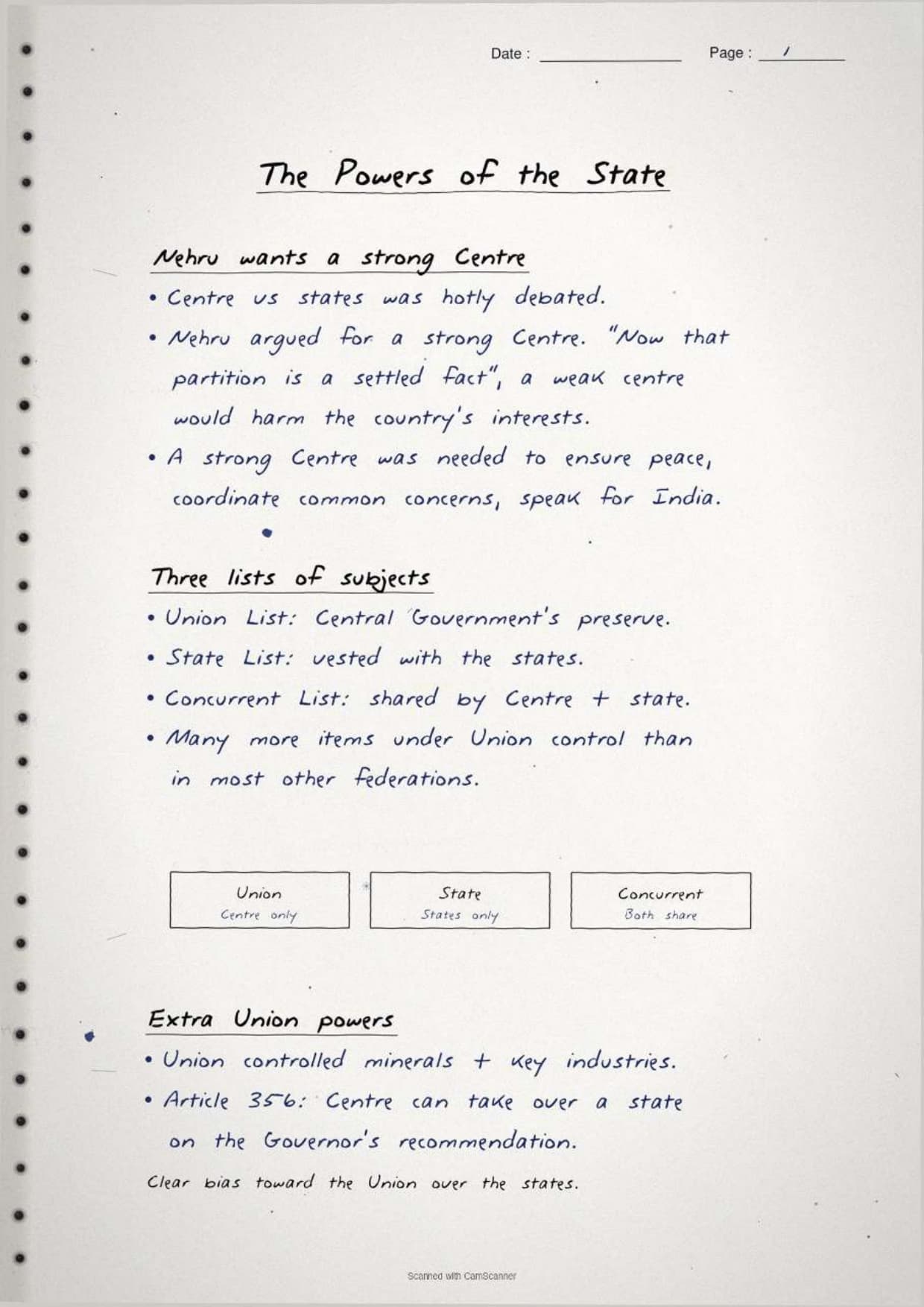
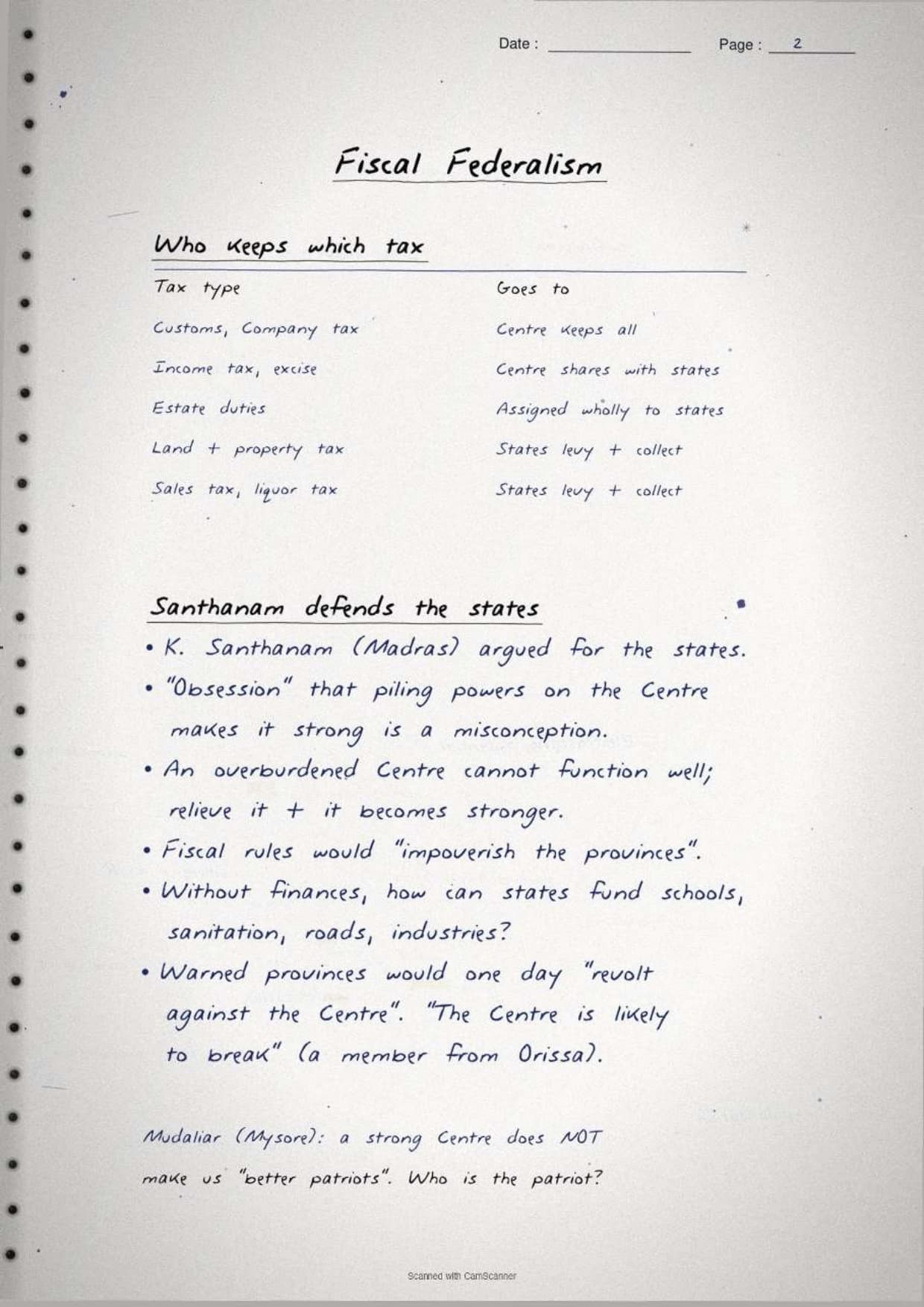
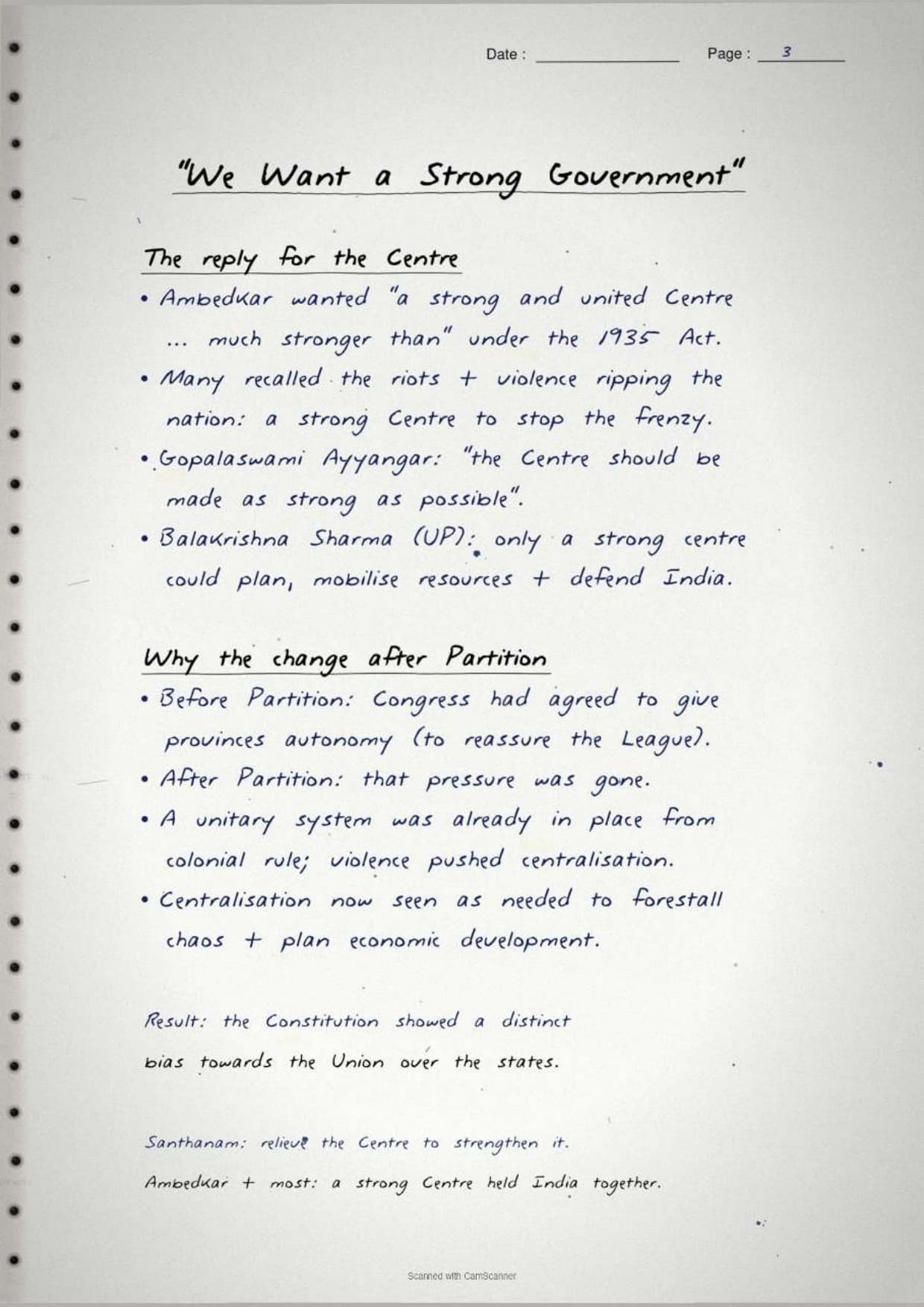
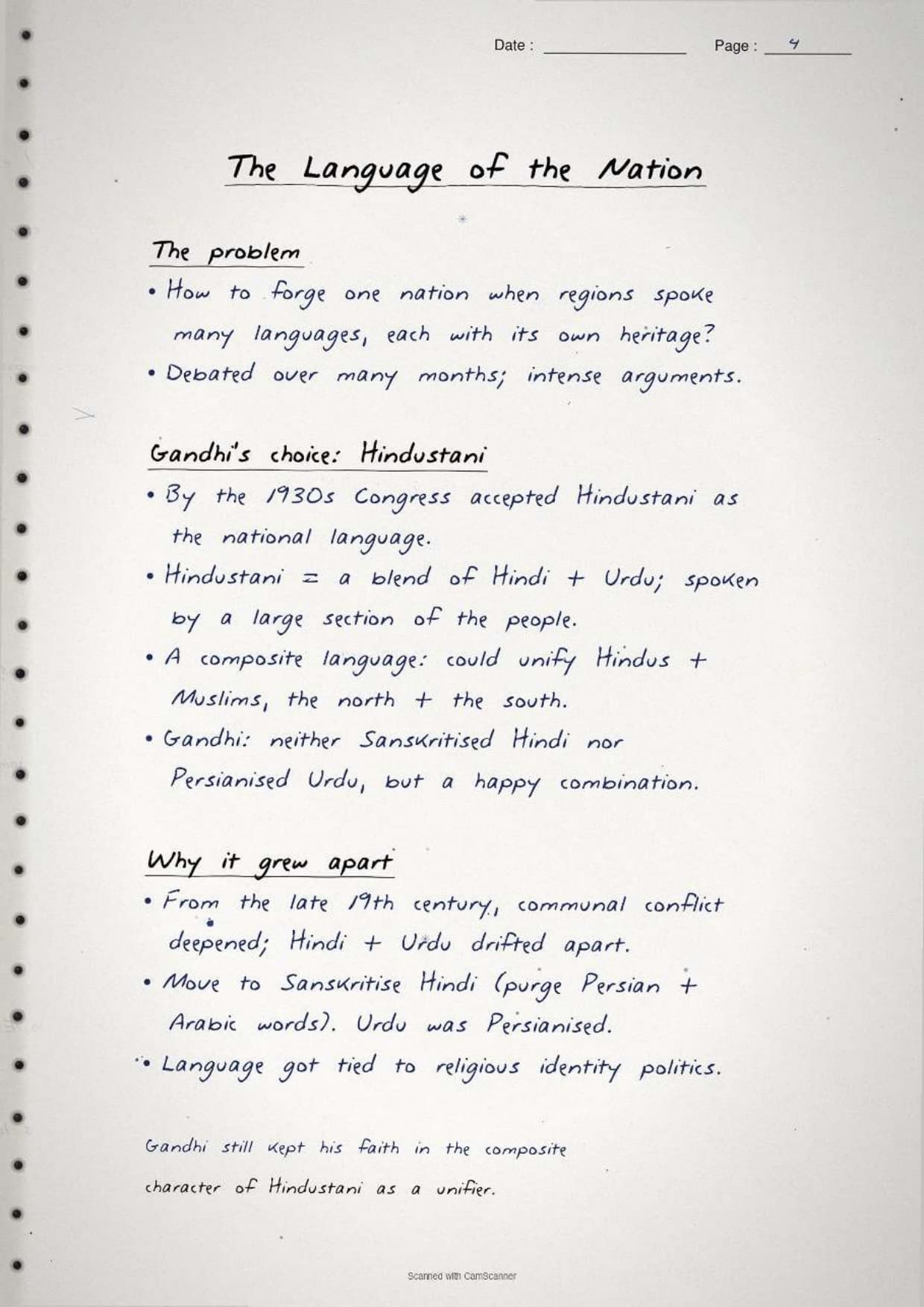
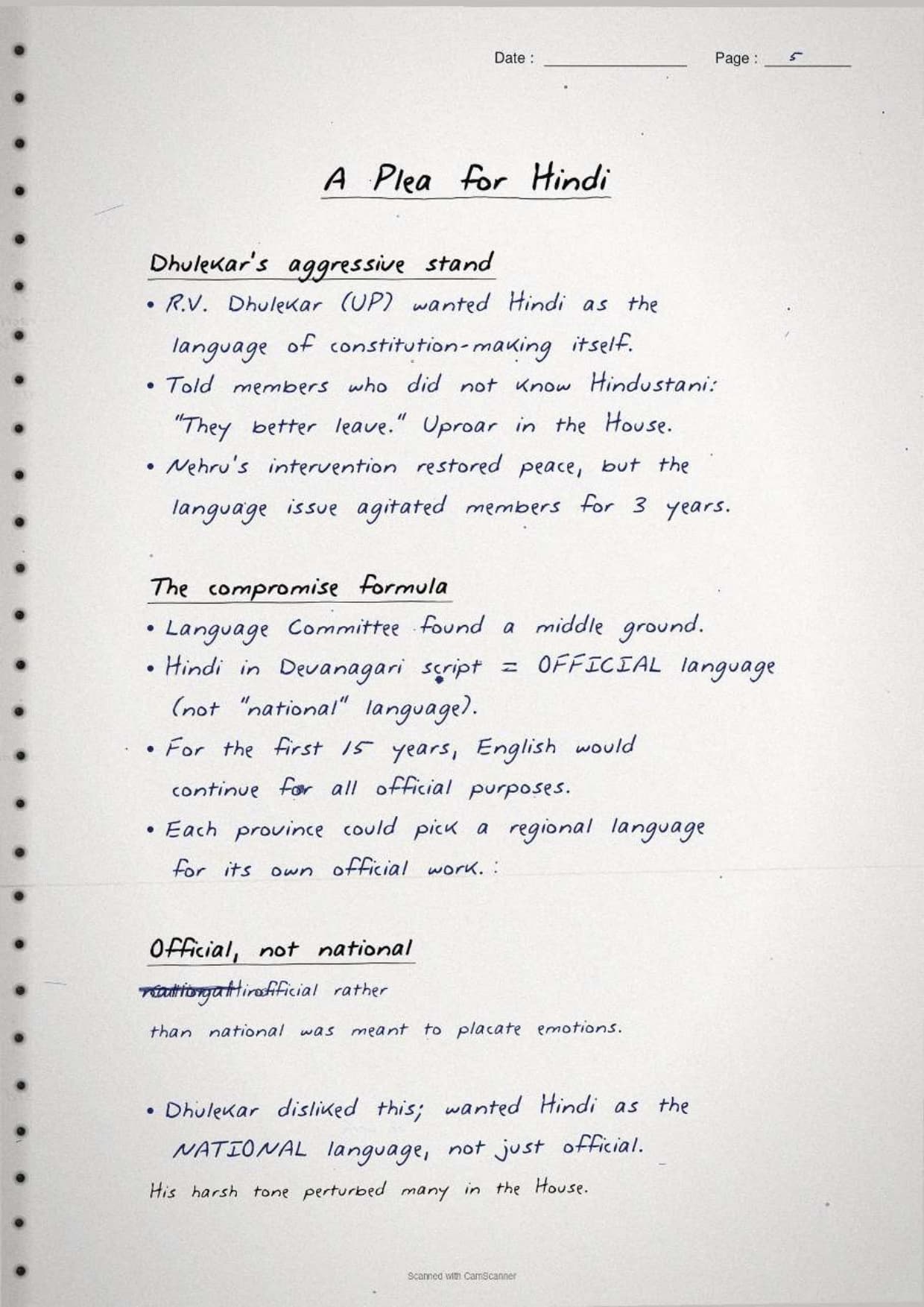
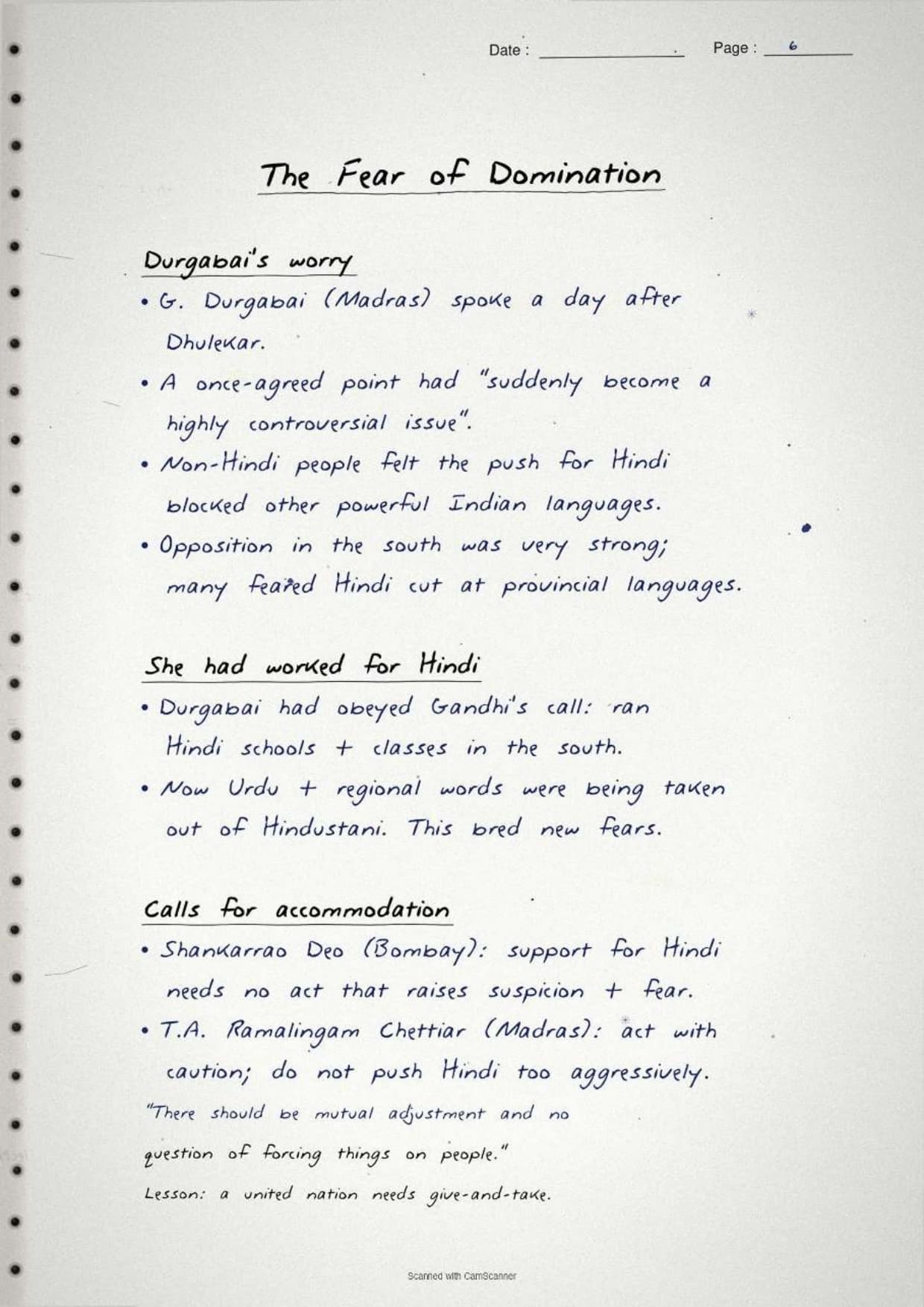
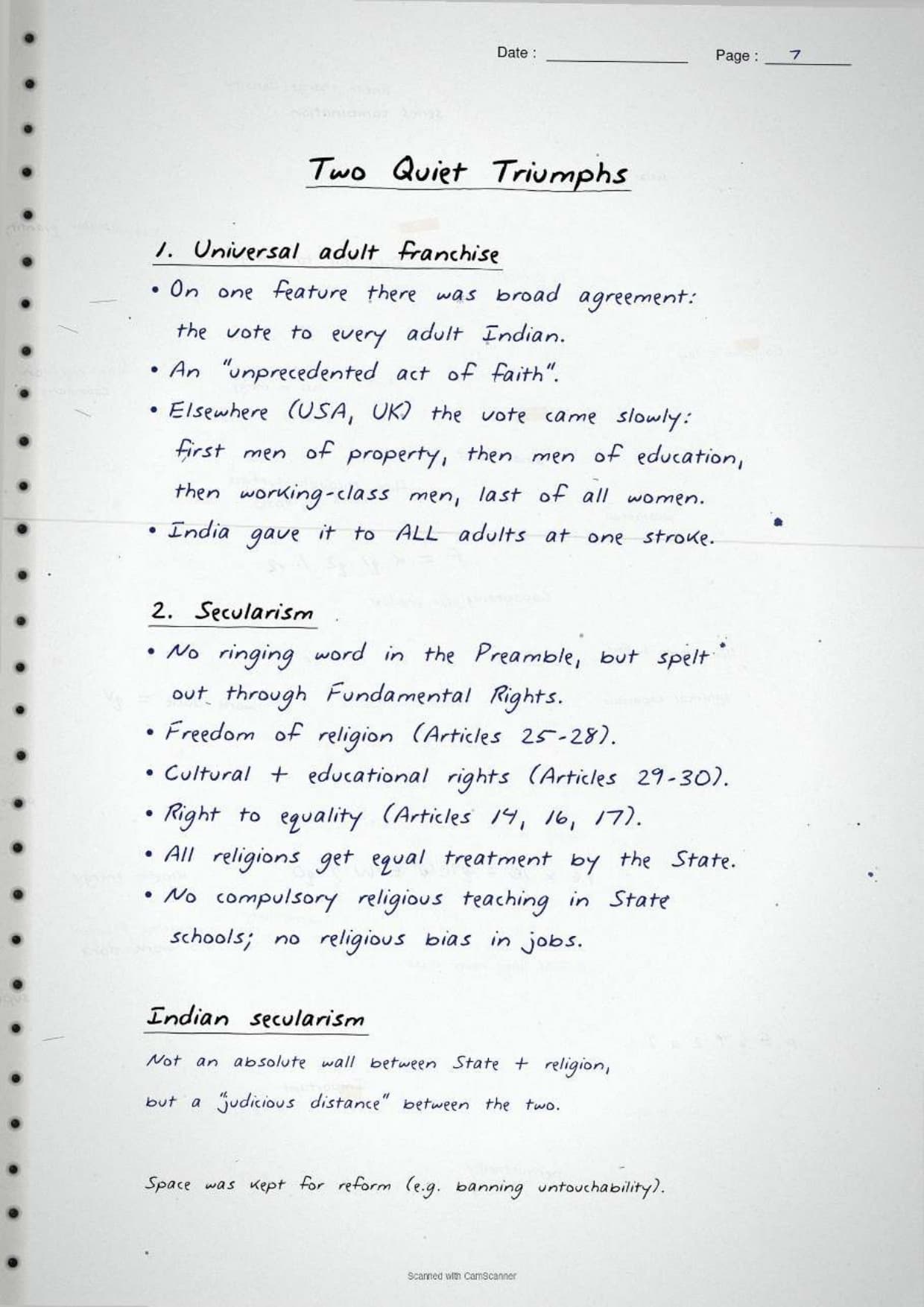
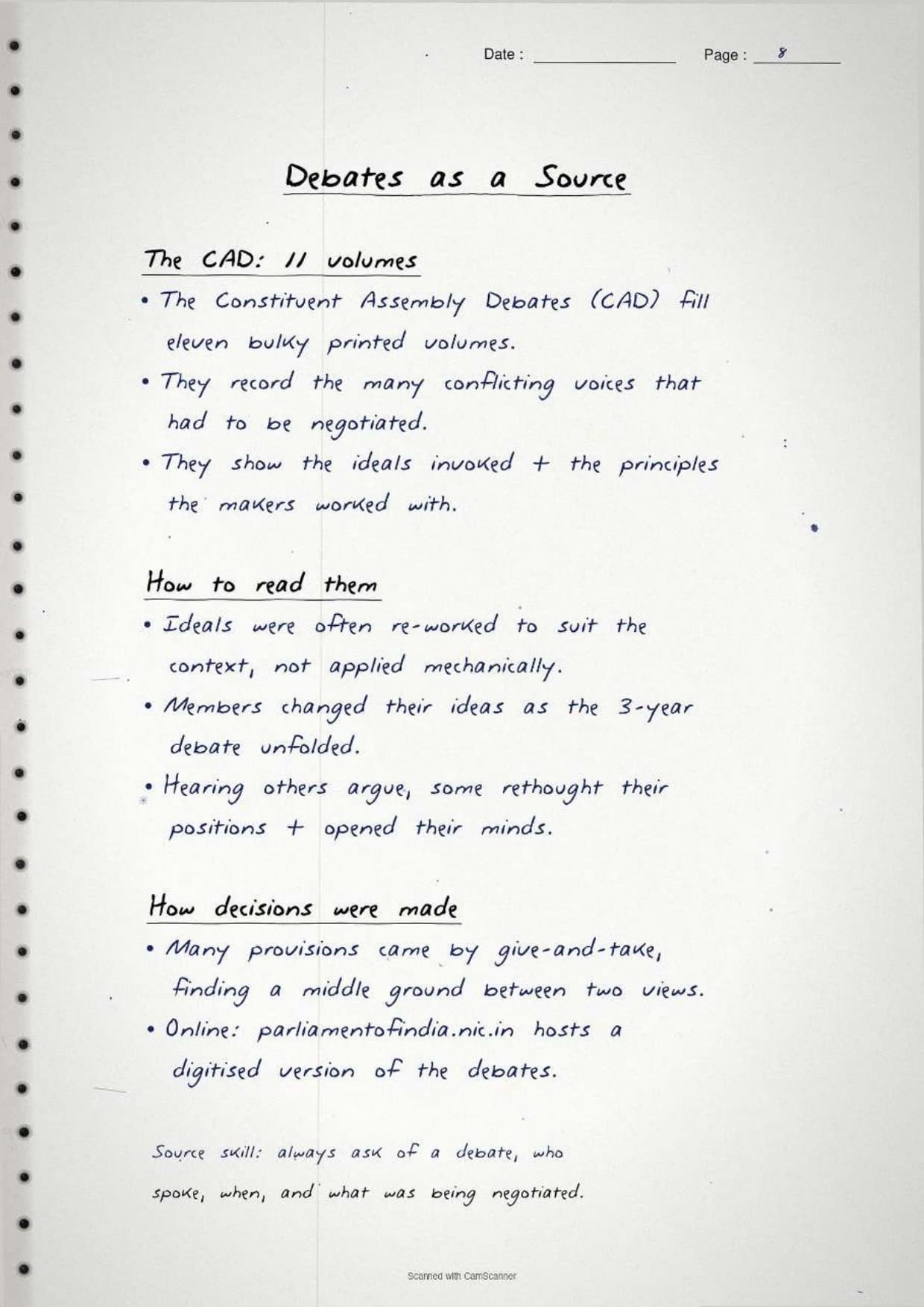
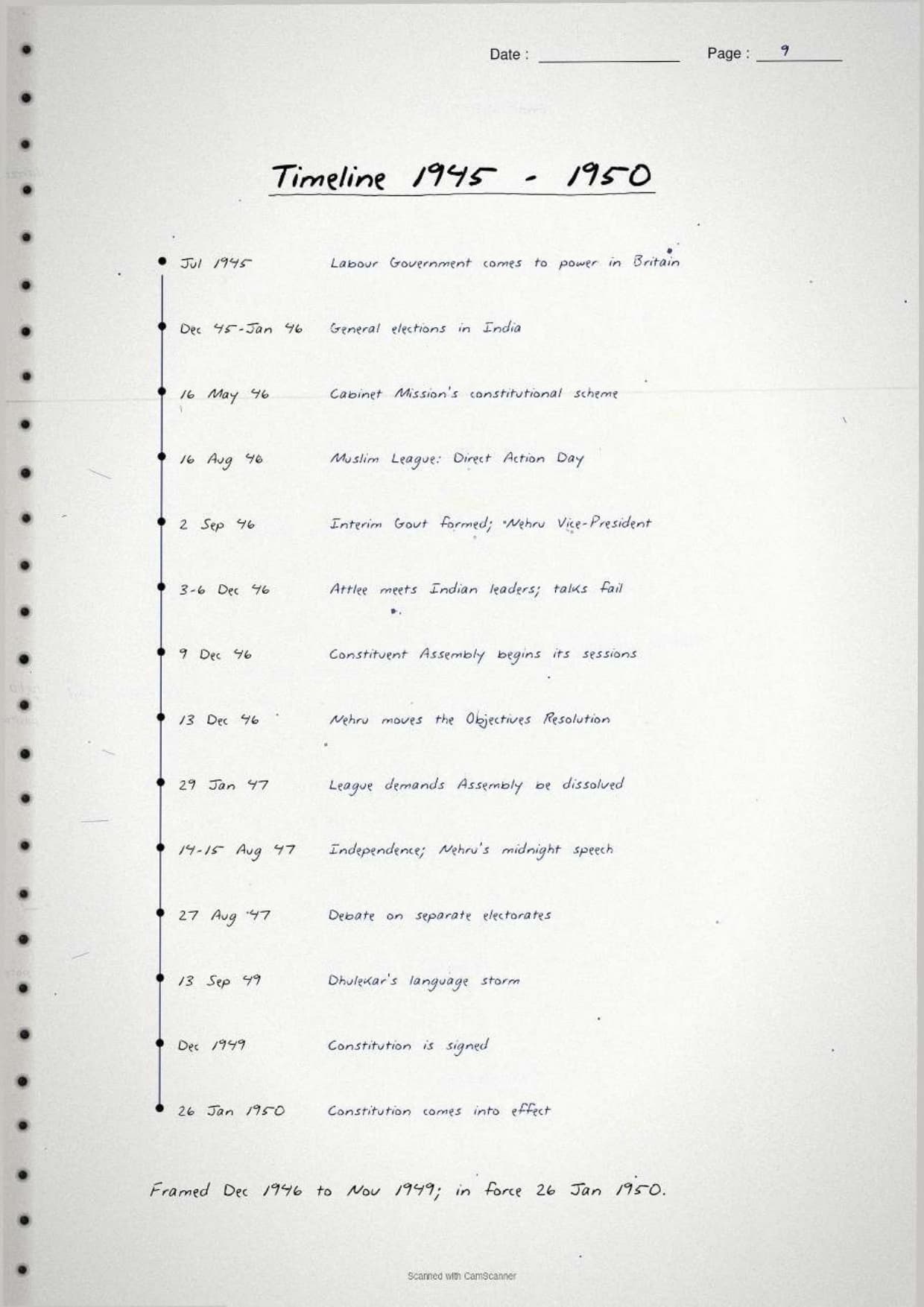
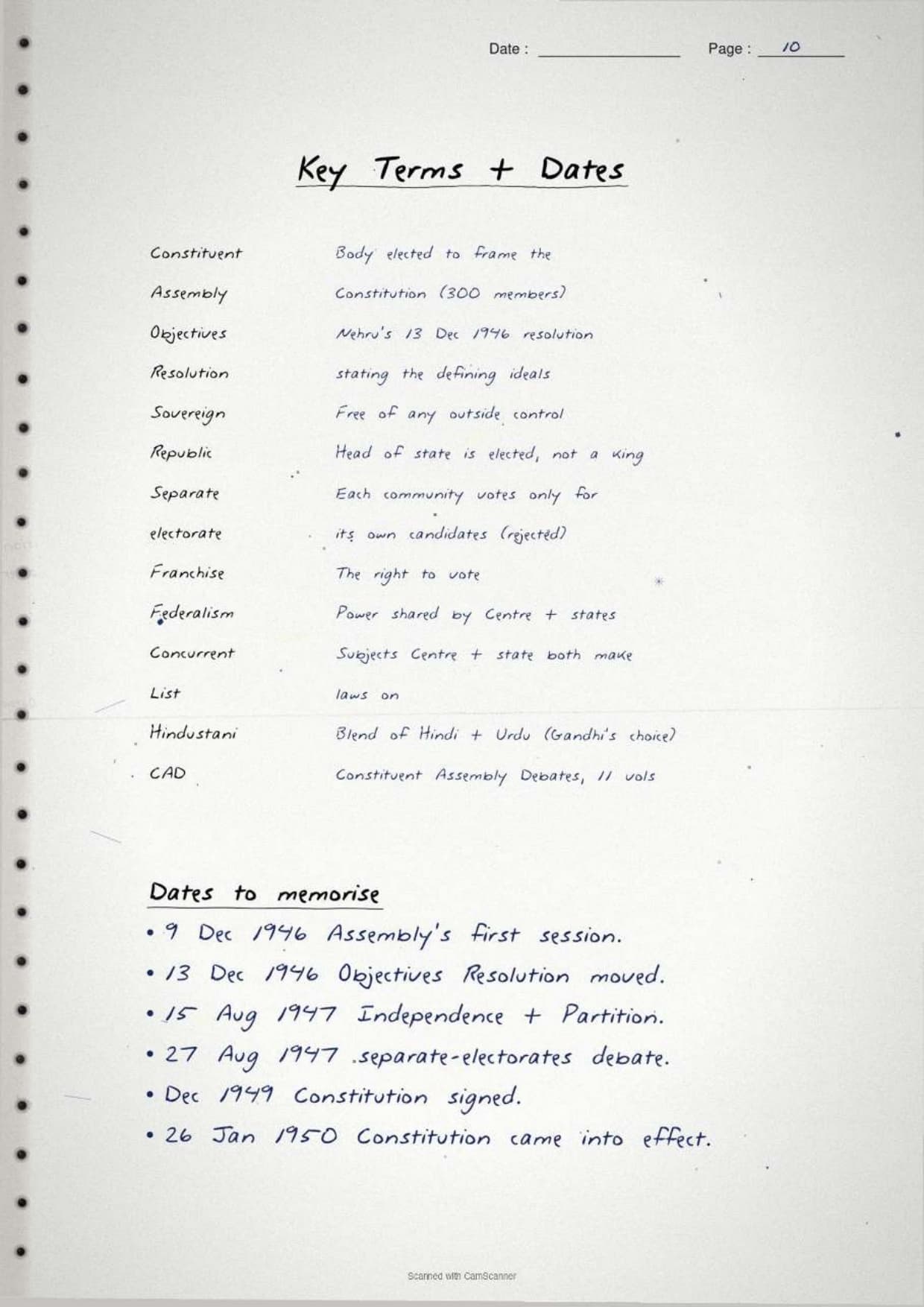
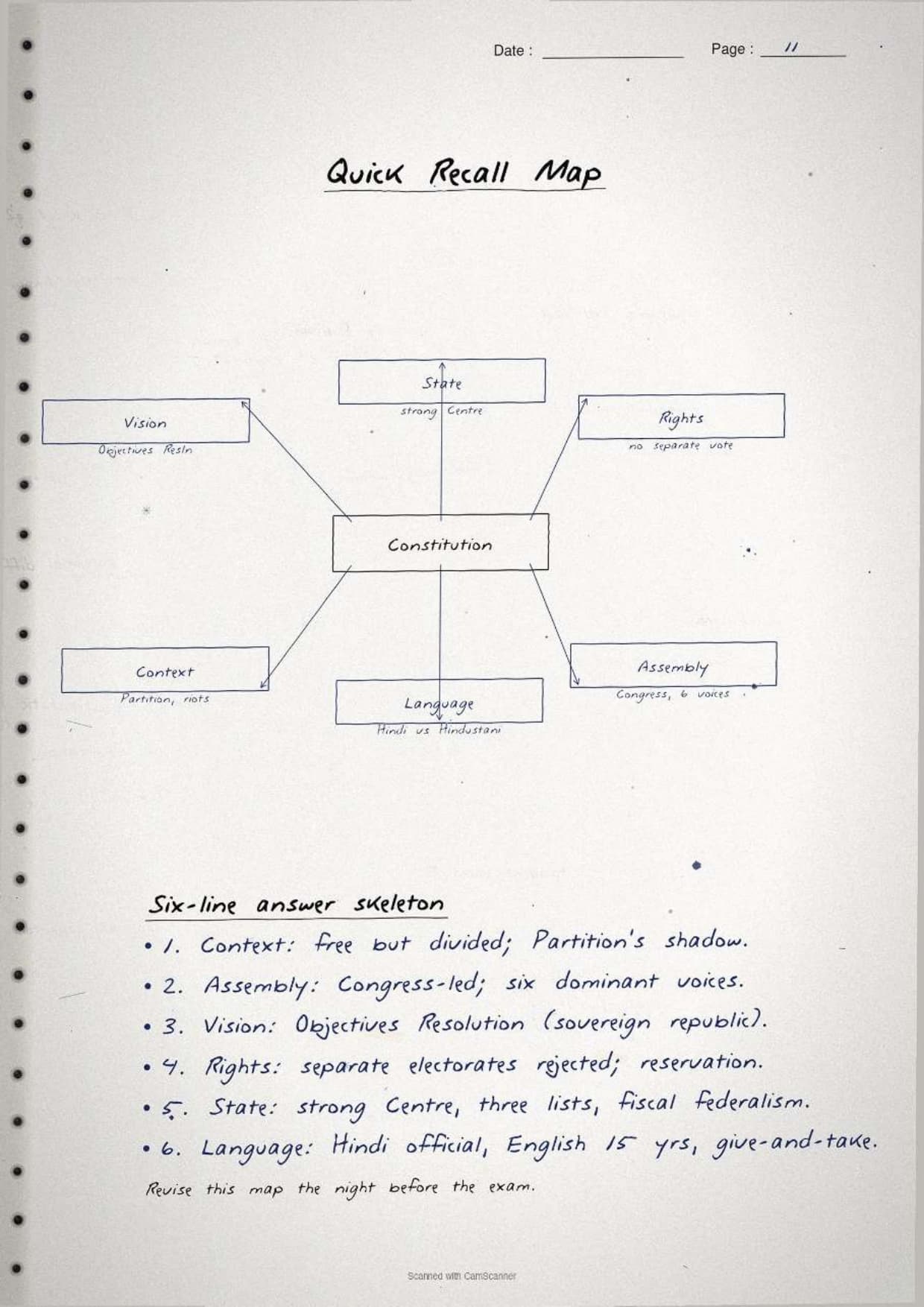
- Handwritten pages with boxed key terms and a debate-map sketch.
- This Class 12 History chapter usually carries 6 to 8 marks in the board paper.
- Pairs with the NCERT Solutions, Notes and Book PDF linked lower on this page.
These Framing the Constitution handwritten notes are prepared from the official NCERT Themes in Indian History Part III and checked against the last five years of CBSE board papers.

Student Feedback: In a Collegedunia poll of 8,470 Class 12 History students before the 2026 boards, 73% of students said handwritten notes felt faster to revise from than printed text for this chapter. Most students used the boxed debate map to recall the speaker-and-stand points in the exam.
Source: 2026-27 Class 12 History student poll. Sample of 8,470 students from CBSE schools across 12 states.
What These Handwritten Notes Include
Framing the Constitution is the last chapter of Themes in Indian History Part III. It studies how the Constituent Assembly made the Indian Constitution between 1946 and 1950. These handwritten notes condense the chapter into pages a student can read in one sitting.
Every page is built around the chapter's big debates:
- Objectives Resolution pages cover the ideals that became the Preamble.
- Powers pages cover the Centre-versus-provinces tug of war.
- Rights pages cover minorities and other oppressed groups.
- Language pages cover the Hindi question and the compromise.
Because the notes are handwritten, the key terms sit in boxes and the important dates are underlined, so the eye jumps straight to them. This makes the framing the constitution handwritten notes ideal for a last revision when there is no time to read full paragraphs. Sort each fact under its debate, and the whole of chapter 12 history class 12 falls into place.
Objectives Resolution and Vision Pages
The first set of pages starts with the Objectives Resolution. Jawaharlal Nehru moved it on 13 December 1946, and it set the ideals the Constitution would follow. The notes keep its promises as one short, boxed list so students can copy them straight onto the answer sheet.
- Independent Sovereign Republic: India bound to be sovereign, independent and a republic.
- Justice, equality and freedom: guaranteed to all citizens.
- Safeguards for the weak: for minorities, backward and tribal areas, and the Depressed and Other Backward Classes.
- An Indian path: Nehru said "We are not going just to copy" other constitutions.
The notes underline the key point in red ink: the Objectives Resolution later became the Preamble. A hand-drawn arrow links the resolution to the Preamble box, which makes the Question 12.1 answer easy to recall under exam pressure. Drawing that arrow once fixes the link for good.
Centre, Provinces and Strong-Centre Pages
The powers pages carry a boxed map of the federalism debate. The Draft Constitution leaned towards the Centre, and some members wanted the balance tilted back to the provinces. The table below lists what the page boxes for quick revision.
| Side | Main argument |
|---|---|
| For the provinces (Santhanam) | An overburdened Centre cannot work; giving states powers and finances makes the Centre stronger. |
| Fiscal fairness | Most taxes went to the Centre, so provinces had no money for development. |
| For a strong Centre (Ambedkar) | After Partition, a strong Centre was needed to stop violence, plan and defend. |
| Why the shift | Partition removed the earlier reason for wide provincial autonomy. |
The notes box the single most important point in the margin: before Partition the Congress had agreed to wide provincial autonomy, but once Partition was settled, many members swung to a strong Centre. Ambedkar wanted "a strong and united Centre", while Santhanam warned the provinces might "rise in revolt". A linking arrow ties the Partition box to the strong-Centre box.
Minorities and Oppressed Groups Pages
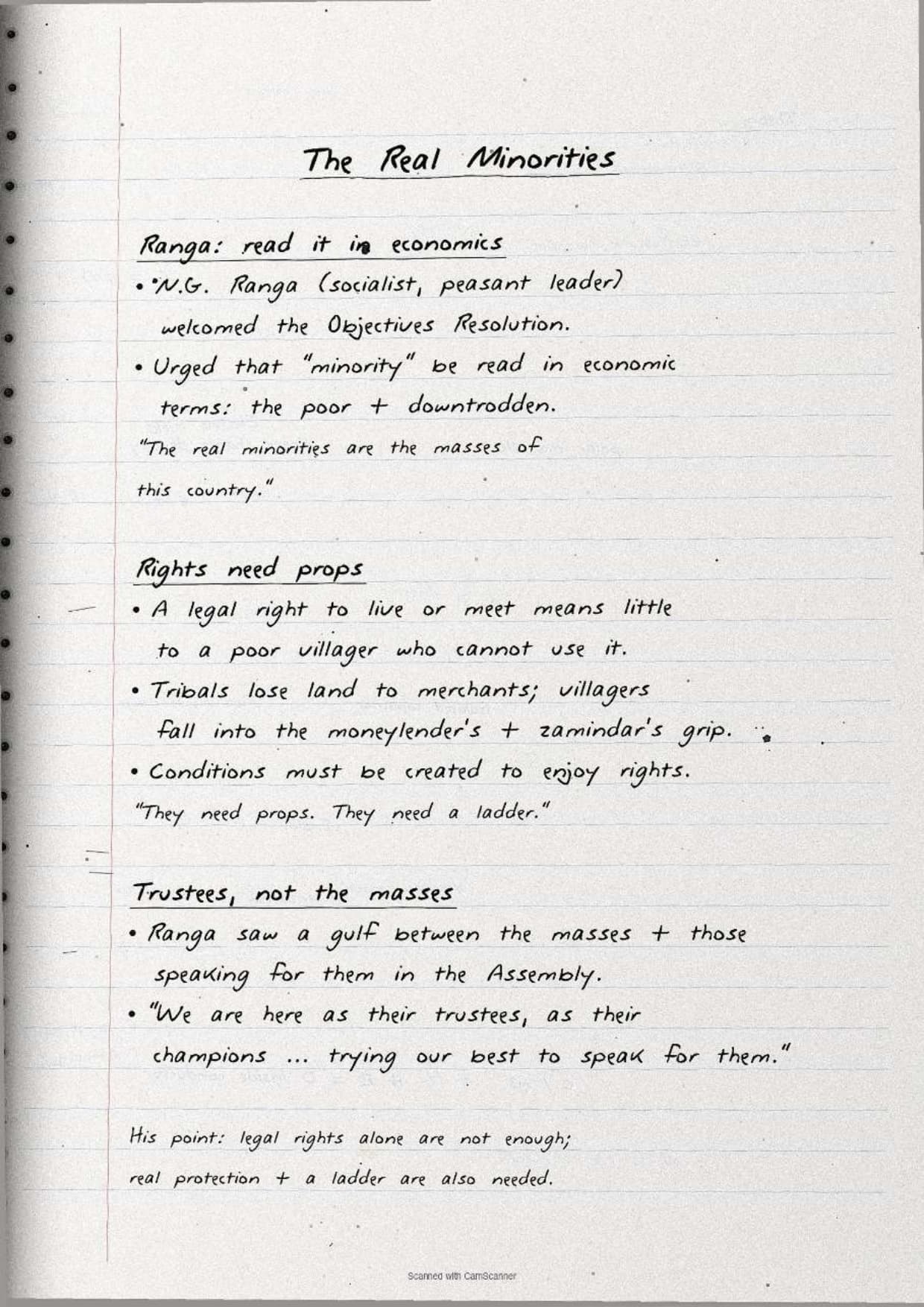
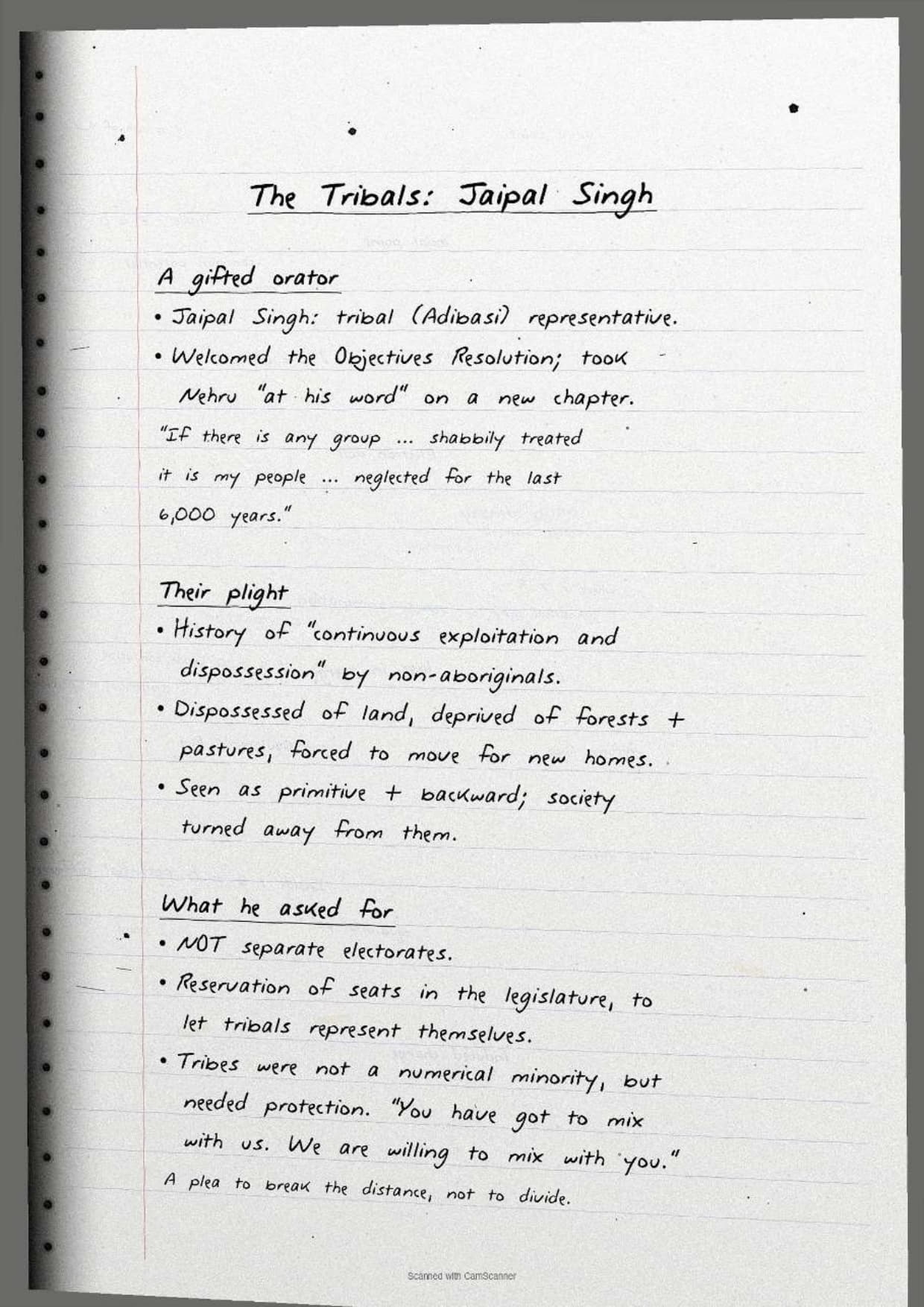
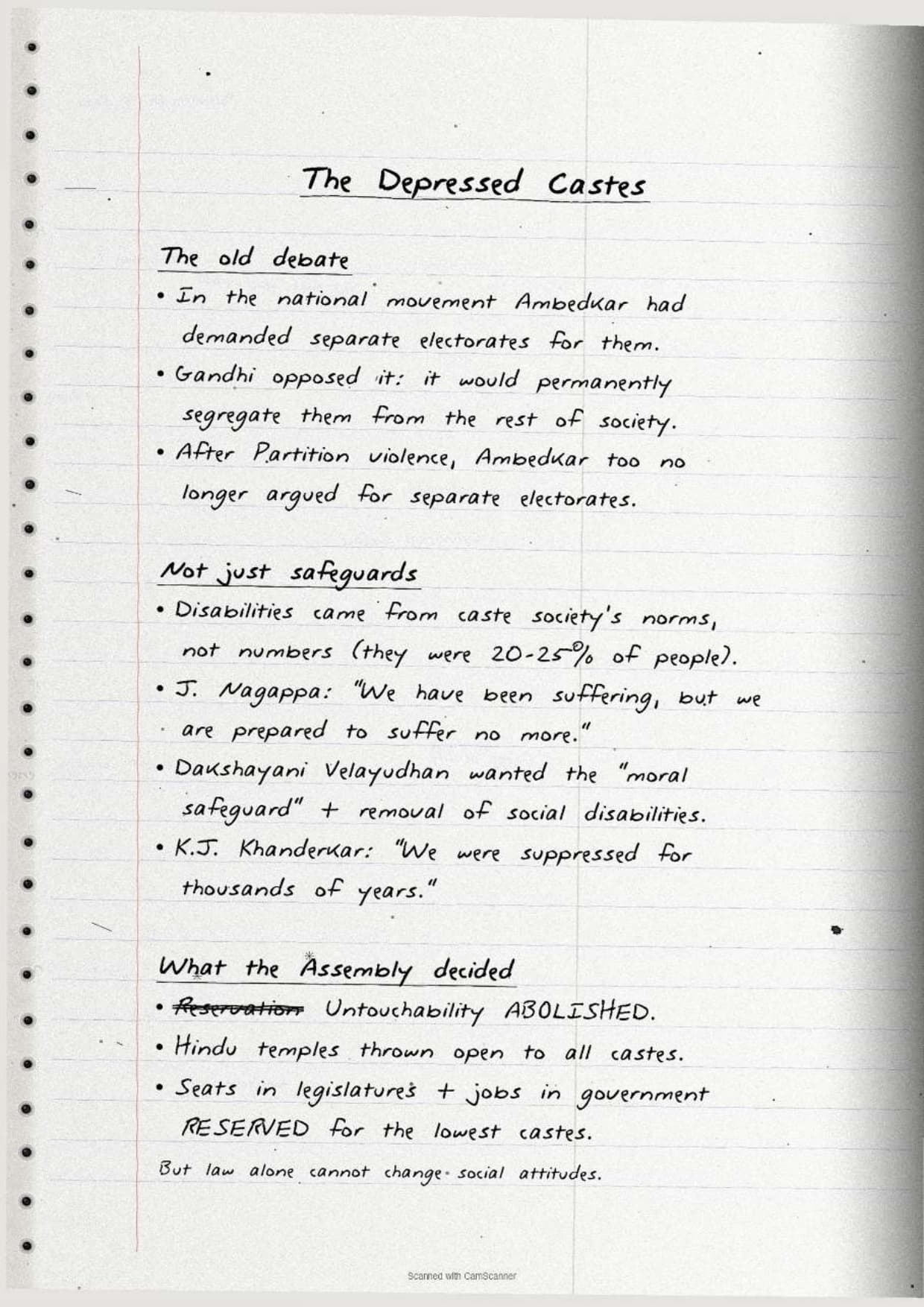
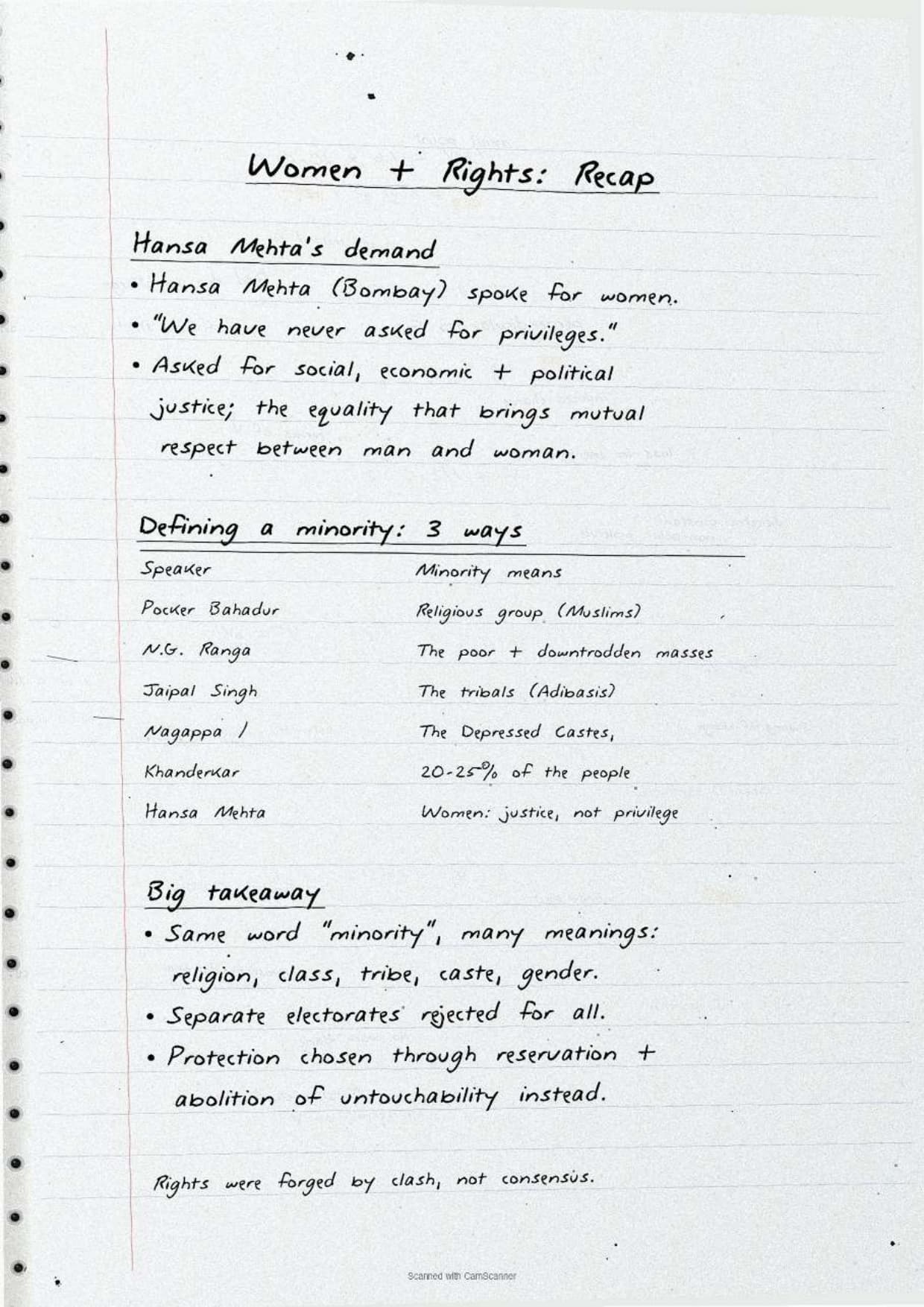
The rights pages cover who counted as a minority and how the weak should be protected. The notes give each speaker their own boxed line, since "minority" meant different things to different members. This makes Questions 12.2 and 12.6 easy to revise.
- Religious minorities (Pocker Bahadur): minorities meant religious communities, above all Muslims.
- The masses (Ranga): the socialist Ranga said the poor were the real minority, needing economic support.
- Tribals (Jaipal Singh): neglected and needing reservation of seats, not separate electorates.
- Depressed Castes (Nagappa): 20 to 25 per cent of the people, asking for dignity and the end of untouchability.
- Women (Hansa Mehta): wanted equality and justice, not special privileges.
The notes underline one rule for the answer: name several speakers, because "minority" was a contested idea. A small hand-drawn chart links each speaker to the group they spoke for, which makes the long answer easy to picture and quick to write out in the exam.
Language, Historical Forces and Reconstructing the Past Pages
The last set of pages covers the language question and the historical forces behind the Constitution. Both feed long answers, so the pages keep the points boxed and arrowed. The language fight was between supporters of Hindi and those who feared its domination.
- Gandhi on Hindustani: a blend of Hindi and Urdu, to unite Hindus and Muslims, north and south.
- "Official", not "national": Hindi was called the official language to "placate ruffled emotions".
- Gradual shift: Hindi in Devanagari, with English kept for fifteen years.
- Historical forces: the national movement, social reform, earlier reforms, world revolutions and the trauma of Partition.
The notes box the honest closing line: the vision fused the liberal idea of democracy with the demand for social and economic justice. The Constitution grew out of India's own movement and the shock of Partition, not from copying others. The pages mark this with a linking arrow so the Question 12.5 answer reads as an argument, not a list.
How to Use These Handwritten Notes
Handwritten notes work best as a final layer of revision, not as your first read. The plan below helps students get the most out of the framing the constitution handwritten notes before the board exam. Follow it once a week in the run-up to the test.
- First pass: read the notes once, following the order of debates.
- Active recall: cover the boxed terms and try to write each speaker-and-stand line from memory.
- Sketch practice: redraw the debate map and label each side without looking.
- Self-test: attempt a short class 12 history chapter 12 mcq drill to check the small facts.
Because the notes come as a downloadable PDF, students can save them on a phone and revise offline on the way to the exam centre. Many students search for class 12 history chapter 12 notes on their phone the night before a test, so a saved PDF means revision is always at hand. Pair these pages with the full solutions to check your written answers against model points.
Common Mistakes These Notes Help You Avoid
A few errors cost marks in this chapter every year. Most come from naming only one speaker or from missing the link to Partition. The notes flag each soft point in the margin so students phrase it safely on the answer sheet.
- Giving only one definition of "minority" - it was contested, so name several speakers.
- Forgetting that the Objectives Resolution became the Preamble.
- Missing the Partition link in the strong-Centre answer.
- Confusing "official language" with "national language" - the Assembly chose official.
- Listing forces without the closing point that democracy was fused with social justice.
Students who fix these five points usually move from average to high marks. The exam rewards a debate-style answer, so name the member, give the view and add the reason. The handwritten margin notes nudge you to do this in the right places.
How These Notes Pair with the Solutions and Book PDF
These handwritten notes are a revision layer. To prepare fully, students should use them with the other resources for the same chapter, all linked in the table below. Read the notes, then test yourself with the solutions, and open the book PDF for the original debate extracts.
| Resource | Best used for |
|---|---|
| Framing the Constitution NCERT Solutions | Step-by-step answers to all 11 back-exercise questions |
| Framing the Constitution Class 12 Notes | Quick chapter summary with all dates and debates in one place |
| Framing the Constitution NCERT Book PDF | Reading the original NCERT chapter text and debate extracts |
Tip: use the handwritten debate map to memorise who said what, then write the full answer in your own words. Drawing the map once from memory fixes the speaker-and-stand points for good.
All Class 12 History Handwritten Notes by Chapter
The table links the handwritten notes for every chapter in Themes in Indian History so students can move across the book in one click. Chapter 12 is highlighted.
| Chapter | Handwritten Notes |
|---|---|
| Chapter 1 | Bricks, Beads and Bones |
| Chapter 2 | Kings, Farmers and Towns |
| Chapter 3 | Kinship, Caste and Class |
| Chapter 4 | Thinkers, Beliefs and Buildings |
| Chapter 5 | Through the Eyes of Travellers |
| Chapter 6 | Bhakti-Sufi Traditions |
| Chapter 7 | An Imperial Capital Vijayanagara |
| Chapter 8 | Peasants, Zamindars and the State |
| Chapter 9 | Colonialism and the Countryside |
| Chapter 10 | Rebels and the Raj 1857 |
| Chapter 11 | Mahatma Gandhi and the Nationalist Movement |
| Chapter 12 | Framing the Constitution |
FAQs on Framing the Constitution Handwritten Notes
Framing the Constitution Class 12 Handwritten Notes Common Questions
Ques. Where can I download the Framing the Constitution handwritten notes PDF?
Ans. You can download the Framing the Constitution handwritten notes PDF directly from this page. It is free, follows the 2026-27 NCERT, and gives the chapter as clean handwritten pages with boxed terms and a debate map.
Ques. Are handwritten notes good enough for the class 12 history board exam?
Ans. Yes, for revision. Handwritten notes are best used as a final layer after you have read the chapter and practised the solutions. They make the dates, the speakers and the key debates quick to recall in the exam.
Ques. What does the Framing the Constitution chapter cover?
Ans. It covers how the Constituent Assembly made the Indian Constitution between 1946 and 1950, including the Objectives Resolution, the strong-Centre debate, the protection of minorities and oppressed groups, and how the language controversy was settled.
Ques. What was the Objectives Resolution?
Ans. It was moved by Jawaharlal Nehru on 13 December 1946. It proclaimed India an Independent Sovereign Republic, guaranteed justice, equality and freedom, and promised safeguards for minorities and weaker sections. It later became the Preamble of the Constitution.
Ques. How should I use these notes for quick revision?
Ans. Read the pages once in the order of debates, cover the boxed terms and write each speaker-and-stand line from memory, redraw the debate map, then attempt a short class 12 history chapter 12 mcq drill to test the small facts.



Comments