




These An Imperial Capital Vijayanagara handwritten notes turn the whole Vijayanagara chapter into clean, handwritten pages for fast last-minute revision. They follow the 2026-27 CBSE syllabus and Theme 7 of Themes in Indian History Part II. Students get the dates, ruler names, the city's three zones and the temple sketches in a pen-on-paper format that is easy to skim before a test.
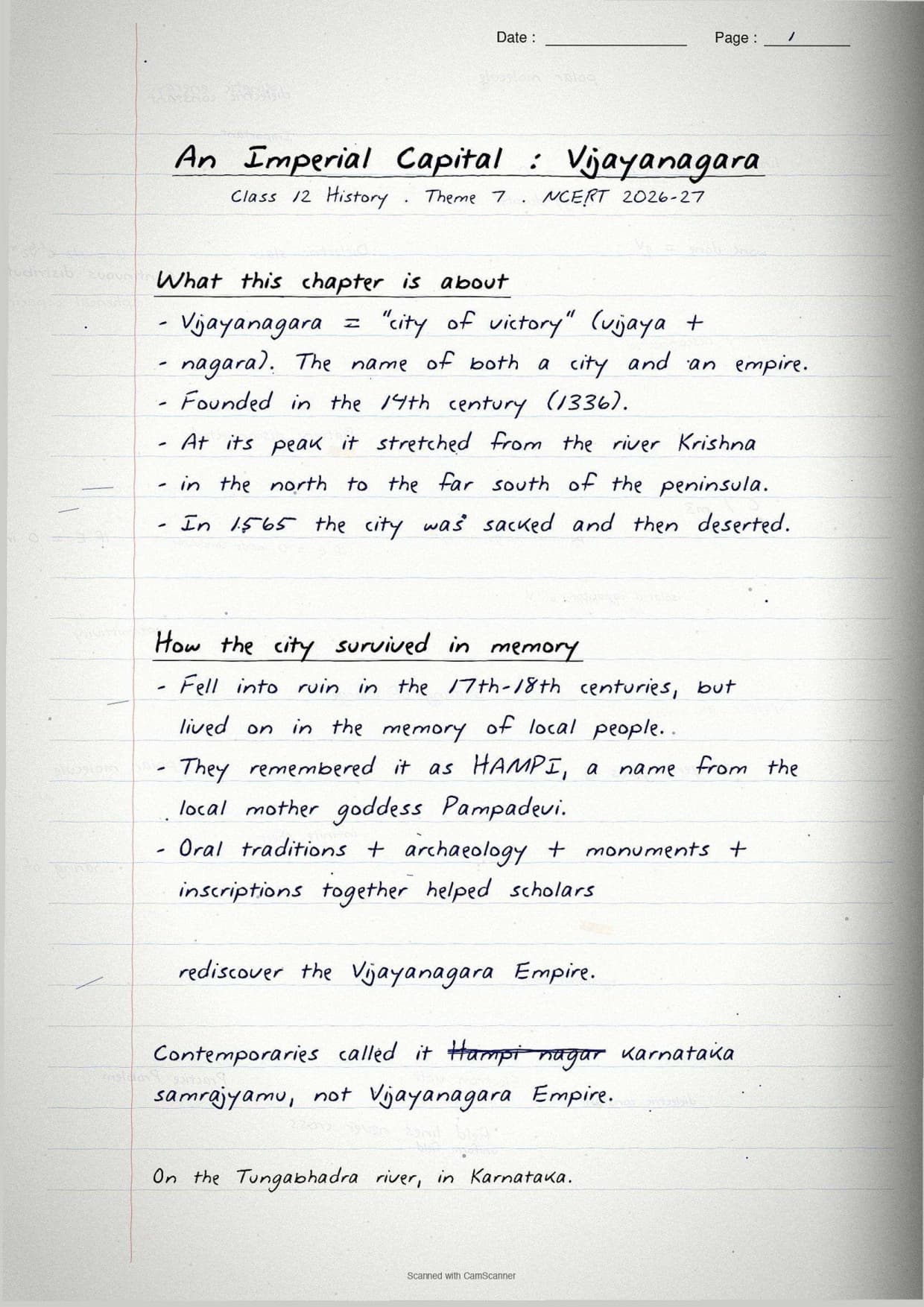
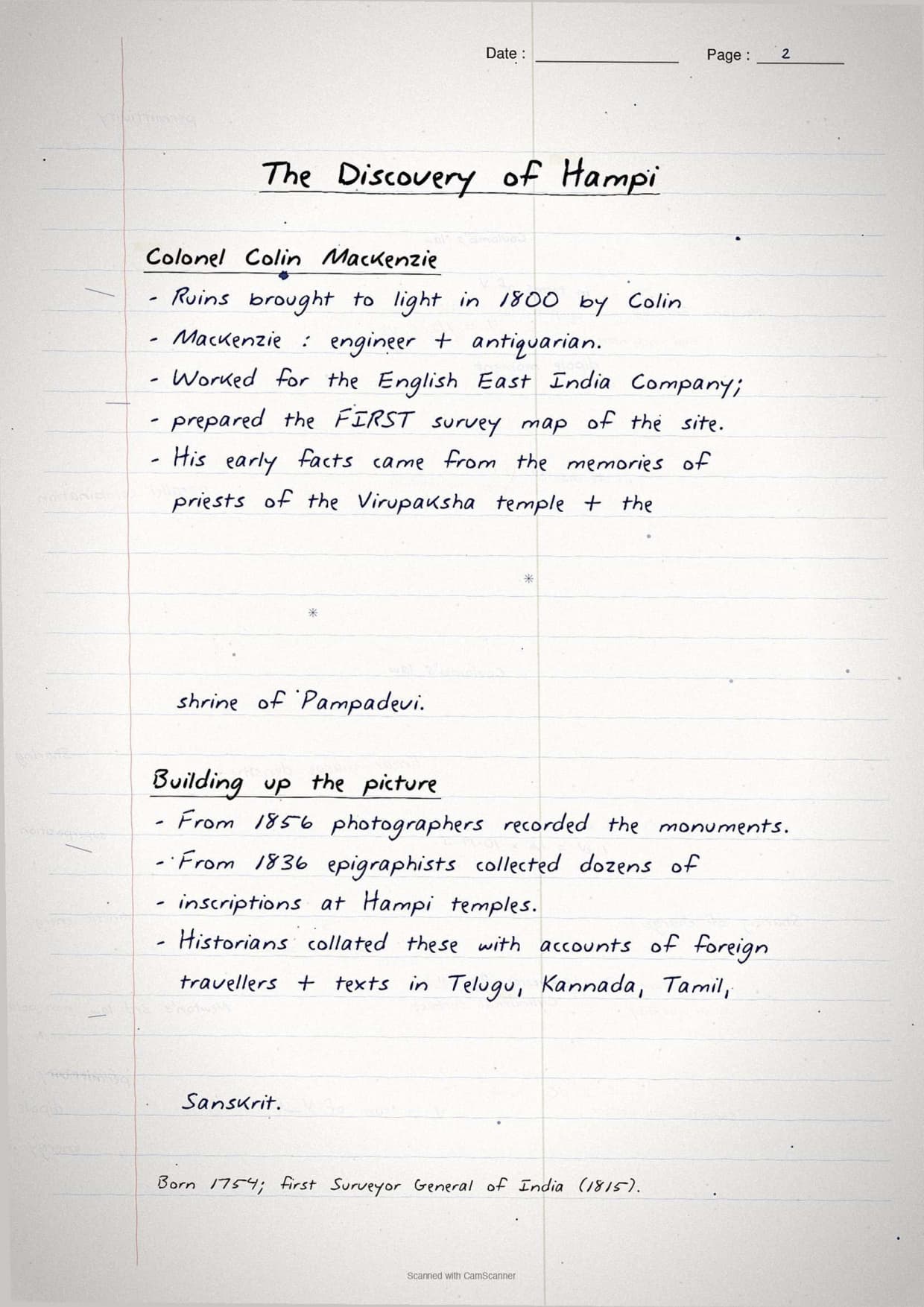
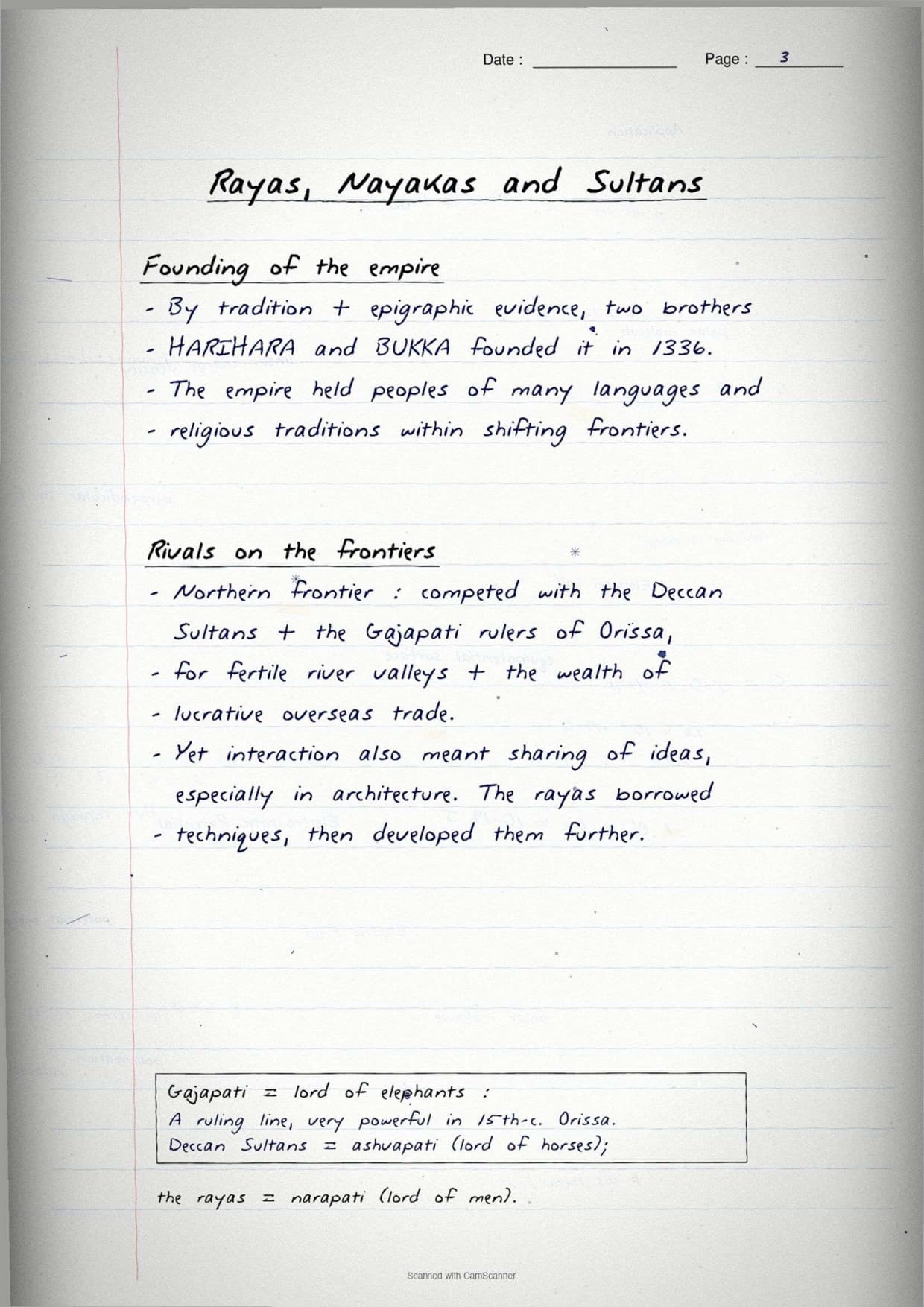
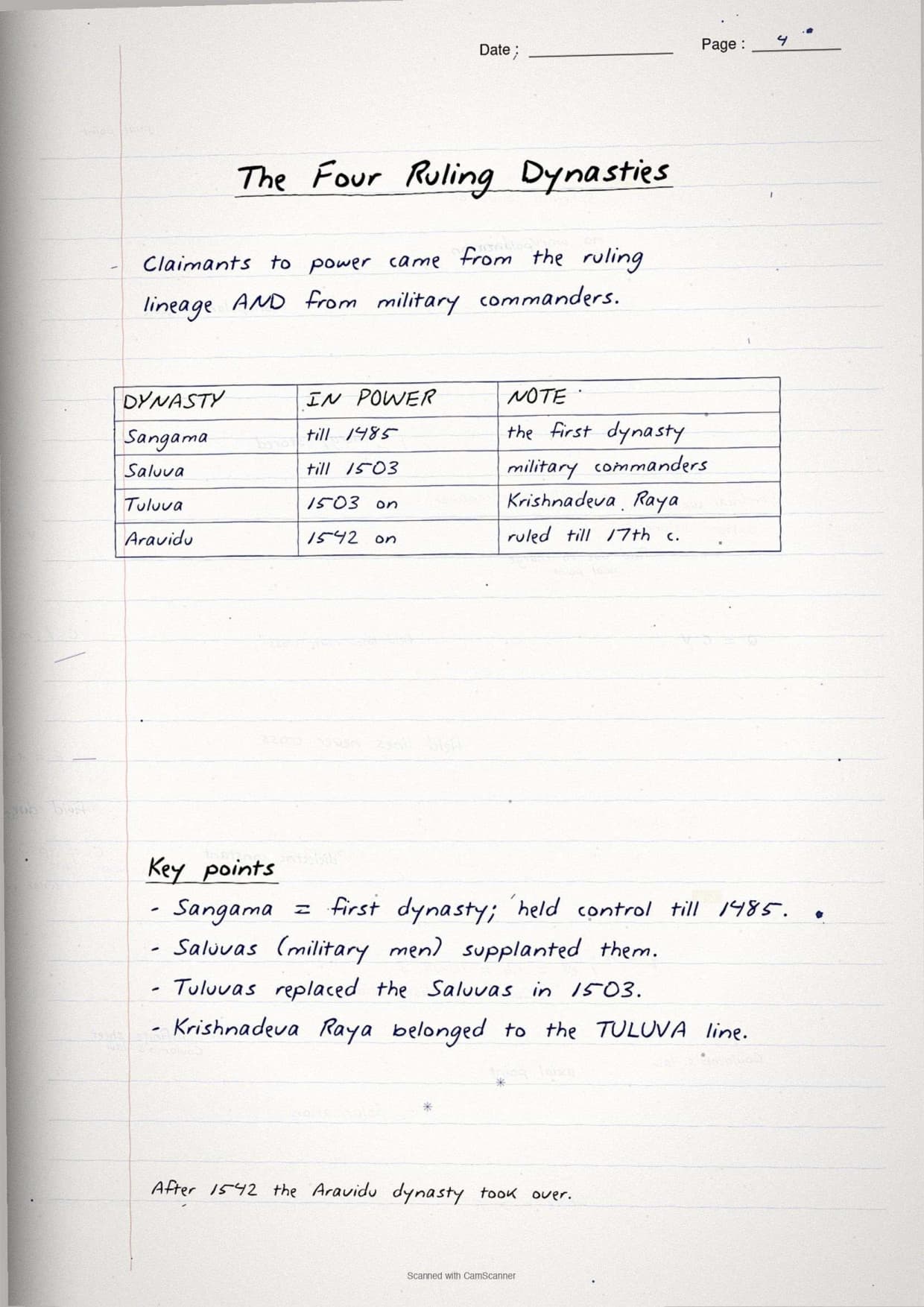
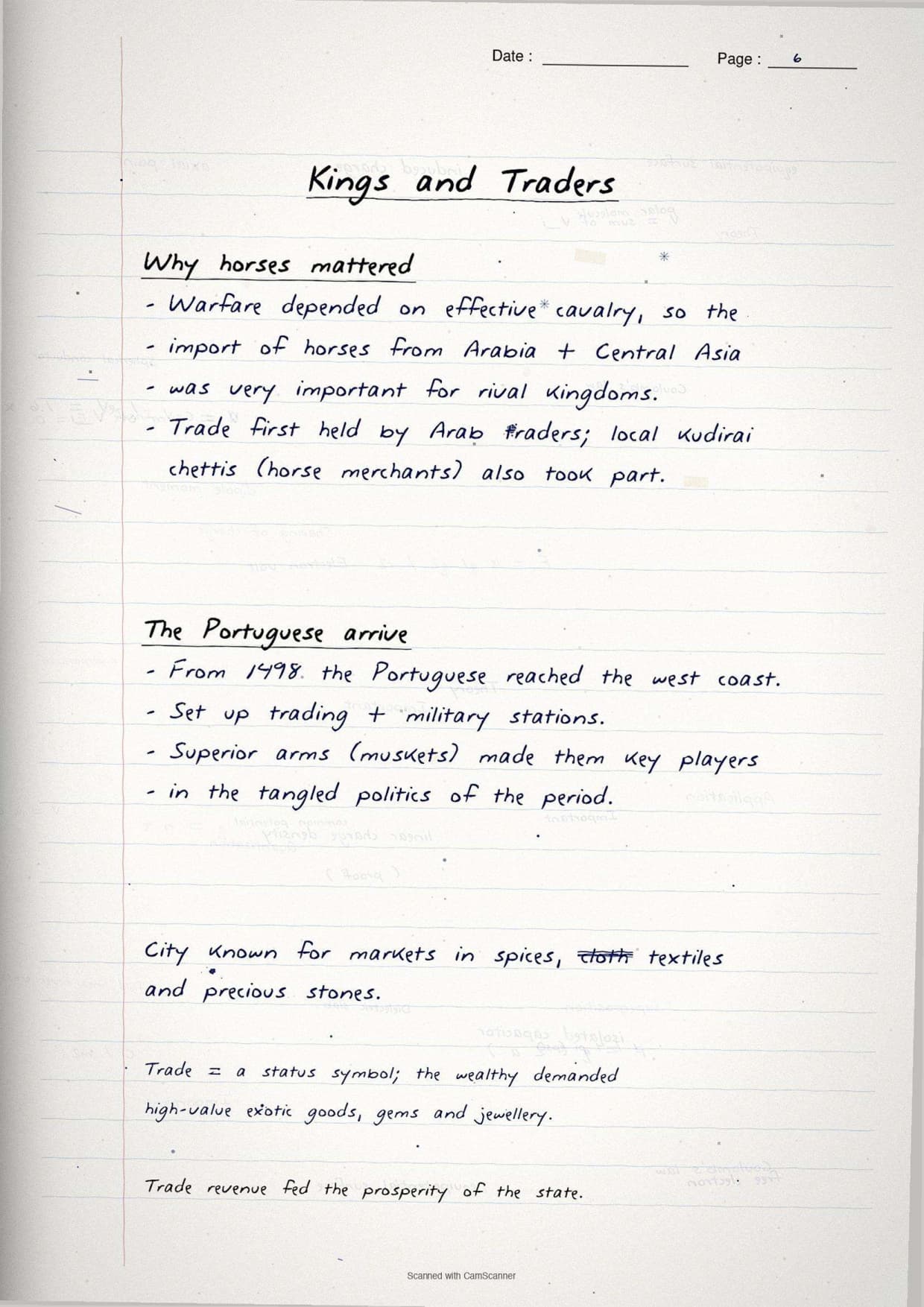
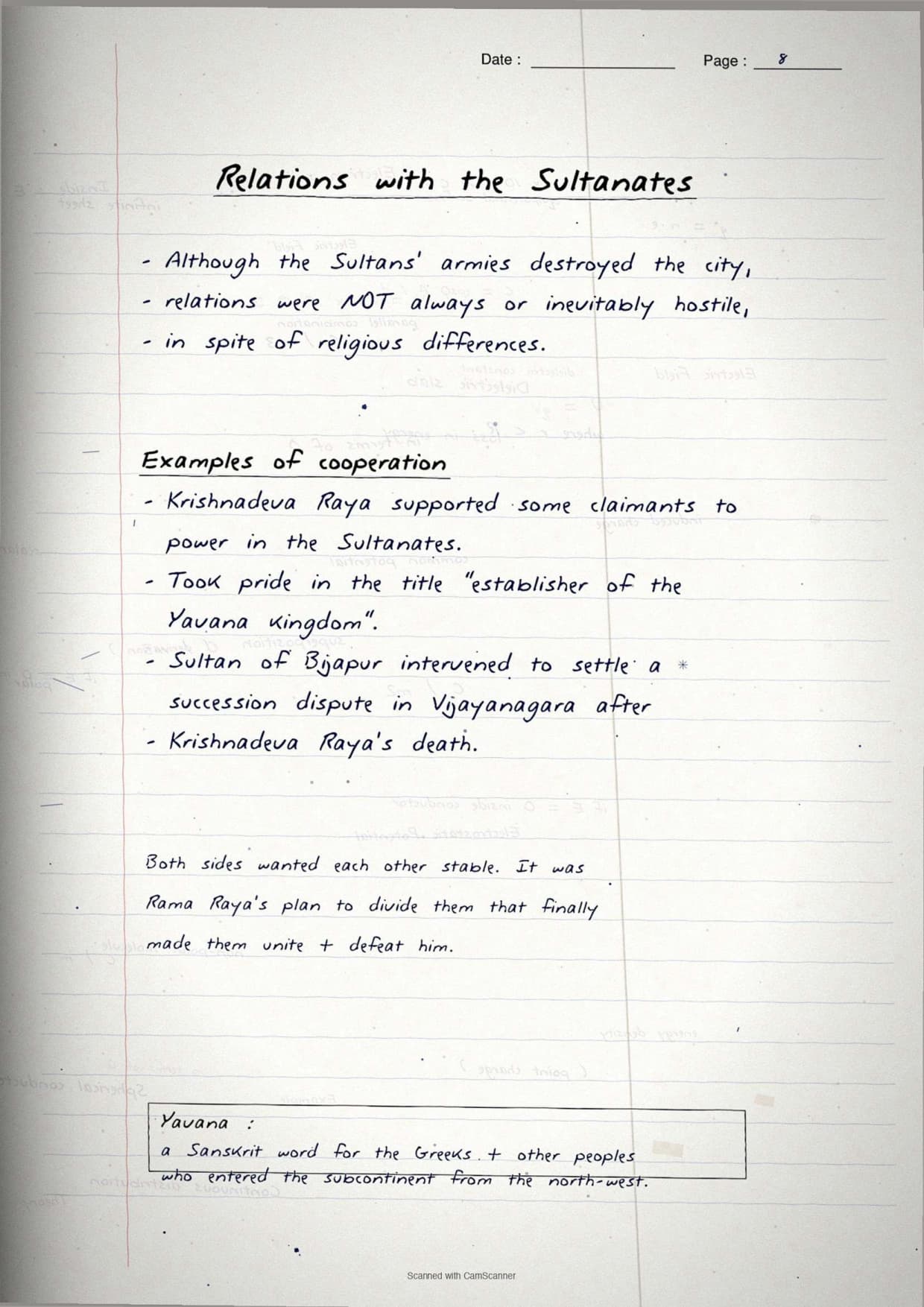
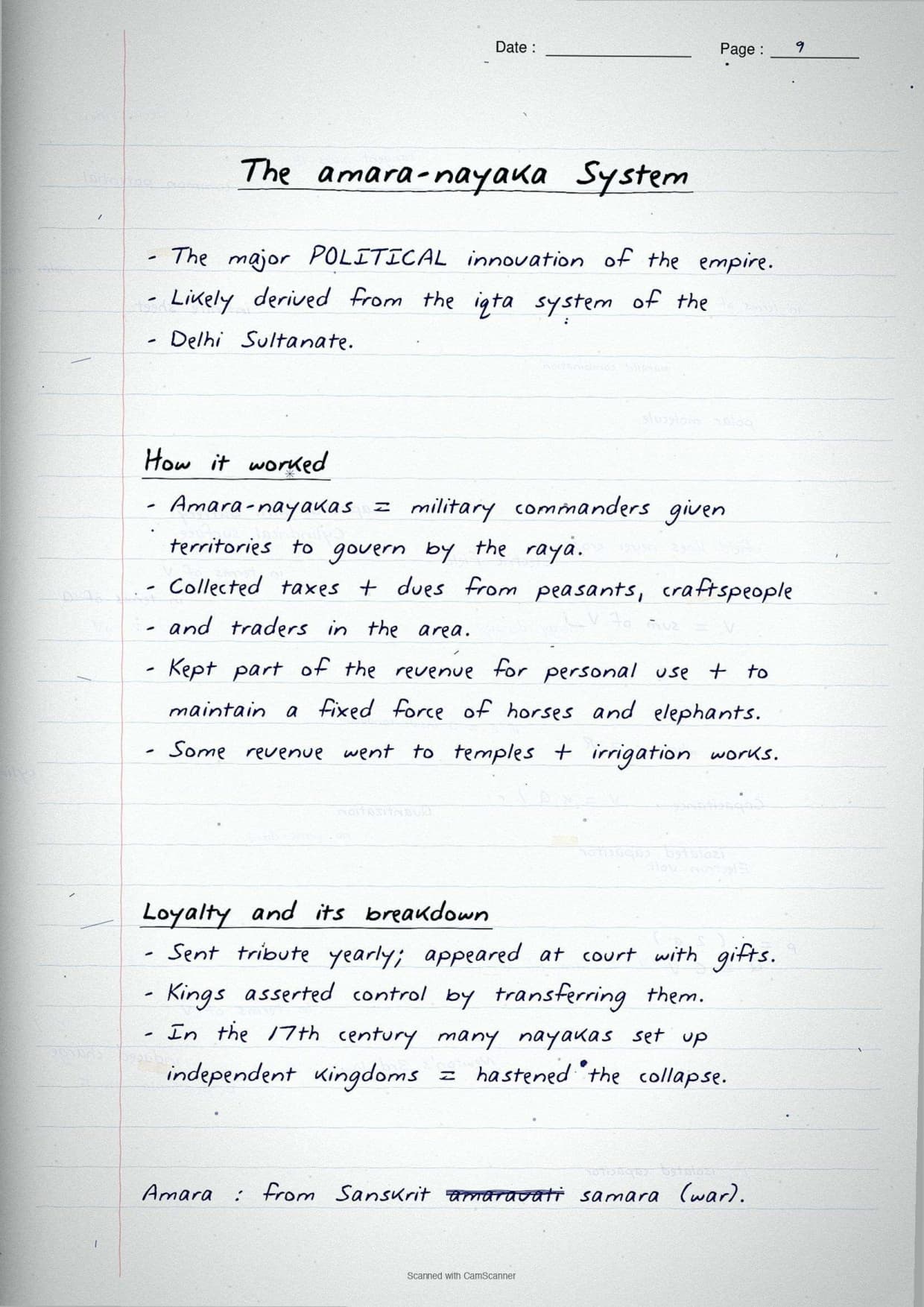
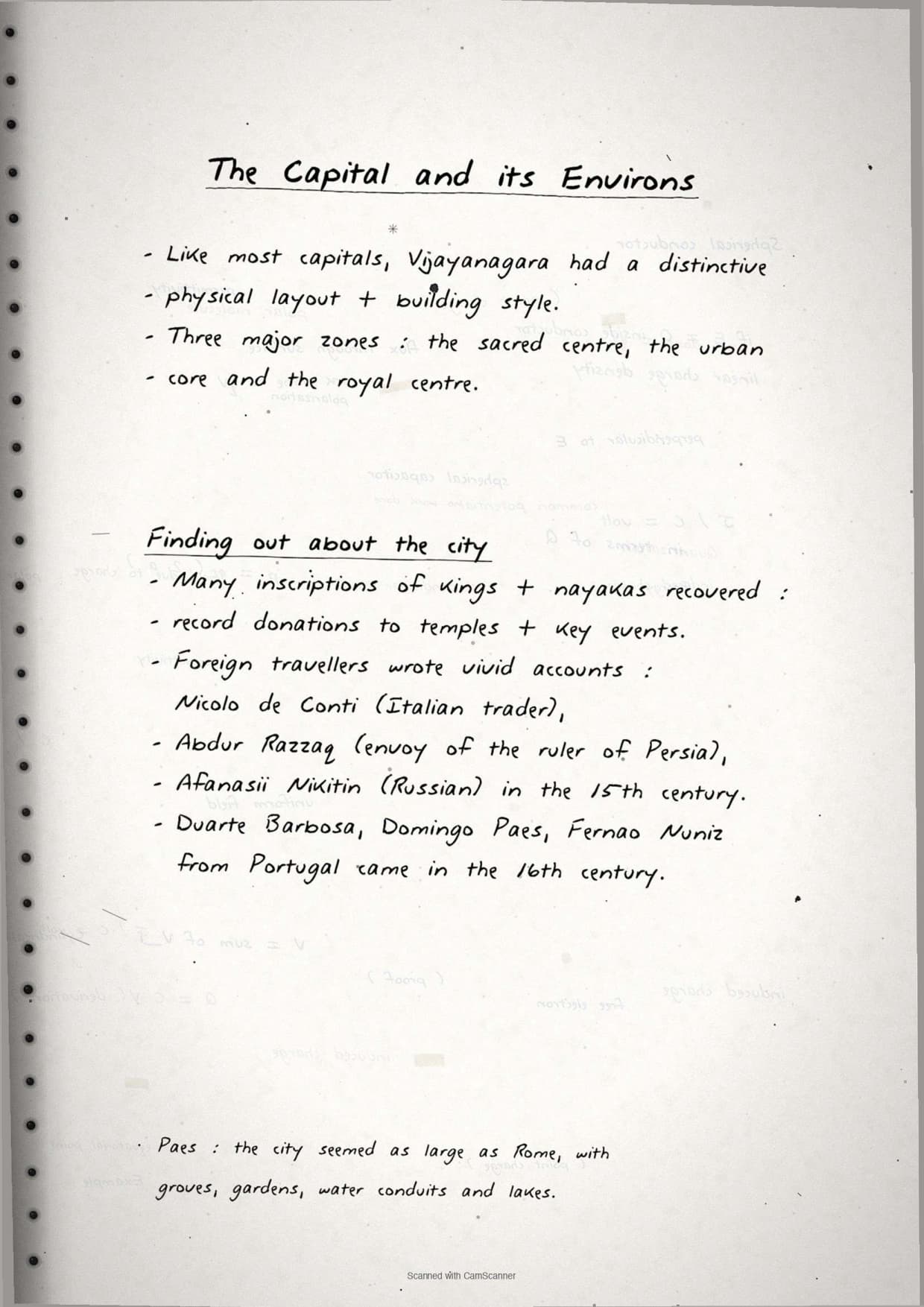
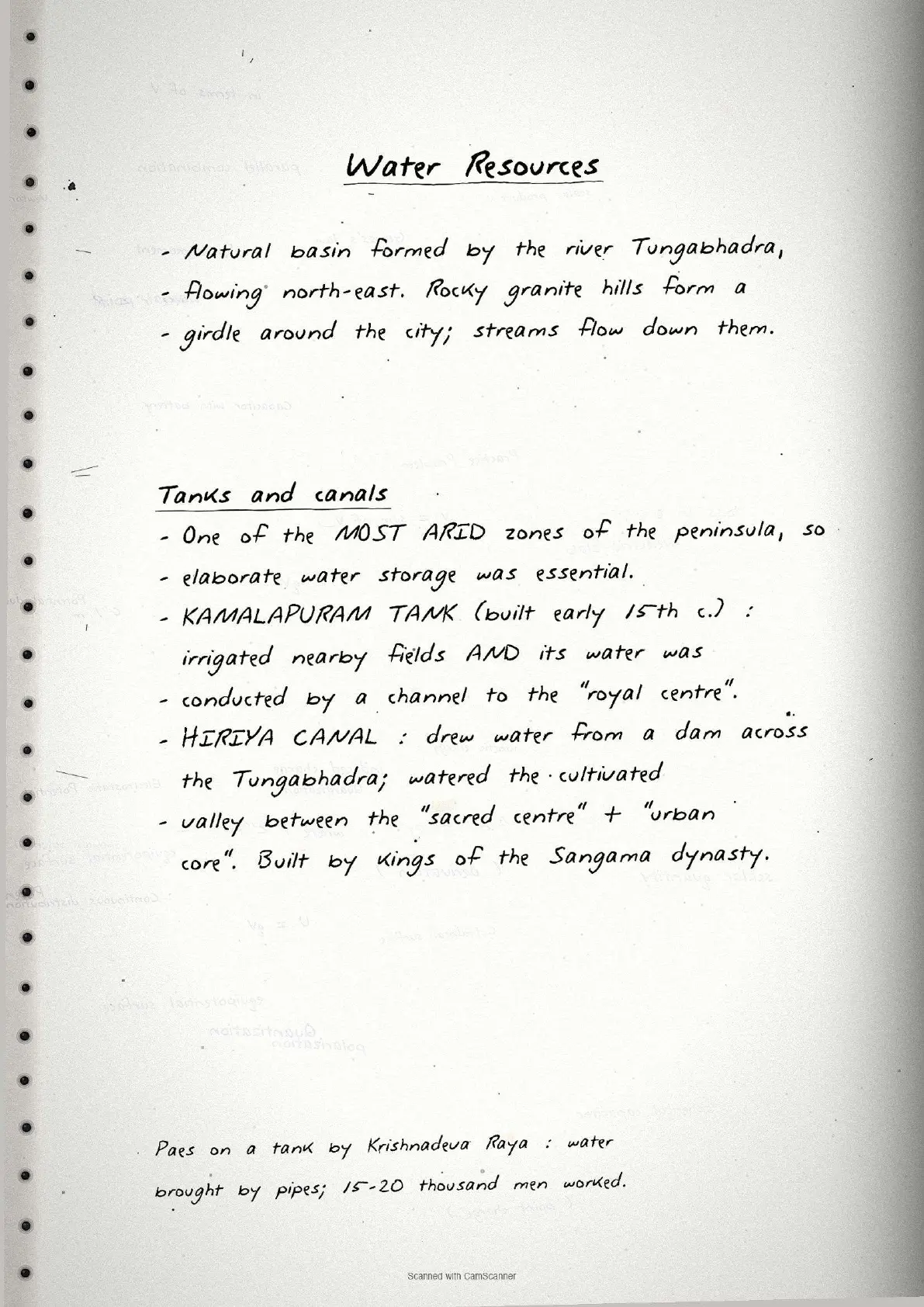
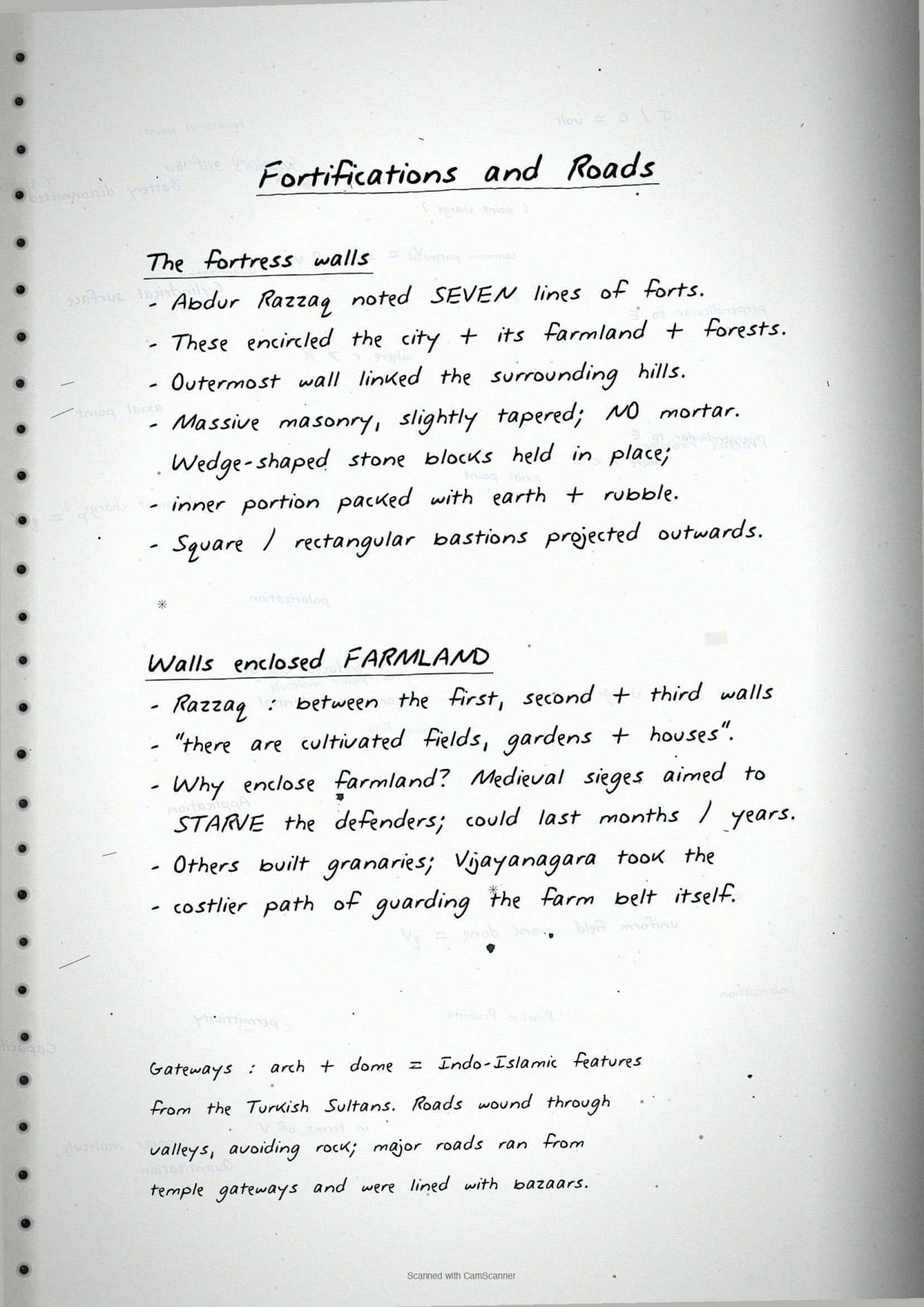
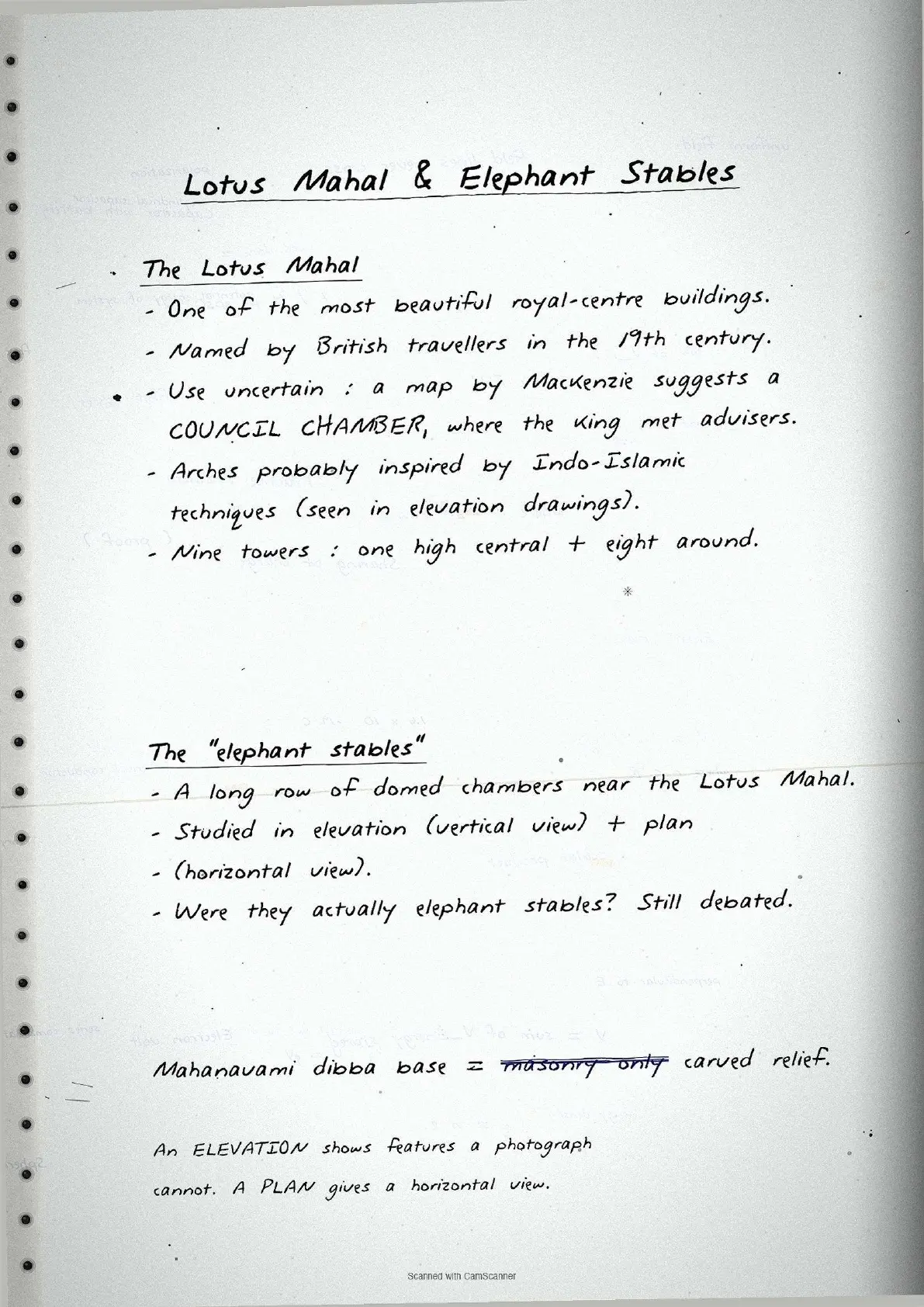
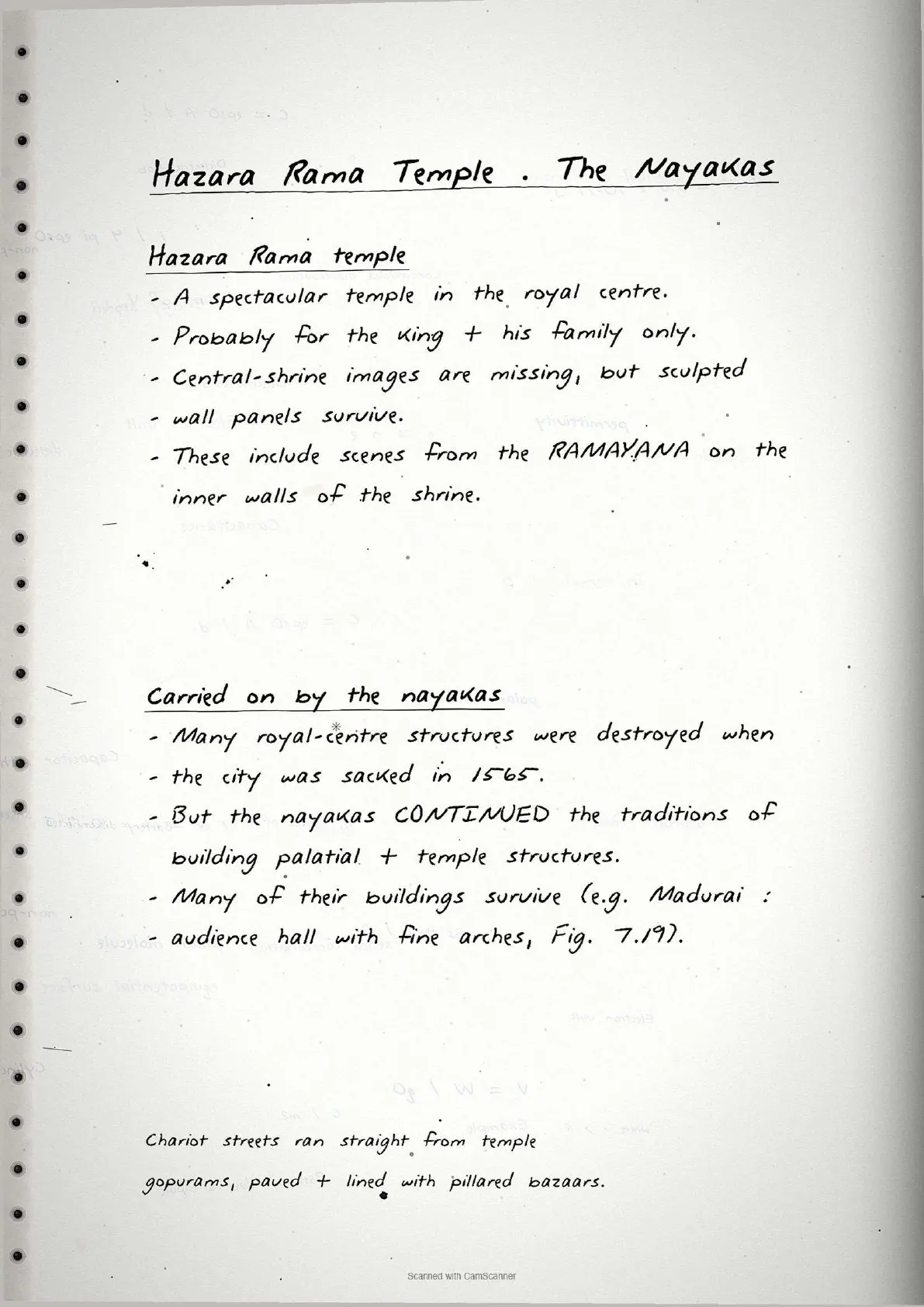
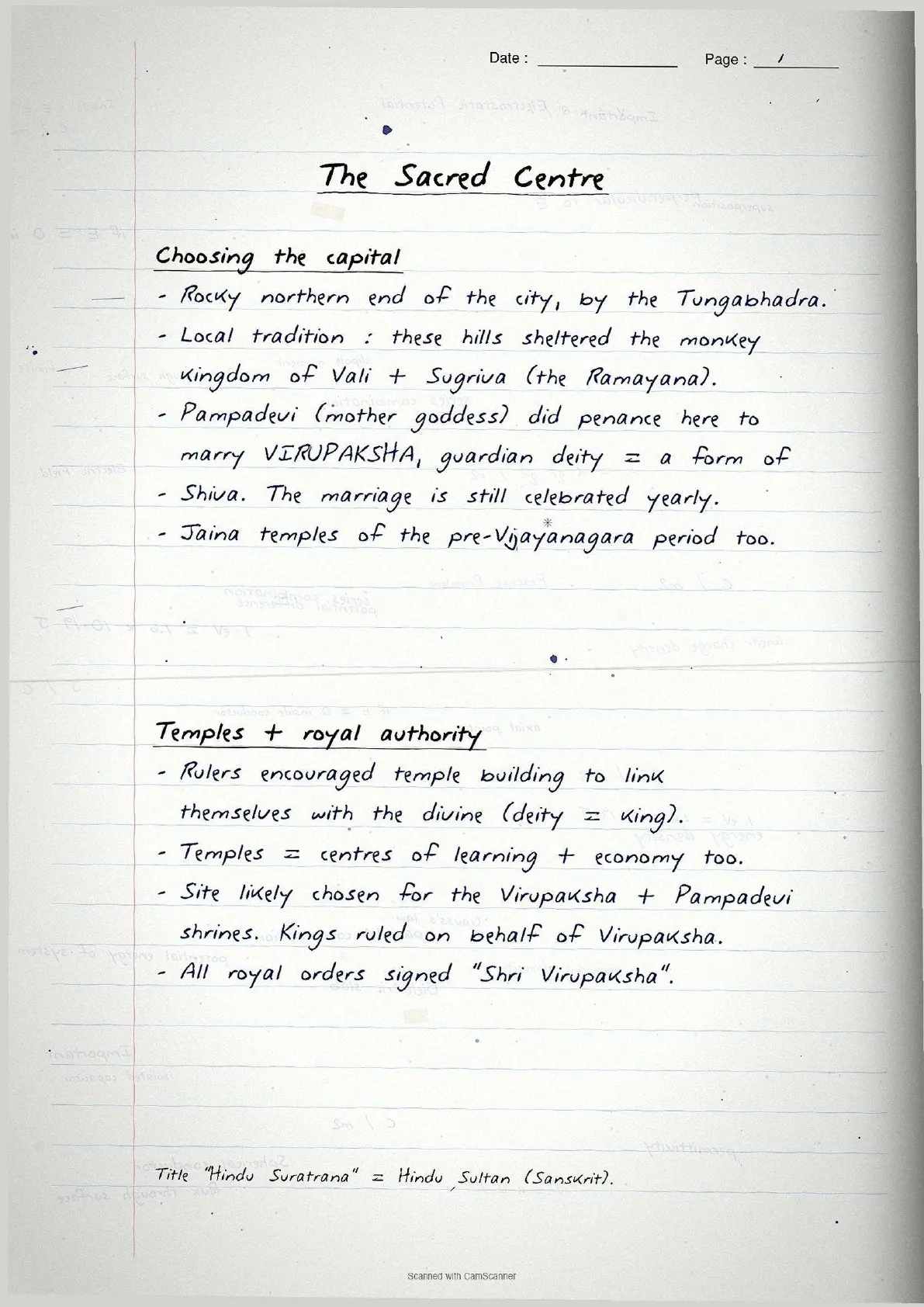
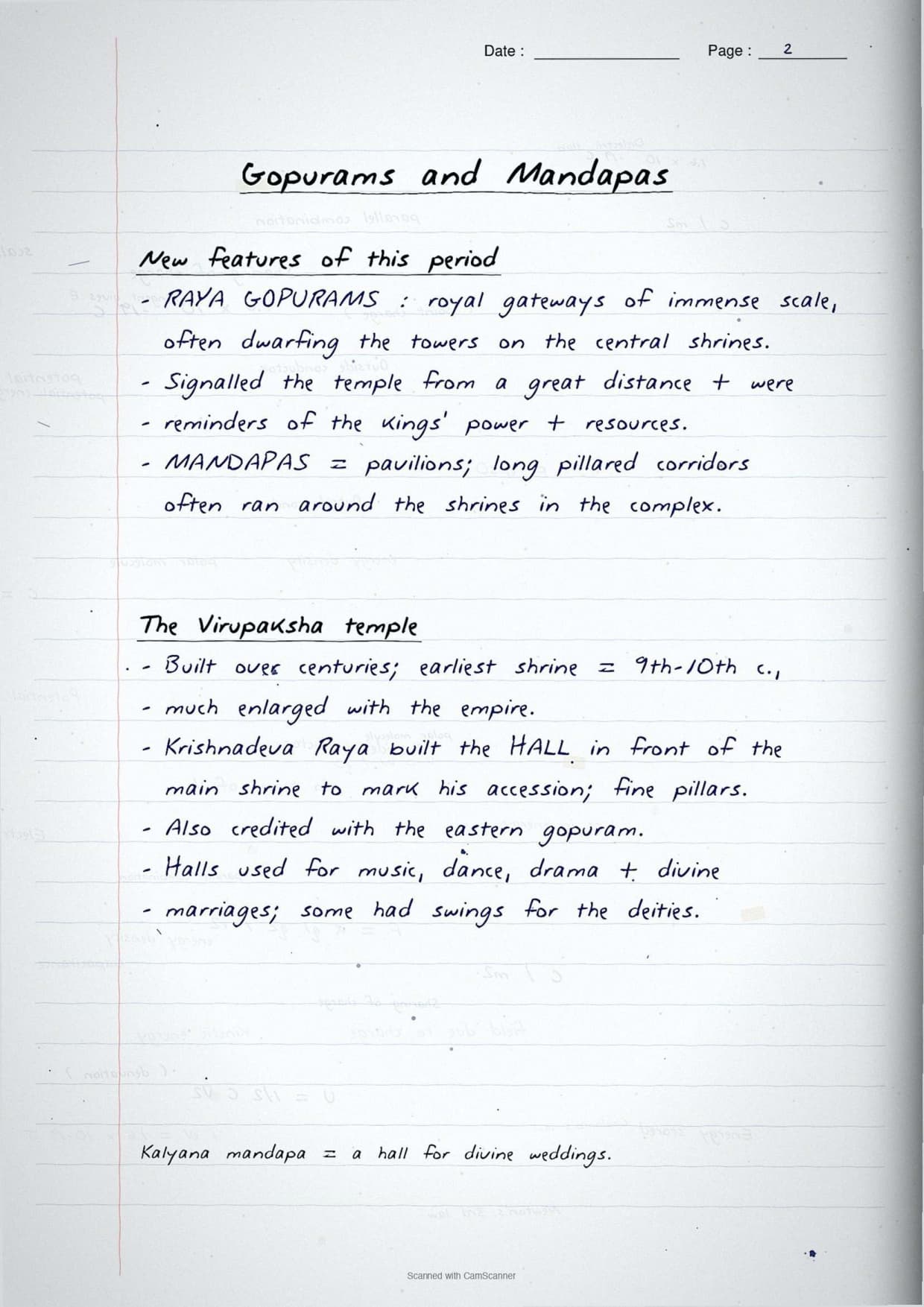
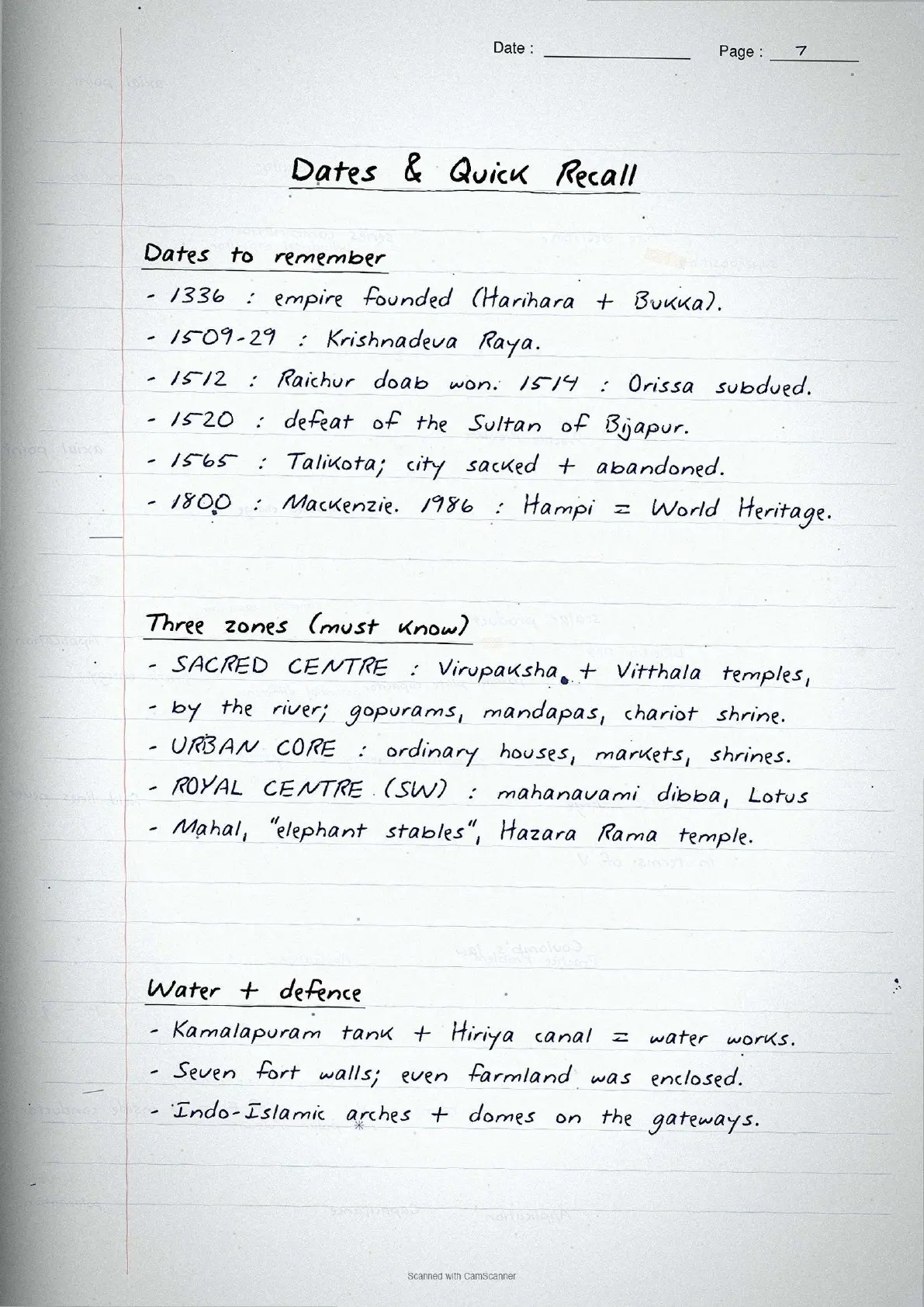
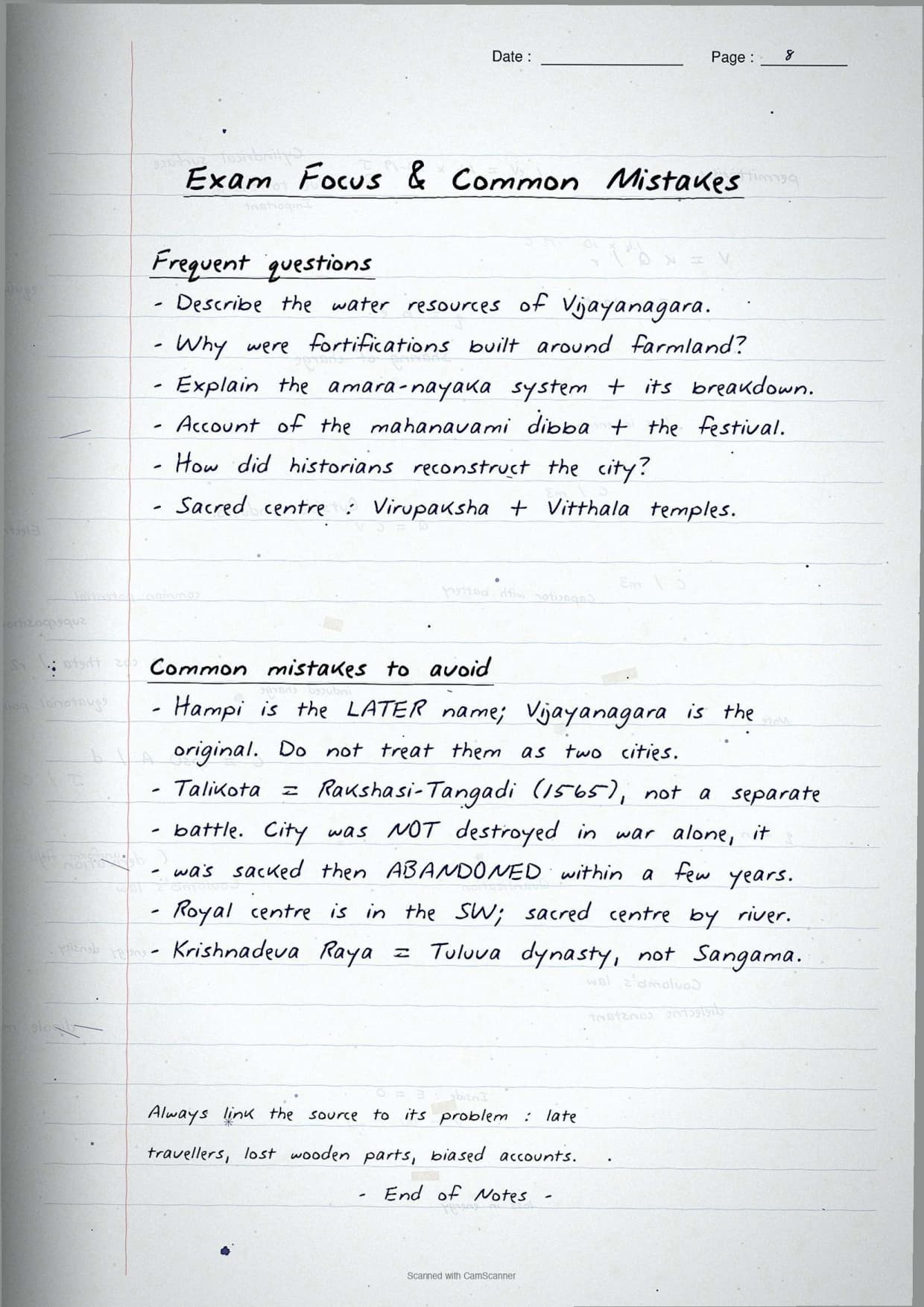
- Handwritten pages with boxed key terms and labelled sketches of Hampi.
- This Class 12 History chapter usually carries 6 to 8 marks in the board paper.
- Pairs with the NCERT Solutions, Notes and Book PDF linked lower on this page.
These An Imperial Capital Vijayanagara handwritten notes are prepared from the official NCERT Themes in Indian History Part II and checked against the last five years of CBSE board papers.
Student Feedback: In a Collegedunia poll of 8,140 Class 12 History students before the 2026 boards, 75% of students said handwritten notes felt faster to revise from than printed text for this chapter. Most students used the labelled Hampi zone sketch to recall the "royal centre" answer in the exam.
Source: 2026-27 Class 12 History student poll. Sample of 8,140 students from CBSE schools across 12 states.
What These Handwritten Notes Include
An Imperial Capital Vijayanagara is the seventh chapter of Themes in Indian History Part II. It studies the Vijayanagara Empire and its capital, whose ruins survive at Hampi on the Tungabhadra river, between roughly 1336 CE and 1565 CE. These handwritten notes condense the chapter into pages a student can read in one sitting.
Every page is built around the city's three working zones:
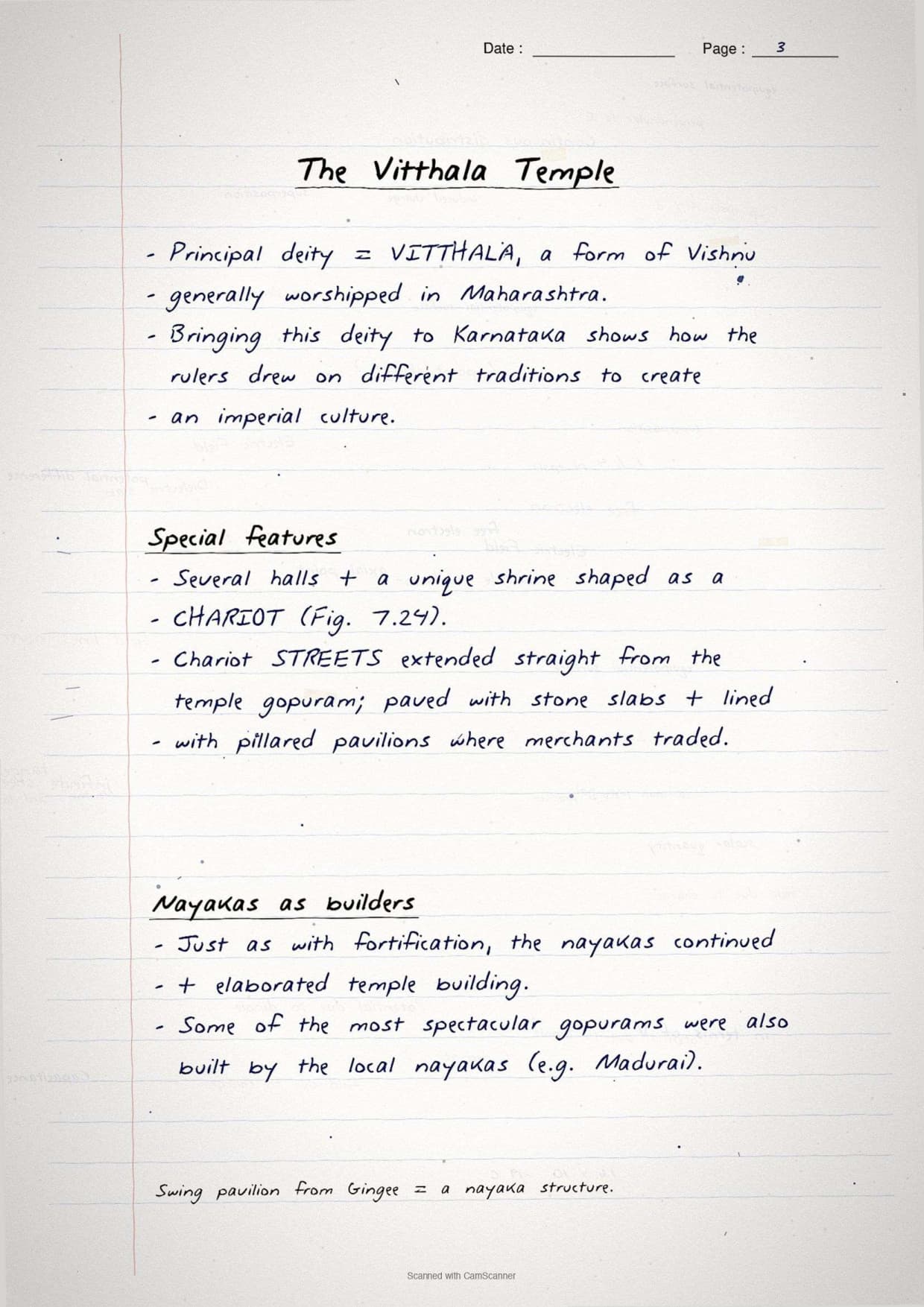
- Sacred centre pages cover the Virupaksha and Vitthala temples on the river bank.
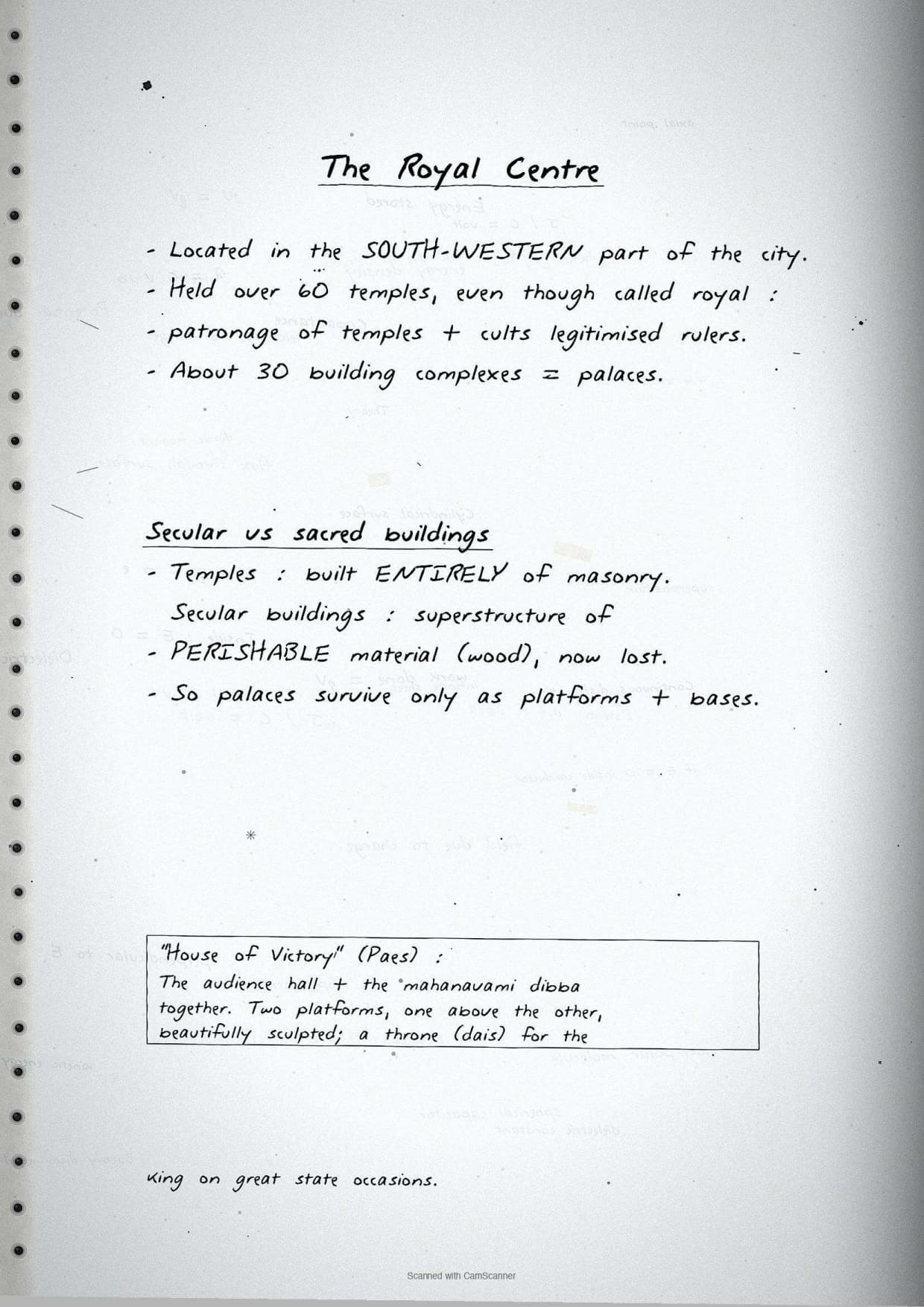
- Royal centre pages cover the mahanavami dibba, the Lotus Mahal and the elephant stables.
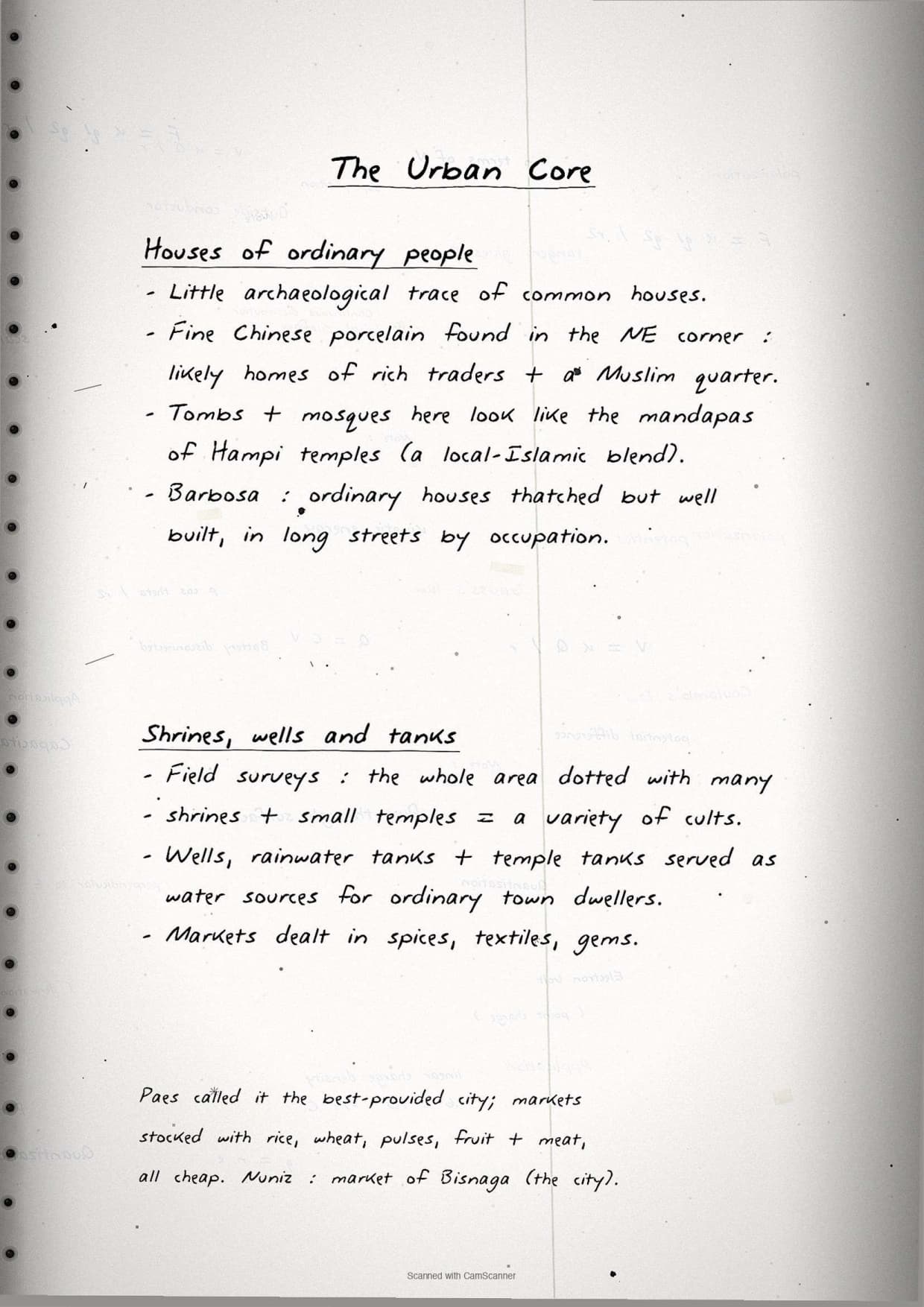
- Urban core pages cover the homes, markets and water works of ordinary people.
Because the notes are handwritten, the key terms sit in boxes and the important dates are underlined, so the eye jumps straight to them. This makes the vijayanagara handwritten notes ideal for a last revision when there is no time to read full paragraphs. Sort each building and ritual under its zone, and the whole of chapter 7 history class 12 falls into place.
Founding, Dynasties and Rediscovery Pages
The first pages set the timeline. They underline the founders, the four dynasties and the date of the fall, so students can place every fact correctly. The notes keep these as boxed, ordered lists.
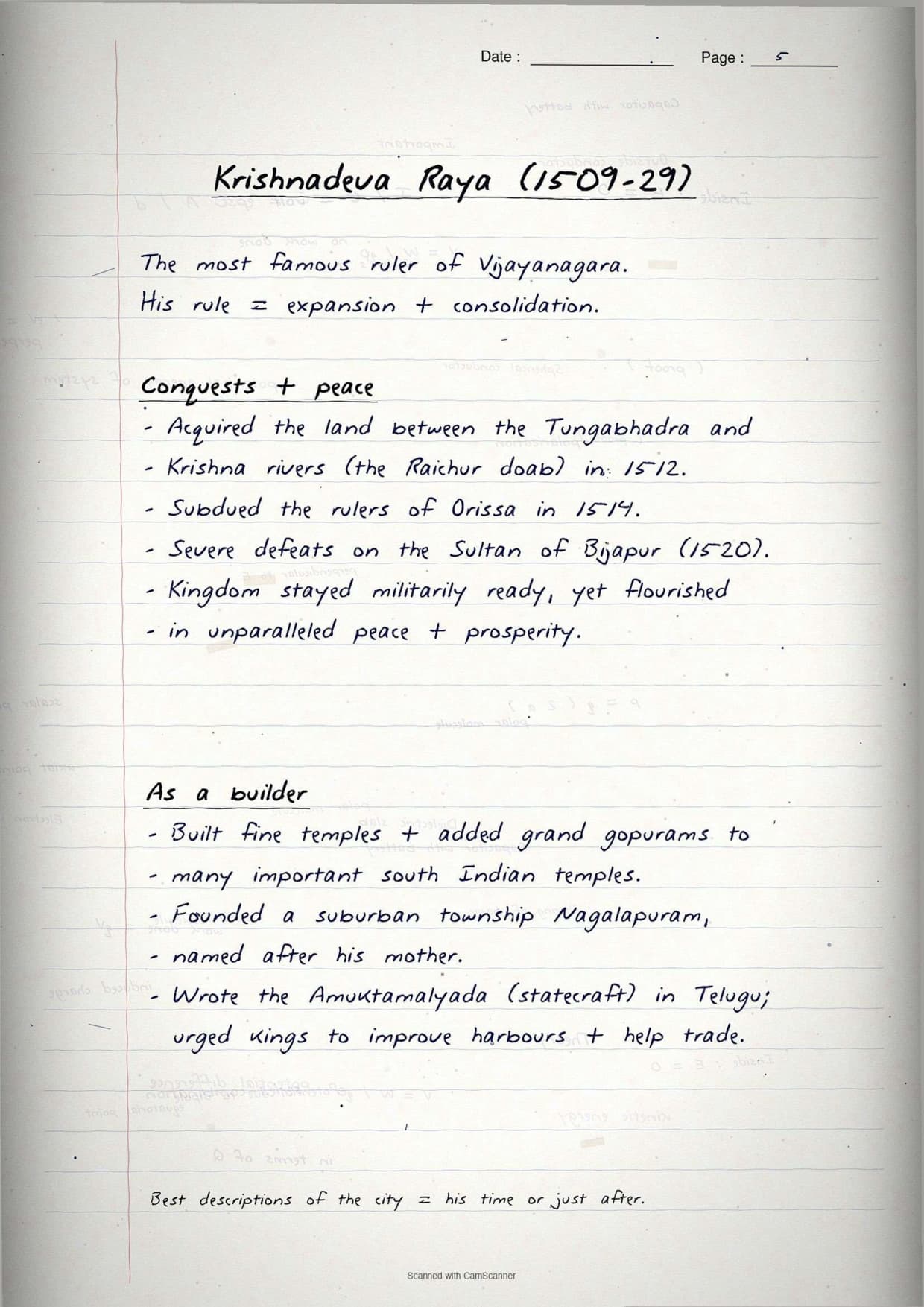
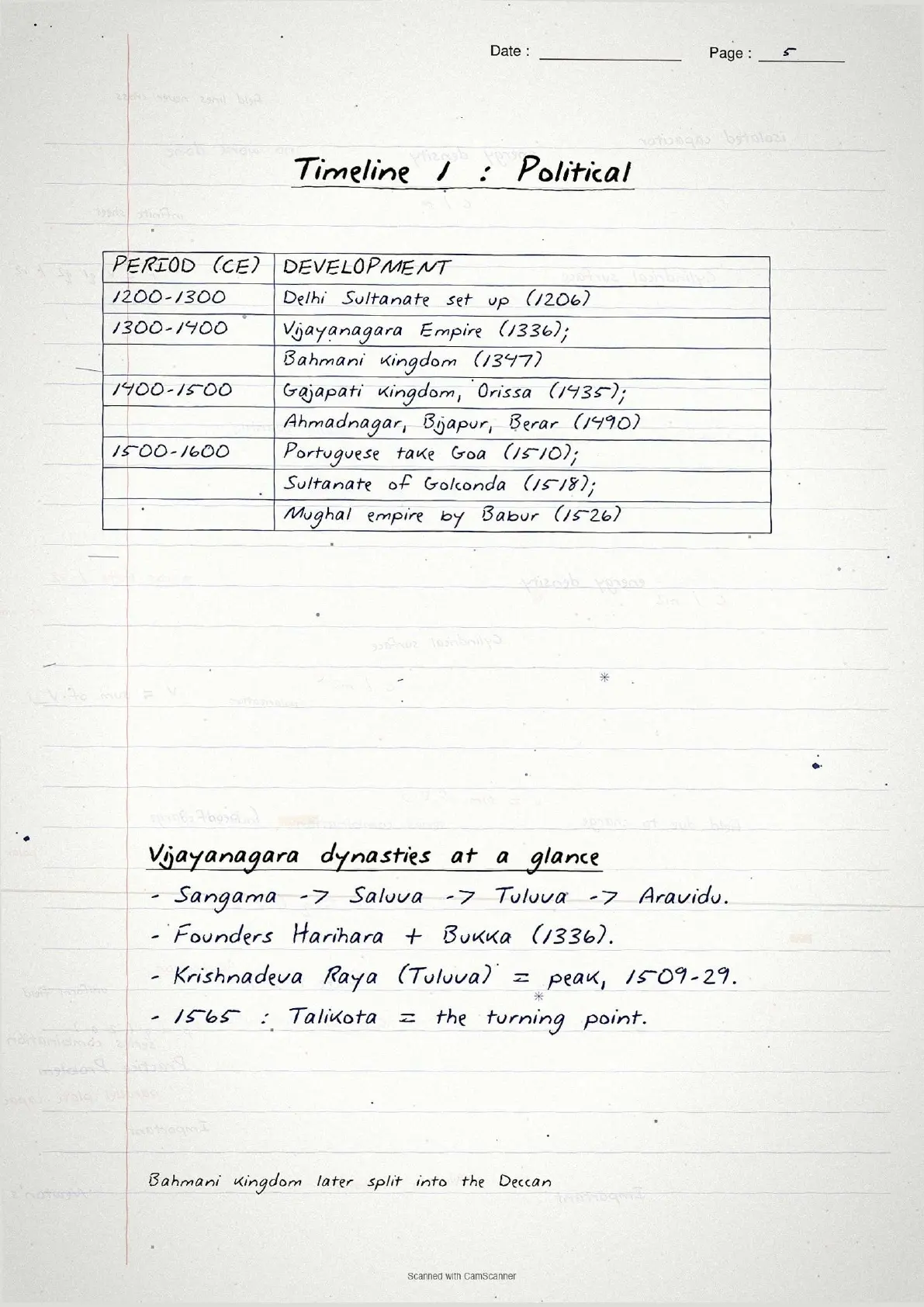
- Founded 1336: the brothers Harihara and Bukka set up the empire (Sangama dynasty).
- Four dynasties: Sangama, then Saluva, then Tuluva, then Aravidu.
- Greatest ruler: Krishnadeva Raya (1509 to 1529) of the Tuluva line.
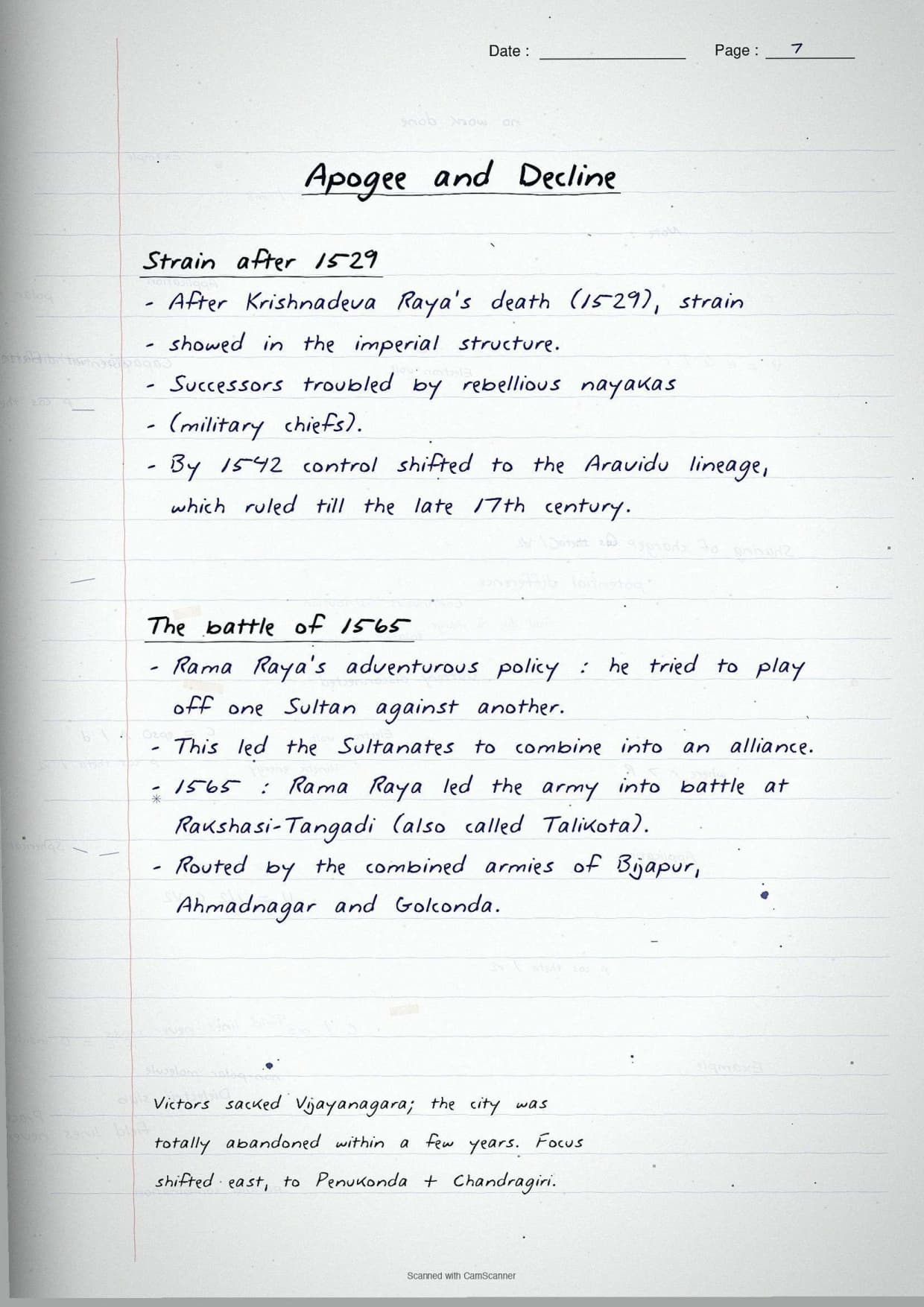
- Fall 1565: defeat at Talikota by an alliance of the Deccan Sultanates.
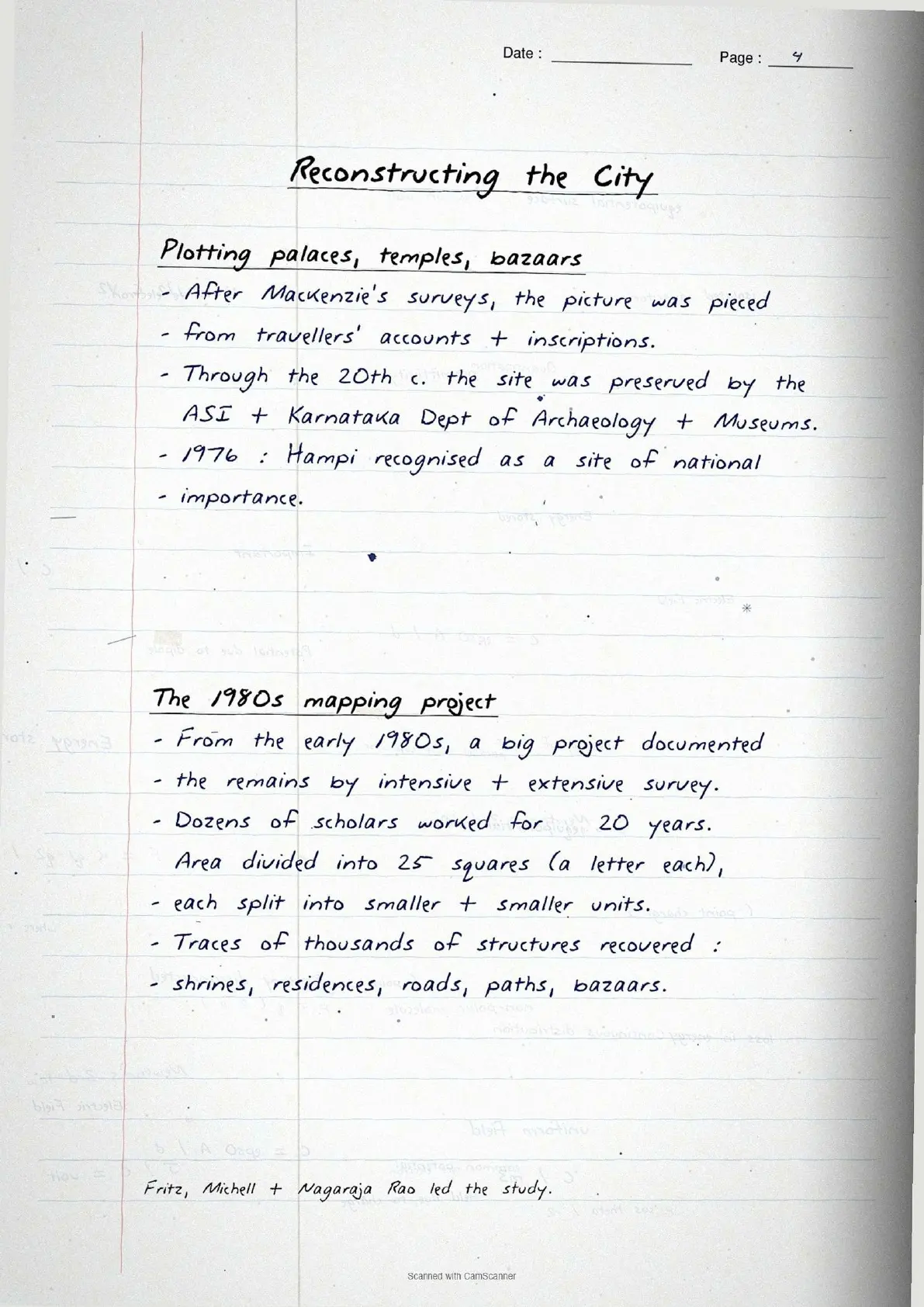
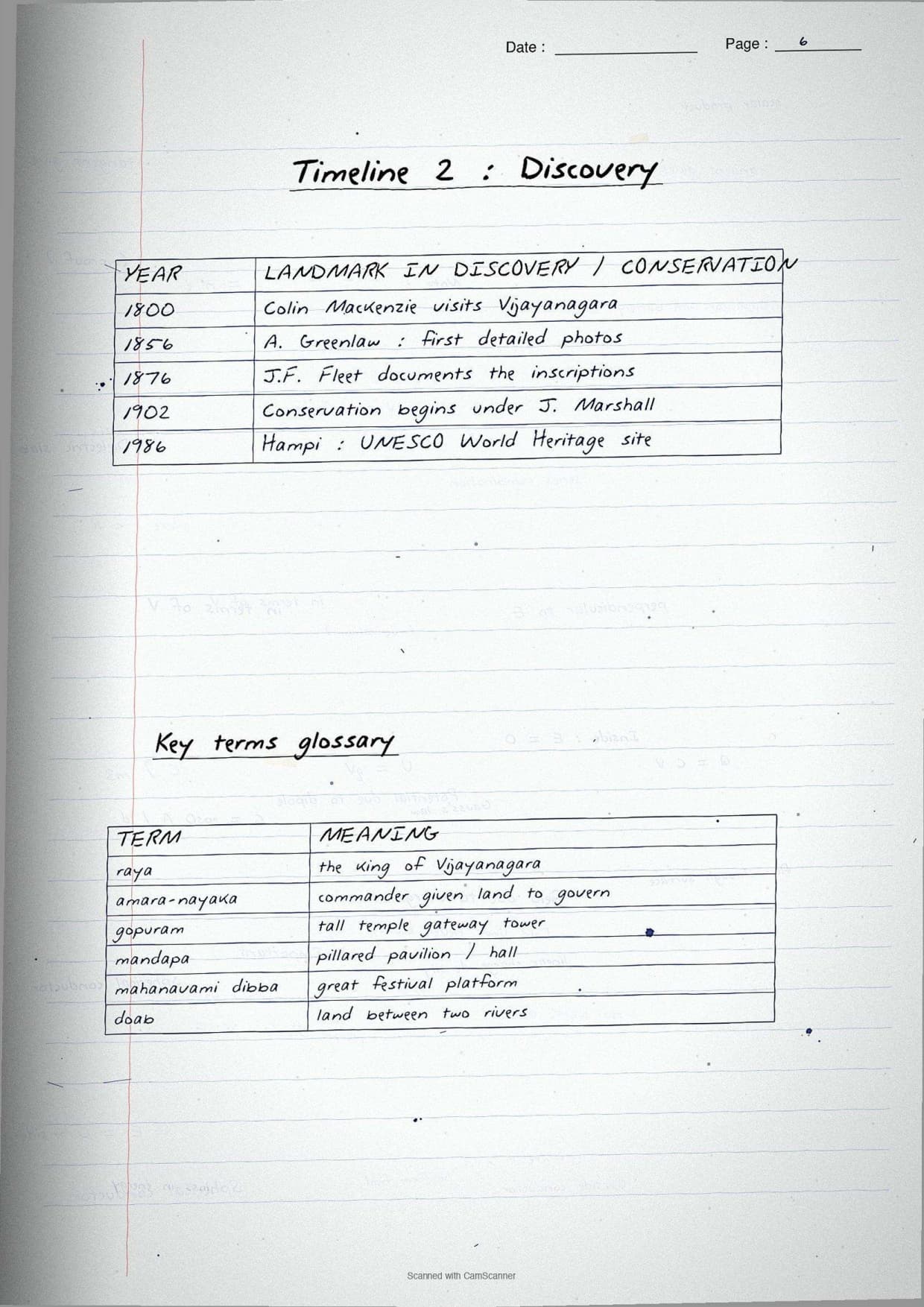
The notes underline the key point: Harihara and Bukka founded the empire, and Krishnadeva Raya was its greatest ruler. A hand-drawn arrow links each dynasty to the next, which makes the timeline easy to recall under exam pressure. The pages also note that Colin Mackenzie first surveyed the ruins in 1800.
The Three Zones and Town Planning Pages
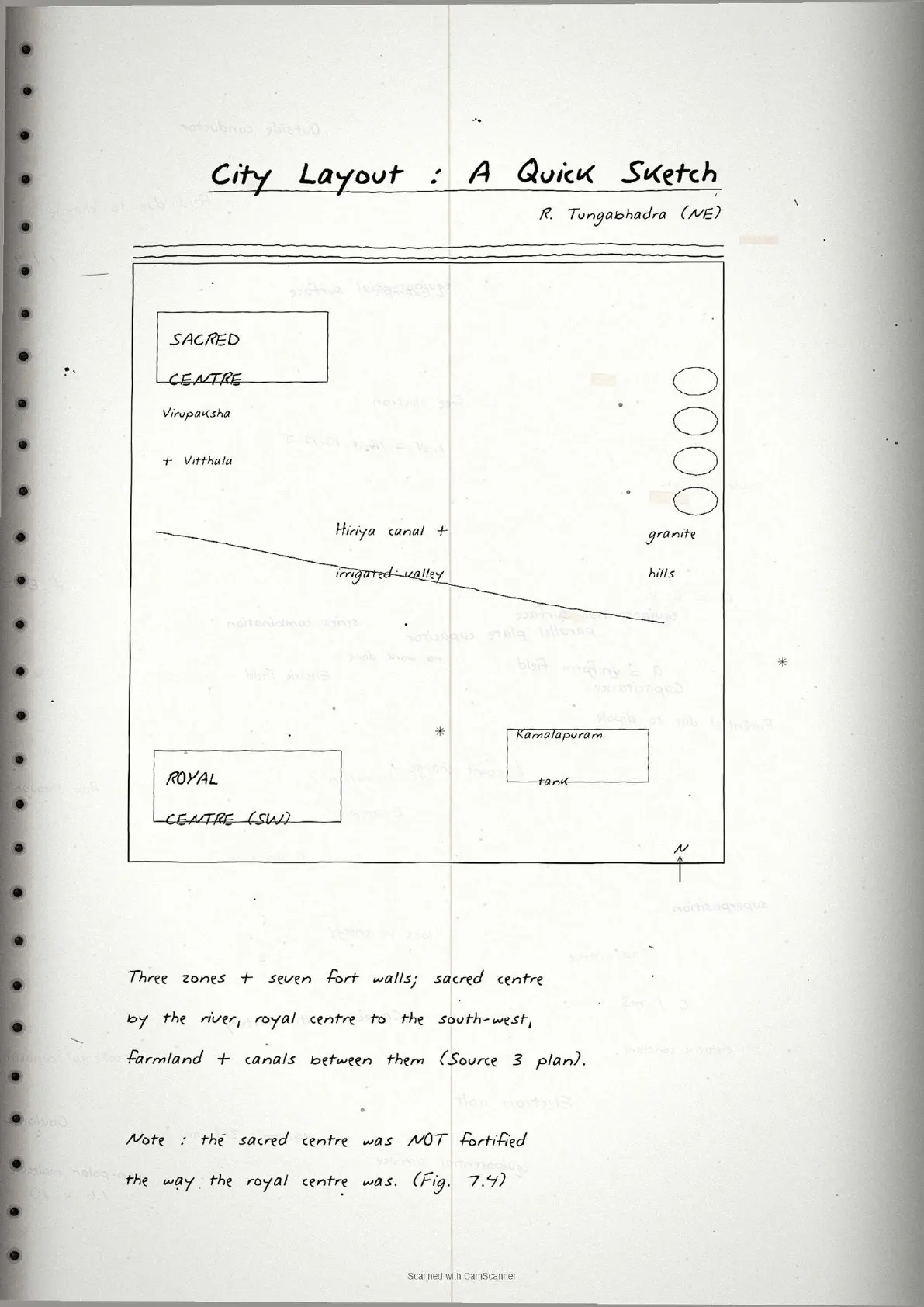
The next pages carry a labelled sketch of Hampi split into its three zones and ringed by walls. The drawing marks each feature, so students can describe the layout in detail. The table below lists what the sketch labels for quick revision.
| Zone | What it holds |
|---|---|
| Sacred centre | Temples on the rocky river bank: the Virupaksha and Vitthala temples. |
| Royal centre | The mahanavami dibba, the Lotus Mahal and the elephant stables. |
| Urban core | Homes, markets, bazaars and wells of ordinary townspeople. |
| Fortifications | Seven walls enclosed the city plus its farmland and forests. |
| Water works | The Tungabhadra basin, the Kamalapuram tank and the Hiriya canal. |
The notes box the single most important point in red ink: the walls enclosed not just the built city but its farmland too, so the city could feed itself in a siege. They also flag that the "royal centre" name fits only loosely, because that zone mixes palaces, temples and ritual platforms. Keep both as one-line takeaways.
Temples, Architecture and Mahanavami Dibba Pages
The sacred and royal centre pages cover the temples and the festival platform. The notes use boxed lists and a small sketch of the Vitthala chariot so the architecture answers are easy to picture.
- Virupaksha temple: dedicated to a form of Shiva, the empire's guardian deity.
- Vitthala temple: famous for its stone chariot and pillared halls.
- Gopurams and mandapas: towering gateways and pillared halls the kings added.
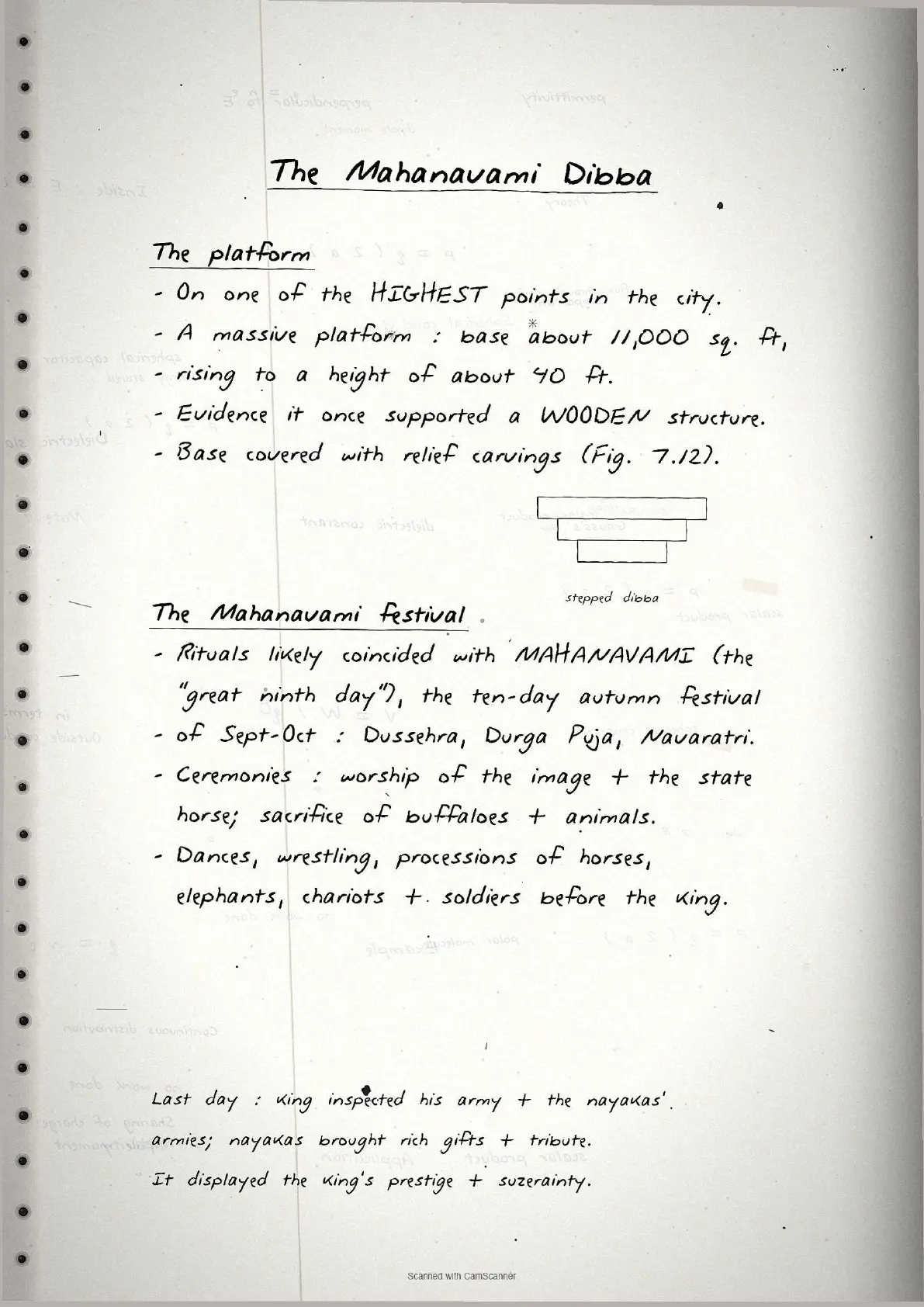
- Mahanavami dibba: a massive platform used for the ten-day Mahanavami festival.
- Lotus Mahal and stables: court buildings blending Islamic arches with Hindu styles.
For architecture the notes underline one rule: the architects drew on older Dravidian temple traditions, then transformed them with taller gopurams, grand mandapas and long pillared bazaar streets. A margin note records that the mahanavami dibba rituals showed royal power, bound the nayakas to the king, and paraded the army, which makes the festival answer easy to recall.
Travellers, Ordinary Lives and Decline Pages
The last set of pages covers daily life and the fall of 1565. By that year the city was sacked and abandoned. Both threads are short-answer favourites, so the notes keep the points in one boxed list for fast revision.
- Travellers: Abdur Razzaq, Domingo Paes and Nuniz left the liveliest accounts.
- Ordinary lives: busy bazaars, festivals, crowds, traders, soldiers and craftspeople.
- A limit: the sources focus on courts and temples, so daily life is only glimpsed.
- The fall: defeat at Talikota in 1565 led to the sack and abandonment of the city.
One sharp point the notes box in the margin: the travellers wrote as outsiders, so their accounts give vivid but partial pictures. The pages also stress that the city fell to an alliance of the Deccan Sultanates, not a single one. A linking arrow ties the decline back to the traveller accounts, which is where much of what we know comes from.
How to Use These Handwritten Notes
Handwritten notes work best as a final layer of revision, not as your first read. The plan below helps students get the most out of the vijayanagara handwritten notes before the board exam. Follow it once a week in the run-up to the test.
- First pass: read the notes once, following the sacred, royal and urban order of pages.
- Active recall: cover the boxed terms and try to write each list from memory.
- Sketch practice: redraw the Hampi zone map and label it without looking.
- Self-test: attempt a short class 12 history chapter 7 mcq drill to check the small facts.
Because the notes come as a downloadable PDF, students can save them on a phone and revise offline on the way to the exam centre. Many students search for class 12 history chapter 7 notes on their phone the night before a test, so a saved PDF means revision is always at hand. Pair these pages with the full solutions to check your written answers against model points.
Common Mistakes These Notes Help You Avoid
A few errors cost marks in this chapter every year. Most come from mixing up the city's zones or naming the wrong ruler. The notes flag each soft point in the margin so students phrase it safely on the answer sheet.
- Confusing the sacred centre with the royal centre - learn which buildings sit where.
- Naming the wrong founder - it was Harihara and Bukka in 1336, not Krishnadeva Raya.
- Saying the city fell to one Sultanate - it was an alliance of the Deccan Sultanates at Talikota.
- Treating the Lotus Mahal as purely Islamic or purely Hindu - it is a blend of both styles.
- Forgetting that the walls enclosed farmland - this is the key fortification point.
Students who fix these five points usually move from average to high marks. The exam rewards careful wording, so write "scholars suggest" or "the chapter shows" when you draw a conclusion. The handwritten margin notes nudge you to use these soft words in the right places.
How These Notes Pair with the Solutions and Book PDF
These handwritten notes are a revision layer. To prepare fully, students should use them with the other resources for the same chapter, all linked in the table below. Read the notes, then test yourself with the solutions, and open the book PDF for the original text and figures.
| Resource | Best used for |
|---|---|
| An Imperial Capital Vijayanagara NCERT Solutions | Step-by-step answers to all 12 back-exercise questions |
| An Imperial Capital Vijayanagara Class 12 Notes | Quick chapter summary with all dates, rulers and zones in one place |
| An Imperial Capital Vijayanagara NCERT Book PDF | Reading the original NCERT chapter text and figures |
Tip: use the handwritten sketches to memorise the zone layout, then write the full answer in your own words. Drawing the Hampi plan once from memory fixes the "royal centre" answer for good.
All Class 12 History Handwritten Notes by Chapter
The table links the handwritten notes for every chapter in Themes in Indian History so students can move across the book in one click. Chapter 7 is highlighted.
| Chapter | Handwritten Notes |
|---|---|
| Chapter 1 | Bricks, Beads and Bones |
| Chapter 2 | Kings, Farmers and Towns |
| Chapter 3 | Kinship, Caste and Class |
| Chapter 4 | Thinkers, Beliefs and Buildings |
| Chapter 5 | Through the Eyes of Travellers |
| Chapter 6 | Bhakti-Sufi Traditions |
| Chapter 7 | An Imperial Capital Vijayanagara |
| Chapter 8 | Peasants, Zamindars and the State |
| Chapter 9 | Colonialism and the Countryside |
| Chapter 10 | Rebels and the Raj 1857 |
| Chapter 11 | Mahatma Gandhi and the Nationalist Movement |
| Chapter 12 | Framing the Constitution |
FAQs on An Imperial Capital Vijayanagara Handwritten Notes
An Imperial Capital Vijayanagara Class 12 Handwritten Notes Common Questions
Ques. Where can I download the An Imperial Capital Vijayanagara handwritten notes PDF?
Ans. You can download the An Imperial Capital Vijayanagara handwritten notes PDF directly from this page. It is free, follows the 2026-27 NCERT, and gives the chapter as clean handwritten pages with boxed terms and labelled Hampi sketches.
Ques. Are handwritten notes good enough for the class 12 history board exam?
Ans. Yes, for revision. Handwritten notes are best used as a final layer after you have read the chapter and practised the solutions. They make dates, ruler names and the Hampi zone layout quick to recall in the exam.
Ques. What does the Vijayanagara chapter cover?
Ans. It covers the Vijayanagara Empire from about 1336 to 1565, including the four dynasties, the sacred, royal and urban zones, the water works, the temples and the mahanavami dibba, the traveller accounts, and the fall at Talikota.
Ques. Who founded Vijayanagara and who was its greatest ruler?
Ans. The brothers Harihara and Bukka founded the empire in 1336, starting the Sangama dynasty. Krishnadeva Raya of the later Tuluva dynasty, who ruled from 1509 to 1529, was the empire's greatest ruler.
Ques. How should I use these notes for quick revision?
Ans. Read the pages once in the sacred, royal and urban order, cover the boxed terms and write each list from memory, redraw the Hampi zone sketch, then attempt a short class 12 history chapter 7 mcq drill to test the small facts.



Comments