




These Peasants, Zamindars and the State handwritten notes turn the whole Mughal agrarian society chapter into clean, handwritten pages for fast last-minute revision. They follow the 2026-27 CBSE syllabus and Theme 8 of Themes in Indian History Part II. Students get the key terms, the jama-hasil revenue flow, sketches and the zamindars' role in a pen-on-paper format that is easy to skim before a test.
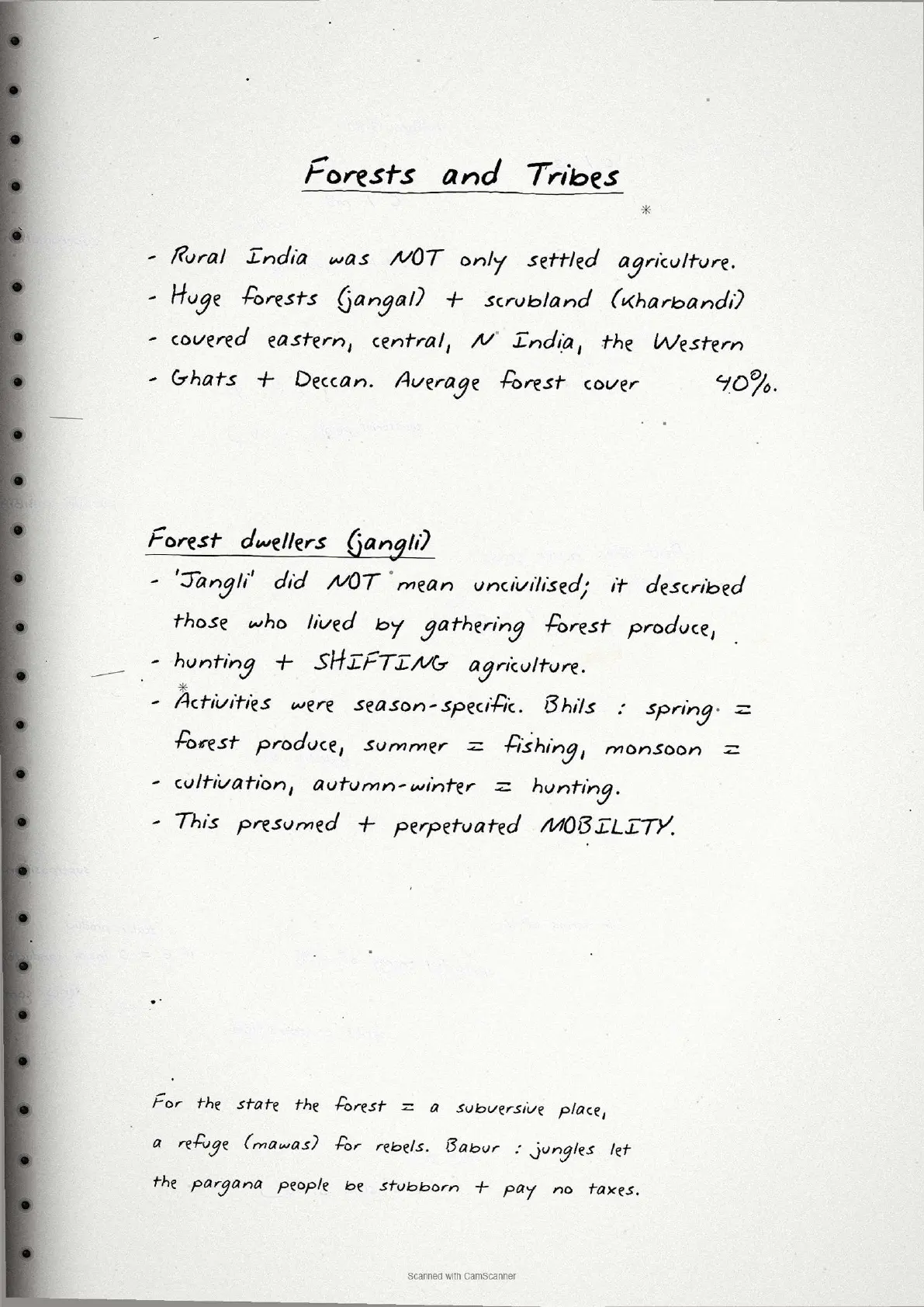
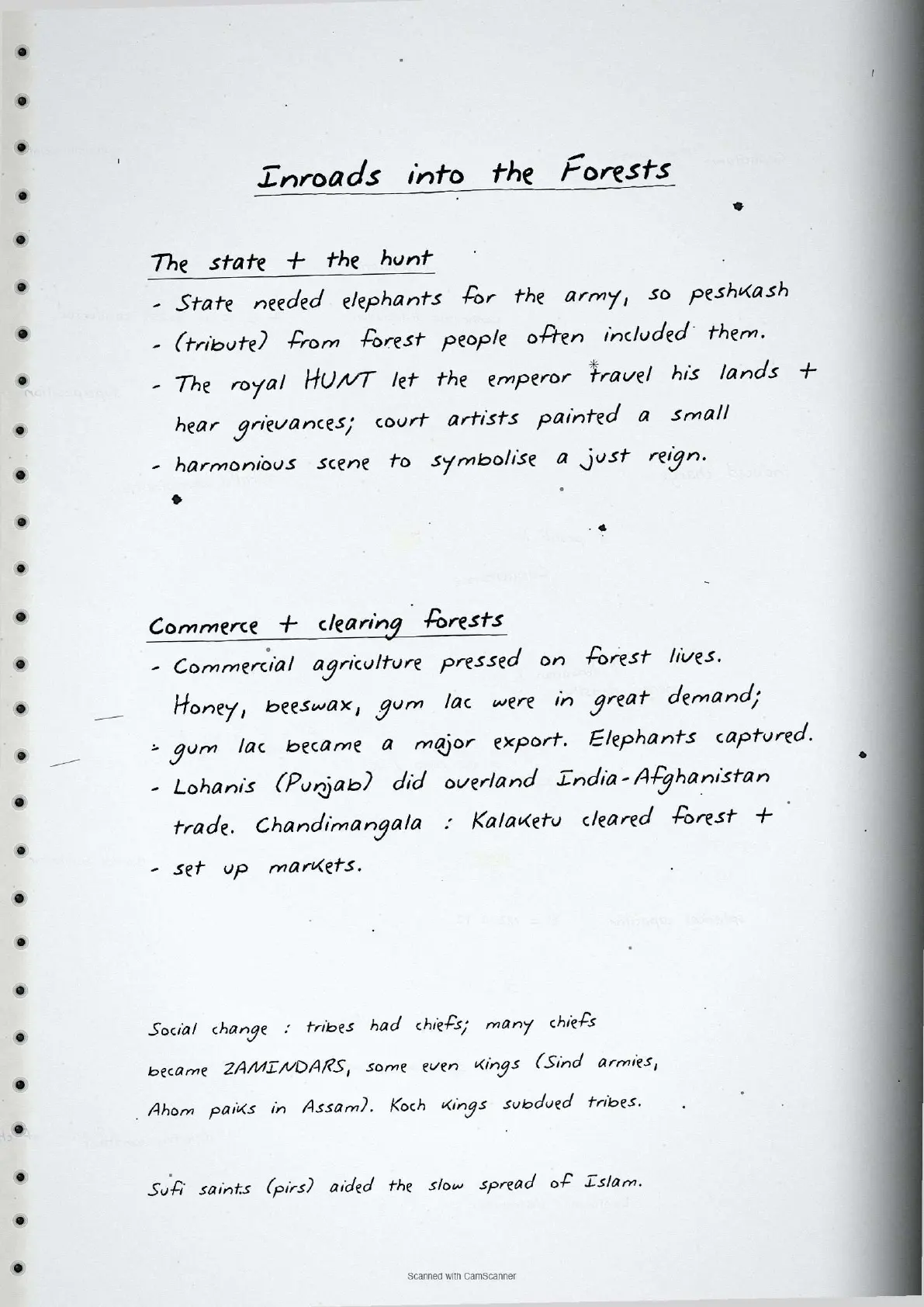
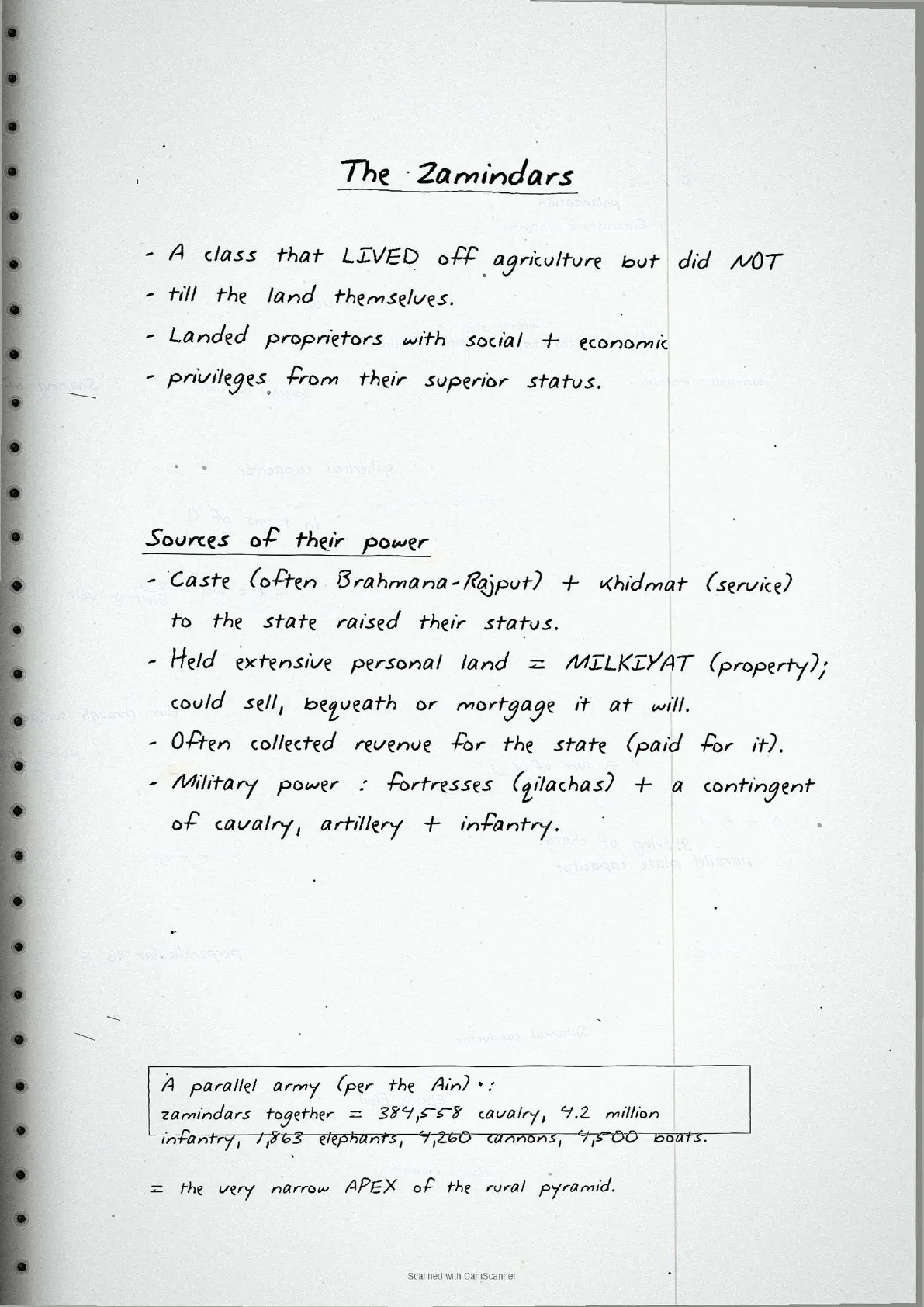
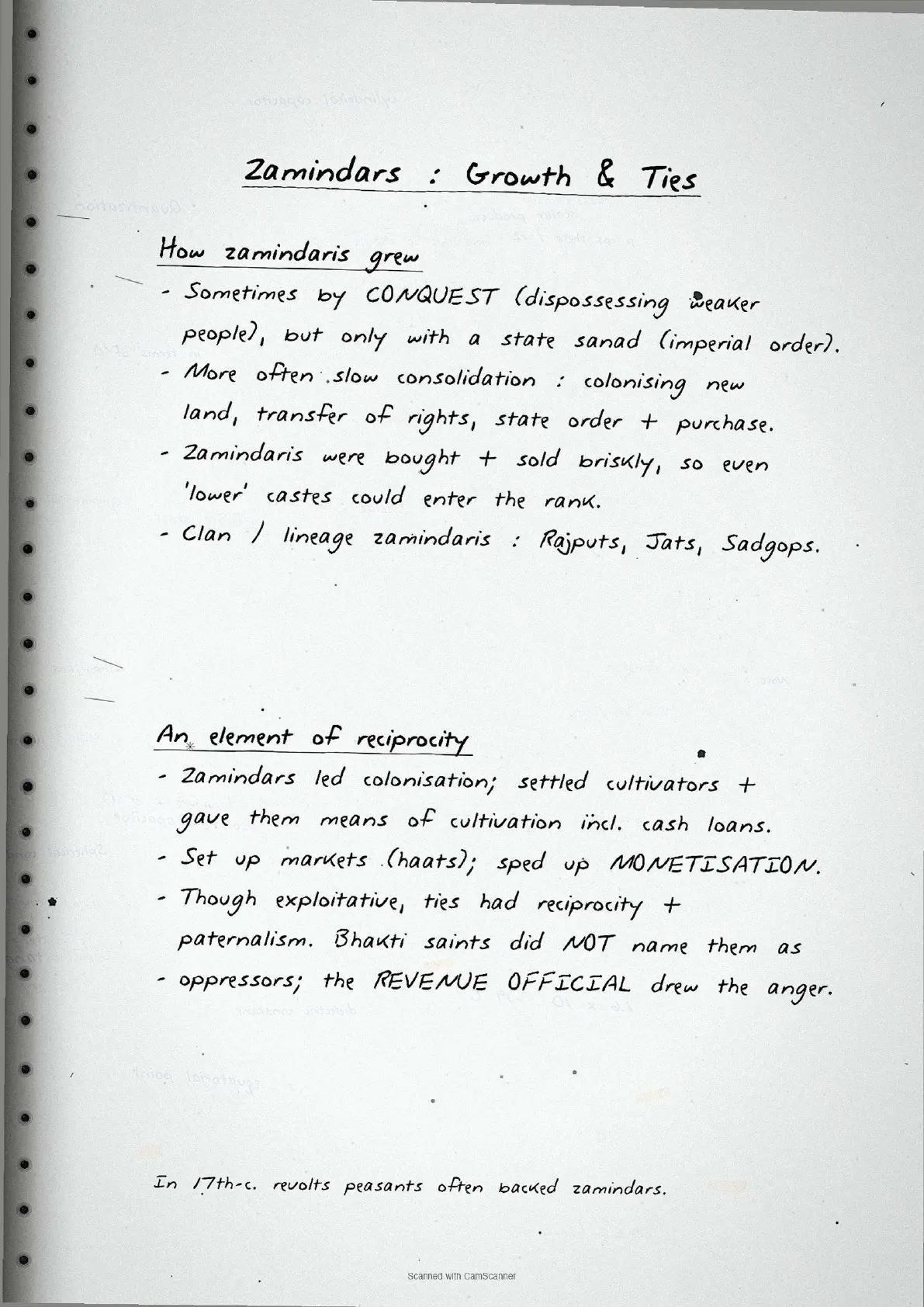
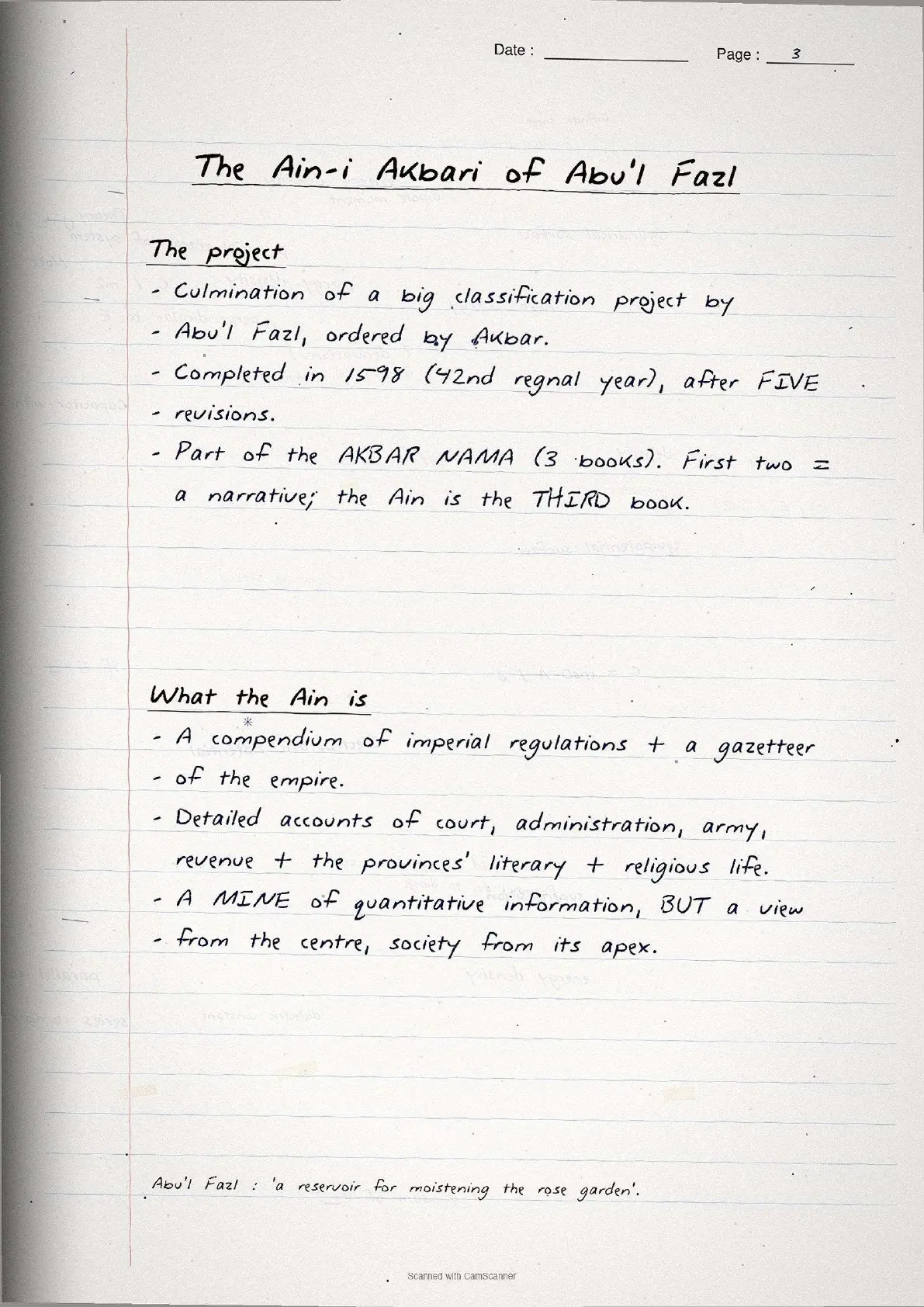
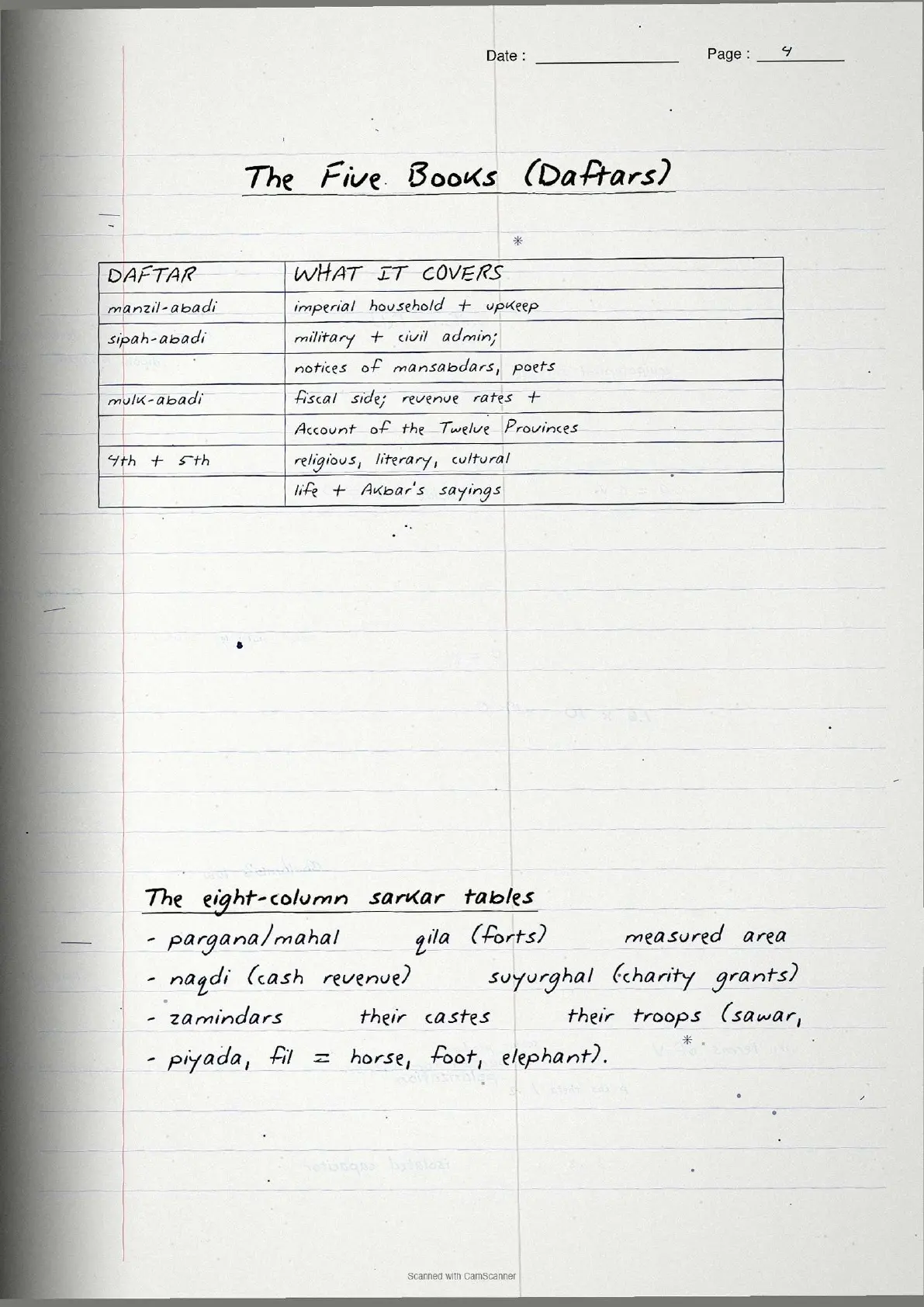
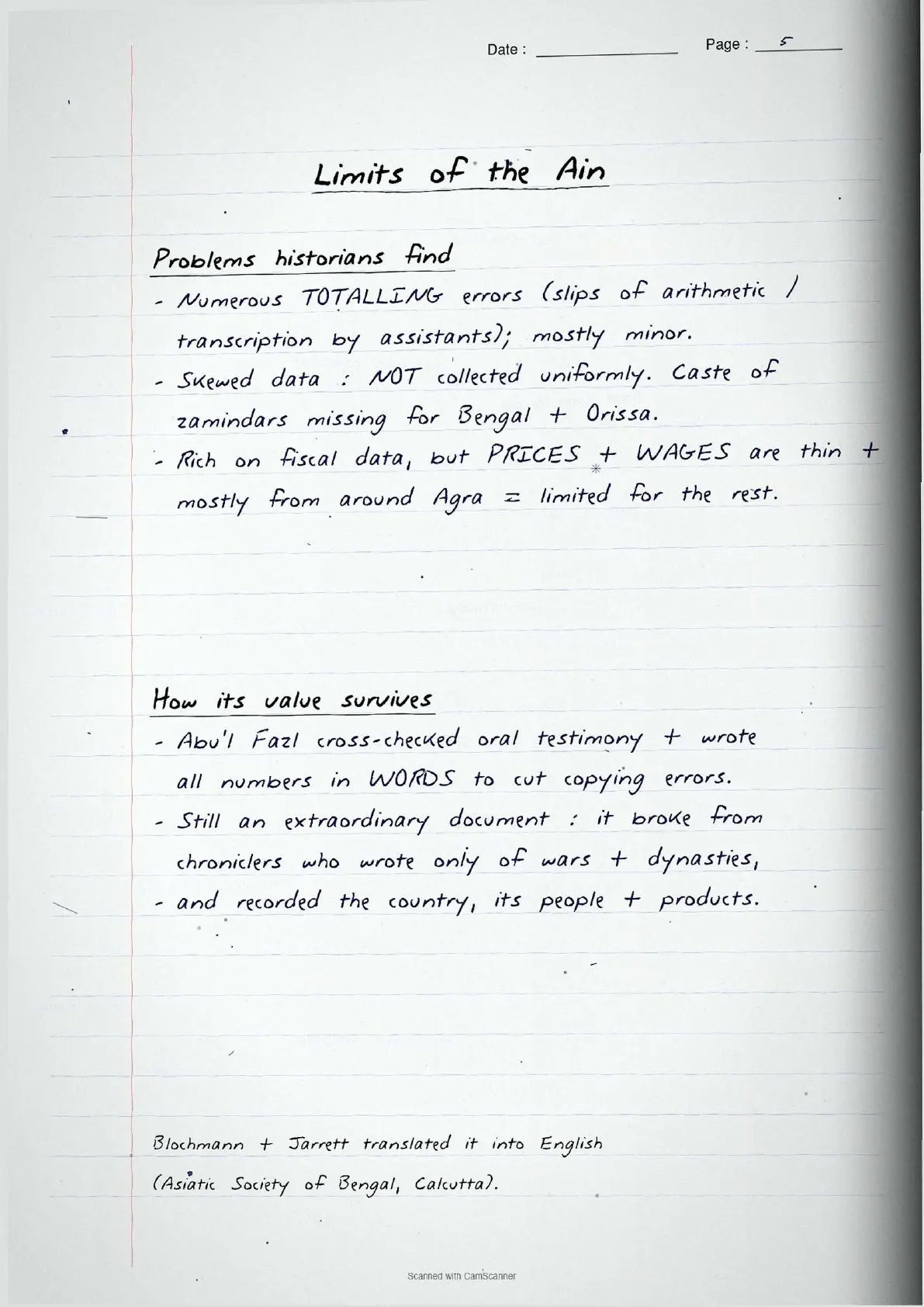
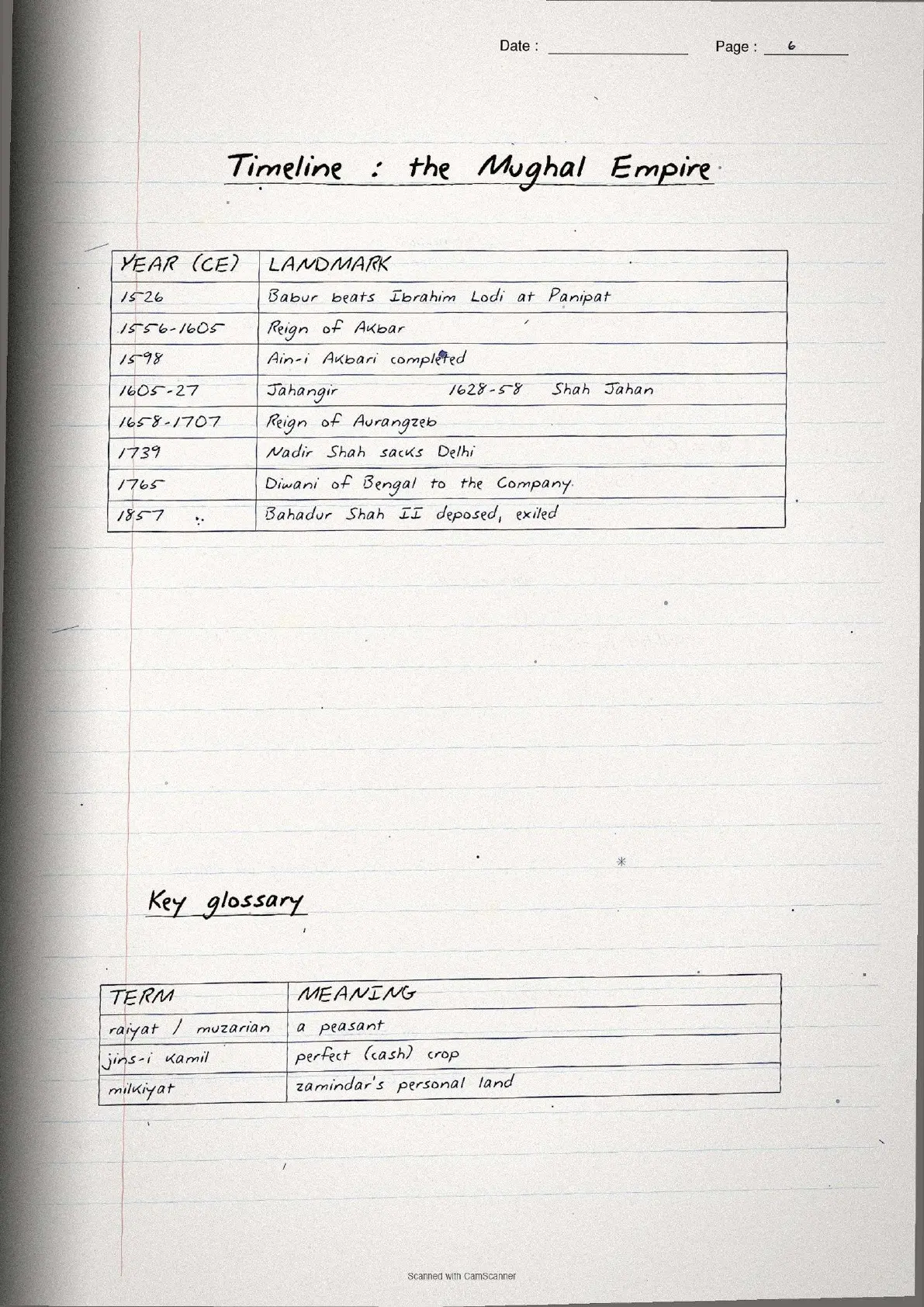
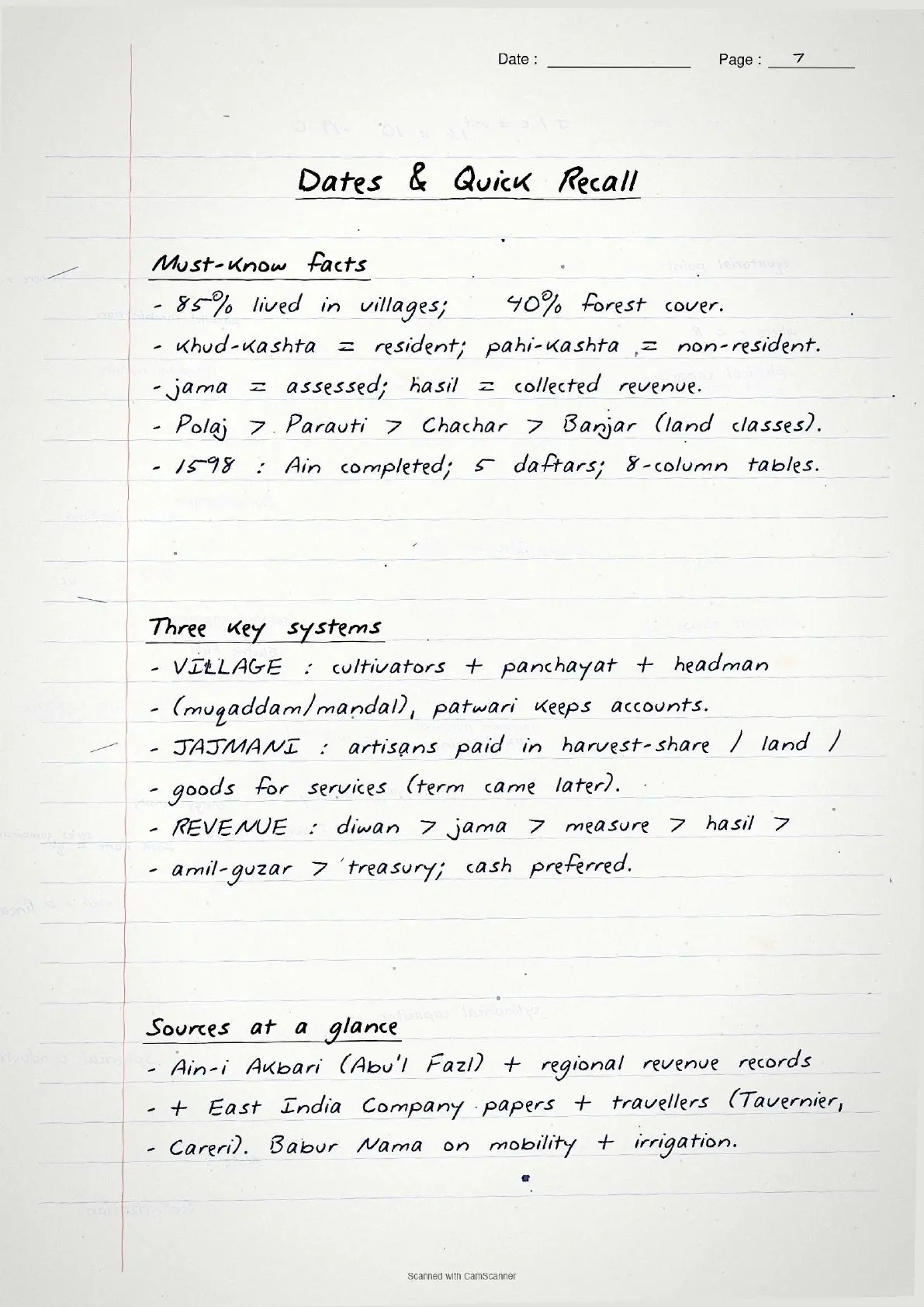
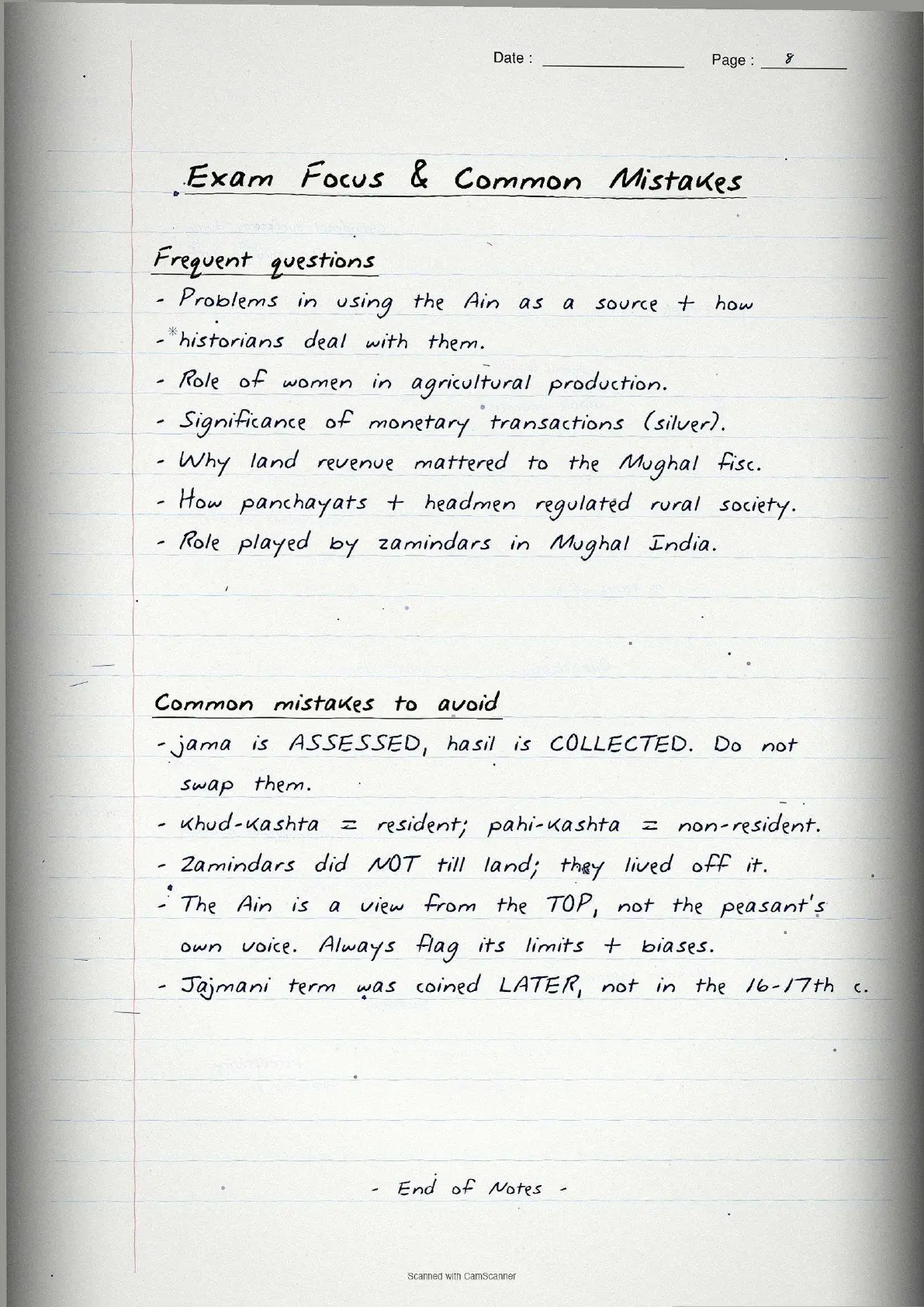
- Handwritten pages with boxed key terms and labelled diagrams.
- This Class 12 History chapter usually carries 6 to 8 marks in the board paper.
- Pairs with the NCERT Solutions, Notes and Book PDF linked lower on this page.
These Peasants, Zamindars and the State handwritten notes are prepared from the official NCERT Themes in Indian History Part II and checked against the last five years of CBSE board papers.
Student Feedback: In a Collegedunia poll of 8,140 Class 12 History students before the 2026 boards, 73% of students said handwritten notes felt faster to revise from than printed text for this chapter. Most students used the boxed jama-hasil note to recall the land-revenue answer in the exam.
Source: 2026-27 Class 12 History student poll. Sample of 8,140 students from CBSE schools across 12 states.
What These Handwritten Notes Include
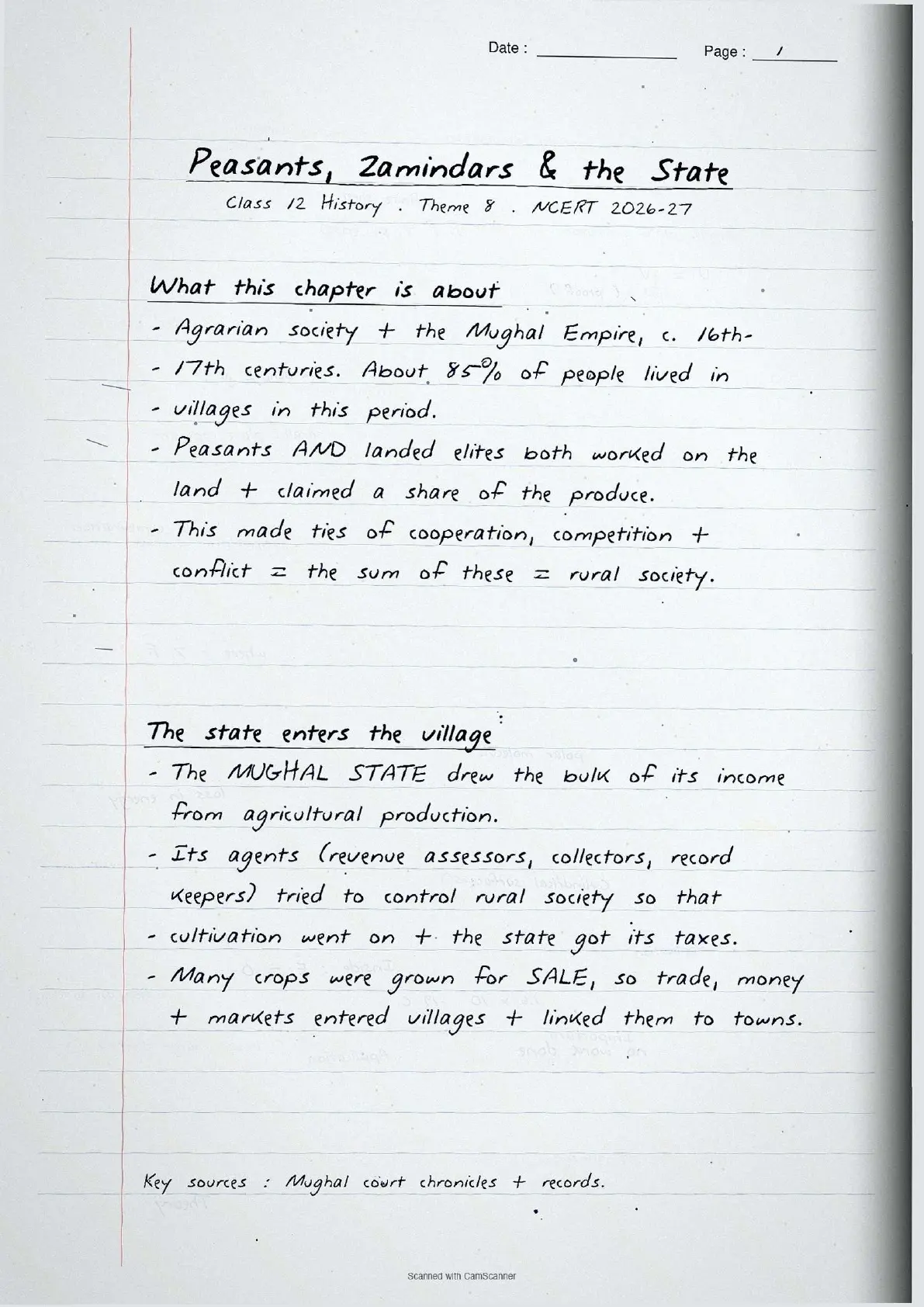
Peasants, Zamindars and the State is Chapter 8 of Themes in Indian History Part II. It studies agrarian society under the Mughals, when about 85 per cent of people lived in villages in the sixteenth and seventeenth centuries. These handwritten notes condense the chapter into pages a student can read in one sitting.
Every page is built around the three players in the chapter title:
- Peasants pages cover the raiyat, crops, the cropping seasons and farming technology.
- Zamindars pages cover milkiyat land, revenue collection and the land revenue system.
- The State pages cover jama, hasil, the flow of silver and the Ain-i Akbari.
Because the notes are handwritten, the key terms sit in boxes and the important dates are underlined, so the eye jumps straight to them. This makes the Peasants, Zamindars and the State handwritten notes ideal for a last revision when there is no time to read full paragraphs. Sort each fact under peasants, zamindars or the state, and the whole of Class 12 History Chapter 8 falls into place.
Peasants, Crops and Farming Pages
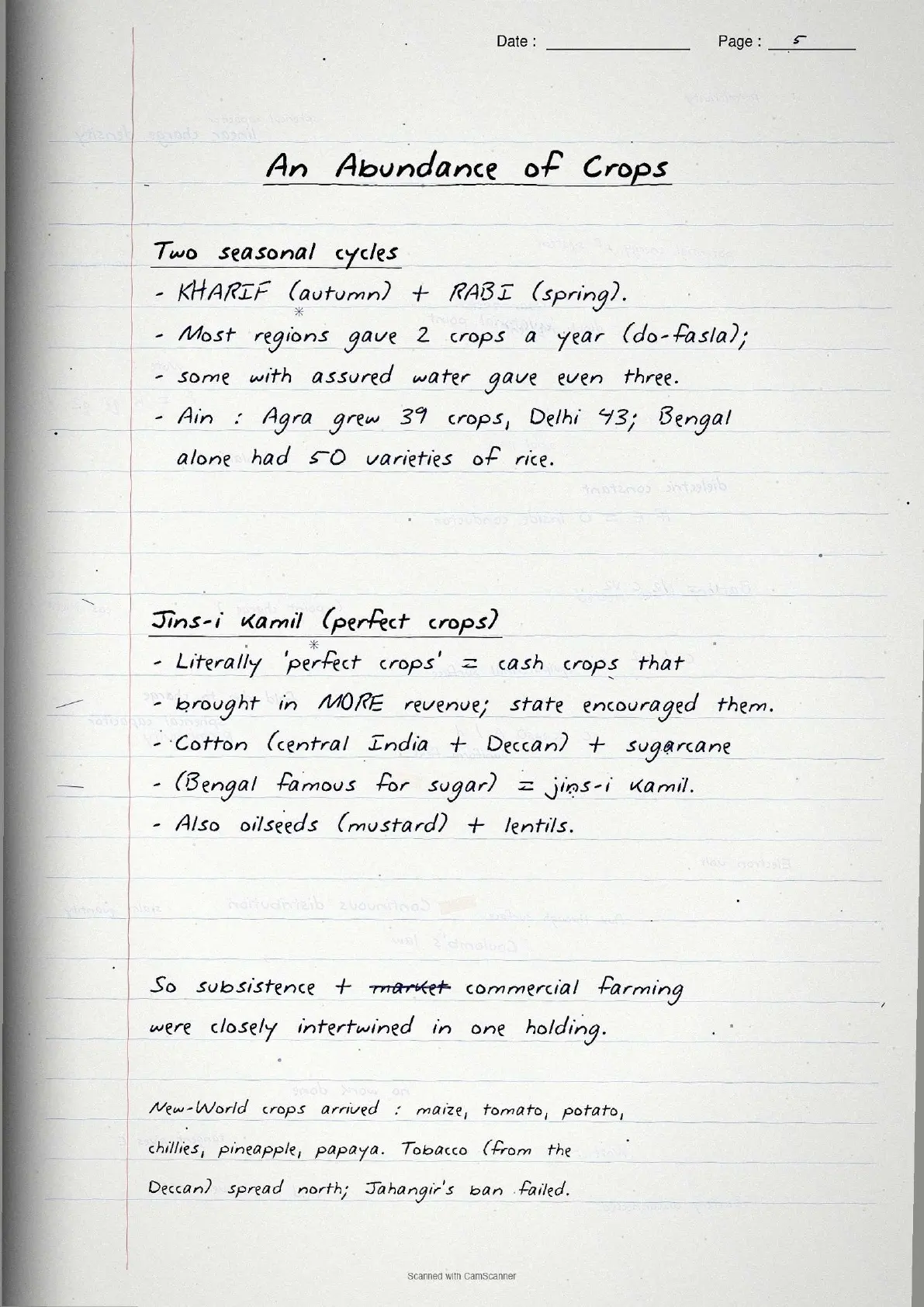
The peasant pages start with who farmed the land and what they grew. The notes keep the peasant types and the cropping seasons as boxed lists so students can copy them straight onto the answer sheet.
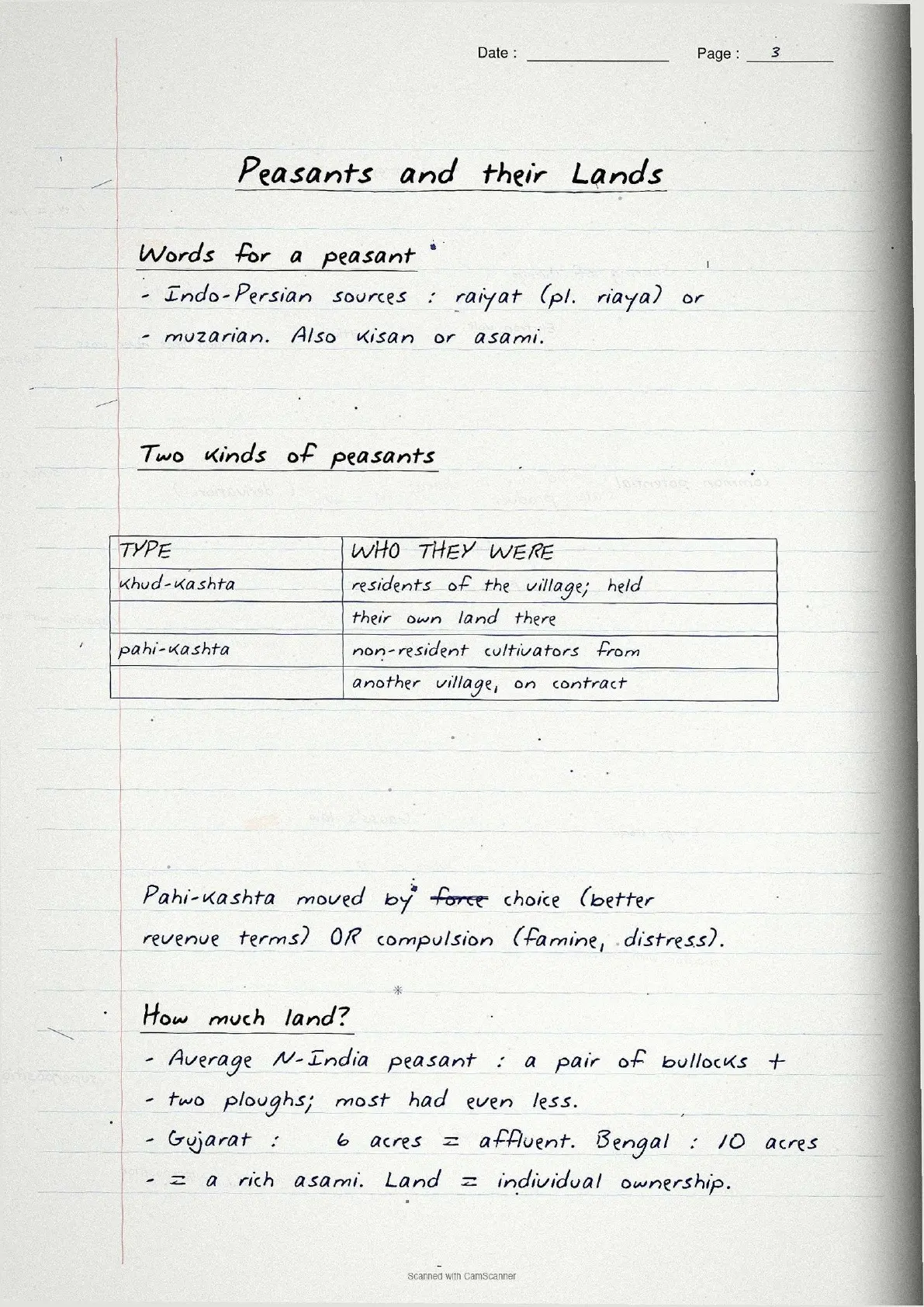
- Two peasant types: khud-kashta lived in the village and tilled their own land; pahi-kashta came from outside on contract.
- Cropping seasons: kharif (autumn) and rabi (spring); do-fasla land gave two harvests a year.
- Cash crops: cotton, sugarcane, oilseeds and indigo were grown for the market.
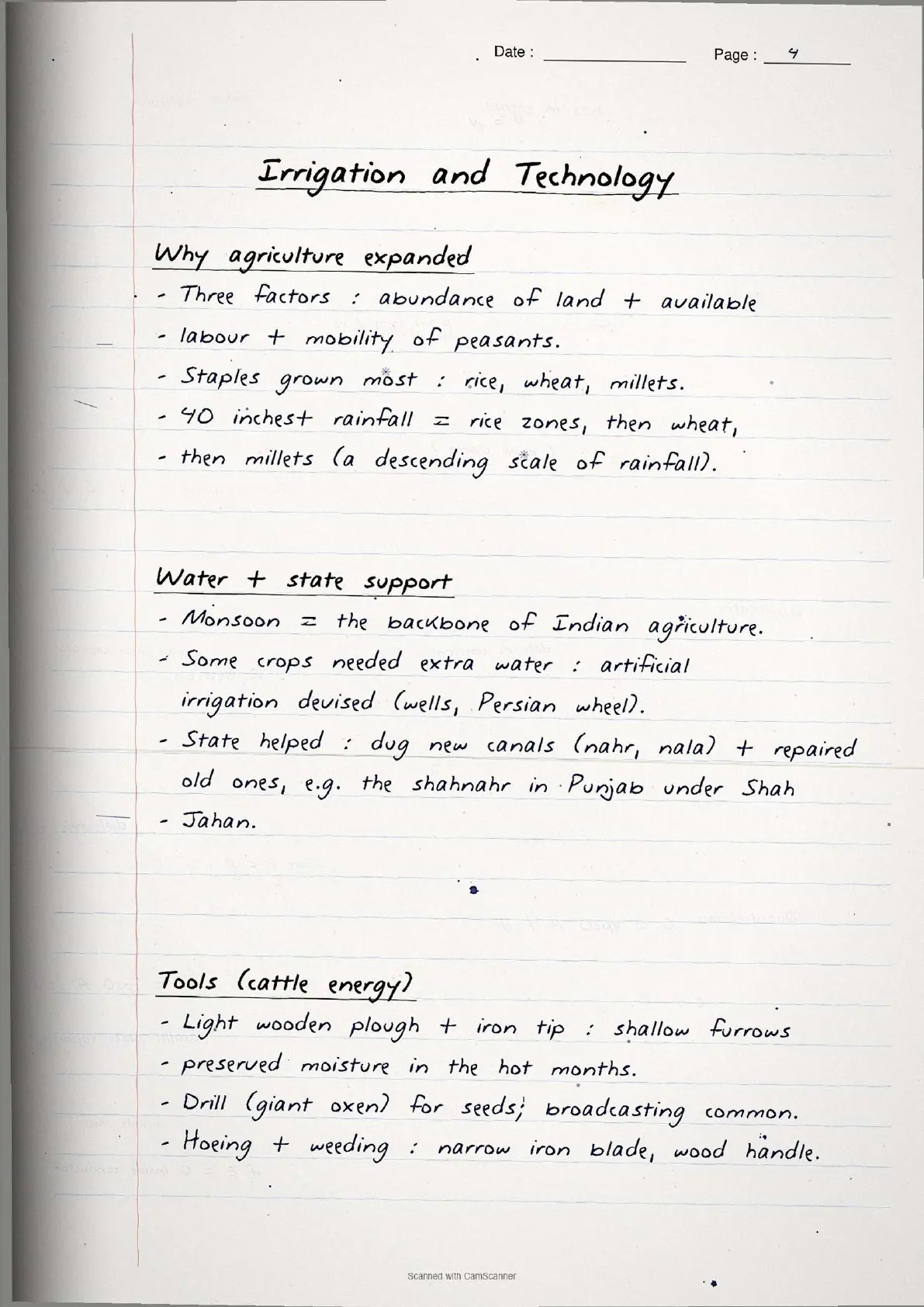
- Technology: the wooden plough, the Persian wheel and seed drilling raised output.
The exercise asks how far this was subsistence agriculture. The notes underline the balanced point: it was partly subsistence and partly commercial, because cash crops, money and market sales show farming was more than survival. A hand-drawn arrow links each cash crop to the market, which makes the answer easy to recall under exam pressure.
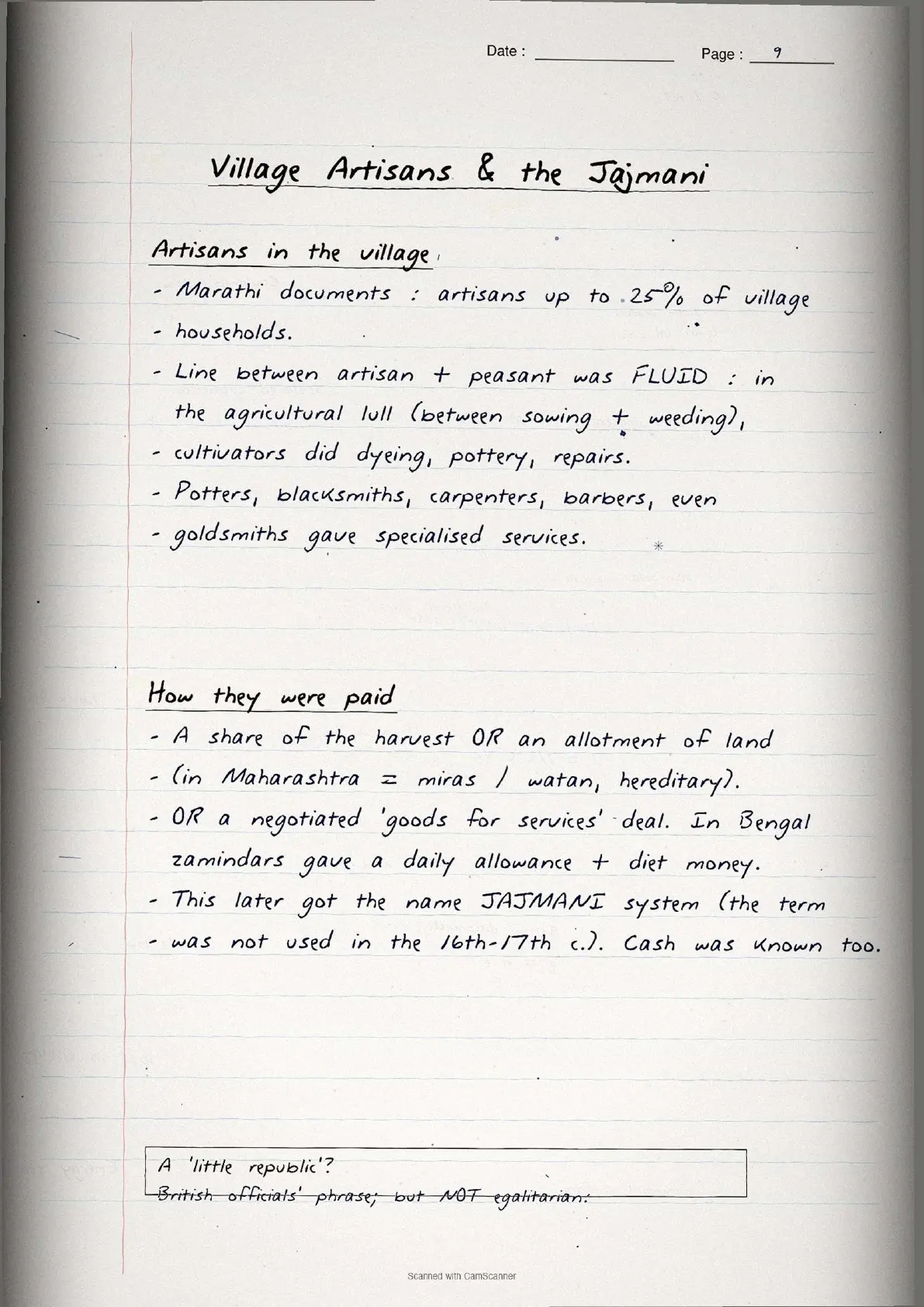
Village Panchayat and Artisans Pages
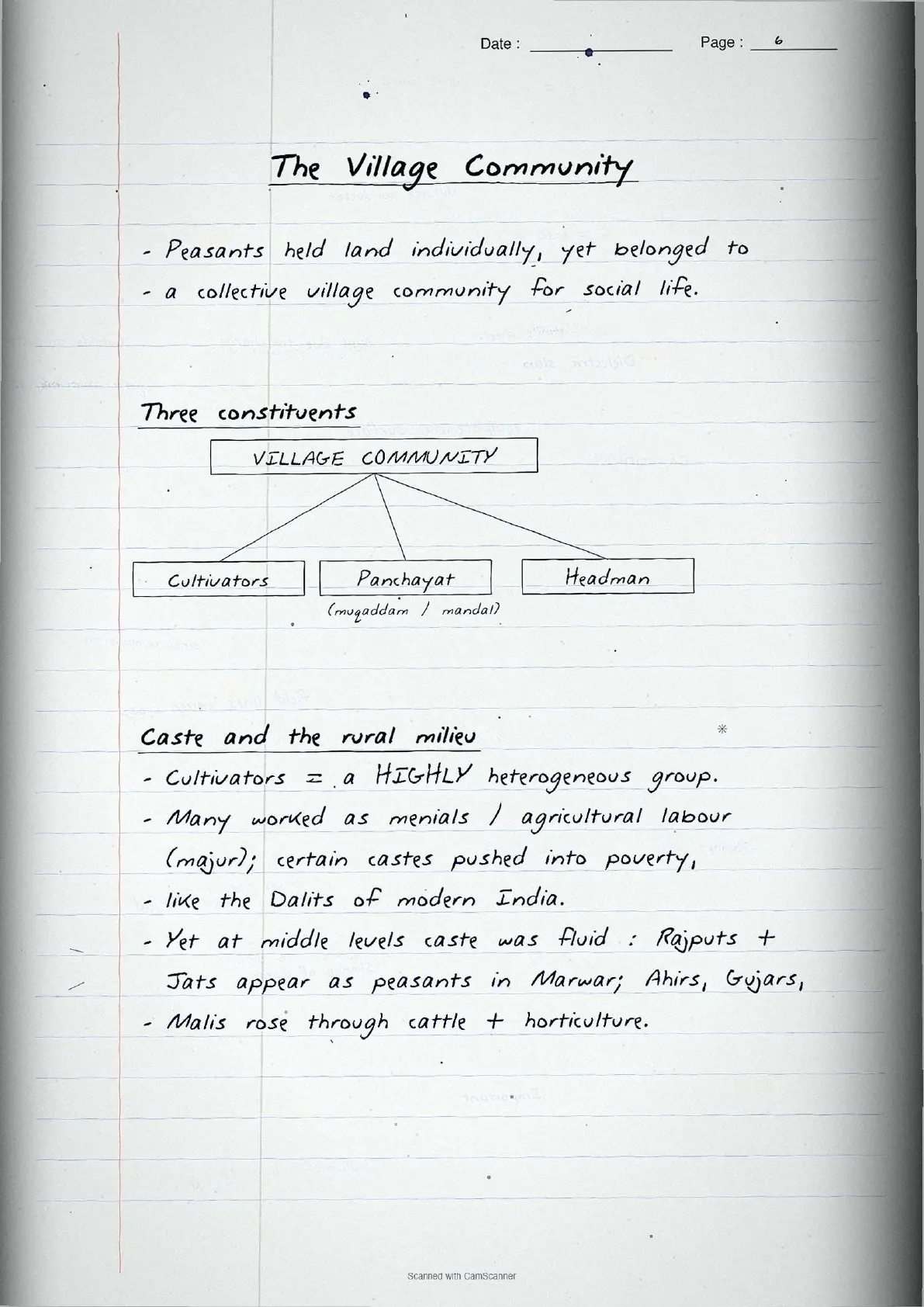
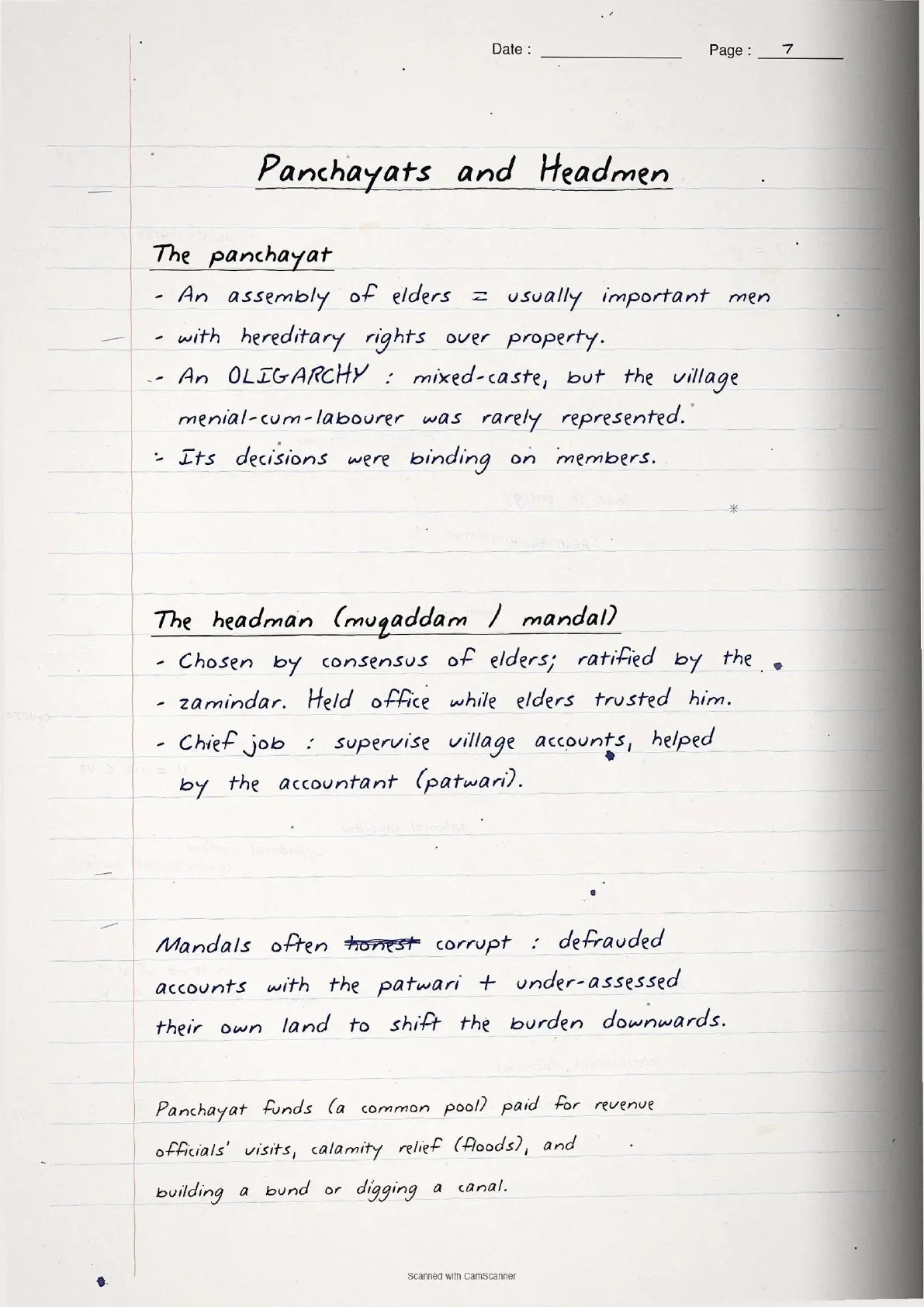
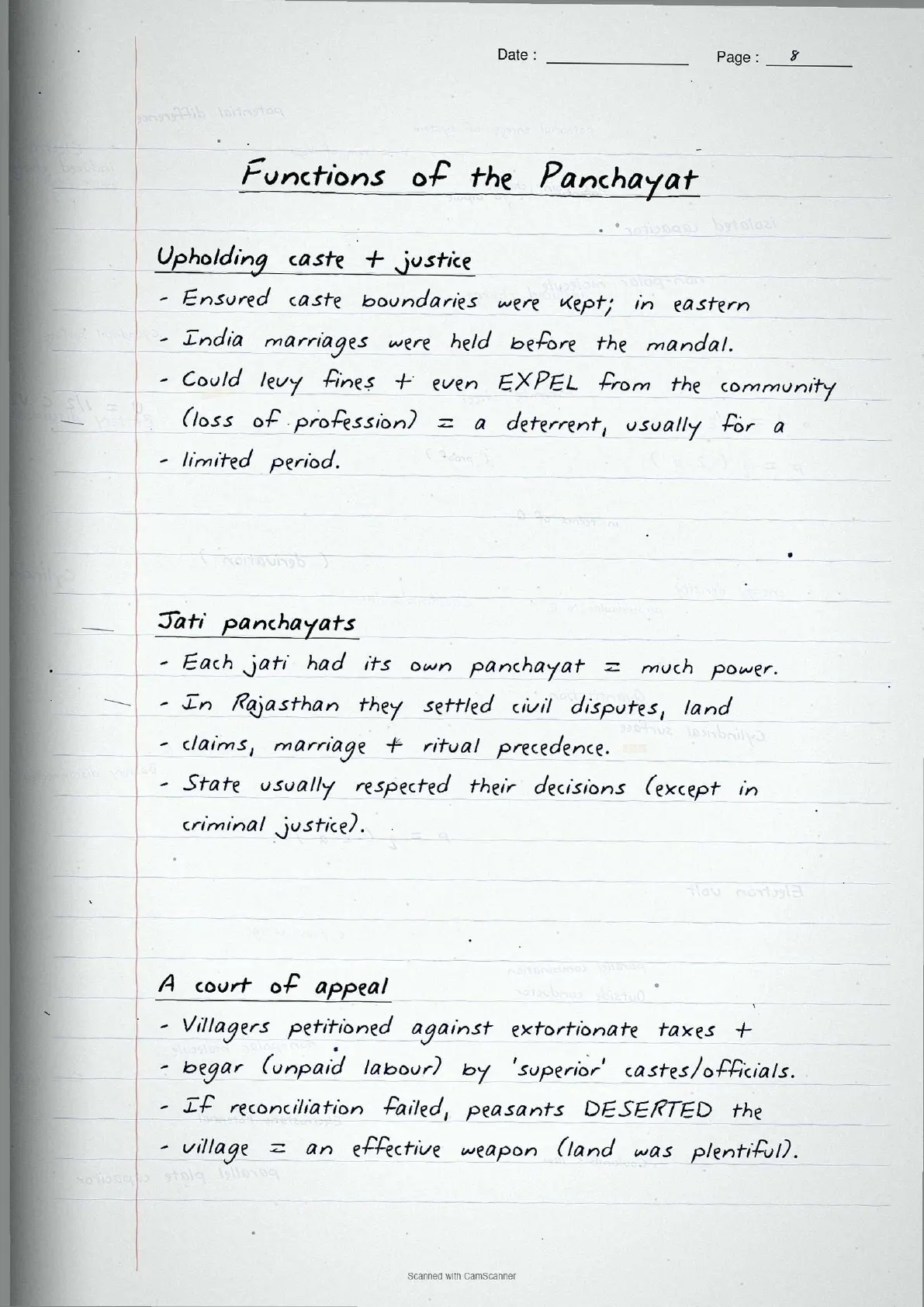
The next pages carry a sketch of the village, with the panchayat, the headman and the artisans marked. The drawing shows how village life was run, so students can describe it in detail. The table below lists what the pages box for quick revision.
| Body or group | What it did |
|---|---|
| Village panchayat | Assembly of village elders that ran affairs and kept caste boundaries. |
| Headman (muqaddam) | Led the panchayat, supervised accounts, and linked the village to the state. |
| Caste panchayats | Separate bodies for each jati that settled disputes within the group. |
| Artisans | Potters, smiths, carpenters and weavers served the village for a share of the harvest. |
| Common fund | Money raised from villagers, used for officials' visits and natural disasters. |
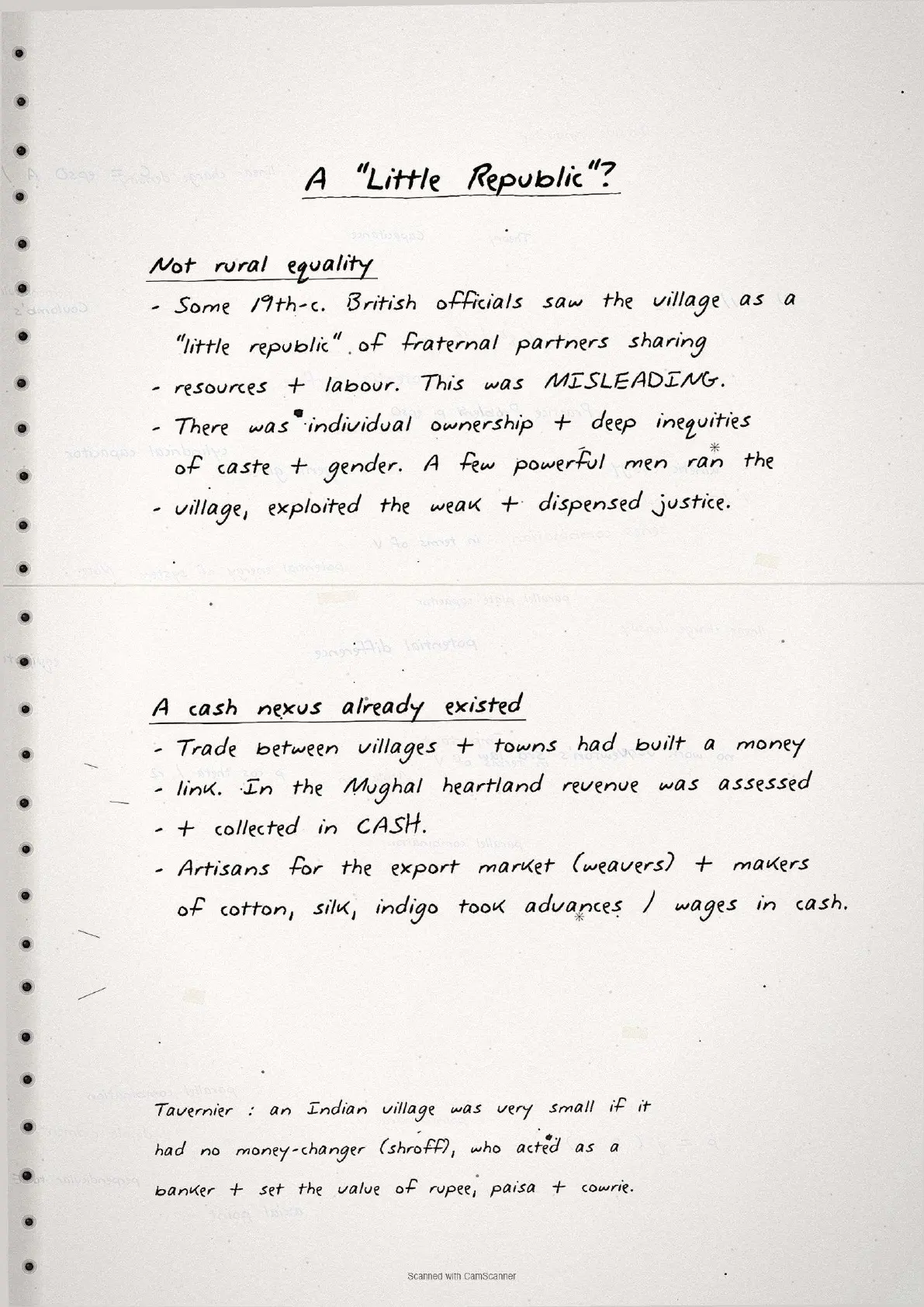
The notes box the single most important point in red ink: the panchayat could fine people, expel them, and protect caste lines. That one fact about its real power earns the marks in Question 8.9, so the pages mark it clearly rather than calling the panchayat weak or only advisory.
Zamindars, Land Revenue and Silver Pages
The zamindar pages cover the landed proprietors and the state's revenue machine. The notes use boxed lists for the key terms, since these feed the heaviest long answers in the chapter.
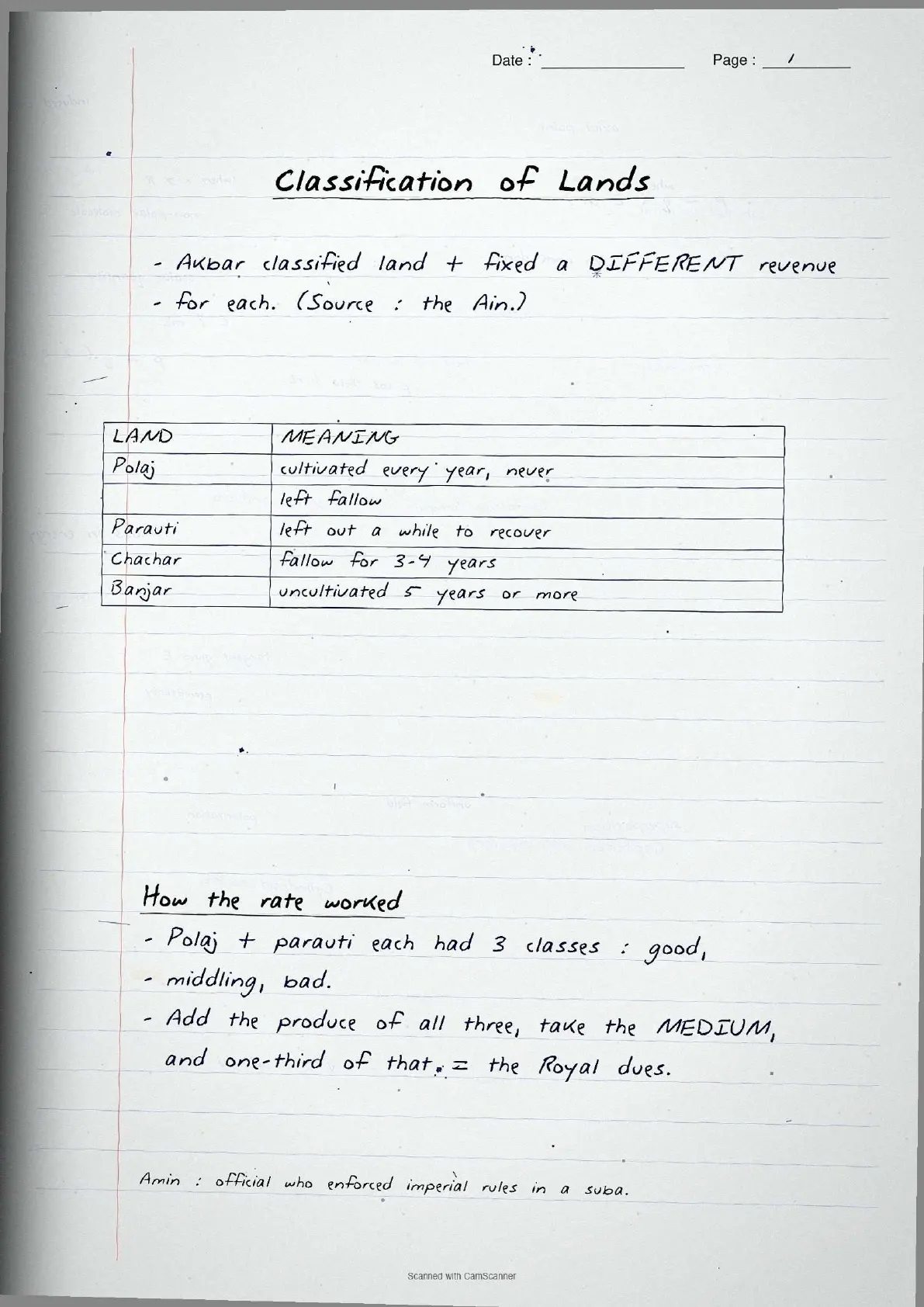
- Milkiyat lands: zamindars held their own personal lands, which they could sell or mortgage.
- Revenue collection: they collected revenue for the state, kept a share, and often commanded troops.
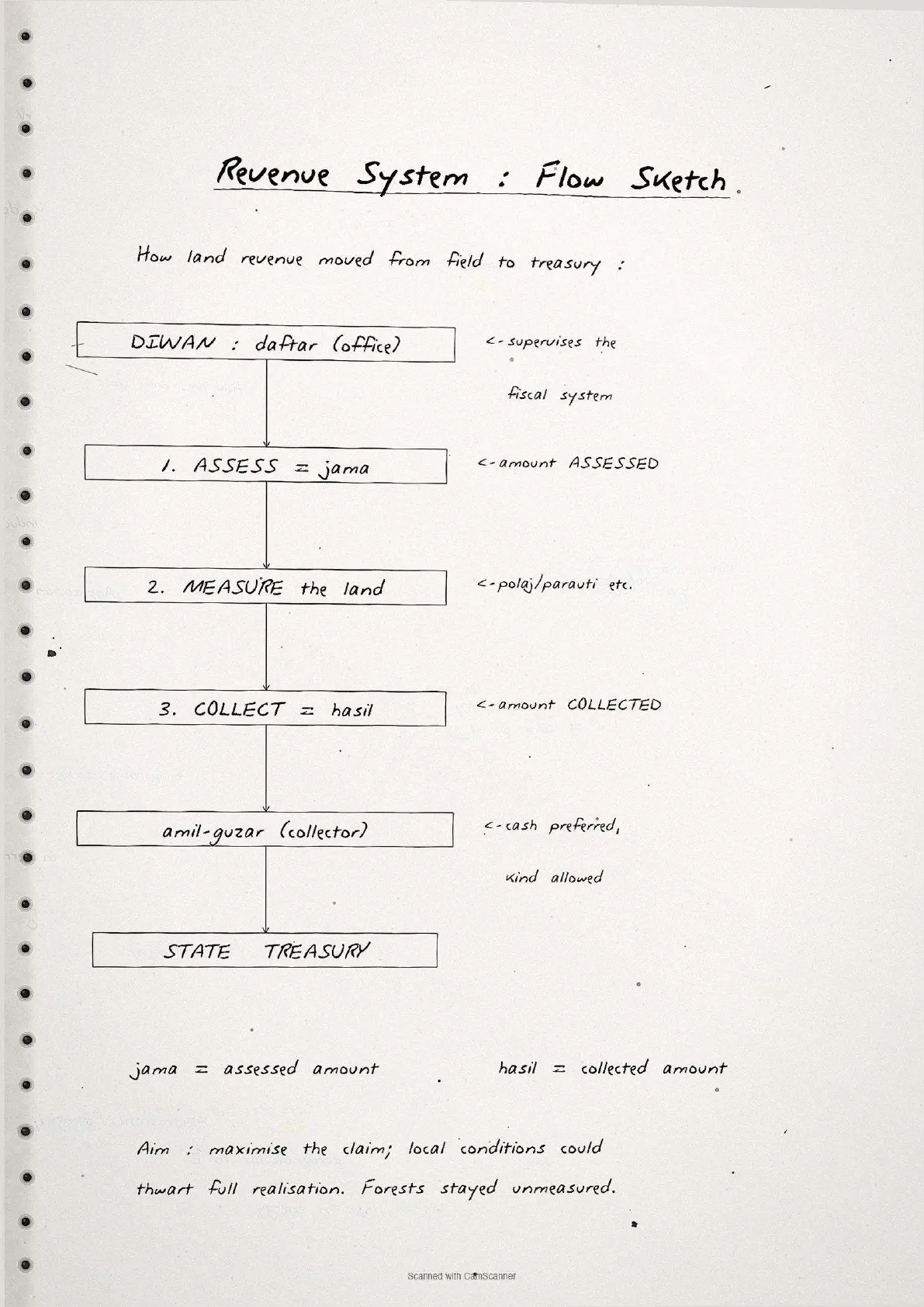
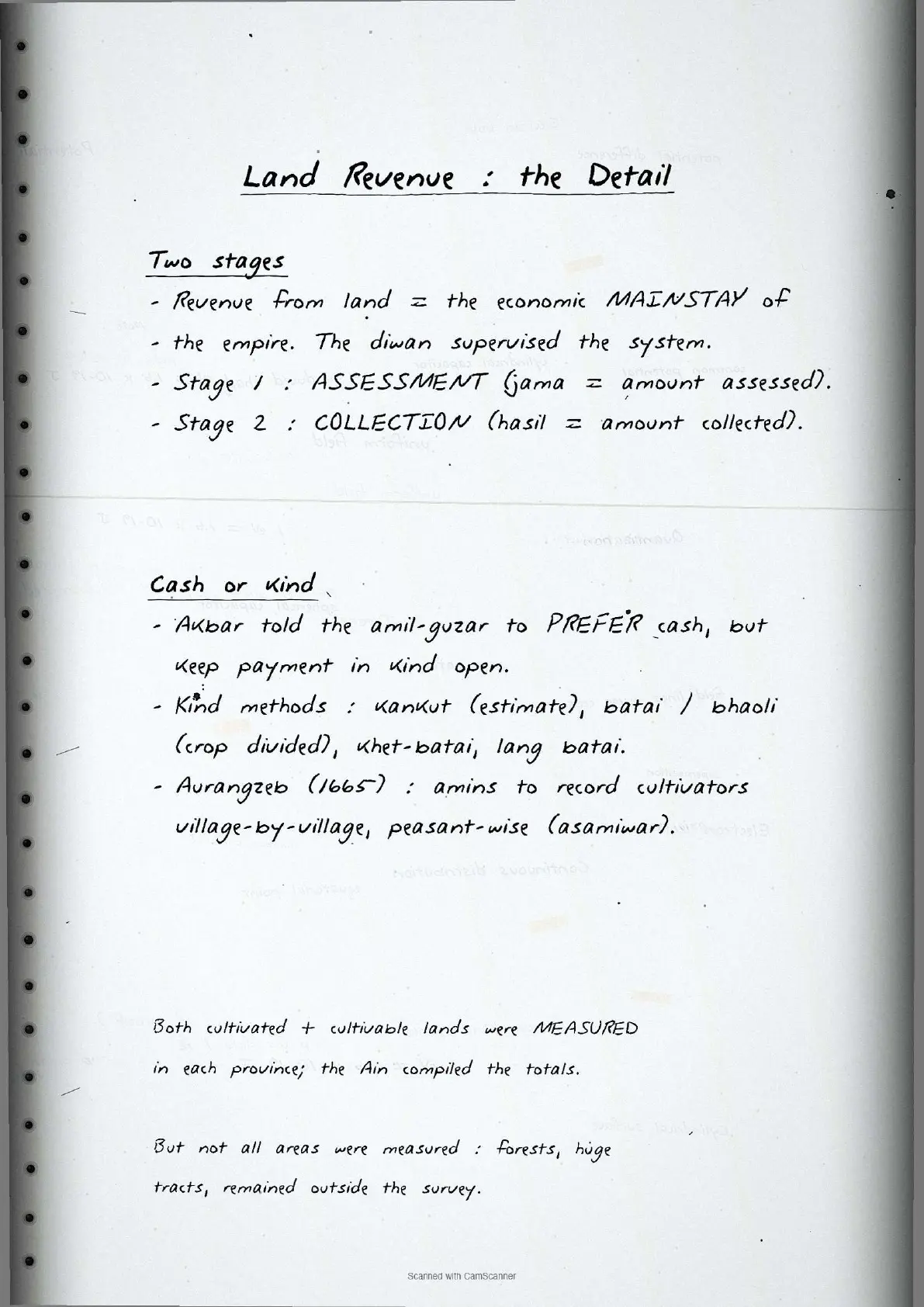
- Jama and hasil: jama was the revenue assessed; hasil was the amount actually collected.
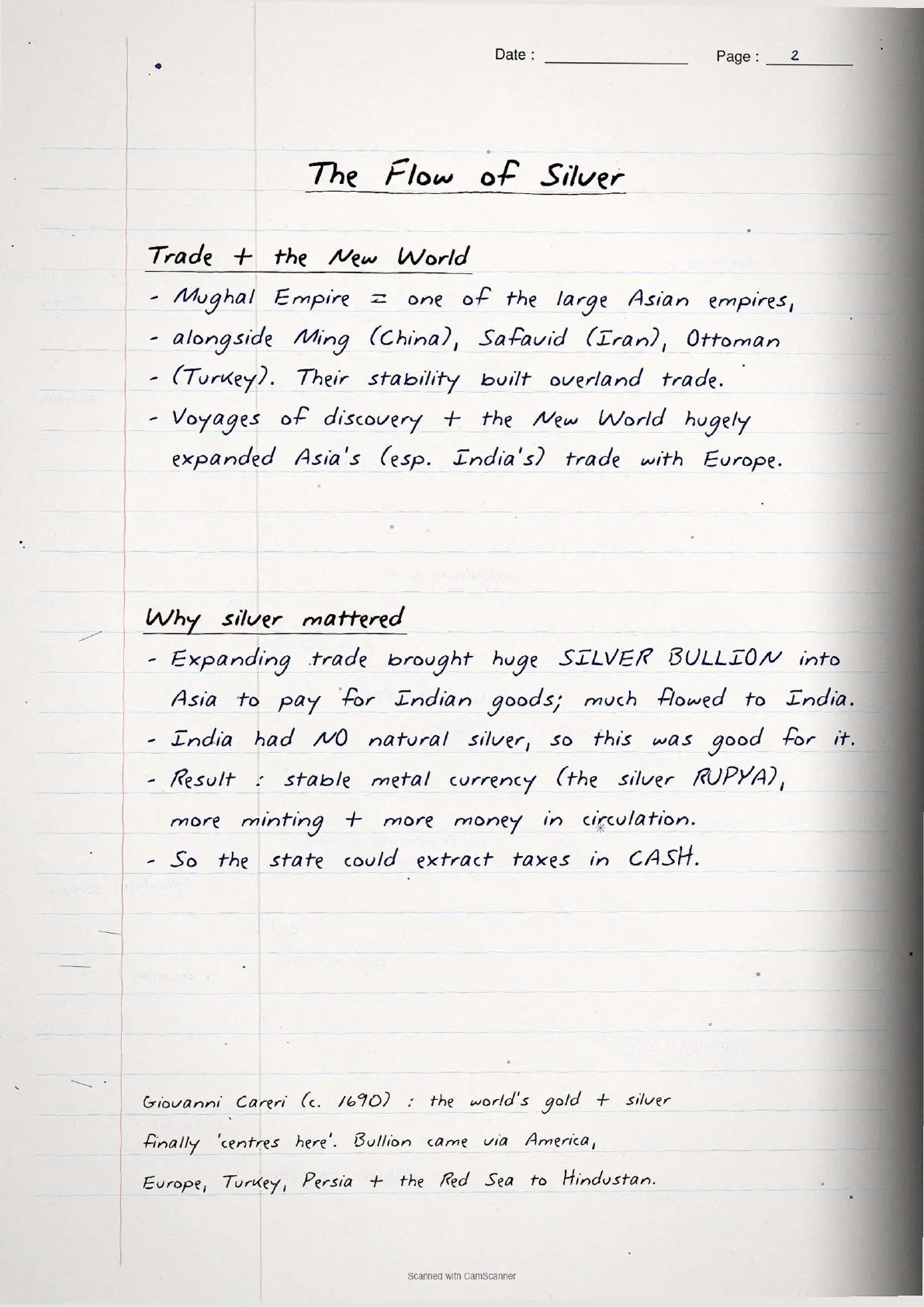
- The flow of silver: trade brought a huge inflow of silver, minted into the silver rupya.
For land revenue the notes underline one rule: the state built a whole department under the diwan to survey and tax land, which shows how central revenue was. A small boxed note keeps the jama-versus-hasil pair side by side, which makes the revenue answer easy to picture and stops students mixing up the two terms.
Women, Caste, Forests and the Ain Pages
These pages cover the groups at the margins and the chapter's main source. The notes give each its own boxed set of points, since they feed both long answers and source-based questions.
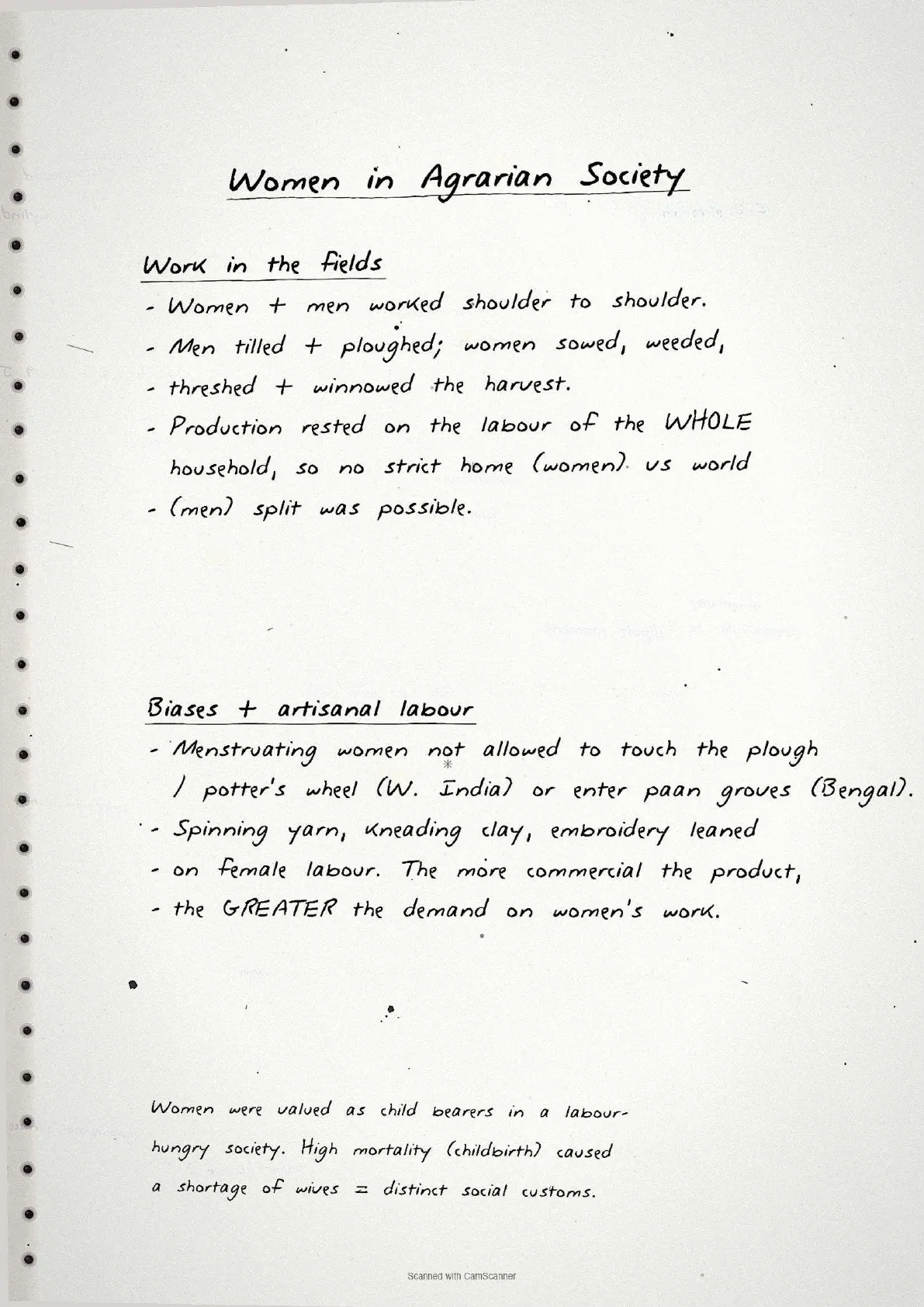
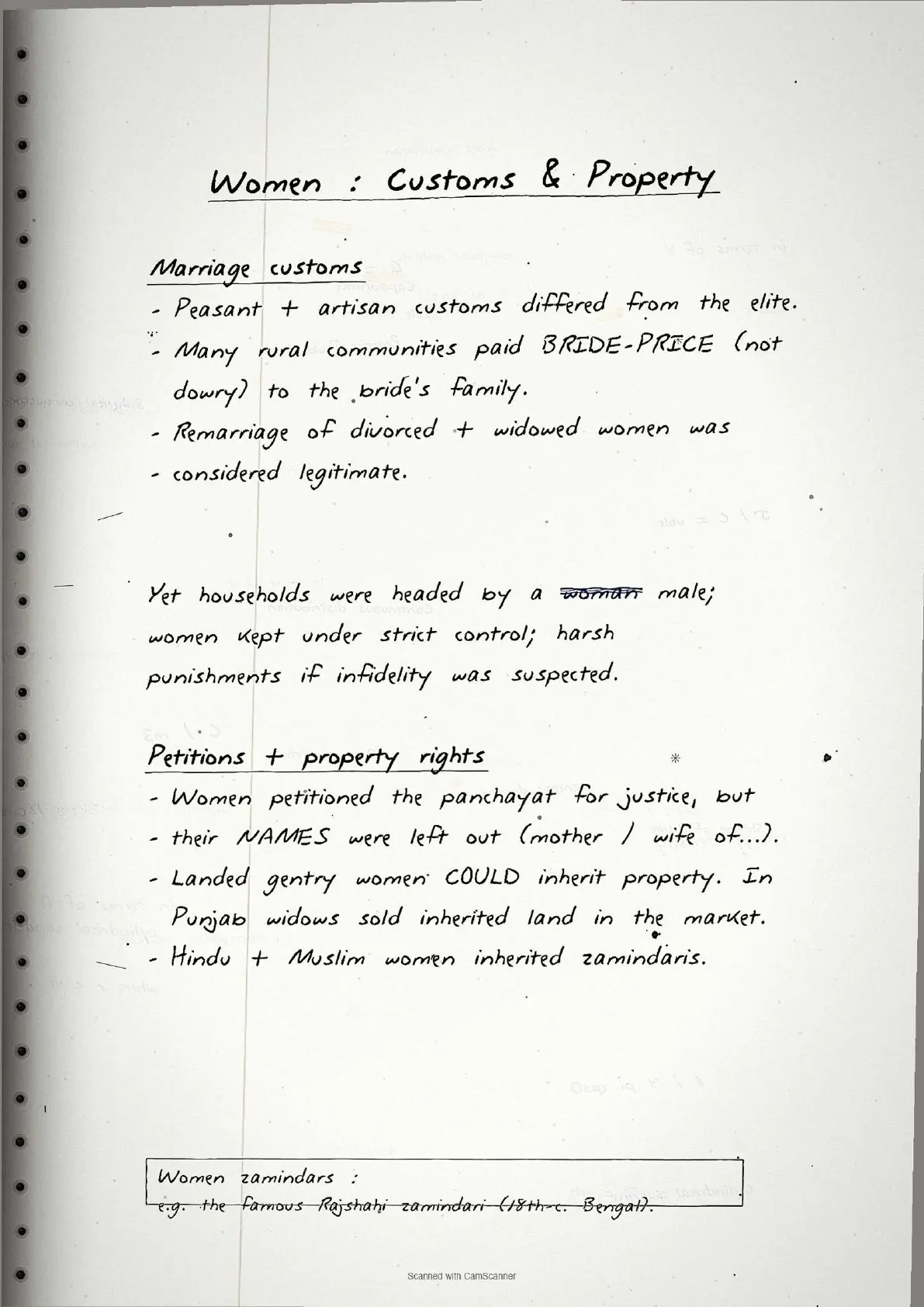
- Women in farming: they sowed, weeded, threshed and winnowed grain, and spun thread and made pottery.
- Caste: it set occupation and status, but wealth and royal favour could lift a family too.
- Forest dwellers: the jangli lived by hunting and shifting farming, drawn in by trade and the demand for elephants.
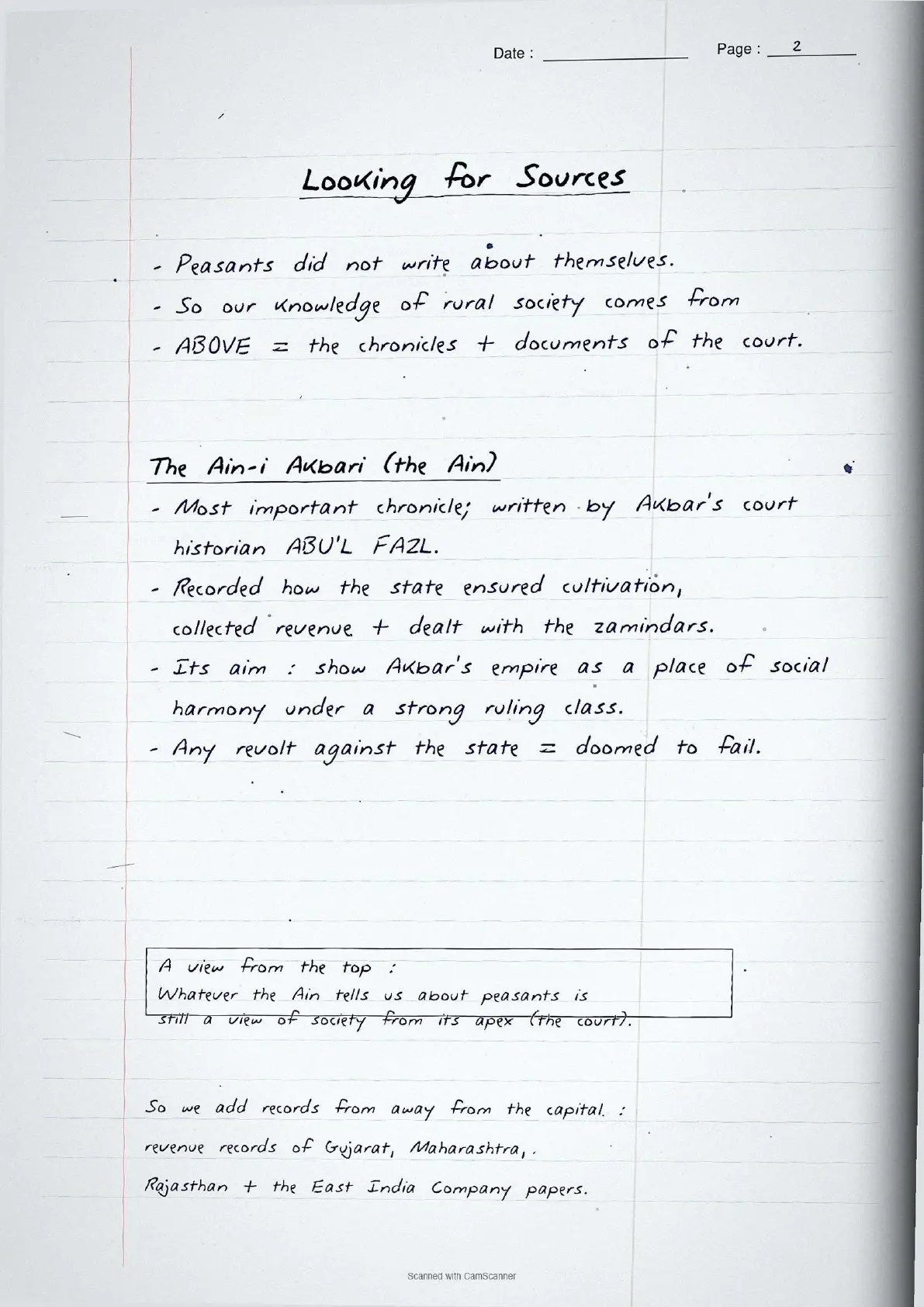
- The Ain-i Akbari: Abu'l Fazl's chronicle of 1598, our richest but biased source on rural life.
The notes underline the balanced lines: caste was a major factor but not the only one, and the Ain is a view from the top that must be read with records from outside the capital. A linking arrow joins the Ain page to the historian's fix, which keeps the source-criticism answer in one place.
Common Mistakes These Notes Help You Avoid
A few errors cost marks in this chapter every year. Most come from treating the Ain as plain fact or from giving one-sided answers. The notes flag each soft point in the margin so students phrase it safely on the answer sheet.
- Treating the Ain as fully reliable - it is an official view from the top with totalling errors.
- Mixing up jama and hasil - jama is assessed, hasil is collected.
- Confusing khud-kashta and pahi-kashta - one is a village resident, the other comes from outside.
- Calling the farming pure subsistence - cash crops and money make it partly commercial.
- Saying caste was the only factor - wealth and royal favour could lift a family too.
Students who fix these five points usually move from average to high marks. The exam rewards careful wording, so write "may have", "likely" or "the Ain suggests" when the source is the only evidence. The handwritten margin notes nudge you to use these soft words in the right places.
How to Use These Handwritten Notes
Handwritten notes work best as a final layer of revision, not as your first read. The plan below helps students get the most out of the Peasants, Zamindars and the State handwritten notes before the board exam. Follow it once a week in the run-up to the test.
- First pass: read the notes once, following the peasants, zamindars and state order of pages.
- Active recall: cover the boxed terms and try to write each list from memory.
- Term drill: redraw the jama-hasil flow and label it without looking.
- Self-test: attempt a short Class 12 History Chapter 8 MCQ drill to check the small facts.
Because the notes come as a downloadable PDF, students can save them on a phone and revise offline on the way to the exam centre. Many students search for Class 12 History Chapter 8 notes on their phone the night before a test, so a saved PDF means revision is always at hand. Pair these pages with the full solutions to check your written answers against model points.
How These Notes Pair with the Solutions and Book PDF
These handwritten notes are a revision layer. To prepare fully, students should use them with the other resources for the same chapter, all linked in the table below. Read the notes, then test yourself with the solutions, and open the book PDF for the original text and figures.
| Resource | Best used for |
|---|---|
| Peasants, Zamindars and the State NCERT Solutions | Step-by-step answers to all 12 back-exercise questions |
| Peasants, Zamindars and the State Class 12 Notes | Quick chapter summary with all terms and dates in one place |
| Peasants, Zamindars and the State NCERT Book PDF | Reading the original NCERT chapter text and figures |
Tip: use the handwritten sketches to memorise the village layout and the revenue flow, then write the full answer in your own words. Drawing the jama-hasil flow once from memory fixes the land-revenue answer for good.
All Class 12 History Handwritten Notes by Chapter
The table links the handwritten notes for every chapter in Themes in Indian History so students can move across the book in one click. Chapter 8 is highlighted.
| Chapter | Handwritten Notes |
|---|---|
| Chapter 1 | Bricks, Beads and Bones |
| Chapter 2 | Kings, Farmers and Towns |
| Chapter 3 | Kinship, Caste and Class |
| Chapter 4 | Thinkers, Beliefs and Buildings |
| Chapter 5 | Through the Eyes of Travellers |
| Chapter 6 | Bhakti-Sufi Traditions |
| Chapter 7 | An Imperial Capital Vijayanagara |
| Chapter 8 | Peasants, Zamindars and the State |
| Chapter 9 | Colonialism and the Countryside |
| Chapter 10 | Rebels and the Raj 1857 |
| Chapter 11 | Mahatma Gandhi and the Nationalist Movement |
| Chapter 12 | Framing the Constitution |
FAQs on Peasants, Zamindars and the State Handwritten Notes
Peasants, Zamindars and the State Class 12 Handwritten Notes Common Questions
Ques. Where can I download the Peasants, Zamindars and the State handwritten notes PDF?
Ans. You can download the Peasants, Zamindars and the State handwritten notes PDF directly from this page. It is free, follows the 2026-27 NCERT, and gives the chapter as clean handwritten pages with boxed terms and labelled sketches.
Ques. Are handwritten notes good enough for the Class 12 History board exam?
Ans. Yes, for revision. Handwritten notes are best used as a final layer after you have read the chapter and practised the solutions. They make the key terms, the jama-hasil flow and the zamindars' role quick to recall in the exam.
Ques. What does the Peasants, Zamindars and the State chapter cover?
Ans. It covers Mughal agrarian society in the sixteenth and seventeenth centuries, including peasants, the village panchayat, women, forest dwellers, the zamindars, the land revenue system of jama and hasil, the flow of silver, and the Ain-i Akbari.
Ques. What is the difference between jama and hasil?
Ans. Jama was the revenue the Mughal state assessed on a piece of land, while hasil was the amount actually collected from the peasant. The boxed note in these pages keeps the two side by side so you do not mix them up.
Ques. How should I use these notes for quick revision?
Ans. Read the pages once in the peasants, zamindars and state order, cover the boxed terms and write each list from memory, redraw the jama-hasil flow, then attempt a short Class 12 History Chapter 8 MCQ drill to test the small facts.



Comments